16 American Cities That Peaked in Different Decades
Every American city has its moment in the sun. Some cities rose to prominence during the industrial boom, others during the tech revolution, and a few caught lightning in a bottle during wartime manufacturing or cultural movements.
These peaks often reflect broader economic shifts, technological advances, or social changes that swept across the nation. Here is a list of 16 American cities that reached their golden age in different decades, each telling a unique story of American ambition and change.
Detroit

Detroit’s glory days stretched through the 1940s and 1950s when it truly earned the nickname ‘Motor City’. The Big Three automakers turned this Michigan metropolis into America’s industrial powerhouse, with assembly lines running around the clock and families from across the South migrating north for steady factory work.
The city’s population peaked at nearly 2 million in 1950, making it the fourth-largest city in America at the time.
San Francisco

The 1960s belonged to San Francisco like no other decade before or since. The Summer of Love in 1967 put the city at the center of America’s cultural revolution, with Haight-Ashbury becoming synonymous with counterculture movements.
Beyond the hippies and music scene, this was also when San Francisco began its transformation into a tech hub, setting the stage for Silicon Valley’s eventual dominance just south of the city.
Like Go2Tutors’s content? Follow us on MSN.
Miami

Miami hit its stride in the 1980s, transforming from a sleepy retirement destination into America’s gateway to Latin America. The city’s Art Deco district got a colorful makeover, Miami Vice made the skyline famous worldwide, and an influx of international business turned downtown into a gleaming financial center.
This decade saw Miami become the unofficial capital of the Americas, a title it still holds today.
Pittsburgh

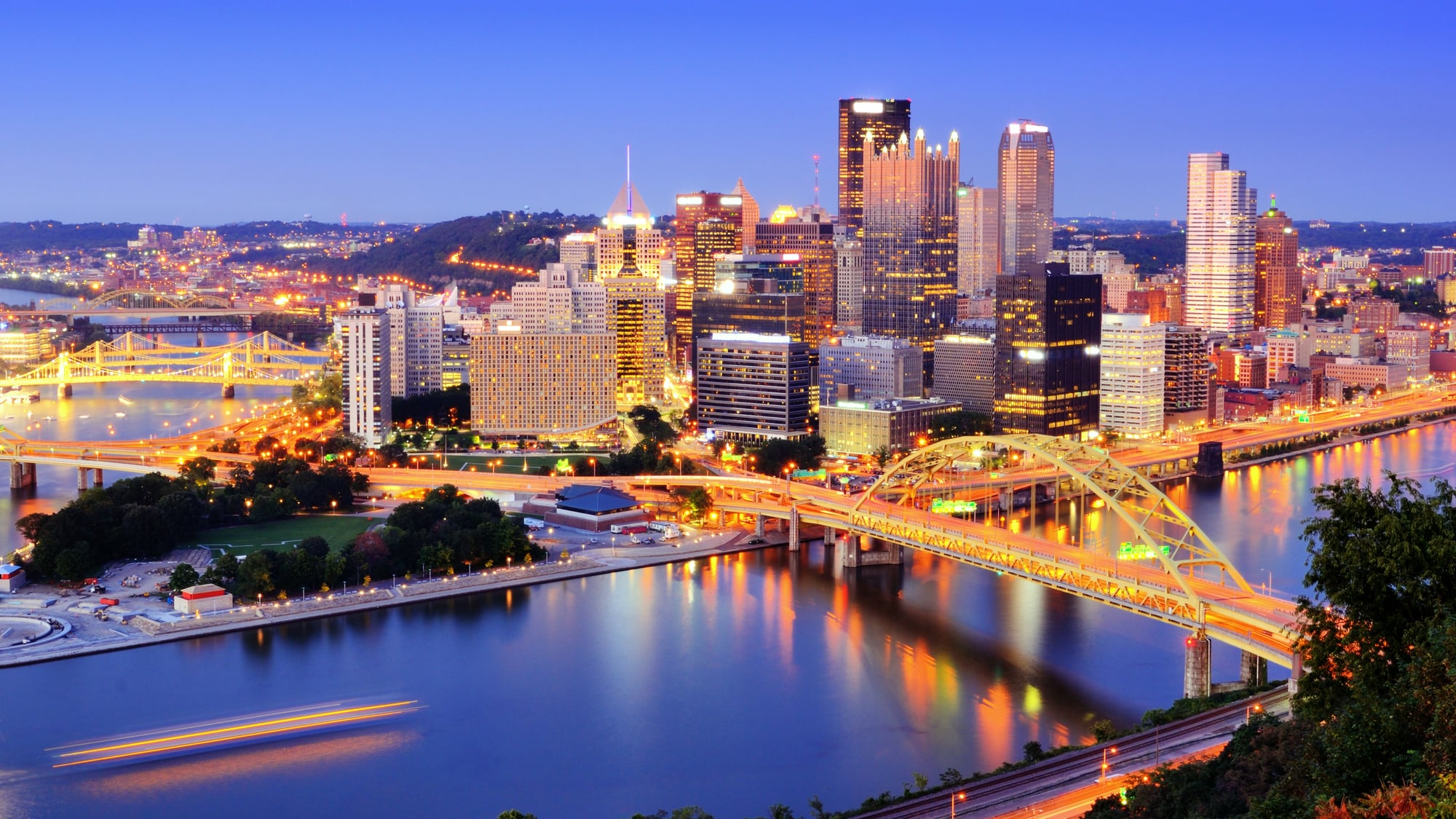
The Steel City reached its peak during the 1970s, right before the bottom fell out of American manufacturing. Pittsburgh produced more steel than any other city in the world, and its three rivers were lined with mills that employed hundreds of thousands of workers.
The Steelers’ four Super Bowl victories during this decade perfectly captured the city’s blue-collar confidence and industrial might.
Las Vegas
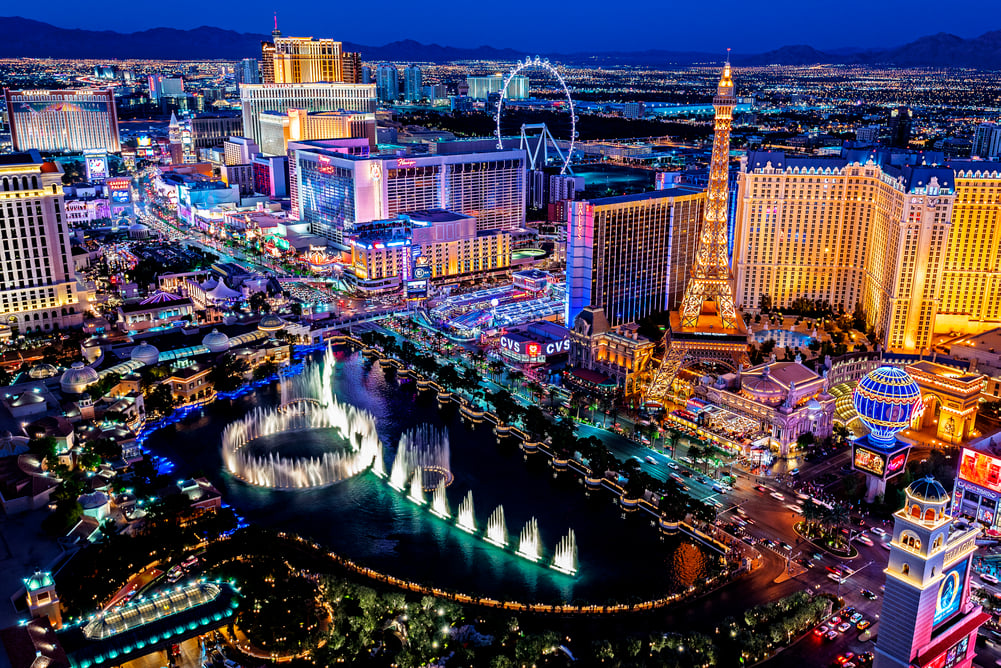
The 1990s were when Las Vegas truly became the entertainment capital of the world. This decade saw the opening of massive themed resorts like the Luxor, MGM Grand, and Bellagio, transforming the desert city from a gambling town into a full-scale entertainment destination.
The population doubled during the ’90s as both tourists and permanent residents flocked to this adult playground in the Nevada desert.
Like Go2Tutors’s content? Follow us on MSN.
Seattle
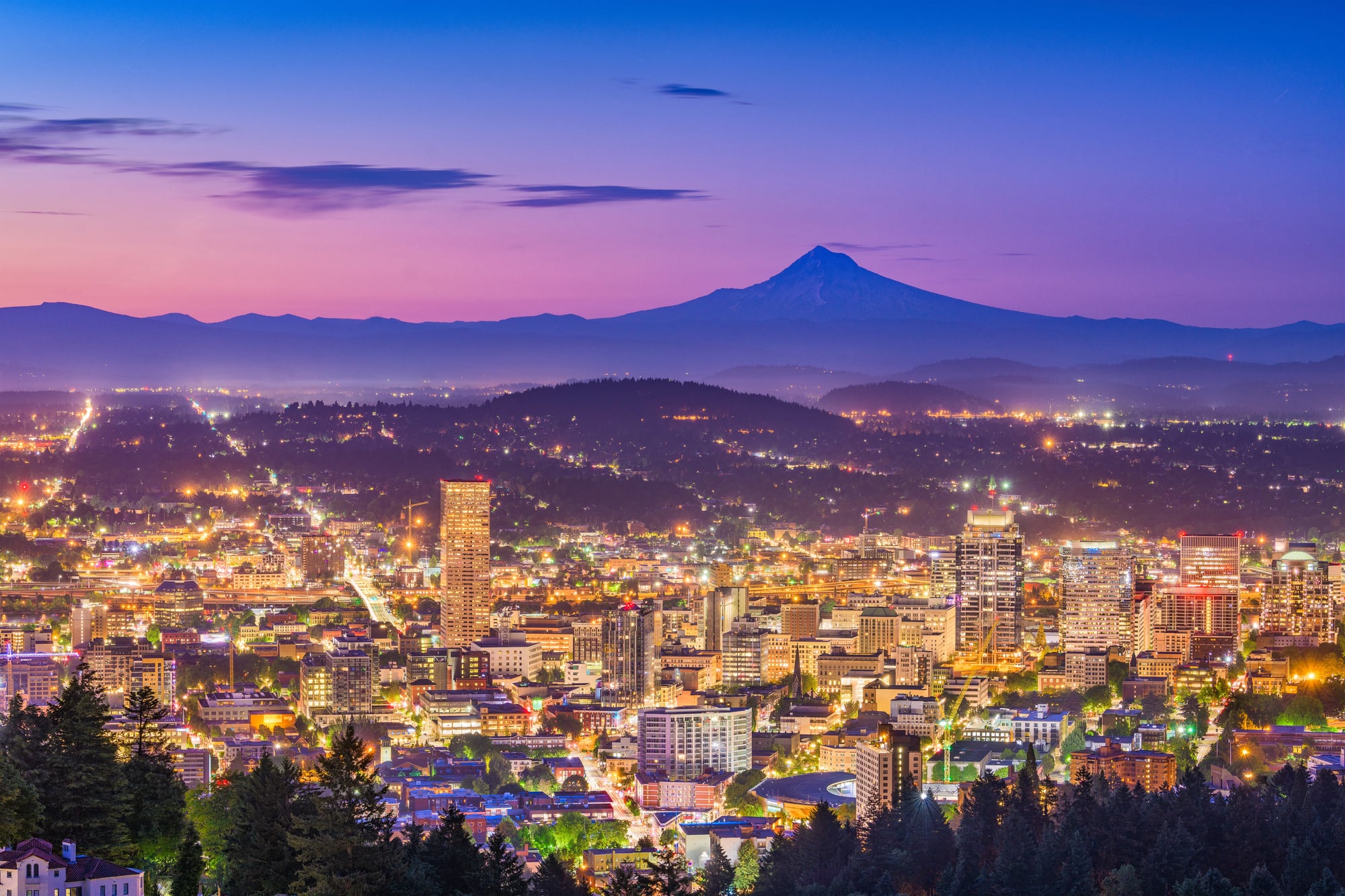
Seattle owned the early 1990s like few cities have owned any era. Grunge music exploded from clubs like the Crocodile Cafe, putting bands like Nirvana and Pearl Jam on the map while making flannel shirts a global fashion statement.
Meanwhile, a little company called Microsoft was turning the Pacific Northwest into a tech powerhouse, with coffee culture and alternative music giving the city an edge that felt authentically American yet completely unique.
Nashville

Music City peaked in the 1970s when country music went mainstream and Nashville became America’s undisputed music capital. The Grand Ole Opry was at its height, Music Row was churning out hits, and stars like Dolly Parton and Willie Nelson were household names.
This was the decade when Nashville stopped being just a regional music center and became a cultural force that influenced American music forever.
Buffalo

Buffalo’s heyday came in the early 1900s, specifically around 1910, when it was one of America’s wealthiest cities per capita. The opening of the Erie Canal had made Buffalo a crucial shipping hub, and cheap hydroelectric power from Niagara Falls attracted major industries.
The city was so prosperous that it hosted the Pan-American Exposition in 1901, though that event is remembered more for President McKinley’s assassination than Buffalo’s achievements.
Like Go2Tutors’s content? Follow us on MSN.
Atlanta

The 1990s marked Atlanta’s emergence as the unofficial capital of the New South. The 1996 Olympics put the city on the global stage, while companies like CNN, Coca-Cola, and Delta Airlines established Atlanta as a major business hub.
The city’s hip-hop scene also exploded during this decade, with artists like OutKast putting Atlanta on the musical map in a way that rivaled Nashville’s country dominance.
Phoenix

Phoenix soared in the 2000s as Americans flocked to the Sun Belt for warm weather and affordable housing. The desert city’s population grew by over 1.4 million people during this decade, making it one of the fastest-growing metropolitan areas in the country.
Air conditioning technology had finally made desert living comfortable year-round, and Phoenix became the poster child for America’s westward migration.
Austin
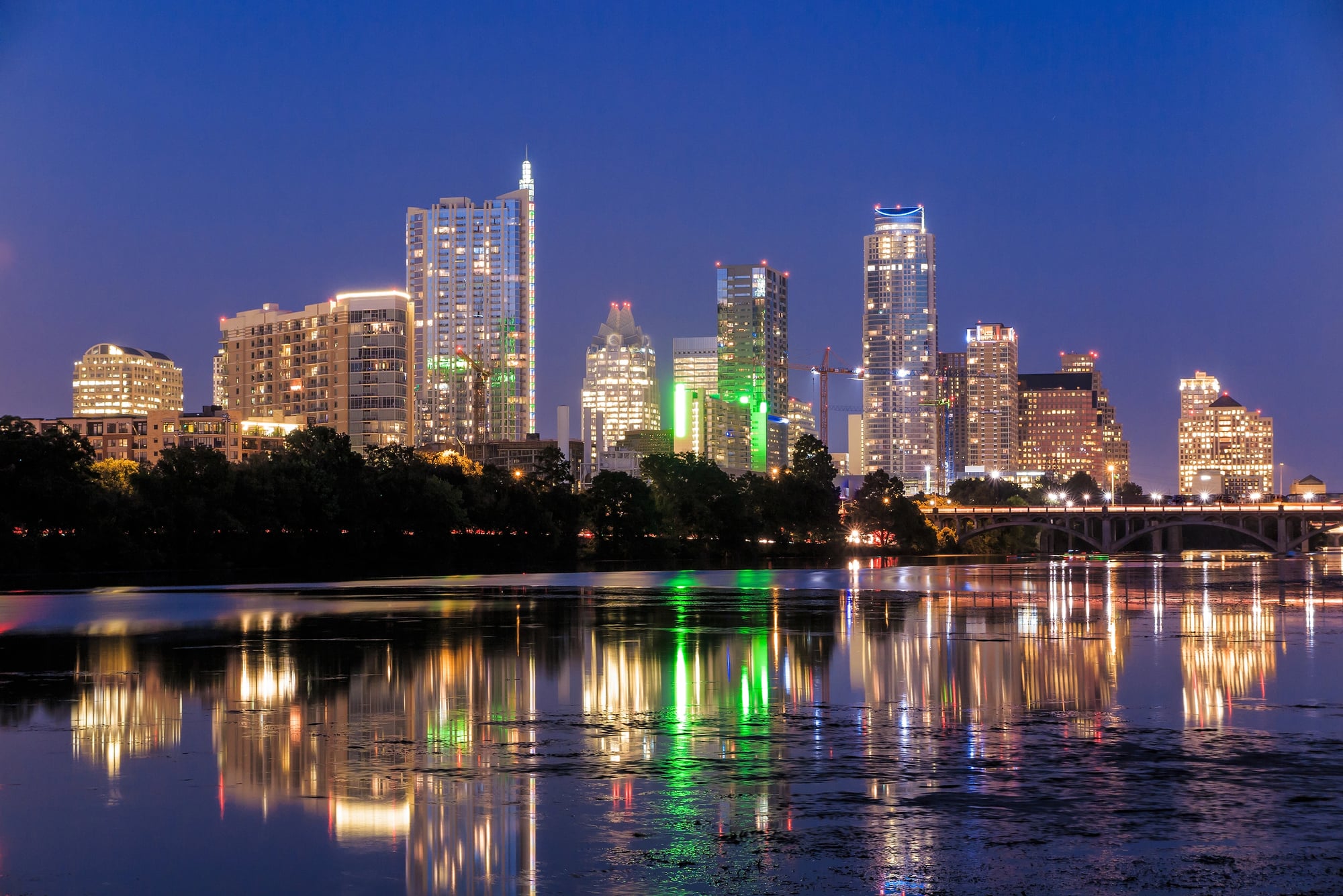
The 2010s belonged to Austin as the city successfully branded itself as the place ‘where young people go to retire’. The South by Southwest festival turned Austin into a cultural mecca, while tech companies began relocating from expensive California cities to Texas.
The city’s ‘Keep Austin Weird’ slogan perfectly captured its blend of laid-back lifestyle and entrepreneurial energy that defined the decade.
Like Go2Tutors’s content? Follow us on MSN.
Charleston

Charleston experienced a renaissance in the 2000s that transformed it from a sleepy Southern city into one of America’s top tourist destinations. Food Network shows highlighted the city’s incredible culinary scene, historic preservation efforts showcased its antebellum architecture, and a growing film industry brought Hollywood productions to its cobblestone streets.
The city managed to honor its complex history while building a modern economy based on tourism and hospitality.
Portland
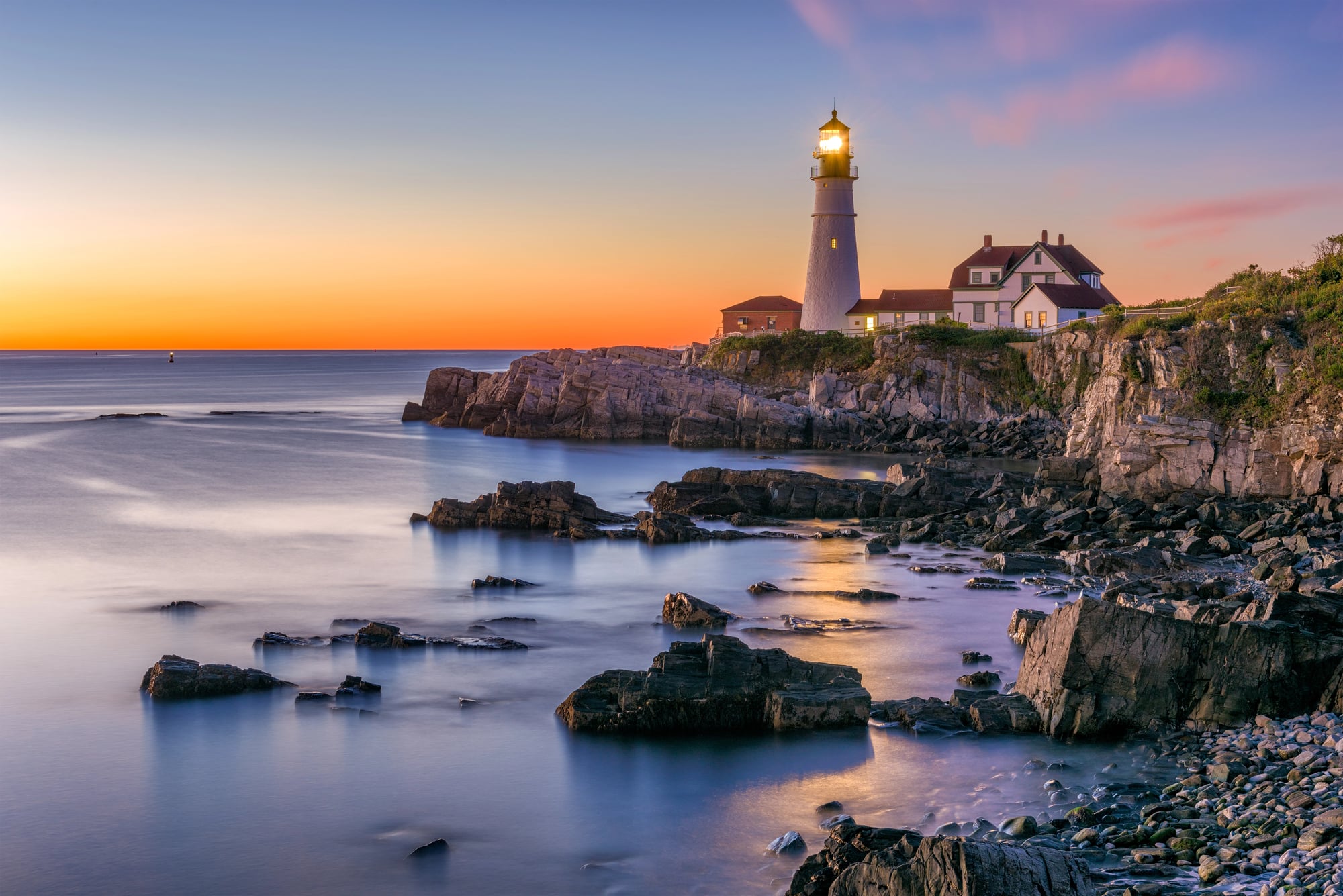
Portland peaked in the early 2010s when its combination of craft beer, food trucks, and quirky culture made it the unofficial capital of American hipster culture. The TV show ‘Portlandia’ captured the city’s eccentric spirit, while its ‘keep it local’ mentality inspired cities across the country.
Portland proved that a mid-sized city could punch above its weight culturally, even if its rapid growth eventually priced out many of the artists and creatives who made it special.
New Orleans
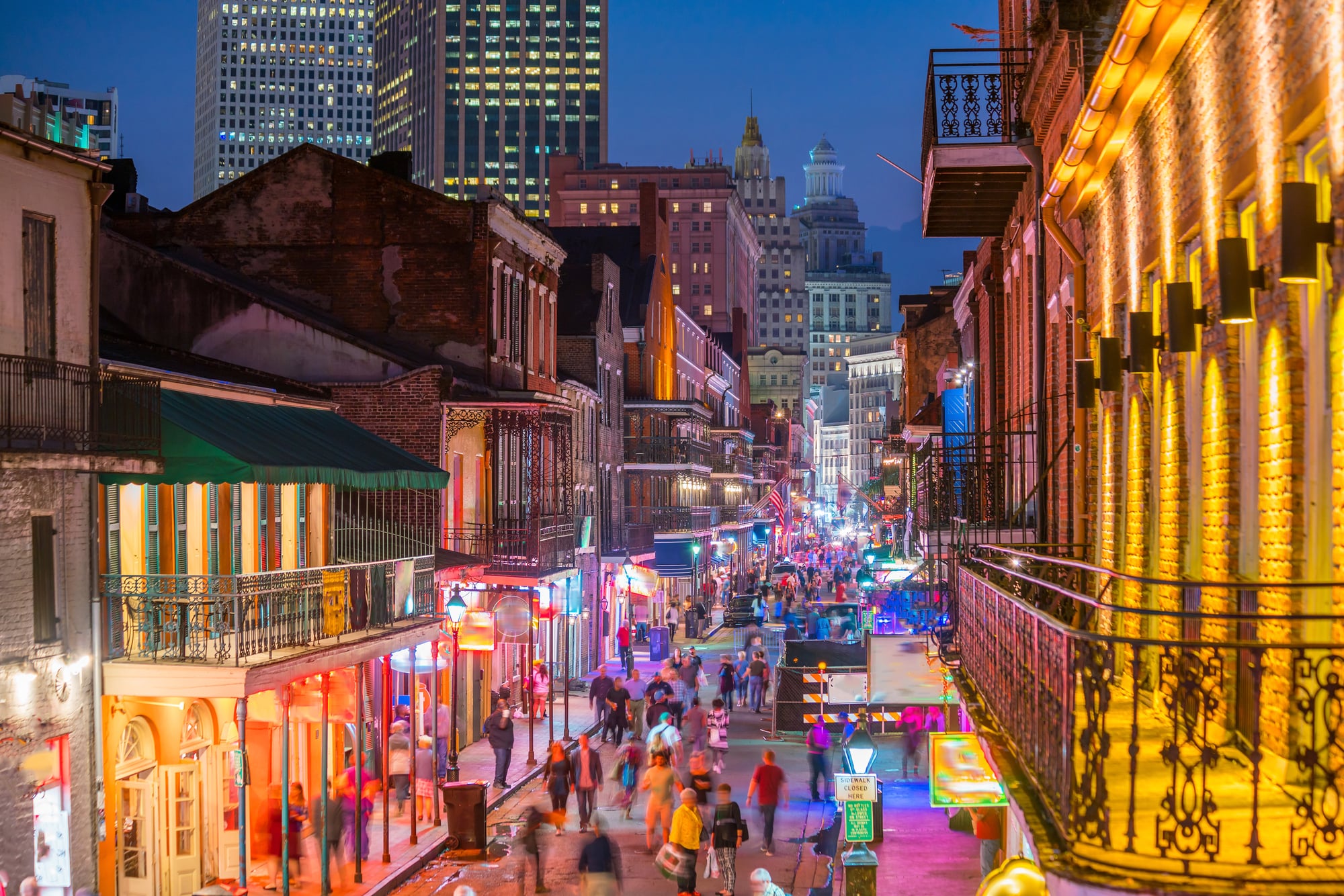
The Big Easy hit its modern peak in the late 1990s and early 2000s, before Hurricane Katrina changed everything. The city’s unique culture was thriving, with jazz festivals drawing hundreds of thousands of visitors and the French Quarter humming with activity year-round.
Tourism was booming, the food scene was gaining national recognition, and New Orleans felt like America’s most European city in the best possible way.
Like Go2Tutors’s content? Follow us on MSN.
Denver
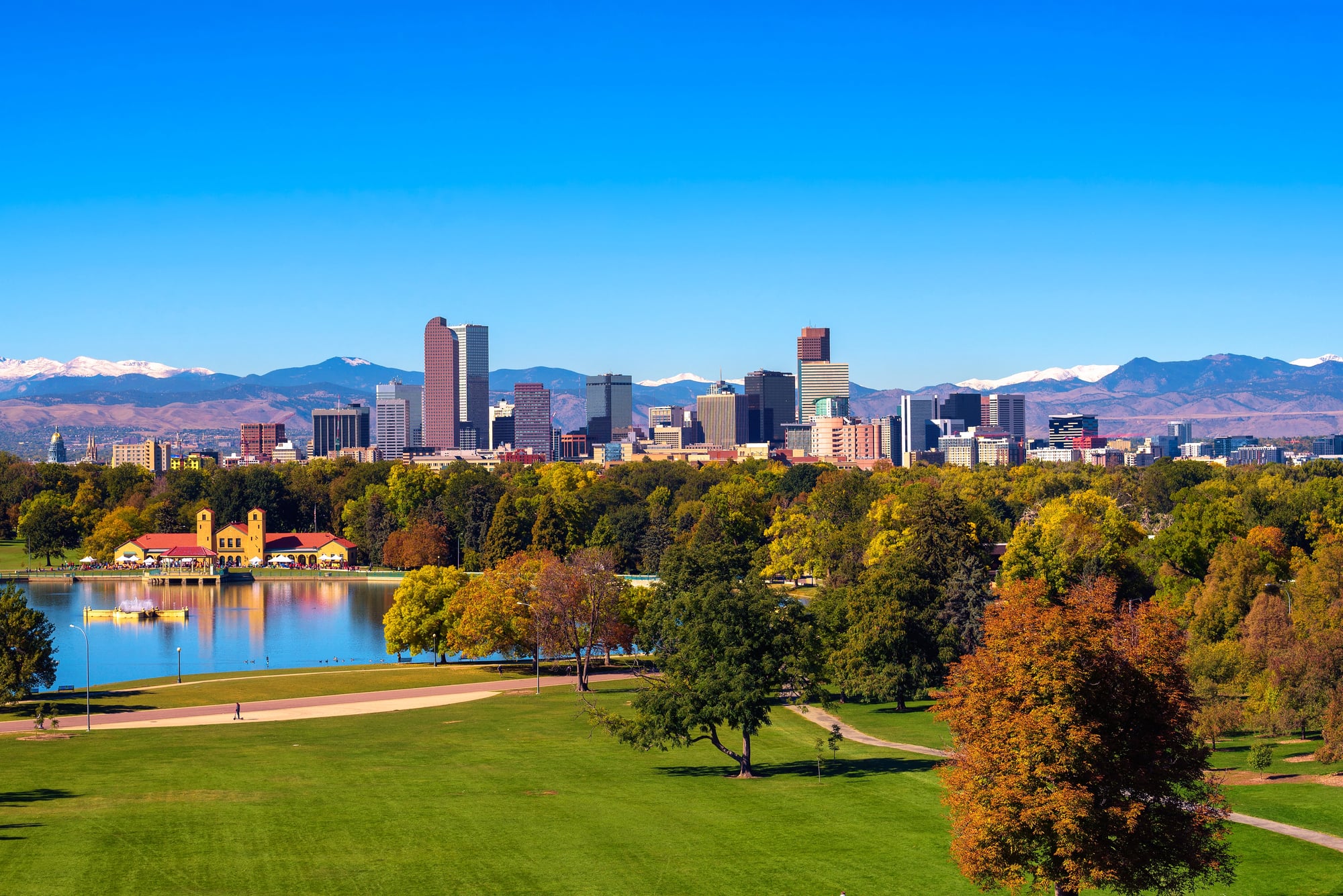
The Mile High City soared during the 2010s as marijuana legalization, craft brewing, and outdoor recreation culture converged to create a perfect storm of growth. Young professionals flocked to Denver for its combination of city amenities and mountain access, while the legal cannabis industry brought jobs and tax revenue.
The city’s downtown was revitalized, and neighborhoods like RiNo became models for urban development across the country.
Boise

Boise’s moment came in the 2020s as remote work and cost-of-living concerns drove Americans to seek alternatives to expensive coastal cities. The Idaho capital offered big-city amenities at small-town prices, with outdoor recreation opportunities that rivaled Colorado or Utah.
Tech companies began establishing major operations in Boise, earning it the nickname ‘Silicon Slopes North’ and proving that the next wave of American growth might happen in places nobody saw coming.
When Geography Meets Opportunity
These cities remind us that American success stories aren’t just about location or natural resources—they’re about timing. Each of these places caught a wave at exactly the right moment, whether it was industrial expansion, cultural movements, or demographic shifts.
Today’s struggling rust belt city might be tomorrow’s tech hub, and today’s booming metropolis might be tomorrow’s cautionary tale about unsustainable growth. The beauty of American cities lies in their constant reinvention, always ready for the next big opportunity to come along.
Like Go2Tutors’s content? Follow us on MSN.
More from Go2Tutors!

- 16 Historical Figures Who Were Nothing Like You Think
- 12 Things Sold in the 80s That Are Now Illegal
- 15 VHS Tapes That Could Be Worth Thousands
- 17 Historical “What Ifs” That Would Have Changed Everything
- 18 TV Shows That Vanished Without a Finale
Like Go2Tutors’s content? Follow us on MSN.