Theme Park Rides That Shut Down Super Quickly
Theme parks spend millions designing attractions that promise thrills, excitement, and unforgettable memories. But sometimes, those dreams crash faster than a roller coaster hitting the brakes.
Whether it’s safety concerns, poor guest reactions, or just plain bad ideas, some rides barely make it past their opening day before park officials pull the plug. Let’s look at some of the most notable attractions that had shockingly short lifespans.
Verrückt at Schlitterbahn
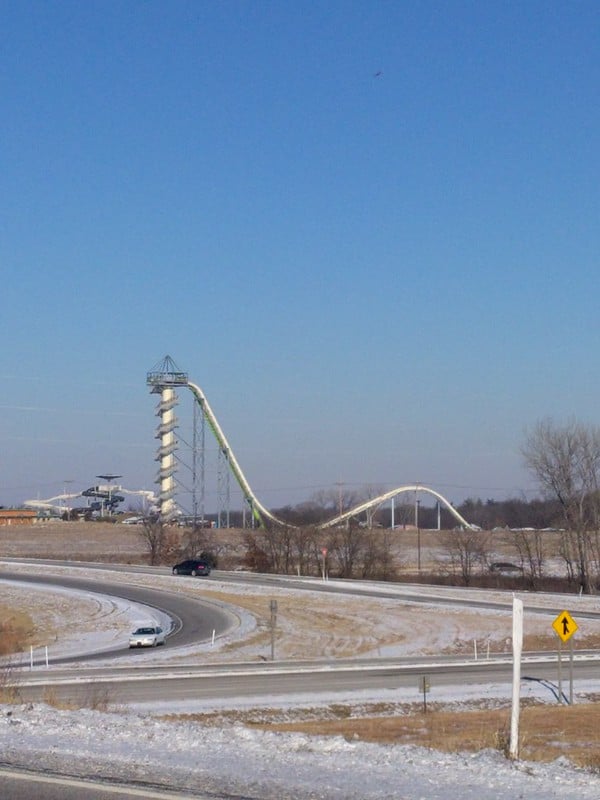
This water slide earned its name honestly since Verrückt means ‘insane’ in German. Standing 168 feet tall, it held the world record for the tallest water slide and featured a stomach-dropping descent that sent riders plummeting at speeds up to 70 miles per hour.
The ride opened in Kansas City’s Schlitterbahn park in July 2014 after multiple construction delays. Tragically, a 10-year-old boy died on the attraction in August 2016 when his raft went airborne.
The park shut down Verrückt immediately, and investigations revealed serious design flaws and safety violations. Demolition crews tore down the entire structure in 2018.
The Bat at Kings Island
Kings Island introduced this suspended coaster in 1981, promising riders a unique experience of swinging beneath the track. Technical problems plagued the ride from day one, with the swinging cars creating more stress on the structure than engineers anticipated.
The coaster spent more time closed for repairs than actually running. After just two seasons of constant breakdowns and maintenance headaches, park officials removed The Bat completely in 1983.
The concept wasn’t totally abandoned though, as the park later built a similar but better-engineered ride called Top Gun.
Drachen Fire at Busch Gardens Williamsburg
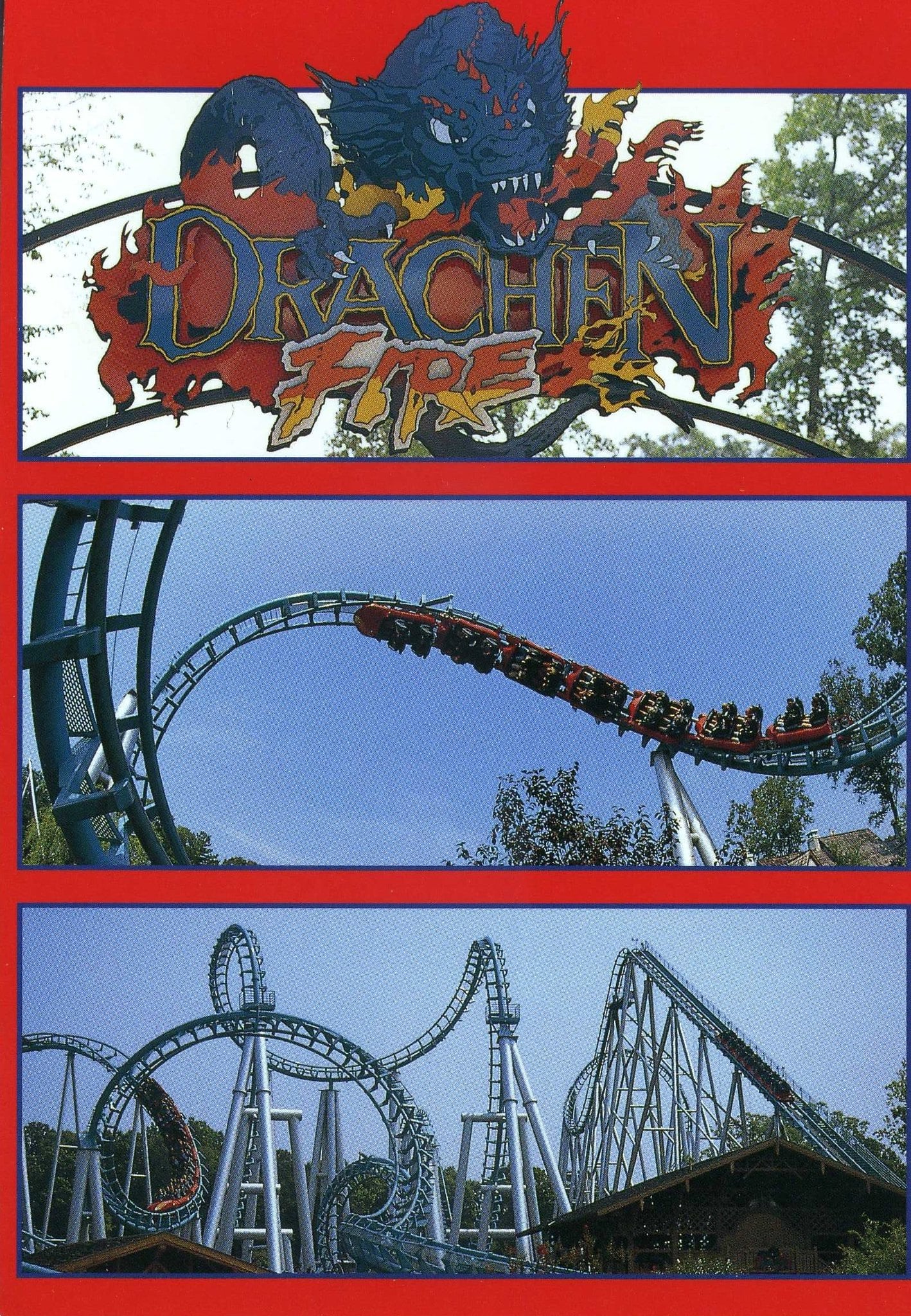
Busch Gardens opened this massive steel coaster in 1992 with high expectations for its intense inversions and unique layout. Riders quickly complained about the rough experience and painful head-banging throughout the ride.
The park tried modifying the track by removing one of the inversions, but the complaints continued. By 1998, Drachen Fire stopped operating entirely, though it stood abandoned in the park until 2002.
The coaster’s failure taught designers important lessons about rider comfort versus pure intensity.
Action Park’s Cannonball Loop
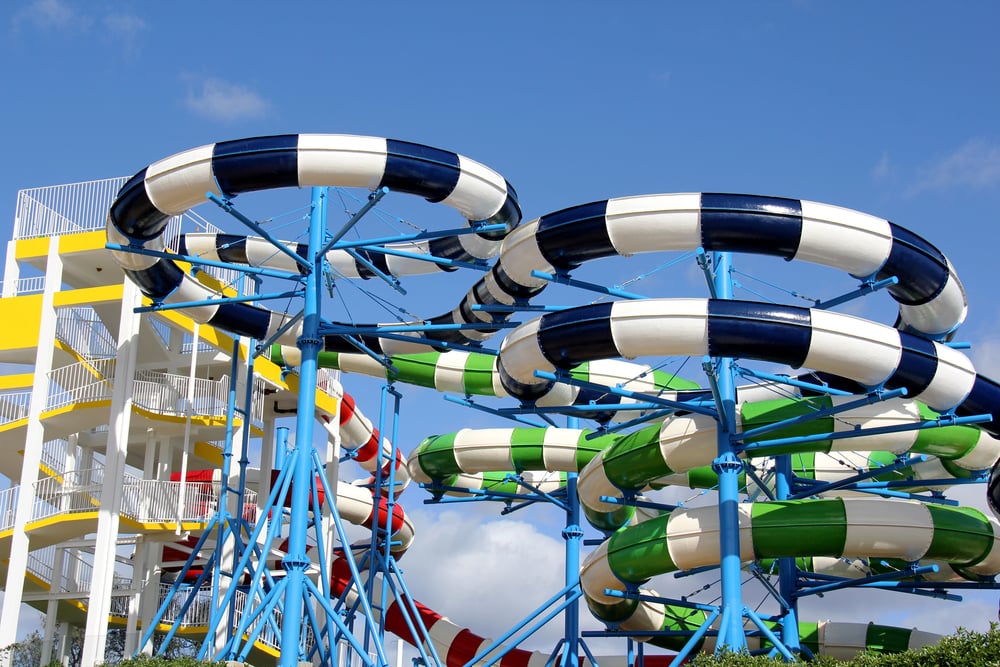
Action Park in New Jersey earned a reputation for dangerous attractions, and the Cannonball Loop stood out as perhaps the most reckless. This water slide featured a complete vertical loop that looked like something from a cartoon.
Test runs with dummies showed riders getting stuck at the top of the loop or emerging with injuries. The slide opened briefly in 1985, but employees quickly noticed riders coming out with bloody noses and bruises.
Park management closed it within a month. The loop remained standing as a bizarre monument to poor judgment until the park’s eventual closure.
Son of Beast at Kings Island
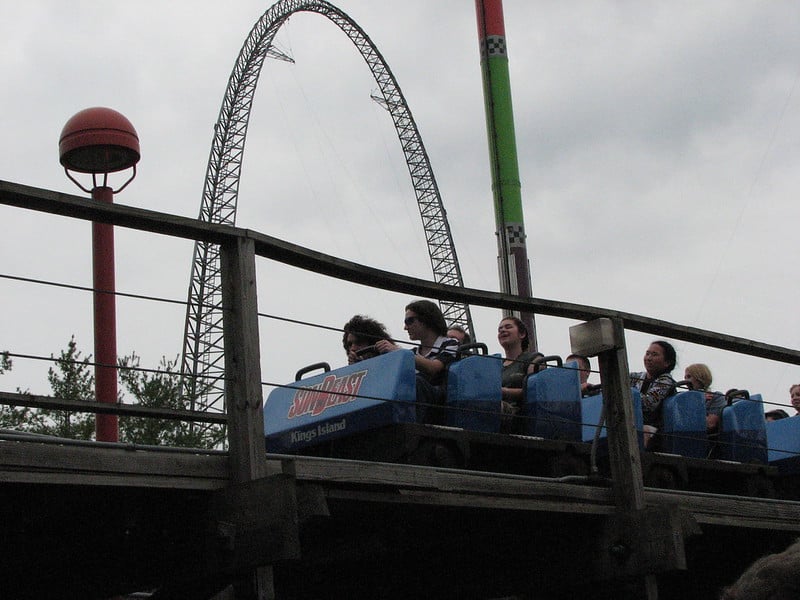
Kings Island unveiled this wooden coaster in 2000 as the only wooden roller coaster with a vertical loop. The ride generated constant maintenance issues due to the immense stress placed on the wooden structure.
Multiple incidents of riders reporting injuries led to temporary closures and modifications. In 2009, a woman claimed she suffered a serious head injury, prompting another shutdown.
The park removed the loop but never reopened the ride to the public. Demolition began in 2012, ending the troubled attraction’s 12-year existence.
Turbine at Adventureland
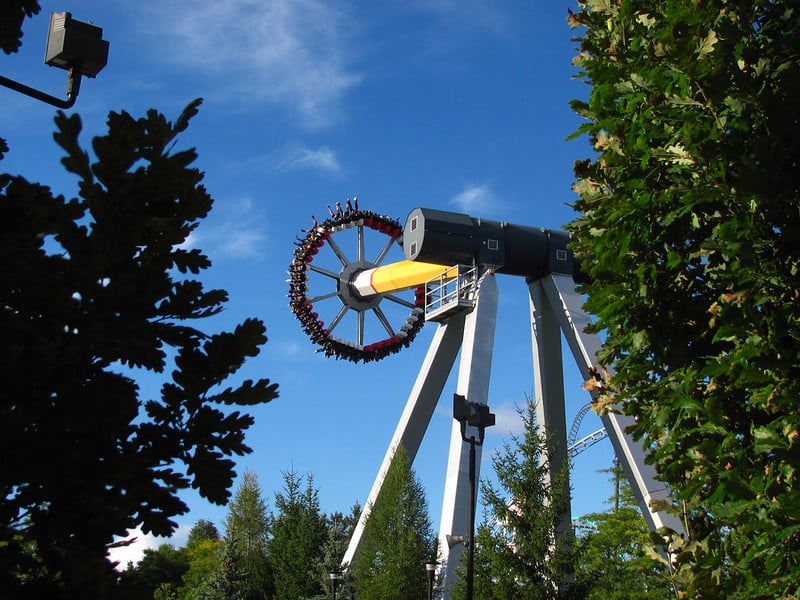
This spinning ride opened at Adventureland in Iowa in 1978 and looked like a giant clothes dryer. Riders stood against the walls while the drum rotated at high speeds, creating enough force to pin them in place as the floor dropped away.
The intense spinning caused numerous guests to become violently ill. Park staff spent more time cleaning up after sick riders than operating the attraction.
Adventureland shut down Turbine after just one season, deciding the maintenance hassle and guest complaints weren’t worth it.
The Flying Turns at Euclid Beach Park
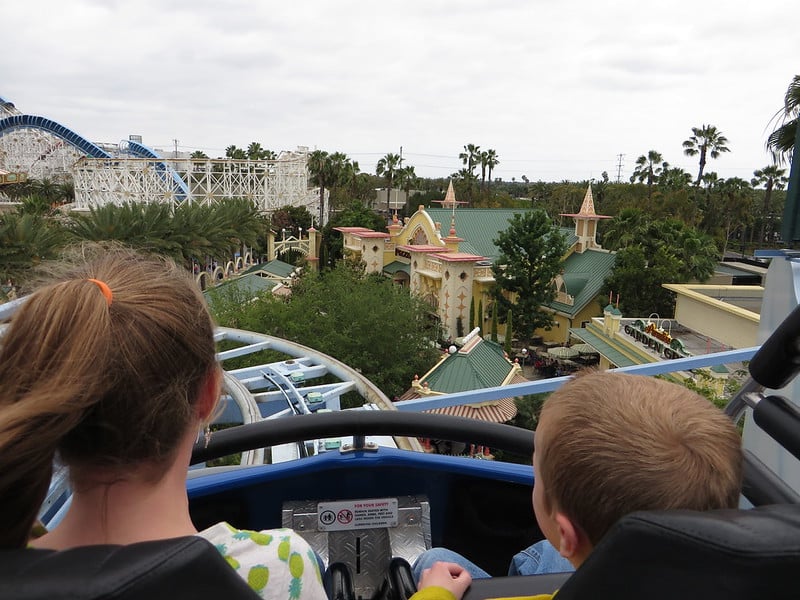
Euclid Beach Park in Ohio introduced this bobsled-style coaster in 1930, featuring cars that rode in wooden troughs without tracks. The ride gave an authentic bobsled experience but proved incredibly difficult to maintain.
Riders frequently got injured when cars jumped out of the troughs on sharp turns. The wooden structure required constant repairs from weather damage and wear.
After less than a decade of operation marked by safety concerns, the park removed Flying Turns in 1938.
Der Stuka at Action Park
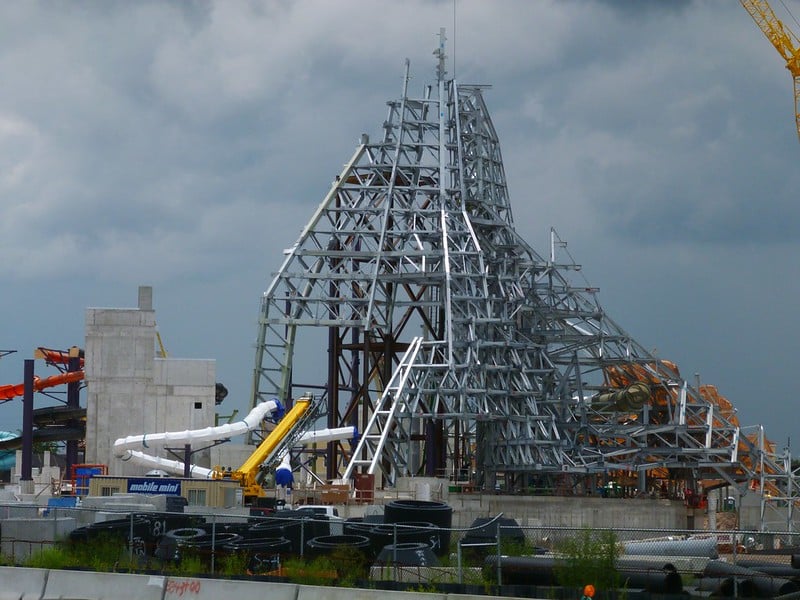
Action Park strikes again with this nearly vertical water slide that dropped riders at a terrifying angle. The slide opened in the mid-1980s and immediately terrified guests with its extreme pitch.
Riders hit the water at the bottom with such force that many suffered back injuries and painful impacts. Lifeguards stationed at the bottom spent their days fishing out stunned and injured guests.
The park closed Der Stuka after just two summers when injury reports piled up too high to ignore.
Hard Rock Park’s Led Zeppelin Roller Coaster
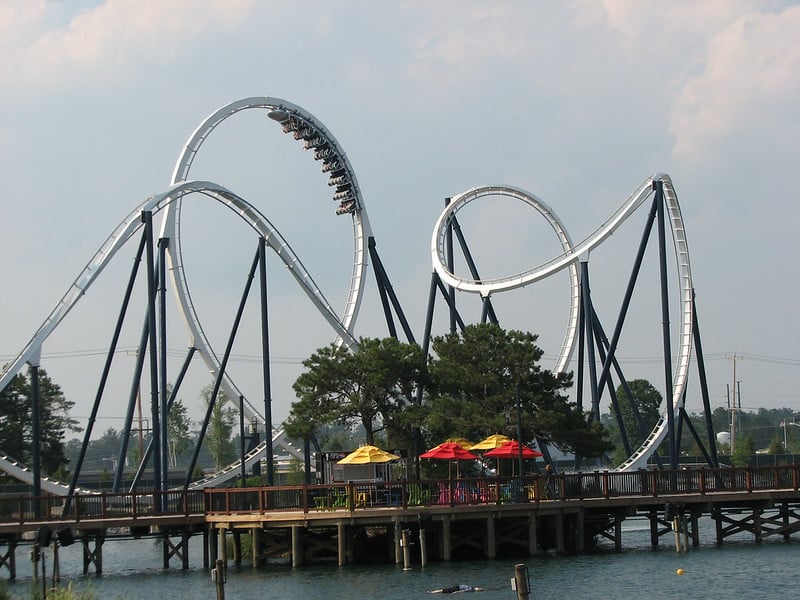
Hard Rock Park opened in Myrtle Beach in 2008 with this rock-themed flying coaster as its flagship attraction. The entire park struggled financially from the start, failing to draw expected crowds.
Despite being a modern, well-designed ride, Led Zeppelin operated for only one season before the park filed for bankruptcy. New owners reopened the park briefly as Freestyle Music Park, but the coaster never ran again.
The ride sat abandoned until 2013 when crews finally dismantled it.
Wedgie at Water Country USA
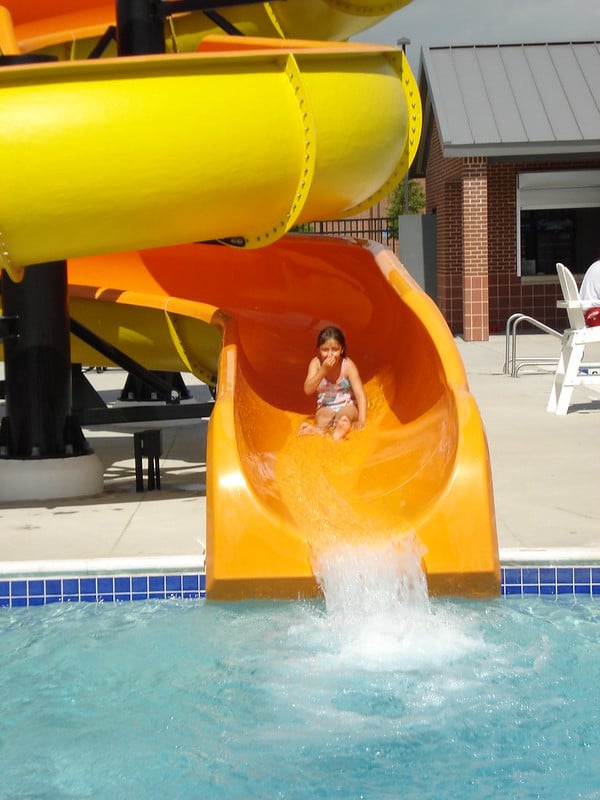
This water slide earned its unfortunate name from what it did to riders’ swimwear. The slide opened in the 1980s with a design that created a powerful wedge of water at the bottom.
Female riders particularly complained about painful and embarrassing wardrobe malfunctions. The park tried adding warnings about proper swimwear, but the complaints continued.
Water Country USA quietly closed and removed Wedgie after realizing no amount of signage could fix the fundamental design problem.
Rolling Thunder at Six Flags Great Adventure
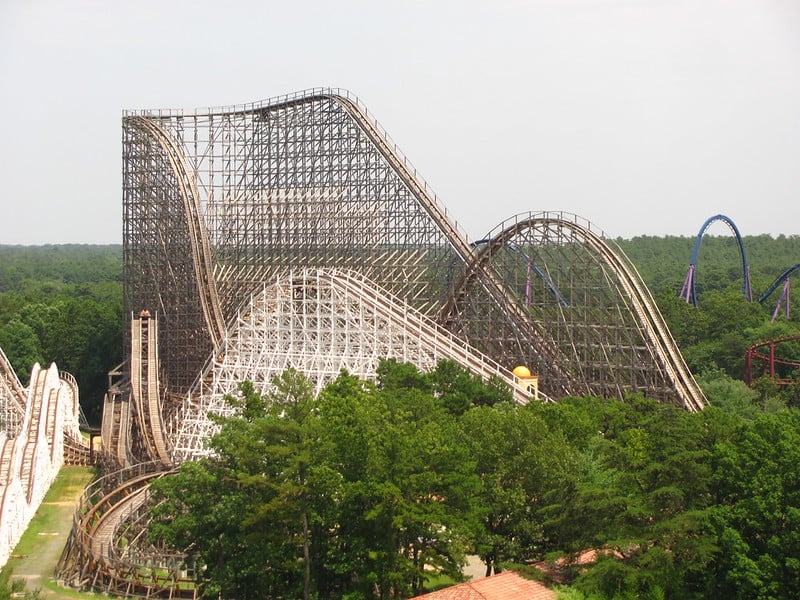
Six Flags opened this racing wooden coaster in 1979 as one of the park’s signature attractions. The ride aged poorly over the decades, becoming rougher and more uncomfortable with each passing year.
Maintenance costs climbed while guest satisfaction dropped. By the 2000s, the coaster had become more of a burden than an asset.
Six Flags closed Rolling Thunder in 2013 after 34 years, though the decision came after years of declining ridership and mounting repair bills.
The Orient Express at Worlds of Fun
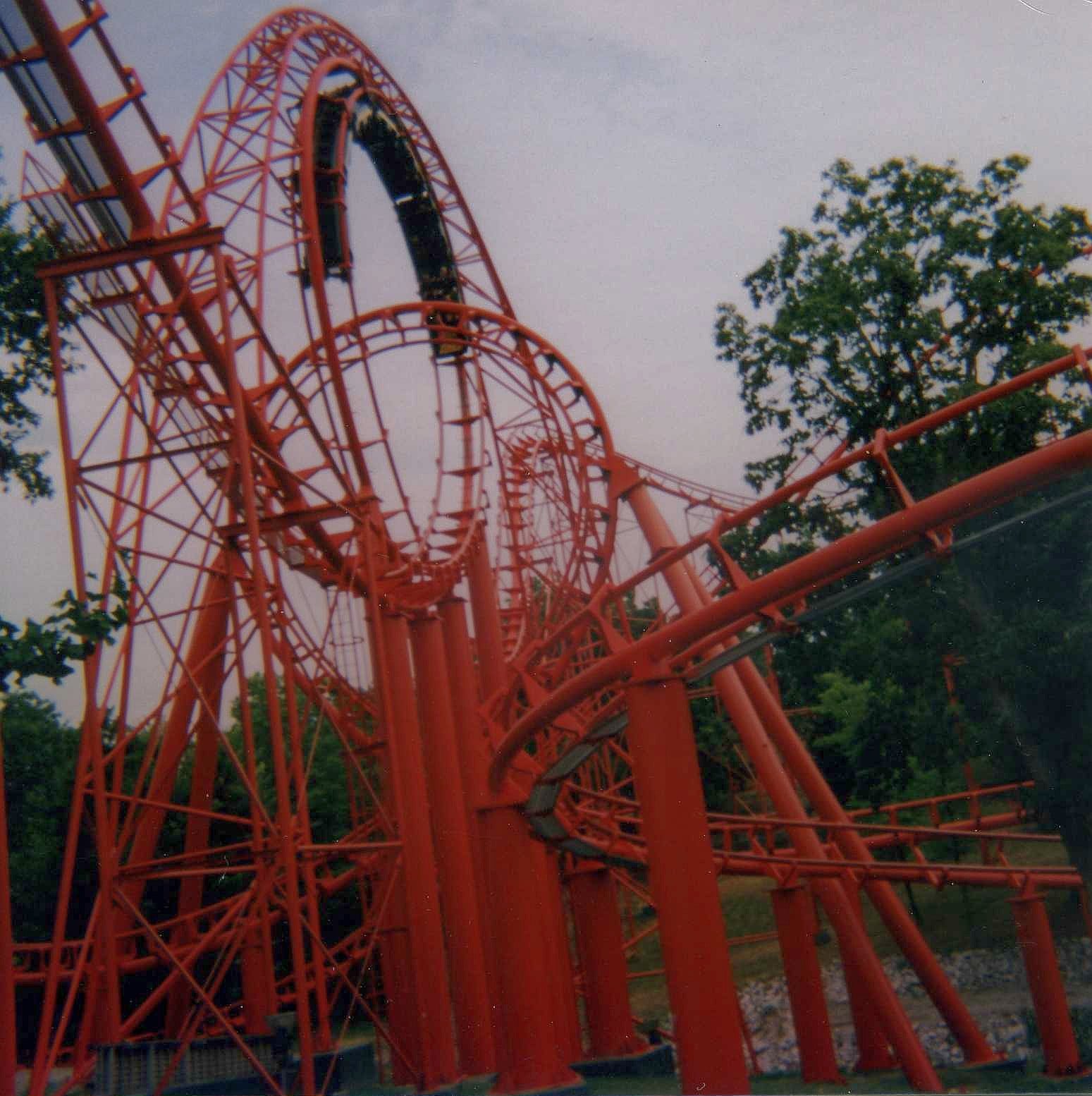
Worlds of Fun introduced this steel coaster in 1980 with a distinctive Asian theme and multiple inversions. The ride featured a unique track layout but developed serious structural problems within a few years.
Cracks appeared in the support columns, requiring expensive repairs. The park patched and reinforced the structure multiple times before finally giving up.
Orient Express closed permanently in 2003, having operated just 23 years despite being a relatively modern steel coaster.
Capital One’s Pillaging Vikings

The credit card brand ran ads with animated Norse warriors smashing stuff – symbolizing a fight against sky-high fees. But people from Nordic backgrounds called it out, saying it turned their ancestry into a joke about bloodshed.
Sure, real Vikings once hit seaside towns, yet today’s Scandinavians weren’t cool with being linked to chaos in bank promotions. So the firm scrapped the theme, swapping cartoon raiders for famous faces to speak for them.
Trader Vic’s Tiki Imagery
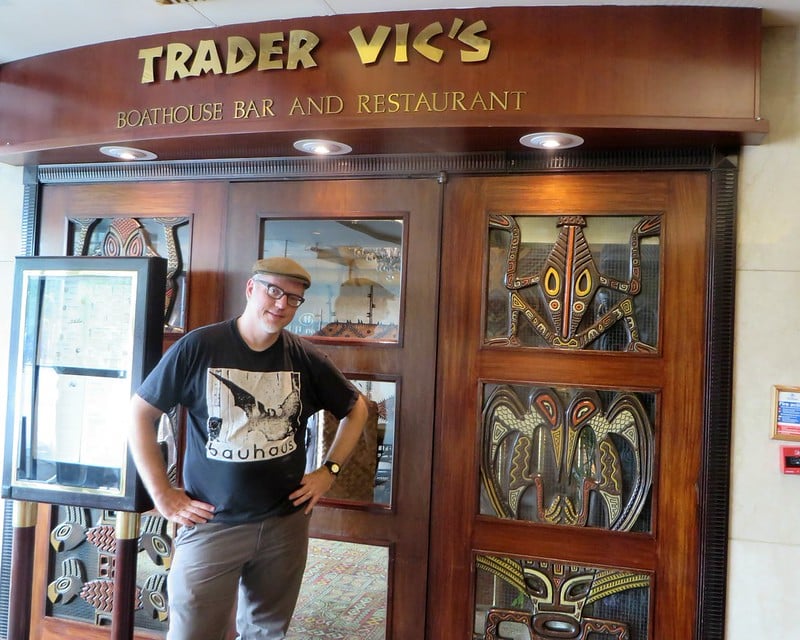
This restaurant series leaned hard on a made-up version of Polynesian life, slapping up fake masks, carvings, and visuals that mashed together different island customs in misleading ways. Instead of respect, it got heat for turning meaningful cultural symbols into bar decor and quirky drink labels.
Although a few spots still operate, plenty have ditched or softened the worst parts. Meanwhile, the wider tiki trend keeps drawing flak for reducing Pacific cultures to beach-party props.
Joe Camel
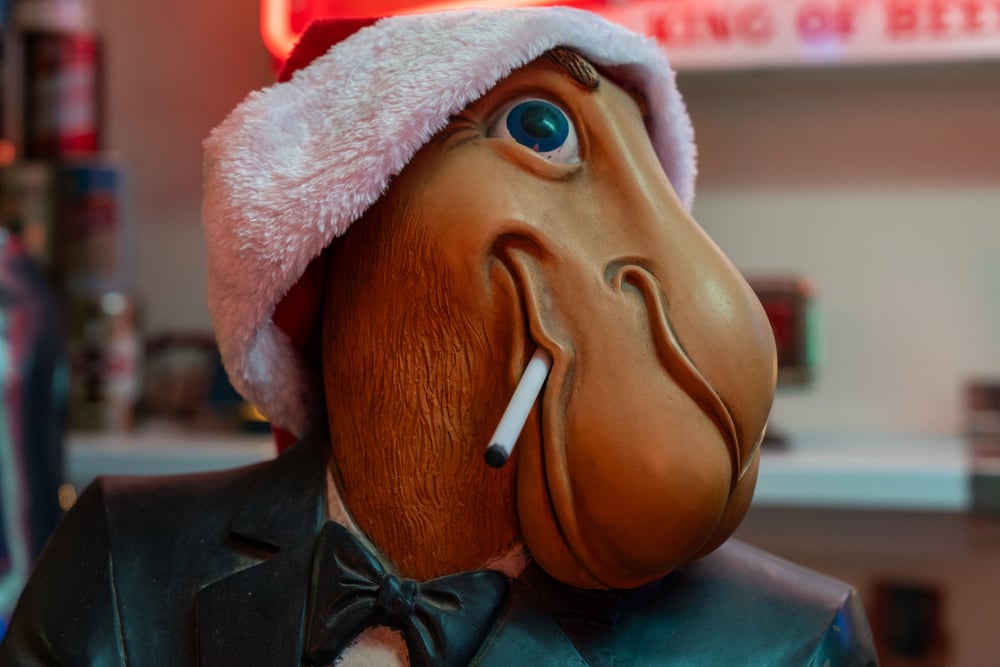
This cig figure stirred debate – not because of culture, but ’cause it supposedly aimed at kids using a flashy animated persona. Research found young ones knew Joe Camel just as quick as they did Mickey Mouse, sparking worries over reaching underage folks.
Critics in the anti-smoke movement said turning a harmful item into something fun for little ones felt wrong – and risky. The brand dropped the character by ‘97 following legal battles and government pushback, closing a widely criticized chapter in U.S. ad storytelling.
Licorice Babies
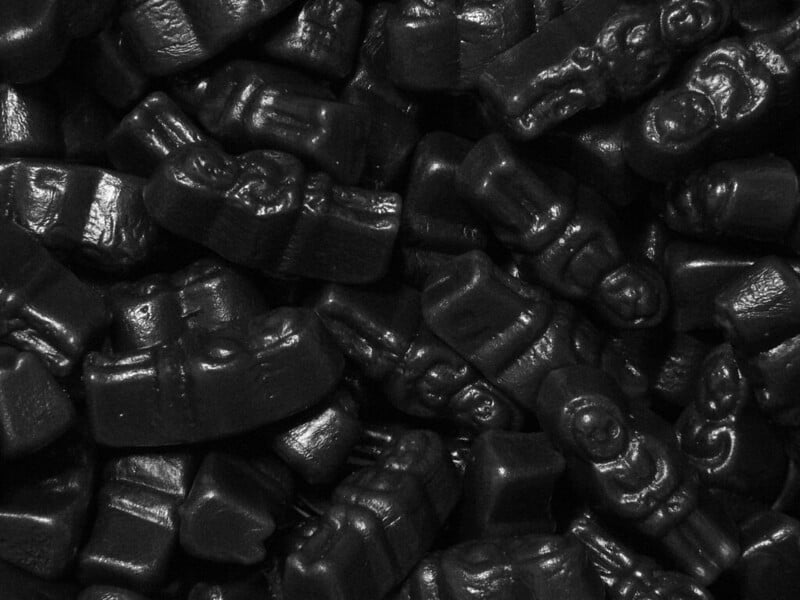
This candy company put images on boxes showing fake versions of Black kids, using hurtful ideas from old prejudices. Its title came from a mean word that shouldn’t exist today.
They didn’t just rename it – they stopped making it completely because the whole idea was tied to racism. Other sweets with ugly names got pulled too, once businesses had to face up to their past mistakes.
The Jolly Darkie Toothpaste
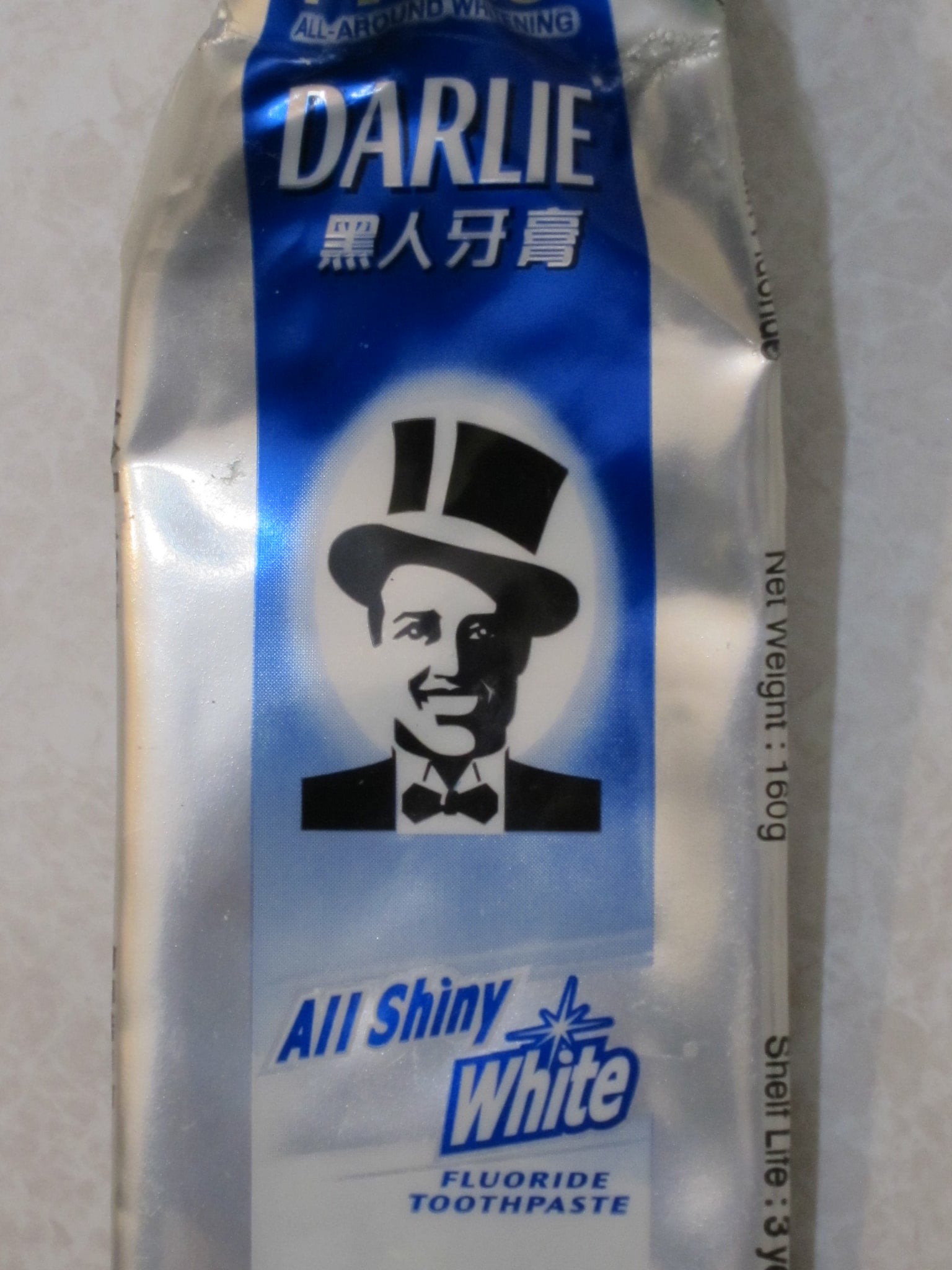
Back then sold in Asia, this item used a blackface design plus a name people found insulting – somehow lasting till the ’80s. Outside criticism pushed the brand to switch to “Darlie,” but sketchy visuals stayed on packaging way past that update.
It turned out racism in ads didn’t fade fast, especially where Western standards had less pull. Getting rid of those harmful images dragged on much longer than necessary.
Moving Forward Without Harm

Nowadays firms get watched way closer than older ones when designing brand figures. Online platforms let folks point out hurtful images right away, while buyers prefer companies matching their beliefs.
Retired logos weren’t simply canceled due to sensitivity – they stood for an era where ads brushed off damage done by turning rich heritages into shallow, mocking stereotypes. Firms figured it out, occasionally late, that quick cash from trendy icons isn’t enough to cover lasting harm to groups or their public image.
More from Go2Tutors!

- The Romanov Crown Jewels and Their Tragic Fate
- 13 Historical Mysteries That Science Still Can’t Solve
- Famous Hoaxes That Fooled the World for Years
- 15 Child Stars with Tragic Adult Lives
- 16 Famous Jewelry Pieces in History
Like Go2Tutors’s content? Follow us on MSN.



