Summer Vacations in the ’60s Looked Nothing Like They Do Today
The word “vacation” meant something entirely different when your parents were kids. No smartphones buzzing with notifications, no GPS directing every turn, no online reviews dictating where to eat.
Families packed into station wagons with hand-drawn maps and drove until they found something interesting. The journey itself was the destination, and nobody seemed particularly worried about documenting every moment for social media that didn’t exist.
Those long summer road trips of the 1960s created memories that lasted decades, precisely because they couldn’t be instantly shared and forgotten. Here’s how families really vacationed back then—and why it might make today’s carefully curated getaways seem a little hollow by comparison.
Road Maps Were Your Best Friend

Paper maps folded in impossible ways. Gas station attendants circled routes with red pens and offered genuine local advice.
Getting lost wasn’t a crisis—it was an adventure that sometimes led to the best discoveries.
Station Wagons Ruled the Highway
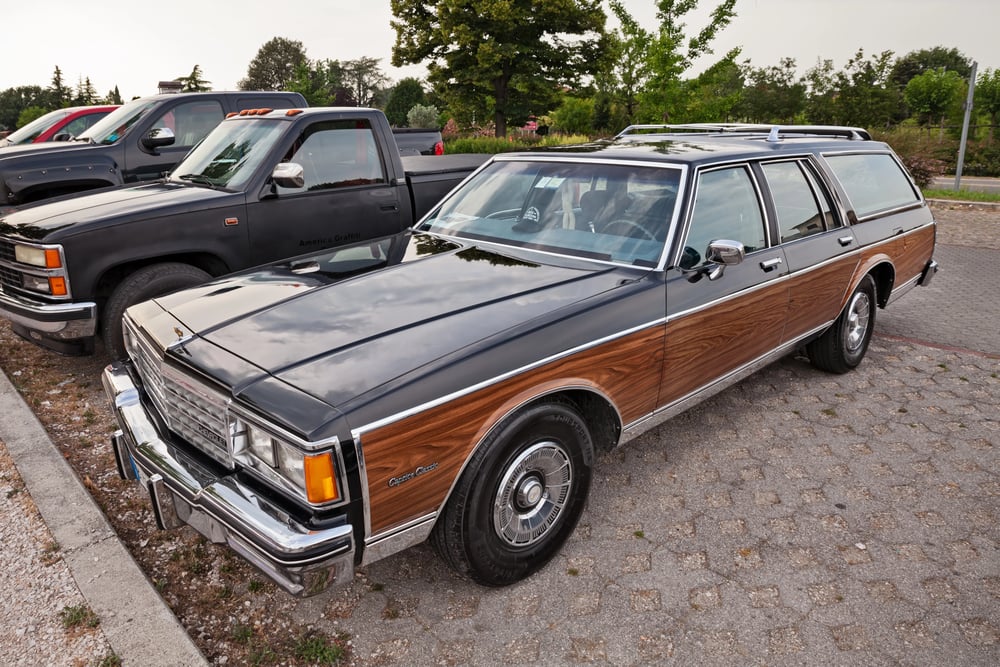
The family station wagon was vacation headquarters on wheels, and if you think about it, those wood-paneled behemoths were perfectly designed for the way families actually traveled back then (which was essentially throwing everything they owned into the back and hoping it would all fit). The rear-facing third seat became prime real estate for kids who wanted to make faces at the cars behind them, while parents loaded coolers, suitcases, and camping gear with the methodical precision of people who knew they wouldn’t be stopping at a Target every fifty miles to buy whatever they forgot.
And the space—these cars had actual room to stretch out, read comic books, and nap during those long stretches through Kansas where the horizon seemed to go on forever. But here’s what made them truly essential: they broke down just often enough to force families into unplanned stops at local diners and roadside attractions that no guidebook would ever recommend.
Motels Had Personality
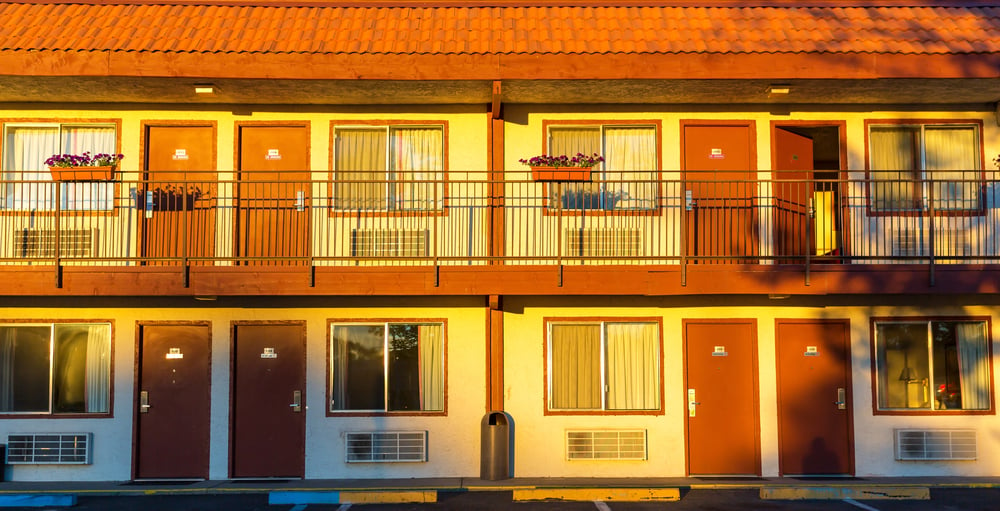
Roadside motels weren’t corporate chains with identical beige rooms. Each one had its own quirky charm—neon signs shaped like cowboys, heart-shaped beds, or pools that glowed electric blue under the desert stars.
The family checking in next door might be headed to completely different destinations, but everyone gathered around those kidney-shaped pools like temporary neighbors in a mobile community that would scatter by morning.
No Reservations Required
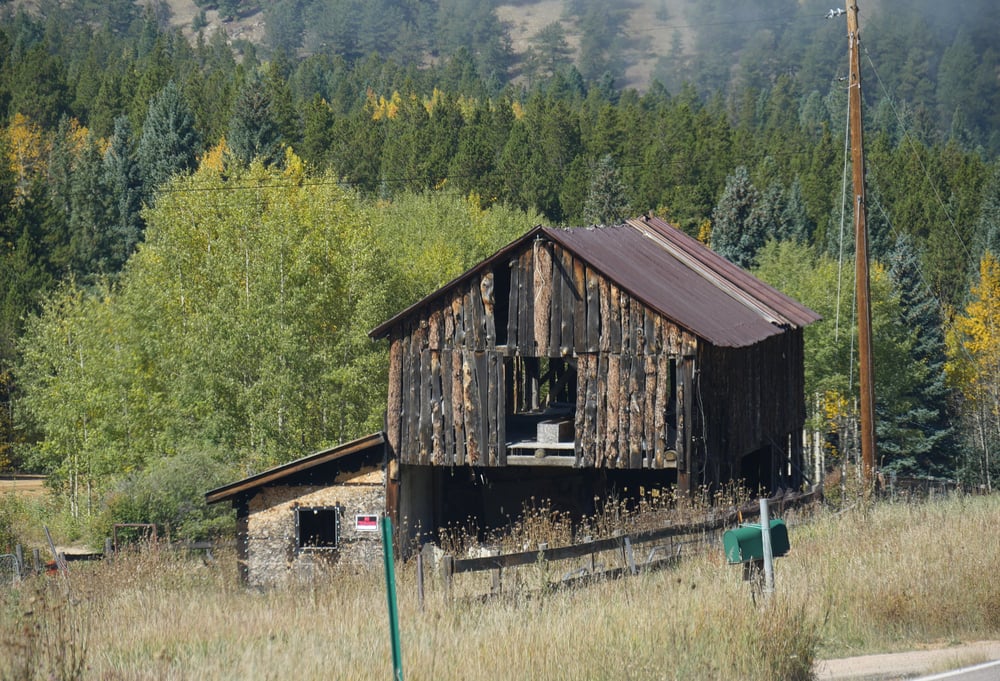
Families drove until they got tired, then looked for vacancy signs. The spontaneity was the point. You might end up at a roadside cabin in the mountains or a beachfront motel that someone’s cousin had mentioned once.
Planning was loose, expectations were flexible, and disappointment was rare because nobody had spent months researching every detail online.
Postcards Were Social Media
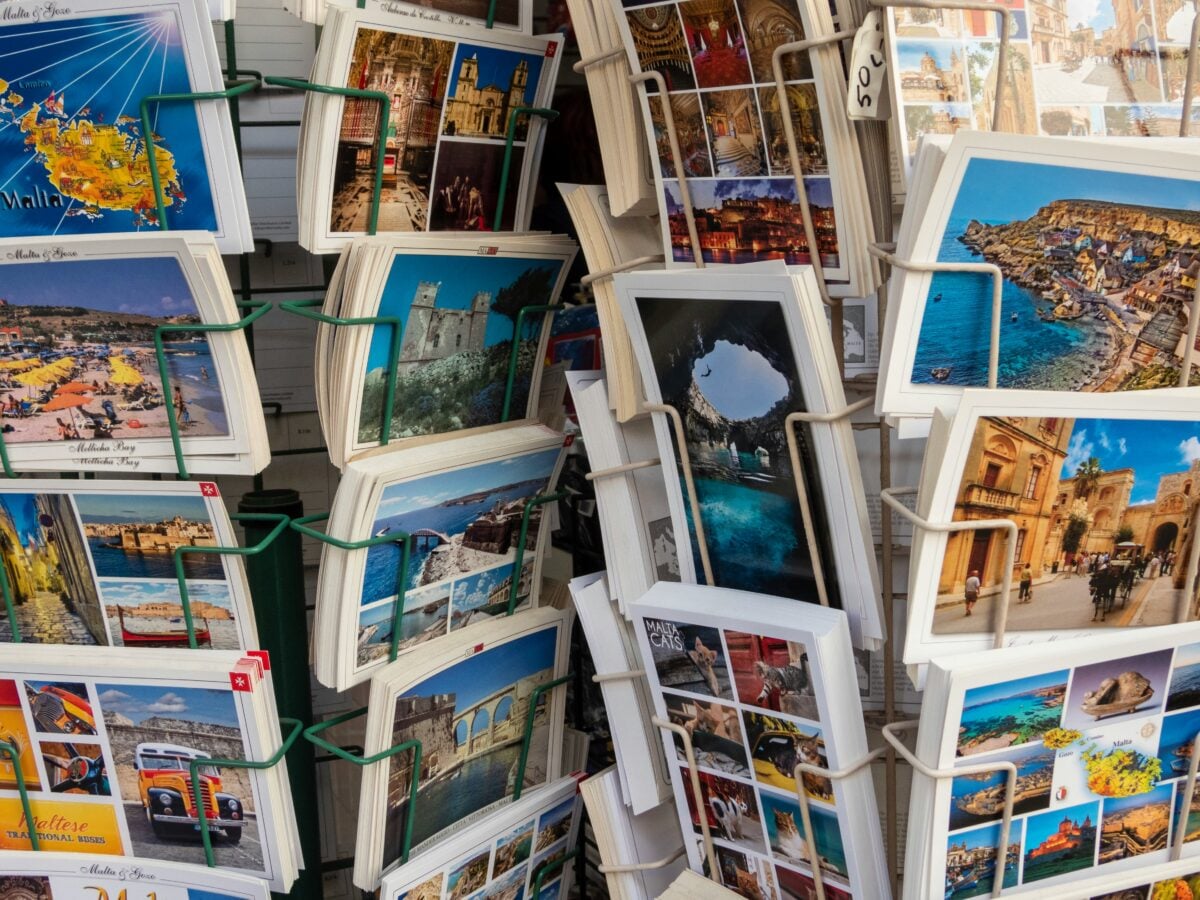
Writing postcards was a ritual that connected travelers to everyone back home, though not in the breathless, immediate way that makes modern vacations feel like performance pieces. You bought postcards at every stop—scenic views, roadside attractions, quirky local landmarks—and the act of writing them forced you to distill each day into a few carefully chosen sentences that would arrive weeks later, long after you’d returned home but just in time to revive fading memories.
The person receiving your postcard from Yellowstone in late August would be reminded of your July adventure just as summer was ending, creating a strange time loop where vacations lived on in mailboxes and refrigerator doors. And because you could only afford a stamp and a few lines of space, every word mattered.
“Saw Old Faithful today. Kids loved it. I wish you were here.” Simple, genuine, and somehow more meaningful than a hundred filtered photos.
Roadside Attractions Were Legitimate Destinations
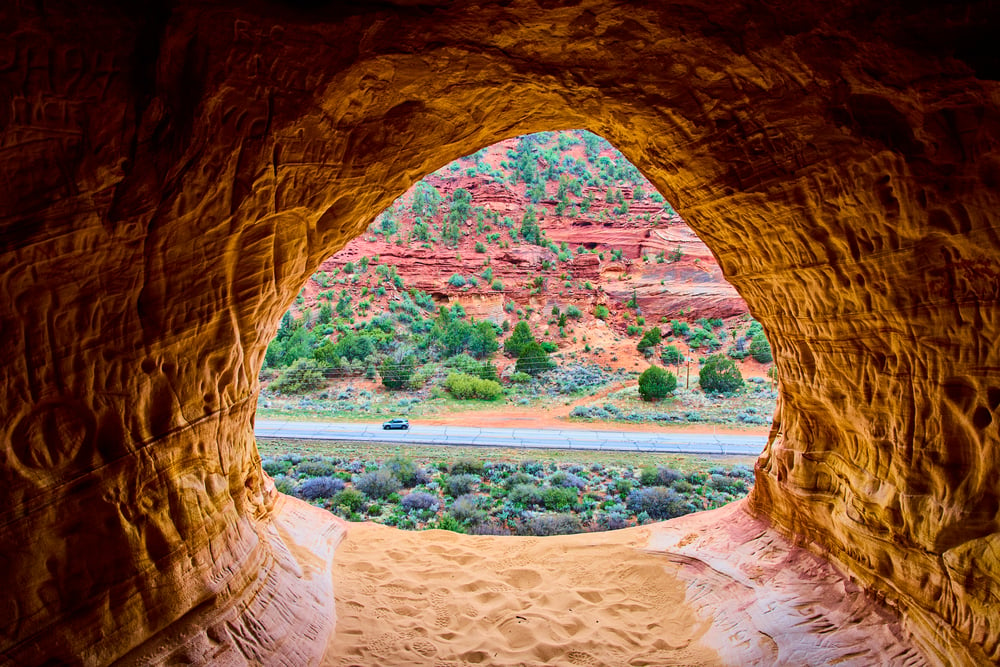
The world’s largest round of twine deserved a two-hour detour. Mystery spots, dinosaur parks, and caverns with names like “Wonder Cave” weren’t ironic stops—they were genuine attractions that entire families would plan around.
The kitschier, the better.
Picnic Lunches Were Standard

Restaurants were expensive and unpredictable. Smart families packed coolers with sandwiches, chips, and thermoses of lemonade, turning highway rest stops and scenic overlooks into impromptu dining rooms.
Eating outside wasn’t a special occasion—it was Tuesday lunch in Colorado.
Camera Film Limited Photo Opportunities
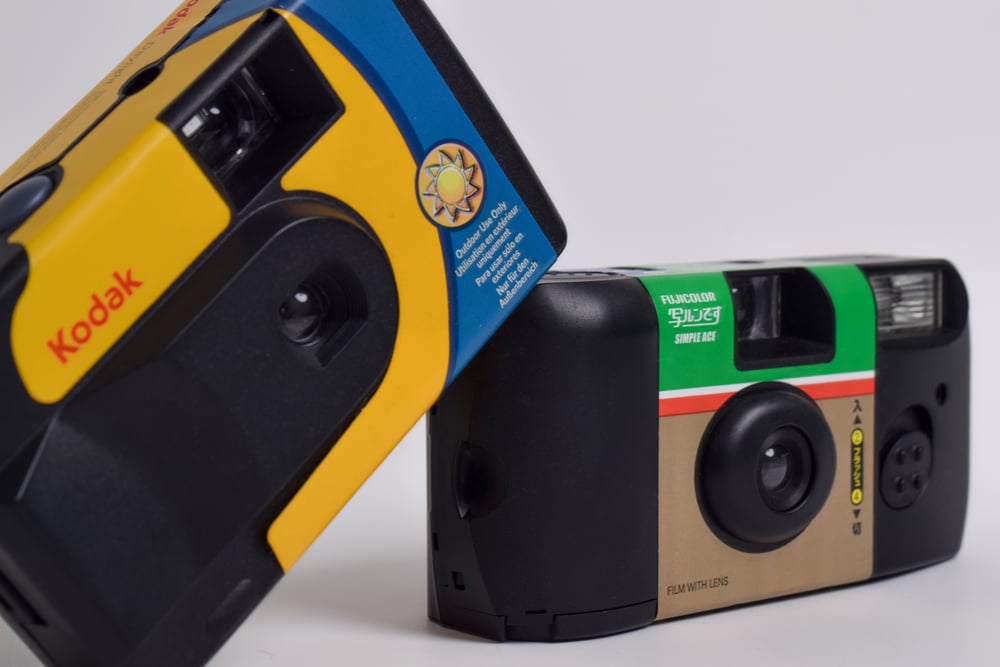
Each picture cost money and had to count, so families chose their shots carefully instead of snapping hundreds of forgettable images. The constraint created intention.
When you only had 24 exposures on a roll of film, that sunset over the Grand Canyon better be spectacular enough to waste precious film on it. Those carefully rationed photographs became treasures precisely because they were rare.
Families would wait weeks to develop the film, then gather around the kitchen table to relive the trip through two dozen perfectly chosen moments. No endless scrolling through digital galleries—just the best parts, preserved and shared with the weight of genuine anticipation.
Local Diners Fed Traveling Families
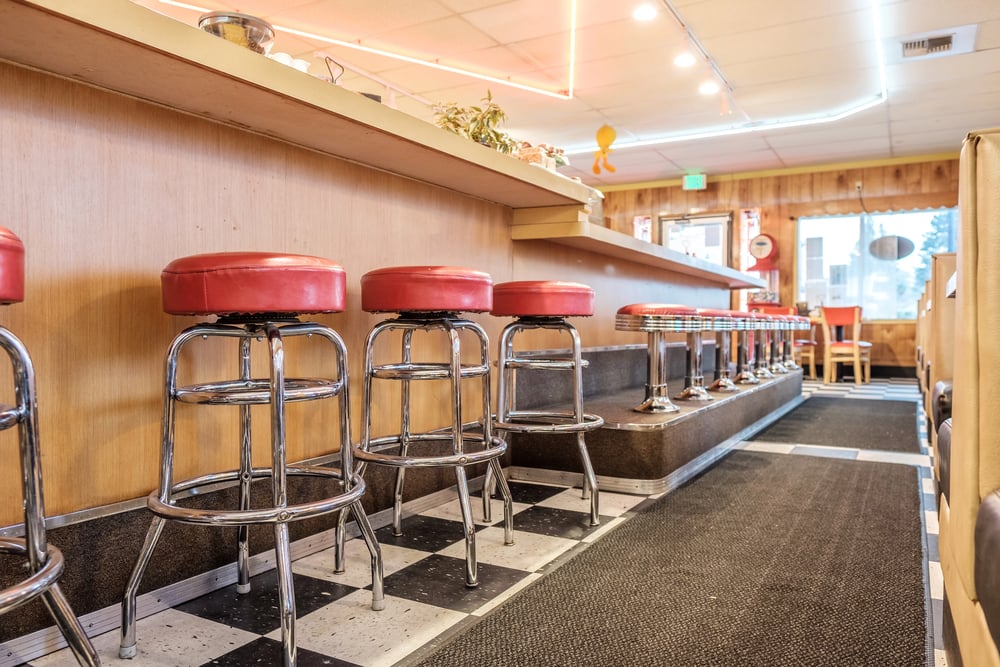
Every small town had a diner where truckers, locals, and traveling families shared the same vinyl booths and bottomless coffee. The menus were handwritten, the pie was homemade, and the waitresses called everyone “hon.”
These weren’t destinations you researched online—you found them by following the semi trucks or asking the motel clerk where locals ate breakfast.
Entertainment Came From Each Other

Car games weren’t apps downloaded from a store but elaborate verbal competitions that could last for hours: counting license plates from different states, spotting animals, or playing twenty questions until someone fell asleep. The boredom that modern parents fear wasn’t really boredom—it was space for imagination, conversation, and the kind of family bonding that happens when nobody has anywhere else to retreat.
Families talked more because there were fewer distractions competing for attention. Long stretches of highway became opportunities for storytelling, singing, and the sort of rambling conversations that reveal things about each other you’d never discover during busy weekdays at home.
Souvenirs Were Practical Memories
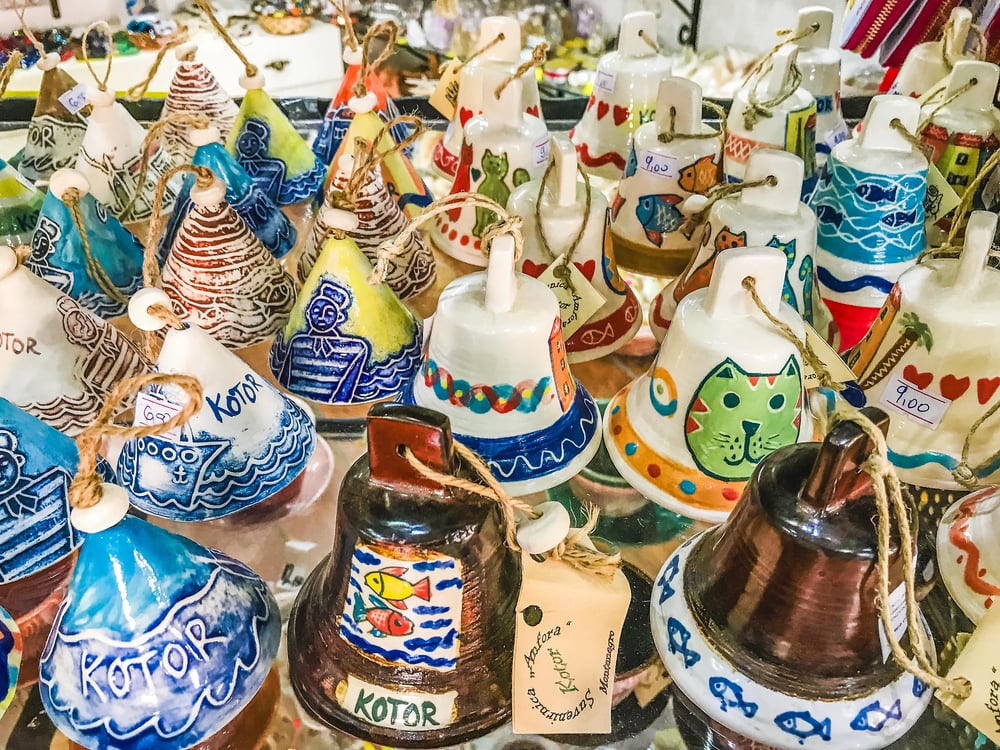
Gift shops sold functional keepsakes that reminded families of specific places: ashtrays shaped like states, salt and pepper shakers from national parks, pennants that would hang in bedrooms for years. These weren’t mass-produced trinkets ordered online but genuine artifacts from specific locations that couldn’t be replicated once you returned home.
Weather Determined the Itinerary
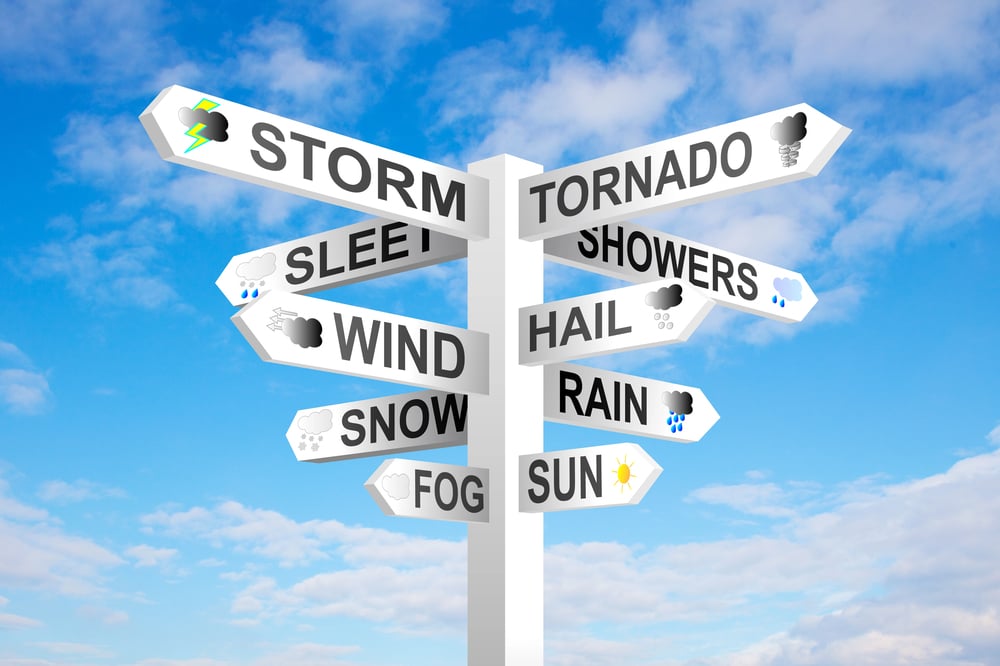
No smartphone apps predicted rain three days out or suggested alternative activities. Families adapted to whatever weather arrived, turning rainy days into museum visits or card games in the motel room.
Bad weather wasn’t a ruined vacation—it was just weather.
National Parks Were Genuine Wilderness
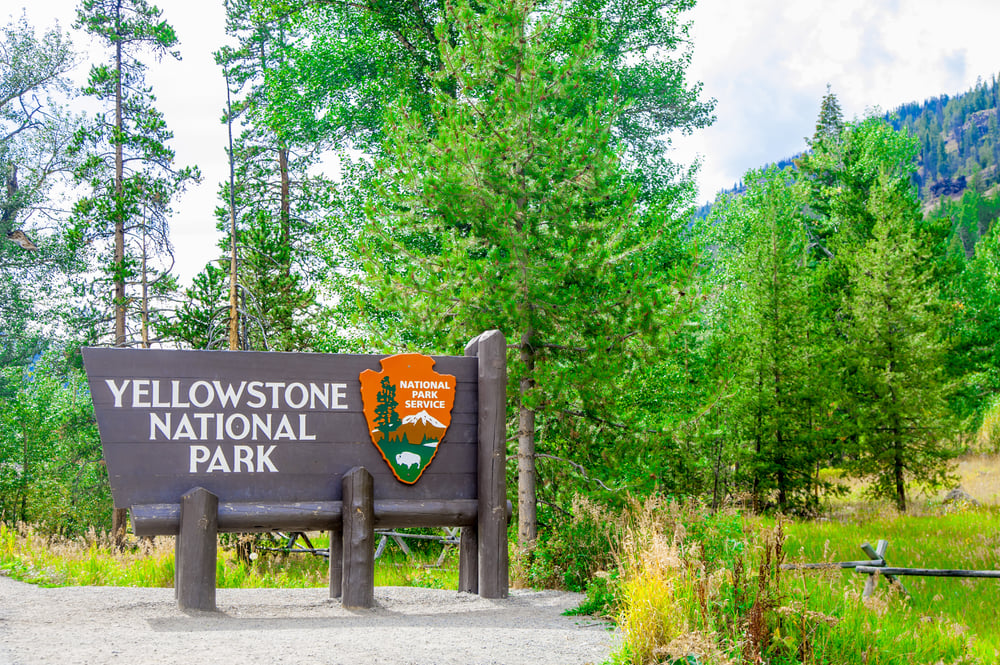
Yellowstone and Yosemite hadn’t yet been transformed into carefully managed outdoor theme parks with shuttle systems and advance reservations. Families drove their own cars right up to geysers, hiked trails without crowds, and felt like they were discovering places that few people had seen.
The wildness was real because infrastructure was minimal.
Cash Was the Only Currency

Credit cards weren’t widely accepted, so families carried rolls of cash and planned expenses carefully. This created a natural budget that prevented overspending and made every purchase feel deliberate.
When money was finite and visible, vacations stayed within reasonable bounds without the creeping expense inflation that modern travel encourages.
Television Didn’t Follow You

Motel rooms might have had one fuzzy television channel, but entertainment came from exploring the local area, not catching up on shows from home. Evenings were spent walking around small towns, playing mini golf, or sitting by the pool talking to other traveling families.
The digital leash that keeps modern vacations connected to regular life simply didn’t exist.
Simple Pleasures Felt Sufficient
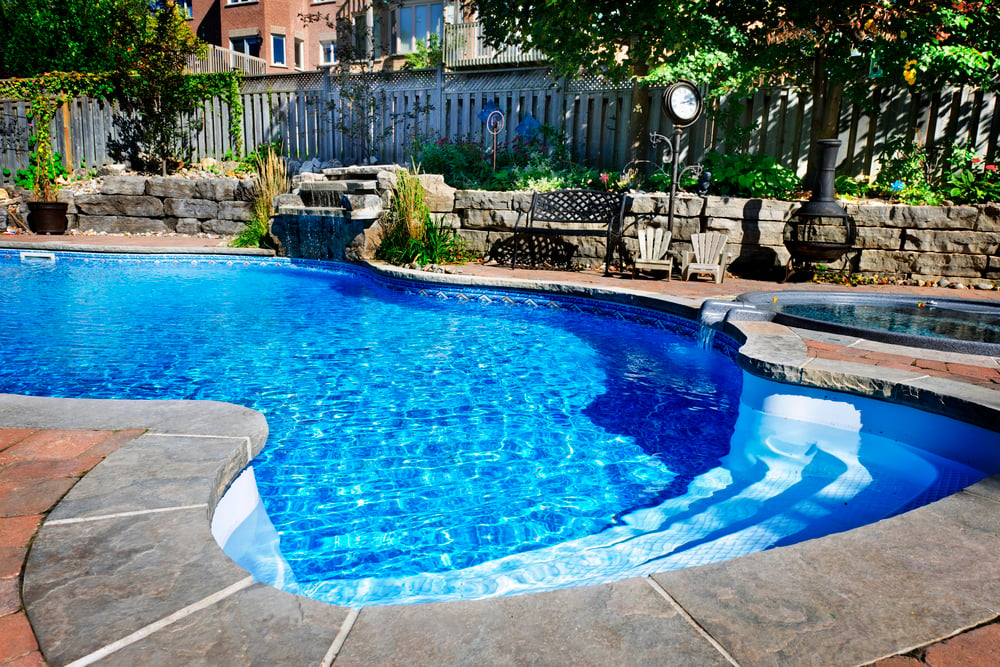
A swimming pool, a decent hamburger, and a clean bed were enough to make a vacation day successful. Families weren’t chasing Instagram-worthy experiences or checking items off curated bucket lists.
Satisfaction came from simple things done together, without the pressure to optimize every moment or document every meal for an audience back home.
When Getting There Was Half the Fun

Those long summer drives created a rhythm that modern air travel can’t replicate—the slow transition from familiar landscapes to something entirely new, the gradual building of anticipation, and the way small discoveries accumulated into lasting memories. Families weren’t just transported from one location to another; they were changed by the journey itself.
The station wagon rolling down Route 66 carried more than luggage and passengers. It carried the promise that around the next bend, something wonderful might be waiting.
More from Go2Tutors!

- The Romanov Crown Jewels and Their Tragic Fate
- 13 Historical Mysteries That Science Still Can’t Solve
- Famous Hoaxes That Fooled the World for Years
- 15 Child Stars with Tragic Adult Lives
- 16 Famous Jewelry Pieces in History
Like Go2Tutors’s content? Follow us on MSN.