16 Ancient Cooking Methods That Created Better Food
Long before modern kitchens with their fancy gadgets and precise temperature controls, our ancestors developed cooking techniques that were not only ingenious but often produced tastier, more nutritious food than what we eat today. These ancient methods weren’t just about survival—they were about maximizing flavor, preserving nutrients, and creating dishes that satisfied both body and soul.
From underground ovens that slow-cooked meat to perfection to fermentation processes that transformed simple ingredients into complex delicacies, these time-tested techniques reveal a deep understanding of how heat, time, and natural processes could work together. Here is a list of 16 ancient cooking methods that created better food than many of our modern approaches.
Clay Pot Cooking

Clay pots were the original slow cookers, providing even heat distribution and natural moisture retention that created incredibly tender, flavorful dishes. The porous nature of clay allowed steam to circulate while keeping food moist, and the minerals in the clay actually enhanced the nutritional content of meals.
Unlike metal cookware, clay pots never imparted metallic tastes and actually improved with age, developing a seasoned surface that added subtle flavors to everything cooked inside.
Underground Pit Roasting
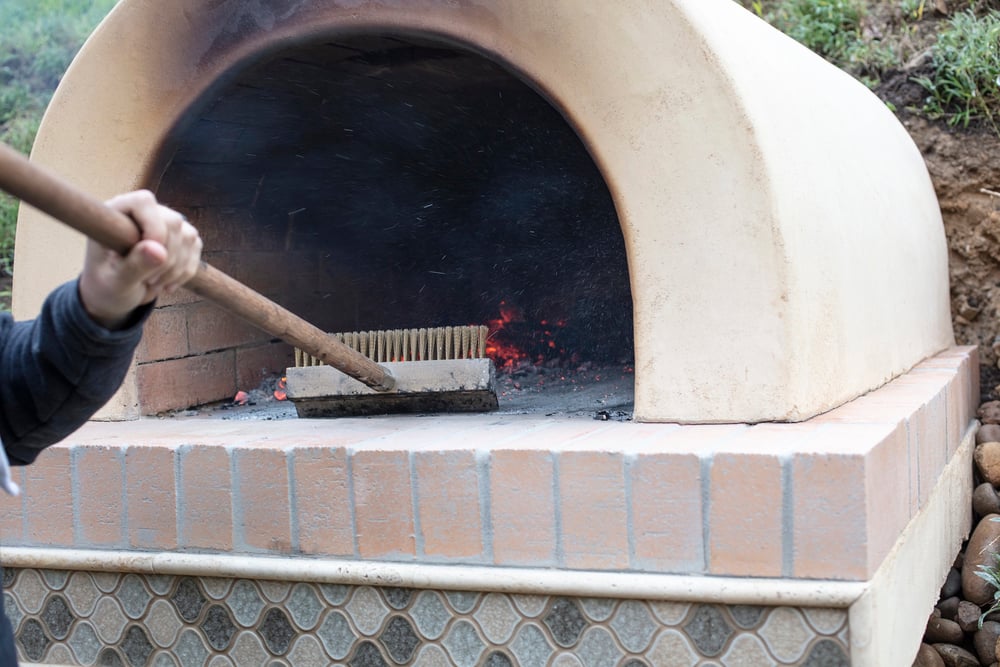
Native American tribes and Pacific Island cultures perfected underground pit roasting, where whole animals were buried with hot coals and left to cook for hours or even days. This method created incredibly tender meat that retained all its natural juices while developing complex smoky flavors that penetrated deep into the flesh.
The constant, gentle heat broke down tough connective tissues without drying out the meat, producing results that modern ovens struggle to match.
Like Go2Tutors’s content? Follow us on MSN.
Fermentation in Underground Chambers
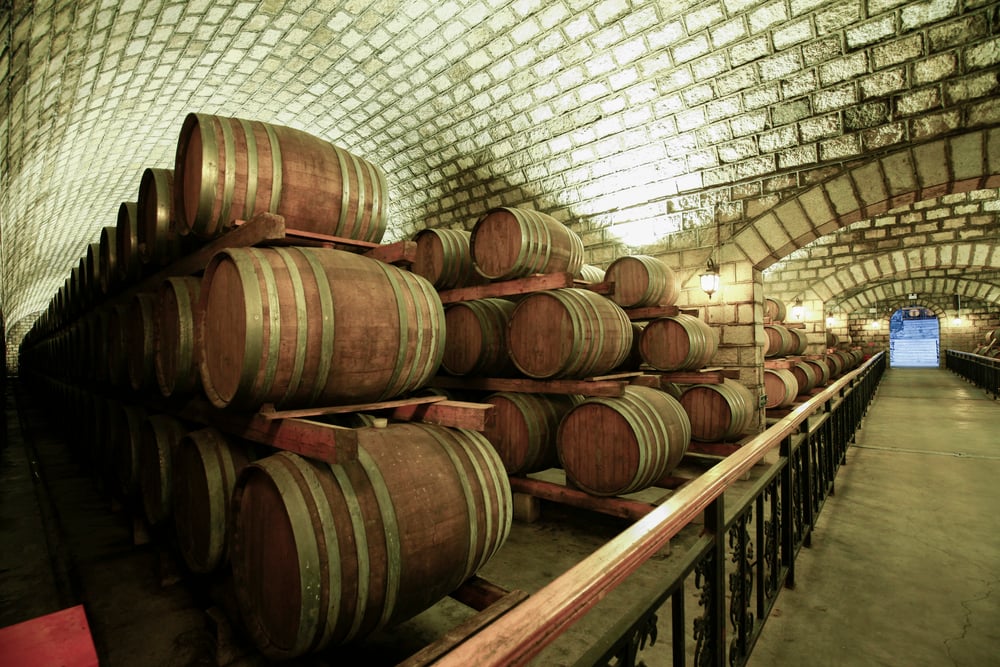
Ancient cultures discovered that burying food in specially prepared underground chambers created perfect conditions for fermentation, producing foods with enhanced flavors and dramatically improved nutritional profiles. The stable temperature and humidity levels underground allowed beneficial bacteria to thrive while preventing harmful microorganisms from taking hold.
This process not only preserved food for months but actually increased vitamin content and made nutrients more bioavailable than in fresh foods.
Salt Curing in Natural Caves
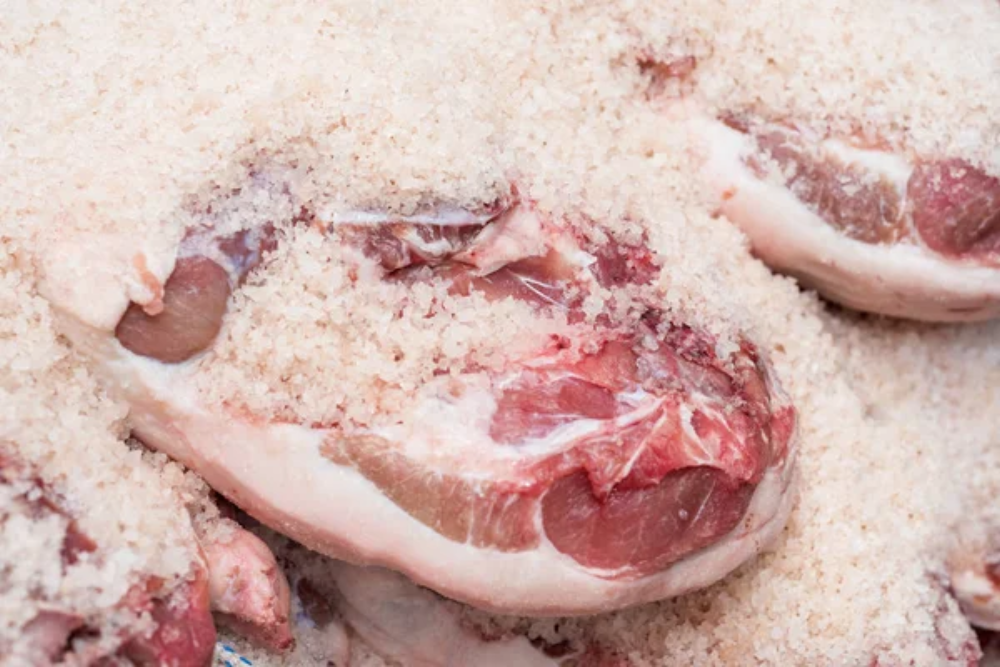
Before refrigeration, people used natural salt caves to cure meats and fish, creating products with incredible depth of flavor and extended shelf life. The consistent temperature and humidity in these caves, combined with the natural salt deposits, created ideal conditions for controlled dehydration and flavor development.
Cave-cured foods developed complex tastes that modern salt-curing processes often fail to replicate, partly because the natural cave environment contained beneficial microorganisms that contributed to the curing process.
Wood-Fired Earth Ovens
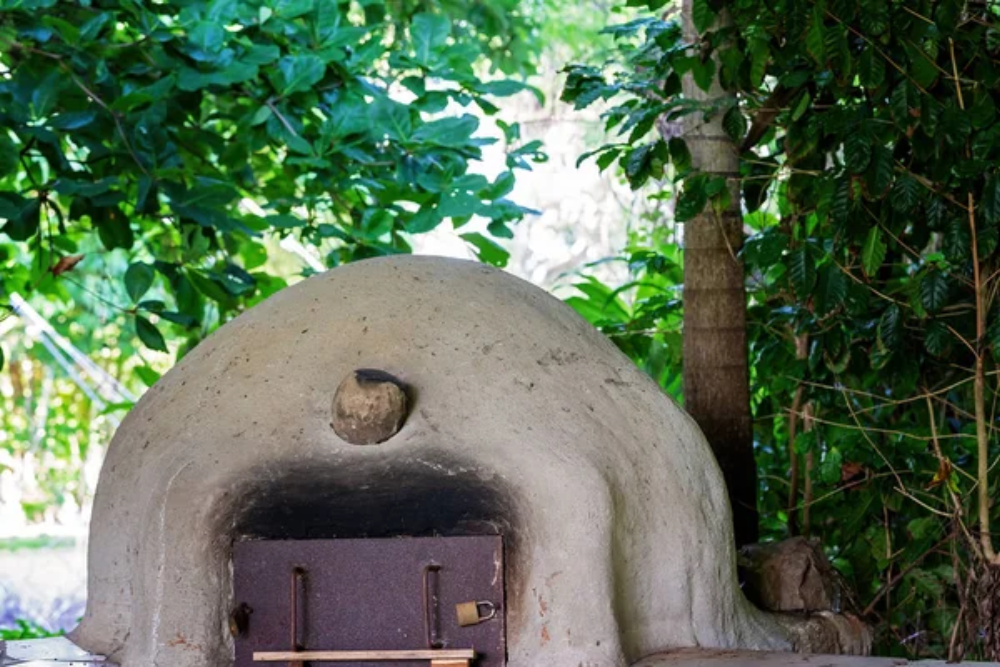
Traditional wood-fired earth ovens, built into hillsides or constructed from clay and stone, produced bread and roasted foods with unmatched flavor and texture. These ovens retained heat for hours after the fire died down, allowing for multiple cooking sessions and creating the perfect environment for slow-rising bread with crispy crusts and soft interiors.
The wood smoke added subtle flavors that gas and electric ovens simply cannot replicate.
Like Go2Tutors’s content? Follow us on MSN.
Bamboo Tube Cooking
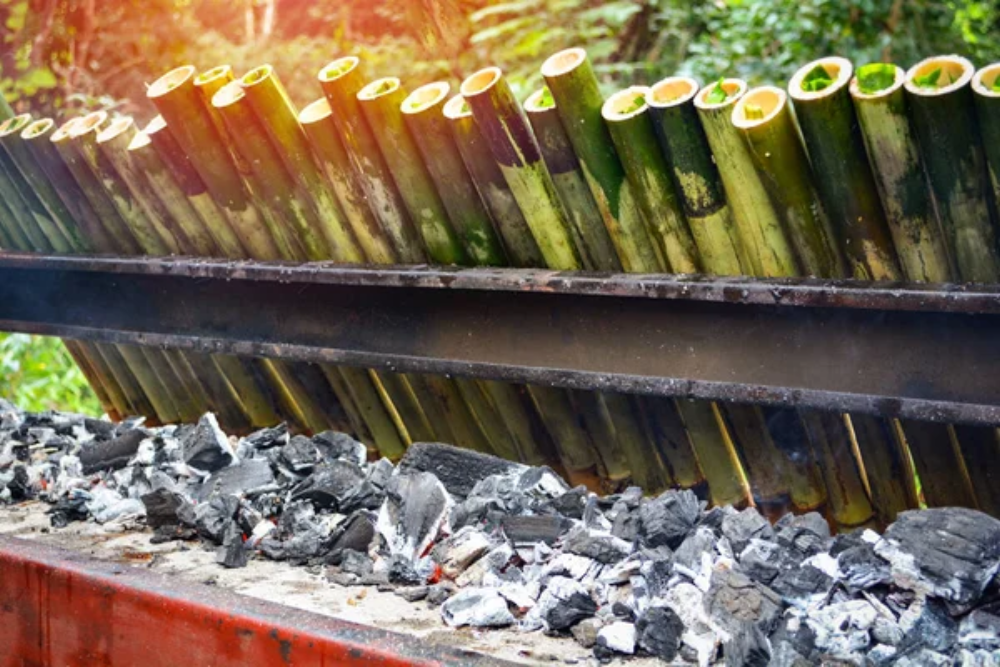
Asian cultures developed bamboo tube cooking, where rice, vegetables, and meat were sealed inside bamboo segments and cooked over fires. The bamboo imparted a subtle, sweet flavor while creating a steam environment that kept food incredibly moist and tender.
This method also allowed for portion control and created individual servings that were perfectly seasoned and cooked, with the bamboo acting as both cooking vessel and serving container.
Stone Boiling
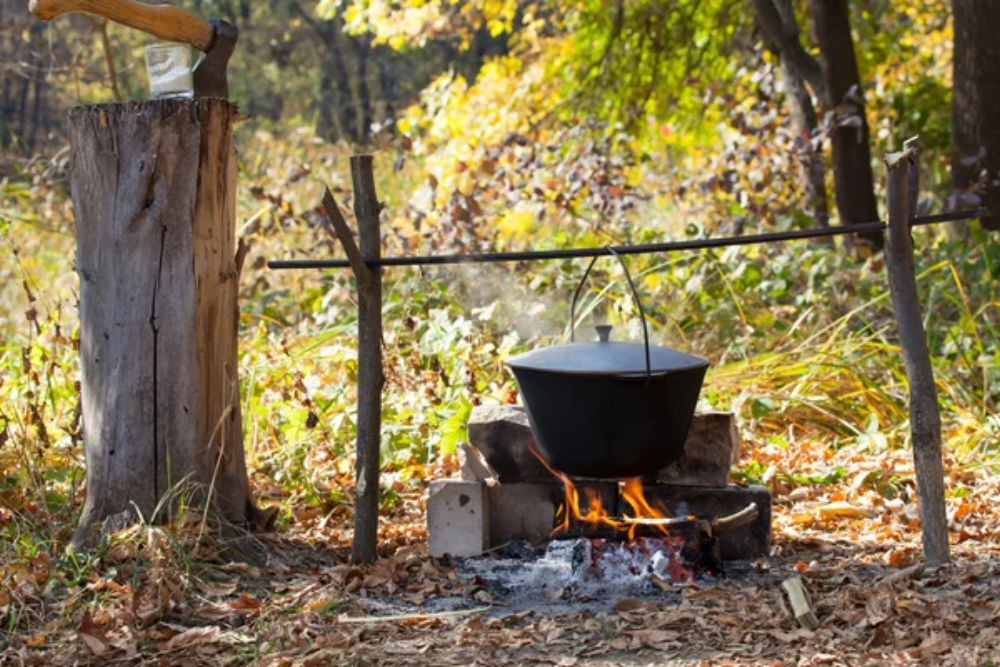
Before metal pots, many cultures used stone boiling, where heated rocks were dropped into water-filled baskets or hide containers to cook stews and broths. This method created incredibly rich, flavorful broths because the intense heat from the stones quickly extracted nutrients and flavors from bones and vegetables.
The process also created a unique texture in cooked foods, with vegetables retaining more of their natural structure and nutrients than modern boiling methods typically achieve.
Ash Cooking

Native Americans and other cultures cooked foods directly in wood ash, which created a natural alkaline environment that enhanced flavors and improved nutritional absorption. Corn cooked in ash became hominy, with improved protein quality and enhanced calcium content that made it more nutritious than modern processed corn.
The ash also acted as a natural preservative and flavor enhancer, creating foods with complex tastes and extended shelf life.
Like Go2Tutors’s content? Follow us on MSN.
Smoke Houses
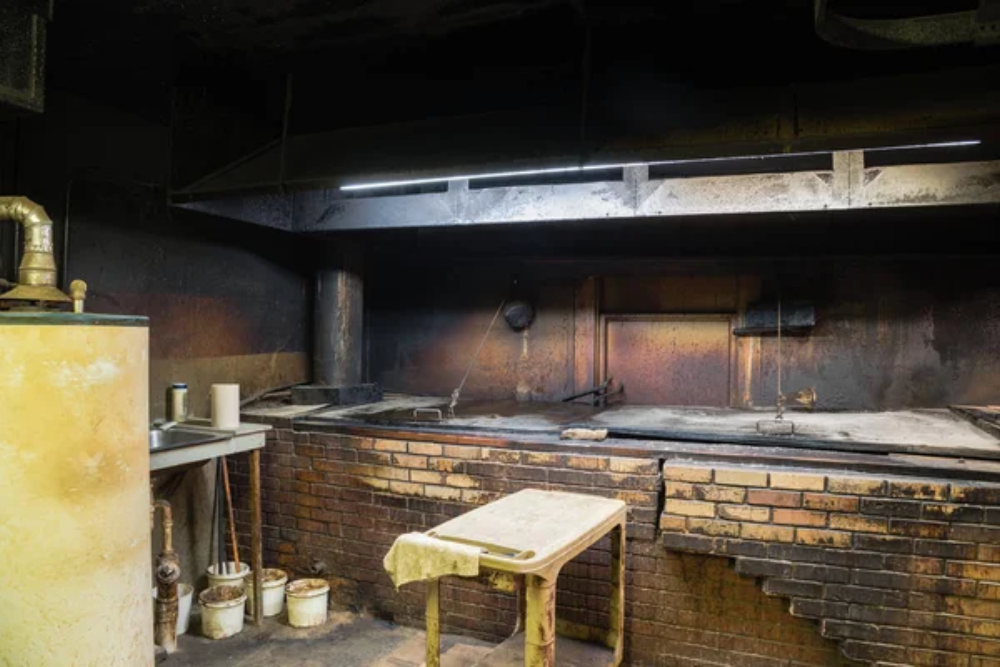
Traditional smoke houses created foods with incredible flavor complexity and natural preservation properties that modern curing methods struggle to match. The slow, cool curing process using specific woods developed deep, nuanced flavors while the natural chemicals in smoke acted as preservatives and flavor enhancers.
Unlike modern hot curing , traditional cold curing could take weeks, allowing flavors to penetrate thoroughly and creating textures that were both tender and firm.
Solar Drying on Reed Mats
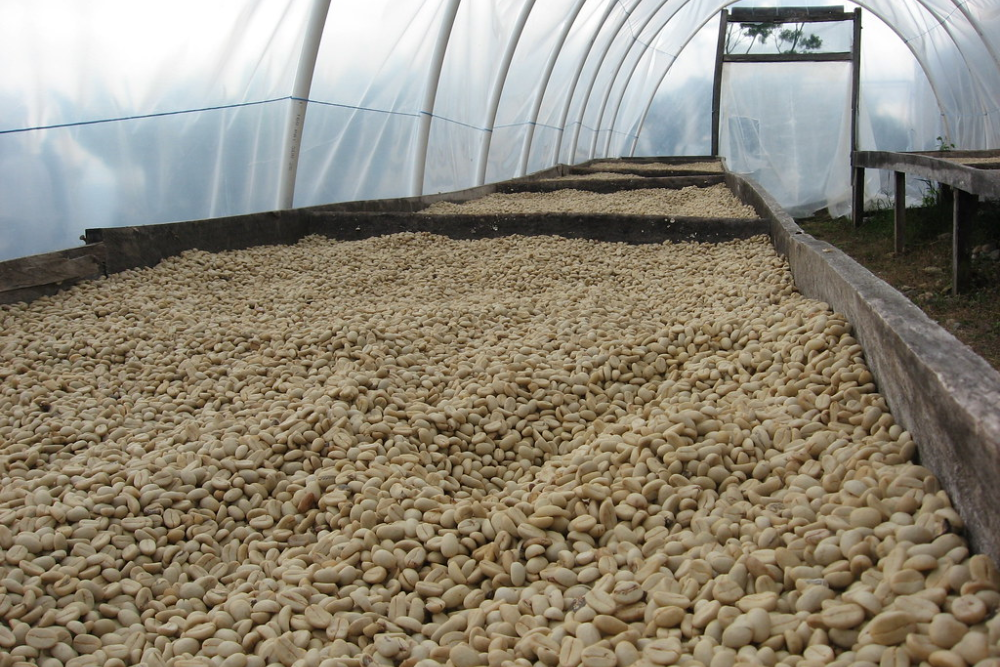
Ancient cultures used solar drying on specially woven reed mats to preserve fruits, vegetables, and meats, creating concentrated flavors and enhanced nutritional density. The natural airflow through the reed mats prevented spoilage while allowing for even drying, and the process concentrated natural sugars and flavors in ways that modern dehydrators often cannot replicate.
Sun-dried foods also retained more vitamins and minerals than many modern preservation methods.
Gourd Vessel Cooking
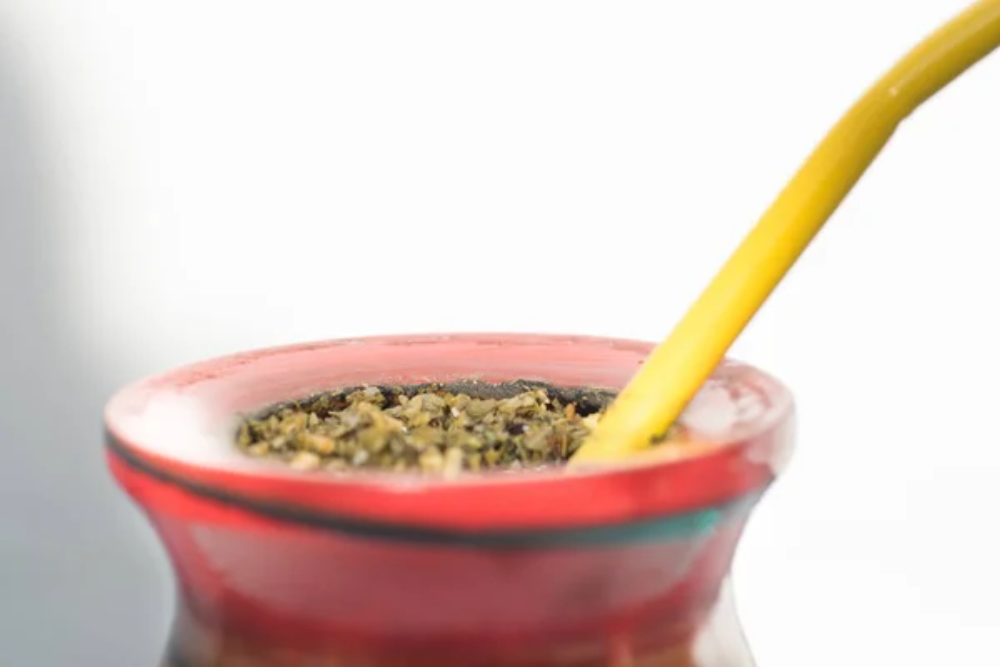
Many cultures used hollowed gourds as cooking vessels, which imparted subtle flavors while providing excellent heat retention and even cooking. The natural properties of gourds made them ideal for slow-cooking stews and soups, and they never imparted metallic tastes or created hot spots that could burn food.
Gourd cooking also allowed for portable meal preparation, with the vessel serving as both pot and serving bowl.
Like Go2Tutors’s content? Follow us on MSN.
Ice Preservation and Cooking
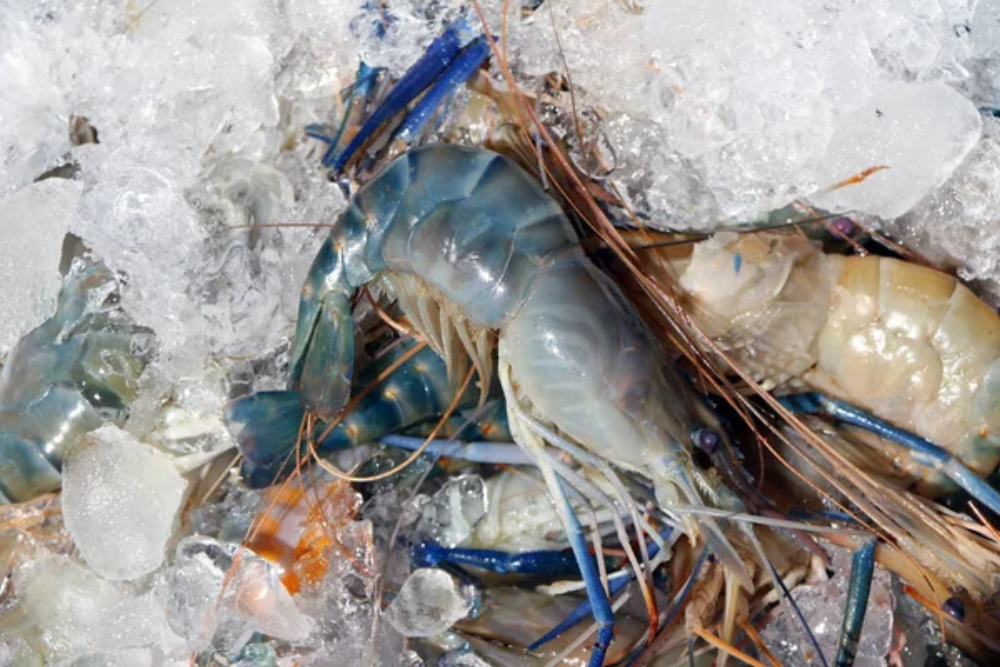
Arctic cultures developed sophisticated ice preservation and cooking methods that maintained food quality for months while actually improving flavors through controlled freezing and thawing cycles. Fish and meat stored in ice developed unique textures and concentrated flavors as natural enzymes continued working slowly in the cold environment.
This process created foods with enhanced taste and nutritional content that modern freezing methods cannot replicate.
Leaf Wrapping Techniques

Cultures worldwide used large leaves as natural cooking wrappers, creating steam pockets that cooked food gently while infusing it with subtle plant flavors. Banana leaves, corn husks, and other natural wrappers provided the perfect cooking environment for delicate foods like fish and vegetables, keeping them moist while allowing flavors to meld.
These natural wrappers also eliminated the need for added fats or oils, creating healthier dishes with pure, concentrated flavors.
Hot Stone Cooking
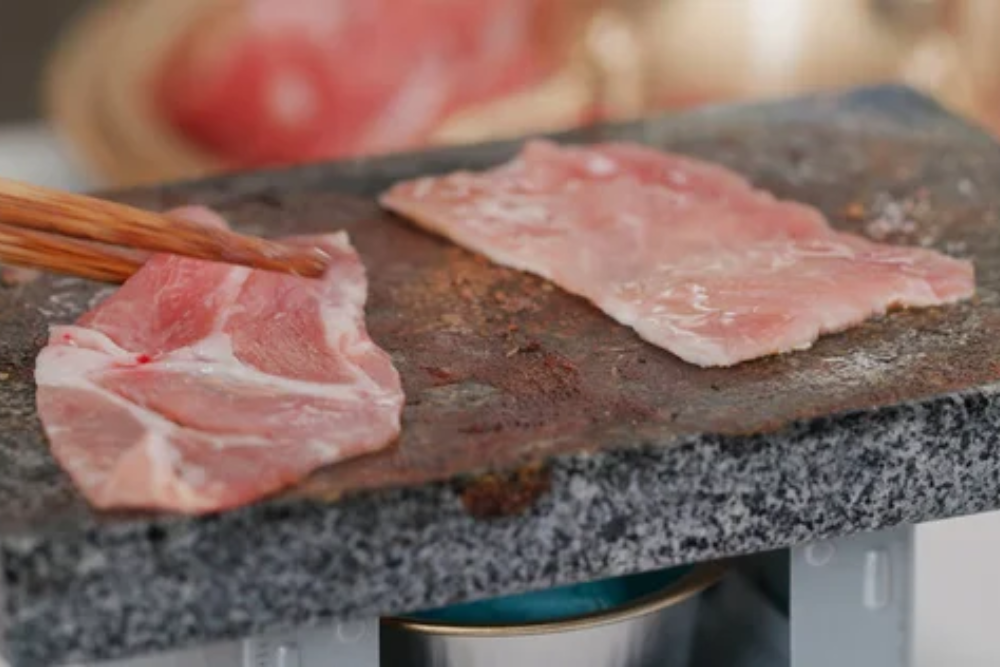
Pacific Island cultures perfected hot stone cooking, where heated volcanic rocks were used to cook foods quickly while imparting unique mineral flavors. The intense, even heat from the stones seared foods perfectly while keeping interiors tender and juicy, and the natural minerals in the volcanic rock enhanced the nutritional content of meals.
This method created foods with complex flavors and textures that modern grilling techniques rarely achieve.
Like Go2Tutors’s content? Follow us on MSN.
Maple Sap Reduction
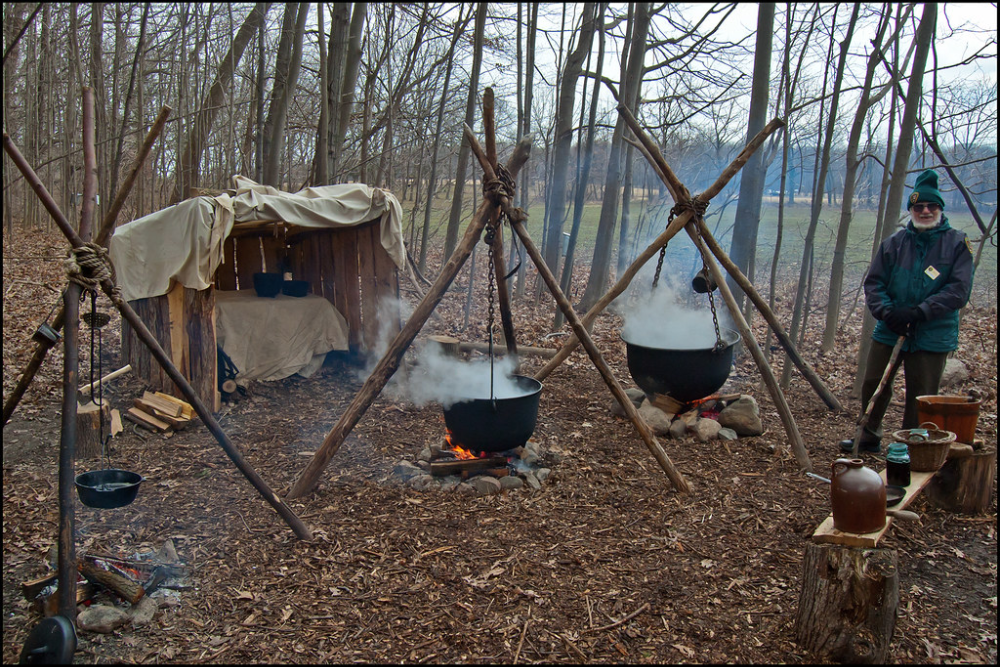
Native American tribes developed maple sap reduction techniques that created natural sweeteners with complex flavors and nutritional benefits far superior to modern processed sugars. The slow boiling process over wood fires concentrated not just sugars but also minerals and other beneficial compounds, creating sweeteners that actually provided nutritional value.
The wood-fired reduction process also created unique flavor compounds that modern maple syrup production methods often fail to develop.
Natural Fermentation Pits

Many cultures used natural fermentation pits lined with specific materials to create fermented foods with incredible flavor complexity and enhanced nutritional profiles. These pits provided perfect conditions for beneficial bacteria to thrive while preventing harmful microorganisms from developing, creating foods that were both delicious and health-promoting.
The natural environment in these pits allowed for slow fermentation that developed deep, complex flavors that modern fermentation methods struggle to replicate.
Timeless Techniques for Modern Kitchens

These ancient cooking methods remind us that sometimes the oldest ways really are the best ways, producing foods with superior flavor, nutrition, and satisfaction that our modern convenience-focused methods often miss. While we may not be able to dig underground ovens in our backyards, understanding these traditional techniques can inform our cooking choices and help us appreciate the wisdom our ancestors developed through centuries of experimentation.
The next time you taste something truly exceptional, there’s a good chance it was prepared using methods that would be familiar to cooks from thousands of years ago.
Like Go2Tutors’s content? Follow us on MSN.
More from Go2Tutors!

- 16 Historical Figures Who Were Nothing Like You Think
- 12 Things Sold in the 80s That Are Now Illegal
- 15 VHS Tapes That Could Be Worth Thousands
- 17 Historical “What Ifs” That Would Have Changed Everything
- 18 TV Shows That Vanished Without a Finale
Like Go2Tutors’s content? Follow us on MSN.



