Largest and Most Famous Gemstones Ever Discovered
There is something about an extraordinary gemstone that stops people cold. Not just because of the price tag or the sparkle under glass, but because of what it represents — millions of years of pressure, heat, and geological chance that produced something almost impossibly beautiful.
The world’s most famous gems carry history in ways few objects can. Wars have been fought over them.
Empires have claimed them. Some are said to carry curses.
Others have simply passed quietly through centuries of hands, each owner adding another layer to the story. Here are the gems that have captured the world’s imagination more than any others.
The Cullinan Diamond
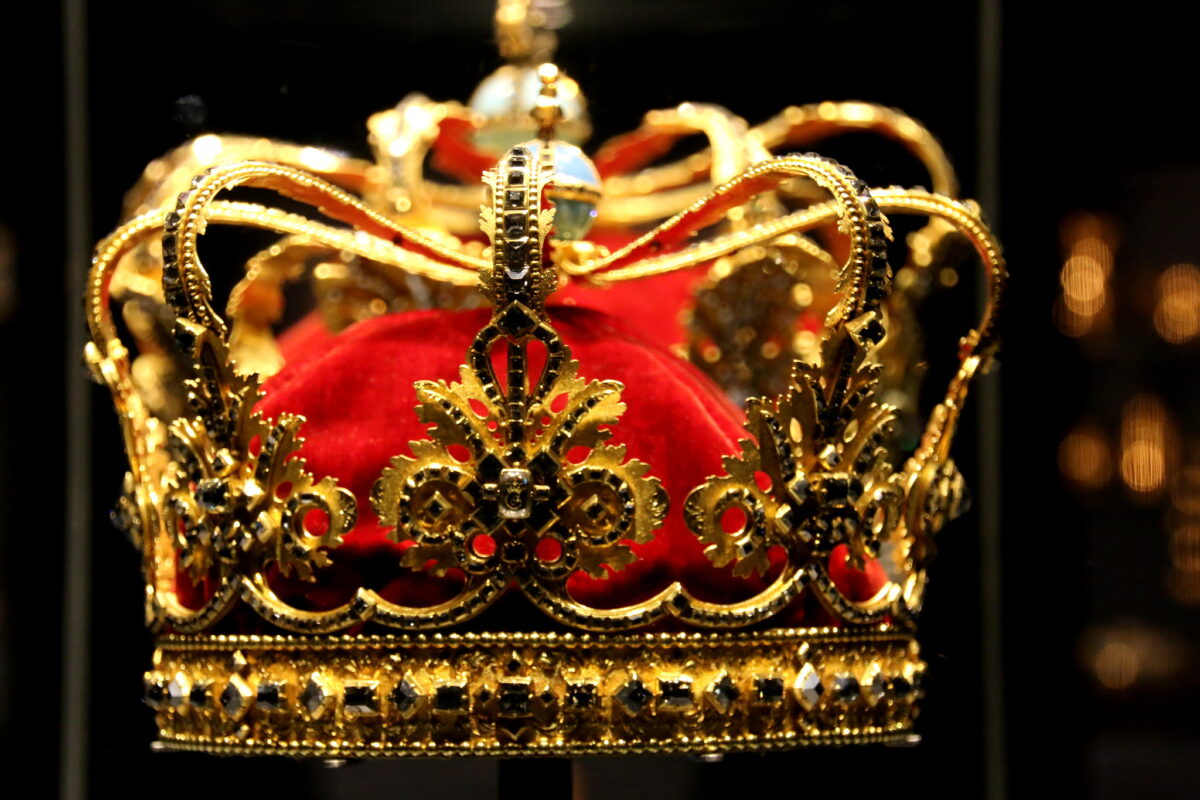
Found in South Africa in 1905, the Cullinan is the largest rough gem-quality diamond ever discovered. It weighed 3,106 carats in its raw state — about the size of a man’s fist.
A South African mine manager named Frederick Wells spotted it protruding from a mine wall and initially thought it was a piece of glass left by a worker. The diamond was eventually sent to King Edward VII of Britain as a gift.
Master cutter Joseph Asscher studied it for months before making the first cut. When he finally struck it, he reportedly fainted from the tension.
The Cullinan was eventually divided into nine major stones and numerous smaller fragments. The two largest — Cullinan I and Cullinan II — are now part of the British Crown Jewels.
The Hope Diamond
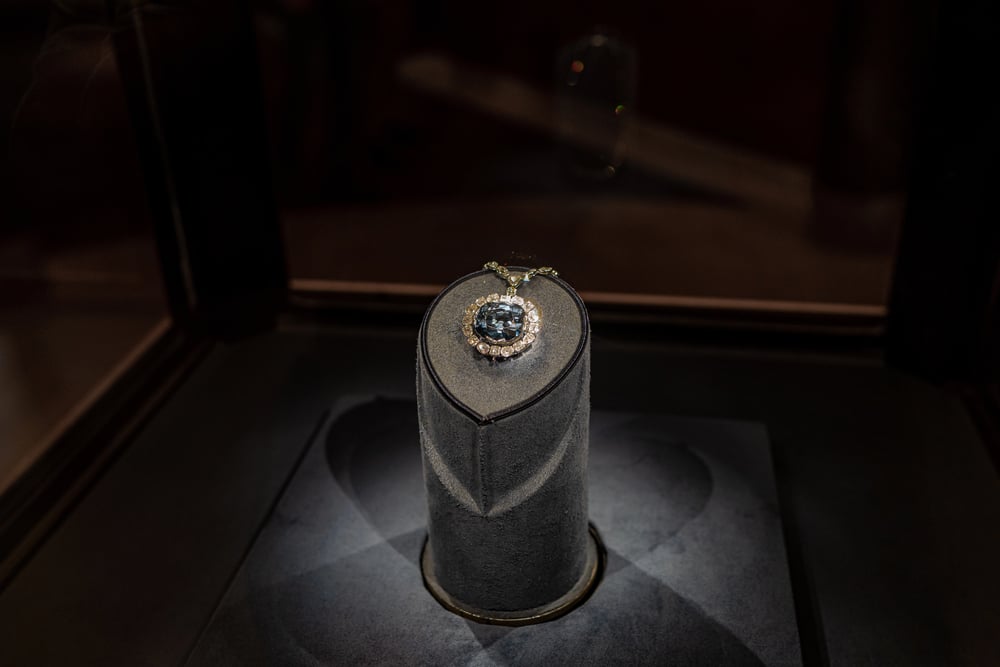
Few gems carry a reputation quite like the Hope Diamond. The stone is a deep blue, about 45.52 carats, and currently sits in the Smithsonian Institution in Washington, D.C.
It draws more visitors than almost any other object on display there. The Hope has been linked to a string of tragedies among its owners over the centuries — financial ruin, imprisonment, violent deaths.
Most historians treat the “curse” as a story embellished over time, but the legend has stuck. The diamond likely originated in India before making its way to France, then England, then eventually the United States after American jeweler Harry Winston donated it to the Smithsonian in 1958.
He mailed it in a plain brown paper package.
The Star of Africa
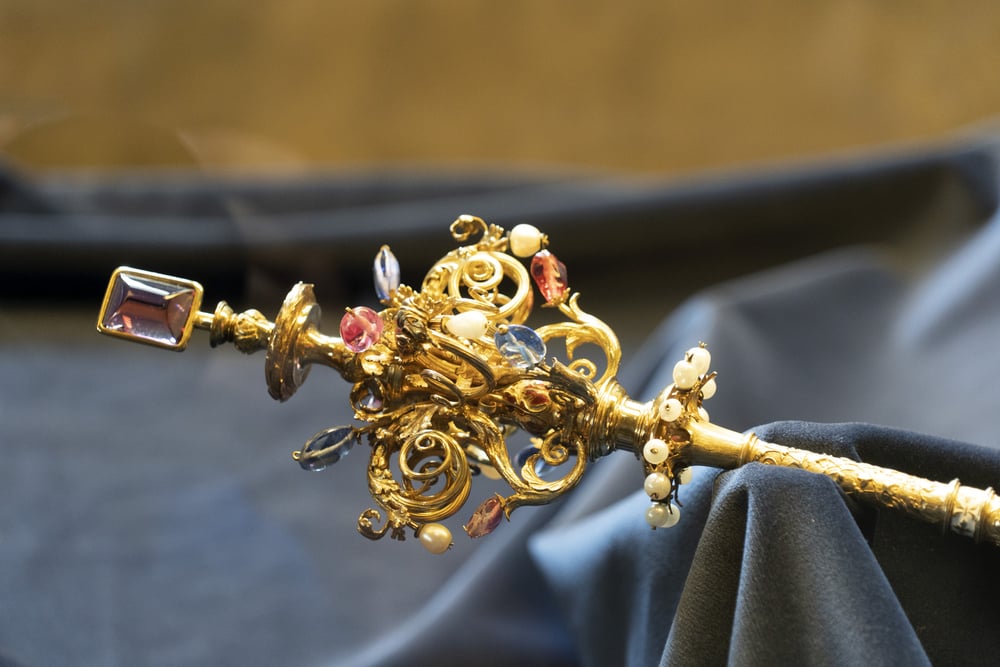
This is what the Cullinan became — or rather, the largest piece of it. Cullinan I, also called the Star of Africa, weighs 530.4 carats and is the largest clear cut diamond in the world.
It sits at the top of the Sovereign’s Sceptre with Cross, one of the centrepieces of the British Crown Jewels held in the Tower of London. Cullinan II, the second largest stone from the original rough, weighs 317.4 carats and is set in the Imperial State Crown.
Both stones are pear-shaped and colourless, and both are the product of that single morning’s discovery in a South African mine over a century ago.
The Koh-i-Noor
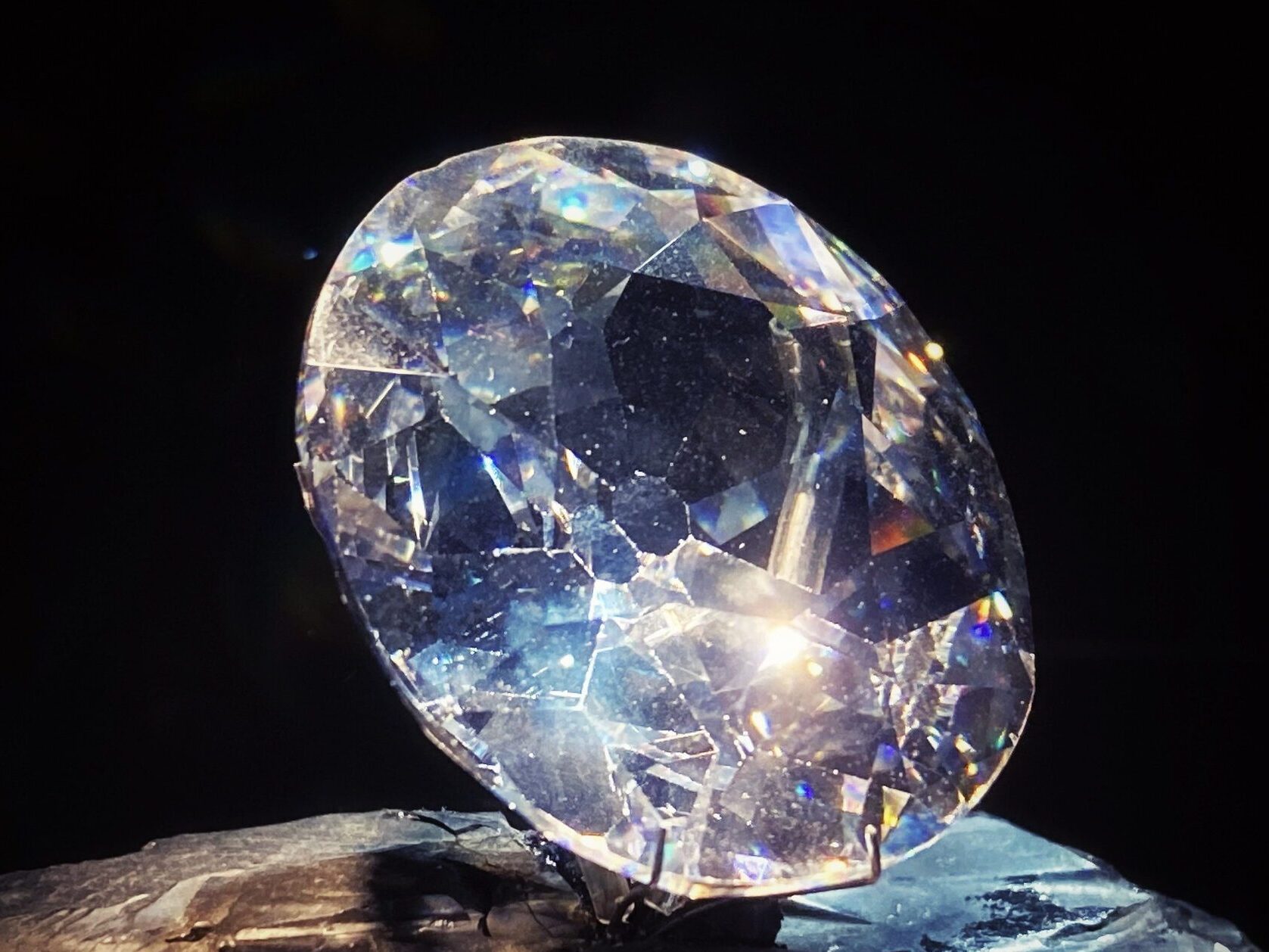
The Koh-i-Noor’s name translates from Persian as “Mountain of Light.” It’s one of the oldest known large diamonds, with a recorded history stretching back to the early 14th century in India.
For centuries it passed between Mughal emperors, Persian shahs, and Afghan rulers before the British East India Company acquired it in 1849 following the annexation of the Punjab. It was presented to Queen Victoria and eventually reset into the crown worn by Queen Elizabeth The Queen Mother at her coronation in 1937.
The diamond is now part of the Crown Jewels and is displayed at the Tower of London. India, Pakistan, Iran, and Afghanistan have all made formal requests for its return. Britain has declined each time.
The Black Orlov
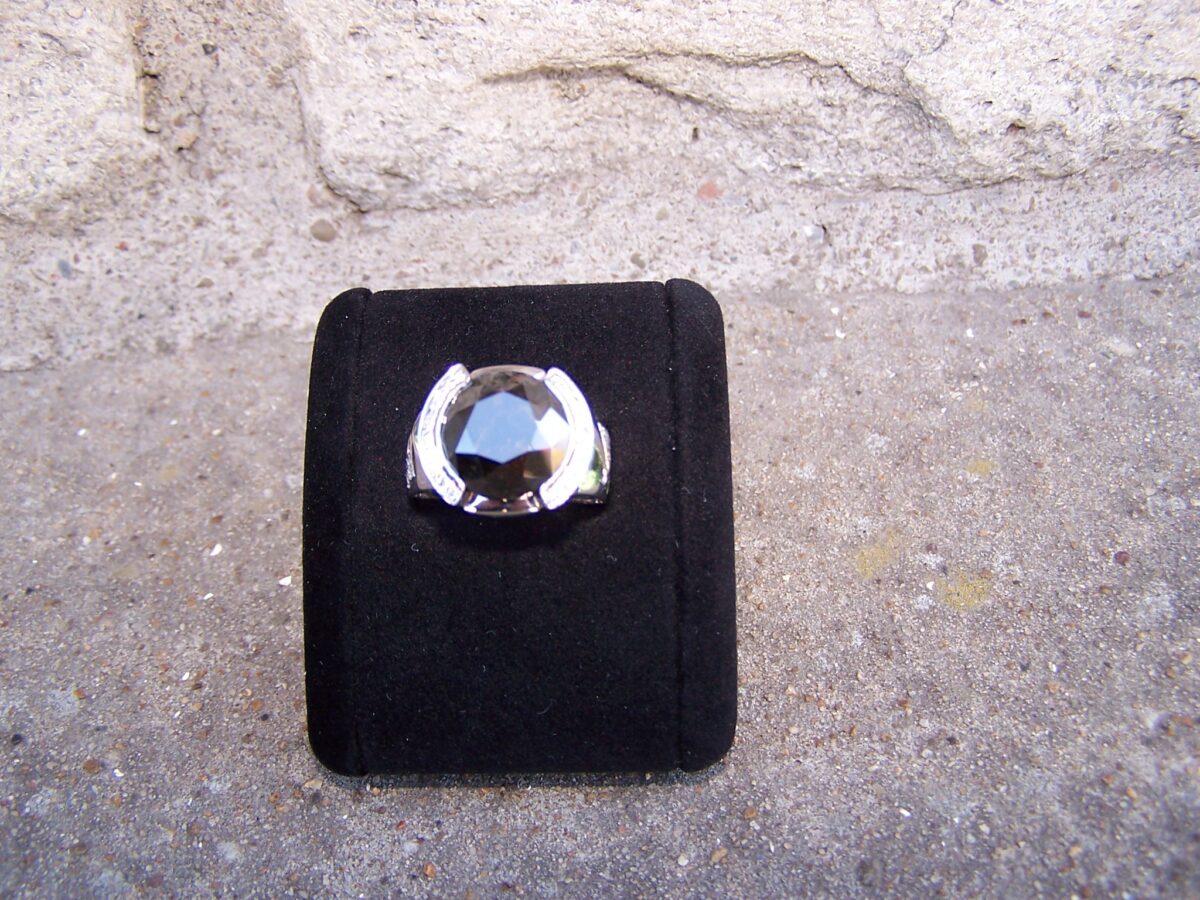
Not every famous gemstone is colourless. The Black Orlov is a 67.50-carat black diamond with a surface like polished obsidian.
It supposedly originated in India, where, according to legend, it was one of three eyes in a statue of the Hindu god Brahma — and was cursed when a monk removed it. Whether the curse is real or not, two of its early 20th-century owners died by self-harm.
The gem later passed through the hands of jeweler Charles F. Winson, who had it cut into three pieces in an attempt to break the curse. It’s now set in a brooch surrounded by white diamonds and has appeared at multiple major auction houses over the decades.
The Regent Diamond
The Regent Diamond was found by a slave in the Golconda mines of India around 1698. The stone weighed 410 carats in the rough. The slave reportedly hid it in a wound in his leg to smuggle it out of the mine.
An English sea captain later cheated him out of it. The diamond eventually made its way to France, where it was cut to 140.64 carats and purchased by Philippe II, Duke of Orléans, for the French Crown.
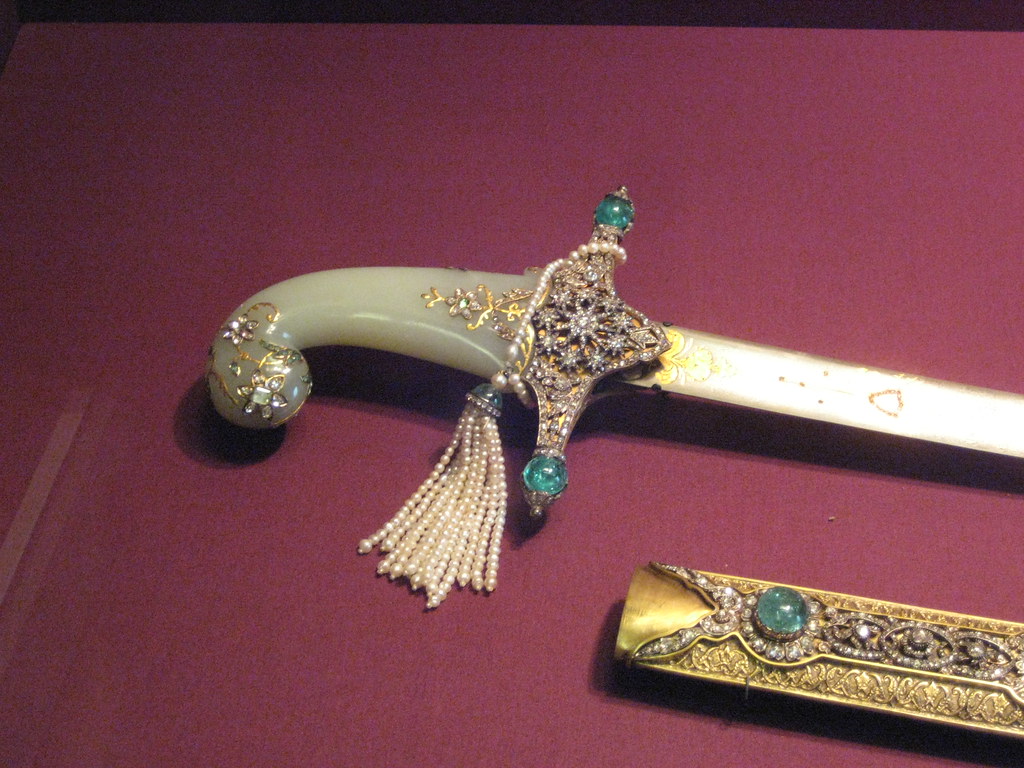
It decorated the hilt of Napoleon Bonaparte’s sword. Today it sits in the Louvre in Paris, where it has been since the late 18th century.
The Blue Moon of Josephine
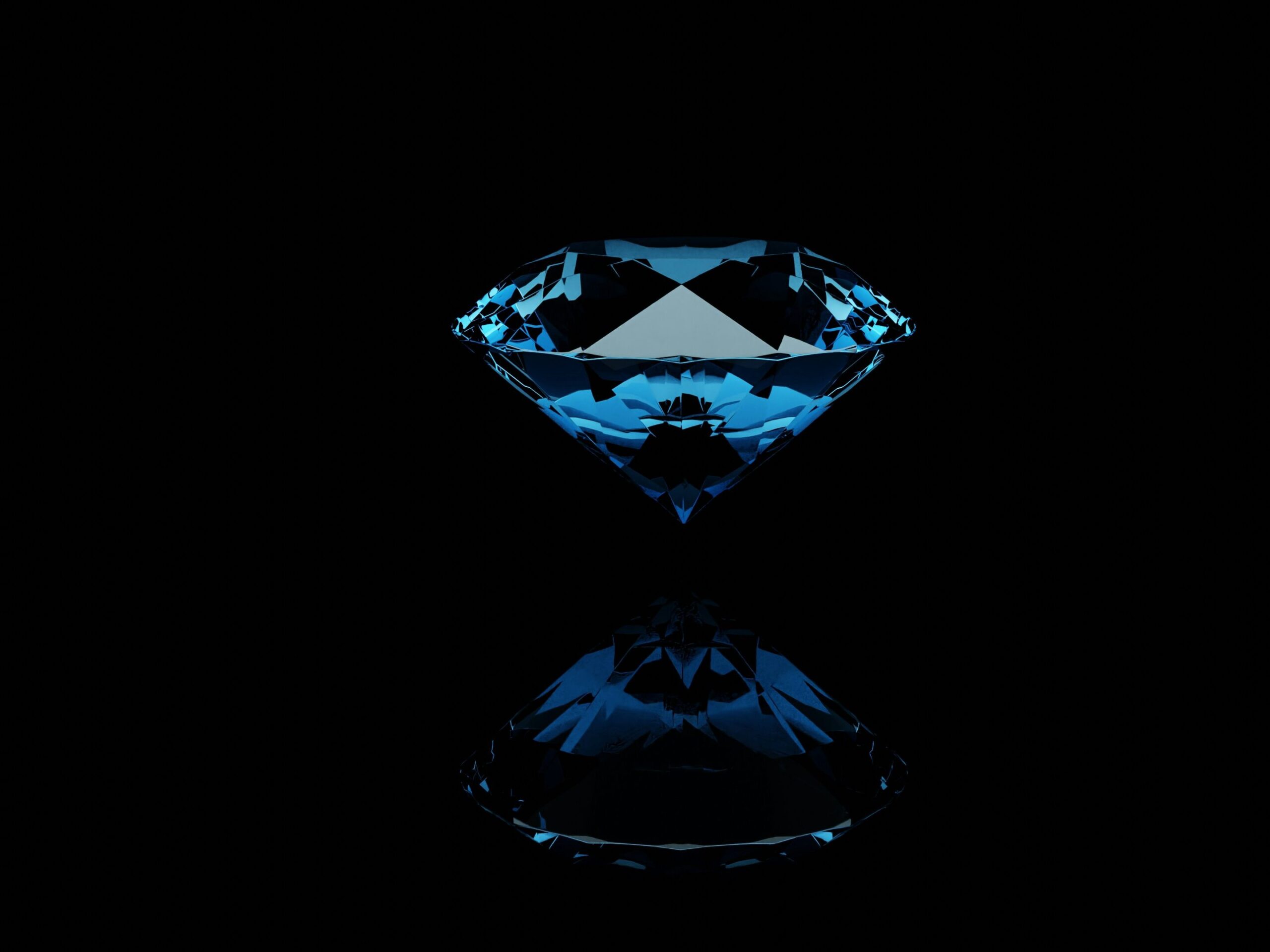
In 2015, a 12.03-carat blue diamond sold at Sotheby’s Geneva for $48.4 million — at the time a world record price per carat for any gemstone. The buyer was Joseph Lau, a Hong Kong property developer, who named it after his daughter Josephine.
What makes the Blue Moon remarkable isn’t just the price. Blue diamonds are extraordinarily rare.
A stone this size, with this depth of colour and this level of clarity, appears maybe once in a generation. It was discovered in South Africa’s Cullinan mine in 2014 and cut from a 29.6-carat rough stone.
The Paraíba Tourmaline
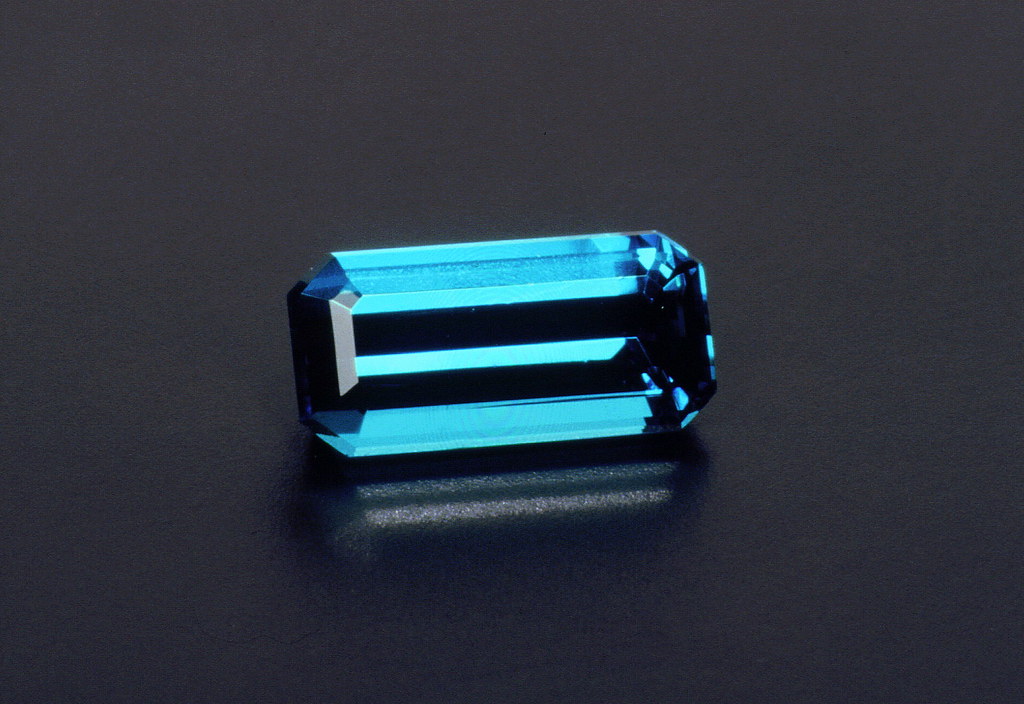
Paraíba tourmalines glow. There is no other word for it.
The stones come from a specific region of Brazil — and later from Mozambique and Nigeria — and owe their electric blue-green colour to traces of copper, which is almost unheard of in tourmalines. Under any light, they look like they’re lit from inside.
The original deposit was discovered by miner Heitor Dimas Barbosa in the late 1980s in the Brazilian state of Paraíba. He spent years digging before finding anything.
The largest known Paraíba tourmaline weighs around 191.87 carats, though most fine specimens are measured in single digits. Carat for carat, the finest Paraíbas are among the most valuable gemstones in the world.
The Star of India
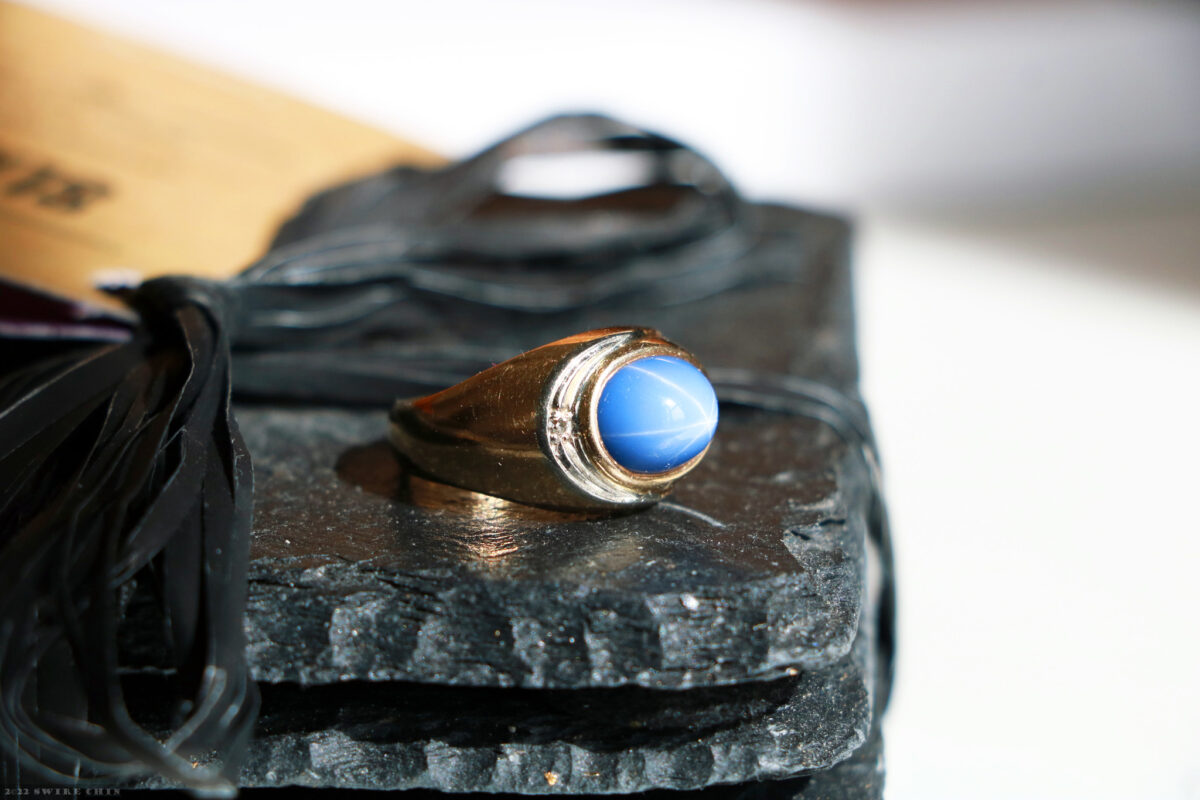
The Star of India is a 563.35-carat star sapphire — one of the largest in existence. A star sapphire displays a six-pointed star on its surface when light hits it, a phenomenon caused by tiny needle-like inclusions inside the stone.
The Star of India’s star is visible on both sides of the gem, which is extremely unusual. The stone is believed to have formed around 2 billion years ago in Sri Lanka.
It eventually came into the possession of financier J.P. Morgan, who donated it to the American Museum of Natural History in New York in 1900. In 1964, a group of thieves broke into the museum and stole it along with several other gems.
Most were recovered within days.
The Mogok Ruby
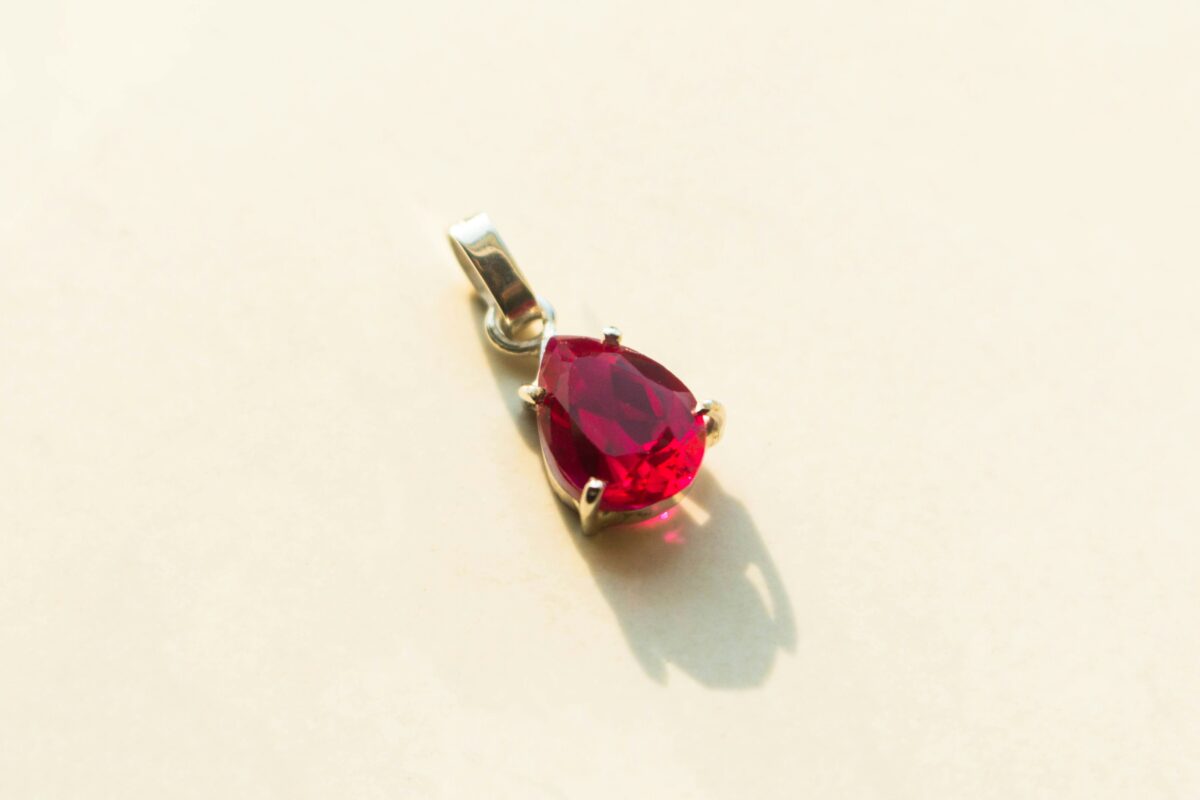
Rubies from the Mogok Valley in Myanmar are considered the finest in the world. The valley has produced deep red stones for over a thousand years, and the colour they carry — often described as “pigeon’s blood” for its intense, slightly blue-tinged red — is unmatched anywhere else on earth.
The most celebrated Mogok ruby ever sold at auction is the Sunrise Ruby, a 25.59-carat stone that fetched $30.3 million at Sotheby’s Geneva in 2015. Per carat, it remains one of the most expensive gems ever sold.
Fine Mogok rubies now regularly outprice diamonds of equivalent size at major auction houses.
The Logan Sapphire
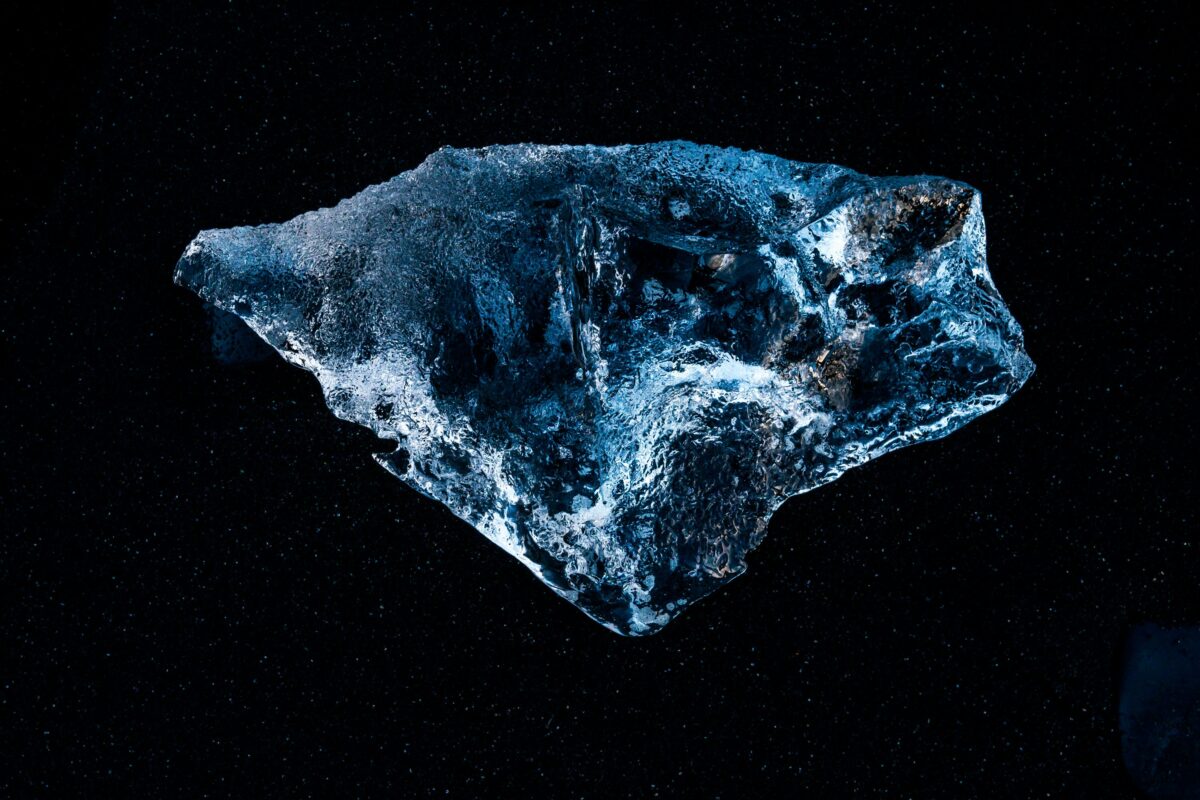
The Logan Sapphire is the second-largest faceted blue sapphire in the world, weighing 422.99 carats. It’s a cushion-cut stone from Sri Lanka with a rich, velvety blue colour that gem experts consider near-perfect for a sapphire of its size.
It was donated to the Smithsonian Institution in 1960 by Rebecca Pollard Logan, whose estate gave the gem its name. It’s currently displayed alongside the Hope Diamond in the National Museum of Natural History.
Most visitors walk past it on their way to the Hope, which is something of an injustice.
The Graff Pink
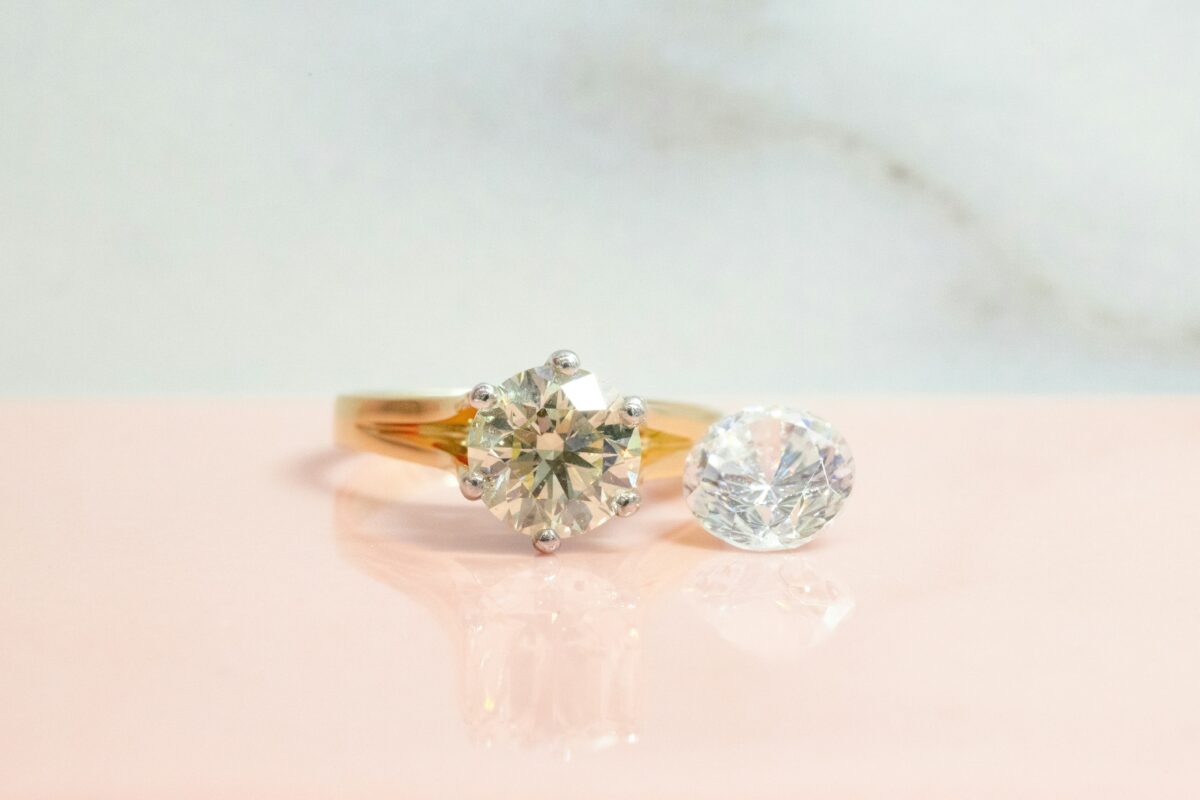
In 2010, a 24.78-carat pink diamond sold at Sotheby’s Geneva for $46 million — the highest price ever paid for a diamond at that point. Buyer Laurence Graff, one of the world’s leading gem dealers, renamed it the Graff Pink.
Pink diamonds are among the rarest stones on earth. The vast majority of them come from the Argyle mine in Western Australia, which closed permanently in 2020. With that closure, the supply of new pink diamonds dropped dramatically, and prices for existing stones have climbed accordingly.
The Graff Pink had previously been owned by Harry Winston and before that had spent decades in a private collection, largely unseen.
The Oppenheimer Blue
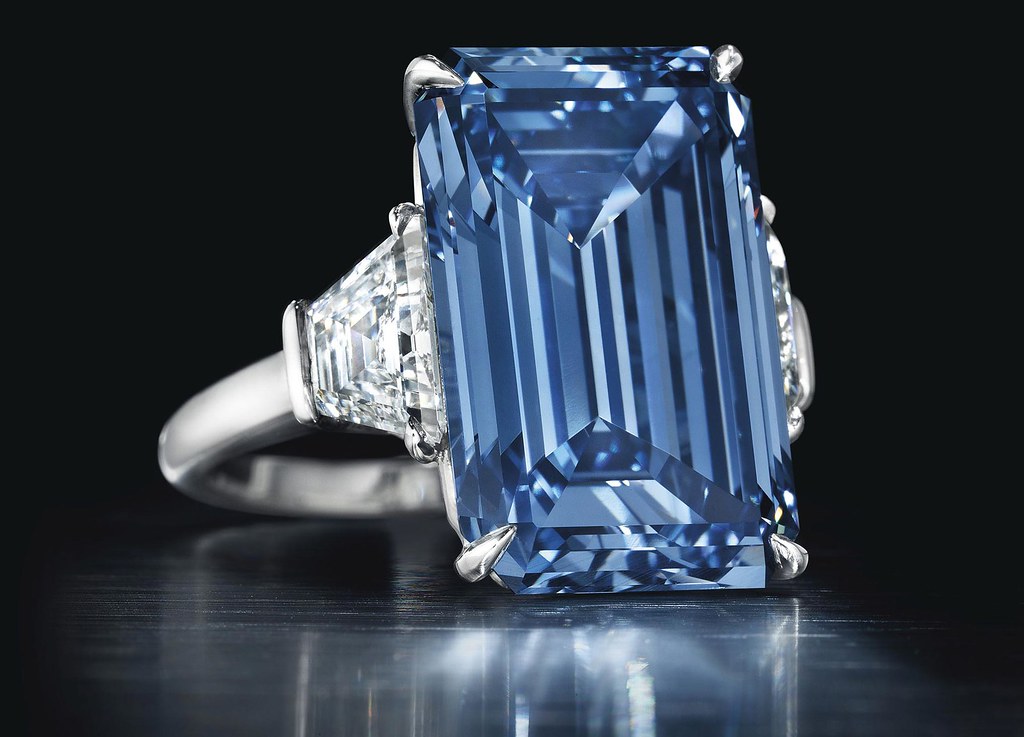
The Oppenheimer Blue is a 14.62-carat vivid blue diamond that sold at Christie’s Geneva in 2016 for $57.5 million — the most expensive jewel ever sold at auction at that time. It had previously belonged to Philip Oppenheimer, a member of the De Beers diamond family, which is how it got its name.
Blue diamonds get their colour from the presence of boron atoms within the crystal structure during formation. The more boron, the deeper the blue.
Stones of this intensity at this size are found perhaps once a decade. The Oppenheimer Blue is considered one of the finest blue diamonds ever documented.
The Carmen Lucia Ruby
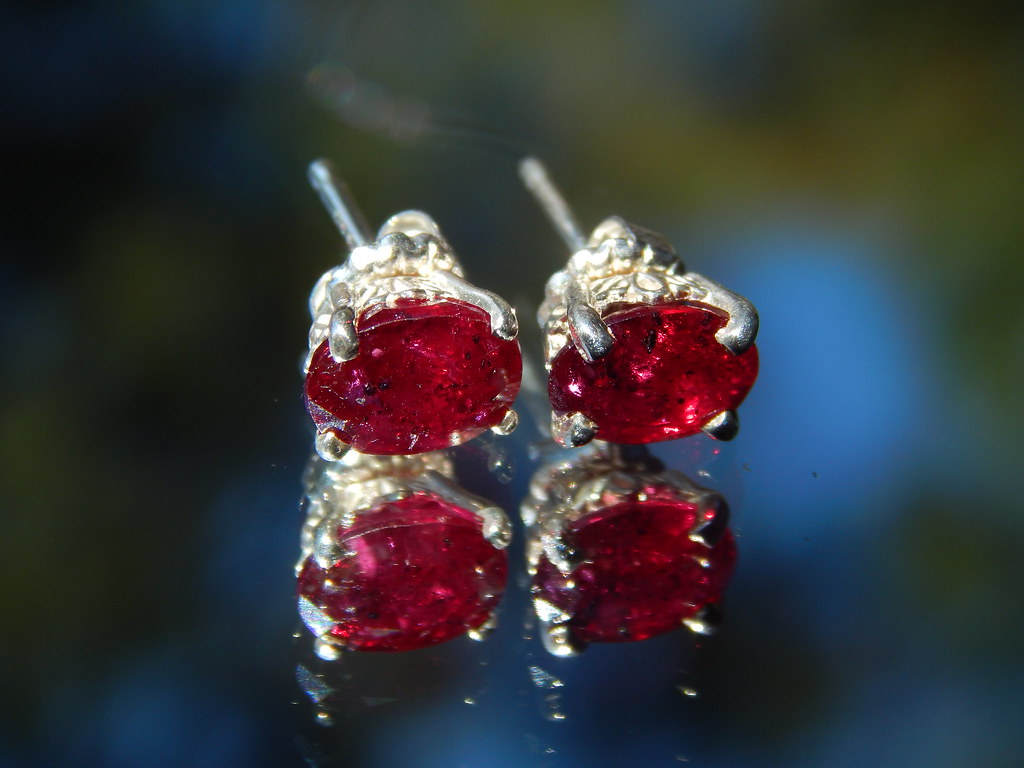
This 23.1-carat Burmese ruby sits in the Smithsonian Institution in Washington, D.C., where it arrived in 2004 as part of a bequest from Peter Buck, who bought it for his wife Carmen Lucia. It came originally from the Mogok Valley and is one of the largest and finest Burmese rubies in any public collection in the world.
What sets it apart from other rubies of similar size is the consistency of its colour throughout the stone. Large rubies almost always have colour zoning — patches or gradations of different intensity.
The Carmen Lucia is remarkably uniform, which is part of why gem experts regard it so highly.
The Sancy Diamond
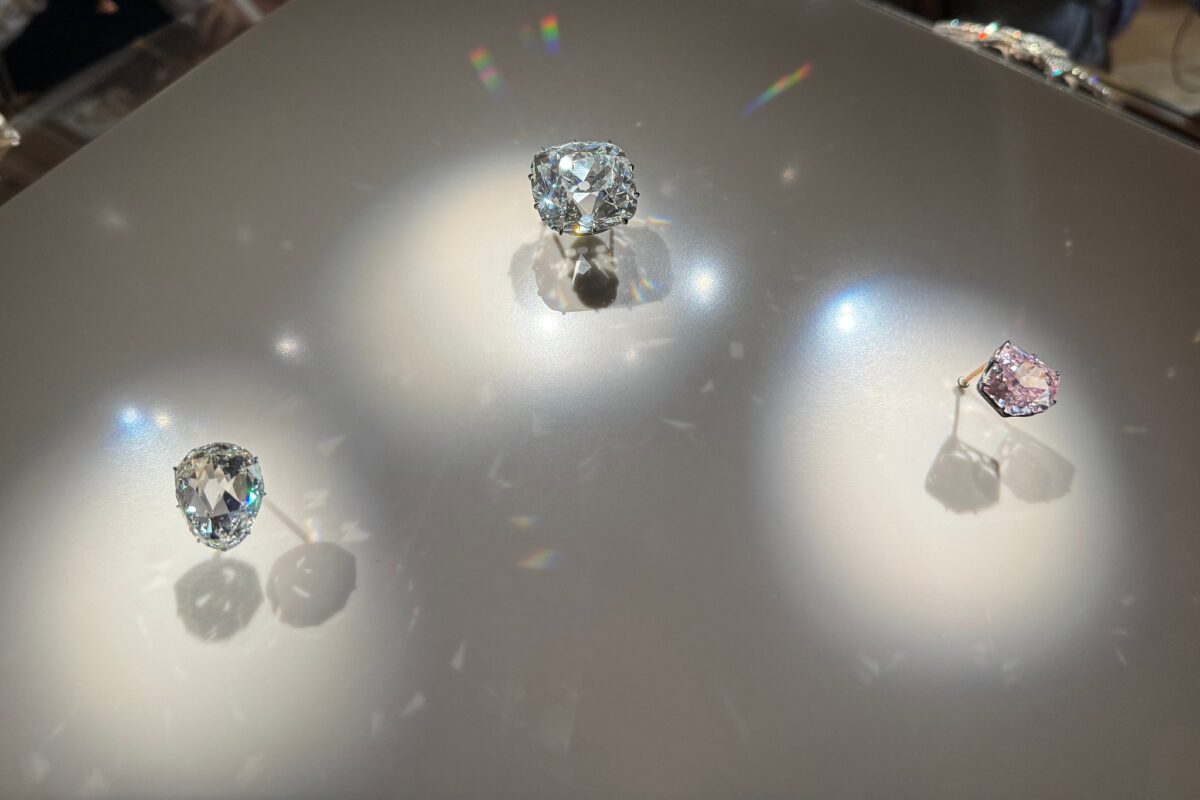
The Sancy Diamond is a pale yellow, 55.23-carat stone with an unusual double-rose cut — meaning it has facets on both the top and bottom but no flat base. It’s one of the oldest large diamonds with a documented history, appearing in records as far back as the early 15th century.
It passed through the hands of French and English royalty, was used as collateral for military loans, and disappeared multiple times over the centuries only to resurface decades later. It now sits in the Apollo Gallery of the Louvre in Paris, alongside the Regent Diamond.
The Sancy’s story is arguably more dramatic than its appearance — it doesn’t dazzle in the way some diamonds do, but the history attached to it is almost unmatched.
Stones That Outlast Everything Else
Gemstones are strange objects to obsess over. They don’t do anything.
They serve no function beyond looking a certain way under light. And yet people have crossed oceans for them, started wars over them, built religions around them, and told stories about them for thousands of years.
Part of it is rarity — the knowledge that something took geological time to form and exists in only a handful of places on earth. Part of it is beauty, though beauty is always easier to feel than to explain.
And part of it is history. When you look at the Koh-i-Noor behind glass in the Tower of London, you’re looking at something that passed through the hands of emperors and conquerors across six centuries.
The stone doesn’t change. Everything around it does.
That permanence is probably what drives the fascination. In a world where almost everything is temporary, a diamond or a sapphire or a ruby just keeps going — through wars, through thefts, through the collapse of empires — arriving in the present day more or less exactly as it left the earth, waiting for whoever looks at it next.
More from Go2Tutors!

- The Romanov Crown Jewels and Their Tragic Fate
- 13 Historical Mysteries That Science Still Can’t Solve
- Famous Hoaxes That Fooled the World for Years
- 15 Child Stars with Tragic Adult Lives
- 16 Famous Jewelry Pieces in History
Like Go2Tutors’s content? Follow us on MSN.



