Musical Instruments That Were Forbidden Throughout History and Why They Were Silenced
Music has always carried power beyond entertainment. Throughout history, rulers, religious leaders, and societies have recognized that certain sounds could spark rebellion, challenge authority, or corrupt moral order.
When an instrument becomes too dangerous, too seductive, or too associated with the wrong kind of people, it gets banned. These prohibitions reveal as much about the fears of those in power as they do about the instruments themselves.
The Drum
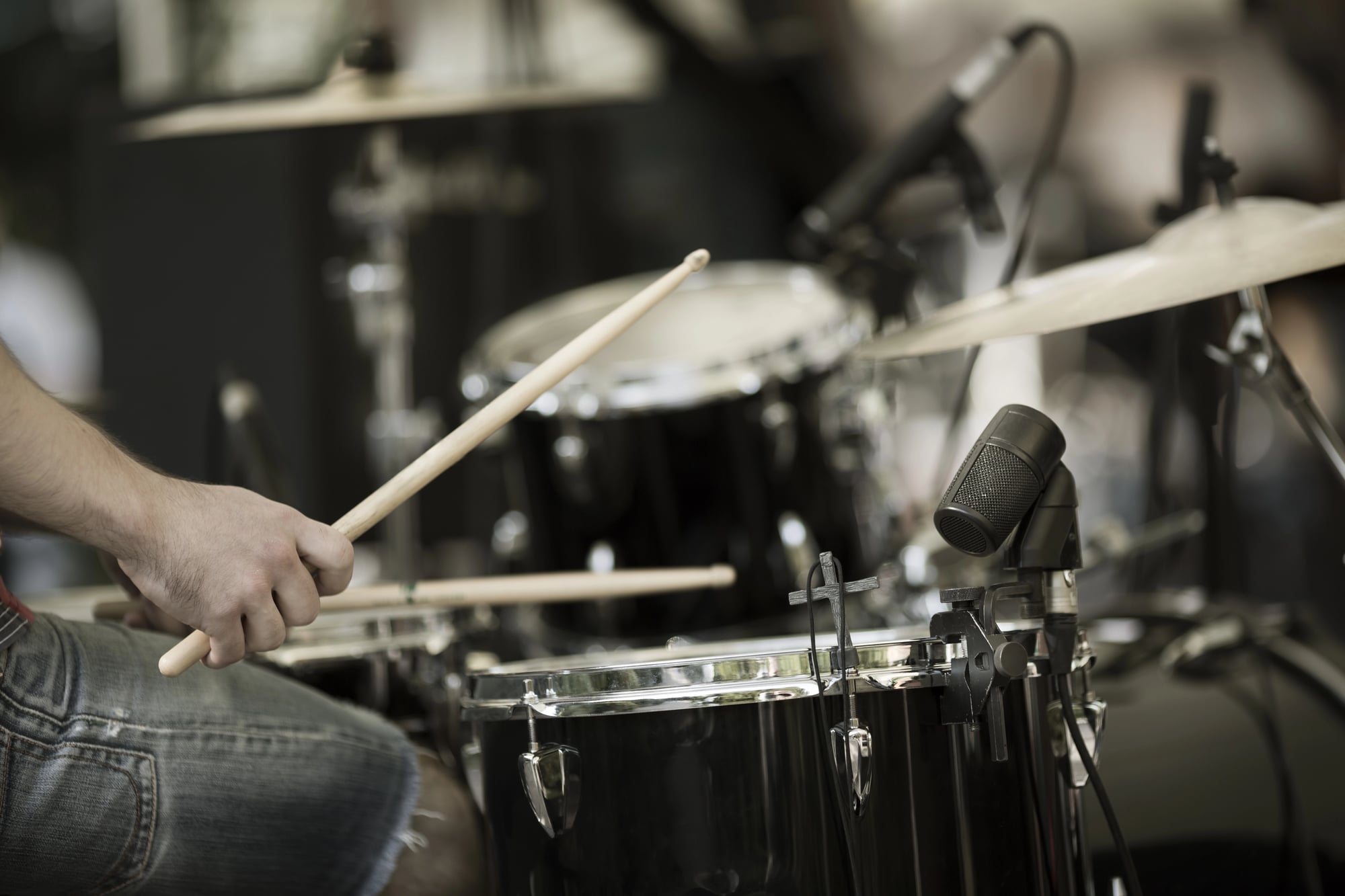
Drums got banned fast in colonial America. Slaveholders knew exactly what rhythmic communication could accomplish.
Plantation owners weren’t worried about noise complaints. They feared the talking drums that could send messages across miles of countryside, coordinating escapes and uprisings.
So they outlawed drums entirely in many Southern states.
The Saxophone

The saxophone’s story reads like a moral panic written in brass — and when Adolphe Sax invented it in the 1840s, nobody quite knew what to do with this hybrid creature that wasn’t quite woodwind, wasn’t quite brass, but was definitely something that made people move their bodies in ways that concerned the authorities. Churches banned it first (too sensual for Sunday worship), then schools followed suit (too distracting for proper musical education), and by the time jazz arrived and claimed the saxophone as its own, the instrument had already spent decades on the wrong side of respectability.
But here’s the thing about trying to suppress something that sounds that good: the harder you push against it, the more it becomes exactly what you were afraid it would become in the first place.
The Electric Guitar
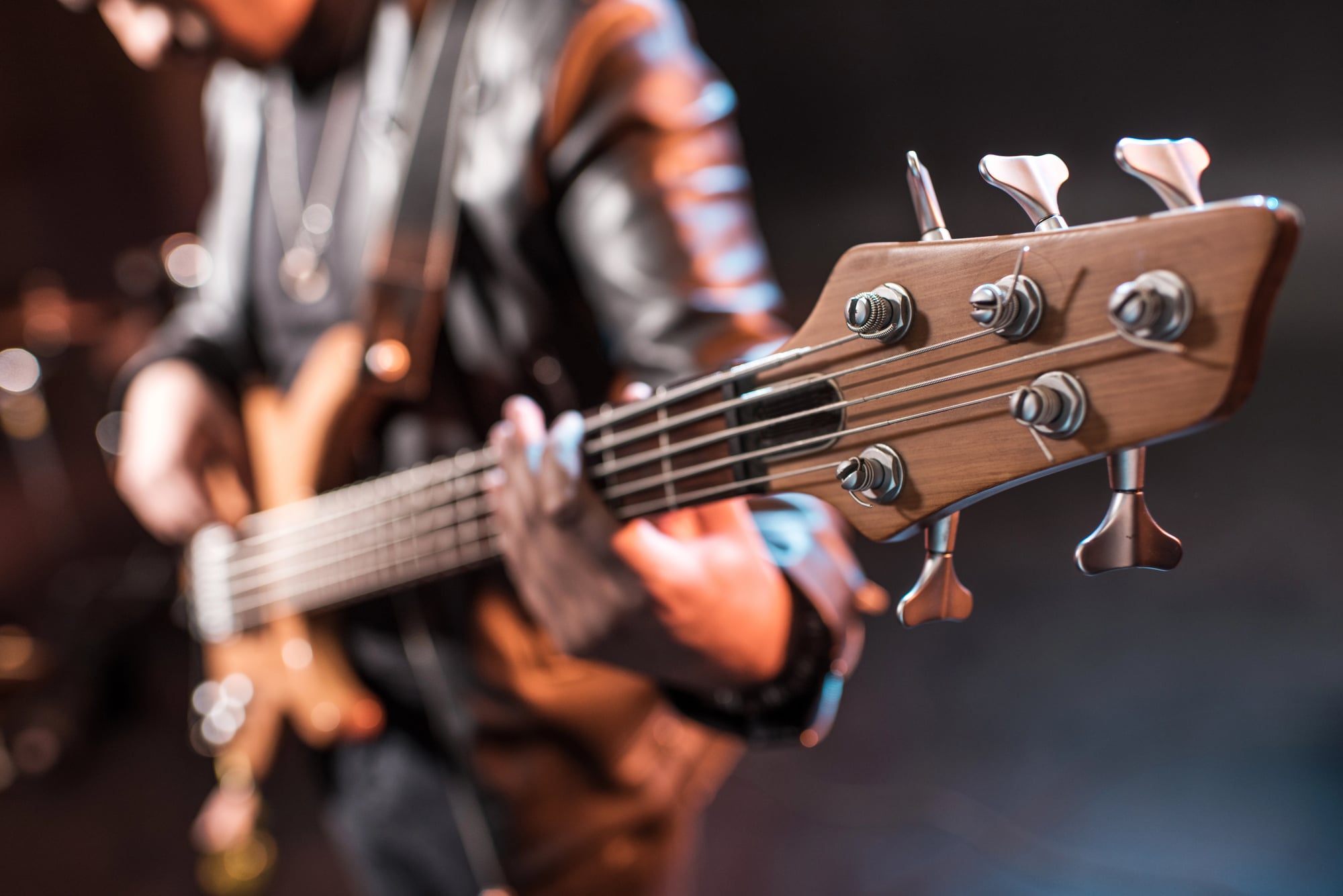
Electric guitars were the devil’s work, according to plenty of authorities in the 1950s. The volume alone violated every principle of proper musical decorum.
Churches preached against them. Schools banned them from music programs.
Even some recording studios refused to work with electric instruments, calling them a corruption of real music. The amplification didn’t just make guitars louder — it made rebellion audible from blocks away.
The Didgeridoo

There’s something about a sound that old — maybe 40,000 years old — that makes colonizers particularly nervous, like they can hear all the things they’re trying to erase humming back at them through a hollow eucalyptus branch. When European settlers arrived in Australia, they didn’t just take land; they systematically dismantled the cultural practices that made the land meaningful to its original inhabitants, and the didgeridoo, with its deep, earth-shaking drone that seemed to emerge from the ground itself, represented exactly the kind of spiritual connection they needed to sever.
So they banned it in missions and government settlements, calling it primitive noise. The irony sits heavy: an instrument that mimics the breathing of the earth itself, silenced by people who saw the continent as empty space waiting to be filled.
Bagpipes
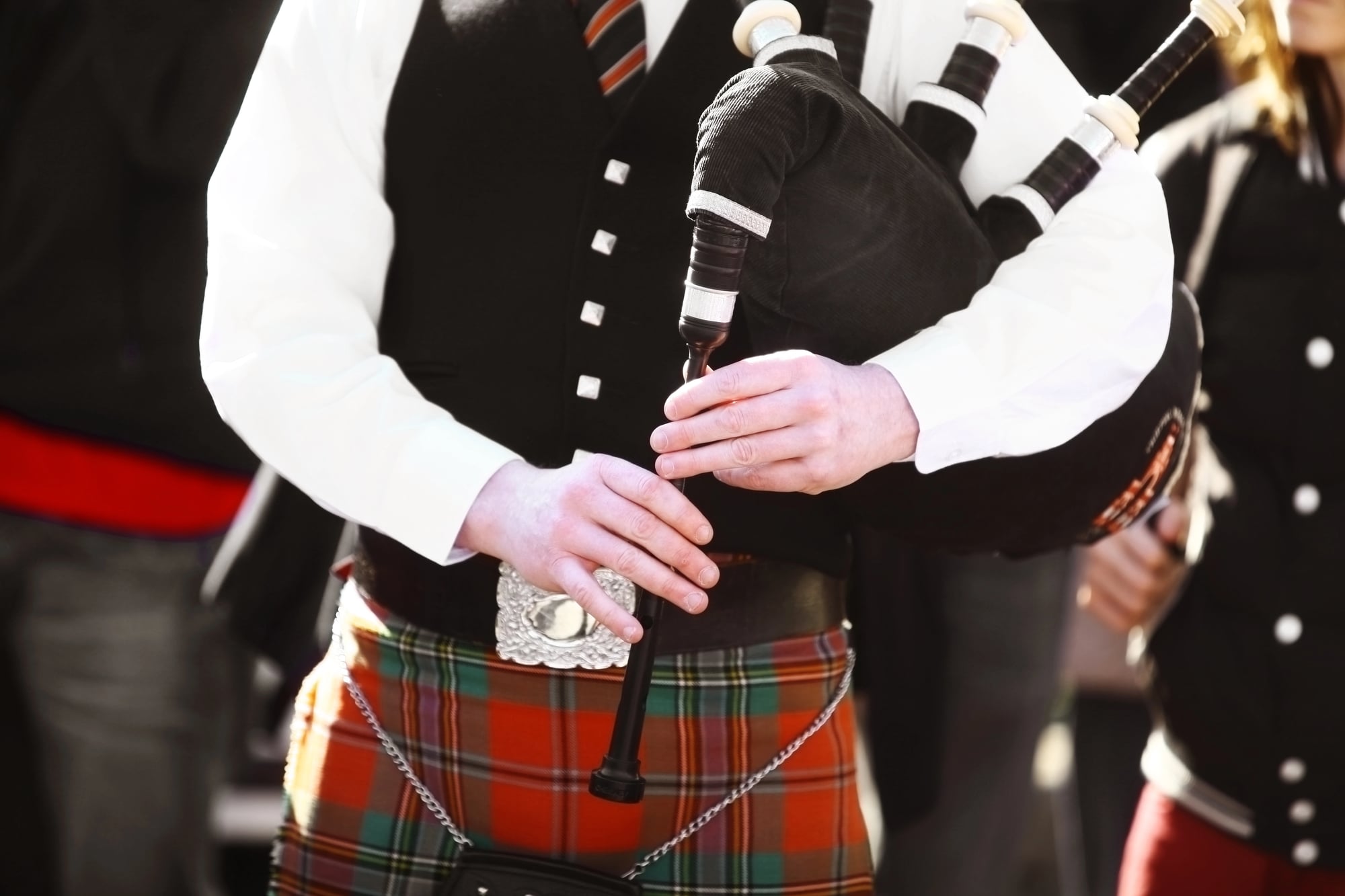
Bagpipes became weapons of war in the eyes of English law. After the Battle of Culloden in 1746, anything Scottish got targeted for elimination.
The English didn’t ban bagpipes because they sounded terrible. They banned them because they sounded like Scotland refusing to surrender.
Clan gatherings, Highland dress, and especially the pipes that called warriors to battle — all of it had to go. The ban lasted until 1782.
Thirty-six years of silence from an instrument that had soundtracked Scottish identity for centuries.
The Erhu
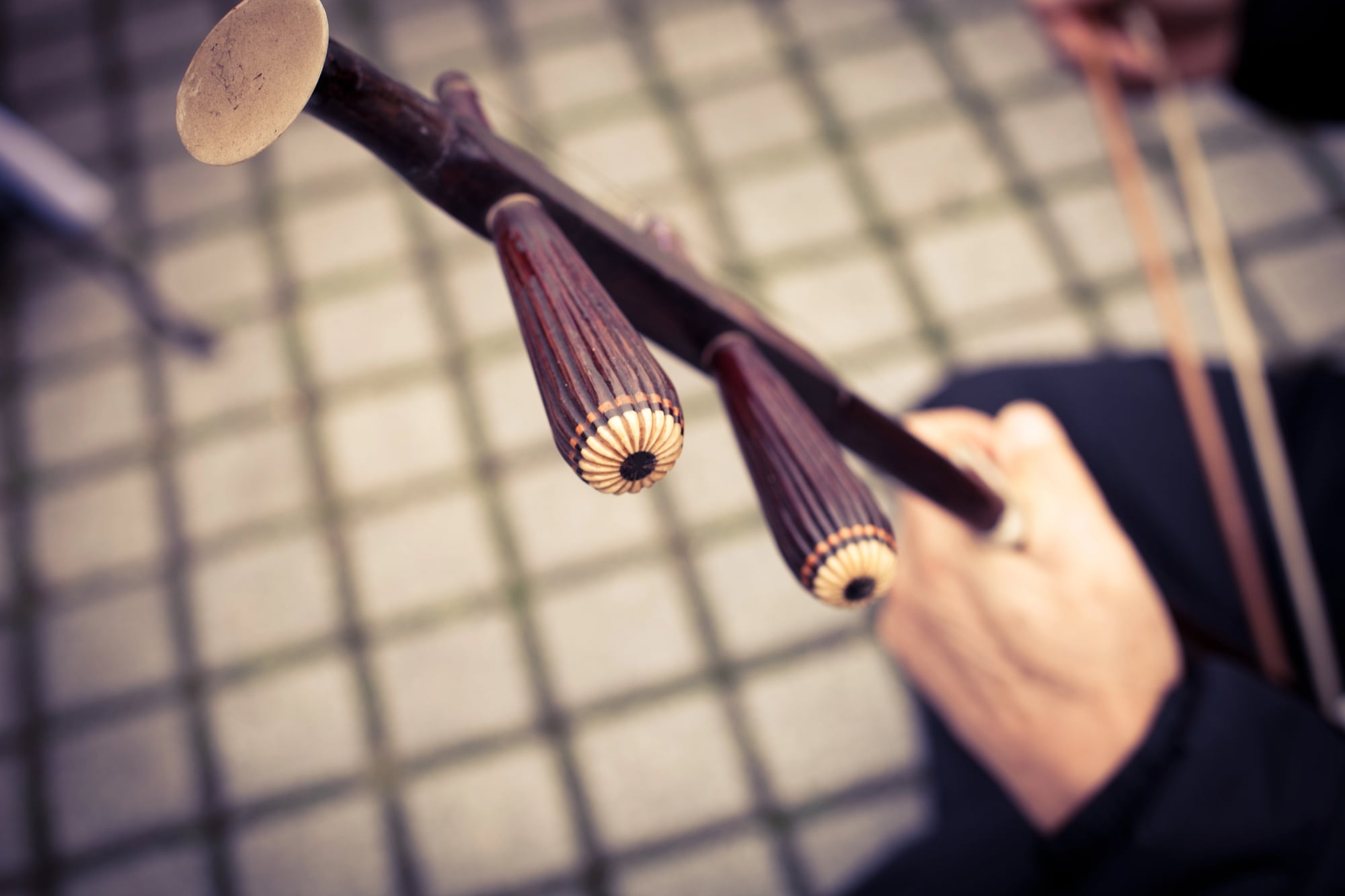
When the Cultural Revolution arrived in China, traditional instruments like the erhu found themselves on the wrong side of revolutionary ideology — too connected to the old ways, too steeped in feudal sentiment, too capable of making people nostalgic for things the new order needed them to forget. The two-stringed violin that could make even stone hearts weep suddenly became a counterrevolutionary tool, banned from performances and hidden away like contraband.
And yet (because this is how music works when you try to kill it) the erhu survived in quiet corners and patient hands, waiting for the world to remember that some sounds are too essential to human experience to stay buried forever. The instrument that once accompanied street performers and opera singers alike had learned to whisper until it was safe to sing again.
War Drums
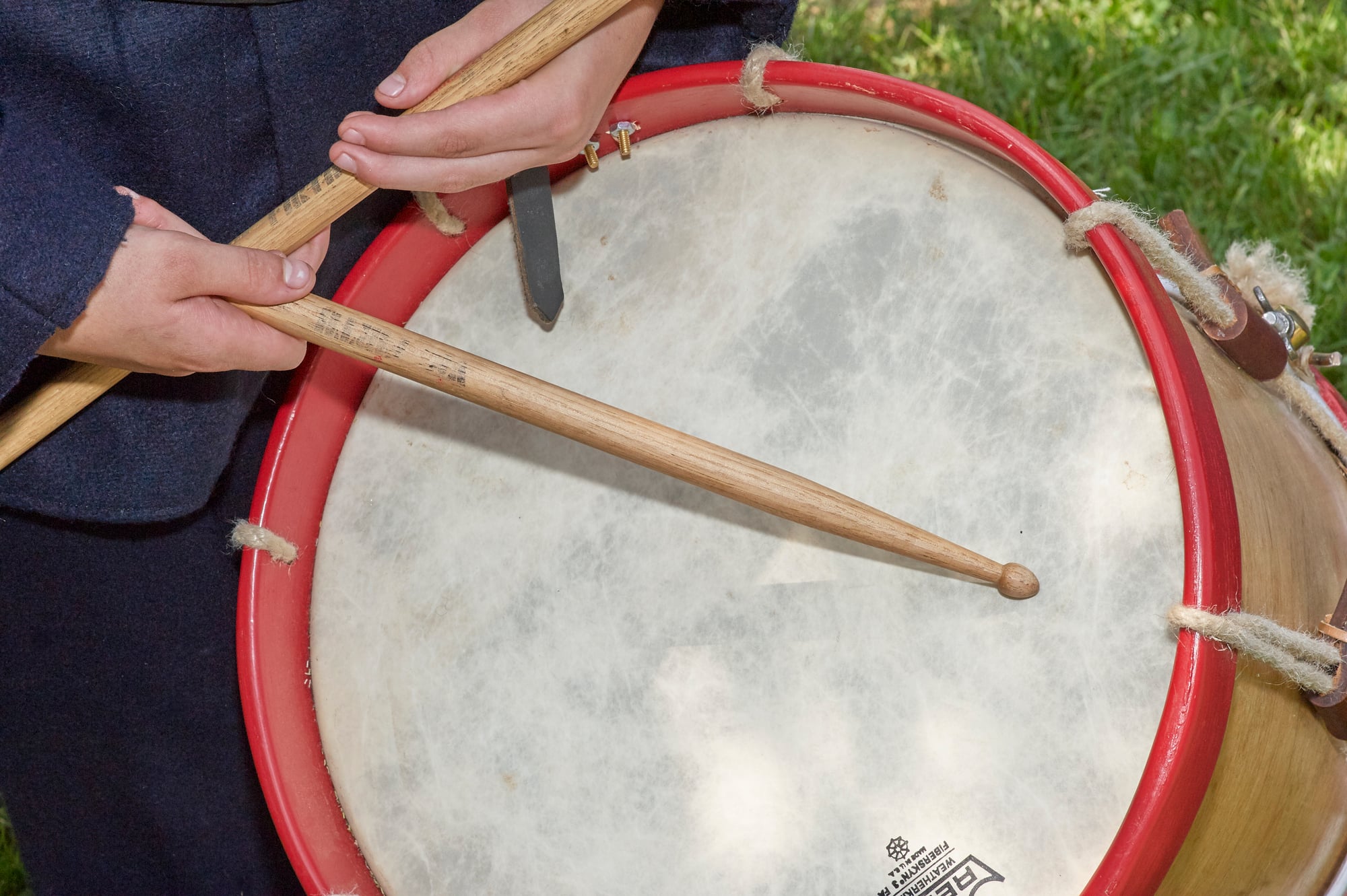
Military drummers became legitimate targets during wartime. European armies recognized drums as command instruments, not just musical ones.
Drummers directed troop movements, signaled retreats, and coordinated attacks. Kill the drummer, and you could throw an entire battalion into chaos.
Several wartime codes specifically listed military drummers alongside officers as priority targets. Music became warfare by other means.
The Guitar in Franco’s Spain

Francisco Franco’s regime banned guitars from public spaces during the Spanish Civil War. Not all guitars — just the ones played by the wrong people.
Folk musicians and protest singers had turned acoustic guitars into vehicles for dissent. So Franco’s forces targeted the instruments themselves, confiscating guitars from suspected revolutionaries and banning traditional Spanish folk songs.
The silencing lasted nearly four decades. An entire generation grew up without hearing the music their grandparents had sung.
Flutes in Ireland
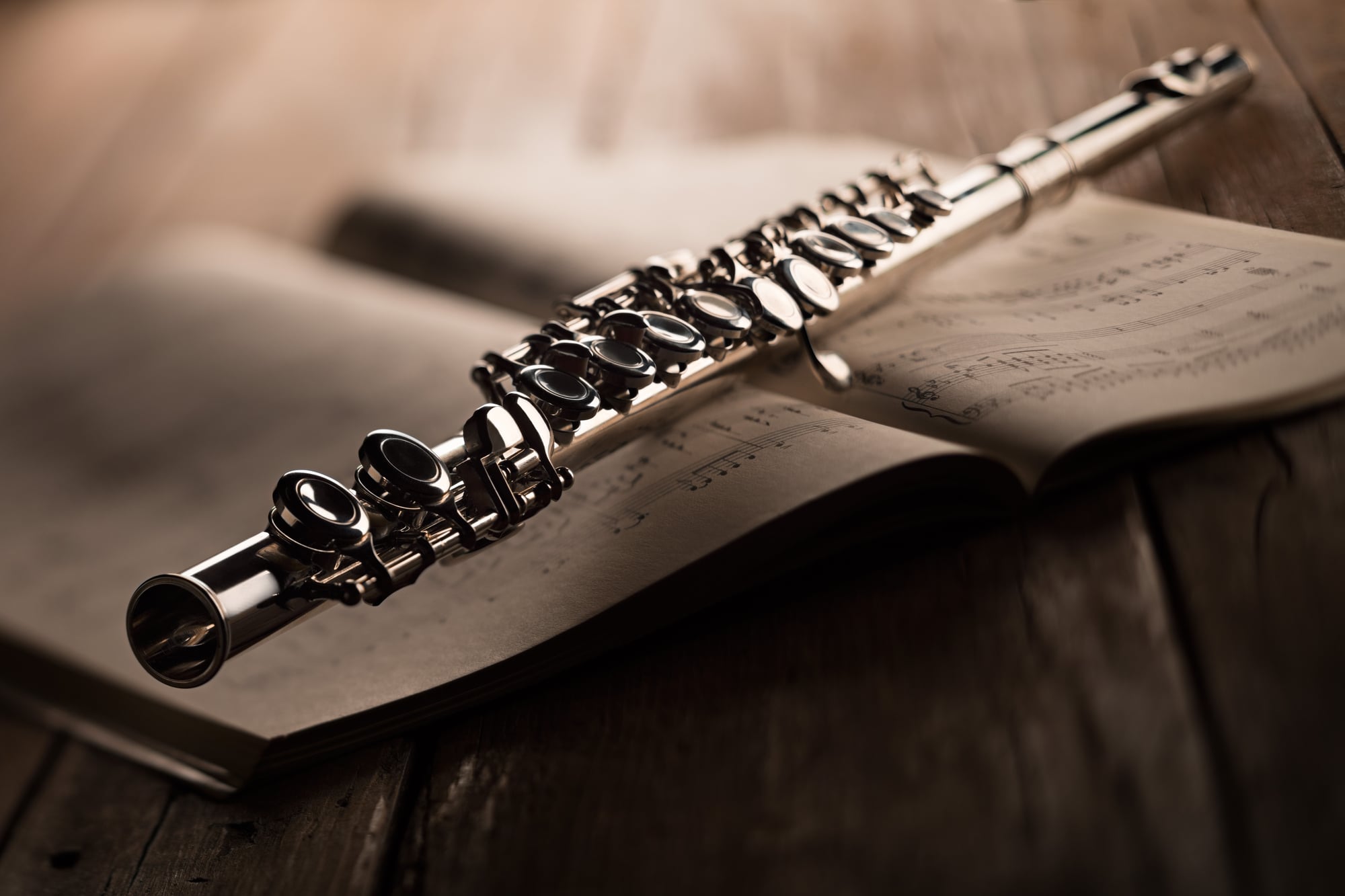
The tin whistle and wooden flute carried Irish cultural identity through centuries of occupation — which made them obvious targets when the English decided cultural erasure was more efficient than military conquest. Starting in the 16th century, various laws targeted Irish music as part of broader efforts to eliminate Irish language, customs, and identity; playing traditional tunes could mark someone as a rebel sympathizer, and owning Irish instruments became quietly dangerous.
But music has this stubborn way of surviving prohibition: flutes got smaller, easier to hide, easier to play in secret gatherings where people remembered who they were before someone else decided who they should be. The melodies that traveled through those hidden instruments carried more than entertainment — they carried the sound of a culture refusing to disappear.
The Banjo During Reconstruction
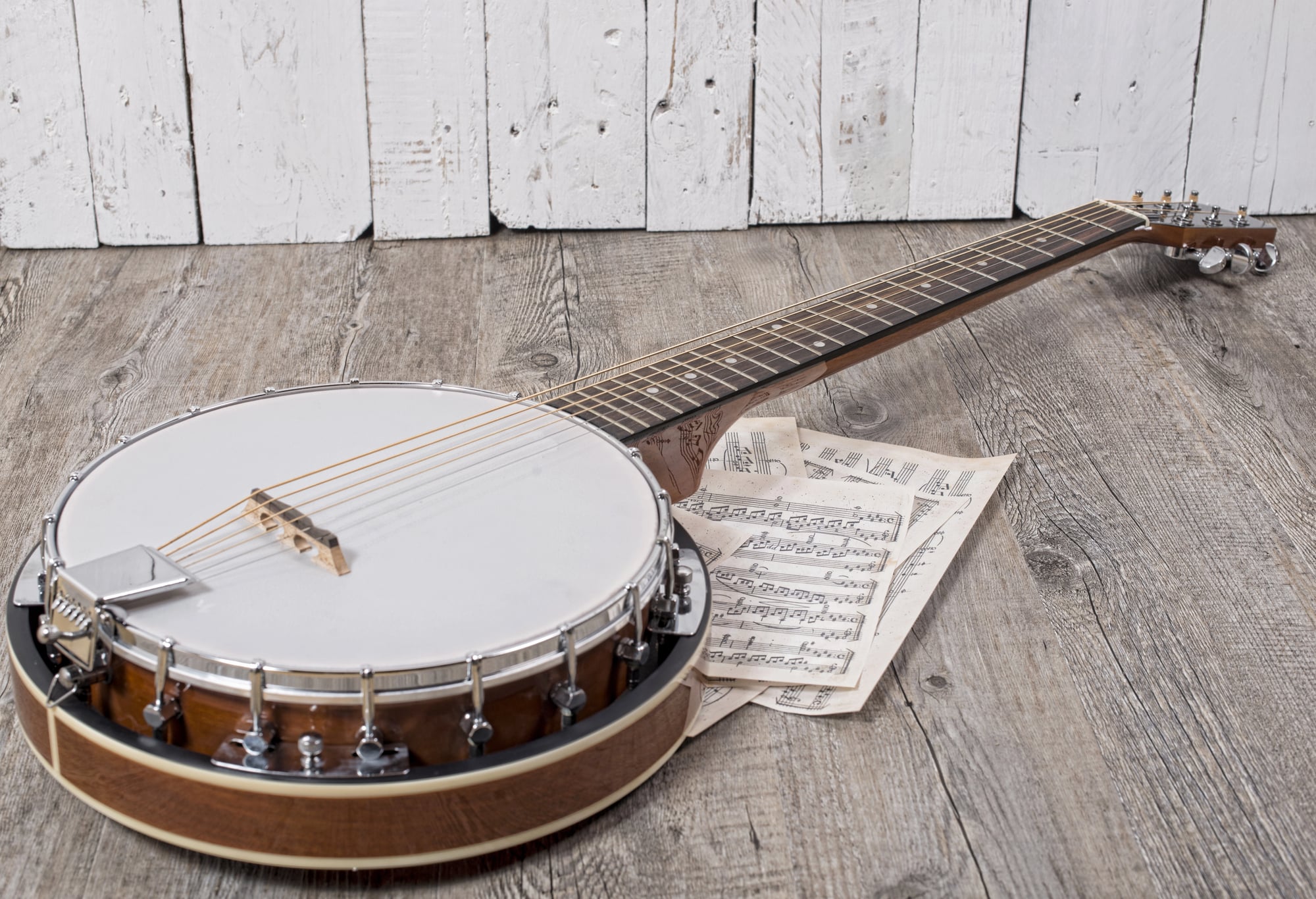
White Southern authorities found the banjo politically inconvenient after the Civil War. Former enslaved people had created the instrument, but white performers had claimed it as their own.
Hearing freed Black Americans play their own invention reminded everyone exactly who had built Southern culture. So many towns passed ordinances restricting when and where banjos could be played.
The goal wasn’t noise control. The goal was cultural control.
Synthesizers in the Soviet Union

Electronic instruments presented unique problems for Soviet cultural authorities. How do you regulate music made by machines that don’t respect traditional musical boundaries?
Synthesizers could imitate Western instruments too easily. They could play forbidden scales and reproduce banned musical styles without requiring actual Western instruments.
By the 1970s, owning unauthorized electronic music equipment could result in state interrogation. The future of music sounded too much like capitalist decadence.
The Oud in Medieval Europe
When medieval European authorities banned the oud, they weren’t just rejecting an instrument — they were rejecting centuries of musical sophistication that had arrived with Islamic expansion, and admitting that ban probably had less to do with religious purity and more to do with the uncomfortable fact that this Middle Eastern lute was simply more advanced than anything European music had produced at the time. The oud’s complex tuning system and elaborate ornamentation challenged every assumption about what serious music should sound like, and rather than learn from it, Church authorities declared it a corrupting influence and banned it from Christian territories.
But music travels through trade routes and human memory more easily than laws travel through bureaucracy, so the oud’s DNA survived in the lutes and guitars that eventually became acceptable to European ears.
Tribal Drums in the Congo
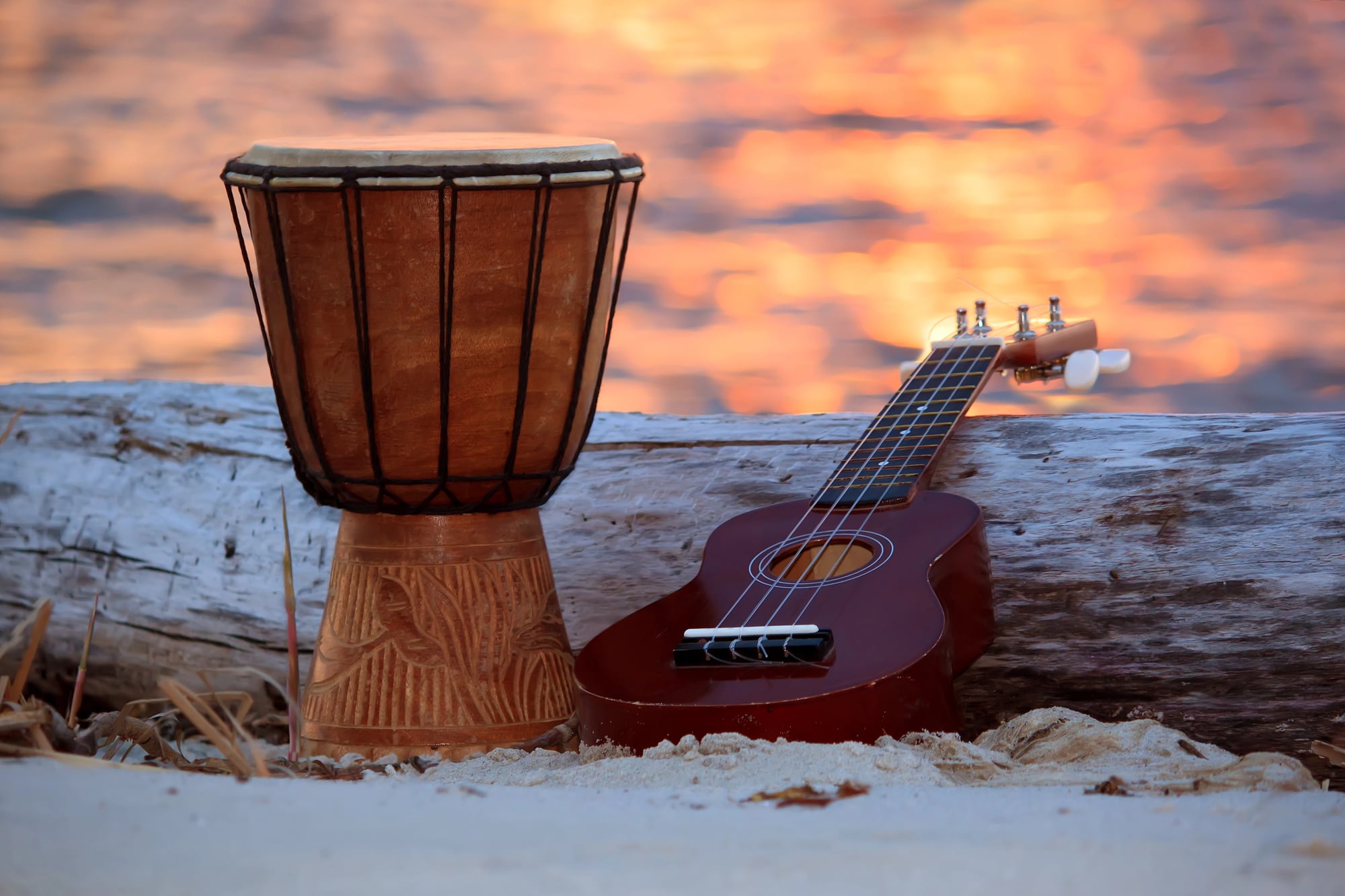
Belgian colonial authorities outlawed traditional drumming in the Congo Free State. Communication networks built on rhythm posed obvious threats to colonial control.
Different drum patterns conveyed specific messages across vast distances. Villages could coordinate resistance efforts without written language or European-monitored communication channels.
The drum bans lasted through multiple colonial administrations. Generations of Congolese grew up learning to drum in secret, preserving rhythmic languages their colonizers couldn’t decode.
The Accordion in Nazi Germany
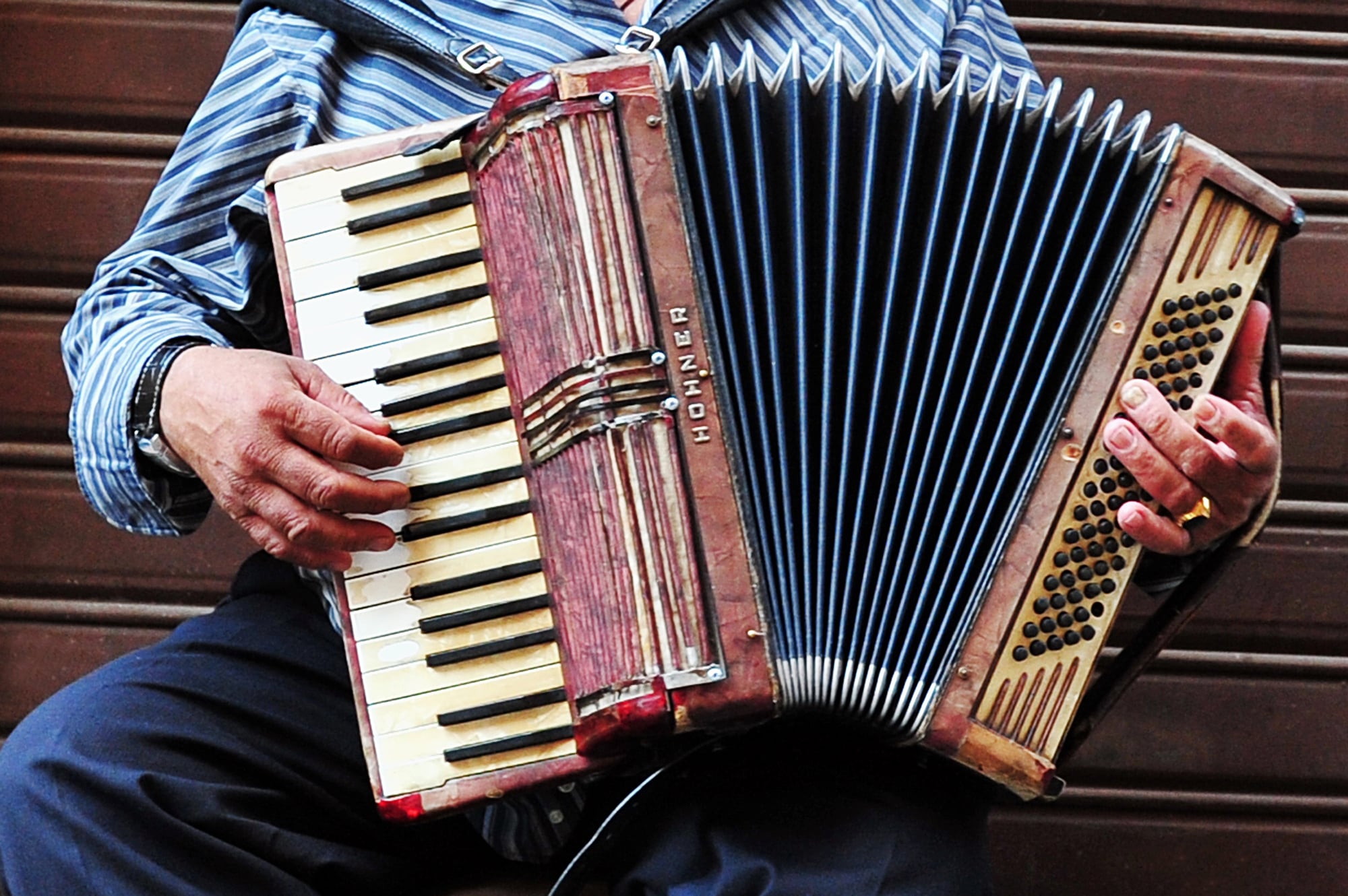
Accordions fell victim to the Nazi regime’s campaign against “degenerate” music. Folk instruments associated with Eastern European culture became politically suspect.
The portable nature of accordions made them perfect for underground music circles. Resistance groups used them to maintain cultural connections the regime wanted severed.
By 1942, accordion manufacturing had been largely shut down. The instrument’s cheerful wheeze had become the sound of defiance.
Horns in Ancient Rome

Roman authorities periodically banned various horn instruments from religious ceremonies — not because they doubted the gods enjoyed a good brass section, but because they understood that the same instruments used to honor deities could just as easily be used to rally crowds against the state, and crowd control was considerably more challenging when the crowds came pre-organized around compelling musical arrangements. Different emperors issued different horn prohibitions depending on their current paranoia levels and the political reliability of various religious groups.
The interesting thing about banning horns in a culture that loved both music and spectacle is that you create an immediate market for substitute instruments and underground performances, which is how Rome accidentally invented several new musical traditions while trying to prevent the old ones from getting too politically ambitious.
The Banjo in Early 20th Century Boston
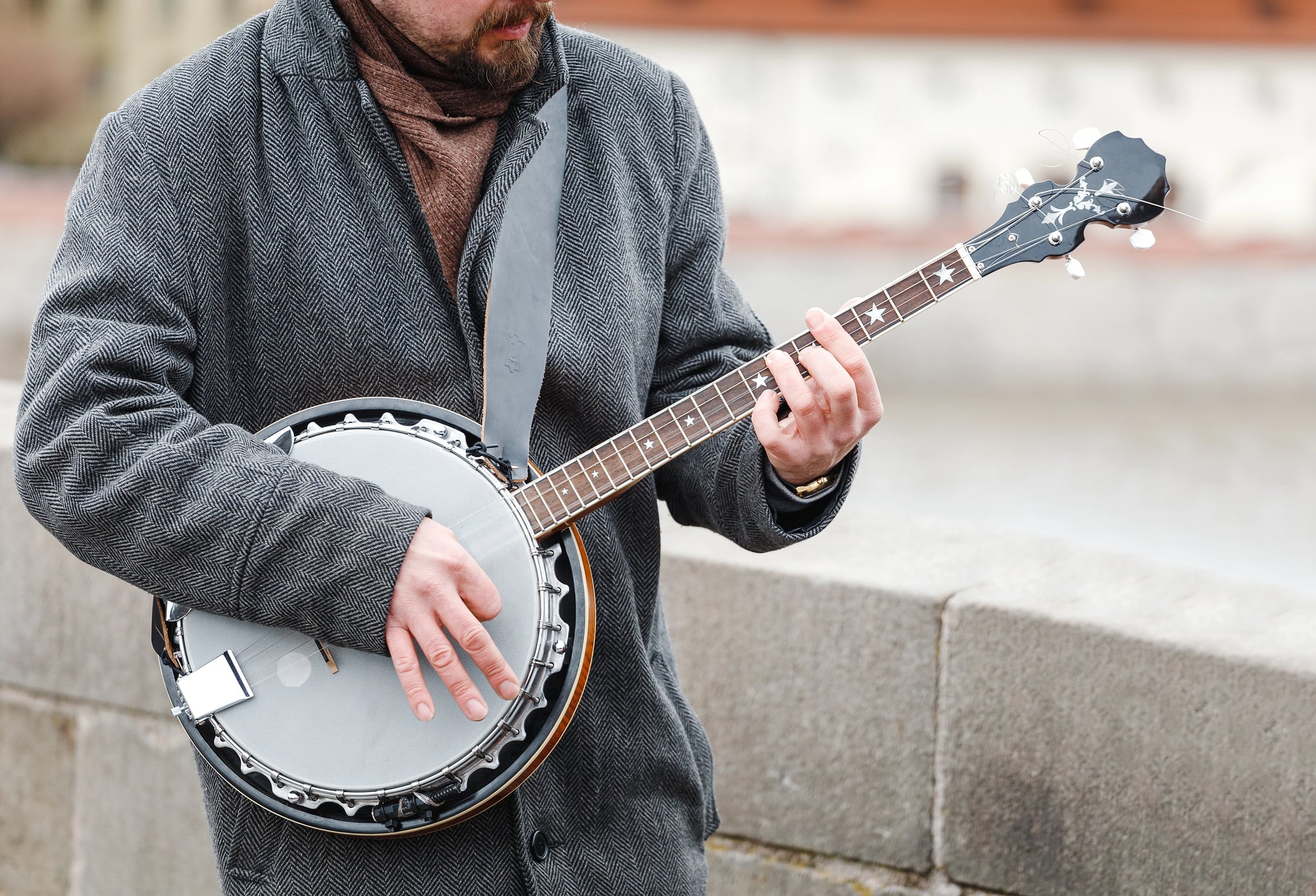
Boston’s cultural elite waged war against the banjo during the early 1900s. The instrument had become too associated with Black musical traditions and working-class entertainment.
Music schools refused to teach banjo. Concert halls banned banjo performances.
The Boston Symphony Orchestra issued statements about maintaining “serious musical standards.” The campaign succeeded in pushing banjo music out of mainstream cultural spaces.
It took decades for the instrument to regain respectability in formal musical contexts.
The Tabla in British India

British colonial administrators found tabla drums problematic for administrative reasons. The intricate rhythmic communication systems served purposes beyond entertainment.
Tabla players could encode information in their rhythmic patterns. Religious gatherings that featured tabla music often doubled as political organizing sessions.
Various regional bans restricted tabla performance to licensed musicians only. The British wanted to monitor who was saying what through rhythm.
Singing Bowls in Tibet

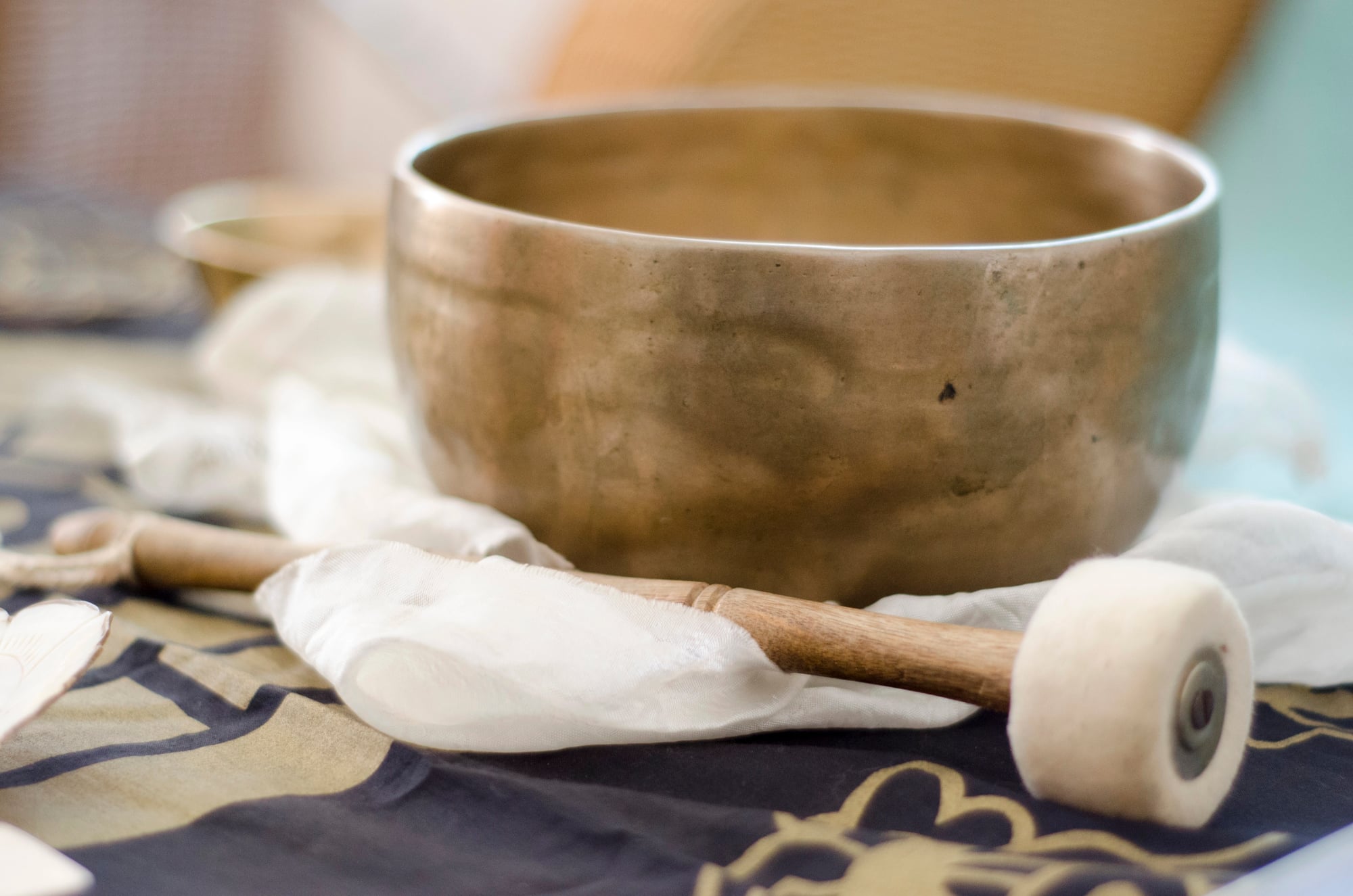
Chinese authorities have restricted the use of Tibetan singing bowls since occupying Tibet in 1950. The instruments carry too much spiritual and cultural significance for comfort.
Singing bowls anchor Tibetan Buddhist practice and cultural identity. Their deep, resonant tones create the soundscape for meditation and traditional ceremonies.
Owning certain types of singing bowls still requires permits. The sound of Tibetan resistance apparently rings too clearly through bronze.
The Violin in Puritan America
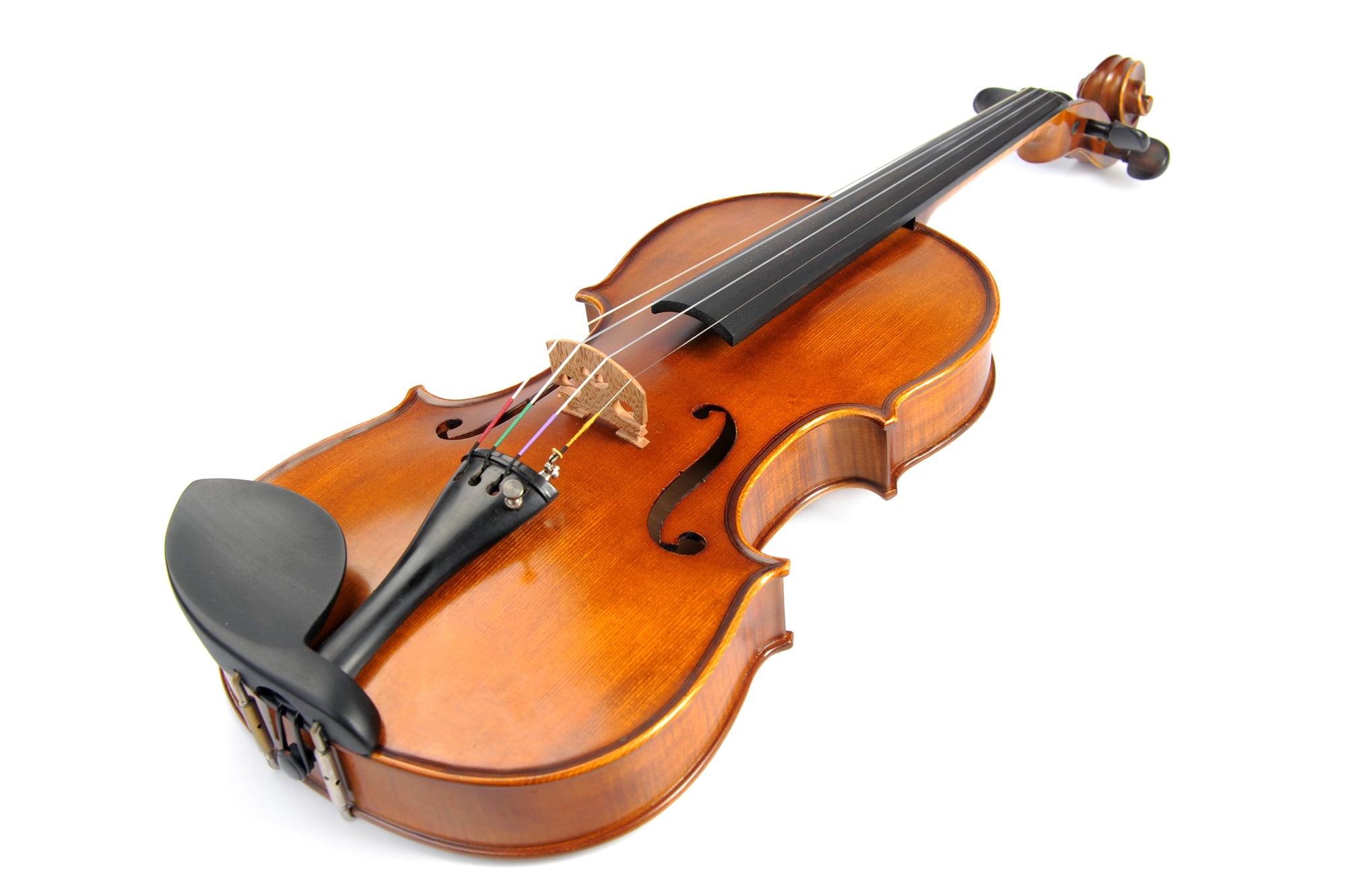
Early American Puritans viewed violins with deep suspicion — the instrument’s ability to mimic the human voice seemed unnaturally seductive, and its association with dancing made it a direct pathway to moral corruption, so various Puritan communities banned violins from religious services and sometimes from communities entirely. The Puritans weren’t wrong about the violin’s emotional power; they just reached the wrong conclusion about whether that power was divine or demonic.
But here’s what happens when you ban something that sounds like the human soul learning to sing through wood and strings: people find ways to play quietly, in private spaces, until the moral panic burns itself out and beauty wins by persistence rather than permission.
Conch Shells in Colonial Hawaii

American missionaries and colonial administrators banned traditional Hawaiian instruments, including conch shell horns, as part of broader efforts to eliminate Native Hawaiian culture.
Conch shells called people to religious ceremonies and community gatherings. They marked sacred times and spaces in ways that competed with Christian religious authority.
The prohibition lasted well into the 20th century. Traditional Hawaiian music had to be practiced in secret for generations.
The Mbira in Rhodesia
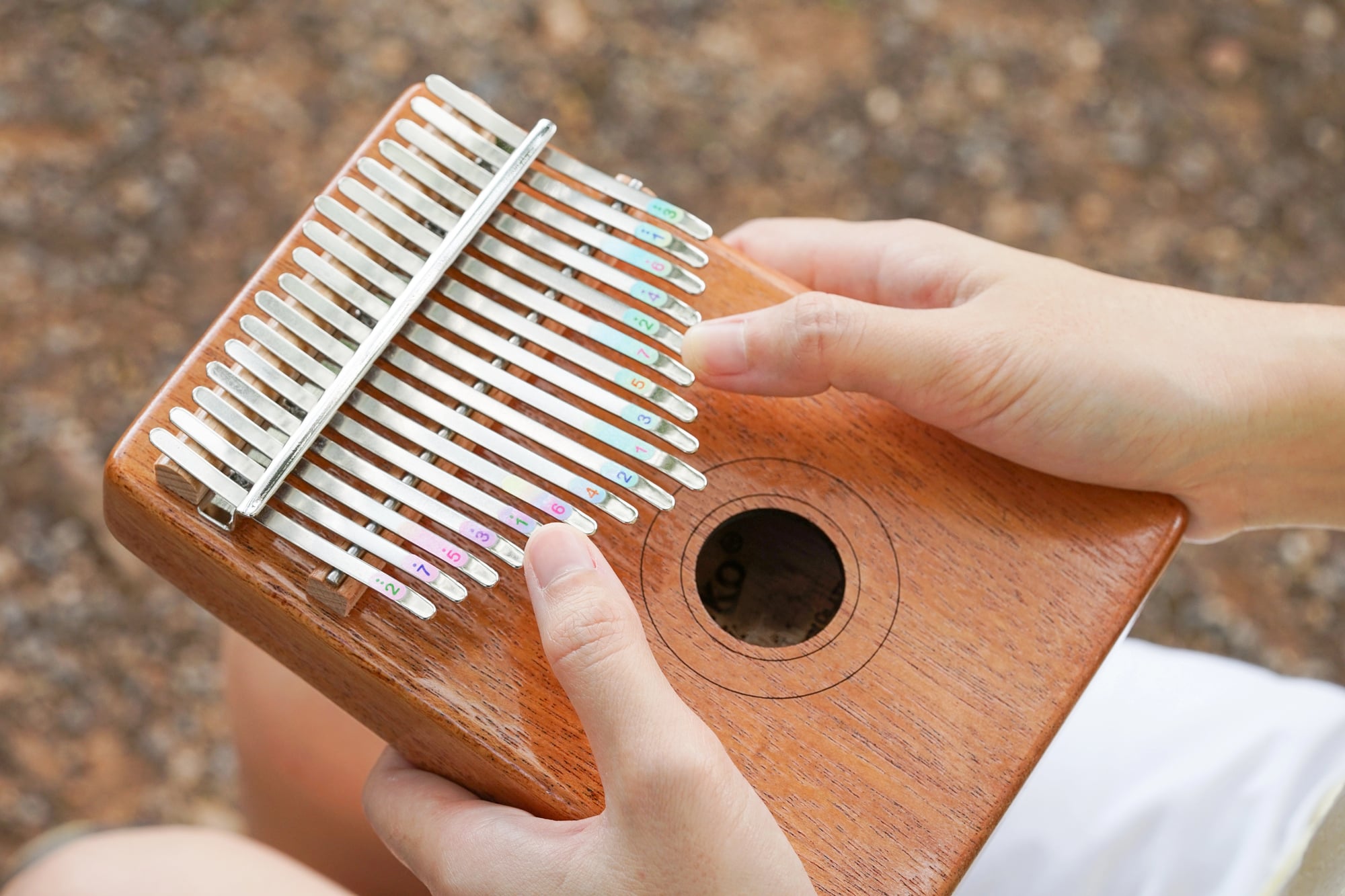
White authorities in colonial Rhodesia banned the mbira, recognizing its central role in Shona spiritual and political life. The thumb piano carried too much cultural power to remain unregulated.
Mbira music anchored traditional religious ceremonies and community decision-making processes. The instrument connected players directly to ancestral spirits and cultural memory.
Possession of certain types of mbira became grounds for arrest. The colonial government wanted to break spiritual connections that sustained resistance.
Electric Organs in 1960s Churches

Conservative Christian denominations split over electric organs during the 1960s. Traditional congregations viewed amplified church music as worldly corruption.
Some denominations banned electric instruments entirely. Others restricted their use to specific services or required special permission for amplified music.
The organ wars lasted for decades. Churches literally divided over whether electricity belonged in sacred music.
When Silence Becomes the Loudest Sound of All
Every banned instrument tells the same story from a different angle. Music carries power that governments, religious authorities, and social orders recognize as dangerous to their control.
The silencing reveals the threat — not in the instrument itself, but in what happens when people gather around sounds that remember who they are, where they come from, and what they might become together. The history of forbidden music is really the history of forbidden connection, and the instruments always return, eventually, because some human needs run deeper than any law designed to contain them.
More from Go2Tutors!

- The Romanov Crown Jewels and Their Tragic Fate
- 13 Historical Mysteries That Science Still Can’t Solve
- Famous Hoaxes That Fooled the World for Years
- 15 Child Stars with Tragic Adult Lives
- 16 Famous Jewelry Pieces in History
Like Go2Tutors’s content? Follow us on MSN.



