30 Secret Tunnels and Underground Passages Built for Escape That Still Exist Today
People have been going underground to survive since there were people and ground to go under. The impulse is consistent across centuries and contexts: a pope fleeing troops, prisoners scraping through clay with spoons, Vietnamese guerrillas vanishing beneath a jungle floor, Cold War families crawling toward freedom in the dark.
What’s remarkable is how many of the tunnels they built are still there. Some have been turned into tourist attractions.
Some are still being excavated. Some are simply sitting under cities and fortresses, sealed off and waiting.
These thirty are the ones you can actually find.
Passetto di Borgo — The Pope’s Emergency Exit (Rome, 1277)
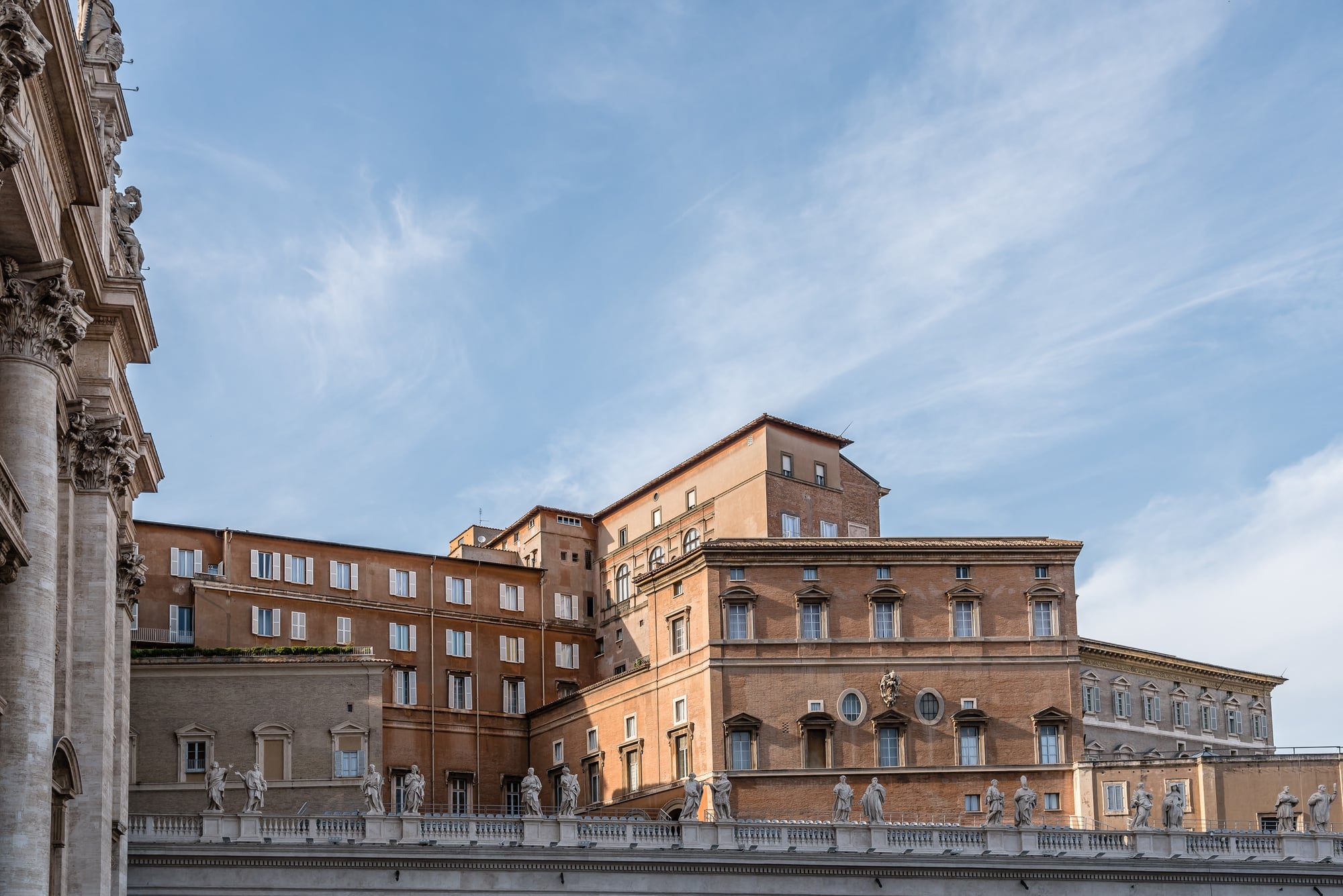
The Passetto di Borgo is an 800-meter elevated corridor built into an old city wall that connects Vatican City to the Castel Sant’Angelo. Pope Nicholas III commissioned it in 1277, and Pope Alexander VI expanded it in 1492 — just in time.
Two years later, when French forces under Charles VIII invaded Italy, Alexander used it to escape. The most dramatic use came in 1527, when Pope Clement VII fled through the passage while Charles V’s 20,000 soldiers were sacking Rome.
The Swiss Guard, almost entirely, died defending the Pope’s retreat to the mouth of the passage. Clement was trapped in the Castel Sant’Angelo for seven months.
The passage fell into disrepair after that but was renovated in 2000 for the Jubilee year. It has since been reopened to visitors seasonally, and one can walk the same path the fleeing popes took, including through a section that reveals the original trap door used for entry.
Derinkuyu Underground City — The City Beneath a House (Cappadocia, Turkey)
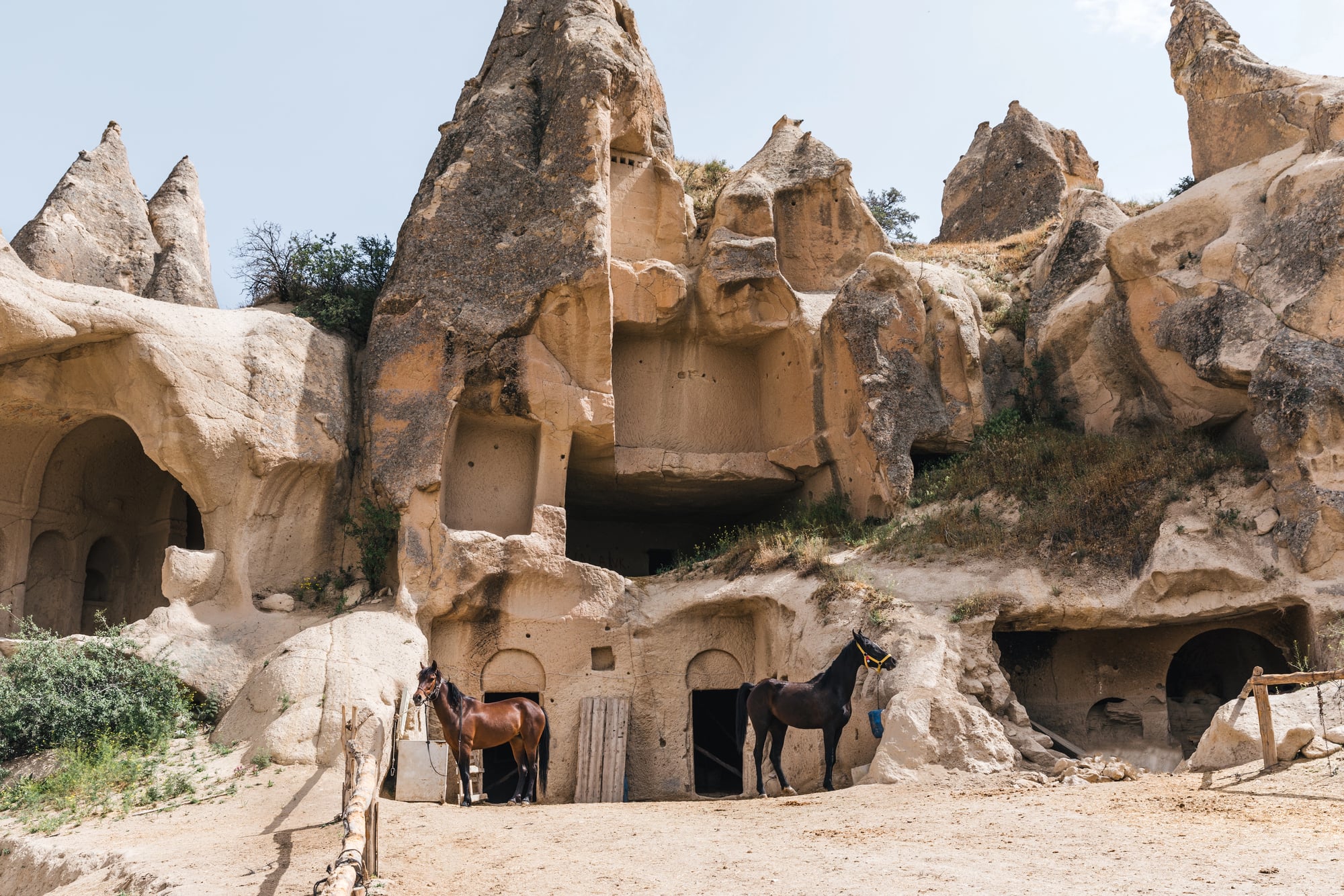
In 1963, a man in the Turkish town of Derinkuyu was renovating his basement and knocked down a wall, revealing a tunnel. The tunnel led to more tunnels.
The tunnels led to eighteen levels and approximately 280 feet of vertical depth, with ventilation shafts, wells, kitchens with stone stoves, stables, cellars, chapels, and rooms large enough to hold estimated populations of up to twenty thousand people. The structure was carved into the soft volcanic tuff rock of Cappadocia and is believed to have been used as a refuge by successive civilizations over thousands of years — possibly including early Christians hiding from Roman persecution and Byzantine populations fleeing Arab raids.
Less than half of Derinkuyu has been excavated. Sections remain sealed for structural and archaeological reasons.
Cappadocia contains over two hundred such underground cities. Derinkuyu is the deepest discovered.
Tunnel 29 — The Berlin Wall’s Most Famous Underground Escape (Berlin, 1962)

In 1962, a group of young West Berliners and Italian students dug a 135-meter tunnel from a disused factory on Bernauer Strasse to a basement in the East, passing twelve meters underground at its deepest point. The digging took five months and was funded, in an unusual arrangement, by NBC News, which paid approximately fifty thousand Deutschmarks for exclusive filming rights.
Twenty-nine people — including elderly individuals and small children — escaped through the tunnel over two nights in September 1962. An NBC documentary about the escape won an Emmy Award.
A plaque marks the building in Berlin where the tunnel ended. The Berliner Unterwelten museum maintains access to the only original Berlin Wall escape tunnel still visible underground, and runs tours of the site.
The Templar Tunnel of Acre (Israel, circa 12th–13th century)
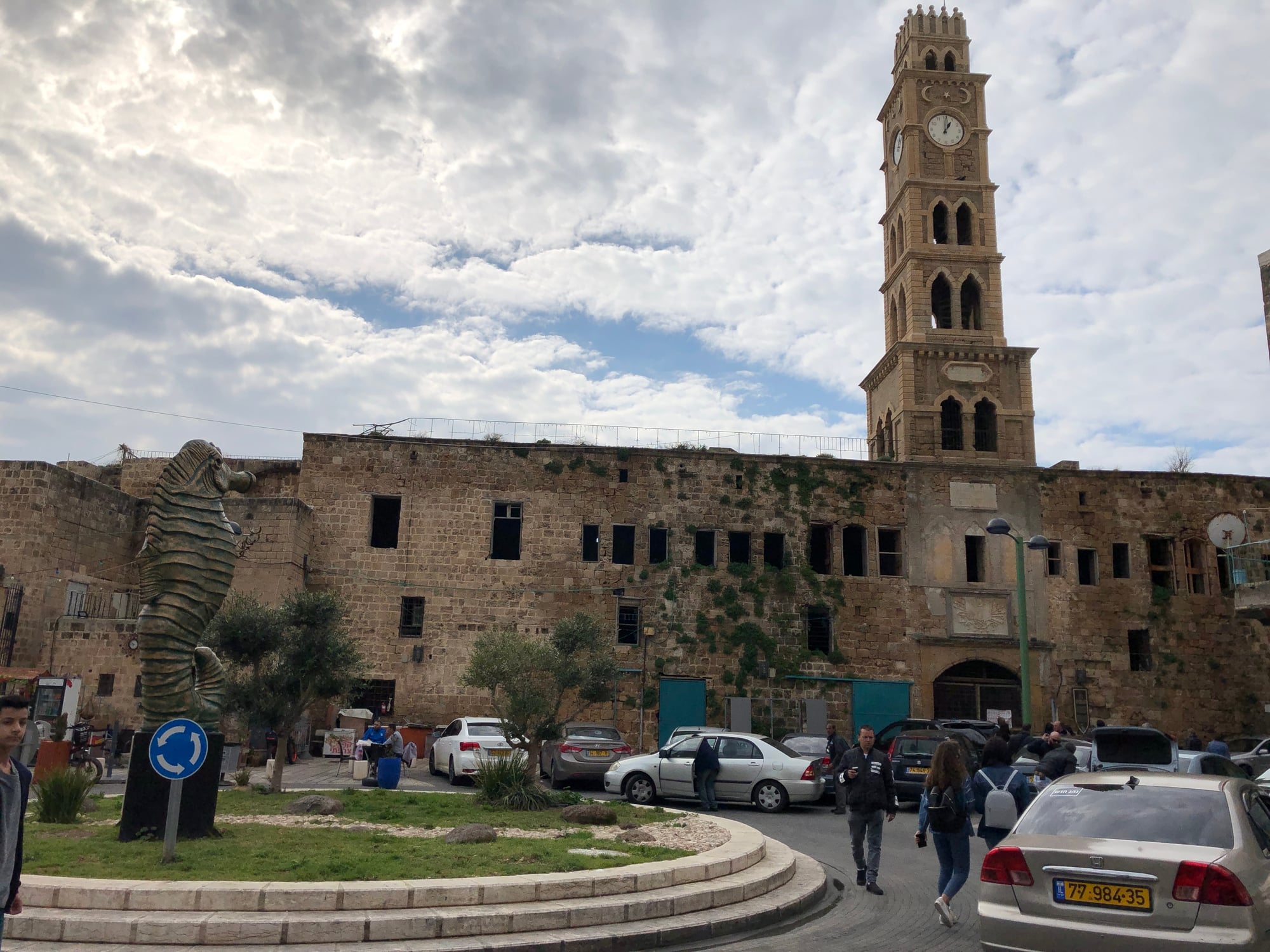
The Knights Templar built a 350-meter stone passage beneath the city of Acre (now Akko in northern Israel) connecting their fortress to the port. It served as an escape and supply route during the Crusader period and was sealed and forgotten after the Crusaders were driven out in 1291.
The tunnel was rediscovered in 1994 when a woman noticed her sewer was blocked and workers investigating found the medieval passage. Today it is open to the public, lit by modern lights, with multimedia displays about Crusader history visible through illuminated wall sections.
The wooden walkway raises visitors above the level at which water seeped in over the centuries.
The Cu Chi Tunnels — The Tunnel Network Under a War (Vietnam)
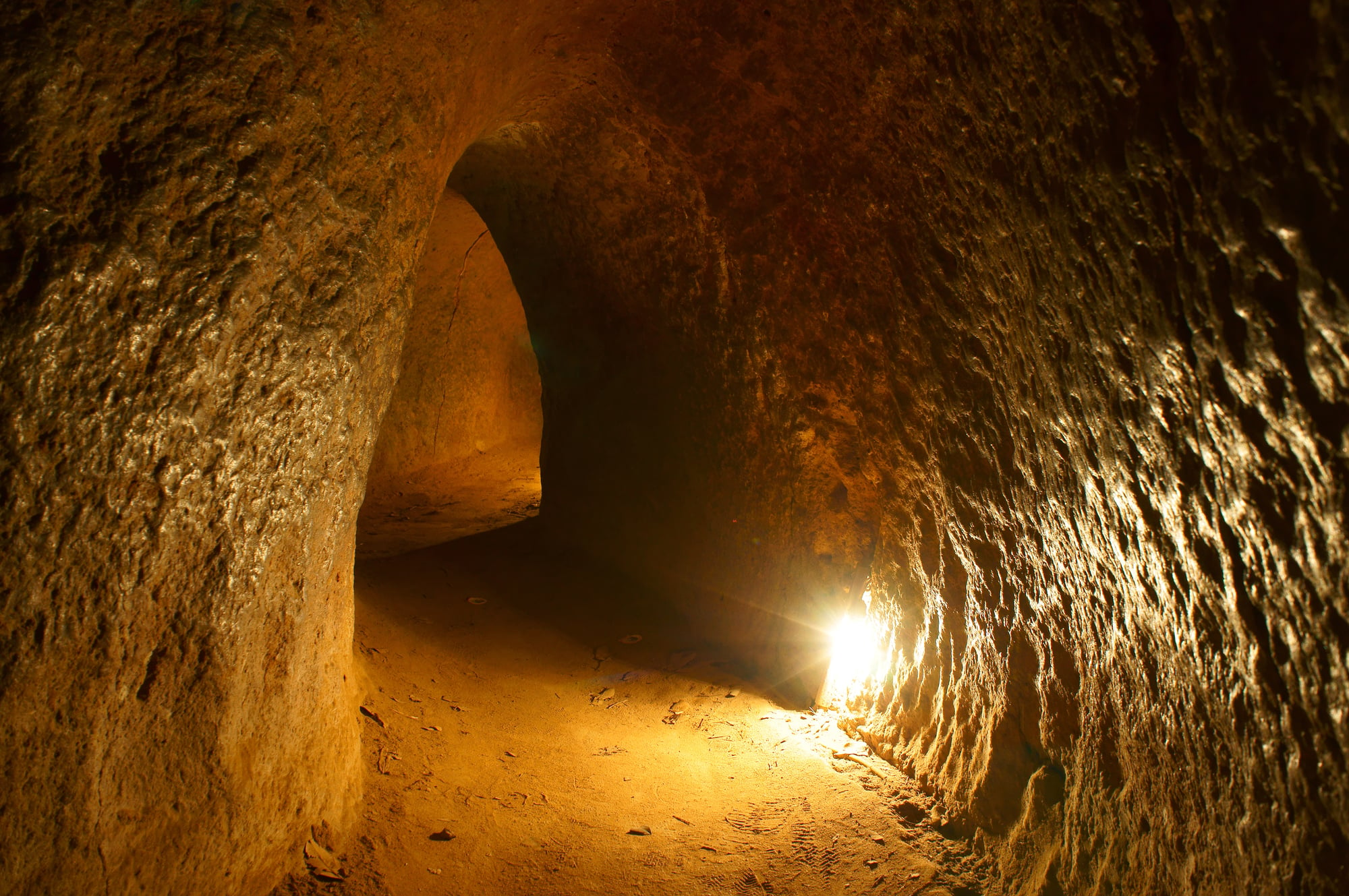
The Cu Chi tunnel network in the district northwest of Ho Chi Minh City was originally dug by Vietnamese communist forces in the late 1940s during the war against French colonial authority and was massively expanded during the 1960s Vietnam War. At its peak the network covered hundreds of kilometers, containing living quarters, kitchens, weapons caches, field hospitals, and command centers.
The entrances were concealed as small trap doors in the jungle floor. American forces used specially trained “tunnel rats” — small, lightly armed soldiers — to navigate the passages.
At least 45,000 Vietnamese fighters and civilians died defending the tunnels. The network is now a memorial park and major tourist site.
Visitors can crawl through sections of the original tunnels, some of which have been widened to accommodate the average modern Western visitor, who would not have fit in the original passages.
Stalag Luft III’s “Harry” Tunnel — The Great Escape (Poland)
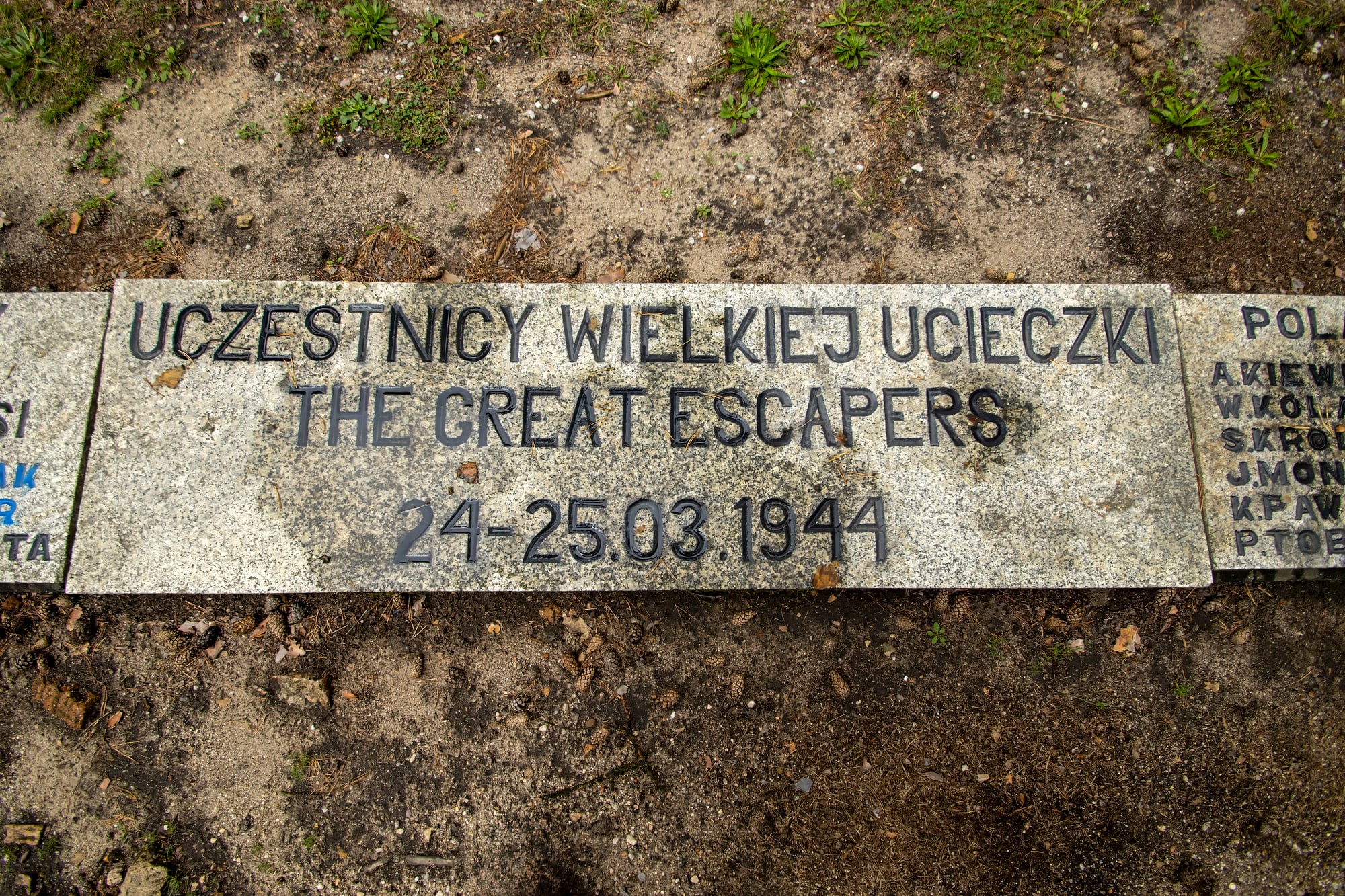
Allied prisoners of war at Stalag Luft III in what is now western Poland dug three simultaneous tunnels in 1943 and 1944. Six hundred prisoners worked on the project, concealing the excavated dirt by distributing it through the camp via bags hidden inside trouser legs.
The tunnel “Harry” was used for the mass escape in March 1944, during which seventy-six men got out before the Germans discovered the breach. Seventy-three were recaptured; fifty were shot on Hitler’s personal orders.
The tunnel was sealed by the Germans. It was behind the Iron Curtain until 1991 and undisturbed until British archaeologists excavated it in 2011 and 2012, finding the original bed boards used as tunnel lining still in place, along with metal tools and ventilation systems made from powdered milk cans.
The Edinburgh Vaults — From Habitation to History (Scotland)
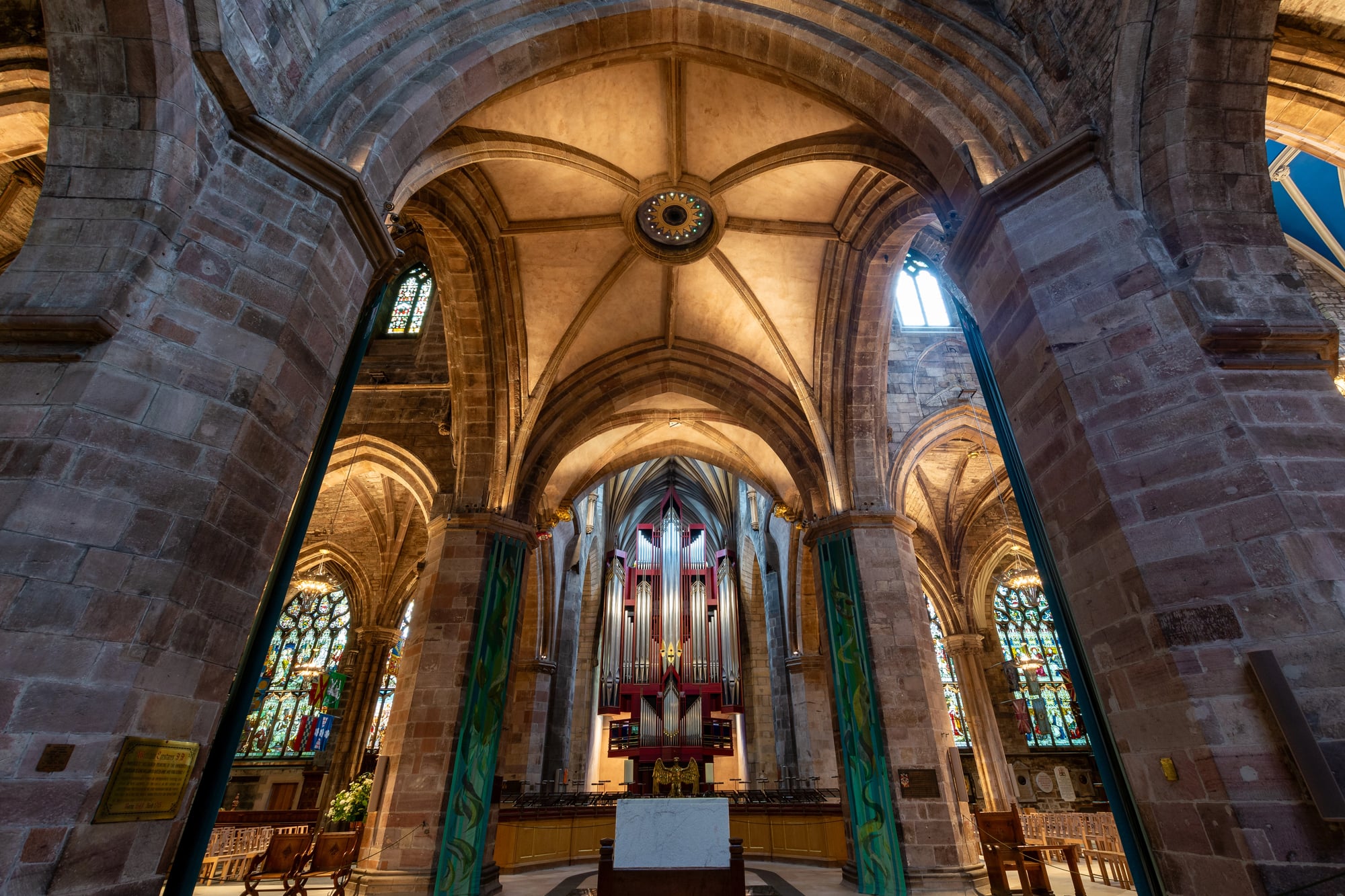
The South Bridge in Edinburgh was built in 1788 and contains nineteen arches, most of which were built over and incorporated into the buildings that now flank the bridge. The chambers formed within the arches became a city below the city — vaults used for commerce, then abandoned and subsequently inhabited by the very poor, and then sealed around 1820 when the area flooded.
They were rediscovered and reopened in the 1980s. The vaults are now accessible through guided tours that operate year-round.
The spaces contain the physical traces of their occupants — a storage vault, what appears to have been a cobbler’s workshop, and residential areas — compressed into a passage beneath one of the oldest parts of the city.
The Dover Castle Tunnels — From Medieval to WWII (England)

Dover Castle contains tunnels dug at multiple periods in history. Medieval tunnels were cut into the chalk cliffs in the thirteenth century.
During the Napoleonic Wars, these tunnels were expanded significantly to accommodate a garrison of two thousand soldiers, creating an underground barracks inside the cliffs. During World War II the tunnels became the headquarters from which Vice Admiral Bertram Ramsay coordinated Operation Dynamo — the evacuation of approximately 338,000 Allied troops from the beaches of Dunkirk in May 1940.
The tunnels are open to the public as part of Dover Castle’s heritage site and include preserved WWII-era rooms including the map room used during the Dunkirk operation.
The Wieliczka Salt Mine — Tunnels That Became an Underground World (Poland)

The Wieliczka salt mine near Kraków has been in continuous operation since the thirteenth century. Its three hundred kilometers of tunnels include not only mining infrastructure but also chapels, sculptures, chandeliers, and elaborate chambers carved entirely from salt by miners over centuries.
The most famous is the Chapel of St. Kinga, a full-size underground church with salt sculptures and bas-reliefs whose floor is salt crystal. During World War II the mine’s tunnels were used by the Nazis for industrial production, including aircraft component manufacturing.
The mine is listed as a UNESCO World Heritage Site. Visitors descend 135 meters underground through the original miners’ staircase to tour approximately three kilometers of the tunnel system.
The Bund Tunnel — Shanghai’s Escape Passage (China)

The Bund Sightseeing Tunnel in Shanghai connects the Bund waterfront to the Pudong financial district beneath the Huangpu River. The current tunnel is a commercial operation, but it follows a route that has historical precedent in the tunnels beneath Shanghai’s old city — passages associated with the city’s colonial-era history of smuggling, political intrigue, and escape.
The area beneath the Bund contains layers of historical tunnels from different periods, some of which have been incorporated into the city’s current infrastructure and some of which are sealed.
The Templar Caves at Royston (England)

In 1742, a worker in Royston, Hertfordshire, was digging a post for a market seat when tools broke through the roof of a chamber about a meter below the street surface. Excavations revealed a bell-shaped cave carved from chalk, approximately seventeen feet in diameter and twenty-five feet high, its walls covered in carvings of Christian and possibly Templar imagery.
The cave may have been a private oratory, a pilgrimage site, or a storage space used by the Knights Templar, whose Royston preceptory was established nearby. Its origins and specific purpose remain contested among historians.
The cave is open to the public and receives over ten thousand visitors per year.
The Monte San Savino Tunnels — An Etruscan Escape Network (Italy)
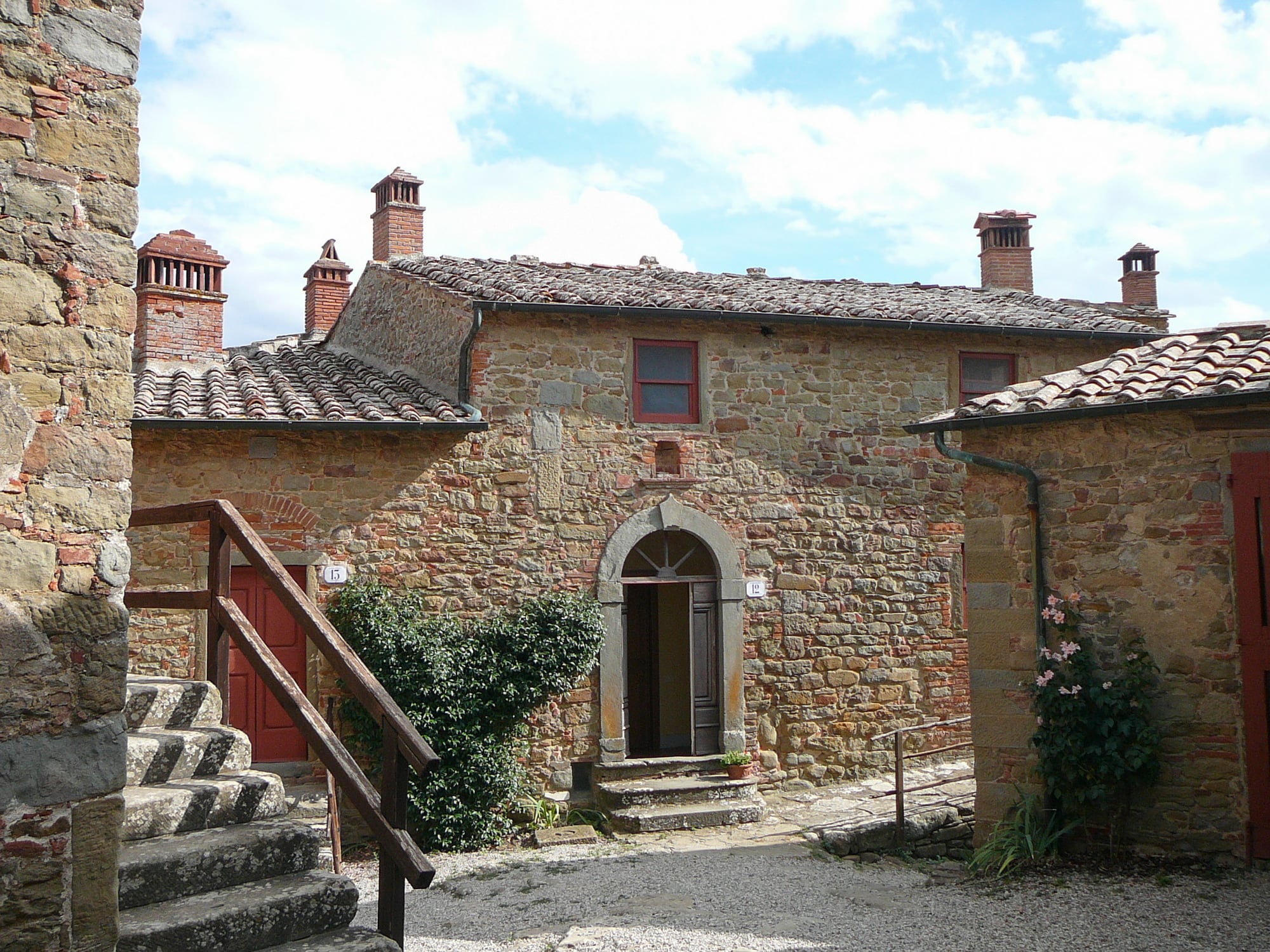
The medieval town of Monte San Savino in Tuscany sits above a network of Etruscan-era tunnels called the via cava that were subsequently extended and modified during the medieval period. The tunnels were used for escape, storage, and movement of goods and people out of sight.
Several of the tunnels have been opened for historical tourism and connect sections of the old city in ways that are invisible from the street above. The Etruscan origins of the tunnels make them unusual — most tunnel networks of this type in Tuscany date only to the medieval period, and the layering of historical use across multiple civilizations is well-preserved here.
The Smugglers’ Tunnels at Rye (England)

The town of Rye in East Sussex was a center of eighteenth-century smuggling operations, and the tunnels beneath its older buildings reflect this history. Some tunnels connect cellars across multiple properties, allowing goods to be moved out of sight of customs officers.
The Mermaid Inn, one of the town’s oldest buildings and reportedly a meeting place for the notorious Hawkhurst Gang, has tunnels in its cellars that are still visible. Rye’s smuggling heritage is documented and accessible through local historical tours.
The tunnels beneath the town represent one of the more intact examples of the infrastructure of a specific criminal economy.
The Hidden Tunnels Under Chateau Gaillard (France)
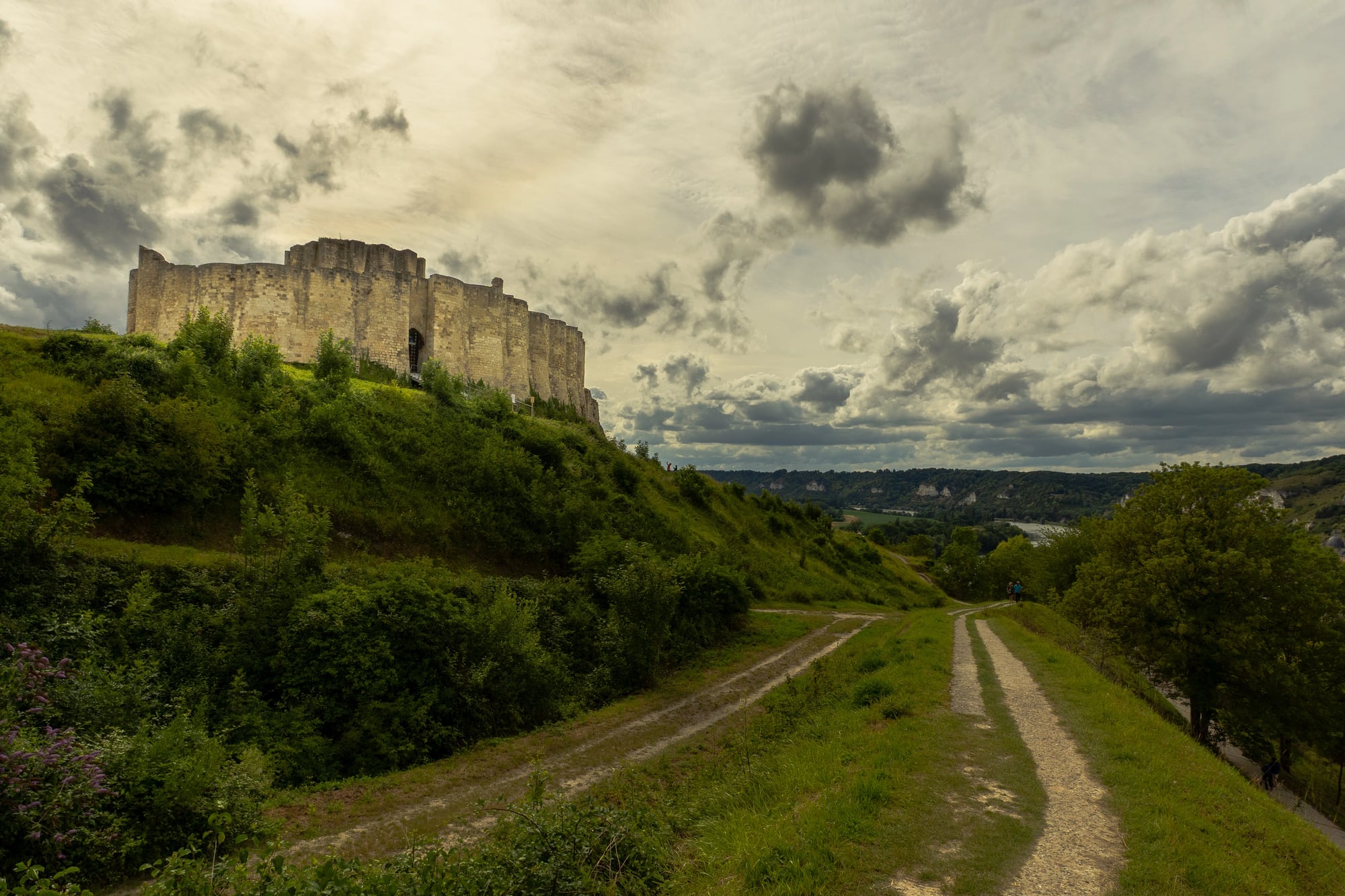
Chateau Gaillard, the fortress built by Richard I of England in Normandy in 1196, contains a network of passages that were used by its defenders and at critical moments served as escape routes during sieges. During the successful French siege of 1204, some of the castle’s garrison reportedly escaped through passages in the cliff below the castle.
The castle’s ruins are open to the public, and the cliff-face passages, though no longer fully navigable, are visible from the castle’s lower sections.
The Underground Passages of Périgueux (France)
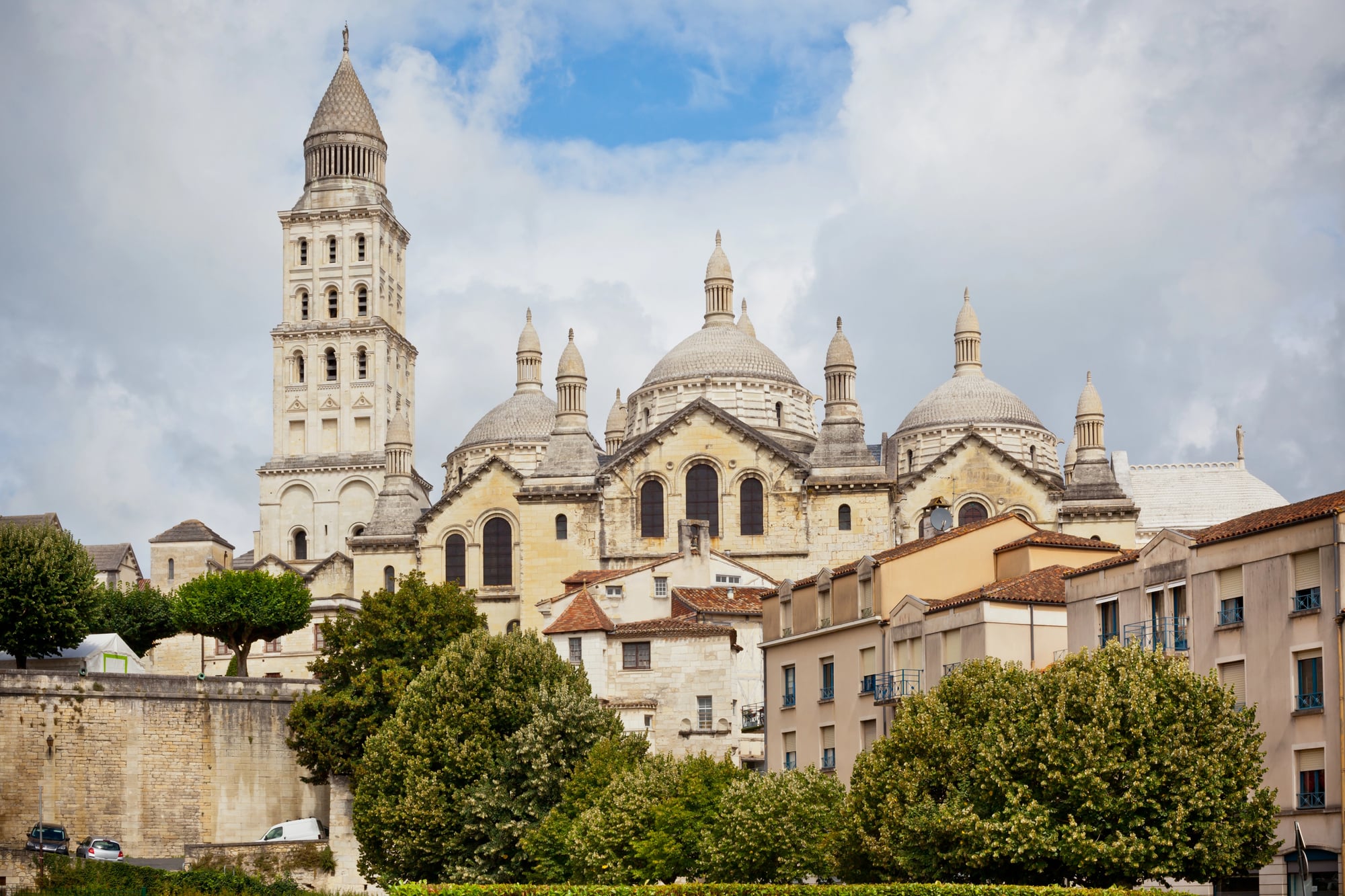
The medieval city of Périgueux in southwestern France contains a network of underground passages and tunnels dating to the medieval period, some built over earlier Roman-era structures. The tunnels were used for defensive purposes and as escape routes during the numerous conflicts that affected the Dordogne region.
Several sections have been opened for guided tours as part of the city’s heritage trail, which includes Roman ruins, medieval fortifications, and the distinctive Byzantine-Romanesque Cathedral of Saint-Front above ground.
The Vicoforte Tunnel — Royalty’s Emergency Exit (Italy)
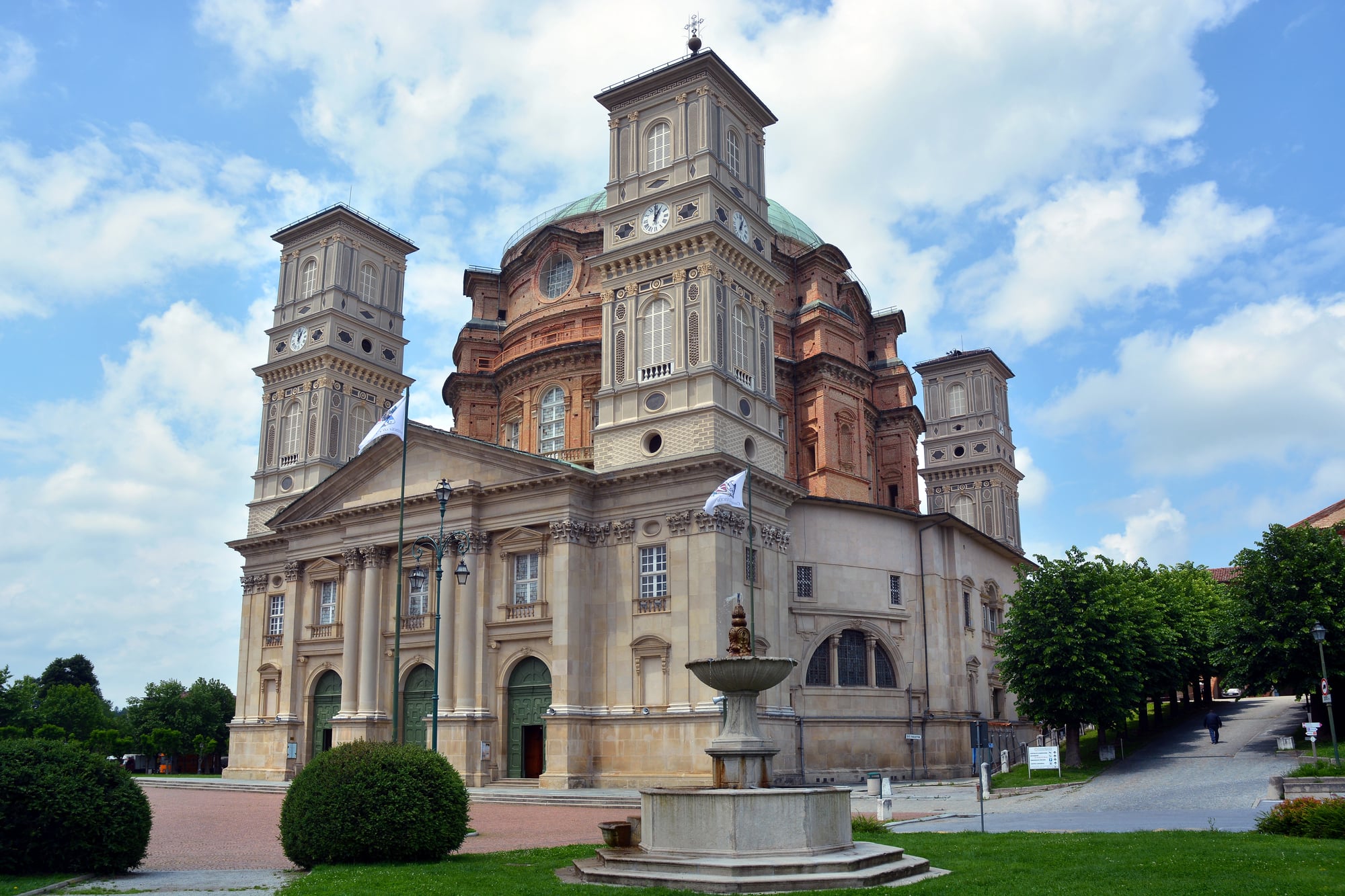
The Sanctuary of Vicoforte in Piedmont, Italy, has an underground passage that was reportedly built to give the House of Savoy — the ruling dynasty of the Kingdom of Sardinia — an escape route from the sanctuary in case of attack. The passage connects the sanctuary to an external point beyond the immediate fortifications.
The sanctuary itself is known for having the world’s largest elliptical dome. The tunnel is not widely publicized but has been referenced in local historical accounts and preservation documents.
Hohensalzburg Fortress Passages (Austria)
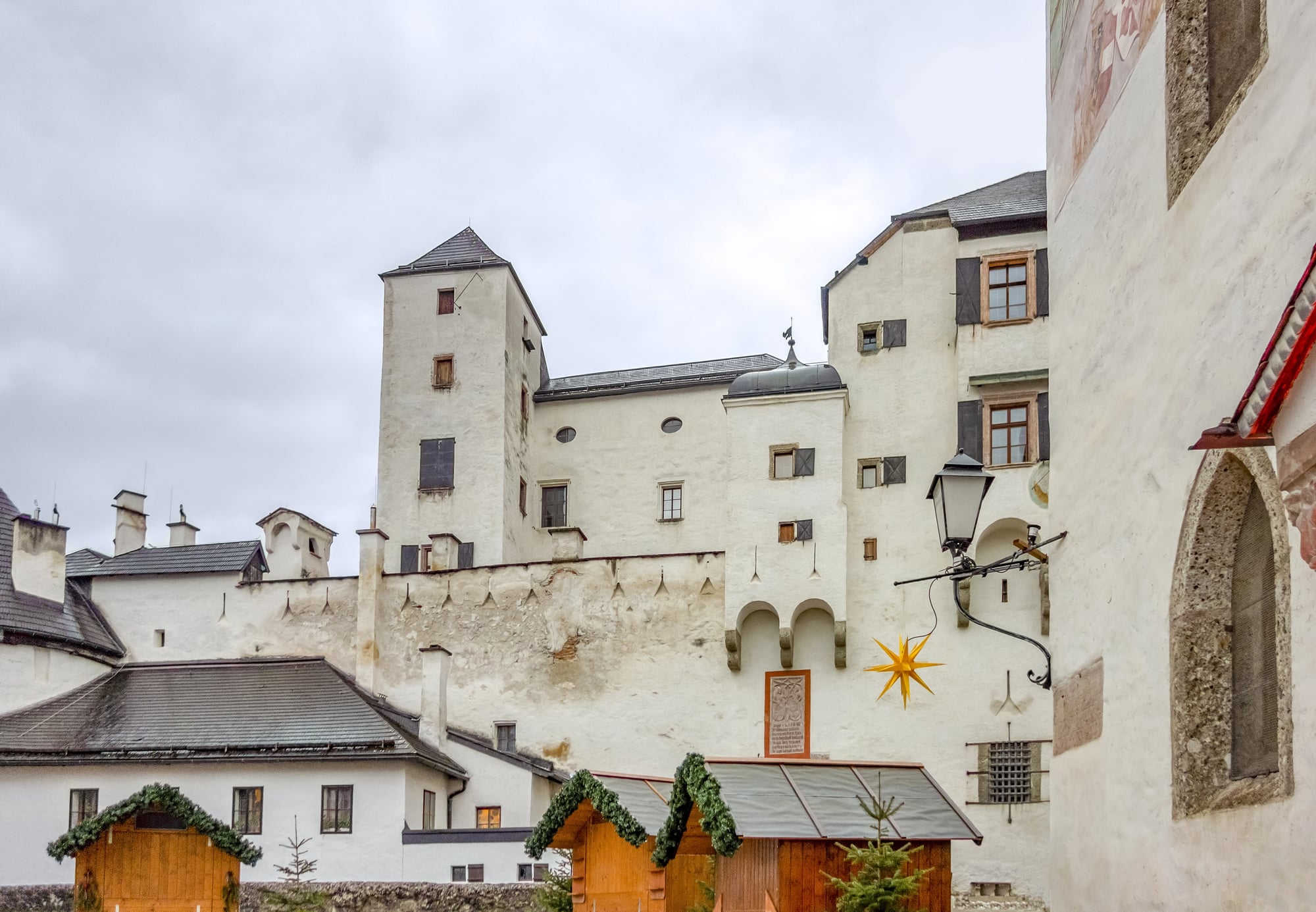
Hohensalzburg Fortress, built in 1077 on a rock above Salzburg, contains extensive internal passages and escape routes built over its many centuries of construction and modification. The fortress was never successfully captured by force, partly because of these internal fortifications.
Multiple tunnel sections are accessible as part of the fortress’s regular museum, and guided tours cover the history of how the passages were used during various historical sieges and political crises.
The Musée des Égouts de Paris — Escape and Survival in the Sewers (France)

Paris’s network of sewers, tunnels, and catacombs runs under the entire city and has been used for escape and concealment throughout French history. During the Paris Commune uprising in 1871 and during the Nazi occupation in World War II, the tunnels provided passage and refuge.
Members of the French Resistance used the catacombs and sewer network to move between safe houses. The Musée des Égouts (Museum of the Sewers) is open to visitors and provides access to a section of the functioning sewer system, as well as historical documentation of the tunnels’ multiple uses.
The Bone Church at Sedlec — Catacombs as Refuge (Czech Republic)
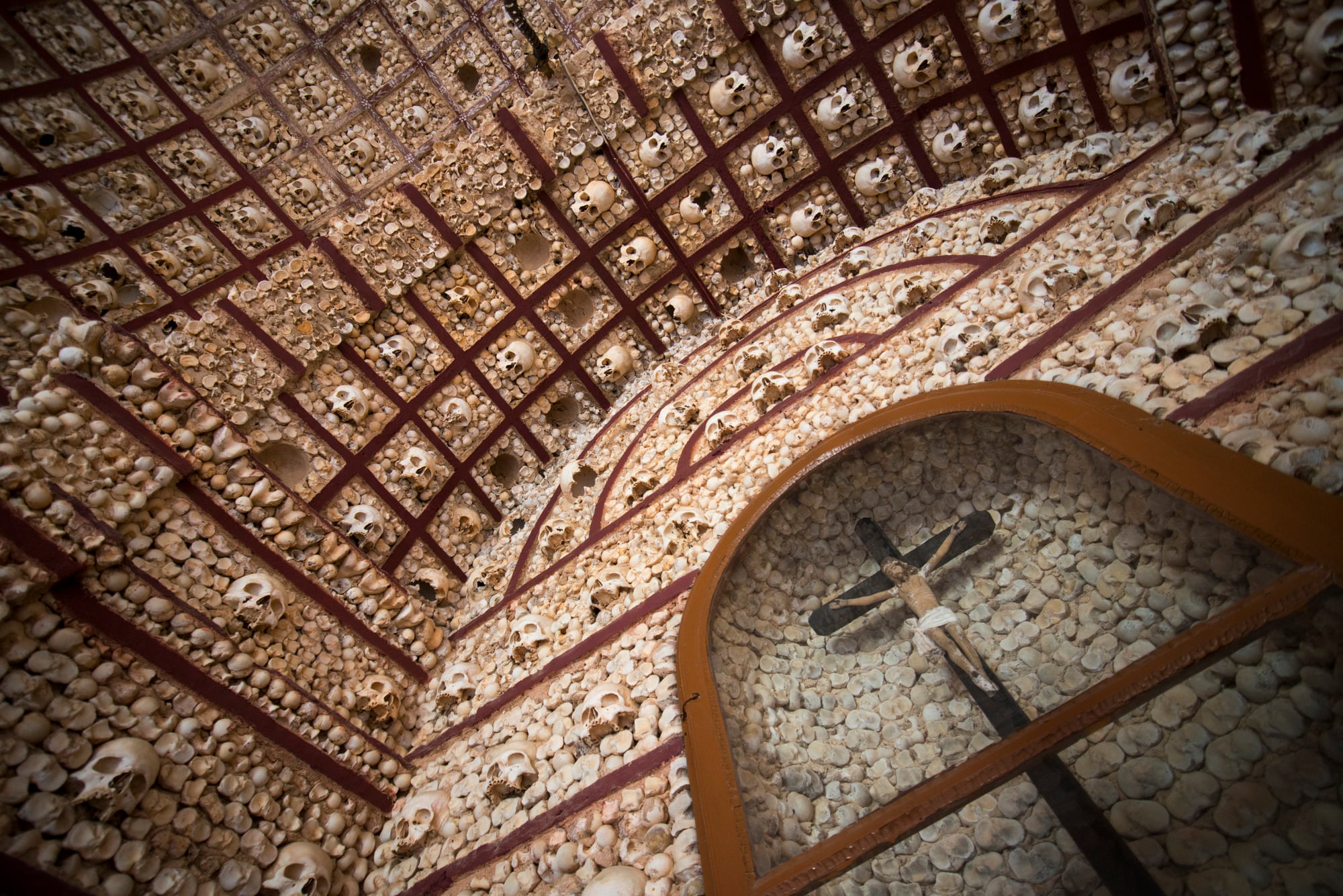
The ossuaries and underground passages of Kutná Hora, including those beneath the Sedlec Ossuary, were part of a network that provided both burial infrastructure and concealment during periods of religious conflict. The Hussites and various subsequent religious conflicts meant that the passages beneath the church were used for movement and protection.
The Sedlec Ossuary itself — decorated with the bones of approximately forty thousand people — is one of the most visited historical sites in the Czech Republic.
The Catacombs of Rome — Escape Route for Early Christians
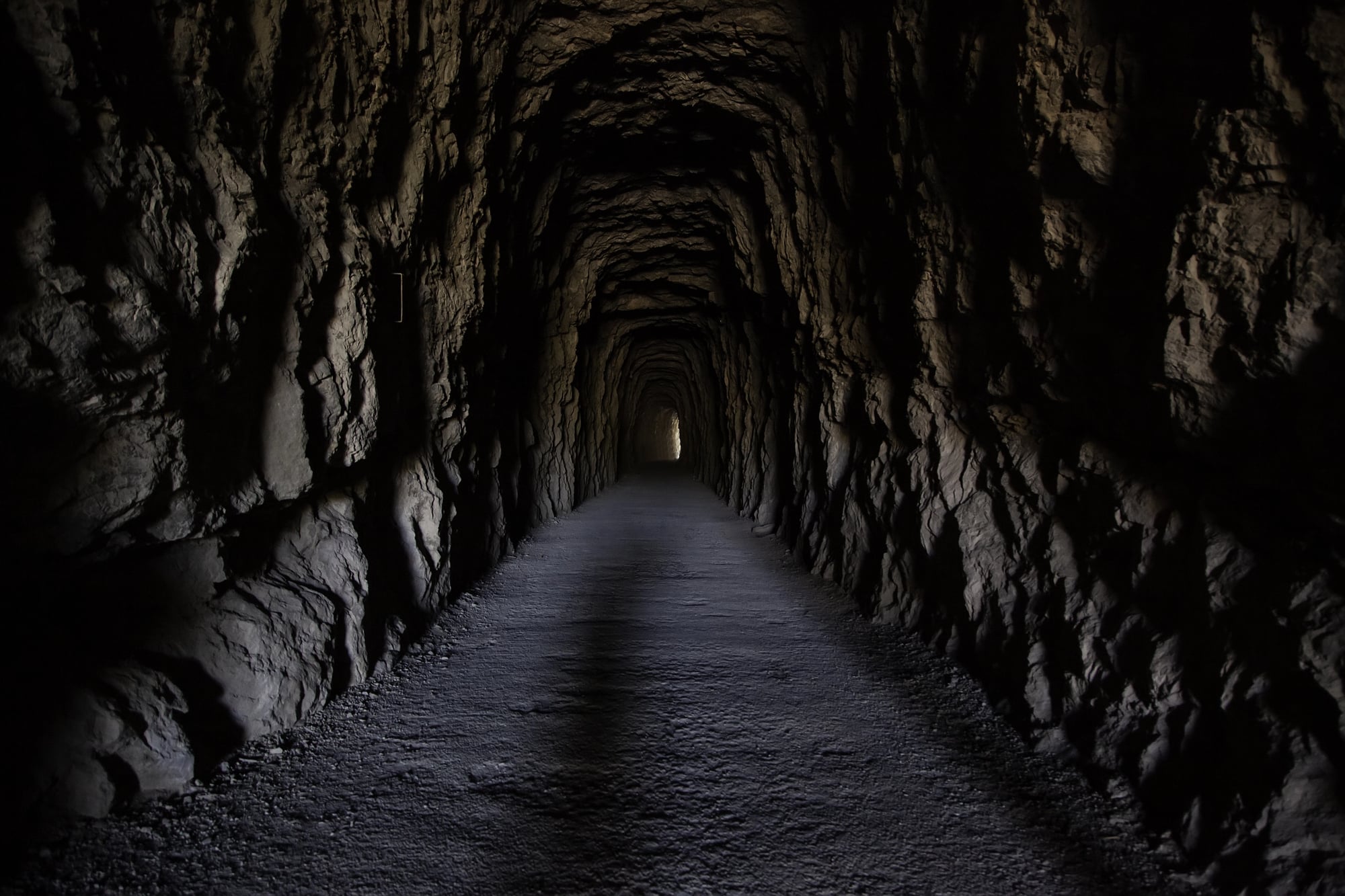
The Roman catacombs, which extend for approximately 170 kilometers beneath the city, were originally burial sites for Christians in the first through fifth centuries AD. They were used during periods of Roman persecution as places of gathering and concealment, and their labyrinthine structure made pursuit by Roman authorities difficult.
The catacombs were eventually sealed and forgotten, and their rediscovery in the sixteenth century launched the field of Christian archaeology. Several catacomb systems are open to the public, including those of San Callisto and San Sebastiano on the Appian Way, which give visitors access to original burial chambers still containing early Christian symbols and inscriptions.
Bou Inania Madrasa Tunnels (Morocco)
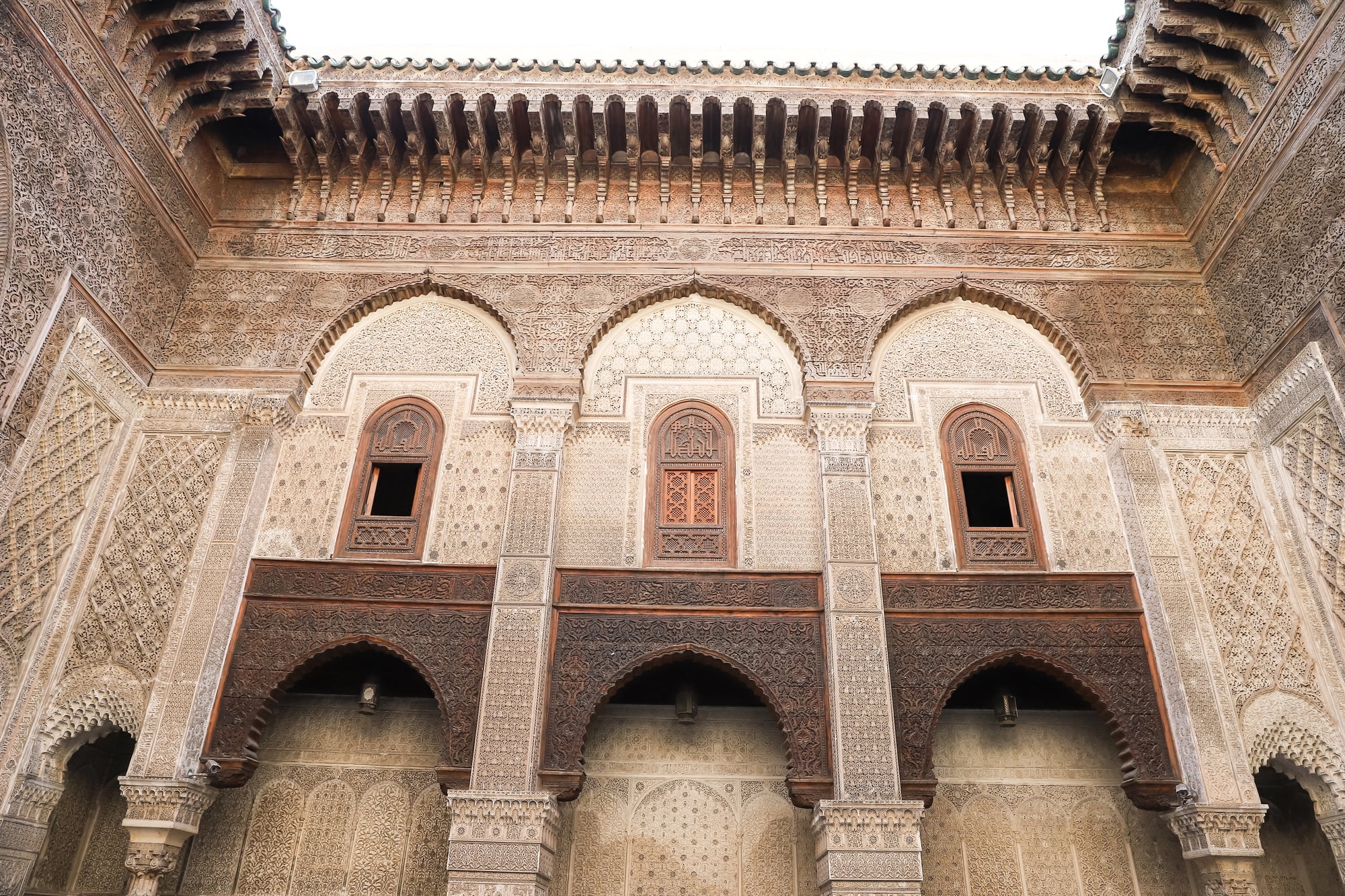
The historic city of Fès contains a network of underground passages beneath its medina that were built as part of the city’s medieval infrastructure. Some were drainage channels; others were used for the movement of goods and people in a city where the surface streets are too narrow for wheeled vehicles.
The passages beneath the Bou Inania Madrasa have been partially documented. These tunnels represent a type of urban underground infrastructure that has served both practical and protective functions in dense medieval city planning.
The Binnenhof Passages (Netherlands)

The Binnenhof complex in The Hague, which has been the center of Dutch government since the thirteenth century, contains passages and tunnels of various historical periods. Several have been used at different points in history for the secure movement of officials during periods of civil unrest.
The complex is open to the public and guided tours cover portions of the older sections, including passages that date to the medieval period of the building’s construction.
The Maginot Line Tunnels (France)
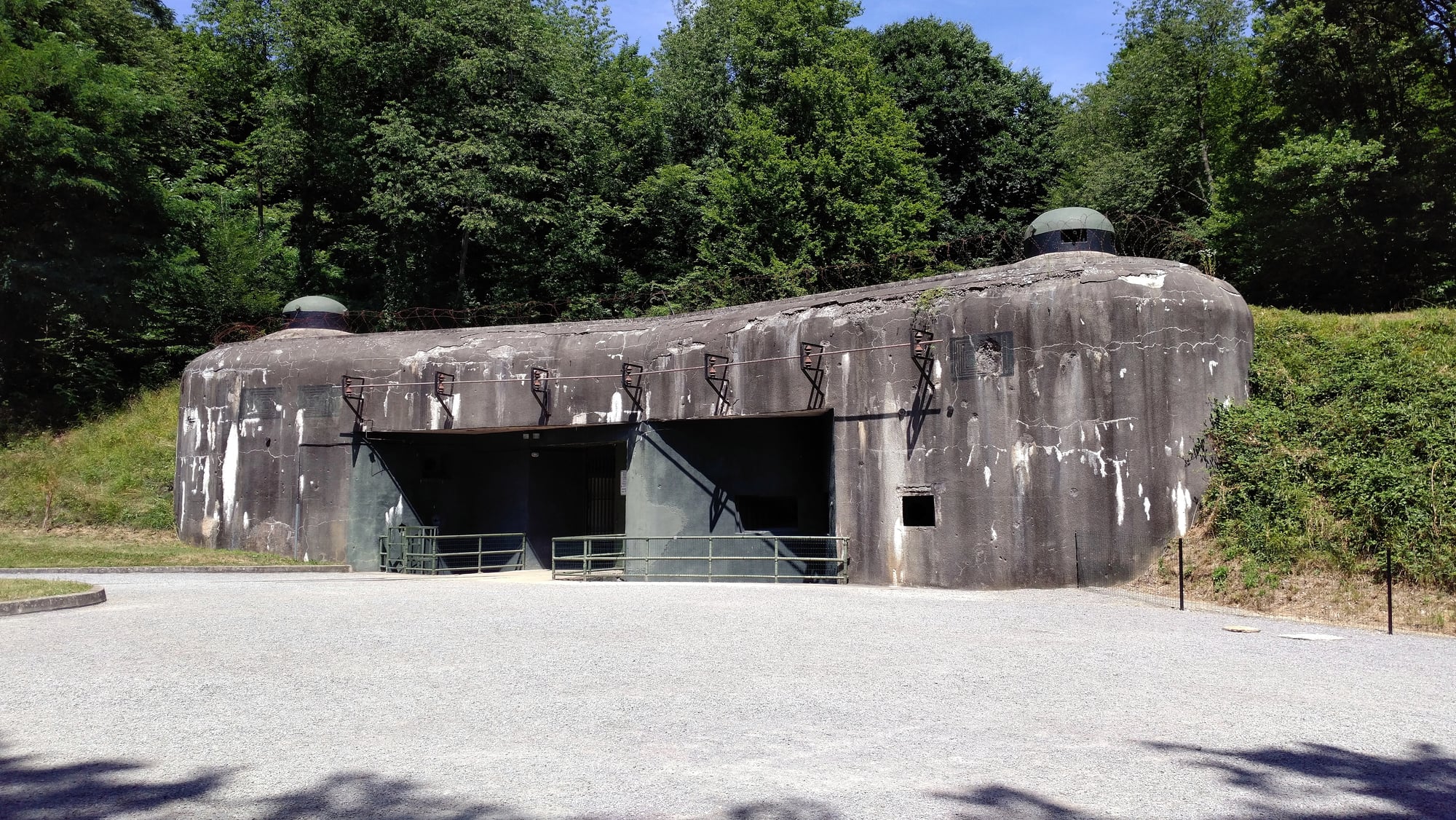
The Maginot Line, built by France in the 1930s as a defensive barrier against German invasion, contained extensive underground installations — not just gun emplacements but tunnel networks connecting them, some stretching for kilometers beneath the French-German border. The Germans bypassed the line by invading through Belgium, rendering its military purpose moot, but the physical installations remain almost entirely intact.
Several sections are open to the public, including the ouvrage of Hackenberg in Lorraine — the largest intact section of the line — where visitors can travel by underground railway through the original tunnels.
The Subterranean Passages of Provins (France)
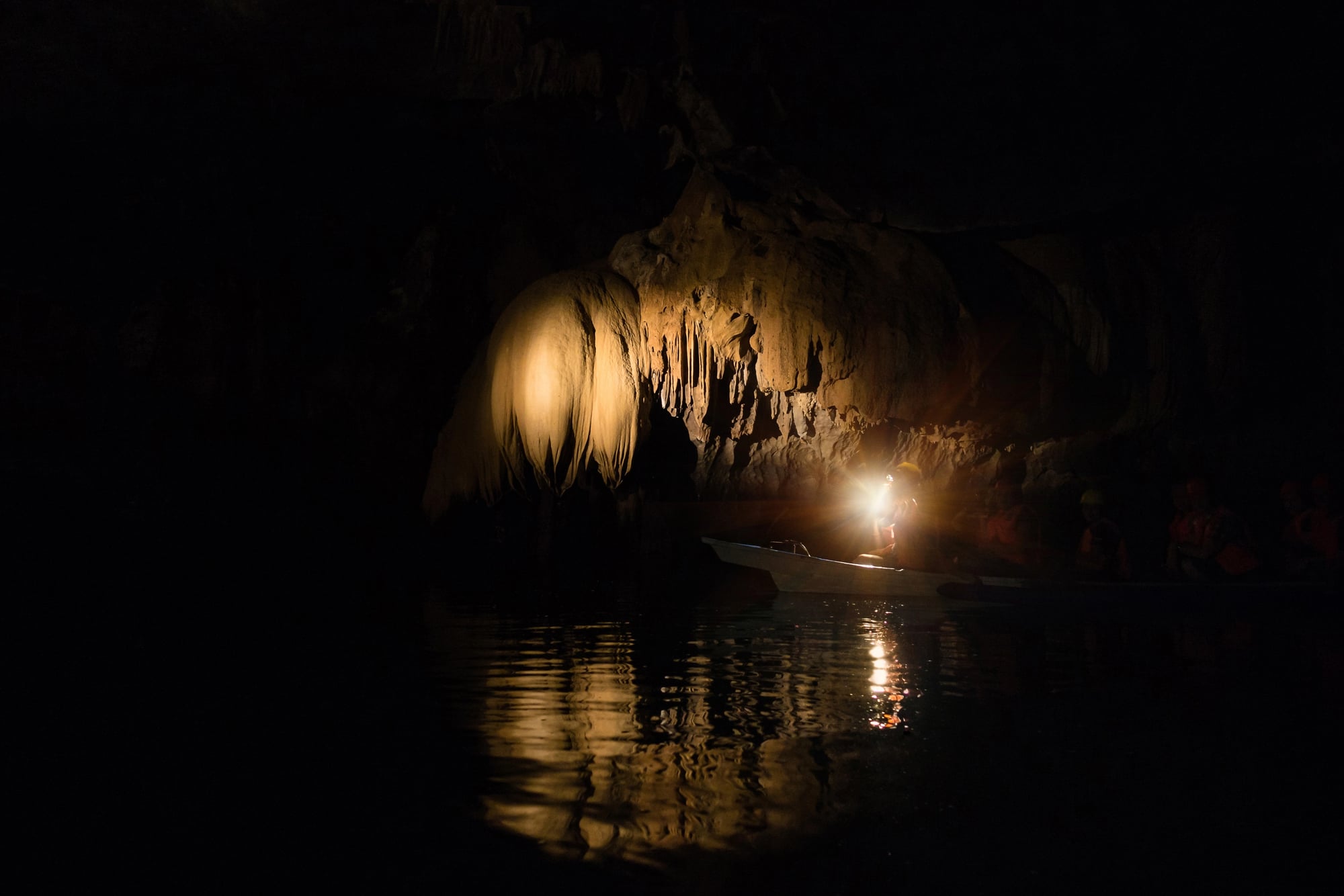
The medieval town of Provins in the Champagne region of France was one of the great fair towns of medieval Europe, and its underground passages reflect the commerce and security needs of a wealthy town. The passages extend beneath the medieval fortifications and the upper town, used for storage, movement of goods, and escape during the numerous conflicts of the medieval period.
The passages are accessible through guided tours operated by the town’s historical preservation organization and are listed as part of Provins’s UNESCO World Heritage designation.
The Lichtenstein Castle Passages (Germany)
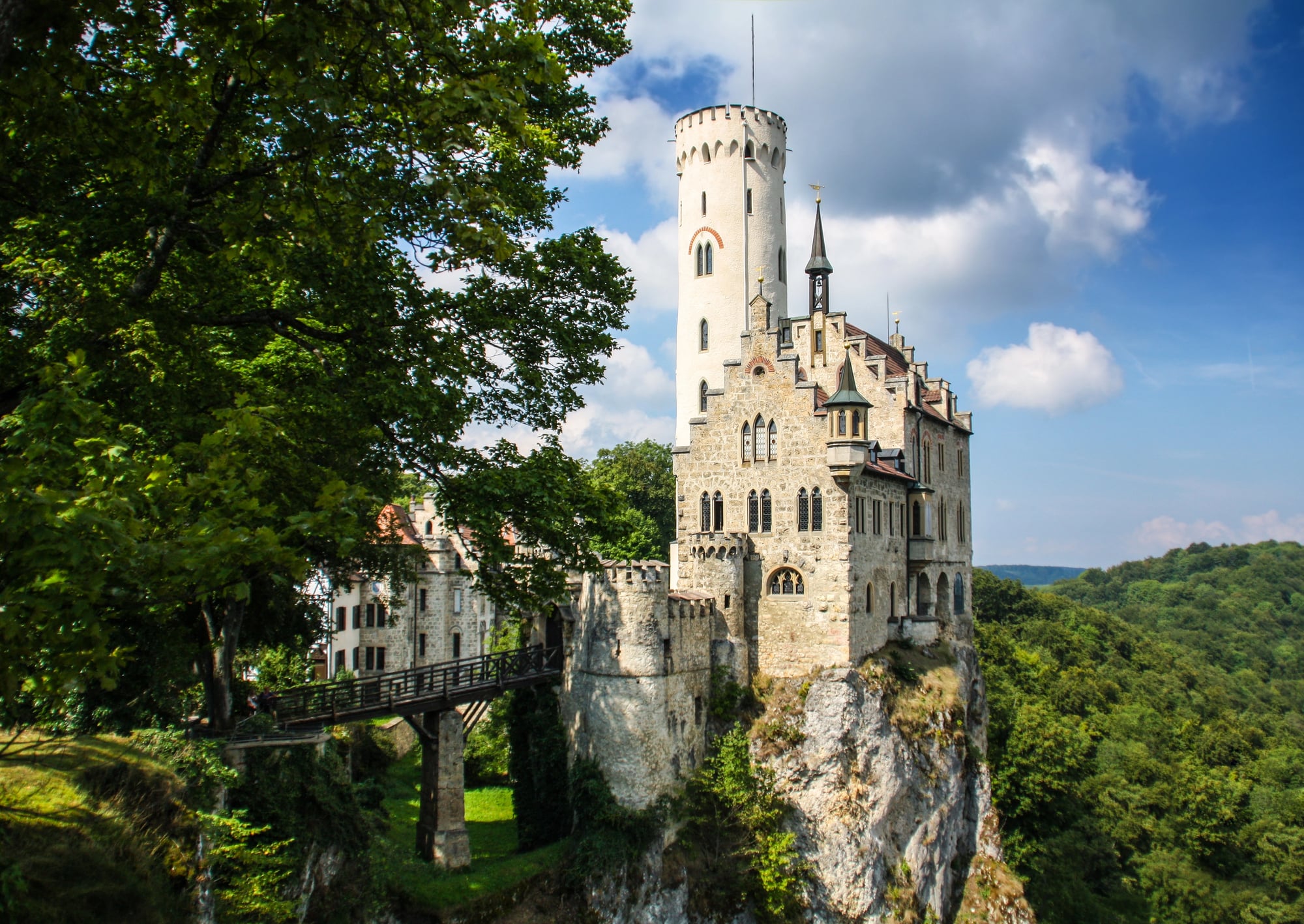
Lichtenstein Castle in Baden-Württemberg was built in its current neo-Gothic form in the nineteenth century over the ruins of an original medieval castle. The reconstruction incorporated sections of the original medieval passages and escape tunnels that ran through the cliff on which the castle sits.
Portions of these older passages are visible in the castle’s lower sections during regular visitor tours.
The Templar Underground Network at Arles (France)

Arles in southern France, which was an important Templar center in the medieval period, contains sections of underground passages associated with the order’s activities. The tunnels run beneath the old town and connect what were formerly Templar properties.
Some sections are accessible through the city’s archaeological museum program. The Templar network at Arles is less well-documented than those at Acre or Royston but has been partially excavated and recorded.
The Hay Castle Tunnels — A Welsh Border Fortress (Wales)
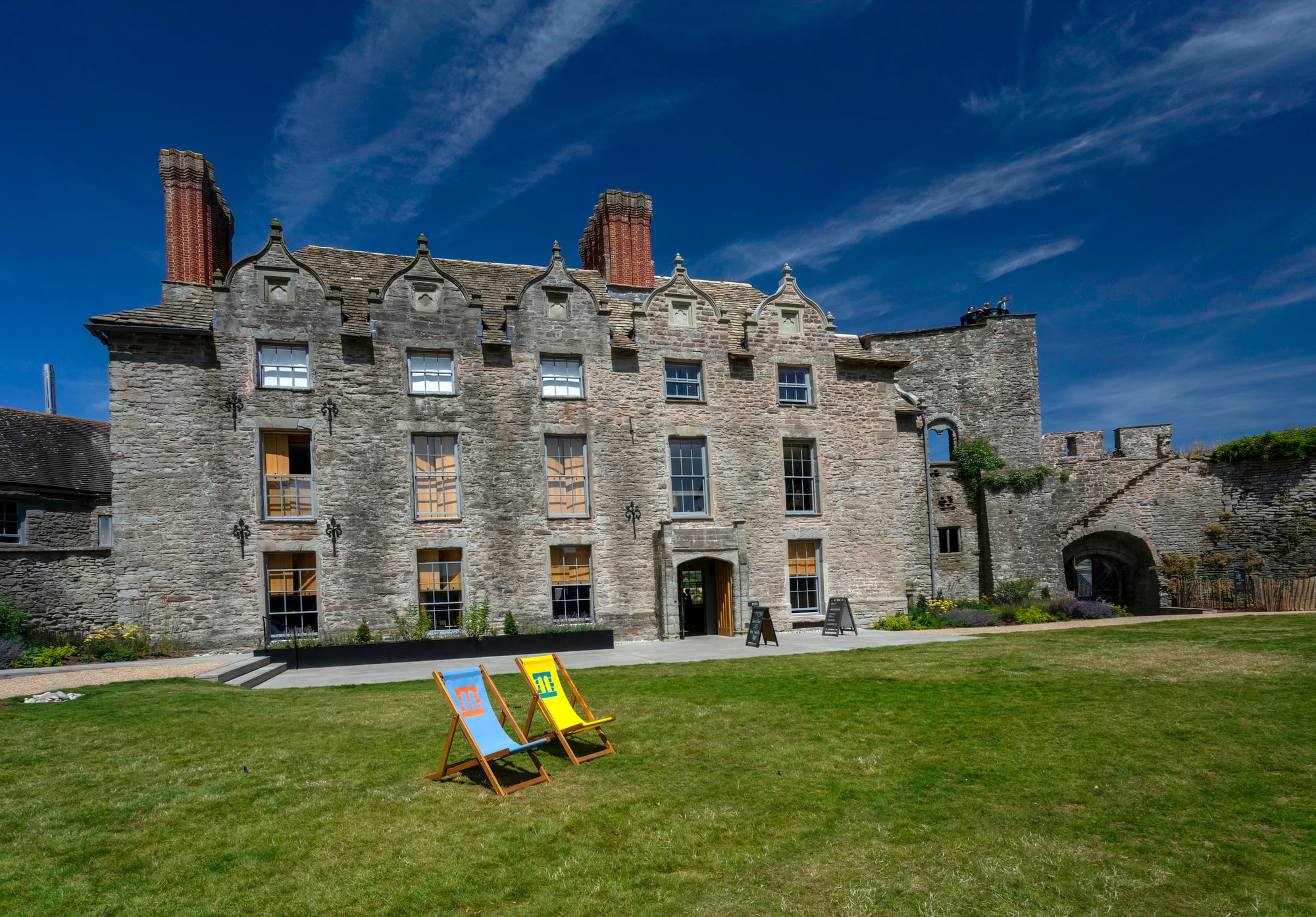
Hay-on-Wye, the town famous today as a center for second-hand bookselling and literary festivals, has at its center a Norman castle with documented tunnel passages that run beneath the castle mound. The tunnels were built as escape routes during the numerous border conflicts of the medieval Welsh marches.
Portions of the passages are accessible through the castle’s heritage program.
The Underground City of Cappadocia’s Kaymakli (Turkey)

Kaymakli is the second-largest underground city in Cappadocia after Derinkuyu and is directly accessible to visitors. It contains eight levels, though only four are open to the public.
Like Derinkuyu, it was designed to house a large population during periods of invasion, with ventilation shafts, water systems, and large stone doors that could be rolled across passages to seal them from the inside. The two cities are connected, according to some sources, by a tunnel approximately eight kilometers long, though this connection has not been fully verified by excavation.
Kaymakli is in the town of the same name and is accessible from the main road through the Cappadocian valley.
The Napola Tunnels — Schools Built for Escape (Germany)
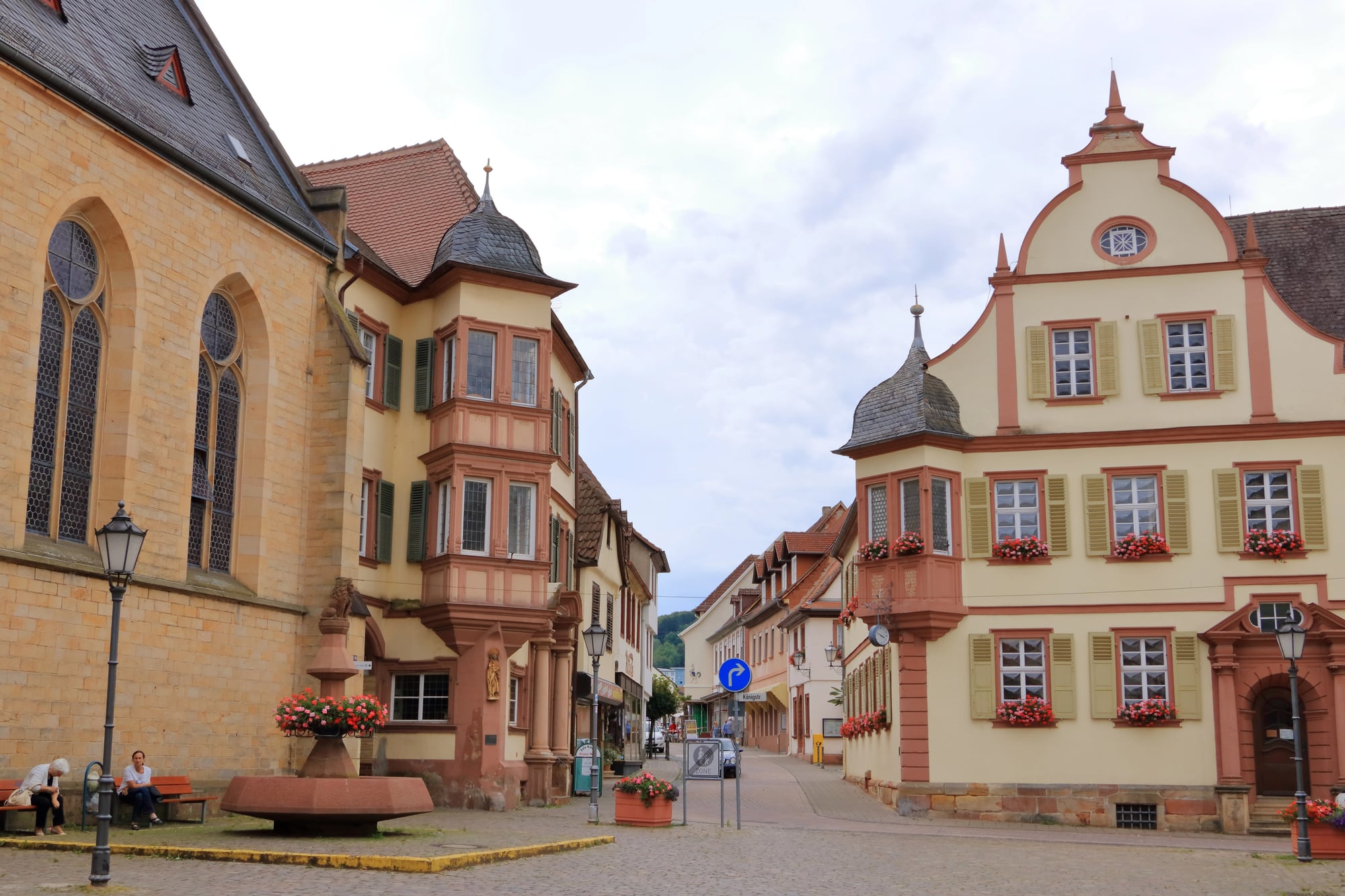
Several of the Nationalpolitische Erziehungsanstalten (NAPOLA) — elite Nazi educational institutions — were built with escape tunnels and underground passages as part of their construction, partly for air raid purposes and partly reflecting the military orientation of the institutions. Several former NAPOLA buildings have been converted to other uses and retain their underground infrastructure, accessible in some cases through historical preservation programs.
The tunnels represent a specific and relatively obscure chapter in the construction history of Nazi institutional architecture.
The Escape Tunnel at Colditz Castle (Germany)
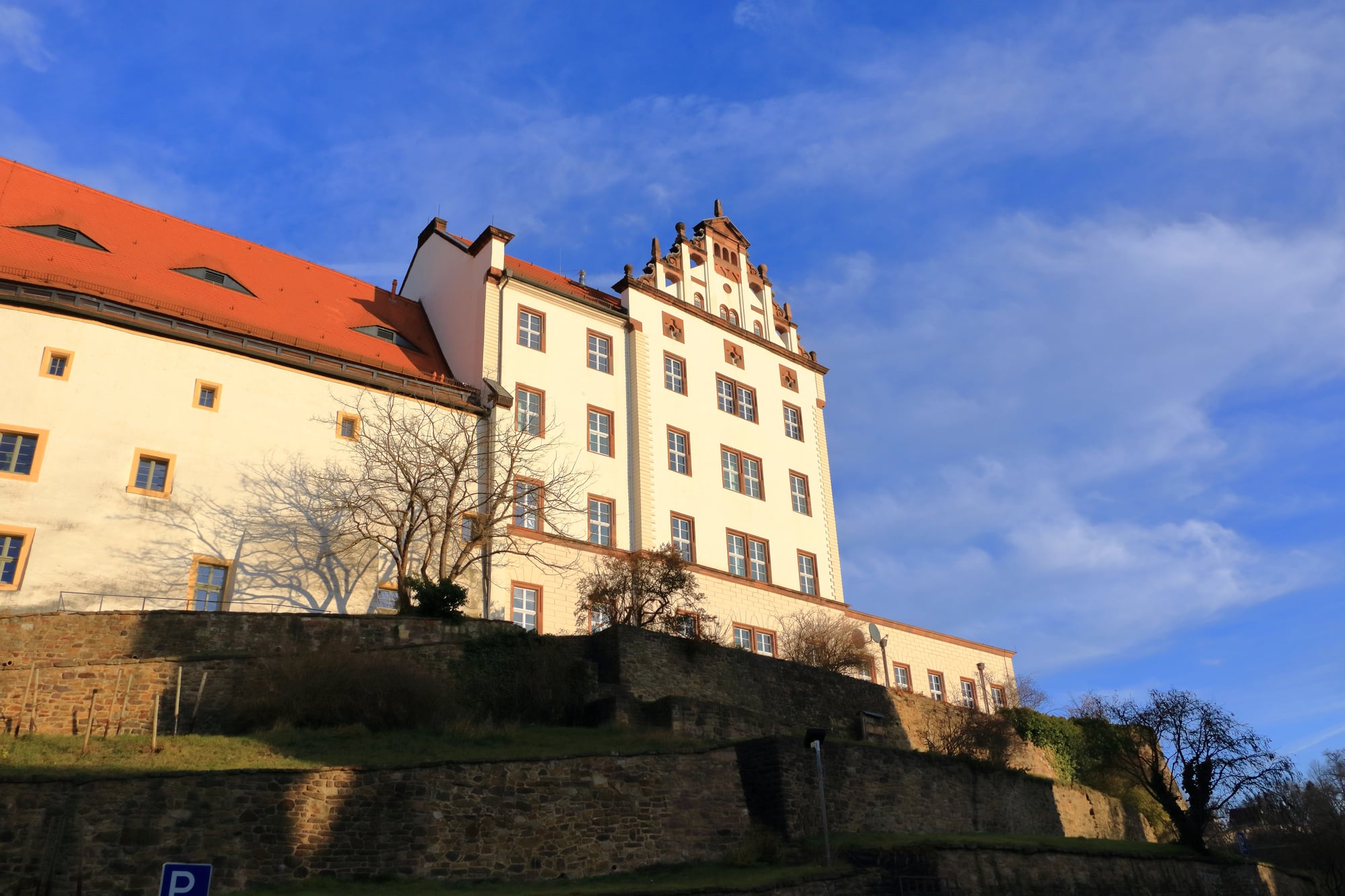
Colditz Castle in Saxony was used during World War II as Oflag IV-C, a high-security prisoner of war camp for Allied officers who had already escaped from other camps and were considered habitual escapees. Over the course of the war, the prisoners dug or attempted to dig at least thirty-two separate escape tunnels, none of which produced a successful escape directly from Colditz.
A glider was also constructed in the castle’s attic for potential escape use — it was never deployed. Several of the tunnel shafts are preserved and visible as part of the castle museum.
Colditz is open to visitors as a heritage site, and the preserved tunnel sections are among the most-visited parts of the museum.
Under the Same Ground
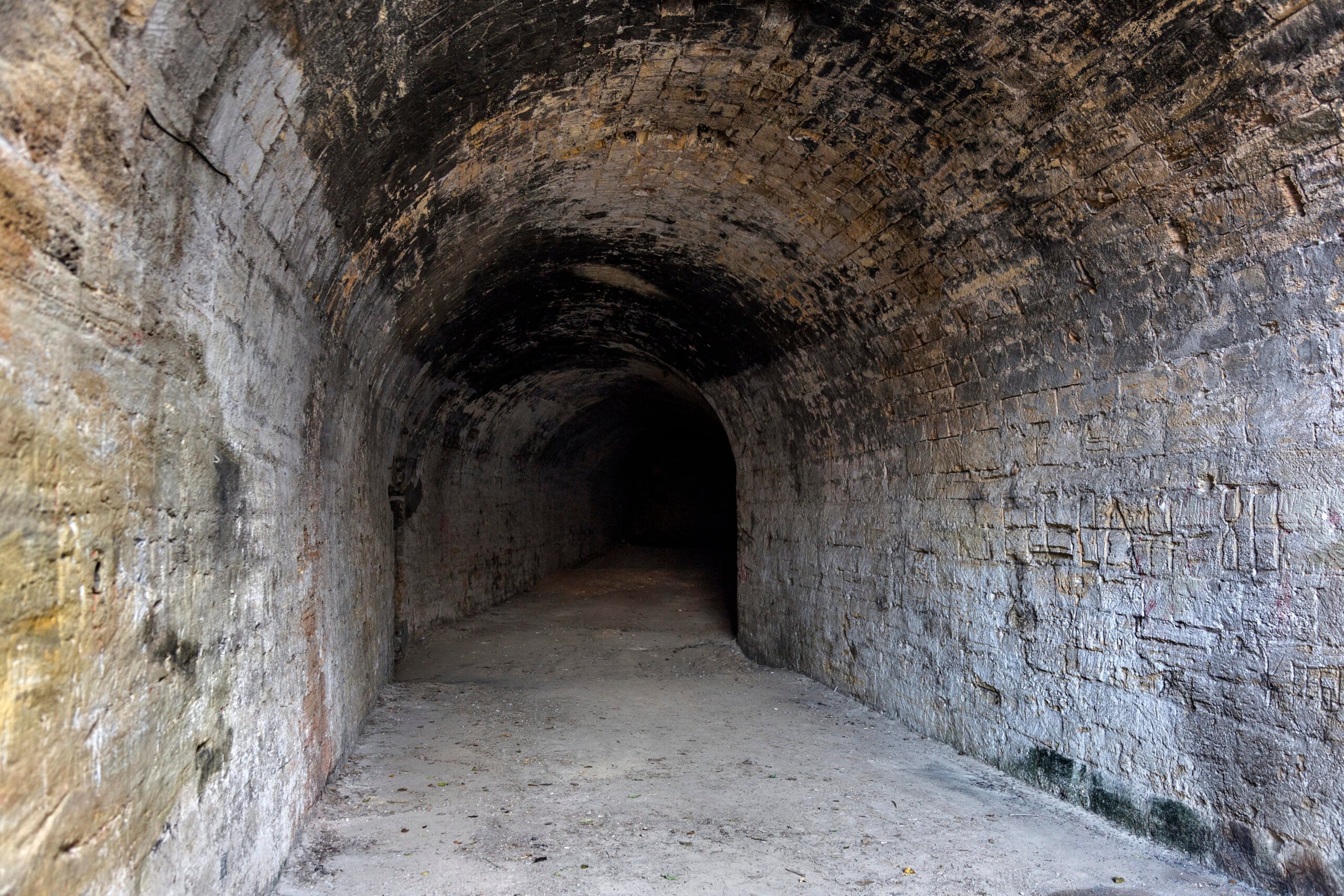
What connects these thirty passages is not just their underground nature but the specific human urgency that produced them. They were not built for convenience or for engineering interest.
They were built because the people who constructed them believed there was no other way out — from besieged cities, from religious persecution, from occupation, from walls built overnight to divide families. The specificity of the danger is inscribed in the specificity of the response: a two-foot-wide passage thirty feet underground, reinforced with bed boards, ventilated through powdered milk cans, is an extraordinarily detailed solution to an extraordinarily desperate problem.
Many of these passages are now accessible for the price of an admission ticket and a few hours of time. The Passetto is restored and lit.
The Cu Chi tunnels have been widened. The Edinburgh Vaults have gift shops.
The transformation from escape route to tourist attraction is not something the people who dug these passages would have anticipated, but it preserves them. The alternative, in most cases, would be that the tunnels simply collapse under the city above and are forgotten.
Better that someone has decided they are worth keeping, even if the reason for keeping them is very different from the reason for building them.
More from Go2Tutors!

- The Romanov Crown Jewels and Their Tragic Fate
- 13 Historical Mysteries That Science Still Can’t Solve
- Famous Hoaxes That Fooled the World for Years
- 15 Child Stars with Tragic Adult Lives
- 16 Famous Jewelry Pieces in History
Like Go2Tutors’s content? Follow us on MSN.



