Rituals That Baffle Researchers
Humans have practiced rituals since the dawn of civilization, and some of these traditions still leave anthropologists scratching their heads. From painful acts of devotion to elaborate ceremonies involving the dead, certain customs continue to challenge our understanding of culture and belief.
While researchers have proposed theories about why these rituals exist, the complete picture often remains just out of reach. Here’s a look at 17 rituals that continue to fascinate—and confuse—scholars around the world.
Thaipusam Body Piercing
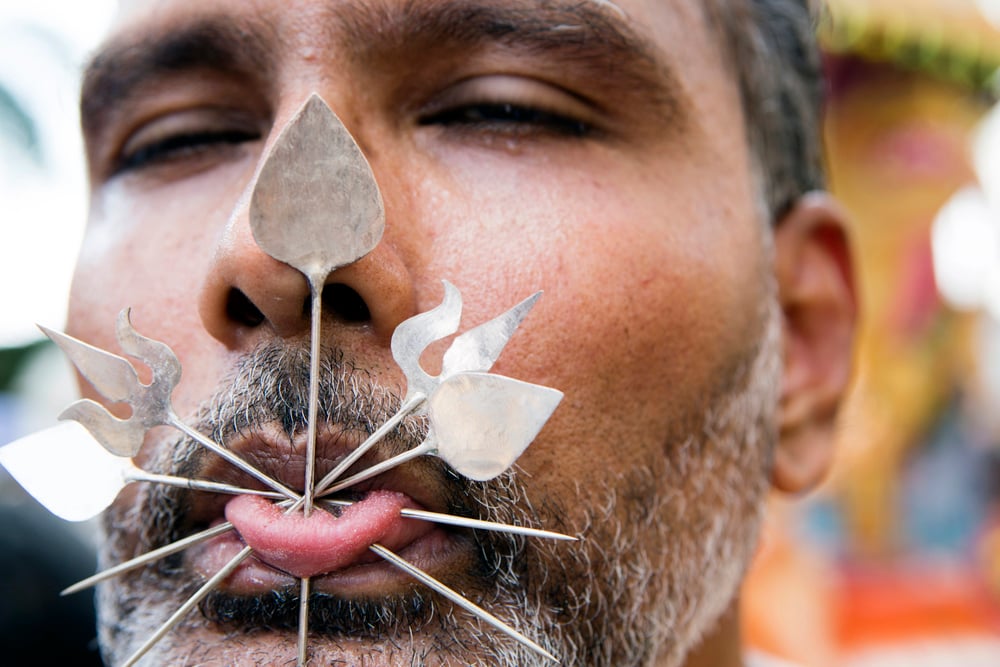
Each year during the full moon in January or February, Tamil Hindus mark Thaipusam with one of the most extreme acts of religious devotion imaginable. Participants pierce their cheeks, tongues, and backs with metal skewers and hooks, sometimes attaching large, ornate structures called kavadi that can weigh up to 66 pounds.
Strangely, devotees often report feeling no pain, entering a trance-like state known as arul vaku. Scientists have studied this phenomenon for decades but still can’t fully explain how participants endure such trauma with little discomfort—and no anesthesia.
The Dorset Bear Cult

In the 1950s, Danish archaeologist Jørgen Meldgaard unearthed something curious in northeastern Canada: small, headless bear figurines carved from walrus tusk, arranged as if diving into ancient hearths. These artifacts, created by the pre-Inuit Dorset culture, were long considered oddities—until later researchers realized they might represent a long-lost belief system.
The figurines appear across multiple sites and eras, suggesting a deep spiritual connection between humans, bears, and the spirit world. It’s believed the fireplace symbolized a gateway to other realms, though the true meaning of this “diving bear” ritual remains a mystery.
Like Go2Tutors’s content? Follow us on MSN.
Tibetan Sky Burials

For over a millennium, Tibetan Buddhists have practiced a funeral ritual that can shock outsiders: bodies are taken to mountaintops, dismembered, and fed to vultures. Yet, for Buddhists, this is not gruesome—it’s compassionate.
The body, they believe, is an empty vessel once the soul has departed. Feeding it to birds is seen as a final act of generosity.
The tradition also suits Tibet’s rocky terrain, where burial is difficult. Anthropologists, however, still struggle to understand how such a radically different view of death evolved and persists.
Famadihana

Every few years in Madagascar, families take part in Famadihana, the “turning of the bones.” They exhume their ancestors’ remains, clean and rewrap them in fresh cloth, then lift the bundles high and dance joyfully to live music.
Far from morbid, the event is a family reunion of sorts—filled with laughter, food, and song. Researchers find this ritual fascinating because it treats death as part of ongoing family life, not a final separation.
To the Malagasy, graves are not eternal resting places but temporary homes requiring care and celebration.
El Salto del Colacho
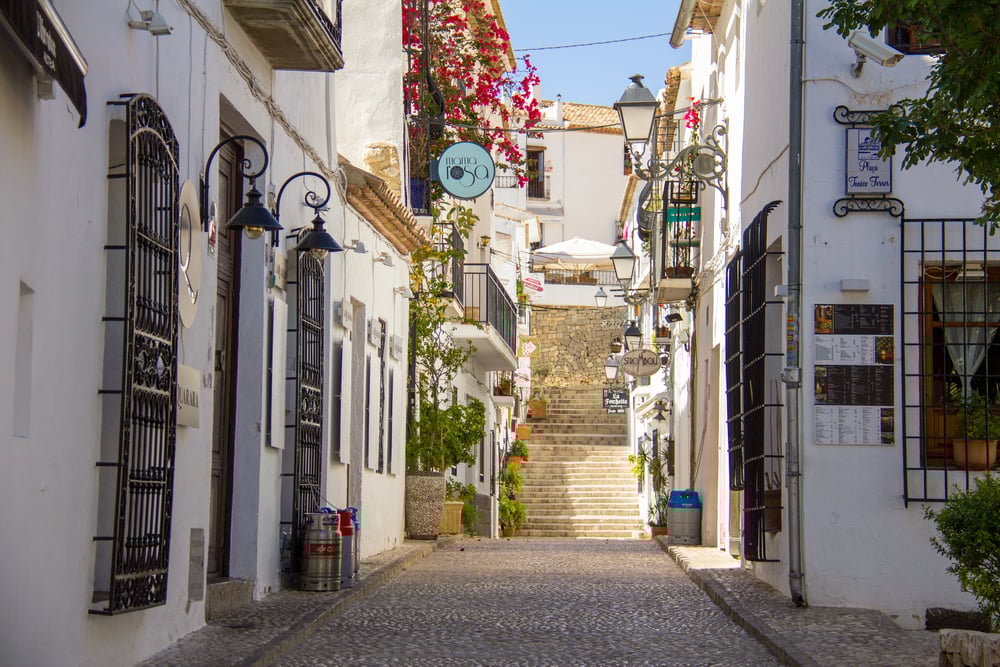
In the Spanish town of Castrillo de Murcia, brightly dressed men playing devils leap over rows of infants during El Salto del Colacho—“The Devil’s Jump.” The 17th-century ritual is meant to cleanse babies of original sin.
The Catholic Church has disapproved for centuries, insisting baptism alone serves that purpose, yet the event continues, complete with priestly blessings. What puzzles scholars is why such a risky and symbolic act of purification took root and why it endures, blending danger, faith, and local tradition into one bizarre spectacle.
Like Go2Tutors’s content? Follow us on MSN.
Mayan Cave Ceremonies
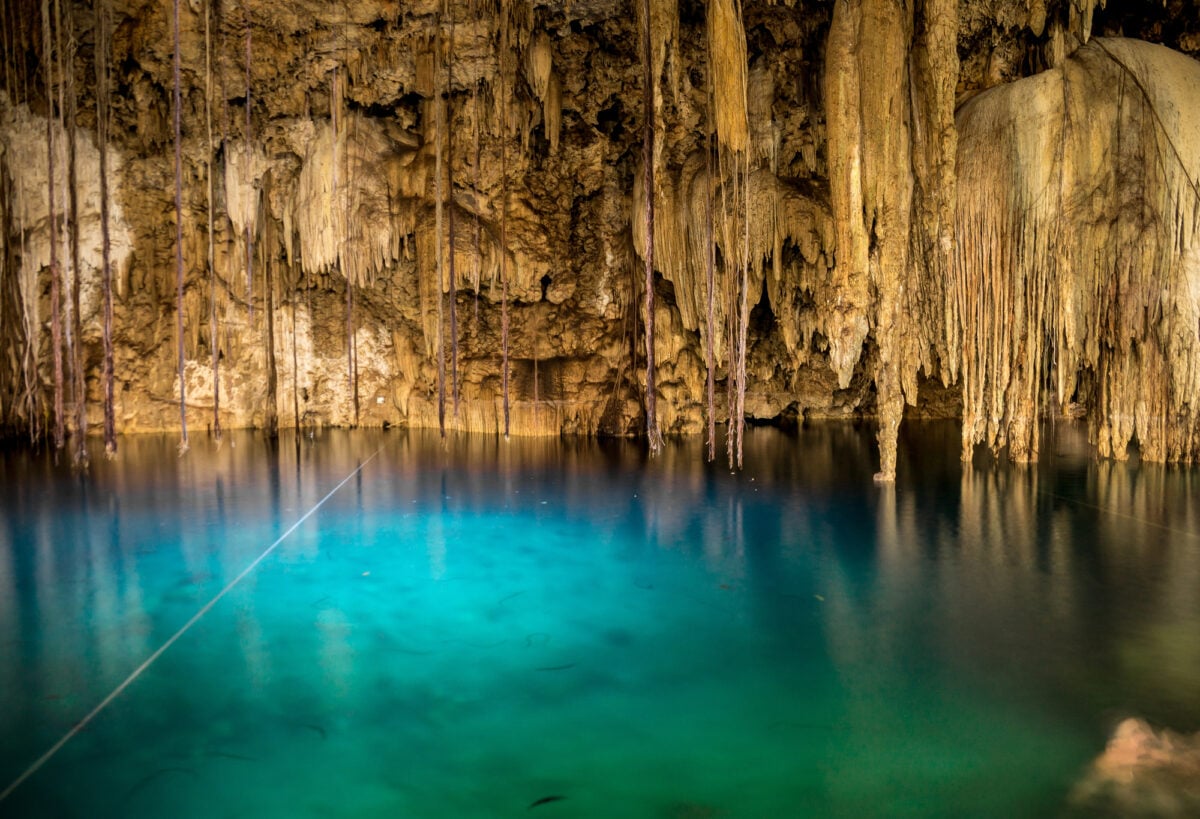
Ancient Maya priests often crawled deep into dark, dangerous caves to conduct elaborate rituals. With majestic temples above ground, why risk such peril underground? Archaeological evidence from hundreds of caves—complete with altars, sacrifices, and carvings—suggests the Maya believed these spaces were portals to Xibalba, the underworld where they could commune with gods and ancestors.
The sheer effort and devotion these ceremonies required continue to impress and perplex researchers alike.
Fire Walking in Mediterranean Villages

In small villages across Spain and Greece, locals still walk barefoot across glowing embers during annual festivals. Anthropologist Dimitrios Xygalatas and his team discovered that not only do participants’ heart rates spike during the ritual, but so do those of their relatives in the crowd—synchronizing in remarkable patterns.
This physiological connection hints at how shared danger can strengthen communal bonds. Yet, scientists still don’t fully understand why such intense rituals emerged as a means of social cohesion.
Hanging Coffins
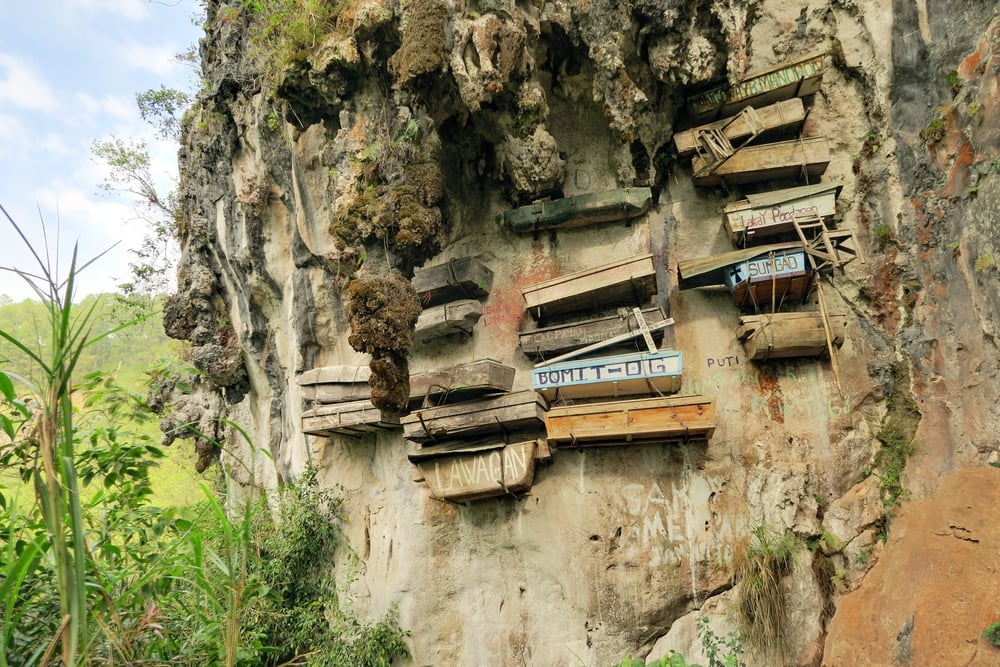
In parts of Indonesia, China, and the Philippines, people once placed their dead in coffins suspended high on cliffs—sometimes hundreds of feet above ground. This astonishing feat required great effort and engineering skill.
Many believed placing the dead closer to the sky brought them nearer to the gods and hastened their journey to the afterlife. Strangely, similar practices appeared in several cultures with no known contact, leaving researchers to wonder about the origins—and the spiritual motivations—behind this striking burial tradition.
Like Go2Tutors’s content? Follow us on MSN.
The Horn Dance

Every September in Abbots Bromley, England, six men perform a centuries-old dance while carrying reindeer antlers that date back nearly a thousand years. Thought to have pagan or fertility origins, the Horn Dance has survived waves of social and religious change.
What fascinates researchers most is its longevity—how one small village preserved this mysterious tradition and its ancient props for nearly a millennium, even as its original meaning faded into legend.
Eleusinian Mysteries

For over two thousand years, ancient Greeks gathered at Eleusis for secret ceremonies honoring Demeter and Persephone. Initiates fasted, purified themselves, and drank a mysterious potion called kykeon before witnessing sacred nighttime dramas symbolizing death and rebirth.
Some historians believe kykeon contained psychoactive ingredients that induced visionary states. Because participants were sworn to secrecy under penalty of death, the true nature of the Eleusinian Mysteries remains one of archaeology’s most tantalizing enigmas.
Minoan Bull Leaping

Frescoes from ancient Crete depict athletes performing breathtaking leaps over charging bulls—grabbing their horns and vaulting over their backs. This dangerous ritual, blending sport and ceremony, may have symbolized fertility, courage, or divine favor.
Though scholars agree it held deep religious significance, the details—its origins, training, and meaning—are still debated. The bull, a recurring Minoan symbol, clearly held power, but the full story behind these daring performances remains elusive.
Like Go2Tutors’s content? Follow us on MSN.
Finger Cutting of the Dani Tribe

Among the Dani people of Papua New Guinea, women once practiced ikipalin—the ritual amputation of a finger joint to mourn the death of a loved one. Using a string to numb the area, a relative would cut off the fingertip with bamboo, then cauterize the wound.
Each missing joint symbolized a lost family member. For the Dani, fingers represent unity and strength, so this ritual externalized grief in a strikingly physical way.
Anthropologists find it remarkable how pain and loss were transformed into a visible, permanent expression of love and remembrance.
Pömmelte Ritual Complex
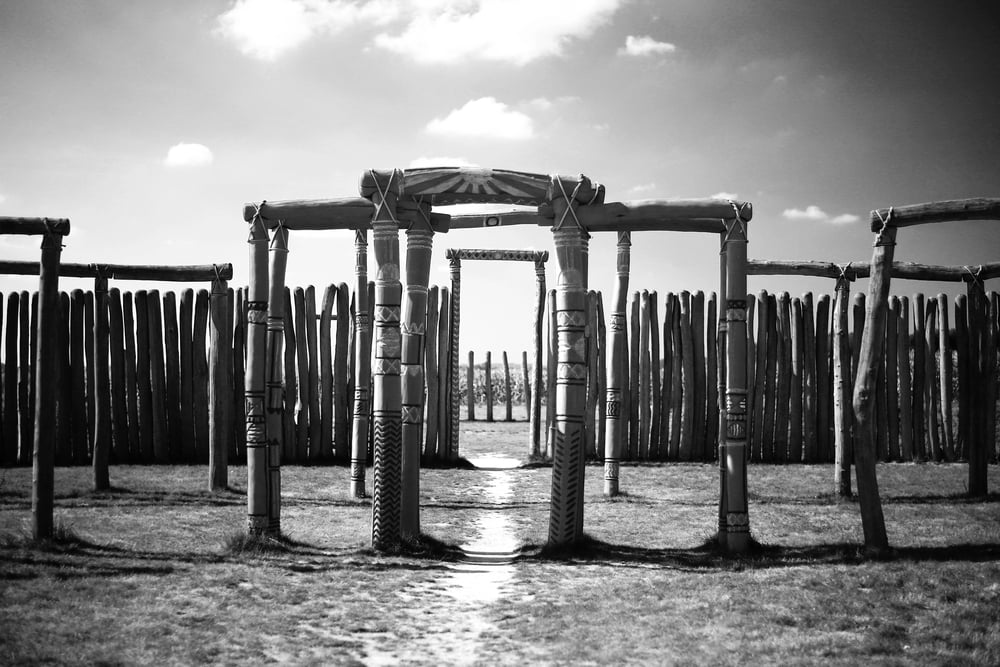
Nicknamed the “German Stonehenge,” Pömmelte is an ancient ceremonial site filled with evidence of ritual sacrifices—human and animal alike. Archaeologists uncovered arranged bones, tools, and circular earthworks suggesting complex rites performed thousands of years ago.
Yet, without written records, the purpose of these gatherings remains speculative. The site challenges what we know about prehistoric Europe, hinting at beliefs as intricate and symbolic as those of more famous ancient civilizations.
Ukuli Bula

In Ethiopia’s Omo Valley, boys from the Hamar tribe prove their manhood in a ritual called Ukuli Bula. The ceremony includes a shocking act: female relatives volunteer to be whipped, sometimes demanding more lashes to show loyalty and courage.
The boy then must leap across the backs of several bulls without falling—a symbol of maturity and readiness for marriage. Researchers remain puzzled by the women’s voluntary suffering and what it reveals about gender, family bonds, and social structure in Hamar culture.
Like Go2Tutors’s content? Follow us on MSN.
Dionysian Mysteries
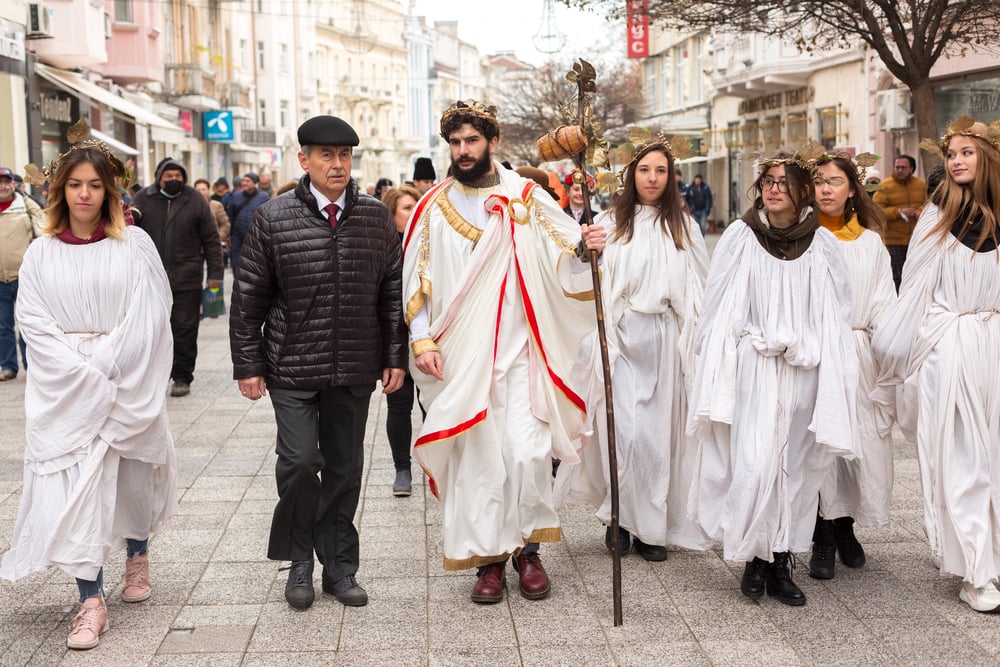
The ancient followers of Dionysus celebrated their god through wild, ecstatic rituals unlike any formal religious service. Women known as maenads danced, drank, and entered trance-like states in remote forests, believing they were merging with the god himself.
The rituals combined music, intoxication, and sometimes sacrifice, all meant to free participants from social boundaries. Because these ceremonies were secret and left no doctrine behind, much remains unknown.
Scholars still debate how this blend of chaos and devotion became a path to divine experience.
The Utagaki Meetings

In ancient Japan, people gathered on mountaintops for Utagaki—festivals filled with poetry, music, dancing, and ritual intimacy meant to please the gods. The gatherings promoted fertility and gave young men and women a chance to meet.
Seasonal songs marked the cycles of nature, blending art and faith. Eventually, Buddhist authorities banned the wilder aspects of the ritual, though tamer versions survived.
Anthropologists find Utagaki fascinating as a rare example of socially sanctioned freedom in an otherwise formal society.
Retainer Sacrifice
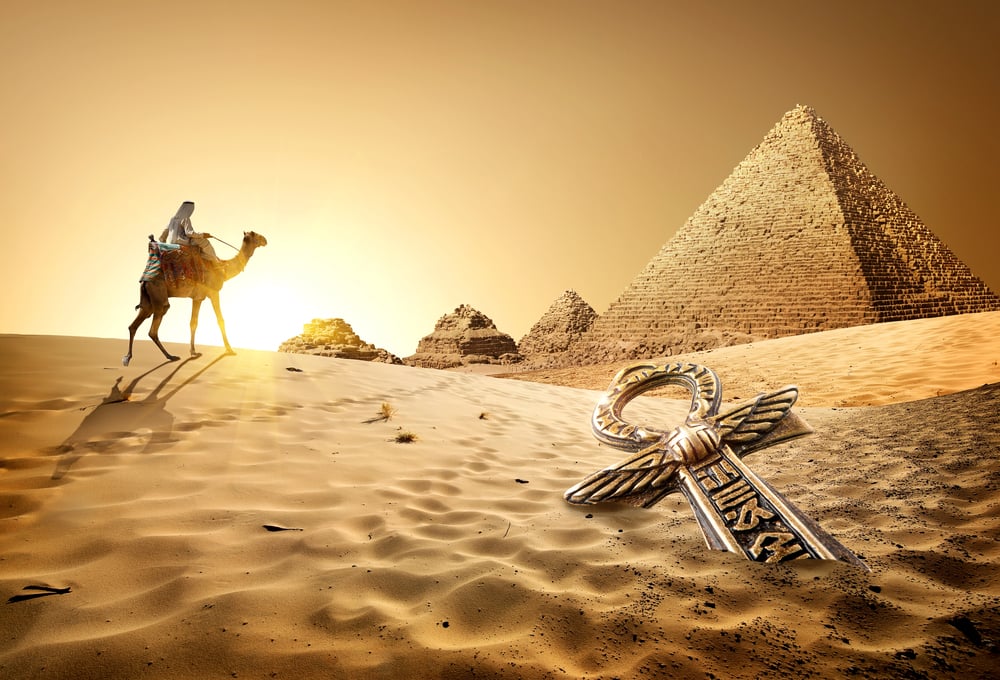
In ancient Egypt and parts of Mesopotamia, high-ranking individuals were often buried with their servants—alive or freshly killed—a grim practice called retainer sacrifice. It reflected a belief that social hierarchies extended into the afterlife, with attendants expected to continue their service beyond death.
These carefully planned burials reveal chilling insights into how some ancient societies valued status over individual life. To modern researchers, they’re haunting reminders of how belief systems can shape even the most final of human acts.
Like Go2Tutors’s content? Follow us on MSN.
The Bond Between Past and Present

These sixteen rituals represent far more than odd traditions from distant places. They reveal how differently humans have understood life, death, and meaning throughout history.
What researchers find most intriguing isn’t simply the acts themselves—but the glimpse they give into humanity’s endless creativity in making sense of existence. Some of these customs endure; others vanished long ago.
Either way, they remind us that our own “normal” practices might seem equally strange through another culture’s eyes.
More from Go2Tutors!

- 16 Historical Figures Who Were Nothing Like You Think
- 12 Things Sold in the 80s That Are Now Illegal
- 15 VHS Tapes That Could Be Worth Thousands
- 17 Historical “What Ifs” That Would Have Changed Everything
- 18 TV Shows That Vanished Without a Finale
Like Go2Tutors’s content? Follow us on MSN.



