26 Rulers Throughout History Who Were Overthrown by the People They Trusted Most
Power has a way of making people forget the most fundamental truth about leadership: those closest to you are often the ones with the clearest view of your weaknesses. Throughout history, emperors, kings, and dictators have fallen not to distant enemies or popular uprisings, but to the very people they believed were their strongest allies.
The betrayals that toppled these rulers weren’t random acts of disloyalty—they were calculated moves by individuals who had intimate access to power and decided it was time for a change.
These stories reveal something uncomfortable about human nature and the corrupting influence of absolute authority. Trust, it turns out, is both the foundation of power and its greatest vulnerability.
Julius Caesar
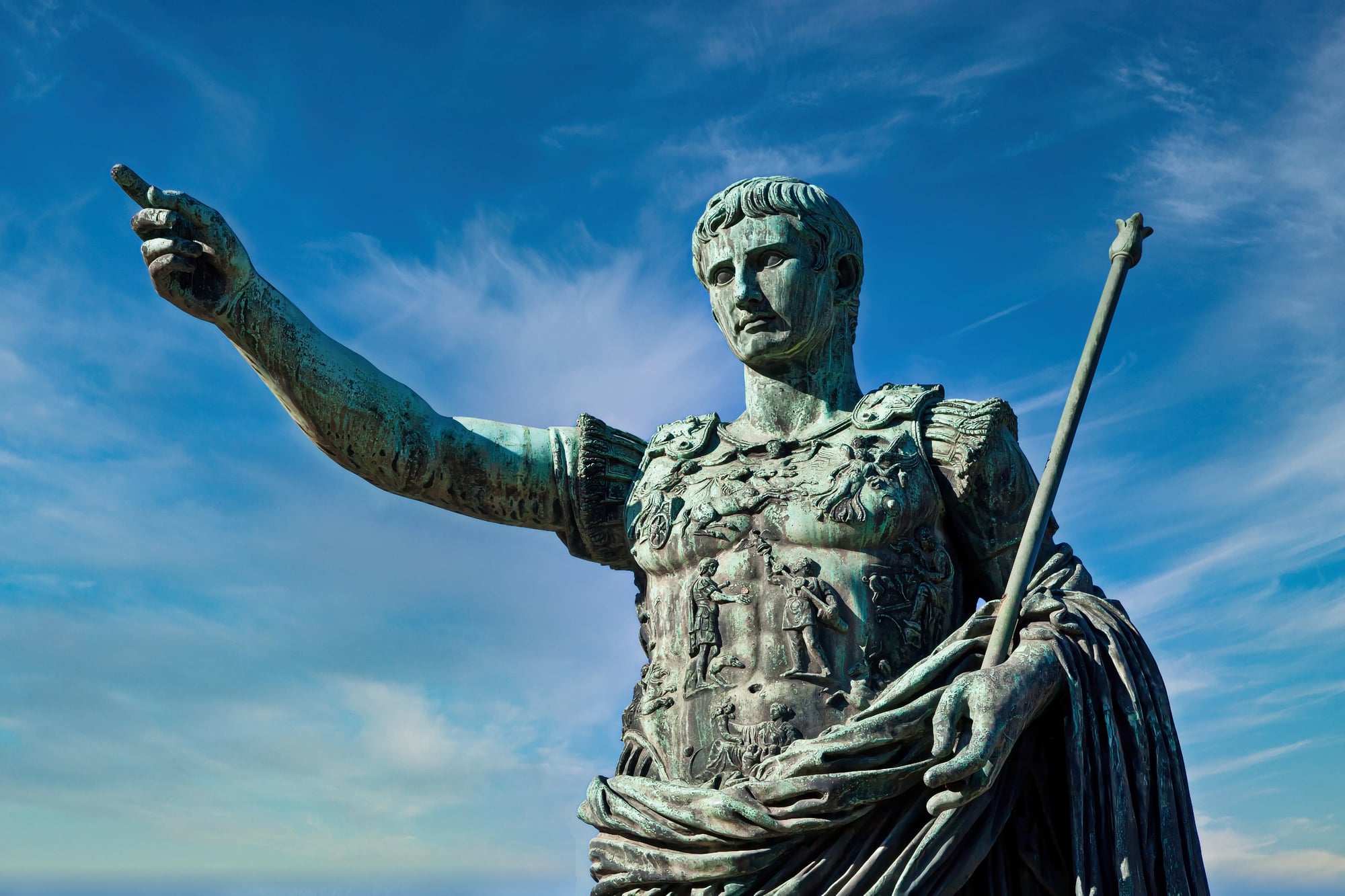
The Ides of March weren’t just another day on the Roman calendar. Caesar walked into the Senate that morning believing his closest allies would protect him, not surround him with daggers.
Brutus, whom Caesar loved like a son, delivered the most personal wound of all. When Caesar saw Brutus among his assassins, he reportedly stopped fighting back entirely.
The conspiracy included nearly sixty senators, but it was Brutus who broke Caesar’s heart before the final blade found its mark.
Caligula
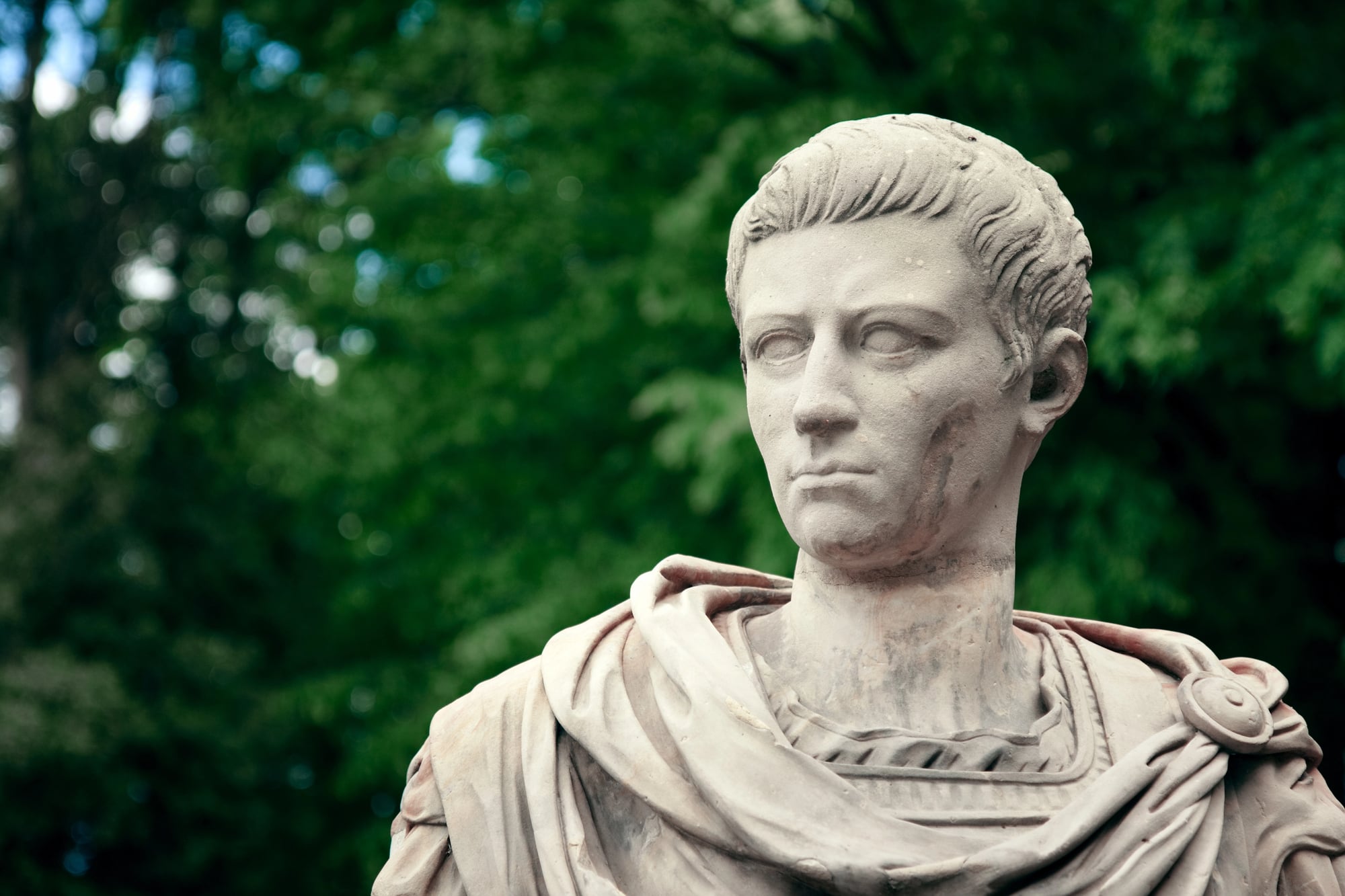
Roman emperors had a talent for making enemies, but Caligula took it to an art form. His Praetorian Guard—the elite soldiers sworn to protect his life—decided he’d become too dangerous to live.
Cassius Chaerea, the guard commander, had endured years of Caligula’s humiliating pranks and twisted games. When Chaerea finally struck in 41 AD, he wasn’t just killing an emperor; he was putting down a rabid dog.
The guards who should have saved Caligula instead held back the crowds while Chaerea finished the job.
Commodus
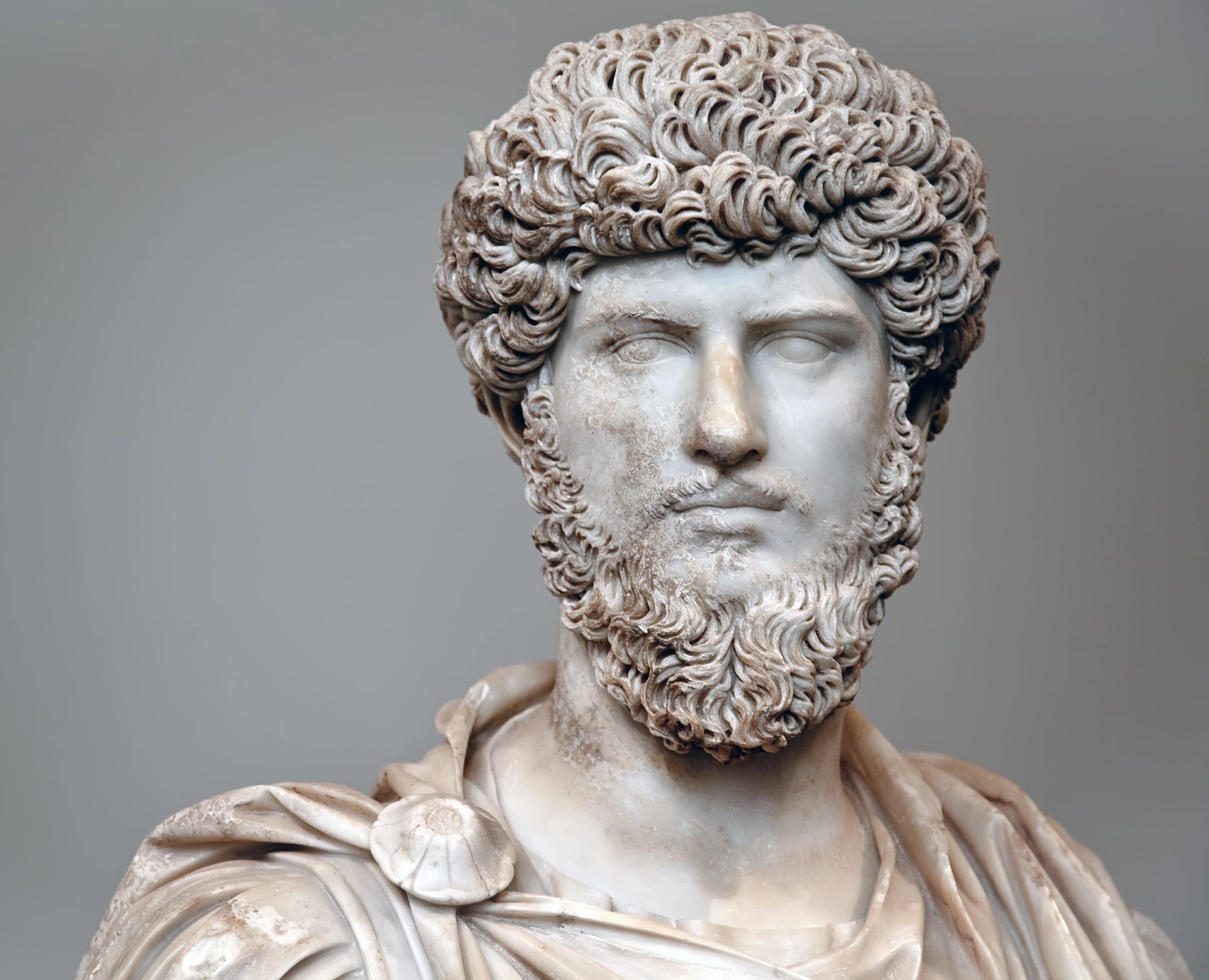
Picture this: an emperor so obsessed with gladiatorial combat that he fought in the arena himself, and so paranoid about assassination that he surrounded himself with a tight circle of advisors who controlled every aspect of his daily routine (including his meals, his schedule, and even his bath time). But here’s the thing about giving people that level of access to your vulnerabilities—eventually, they figure out how to exploit them.
Commodus trusted his wrestling partner Narcissus completely, which turned out to be a miscalculation of epic proportions, because Narcissus was working with the emperor’s own mistress and his closest political advisor. And while Commodus was busy playing gladiator, these three were busy planning his death.
So when December 31st, 192 AD rolled around, Commodus thought he was just taking his usual bath and getting ready for another wrestling session—but instead, he was walking into a trap set by the very people who knew his routines better than anyone else.
Duncan I Of Scotland

Shakespeare turned Macbeth into literature, but the real story was bloodier and more straightforward. Duncan trusted his cousin Macbeth with military command and political authority.
Macbeth repaid that trust by killing Duncan in battle in 1040. No sleepwalking wife or mysterious witches—just a trusted family member who decided he wanted the crown more than he valued loyalty.
Duncan had given Macbeth every opportunity to prove his worth. Macbeth proved it by taking everything Duncan had.
Richard II Of England
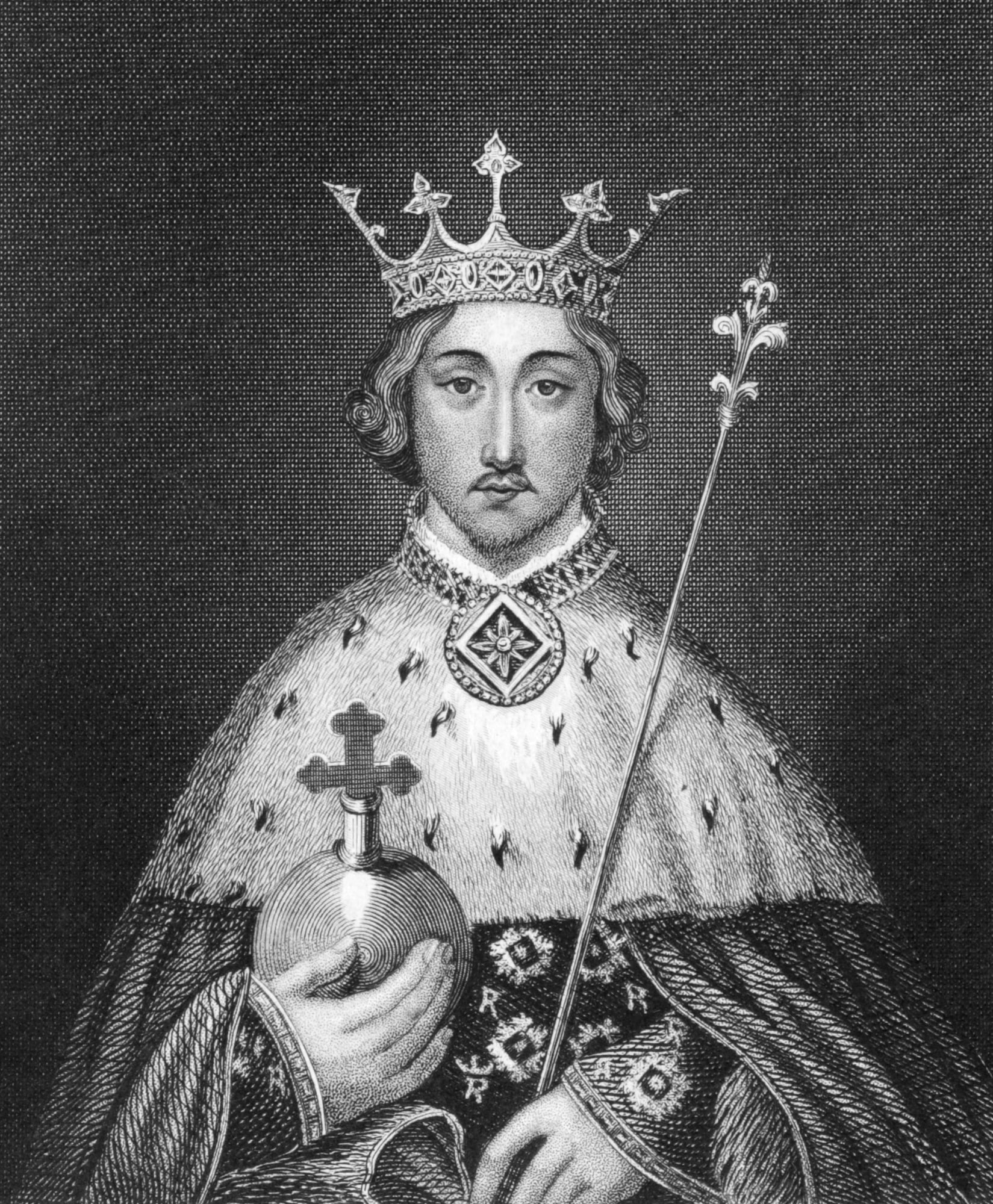
Kings rarely see their own downfall coming, especially when it arrives wearing the face of family (or in Richard’s case, wearing the armor of his own cousin, Henry Bolingbroke, whom he’d exiled but who returned with an army and a legitimate claim to the throne that Richard had been too busy alienating his nobles to properly counter). Richard had spent years trusting the wrong people and mistreating the right ones, but his fatal error was underestimating just how thoroughly he’d lost the loyalty of his own court.
He’d given Bolingbroke reasons to hate him, opportunities to gather support, and—most crucially—time to plan. When Henry returned from exile in 1399, he didn’t just have foreign backing; he had the support of English nobles who’d grown tired of Richard’s erratic rule.
The king who’d believed in the divine right of monarchy discovered that divine right meant nothing when your earthly supporters decided they’d had enough.
Edward II Of England
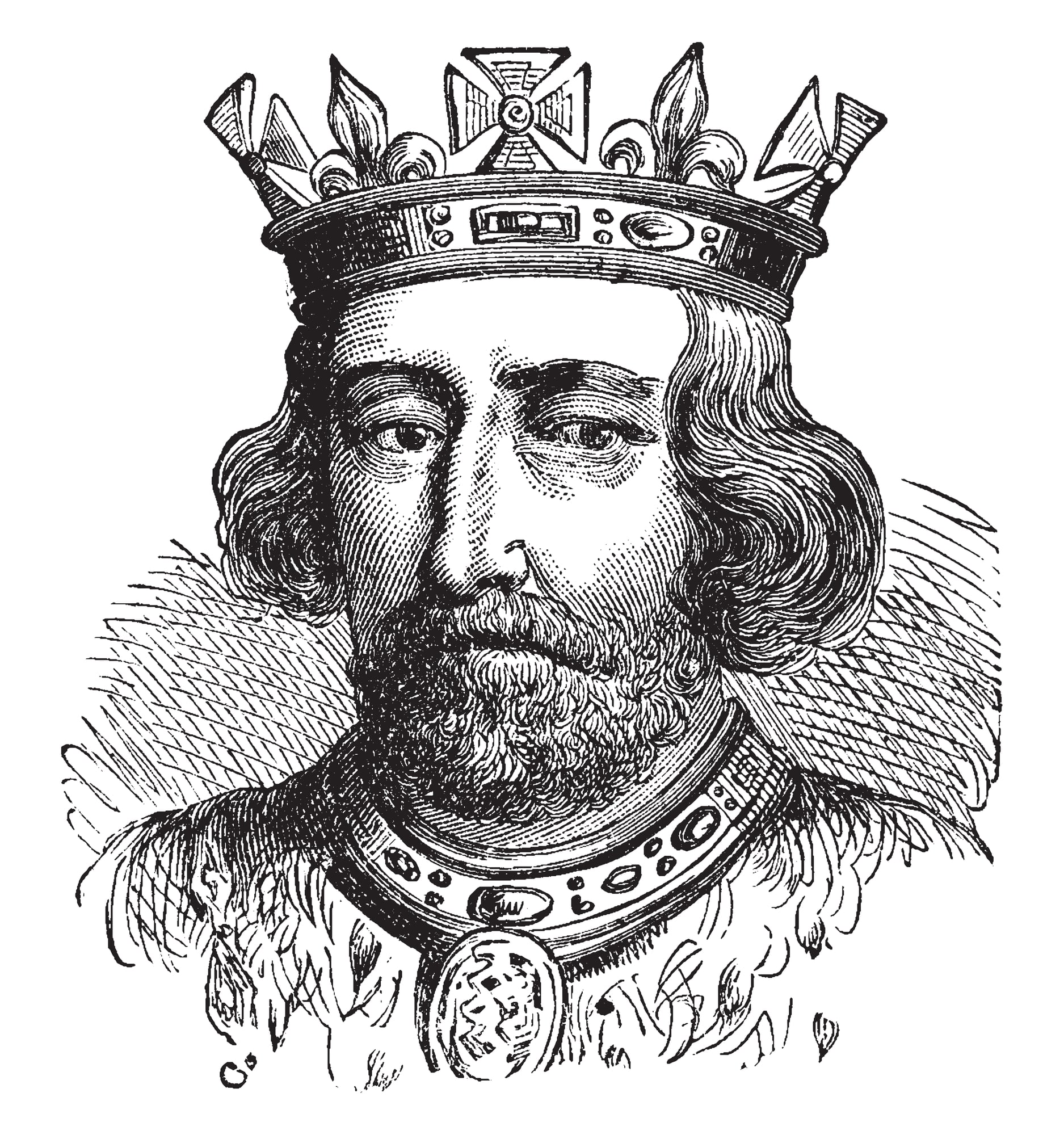
Royal marriages were political arrangements, but even political wives weren’t supposed to orchestrate their husband’s removal from power. Queen Isabella had watched Edward favor his male companions over the needs of the kingdom for years.
When she finally acted, she did it with surgical precision. Isabella allied with Roger Mortimer, raised an army, and returned to England to depose her own husband in 1327.
Edward trusted his wife to remain loyal despite his obvious neglect. That trust killed him—literally.
Isabella’s forces captured Edward, and he died in custody under circumstances that remain diplomatically unclear.
Czar Nicholas II
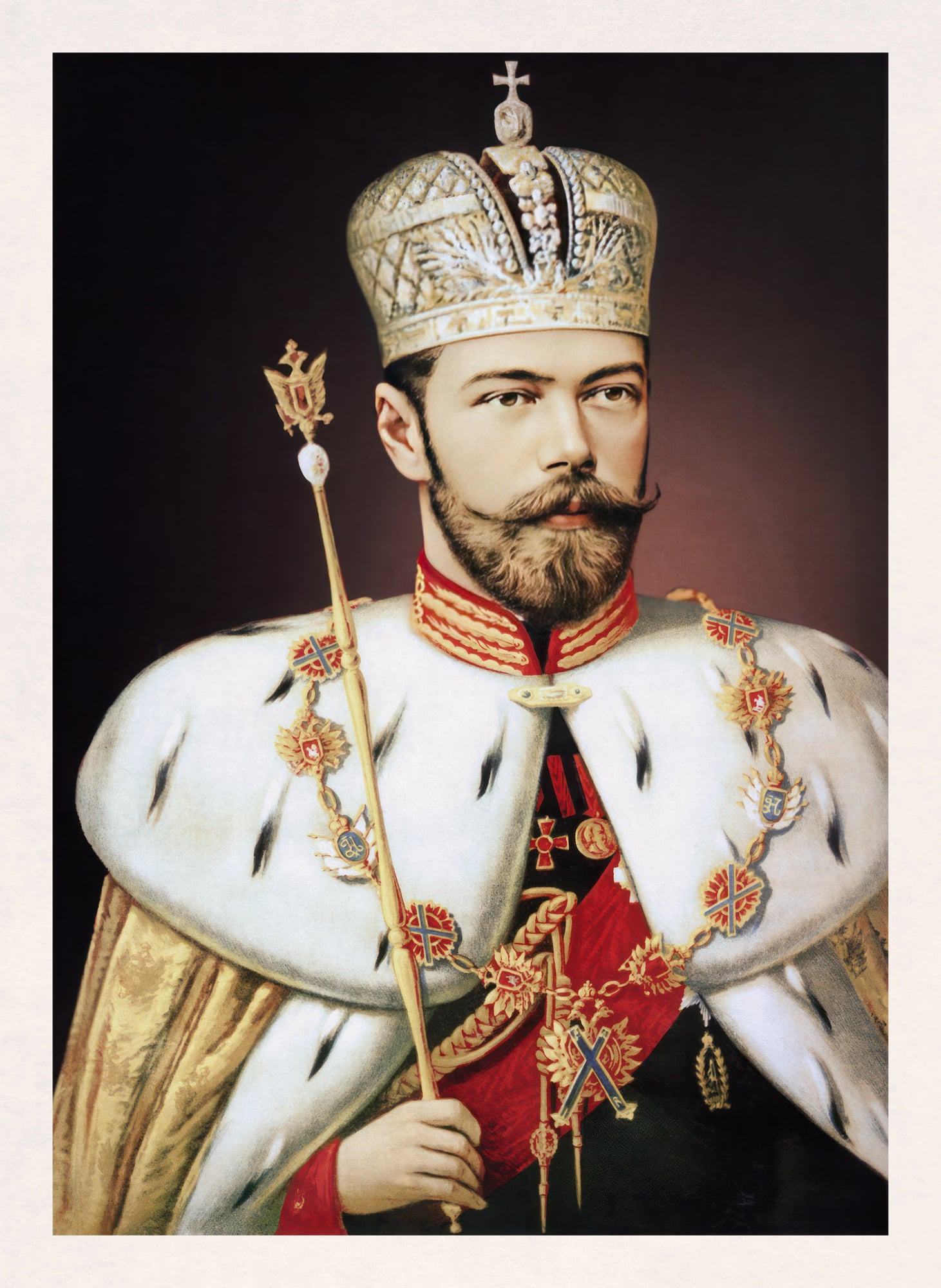
Revolution has a way of starting close to home. Nicholas trusted his military commanders, his government ministers, and his own family members to maintain order during World War I.
Instead, they abandoned him one by one as Russia collapsed around them. His own generals forced him to abdicate in 1917.
The czar who believed in absolute monarchy discovered that absolute power means nothing when the people enforcing it decide to walk away. Nicholas kept waiting for loyalty that was never coming.
Emperor Puyi
The last emperor of China spent his final years as a puppet ruler under Japanese control, but even puppet masters sometimes cut the strings. Puyi trusted his Japanese handlers to protect him when Soviet forces invaded Manchuria in 1945.
Instead, they abandoned him at the airport. The man who’d been told he was essential to Japanese plans found himself alone on a runway, watching his protectors fly away without him.
Puyi’s entire adult life had been built on other people’s promises. When those promises evaporated, so did his empire.
King John Of England
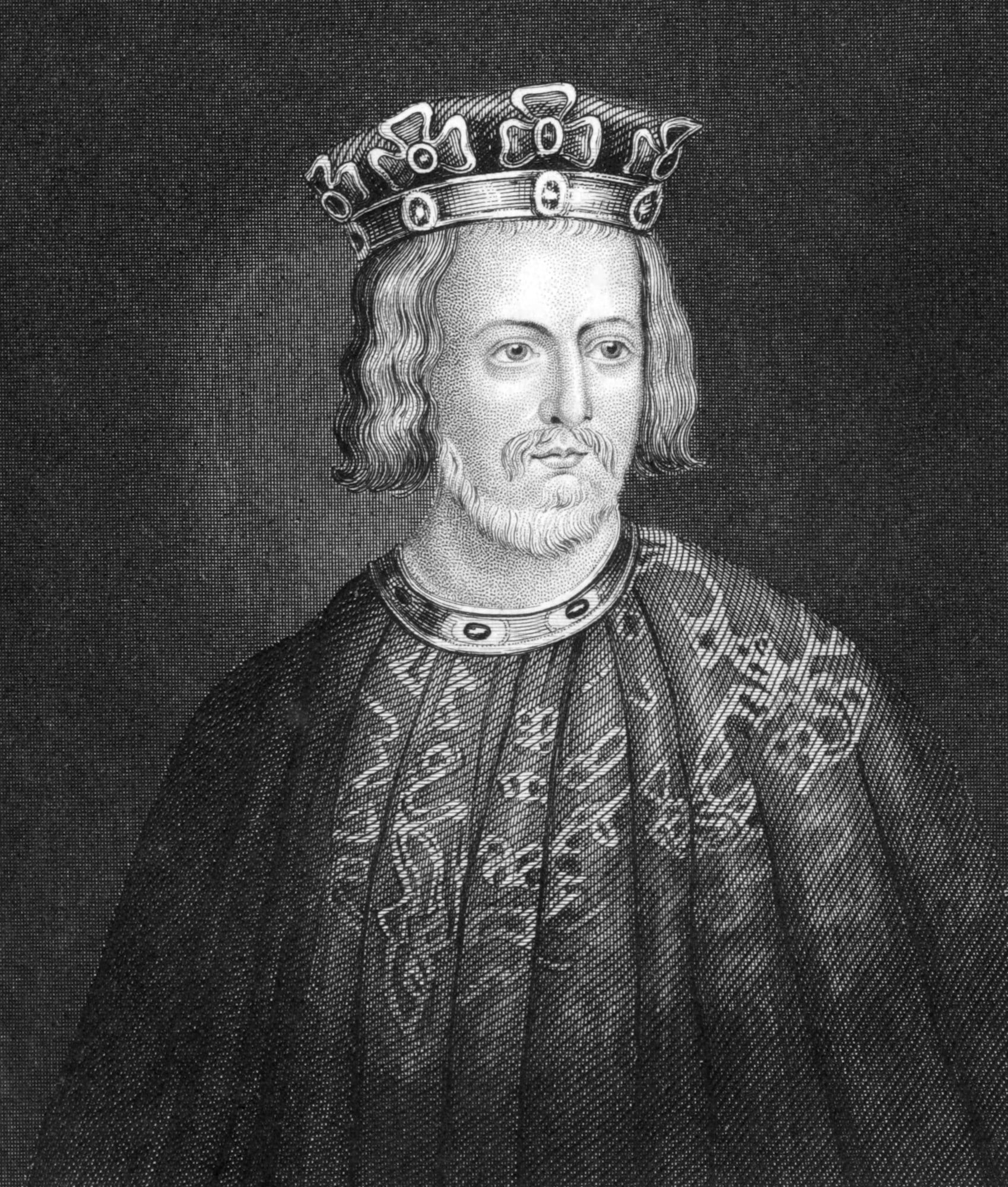
There’s something almost poetic about a king who loses his kingdom because he can’t stop alienating the very nobles who keep him in power, which is exactly what happened to John (and yes, this is the same King John who appears as the villain in Robin Hood stories, though the real version was more incompetent than evil). John had this remarkable talent for making enemies out of allies—he’d demand excessive taxes, ignore legal precedents, and generally treat his barons like servants rather than partners in governance.
But the real problem wasn’t that John was a bad king; the problem was that he was bad at reading people, particularly his own supporters. So when his barons finally got tired of his behavior in 1215, they didn’t just complain or plot quietly in corners.
They marched up to him with swords drawn and forced him to sign the Magna Carta, which basically stripped away most of his royal authority and handed it over to them. And John, who’d spent years assuming his nobles would tolerate anything as long as he kept the crown on his head, suddenly found himself signing away his own power to the very people he’d been taking for granted all along.
Mary, Queen Of Scots
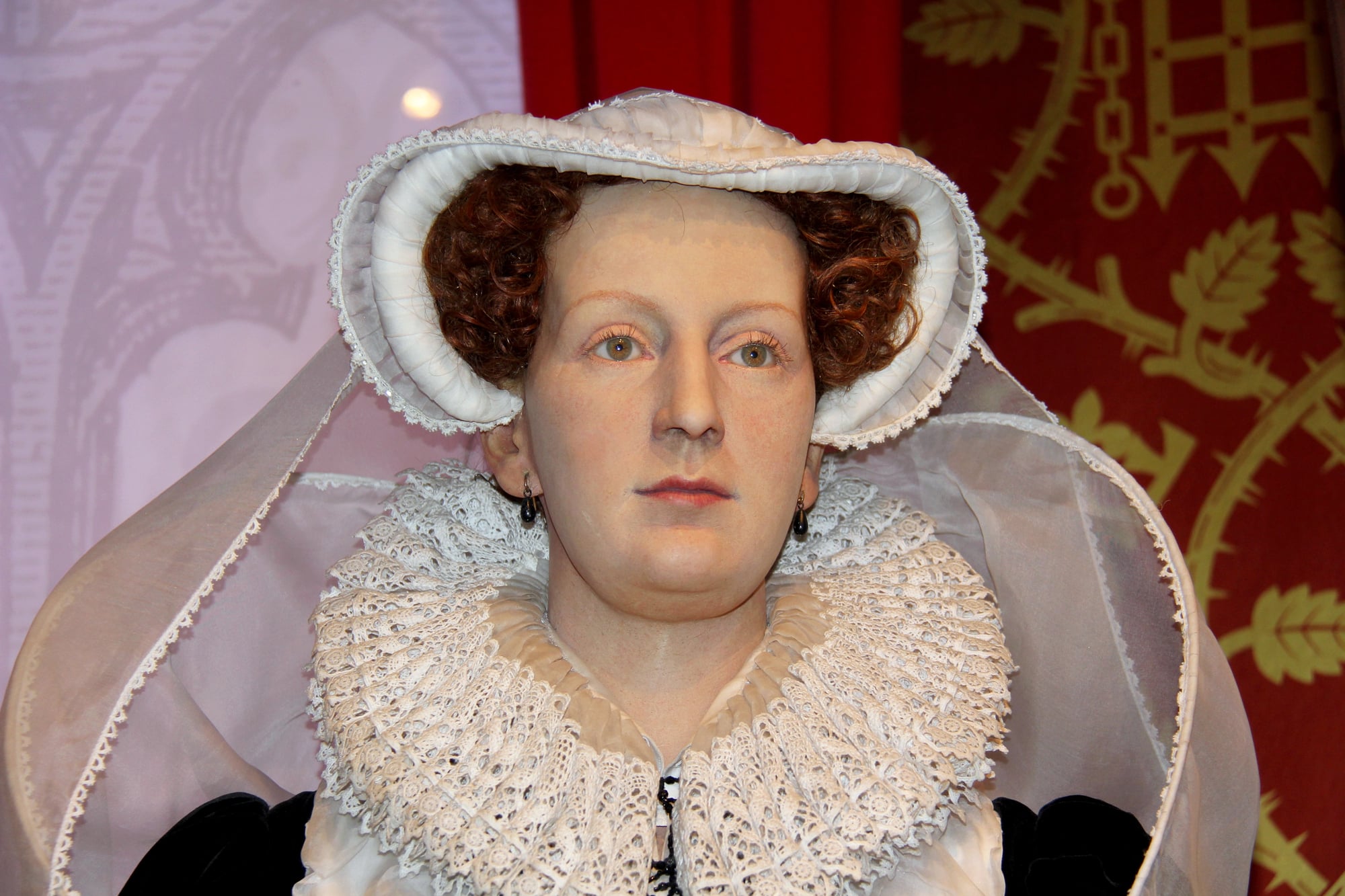
Family loyalty runs thin when politics get involved. Mary trusted her half-brother, the Earl of Moray, to support her rule in Scotland.
Instead, he conspired with Scottish lords to force her abdication in 1567. Mary had made mistakes—marrying unpopular husbands, making questionable political decisions—but she never expected her own brother to lead the rebellion against her.
The woman who thought blood relations meant unconditional support learned that crowns create their own family dynamics, and those dynamics rarely favor the person wearing the crown.
Sultan Ibrahim Of The Ottoman Empire
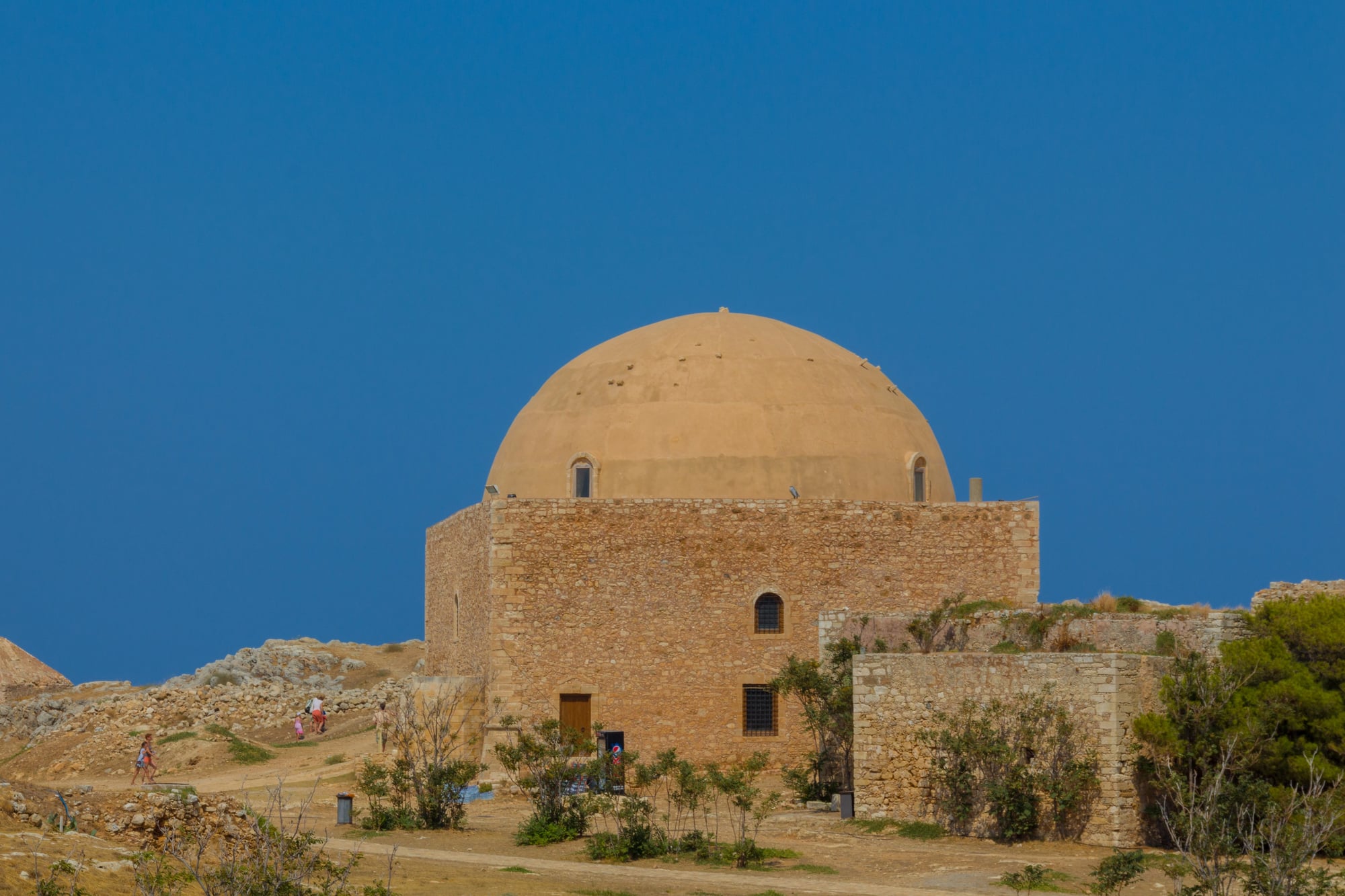
Palace intrigue was a way of life in the Ottoman Empire, but Ibrahim managed to lose the support of everyone who mattered. His own mother, Kösem Sultan, and his closest advisors conspired with the Janissaries to remove him in 1648.
Ibrahim trusted the very people who’d helped him gain power to continue supporting him regardless of his increasingly erratic behavior. The sultan who believed loyalty was permanent discovered it was actually conditional.
When the conditions changed, so did the loyalty.
Emperor Nero
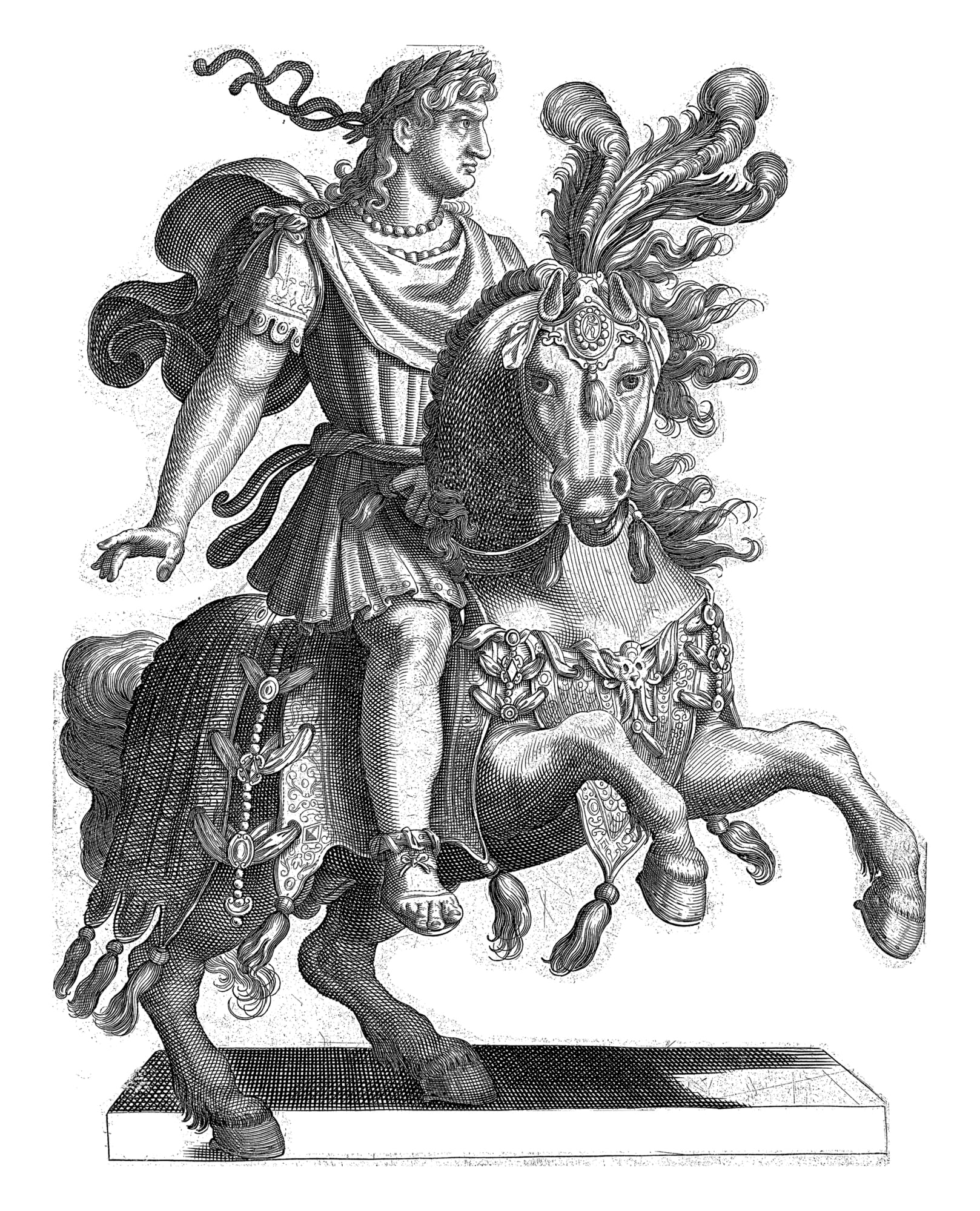
Rome burned, and Nero fiddled—or so the story goes, though he probably didn’t actually fiddle since the violin wouldn’t be invented for another thousand years, but the metaphor captures something true about his priorities during the crisis that would ultimately destroy him. Nero trusted his Praetorian Guard and the Roman Senate to maintain their support even as his policies grew more destructive and his behavior more unpredictable.
He was wrong on both counts. The guards abandoned him, the Senate declared him an enemy of the state, and by 68 AD, Nero found himself alone and facing execution.
Rather than face capture, he took his own life, but only after his secretary helped him—because even in his final moments, Nero needed someone else to give him the courage to act. The emperor who’d believed his artistic talents and grand gestures would secure his legacy instead discovered that burning cities and killing rivals had a way of turning friends into enemies.
Charles I Of England
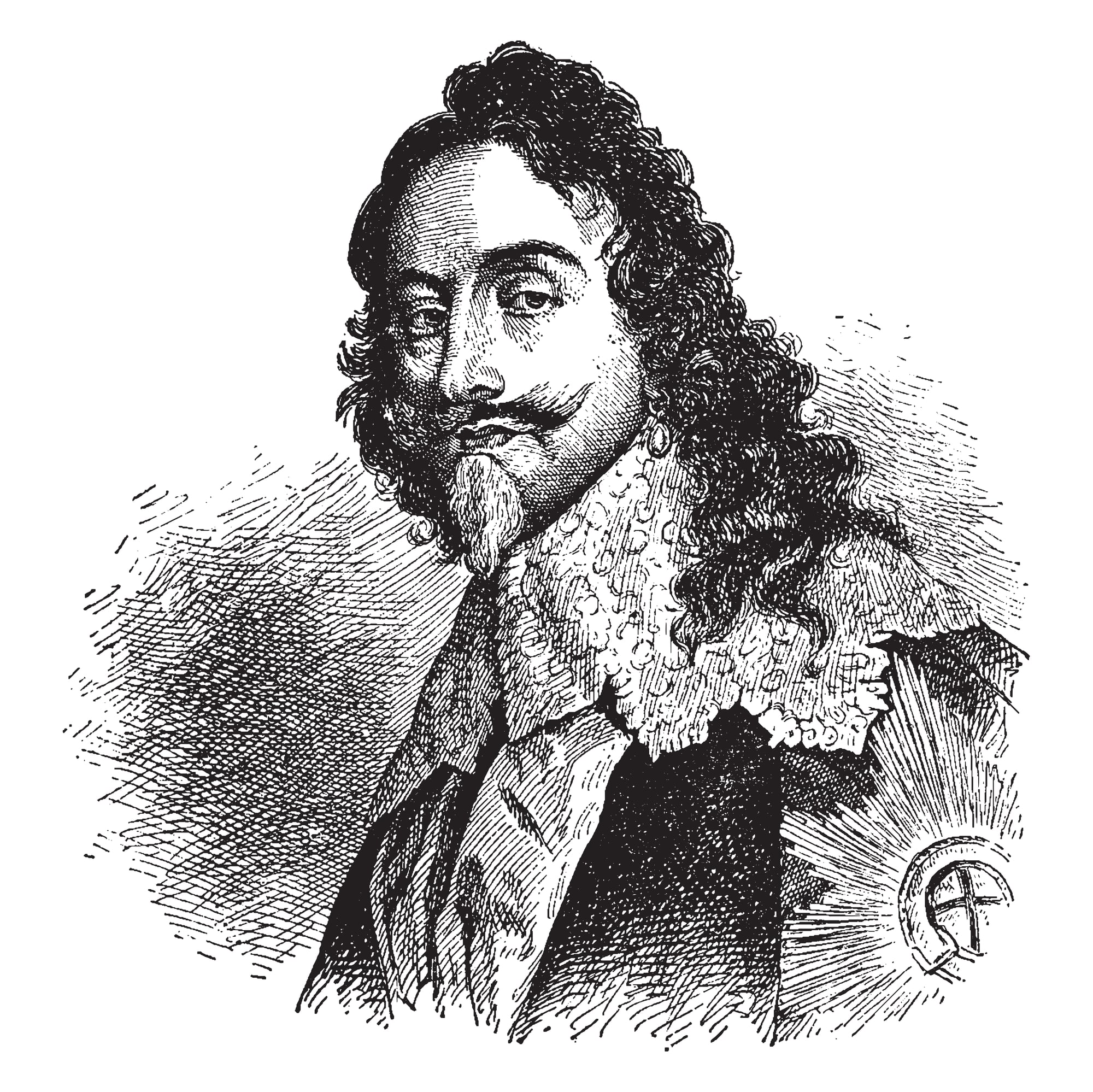
Kings weren’t supposed to lose their heads, but Charles managed to alienate both his Parliament and his military supporters so thoroughly that execution became the logical conclusion. Charles trusted his divine right to rule would protect him even as he ignored legal precedents and dismissed Parliamentary concerns.
His own generals abandoned him during the English Civil War. The king who believed God would preserve his monarchy learned that earthly supporters matter more than heavenly endorsements.
When Parliament tried him for treason in 1649, his former allies either stayed silent or actively supported his prosecution.
Louis XVI Of France
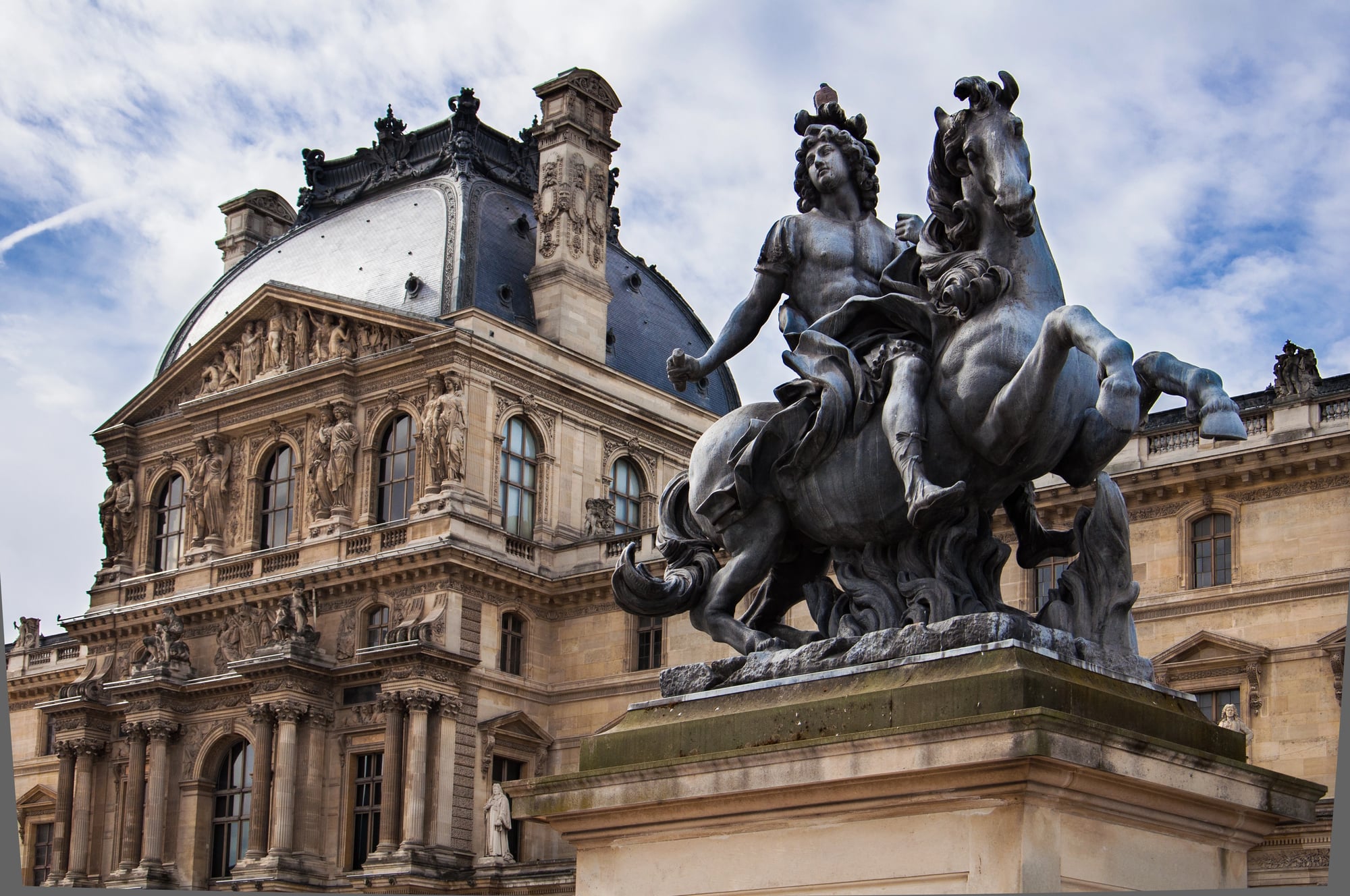
Revolution doesn’t happen overnight, but it can feel sudden when you’re the one losing your crown. Louis trusted his court, his military, and even his own bodyguards to maintain order as France’s financial crisis deepened.
Instead, they joined the revolution or simply stepped aside as events unfolded. The king who’d inherited absolute power watched it evaporate as the people he’d counted on decided the monarchy had outlived its usefulness.
Louis kept believing compromise was possible even as his former supporters were dismantling the system that had kept his family in power for centuries.
Emperor Romulus Augustulus
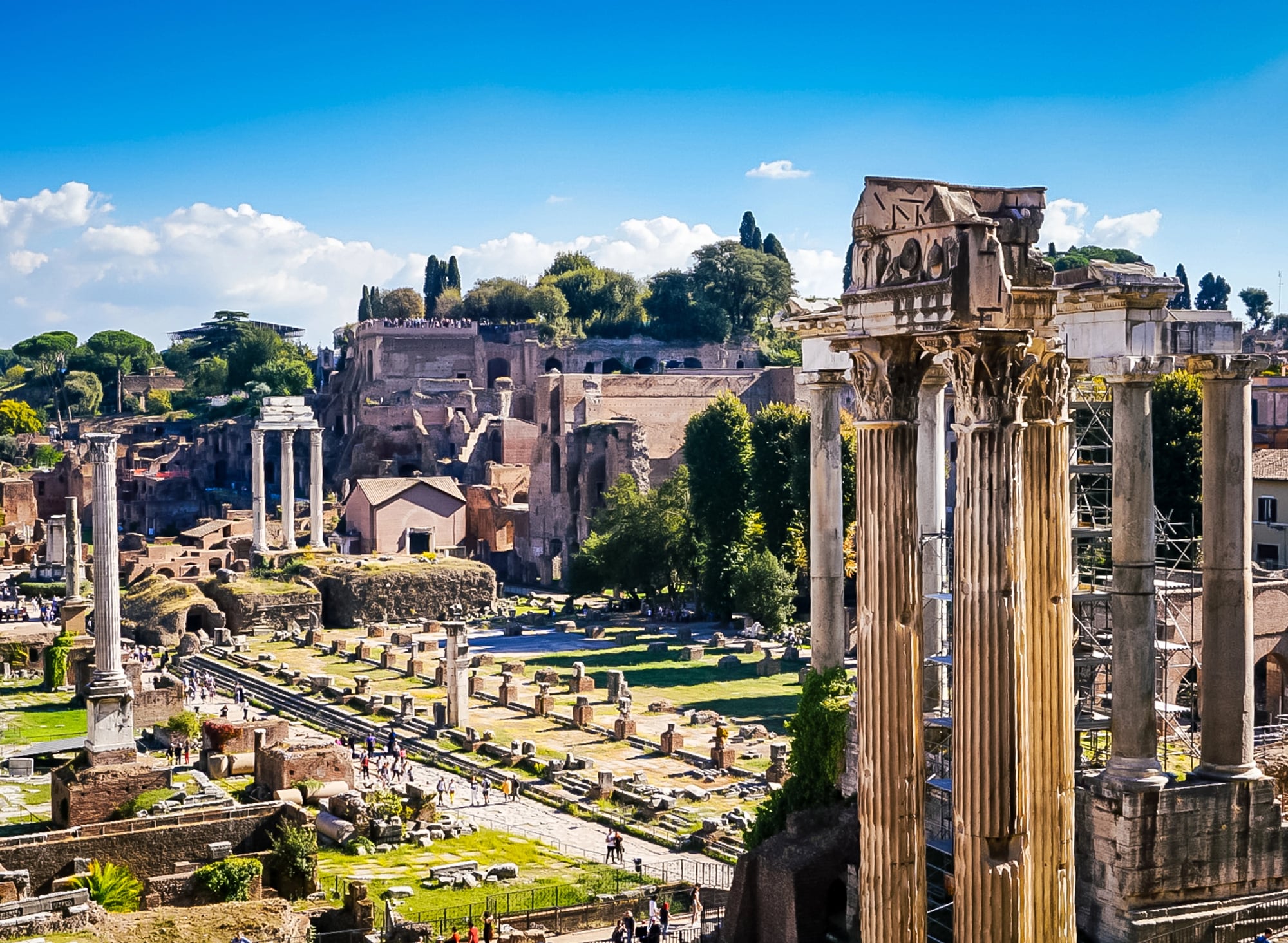
Being the last emperor of anything is rarely a choice, and Romulus Augustulus didn’t get to pick his timing. Odoacer, the Germanic chieftain who commanded the Roman army, decided the Western Roman Empire had become more trouble than it was worth in 476 AD.
Romulus trusted his military commander to protect Roman authority. Instead, Odoacer deposed him and sent him into comfortable retirement.
The emperor who represented a thousand years of Roman tradition became a footnote when his own general decided empires were optional.
Emperor Maximilian I Of Mexico
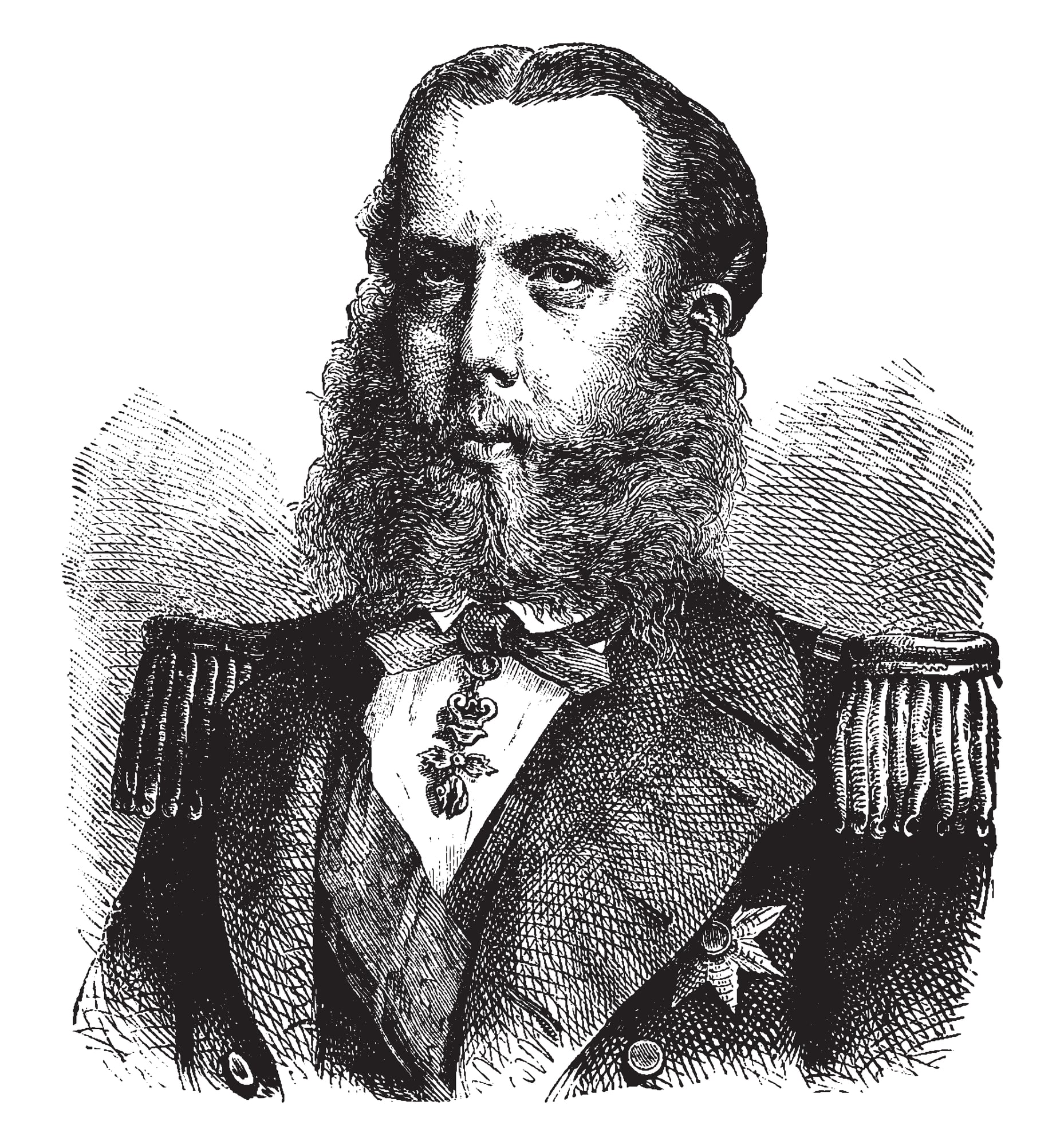
Foreign-imposed rulers face an uphill battle from day one, but Maximilian made it harder by trusting the wrong people for support (specifically, he trusted Napoleon III of France to maintain military backing indefinitely, and he trusted Mexican conservatives to provide popular legitimacy that they simply didn’t have). The whole arrangement was doomed from the start—Napoleon needed French troops back in Europe, and Mexican conservatives represented a tiny fraction of the population—but Maximilian kept believing his European allies would honor their commitments even as evidence mounted that they were preparing to abandon him.
When French forces withdrew in 1866, Maximilian found himself defending Mexico with Mexican troops who had no particular loyalty to an Austrian archduke. The emperor who’d accepted a crown from foreign hands discovered that foreign support was temporary, but Mexican opposition was permanent.
Shah Mohammad Reza Pahlavi
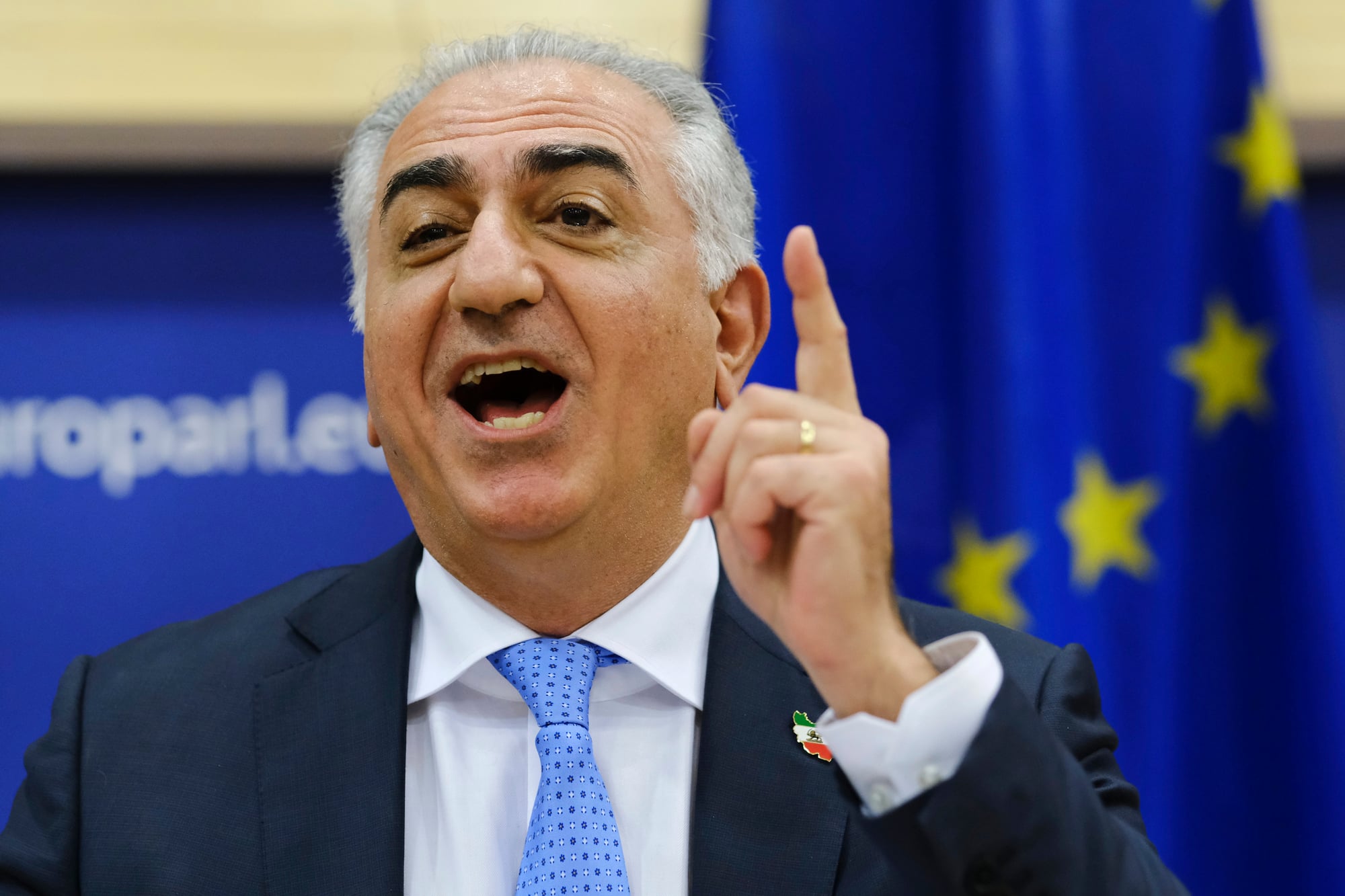
Modern dictators fall just as hard as ancient ones, and the Shah of Iran learned that lesson in 1979. He trusted his secret police, his military commanders, and his American allies to keep him in power despite growing popular unrest.
All three groups abandoned him when the revolution gained momentum. The shah who’d modernized Iran while ignoring its people found himself alone when modernization couldn’t compete with religious fervor.
His closest advisors fled the country before he did, leaving him to face exile and eventual death from cancer. Even his cancer treatment became a political issue, as former allies refused to help him find medical care.
President Fulgencio Batista
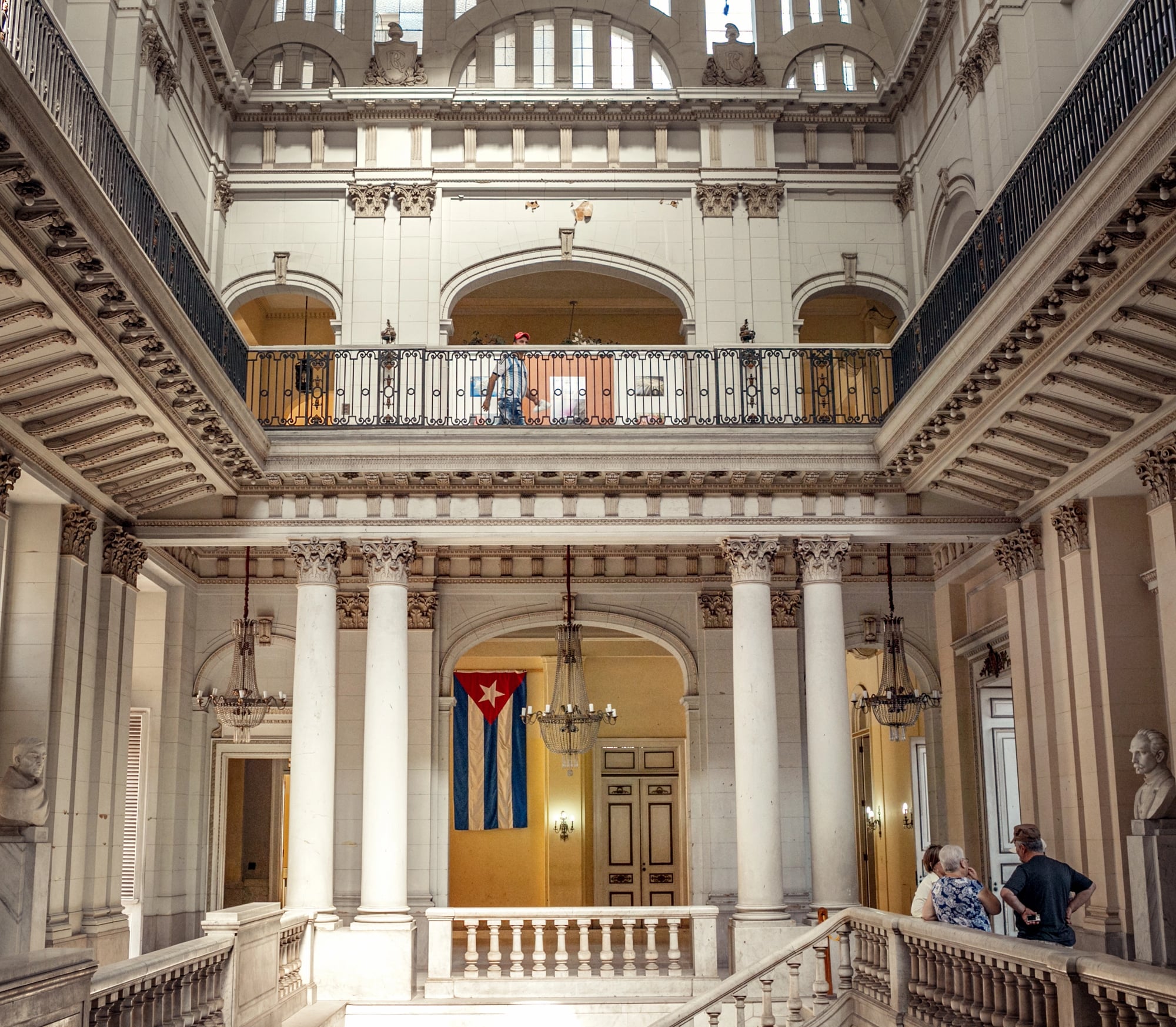
Caribbean dictators usually see the end coming, but Batista managed to convince himself his support was solid right up until he was boarding a plane to exile. He trusted his military officers and police commanders to suppress Castro’s revolution.
Instead, they either defected or simply stopped fighting as Castro’s forces approached Havana in 1959. Batista had spent years building a network of supporters who were loyal as long as he could pay them and protect them.
When both the money and the protection started looking uncertain, the loyalty evaporated overnight.
King Farouk Of Egypt
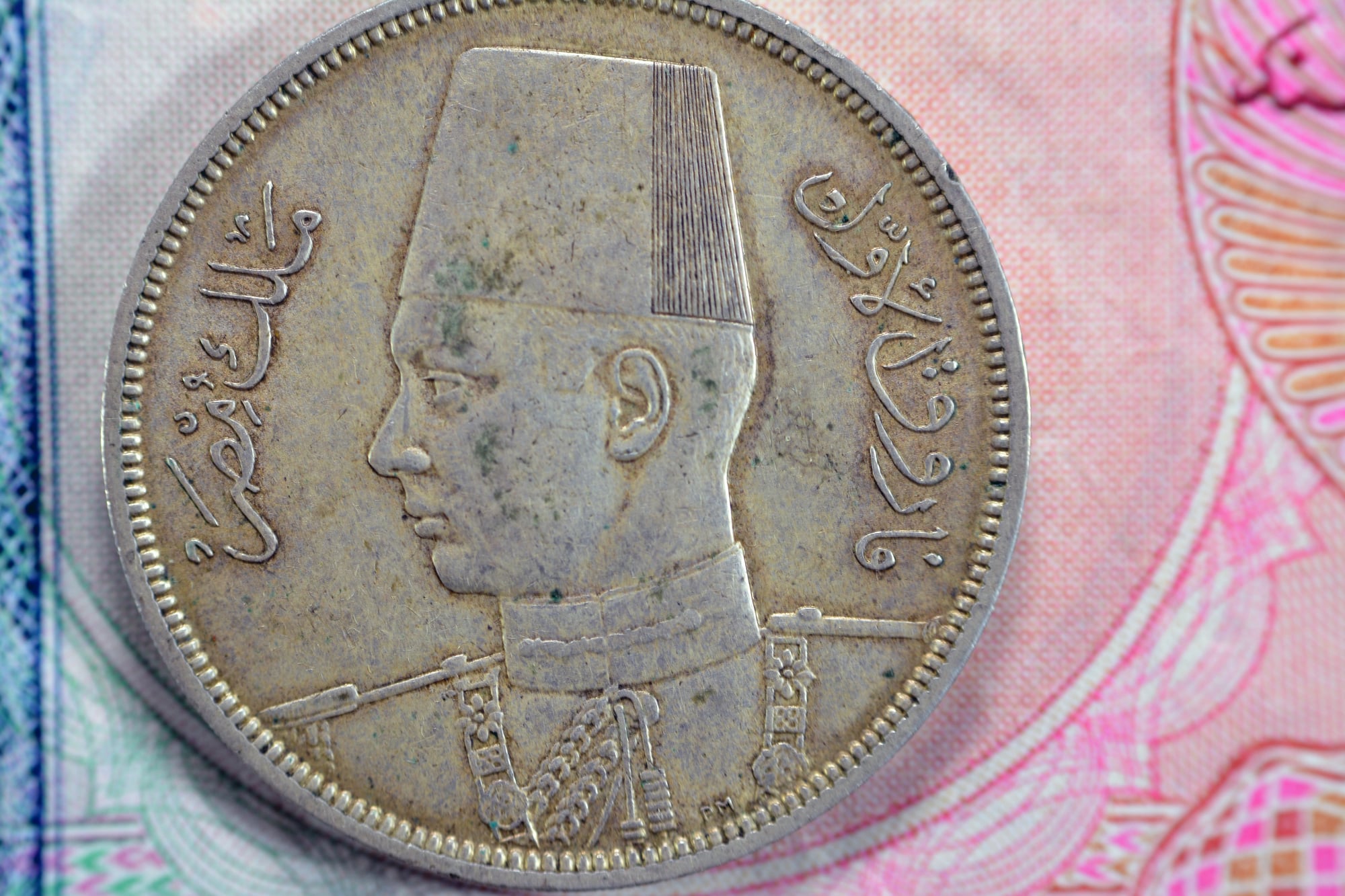
Palace life has a way of insulating rulers from reality, which explains how King Farouk managed to miss every warning sign before Egyptian military officers overthrew him in 1952. Farouk trusted his own army to remain loyal despite Egypt’s humiliating defeat in the Arab-Israeli War and his government’s obvious corruption.
General Naguib and Colonel Nasser, both men who’d served the crown faithfully, decided the crown was the problem. The king who’d believed military traditions would protect him discovered that military officers cared more about national honor than royal privilege.
When the coup came, even his personal bodyguards stepped aside.
Emperor Haile Selassie
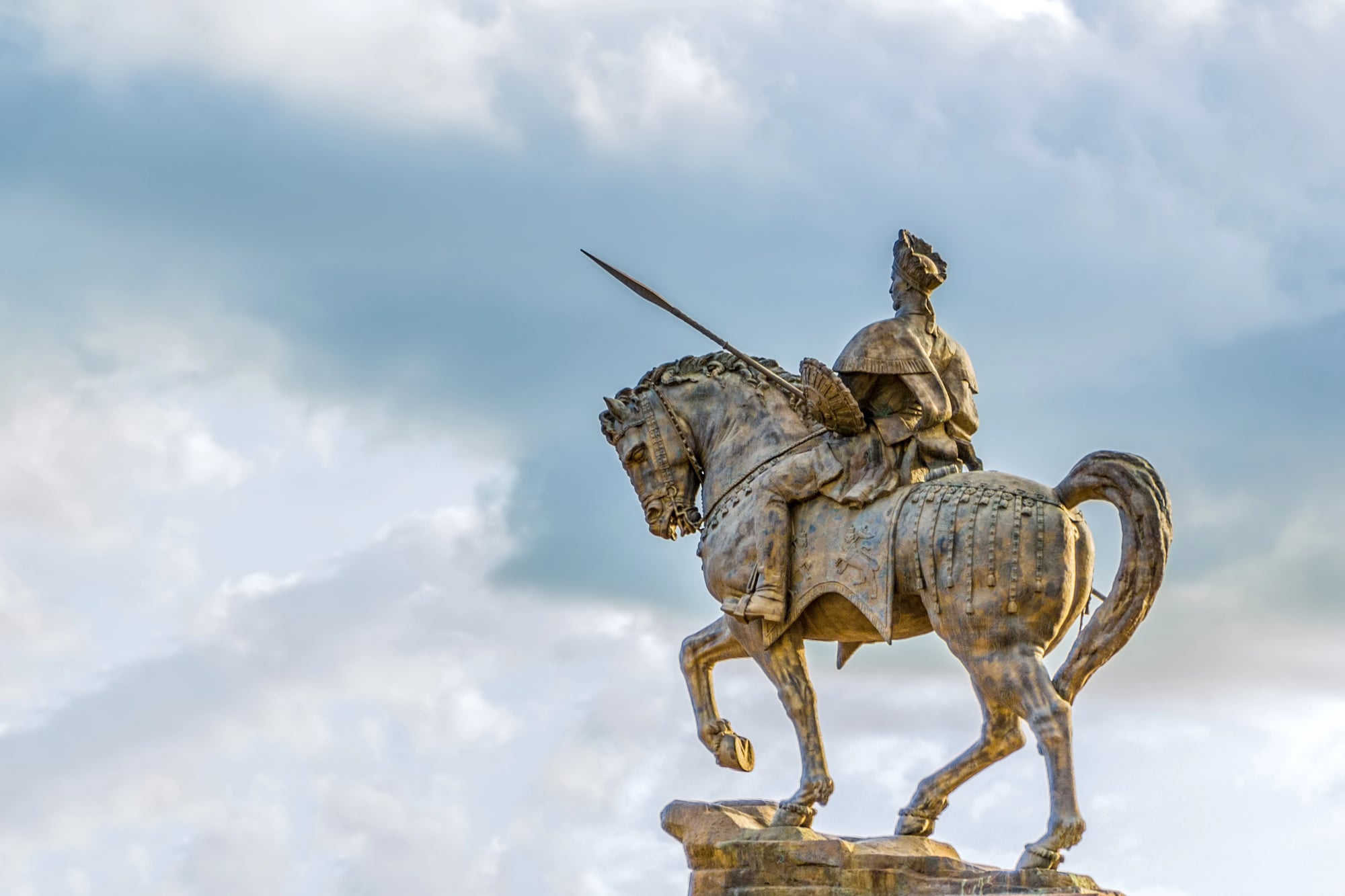
Ethiopian emperors claimed descent from King Solomon, but divine ancestry doesn’t protect against military coups. Haile Selassie trusted his armed forces to maintain loyalty despite the country’s devastating famine and his government’s inadequate response.
The Derg, a committee of military officers, removed him in 1974 after decades of faithful service to the crown. The emperor who’d survived Italian invasion and World War II couldn’t survive his own officers deciding he’d outlived his usefulness.
His final years under house arrest were spent watching the very people he’d promoted dismantling the monarchy he’d spent his lifetime preserving.
President Salvador Allende
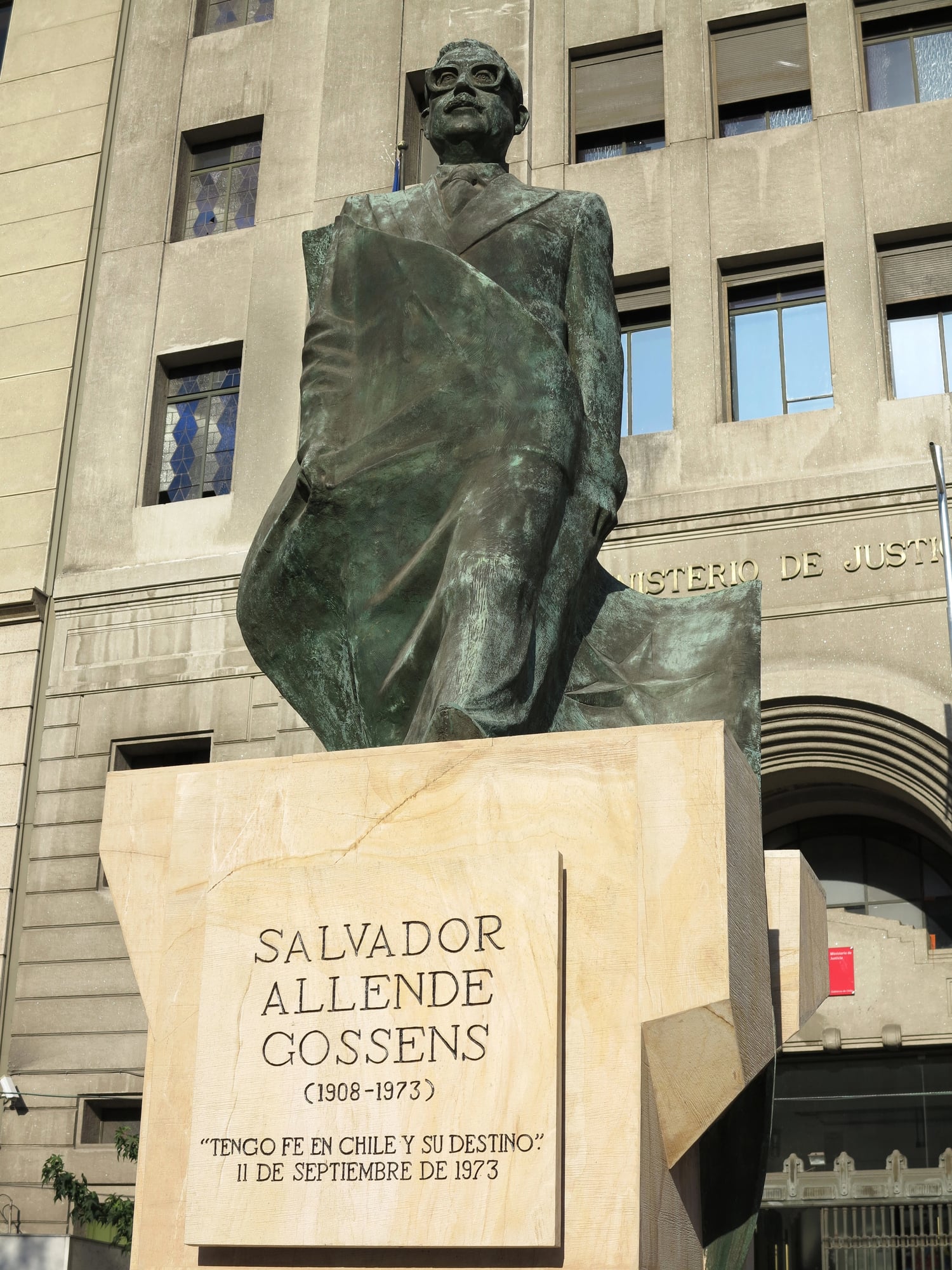
Democratic leaders face different challenges than dictators, but the results can be just as final. Allende trusted his military commanders to respect constitutional government even as Chile’s political crisis deepened in 1973.
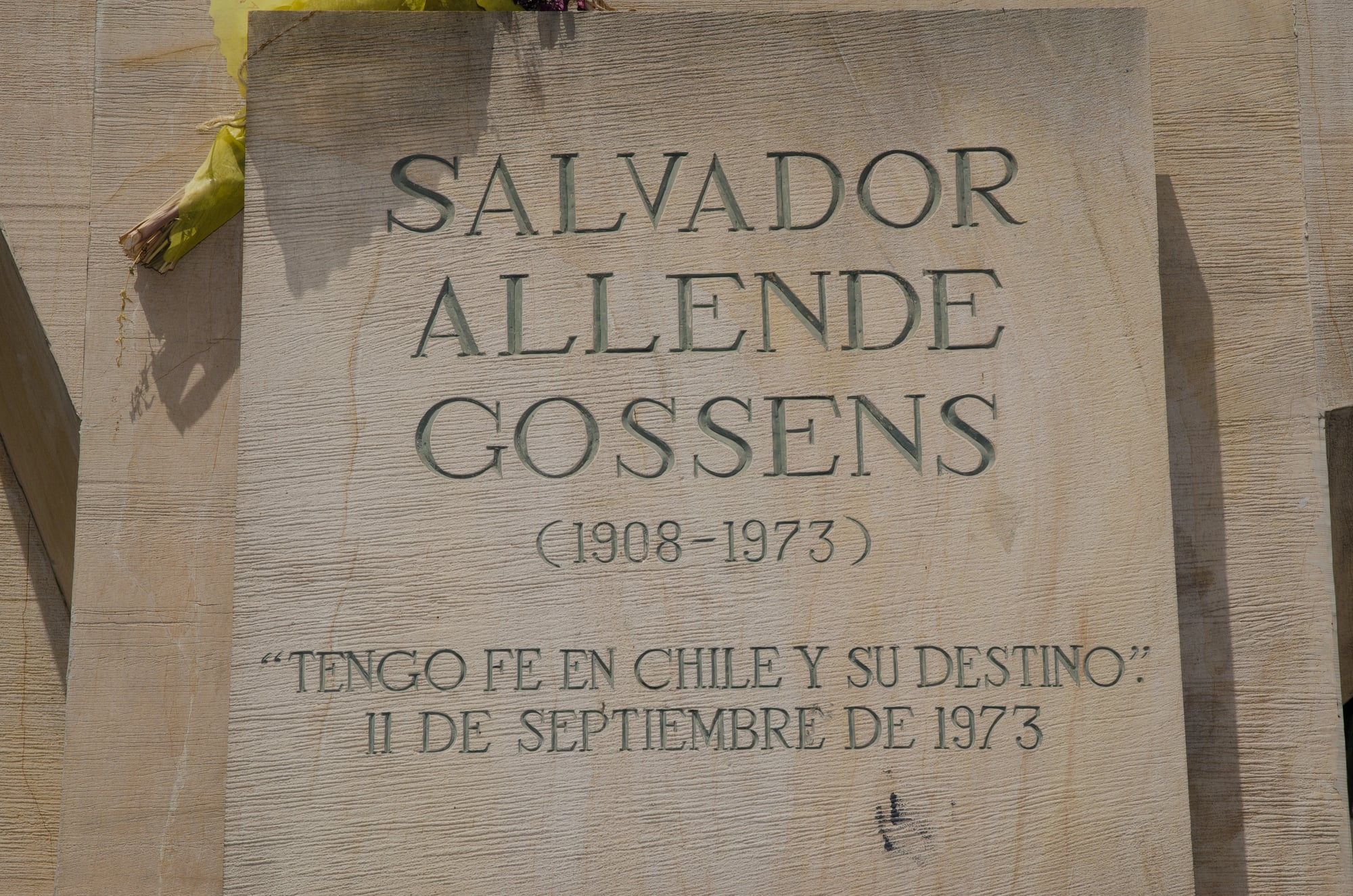
General Pinochet, whom Allende had recently promoted, led the coup that ended both Allende’s presidency and his life. The president who’d believed democratic institutions would protect him learned that institutions only work when the people running them decide to honor them.
Chilean democracy died the same day Allende did, and it took seventeen years to bring it back.
King Constantine II Of Greece
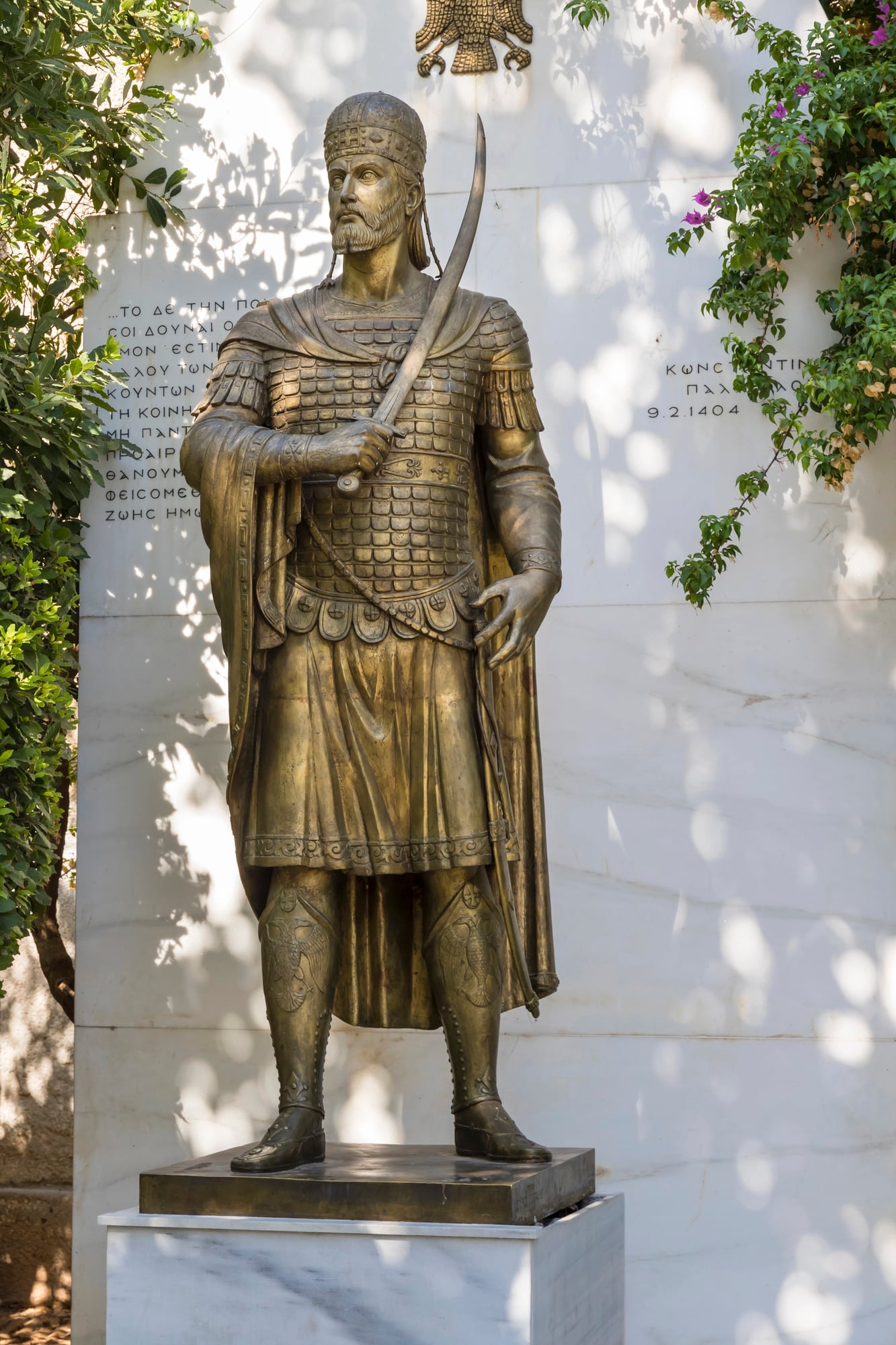
European monarchies were supposed to evolve into constitutional systems, but Constantine missed that memo. He trusted his military supporters to help him regain power after a failed counter-coup in 1967.
Instead, the Greek colonels who’d seized control consolidated their own authority and sent Constantine into permanent exile. The king who’d tried to play politics with military officers discovered that officers with tanks don’t need royal approval.
Constantine spent the rest of his life watching Greece from a distance, while the country moved on without him.
King Victor Emmanuel III Of Italy
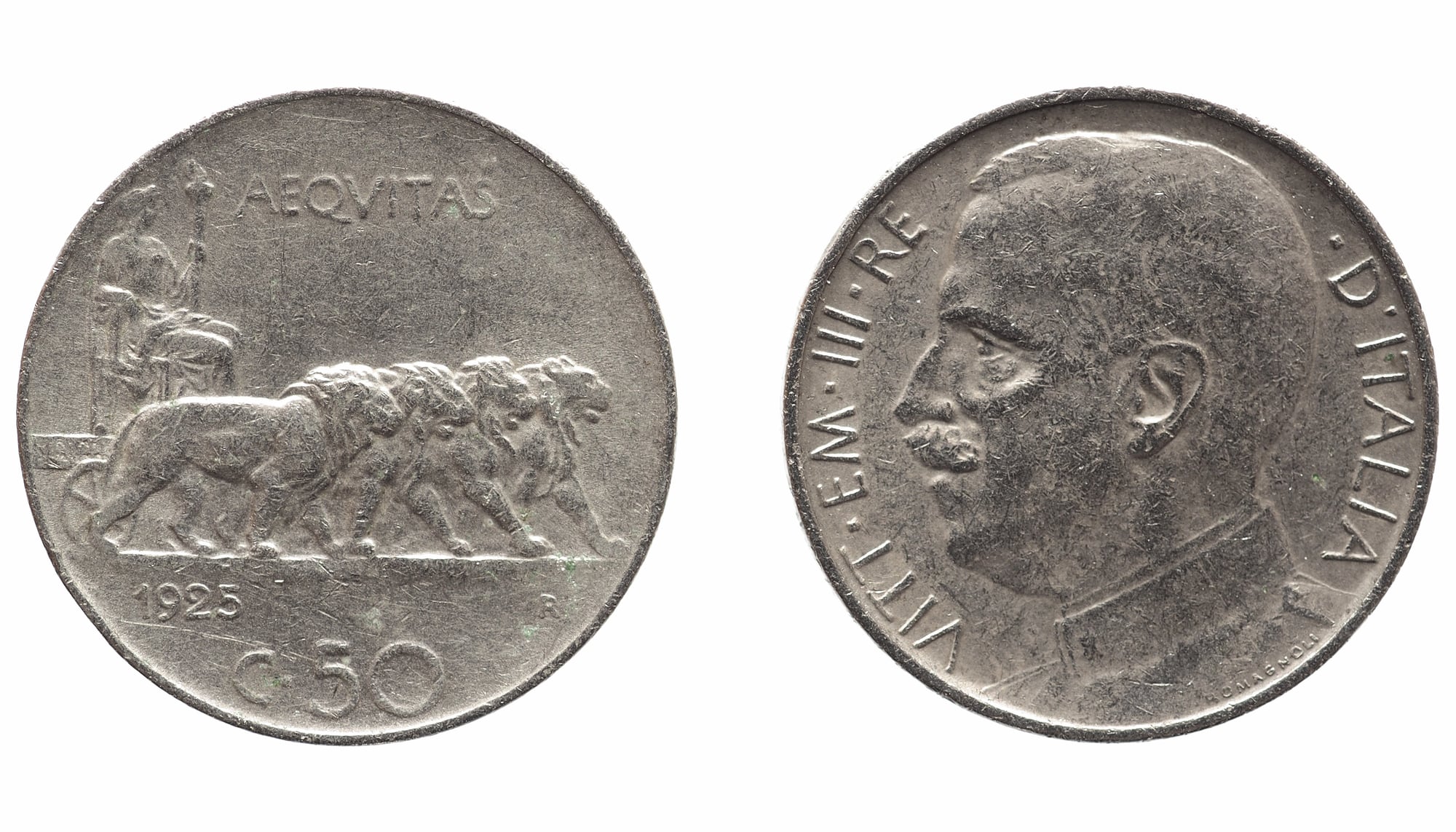
Monarchs who ally with fascists often discover that fascists don’t actually respect traditional authority. Victor Emmanuel trusted Mussolini to respect the crown while modernizing Italy.
The relationship worked until Italy started losing World War II, at which point the king decided to arrest Mussolini and switch sides. Unfortunately for Victor Emmanuel, both his former fascist allies and his new democratic partners decided he’d compromised himself beyond redemption.
The king who’d thought he could use fascism for his own purposes found himself used by it instead. He abdicated in 1946, and Italians voted to abolish the monarchy entirely.
Emperor Hirohito

Divine emperors aren’t supposed to surrender, but Hirohito discovered that divinity has limits when facing nuclear weapons. He trusted his military commanders to continue fighting regardless of circumstances, but even the most loyal generals couldn’t argue with atomic bombs.
The emperor who’d been told he was descended from the sun goddess announced Japan’s surrender in 1945, effectively admitting that divine rule had practical constraints. His own government officials had been planning the surrender announcement while publicly promising to fight to the death.
Hirohito kept his title but lost his divine status when the new constitution reduced him to a ceremonial figurehead.
President Nicolae Ceaușescu

Communist dictators usually get some warning before popular uprisings succeed, but Ceaușescu managed to miss every signal until the very end. He trusted his security forces and party loyalists to maintain control even as demonstrations spread across Romania in 1989.
His own Communist Party members abandoned him during what he thought was a routine party meeting. The dictator who’d built a personality cult around himself discovered that personality cults collapse faster than governments when people stop believing.
Ceaușescu and his wife were executed on Christmas Day, 1989, by soldiers who’d been protecting them just days earlier.
President Manuel Noriega

Military strongmen often forget that stronger militaries exist, which is exactly what happened to Panama’s Manuel Noriega in 1989. He trusted his relationship with American intelligence agencies to protect him from American military intervention.
Turns out, those relationships only work until you become more trouble than you’re worth. When the U.S. decided Noriega’s drug trafficking had made him a liability, his CIA connections couldn’t save him.
The general who’d spent years working with American operatives found himself hiding in the Vatican embassy while American troops surrounded the building playing loud rock music until he surrendered.
The Threads That Bind And Break
Betrayal, when it topples empires, rarely announces itself with dramatic speeches or grand declarations. More often, it arrives quietly, in the form of a trusted advisor who stops taking calls, a loyal general who fails to answer summons, or a family member who starts avoiding eye contact during state dinners.
These rulers fell not because they were universally hated, but because they forgot that trust is something you earn repeatedly, not something you own permanently.
The most dangerous moment for any leader isn’t when enemies gather at the gates—it’s when friends stop believing in what they’re protecting. Power, it turns out, is less about the authority to command and more about convincing people that commands are worth following.
Once that convincing stops working, crowns become just expensive hats, and palaces become just large houses with better security systems.
More from Go2Tutors!

- The Romanov Crown Jewels and Their Tragic Fate
- 13 Historical Mysteries That Science Still Can’t Solve
- Famous Hoaxes That Fooled the World for Years
- 15 Child Stars with Tragic Adult Lives
- 16 Famous Jewelry Pieces in History
Like Go2Tutors’s content? Follow us on MSN.