17 Surprising Truths Behind ‘Supernatural’ Lore
The Winchester brothers made monster hunting look cool, but those creatures they chased around weren’t just Hollywood inventions. Most of the nasties Sam and Dean faced came from real stories that scared people for centuries.
These old tales helped folks make sense of things they couldn’t explain, long before anyone dreamed up a TV show about two guys driving around in a classic car. For fifteen seasons, “Supernatural” took viewers on wild rides through American backroads and haunted locations, fighting everything from vengeful spirits to ancient gods.
The show’s writers didn’t just make up random monsters to fill episodes. They dug deep into folklore from around the world, borrowing creatures from Native American traditions, European fairy tales, Middle Eastern mythology, and urban legends that have been passed down through generations.
Sometimes they stayed pretty close to the original stories, but more often they twisted and adapted these ancient fears to fit modern television drama. What makes this even more interesting is how these old legends reflected the real fears and concerns of the cultures that created them.
Wendigos warned about the dangers of isolation and starvation. Banshees helped families prepare for loss. Trickster gods taught lessons about pride and humility. When “Supernatural” brought these creatures to life on screen, they were carrying forward thousands of years of human storytelling, even if the TV versions looked quite different from their folkloric ancestors.
Think you know the difference between the show and the real deal? Here’s what the writers borrowed, twisted, and completely made up.
Wendigos were never the tall, thin monsters shown on screen
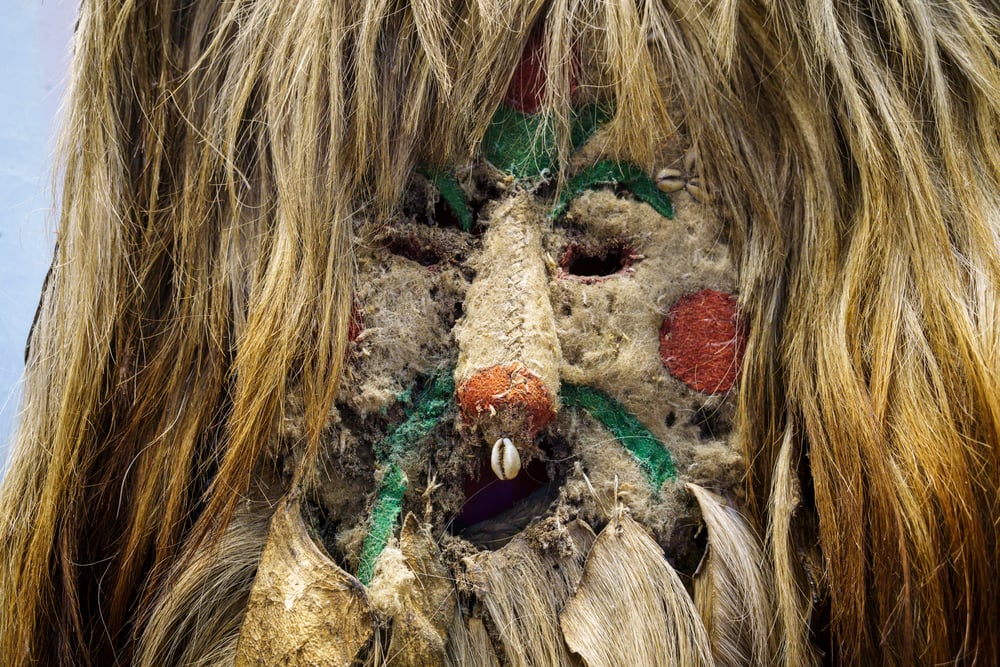
Real wendigos from Native American stories were way different from the skinny, clawed things on the show. The Algonquian tribes talked about wendigos as people who got possessed by an evil spirit after eating human flesh.
Once that happened, they’d turn into monsters with an endless hunger for more people. But they looked like giant, gaunt humans, not the freaky skeleton creatures with long arms that the show gave us.
The cannibalism part was spot-on, but everything else got a Hollywood makeover. Some stories said wendigos were fifteen feet tall with yellowed fangs, but they still looked basically human, just bigger and scarier.
Skinwalkers are still considered sacred and dangerous by the Navajo
The show treated skinwalkers like just another monster of the week, but for Navajo people, these aren’t fictional creatures. They’re witches who broke sacred laws and gained the power to turn into animals.
Many Navajo won’t even talk about them because they believe it’s dangerous and disrespectful. The real skinwalkers were tribal members who used dark magic against their own community.
They could become wolves, coyotes, bears, or birds, but only after performing terrible rituals that turned them into outcasts. The show missed all the cultural weight behind these stories and just focused on the shapeshifting part.
Like Go2Tutors’s content? Follow us on MSN.
Banshees actually tried to help families, not hurt them
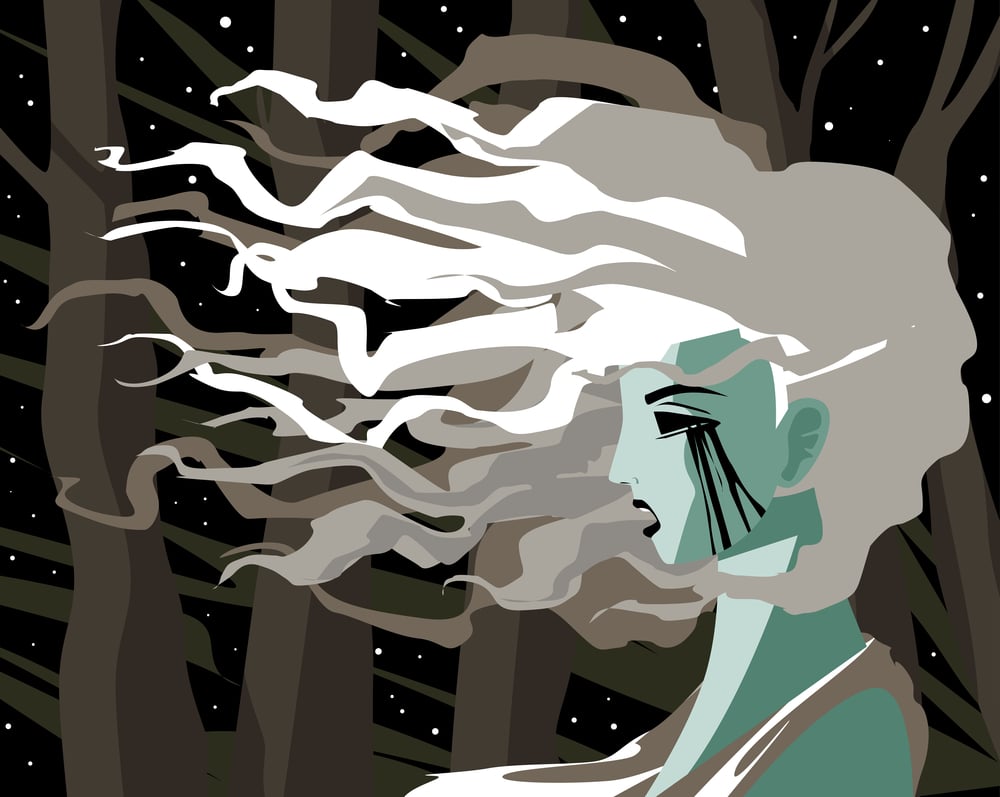
Everyone knows banshees as scary women who scream when someone’s about to die, but the original Irish stories painted them as helpful spirits. They weren’t trying to kill anyone.
They were fairy women who got attached to certain families and would cry outside their homes to warn about coming deaths. Think of them as supernatural grief counselors rather than murderers.
The traditional banshee would comb her long hair while wailing, and families actually felt honored if a banshee watched over them. The show turned this protective spirit into another thing that goes bump in the night and attacks people.
The Woman in White legend exists in almost every culture
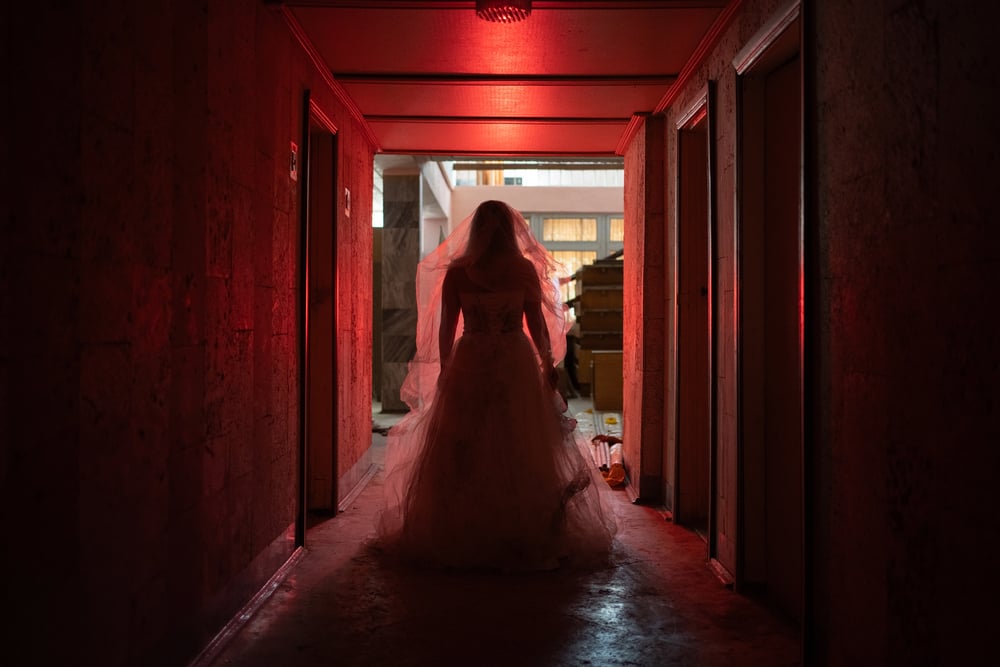
The pilot episode’s Woman in White wasn’t pulled from thin air. Pretty much every culture has some version of a ghostly lady in a white dress who shows up to warn people or get revenge.
Mexico has La Llorona, who drowned her own kids and now cries by rivers. Japan has the Yuki-onna, a snow woman who freezes travelers to death.
Even small American towns have their own white lady ghosts haunting bridges and abandoned houses. The writers picked this legend because everyone would recognize it, even if they’d heard a different version growing up.
Djinn were wish-granters long before they became dream-feeders
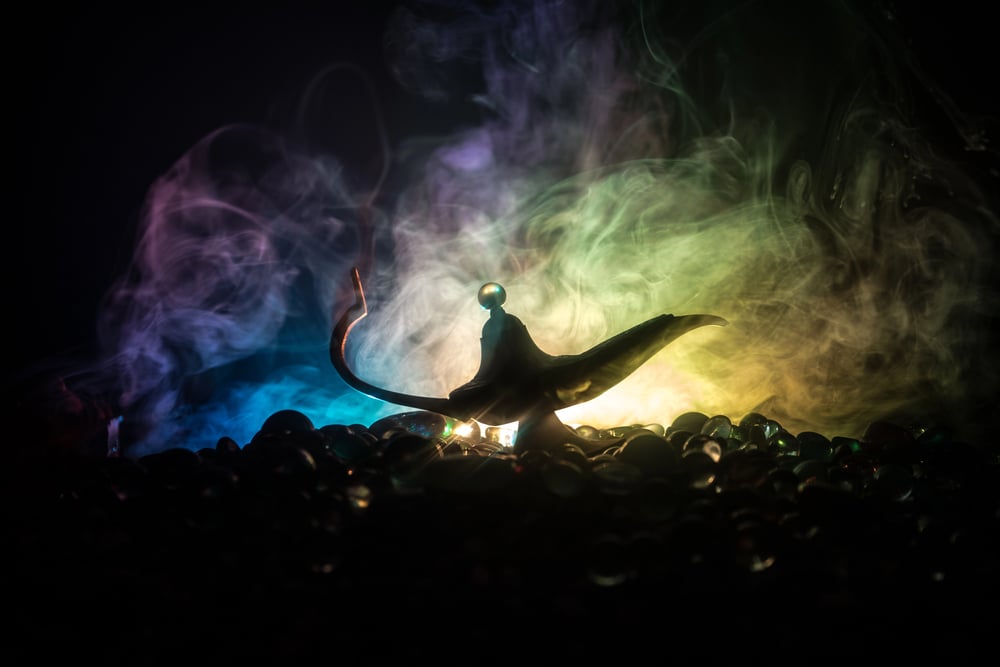
The show’s djinn trap people in fake dream worlds while slowly killing them, but real djinn from Middle Eastern stories were more like supernatural lawyers. They’d grant your wishes, sure, but they were experts at twisting your words until you regretted ever asking.
A djinn might give you gold, but it turns out to be stolen, so now you’re a criminal. They weren’t evil, just operating by different rules that humans couldn’t always understand.
The original Arabian Nights stories showed djinn as complex beings with their own problems and motivations, not just blood-sucking dream merchants.
Like Go2Tutors’s content? Follow us on MSN.
Poltergeists were originally blamed on living people, not dead ones
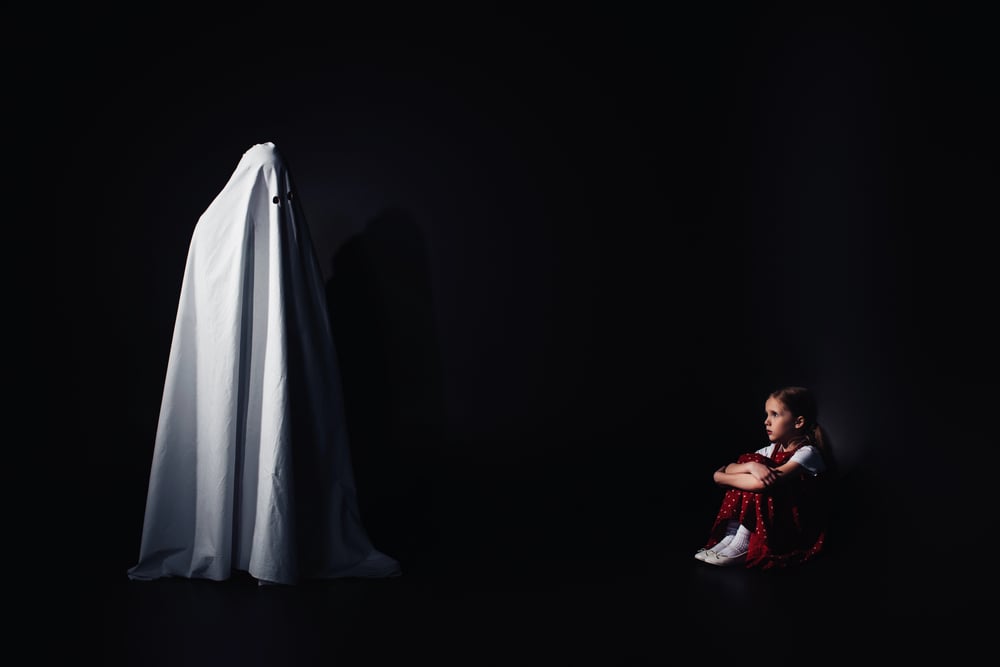
Here’s something weird: most real poltergeist cases weren’t blamed on dead people at all. When dishes started flying and furniture moved around, investigators usually found some living person at the center of it all.
Usually a teenager going through a rough time. The activity would follow this person around and stop when they left.
Nobody could explain why, but the pattern was clear. The show made poltergeists into angry ghosts, but the original idea was that living people could somehow make objects move with their minds when they were stressed out or upset.
Reapers weren’t supposed to be employees of Death
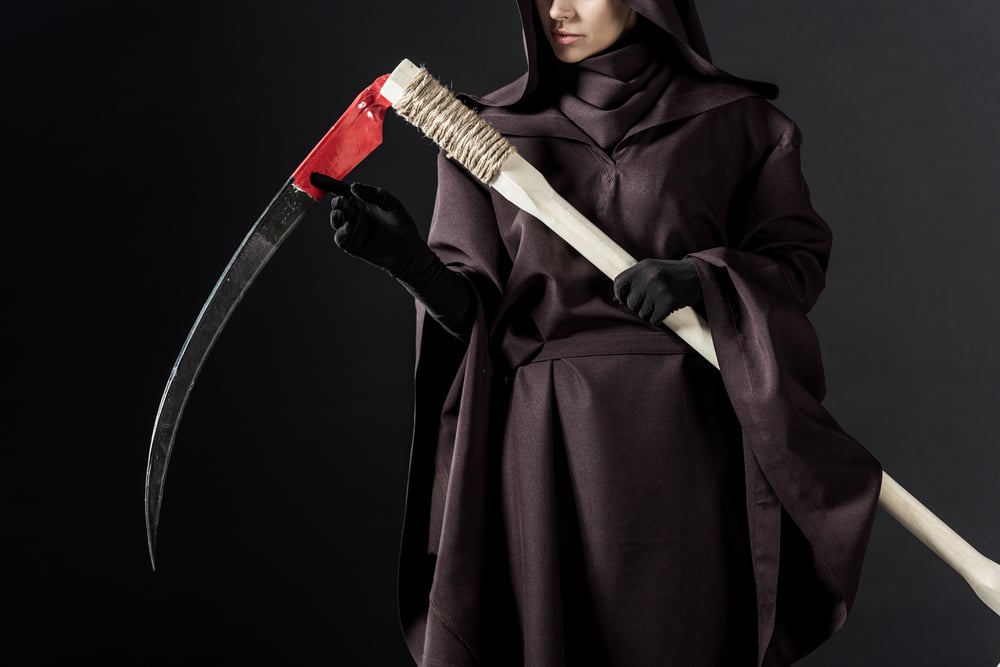
The show created this whole corporate afterlife where reapers punch a time clock and follow orders from Death himself. But the Grim Reaper from old European stories was death, not a worker for death.
That hooded skeleton with the scythe represented the end of life itself. The image came from the Black Death, when so many people died that death felt like a constant presence.
Different cultures had their own death figures, like the Greek god Thanatos or Norse Valkyries who chose which warriors died in battle. None of them were middle management in some supernatural bureaucracy.
Shapeshifters had specific rules that the show ignored

Traditional shapeshifter stories always came with catches. Werewolves could only change during full moons.
Native American animal spirits needed special ceremonies or sacred objects to transform. Some shapeshifters got stuck in animal form if they stayed too long.
The show’s shapeshifters could look like anyone, anytime, with no restrictions. That made for better TV, but real folklore shapeshifters were much more limited.
They were also usually connected to one specific animal, not able to copy any human face they wanted.
Like Go2Tutors’s content? Follow us on MSN.
Ghosts in folklore rarely had the powers shown on screen
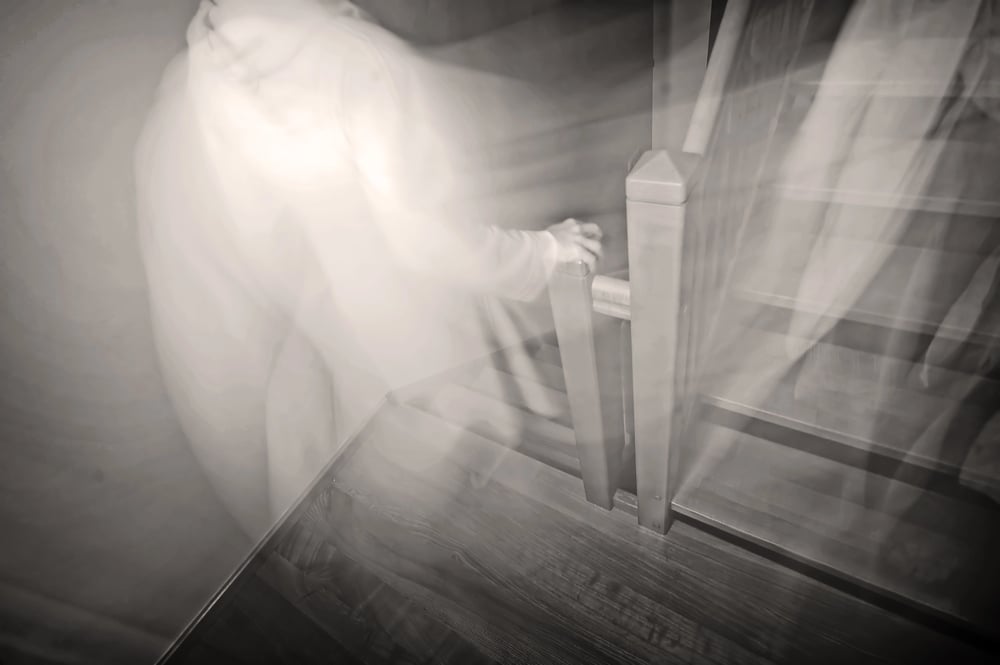
The show’s ghosts throw people around, manipulate electricity, and appear solid enough to punch you. Most traditional ghost stories described spirits as barely there, more like echoes than solid beings.
They might make the room cold, move a door, or appear briefly in your peripheral vision. But the idea of ghosts having superhuman strength to toss grown men across rooms is pretty modern.
Old ghost stories were scary because of what they represented, not because they could physically hurt you.
Demons weren’t always portrayed as purely evil
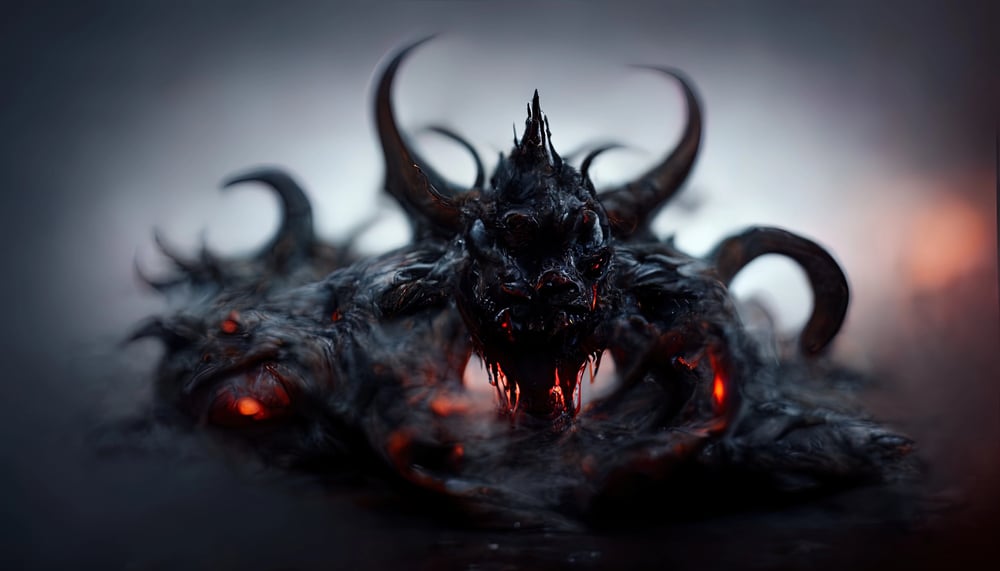
Medieval books about demons described them as complex beings with their own personalities, ranks, and motivations. Some were fallen angels who still had noble qualities.
Others were neutral spirits who could be bargained with or even helpful if approached correctly. The show’s demons are almost always bad guys, except for fan favorites like Crowley who got more interesting storylines.
Real demon folklore often showed them as having specific jobs or territories, following certain rules, and sometimes even teaching humans useful skills.
Crossroads deals weren’t always about souls
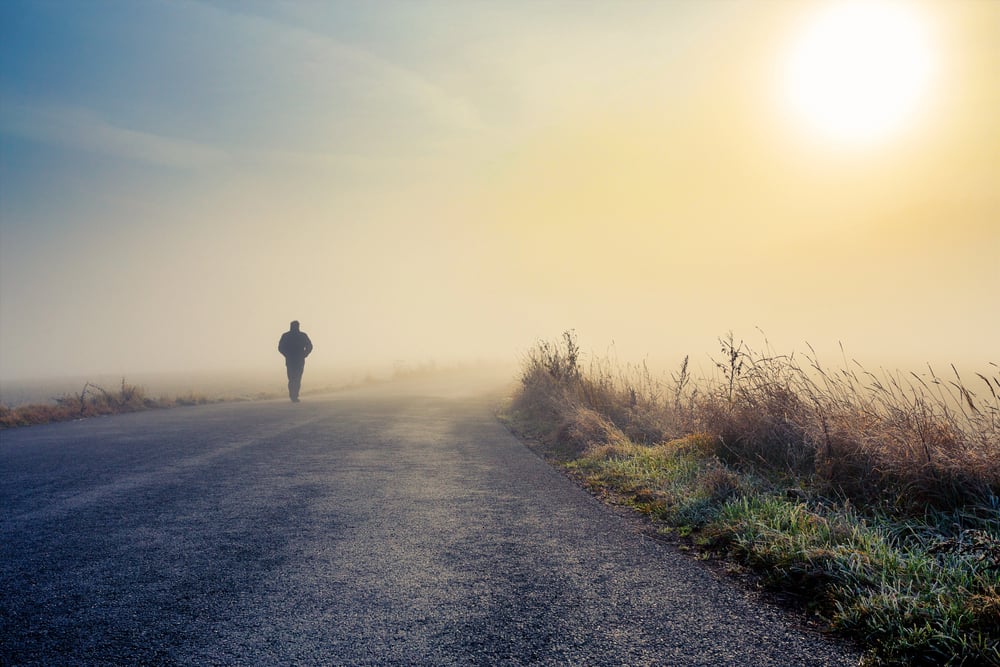
The idea of making deals at crossroads shows up everywhere, but not every bargain involved trading your soul. Many cultures saw crossroads as thin places where the spirit world touched ours, making them perfect spots for magic.
People went there to ask for guidance, protection, or knowledge. The Robert Johnson blues legend helped popularize the soul-selling version, but traditional crossroads magic was much broader.
You might leave offerings for spirits, perform divination rituals, or just sit quietly and wait for supernatural guidance.
Like Go2Tutors’s content? Follow us on MSN.
Angels weren’t supposed to be soldiers in a cosmic war
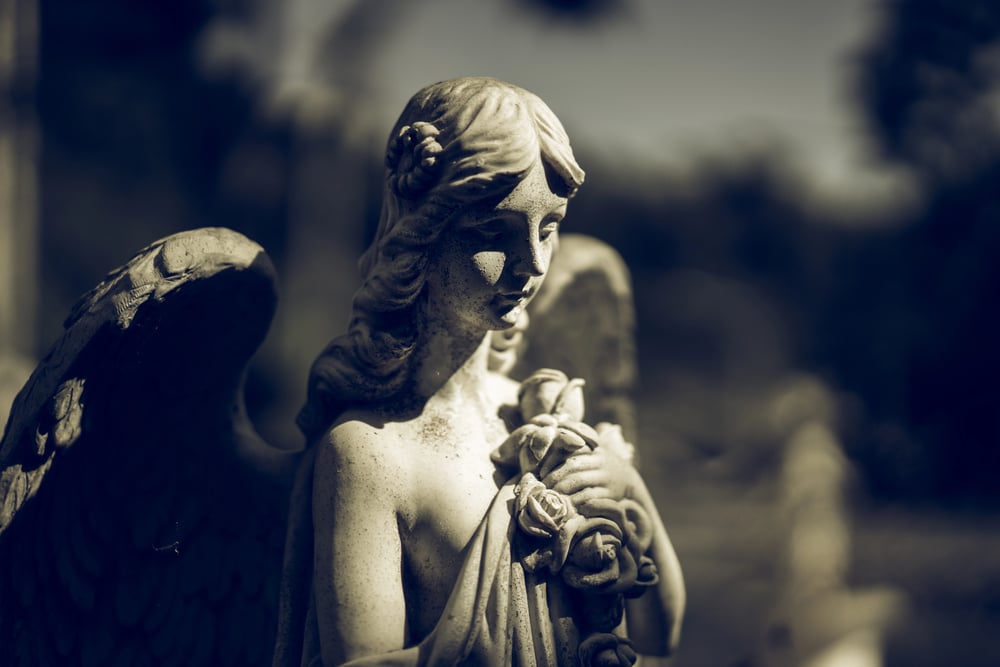
The show’s angels march around Heaven like it’s a military base, complete with commanding officers and battle strategies. Traditional religious texts describe angels as messengers and servants who carry out God’s will.
While some religious traditions include stories about war between angels and demons, most angels had peaceful jobs. Some delivered messages to humans, others guarded sacred places, and still others spent their time in constant worship.
The show needed dramatic conflict, so it turned Heaven into something like a supernatural army.
Leviathans existed in mythology long before the show used them
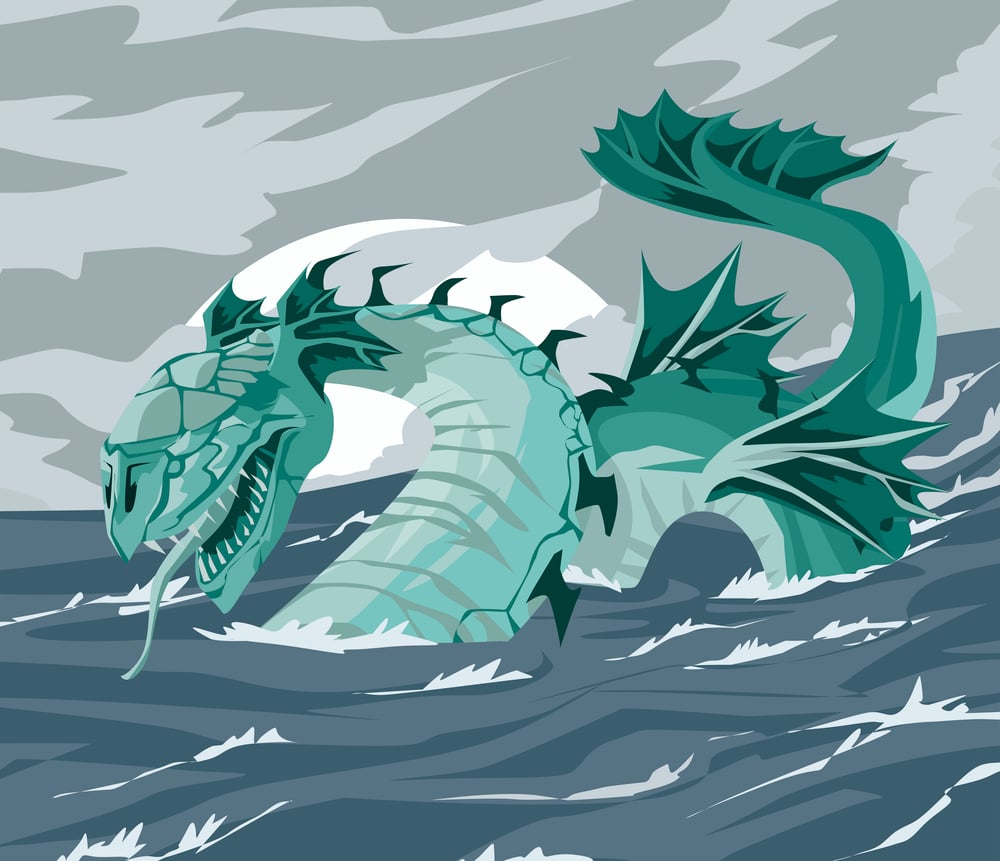
The show’s Leviathans were shapeshifting creatures older than angels and demons, but the original Leviathan was a giant sea monster from Hebrew mythology. It represented chaos and the wild forces of nature that God had to defeat to create an ordered world.
Think of it as a cosmic sea serpent rather than creatures that could disguise themselves as humans and run corporations. The Bible describes Leviathan as having multiple heads and breathing fire, making it more like a dragon than the business-suited monsters on the show.
Trickster gods were teachers, not just pranksters
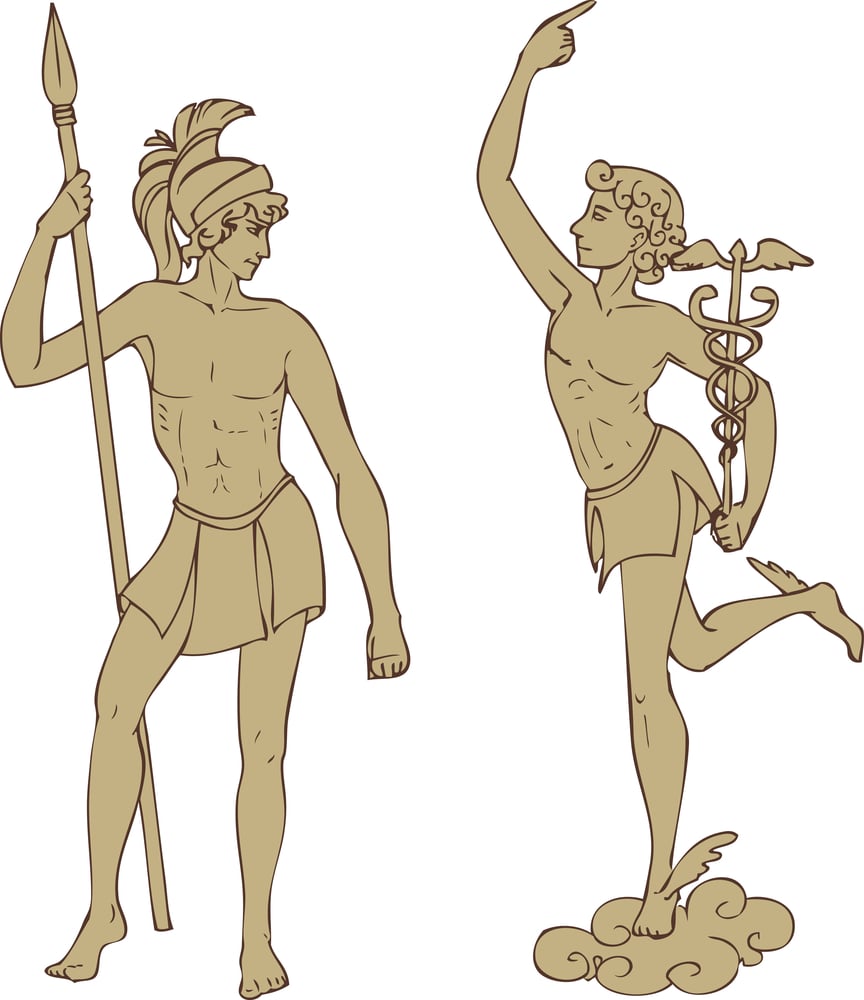
The show’s Trickster pulled elaborate pranks on people who deserved punishment, but real trickster figures from mythology were educators using unconventional methods. Loki, Anansi the spider, Coyote, and other trickster gods taught important lessons through their schemes.
They might steal fire for humanity, reveal someone’s hidden flaws, or show the consequences of pride and greed. These stories often had the trickster getting in trouble too, learning humility alongside their victims.
The TV version focused on the entertainment value but missed the wisdom aspect that made tricksters important to their cultures.
Like Go2Tutors’s content? Follow us on MSN.
Pagan gods weren’t necessarily evil in their original stories

When the show featured gods like Kali, Loki, or various other deities, they usually appeared as villains who needed stopping. But these gods were central to their cultures’ understanding of the world.
Kali represents time, change, and protection in Hindu tradition, not just destruction. Loki was a complex figure who sometimes helped the other Norse gods and sometimes caused trouble.
The show needed antagonists for Sam and Dean to fight, so it simplified these rich mythological figures into more straightforward bad guys.
Salt barriers came from very specific folk practices
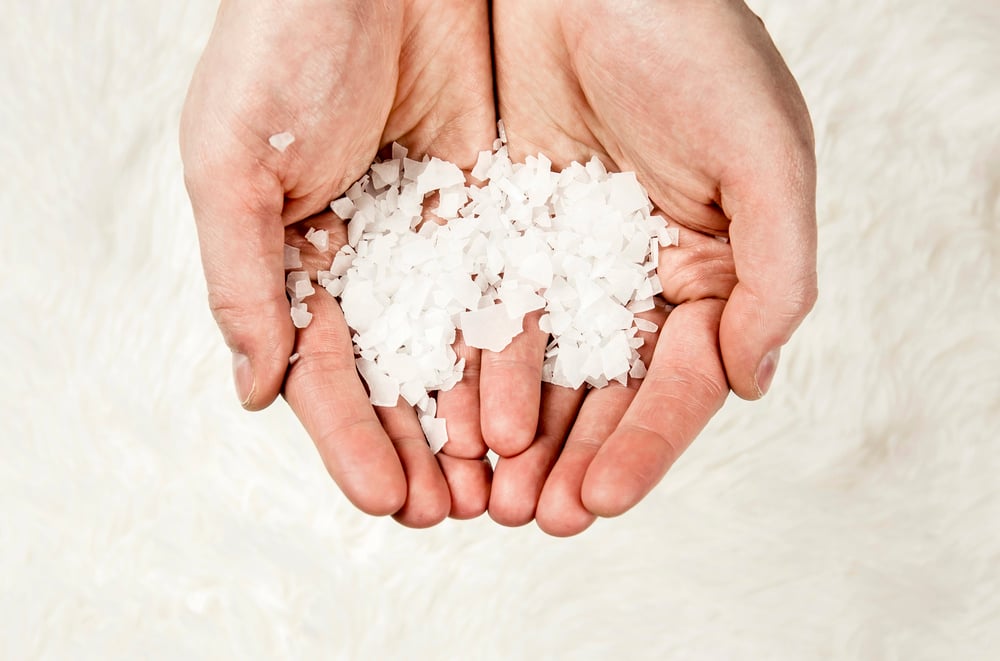
The show uses salt as universal monster repellent, but real salt magic is much more specific. Celtic traditions use salt one way, Hoodoo practices use it another way, and Japanese folklore has its own salt rituals.
The effectiveness often depends on where the salt comes from, how it’s blessed, or what prayers accompany its use. European fairy lore does mention salt as protection against fairy folk, but it wasn’t some all-purpose supernatural barrier.
The show simplified dozens of different cultural practices into one convenient plot device.
Iron wasn’t a cure-all in traditional fairy lore
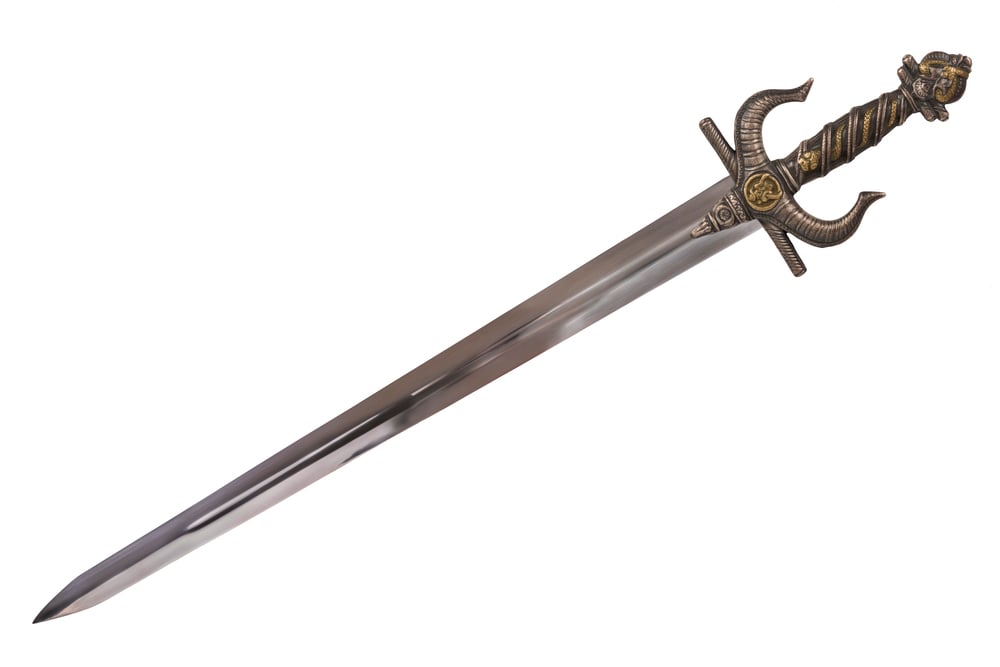
The show uses iron weapons against all sorts of supernatural creatures, but traditional European fairy tales only mention iron hurting fairies and related magical beings. The belief came from iron representing civilization and technology, things that opposed the wild, natural magic of fairy folk.
Most other supernatural creatures in folklore weren’t bothered by iron at all. Different cultures had different protective materials: silver for werewolves, running water for vampires, holy symbols for demons.
The show made iron work against everything to give the characters a reliable weapon.
Like Go2Tutors’s content? Follow us on MSN.
From campfire stories to prime time television
These old stories stuck around for centuries because they helped people deal with things they couldn’t understand or control. Death, disease, natural disasters, and human cruelty all got explanations through folklore about supernatural creatures.
When “Supernatural” adapted these legends for TV, the writers had to balance staying true to the source material with creating exciting drama for modern audiences. They succeeded in getting millions of people interested in folklore they might never have heard otherwise, even if the TV versions were quite different from the originals.
These ancient fears and fascinations keep showing up in new forms, proving that some aspects of human nature never really change, whether we’re telling stories around fires or binge-watching Netflix.
More from Go2Tutors!

- 16 Historical Figures Who Were Nothing Like You Think
- 12 Things Sold in the 80s That Are Now Illegal
- 15 VHS Tapes That Could Be Worth Thousands
- 17 Historical “What Ifs” That Would Have Changed Everything
- 18 TV Shows That Vanished Without a Finale
Like Go2Tutors’s content? Follow us on MSN.



