Photos of Memorable March Events for the Past 50 Years
March is a month with its own way of arriving with momentum. Throughout the decades, it has seen many historical political events, cultural milestones, scientific breakthroughs, and sporting victories.
They may have changed the course of history or fascinated people with powerful images that were transmitted around the world. Looking at photographs of March events over the last five decades, many of them represent moments of historical change that defined our modern world.
They may represent moments of change, conflict, discovery, and celebration. One picture may evoke the emotion of a particular moment that is difficult to express in words.
Let’s look at some of the historical events in March over the last five decades that have left us with impressions.
The Three Mile Island Incident — March 1979
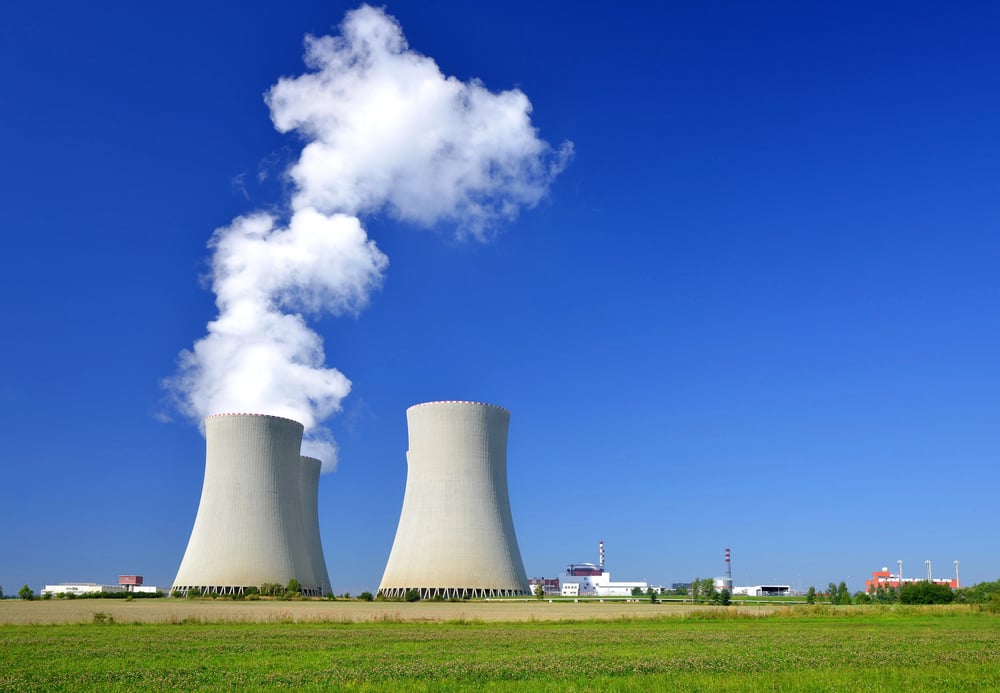
One of the most significant nuclear accidents in United States history occurred on March 28, 1979, at the Three Mile Island nuclear power plant in Pennsylvania. A malfunction in the cooling system led to a partial meltdown in one of the reactors.
Photographs from the time show emergency crews, concerned residents, and intense media coverage surrounding the facility. News helicopters circled above the plant while television reporters attempted to explain the unfolding situation to viewers across the country.
Even though the accident caused limited direct harm, it dramatically shifted public opinion about nuclear power. The images of the plant’s cooling towers became lasting symbols of the fears surrounding nuclear energy during that era.
The Launch of the First Space Shuttle — March 1981
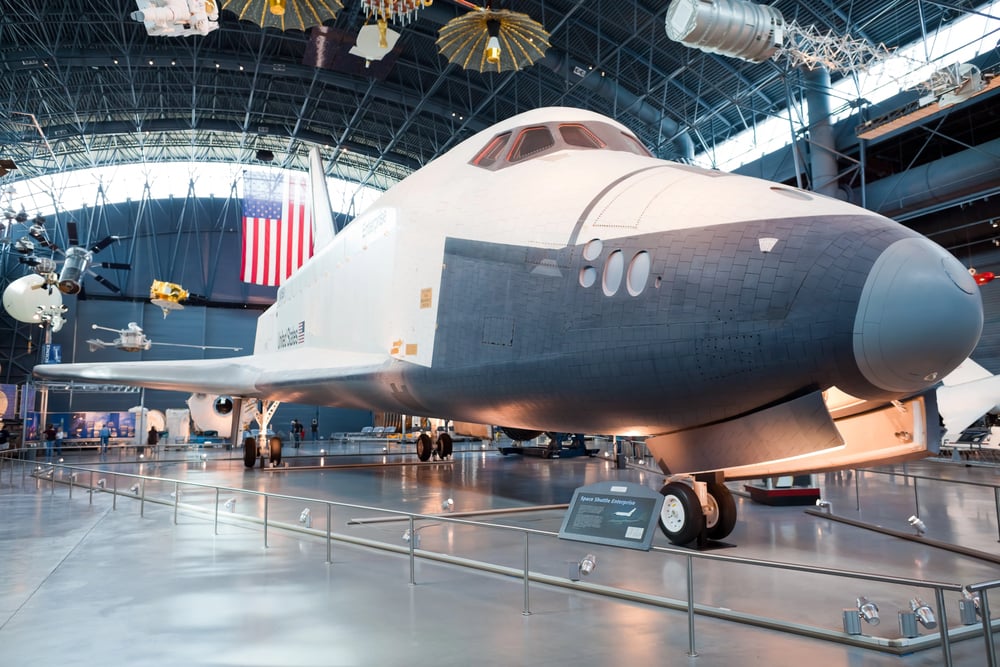
On March 12, 1981, NASA launched Space Shuttle Columbia for the first time. The mission marked a new chapter in space exploration, introducing a reusable spacecraft capable of returning to Earth and flying again.
Images of the shuttle lifting off from Cape Canaveral became iconic representations of technological ambition. Massive clouds of smoke and flame surrounded the launch pad as the shuttle rose into the sky.
The program would go on to support dozens of missions involving satellites, scientific experiments, and construction of the International Space Station. Photographs from those early launches still capture the excitement surrounding a bold new phase of human spaceflight.
The Fall of the Exxon Valdez Oil Spill Response — March 1989
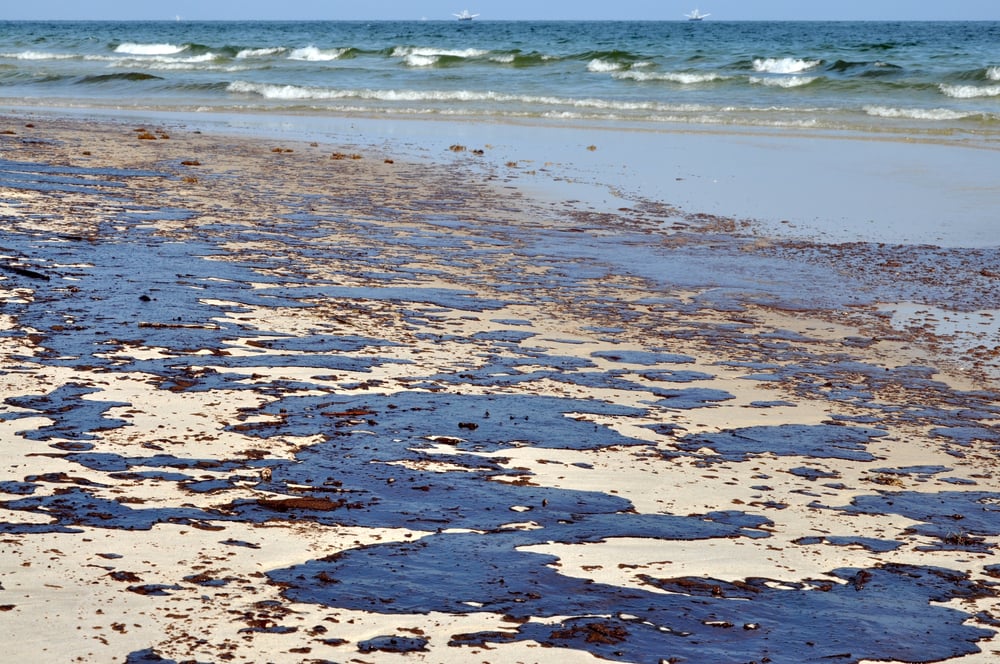
In March 1989, the Exxon Valdez oil tanker ran aground in Alaska’s Prince William Sound, releasing millions of gallons of crude oil into the ocean. The environmental disaster quickly became one of the most widely photographed ecological crises of the era.
Images of oil-covered shorelines and struggling wildlife appeared on television screens and newspaper front pages around the world. Volunteers wearing protective gear worked tirelessly to clean beaches and rescue affected animals.
The photographs created powerful awareness of environmental risks connected to large-scale oil transportation. They also helped inspire new regulations aimed at preventing similar disasters in the future.
The Rodney King Video — March 1991

In March 1991, a bystander recorded footage of Los Angeles police officers beating Rodney King after a high-speed chase. The video quickly spread through television broadcasts and sparked national conversations about policing and accountability.
Images taken from the recording became some of the most widely circulated news visuals of the early 1990s. For many viewers, the footage revealed a level of police violence rarely shown so clearly on national television.
The incident and the events that followed had a profound impact on discussions about justice and civil rights in the United States. The images remain deeply connected to conversations about law enforcement and public trust.
The First Modern Paralympic Winter Games Broadcast — March 1994

The Paralympic Winter Games in Lillehammer, Norway, marked a milestone in the visibility of adaptive sports. The 1994 games received unprecedented international media coverage, bringing athletes with disabilities into the global spotlight.
Photographs from the event captured intense competition and remarkable determination. Skiers racing down steep slopes and athletes celebrating at the finish line became powerful images of resilience.
The increased exposure helped expand recognition of Paralympic athletes and strengthened support of inclusive sports programs worldwide. The photographs from Lillehammer helped change how people viewed athletic ability and determination.
The Kosovo Air Campaign Begins — March 1999
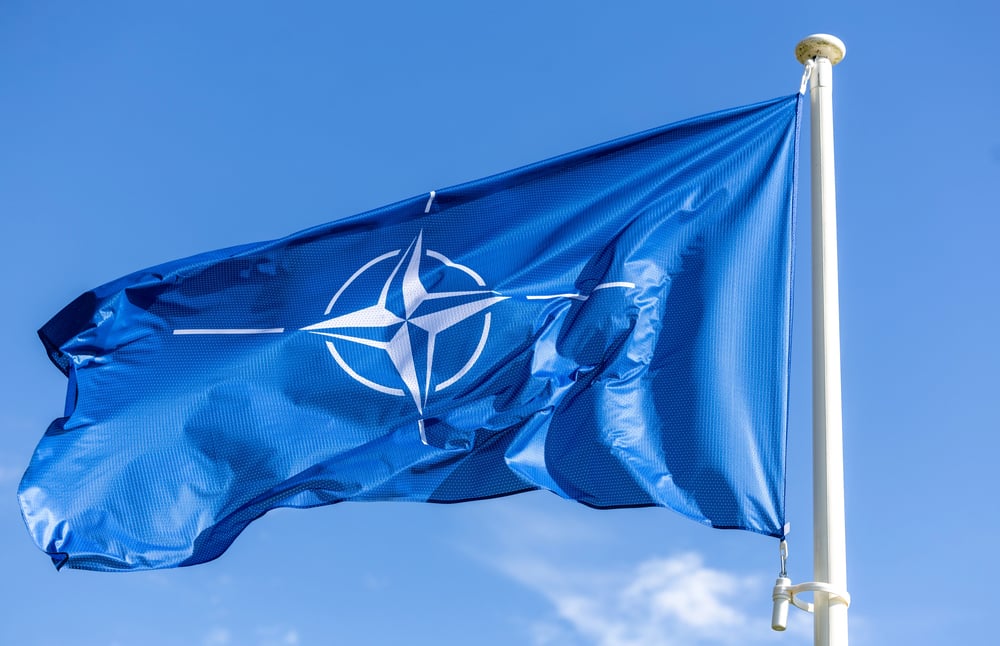
In March 1999, NATO launched an air campaign in response to the conflict in Kosovo. The operation became one of the most significant military interventions in Europe since the end of the Cold War.
Photographs from the period show aircraft preparing for missions, refugee movements, and diplomatic meetings among world leaders. Images of long lines of displaced families traveling across borders became particularly striking.
These photographs highlighted the human impact of the conflict and the urgent need for international attention. The crisis reshaped debates about humanitarian intervention and regional stability.
The Invasion of Iraq — March 2003

On March 20, 2003, coalition forces launched a military campaign in Iraq that would become one of the defining geopolitical events of the early twenty-first century. Images from the opening days showed tanks moving through desert terrain and dramatic night skies illuminated by explosions over Baghdad.
War correspondents captured scenes of soldiers advancing toward key cities while journalists reported from hotel rooftops in the capital. These photographs became central to global news coverage as the conflict unfolded.
The war’s long-term consequences would influence international relations, military policy, and regional politics for many years.
The Global Financial Crisis Intensifies — March 2008

By March 2008, the global financial crisis was rapidly unfolding. The collapse of major financial institutions and emergency economic measures dominated headlines around the world.
Photographs from financial districts showed anxious traders watching market screens while government officials held urgent meetings. Images of crowded press conferences and rapidly changing stock tickers conveyed the tension of the moment.
These visual records captured the uncertainty of a period when economies across the world faced deep instability. The crisis would ultimately reshape banking regulations and economic policy in many countries.
The Fukushima Nuclear Disaster — March 2011
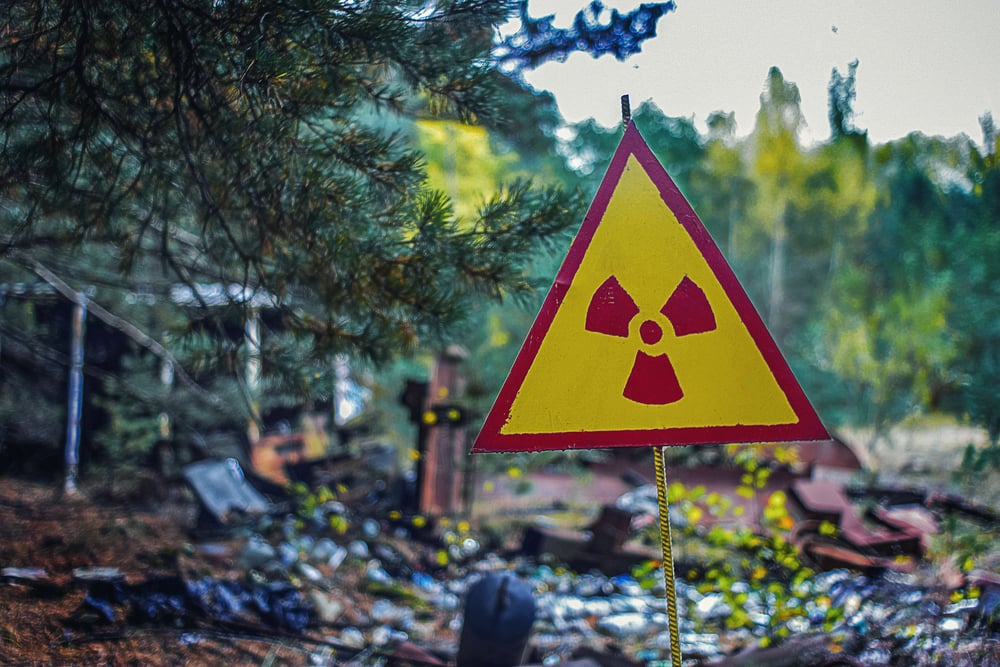
On March 11, 2011, a massive earthquake and tsunami struck Japan, triggering the Fukushima nuclear disaster. Images of destroyed coastal communities and damaged reactor buildings spread across the globe within hours.
Aerial photographs revealed entire towns swept away by powerful waves. Rescue teams searched through debris fields while survivors gathered in temporary shelters.
The disaster prompted renewed global debate about nuclear energy and disaster preparedness. Photographs from the aftermath remain some of the most powerful visual records of the event.
The Discovery of a Major Exoplanet System — March 2014

In March 2014, astronomers announced discoveries involving distant planetary systems beyond our solar system. These findings strengthened evidence that planets orbiting other stars may be common throughout the galaxy.
While the discoveries came from complex telescope data, the visual renderings released alongside the announcement captured the imagination of the public. Artists created vivid illustrations of distant planets orbiting glowing stars.
These images symbolized humanity’s expanding understanding of the universe and the possibility that countless other worlds exist beyond our solar system.
The Global Pandemic Declaration — March 2020
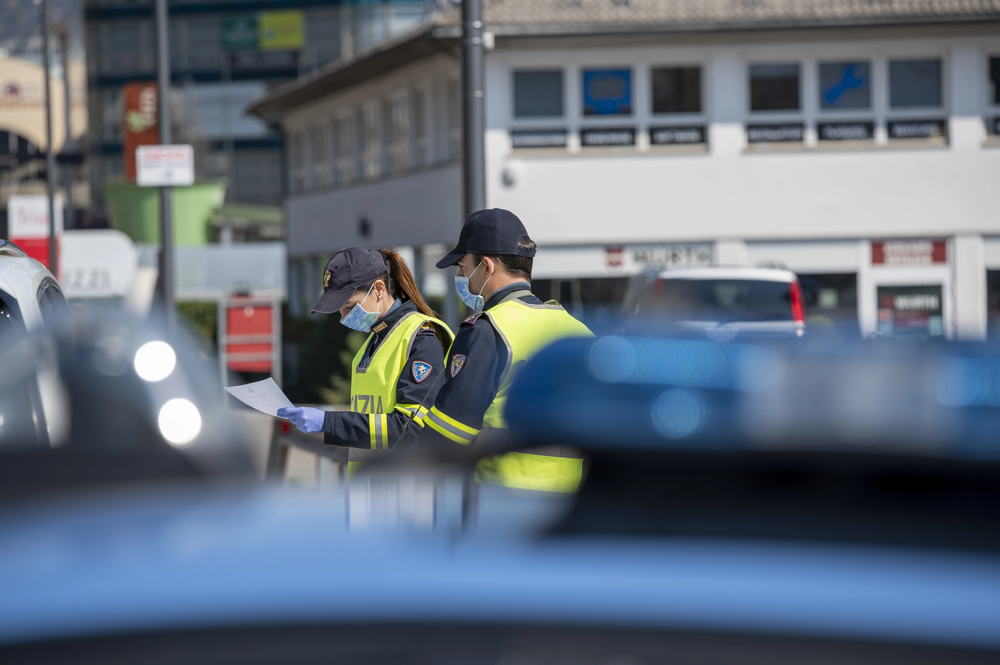
In March 2020, the World Health Organization officially declared the outbreak of a new coronavirus disease a global pandemic. Photographs from cities around the world showed empty streets, closed businesses, and healthcare workers responding to unprecedented challenges.
Airports, stadiums, and tourist landmarks appeared unusually quiet in images taken during lockdowns. Medical teams wearing protective equipment worked tirelessly in hospitals.
These photographs became defining symbols of the era. They documented a moment when daily life changed dramatically across nearly every country on Earth.
Images That Continue to Tell the Story
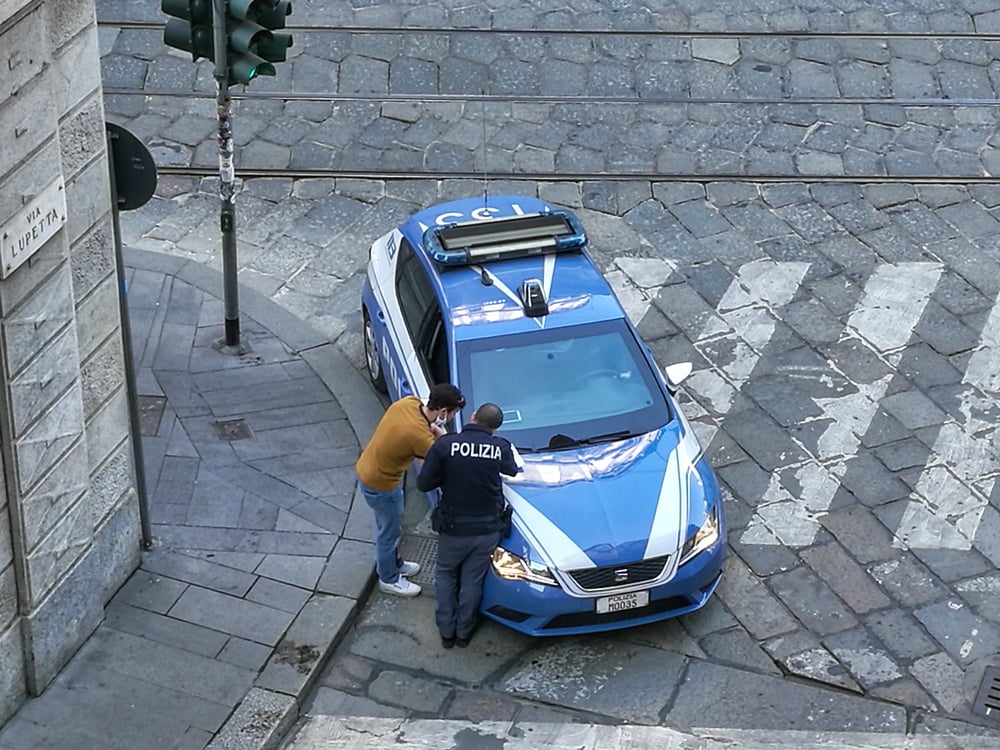
Looking back at significant happenings in March over the last five decades shows us just how quickly history can happen. One month in different years has witnessed scientific discoveries, political upheavals, cultural milestones, environmental disasters, and global crises.
Pictures of these incidents are still being shown in books, museums, and news media around the world. They are reminders to us that history is not only recorded in writing but can also be recorded in pictures.
Long after the news of those incidents has faded from memory, pictures of them are still around, helping future generations understand the history of the world they inherited.
More from Go2Tutors!

- The Romanov Crown Jewels and Their Tragic Fate
- 13 Historical Mysteries That Science Still Can’t Solve
- Famous Hoaxes That Fooled the World for Years
- 15 Child Stars with Tragic Adult Lives
- 16 Famous Jewelry Pieces in History
Like Go2Tutors’s content? Follow us on MSN.



