25 Things Every ’90s Kid Collected
The ’90s were a collector’s paradise. Before smartphones turned everyone into digital hoarders, kids built shrines to physical objects — trading, organizing, and coveting small treasures with the intensity of Wall Street brokers.
These collections weren’t just hobbies; they were currencies, status symbols, and tiny windows into who you wanted to become.
Pokémon Cards
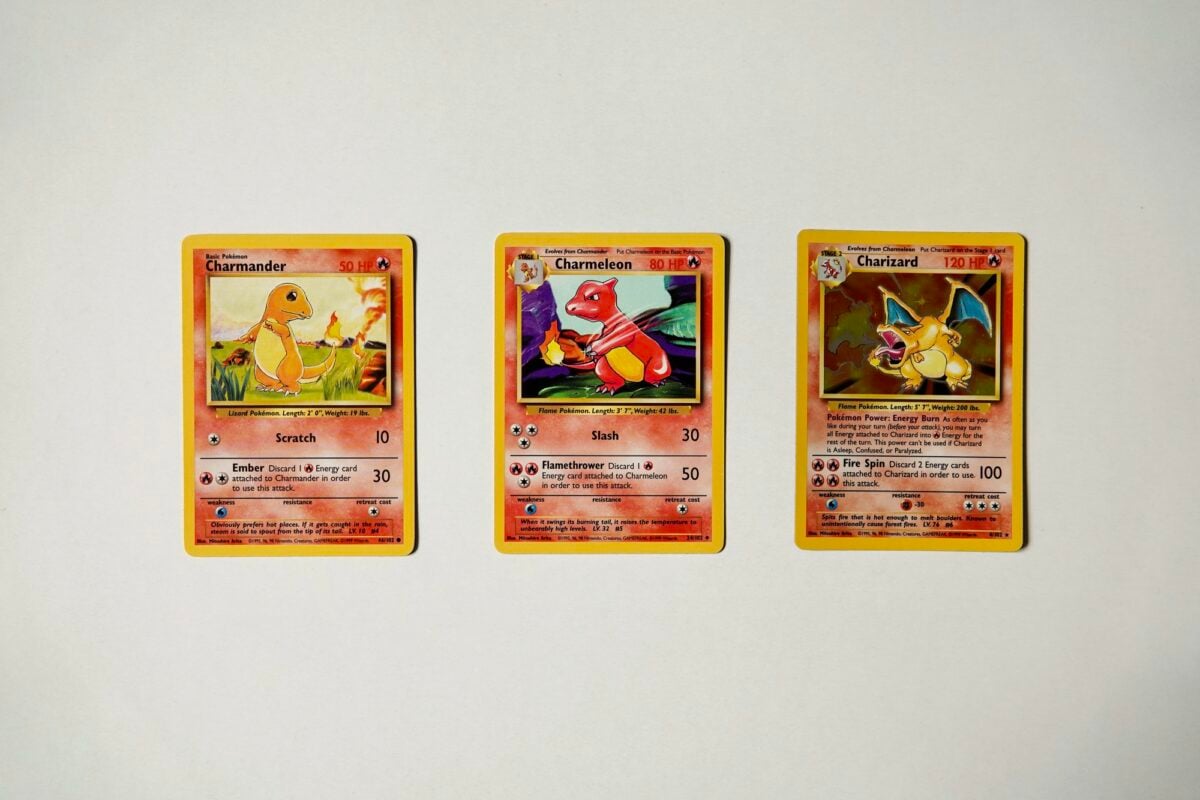
The cardboard crack epidemic that started it all. Holographic Charizard was basically legal tender on playgrounds across America.
You either had one or you knew exactly who did.
Pogs
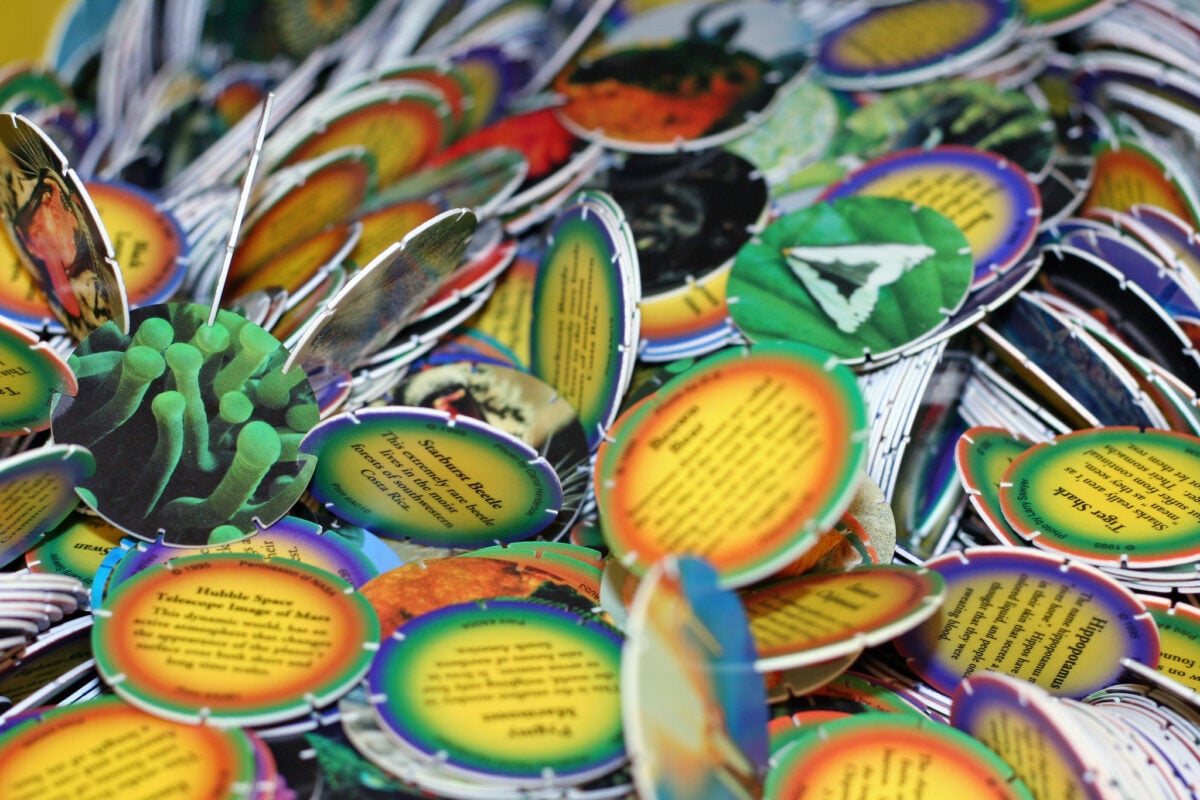
Slammers hit milk caps with the precision of tiny demolition crews. The sound of a good slam echoed through cafeterias until schools banned them for being “too distracting” — which was really just code for “too much fun.”
Beanie Babies
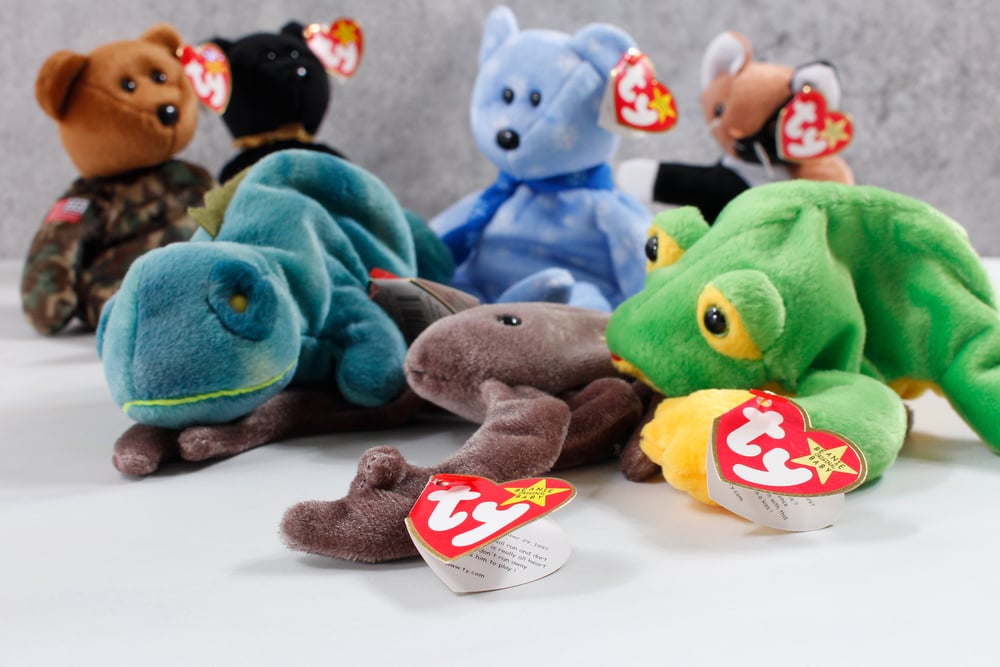
Those little bean-filled creatures turned suburban moms into speculators and kids into tiny capitalism experts, because nothing says childhood innocence quite like checking the secondary market value of a stuffed elephant while your parents argue about retirement planning in the next room. And yet there was something genuinely magical about the way a $5 toy could make a Tuesday afternoon feel like Christmas morning — that is, until everyone realized that mass-produced “limited editions” aren’t actually limited, and the bottom fell out of the Princess Bear market faster than anyone could say “dot-com bubble.”
But even after the crash, people kept them anyway. Because they were soft.
Tamagotchis
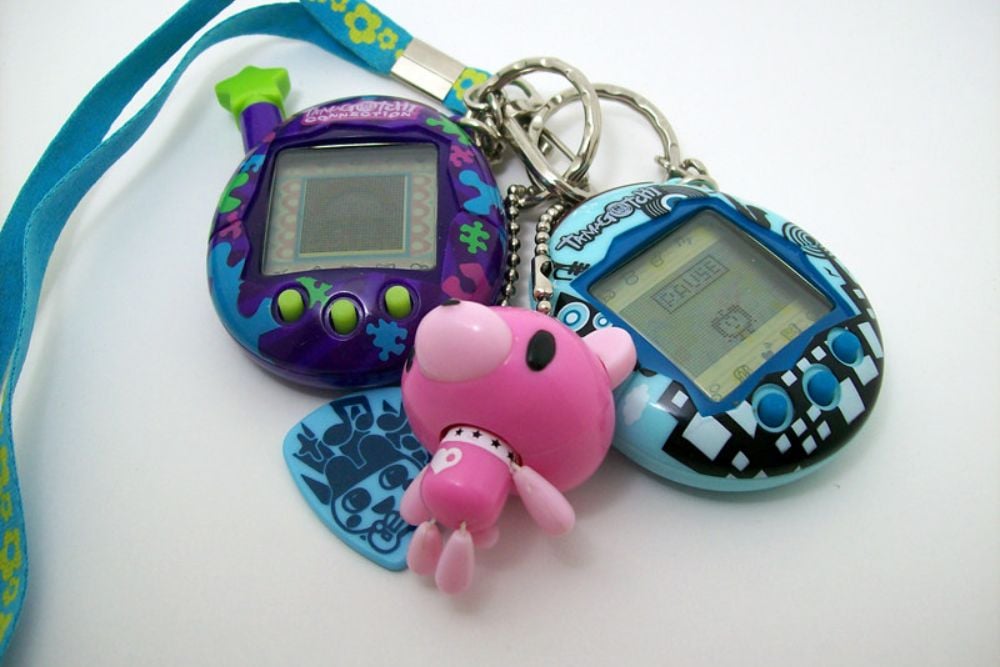
Digital pets die if you forget to feed them for six hours. The guilt was real, the responsibility was crushing, and somehow this prepared an entire generation for nothing useful in adult life.
Lisa Frank Stickers
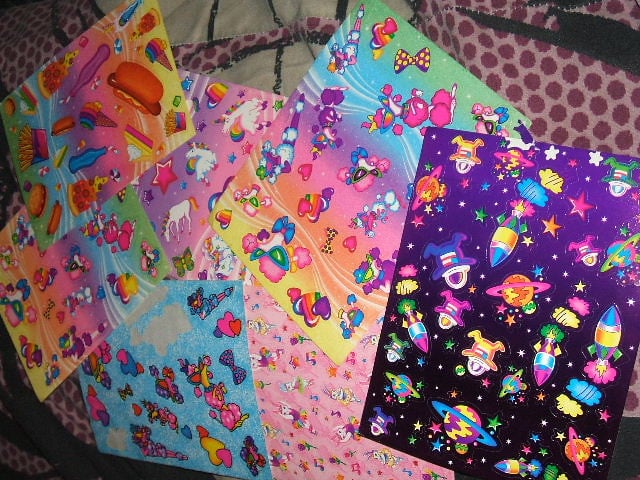
Neon unicorns and rainbow dolphins covered every notebook, folder, and available surface. The aesthetic was “what if a unicorn exploded in a paint factory” and honestly, that was perfect.
Super Soakers
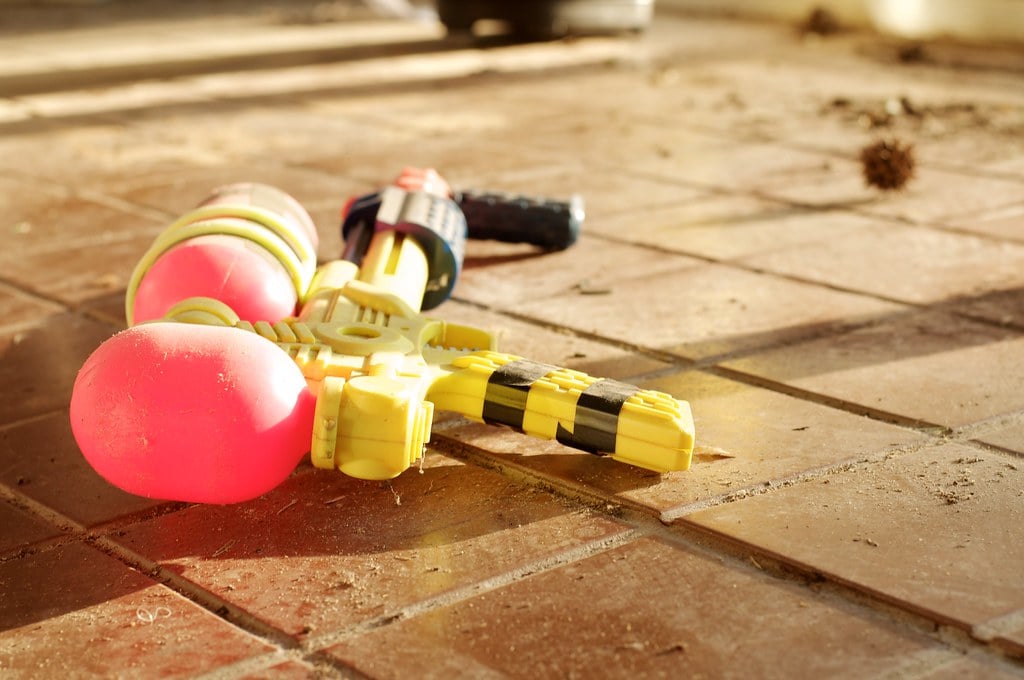
Summer warfare reached new levels of sophistication with these plastic artillery pieces. The CPS-2000 could knock a kid off their bike from twenty feet away, and every backyard became a potential battleground where alliances shifted faster than the weather and where getting the biggest, most powerful water cannon wasn’t just about staying cool in the heat — it was about establishing a summer-long dominance that would be remembered and respected until the next Memorial Day rolled around.
So every trip to Toys”R”Us became a strategic mission. And parents learned that “it’s just a water gun” was never just a water gun.
Troll Dolls
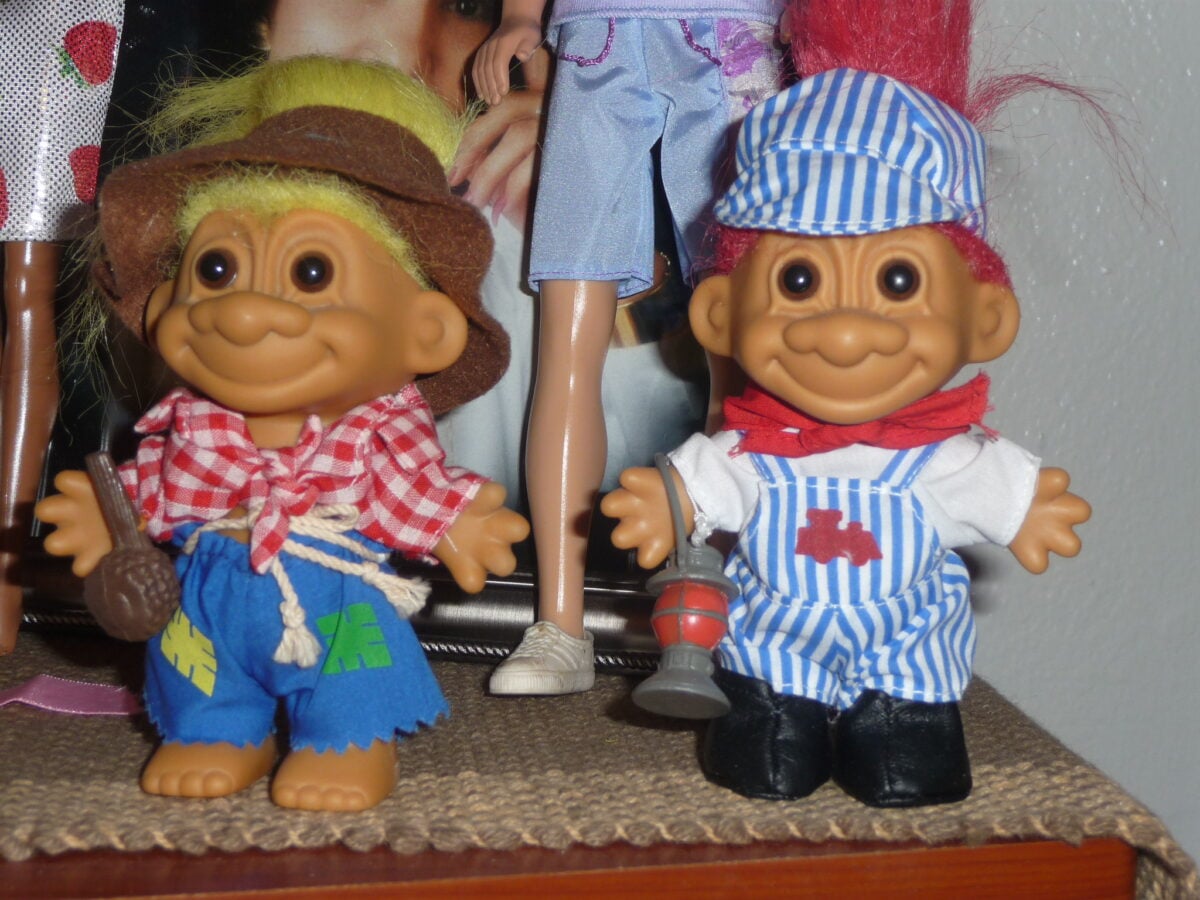
Those wild-haired creatures with the jeweled bellies sat on pencils and backpacks like tiny good luck charms. Their hair defied gravity and their vacant stares suggested they knew secrets about the universe that they’d never share.
Slap Bracelets
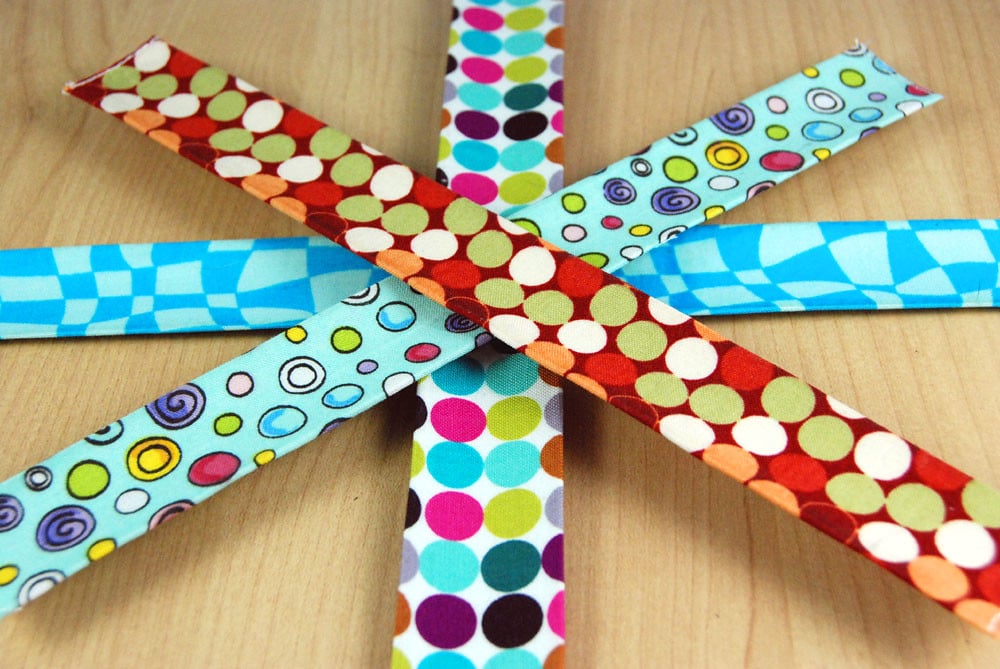
Metal rulers wrapped in fabric that snapped around wrists with satisfying authority. Schools banned these too, probably because teachers got tired of the constant slapping sound echoing through classrooms like a percussion section that never learned to keep time.
Pocketknives
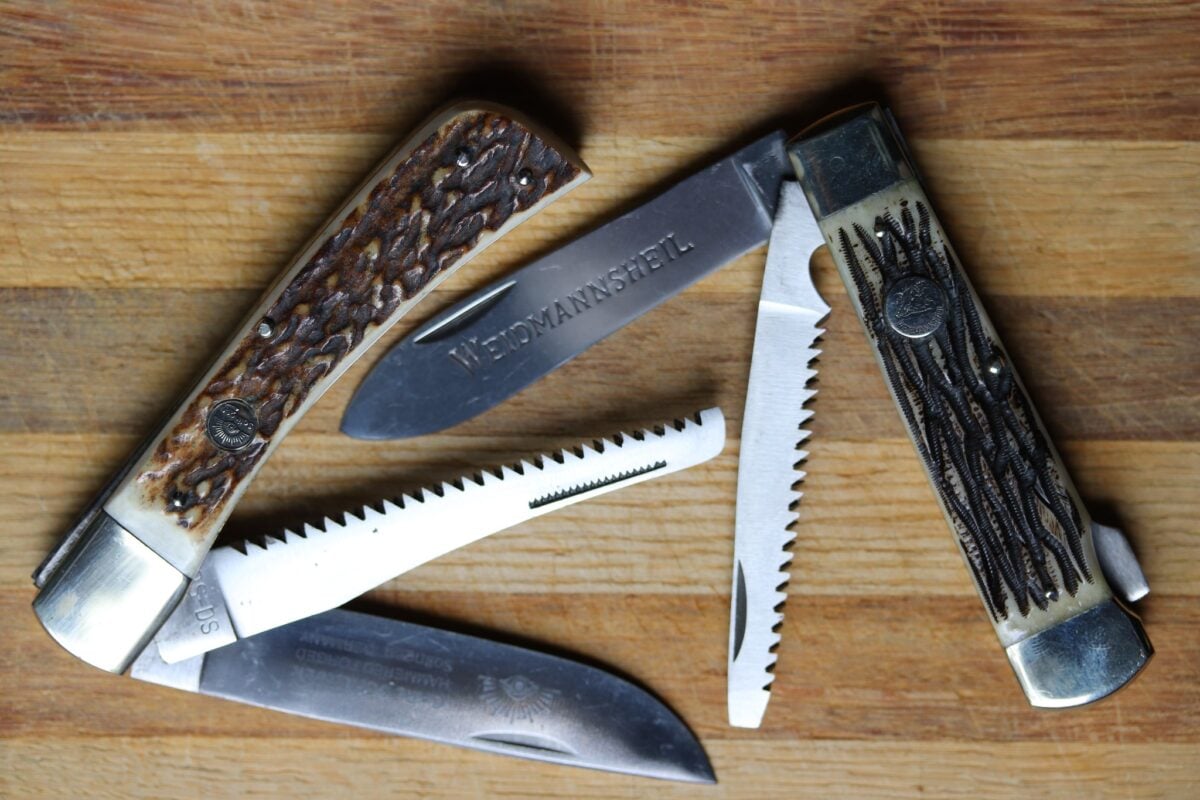
Swiss Army knives and multi-tools made every kid feel like a wilderness survival expert. Having twelve different tiny tools attached to your keychain was basically the analog version of having every app imaginable on your phone.
Baseball Cards
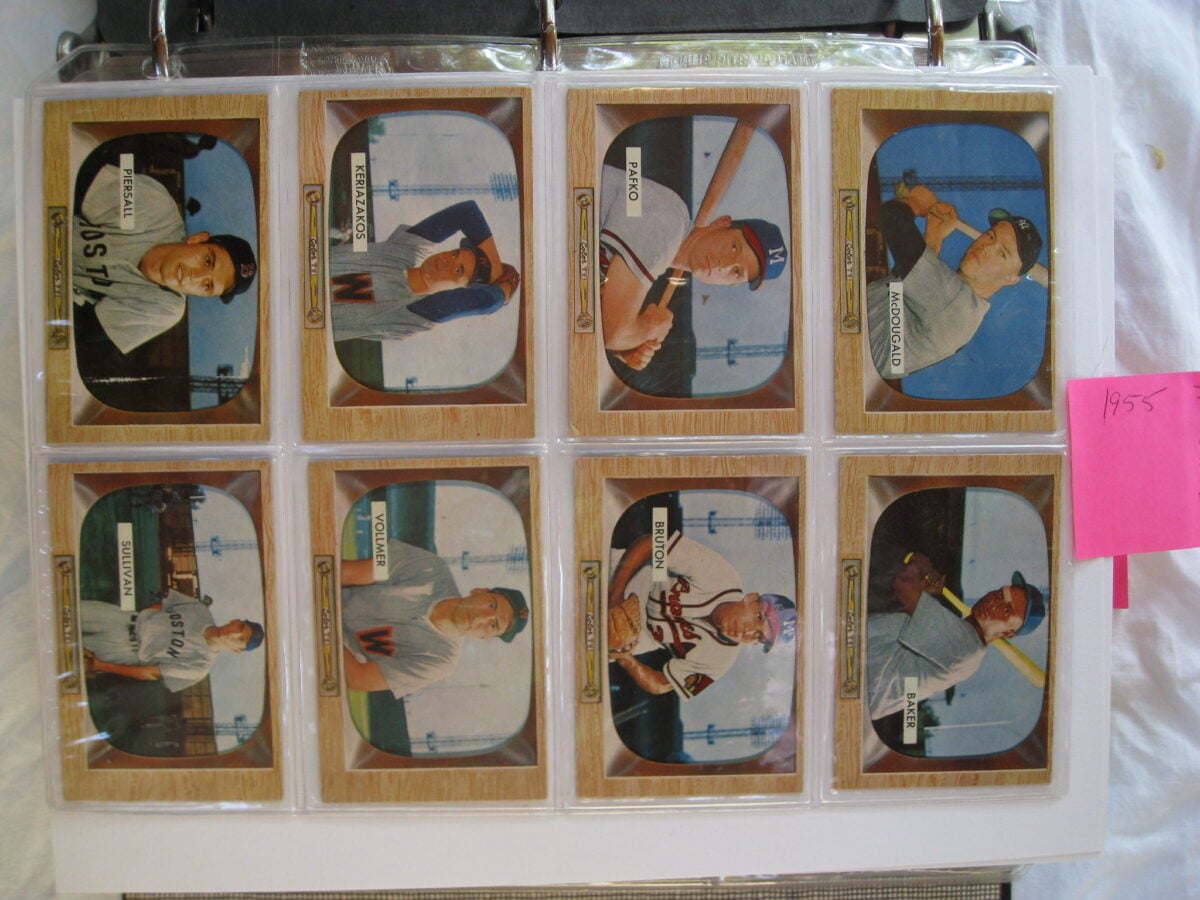
Cardboard rectangles with statistics on the back turned every corner store visit into a gambling expedition (though calling it gambling would have gotten uncomfortable looks from parents who definitely weren’t enabling their children’s first taste of speculation and risk assessment through the medium of professional sports memorabilia). So it was “collecting.”
And the smell of that pink gum that came with the packs was somehow both delicious and completely inedible — a contradiction that made perfect sense to anyone under the age of twelve, because childhood is basically just a series of contradictions that adults spend the rest of their lives trying to understand.
Stickers
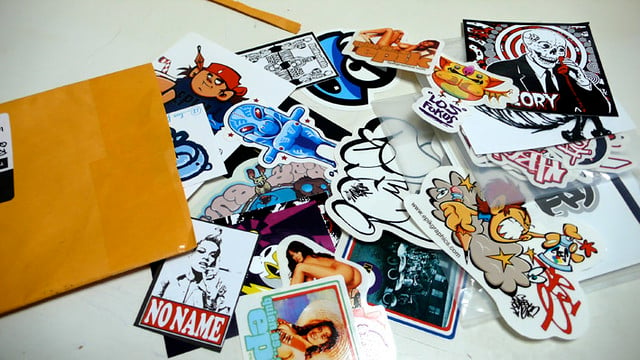
Not the fancy Lisa Frank ones, but the basic reward stickers from teachers. Gold stars, scratch-and-sniff fruit, and those mysterious stickers that said “Great Job” in comic book fonts accumulated in sticker books like tiny achievements.
Pogs deserve another mention because they were that important. School playgrounds turned into underground gambling rings where kids traded circular cardboard discs with the seriousness of commodities traders.
The physics of a good slam could determine social status for weeks.
Action Figures
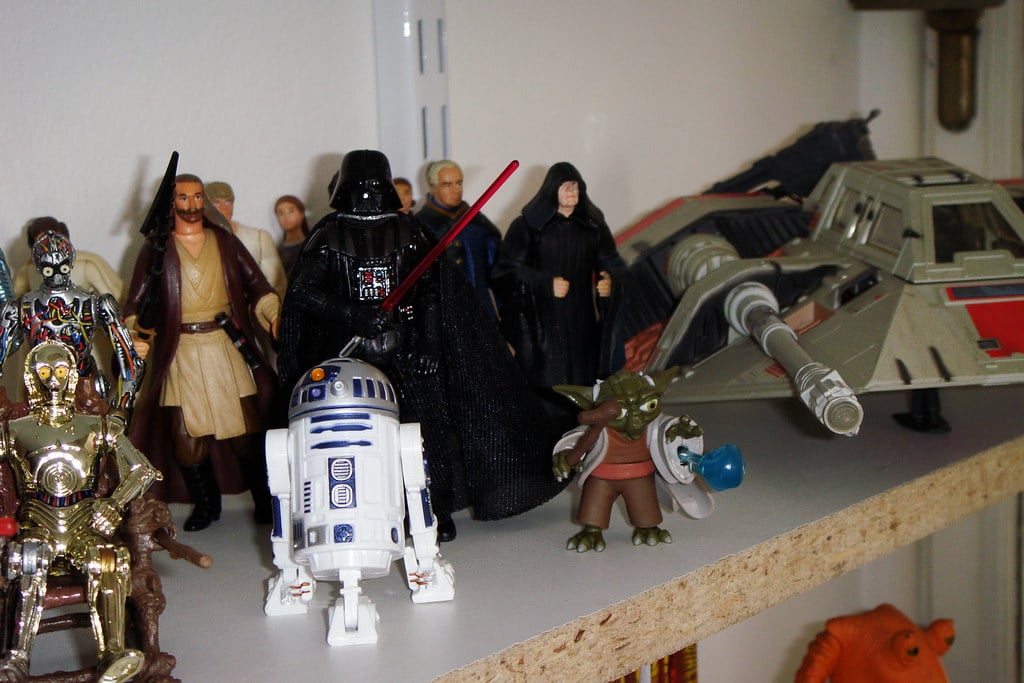
GI Joe, Power Rangers, and X-Men figures lived in bedroom battlefields where epic stories played out daily. Losing an action figure was like losing a friend, except friends don’t usually end up getting chewed by the dog or accidentally left in the sandbox until winter.
Yo-Yos
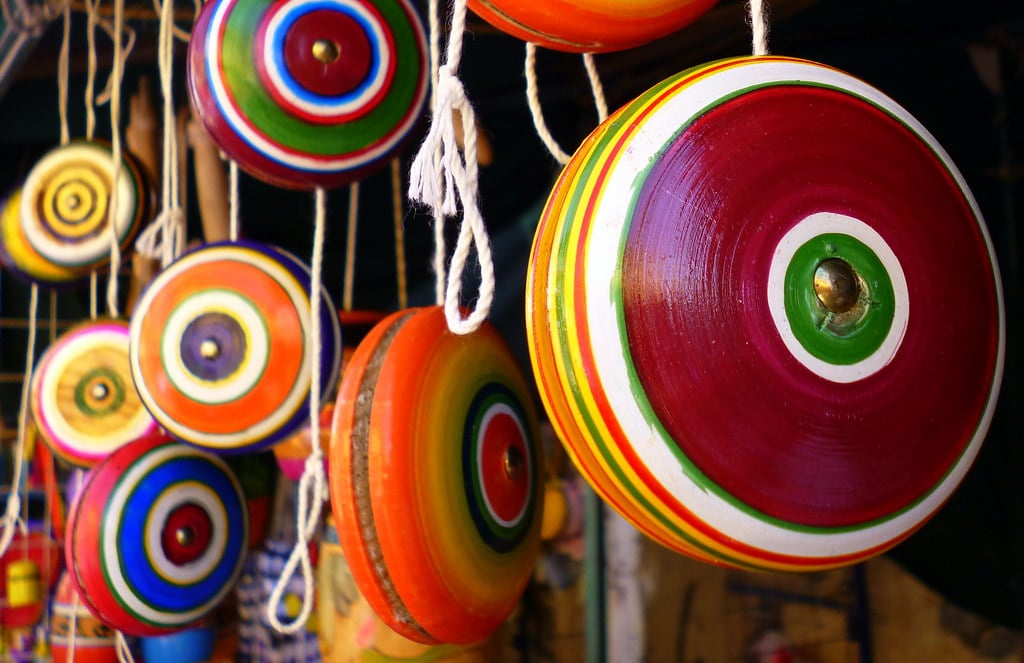
Every few years, yo-yos would sweep through schools like a fever, and suddenly everyone was attempting “Walk the Dog” and “Around the World” with varying degrees of success and frustration, because yo-yos have this particular talent for making simple tricks look impossible and impossible tricks look simple — depending entirely on whether you’re the one holding the string.
And then, just as quickly as they arrived, they’d disappear again, relegated to junk drawers and forgotten until the next yo-yo renaissance rolled around. But for those few months, every kid was a potential yo-yo champion. Which never happened, but felt possible.
Marbles
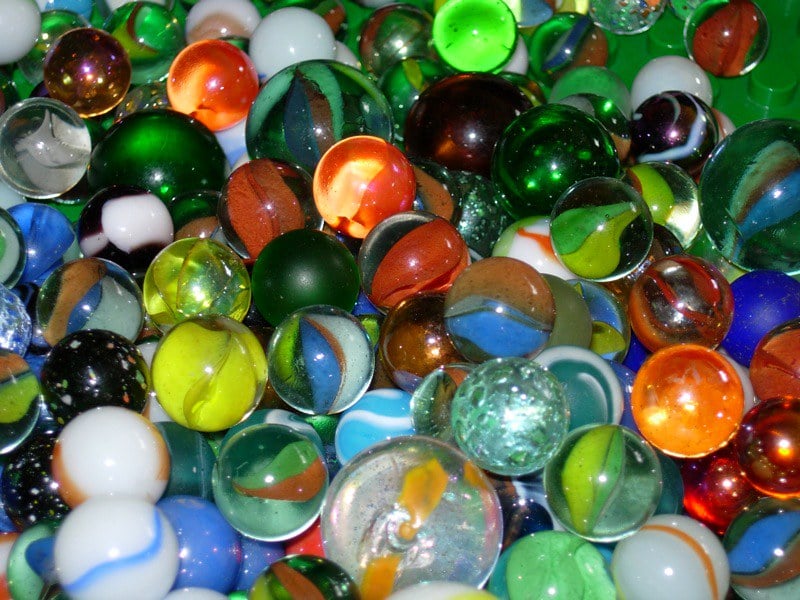
Glass spheres that rolled under furniture and disappeared into alternate dimensions. Collecting marbles was less about playing marble games and more about having a satisfying handful of spheres that clinked together with that particular glass-on-glass sound.
Pencils with Characters
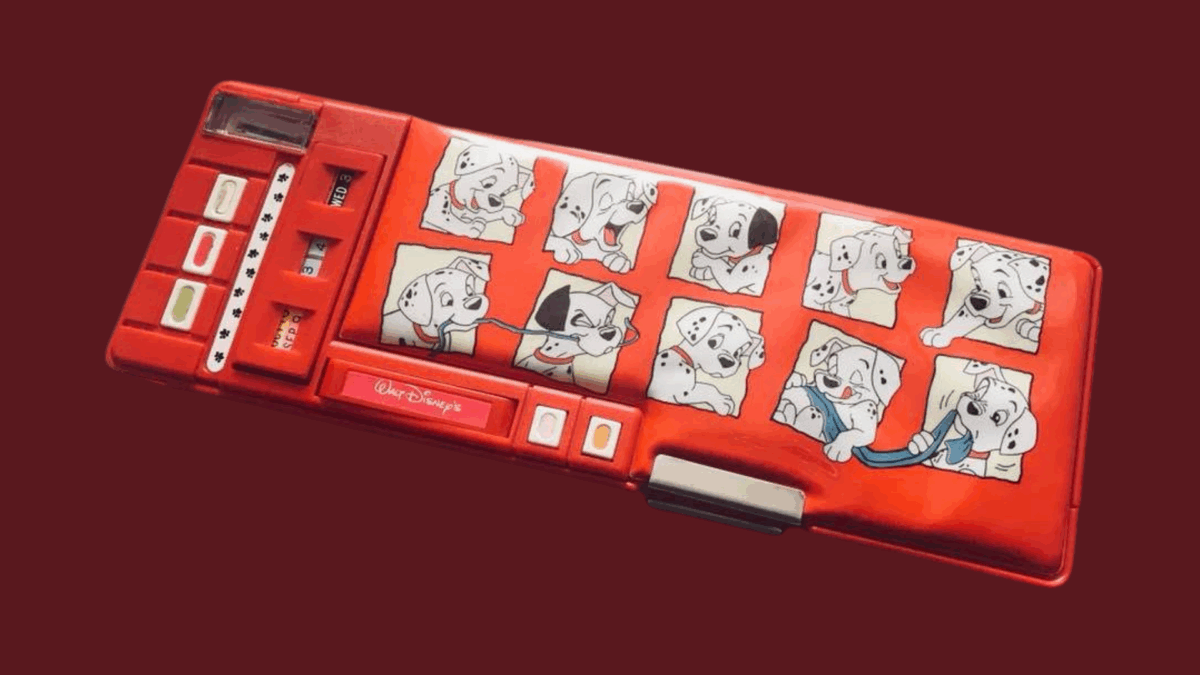
Disney characters, cartoon heroes, and random mascots adorned wooden writing instruments. Having a pencil that looked like anything other than yellow wood with a pink eraser made homework feel slightly less torturous.
Keychains
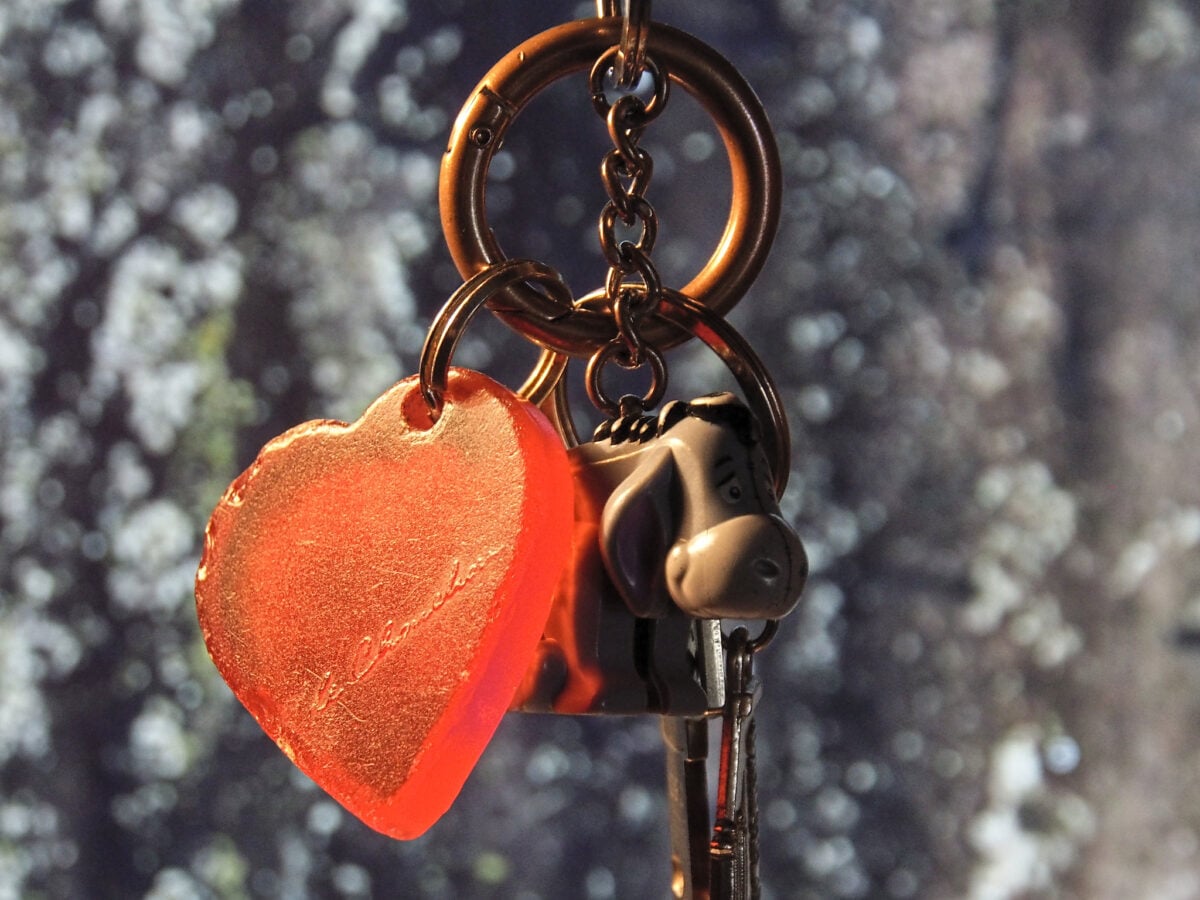
Miniature versions of everything — tiny footballs, little flashlights, rubber cartoon characters. Keychains accumulated on backpack zippers until the weight threatened to tip over anyone under seventy pounds, which was most elementary school students, creating a generation of kids who learned to walk slightly forward-leaning to compensate for the gravitational pull of their keychain collections (this probably explains why so many millennials have back problems now, though no scientific study has confirmed this theory yet).
But each tiny addition felt essential at the time. Obviously.
Rocks and Minerals
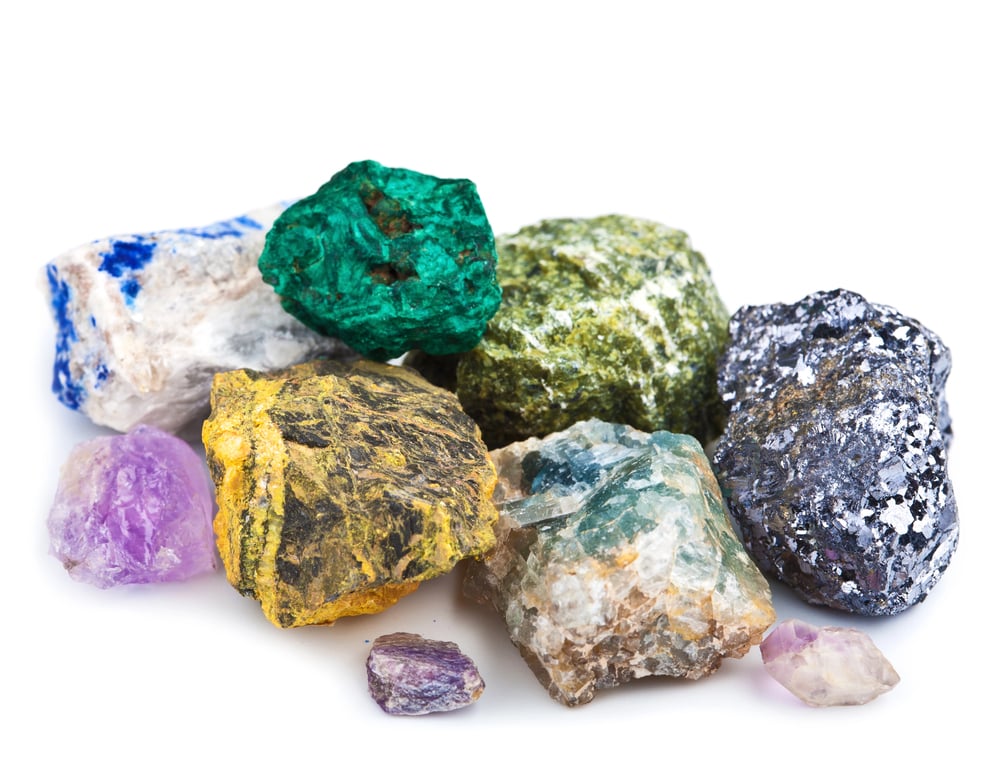
Those starter geology kits turned kids into amateur prospectors. Pyrite fooled no one, but having a chunk of “fool’s gold” felt sophisticated anyway.
Sports Cards
— Photo by luvemak
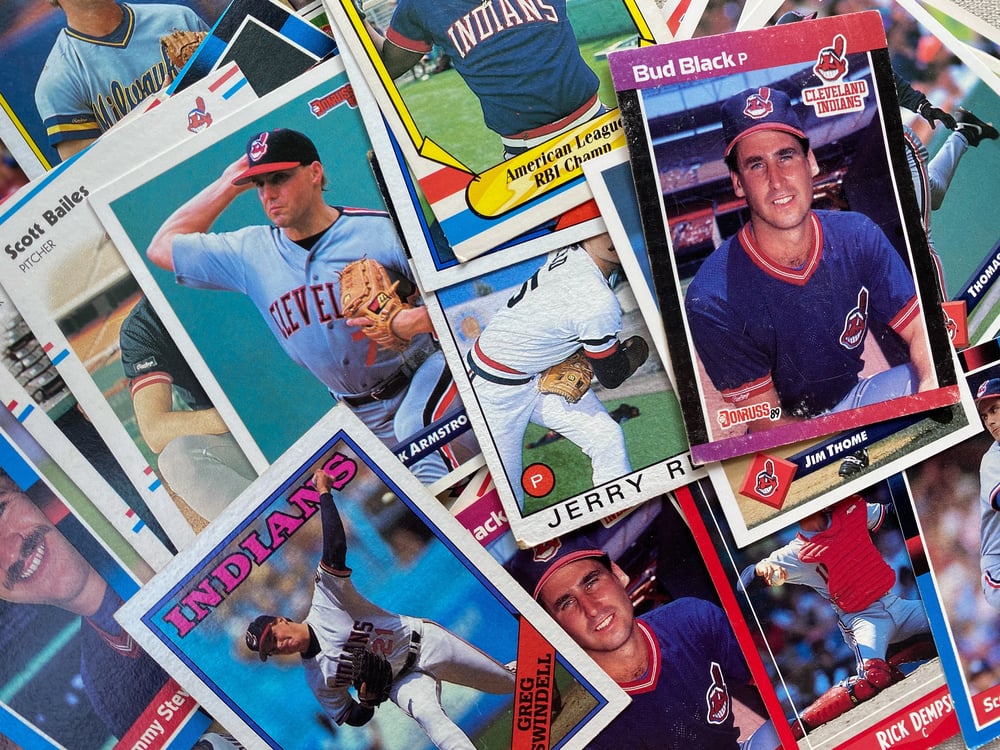
Basketball, football, and hockey cards joined baseball in the trading economy. Michael Jordan cards were currency, and finding a rookie card in a pack was basically winning the lottery.
Stamps
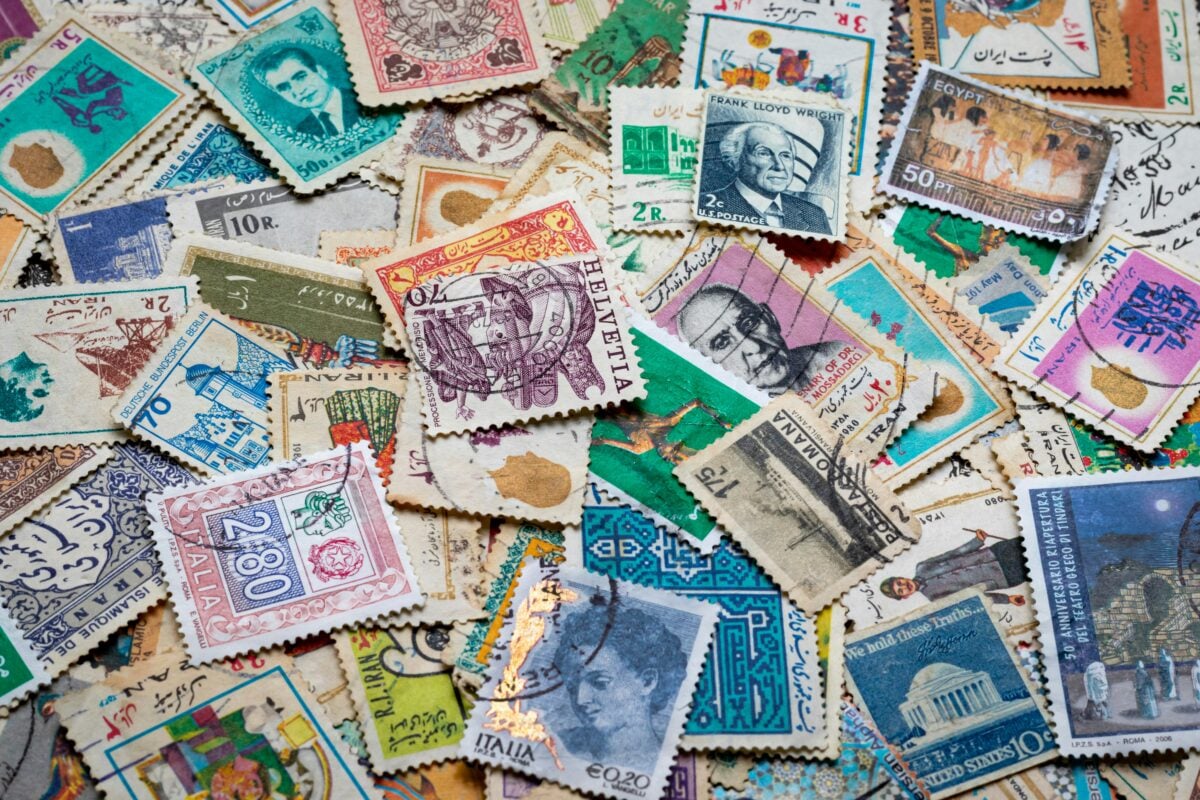
Stamp collecting felt incredibly adult and international. Having stamps from different countries made the world feel both huge and collectible, like geography could fit in a binder if you organized it correctly.
Comic Books
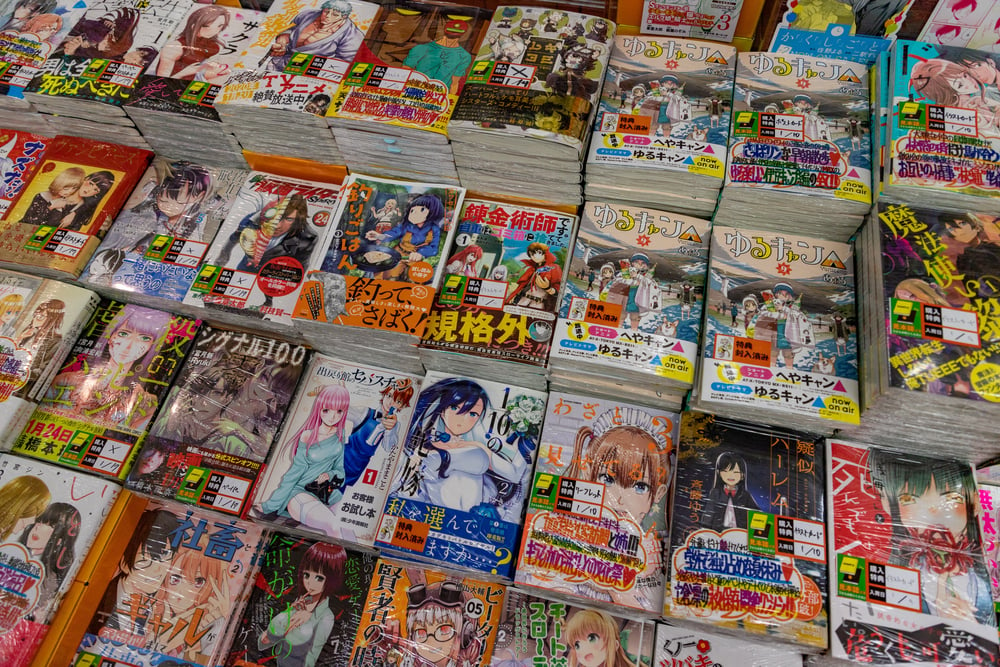
— Photo by brunocoelhopt
Wednesday trips to comic shops became religious experiences, and keeping comics in protective plastic sleeves suggested these colorful stories might someday fund a college education, which turned out to be wildly optimistic but felt completely reasonable when you’re holding a first-edition anything and calculating its potential future value based on absolutely no market research whatsoever. So most of those comics are still in plastic sleeves somewhere. And that’s fine.
Because hope is renewable, and occasionally someone finds a comic worth actual money, which keeps the dream alive for everyone else still checking price guides like lottery numbers.
Friendship Bracelets
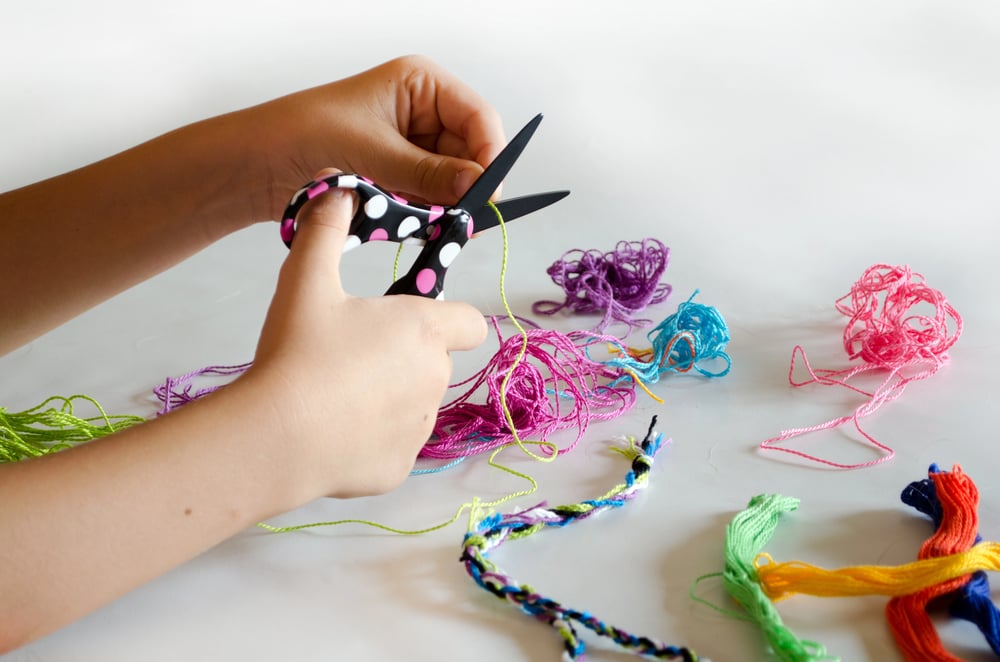
Embroidery floss woven into intricate patterns that symbolized unbreakable bonds between best friends. Making them required patience, wearing them required commitment, and losing one required finding a new best friend.
Small Toys from Cereal Boxes
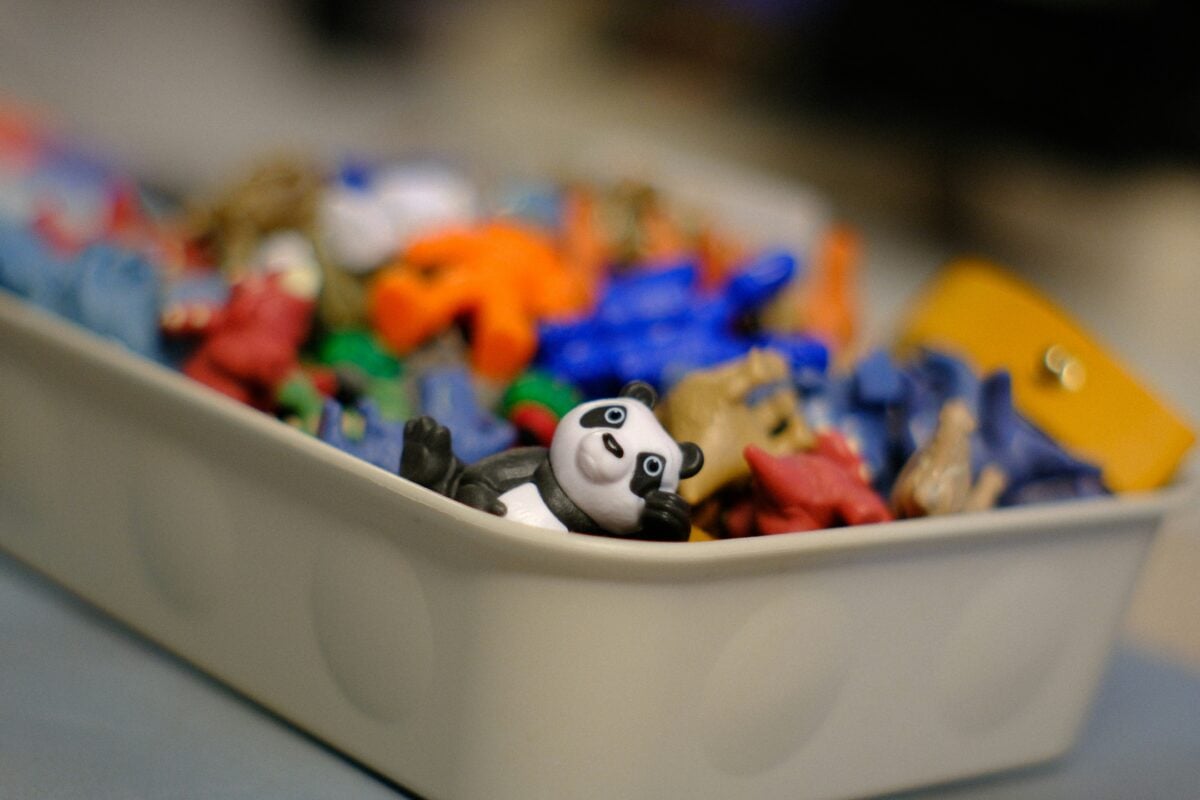
Tiny plastic figures, miniature cars, and mysterious gadgets made breakfast feel like Christmas morning. The toy was often more exciting than the cereal, which says something about both the toys and the cereal.
Foreign Coins
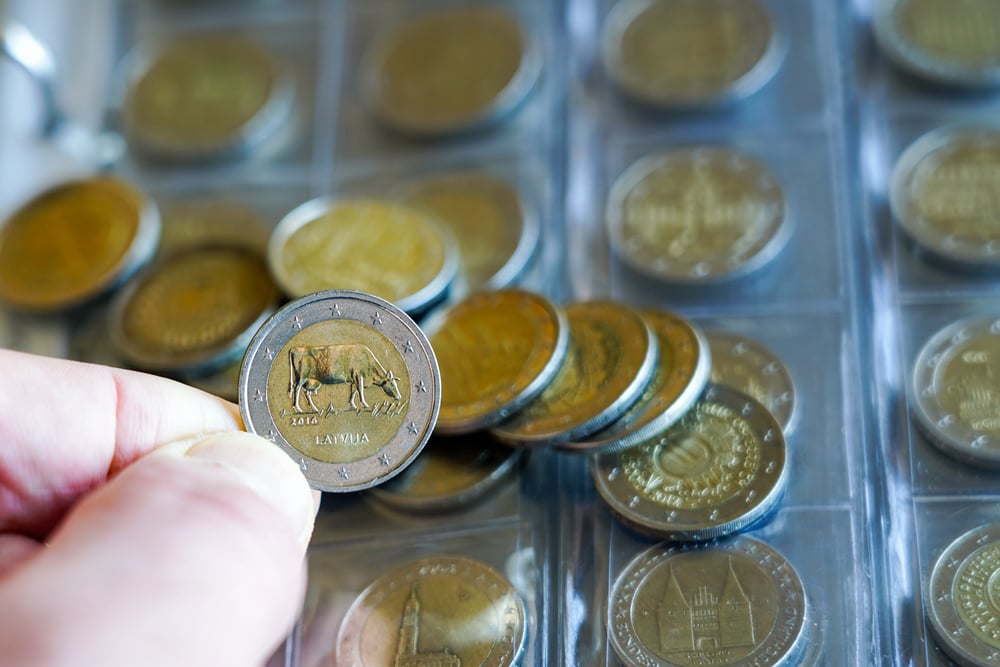
Coins from other countries felt like artifacts from distant civilizations. Canadian quarters mixed with American change, but finding a coin with unfamiliar writing or strange denominations suggested international intrigue and worldly sophistication.
Bookmarks
Every book fair meant new bookmarks, even though most kids used whatever flat object was nearby when they needed to mark their place. But having an official bookmark collection made reading feel more legitimate.
Erasers
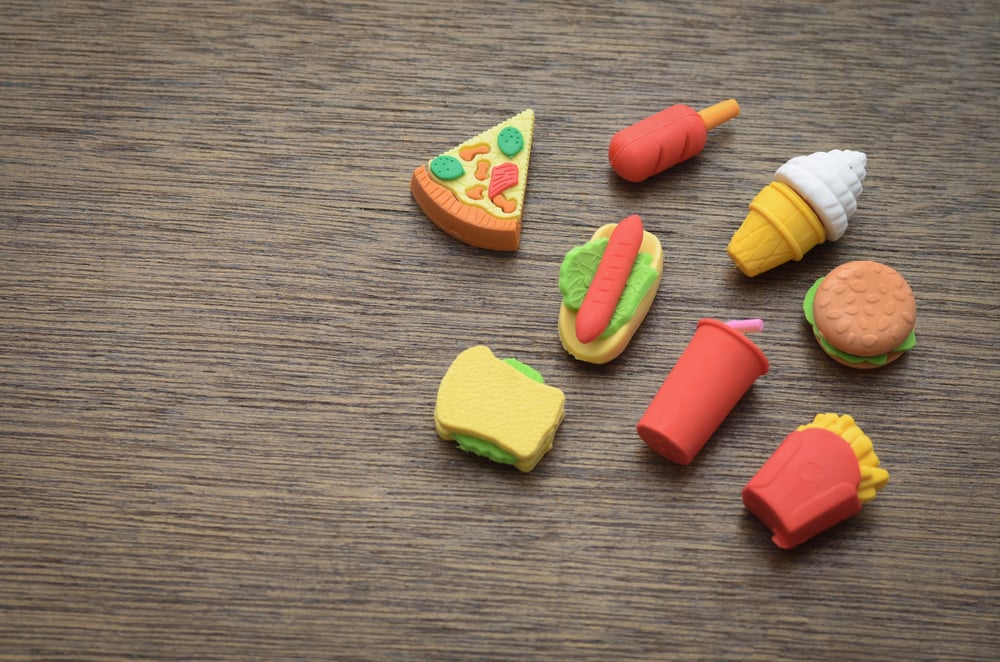
Not just the pink ones on pencils, but the fancy shaped erasers that never actually worked for erasing. Hamburger erasers, cartoon character erasers, and scented erasers that smelled better than they performed accumulated in pencil cases like tiny sculptures that occasionally removed pencil marks if you pressed hard enough and believed in their potential, which was rare and never, respectively.
And yet collecting them felt essential, because childhood operates on different economic principles than adulthood — where usefulness matters less than the satisfaction of having seventeen different ways to accomplish the same basic task. So the erasers stayed. Obviously.
The Weight of Small Things
Looking back, these collections weren’t really about the objects themselves. They were about the first taste of ownership, the thrill of completion, and the simple pleasure of caring deeply about something small enough to fit in your pocket.
Every ’90s kid who carefully organized their treasures learned something about value, dedication, and the peculiar joy of finding exactly what you didn’t know you were looking for.
More from Go2Tutors!

- The Romanov Crown Jewels and Their Tragic Fate
- 13 Historical Mysteries That Science Still Can’t Solve
- Famous Hoaxes That Fooled the World for Years
- 15 Child Stars with Tragic Adult Lives
- 16 Famous Jewelry Pieces in History
Like Go2Tutors’s content? Follow us on MSN.