Spices Once Worth a King’s Ransom
Step inside a supermarket now – spices sit in tidy lines, costing just a few bucks each. Back then, those exact flavors started battles, built kingdoms, even pushed sailors into unknown waters.
Prices fell so fast we’ve lost sight of how rare they used to be. They once traded like gold, no less.
The pepper that built empires

Black pepper sparked countless voyages – more than nearly every ancient trade good. Rich Europeans dropped huge amounts on peppercorns; folks even used them like money.
Back then, one pound might get you a plot of farmland or let someone ditch a life tied to the manor. When Alaric’s forces surrounded Rome in 408 AD, he didn’t just ask for precious metals – he wanted three thousand pounds of pepper too.
Cinnamon’s deadly monopoly
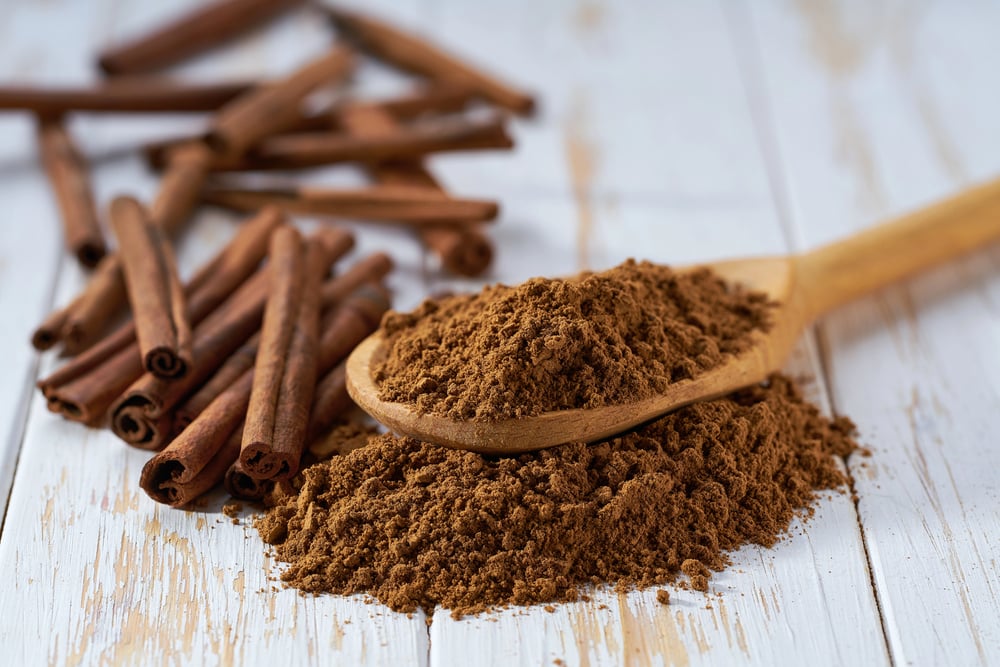
For centuries, Arab traders controlled the cinnamon supply and guarded their sources with elaborate lies. They told stories of giant birds that nested in inaccessible cliffs, using cinnamon sticks to build their homes.
The truth was simpler but just as strategic—they wanted to maintain their monopoly on the spice routes from Sri Lanka and India. When Portuguese explorers finally discovered the real source in the early 1500s, they seized control with military force and massacred anyone who threatened their new trade dominance.
Nutmeg and the island massacre
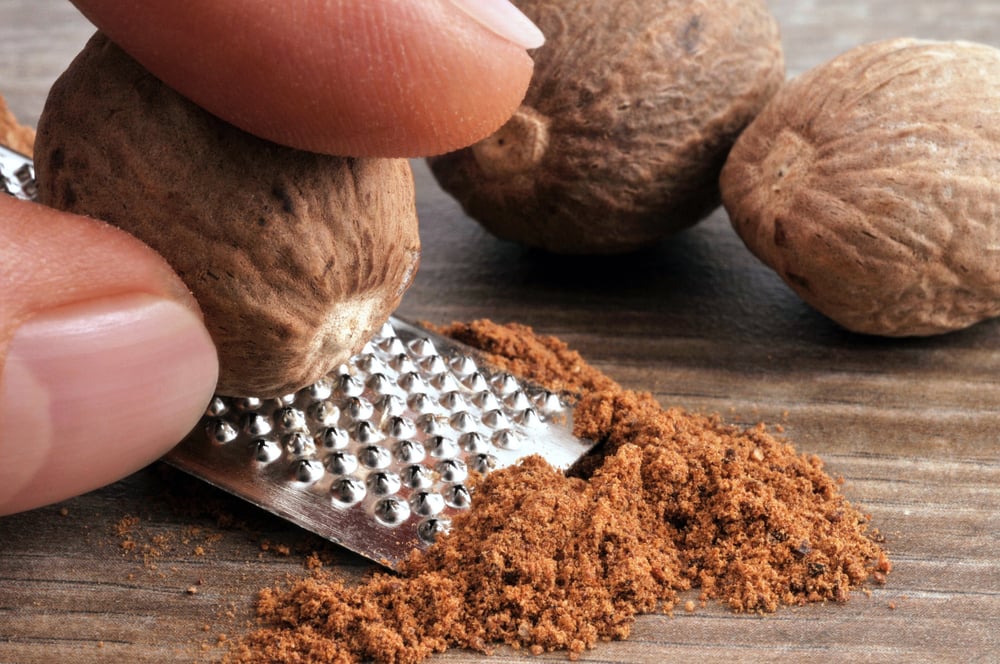
The Banda Islands in Indonesia were the only place on Earth where nutmeg grew naturally. The Dutch East India Company wanted complete control of this monopoly, so in 1621 they committed one of history’s most brutal acts of corporate greed.
Dutch forces killed or enslaved nearly the entire population of the Banda Islands—estimated at 13,000 to 15,000 people. They replaced the indigenous population with enslaved workers to harvest nutmeg under Dutch supervision.
A single nutmeg seed could be sold in Europe for enough money to set up a person financially for life.
The English managed to hold onto one tiny Banda island called Run. In 1667, the Dutch offered a trade: they would give up their claims to a relatively worthless island in North America if the English surrendered Run.
The English agreed. That worthless island was Manhattan.
Cloves and the price of monopoly
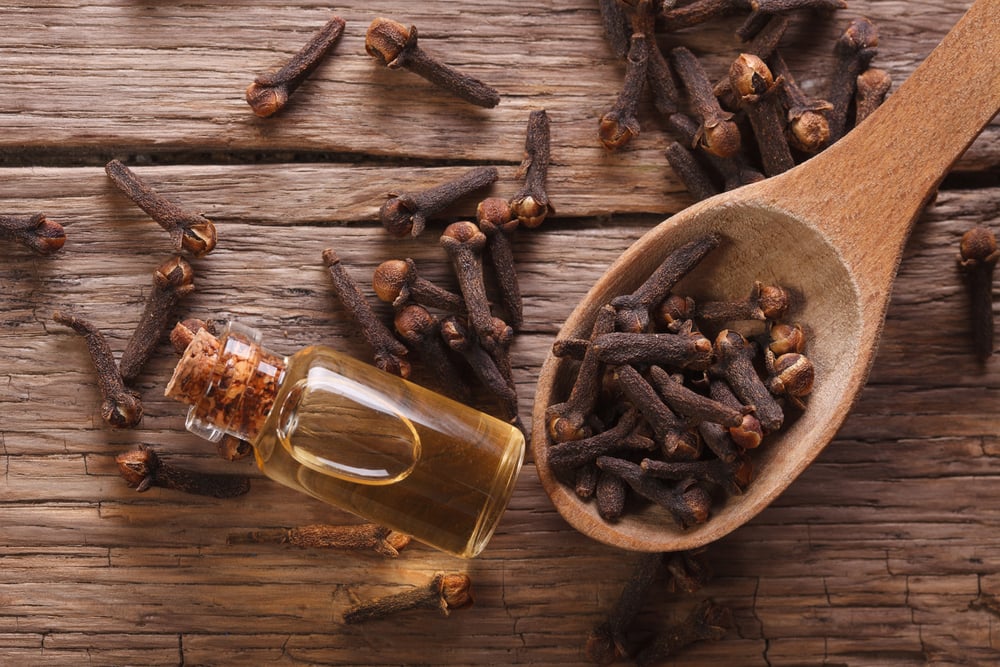
Cloves came from the Molucca Islands, known as the Spice Islands. Like nutmeg, cloves were worth more than their weight in gold in European markets.
The Portuguese controlled the trade first, then the Dutch took over with characteristic ruthlessness. They enforced their monopoly by destroying clove trees on any island they didn’t directly control, ensuring supply remained limited and prices stayed astronomical.
A French administrator managed to smuggle clove seedlings out of the Dutch-controlled islands in 1770. He planted them on French colonial islands in the Indian Ocean, breaking the Dutch stranglehold.
The act was considered theft on an international scale.
Saffron threads more valuable than gold

Saffron remains expensive today, but nothing like its historical peak. Each saffron crocus produces only three tiny threads, and you need about 75,000 flowers to make a single pound of saffron.
In ancient Rome, emperor Nero had the streets of Rome carpeted with saffron when he made his grand entry into the city. The cost was staggering, even for an emperor.
Medieval Europe saw saffron adulteration become so common that authorities passed laws mandating execution for anyone caught selling fake or diluted saffron. The Safranschou code in medieval Germany specified that saffron counterfeiters could be burned alive or buried alive with their fraudulent product.
Ginger and the Roman appetite
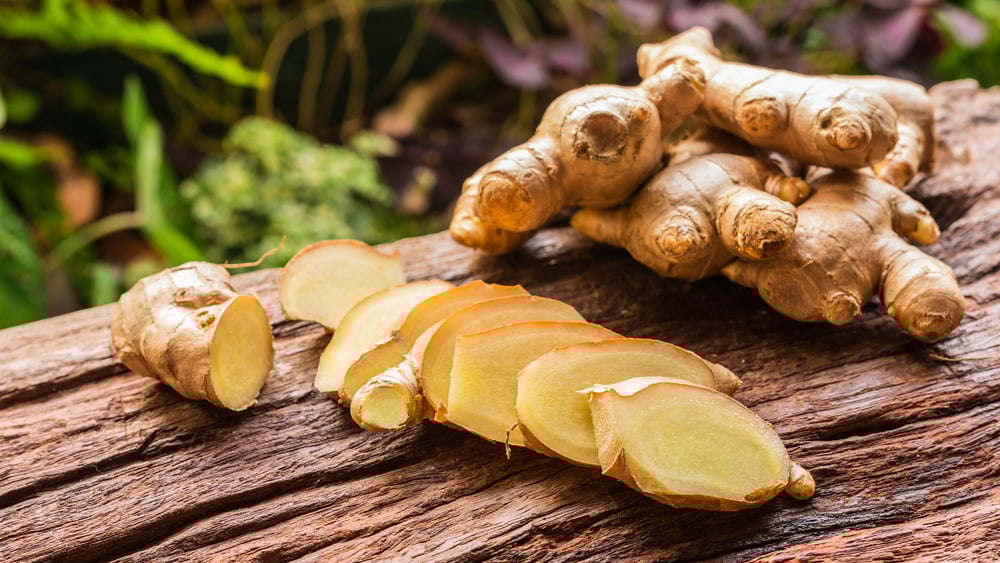
Romans consumed ginger in enormous quantities despite its cost. A pound of ginger cost about the same as a sheep, which meant most Romans never tasted it.
The wealthy used it in nearly every dish, believing it aided digestion and had medicinal properties. When the Roman Empire fell and trade routes collapsed, ginger became even scarcer in Europe.
Its price climbed so high that only royalty could afford it for several centuries.
Cardamom pods and Viking raids

Vikings didn’t just raid for gold and silver. They targeted monasteries and trading posts that stored valuable spices, particularly cardamom.
The green pods were used in both cooking and medicine throughout Scandinavia. Viking traders brought cardamom back from Constantinople and the Middle East, selling it at enormous markups to Nordic communities.
The spice became so embedded in Scandinavian culture that it remains a staple in their baking traditions today.
The turmeric trade routes

Turmeric traveled from India through dozens of middlemen before reaching European markets. Each trader along the route added their markup, multiplying the price by the time it arrived.
The bright yellow powder was valued not just for flavor but as a dye and medicine. Wealthy Europeans used it to color fabrics, particularly before weddings and ceremonies.
The compound curcumin, which gives turmeric its color, was worth extraordinary sums to textile merchants.
Mace and its violent history

Mace comes from the same tree as nutmeg—it’s the red covering around the nutmeg seed. This made it just as valuable and just as violently contested.
The Dutch monopoly on nutmeg extended to mace, and they enforced it with equal brutality. Ships caught smuggling mace faced confiscation and their crews faced execution.
The profit margins were so extreme that smugglers still took the risk.
Vanilla pods and theft

Vanilla orchids only grew naturally in Mexico, pollinated by a specific species of bee found nowhere else. The Totonac people cultivated vanilla, and later the Aztecs demanded it as tribute.
When Spanish conquistadors brought vanilla to Europe, it became wildly expensive because nobody could figure out how to grow it elsewhere. The plants wouldn’t produce pods outside Mexico.
A 12-year-old enslaved boy named Edmond Albius discovered the hand-pollination technique on Réunion Island in 1841. This breakthrough allowed vanilla cultivation to spread to other tropical regions, but it remained labor-intensive and expensive.
Even today, vanilla ranks as one of the most expensive spices, though nowhere near its historical price.
Star anise and Chinese trade secrets
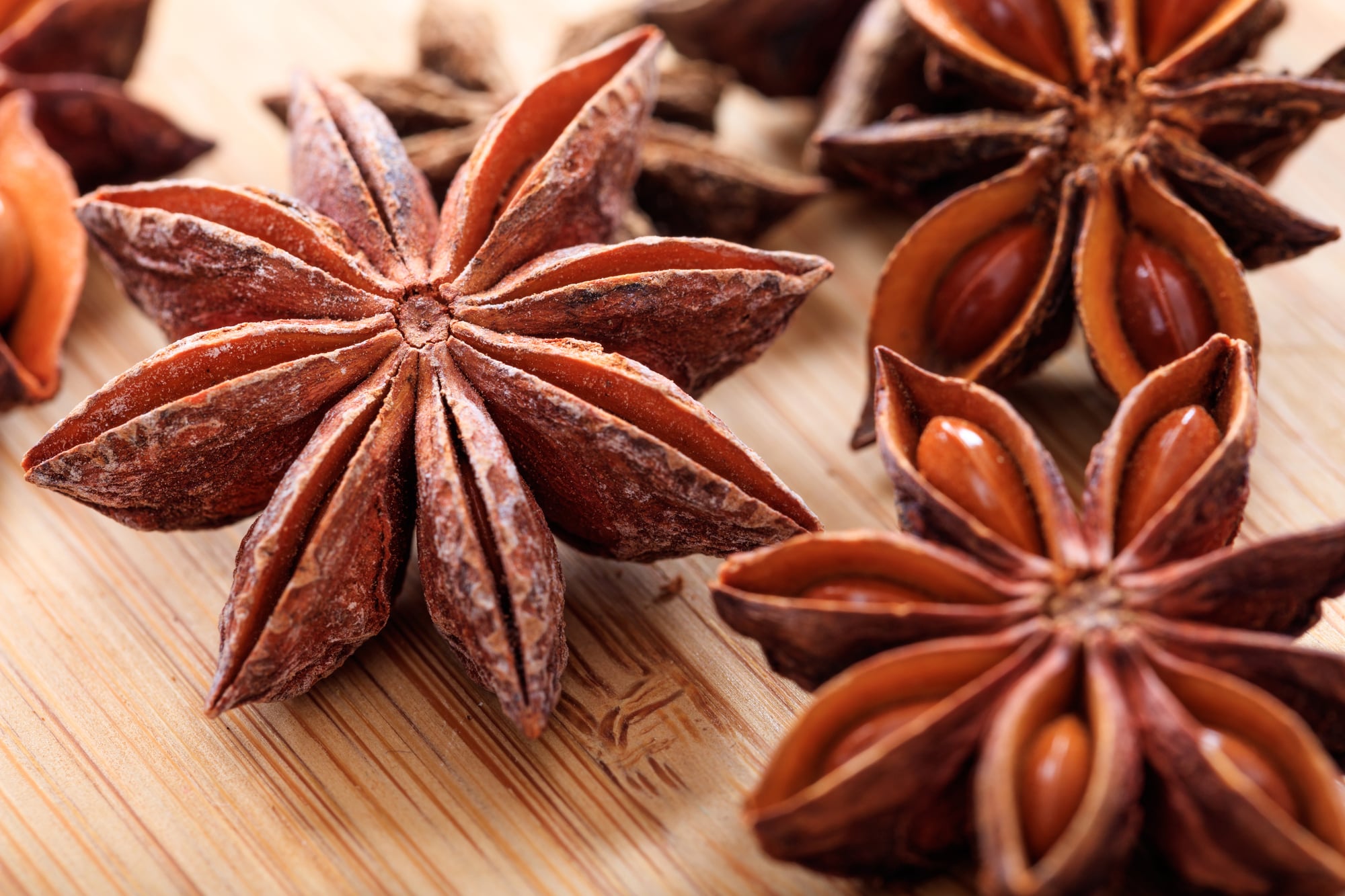
Chinese traders kept the source of star anise hidden from Europeans for generations. The spice was essential in traditional Chinese medicine and cooking, and controlling its supply meant controlling its price.
Europeans couldn’t identify the tree that produced the star-shaped pods and relied entirely on Chinese merchants. When European botanists finally identified the source—a tree native to southwest China and northern Vietnam—the monopoly ended, but star anise had already funded centuries of trade dominance.
Mustard seed fortunes

Mustard seems too common to have been valuable, but medieval Europe saw it differently. Monasteries grew wealthy from mustard cultivation and production.
The seeds were ground and mixed with unfermented grape juice—the term “must” gave mustard its name. Nobles paid premium prices for prepared mustard, which was served at every feast.
The money from mustard sales funded cathedral construction and monastic operations across France and Germany.
Allspice and Columbus’s mistake
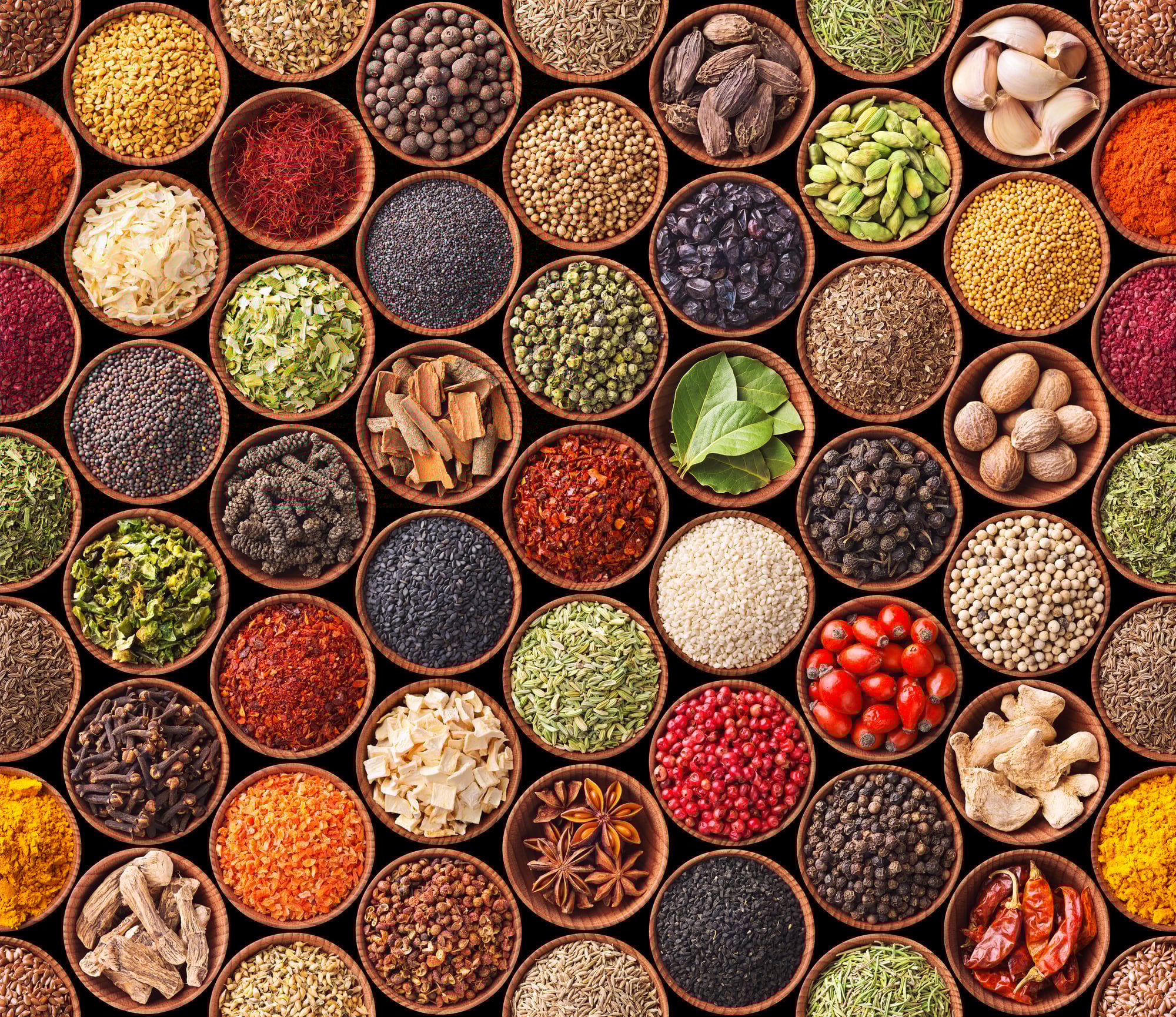
Columbus thought he’d found pepper when he encountered allspice in the Caribbean. He was wrong, but the spice still became valuable in Europe.
Allspice got its name because its flavor combines hints of cinnamon, nutmeg, and cloves. Spain controlled Caribbean allspice production and made substantial profits selling it as an alternative to more expensive Asian spices.
The Jamaican allspice trade remained lucrative well into the 19th century.
The refrigeration revolution

Everything changed when refrigeration became widespread in the late 1800s. Spices had been essential for preserving and masking the flavor of spoiled meat.
Once people could keep food fresh, the desperate need for spices diminished. Add to this the breaking of trade monopolies and the establishment of plantations around the world, and prices collapsed.
Spices went from scarce luxury to everyday commodity within a few generations. The same peppercorns that once bought freedom now cost less than a cup of coffee.
What the spice routes left behind

The legacy of the spice trade lives in our modern world in unexpected ways. The word “salary” derives from the Latin “salarium,” which was related to salt—though scholars debate whether Roman soldiers were actually paid in salt or simply received an allowance to buy it.
Many of today’s largest multinational corporations trace their roots to spice trading companies. The Dutch East India Company and the British East India Company shaped global capitalism and colonialism, all in pursuit of flavor.
Languages borrowed spice terms from each other as trade spread. Cities from Venice to Mumbai grew wealthy as spice trading hubs.
Maritime technology advanced because shipbuilders needed vessels that could survive the journey to the Spice Islands and back. Maps improved because explorers needed to find their way to the source of these valuable crops.
The spice trade also left a darker legacy. Colonization, slavery, and genocide were all justified in the pursuit of these small seeds and dried barks.
Entire populations were destroyed to maintain monopolies on crops that now sit unremarked on kitchen shelves.
A pinch of perspective

You get way more spice for twenty bucks now than some rich nobleman ever had back in the day. Those little bottles in your kitchen? They’re the last bit of an epic journey – long, wild, full of risk and change.
Sprinkle cinnamon in your mug or twist fresh pepper on dinner – you’re handling flavors that make people sail unknown seas and fight wars just to control them.
The spices are still the same. Yet us? It’s different now.
How we see taste and keeping food fresh flipped entirely – so much we barely recall these herbs once cost more than gold. Still, the flavor sticks around.
Perhaps that’s the real point all along – not their value back then, but how these tiny bits turn everyday bites into moments you actually enjoy.
More from Go2Tutors!

- The Romanov Crown Jewels and Their Tragic Fate
- 13 Historical Mysteries That Science Still Can’t Solve
- Famous Hoaxes That Fooled the World for Years
- 15 Child Stars with Tragic Adult Lives
- 16 Famous Jewelry Pieces in History
Like Go2Tutors’s content? Follow us on MSN.