The Largest Lakes in the Entire World
The majority of our planet is covered in water, though not all of it is in oceans. Some of those enormous inland bodies of water, known as lakes, can be as big as small nations.
These natural wonders, which range from the saltwater expanse of the Caspian Sea to the glistening depths of Lake Baikal, support ecosystems, shape landscapes, and provide for millions of people. Some were sculpted by ancient glaciers that left behind depressions that eventually filled with water, while others were created by tectonic movements millions of years ago.
15 of the biggest lakes in the world are listed here, arranged by surface area.
Caspian Sea
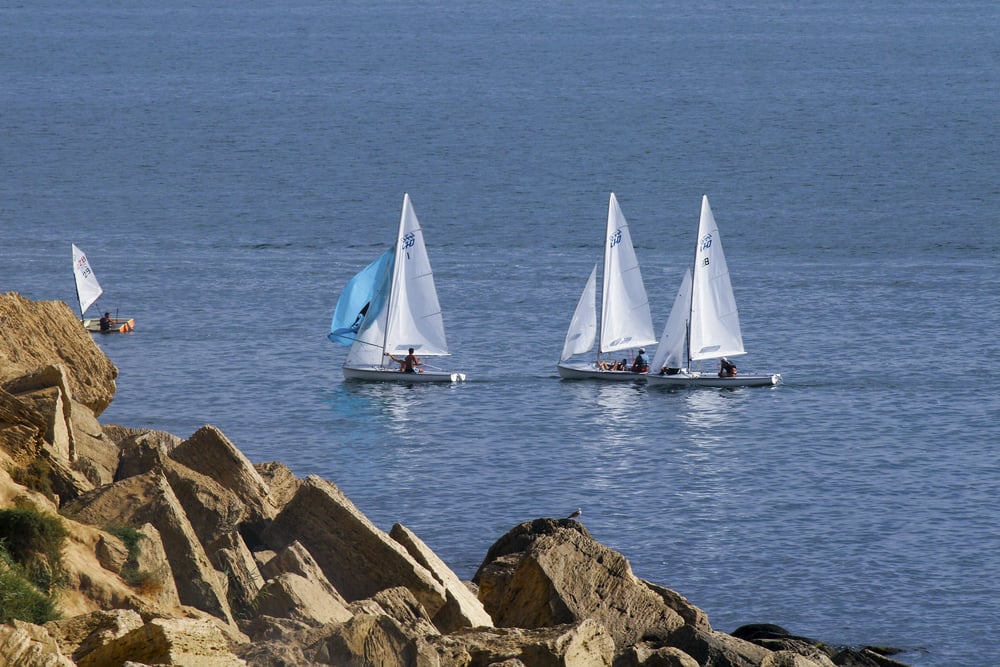
The Caspian Sea holds the title as the world’s largest lake, covering roughly 143,000 square miles (371,000 square kilometers) of surface area. Despite being called a ‘sea,’ it’s technically a lake because it has no connection to any ocean.
This massive body of water touches five countries: Kazakhstan, Turkmenistan, Iran, Azerbaijan, and Russia.
Lake Superior
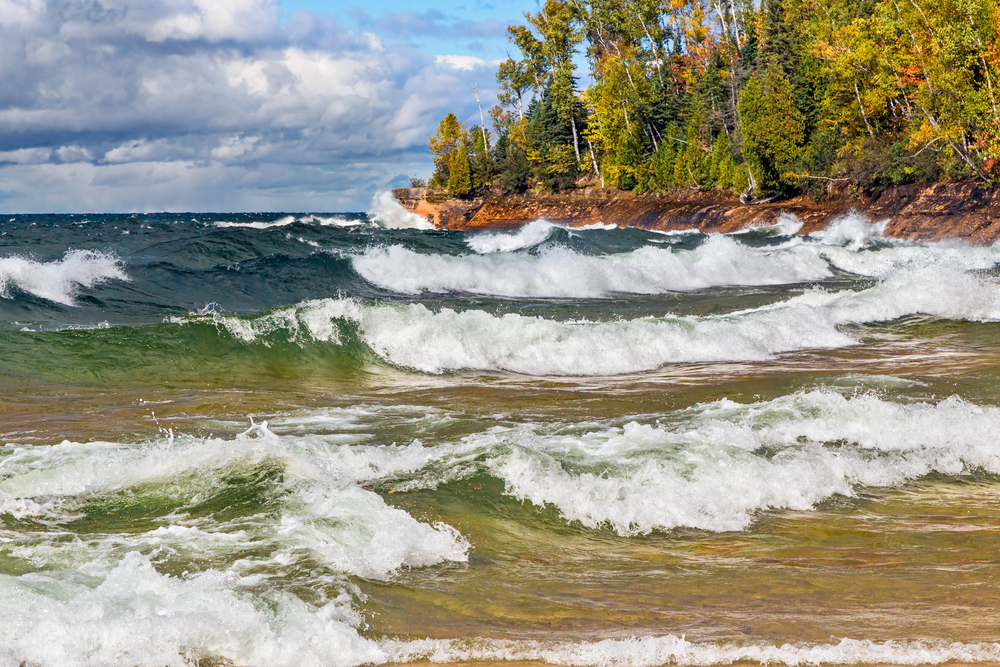
Lake Superior is the largest freshwater lake in the world by surface area, stretching across 31,700 square miles (82,100 square kilometers). Sitting on the border between the United States and Canada, this Great Lake contains more water than all the other Great Lakes combined.
The shoreline features everything from dramatic cliffs to sandy beaches and historic lighthouses.
Lake Victoria
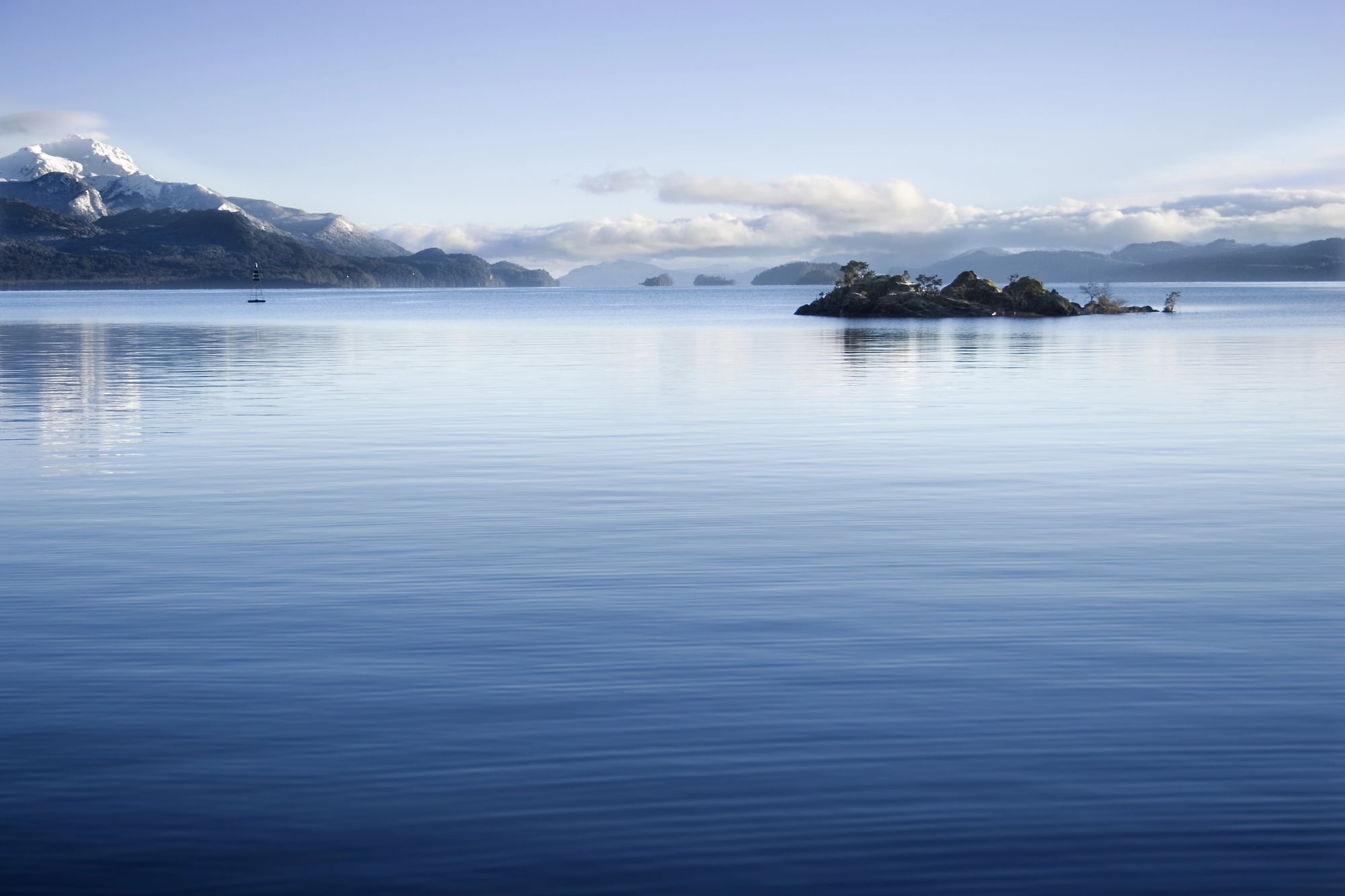
Lake Victoria covers 23,140 square miles (59,940 square kilometers) and ranks as Africa’s largest lake. Shared by Tanzania, Uganda, and Kenya, it plays a crucial role in the region’s ecology and economy.
This tropical lake sits relatively shallow compared to other giants on this list, but its warm waters support incredibly diverse ecosystems and fishing communities that depend on it for their livelihoods.
Lake Huron
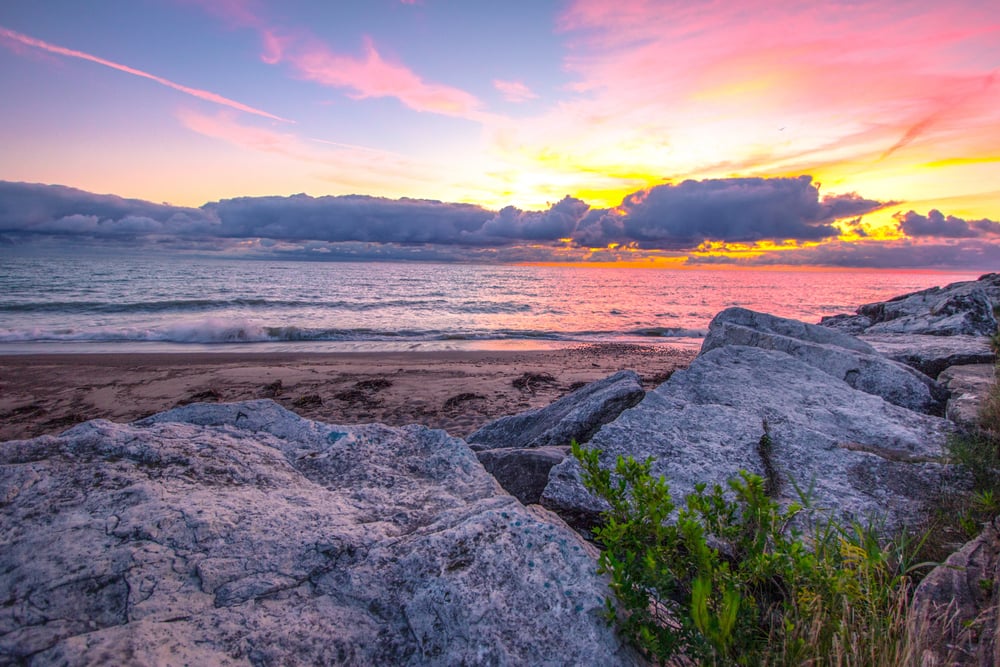
Lake Huron spans 23,000 square miles (59,600 square kilometers) and is shared by Canada and the United States. It connects to Lake Michigan through the Straits of Mackinac and contains Manitoulin Island—the largest freshwater island in the world.
The lake’s Georgian Bay is particularly stunning, with its rocky coastline and thousands of small islands creating a maze-like waterscape that’s popular with boaters.
Lake Michigan
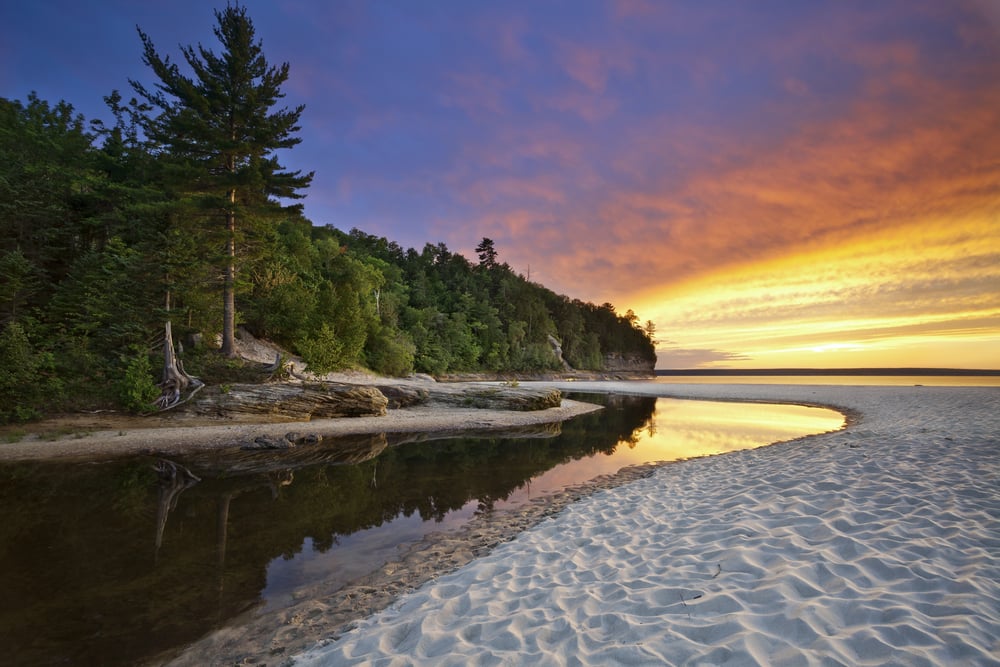
Lake Michigan covers 22,400 square miles (58,000 square kilometers) and is the only Great Lake located entirely within the United States. Major cities like Chicago and Milwaukee sit along its shores, making it economically significant for the region.
The eastern shoreline is famous for its massive sand dunes—some reaching hundreds of feet high—that have been shaped by wind and waves over thousands of years.
Lake Tanganyika
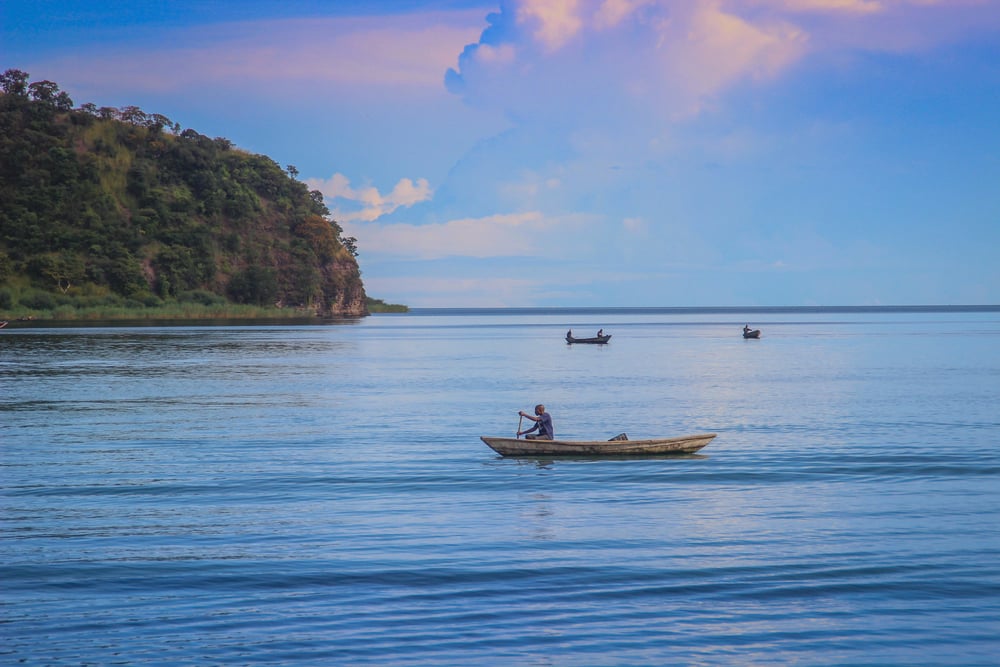
Lake Tanganyika stretches across 12,700 square miles (32,900 square kilometers) in central Africa. At 410 miles (660 kilometers) long, it’s the longest freshwater lake on Earth and the second deepest, plunging to approximately 4,823 feet (1,470 meters).
The lake forms boundaries between Tanzania, the Democratic Republic of the Congo, Burundi, and Zambia.
Lake Baikal
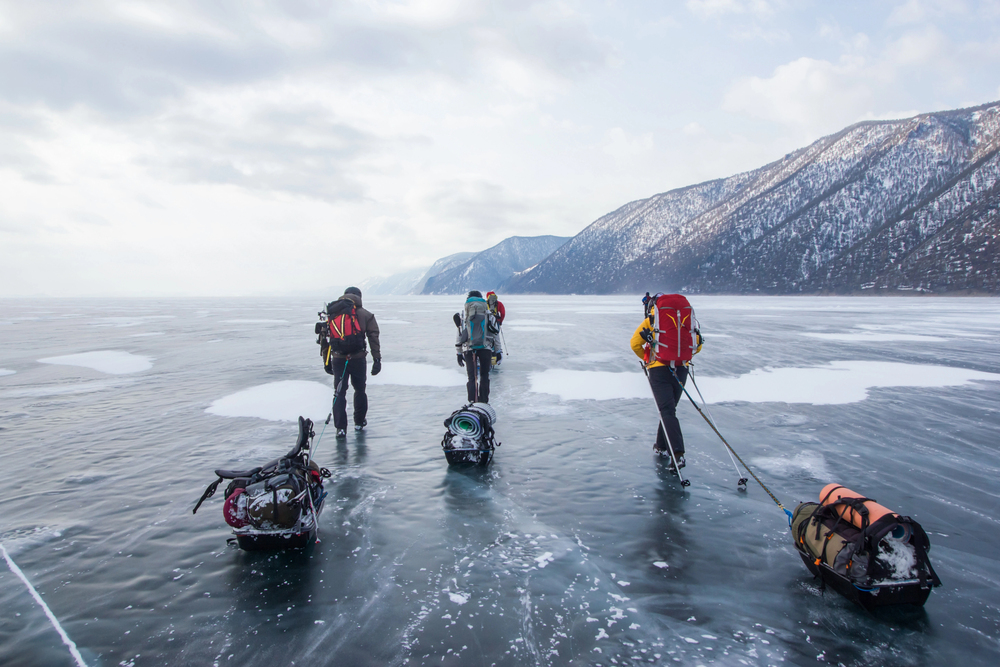
Lake Baikal in Russia covers about 12,200 square miles (31,500 square kilometers). It’s the deepest lake on Earth at roughly 5,387 feet (1,642 meters) and the oldest, estimated to be around 25 million years old.
This ancient lake contains roughly 20% of the world’s unfrozen freshwater and is home to thousands of species, two-thirds of which are found nowhere else on the planet.
Great Bear Lake
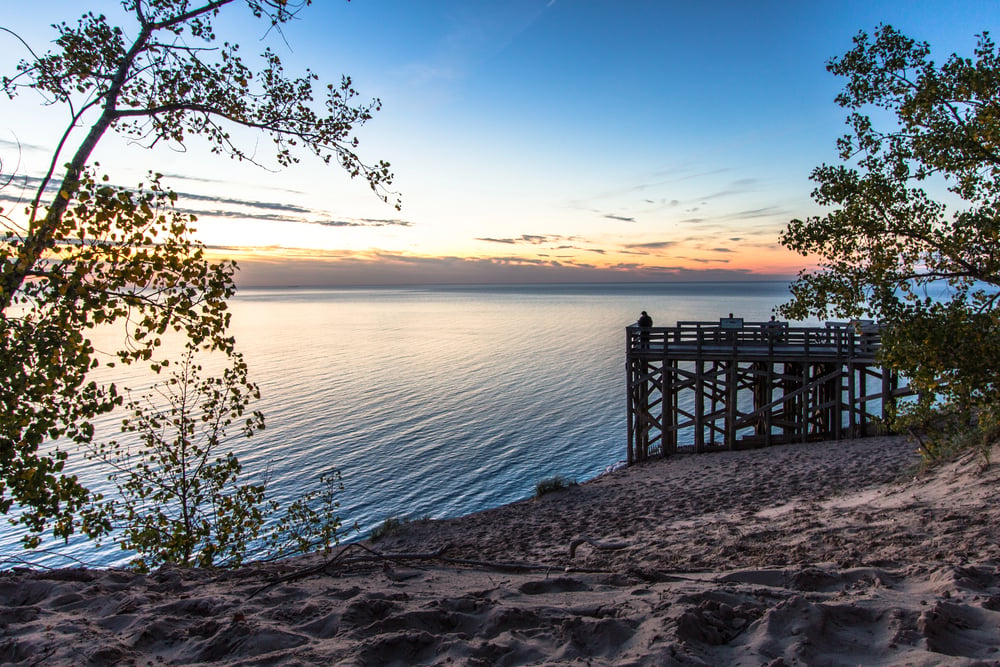
Great Bear Lake in Canada’s Northwest Territories covers approximately 12,096 square miles (31,153 square kilometers). This remote Arctic lake is the largest lake entirely within Canadian borders.
The surrounding area remains sparsely populated, which has helped preserve the lake’s pristine condition.
Lake Malawi
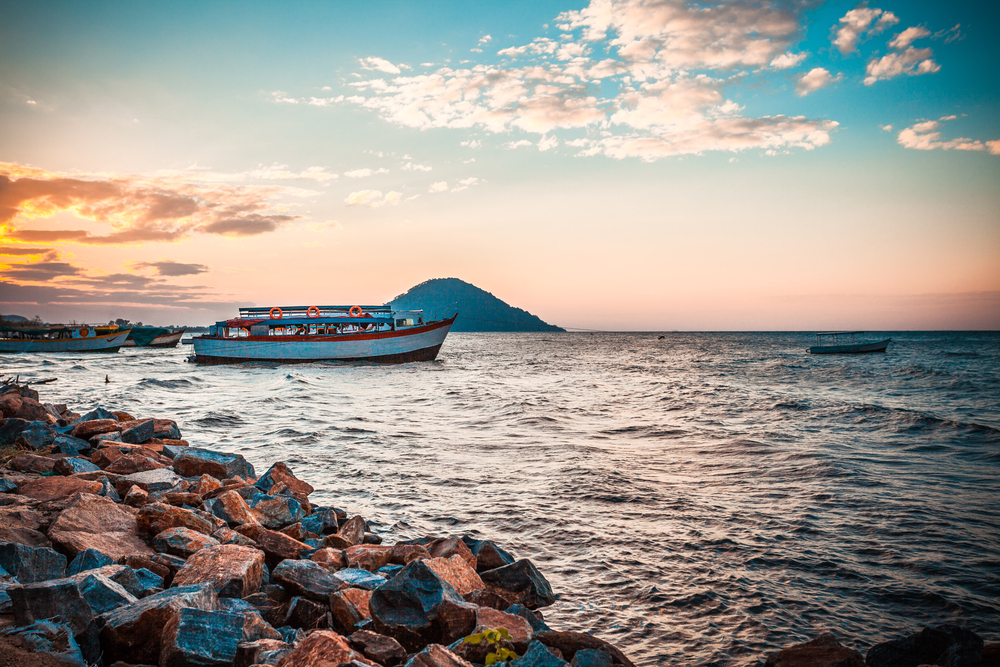
Lake Malawi (also called Lake Nyasa) spans about 11,430 square miles (29,500 square kilometers) across Malawi, Mozambique, and Tanzania. This African Great Lake is famous for having more fish species than any other lake in the world—over a thousand different types.
The crystal-clear waters make it a hotspot for snorkeling and diving, where you can see colorful cichlids darting among the rocks.
Great Slave Lake
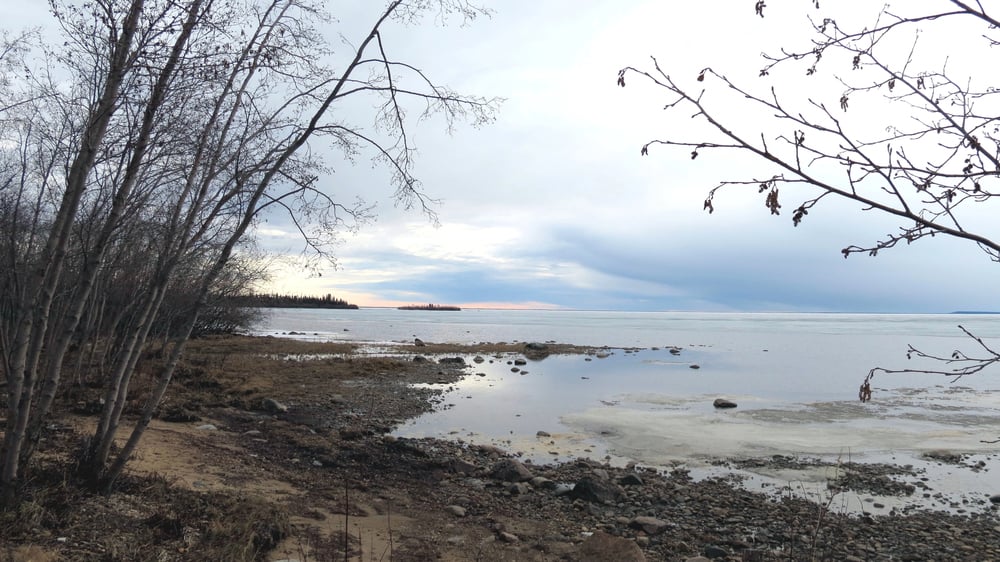
Great Slave Lake in Canada covers 11,030 square miles (28,570 square kilometers). Located in the Northwest Territories, it’s the deepest lake in North America, plunging to over 2,015 feet (614 meters) in some spots.
The lake’s name derives from the Slavey people who have inhabited the region for generations.
Lake Erie
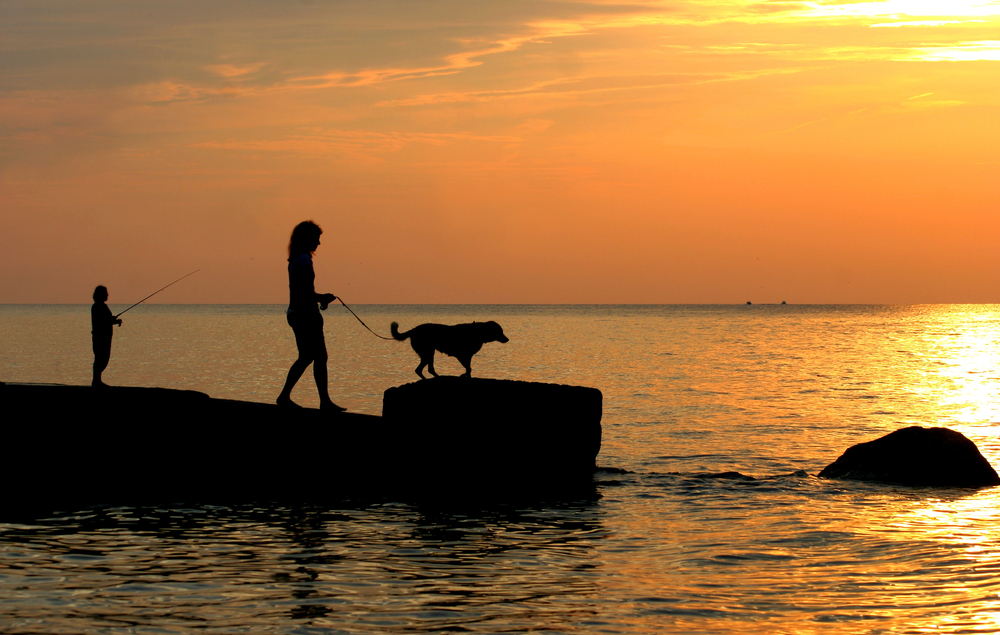
Lake Erie spans 9,910 square miles (25,700 square kilometers), making it the fourth-largest of the Great Lakes. Shared by Canada and the United States, it’s also the shallowest of the five Great Lakes, which means it warms up quickly in summer and freezes over in winter more readily than its deeper neighbors.
The lake has faced environmental challenges over the decades, but conservation efforts have brought significant improvements.
Lake Winnipeg
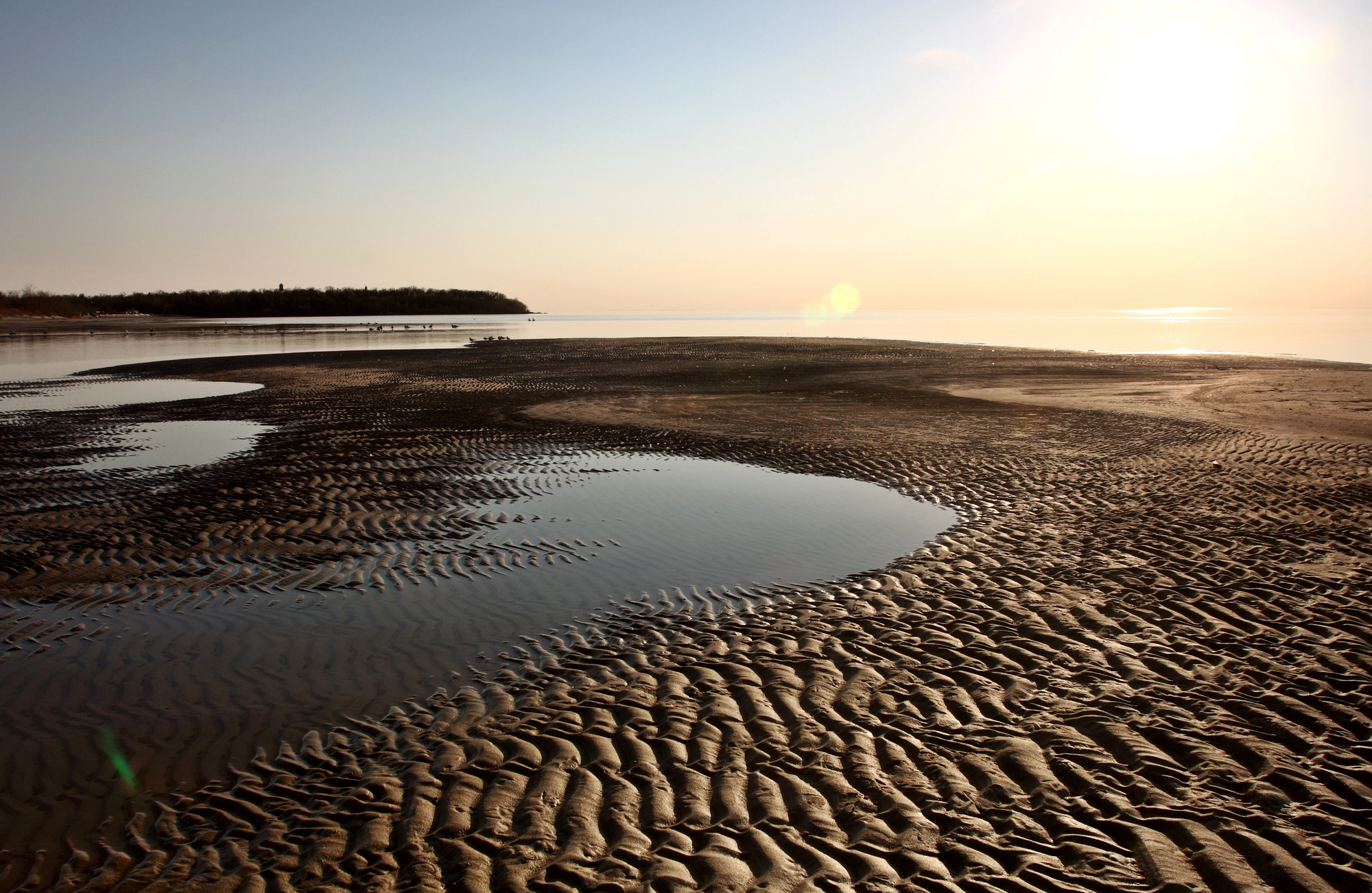
Lake Winnipeg in Manitoba, Canada, covers about 9,465 square miles (24,514 square kilometers). Despite its large surface area, the lake is relatively shallow with a maximum depth of only 118 feet (36 meters).
It’s most known for its gorgeous white sand beaches, which draw Manitoba residents during the summer months.
Lake Ontario
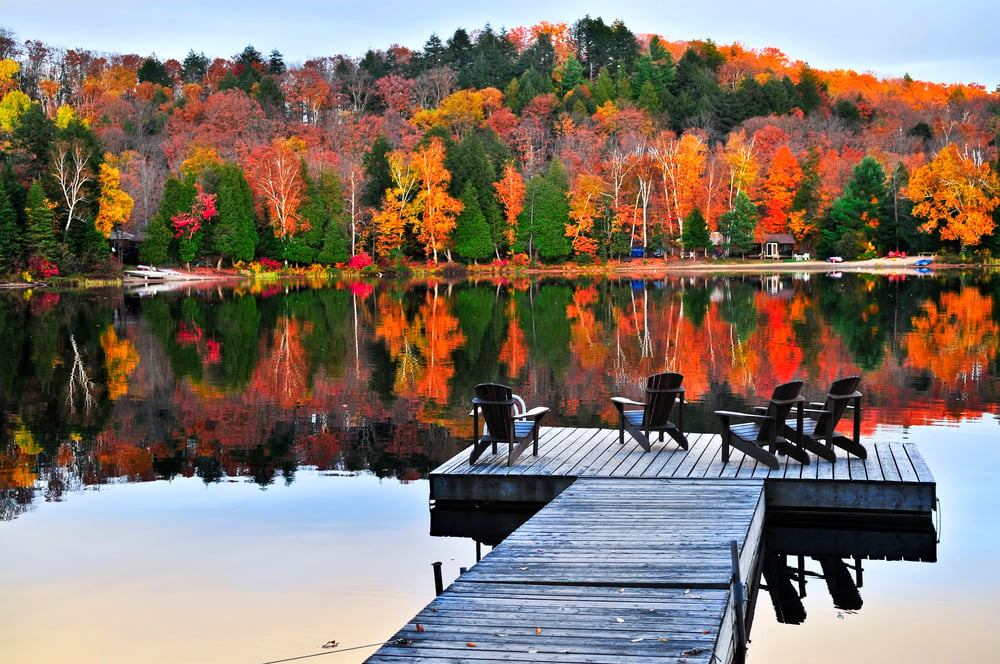
Lake Ontario is the smallest Great Lake by surface area at 7,340 square miles (19,000 square kilometers). However, it exceeds Lake Erie in volume because of its greater depth.
Sitting at the eastern end of the Great Lakes chain, it serves as the final lake before water flows into the St. Lawrence River and eventually reaches the Atlantic Ocean.
Lake Ladoga
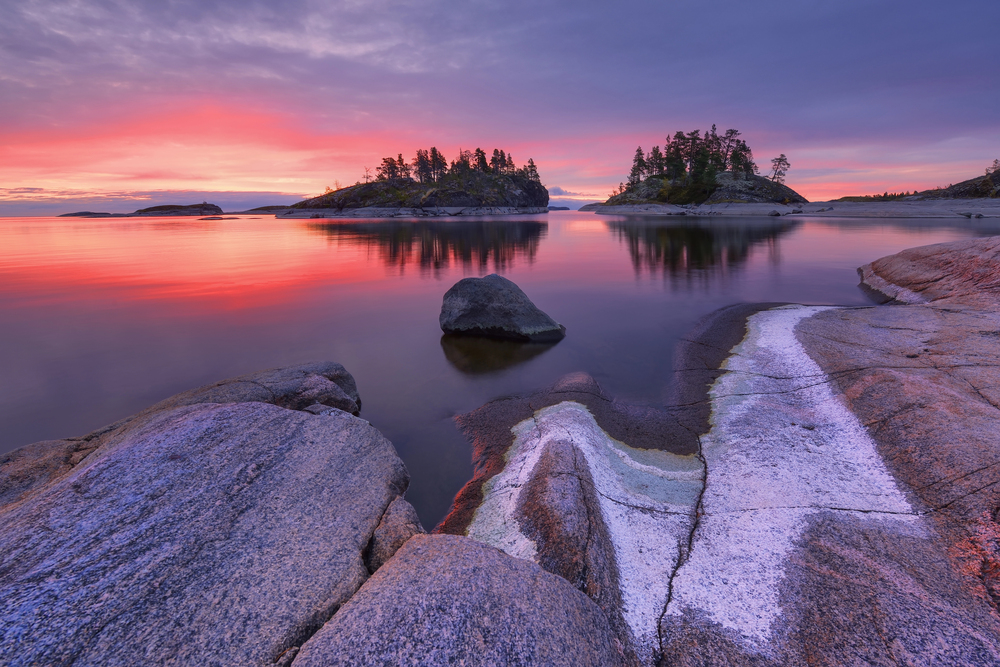
Lake Ladoga in Russia covers approximately 6,700 square miles (17,600 square kilometers). It’s the largest lake in Europe and plays an important role in Russian history and culture.
During World War II, the frozen lake became the famous ‘Road of Life’—a supply route that helped keep Leningrad (now St. Petersburg) from falling during the lengthy siege.
Lake Balkhash
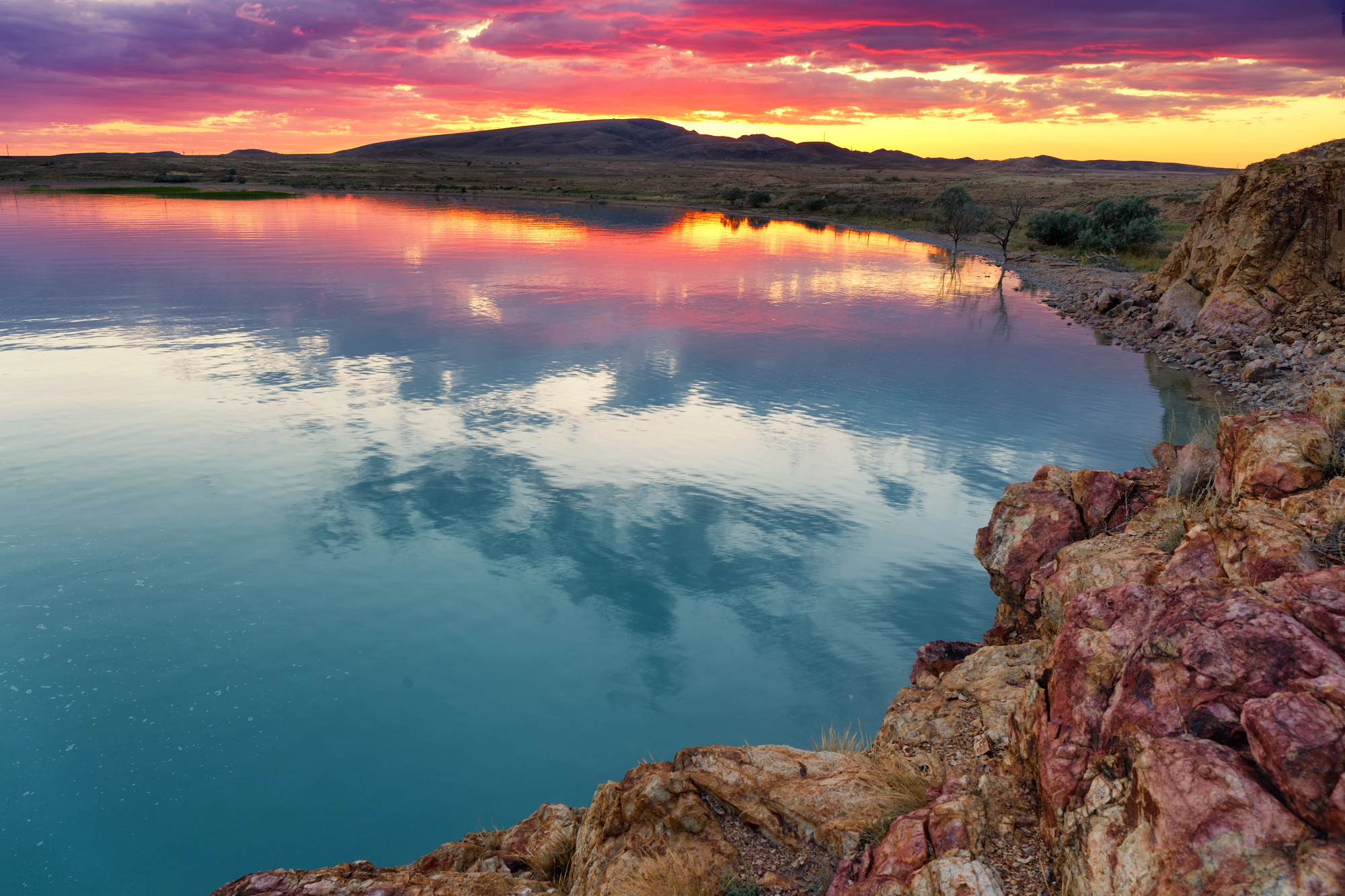
Lake Balkhash in Kazakhstan spans roughly 6,000 square miles (15,400 square kilometers). This unusual lake has a unique feature: the western half contains freshwater, while the eastern portion is saline.
The narrow strait dividing the two halves prevents them from mixing, creating two distinct aquatic environments within a single lake.
Where Water Meets Wonder
These fifteen lakes, which have been sculpted and filled over millennia by processes like tectonic activity, glaciation, and volcanic eruptions, are among nature’s most remarkable creations. Millions of people rely on them for transportation, recreation, fishing, and drinking water, and they still influence their lives today.
Global conservation efforts strive to preserve these priceless resources, even though some are confronted with contemporary issues like pollution and climate change. These lakes serve as a reminder that not all of the most spectacular water features on Earth are found in the oceans, from the enormous Caspian Sea, which has the capacity to engulf entire nations, to the ancient depths of Baikal, which predate the Himalayas.
More from Go2Tutors!

- The Romanov Crown Jewels and Their Tragic Fate
- 17 Halloween Costumes Once Considered Taboo
- Famous Hoaxes That Fooled the World for Years
- 15 Child Stars with Tragic Adult Lives
- 16 Famous Jewelry Pieces in History
Like Go2Tutors’s content? Follow us on MSN.



