30 Things Every Kid Did on a Snow Day in the ’80s
Snow days in the 1980s were pure magic. No email alerts, no online assignments, just the radio crackling with school closures while you pressed your face against the frosted window.
The world outside had transformed overnight into a winter playground, and you had an entire unplanned day stretching ahead like a blank canvas. These weren’t just days off from school — they were adventures waiting to unfold, filled with rituals that every ’80s kid knew by heart.
Checked Every Radio Station for School Closings
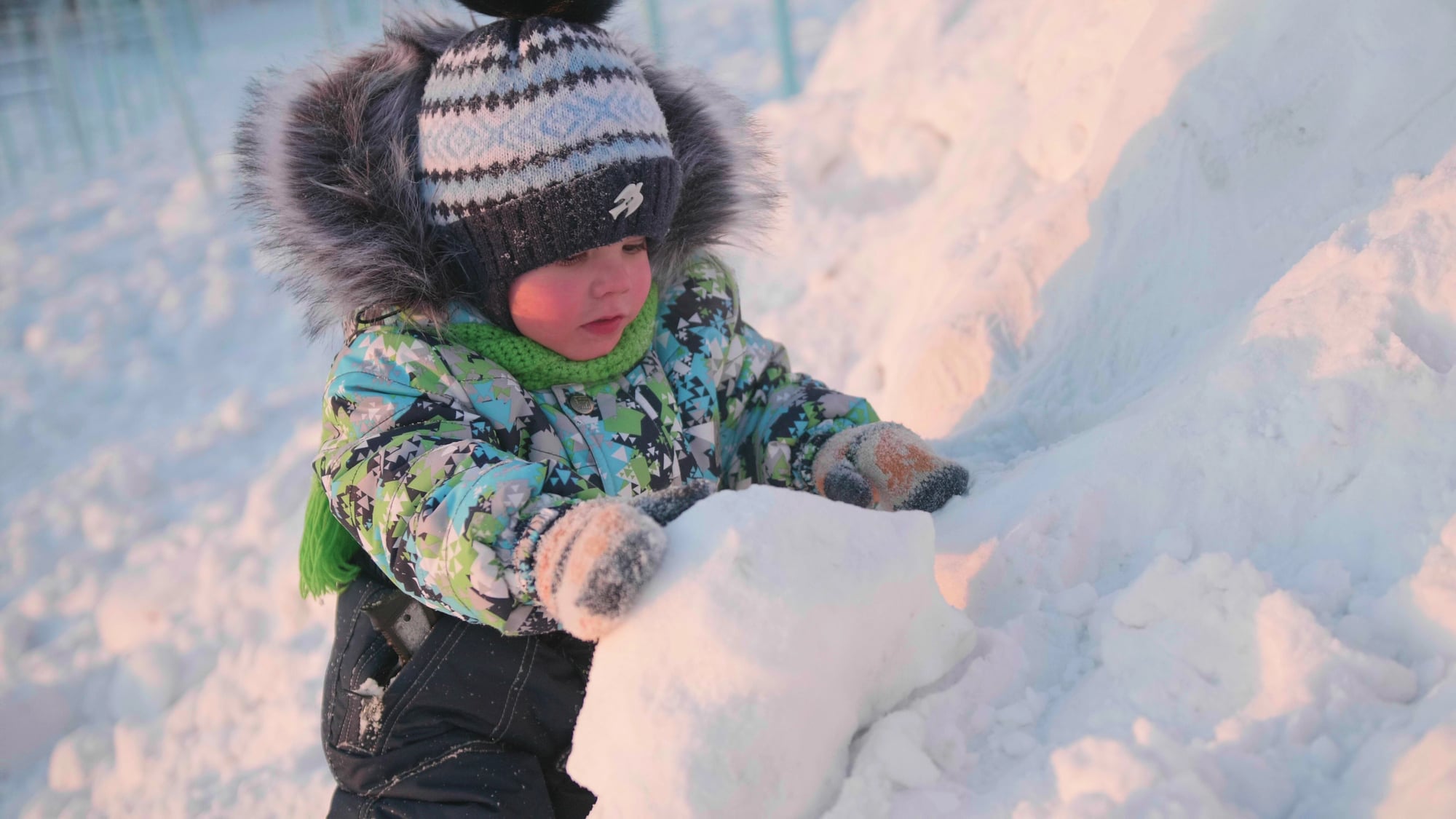
You planted yourself next to the radio at dawn, cycling through AM stations like your life depended on it. The announcer’s voice became the most important sound in the world as they rattled off district after district.
Your heart stopped when they reached the letter your school district started with.
Built Snow Forts That Could Survive Nuclear War
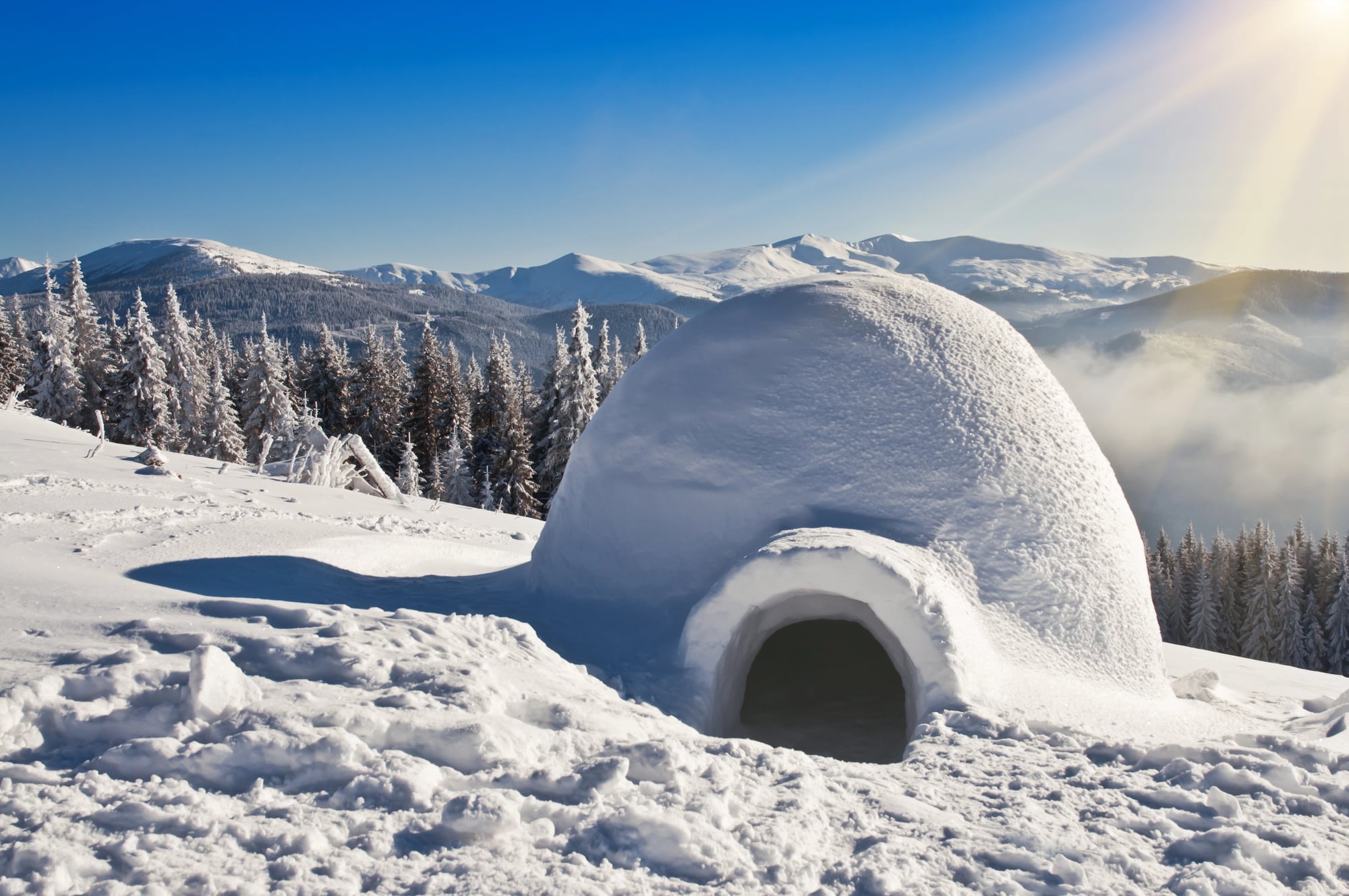
Engineering degrees weren’t required, but you approached fort construction with the seriousness of a military contractor. Walls had to be thick enough to stop incoming snowballs and tall enough to provide cover during neighborhood warfare.
Some of these fortresses lasted until March.
Had Epic Snowball Fights
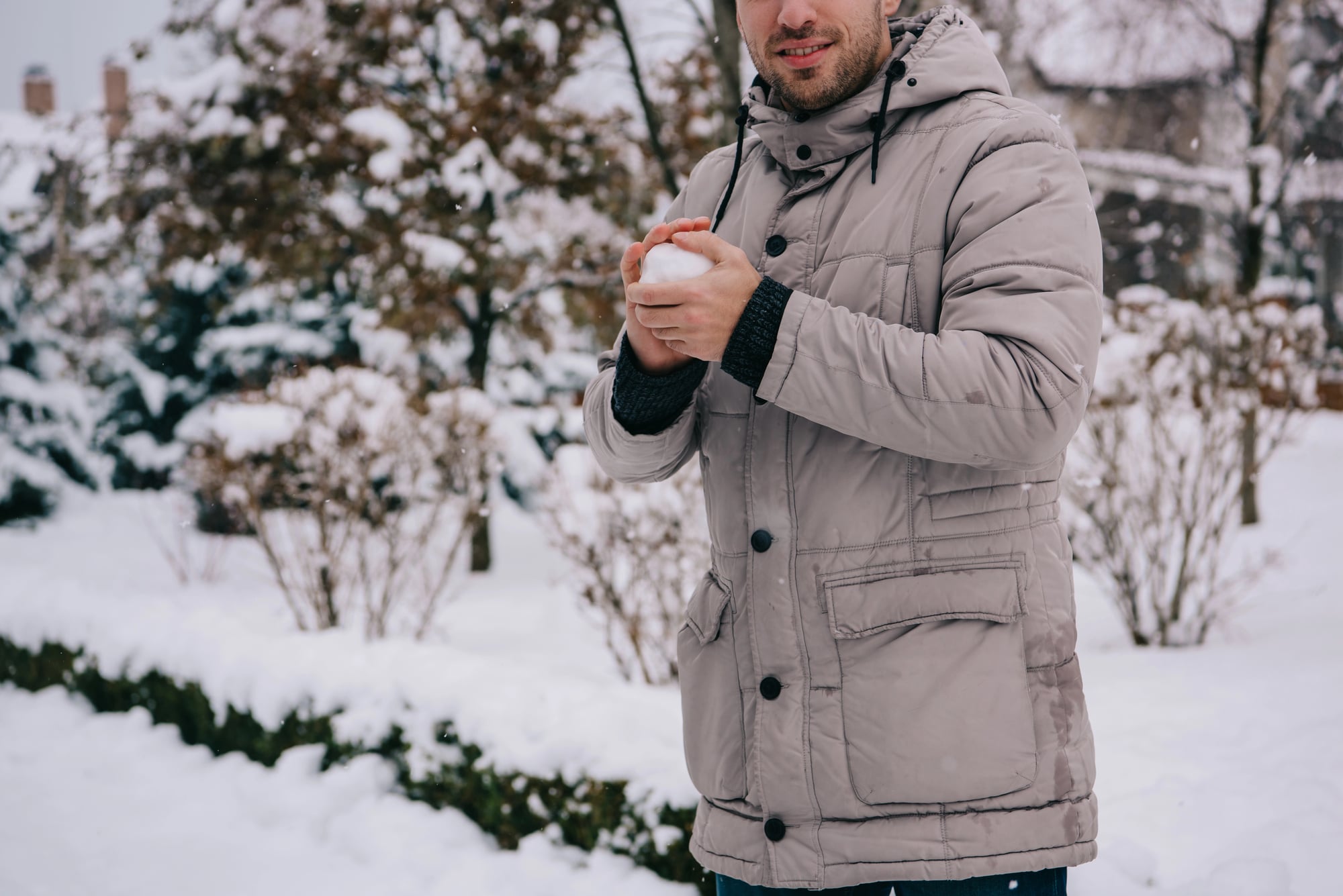
These weren’t gentle tosses between friends (though they often started that way, the way a conversation between neighbors can turn into something that reshapes the entire street, pulling in kids from three blocks over who heard the commotion and came running with mittens already packed tight with ammunition). The rules wrote themselves as the battle progressed — no ice chunks, no aiming for faces, and absolutely no retreating past the Hendersons’ mailbox unless you wanted to forfeit completely.
And yet somehow every fight ended with someone crying, someone’s mom yelling from a doorway, and everyone trudging home with snow down their backs, already planning tomorrow’s rematch.
Made Snow Angels Until the Yard Looked Like a Crime Scene
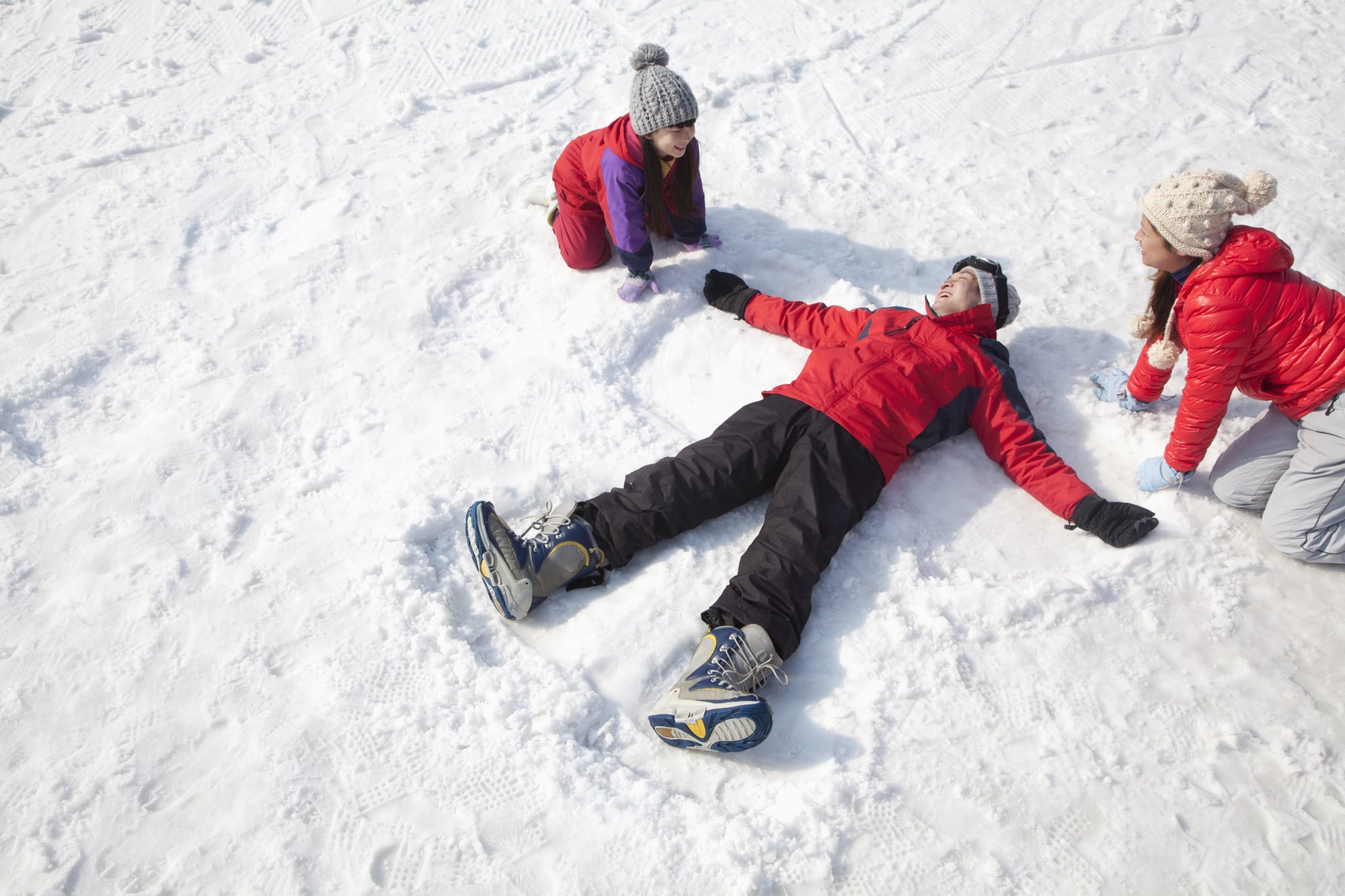
Snow angels were an art form that demanded both technique and commitment. You had to fall backward with just the right amount of trust, sweep those arms and legs with precision, then execute the tricky dismount without ruining your masterpiece.
A good angel required sacrifice — namely, a complete willingness to soak your winter coat.
Went Sledding Down Every Available Hill
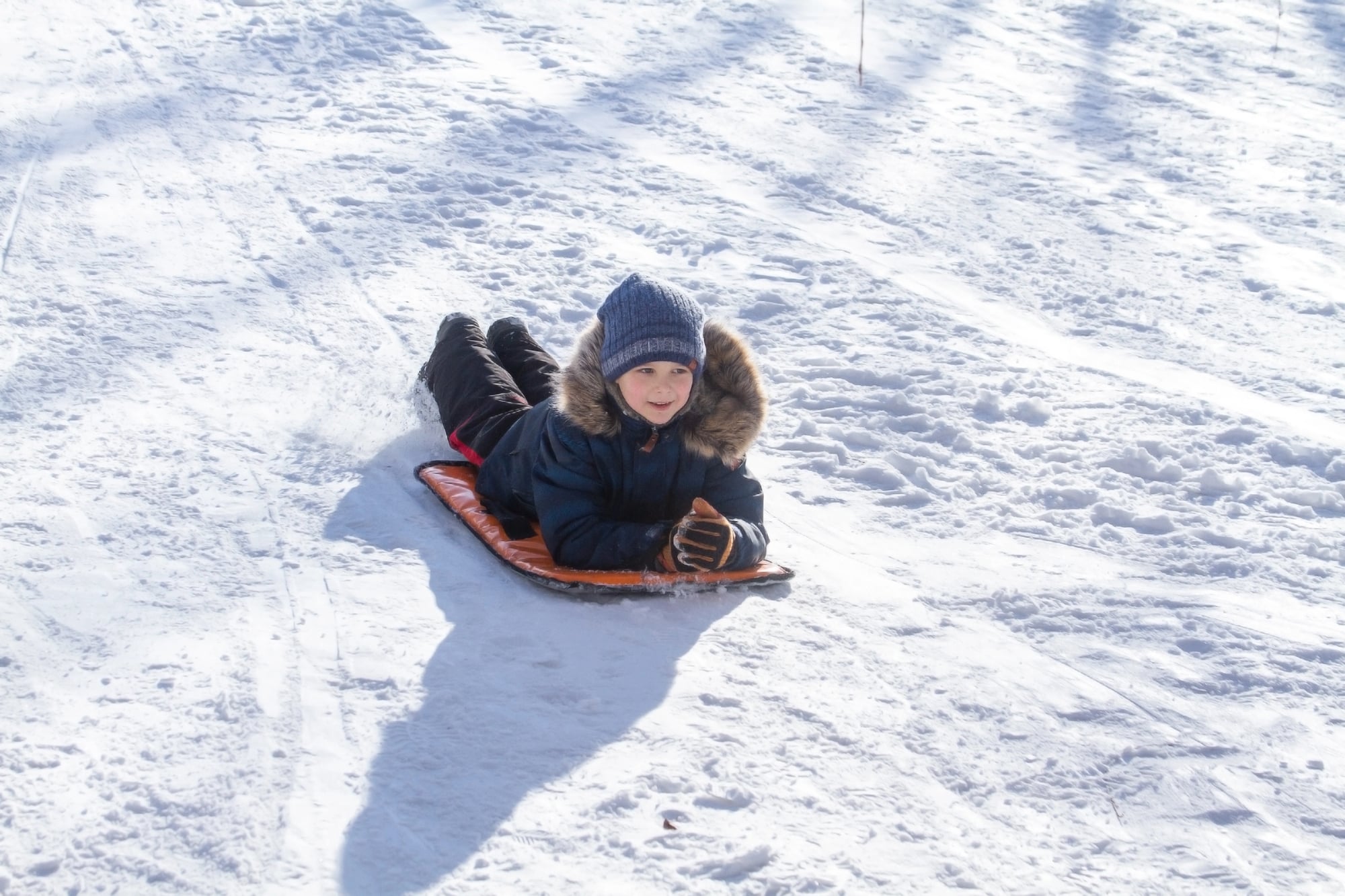
Hills transformed into highways, and every piece of plastic, metal, or cardboard became potential transportation. The steeper the better, the more dangerous the more legendary.
Cafeteria trays stolen from school made surprisingly effective sleds, though explaining the theft to your parents later proved challenging.
Attempted to Eat Fresh Snow
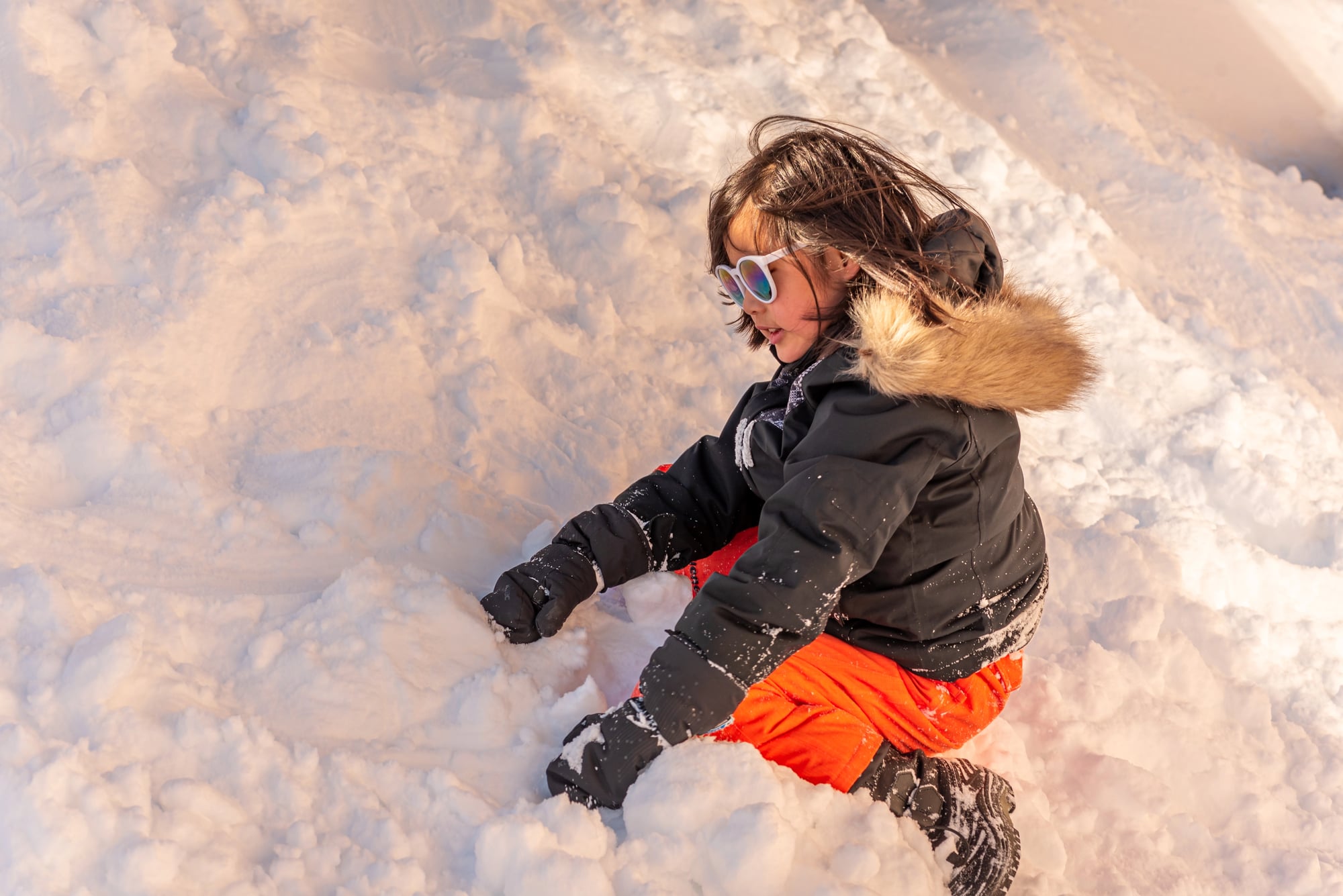
Something about pristine white snow triggered an irresistible urge to taste it (and this wasn’t just curiosity — it was a compulsion that felt biological, like how birds migrate or how flowers turn toward the sun, except instead of following ancient wisdom you were following the deeply questionable logic of a ten-year-old who thought frozen precipitation might taste like nature’s snow cone). Your parents warned against it, muttering about pollution and bacteria, but you’d already committed, often before they finished their sentences.
So you’d scoop up the cleanest-looking patch you could find, usually from a car hood or porch railing where it looked especially pure. The taste was always disappointing — cold, flavorless, with a faint metallic tang — but that never stopped you from trying again an hour later.
Watched Cartoons in Pajamas Until Noon

Saturday morning cartoon rules applied to snow days, except better because guilt couldn’t touch you. You’d earned this marathon through the sheer luck of meteorology.
Scooby-Doo and The Smurfs provided the soundtrack while you thawed out between outdoor adventures.
Helped Dad Shovel the Driveway
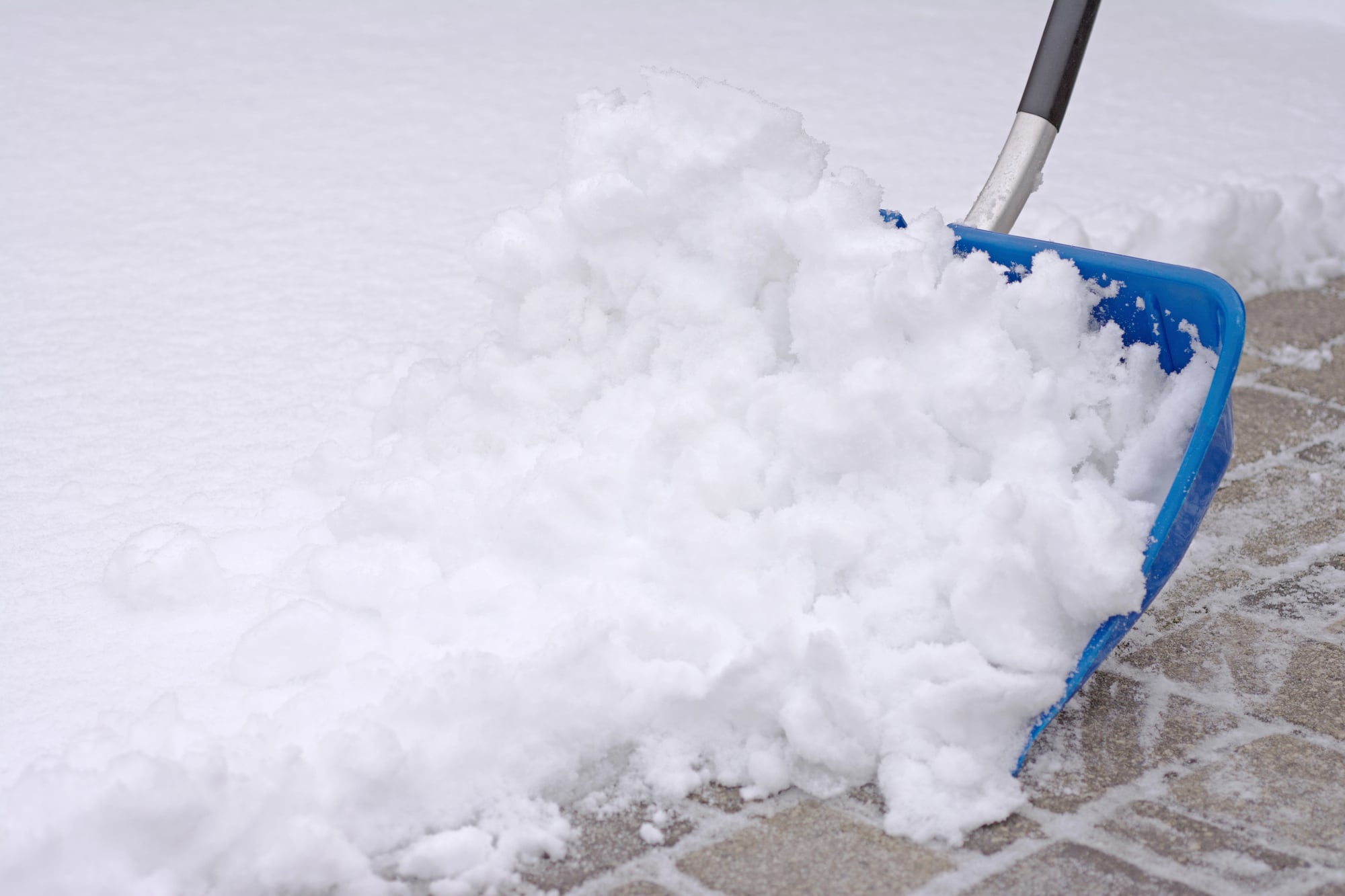
“Helped” might be generous — you mostly moved the same pile of snow from one side of the driveway to the other while your father did the actual work. But you took your responsibility seriously, especially when it came to clearing a path for the mailman or creating strategic snow piles for later fort construction.
Made Hot Chocolate with Tiny Marshmallows

The ritual mattered as much as the drink itself. Swiss Miss packets torn open with ceremony, water heated to exactly the right temperature, and those miniature marshmallows floating like tiny life preservers in a brown sea.
Some kids were purists about the marshmallow-to-chocolate ratio. Others dumped half the bag in and called it breakfast.
Built Snowmen with Personality
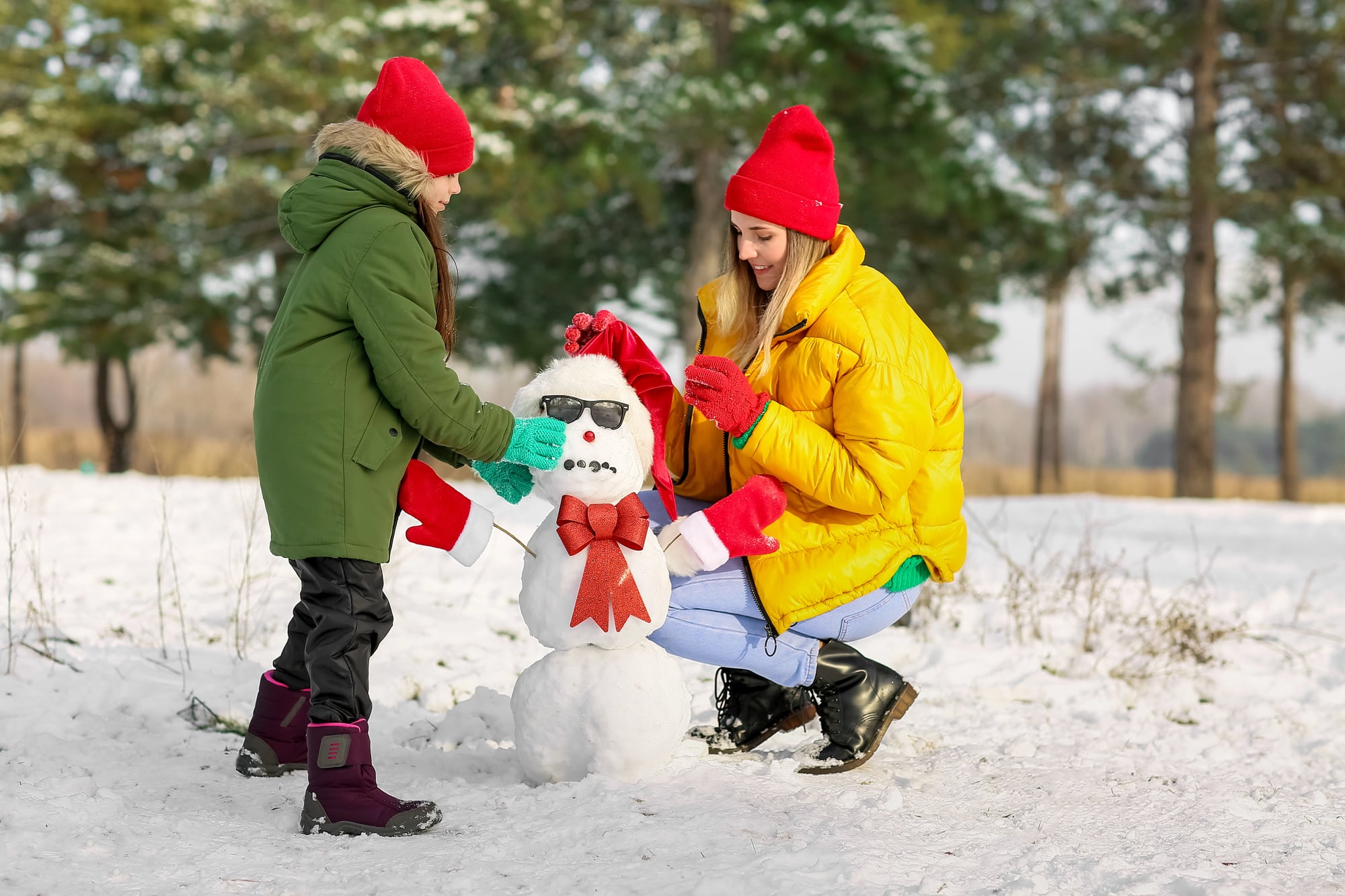
Every snowman told a story, and yours usually involved whatever random objects you could scavenge from the garage or convince your mother to sacrifice from the kitchen. Carrots for noses were traditional, but creative kids used everything from twigs to plastic spoons.
The coal-button look was mostly aspirational — buttons from your mother’s sewing kit worked just fine.
Created Snow Ice Cream
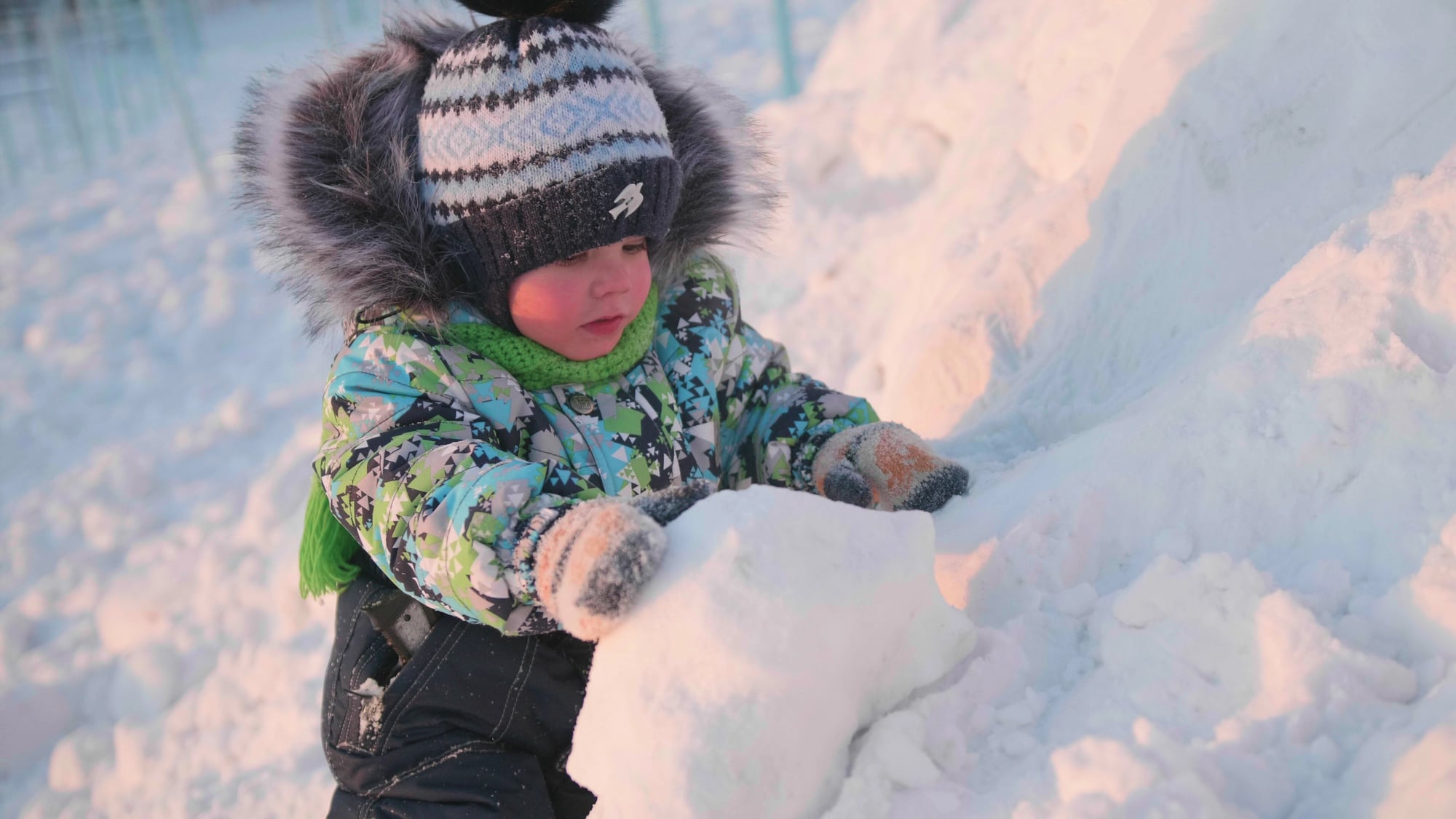
This required a specific type of optimism that only children possess — the belief that snow plus milk plus sugar equals dessert rather than a questionable science experiment. You’d mix it all together in a big bowl, add food coloring if you were feeling fancy, and convince yourself it tasted like the real thing.
Turned the Backyard into a Winter Olympics
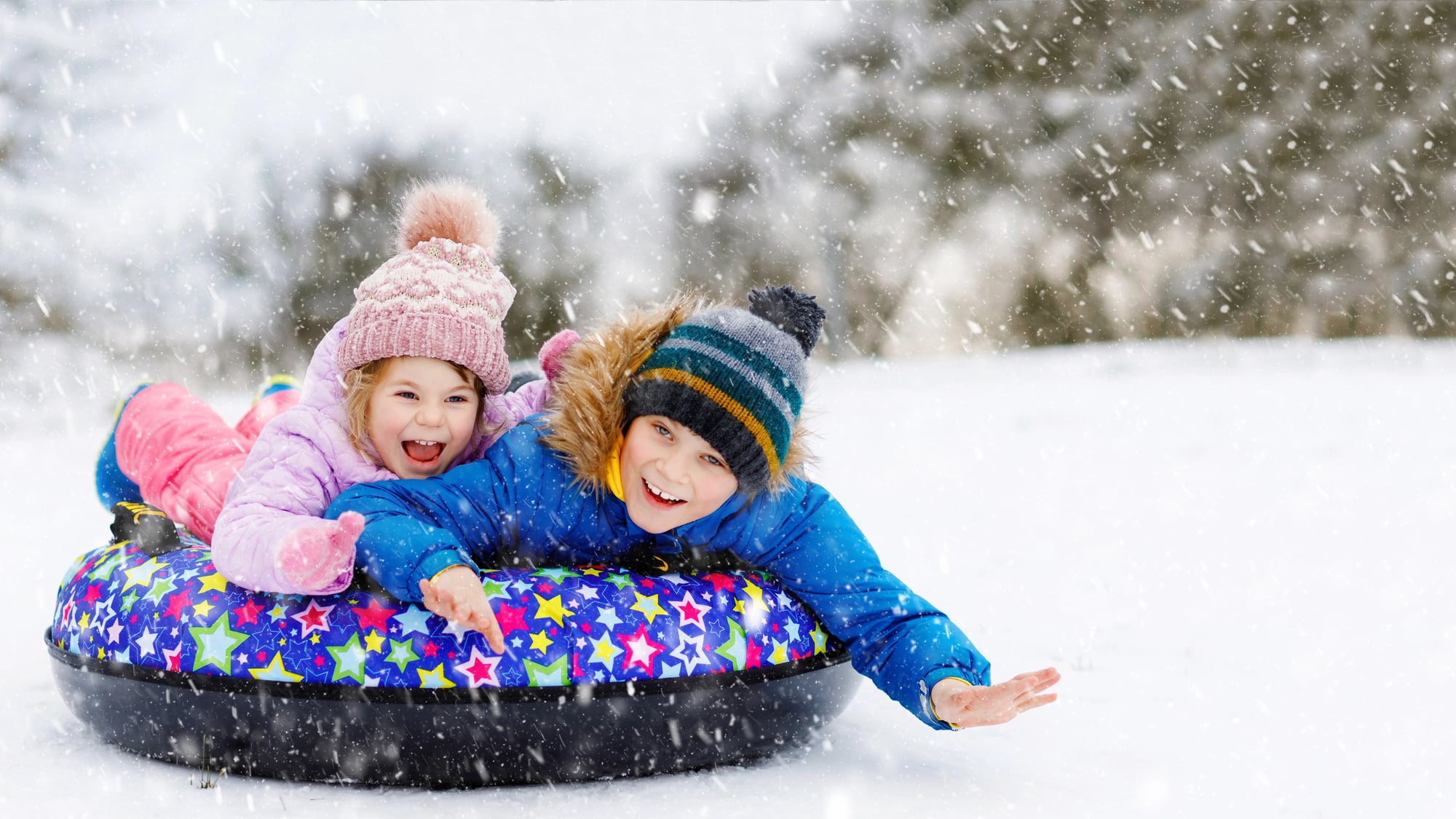
Competition was inevitable when you had unlimited snow and limited supervision (though the events you invented would never have made it past the Olympic Committee’s safety review, since most of them involved seeing who could jump farthest off the deck into the deepest snowdrift, or who could stay buried under snow the longest without panicking). You organized races, jumping contests, and endurance challenges that seemed perfectly reasonable at the time.
And the medals were usually whatever you could find in the junk drawer — old pins, forgotten keychains, or ribbons from last year’s field day that your mother had saved for no particular reason.
Tracked Animal Footprints Like a Detective
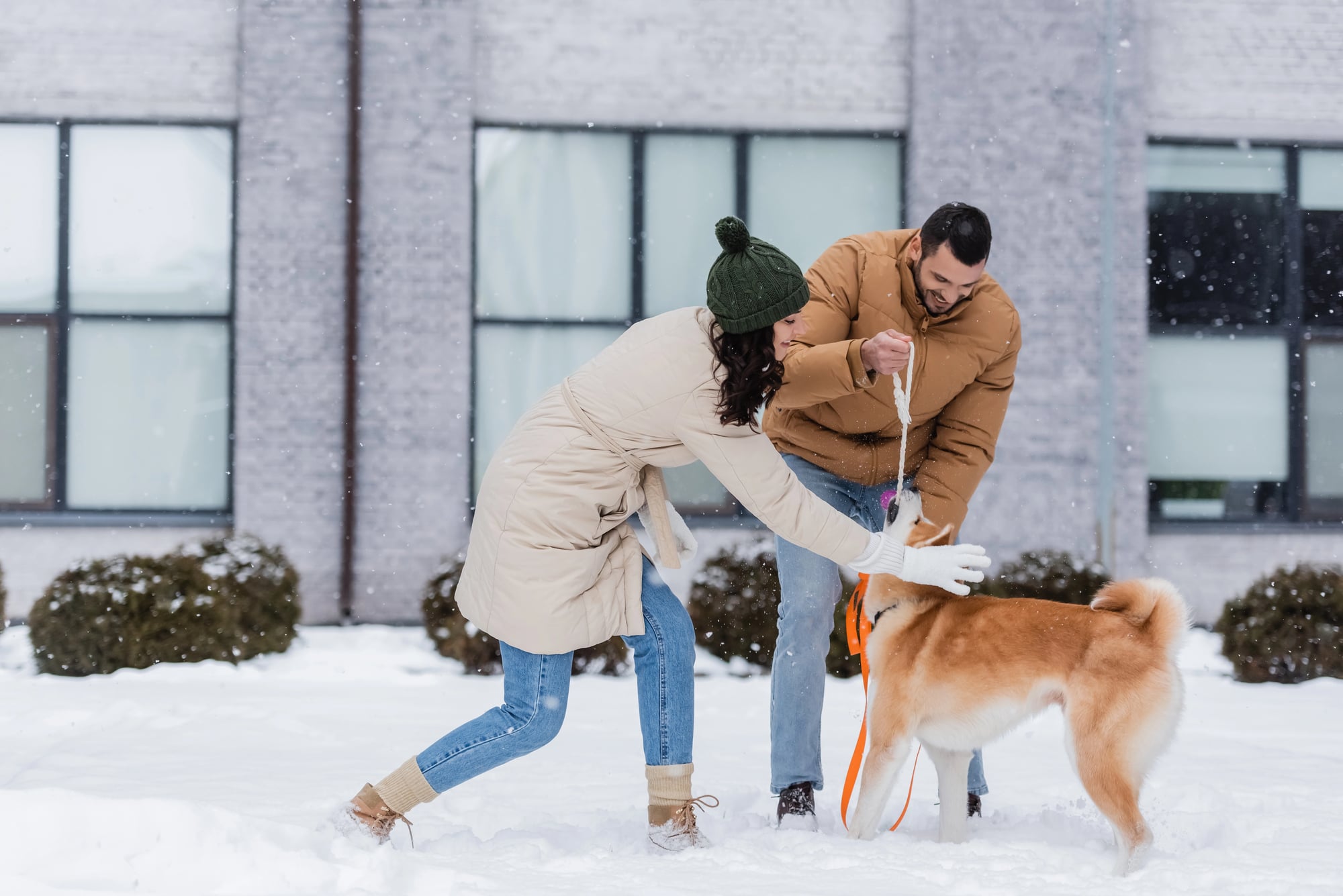
Fresh snow revealed secret highways crisscrossing your neighborhood. Rabbit tracks, bird prints, and the occasional cat paw became a mystery novel written in white.
You followed these trails with the dedication of a forensic investigator, creating elaborate theories about where each animal was heading and why.
Got Into Snowsuit Wrestling Matches
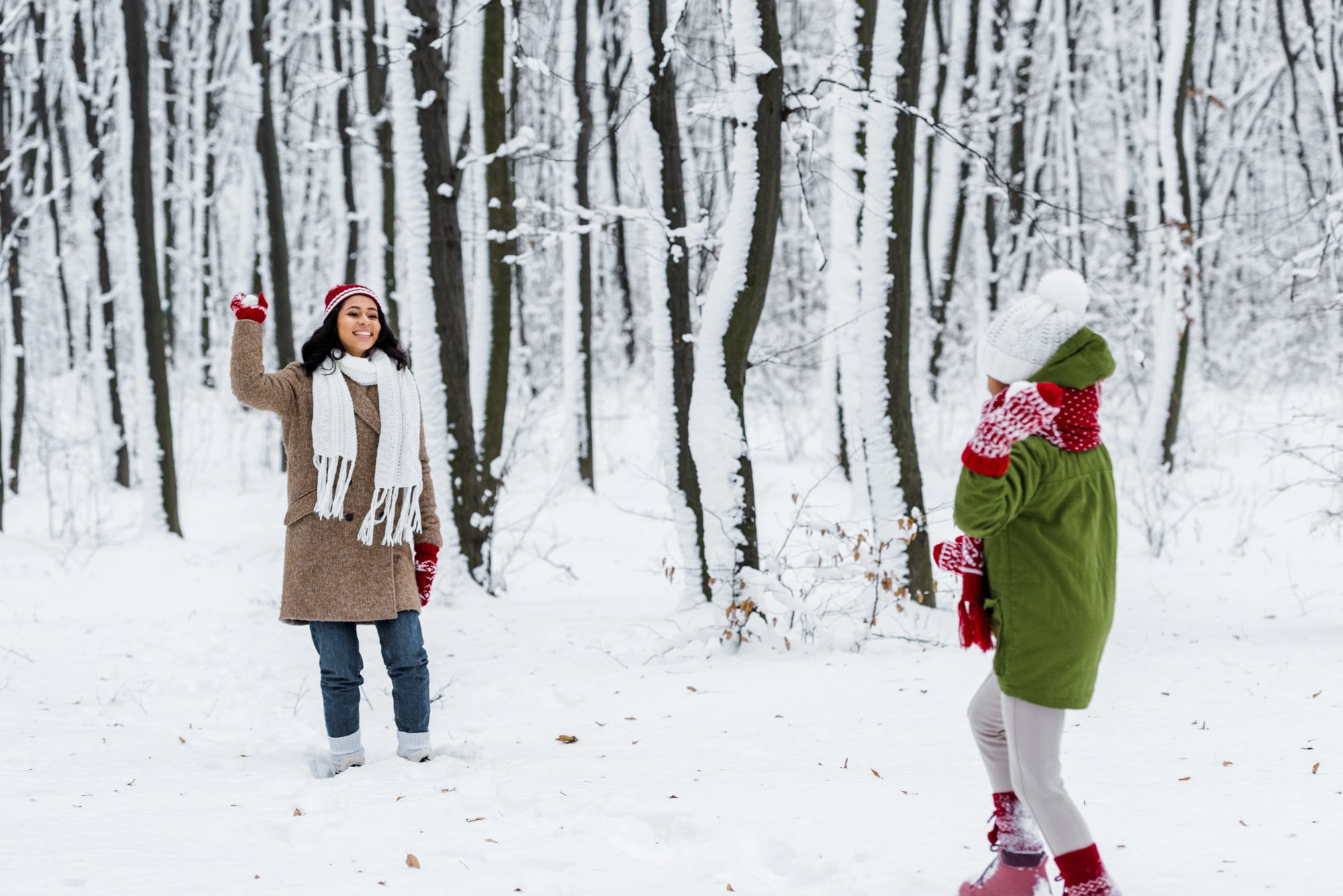
Putting on a snowsuit was an Olympic event in itself. The static electricity, the multiple layers, the boots that never wanted to cooperate — getting dressed for snow day activities took genuine strategy.
Getting undressed afterward was worse, especially when everything was soaked and frozen.
Caught Snowflakes on Your Tongue
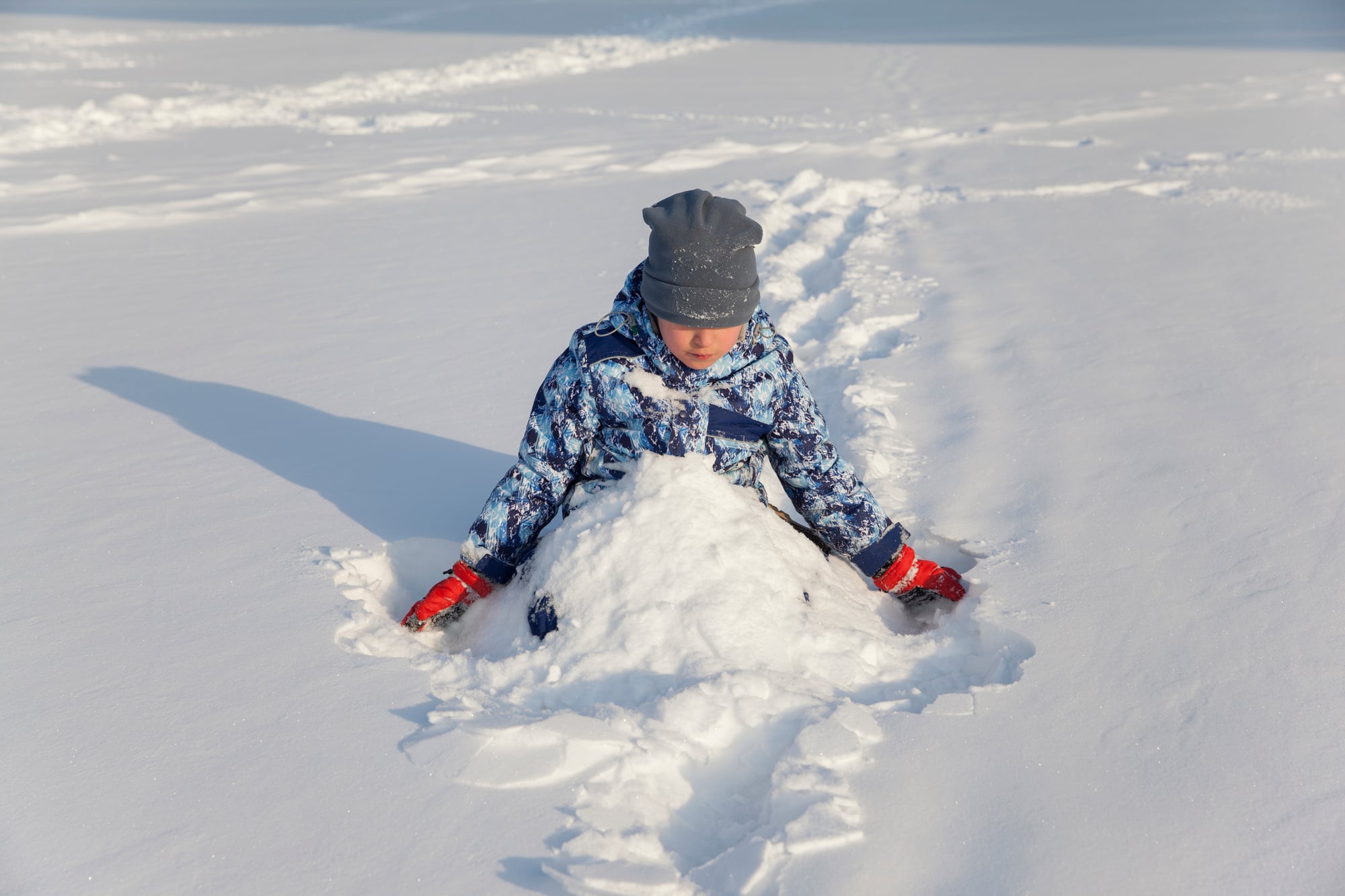
The logistics never quite worked — by the time you spotted a good snowflake and positioned yourself underneath it, the wind had usually carried it somewhere else entirely. But the ones you did catch felt like small victories against the laws of physics.
Made Snow Sculptures Beyond Basic Snowmen
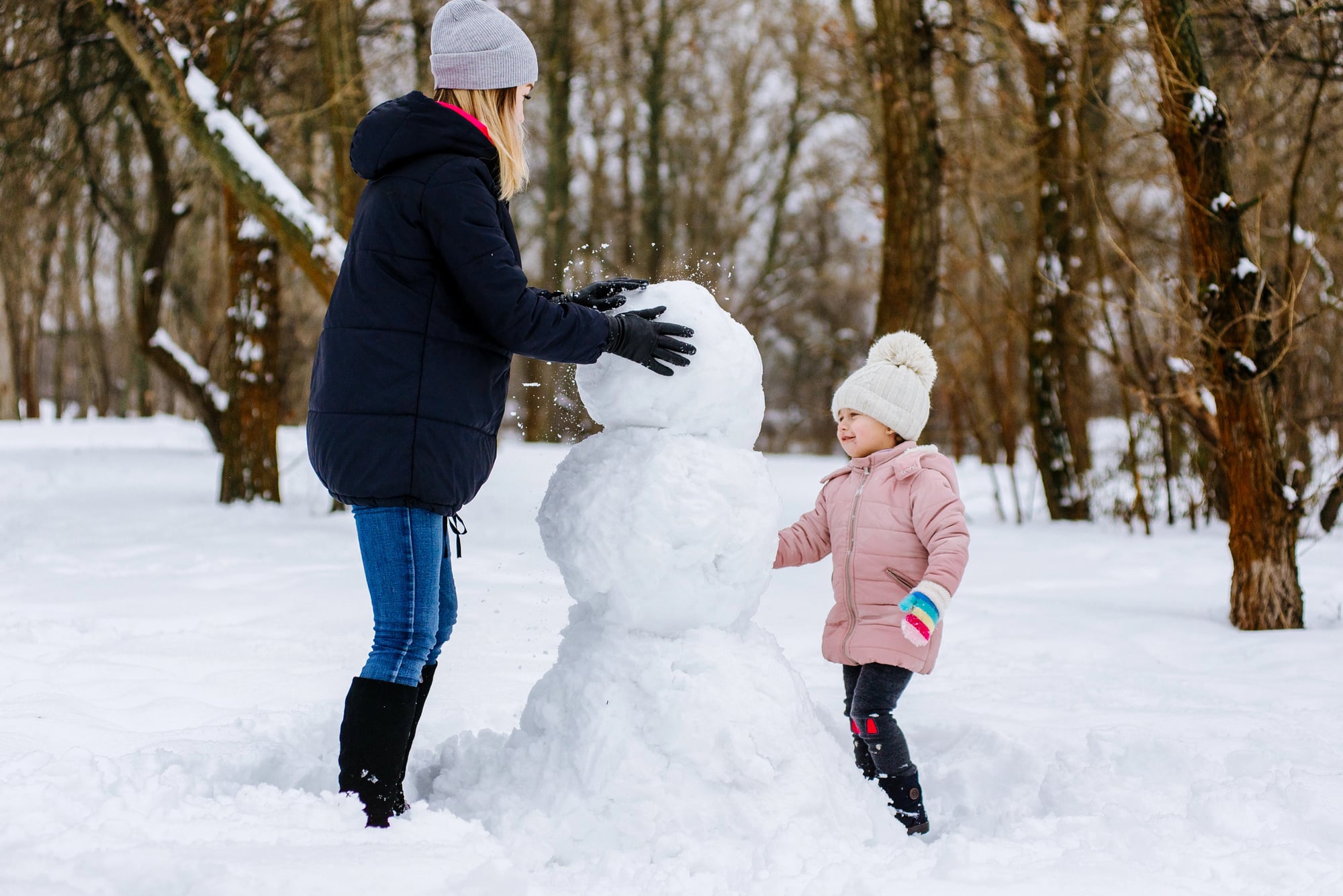
Ambitious architects moved beyond the three-orb tradition to create elaborate installations: snow dinosaurs, castles, and abstract art that looked impressive until the neighborhood dogs discovered them. These projects separated the casual snow-day participants from the true artists.
Declared the Floor Was Lava

Indoor snow day entertainment required creativity, and lava floor games reached new heights of complexity when you had all day to perfect the rules. Couch cushions became islands, coffee tables turned into bridges, and entire living room ecosystems developed around avoiding carpet contact.
Had Indoor Picnics
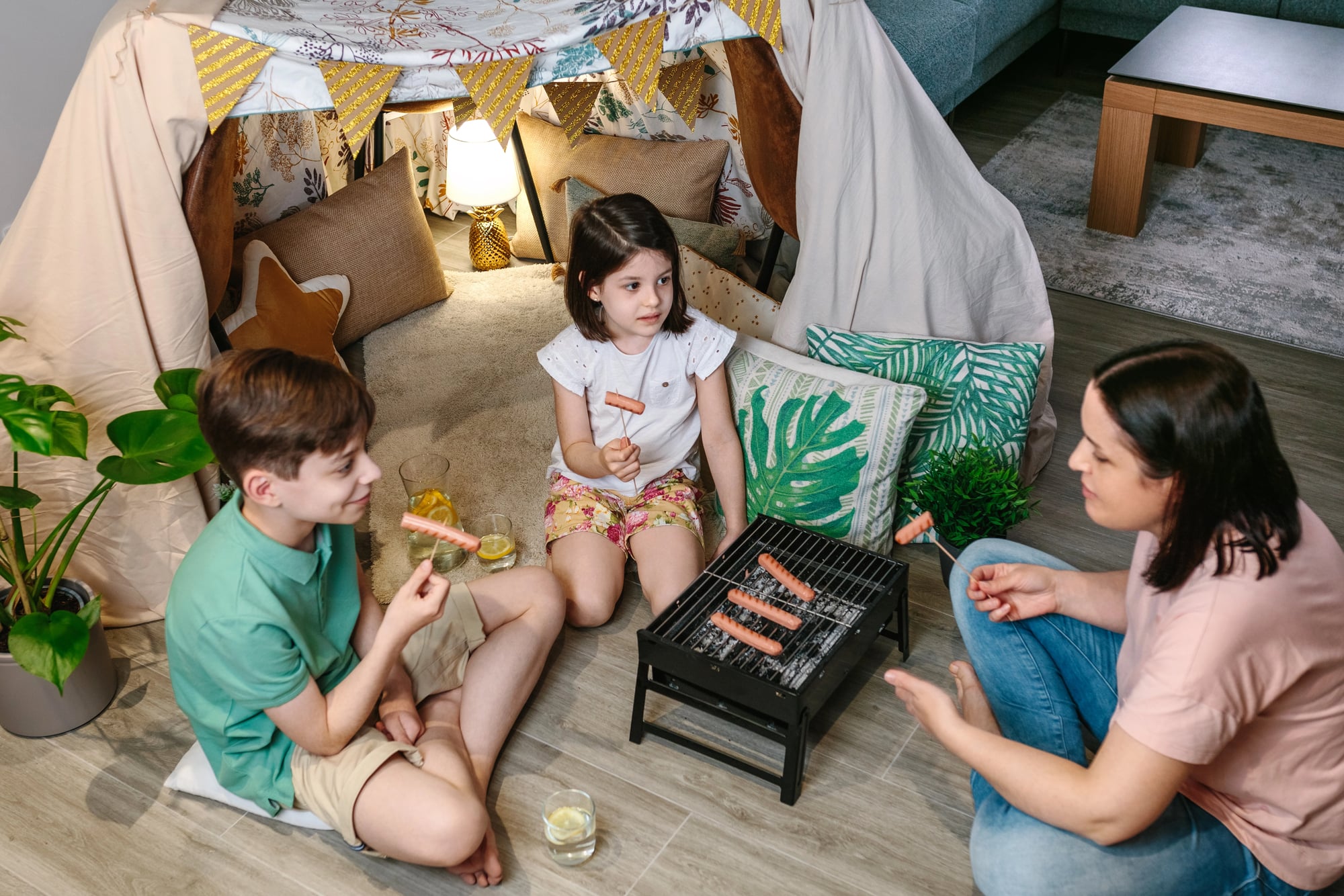
Normal meal schedules dissolved on snow days. Indoor picnics on the living room floor felt appropriately rebellious while keeping you warm.
Peanut butter sandwiches, juice boxes, and whatever snacks your mother allowed became feast material when eaten surrounded by blankets.
Built Blanket Forts
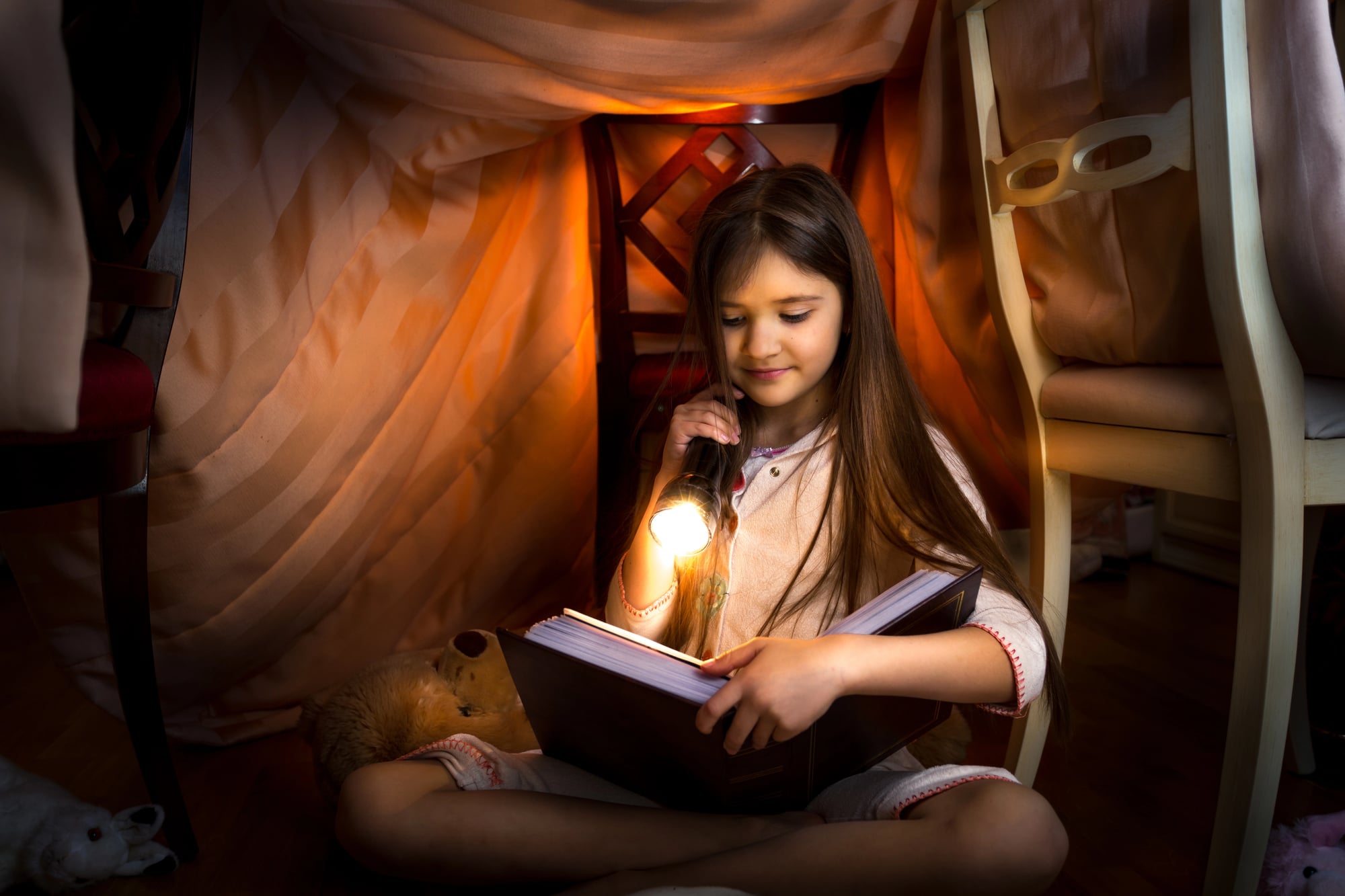
Architecture wasn’t limited to outdoor snow constructions. Indoor fort building reached professional levels on snow days, using every available blanket, sheet, and piece of furniture.
These weren’t temporary structures — they were intended to last until spring or until your mother needed the couch back, whichever came first.
Played Board Games Until Someone Cheated

Monopoly games that started with the best intentions usually ended in accusations and scattered game pieces. Risk could destroy friendships that had lasted since kindergarten.
But Scrabble was where the real battles were fought — especially when someone tried to pass off “qat” as a legitimate word.
Called Friends to Compare Snow Depths
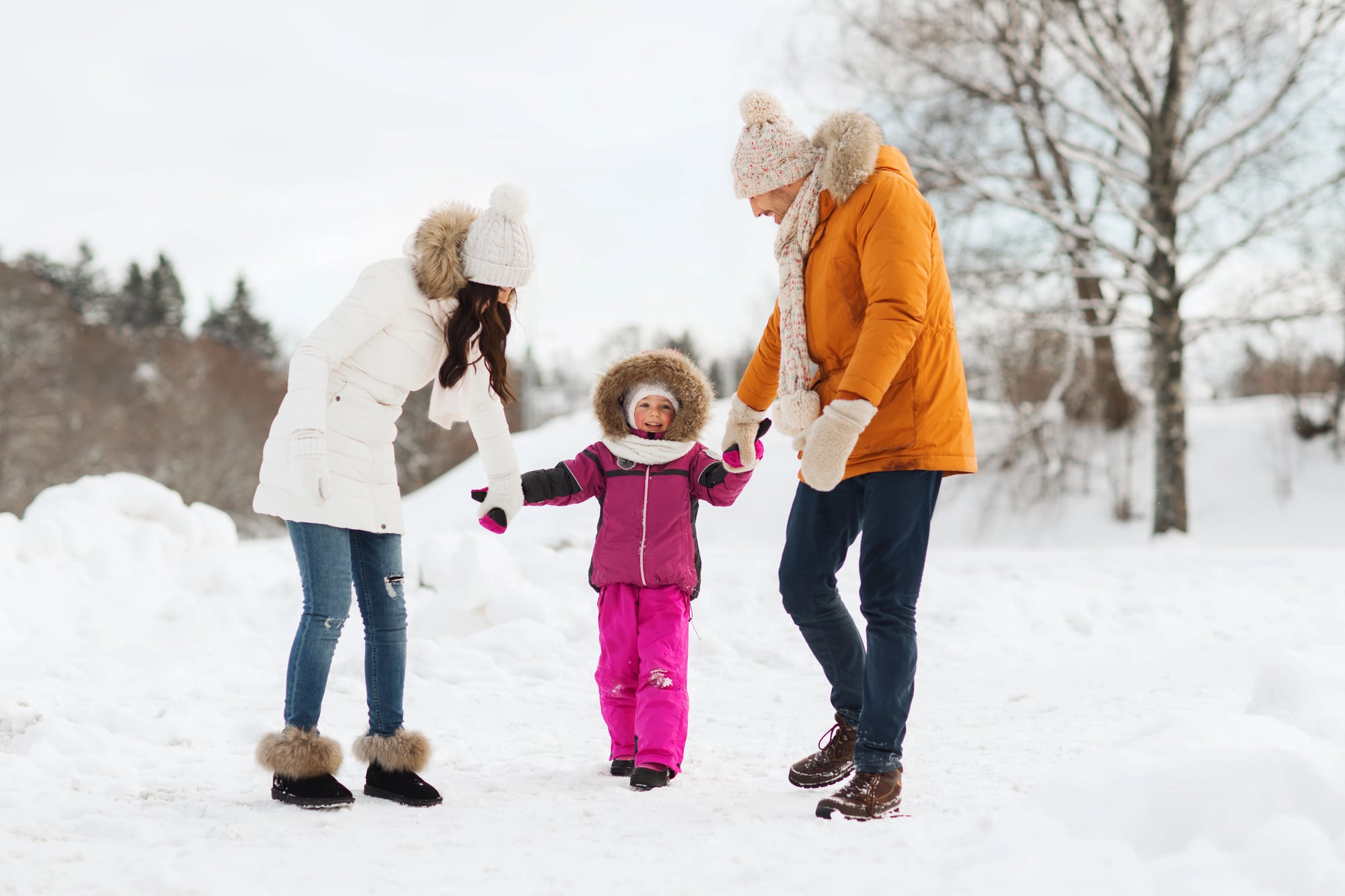
The telephone became a scientific instrument for measuring comparative snowfall across neighborhoods. Kids called each other to report official measurements, usually taken with whatever ruler they could find.
These conversations established the day’s activity hierarchy — whoever had the most snow got to host.
Attempted to Build Working Snow Vehicles
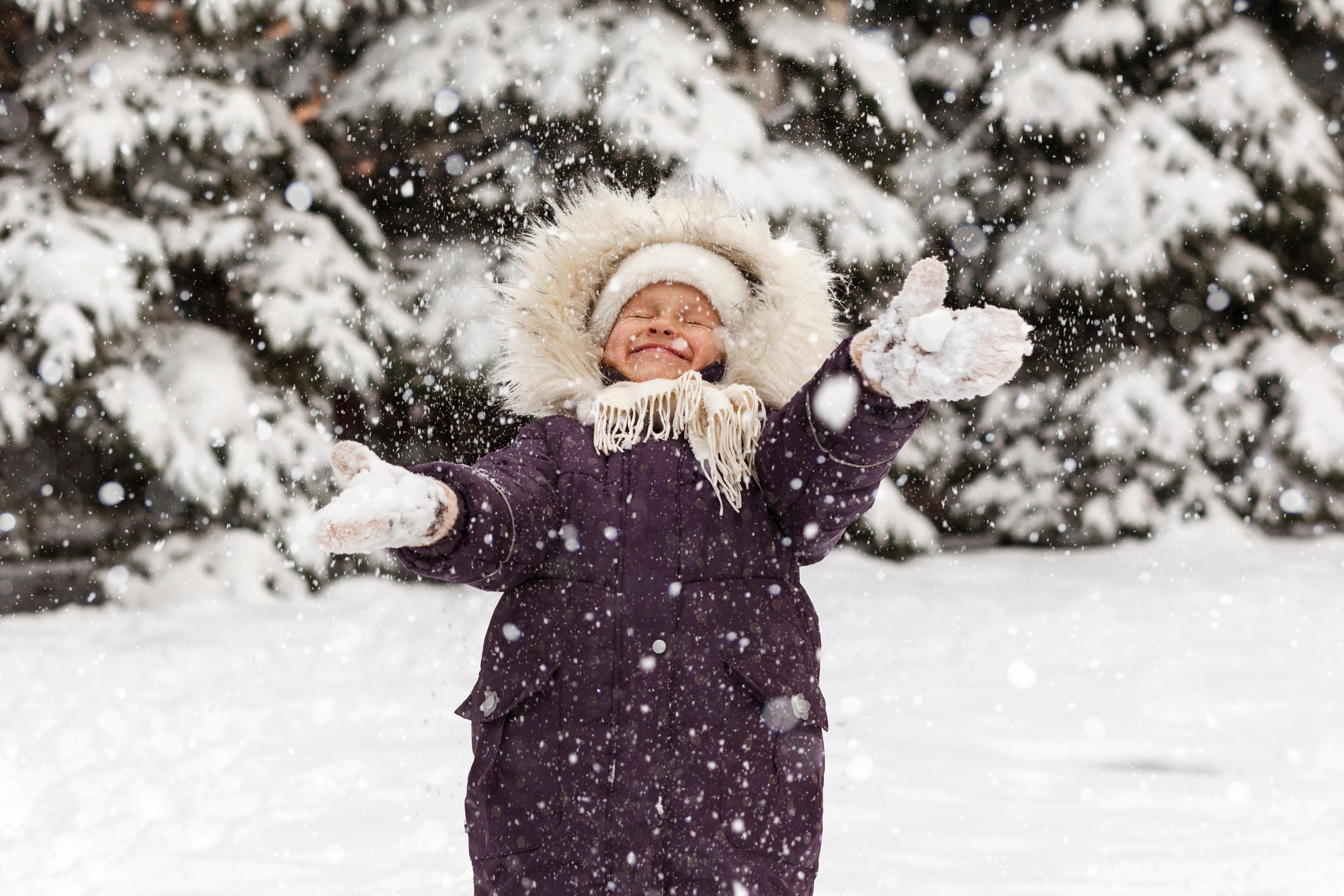
Engineering ambitions knew no bounds when you had unlimited building material and time to experiment. Snow cars, planes, and boats emerged from backyards across America, most of them looking more abstract than functional.
But the attempt was everything.
Made Up Snow Day Rules

Regular household rules underwent revision on snow days (because parents seemed to understand that normal standards didn’t apply when the world had been transformed overnight, though they never announced this officially — it was more like an unspoken treaty that everyone pretended not to notice). You could track mud through the house if you wiped it up afterward, eat lunch at weird times, and wear pajamas under your snow clothes if you wanted.
But bedtimes remained mysteriously non-negotiable, which seemed like a massive oversight in the whole snow day system.
Created Snow Day Time Capsules
Burying treasures in snow felt like sending messages to future archaeologists. Action figures, baseball cards, and other important artifacts got ceremonially buried with the understanding that spring would reveal whether your preservation methods had worked.
Watched for the Snowplow Like It Was a Parade
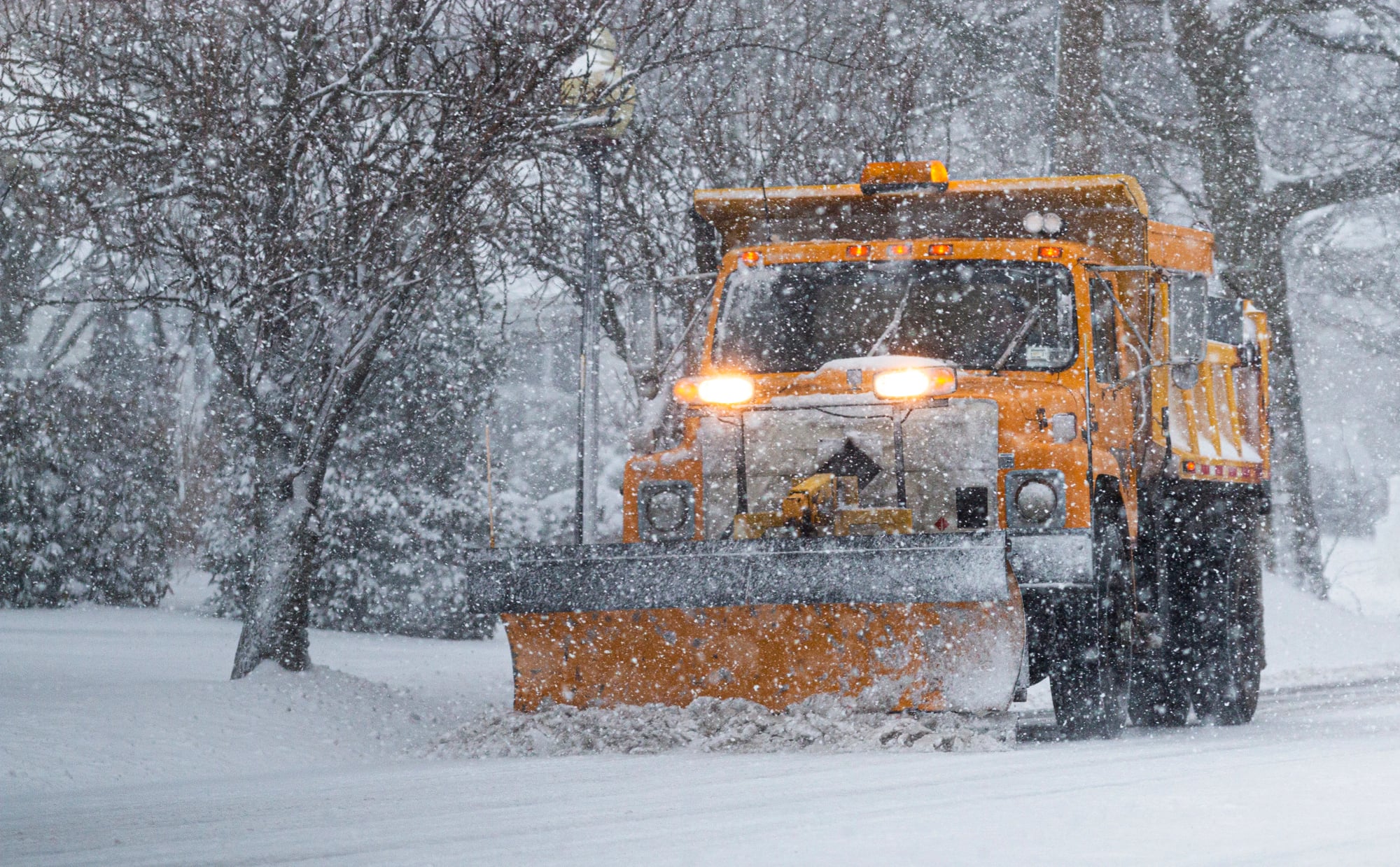
The arrival of the snowplow marked both salvation and disappointment — streets would be passable again, but your carefully constructed snow piles would be destroyed. Kids gathered at windows to watch these yellow behemoths reshape their winter landscape.
Perfected the Art of Snow Angels in Formation
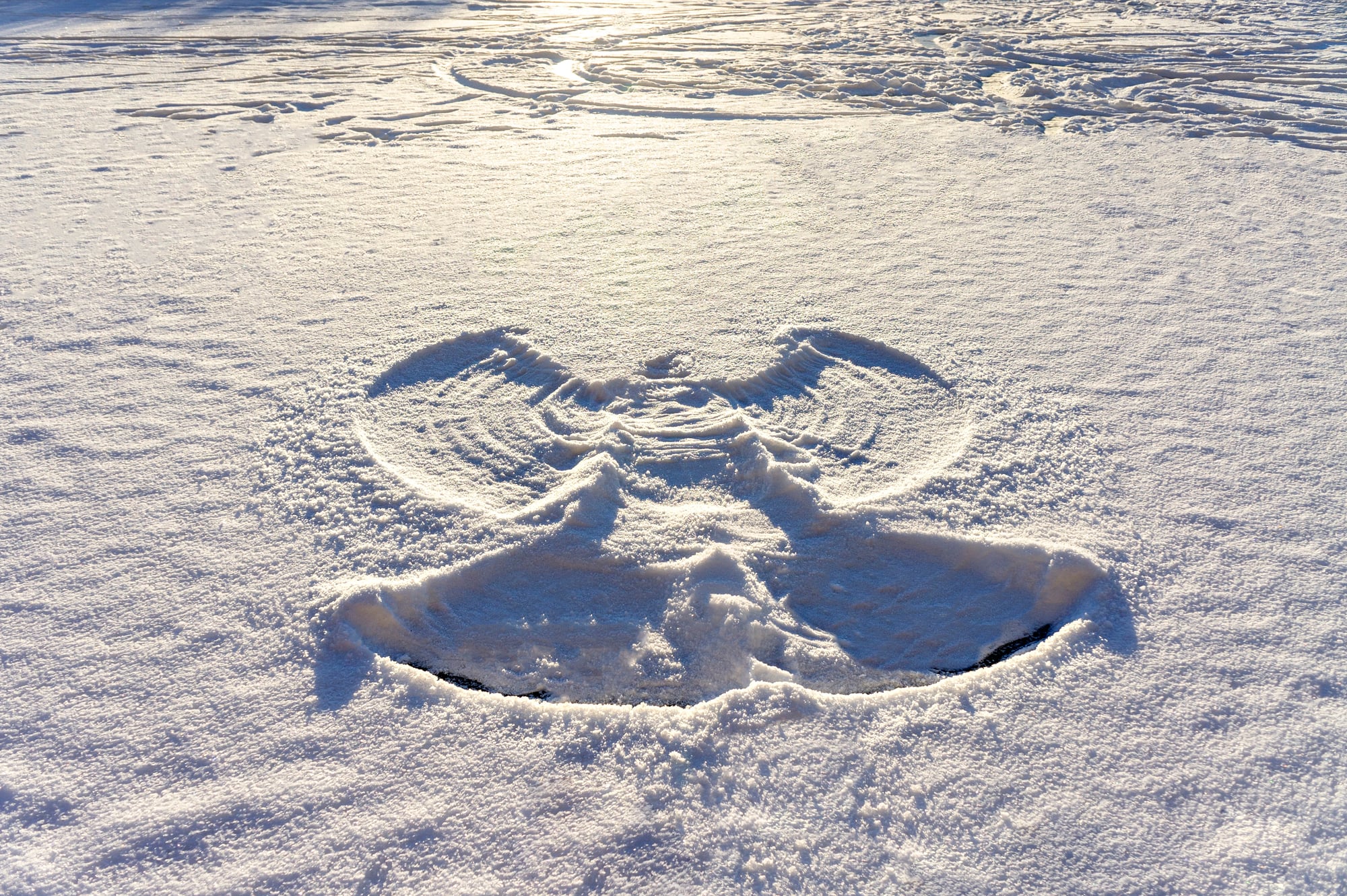
Coordinated snow angels required military precision and complete trust in your teammates. The goal was creating a snow angel family or, for the truly ambitious, entire snow angel neighborhoods.
Success depended on everyone falling backward simultaneously and nobody chickening out mid-fall.
Tested Every Possible Sledding Surface
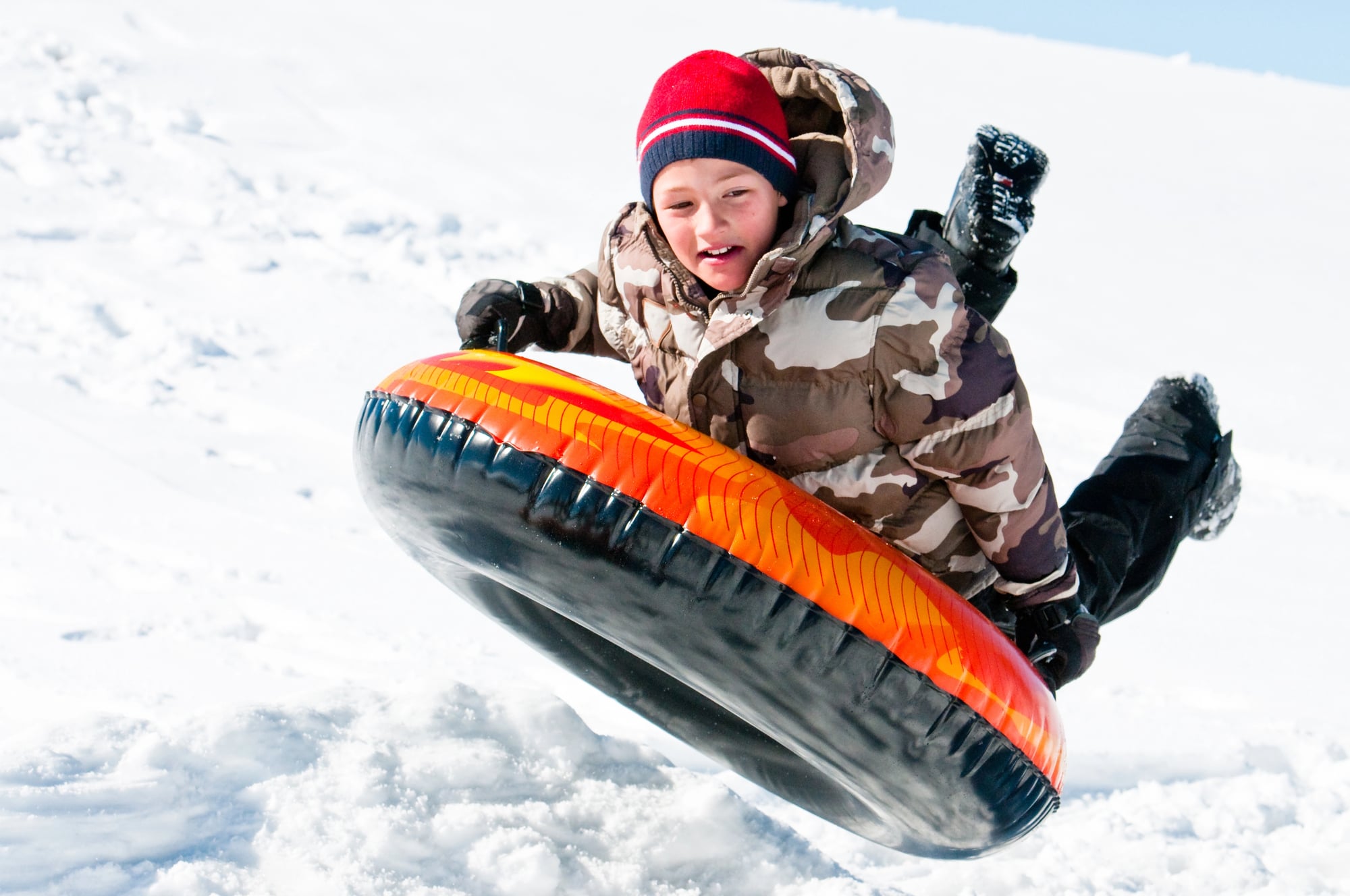
Innovation drove sledding technology beyond traditional sleds. Garbage can lids, cardboard boxes, plastic bags, and cafeteria trays all underwent field testing.
The most successful alternatives usually came from the least likely sources, and the failures created the best stories.
Built Snow Mazes
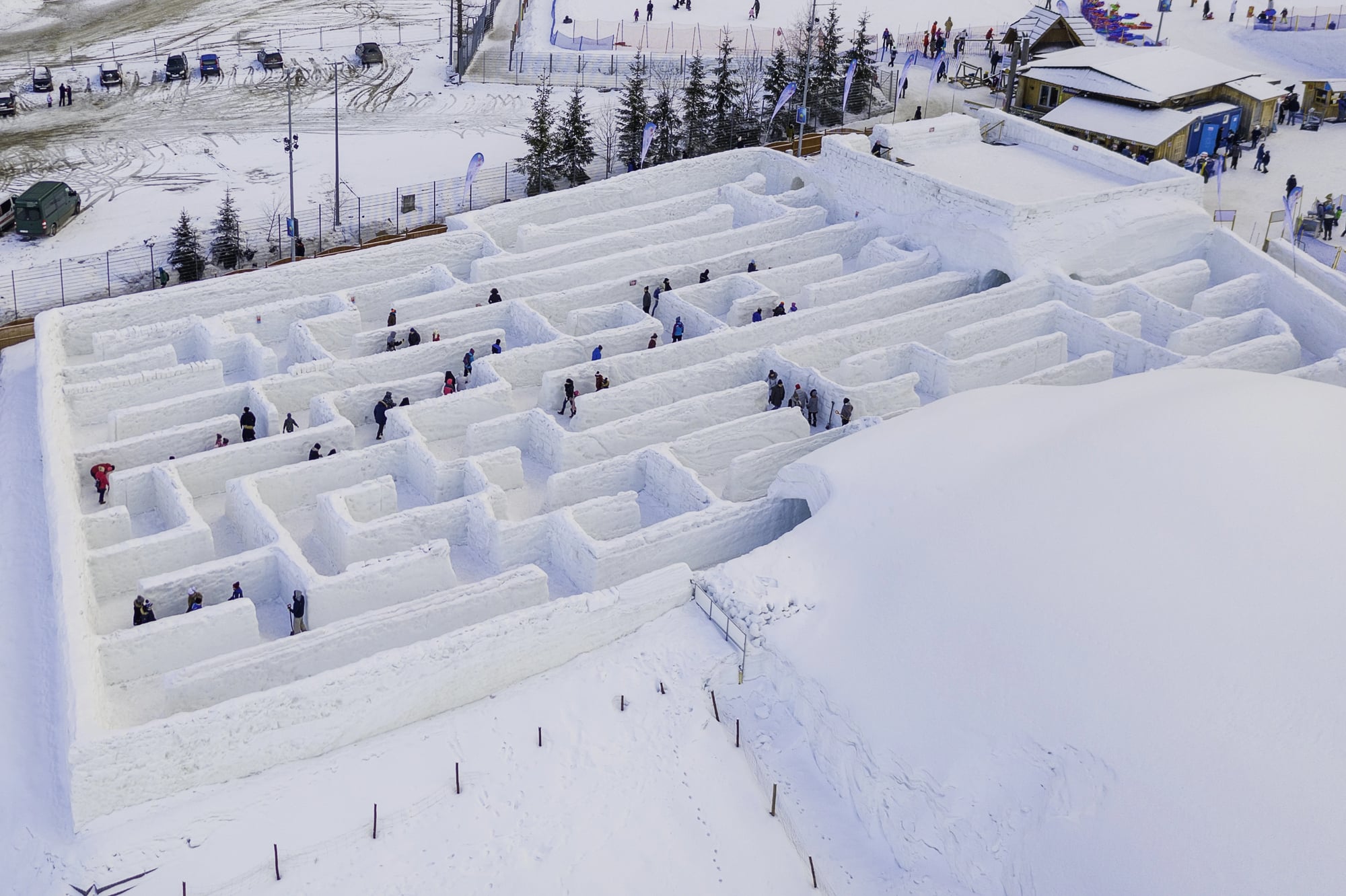
Ambitious landscape architects created elaborate pathway systems designed to confuse and delight visitors. These weren’t just random walls — they were complex navigation challenges that tested both the creator’s planning skills and the visitor’s problem-solving abilities.
Reenacted Favorite TV Shows
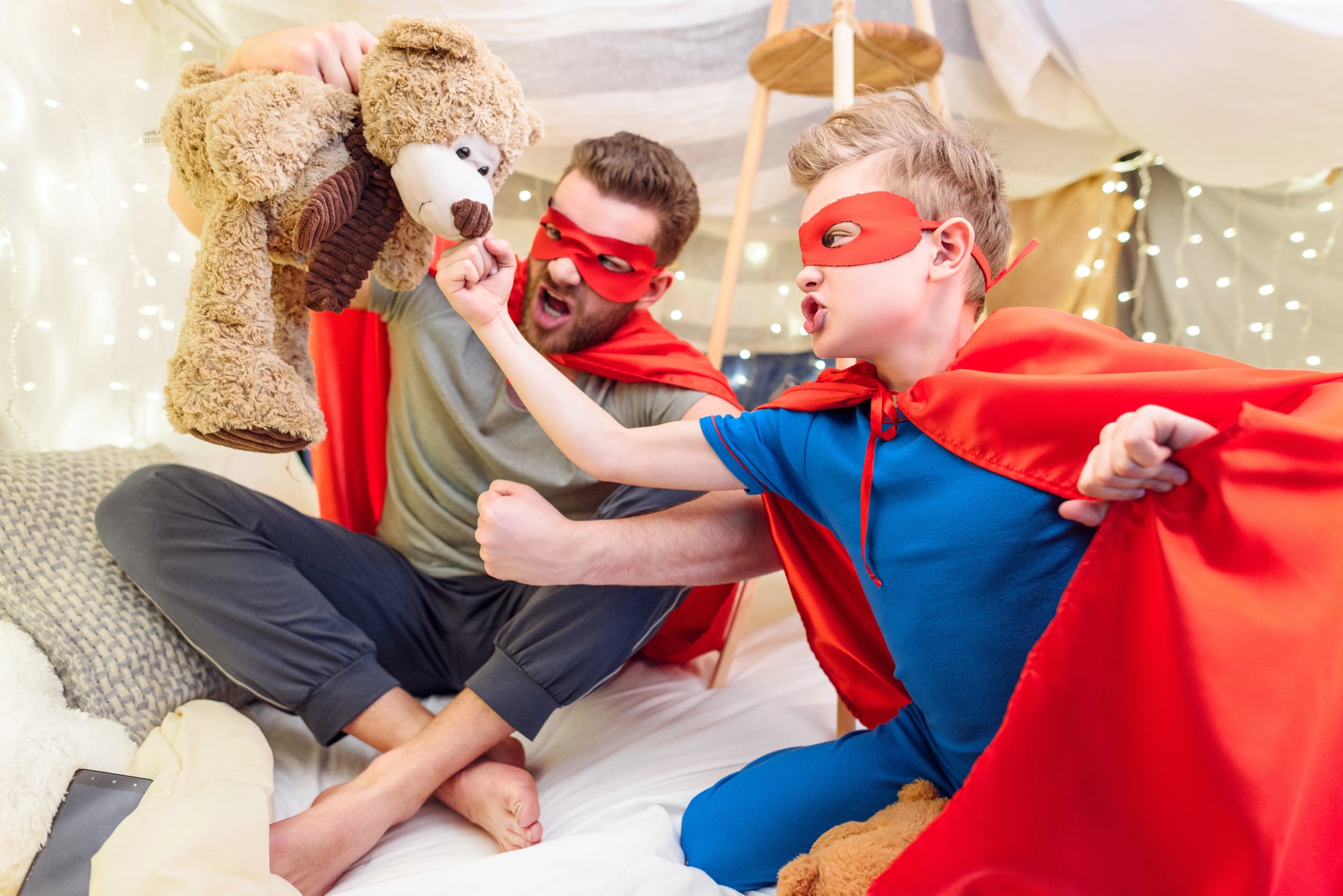
Snow days provided unlimited rehearsal time for elaborate productions based on whatever shows dominated your viewing schedule. The A-Team scenarios worked particularly well in snowy conditions, though MacGyver-style problem-solving usually ended with someone’s mittens getting lost.
Documented Everything with Polaroid Cameras
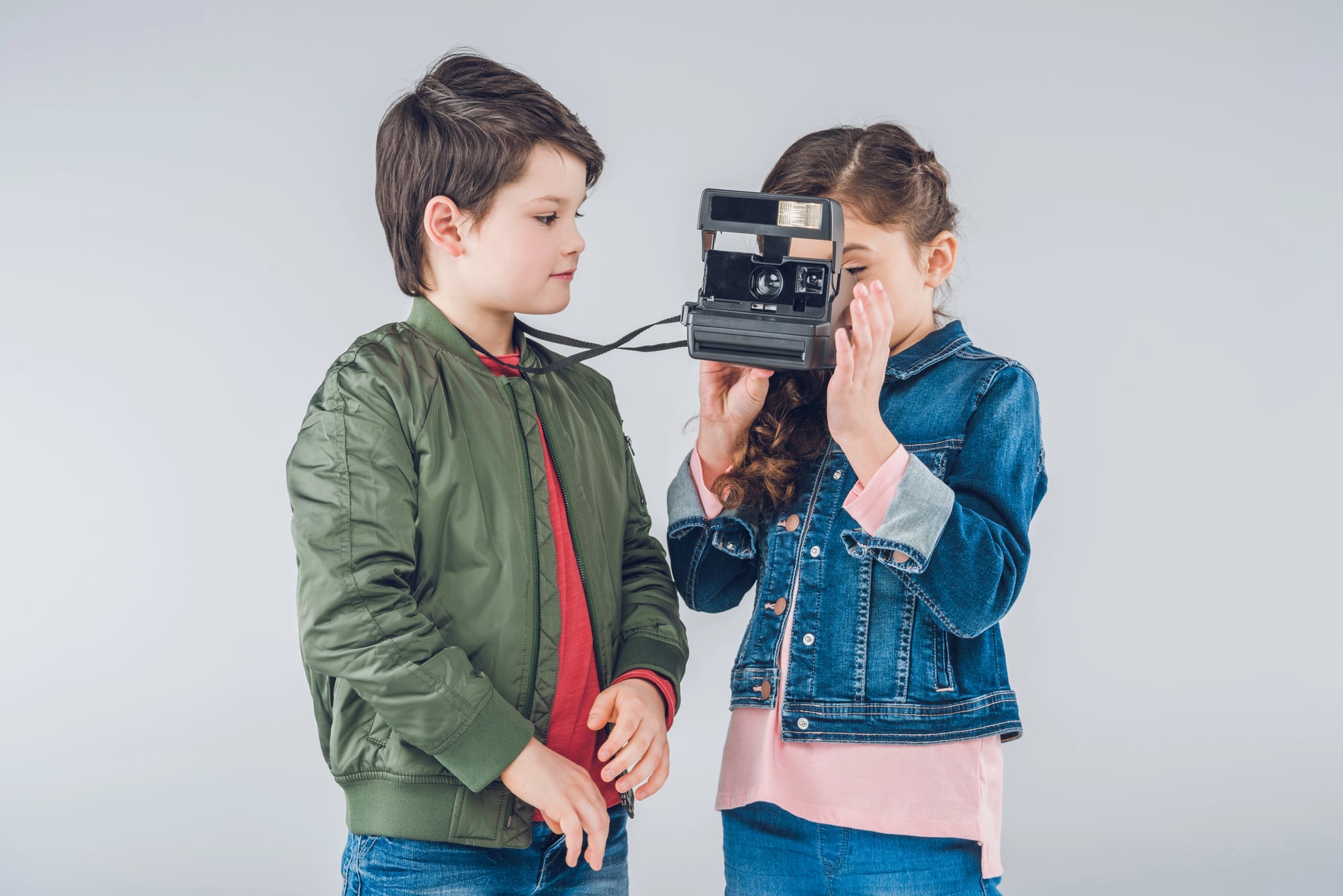
Before digital photography, capturing snow day memories required actual film and patience. Polaroid cameras created instant documentation, though the chemical development process worked slower in cold weather.
These photos became treasured evidence that the perfect day had actually happened.
Reflecting on Yesterday’s Weather
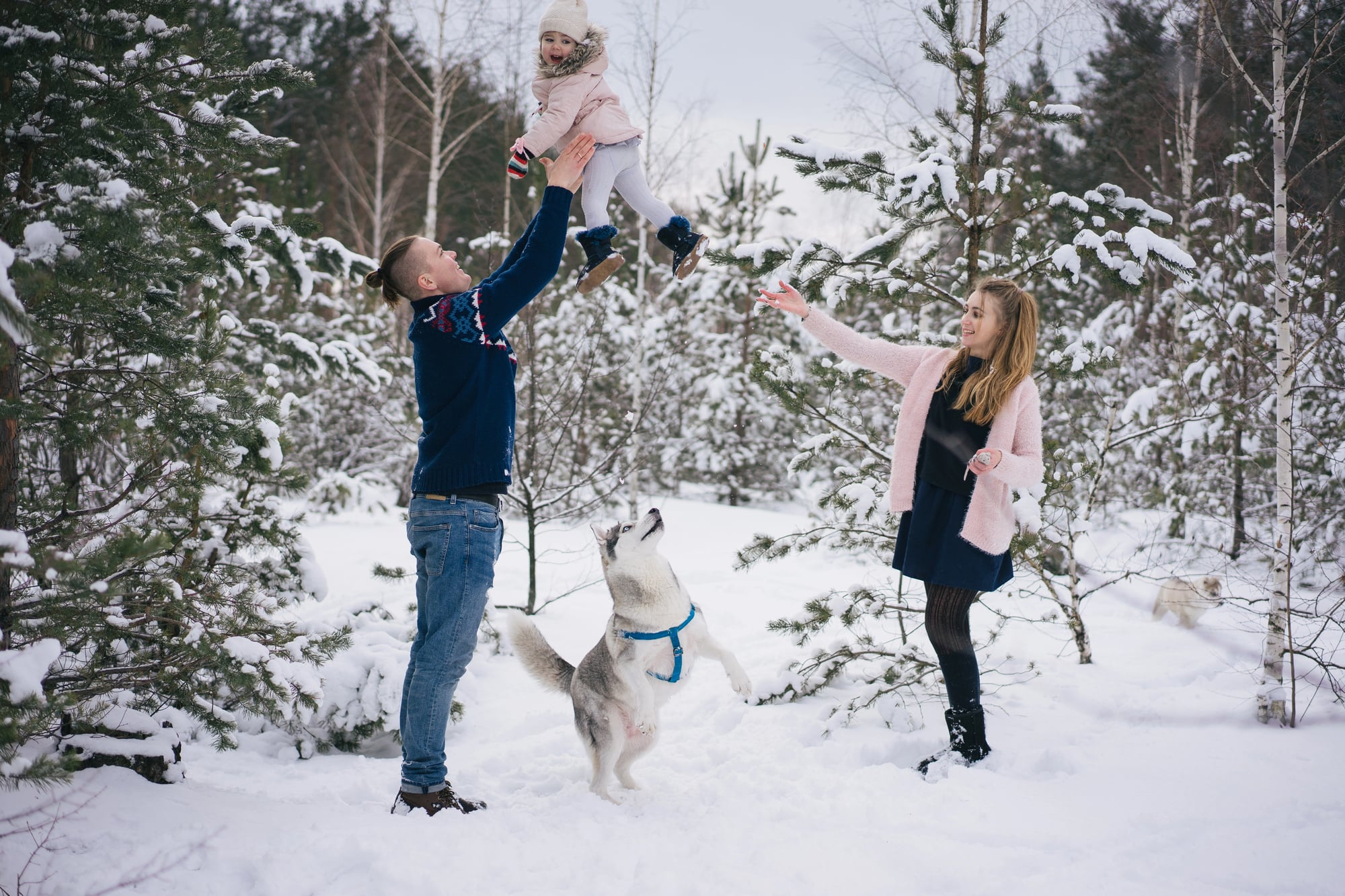
Snow days in the ’80s taught lessons that had nothing to do with school curricula. They showed that the best adventures couldn’t be scheduled, that creativity flourished when normal rules dissolved, and that sometimes the most meaningful learning happened when you weren’t trying to learn anything at all.
Those unplanned days created memories that lasted decades, proving that spontaneity and snow could transform an ordinary winter into something legendary.
More from Go2Tutors!

- The Romanov Crown Jewels and Their Tragic Fate
- 13 Historical Mysteries That Science Still Can’t Solve
- Famous Hoaxes That Fooled the World for Years
- 15 Child Stars with Tragic Adult Lives
- 16 Famous Jewelry Pieces in History
Like Go2Tutors’s content? Follow us on MSN.



