Forgotten Dance Crazes That Took Over a Decade
Some dances explode overnight, filling clubs, radio charts, and living rooms—then vanish just as quickly. Yet every so often, a few manage to hang on.
They stretch far past their moment, shaping fashion, sound, and even attitude. Here’s a list of the dances that refused to fade, each one staying in step long after the music should have stopped.
The Twist
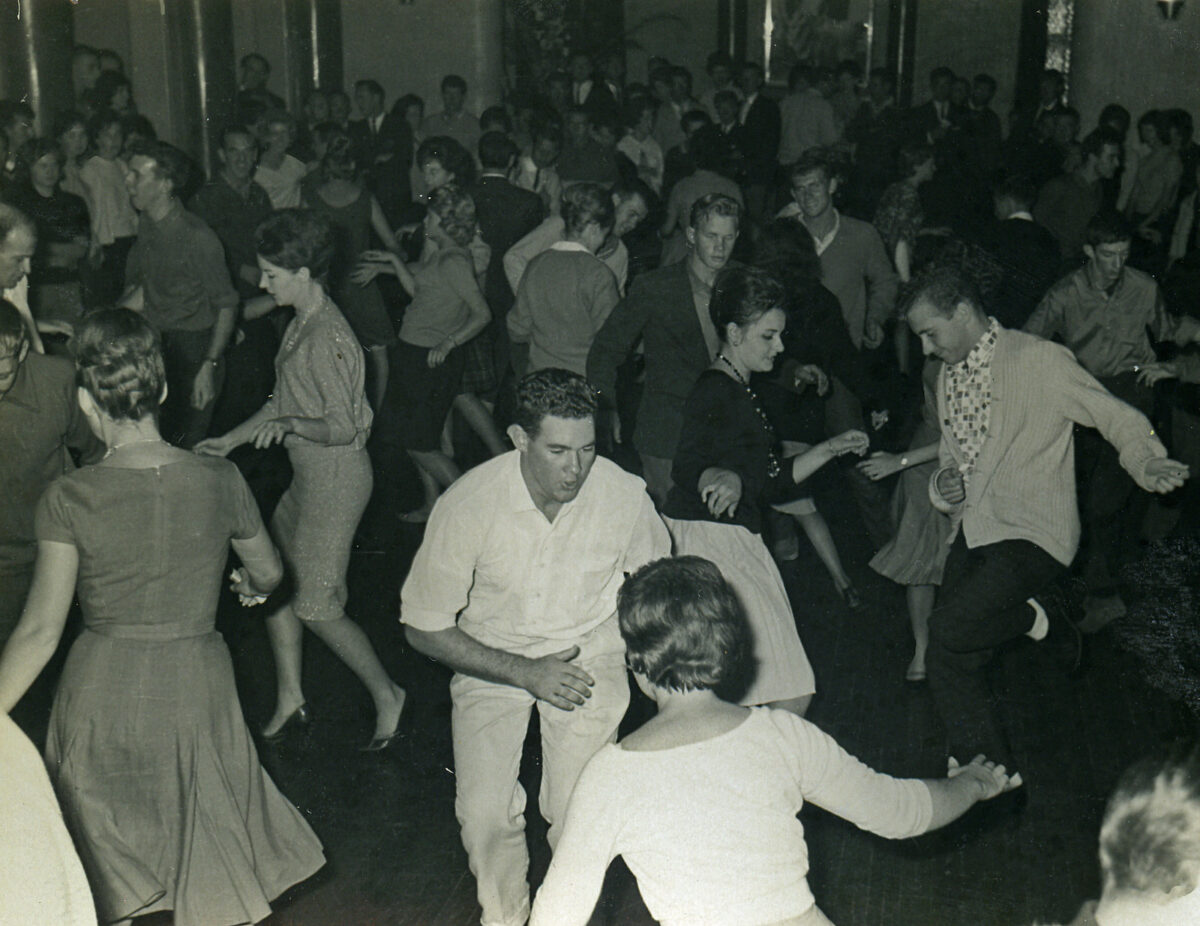
It began simply enough—a swivel, a bend, a move anyone could try. But the Twist didn’t just sweep the early ’60s; it rewired how people danced.
Suddenly, partners didn’t need to touch. Teenagers twisted at home, at parties, on national TV. Parents joined in too.
And for something that looked like a glorified exercise move, it felt revolutionary.
The Hustle
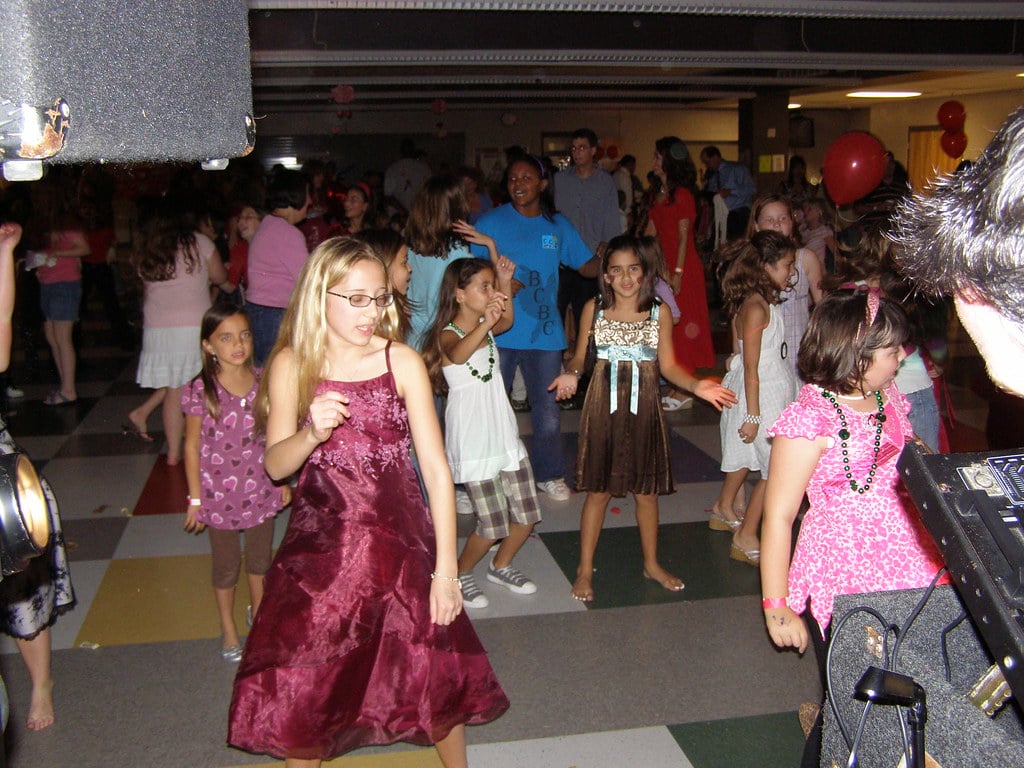
Born from New York’s disco heartbeat, the Hustle was both slick and exhausting. Fast spins, repeating rhythms, a kind of elegance that bordered on obsession.
It packed roller rinks, mirrored studios, and glitzy nightclubs for nearly a decade. When disco faded, the Hustle didn’t die—it just dimmed the lights and kept dancing quietly in the background.
The Electric Slide
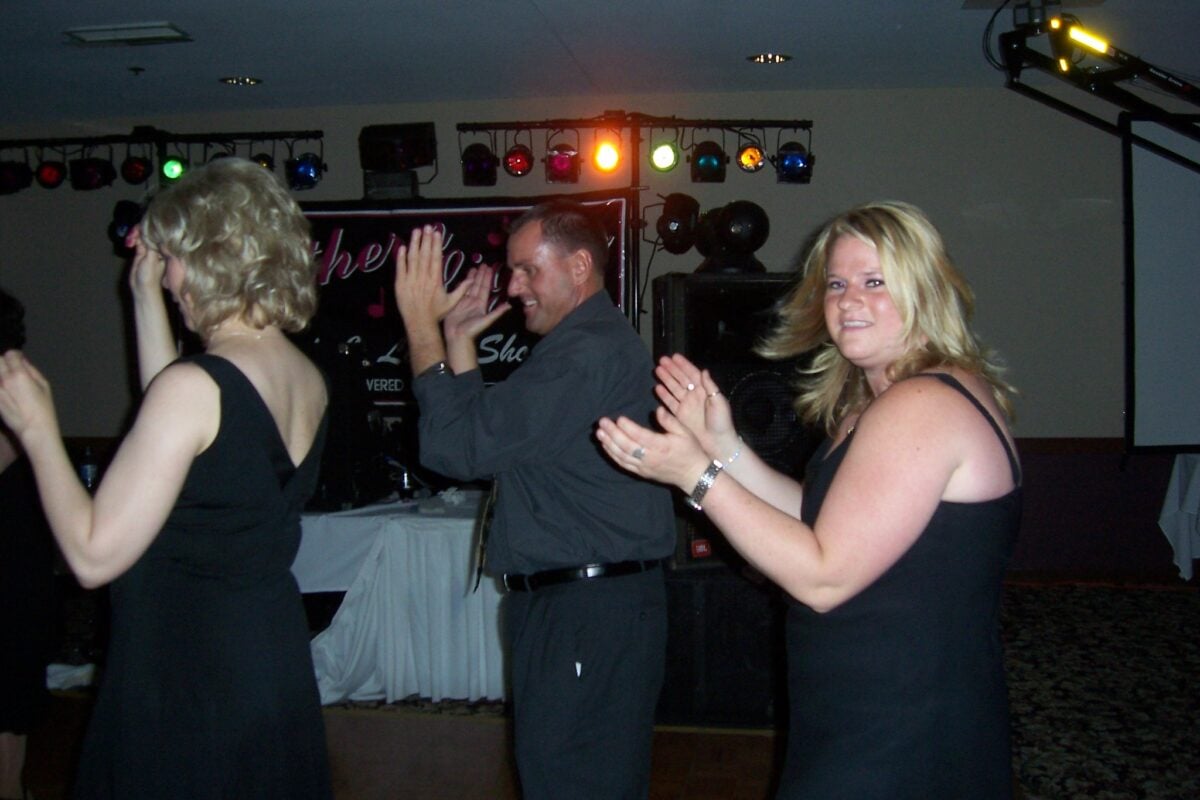
Few moves have survived as many weddings. The Electric Slide, introduced in the late ’80s, became a universal language for gatherings of every kind.
Four walls, 18 steps, endless repetition. And somehow, it never got old.
There’s always one person who jumps in too early, laughing anyway. That’s part of the charm.
The Macarena
Inescapable. That’s the only word for it.
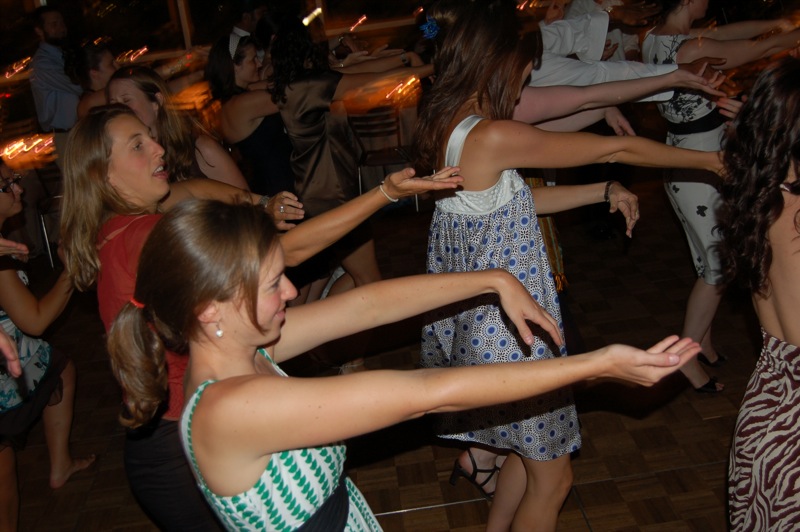
From 1993 to the early 2000s, the Macarena was everywhere—airports, school halls, even political rallies. The routine was easy: a few hand flips, a hip sway, a turn.
Ten years later, people were still doing it, pretending not to enjoy it.Even so, once the music starts, muscle memory takes over.
The Moonwalk
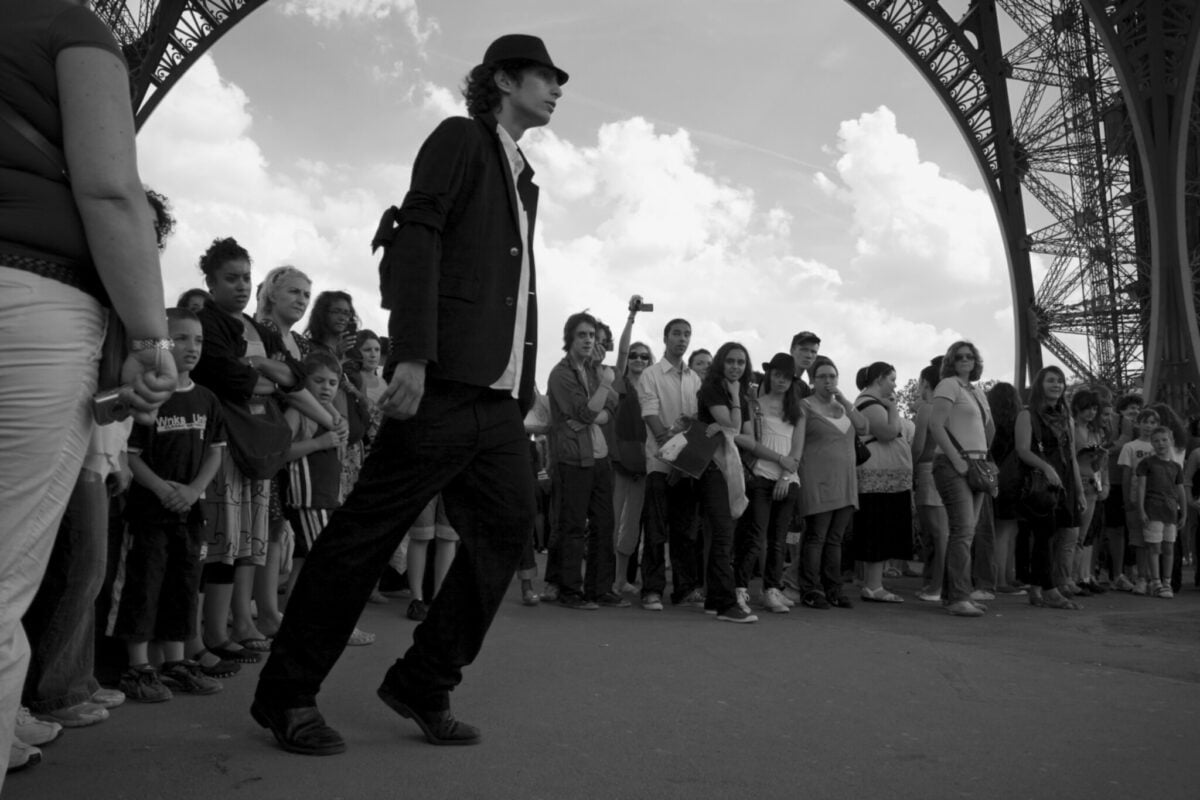
It looked like magic. When Michael Jackson glided backwards across the stage in 1983, audiences froze.
But the move itself predated him—born from mime and street dance. Still, his performance turned it into legend.
Kids practiced on tile floors, sliding in socks, desperate to master that illusion. Some never did. Still trying, maybe.
The Running Man

Equal parts rhythm and cardio, this late-’80s move took over the ’90s before making a strange comeback decades later. It was half jog, half groove—pure momentum. You could find it in school gyms, nightclubs, or viral internet clips.
And though its name suggested effort, the Running Man always looked effortless when done right. Not easy.
But smooth.
The Cha-Cha Slide
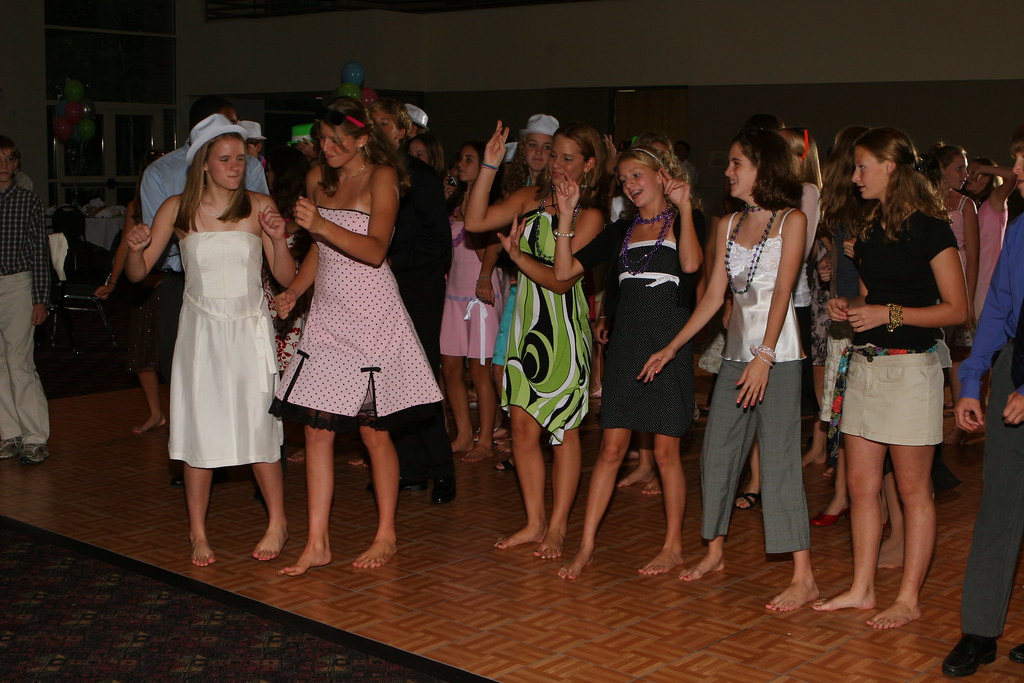
Instructional and strangely hypnotic, this one came with built-in directions. “Slide to the left, slide to the right.”
Simple enough. Created for aerobics classes in the late ’90s, it quickly escaped into parties, graduations, and corporate events.
Resistance was useless. The voice told you what to do, and you did it—smiling through it, every time.
The Harlem Shake
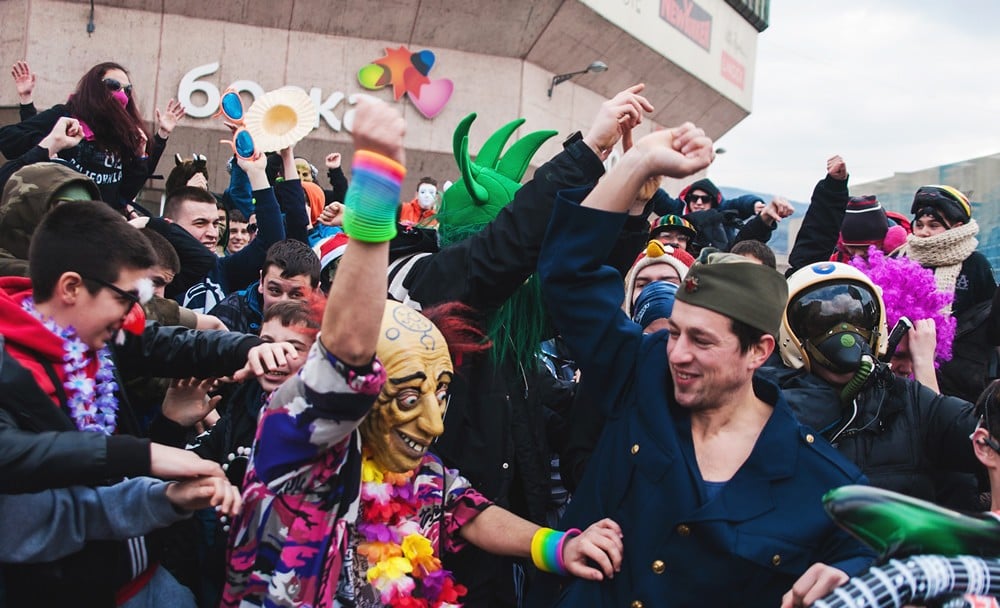
Two dances, one name. The original Harlem Shake was full of rhythm and swagger—rooted in early 2000s hip-hop.
Then, in 2013, came the chaotic meme version: masks, costumes, total absurdity. Still, both captured the same joy.
That wild, unfiltered energy that says, “Why not?”
The YMCA Dance
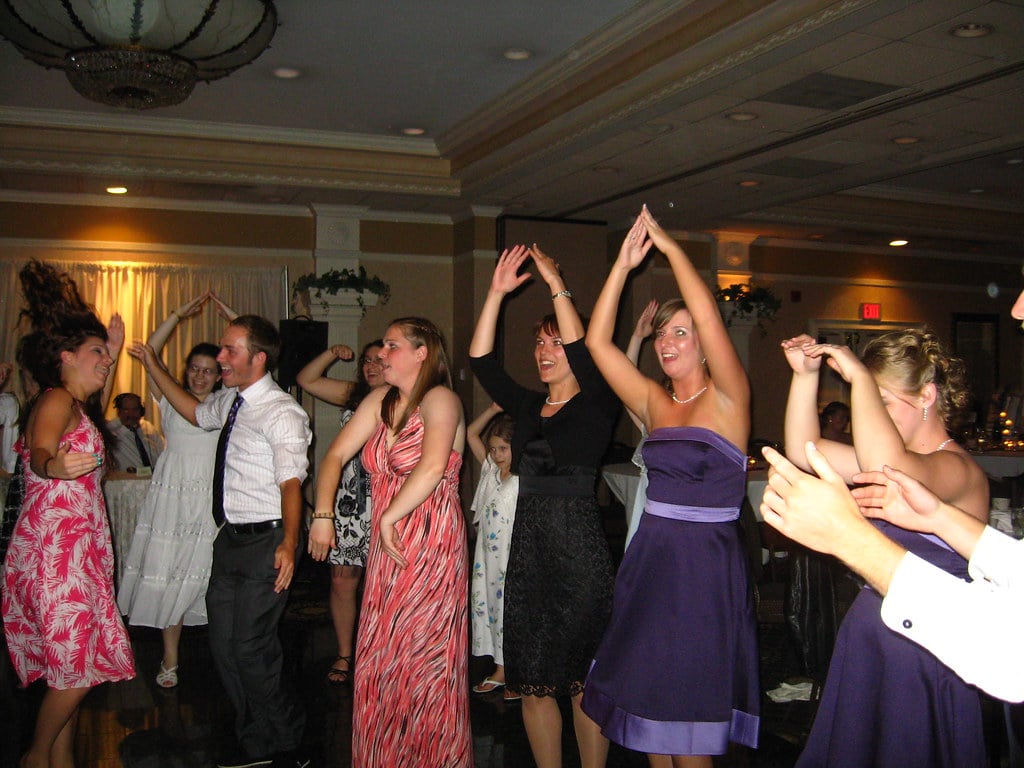
Four letters, endless enthusiasm. Since the late ’70s, crowds around the world have been spelling out Y-M-C-A in unison.
From stadiums to nightclubs, nobody escapes it. The tune kicks in, arms rise automatically, and the whole place moves together.
It’s corny. It’s perfect.
And somehow, it’s never gone out of style.
When the Beat Won’t Die
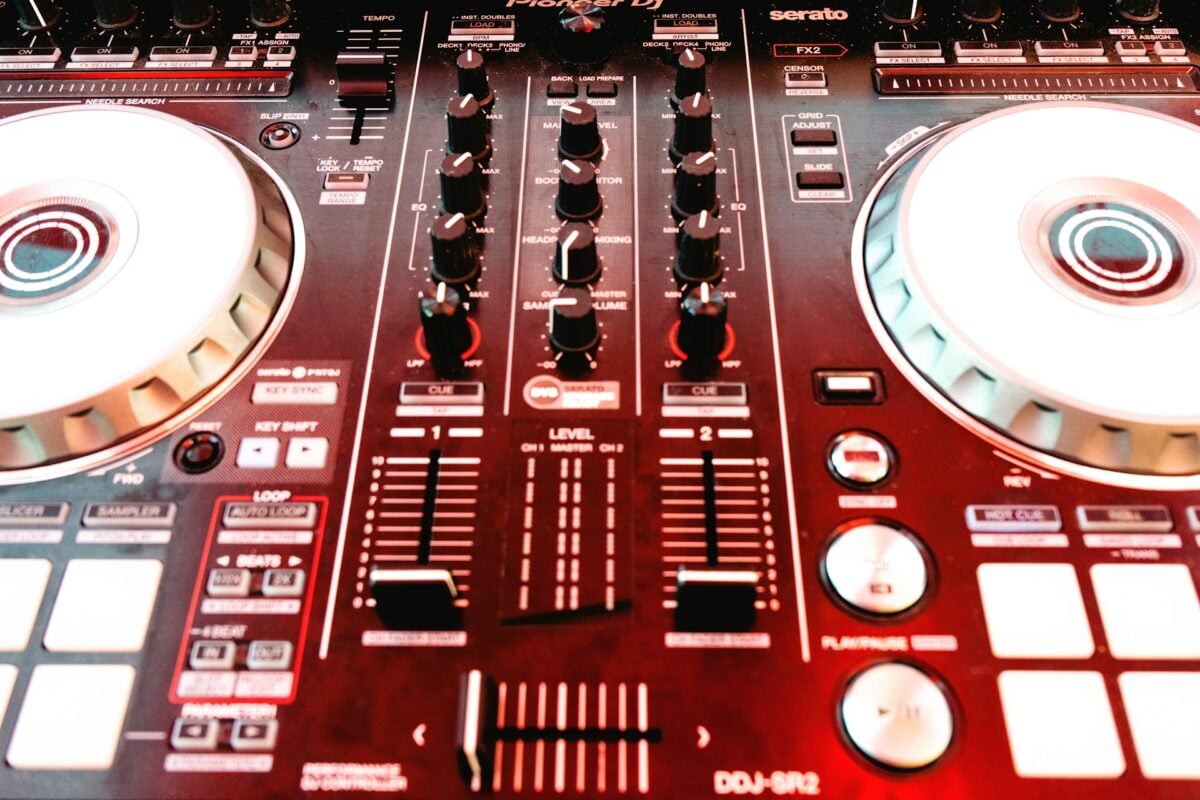
Some dances belong to a single era; others become part of our collective muscle memory. They remind people how joy looks when it moves—shared, a little silly, but unstoppable.
Even when the lights go out, the rhythm keeps echoing.
More from Go2Tutors!

- The Romanov Crown Jewels and Their Tragic Fate
- 17 Halloween Costumes Once Considered Taboo
- Famous Hoaxes That Fooled the World for Years
- 15 Child Stars with Tragic Adult Lives
- 16 Famous Jewelry Pieces in History
Like Go2Tutors’s content? Follow us on MSN.



