25 TV Dinners Families Lived On in the ’70s
The aluminum tray crinkled as it slid into the oven, and that sound meant dinner was sorted. No chopping, no planning, no standing over a stove for an hour while three kids pulled at your sleeves.
The 1970s were the golden age of the TV dinner — a time when families gathered around their wood-paneled television sets with compartmentalized meals that promised convenience and delivered something close to it. These weren’t gourmet affairs.
The mashed potatoes came out slightly rubbery, the vegetables looked like they’d seen better decades, and the meat was often a mystery worth pondering. But they worked.
Working parents could feed their families without the elaborate production that home cooking required, and kids could eat while watching “The Brady Bunch” without missing a single episode. Looking back, those foil-wrapped meals tell the story of a decade caught between tradition and transformation — when microwave ovens were still luxury items and frozen food felt like the future.
Swanson Fried Chicken
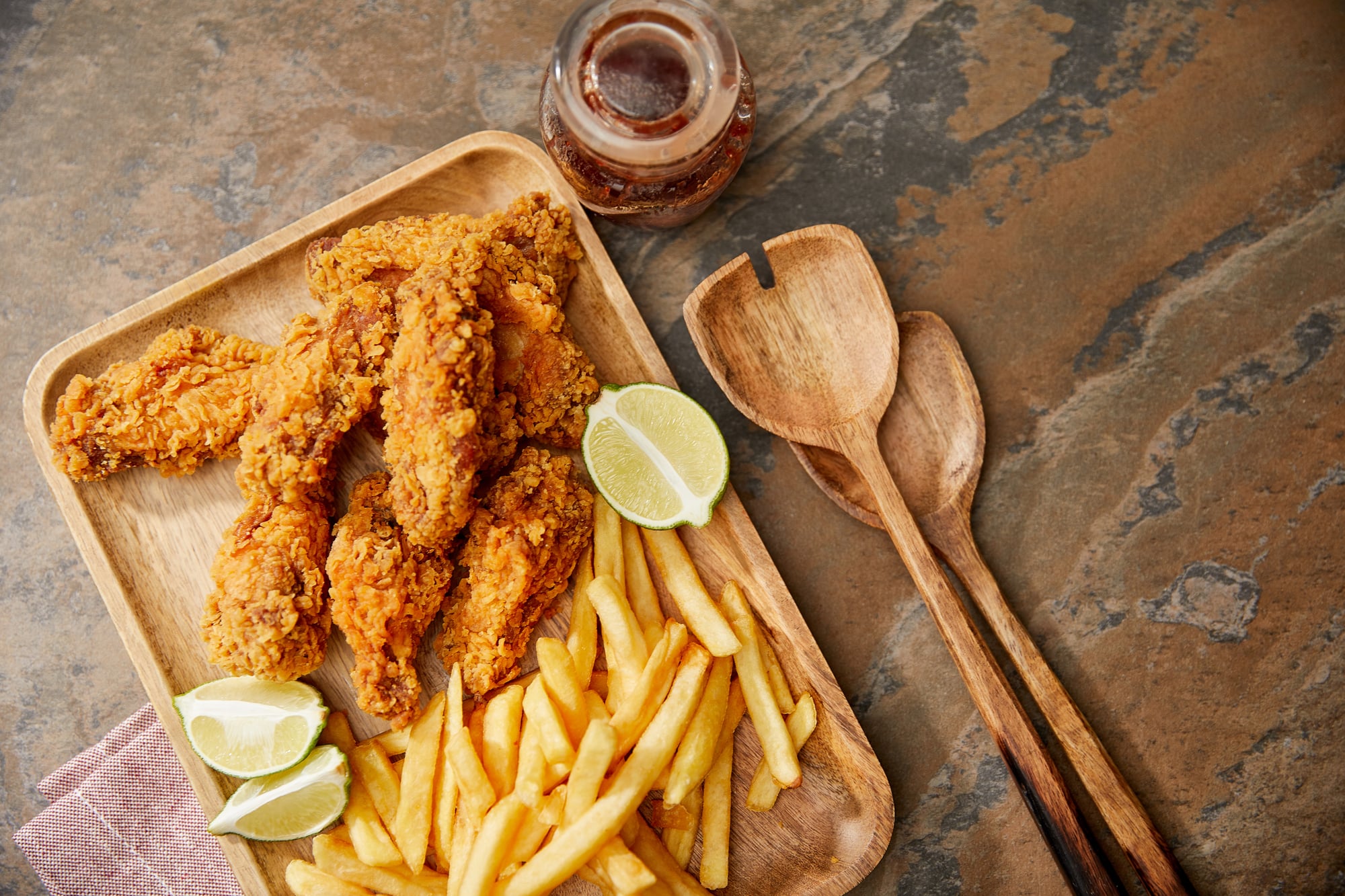
Swanson owned this market. Their fried chicken dinner came with corn, mashed potatoes, and a small helping of what they generously called gravy.
The chicken was never crispy — impossible in a foil tray — but it tasted like something your grandmother might have made if she’d been having an off day. The corn was reliably sweet, and the potatoes did what potatoes do: they filled space.
Salisbury Steak
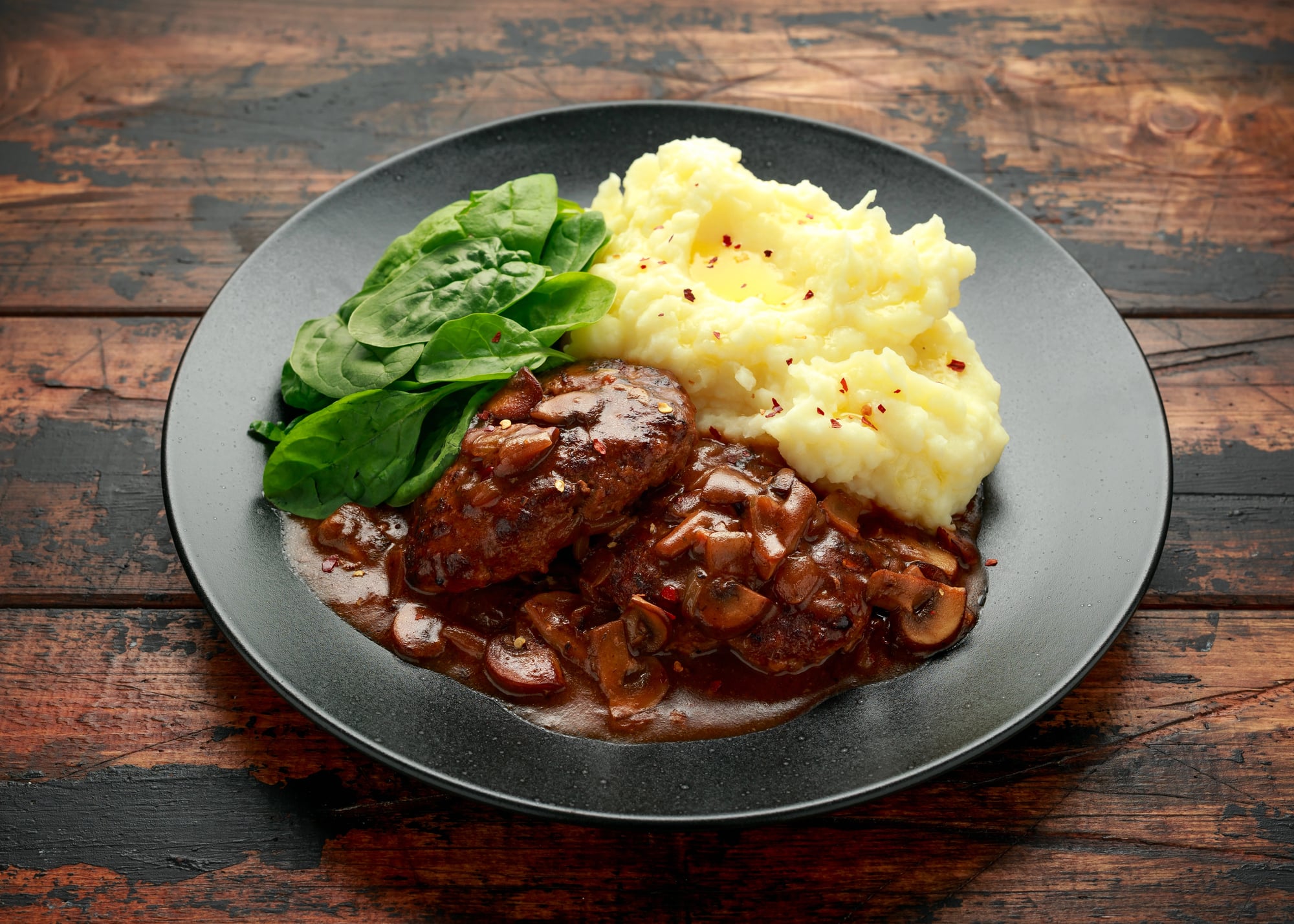
This was ground beef formed into an oval and covered with brown gravy that had ambitions. Sometimes it came with green beans that had been cooked into submission, sometimes peas that looked like tiny green marbles.
The name “Salisbury Steak” fooled no one. Everyone knew it was a hamburger patty dressed up for dinner, but families bought it anyway because it felt more substantial than most frozen offerings.
Turkey and Dressing
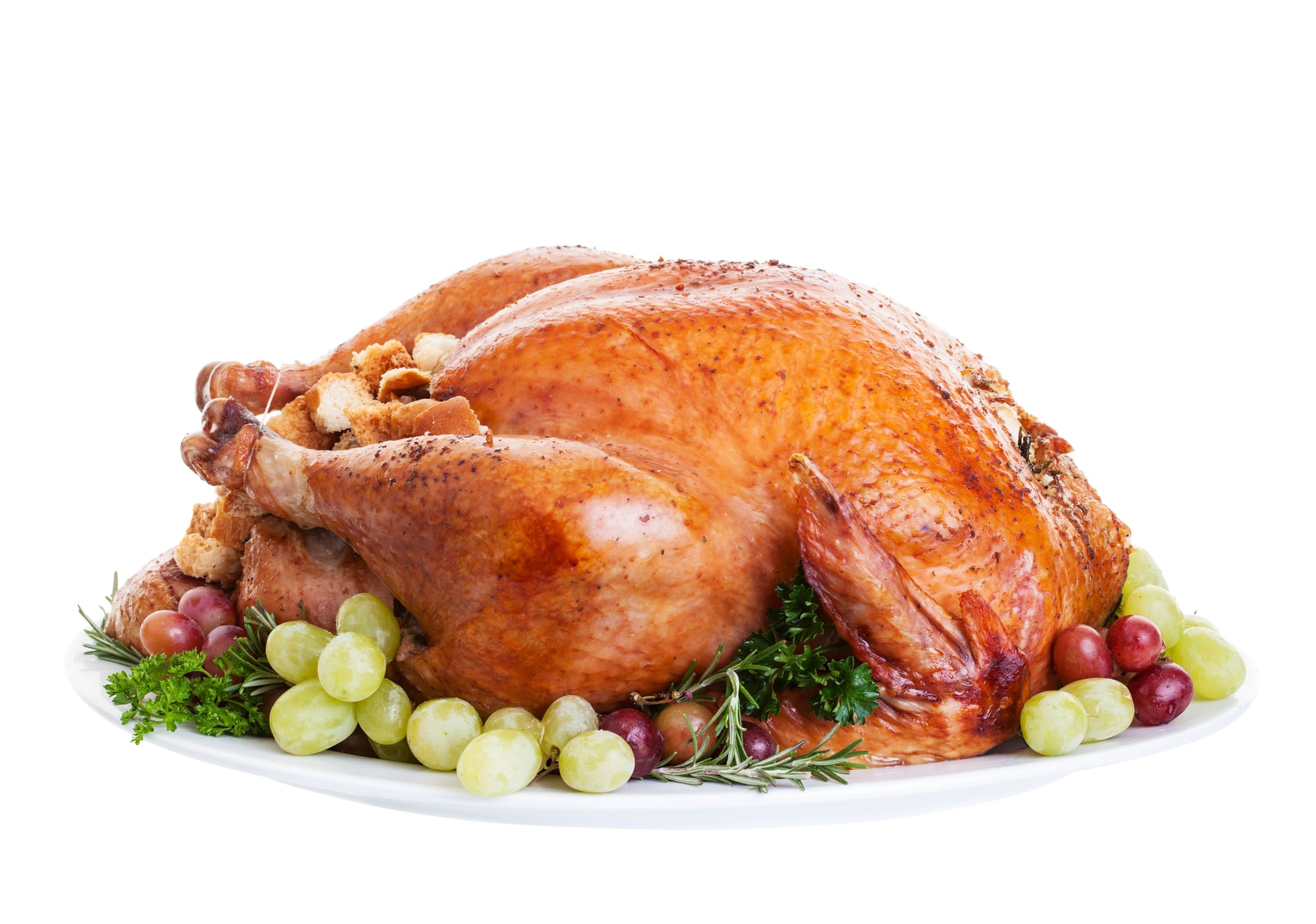
Thanksgiving in a tray, available year-round (which was either brilliant or sacrilegious, depending on how you felt about holiday traditions). The turkey came in small, uniform pieces that bore little resemblance to the bird they’d started as, but the stuffing — or “dressing,” as the package insisted — had that familiar sage-heavy flavor that reminded you of actual holidays, even if this was just a Tuesday night in March.
The cranberry sauce arrived as a small, perfectly rectangular block that maintained its shape no matter how much heat you applied to it. And yet, when you needed something that felt like comfort food without the three-day preparation, this did the job with a kind of no-nonsense efficiency that was hard to argue with.
Fish Sticks
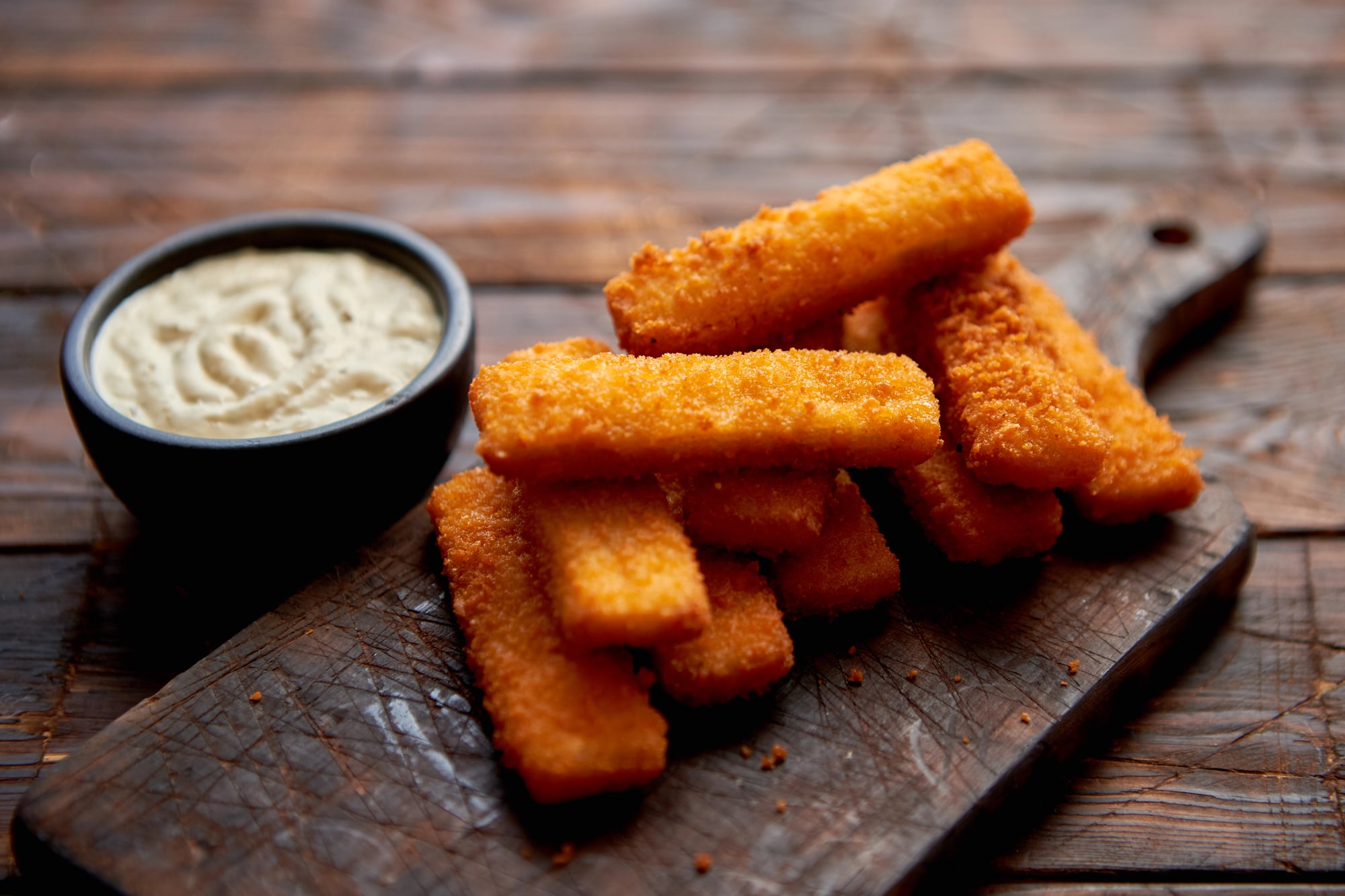
Fish sticks weren’t technically a TV dinner, but they appeared in so many frozen meal combinations that they earned their place at the table. Rectangular pieces of white fish wrapped in breadcrumbs that turned golden brown in the oven — assuming you remembered to flip them halfway through.
Kids loved them because they tasted like chicken nuggets from the sea. Parents tolerated them because fish was supposed to be healthy, and the breading made vegetables seem less important.
Beef Pot Pie
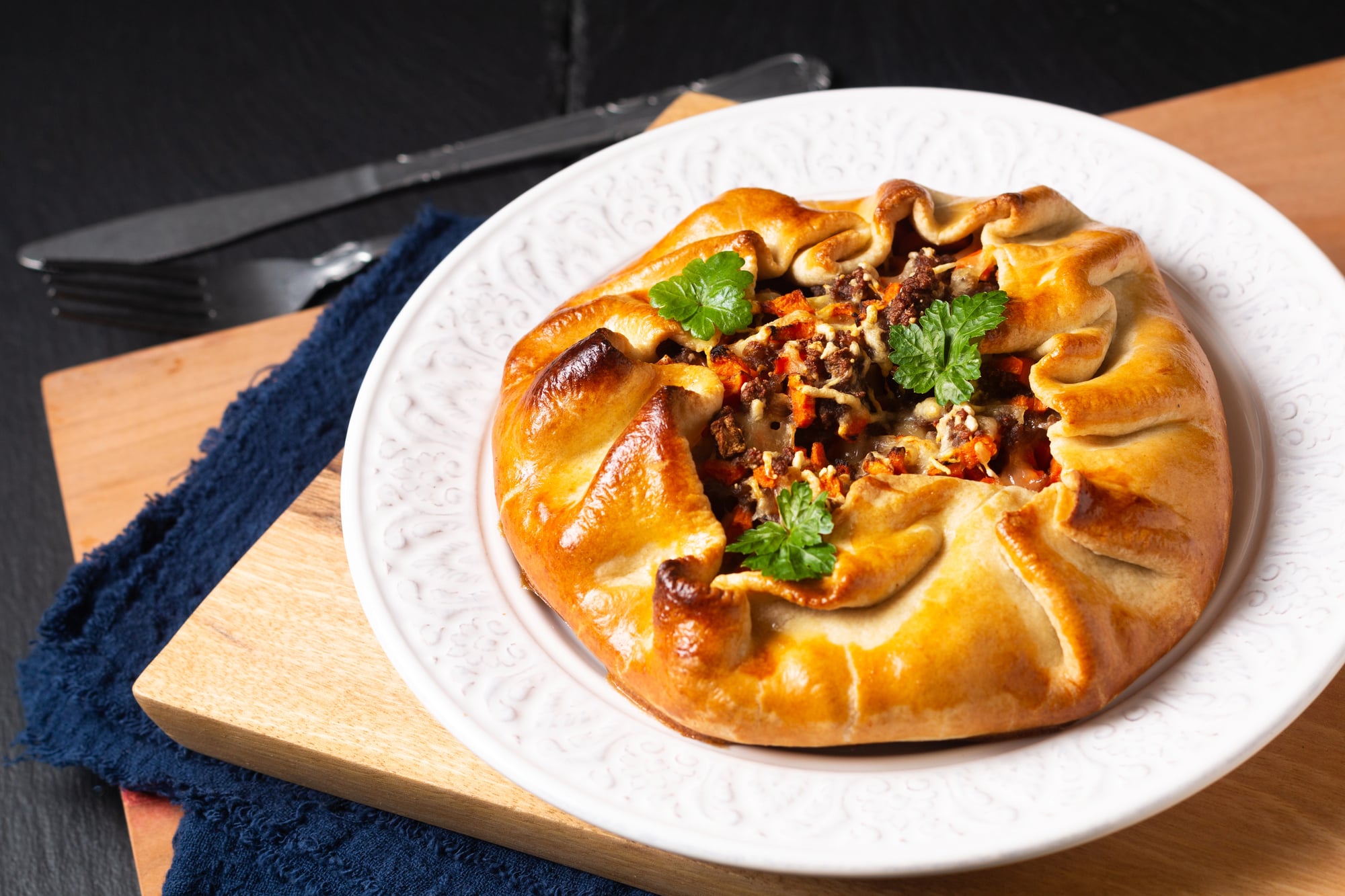
The pot pie was different from the compartmentalized TV dinners, but it belonged in the same frozen food ecosystem. Marie Callender’s and Swanson both made versions that came in individual aluminum pans, covered with a pastry crust that promised homemade comfort.
Underneath that crust was a mixture of beef, carrots, peas, and potatoes swimming in gravy that was usually too salty and occasionally too thin. The crust was the real star — flaky when it worked, soggy when it didn’t, but always better than anything else in the package.
Chicken and Dumplings
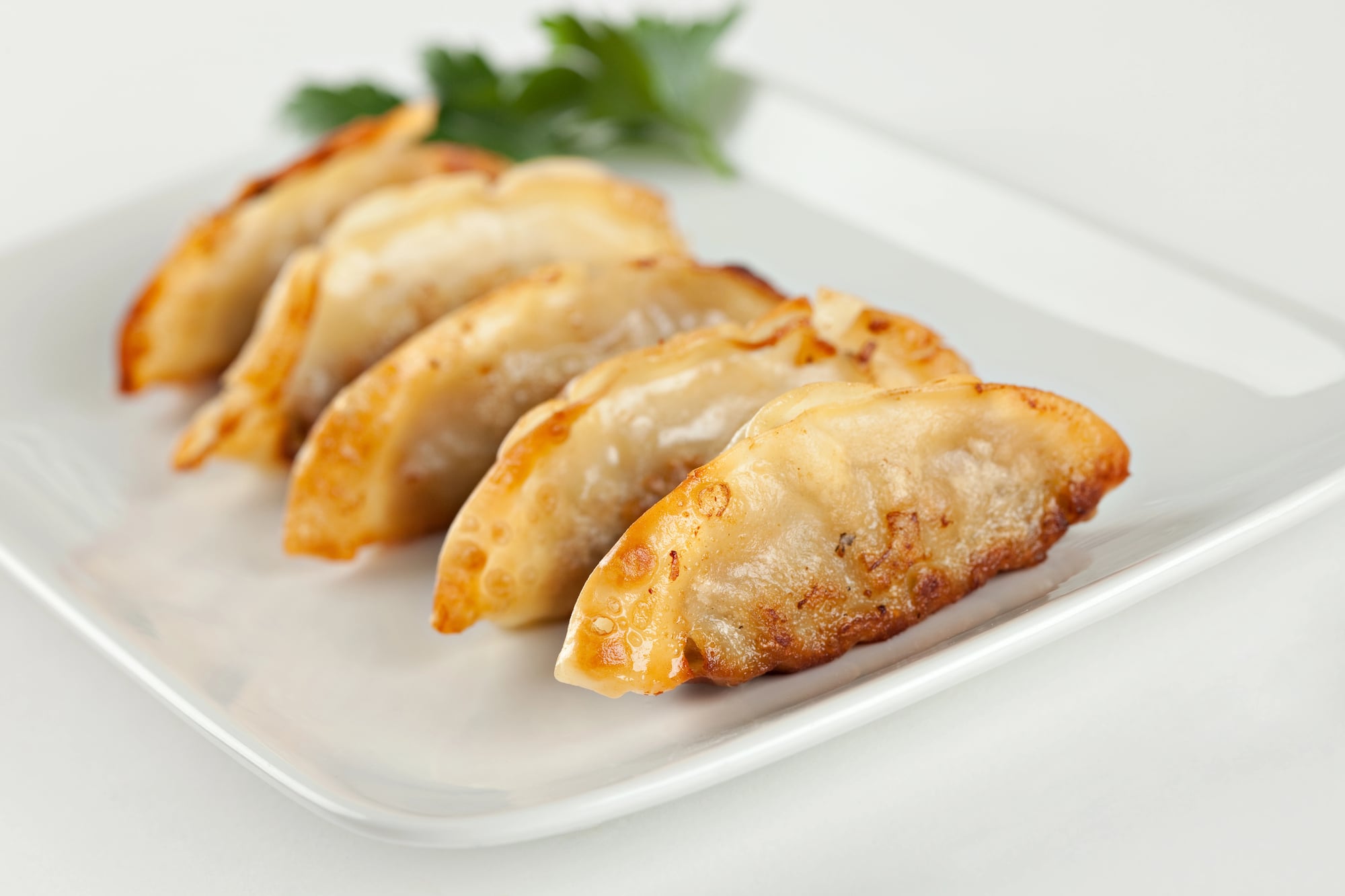
The dumplings were the problem here. They were supposed to be light, fluffy clouds of dough floating in savory chicken broth, but frozen food technology hadn’t quite figured out how to make that happen.
Instead, you got dense, chewy lumps that tasted like flour and disappointment. But the chicken was decent, and the sauce had enough herbs to make it interesting.
Some families learned to eat around the dumplings entirely, treating them like edible packing material.
Meatloaf
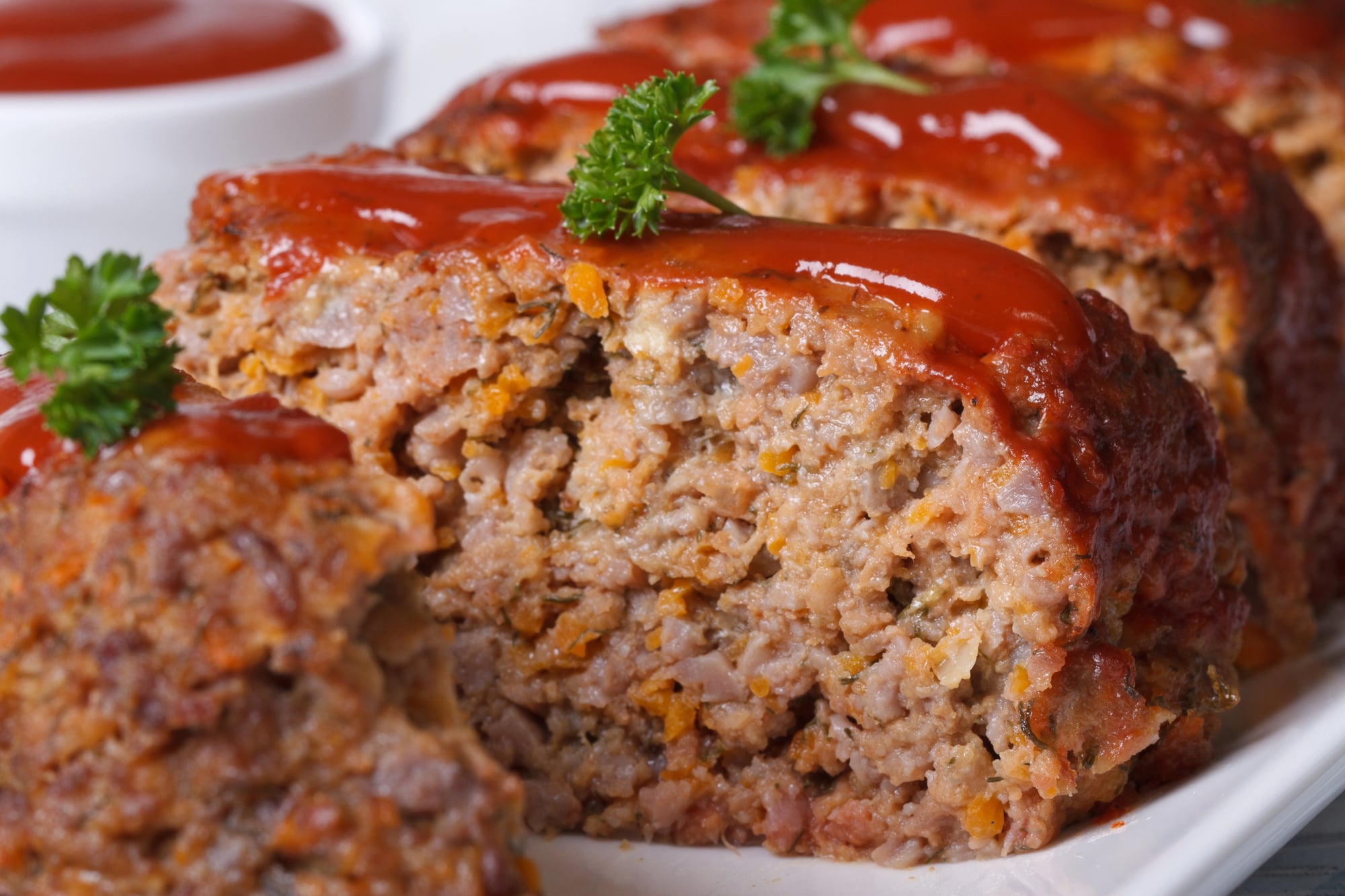
Meatloaf translates surprisingly well to the frozen food format because it’s already dense and compact. The TV dinner versions came with the standard mashed potatoes and a vegetable that rotated between green beans, peas, and corn depending on the brand.
The ketchup glaze on top was the key. It added sweetness and moisture to what could otherwise be a very dry experience.
Fried Fish
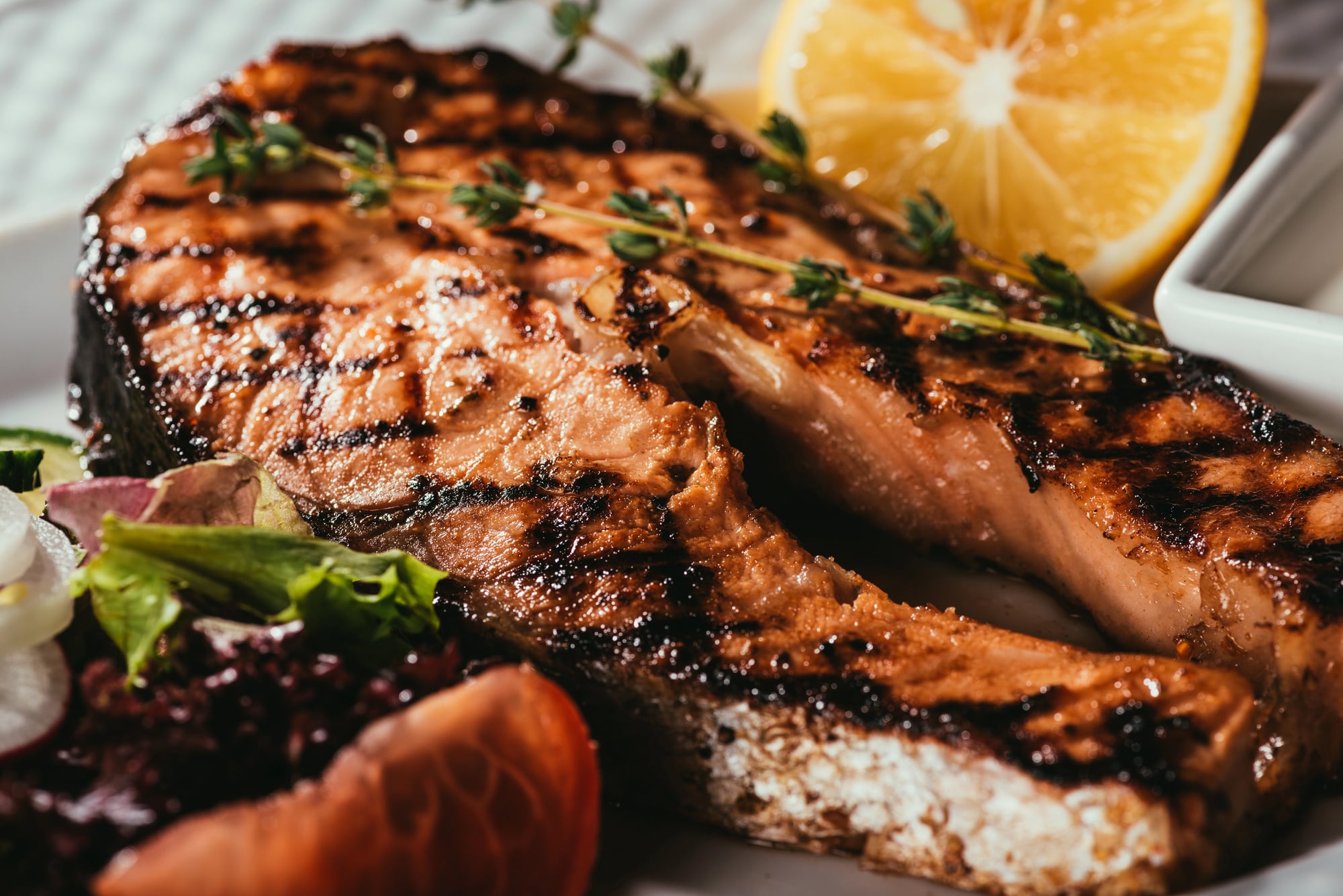
Before fish sticks dominated the frozen seafood market, there were actual fish fillets — usually cod or flounder — coated in batter and served with tartar sauce that came in a small plastic container.
The batter was never as crispy as restaurant fish, but it was crispier than most TV dinner proteins managed to be. The tartar sauce was mostly mayonnaise with pickle relish, but it did what tartar sauce is supposed to do: make fish taste less like fish.
Macaroni and Cheese
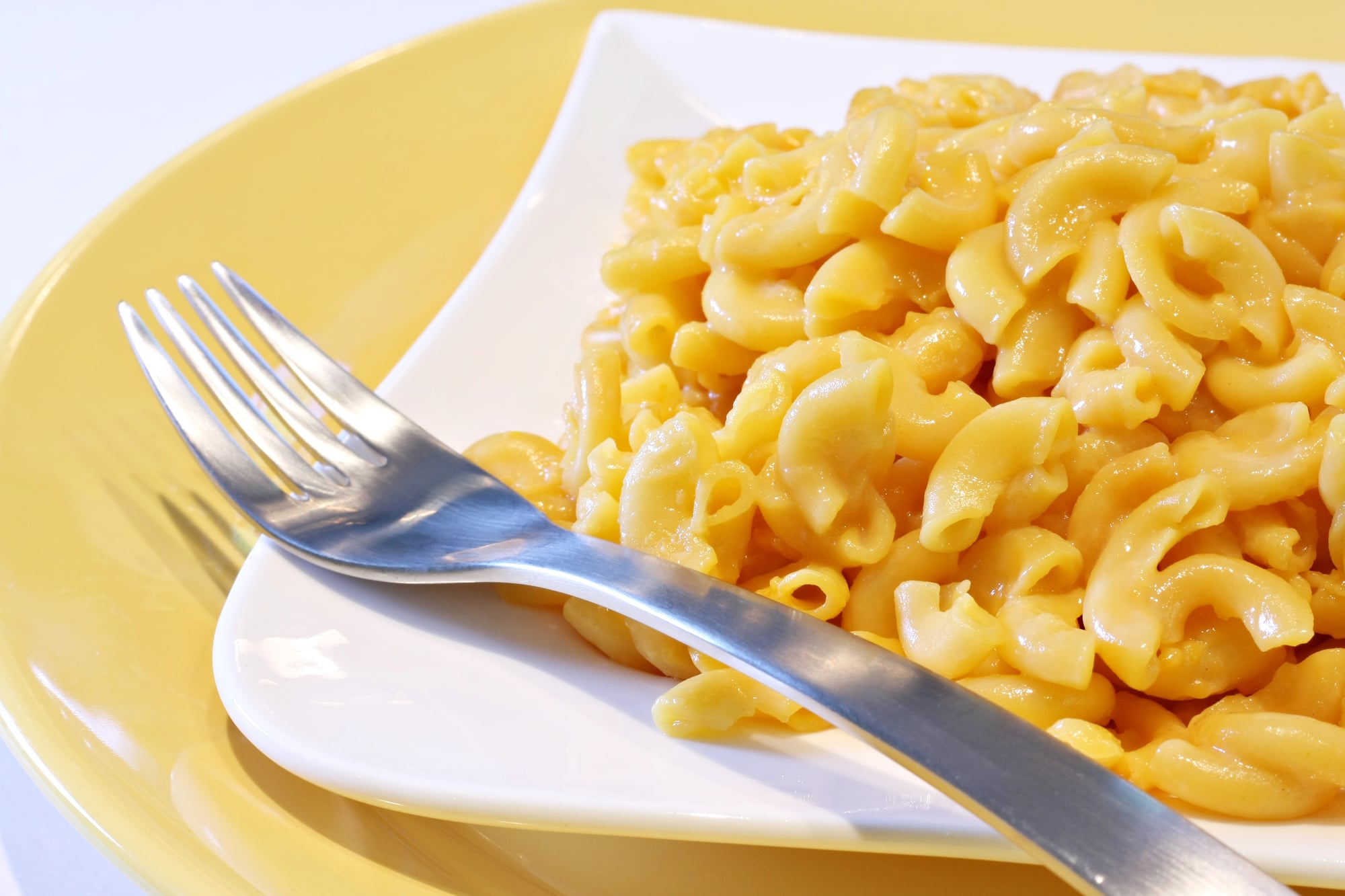
This was comfort food stripped down to its essential elements: pasta, cheese sauce, and the promise that everything would be okay. The cheese sauce was unnaturally orange — a color that doesn’t occur in nature but somehow became the standard for American cheese products.
The macaroni was usually overcooked, but that worked in its favor because it absorbed more of the cheese sauce. Some versions came with breadcrumbs on top for texture, others relied entirely on the pasta and sauce combination.
Kids requested this one by name. Parents bought it because it was cheap and filling, and because arguing about dinner wasn’t worth the energy when everyone was tired.
Swedish Meatballs
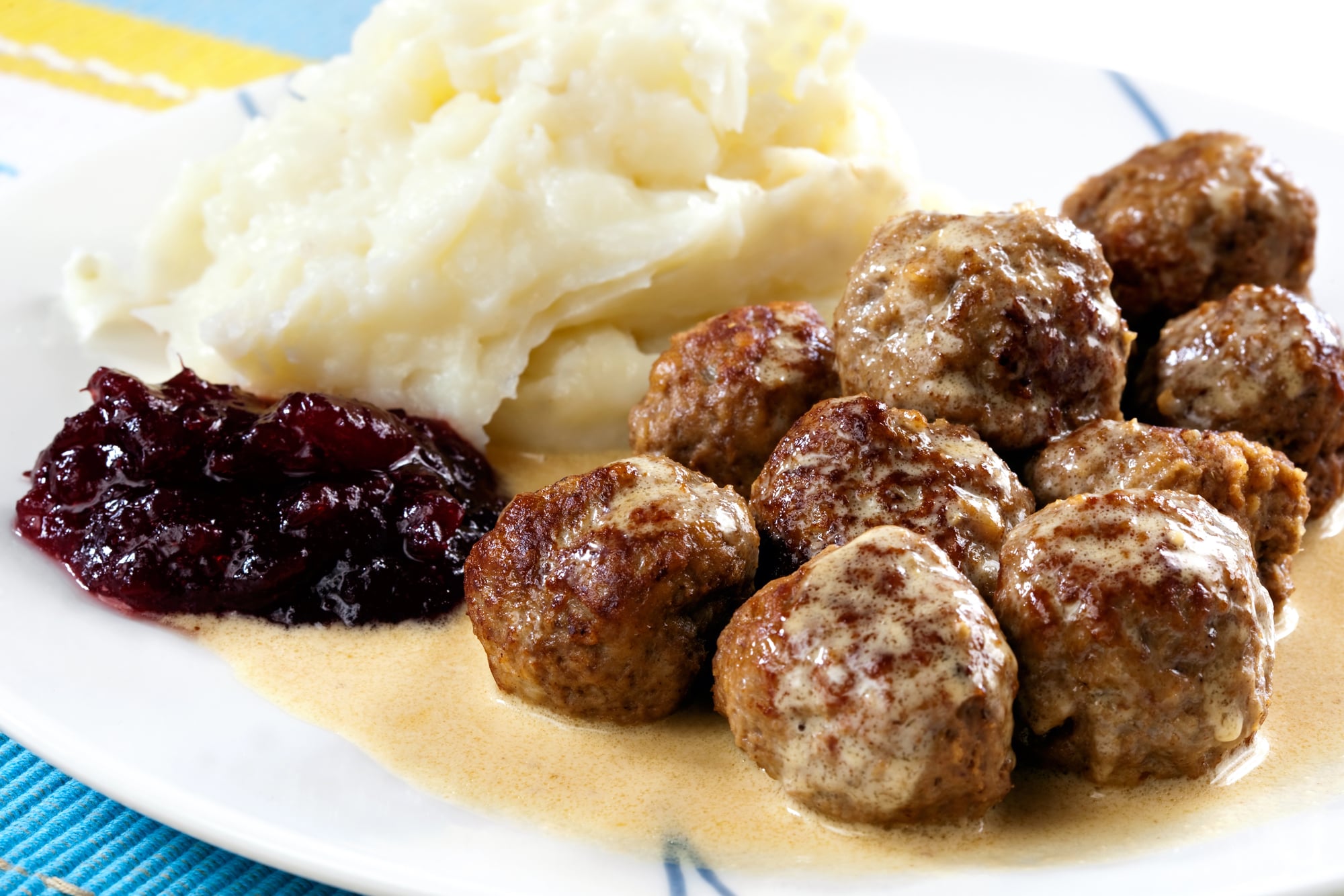
These came in a cream sauce that was more cream than sauce, with egg noodles that had been cooked until they surrendered completely. The meatballs themselves were small and uniform, like someone had taken regular meatballs and shrunk them in the wash.
The Swedish part was mostly marketing — there wasn’t anything particularly Scandinavian about the flavor profile. But the cream sauce was rich enough to make the whole meal feel indulgent, even when you knew it came from the freezer section.
Chicken Parmesan
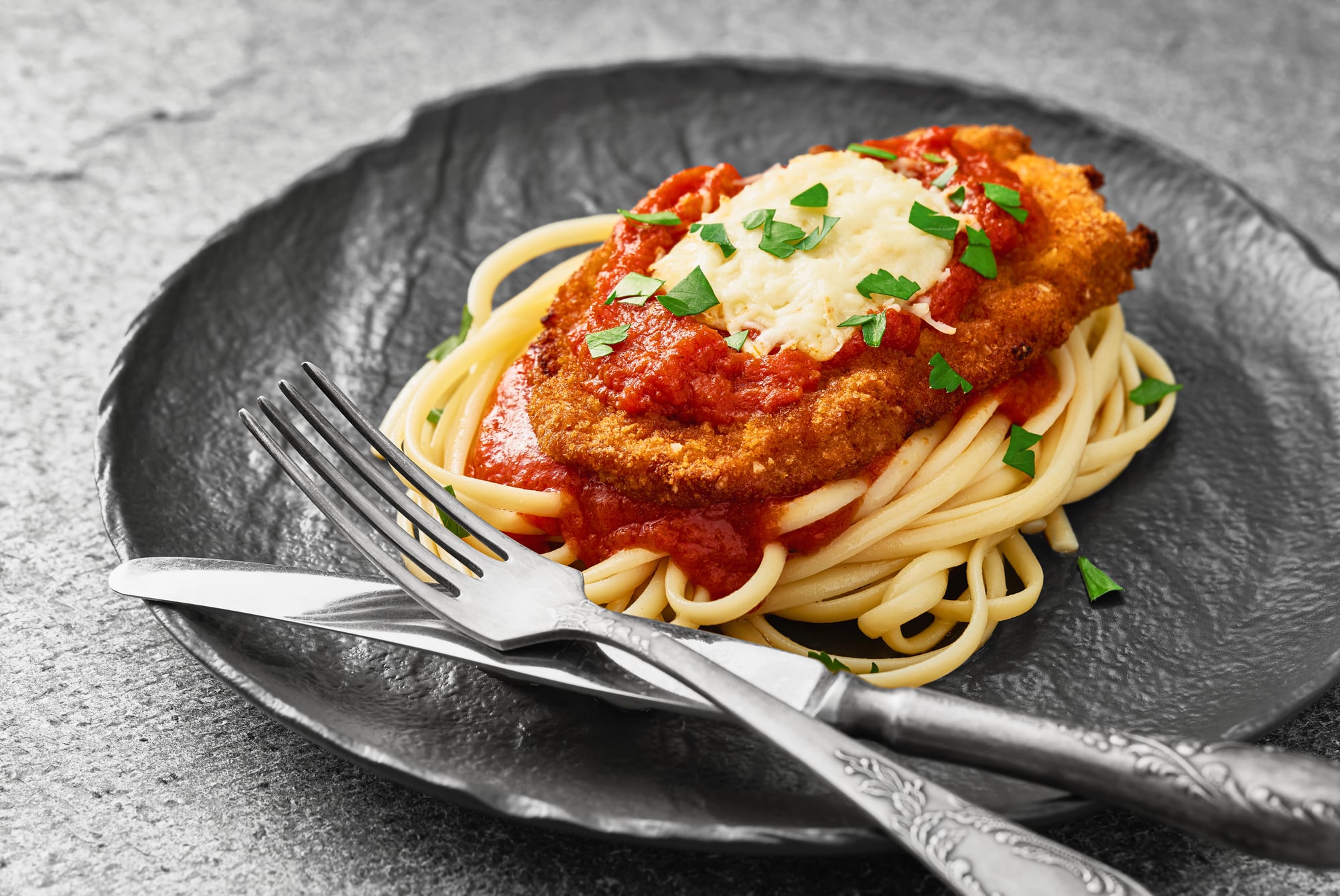
Italian cuisine filtered through the lens of 1970s convenience food produced some interesting results. The chicken was breaded and came with marinara sauce that tasted like ketchup with ambition, plus a sprinkling of mozzarella cheese that melted into small, rubbery patches.
The side was usually spaghetti with more marinara sauce, though some brands went with a rice pilaf that made no cultural sense but worked well enough as a vehicle for absorbing sauce.
This was Italian-American food simplified to its most basic elements, and it satisfied the same craving that would later drive families to order pizza delivery.
Beef Stroganoff
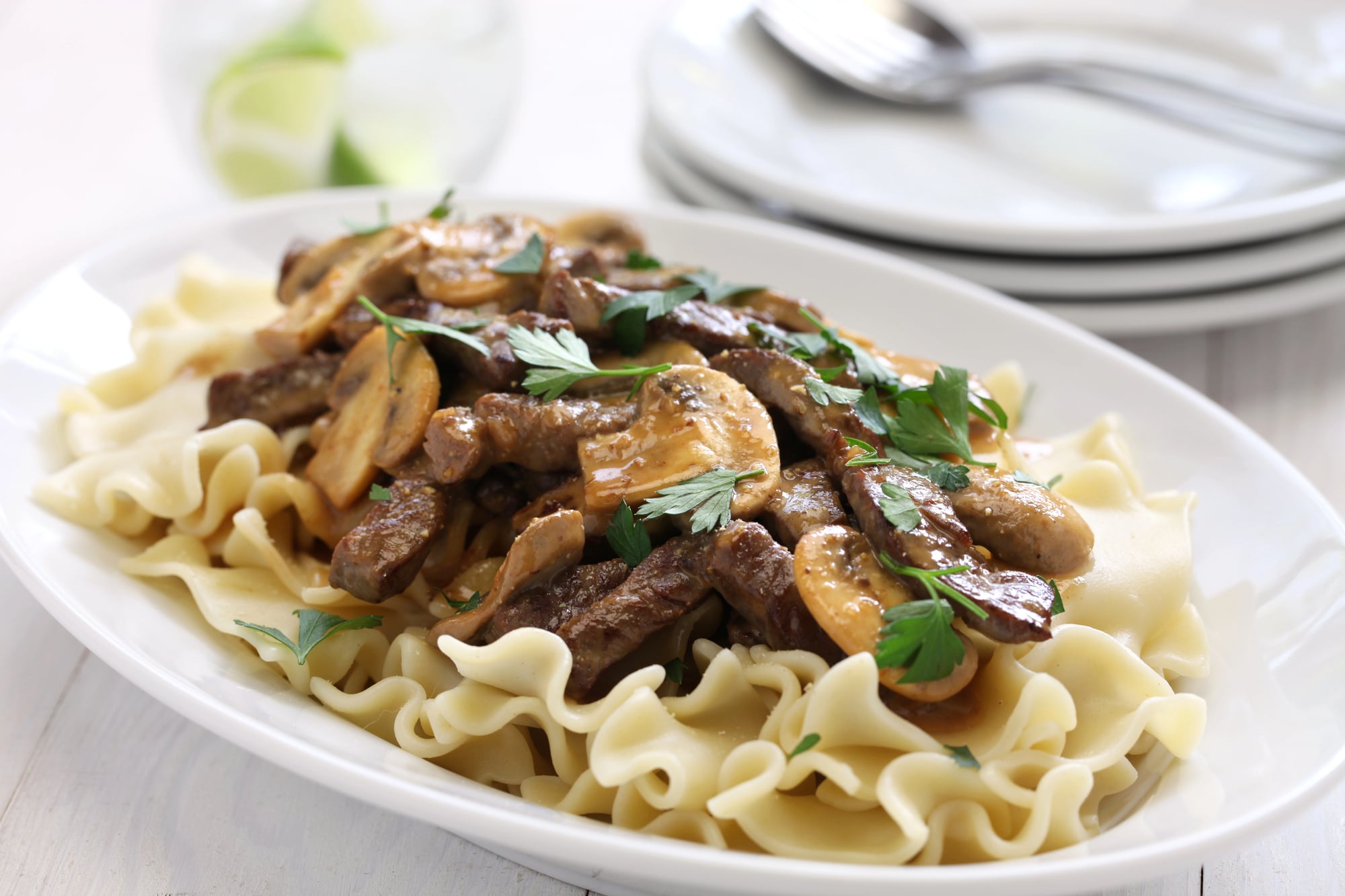
The stroganoff sauce was the star here — a mushroom and sour cream combination that managed to taste rich despite coming from a frozen package. The beef was usually in small strips that had been tenderized into submission, which worked because stroganoff beef is supposed to be tender anyway.
It came over egg noodles that were wider than the Swedish meatball noodles but suffered from the same overcooking issue. The mushrooms were canned and had that slightly metallic taste that all canned mushrooms carry, but they added texture and earthiness that made the dish feel more sophisticated than most TV dinner options.
Chicken a la King
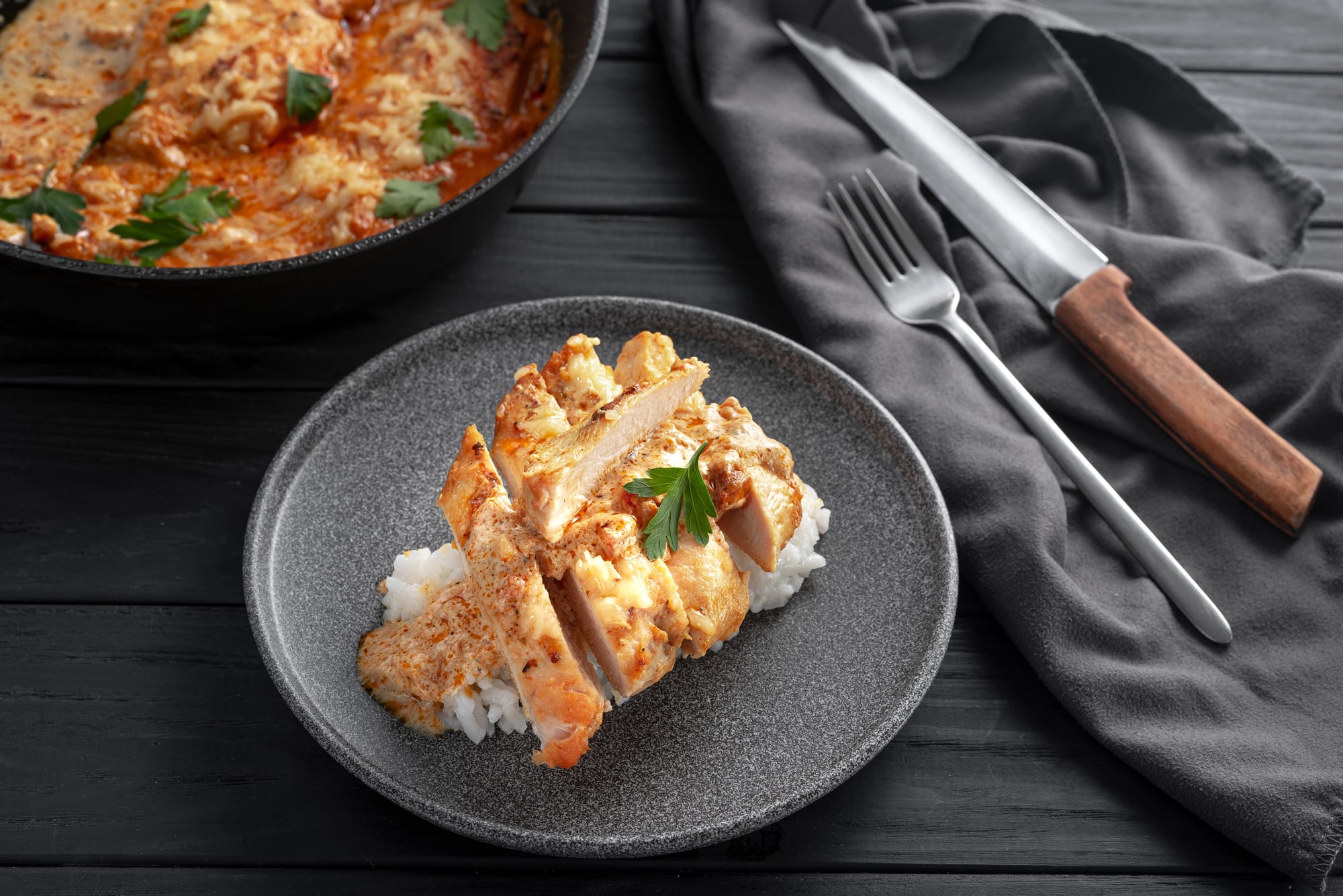
This was chicken and vegetables in a white sauce that was supposed to be elegant but came across as cafeteria food trying to dress up for dinner. The sauce was thick enough to coat everything but thin enough to run off your fork, creating a eating experience that was more functional than pleasant.
The vegetables were usually a mix of peas and carrots — the frozen food industry’s default vegetable combination — and the chicken came in small, bite-sized pieces that had been cooked until they were uniformly tender. Some versions served this over rice, others over biscuits that had been included in the package.
Veal Parmigiana
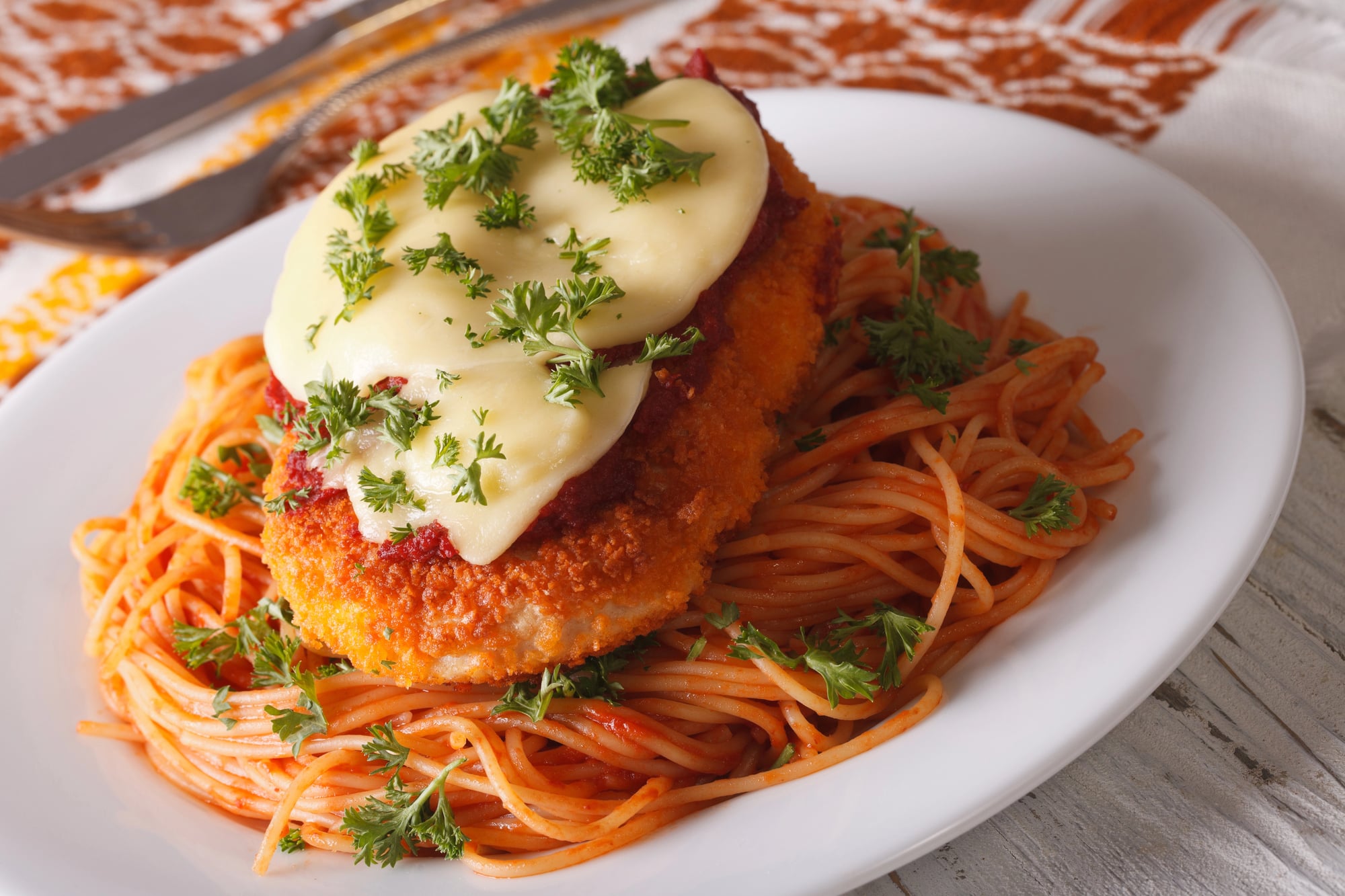
Veal was still common in American supermarkets during the ’70s, before ethical concerns about veal production became widespread. The TV dinner version was breaded veal cutlets with marinara sauce and mozzarella, essentially the same as chicken parmesan but with a protein that cost more and tasted milder.
The veal was usually pounded thin, which helped with cooking times but made it easy to overcook into leather. When it worked, it was tender and absorbed the marinara sauce well. When it didn’t work, it was expensive shoe leather with cheese on top.
Chopped Sirloin
This was hamburger steak with delusions of grandeur — ground beef formed into a steak shape and served with brown gravy that was supposed to make it feel more upscale than regular ground beef. The marketing worked better than the execution.
The “sirloin” part was optimistic. This was standard ground beef that had been seasoned and shaped, then cooked until it was well-done and slightly dry.
The gravy helped, but it couldn’t transform ground beef into actual steak, no matter what the package promised.
Turkey Tetrazzini
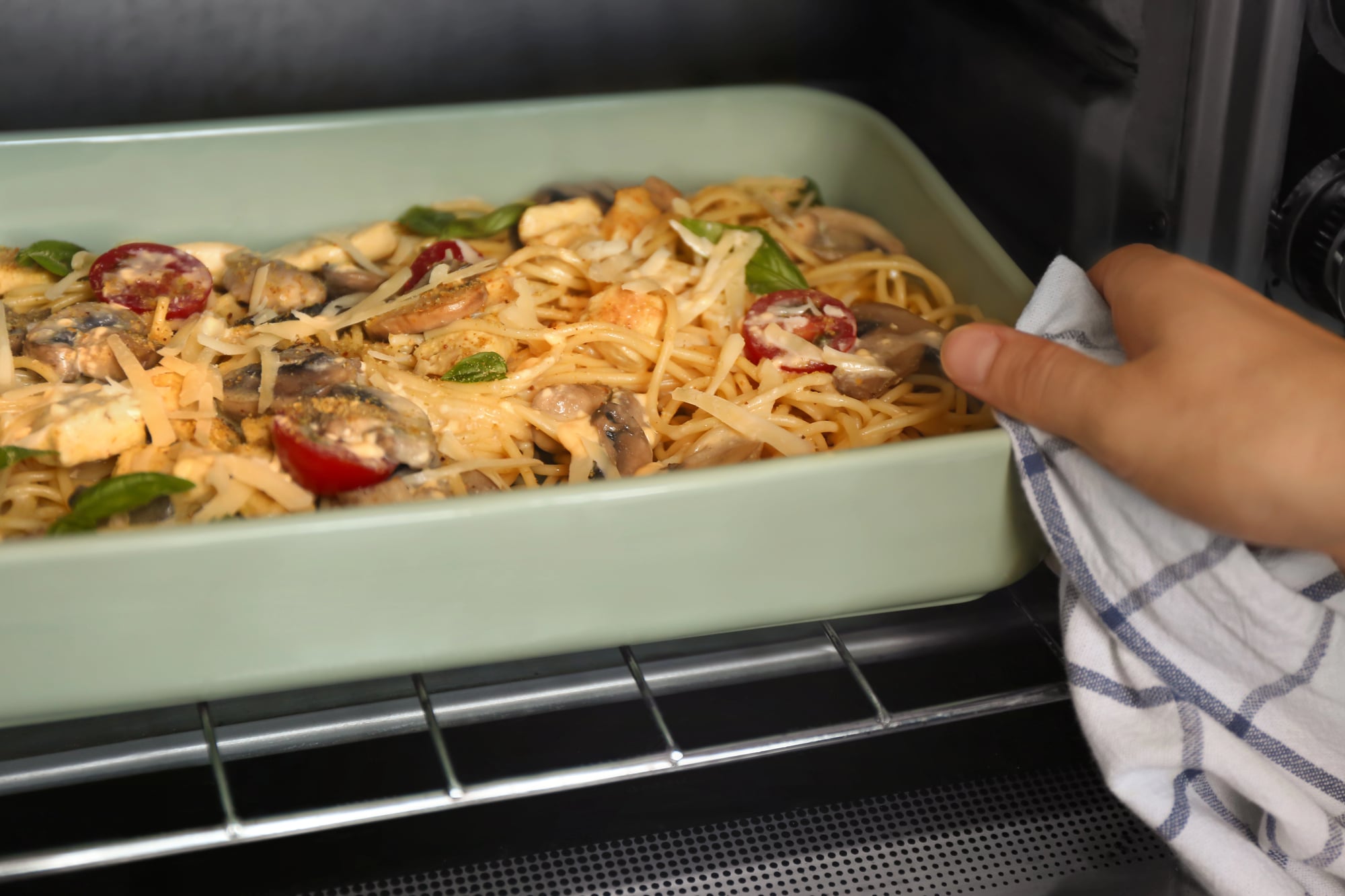
Tetrazzini was pasta casserole elevated to TV dinner status — turkey, noodles, and a cream sauce that bound everything together into a cohesive, if not particularly exciting, meal. The turkey was usually leftover-style pieces that had been diced small, and the noodles were egg noodles that had been cooked until they were soft enough to cut with a fork.
The cream sauce was where this dish lived or died. When it was properly seasoned and the right consistency, tetrazzini was comfort food that actually comforted.
When the sauce was too thin or too bland, it was just wet pasta with turkey mixed in.
Beef Enchiladas
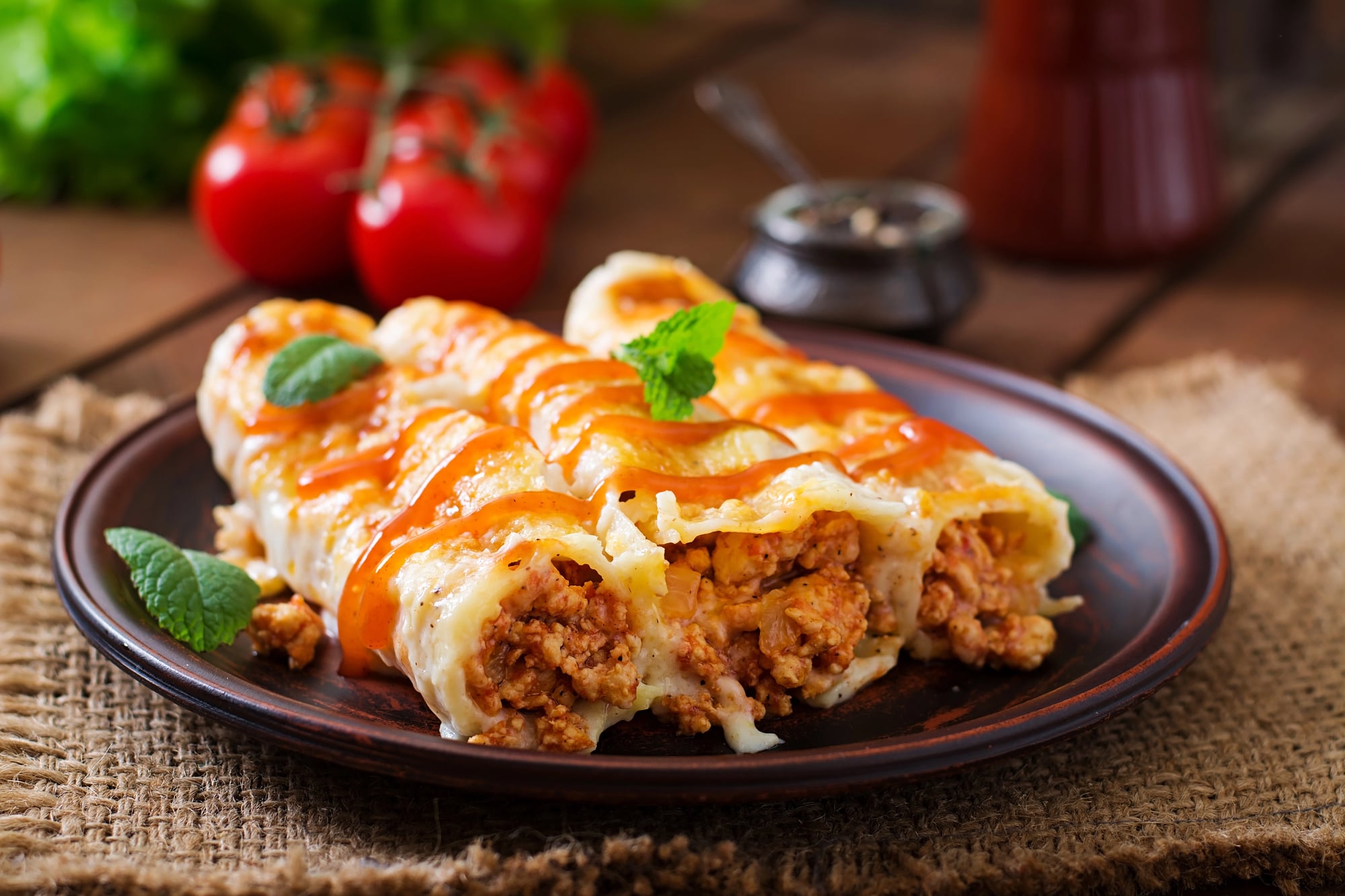
Mexican food was having a moment in the ’70s, and frozen food manufacturers were eager to capitalize on the trend. Their enchiladas were corn tortillas filled with seasoned ground beef, covered in red sauce, and topped with cheese that melted into a uniform orange layer.
The tortillas were usually soggy from the sauce, but that was how enchiladas were supposed to work anyway. The beef filling was heavily spiced — sometimes too heavily — and the cheese provided richness that balanced out the heat.
These weren’t authentic Mexican enchiladas, but they were a reasonable approximation for families who wanted to try something different without leaving their comfort zone entirely.
Chicken Croquettes
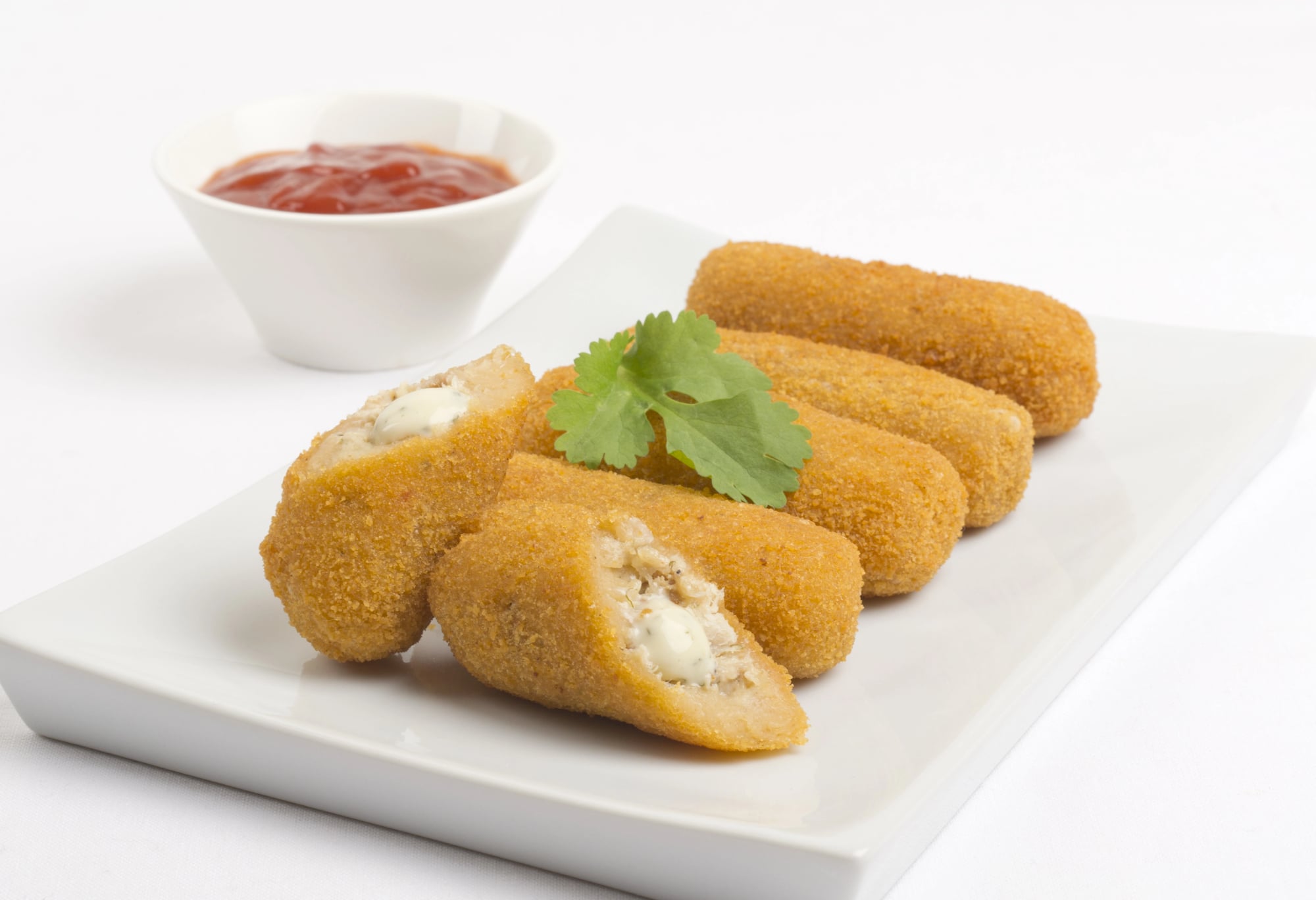
Croquettes were an old-fashioned dish that found new life in the frozen food aisle — chicken mixed with a binding agent, formed into oval patties, breaded, and fried until golden.
The chicken was usually a mixture of white and dark meat that had been ground fine, so the texture was smooth and uniform. The breading was the main attraction — crispy on the outside when cooked properly.
Ham Steak
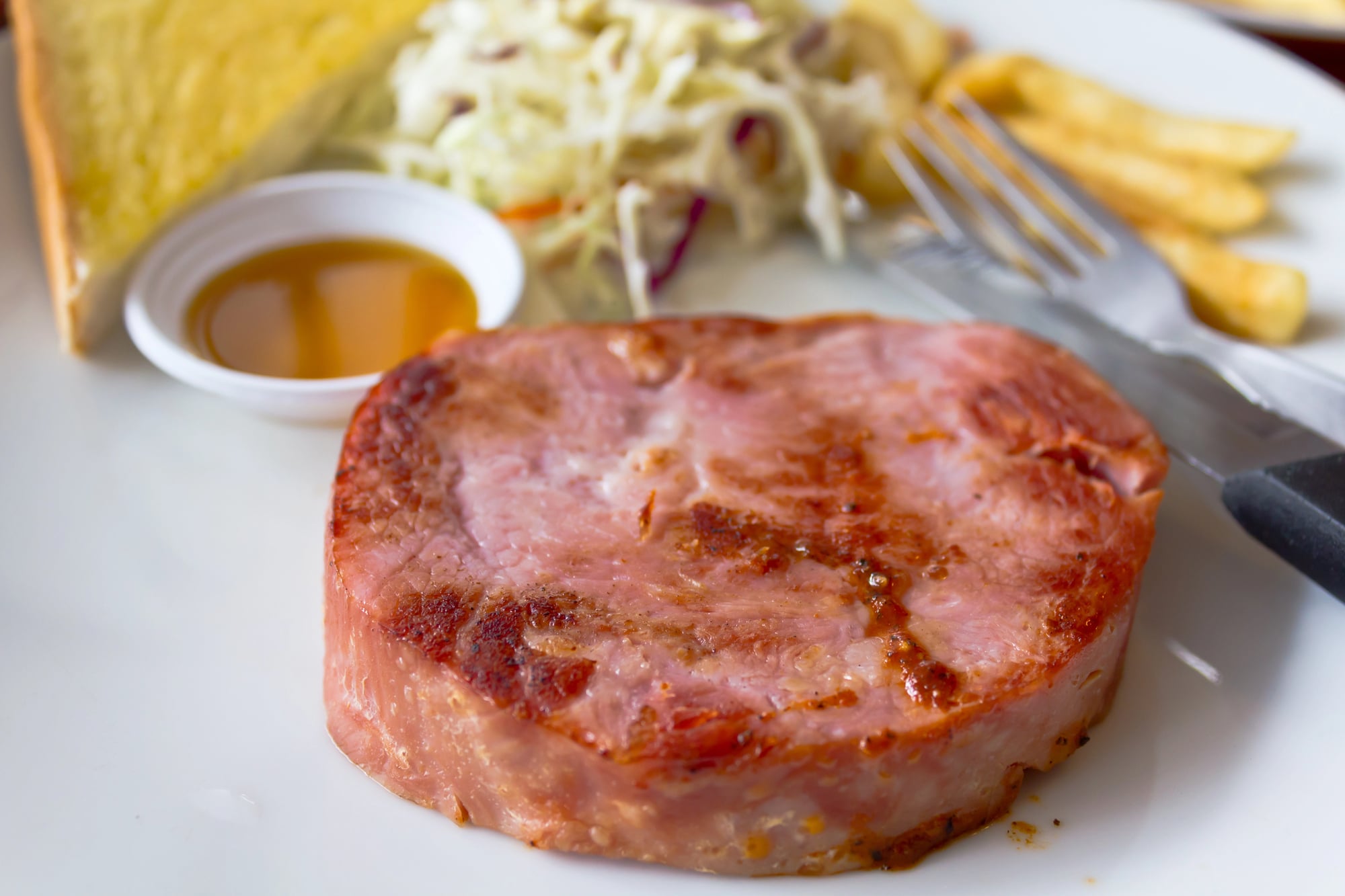
Ham steak was already a convenience food before it became a TV dinner, so the transition made sense. The frozen versions came with pineapple rings that were supposed to add sweetness, plus the usual side of mashed potatoes and a vegetable.
The ham was pre-cooked, so the TV dinner was really just reheating everything until it was hot enough to eat. The pineapple rings were the key to making this feel like a complete meal rather than just reheated leftovers.
Chicken Divan
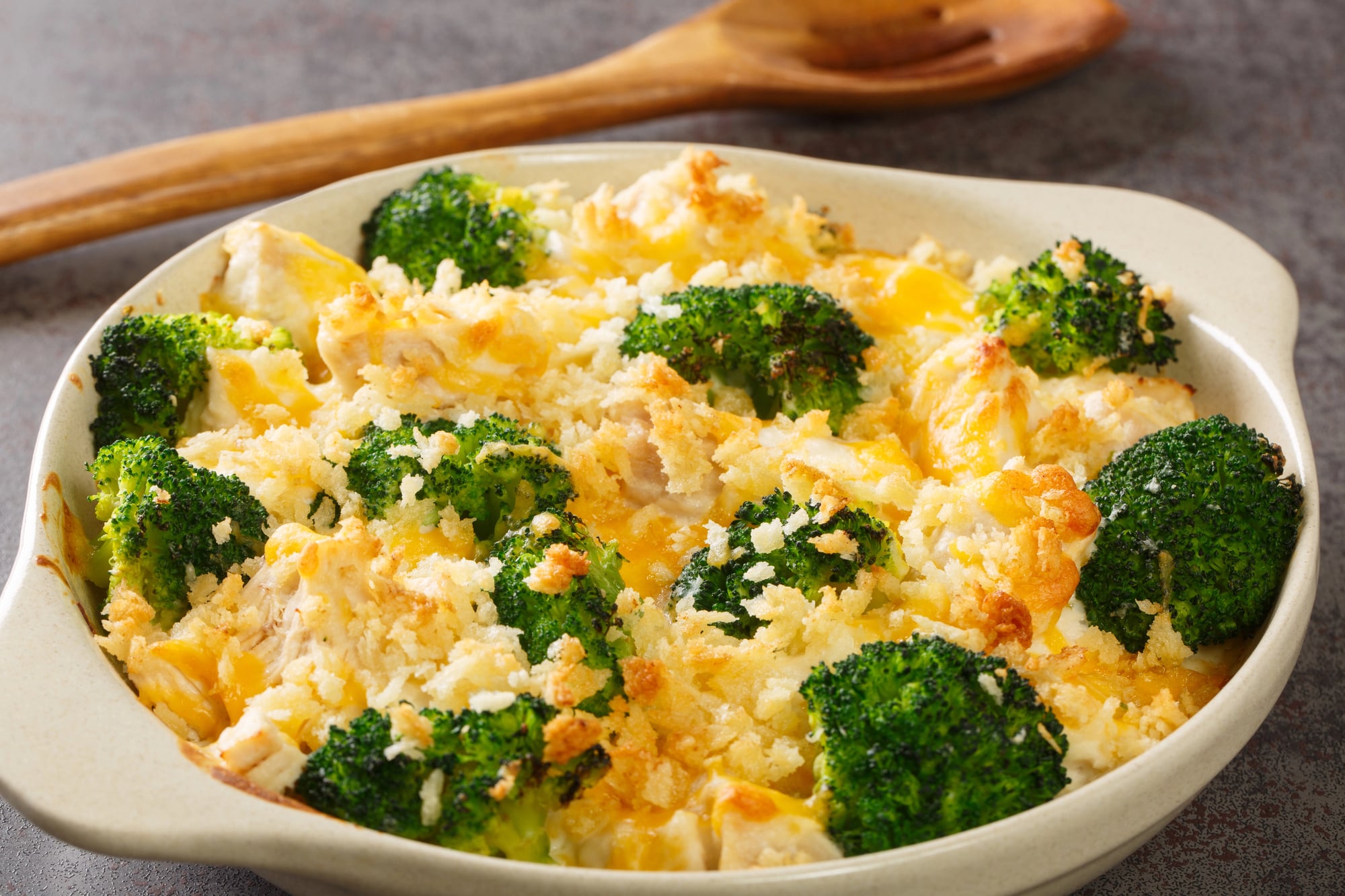
This was chicken and broccoli in a cheese sauce that was supposed to be sophisticated but came across as cafeteria food with ambitions. The broccoli was usually overcooked to the point where it fell apart when you touched it with a fork, but the cheese sauce was rich enough to make everything taste decent.
The chicken was typically white meat that had been cooked until it was tender but not particularly flavorful. The dish relied on the cheese sauce to provide most of the taste, which worked well enough when you weren’t expecting restaurant-quality food.
Beef Chow Mein
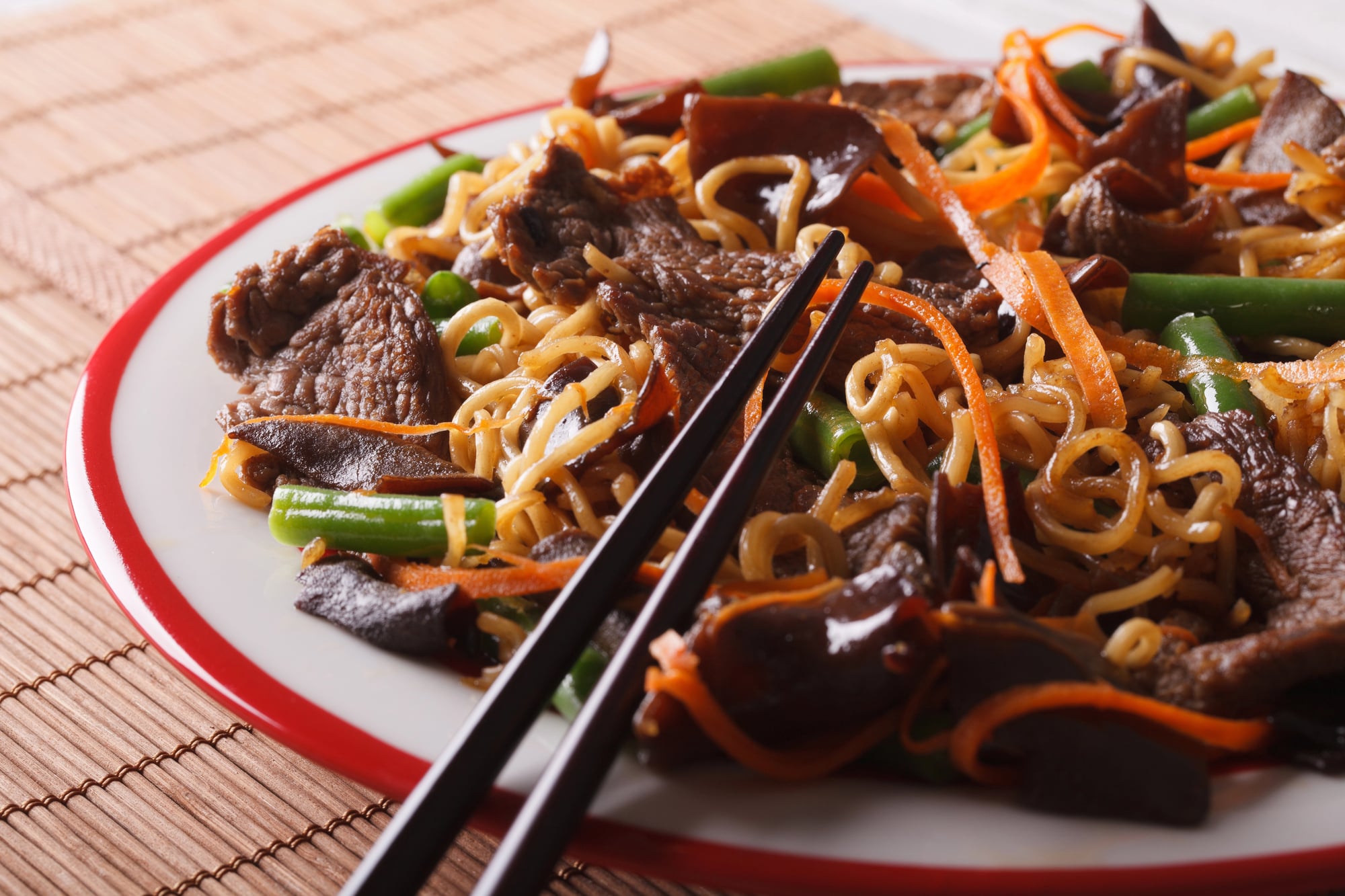
Chinese-American food filtered through the frozen food industry produced some interesting results. The chow mein came with crispy noodles that were supposed to be sprinkled on top for texture, plus a sauce that was heavy on soy sauce and light on everything else.
The beef was usually in small strips that had been stir-fried before being frozen, so it retained some texture even after reheating. The vegetables were the standard frozen stir-fry mix — water chestnuts, bamboo shoots, bean sprouts — that provided crunch without much flavor.
Chicken Chop Suey
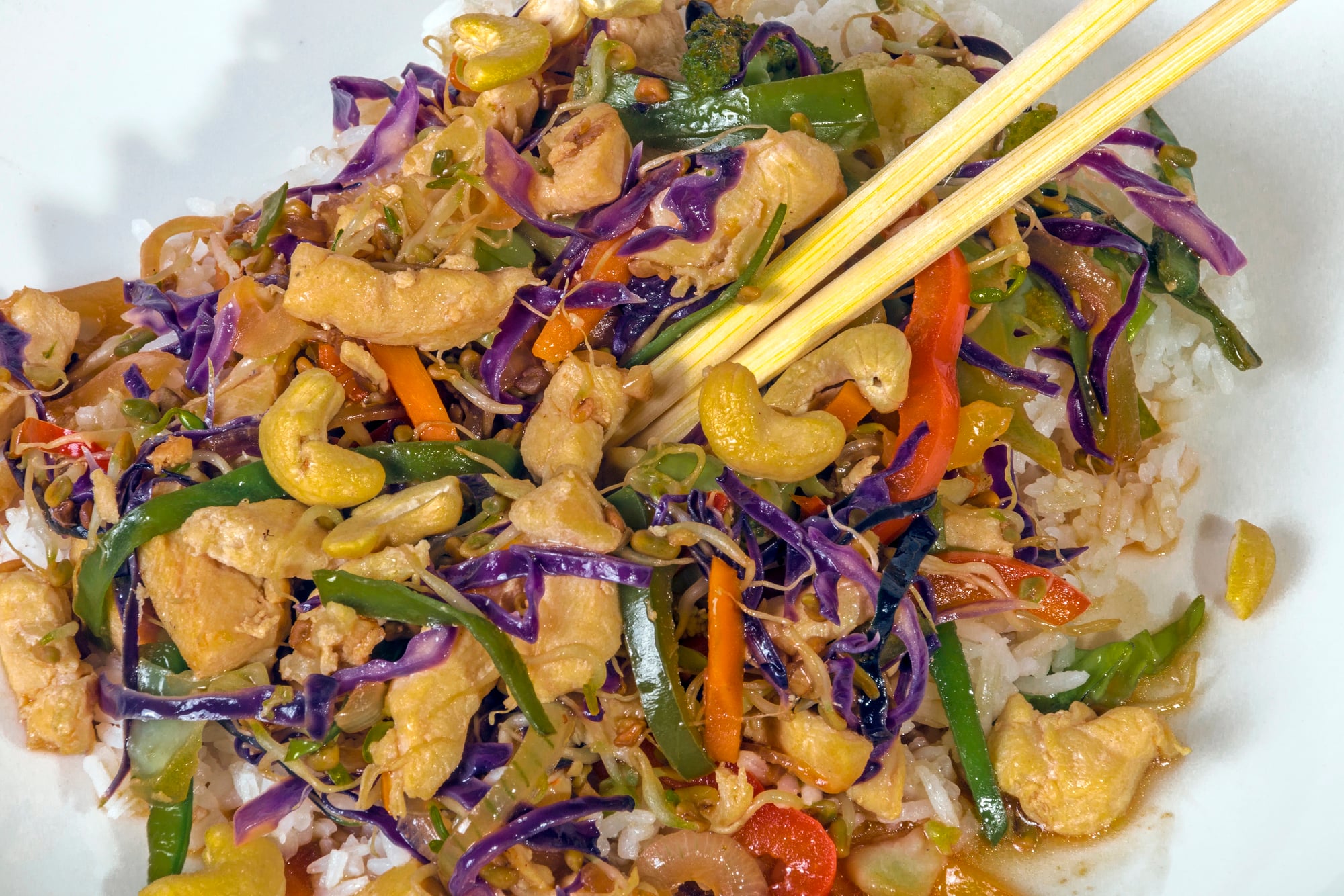
Chop suey was similar to chow mein but without the crispy noodles, served over rice instead of with noodles mixed in. The sauce was slightly different — more vegetables, less soy sauce — but the overall effect was similar: Chinese-American food adapted for suburban American families who wanted something exotic but not too exotic.
The chicken was diced small and mixed with vegetables that had been cooked until they were tender but still retained some texture. The rice was usually instant rice that had been cooked with chicken broth for extra flavor.
Turkey Slices with Gravy
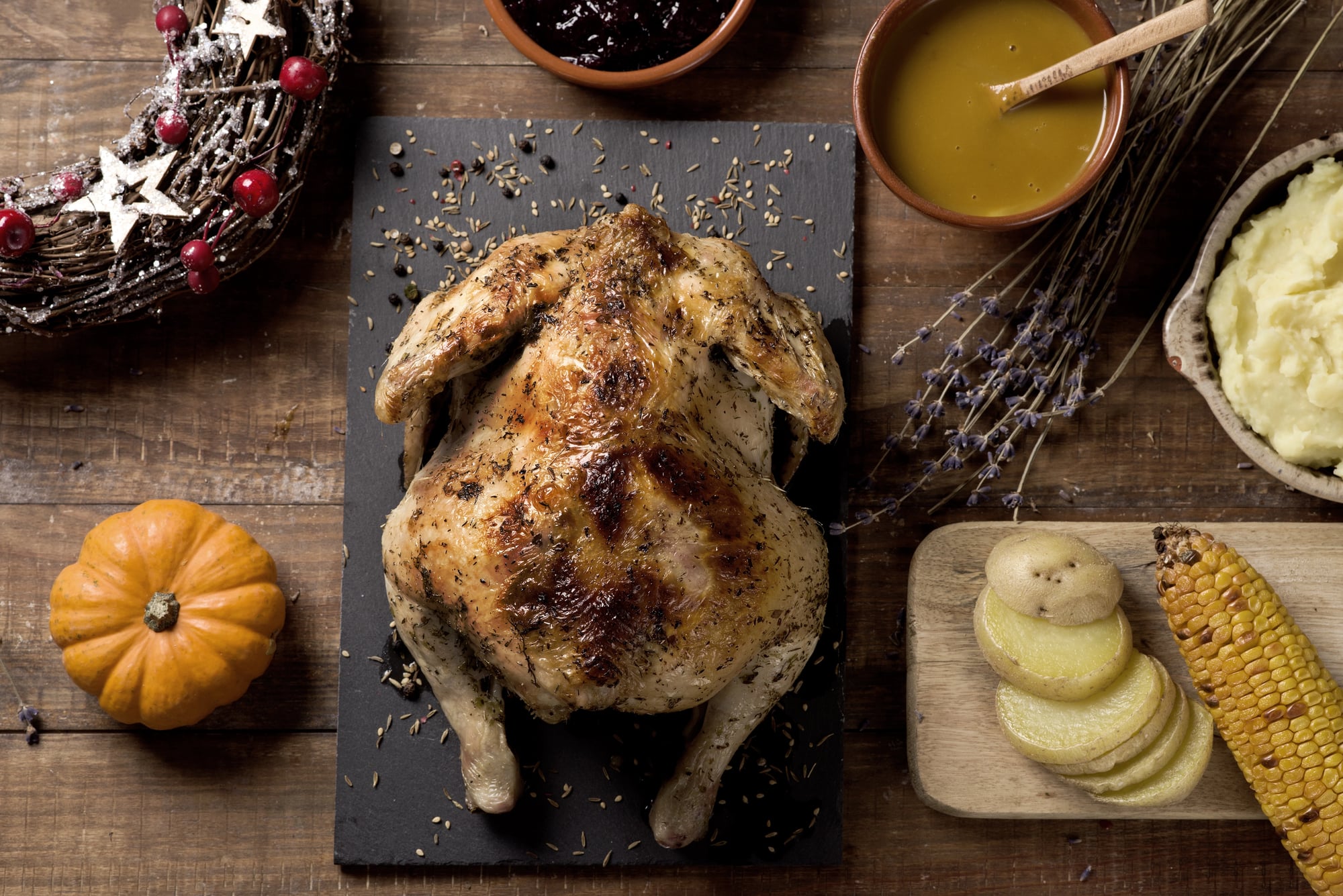
This was Thanksgiving dinner without the ceremony — sliced turkey breast with gravy, mashed potatoes, and stuffing, all compartmentalized in the standard TV dinner tray. The turkey was usually dry, but the gravy helped, and the stuffing provided the sage-heavy flavor that made it feel like a holiday meal.
The mashed potatoes were the most reliable part of this dinner. They were hard to ruin and absorbed the gravy well, providing a creamy contrast to the drier turkey and stuffing.
Fish and Chips
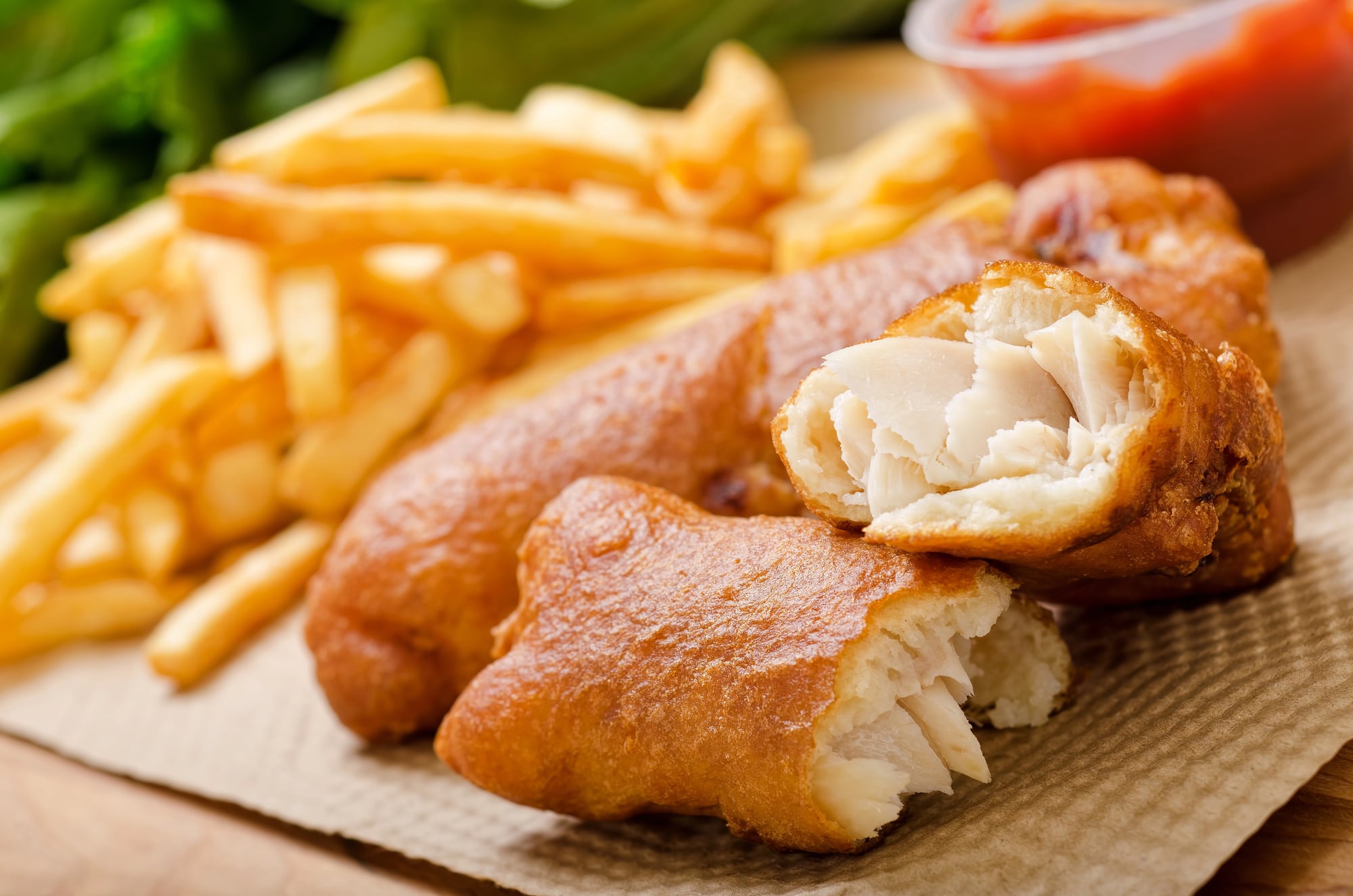
The British comfort food classic got the American frozen food treatment — battered fish fillets with french fries and sometimes a small container of tartar sauce. The fish was usually cod or haddock, and the batter was designed to get crispy in a conventional oven, though it never quite achieved the crispiness of proper fish and chips.
The fries were standard frozen french fries that cooked at the same temperature as the fish, so everything could go in the oven together. The tartar sauce was mostly mayonnaise with pickle relish, but it provided the tangy contrast that fish and chips needed.
Barbecue Pork
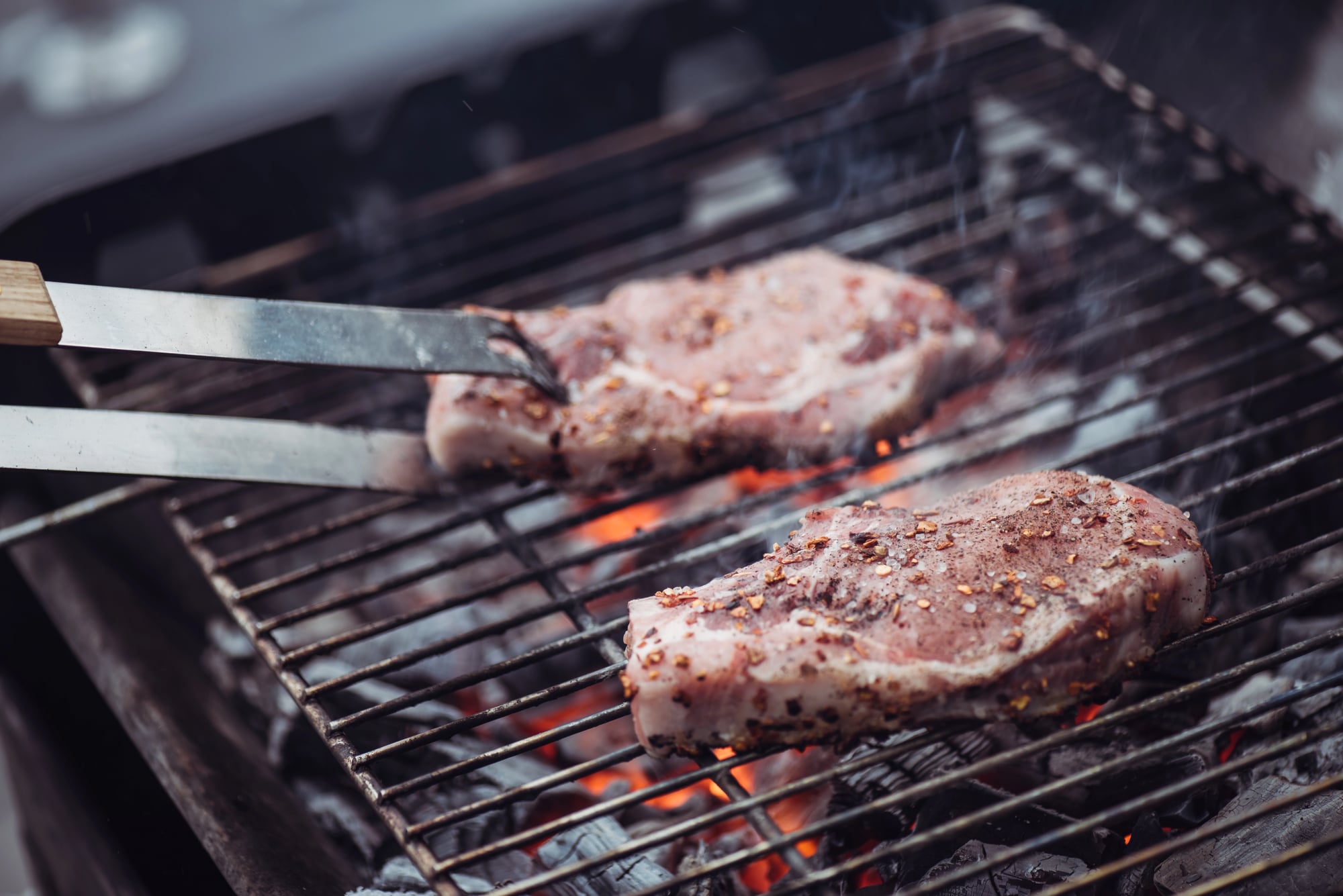
This was pulled pork before pulled pork became a barbecue restaurant staple — shredded pork in barbecue sauce, usually served with baked beans and coleslaw. The pork was tender from being cooked low and slow before being frozen, and the barbecue sauce was sweet and tangy in the way that mass-produced barbecue sauce always was.
The baked beans were standard canned beans in a sweet sauce, and the coleslaw was mayonnaise-based and came in a small compartment that somehow kept it from getting soggy. This was Southern comfort food adapted for national distribution, and it worked better than most regional cuisines did in frozen form.
What We Kept And What We Left Behind
Those foil trays are mostly gone now, replaced by microwaveable plastic containers and meal delivery services that promise fresh ingredients and chef-designed recipes. But something was lost in the translation to modern convenience.
The TV dinner was honest about what it was — processed food that prioritized convenience over everything else. There was no pretense about farm-to-table sourcing or artisanal preparation.
Families knew exactly what they were getting when they opened that oven door and heard the familiar crinkle of aluminum foil. The food was mediocre, but it was consistently mediocre, and sometimes consistency matters more than excellence.
Those compartmentalized meals served their purpose during a decade when American families were figuring out how to balance tradition with the demands of modern life — and maybe that’s worth remembering, even if we’re not eager to go back.
More from Go2Tutors!

- The Romanov Crown Jewels and Their Tragic Fate
- 13 Historical Mysteries That Science Still Can’t Solve
- Famous Hoaxes That Fooled the World for Years
- 15 Child Stars with Tragic Adult Lives
- 16 Famous Jewelry Pieces in History
Like Go2Tutors’s content? Follow us on MSN.