15 Ways Ancient People Stored Information Without Writing
Long before humans invented writing systems, our ancestors faced the same challenge we do today: how to preserve important information for future generations. They couldn’t rely on books, scrolls, or digital storage, so they got creative with the materials and methods available to them.
From intricate knots to towering stone monuments, ancient peoples developed remarkably sophisticated ways to encode, store, and transmit knowledge across time and space. These early information storage systems weren’t just clever workarounds—they were often more durable and accessible than many modern methods.
Here are fascinating ways ancient people stored information without writing.
Quipu Knot Systems

The Inca Empire used an intricate system called quipu, which involved tying knots in colored strings to record numerical data and possibly narrative information. These weren’t random knots—each position, color, and type of knot carried specific meaning.
Skilled quipu keepers could encode everything from census data to historical events, though the exact methods remain partially mysterious. Some quipus contained hundreds of strings with thousands of knots, creating complex databases that trained administrators could interpret across the empire.
Cave Paintings and Rock Art

Cave walls became humanity’s first libraries when ancient peoples used natural pigments to create lasting visual records. The famous cave paintings at Lascaux in France—dating back around 17,000 years—aren’t just artistic expressions.
They’re detailed records of regional wildlife and proven hunting strategies. These visual archives served dual purposes: educational tools for teaching the young while preserving historical documentation for future generations of hunter-gatherers.
Like Go2Tutors’s content? Follow us on MSN.
Oral Traditions and Memory Palaces

Human memory served as the primary storage device for cultural knowledge before writing emerged. Ancient peoples developed remarkable techniques to enhance recall, though none were more sophisticated than memory palaces.
These mental maps allowed storytellers to ‘store’ information in imaginary locations, enabling them to remember epic tales spanning thousands of lines. Aboriginal Australians mastered this art through Dreamtime stories that encoded geographical information, survival techniques, and cultural laws into memorable narratives—some preserved accurately for millennia.
Tally Sticks and Notched Bones
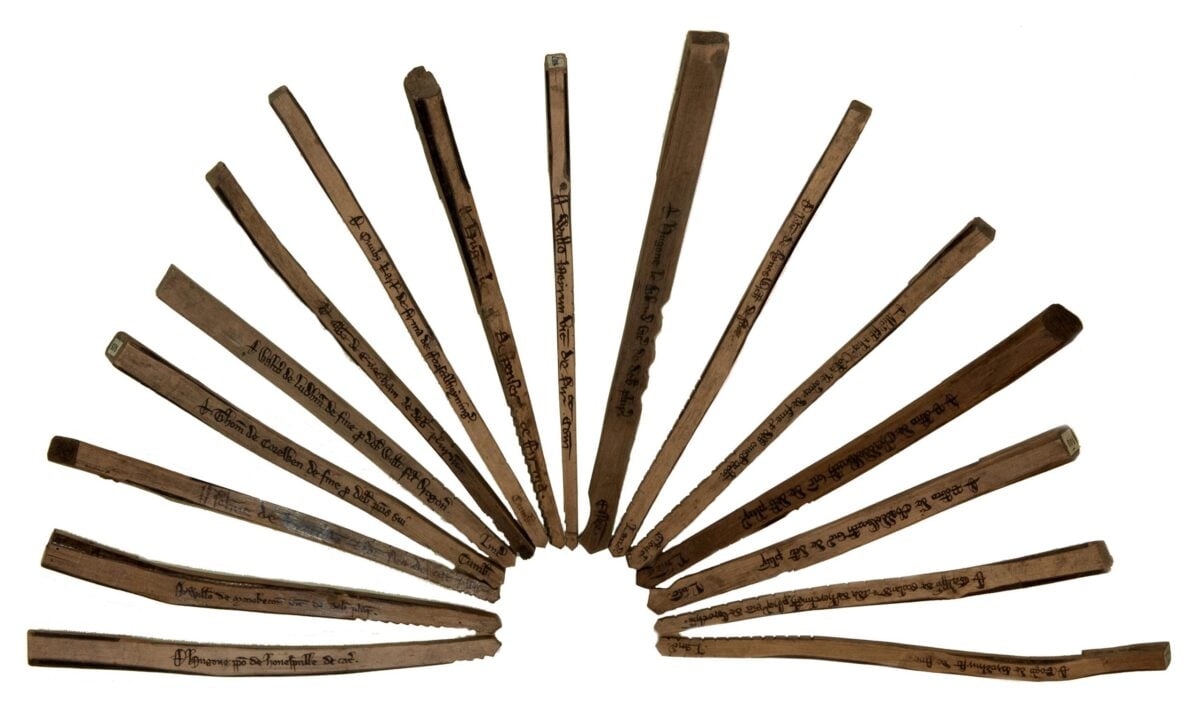
Simple yet effective, tally sticks represented humanity’s first accounting systems. Notches carved into wood or bone tracked quantities, debts, or time periods with surprising precision.
The Ishango bone—discovered in Africa and dating back 20,000 years—contains notches that researchers believe might represent lunar calendars or mathematical calculations. European merchants continued using tally sticks well into medieval times, splitting them so both transaction parties possessed matching records.
Stone Monuments and Megaliths
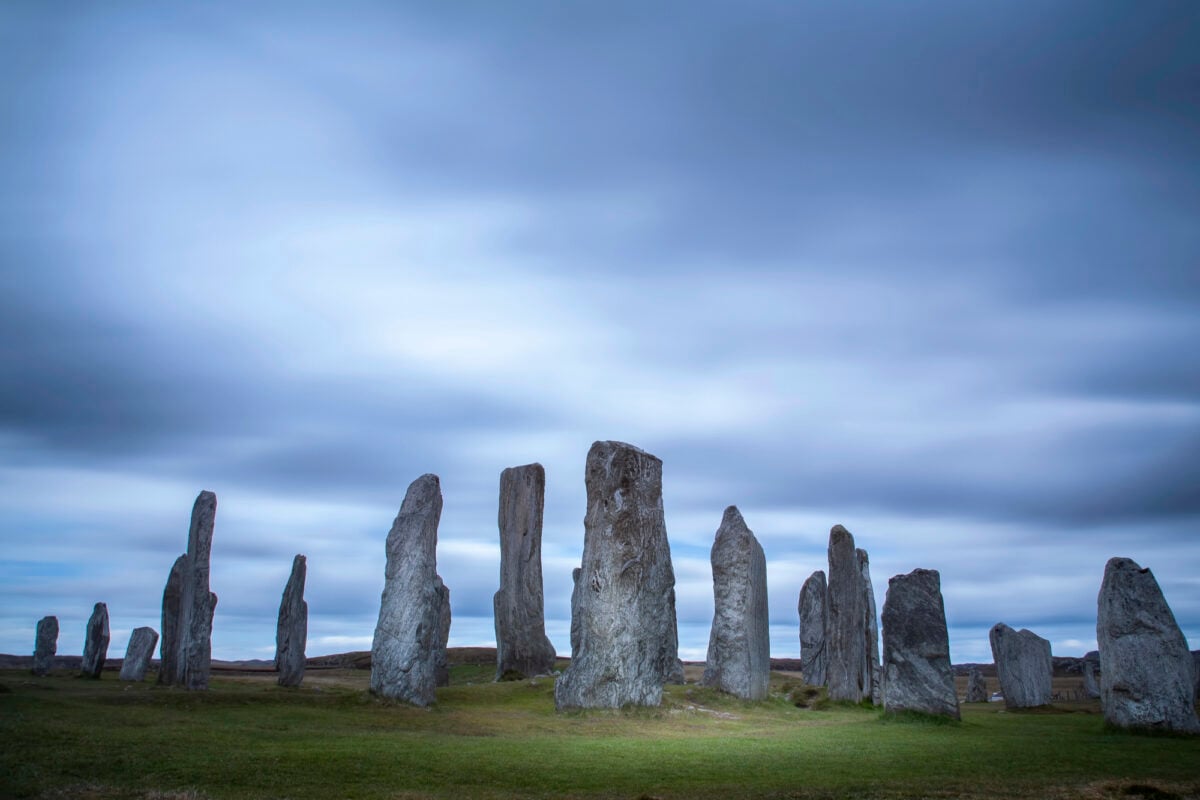
Massive stone structures like Stonehenge weren’t merely impressive architecture. They functioned as sophisticated information storage systems that encoded astronomical knowledge and seasonal cycles.
These monuments served as permanent calendars, helping ancient peoples track solstices, equinoxes, and other celestial events crucial for agriculture. The positioning of stones often aligned with specific star patterns or sunrise angles—creating durable reference points that guided communities for thousands of years.
Like Go2Tutors’s content? Follow us on MSN.
Totem Poles

Native American tribes of the Pacific Northwest carved elaborate totem poles that functioned as three-dimensional history books. Each animal, symbol, and carving position carried specific meaning, allowing community members to interpret the pole like a vertical manuscript.
These wooden monuments told complex stories about clan relationships, territorial rights, and cultural values. The information remained accessible to future generations while serving as impressive artistic displays.
Textile Patterns and Weaving
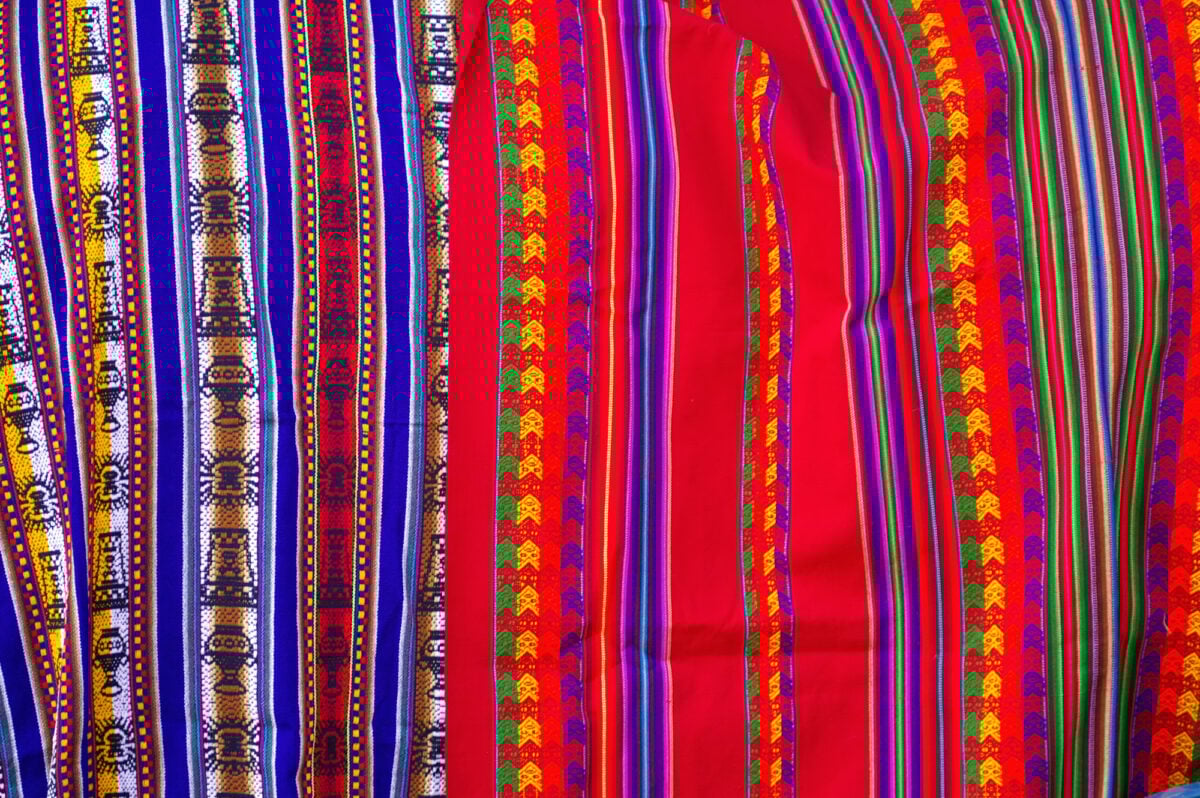
Many ancient cultures embedded information directly into their textiles through specific patterns, colors, and weaving techniques. Andean peoples developed incredibly complex textile traditions where thread arrangements could indicate social status, regional identity, or even mathematical concepts.
Some researchers believe certain textile patterns functioned as proto-writing systems—with weavers essentially creating readable texts for those familiar with the cultural codes.
Song Cycles and Musical Mnemonics

Music proved exceptionally effective for storing and transmitting information across generations. Ancient peoples embedded practical knowledge into memorable melodies and rhythms that stuck in the mind.
Australian Aboriginal song cycles—some stretching hundreds of verses—contain detailed geographical information functioning as sung maps. These musical archives describe water sources, landmarks, and safe travel routes across vast territories.
Like Go2Tutors’s content? Follow us on MSN.
Wooden Message Sticks
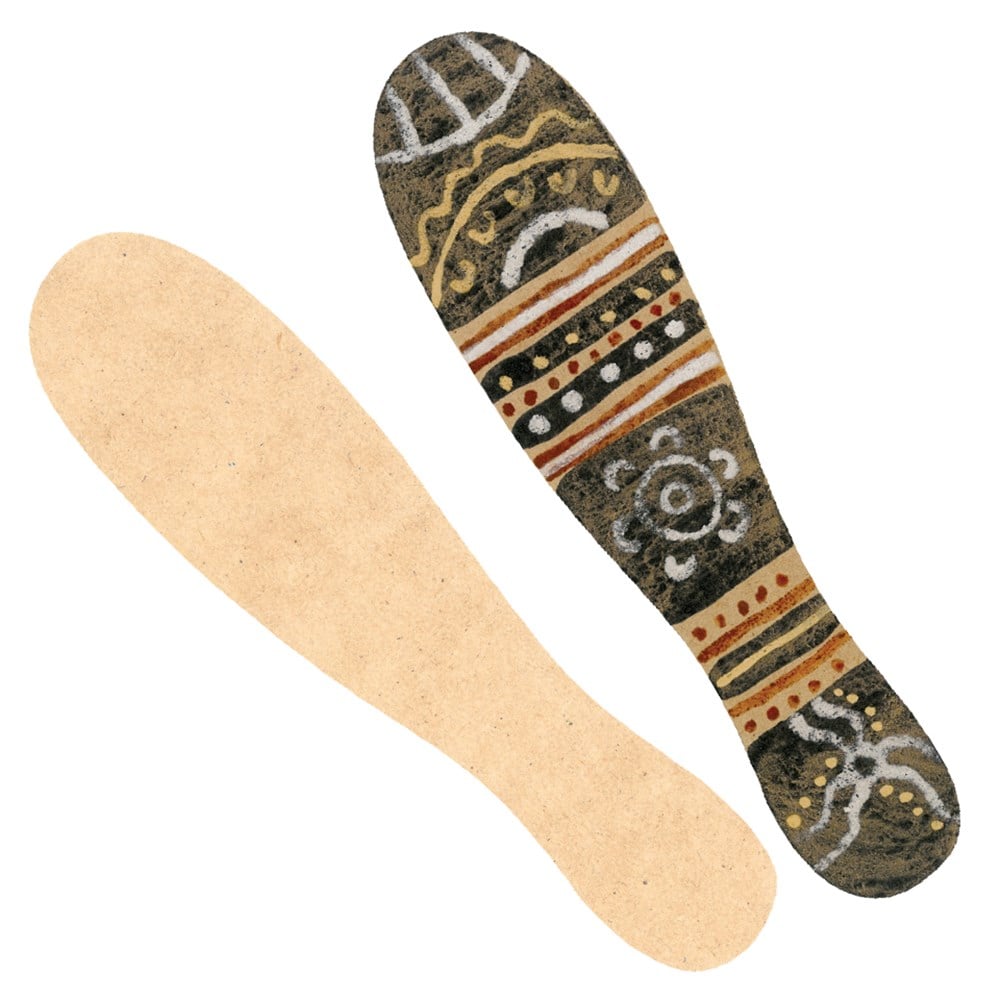
Indigenous Australian cultures developed sophisticated message sticks that conveyed specific information between distant communities. These carved wooden objects weren’t simple tokens but complex communication devices where wood type, carving patterns, and attached objects all carried meaning.
Skilled messengers could interpret these sticks to understand tribal relationships, trading opportunities, and other crucial information—creating an early long-distance communication network.
Ceremonial Dances and Rituals

Elaborate ceremonies served as living libraries where specific movements, costumes, and sequences encoded important cultural information. Participants internalized knowledge through repeated performance, making their bodies into storage vessels.
Balinese temple dances represent perfect examples—they’re not just artistic expressions but detailed repositories of religious knowledge, historical events, and social customs transmitted through physical movement.
Shell and Bead Arrangements

Coastal cultures frequently used shells, beads, and other small objects arranged in specific patterns to record transactions, treaties, or important agreements. Wampum belts created by northeastern Native American tribes functioned as both currency and historical records.
Different colored beads and arrangement patterns represented specific agreements between tribes or significant events. These portable records could be easily transported between communities while remaining readable to those familiar with the symbolic system.
Like Go2Tutors’s content? Follow us on MSN.
Landscape Modifications

Ancient peoples often modified landscapes themselves to create permanent information storage. They carved symbols into hillsides or arranged stones in meaningful patterns across large areas.
The Nazca Lines in Peru represent one of the most spectacular examples, featuring enormous ground drawings that may have encoded astronomical information or served as ritual pathways.
Tree Markings and Blazes

Forest-dwelling peoples developed systems of marking trees to create navigation aids and territory markers that could guide travelers and mark important locations. Native American trail trees—deliberately bent and shaped during growth—created permanent waypoints lasting for centuries.
These living landmarks encoded information about travel routes, water sources, and territorial boundaries directly into forest ecosystems.
Pottery Symbols and Decorative Patterns

Ancient potters often incorporated meaningful symbols and patterns into their work, creating everyday objects that doubled as information storage devices. Specific patterns could indicate the potter’s identity, the vessel’s intended use, or cultural information about the creating community.
Archaeologists can often interpret pottery fragments like pages from ancient books, learning about trade relationships, cultural exchanges, and technological developments through ceramic analysis.
Like Go2Tutors’s content? Follow us on MSN.
Counting Systems Using Body Parts

Many ancient cultures developed sophisticated numerical systems based on body parts, using fingers, toes, and other anatomical features as permanent reference points for counting and calculation. Papua New Guinea cultures developed particularly complex body-counting systems that could represent numbers into the hundreds by following specific sequences across different body parts.
Information That Survived the Ages
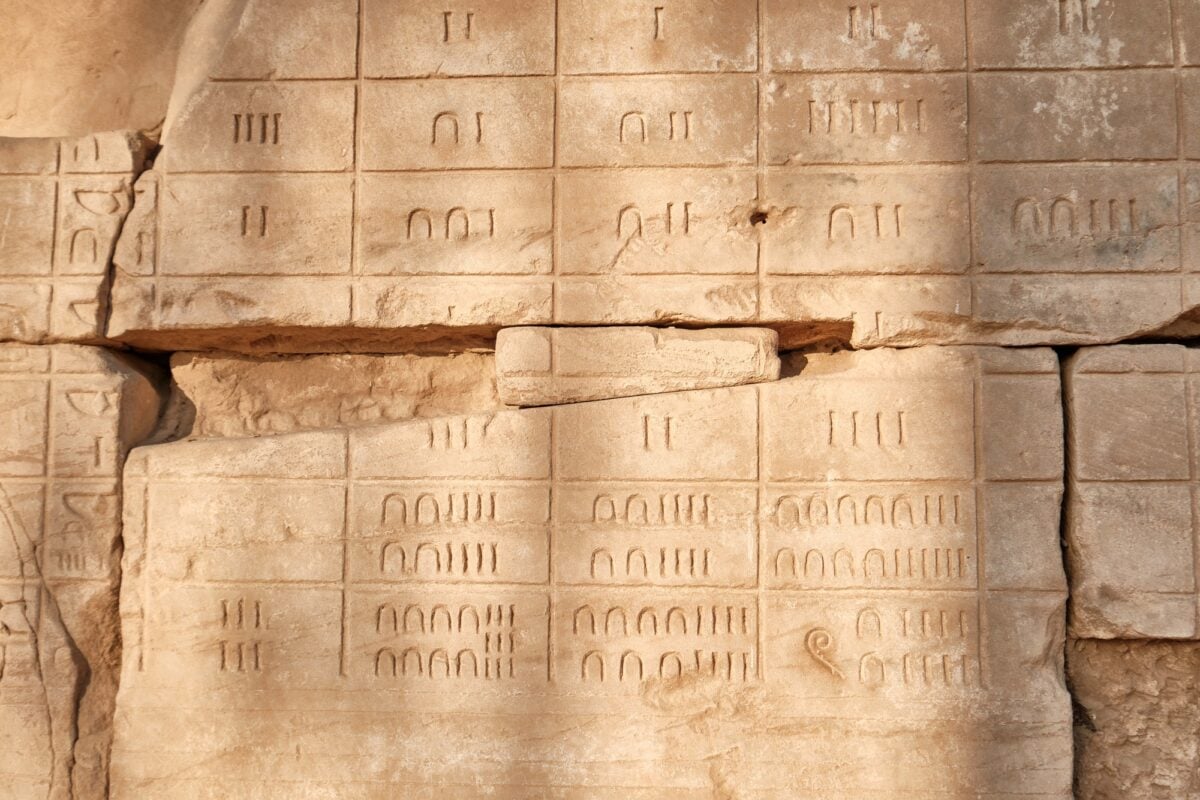
These ancient storage methods reveal something remarkable about human ingenuity. Faced with the need to preserve knowledge, our ancestors created systems that were often more durable than paper or digital files.
Many of their information storage solutions have survived for thousands of years, still readable today by those who understand the codes. While modern storage has gained incredible speed and capacity, it might have lost some of the permanence and accessibility that made these ancient systems so effective.
The next time technology fails, remember that cave paintings have been successfully storing information longer than recorded history itself.
More from Go2Tutors!

- 18 Unexpectedly Valuable Collectibles You Might Have Lying Around
- 20 Little-Known Historical Battles That Had Huge Consequences
- 20 Historical Artifacts That Scientists Can’t Explain
- 15 Inventions That Were Immediately Banned After Being Created
- 20 Actors Who Were Almost Cast in Iconic Roles
Like Go2Tutors’s content? Follow us on MSN.



