28 Forbidden Borders and Walls That Divided Nations for Decades
Throughout history, humanity has found countless ways to draw lines in the sand—sometimes literally. These barriers weren’t just physical structures made of concrete, barbed wire, or stone.
They became symbols of division, monuments to mistrust, and testaments to the lengths people will go to keep others out or in. Some stood for decades, shaping entire generations who grew up knowing only separation where unity once existed.
Berlin Wall
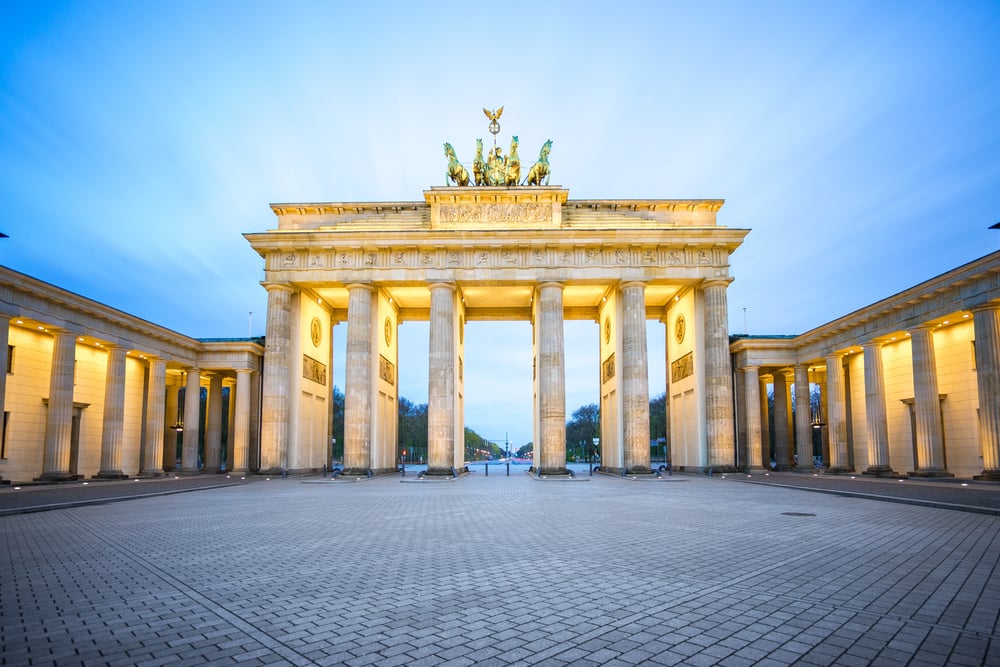
The Berlin Wall didn’t just divide a city. It split families, friends, and lovers with 87 miles of concrete and barbed wire.
East German guards shot anyone who tried to cross. For 28 years, this barrier stood as the ultimate symbol of the Cold War’s human cost.
Korean Demilitarized Zone
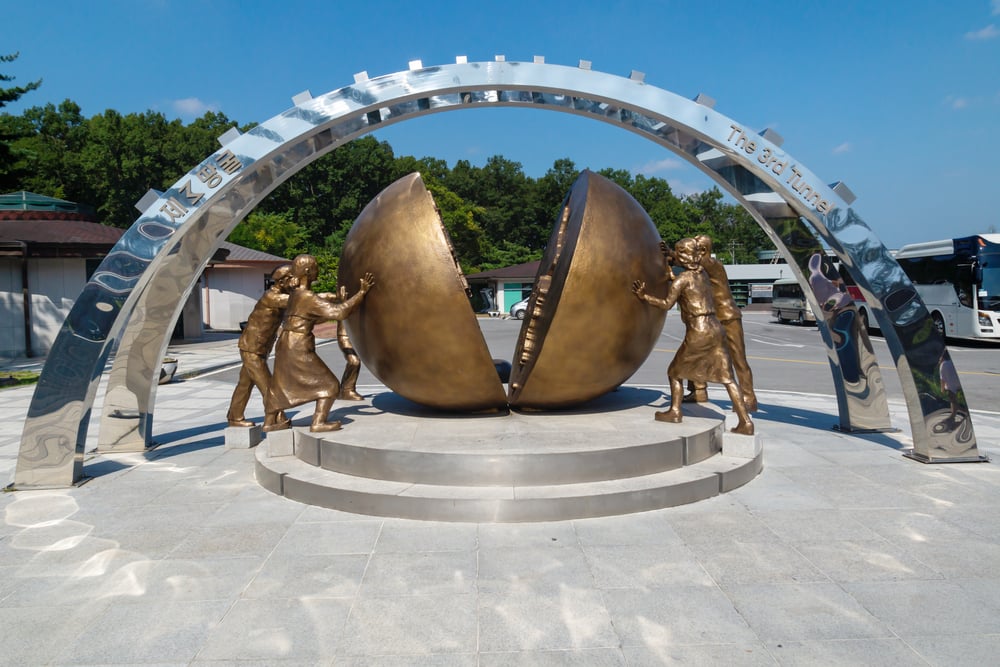
This 2.5-mile-wide strip of land between North and South Korea remains one of the world’s most heavily militarized borders. Despite its name, the DMZ bristles with landmines, razor wire, and armed guards.
Families separated in 1953 have never reunited.
Iron Curtain
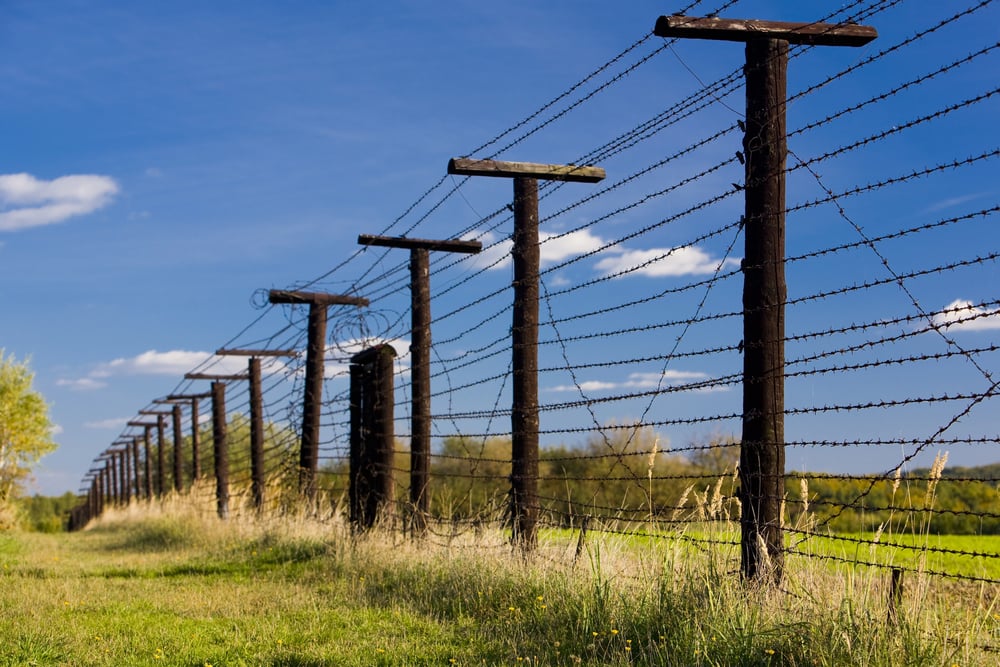
Winston Churchill coined the phrase, but millions lived behind it—a network of barriers, checkpoints, and fortifications that stretched across Europe from the Baltic to the Black Sea, separating communist Eastern Europe from the capitalist West. And while it wasn’t a single physical wall (though parts of it certainly were), the Iron Curtain was perhaps the most comprehensive system of division ever constructed, complete with guard towers, minefields, and a bureaucratic maze of permits that most people could never navigate.
The psychological weight of it: knowing that an entire way of life existed just beyond reach, yet might as well have been on another planet. So families wrote letters that sometimes took months to arrive, if they arrived at all. And when the barriers finally came down in 1989, people didn’t just celebrate—they wept for all the years that had been lost.
Israel-Palestine Barrier
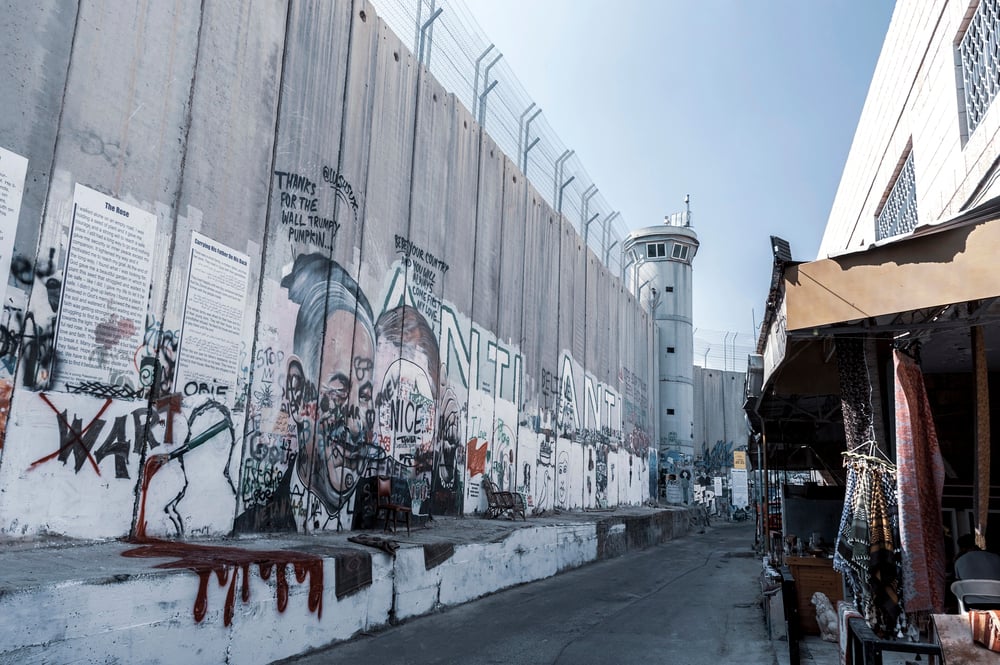
The wall cuts through Jerusalem like a scar across the city’s ancient stones. It separates neighborhoods where grandmothers once shared recipes and children played in the same streets.
Some sections tower 26 feet high—twice the height of the Berlin Wall. Built ostensibly for security reasons, this barrier has become a canvas for graffiti artists and protesters, its concrete surface telling stories of frustration and hope in equal measure.
Great Wall of China
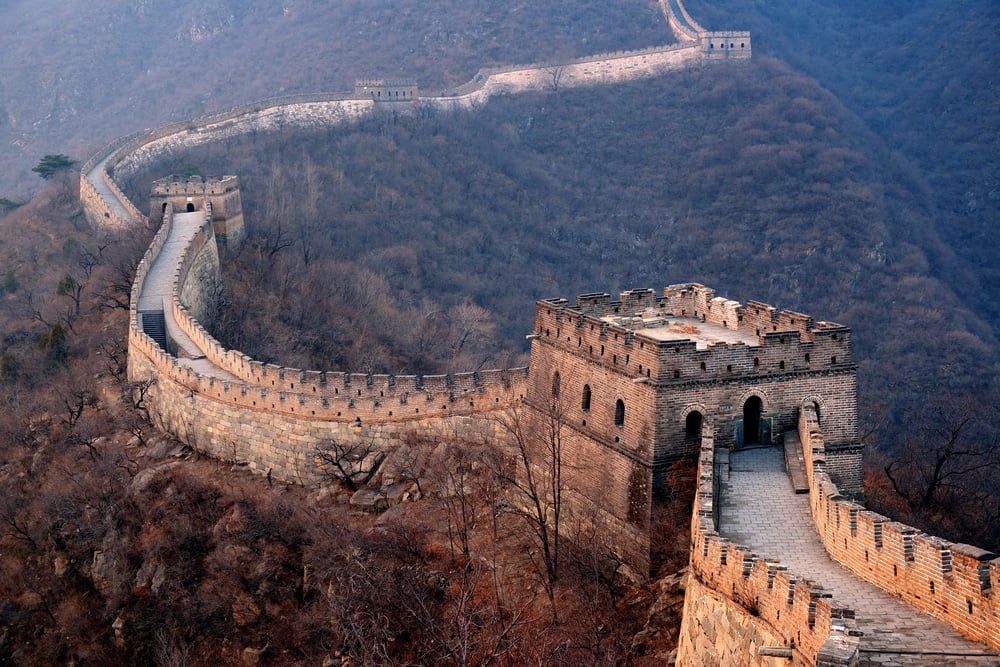
The world’s most famous wall was built to keep invaders out, but it also kept millions of Chinese peasants in forced labor for centuries. Stretching over 13,000 miles, this ancient barrier consumed entire generations of workers.
Many died building it and were buried within its foundations. The irony strikes you when you visit: what was once a symbol of division has become China’s greatest tourist attraction.
Cyprus Green Line
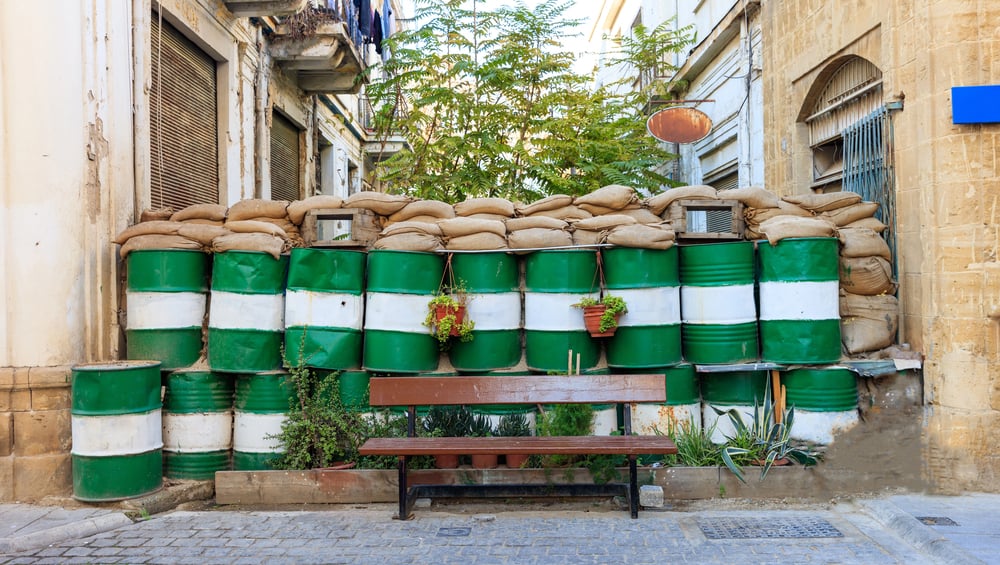
The Green Line doesn’t look like much—just a narrow strip of abandoned buildings and overgrown lots cutting through Nicosia. Yet this buffer zone has divided Cyprus since 1974, creating the world’s last divided capital.
UN peacekeepers still patrol it daily. Turkish Cypriots on one side, Greek Cypriots on the other. The same Mediterranean sun shines on both sides, but families remain separated by a conflict most of the world has forgotten.
Moroccan Wall
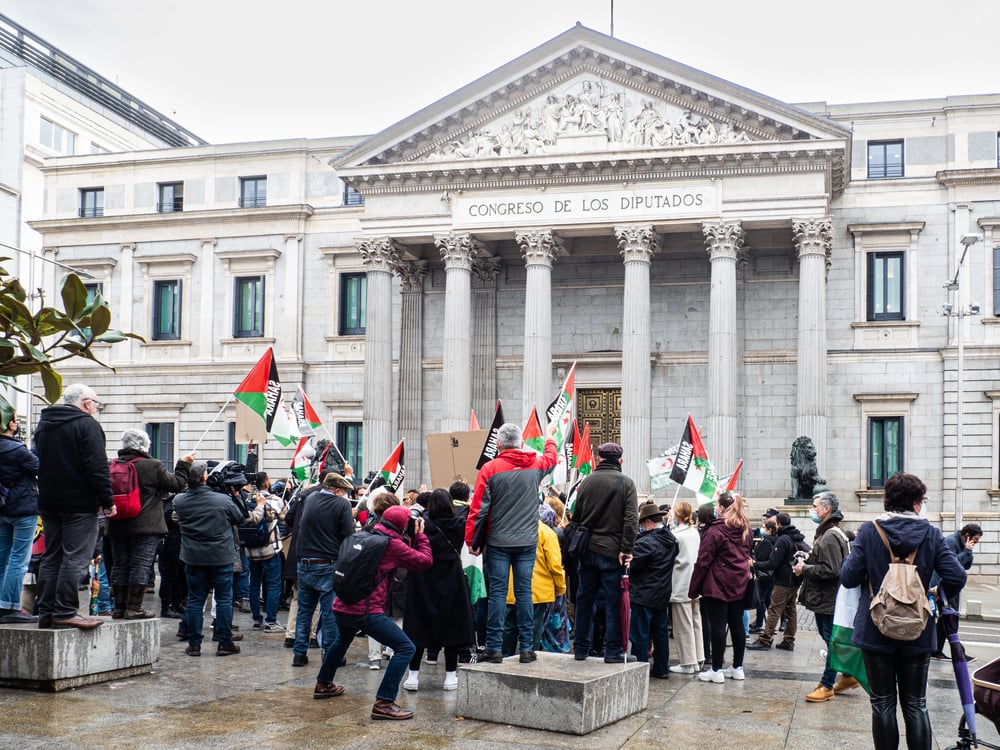
Morocco built a 1,700-mile wall through the Western Sahara, complete with landmines and motion sensors (though calling it simply a security measure would miss the point entirely—this barrier represents one of the longest-running territorial disputes in Africa, where the Polisario Front has been fighting for independence since the 1970s, and where thousands of Sahrawi people have spent decades in refugee camps, waiting for a resolution that never comes). But the wall also serves another purpose: it protects Morocco’s access to some of the world’s richest phosphate deposits, which means this isn’t just about territory—it’s about resources.
And the landmines scattered along its length will remain dangerous long after any political settlement is reached.
Belfast Peace Walls
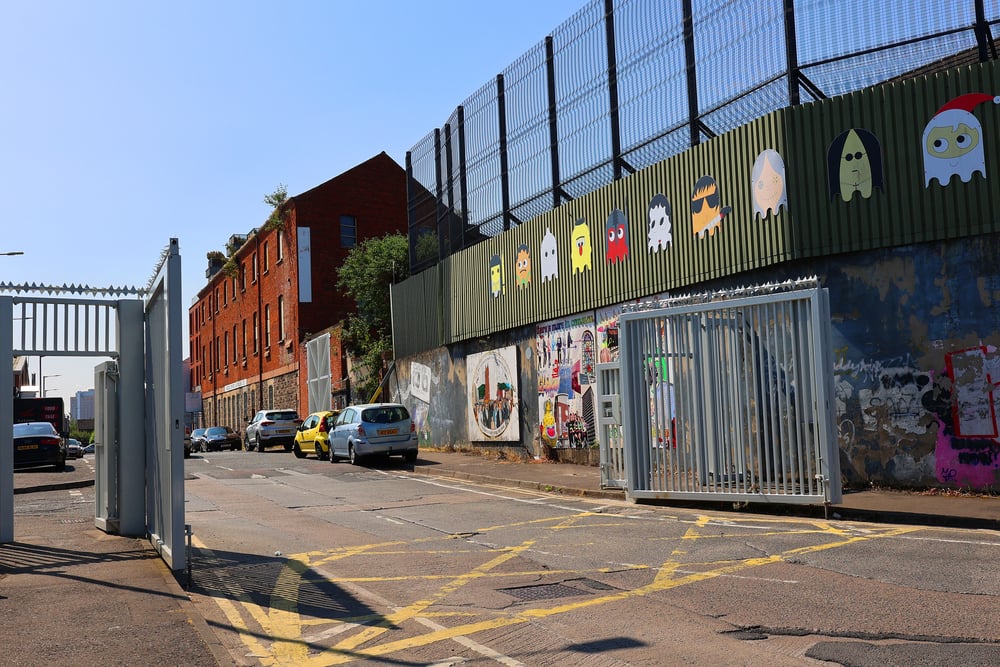
Belfast’s peace walls went up during the Troubles to separate Catholic and Protestant neighborhoods. They were supposed to be temporary.
That was over 50 years ago. Today, there are more walls than ever before—over 100 of them. Children grow up thinking it’s normal to have gates that close at night, keeping neighbors apart based on which church their grandparents attended.
Hadrian’s Wall
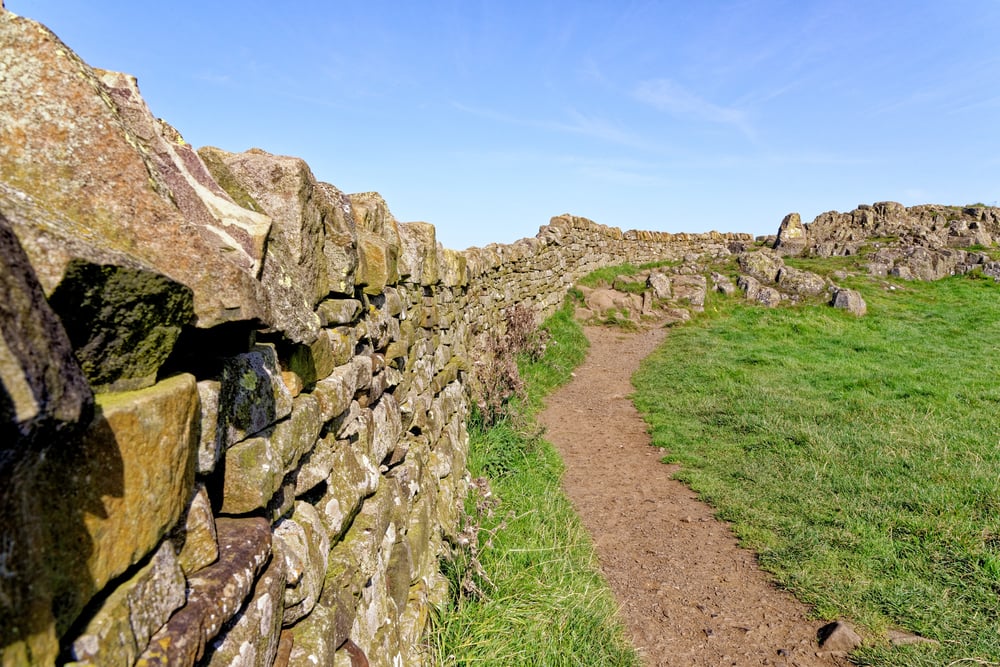
The Romans built Hadrian’s Wall across northern England to keep the Scottish tribes out of their empire. At 73 miles long, it marked the northern frontier of Roman civilization for nearly 300 years.
Soldiers from across the empire manned its forts and watchtowers. You can still walk sections of it today, imagining Roman legionaries staring north into the mist, wondering what lay beyond their known world. The stones remember what flesh has forgotten.
Maginot Line
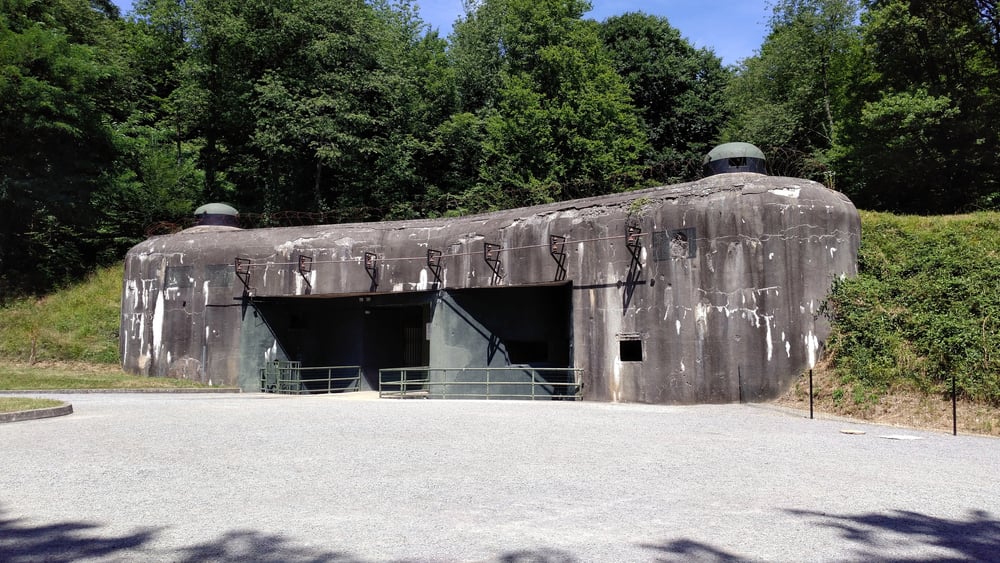
France spent a fortune building the Maginot Line after World War I—a chain of fortifications along the German border that was supposed to make invasion impossible. The concrete bunkers, underground railways, and rotating gun turrets represented the ultimate in defensive technology.
The Germans simply went around it through Belgium. Sometimes the most expensive walls are the most useless ones. The French learned that lesson the hard way in 1940.
US-Mexico Border Wall
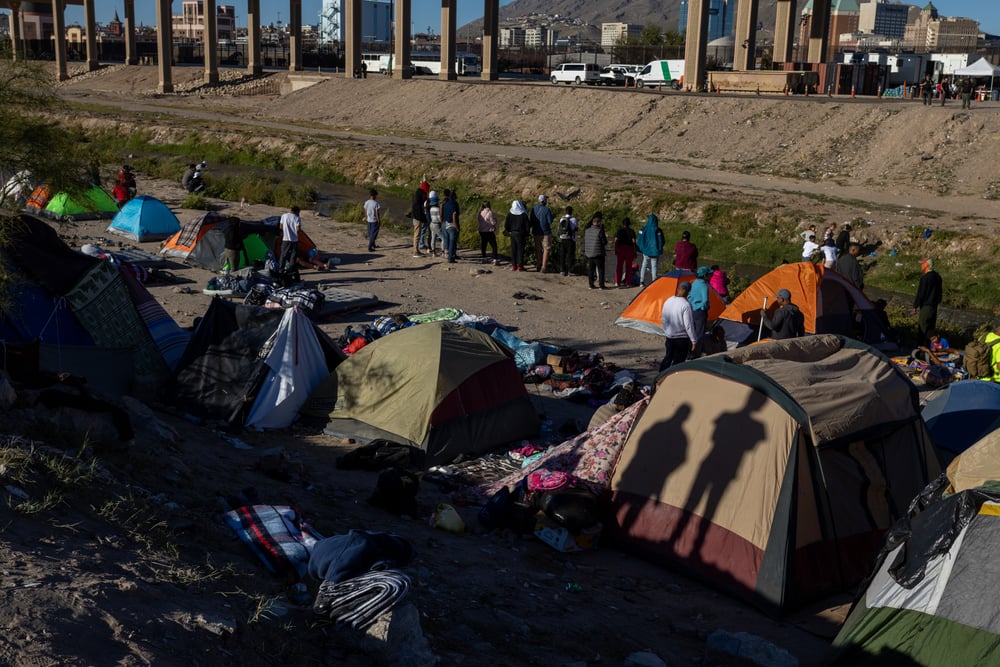
The border wall between the United States and Mexico stretches across desert, mountains, and cities, dividing communities that have existed for centuries (some of which, as it happens, were Mexican territory before the Treaty of Guadalupe Hidalgo in 1848, which means the wall sometimes cuts through land where people’s great-great-grandparents were born citizens of a different country entirely). And while politicians debate its effectiveness, the wall has undeniably changed the character of border towns like Tijuana-San Diego and El Paso-Ciudad Juárez, where families can literally see each other through metal slats but cannot touch.
But perhaps most tellingly: the wall has pushed migration into more dangerous desert crossings, where thousands have died attempting the journey. So the barrier meant to provide security has, in many ways, created new forms of insecurity for everyone involved.
Ceuta and Melilla Walls
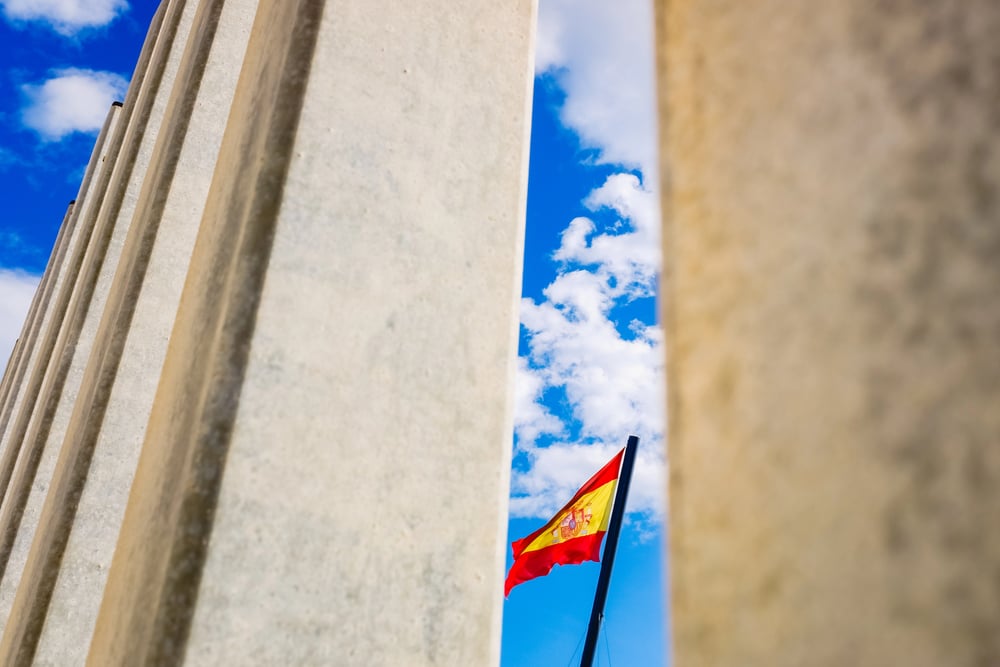
Spain built walls around its North African enclaves of Ceuta and Melilla to keep African migrants out of Europe. These barriers rise from the Mediterranean coastline like medieval fortifications, complete with razor wire and motion sensors.
The walls create a surreal scene: African soil surrounded by European barriers, where desperate people risk everything for a chance at a different life just yards away.
India-Pakistan Border
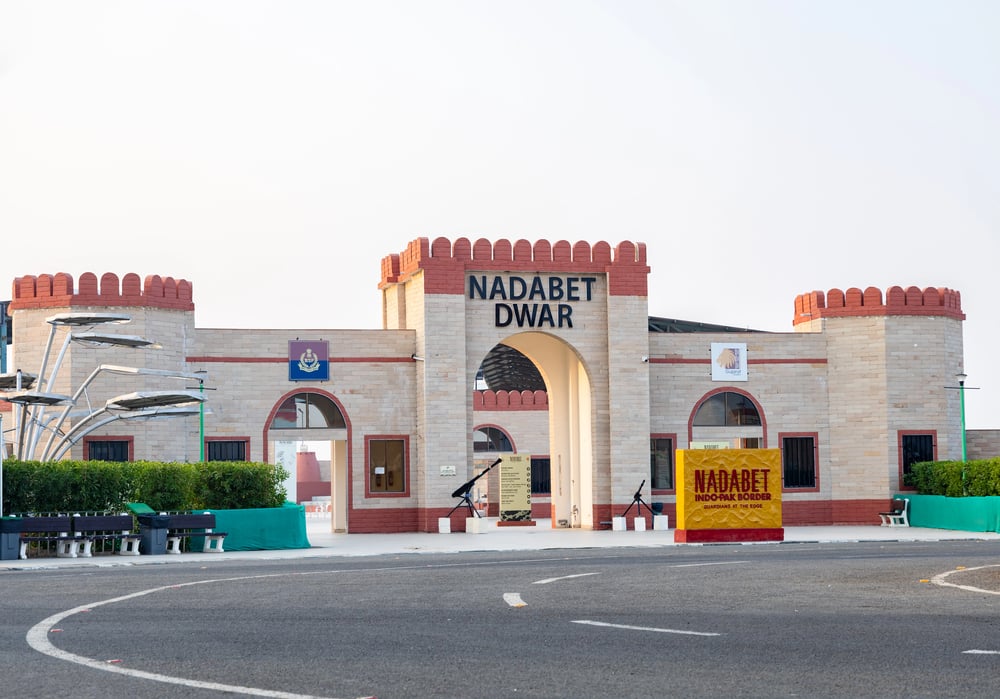
The Radcliffe Line divided British India in 1947, creating one of the world’s most militarized borders. Partition displaced 15 million people and killed over a million.
The border fence now stretches for hundreds of miles, lit up like a Christmas tree visible from space. Families torn apart by Partition have never reunited. Villages were split in half, with wells on one side and fields on the other.
Thai-Malaysia Border Wall
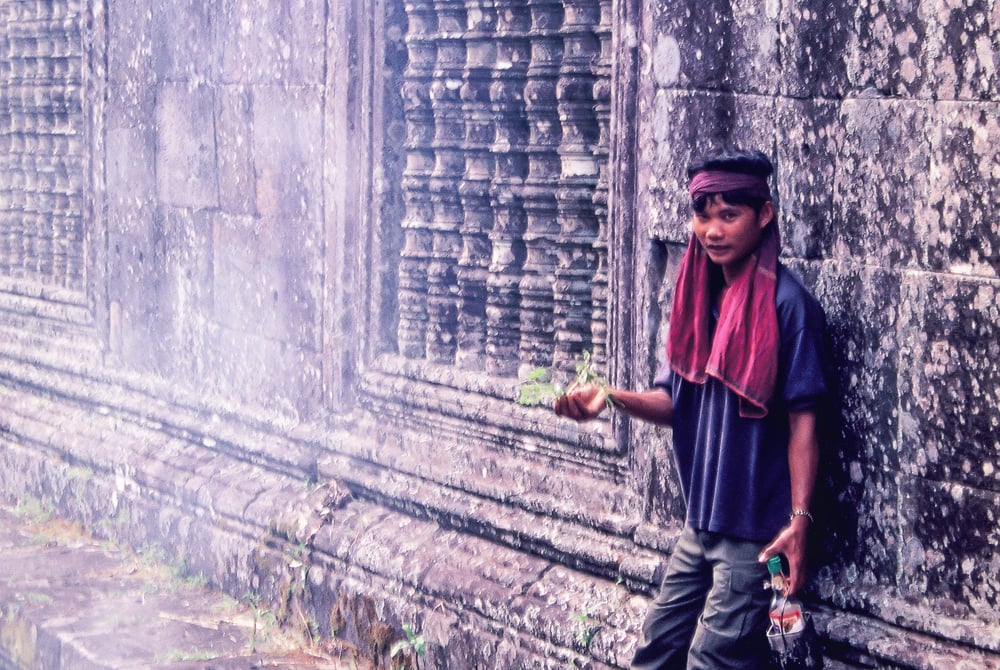
Thailand built walls along sections of its border with Malaysia to prevent smuggling and insurgent activity. The barriers cut through jungle and farmland in the deep south, where a separatist insurgency has claimed thousands of lives.
Rubber tappers and farmers who once crossed freely between plantations now face checkpoints and armed guards where their grandfathers knew only forest paths.
Uzbekistan-Kyrgyzstan Border
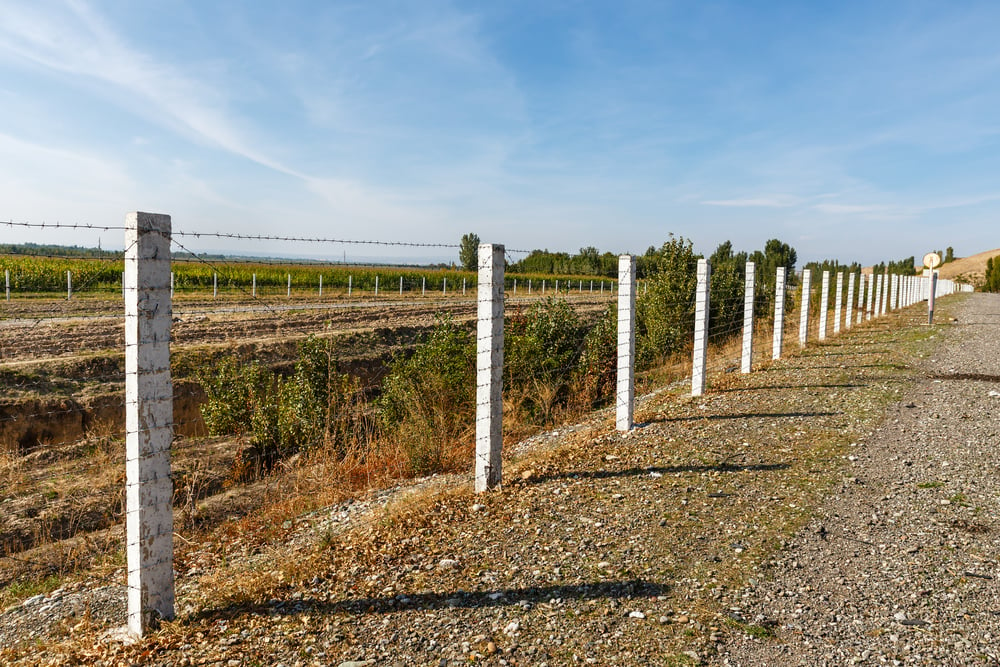
The Ferghana Valley’s complex borders create a patchwork of Uzbek and Kyrgyz territory. Uzbekistan has built walls and fences around its enclaves, turning what were once seamless communities into isolated pockets.
Villages find themselves cut off from their own fields. Families discover their houses are on one side of the border but their gardens on the other.
Saudi-Iraq Border
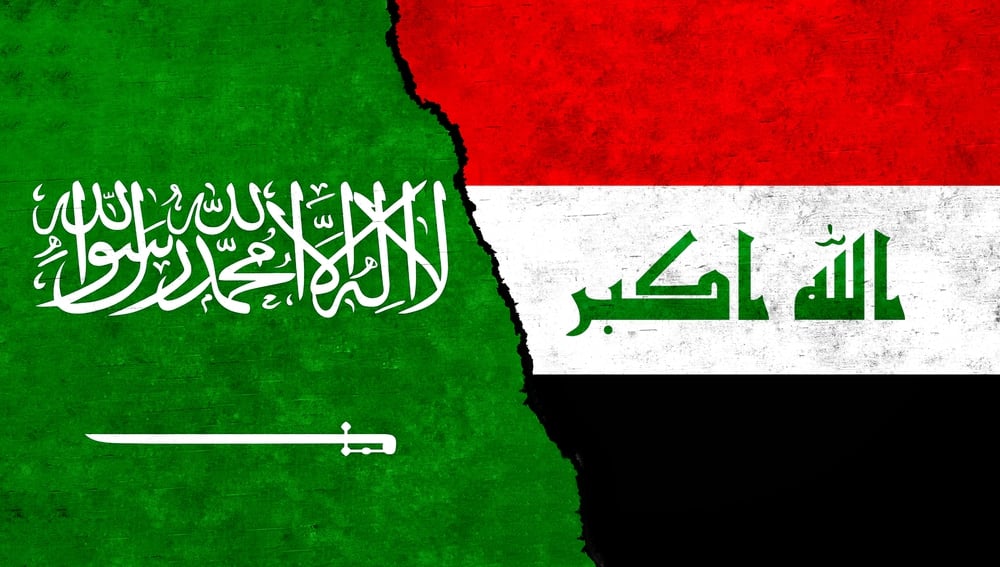
Saudi Arabia built a 560-mile barrier along its border with Iraq after the Gulf War. The wall includes trenches, berms, and electronic sensors to detect infiltrators.
It represents one of the most sophisticated border security systems in the Middle East. Bedouin tribes who once moved freely across the desert now face concrete and steel where only sand dunes stood before.
Turkey-Syria Border
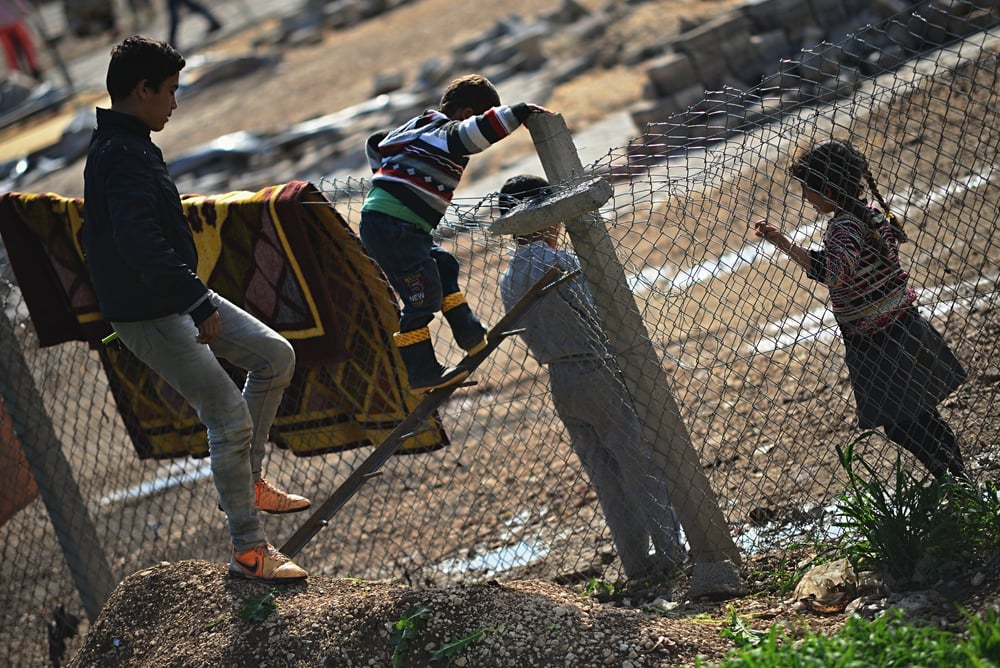
Turkey has built walls along much of its 560-mile border with Syria since the civil war began (though the barrier serves multiple purposes that extend far beyond simple immigration control—it’s designed to prevent the flow of weapons, fighters, and refugees, while also creating a physical manifestation of Turkey’s increasingly complex relationship with its southern neighbor). And the wall has fundamentally changed life in border cities like Gaziantep, where Syrian refugees make up nearly half the population, creating new tensions and opportunities in equal measure.
But what makes this barrier particularly poignant: it separates people who share centuries of cultural and family ties, turning what were once porous boundaries into hard lines. So the wall doesn’t just divide territory—it divides history itself.
Hungary-Serbia Border
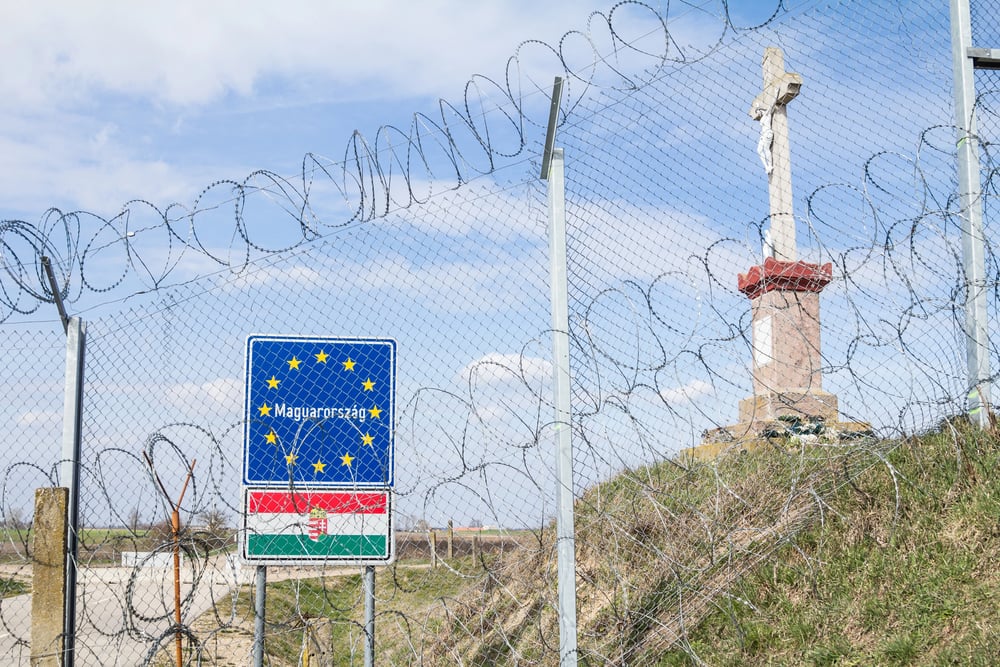
Hungary built a razor-wire fence along its border with Serbia in 2015 to stop the flow of refugees from the Middle East and Africa. The barrier sparked controversy across Europe and marked a turning point in the continent’s approach to migration.
The fence transformed sleepy border towns into flashpoints of international attention, where journalists and politicians came to witness Europe’s changing face.
Bulgaria-Turkey Border
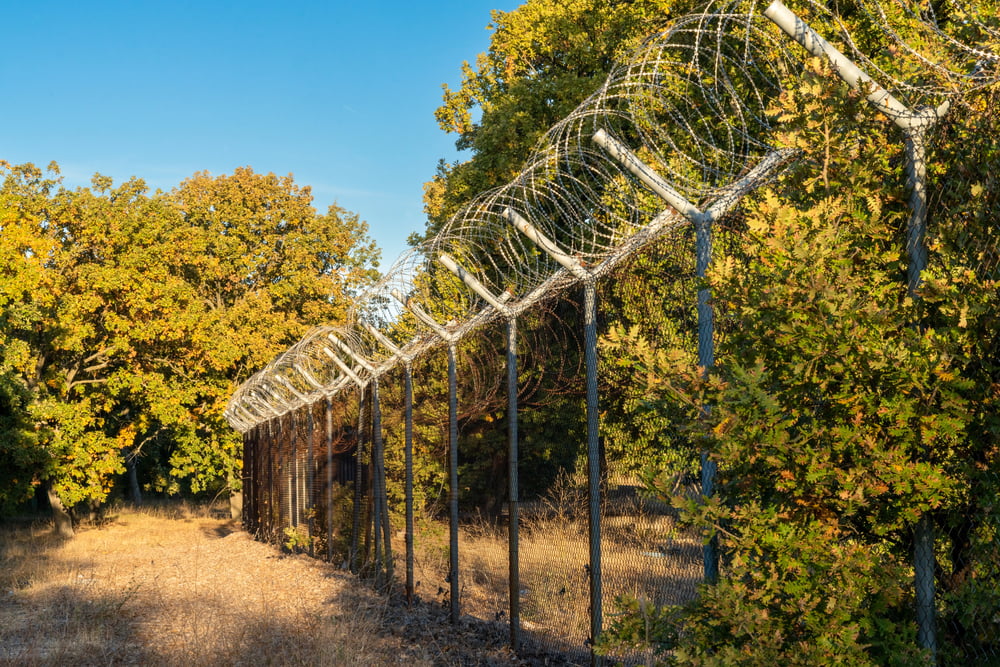
Bulgaria reinforced its border with Turkey using fencing and electronic surveillance to control migration flows. The barrier runs through mountainous terrain where smugglers and migrants play a deadly game of cat and mouse.
Border guards find people frozen to death in winter and dehydrated in summer. The mountains don’t care about politics, but they exact a toll from those desperate enough to cross them.
Greek-Turkish Border
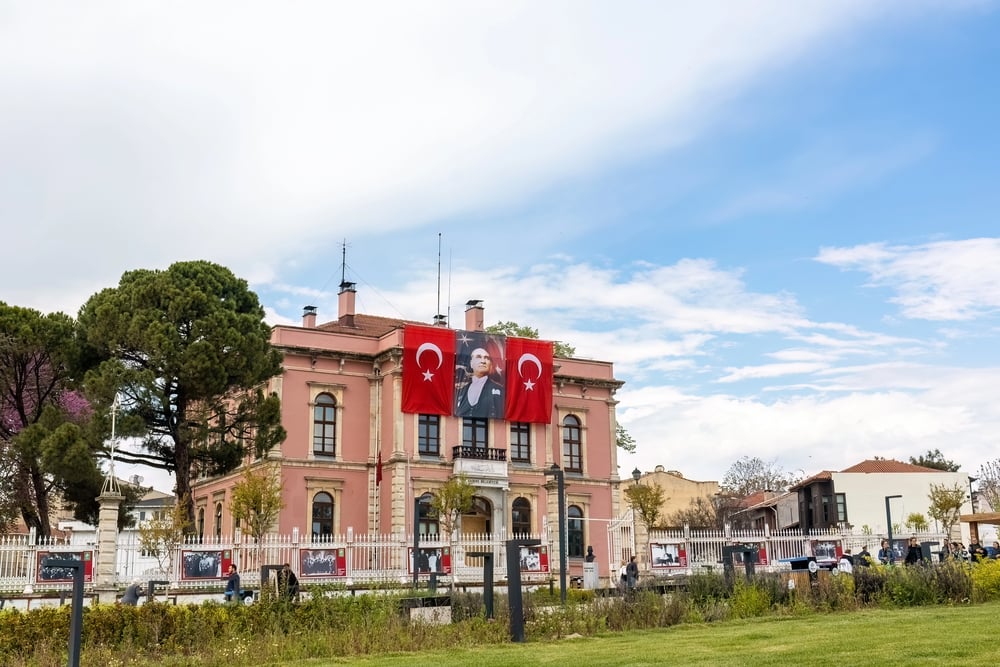
Greece has built barriers along sections of its land border with Turkey, particularly around the Evros River region. The fence includes thermal cameras, motion detectors, and rapid response teams.
It represents Europe’s frontline in migration control. The river has become a graveyard where bodies wash up regularly. Families fleeing war find themselves trapped between two worlds, neither of which wants them.
Egypt-Gaza Border
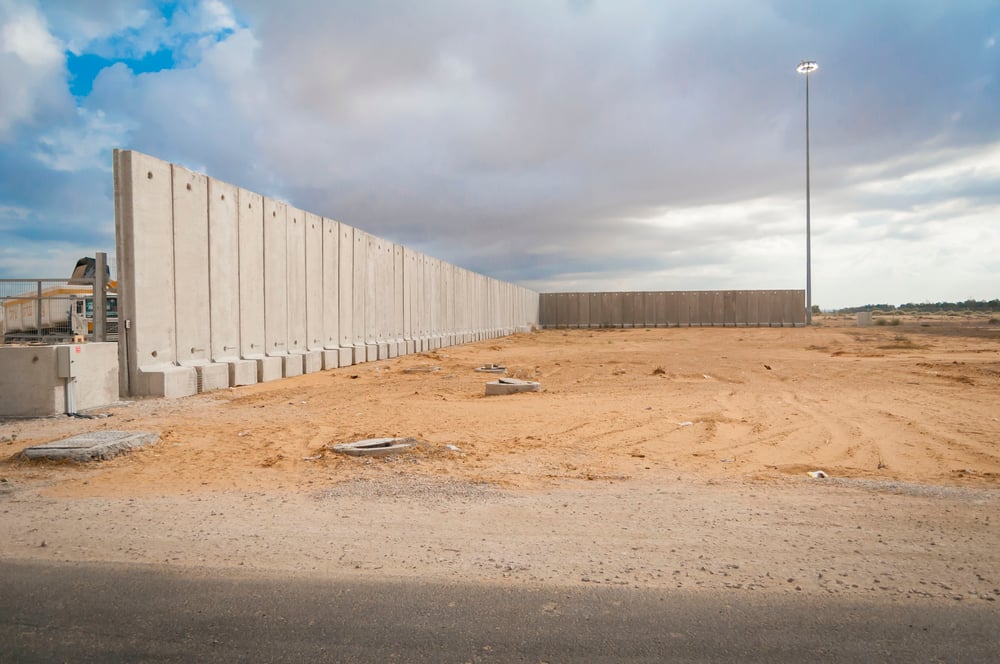
Egypt built an underground wall along its border with Gaza to stop tunnel smuggling. The barrier extends deep into the earth, filled with seawater to flood any tunnels that might breach it.
It represents a new generation of border control. Above ground, families separated by politics meet at the border fence. Below ground, an elaborate network of tunnels tells the story of human ingenuity in the face of restriction.
India-Bangladesh Border
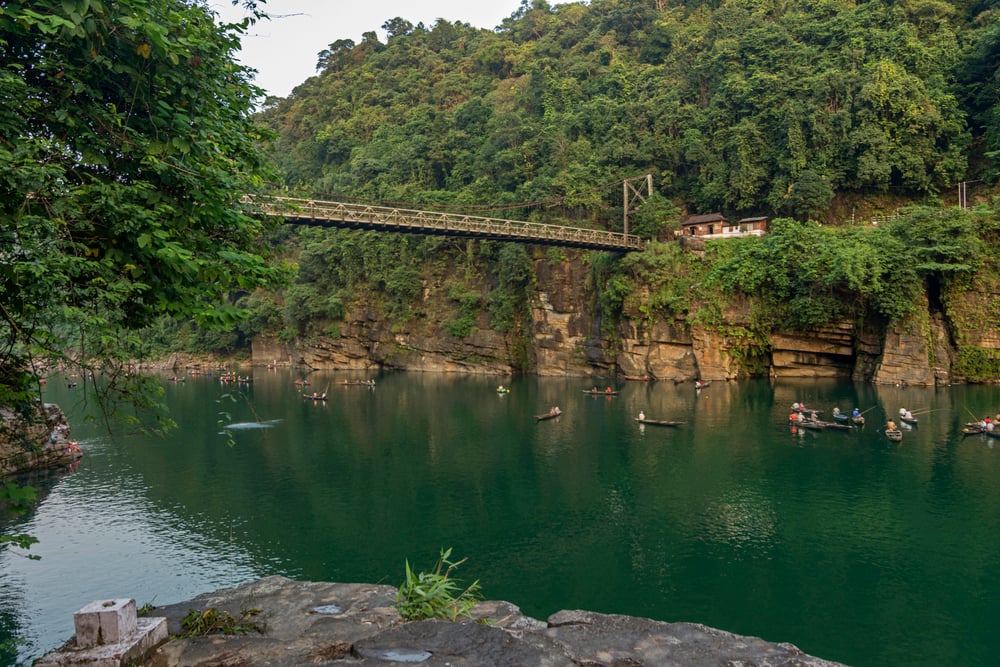
India has built one of the world’s longest border fences—over 2,500 miles along its boundary with Bangladesh (and while the official reason involves preventing infiltration and smuggling, the fence has created a humanitarian crisis for communities that have lived along this border for generations, where people suddenly found their ancestral lands divided and their freedom of movement restricted). So farmers who once tended fields on both sides of the border now face armed guards and electrified wire where their grandfathers knew only rice paddies and village paths.
And the fence has pushed desperate migrants into more dangerous crossing points, where border guards from both countries shoot first and ask questions later. The statistics tell the story: hundreds die every year trying to cross what was once simply the boundary between neighboring villages.
Romania-Serbia Border
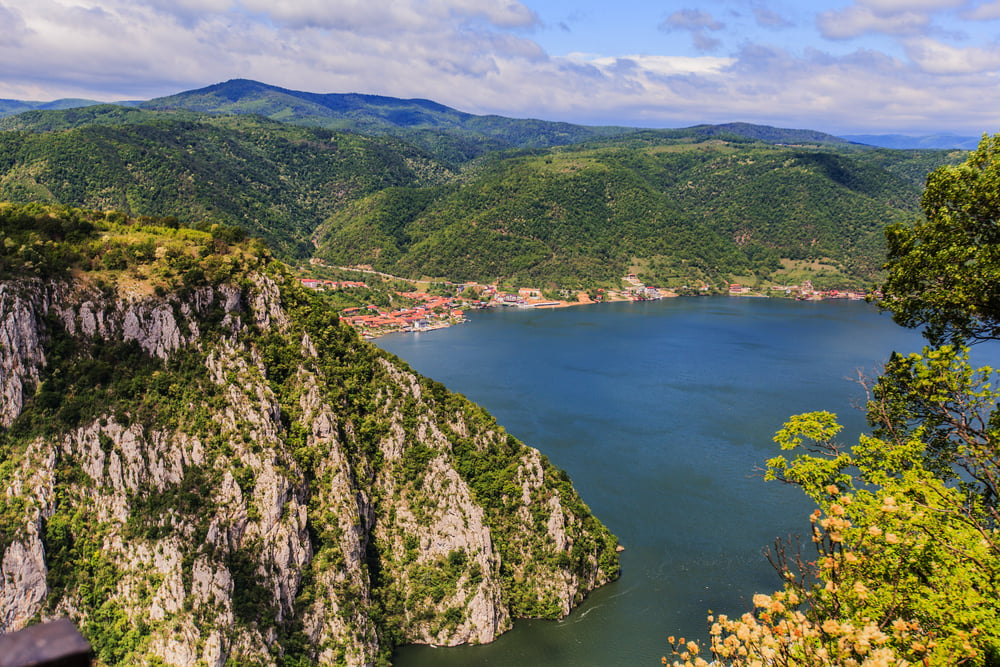
Romania built fencing along parts of its border with Serbia to control migration during the European refugee crisis. The barrier cuts through farmland and forests where people once crossed freely for work and family visits.
Villages that straddled the border now find themselves divided, with relatives meeting at fence gates that close each evening.
Slovenia-Croatia Border
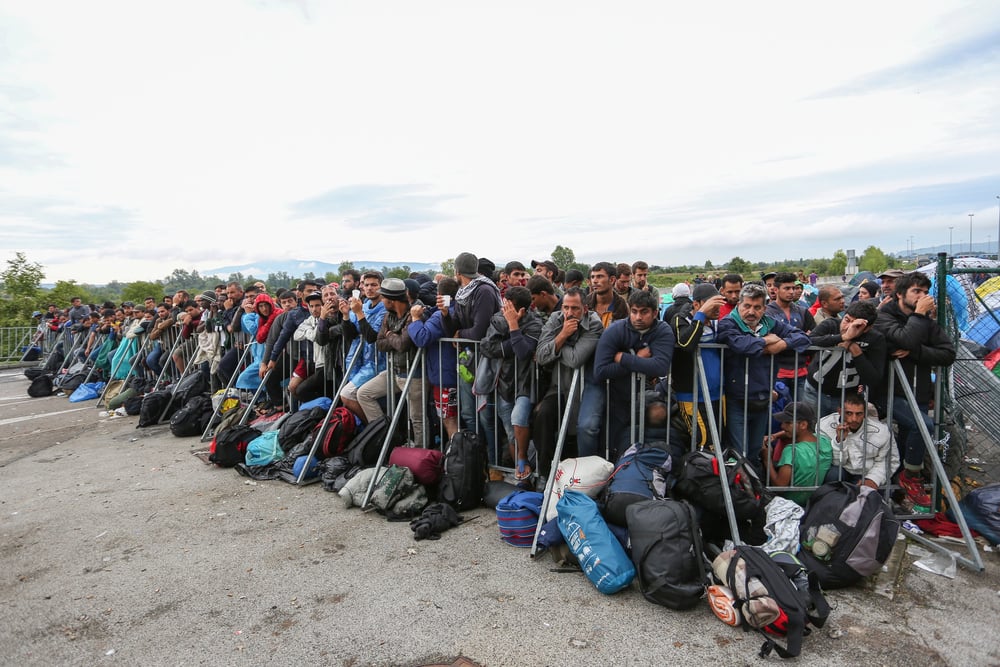
Slovenia erected razor-wire barriers along its border with Croatia in 2015 as refugees streamed through the Balkans toward Western Europe. The fence divided communities that had been reunited after Yugoslavia’s collapse.
The irony wasn’t lost on anyone: countries that had fought to escape division were building new walls just decades after achieving independence.
North Korea-China Border
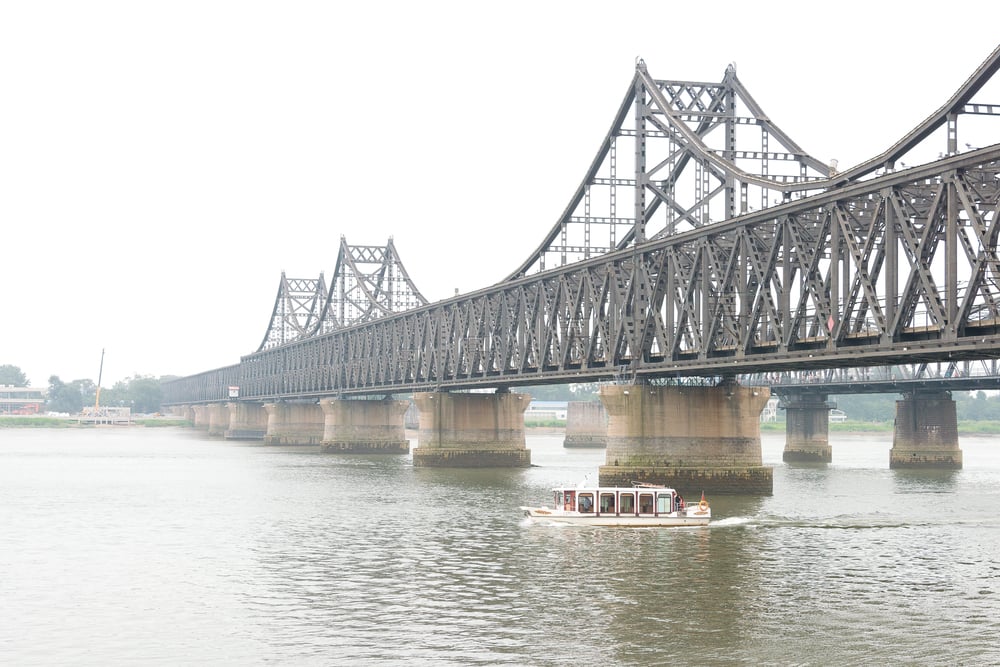
North Korea has built extensive barriers along its border with China, including electrified fencing and guard posts to prevent defections. The Yalu River forms a natural boundary, but concrete and steel reinforce what geography began.
Chinese tourists can see North Korean villages from observation decks, creating a surreal form of poverty tourism where people pay to glimpse life under totalitarianism.
Pakistan-Afghanistan Border
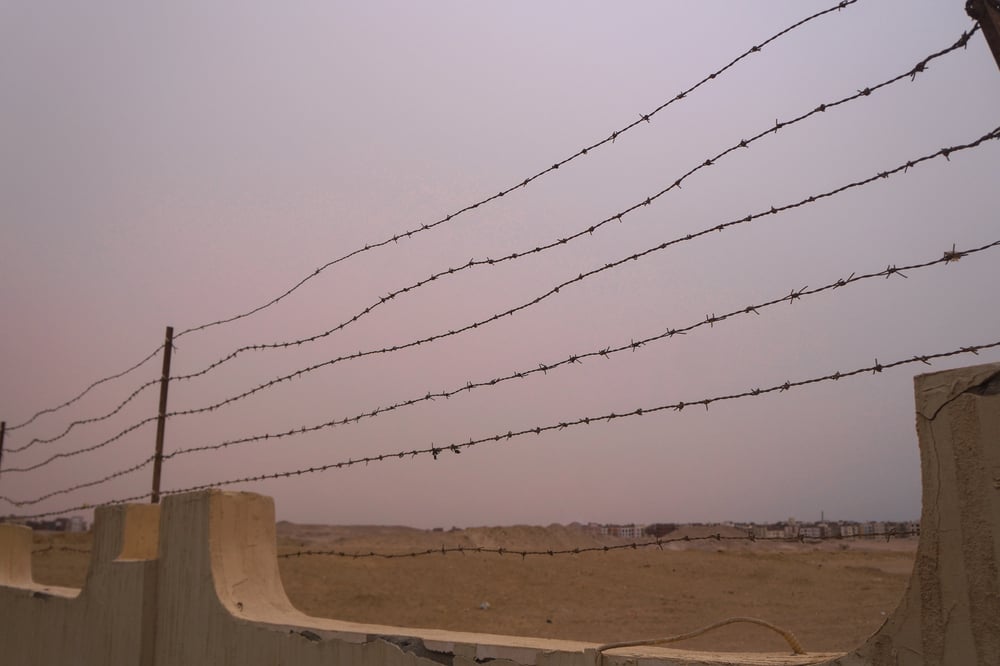
Pakistan has built fencing along sections of the Durand Line, its disputed border with Afghanistan. The barrier aims to control militant infiltration and drug smuggling through mountainous terrain that has never respected political boundaries.
Pashtun tribes find their traditional lands divided by international politics. Families separated by the fence communicate across valleys using cell phones when the signal reaches both sides.
Estonia-Russia Border
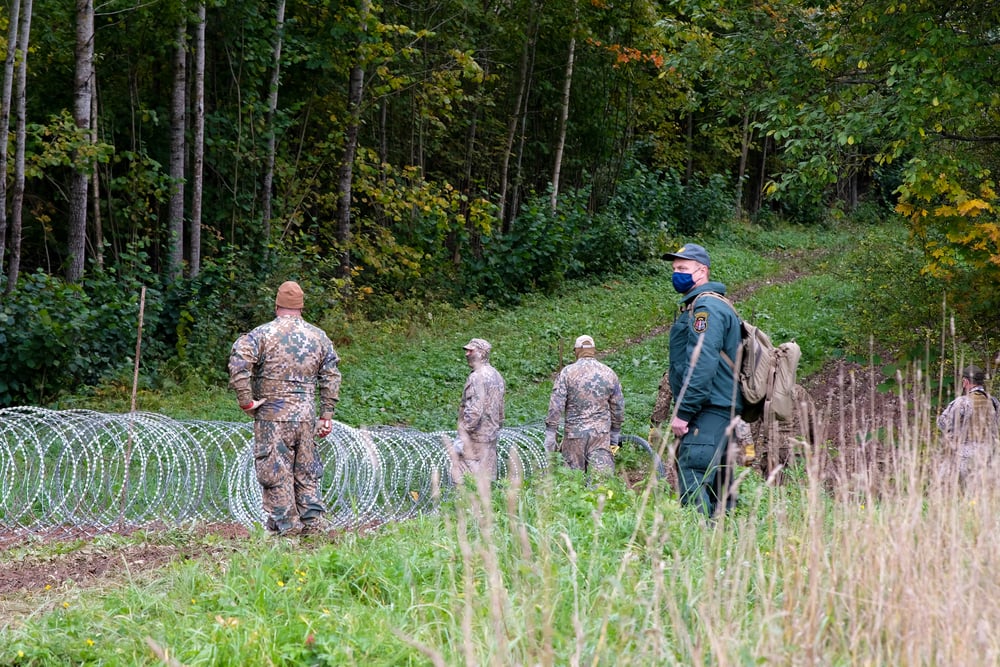
Estonia built barriers along its border with Russia after joining NATO and the European Union. The fence marks where the Soviet Union once ended and where the European Union now begins.
Guard towers and electronic sensors monitor a boundary that represents civilizational divide. Russian speakers on the Estonian side sometimes feel like strangers in their own country, while Estonian speakers remember when this border meant the difference between freedom and occupation.
Lithuania-Belarus Border
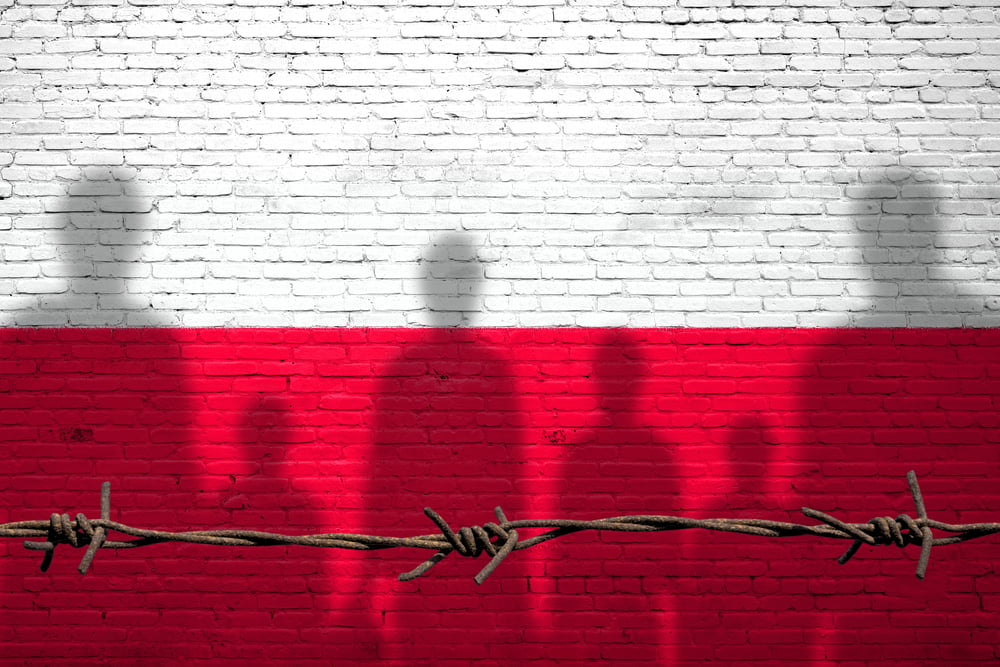
Lithuania has constructed fencing along its border with Belarus in response to what it calls a “hybrid attack”—the deliberate channeling of migrants toward EU borders. The barrier represents a new kind of border fortification designed for a new kind of conflict.
Migrants from the Middle East and Africa find themselves trapped in Belarusian forests, used as pawns in a geopolitical game they never signed up to play. The fence becomes a symbol of how human desperation gets weaponized by authoritarian regimes.
Walls That Outlive Their Purpose
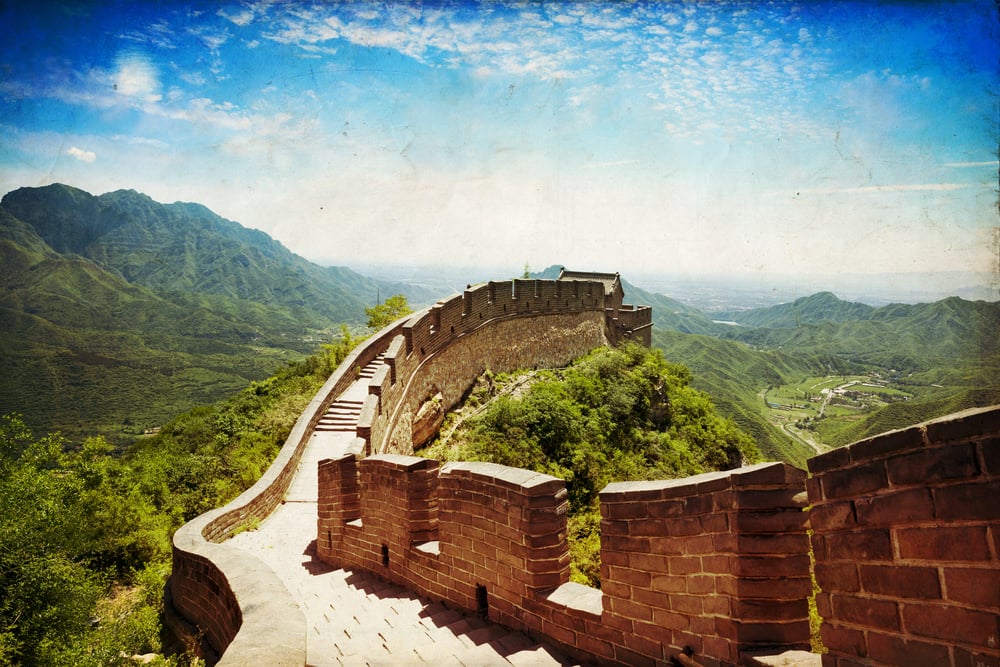
Here’s the thing about walls: they always last longer than the conflicts that created them. The Berlin Wall fell in 1989, but pieces of it still stand as memorials to division. Hadrian’s Wall outlasted the Roman Empire by 1,500 years. The Great Wall of China protected against Mongol invasions that ended centuries ago, yet tourists still climb its steps today.
Physical barriers have a stubborn permanence that transcends politics—they become archaeological evidence of human mistrust, concrete reminders that separation once seemed like the only solution to problems that time eventually solved in different ways. These 28 barriers represent more than just border control or national security. They’re monuments to human limitation, proof that when people can’t figure out how to live together, they build walls and hope distance will solve what dialogue couldn’t. Some have fallen, others remain, but all of them tell the same story: the impulse to divide is as old as civilization itself, and just as enduring.
More from Go2Tutors!

- The Romanov Crown Jewels and Their Tragic Fate
- 13 Historical Mysteries That Science Still Can’t Solve
- Famous Hoaxes That Fooled the World for Years
- 15 Child Stars with Tragic Adult Lives
- 16 Famous Jewelry Pieces in History
Like Go2Tutors’s content? Follow us on MSN.