Unusual Letters That Changed World History
Before text messages and emails took over our lives, people actually sat down with pen and paper to communicate. Sounds ancient, right? But some of these handwritten notes ended up doing way more than just keeping in touch with distant relatives.
They sparked wars, ended marriages, launched scientific revolutions, and even convinced a future president to grow facial hair. What makes a letter powerful enough to shift the course of human events? Sometimes it’s the timing, sometimes it’s the writer, and sometimes it’s just pure audacity.
Here is a list of 14 letters that managed to leave their mark on history in the most unexpected ways.
Grace Bedell’s Letter to Abraham Lincoln

An 11-year-old girl from Westfield, New York, took it upon herself to offer some unsolicited campaign advice to presidential candidate Abraham Lincoln in October 1860. Grace Bedell wrote that Lincoln’s thin face would look much better with whiskers, and that all the ladies liked beards and would convince their husbands to vote for him.
Lincoln actually wrote back, wondering if growing a beard wouldn’t seem like a silly affectation since he’d never worn one before. Within a month, he had a full beard, and when his inaugural train stopped in Westfield in February 1861, he asked to meet Grace and told her he’d grown the whiskers just for her.
The Zimmermann Telegram

German Foreign Secretary Arthur Zimmermann sent what he thought was a secure coded message in January 1917, proposing that Mexico should ally with Germany if the United States entered World War I. The telegram promised Mexico generous financial support and the chance to reconquer Texas, New Mexico, and Arizona from the United States.
British codebreakers intercepted and decrypted the message, then passed it along to American authorities. When the telegram became public on March 1, 1917, American public opinion shifted dramatically against Germany, and the United States declared war just five weeks later.
Like Go2Tutors’s content? Follow us on MSN.
Martin Luther King Jr.’s Letter from Birmingham Jail
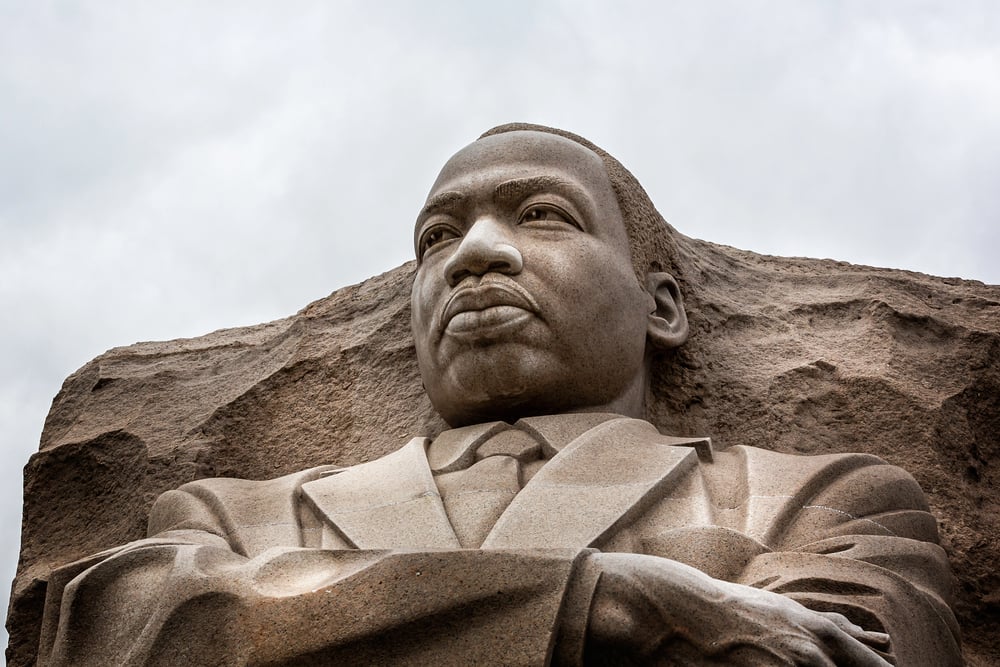
Arrested on April 12, 1963, for participating in nonviolent protests against segregation, Martin Luther King Jr. found himself stuck in a Birmingham jail with no proper writing materials. Local clergy had publicly criticized the demonstrations, so King grabbed whatever he could find—newspaper margins, scraps of paper from his lawyer—and spent from April 16 to 20 crafting his response.
The result became one of the most influential documents of the civil rights movement, with its powerful assertion that injustice anywhere is a threat to justice everywhere. King’s supporters literally had to piece the fragments together like a jigsaw puzzle before it was first published in The Atlantic in August 1963, with newspapers picking it up shortly after.
Einstein’s Letter to President Roosevelt

Physicist Leo Szilard drafted a letter that Albert Einstein co-signed on August 2, 1939, that would haunt Einstein for the rest of his life. The letter warned President Franklin Roosevelt that recent scientific work might make it possible to create extremely powerful bombs using uranium.
Einstein, a lifelong pacifist, felt compelled to alert the American government that Germany might develop such weapons first. Roosevelt’s response led to the formation of the Advisory Committee on Uranium in 1939, which became the precursor to the Manhattan Project in 1942.
Einstein later told Newsweek in 1947 that if he’d known Germany would fail to build an atomic bomb, he would have done nothing.
Henry VIII’s Love Letters to Anne Boleyn

King Henry VIII wrote passionate love letters to Anne Boleyn between 1527 and 1528 that would end up changing the entire structure of England. The 17 surviving letters, preserved in the Vatican Library, show Henry was desperate for a male heir and had fallen hard for Anne, the younger sister of one of his mistresses.
He wrote to her professing that his heart surrendered itself into her hands and begging her to favor him despite their separation. These letters preceded the 1533 break with Rome but fueled Henry’s determination to annul his marriage to Catherine of Aragon.
When the Pope refused, Henry broke with the Roman Catholic Church entirely, created the Church of England, and married Anne in a secret ceremony.
Like Go2Tutors’s content? Follow us on MSN.
The Bixby Letter

This letter, dated November 21, 1864, is one of the most controversial pieces of correspondence ever attributed to Abraham Lincoln. It offered condolences to widow Lydia Bixby of Boston for supposedly losing five sons in the Civil War.
The letter is beautifully written and has been called one of the greatest examples of condolence writing in English literature. There’s just one problem—only two, possibly three, of Mrs. Bixby’s sons actually died in service, while the others deserted or were honorably discharged.
Modern linguistic analysis suggests the letter was likely written by Lincoln’s secretary John Hay, not Lincoln himself. Despite all this, the letter inspired a key scene in Saving Private Ryan and remains famous to this day.
Charles Darwin’s “Murder” Confession
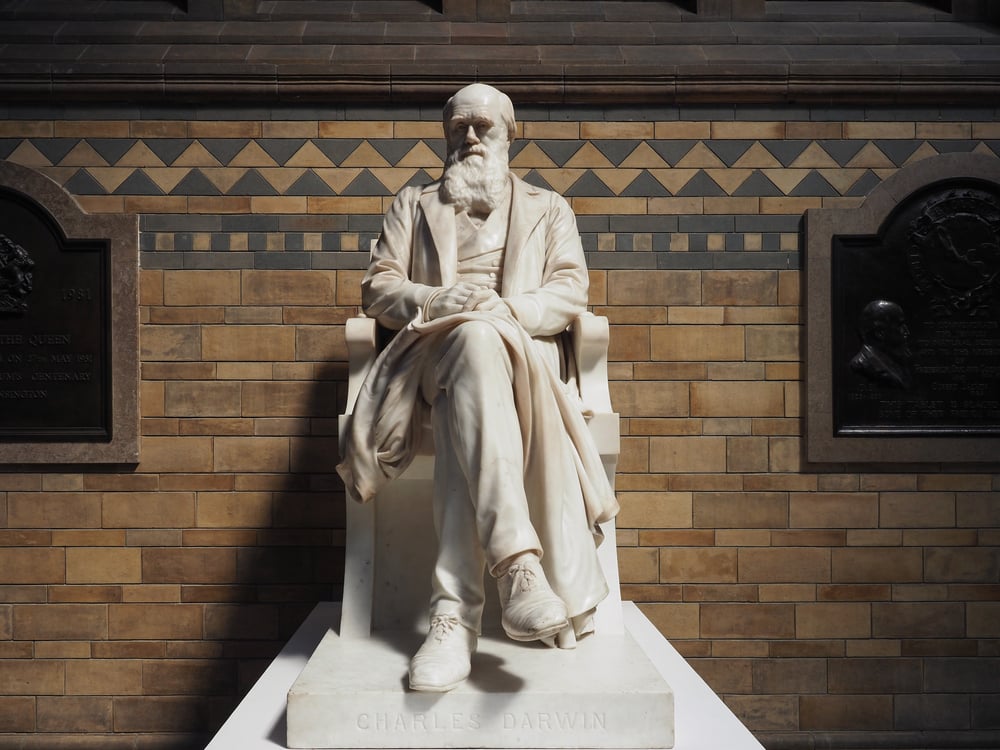
In January 1844, naturalist Charles Darwin wrote to his botanist friend Joseph Dalton Hooker about an idea that was eating away at him. Darwin confessed that he was becoming convinced that species were not immutable—that they could change over time.
He then added that admitting this was almost like confessing a murder. Darwin had stumbled onto what would become his theory of evolution, but he knew how revolutionary and controversial it would be.
Fifteen years after this nervous letter, he finally published On the Origin of Species, fundamentally changing how we understand life on Earth.
Winston Churchill’s Defiant Response
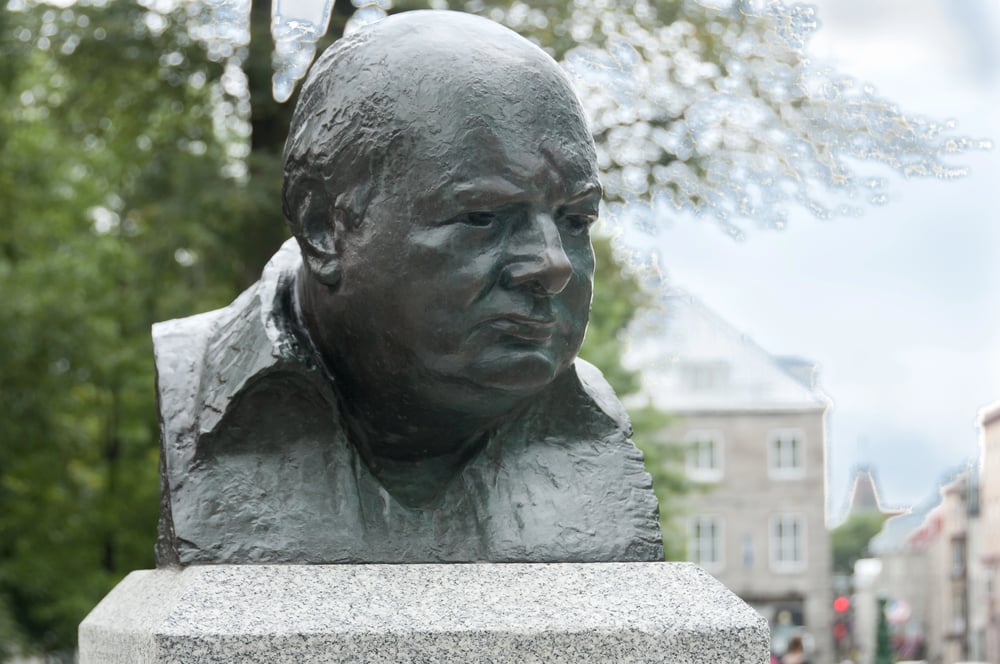
In May 1940, newly appointed Prime Minister Winston Churchill faced enormous pressure from within his own government to negotiate peace terms with Nazi Germany. While there’s no single defiant letter, Churchill’s memos and War Cabinet correspondence from this period reveal his absolute determination to fight on rather than accept any peace overtures.
His private secretary and other officials suggested Britain should seek the best peace terms possible to avoid invasion. Churchill’s written responses and internal communications during these crucial weeks show his refusal to even consider surrender.
His defiance kept Britain in the war at a crucial moment when defeat seemed almost certain.
Like Go2Tutors’s content? Follow us on MSN.
Émile Zola’s “J’Accuse!”

French novelist Émile Zola published an explosive open letter on the front page of the Parisian newspaper L’Aurore on January 13, 1898. The letter, headlined “J’Accuse!” (I Accuse!), defended Jewish army captain Alfred Dreyfus, who had been wrongly convicted of treason based on antisemitic prejudice.
Zola directly accused government officials and military officers of a miscarriage of justice and cover-up. The letter caused an enormous scandal, split French society down the middle, and eventually led to Dreyfus being exonerated.
Zola faced prosecution for libel but had sparked a national conversation about justice and prejudice.
Siegfried Sassoon’s Protest Letter
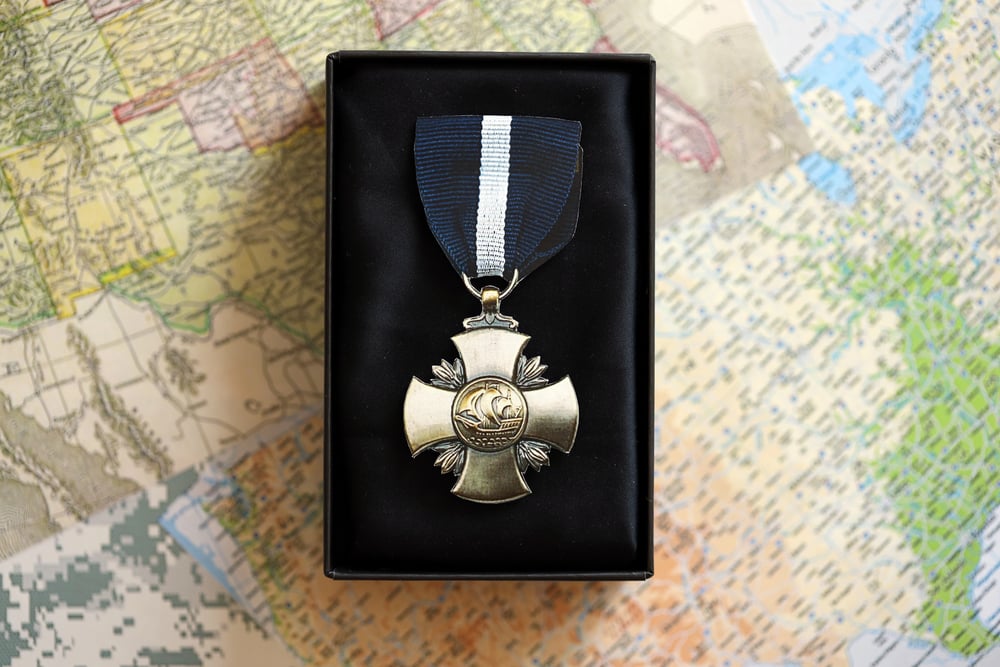
British soldier and poet Siegfried Sassoon had earned the Military Cross for extraordinary bravery during World War I when he did something incredibly unusual in 1917. After being wounded twice and sent home on leave, he refused to return to the trenches and wrote an open letter declaring his belief that the war had become one of aggression rather than defense.
He stated that the war was being deliberately prolonged by those who had the power to end it. The letter was read publicly in the House of Commons and caused a massive stir.
Rather than court-martial a decorated war hero, authorities declared Sassoon mentally ill and sent him to a hospital.
George Washington’s Spy Network Letter
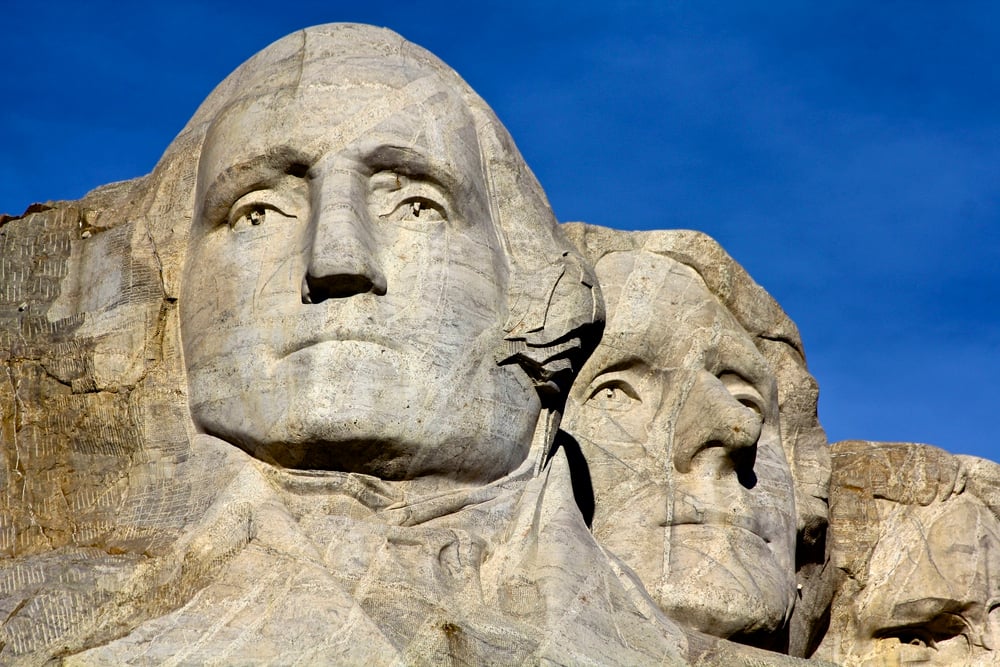
Commander-in-Chief George Washington had a problem in early 1777—the British Army had captured New York City and he desperately needed intelligence from behind enemy lines. After a young inexperienced volunteer named Nathan Hale was captured and hanged within two weeks, Washington wrote to proven operative Nathaniel Sackett on February 4, 1777, offering him $50 a month to develop a proper spy network.
While Sackett achieved only limited success, another operative named Benjamin Tallmadge later formed the famous Culper Spy Ring from 1778 to 1783. Washington’s letter essentially launched American espionage and helped the Continental Army gather crucial intelligence throughout the Revolutionary War.
Like Go2Tutors’s content? Follow us on MSN.
The Balfour Declaration

British Foreign Secretary Arthur James Balfour wrote a letter to Baron Rothschild on November 2, 1917, that would reshape the Middle East. The letter expressed the British government’s support for establishing a Jewish homeland in Palestine.
Just 67 words long, the Balfour Declaration became one of the most consequential documents of the 20th century. It gave international legitimacy to the Zionist movement and set in motion events that would eventually lead to the creation of Israel in 1948.
The ramifications of this brief letter continue to influence geopolitics today.
Napoleon’s Letters to Josephine
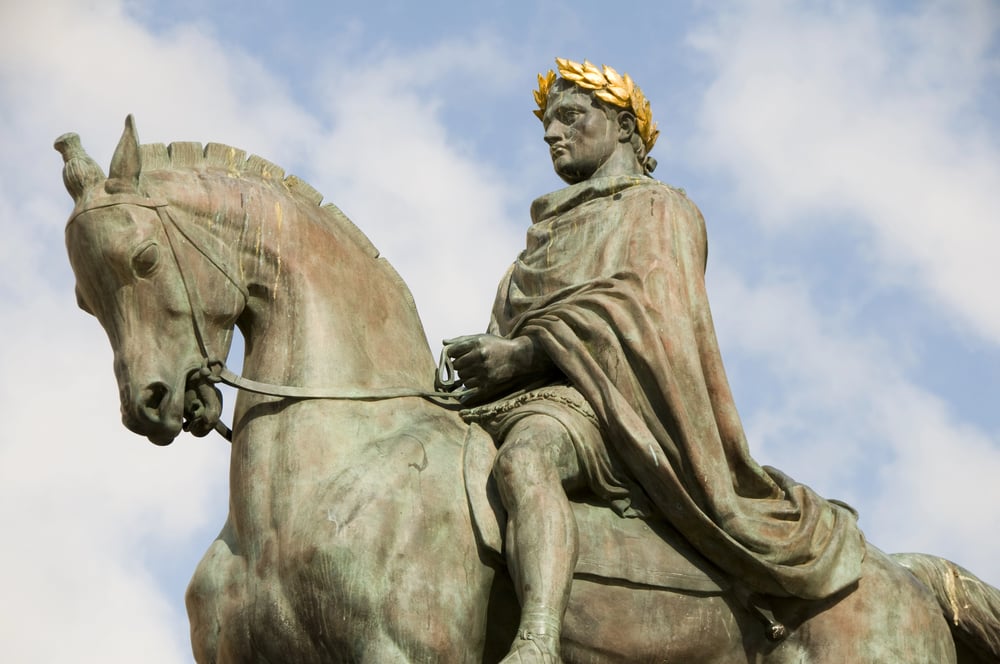
French Emperor Napoleon Bonaparte was a military genius and ruthless conqueror, but his hundreds of letters to his wife Josephine reveal a completely different side of him. Many of these letters, dating from as early as 1795 to 1796, are preserved in the French Archives Nationales and show Napoleon’s passionate, almost desperate declarations of love and longing.
These weren’t stiff formal letters—Napoleon wrote like a lovesick teenager, expressing emotions that seem almost comically intense for someone who commanded armies. The letters humanize one of history’s most formidable figures and remind us that even world-conquering emperors can be completely undone by romantic feelings.
Leonardo da Vinci’s Job Application

Renaissance genius Leonardo da Vinci wrote what might be history’s most unusual résumé around 1482 when he applied for work with Ludovico Sforza, the Duke of Milan. The letter, preserved in the Codex Atlanticus, spent most of its space bragging about his engineering and military skills—designing bridges, catapults, armored vehicles, and fortifications.
Only at the very end did Leonardo casually mention that he could also do some painting and sculpture. This is Leonardo da Vinci we’re talking about—the guy who would paint the Mona Lisa and The Last Supper.
But he buried his artistic talents at the bottom of his application because he knew the Duke needed military engineers more than painters.
Like Go2Tutors’s content? Follow us on MSN.
Where Letters Led Us

These 16 letters prove that sometimes the most powerful weapon isn’t a sword or a bomb, but words on a page delivered at exactly the right moment. An 11-year-old girl changed presidential fashion, coded telegrams dragged nations into war, and scientists’ warnings unleashed the atomic age.
What began as simple acts of putting pen to paper became turning points in human history—not because the writers were trying to be revolutionary, but because they had something important to say and the courage to say it.
More from Go2Tutors!

- 16 Historical Figures Who Were Nothing Like You Think
- 12 Things Sold in the 80s That Are Now Illegal
- 15 VHS Tapes That Could Be Worth Thousands
- 17 Historical “What Ifs” That Would Have Changed Everything
- 18 TV Shows That Vanished Without a Finale
Like Go2Tutors’s content? Follow us on MSN.



