27 Halloween Traditions from the ’70s Kids Today Wouldn’t Believe
Halloween in the 1970s was a completely different beast than what kids experience today. Parents sent their children out into the neighborhood darkness with nothing more than a pillowcase and a “be back by nine” warning.
Safety protocols were suggestions at best, costumes came from whatever you could find in the closet, and the entire night operated on a level of organized chaos that would give modern parents heart palpitations. The decade that gave us disco and bell-bottoms also perfected a version of Halloween that felt more like a neighborhood-wide adventure than the supervised, sanitized holiday it’s become.
These traditions shaped an entire generation’s understanding of what October 31st should feel like — and most of them have vanished completely.
Trick-or-Treating Until 10 PM or Later
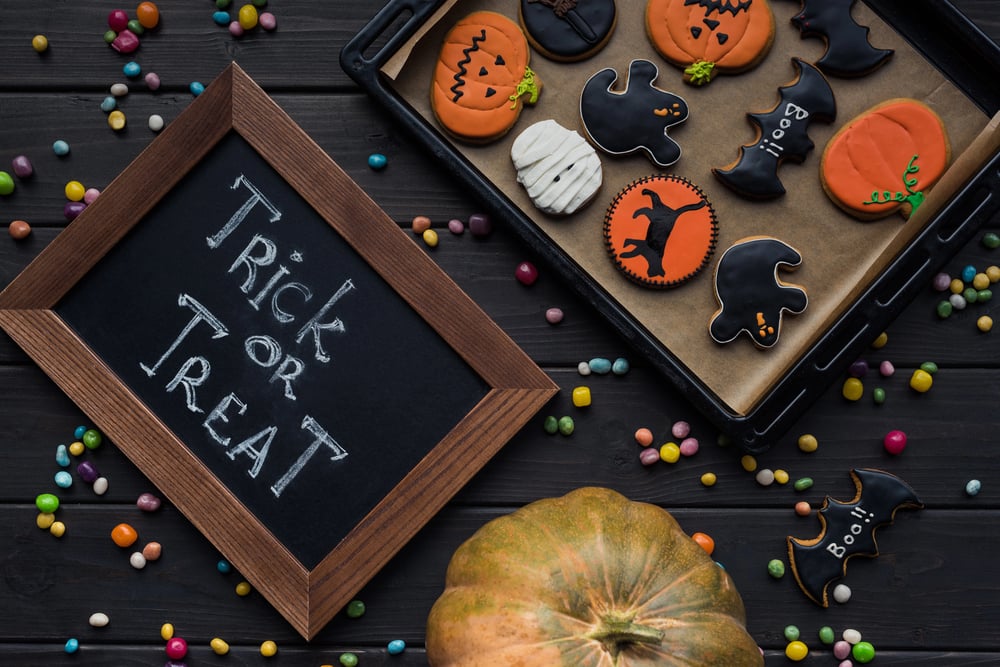
Ten-year-olds roamed the streets until well past their normal bedtimes. Nobody questioned a group of kids knocking on doors at 9:30 PM.
The later you stayed out, the more candy you collected, and parents trusted that the neighborhood would keep an eye on everyone’s children.
Making Costumes From Household Items
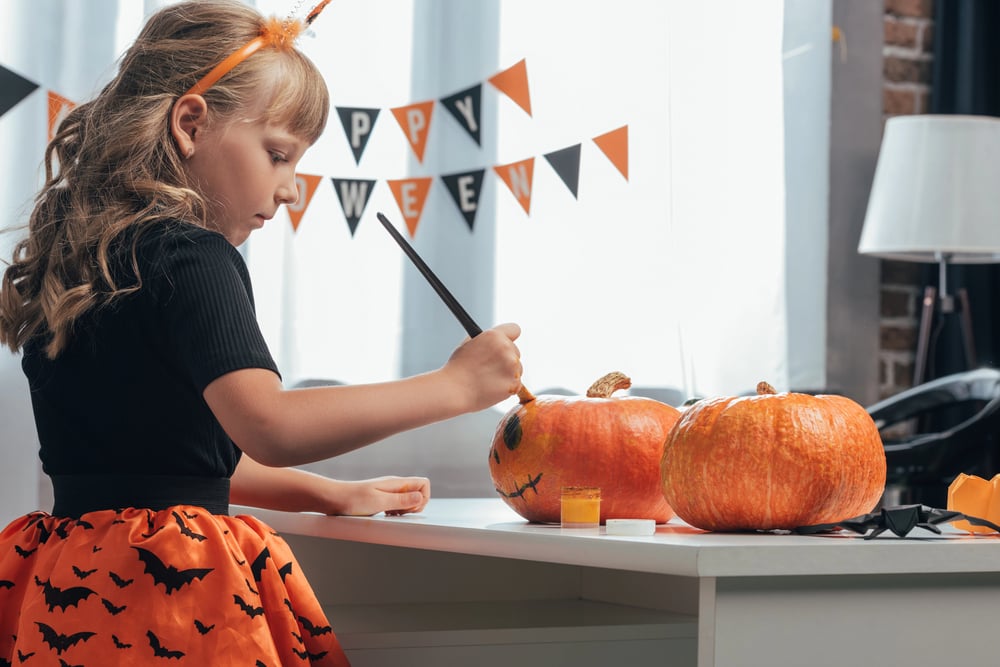
Store-bought costumes existed, but most kids showed up as ghosts draped in old bedsheets or hobos wearing dad’s oversized clothes. A cardboard box became robot armor, mom’s lipstick created vampire fangs, and aluminum foil turned anyone into a space creature.
The creativity came from limitation, not a costume aisle at Target.
Carrying Pillowcases Instead of Trick-or-Treat Bags

Plastic pumpkin buckets were for amateurs and little kids. Serious trick-or-treaters grabbed a pillowcase from the linen closet because it could hold three times as much candy and didn’t break when you dragged it across concrete.
The weight of a full pillowcase by the end of the night was a badge of honor that left your shoulder aching for days.
Going to Houses Without Porch Lights
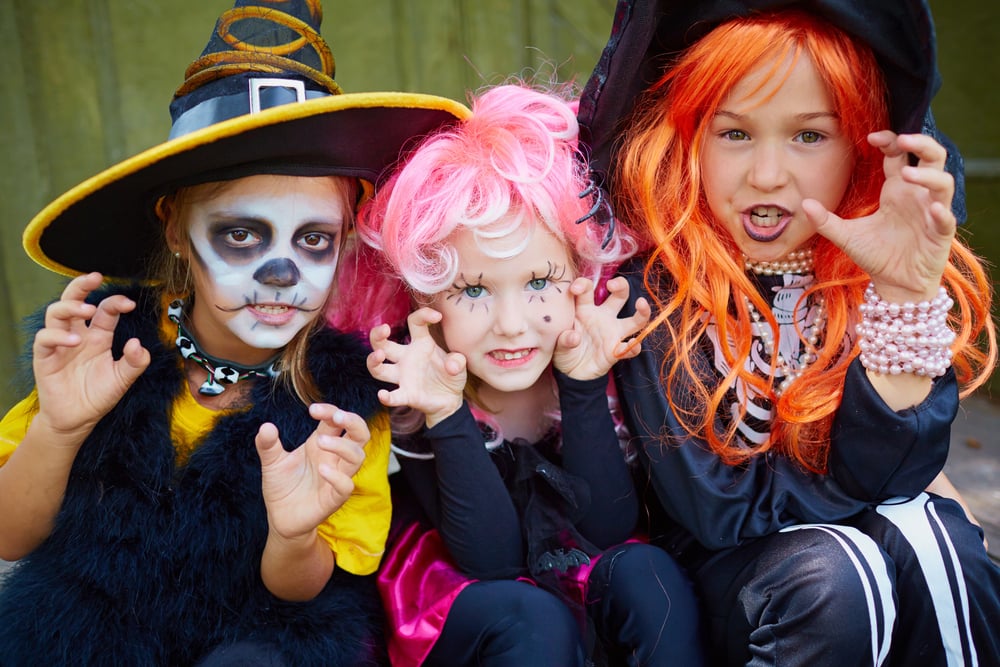
The porch light rule hadn’t been invented yet, so kids knocked on every door in the neighborhood regardless of whether the house looked welcoming. Sometimes you’d wake up entire families who had forgotten it was Halloween, and they’d scramble to find something — anything — to drop in your bag.
Pennies, loose gum from the bottom of a purse, or a sleeve of crackers all counted as legitimate treats.
Homemade Treats Were Expected
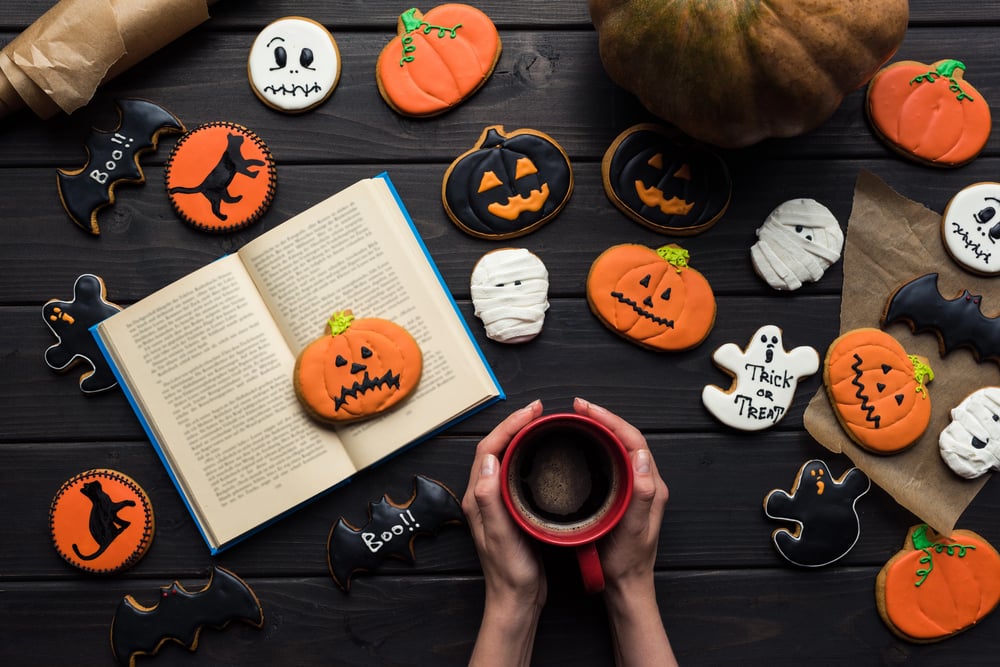
Neighbors handed out caramel apples they’d made that afternoon, cookies still warm from the oven, and popcorn orbs wrapped in plastic wrap. The idea that homemade food might be dangerous wouldn’t gain traction for another decade.
Parents encouraged their kids to eat Mrs. Henderson’s fudge brownies because everyone knew Mrs. Henderson, and her brownies were legendary.
Soap in Windows and Toilet Paper in Trees Were Part of the Fun
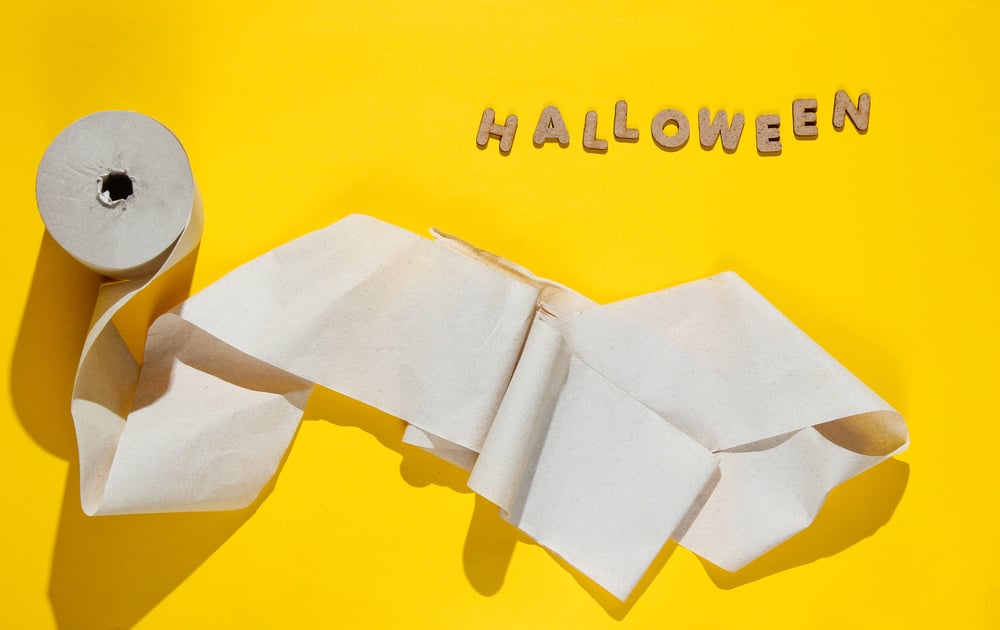
Halloween night included an unofficial mischief hour where soaping car windows and toilet papering trees fell under acceptable holiday behavior. Kids carried bars of soap in their pockets alongside their candy, and homeowners expected to spend November 1st cleaning up the aftermath.
It was considered part of the Halloween tax, not vandalism.
No Parental Supervision After Age Eight
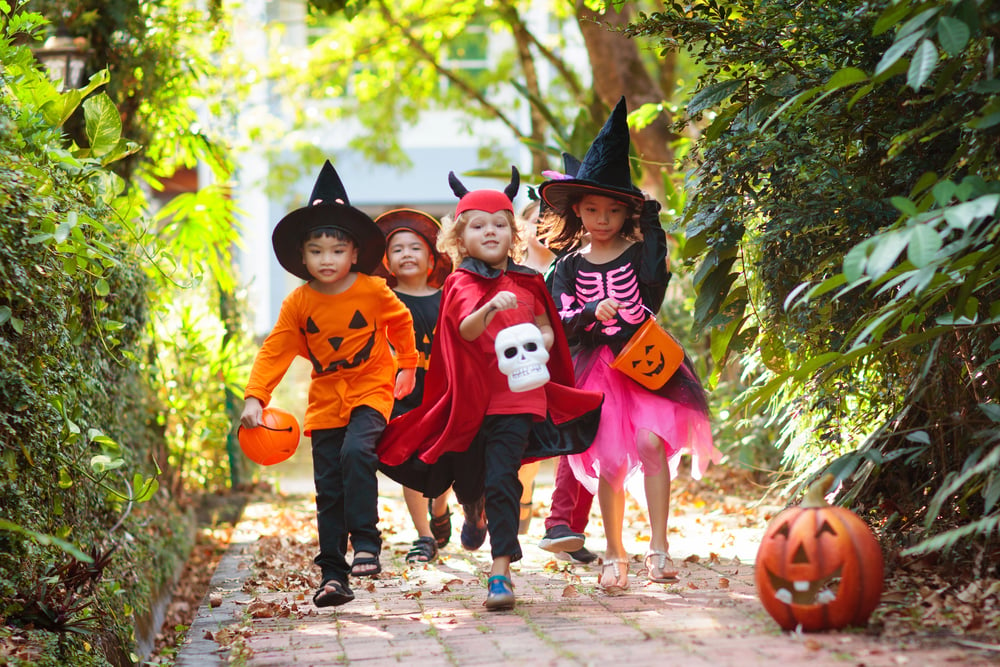
Once you hit third grade, Halloween became a solo mission (or a mission with equally unsupervised friends). Parents sent kids out with a vague directive to “stay in the neighborhood” and trusted that common sense and community watchfulness would keep everyone safe.
The freedom was intoxicating, and eight-year-olds felt like they were running their own tiny criminal enterprises as they plotted the most efficient candy-collection routes.
Trading Candy Like Stock Brokers
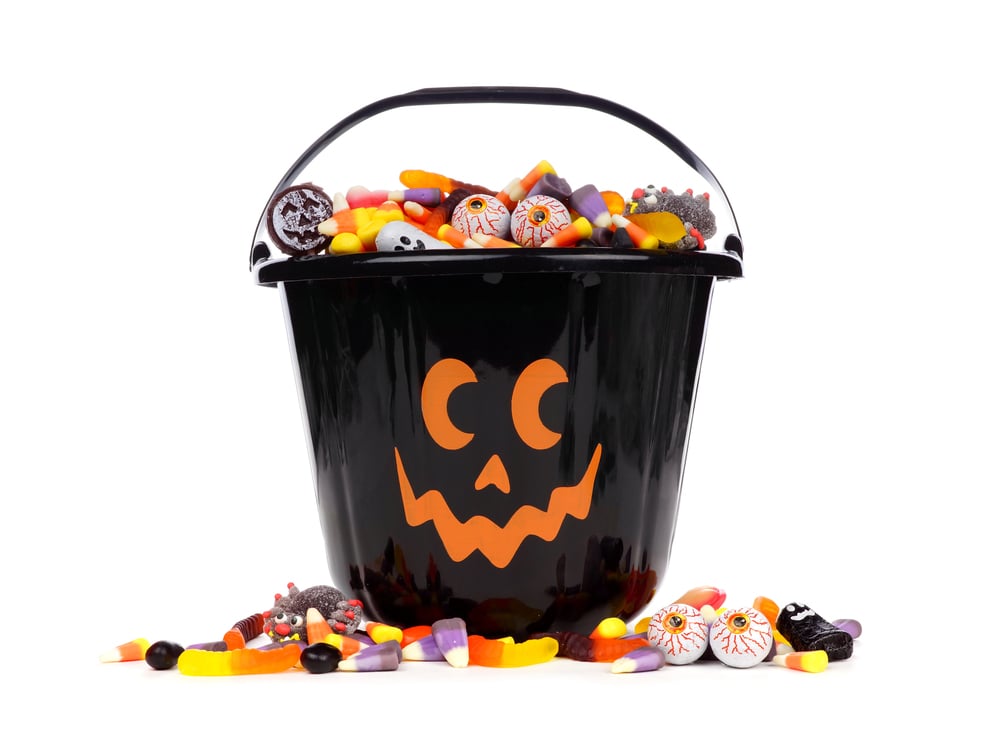
The post-Halloween candy economy operated with the complexity of a small stock market, and every kid understood the exchange rates without being taught them. Three Tootsie Rolls equaled one fun-size Snickers, two packs of Smarties could get you a single piece of good chocolate, and anyone willing to trade their full-size candy bar commanded serious negotiating power.
Kids spread their haul across bedroom floors like merchants at a bazaar, calculating deals that would make day traders proud. And the trading wasn’t a quick transaction either — it was an elaborate social event that could stretch for hours. You’d visit three different friends’ houses, reassess your collection at each stop, and sometimes circle back to renegotiate a deal you’d made earlier. The kid who hoarded all the good stuff and refused to trade was ostracized, while the one who made fair deals became the neighborhood’s unofficial Halloween banker.
Wearing Regular Winter Coats Over Costumes
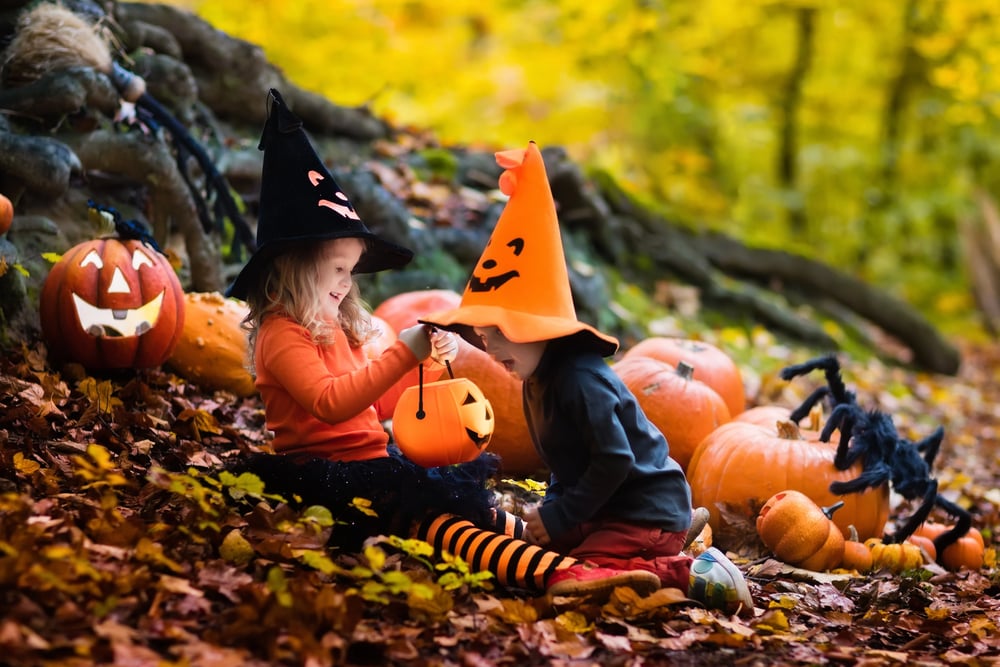
Authenticity took a backseat to warmth in October weather. Superman wore a puffy winter coat over his cape, princesses bundled up in parkas that completely obscured their dresses, and nobody considered this a compromise worth worrying about.
The costume was just the face and maybe a hat — everything else got covered up by whatever coat your mother insisted you wear.
Houses That Went All-Out Were Neighborhood Legends
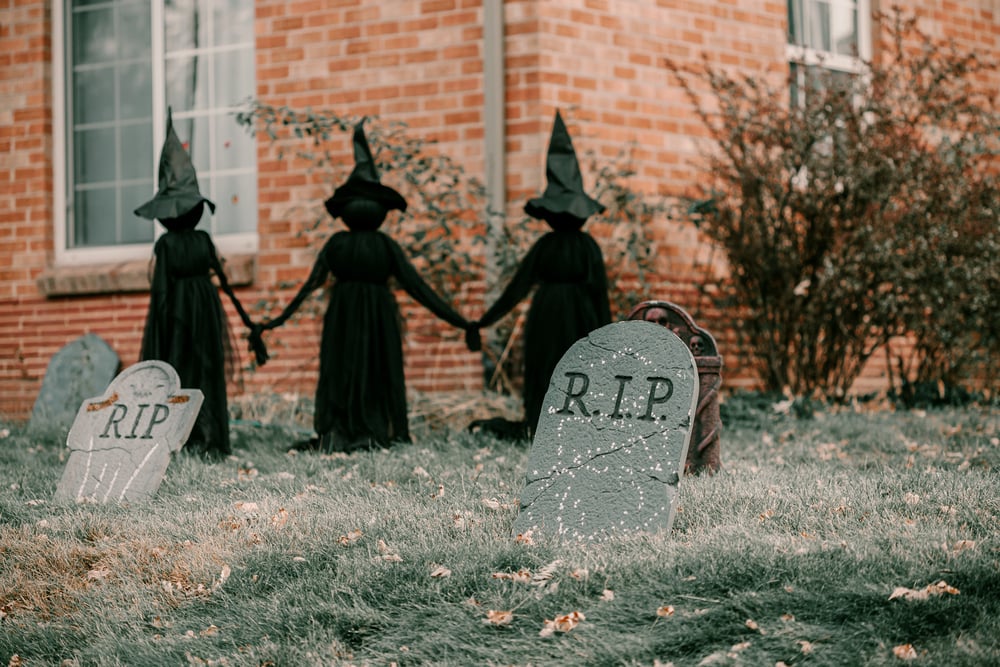
Before elaborate Halloween displays became an Instagram competition, certain houses earned reputations that lasted for years through pure commitment to the experience rather than expensive decorations. Mr. Thompson might spend October weekends rigging up a haunted garage using nothing but black sheets, a few strategically placed lamps, and his own willingness to hide behind a cardboard tombstone for three hours to jump out at unsuspecting trick-or-treaters.
These weren’t productions designed to impress other adults or generate social media content — they were created purely for the joy of scaring the hell out of children. And kids talked about these houses for months afterward, already planning their return route for the following year.
Checking Candy Was a Quick Visual Inspection
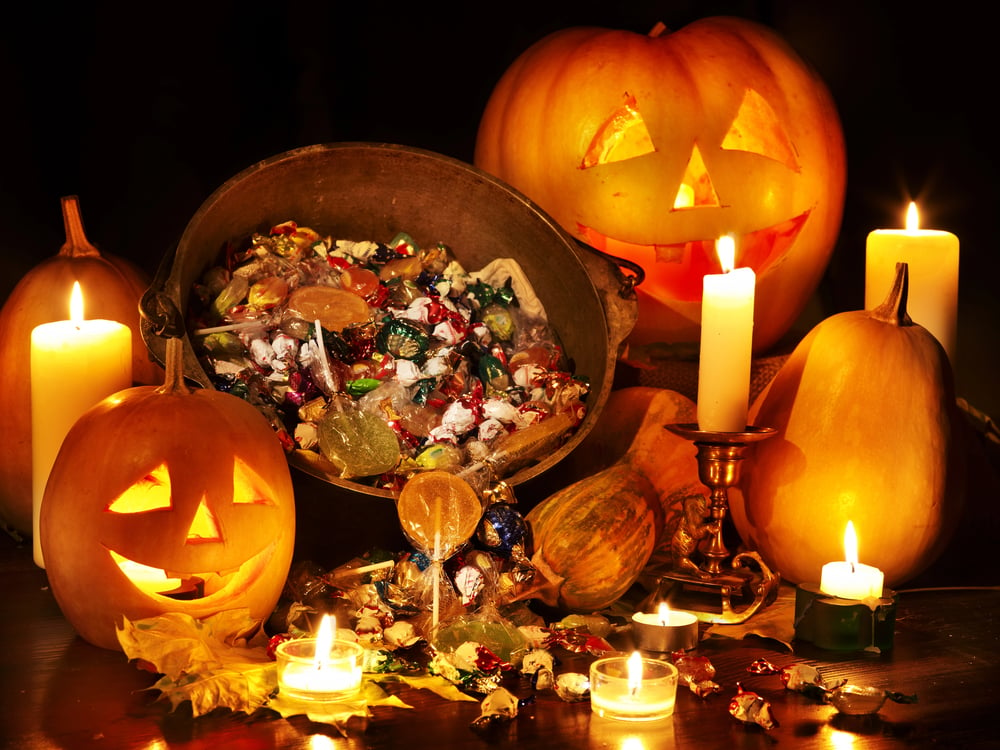
Parents examined Halloween hauls by dumping everything on the kitchen table and giving it a once-over for anything obviously tampered with. The inspection lasted about two minutes and mostly involved removing any loose candy that had fallen out of wrappers.
Stories about razor blades in apples were urban legends that hadn’t yet transformed into parental paranoia, so kids started eating their candy the moment they walked through the door.
Halloween Parties Happened at School
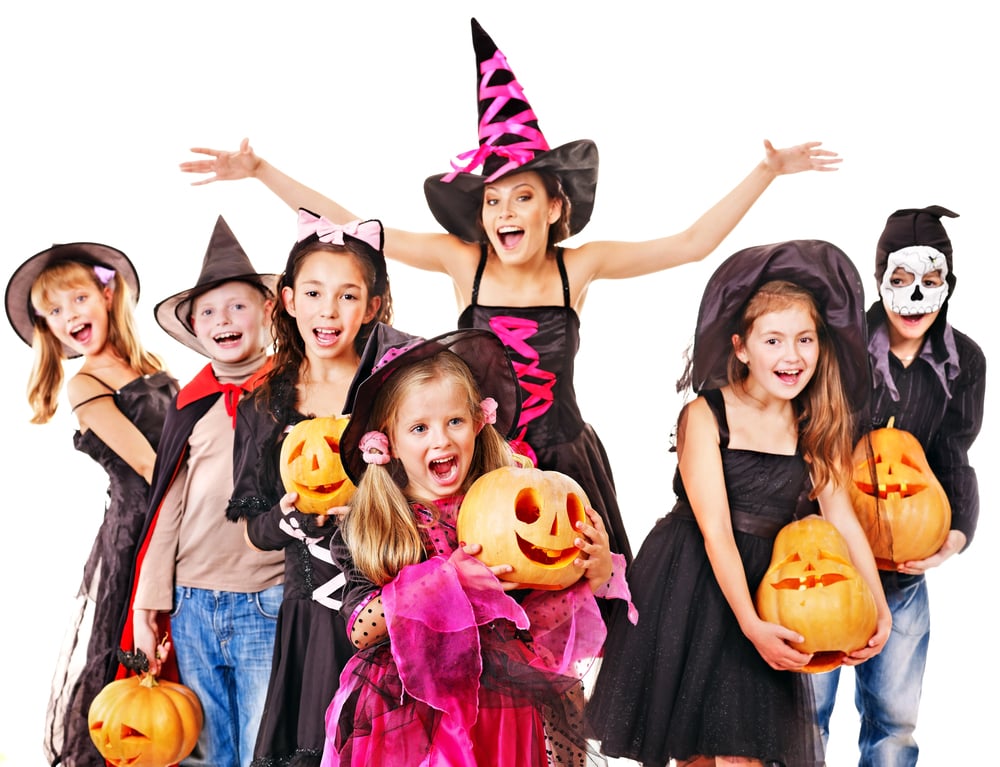
Elementary schools threw Halloween parties during the school day complete with costume parades, classroom games, and enough sugar to power a small city. Teachers handed out candy corn and chocolate while judging costume contests, and nobody worried about food allergies or sugar intake.
The parties were chaotic, loud, and absolutely magical.
Scary Costumes Were Genuinely Scary

Halloween costumes were designed to frighten people, not look cute. Kids showed up as bloody ghosts, realistic skeletons, and monsters that would give their own grandmothers nightmares.
The goal was to be genuinely terrifying, and parents helped their children achieve maximum scariness rather than maximum adorableness.
Door-to-Door Trick-or-Treating in Apartment Buildings
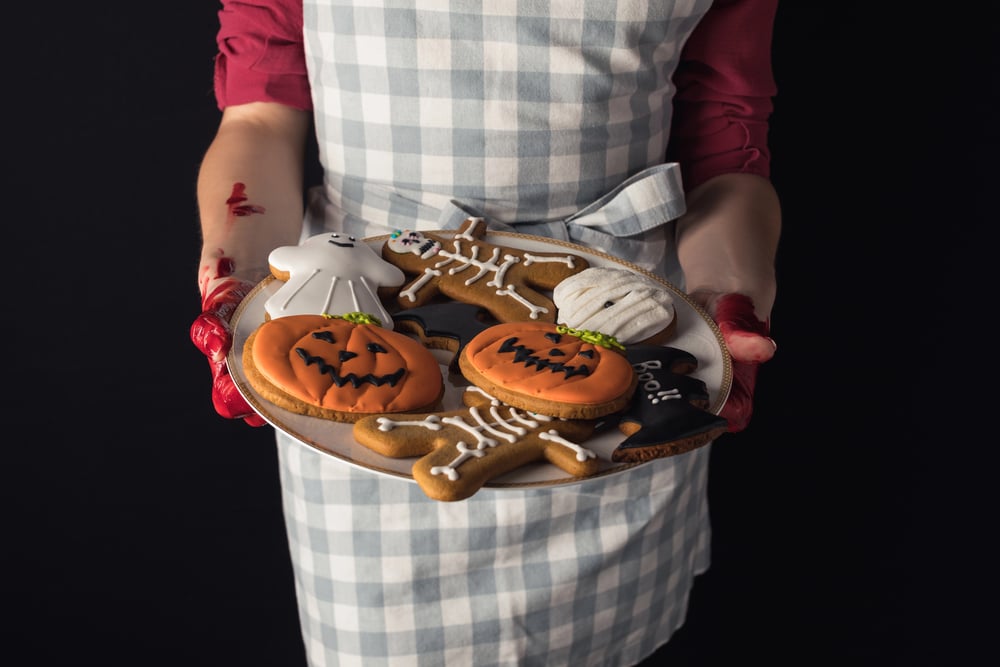
Apartment complexes became trick-or-treating goldmines where kids worked their way up and down every hallway, knocking on dozens of doors in a single building. Some apartment dwellers prepared for the onslaught by buying extra candy, while others simply turned off their lights and pretended they weren’t home.
The hallways echoed with the sounds of running feet and excited voices as costumed kids raced between floors.
Halloween Pranks Were Expected and Tolerated
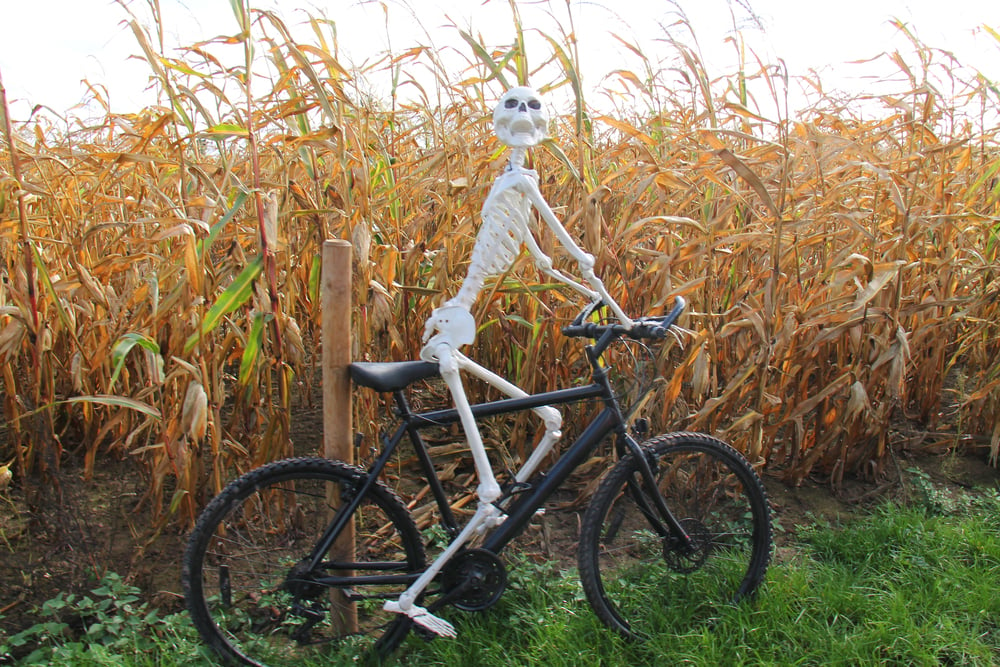
Ringing doorbells and running away, leaving flaming bags of leaves on porches, and moving lawn furniture to unexpected locations were considered standard Halloween mischief rather than criminal behavior. Homeowners expected a certain amount of harmless chaos and cleaned up the aftermath with resigned good humor.
The pranks were annoying but not destructive, and pulling them off successfully was a rite of passage.
Full-Size Candy Bars Were Rare and Precious
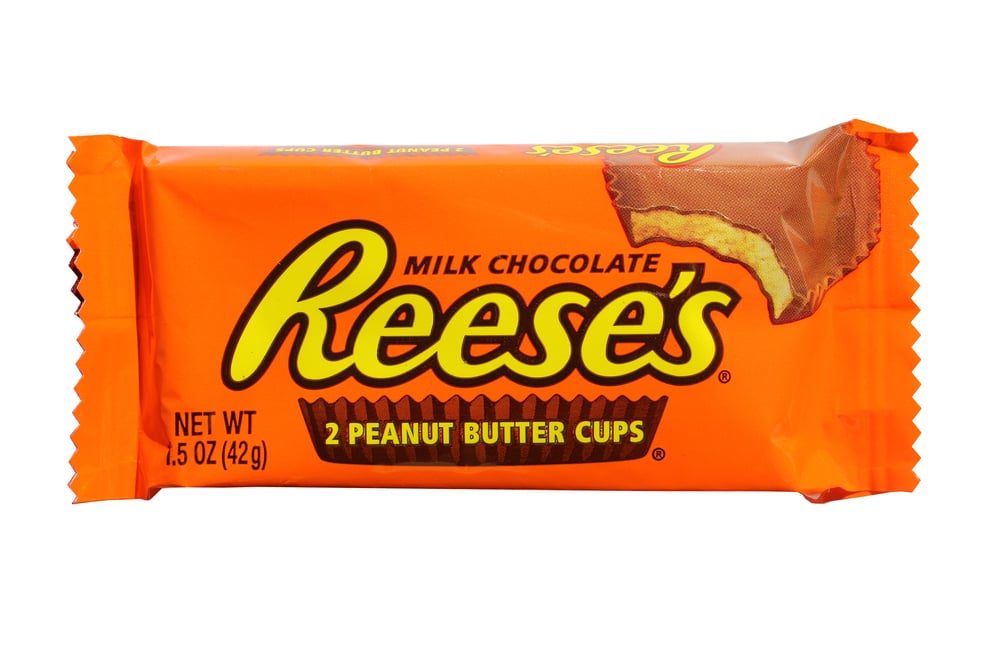
The house that handed out full-size candy bars became the stuff of legend, and kids would walk an extra mile to make sure they hit that address before the supply ran out. Most treats were fun-size or smaller, which made the occasional Hershey’s bar or Snickers feel like winning the lottery.
Kids who scored full-size candy bars guarded them carefully and used them as premium trading currency.
Elaborate Haunted Basements and Garages
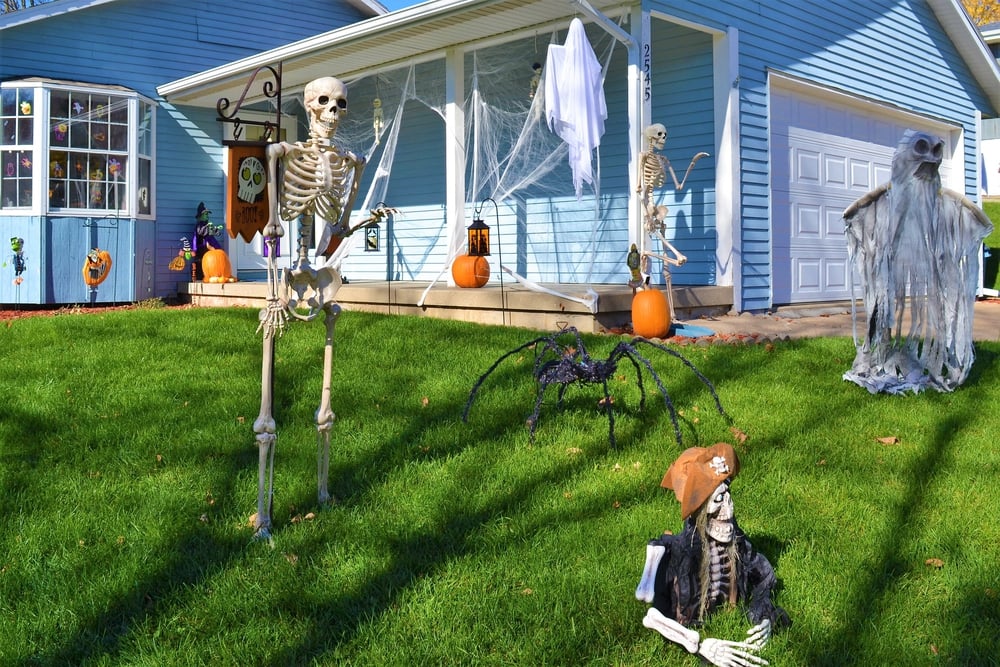
Neighborhood dads transformed their basements and garages into haunted houses using whatever materials they could scrounge up — old sheets, cardboard boxes, borrowed Halloween decorations, and their own willingness to spend Halloween night hiding in dark corners to grab unsuspecting ankles. These DIY haunted houses operated on pure enthusiasm rather than sophisticated special effects, and they were absolutely terrifying to eight-year-olds who had never experienced anything more high-tech than a strobe light and some spooky sound effects played on a cassette recorder.
The best haunted houses were collaborative neighborhood efforts where multiple families contributed props, time, and creativity to build something that would scare kids for weeks afterward. And unlike modern haunted attractions with their elaborate safety protocols and age restrictions, these homemade versions operated under the simple rule that if you were brave enough to walk through the front entrance, you were old enough to handle whatever waited inside.
No Allergy Warnings or Ingredient Lists
Candy was candy, and nobody asked what was in it. Kids with food allergies learned to avoid certain treats through trial and error, but most Halloween candy came without warning labels or detailed ingredient information.
Parents didn’t quiz neighbors about what they were handing out, and the concept of allergen-free Halloween hadn’t been invented yet.
Halloween Lasted for Weeks
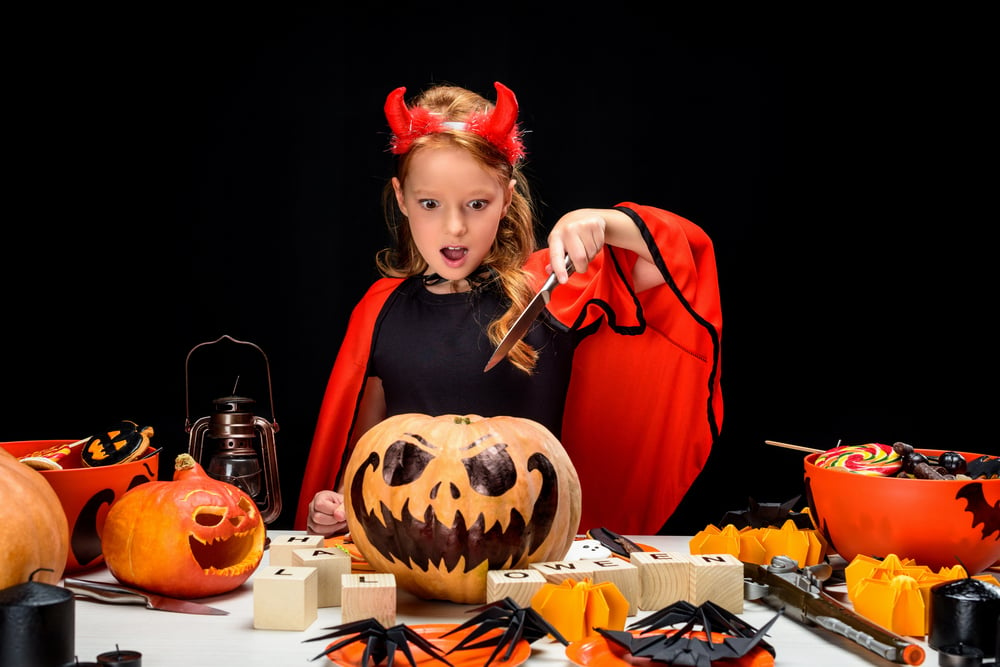
Halloween decorations went up at the beginning of October and stayed up well into November. Jack-o’-lanterns sat on porches until they collapsed into moldy piles, and nobody felt pressured to transition immediately to Christmas preparations.
The holiday stretched itself across most of autumn, building anticipation slowly rather than appearing suddenly in stores months early.
Walking Alone or in Small Groups
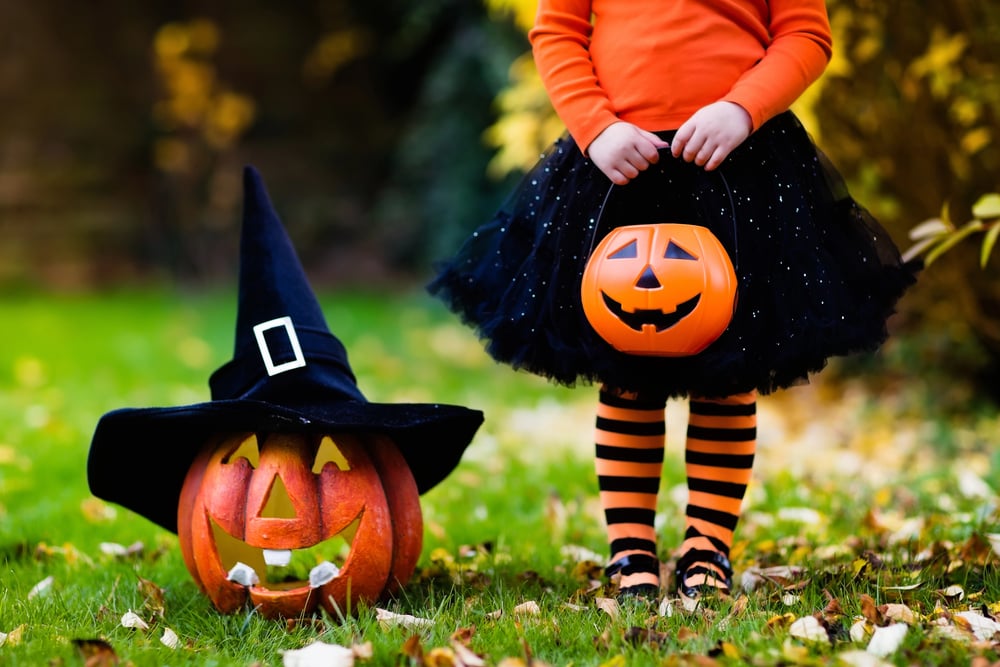
Kids as young as ten or eleven trick-or-treated without adult supervision, either alone or with one or two friends. The neighborhood was considered safe territory, and children were expected to navigate it independently.
Parents might specify boundaries — don’t cross the main road, stay on our block and the two adjacent blocks — but within those limits, kids had complete freedom to plan their own routes and make their own decisions.
Staying Out Until Your Bag Was Full
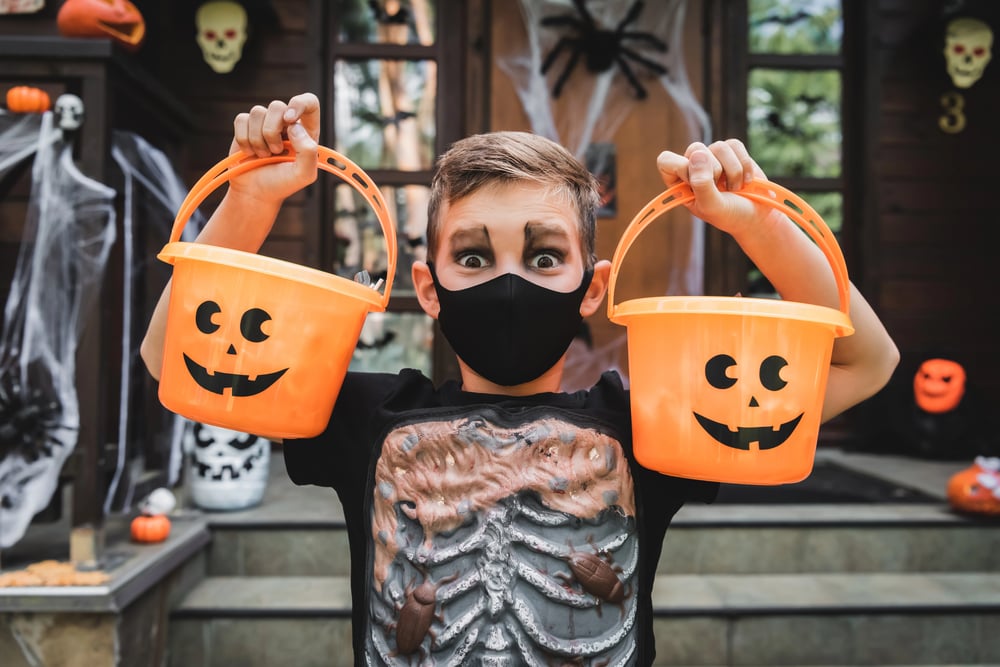
The night didn’t end when the clock hit a certain time; it ended when you physically couldn’t carry any more candy or when you’d exhausted every possible house in your designated territory. Kids developed strategic route plans to maximize their haul, hitting the generous houses early before the good stuff ran out and saving the apartment complexes for last since they took the most time to work through completely.
Costumes That Came in Plastic Boxes
The classic store-bought costume came in a rectangular cardboard box and consisted of a plastic mask held on by a rubber band and a vinyl smock that tied in the back with strings that always broke halfway through the night. The masks had tiny eyeholes that made it nearly impossible to see where you were going, and the vinyl outfits tore if you looked at them wrong.
Yet wearing one of these official costumes felt incredibly special, even if you spent most of the night carrying the broken mask in your free hand.
Parents Who Gave Out Loose Change
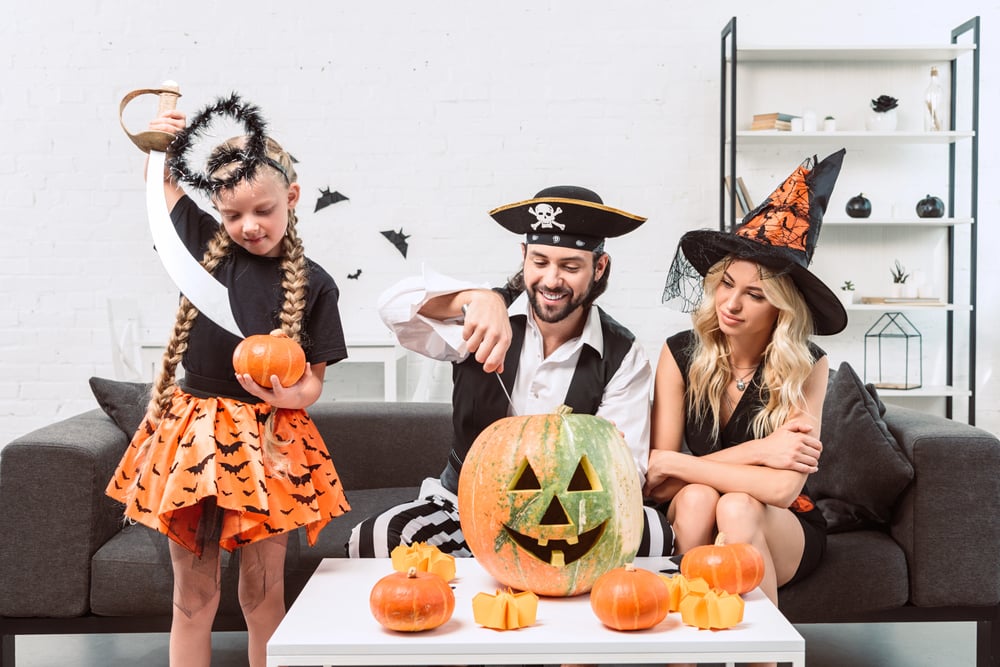
Some neighbors skipped candy entirely and handed out nickels, dimes, and quarters instead. Kids accepted the money gratefully, even though it weighed down their candy bags and couldn’t be eaten immediately.
The coins usually got spent on candy from the corner store the next day, and some kids preferred the cash because it meant they could buy exactly what they wanted rather than hoping to trade for it.
Halloween TV Specials Were Major Events
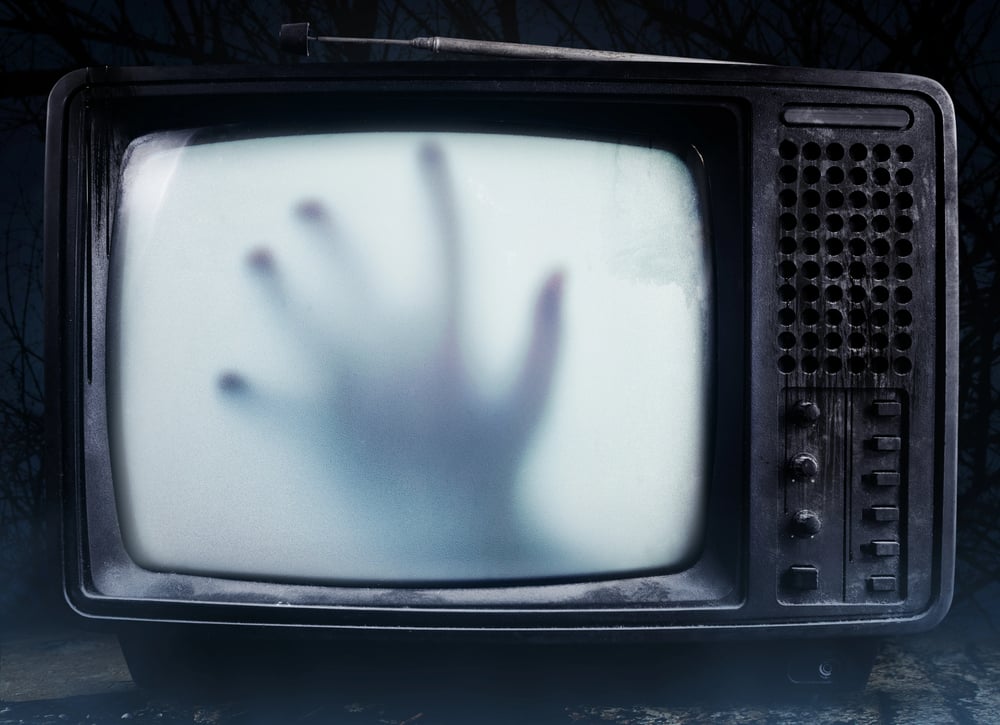
The entire family gathered around the television to watch “It’s the Great Pumpkin, Charlie Brown” and whatever horror movies the local stations decided to broadcast. These Halloween specials aired once per year, and missing them meant waiting twelve months for another chance.
Kids planned their trick-or-treating schedules around the TV programming, making sure they’d be home in time to catch their favorite shows.
No Organized Halloween Events
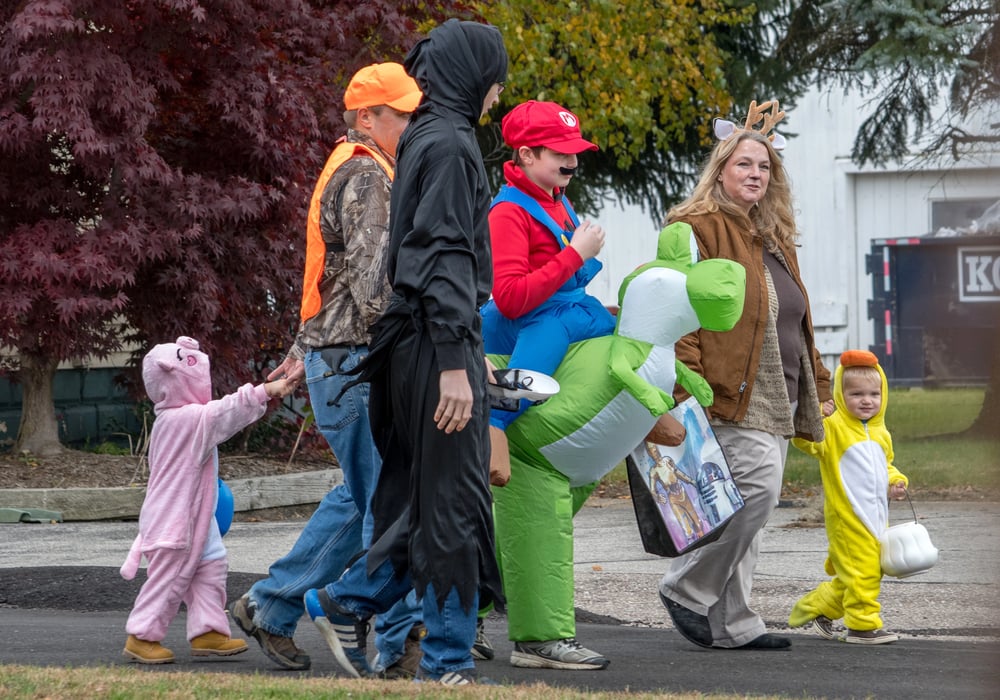
Halloween happened organically in neighborhoods rather than at organized community centers or mall trick-or-treating events. There were no scheduled times, designated safe spaces, or official supervision — just kids in costumes knocking on doors until they decided they were done.
The lack of organization made the whole experience feel more adventurous and less predictable.
Real Candles in Jack-o’-Lanterns
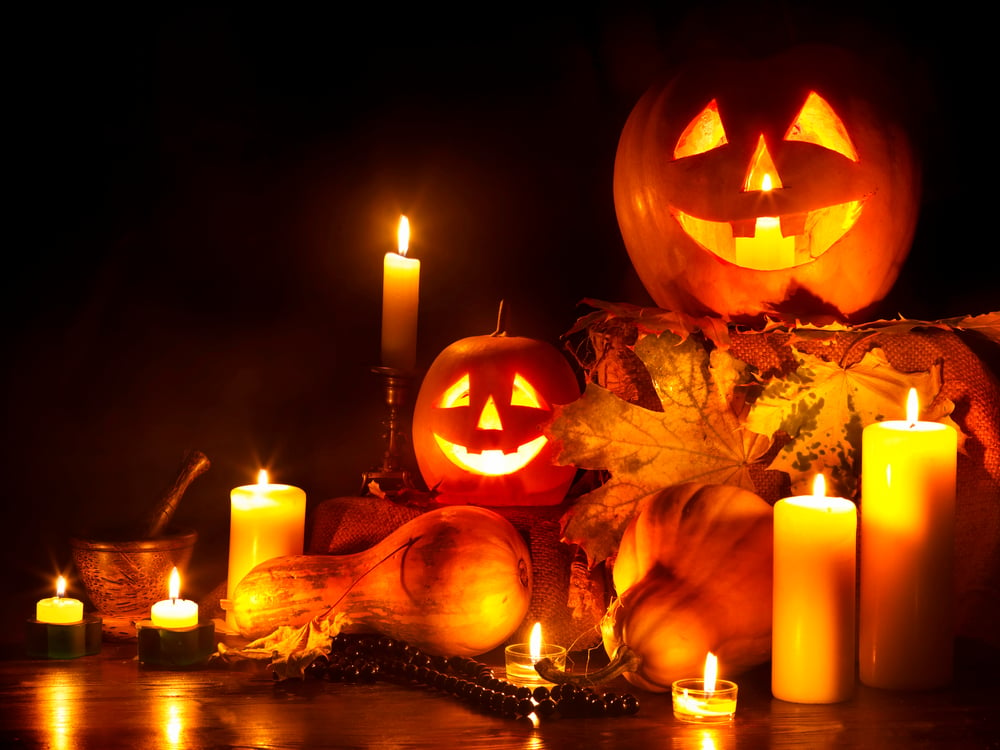
Every carved pumpkin was lit with an actual candle that flickered in the October wind and occasionally set the pumpkin itself on fire. Families went through boxes of small candles keeping their jack-o’-lanterns lit throughout the evening, and the sight of dozens of real flames glowing from porches up and down the street created an atmosphere that battery-powered LED lights have never quite managed to replicate.
Trick-or-Treating Every House on the Block
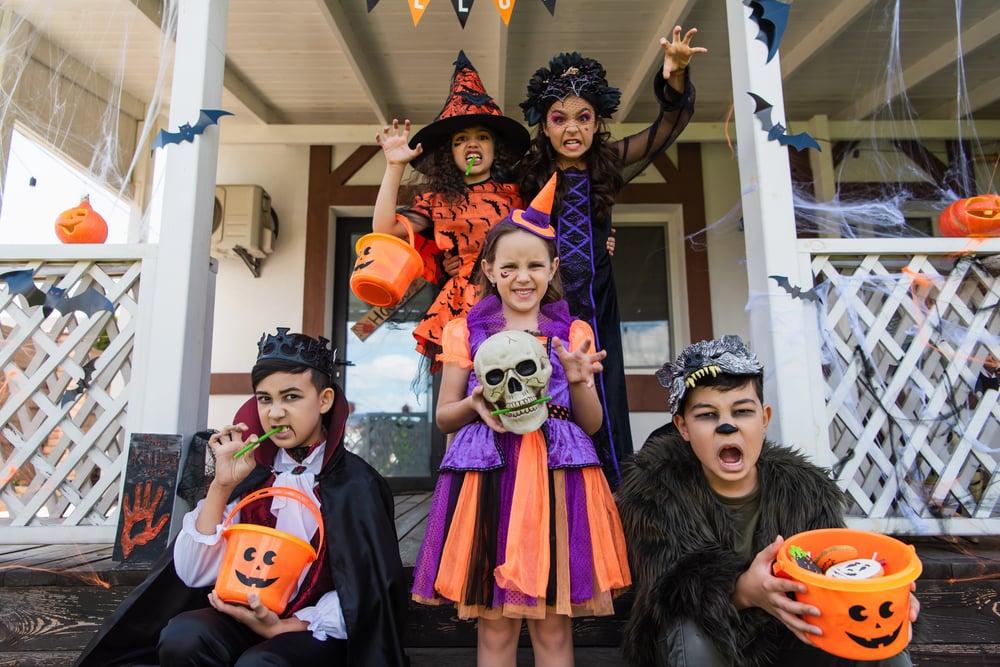
Kids hit every single house in their territory, regardless of whether the residents were home, prepared, or particularly enthusiastic about Halloween. If someone answered the door without candy, they might offer whatever they had on hand — fruit from the kitchen, a few coins from their pocket, or even small toys their own children had outgrown.
The assumption was that every house was fair game unless the inhabitants had specifically fled town to avoid the Halloween rush.
When Magic Still Lived in the Shadows
Halloween in the 1970s existed in the spaces between streetlights, in the gaps where adult supervision couldn’t reach. It thrived on uncertainty, on the delicious fear of not knowing what waited behind the next door or around the next corner.
The holiday belonged entirely to children for those few hours each October, and they guarded that ownership fiercely. Today’s Halloween offers different pleasures — better candy, more elaborate costumes, safer streets. But it operates under adult rules in adult spaces, and something essential gets lost in the translation. The wild, unsupervised magic of those 1970s nights lives now only in memory, as impossible to recreate as it is to forget.
More from Go2Tutors!

- The Romanov Crown Jewels and Their Tragic Fate
- 13 Historical Mysteries That Science Still Can’t Solve
- Famous Hoaxes That Fooled the World for Years
- 15 Child Stars with Tragic Adult Lives
- 16 Famous Jewelry Pieces in History
Like Go2Tutors’s content? Follow us on MSN.