25 Treasures Looted in War That Were Never Returned
War doesn’t just destroy lives and cities — it redistributes history. Museums, palaces, and private collections become targets as valuable as strategic outposts.
Armies march through cultural centers with shopping lists, and what disappears often stays disappeared. The victors write the history books, but they also decide who gets to keep the artifacts that prove those histories existed.
Some stolen treasures surface decades later in auction houses, tagged with fabricated provenance stories. Others vanish completely, traded through black markets or hidden in bank vaults where they’ll never see daylight again.
The families, communities, and nations that lost these pieces continue asking for them back, but possession turns out to be nine-tenths of international law too.
The Amber Room
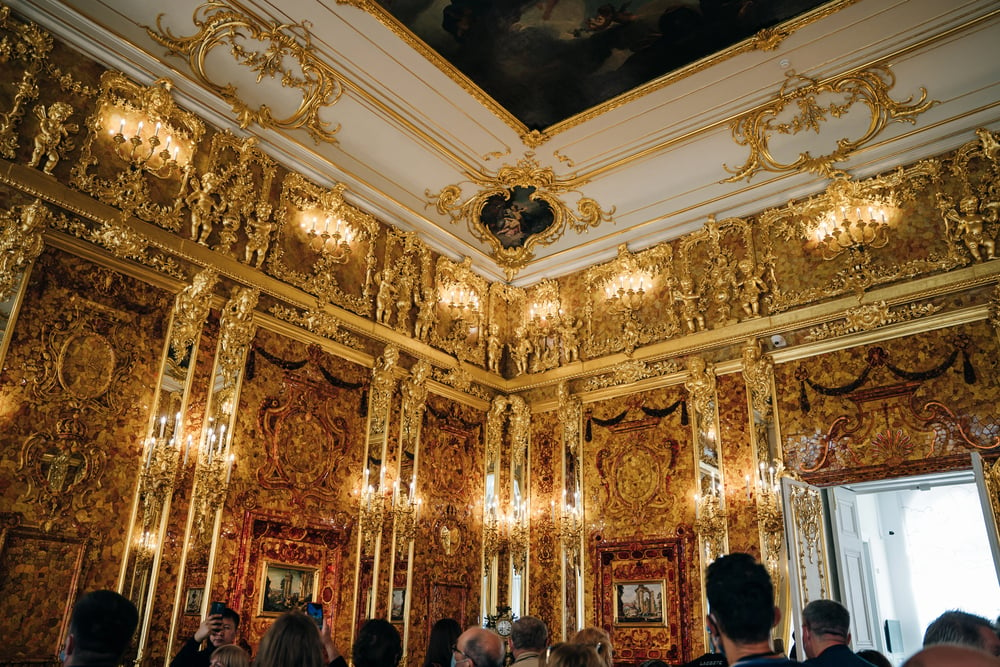
The Nazis stripped every panel, mirror, and carving from this legendary chamber in 1941 — six tons of amber and gold leaf, packed into 27 crates and removed from the Catherine Palace near St. Petersburg within 36 hours. German soldiers shipped it to Königsberg, where it was reassembled in the castle and displayed until Soviet bombing forced its concealment again in 1943. The amber panels were last documented on January 12, 1945. Then the trail goes cold.
Russia has spent eight decades searching, following leads from buried bunkers to sunken ships — including the wreck of the steamer Karlsruhe, found in the Baltic in 2020, which may have carried it when Soviet aircraft sank it. The Amber Room has never turned up. In the meantime, Russia built a replica, which opened in the Catherine Palace in 2003 after 24 years of reconstruction. The original remains one of the most tantalizing unsolved mysteries of the Second World War.
Priam’s Treasure
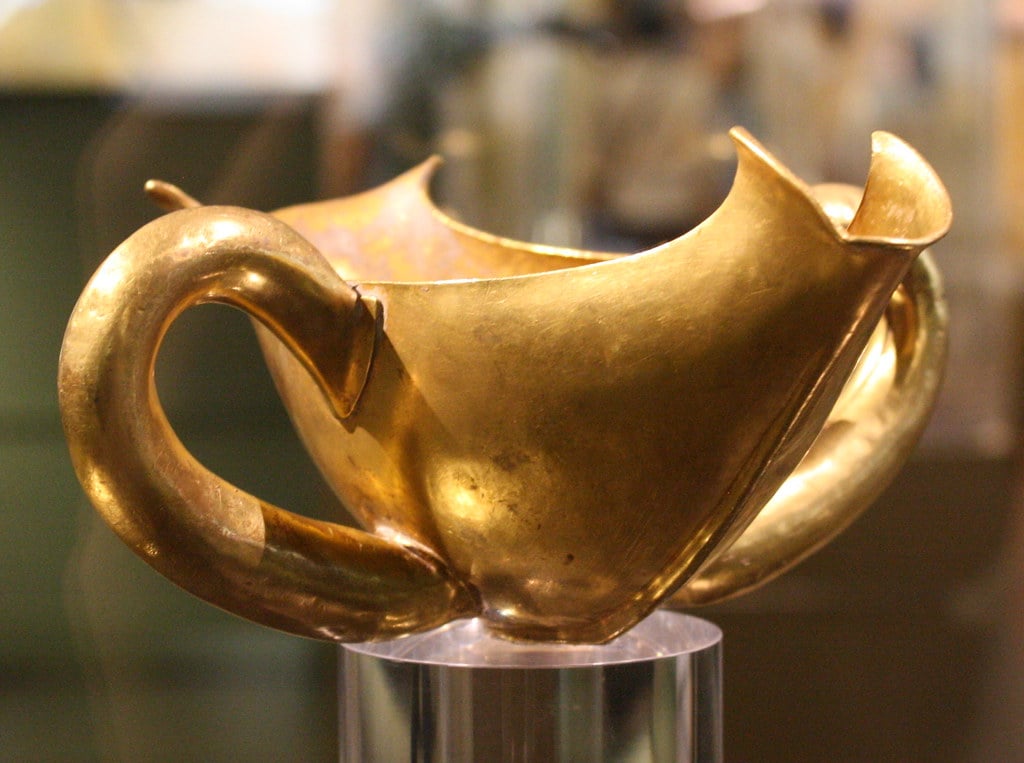
Heinrich Schliemann claimed he found the gold of Troy, and maybe he did — though archaeologists now recognize that the artifacts predate the supposed Trojan War by over a thousand years, making the “Priam’s Treasure” label more romantic than accurate. Golden diadems, silver vessels, and thousands of smaller pieces bounced between museums until the Soviets seized the collection from Berlin in 1945.
Russia admitted to holding it in 1993 but refuses to return it, framing possession as compensation for wartime losses. The irony is layered: Schliemann smuggled the treasure out of Ottoman Turkey in the first place. Turkey wants it back. Germany wants it back. Russia isn’t moving. The gold sits in Moscow’s Pushkin Museum while three countries argue about which theft counts as the valid one.
Portrait of a Young Man
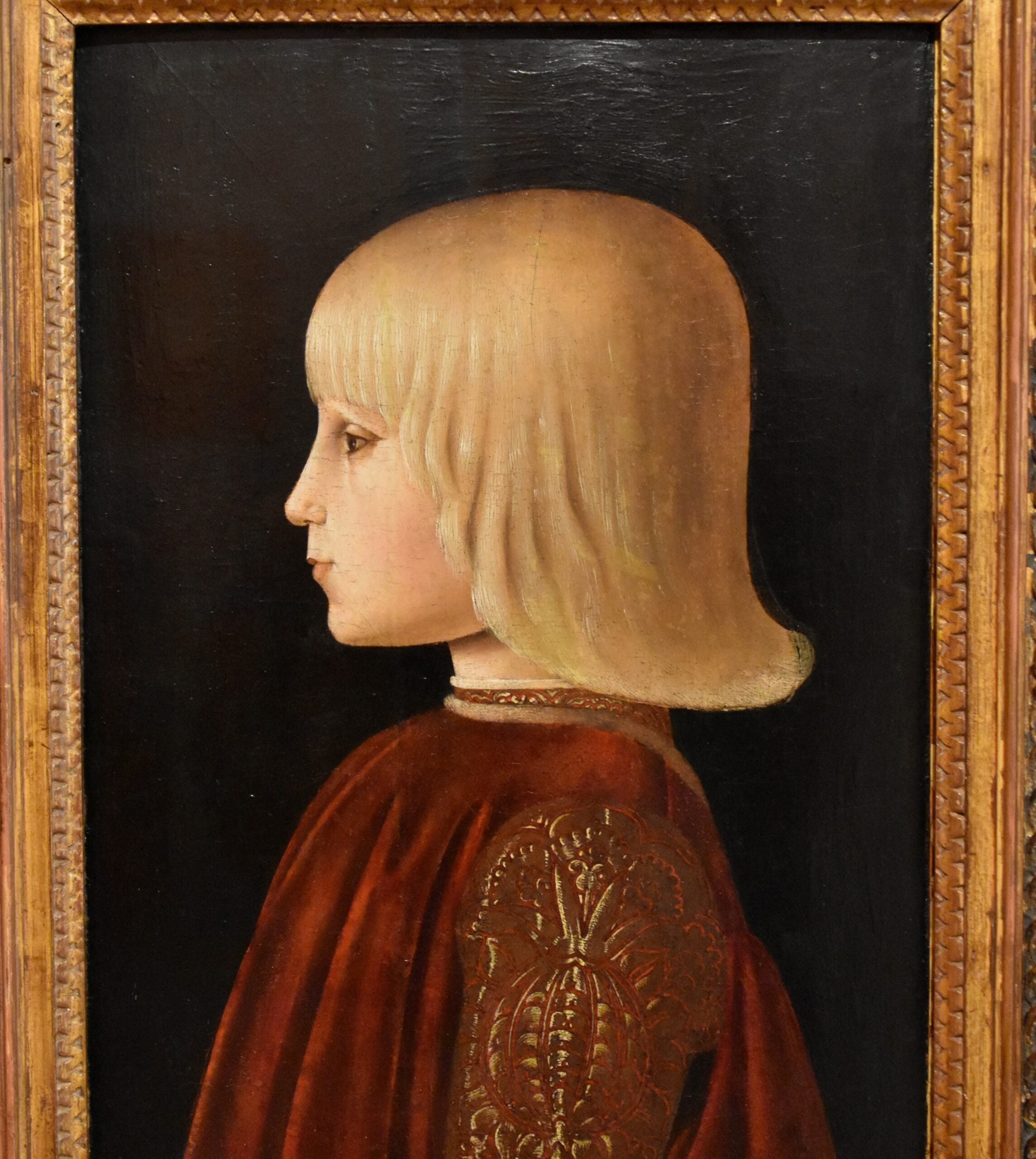
This Raphael painting disappeared from Poland during World War II and has never surfaced. It hung in the Czartoryski Museum in Kraków when the Nazis systematically looted the country’s cultural collections, and unlike some Polish pieces recovered over the decades, this one vanished completely.
Art historians consider it among the most important lost works in existence — not just because Raphael painted it, but because it may be a self-portrait, a category of work from that era that is extraordinarily rare. What remains is an empty frame and a photograph. No one has actually seen the painting for more than 80 years.
Benin Bronzes
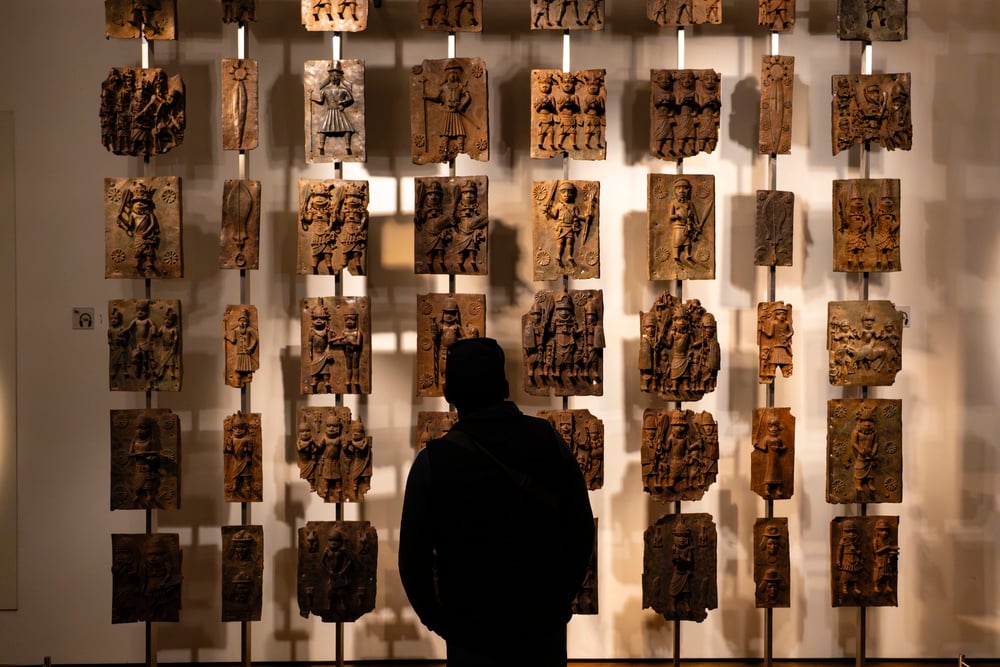
British forces didn’t just conquer the Kingdom of Benin in 1897 — they emptied it. Over 3,000 bronze plaques, ivory carvings, and ceremonial objects were hauled to London and scattered among European museums. These weren’t decorative pieces. The bronzes formed a complete historical record of the Benin Empire, chronicling centuries of royal ceremony, military campaigns, and cultural life.
Taking them was like stealing a civilization’s archive. Nigeria has been asking for them back for decades, and some institutions have finally begun returning pieces — the Smithsonian, the University of Aberdeen, and a number of German museums among them. But thousands remain in European collections, displayed as art rather than recognized as what they actually are: stolen historical documents.
Elgin Marbles
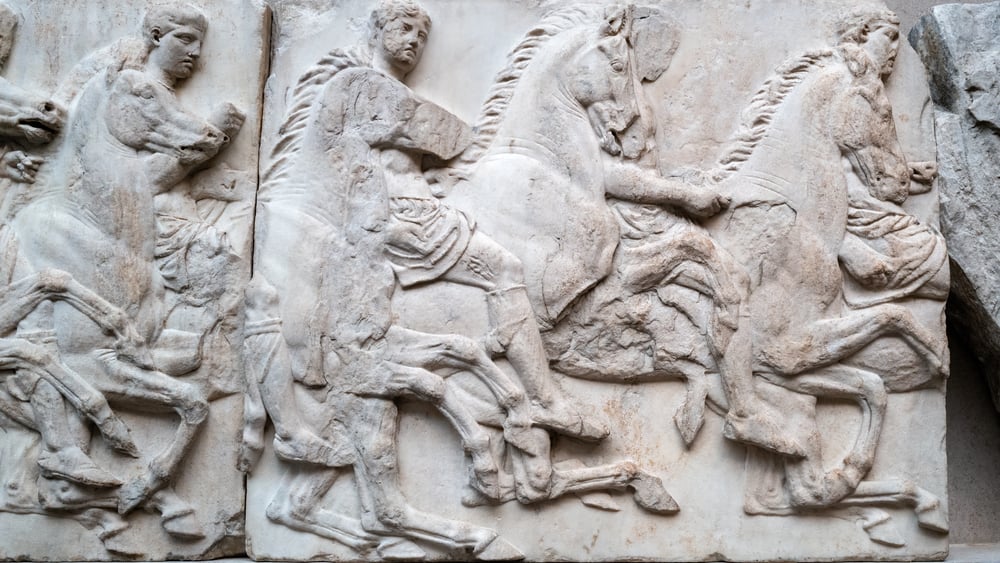
Lord Elgin claimed he was saving the Parthenon sculptures when he had them removed and shipped to London in the early 19th century. Greece has been asking for them back ever since. The sculptures aren’t just beautiful — they’re integral to the Parthenon’s design and meaning. Removing them was like tearing chapters from a book and claiming you were preserving literature.
The British Museum argues the marbles are better cared for in London and reach more visitors there. Greece built a state-of-the-art museum specifically to house them and points out that context matters — these pieces were designed as part of a specific building on a specific hill, and they belong with the structure they came from. The argument has continued for two centuries and shows no sign of resolving.
Synagogue Treasures
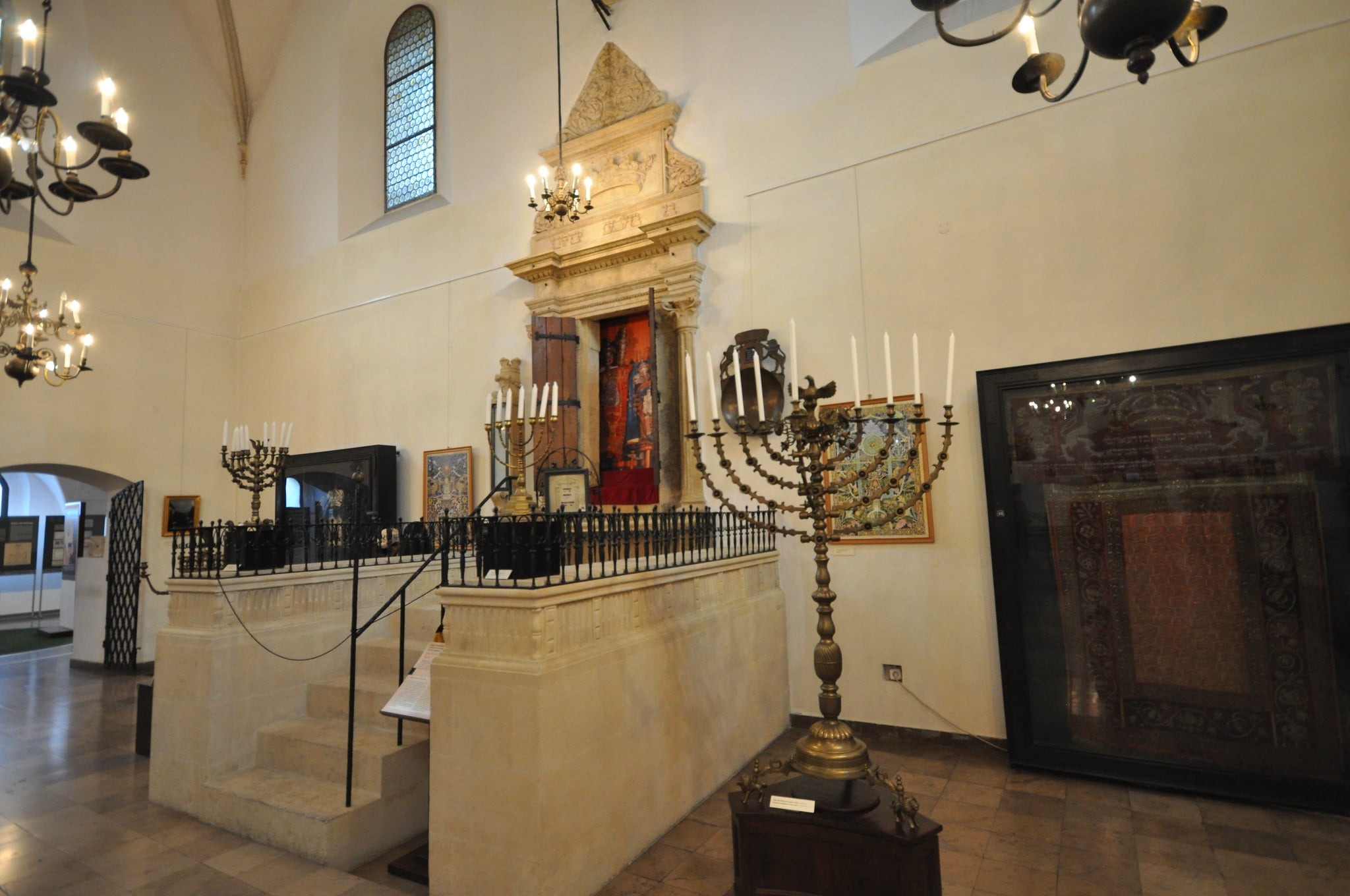
The Nazis systematically looted Jewish communities across Europe, taking Torah scrolls, ceremonial silver, and irreplaceable manuscripts that had belonged to synagogues for centuries. Most of these items never returned to their communities after the war.
Some surface occasionally in auction houses with paperwork claiming legitimate purchase decades earlier, but verification is nearly impossible when entire communities were destroyed and no one survived to identify what was taken. Jewish organizations continue tracking these objects and fighting for their return, but it’s an uphill battle against time, forged documents, and legal systems that favor current possession. The loss goes beyond monetary value — these objects connected communities to centuries of religious practice and cultural continuity.
Chinese Imperial Collections
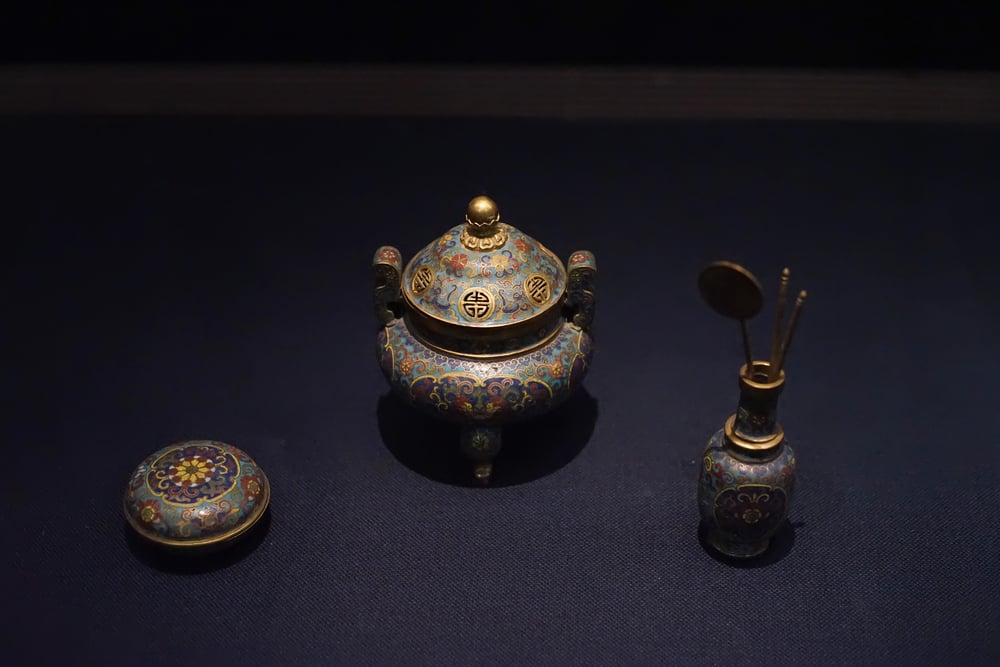
During the Second Opium War in 1860, British and French forces looted the Old Summer Palace (Yuanmingyuan) in Beijing, taking artifacts collected by Chinese emperors over centuries before burning the palace itself. The treasures dispersed into European museums and private collections. Some estimates suggest over a million Chinese artifacts are held in foreign institutions today, many acquired through colonial-era looting rather than legitimate purchase.
Many of these artifacts are now displayed in Western museums as examples of Chinese craftsmanship and culture, while China works to maintain complete collections of its own artistic heritage. The British Museum, the Louvre, and other major institutions built reputations partly on collections assembled through colonial conquest, then positioned themselves as guardians of world culture. It is a remarkable arrangement.
The Lydian Hoard: A Case Study in Repatriation
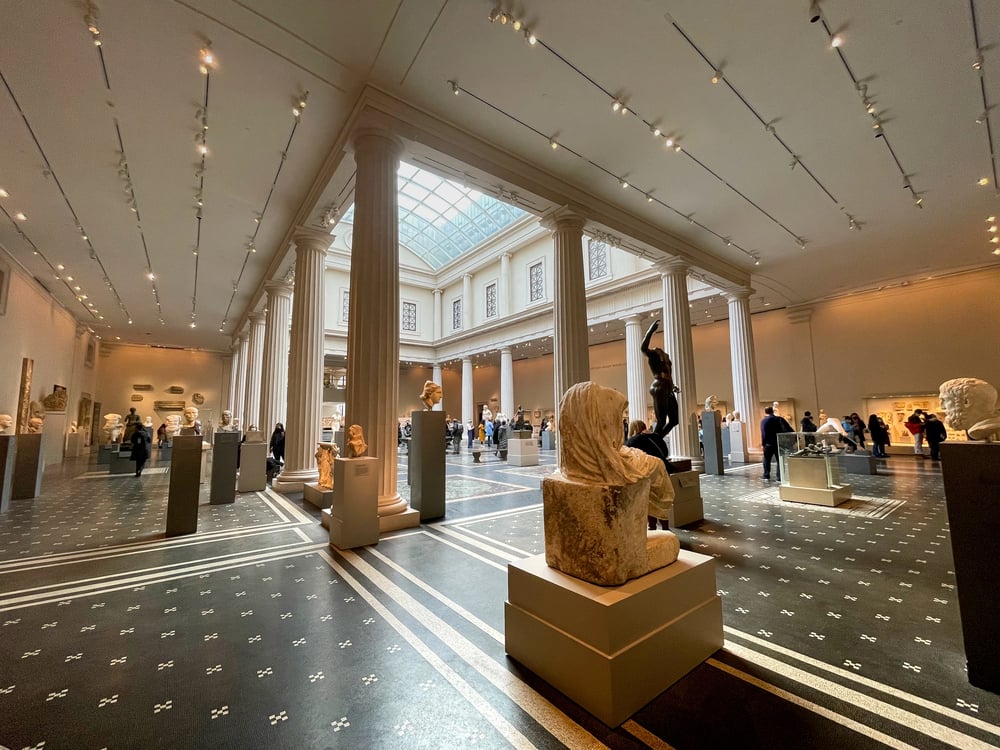
This entry is here not as a treasure still missing but as a landmark in the fight to recover what was taken. The Lydian Hoard — 363 artifacts including marble sphinxes, tomb paintings, and gold and silver objects from sixth-century BC Lydia — was illegally excavated in Turkey in the 1960s and sold through dealers to the Metropolitan Museum of Art. Turkey spent years fighting for their return, finally winning in 1993 when the Met, facing trial, acknowledged the pieces had been removed clandestinely.
The victory established legal precedents for returning cultural property and exposed how major museums had been functioning as high-end legitimizers for looted artifacts. It encouraged other countries to pursue their own claims more aggressively. The story has a grimly fitting postscript: in 2006, pieces from the returned hoard at the Uşak Museum were discovered to have been replaced with fakes by the museum’s own director, who had stolen the originals to cover gambling debts.
Napoleon’s Egyptian Collection
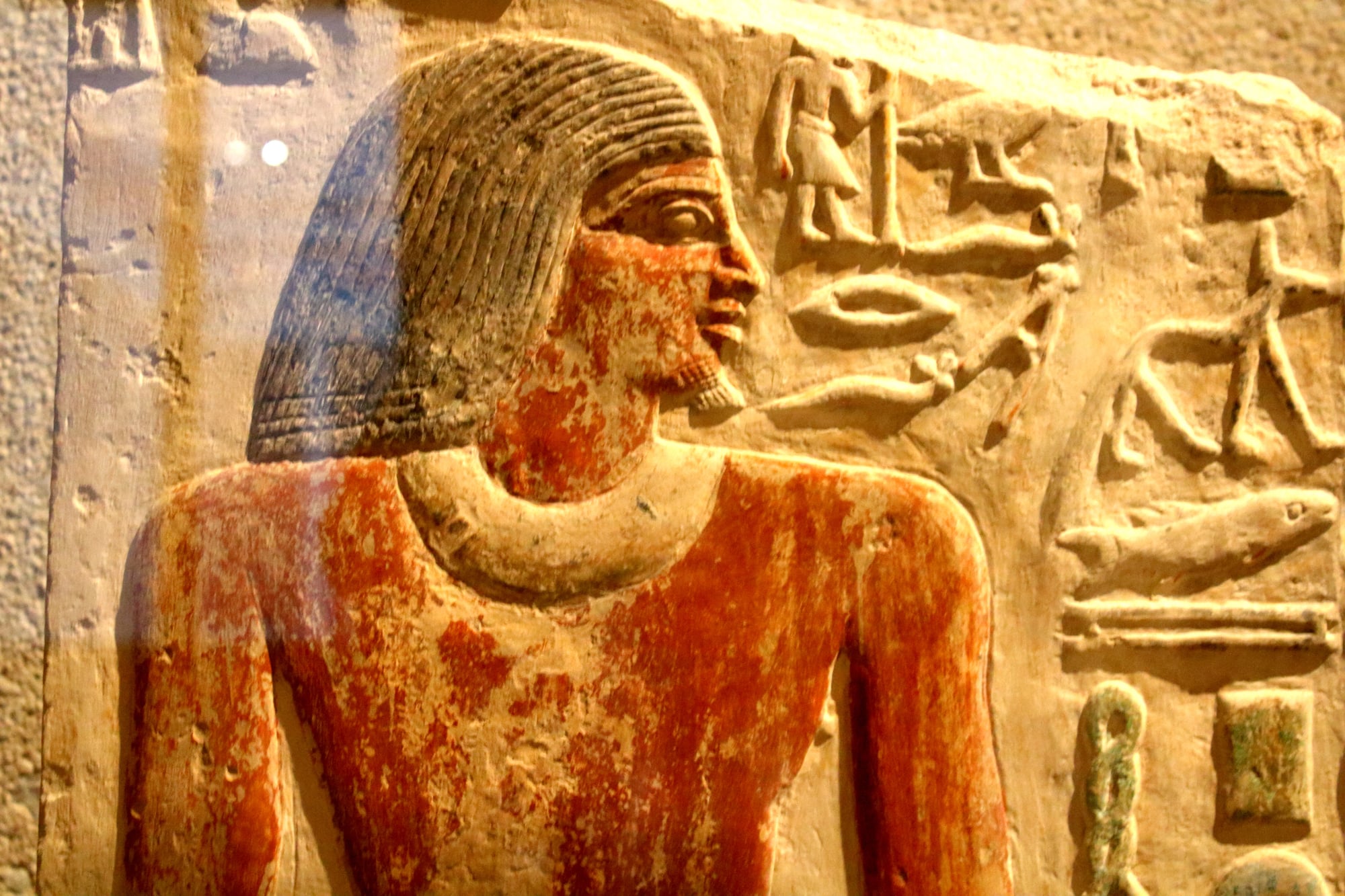
Bonaparte invaded Egypt in 1798 with an army of scholars as well as soldiers, and the resulting collection — including the Rosetta Stone and countless artifacts — was claimed as scientific documentation of Egyptian civilization. When the British defeated Napoleon, they seized the Egyptian collection as spoils of war, which is how the Rosetta Stone ended up in the British Museum rather than anywhere Egyptian.
Egypt barely factored in this transaction, despite being the source of everything being fought over. Britain treats Egypt’s requests for the Rosetta Stone’s return as unreasonable, even though the stone is the literal key to reading Egyptian hieroglyphics and was inscribed by Egyptians about Egypt. The attitude has been remarkably consistent for two centuries.
Aboriginal Sacred Objects
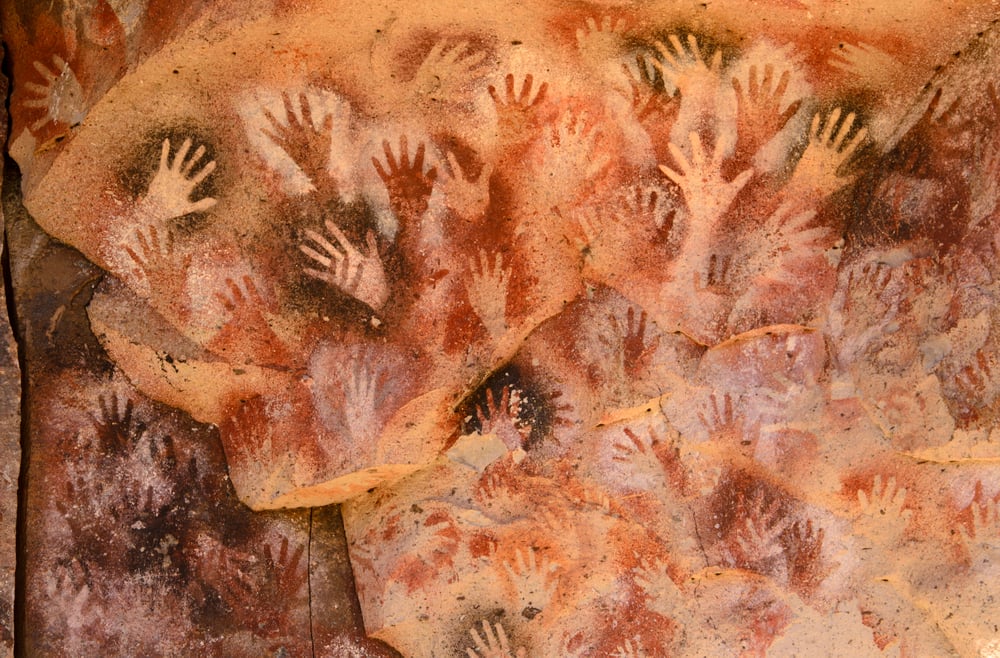
European colonizers took not just land from Indigenous Australians but sacred objects, ceremonial items, and ancestral remains. Australian museums and private collectors accumulated holdings of Aboriginal artifacts, often acquired through grave robbing or coercion.
Many of these objects have ongoing spiritual significance for Aboriginal communities, and their absence causes continuing harm. Sacred objects were never meant to be displayed in glass cases. Repatriation efforts have returned some items, but the process is slow and complicated by the displacement or destruction of communities, making it difficult to establish ownership or the protocols for proper return.
Thai Religious Objects
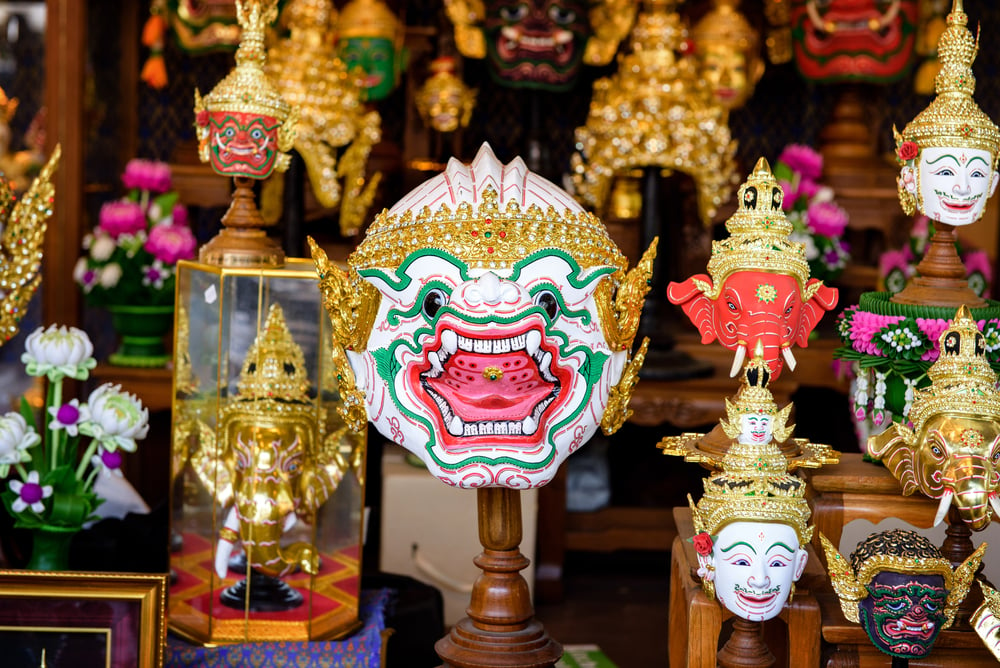
During conflicts and colonial periods, countless Buddha statues and religious artifacts were removed from Thai temples and ended up in Western museums and private collections. Thailand has been working to identify and reclaim these pieces, complicated by the fact that many lack clear documentation of when and how they left the country.
Buddha statues are not merely art — they are sacred objects that belong in active worship settings. Displaying them as cultural artifacts strips away their spiritual meaning and reduces them to decorative objects. Thai communities have argued that keeping these statues in secular Western museums constitutes ongoing cultural harm, but return claims require documentation most institutions find inconvenient to produce.
African Ceremonial Objects
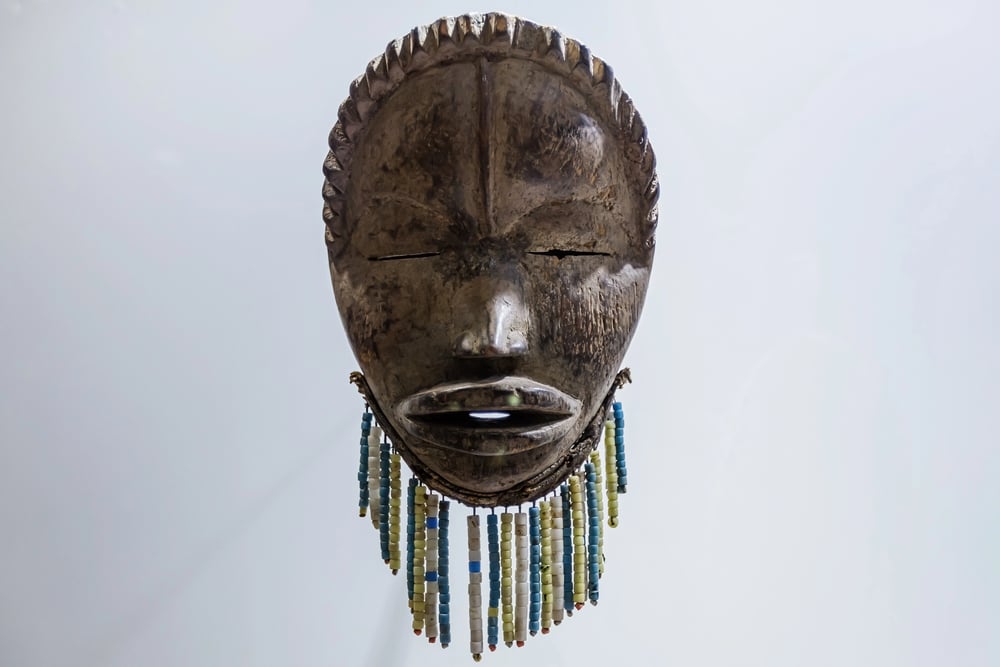
European colonial powers collected African masks, sculptures, and ceremonial objects systematically, usually through military conquest. These ended up in ethnographic museums across Europe and North America where they have been displayed as examples of “primitive” art — a term that reflects the misunderstanding built into their acquisition.
Ceremonial masks and religious sculptures were not art objects. They have specific cultural functions and spiritual meanings that are entirely lost when they’re removed from their communities and placed in museum displays. Many African nations have been pursuing restitution claims, and some European institutions have begun returning pieces — but slowly, and usually only under sustained political pressure.
Mayan Artifacts
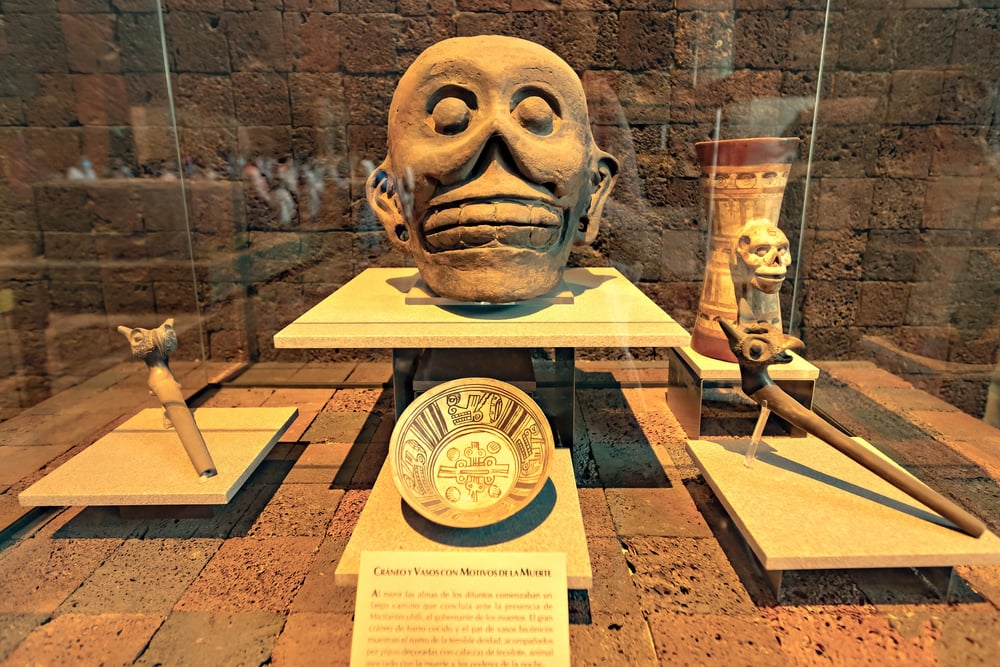
When archaeologists excavated Mayan sites in the 19th and early 20th centuries, they shipped the finest pieces back to American and European museums. Guatemala, Mexico, and other Central American countries lost artifacts crucial to understanding their pre-Columbian heritage. Some of this removal was technically legal under colonial-era agreements, but the ethics were questionable even at the time, and local communities had no say in what happened to their ancestral heritage.
The Metropolitan Museum, Harvard’s Peabody Museum, and other institutions hold extensive Mayan collections that would be illegal to export under current law. The countries they came from now have stronger cultural patrimony protections, but pieces taken decades ago remain in foreign hands.
Indonesian Cultural Treasures

During the colonial period, the Dutch systematically collected Indonesian artifacts, royal regalia, and religious objects. Many are housed in Dutch museums, particularly the National Museum of World Cultures. Indonesia has been requesting significant objects back, and the Netherlands — after years of slow movement — has acknowledged the colonial origins of much of their collection and begun a more serious repatriation process in recent years.
The core Dutch counter-argument — that these pieces have been in their care long enough to become part of Netherlands cultural heritage — is a remarkable position to take regarding colonial loot, and Indonesia has said so plainly.
Russian Orthodox Icons
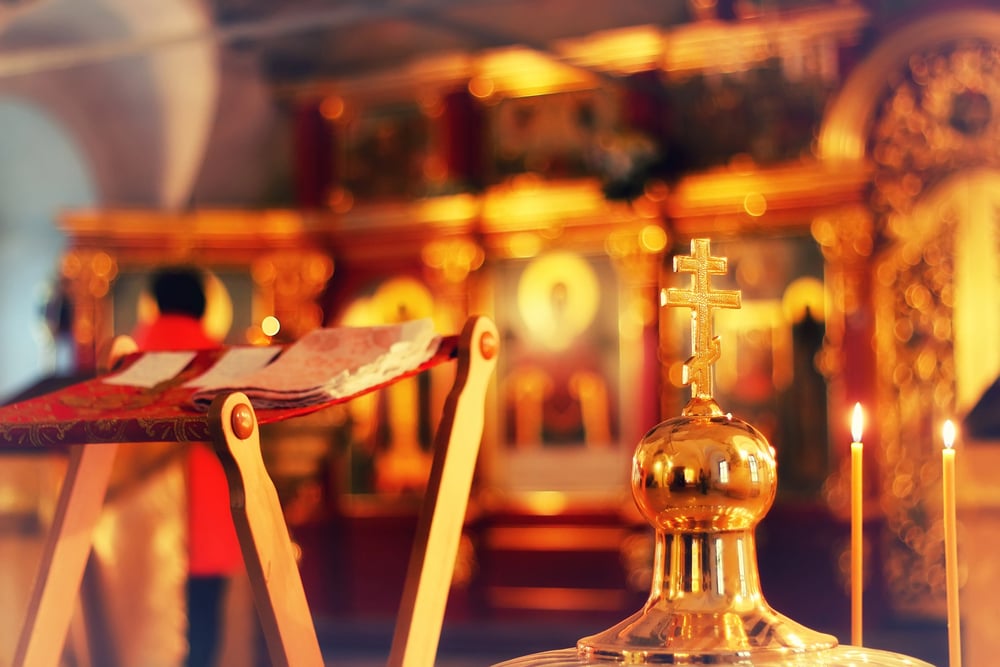
During the Revolution and the Soviet period, countless religious icons, manuscripts, and ceremonial objects were removed from Russian churches and monasteries. Some were destroyed; many were sold through intermediaries to Western collectors and ended up in European and American collections.
The Russian Orthodox Church has been working to identify and reclaim them, complicated by the political upheavals that scattered them across multiple countries. Orthodox theology holds that icons are windows to the divine, and their removal from religious contexts diminishes their sacred function in ways that Western secular institutions, treating them as art history objects, do not fully account for.
Cambodian Temple Sculptures
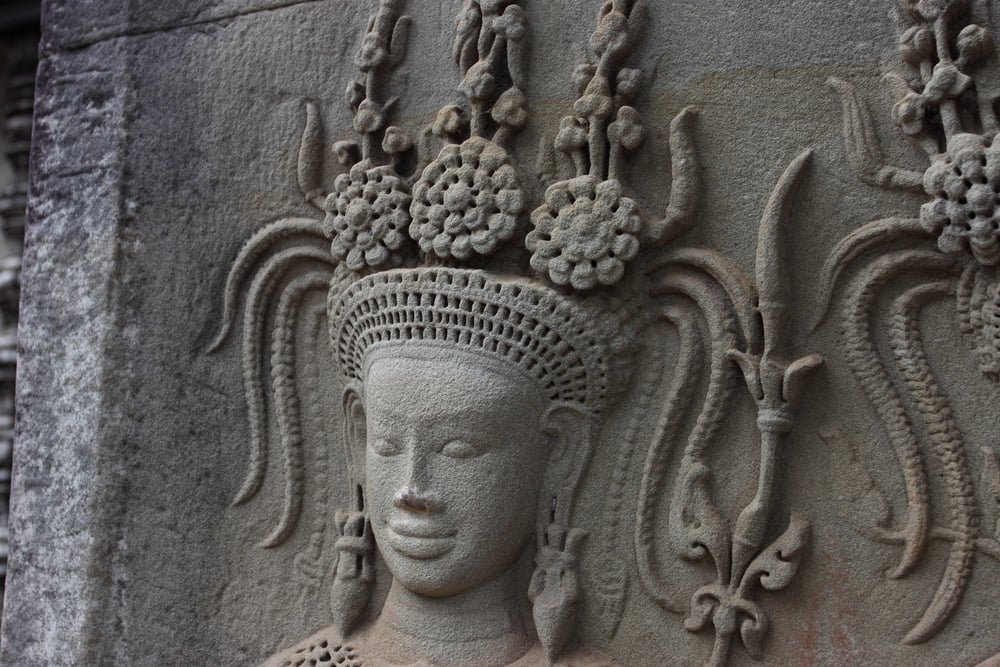
The instability of the Khmer Rouge period and subsequent civil conflict created opportunities for massive looting of Cambodian archaeological sites. Temple sculptures — particularly from Angkor-era sites — were hacked off buildings and sold to international collectors and museums.
Cambodia has been tracking and reclaiming pieces, and the Metropolitan Museum has returned several after investigations confirmed looting, but this represents only a fraction of what was taken. Each removed sculpture leaves a permanent gap in sites designed as integrated architectural complexes. Angkor Wat and related temples were built as unified works, and every missing piece compromises the artistic and historical integrity of the whole.
Native American Sacred Objects
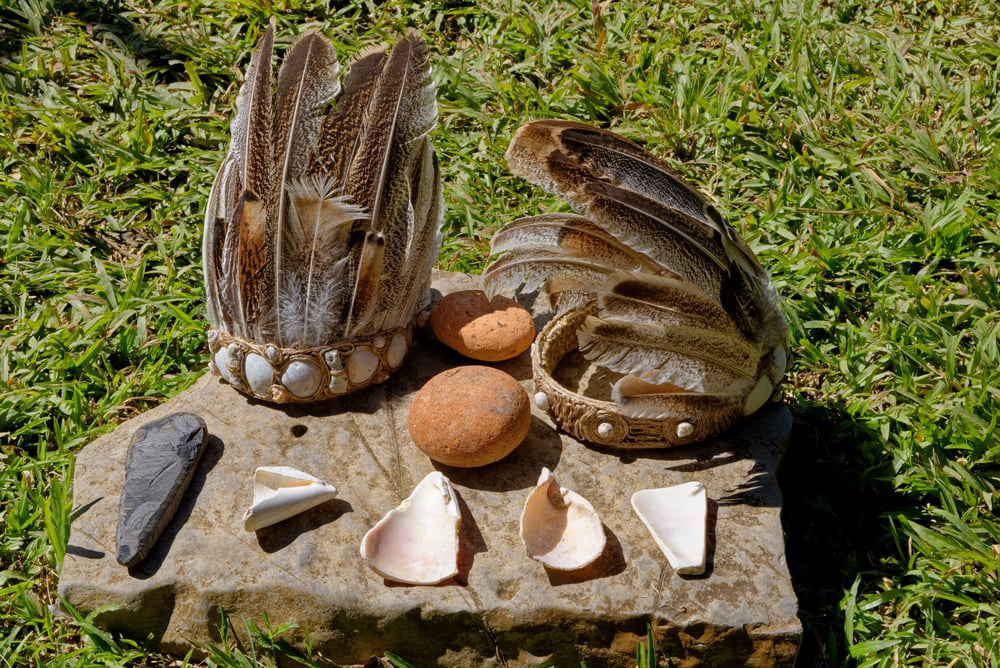
American museums hold thousands of Native American artifacts, including sacred objects and human remains taken without permission. The 1990 Native American Graves Protection and Repatriation Act (NAGPRA) requires museums to return these items to tribal communities, but compliance has been slow and uneven. Some institutions have resisted claims or created bureaucratic delays that stretch returns out for years.
Many of the objects are sacred items never meant to be seen by outsiders, let alone displayed publicly. Native communities have argued that continued museum possession constitutes ongoing spiritual harm. Some institutions have acted in good faith; others treat NAGPRA as an unwelcome intrusion rather than a legal obligation.
Iraqi Archaeological Treasures
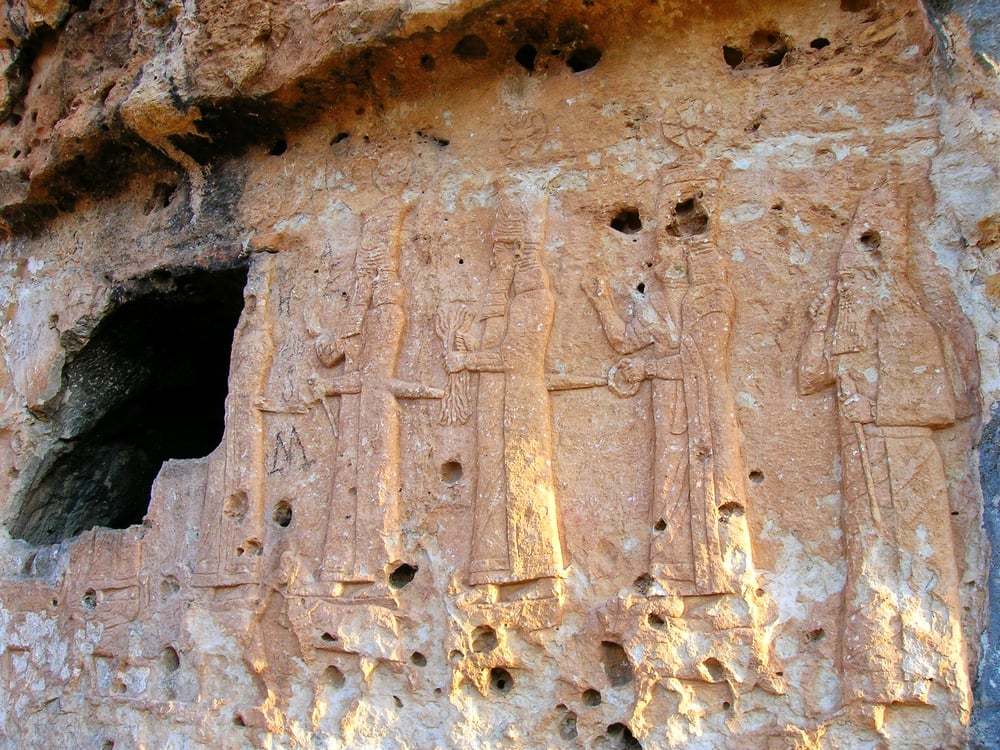
The 2003 invasion of Iraq and subsequent instability led to massive looting of museums and archaeological sites. The Iraq Museum in Baghdad was looted in April 2003 while American forces stood nearby. Thousands of artifacts disappeared into international markets, often appearing in auction houses with fabricated provenance stories claiming they left Iraq before current export restrictions.
Iraq is home to some of humanity’s earliest civilizations — the cultures that developed writing, codified law, and built the first cities. When artifacts from these sites are scattered across international markets, the ability to understand these foundational human achievements is permanently compromised.
Islamic Manuscripts
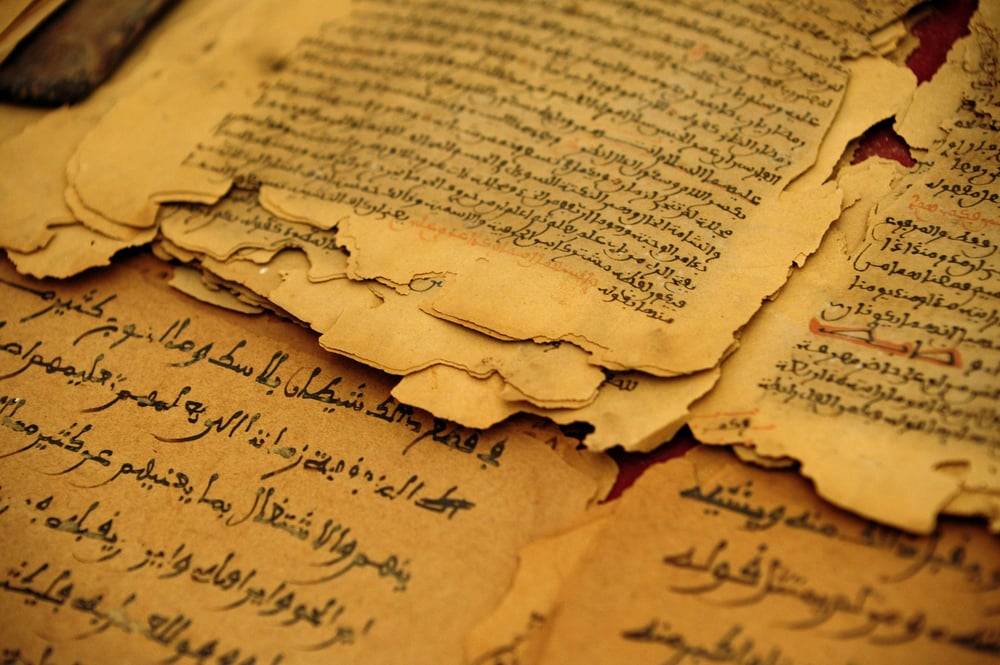
During various conflicts and colonial periods, irreplaceable Islamic manuscripts were removed from libraries and institutions across the Middle East and North Africa. Many contain unique copies of classical scientific, philosophical, and religious texts. Western libraries and private collectors accumulated significant holdings, often without clear documentation of acquisition.
Researchers in Muslim-majority countries now frequently travel to Western institutions to access their own intellectual heritage. Some manuscripts exist in only one copy, making their location in a foreign library particularly consequential for ongoing scholarship and for the communities whose cultural continuity these texts represent.
Ethiopian Treasures
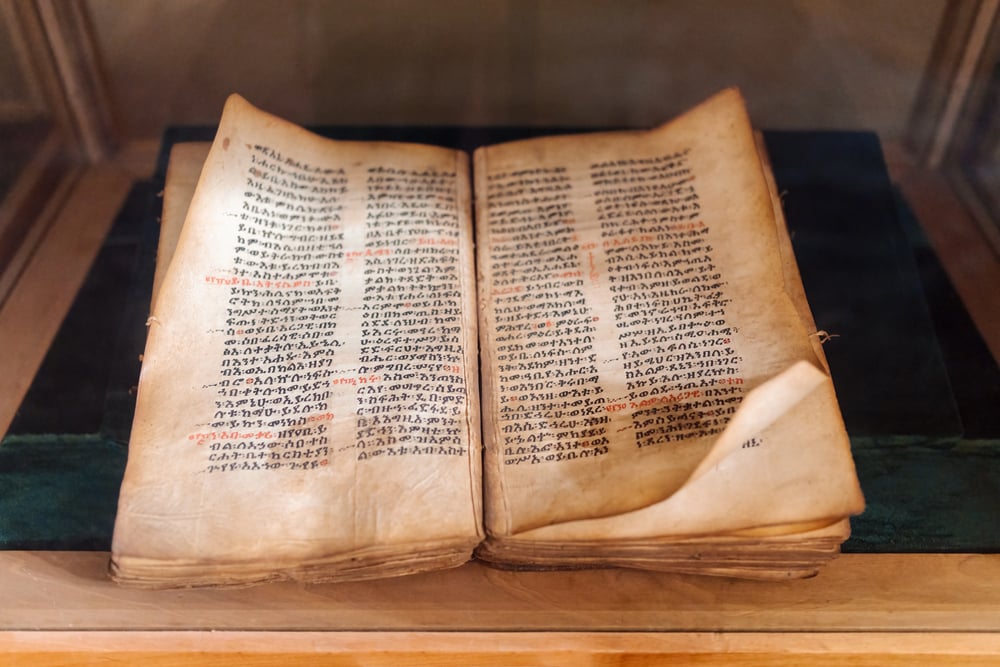
After the British military expedition to Abyssinia in 1868, thousands of Ethiopian manuscripts, crowns, religious crosses, and other objects were taken to Britain. The British Museum, the British Library, and other institutions hold many of them still. Ethiopia has been requesting their return for decades.
Among the items taken are manuscripts written in Ge’ez, the ancient Ethiopian script, containing unique religious and historical texts. Some are the only surviving copies of important Ethiopian literary and religious works. Their removal created gaps in Ethiopian cultural and religious practice that persist today, as scholars and religious communities lack access to foundational texts held in foreign institutions.
Pacific Island Artifacts
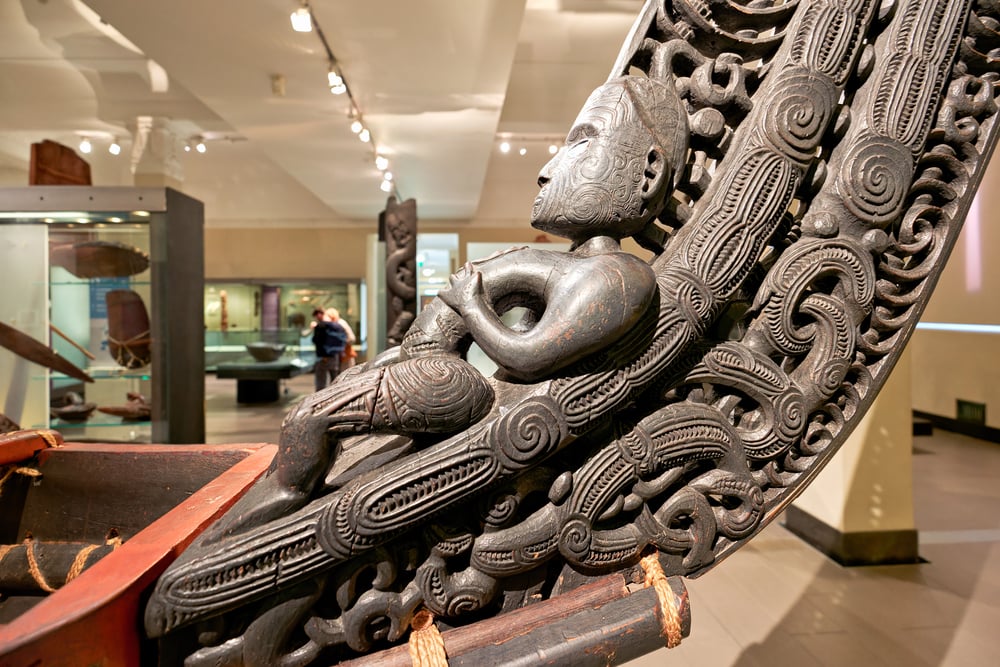
European explorers and colonial administrators systematically collected artifacts from Pacific Island cultures, taking items of sacred or ceremonial significance. Many are now in museums across Europe, North America, and Australia, while the communities they came from have been left without important parts of their heritage.
Many Pacific Island cultures encoded cultural knowledge in objects rather than written texts. When ceremonial items were removed, entire bodies of cultural information were lost or damaged. Repatriation efforts are ongoing, but the colonial period also killed or displaced many traditional cultural leaders, complicating efforts to identify proper custodians for returned objects.
Stolen Jewish Private Art Collections
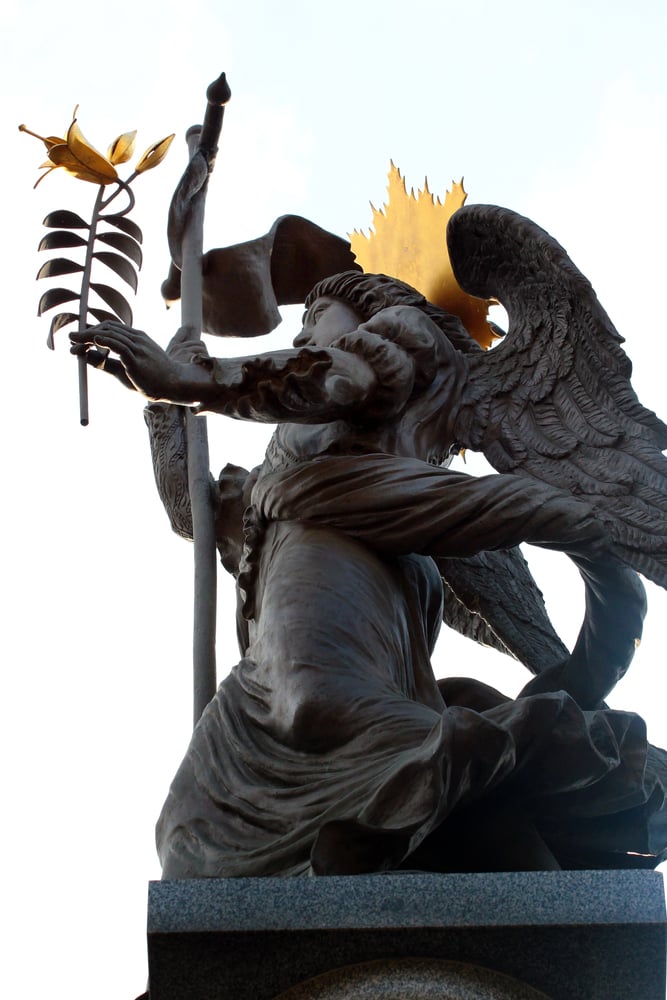
Beyond synagogue treasures, the Nazis seized private art collections owned by Jewish families across Europe. Many pieces have never been returned to families’ heirs despite decades of research and legal action. Some surface in auction houses or museum collections periodically, leading to lengthy legal battles over ownership.
Tracking stolen Jewish art is complicated by the destruction of documentation during the war and the murder of entire families who might have served as witnesses. Heirs discover family pieces in museums or collections decades after the fact, then face the burden of proving ownership through incomplete records — while the institutions holding the works have access to legal resources most families cannot match.
Ancient Greek Artifacts
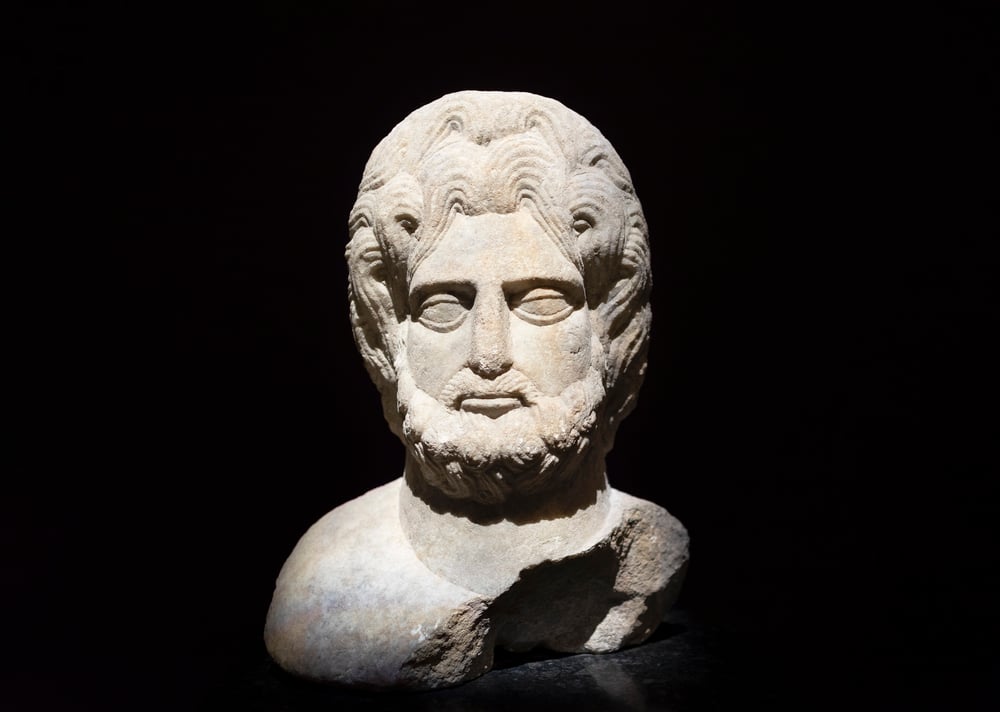
Beyond the Elgin Marbles, countless other ancient Greek artifacts were removed during the 19th and early 20th centuries when Greece lacked the political power to protect its archaeological sites. European and American museums accumulated extensive collections of Greek sculpture, pottery, and architectural elements, often through excavations that would be considered illegal under current international law.
Greece has developed sophisticated museum infrastructure and conservation capabilities, undermining the traditional argument that foreign institutions provide better stewardship. The country has been pursuing selective repatriation claims for its most significant pieces, and some have been returned. But most Greek artifacts remain in foreign collections, divorced from their original context and the cultural tradition they were created within.
Afghanistan’s Cultural Heritage
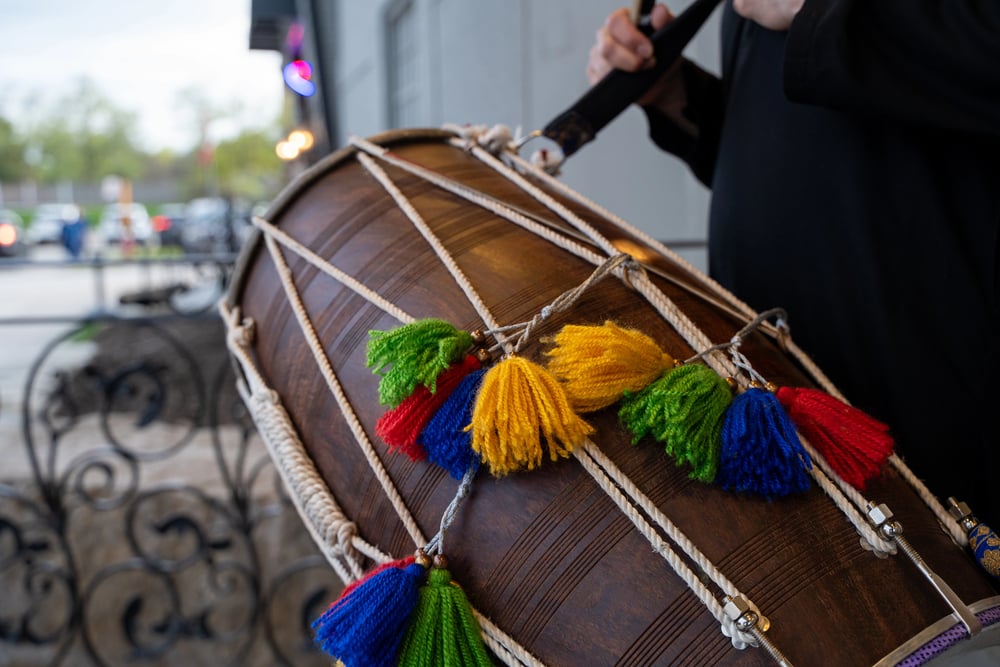
Decades of conflict — the Soviet invasion, civil war, Taliban rule, and the post-2001 period — created cascading waves of looting from Afghan museums and archaeological sites. The Kabul Museum was systematically emptied during the civil war of the 1990s, and the Taliban deliberately destroyed irreplaceable pre-Islamic artifacts, including the Bamiyan Buddhas.
Pieces that weren’t destroyed entered the international antiquities market. Afghanistan’s pre-Islamic history includes some of the ancient world’s greatest crossroads cultures — the meeting point of Greek, Persian, Central Asian, and Indian artistic traditions. When artifacts from this heritage are scattered into private collections and never documented, the ability to reconstruct these unique cultural fusions is permanently diminished.
Syria’s Archaeological Sites
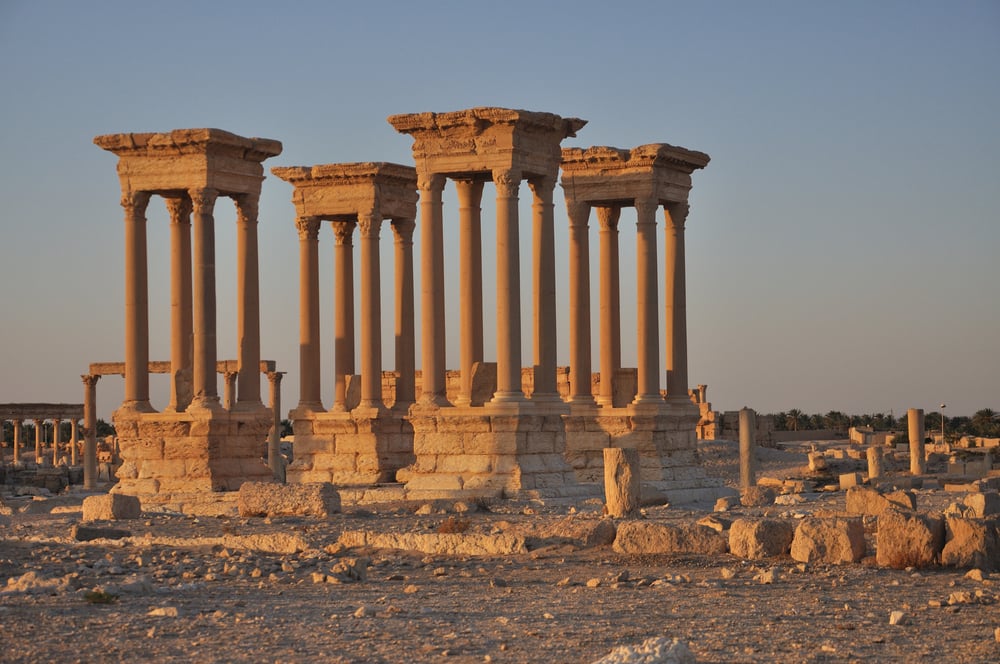
The Syrian civil war that began in 2011 resulted in devastating looting of one of the world’s richest archaeological regions. ISIS systematically looted and destroyed sites including Palmyra, selling artifacts to fund operations and destroying what they couldn’t sell. International markets absorbed many pieces with minimal scrutiny.
Syria is the location of some of humanity’s oldest cities and most important ancient sites — Palmyra, Apamea, Mari, and dozens of others that represent thousands of years of human civilization. The looting represents not just theft of objects but the systematic destruction of an entire region’s historical memory. Most of what was taken has not been recovered, and many pieces may never be identified or returned.
What Gets Kept and What Gets Returned

The artifacts that have been successfully repatriated share certain features: they were taken recently enough that documentation survived, or distinctively enough that provenance could be established, or the political will to pursue claims held for decades. What stays lost tends to be what was taken longest ago, or from communities destroyed so thoroughly that no one survived to make the claim.
The Amber Room may be at the bottom of the Baltic. Raphael’s self-portrait may have burned in Berlin. The synagogue treasures of communities that no longer exist have no one to ask for them back. The broader question has no comfortable answer. Museums consider themselves stewards of world heritage; the cultures that created the objects consider them stolen property. Both are true simultaneously. What has changed is that the argument is now being made — and occasionally won — which suggests the answer to “who owns the past?” is less settled than it once appeared.
More from Go2Tutors!

- The Romanov Crown Jewels and Their Tragic Fate
- 13 Historical Mysteries That Science Still Can’t Solve
- Famous Hoaxes That Fooled the World for Years
- 15 Child Stars with Tragic Adult Lives
- 16 Famous Jewelry Pieces in History
Like Go2Tutors’s content? Follow us on MSN.