13 Fascinating Things That Were Discovered While People Were Doing Something Totally Unrelated
More often than not, the greatest inventions in history come from unexpected insights and fortunate accidents rather than from hard work. Extensive research drives scientific progress, but serendipity has also provided humanity with revelations that have fundamentally altered the course of history.
These spontaneous bursts of creativity serve as a reminder that ground-breaking ideas can appear at any time. These 13 astounding discoveries were made when people were working on very other projects, demonstrating that sometimes the most important discoveries come from exploring in unexpected places.
Penicillin

When Alexander Fleming left his laboratory on vacation in 1928, he had no intention of revolutionizing medicine. After he got back, he discovered that a mold had contaminated one of his petri dishes with staphylococcus bacteria, forming a zone devoid of bacteria.
The world’s first antibiotic, penicillin, was created as a result of this coincidental discovery and has since saved millions of lives.
Microwave Oven

In 1945, Percy Spencer observed something odd while working with radar equipment. Even though the room temperature was normal, the chocolate bar in his pocket had melted.
Spencer was intrigued by this phenomenon and tested the magnetron’s ability to cook food quickly by conducting additional experiments with popcorn and eggs. His inquisitiveness led to the invention of the microwave oven, a common household gadget today.
X-Rays

Wilhelm Röntgen was experimenting with cathode ray tubes in 1895 when he noticed a fluorescent screen in his lab glowing unexpectedly. After investigating, he discovered that unknown rays were passing through solid objects, including his wife’s hand, creating a shadow image of her bones on photographic paper.
His accidental discovery of X-rays transformed both medicine and security applications, allowing us to see what was previously hidden.
Post-it Notes

Spencer Silver was attempting to develop a super-strong adhesive for 3M when he accidentally created something entirely different—a weak, pressure-sensitive adhesive that didn’t leave a residue.
For years, this “failure” sat unused until his colleague Art Fry needed a way to keep bookmarks from falling out of his hymnal during choir practice. The resulting Post-it Notes became one of the most ubiquitous office supplies in history.
Pacemaker

Wilson Greatbatch was building an oscillator to record heart sounds in 1956 when he installed the wrong resistor into his circuit. He noticed the device produced electrical pulses instead, mimicking the rhythm of a heartbeat.
This fortunate error led to the development of the implantable cardiac pacemaker, a device that has extended millions of lives and continues to be refined today.
Artificial Sweeteners
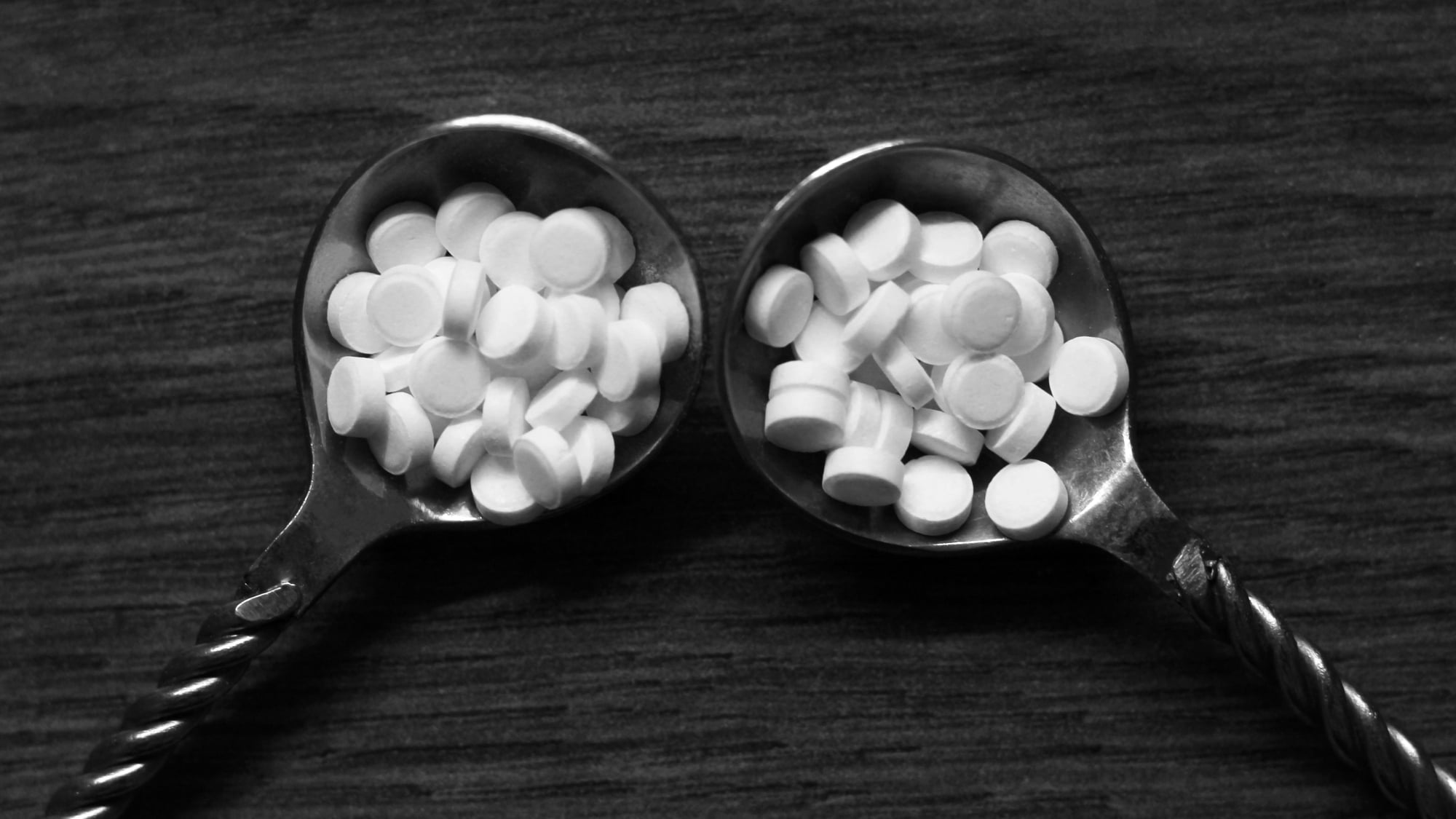
Constantin Fahlberg discovered saccharin, the first artificial sweetener, after a long day of synthesizing coal tar derivatives in 1879. He noticed an unusually sweet taste on his hand during dinner and traced it back to a substance in his lab.
His inadvertent taste test led to saccharin’s development, beginning our long relationship with sugar substitutes that continues with modern sweeteners like aspartame and sucralose.
Velcro

George de Mestral went hunting with his dog in the Swiss Alps in 1941 and returned covered in burrs. Examining these clingy seeds under a microscope, he noticed tiny hooks that attached to fabric and fur.
This natural mechanism inspired him to create a two-sided fastener—one side with stiff hooks, the other with soft loops. Velcro now appears in everything from shoes to spacecraft, all because of an annoying hiking experience.
Matches

In 1826, pharmacist John Walker was using a chemically treated wooden stick to stir a concoction. The stick caught fire when he rubbed it against the floor to get rid of excess material.
Long before lighters were widely used, his unintentional fire led to the invention of friction matches, a dependable, portable fire source that revolutionized daily living.
Safety Glass

Édouard Bénédictus, a French scientist, knocked a glass flask from a shelf in 1903 but noticed something unusual—it cracked but didn’t shatter. Investigation revealed the flask had contained cellulose nitrate that had evaporated and coated the interior.
This chance observation led to the development of laminated safety glass, now standard in car windshields and windows, preventing countless injuries.
Vulcanized Rubber

Charles Goodyear had been trying unsuccessfully for years to make rubber more durable when, in 1839, he accidentally dropped a rubber and sulfur mixture onto a hot stove. Instead of melting, the rubber charred like leather, creating a weather-resistant, stable material.
This accidental discovery of vulcanization revolutionized manufacturing, eventually leading to practical automobile tires and countless other applications.
Radioactivity

In 1896, Henri Becquerel’s work on phosphorescent materials was halted by overcast weather. He kept his photographic plates and uranium crystals in a drawer, only to find out later that the plates had been exposed even though there had been no sunlight.
The discovery of radioactivity as a result of this coincidental finding paved the way for nuclear physics and medicine.
The Big Bang Theory Confirmation

Arno Penzias and Robert Wilson were testing a sensitive radio receiver for Bell Labs in 1964 when they detected persistent background noise that wouldn’t go away. After ruling out equipment problems and even cleaning pigeon droppings from the antenna, they realized they had discovered cosmic microwave background radiation.
This finding became compelling evidence for the origin of our universe, providing a crucial confirmation of the Big Bang Theory.
Viagra

Scientists at Pfizer were developing a medication for angina and hypertension in the early 1990s when clinical trials revealed an unexpected side effect. While the drug, sildenafil citrate, proved disappointing for its intended purpose, male participants reported improved erections.
This unintended outcome led to Viagra’s development, creating a multi-billion dollar industry addressing erectile dysfunction and changing countless lives.
Serendipity’s Role in Human Progress

The thread connecting these accidental discoveries isn’t merely luck but the prepared, observant minds that recognized significance in the unexpected. These breakthroughs remind us that innovation often thrives at the intersection of accident and attentive curiosity.
As Louis Pasteur famously noted, “Chance favors the prepared mind”—a principle demonstrated repeatedly throughout the history of human discovery and invention.
More from Go2Tutors!

- The Romanov Crown Jewels and Their Tragic Fate
- 13 Historical Mysteries That Science Still Can’t Solve
- Famous Hoaxes That Fooled the World for Years
- 15 Child Stars with Tragic Adult Lives
- 16 Famous Jewelry Pieces in History
Like Go2Tutors’s content? Follow us on MSN.