How History’s Most Notorious Spies Were Finally Caught
Espionage is a game of shadows, and the most successful spies have operated undetected for years, sometimes decades. But almost none of them stayed hidden forever.
What’s striking, looking at how they were finally caught, is how rarely it came down to a single dramatic blunder of the spy’s own making; far more often the end arrived from outside their control: a defector carrying a list of names, a code-breaking program quietly reading their messages, a betrayed family member picking up the phone, or a foreign archive smuggled out years later. The cases below are some of the most consequential in the history of spycraft, and each is told around the real reason the net finally closed—which is usually more interesting, and more sobering, than the tidy “one careless moment” version that legend prefers.
Klaus Fuchs
The German-born physicist passed Manhattan Project atomic secrets to the Soviets for years without raising suspicion. His exposure came not from a personal slip but from cryptanalysis: the U.S. Army’s top-secret Venona program decrypted Soviet wartime cables, and by 1949 the decryptions pointed to a spy inside the bomb project who could only be Fuchs.
Because Venona was too secret to use in court, MI5 couldn’t simply arrest him. Instead they sent interrogator William “Jim” Skardon, who cultivated Fuchs over months of disarming conversations before confronting him. In early 1950 Fuchs confessed, apparently driven by conscience as much as pressure. His confession then helped unravel the wider atomic-spy network, leading investigators to courier Harry Gold and onward to the Rosenberg ring.
Aldrich Ames
The CIA counterintelligence officer sold secrets to the KGB for nearly a decade, and his undoing was remarkably mundane: money he couldn’t explain. Ames, earning a modest government salary, suddenly drove a Jaguar, paid cash for an expensive house, and dressed in costly suits.
The lavish lifestyle, wildly out of step with his pay, was the thread investigators eventually pulled. As the CIA and FBI hunted for the source of catastrophic losses of Soviet assets in the 1980s, a mole-hunt narrowed onto Ames, and a financial investigation showed his bank deposits tracking suspiciously against his meetings with Soviet contacts. He was arrested in 1994. His greed, more than any operational mistake, is what hanged him.
The Rosenberg Network
The atomic-espionage ring around Julius and Ethel Rosenberg unraveled from the top down rather than through a single fumble. The chain began with Klaus Fuchs’s confession, which led the FBI to courier Harry Gold, and Gold in turn led them to David Greenglass—Ethel’s brother, who had worked at Los Alamos.
Facing prosecution, Greenglass confessed and implicated his sister and brother-in-law to protect his own wife; (the famous torn Jell-O box panel, used as a recognition signal between Greenglass and Gold, is a real and vivid detail of the case—but it was Greenglass’s testimony, not the box, that sealed the Rosenbergs’ fate). Julius and Ethel were convicted and executed in 1953, in one of the most contested verdicts of the era.
George Blake
Blake spied for the KGB for years while serving in British intelligence, an extraordinary run of deception. His exposure came not from his own error but from a defector: in 1961, the Polish intelligence officer Michael Goleniewski provided Western services with information that pointed to a Soviet penetration of British intelligence, and the trail led to Blake.
Confronted, Blake confessed, reportedly insisting he had not been blackmailed but had acted out of conviction. He was sentenced to 42 years—then made one of the most famous prison escapes in British history in 1966, fleeing to Moscow, where he lived out his life; his career was undone by the same mechanism that toppled so many on this list: someone on the other side switched sides.
Anna Chapman and the Illegals
Chapman was part of a Russian “illegals” network—deep-cover operatives living under false identities in American suburbs. The ring wasn’t broken by any single slip of hers but by a long FBI counterintelligence operation, codenamed Ghost Stories, that surveilled the illegals for roughly a decade.
Crucially, U.S. intelligence had a source inside the Russian program, and the FBI patiently watched the operatives, documenting brush passes, coded communications, and meetings. The network was rolled up in 2010 and the agents swapped back to Russia in a spy exchange; Chapman became a media celebrity afterward, but her capture was the product of sustained Western penetration of Moscow’s own ranks, not a careless moment in a coffee shop.
Robert Hanssen
The FBI agent spied for Soviet and Russian intelligence for more than two decades, and he was meticulous—he never met his handlers face to face, used dead drops, and even refused to let Moscow learn his real name. His tradecraft was so careful that a long mole-hunt initially fingered the wrong man, a CIA officer.
The break came when U.S. intelligence obtained an original Russian file on the still-unidentified mole, reportedly paying a Russian source millions of dollars. The file contained a recording of the spy’s voice and a bag bearing his fingerprints, which identified Hanssen. The FBI lured him to a headquarters job, surveilled him intensively, and arrested him at a Virginia dead drop in 2001. He was undone not by his own mistake but by a purchased file.
Guy Burgess
Burgess, one of the Cambridge Five, fed Britain’s secrets to the Soviets for years; he was not exposed by a traffic-ticket argument or a single outburst, but caught up in the unraveling of the wider ring. By 1951, Venona-based analysis and investigation had identified his fellow Cambridge spy Donald Maclean as a Soviet agent, and the net was closing.
Burgess, by then a chaotic and heavy-drinking figure whose behavior was drawing attention, was sent back from Washington to London—and then, tipped off that Maclean was about to be interrogated, the two men abruptly fled together to the Soviet Union in May 1951. Their dramatic joint defection electrified Britain and cast the first serious suspicion on Kim Philby, who had helped arrange the warning.
Mata Hari
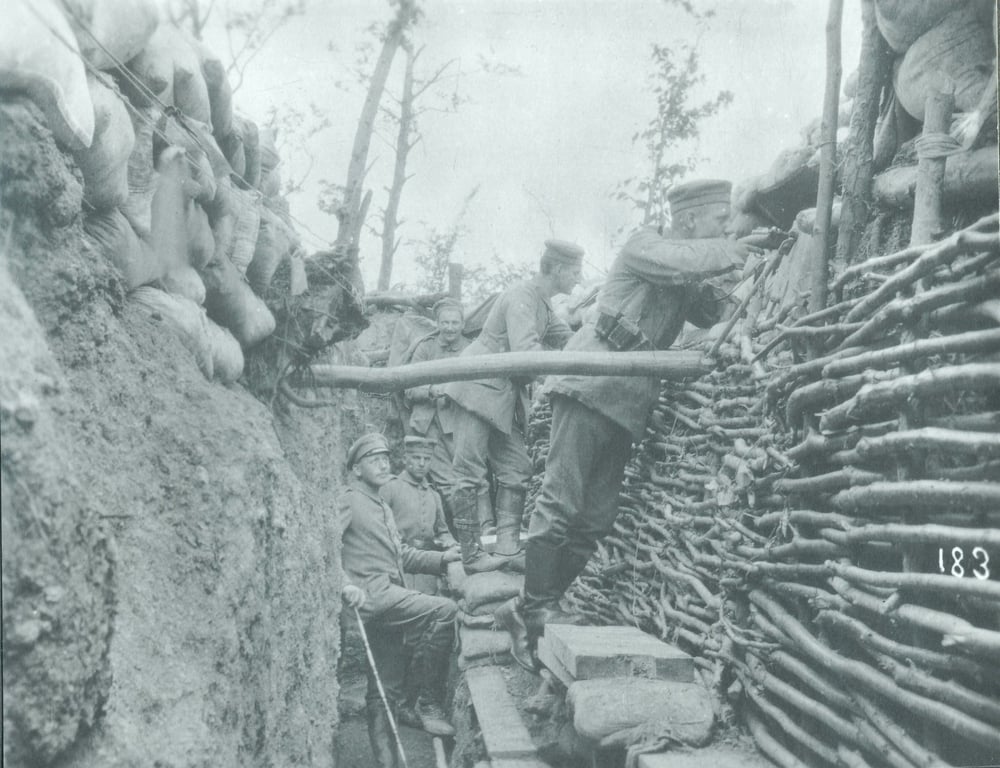
The Dutch exotic dancer Margaretha Zelle, known as Mata Hari, remains the most famous accused spy of World War I, though historians still debate how much real espionage she actually committed. What’s clear is that French counterintelligence built its case partly on intercepted communications.
German intelligence sent radio messages describing the activities of an agent, code-named H-21, that French cryptographers intercepted and read—and the details matched Mata Hari. Whether the Germans deliberately exposed a now-useless agent, or she was genuinely a spy, remains contested. France tried her in 1917 on charges that may have outrun the evidence, and executed her by firing squad. Her case is as much a story of wartime scapegoating as of espionage.
Kim Philby

The most damaging of the Cambridge Five, Philby rose high in MI6 while serving Moscow. He was not undone by a slip of Russian pronunciation; his exposure was slow and grinding. Suspicion first fell on him in 1951, after the defections of Burgess and Maclean—Philby had tipped them off, and his closeness to Burgess made him the obvious “third man.” Remarkably, he survived.
Lacking courtroom-quality evidence, the authorities publicly cleared him in 1955, and he resumed work as a journalist. Only in the early 1960s, as fresh testimony accumulated and a former associate confirmed his guilt, did the case finally become undeniable. Confronted in Beirut in 1963, Philby slipped away to Moscow, where he lived out his days. His was a downfall measured in years of suspicion, not a single mistake.
Rudolf Abel
The Soviet “illegal” known as Rudolf Abel (real name William Fisher) ran a deep-cover network from Brooklyn, posing as an artist and photographer. His careful cover was undone entirely by someone else: his unreliable assistant, Reino Häyhänen, a heavy-drinking agent who defected to the Americans in 1957 rather than return to Moscow as ordered.
Häyhänen led the FBI straight to Abel, providing the details that exposed the operation. Abel was arrested, convicted, and later became famous as the man exchanged for downed U-2 pilot Francis Gary Powers in the 1962 “Bridge of Spies” swap; Abel had simply been handed a bad subordinate—and in the illegals’ world, a single weak link could collapse everything.
Donald Maclean
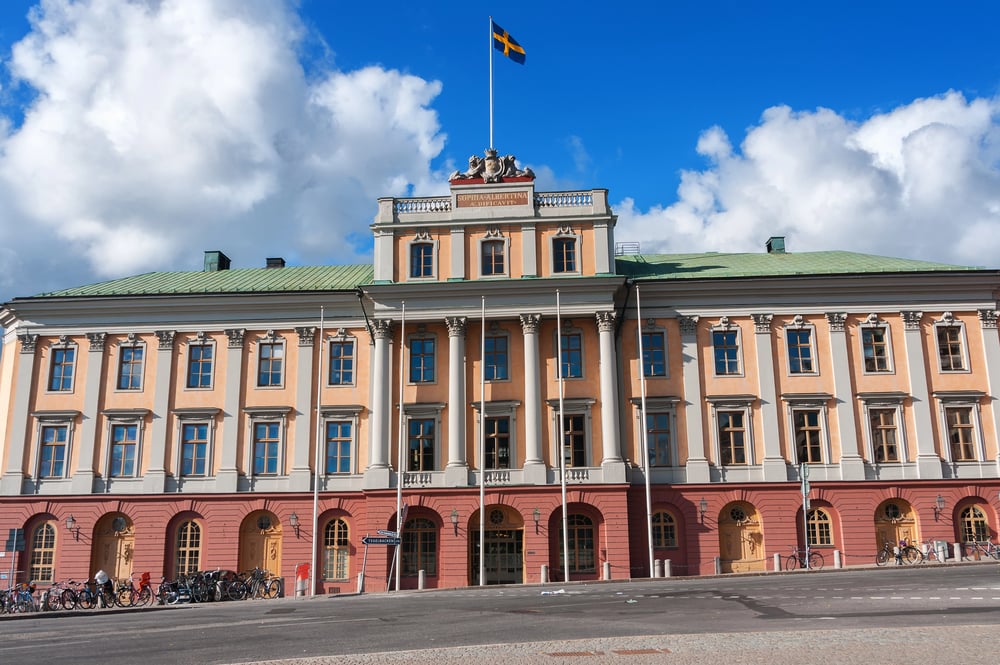
The Foreign Office diplomat passed British and American secrets to Moscow for years, and his exposure was a triumph of code-breaking rather than a drunken slip. Venona decryptions revealed a Soviet source, code-named HOMER, operating out of the British embassy in Washington, and over time the analysis narrowed the suspect pool to Maclean.
As the investigation closed in during 1951, Maclean was tipped off—through Philby and Burgess—just before he was due to be interrogated. He fled to the Soviet Union alongside Burgess, confirming the suspicions against him. He lived the rest of his life in Moscow. The patient unscrambling of intercepted cables, not any single error, had run him to ground.
John Walker
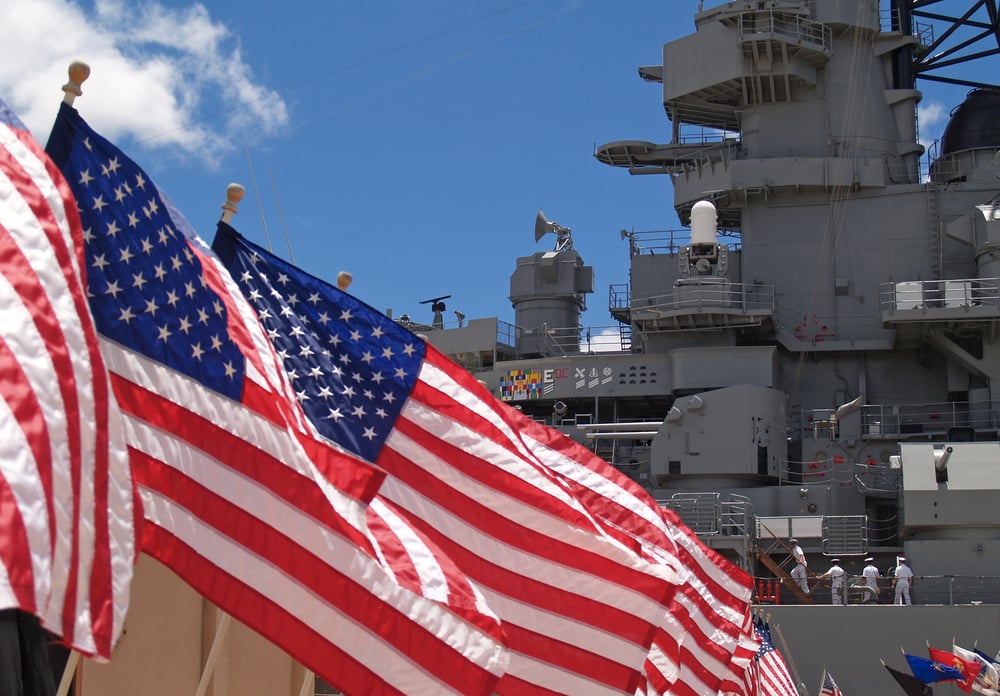
Walker ran a family spy ring that sold U.S. Navy cryptographic secrets to the Soviets for nearly two decades, compromising American naval communications on a devastating scale. His operational security was good; his judgment about people was not.
The end came when his embittered ex-wife, Barbara, who had long known about his espionage, finally reported him to the FBI. Her tip launched the surveillance that caught Walker servicing a dead drop in 1985. His deeper error was structural: he had drawn his brother, his son, and a friend into the ring, trusting family and personal ties with secrets that any of them could betray. In the end it was exactly that personal web that brought him down.
Oleg Penkovsky
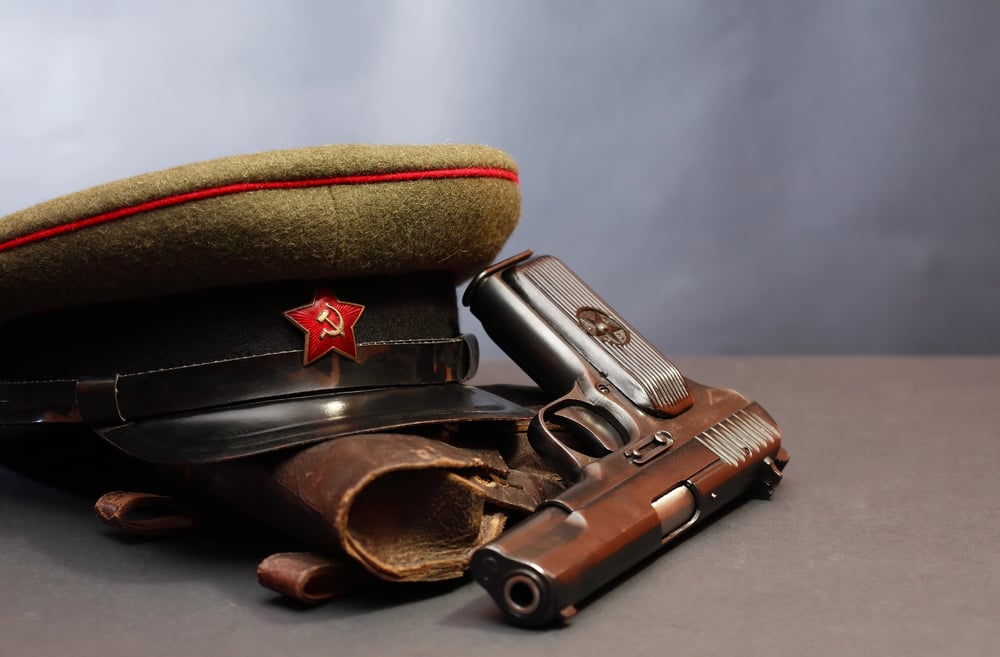
Penkovsky was a Soviet military-intelligence colonel who spied for the CIA and MI6, delivering intelligence that proved vital during the Cuban Missile Crisis. He was a Western asset, not a mole inside the West, and his exposure came from Soviet counterintelligence steadily closing in on him in Moscow.
The KGB grew suspicious, placed him under surveillance, and rolled up his communications—including his contact with Janet Chisholm, the wife of a British diplomat who served as a courier; Penkovsky was arrested in 1962, tried, and executed. His handlers had warned that the risk was rising; operating in the heart of the Soviet capital, he had almost no margin once the KGB’s attention turned his way.
Günter Guillaume
Guillaume rose to become a close aide to West German Chancellor Willy Brandt while secretly reporting to East German intelligence—a penetration so deep it eventually toppled a government. He was exposed not by a birthday card but by West German counterintelligence painstakingly reviewing old leads.
Suspicion was sparked by intercepted radio traffic from years earlier: congratulatory messages to an East German agent on the births of his children matched the Guillaume family’s circumstances. The BfV (West Germany’s domestic security service) quietly investigated, and Guillaume was arrested in 1974. The scandal forced Brandt to resign as chancellor. Guillaume’s downfall lay in a clue planted long before his rise—East German communications that Western analysts finally connected to him.
Ethel Gee and the Portland Spy Ring
Gee, a clerk at a British naval underwater-weapons establishment, passed secrets through the network run by the Soviet illegal Gordon Lonsdale. The ring was exposed by a defector and a tip rather than by Gee’s own conduct: a CIA source and a Polish defector, Michael Goleniewski, pointed British intelligence toward a leak from the naval base.
That lead focused MI5 on Gee’s associate and lover, Harry Houghton, and surveillance of Houghton led to Gee, then to Lonsdale, and finally to the Cohens (below), who served as the ring’s radio operators. The whole Portland network was rolled up in 1961; once again, the fatal information came from someone defecting in from the cold, not from a careless step inside.
Igor Gouzenko
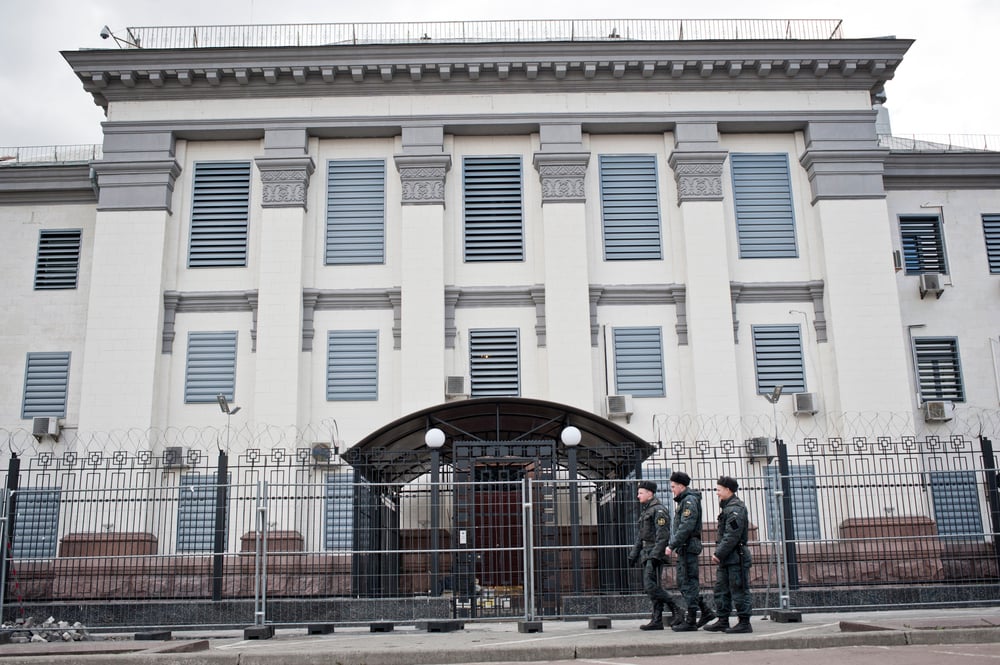
Gouzenko was not caught—he was the catcher. A cipher clerk at the Soviet embassy in Ottawa, he defected in 1945 carrying documents that exposed a sprawling Soviet spy network across North America, including efforts to penetrate the atomic program.
His defection nearly failed, but not for the romanticized reason of weekend office closures alone; Canadian officials and newspapers initially didn’t believe him, and he spent anxious hours seeking someone who would take his evidence seriously while the Soviets searched for him. Once the Royal Canadian Mounted Police finally acted, his documents helped ignite the early Cold War spy panic and exposed numerous agents; Gouzenko’s defection is often called the moment the Cold War’s espionage struggle went public.
Morris and Lona Cohen
The Cohens were American-born Soviet agents who operated as deep-cover couriers and, under the aliases Peter and Helen Kroger, served as radio operators for the Portland spy ring in Britain. They were not caught through a darkroom mix-up but swept up when that ring collapsed.
As MI5 unraveled the Portland network in 1961—following the trail from the naval-base leak through Houghton and Lonsdale—surveillance led to the Krogers’ suburban home, where investigators found a sophisticated clandestine radio setup, microdot equipment, and concealment devices. They were convicted, later exchanged to the Soviet bloc, and honored in Moscow; their fate was tied to the larger ring; when it fell, so did they.
Melita Norwood

Norwood passed British atomic-research secrets to the Soviets for nearly four decades, an astonishing run of undetected service, aided by how thoroughly she fit the unremarkable image of a suburban secretary. No operational mistake exposed her, because she essentially never made one that mattered.
What finally surfaced her was an archive. In 1992, KGB archivist Vasili Mitrokhin defected to Britain having secretly copied vast quantities of Soviet intelligence files over many years. Those files named numerous Western agents—Norwood’s code name among them; she was publicly exposed in 1999, by then an elderly woman, and never prosecuted. Forty years of perfect cover were undone by a record-keeper on the other side.
Jonathan Pollard
Pollard, a U.S. Navy intelligence analyst, passed enormous quantities of classified material to Israel. His exposure was operational and almost banal: colleagues and supervisors noticed him removing and accessing large volumes of classified documents that had nothing to do with his assigned work.
Confronted and placed under suspicion, Pollard tried to flee, ultimately seeking asylum at the Israeli embassy in Washington in 1985, which turned him away. He was arrested outside. His was one of the cases that does fit the “caught by his own behavior” template—his greed and carelessness with documents drew the attention that ended him. He served 30 years before parole.
George Trofimoff
Trofimoff, a retired U.S. Army colonel, was the highest-ranking American military officer ever convicted of espionage, having passed secrets to the Soviets for years while running an Army intelligence element in West Germany. His exposure came largely from the other side’s records and a sting.
His name surfaced through information from former Soviet-bloc sources, and the FBI built a case using a false-flag operation: an agent posing as a Russian intelligence officer approached Trofimoff and drew him into incriminating conversations, recorded on tape. He was arrested in 2000 and convicted; the decisive evidence came from Moscow’s own files and a carefully baited trap, not a forensic recovery from his computer.
Ronald Pelton
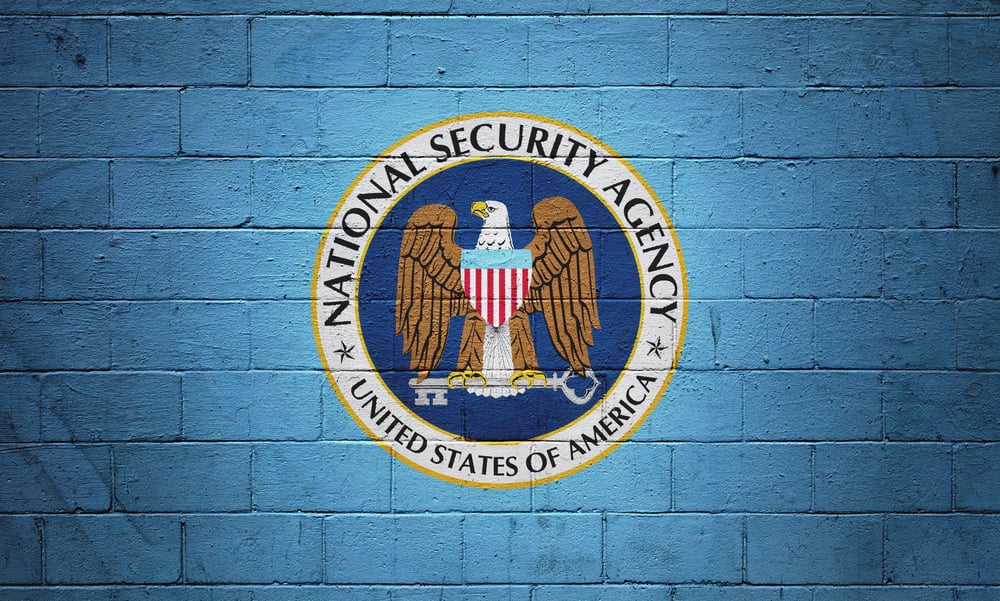
Pelton, a former NSA employee, sold knowledge of sensitive American electronic-surveillance operations to the Soviets, including a highly classified undersea cable-tapping program. He was exposed by a defector in reverse: Vitaly Yurchenko, a senior KGB officer who briefly defected to the United States in 1985, provided information about an American who had sold secrets to the Soviets.
Yurchenko didn’t know the man’s name, but his description—a former NSA employee with money troubles—allowed the FBI to identify Pelton, partly by reviewing old visitor records and recordings tied to the Soviet embassy. He was arrested and convicted in 1986; the thread that hanged him was pulled by a defector, even after Yurchenko himself re-defected back to Moscow.
Sharon Scranage
Scranage, a CIA clerk stationed in Ghana, compromised agency operations in West Africa after becoming romantically involved with a Ghanaian man connected to that country’s intelligence service. Her exposure came through a routine counterintelligence measure rather than a dramatic catch.
When Scranage returned to the United States, she was given a polygraph examination, during which indications of deception prompted closer scrutiny. Under questioning she admitted passing the identities of CIA assets to her boyfriend. The disclosures devastated the agency’s network in the region; she was convicted in 1985. The lesson her case is usually cited for is the danger of intimate relationships being exploited for recruitment.
Clayton Lonetree
Lonetree, a U.S. Marine guard at the American embassy in Moscow, was compromised through a romantic relationship with a Soviet woman who introduced him to a KGB handler—a classic “honeytrap.” Unusually, his case did not begin with a catch at all.
Wracked by guilt, Lonetree voluntarily approached a CIA officer in Vienna in 1986 and confessed what he had done. His admission set off a major, and ultimately overblown, scandal about embassy security. He was court-martialed and convicted, though later investigations concluded the damage had been far less sweeping than first feared. His “capture” was, in the end, a confession of conscience.
James Hall III
Hall, a U.S. Army warrant officer, sold large volumes of signals-intelligence secrets to Soviet and East German intelligence while stationed in Germany and later at Fort Stewart. His exposure came partly from sources on the other side and was sealed by an FBI sting.
Tipped that a serving soldier was selling secrets, the FBI ran a false-flag operation in which an agent posed as a Soviet handler. Hall met the supposed handler, accepted money, and openly discussed his espionage—all recorded. Arrested in 1988, he confessed; his associate Huseyin Yildirim, who had served as a courier, was also convicted. A baited trap, not a partner’s nerves, produced the decisive evidence.
Richard Miller
Miller holds the distinction of being the first FBI agent ever convicted of espionage. He became entangled with Svetlana Ogorodnikova, a Soviet émigré tied to the KGB, and passed her classified material.
His undoing was that the FBI was already watching her. Counterintelligence surveillance of Ogorodnikova picked up her contact with Miller, and his own erratic conduct—an overweight, struggling agent meeting a Soviet émigré—drew immediate suspicion from his colleagues. He claimed he had been trying to penetrate Soviet intelligence himself, but investigators didn’t buy it; after multiple trials, he was convicted in the late 1980s. He was caught because his contact was already a surveillance target.
Earl Pitts
Pitts, an FBI agent, sold secrets to Soviet and later Russian intelligence in the late 1980s and early 1990s, then went dormant. He was caught by one of the FBI’s own traps, with help from the Russian side.
A former Russian intelligence contact identified Pitts to the FBI, which then ran a false-flag sting: agents posing as Russian intelligence officers re-approached Pitts and lured him back into espionage, recording him as he accepted assignments and money. He was arrested in 1996 and pleaded guilty; like several modern cases, his ending was scripted by the very service he thought he was still serving.
Brian Patrick Regan
Regan, a retired Air Force master sergeant working at the National Reconnaissance Office, tried to sell classified satellite intelligence to foreign governments including Iraq, Libya, and China. A clumsy amateur at tradecraft, he buried documents in state parks intending to barter them later.
He was caught through surveillance that began after analysts detected suspicious searches and printouts of classified material tied to his workstation, combined with monitoring of his clumsy outreach. When he was arrested at an airport in 2001, he was carrying coded notes and addresses of foreign embassies; his genuinely poor tradecraft—self-financed reconnaissance trips and a paper trail—made him far easier to follow than a trained operative would have been.
Ana Montes

Montes, a senior Defense Intelligence Agency analyst, spied for Cuba for some 17 years, all while being publicly regarded as a leading expert on the very country she served. Her exposure grew out of a colleague’s suspicion and a broader counterintelligence hunt rather than a careless slip.
An astute coworker grew uneasy about her, and investigators built a case as analysts identified patterns consistent with a Cuban penetration; a covert search of her apartment uncovered a laptop and coded communications that confirmed her espionage. She was arrested shortly after the September 11 attacks in 2001; Montes never spied for money and expressed no regret, making her one of the most ideologically committed American traitors of her era.
Katrina Leung

Leung was a prized FBI informant on China, code-named Parlor Maid, who was secretly working for Chinese intelligence at the same time—a double agent operating under the Bureau’s nose for years. Her exposure was bound up with her improper relationships with the very FBI agents handling her.
Investigators discovered that Leung had been carrying on long-running affairs with two FBI counterintelligence agents, and that she had access to and copied classified documents one of them brought to her home, passing information to Beijing. The compromised handling relationships triggered the inquiry that unmasked her around 2003; the case became a major embarrassment for the FBI and a study in how a source can run her handlers.
Stewart Nozette
Nozette, a scientist who had held high-level clearances and worked on U.S. space and defense programs, was caught in an FBI sting after he came under suspicion for other reasons, including questions about his dealings with a foreign company.
Investigators had an agent pose as an Israeli intelligence officer and approach Nozette, who readily offered to sell classified information and accepted payments, all recorded. He was arrested in 2009 and later pleaded guilty to attempted espionage; his willingness to sell to a stranger claiming to be a foreign agent is what sealed the case.
Harold James Nicholson
Nicholson was a senior CIA officer who sold secrets to Russian intelligence in the mid-1990s, the highest-ranking CIA officer convicted of espionage to that point. His exposure came from internal security tripwires rather than a single field error.
He repeatedly failed routine CIA polygraph examinations, showing deception on questions about contact with foreign intelligence, which put him under suspicion. Investigators then tracked his finances and travel, finding bank deposits that coincided with trips abroad to meet his Russian handlers.
He was arrested in 1996. Remarkably, he later tried to spy again from prison, using his son as a go-between, and was convicted a second time.
The Net Always Closes
Set these cases side by side and the romantic image of the spy undone by one careless slip mostly dissolves. A few genuinely fit it—Pollard’s reckless hoarding of documents, Walker’s vengeful ex-wife, Ames’s cash-bought Jaguar.
But far more often the spies themselves were careful, even brilliant, and the fatal blow came from somewhere they could not control; three forces recur. The first is the defector: Goleniewski, Gouzenko, Yurchenko, and Mitrokhin each carried out names that no amount of personal discipline could protect.
The second is code-breaking: Venona quietly read the cables that doomed Fuchs, Maclean, and others, years after the messages were sent. The third is the mole-hunt and the sting—patient internal investigation, purchased files, and false-flag traps that turned a spy’s own willingness against him.
That’s the real lesson of how these careers ended. Tradecraft can defeat surveillance, and nerve can defeat suspicion, but almost no one can defeat the betrayal of an ally, the persistence of an old intercepted message, or a service that has quietly penetrated the other side.
The spy spends a career relying on secrets staying secret. In the end, that’s exactly the thing that fails.
More from Go2Tutors!

- The Romanov Crown Jewels and Their Tragic Fate
- 13 Historical Mysteries That Science Still Can’t Solve
- Famous Hoaxes That Fooled the World for Years
- 15 Child Stars with Tragic Adult Lives
- 16 Famous Jewelry Pieces in History
Like Go2Tutors’s content? Follow us on MSN.