Photos of Depression-era foods born from scarcity
The grocery store shelves were mostly empty, but the kitchen tables weren’t. During the Great Depression, when jobs disappeared and money ran thin, American families discovered something remarkable about necessity and creativity.
They couldn’t afford the ingredients their mothers had used, so they invented new ones. What emerged from those lean years wasn’t just survival — it was a completely new way of thinking about food that would outlast the hardship by decades.
These weren’t recipes passed down through generations. They were born in real time, kitchen by kitchen, as families figured out how to stretch a dollar into a week’s worth of meals.
The photographs from that era tell the story better than any cookbook could.
Wacky Cake
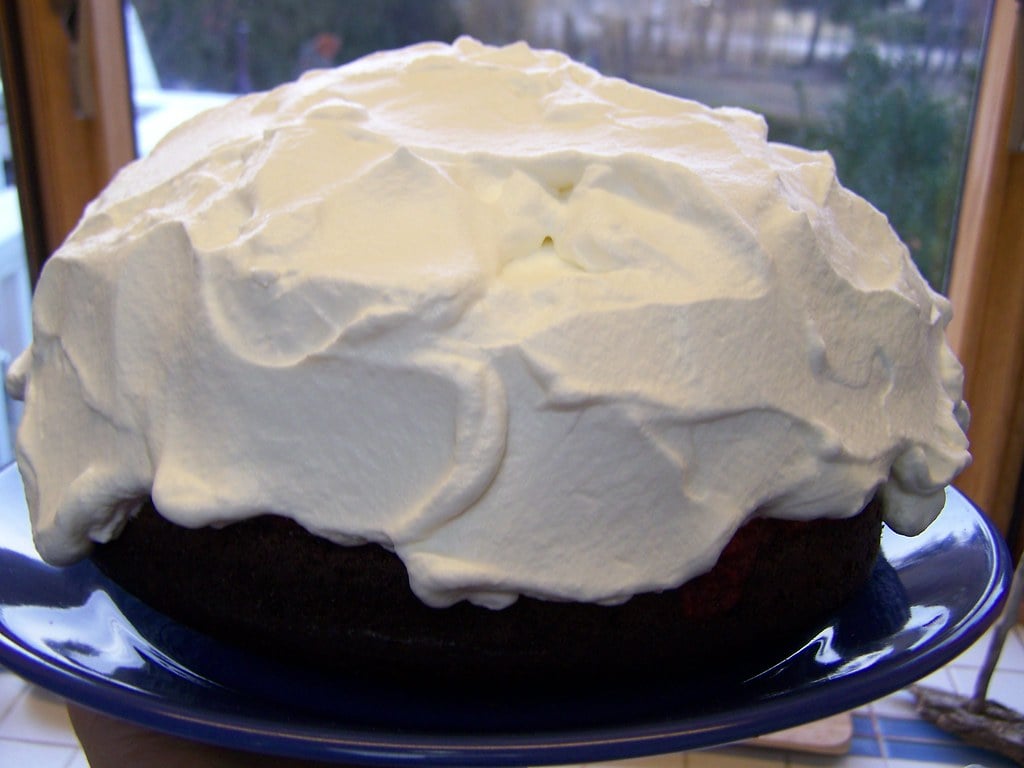
No eggs, no butter, no milk. Wacky cake earned its name honestly.
You mixed cocoa powder, flour, sugar, and oil directly in the baking pan, made three wells, and poured in vinegar, vanilla, and water. Done.
The result defied logic. Rich, moist chocolate cake from ingredients that cost almost nothing and never spoiled on the shelf.
Mock Apple Pie
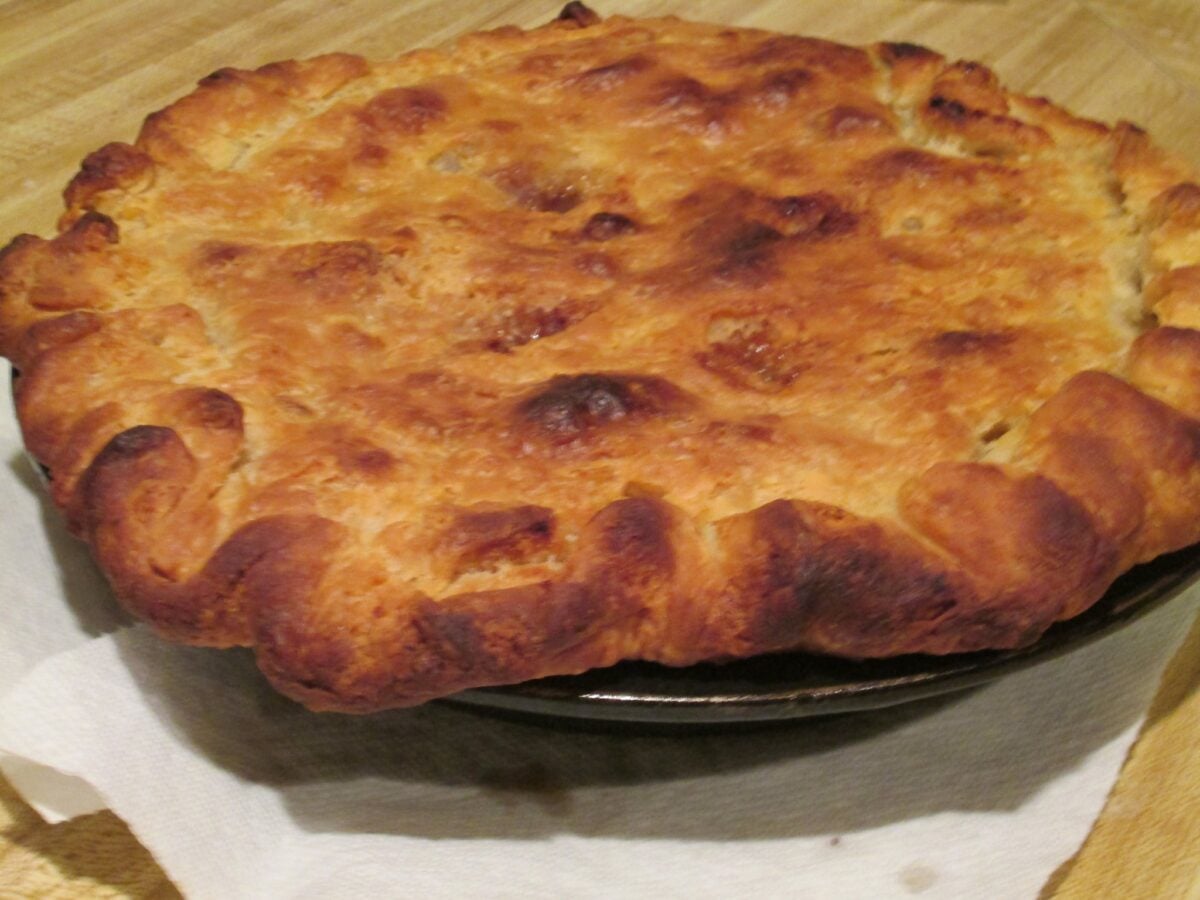
Ritz crackers soaked in sugar syrup and spiced with cinnamon created something that fooled the tongue completely. The crackers broke down just enough to mimic the texture of cooked apples, while the syrup carried all the familiar flavors of traditional apple pie.
Even when apples returned to reasonable prices, many families kept making it this way (turns out they actually preferred the consistency, which never went mushy or released too much juice into the crust). This wasn’t about missing apples — this was about discovering that expectation lives mostly in the first bite, and after that, satisfaction is just satisfaction.
Water Pie
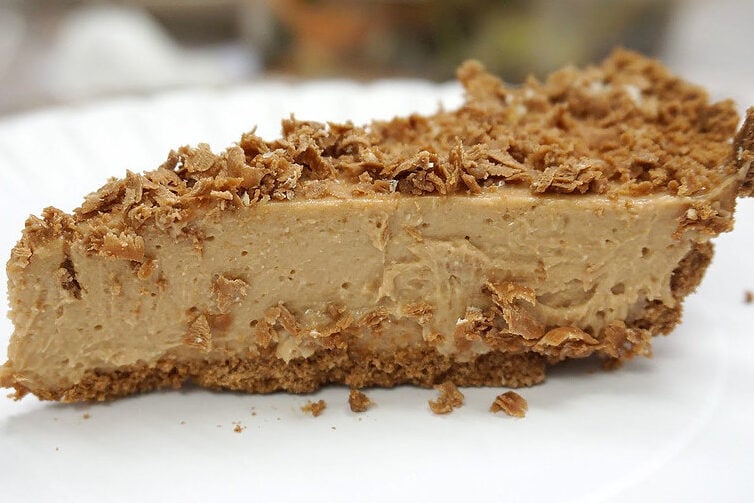
The name sounds like a joke until you see the actual pie. Sugar, flour, butter, vanilla, and water transformed in the oven into something that resembled chess pie or buttermilk pie.
The magic happened during baking when the simple ingredients separated and reformed into distinct layers — a custard-like bottom with a slightly firmer top. Water became the secret ingredient that nobody had thought to use before desperation made them try it.
The filling puffed and set into something rich enough that most people assumed cream or eggs had been involved.
Hoover Stew
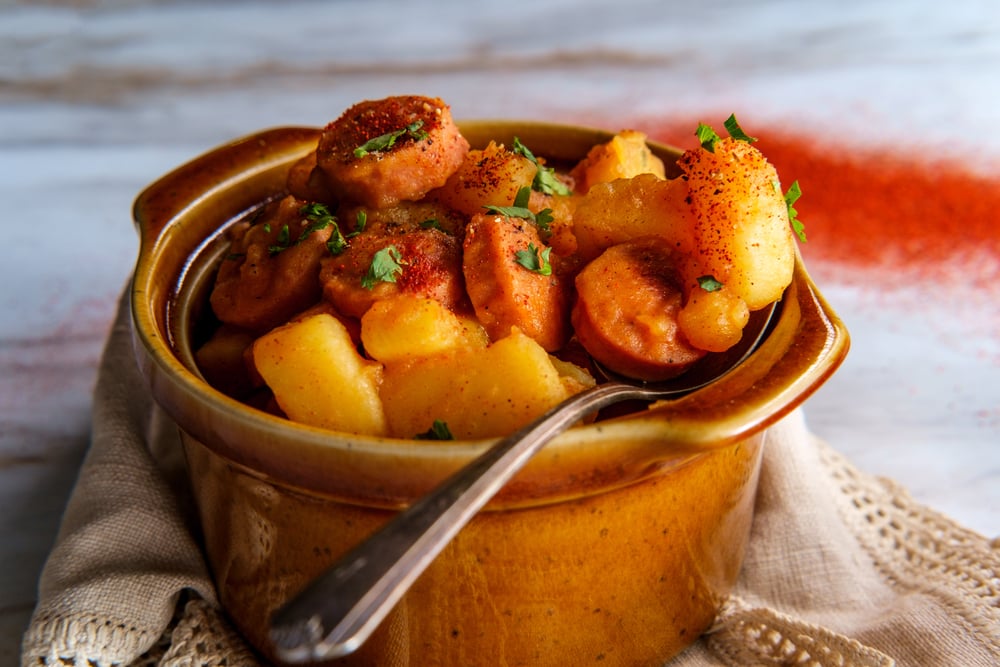
Named after the president who presided over the economic collapse, this stew contained whatever hadn’t gone bad yet. But there was a method to the randomness — the base was almost always potatoes and onions, stretched with whatever protein could be found (hot dogs, canned meat, leftover chicken), and thinned with tomato juice or broth.
The genius was in the layering: sturdier vegetables went in first, delicate ones added near the end, so everything finished cooking at the same moment despite the varying textures and cooking times. Every family’s version tasted different, but somehow they all tasted right.
And every family claimed their particular combination was the authentic one, even though authenticity was never the point.
Dandelion Salad
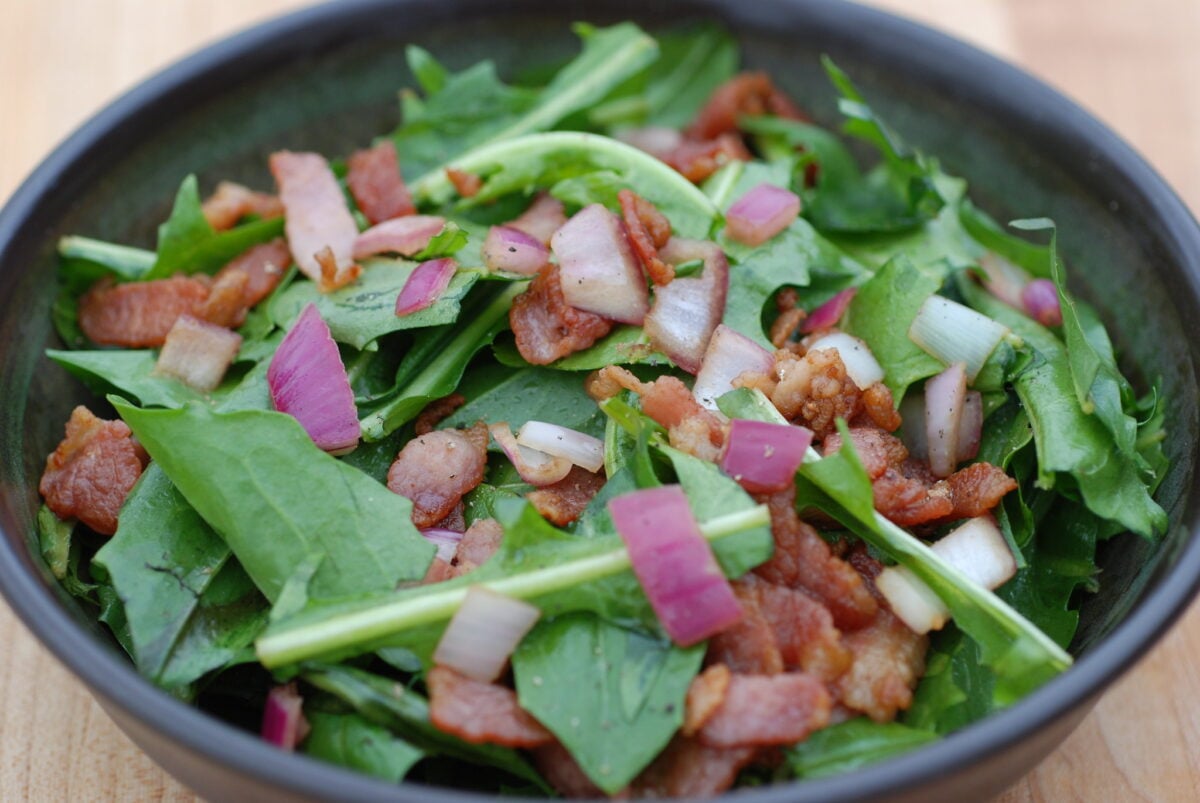
Before suburbia declared war on dandelions, people recognized them as free groceries growing in their own yards. The young leaves, picked before the flowers appeared, had a pleasant bitter edge that paired well with whatever dressing could be assembled from pantry staples — usually vinegar, a little oil if available, salt, and maybe some bacon grease for richness.
This was foraging disguised as salad making. The same weeds that would later require expensive chemicals to eliminate had once been dinner.
What changed wasn’t the plant — what changed was the relationship between scarcity and status.
Milk Toast

Stale bread got a second life when soaked in warm milk and seasoned with salt, pepper, and butter. The bread absorbed the liquid and transformed into something between porridge and pudding — comfort food that required almost no chewing and sat gently in an empty stomach.
Children especially loved it. Adults pretended it was just practical.
Peanut Butter Bread
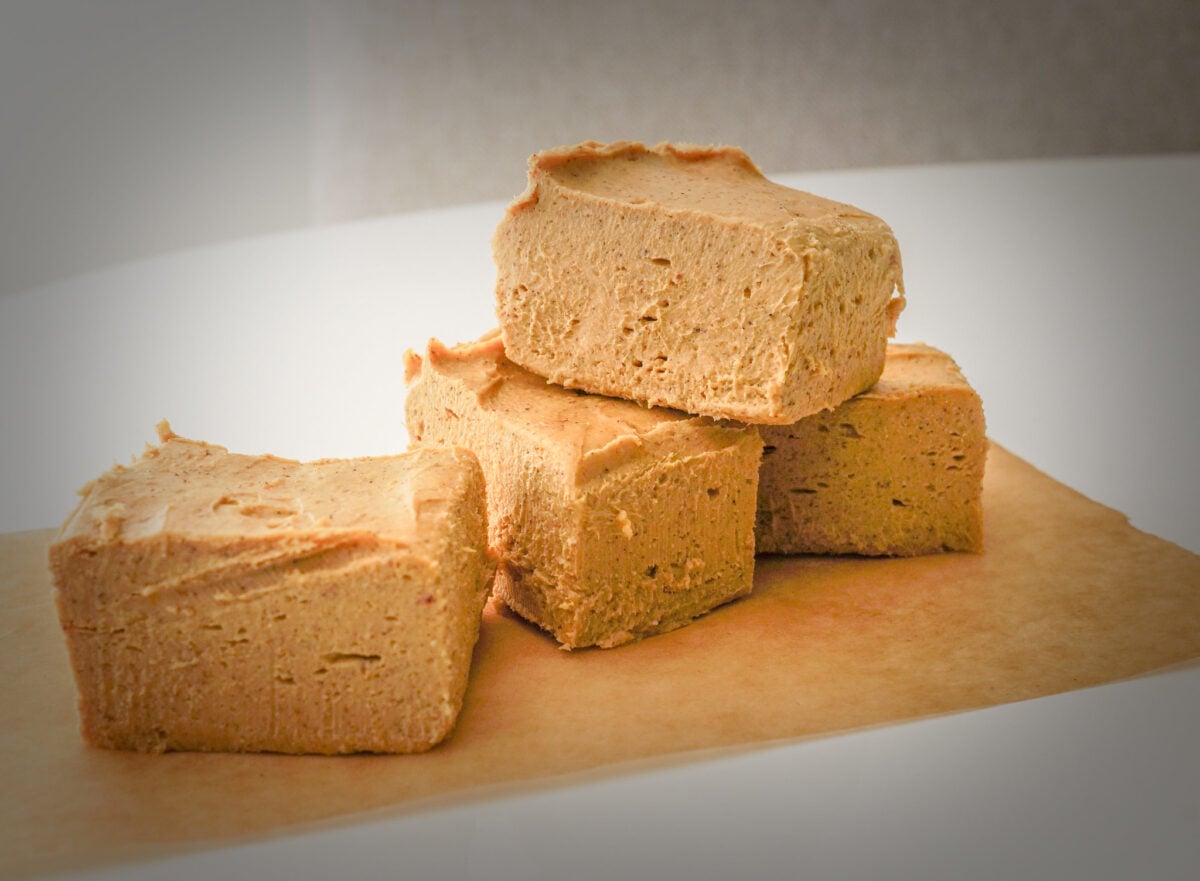
This wasn’t peanut butter spread on bread. This was bread with peanut butter baked directly into the dough, creating a protein-rich loaf that could serve as both the starch and the main course of a meal.
The peanut flavor ran through every bite, and the oils from the peanut butter kept the bread moist for days. Sliced thick and served with jelly when available, or just eaten plain when it wasn’t, peanut butter bread filled the gap between snack and meal in a way that regular bread never could.
Potato Candy
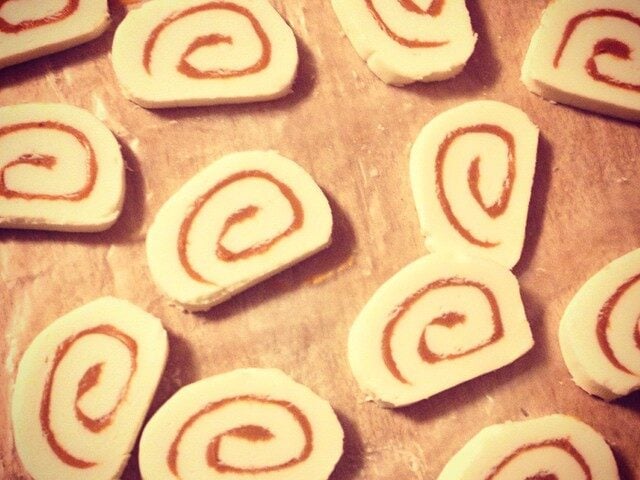
Sugar was expensive, but potatoes were cheap. Mash one small potato, then work in enough powdered sugar to create a dough that could be rolled flat.
Spread with peanut butter, roll up like a jelly roll, and slice into rounds. The result looked like fancy pinwheel cookies and tasted like fudge.
But here’s what made it remarkable: the potato completely disappeared in the final product, leaving behind only a creamy sweetness that nobody could identify. You had to know the secret to believe it, and most people refused to believe it even after being told.
Clara’s Depression Soup
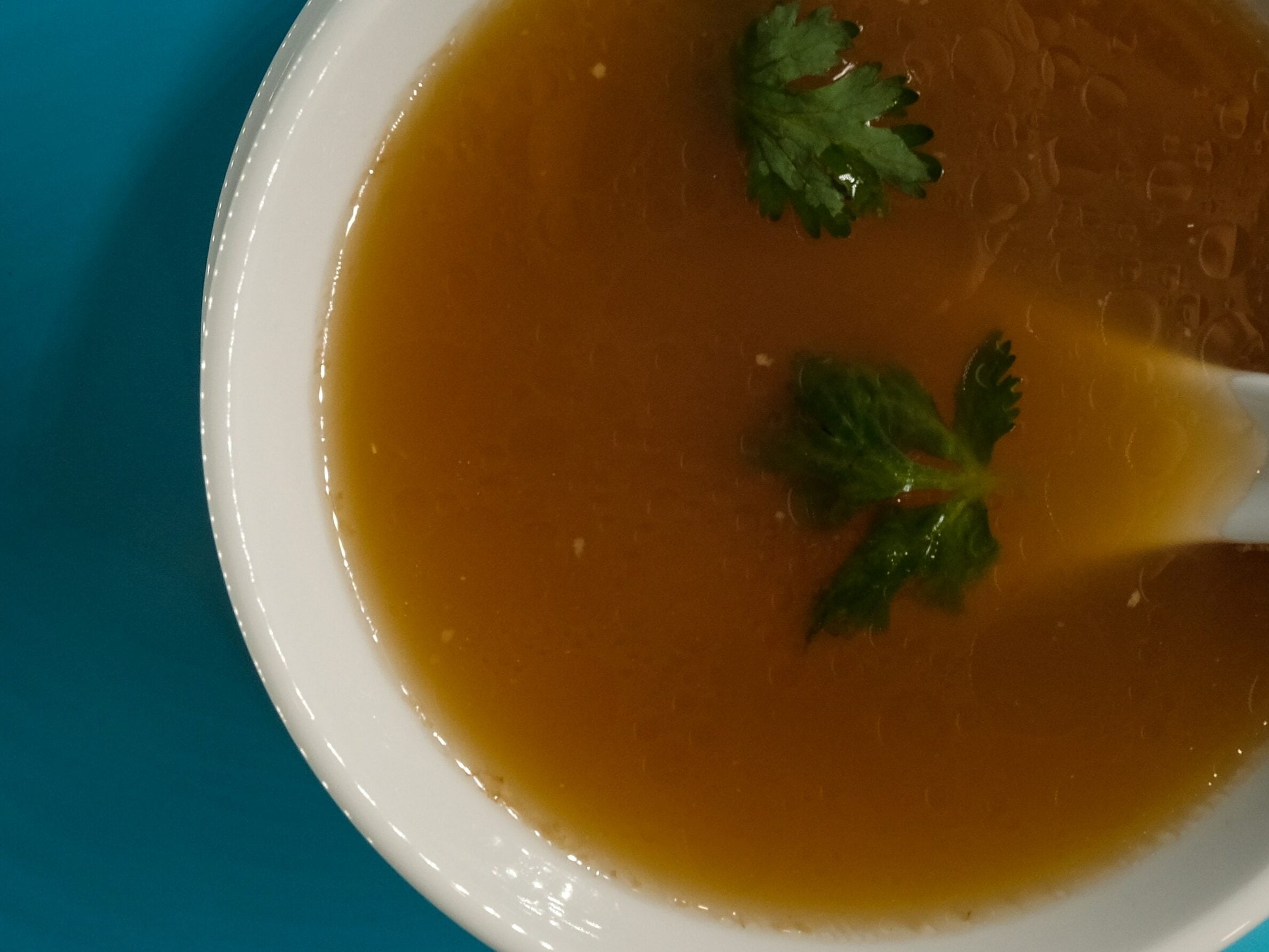
Named after Clara, who became famous decades later for her YouTube channel about Depression cooking, this soup stretched a single can of tomatoes into a full meal for four people. Add water, a handful of pasta (usually broken spaghetti), some onion if available, salt, pepper, and whatever herbs could be found growing wild.
The tomatoes provided just enough acidity and flavor to make the whole pot taste intentional rather than desperate. And it was filling.
The pasta absorbed the tomato broth and swelled into something substantial enough to carry a family through to the next meal. Clara made it well into her 90s, long after she could afford much fancier ingredients, because it reminded her that she had survived everything that came before.
Egg Drop Soup Without Eggs
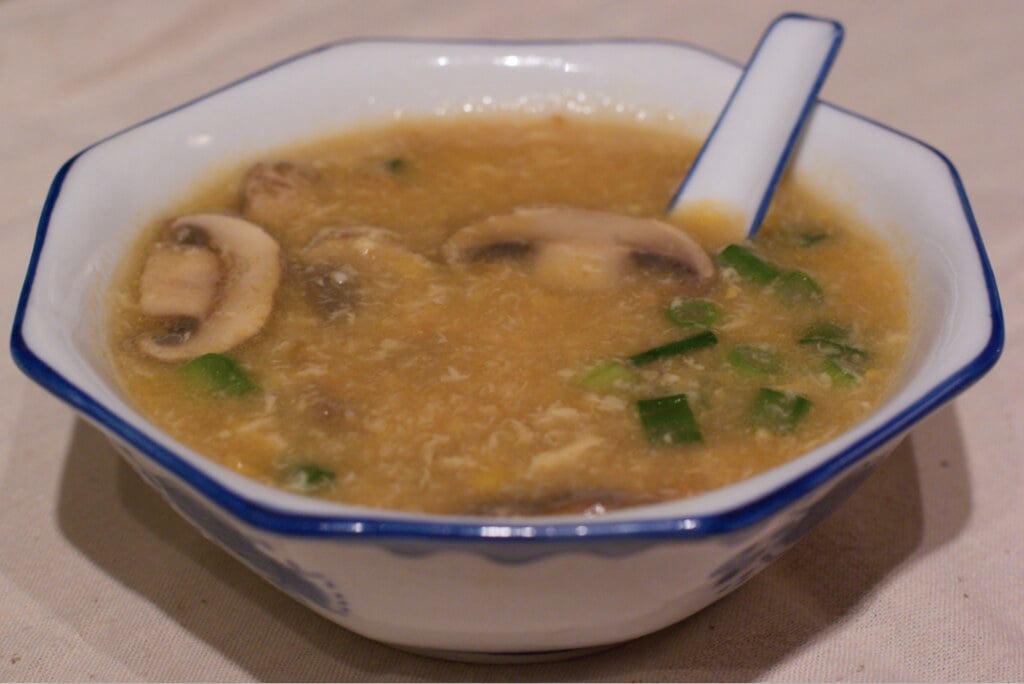
Beaten flour and water, drizzled slowly into hot chicken broth (or water flavored with chicken bouillon if actual broth wasn’t available), created ribbons that looked remarkably like beaten eggs. Add some chopped green onions or any other vegetables on hand, and the result was surprisingly satisfying.
The texture was different from real egg drop soup — slightly thicker, more substantial — but the visual similarity was close enough to satisfy the craving for something that felt familiar and comforting.
Depression Cake (Also Called War Cake)
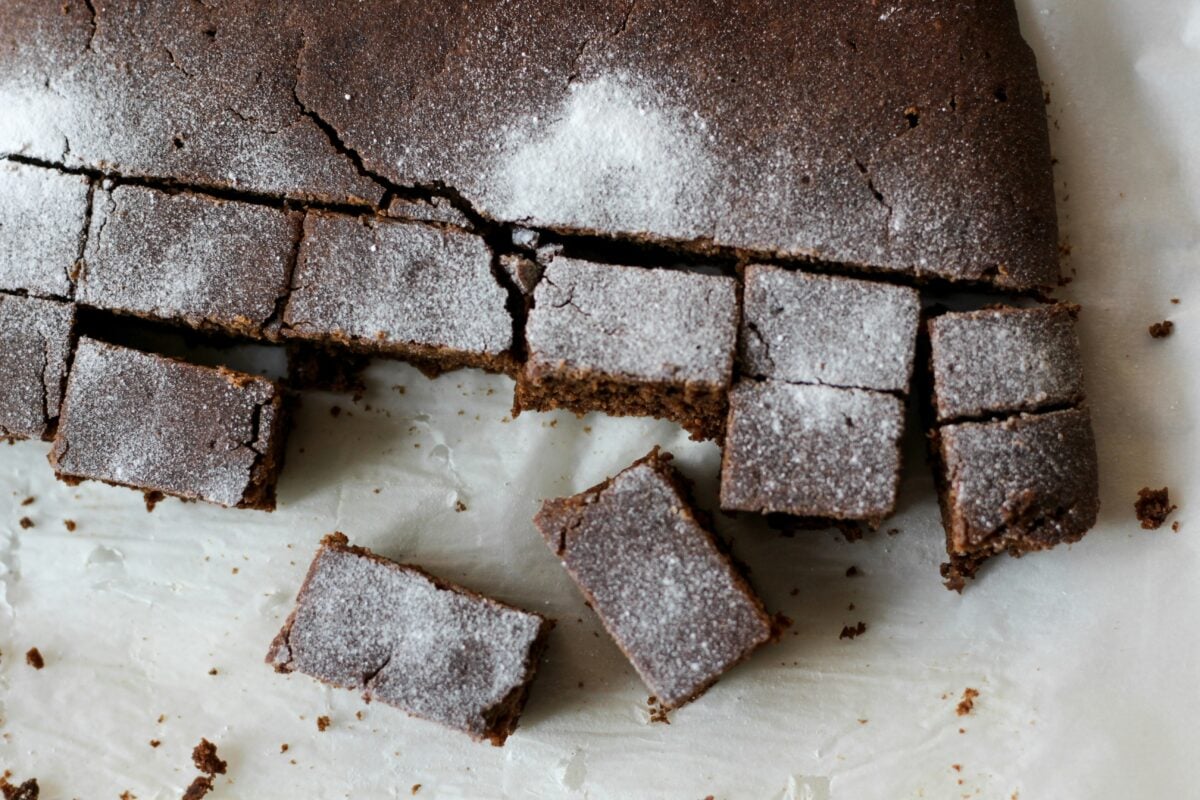
Similar to wacky cake but made with warm water instead of cold, and often including raisins or chopped apples when available. The warm water helped dissolve the sugar more completely and created a slightly different texture — more tender, less dense.
Spices were added generously because they were relatively cheap and made the cake taste much more complex than its simple ingredients suggested. This cake improved with age.
Day-old slices were actually better than fresh ones, as the flavors had time to meld and the crumb became more cohesive. Which was convenient, since most families needed it to last several days.
Vinegar Pie
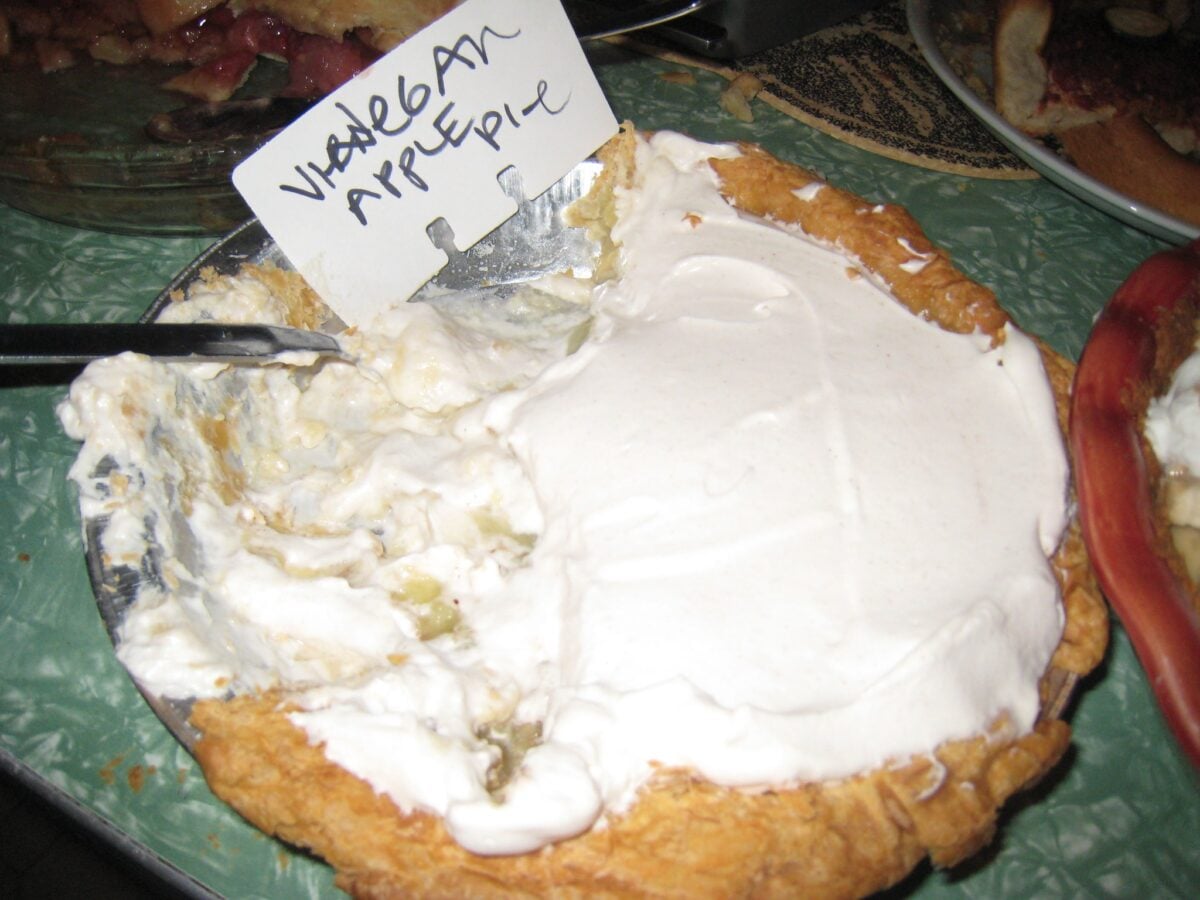
Vinegar, sugar, eggs (when available), and a little flour created a filling that tasted remarkably similar to lemon meringue pie without requiring any lemons. The acetic acid in vinegar provided the same bright tartness that citrus would have contributed, while the sugar balanced the sharpness into something genuinely pleasant.
The filling set up beautifully during baking, creating the same custardy texture as more expensive pies. Most people who tried it without knowing the ingredients couldn’t identify what created the tangy flavor — they just knew it tasted right.
Cream of Nothing Soup
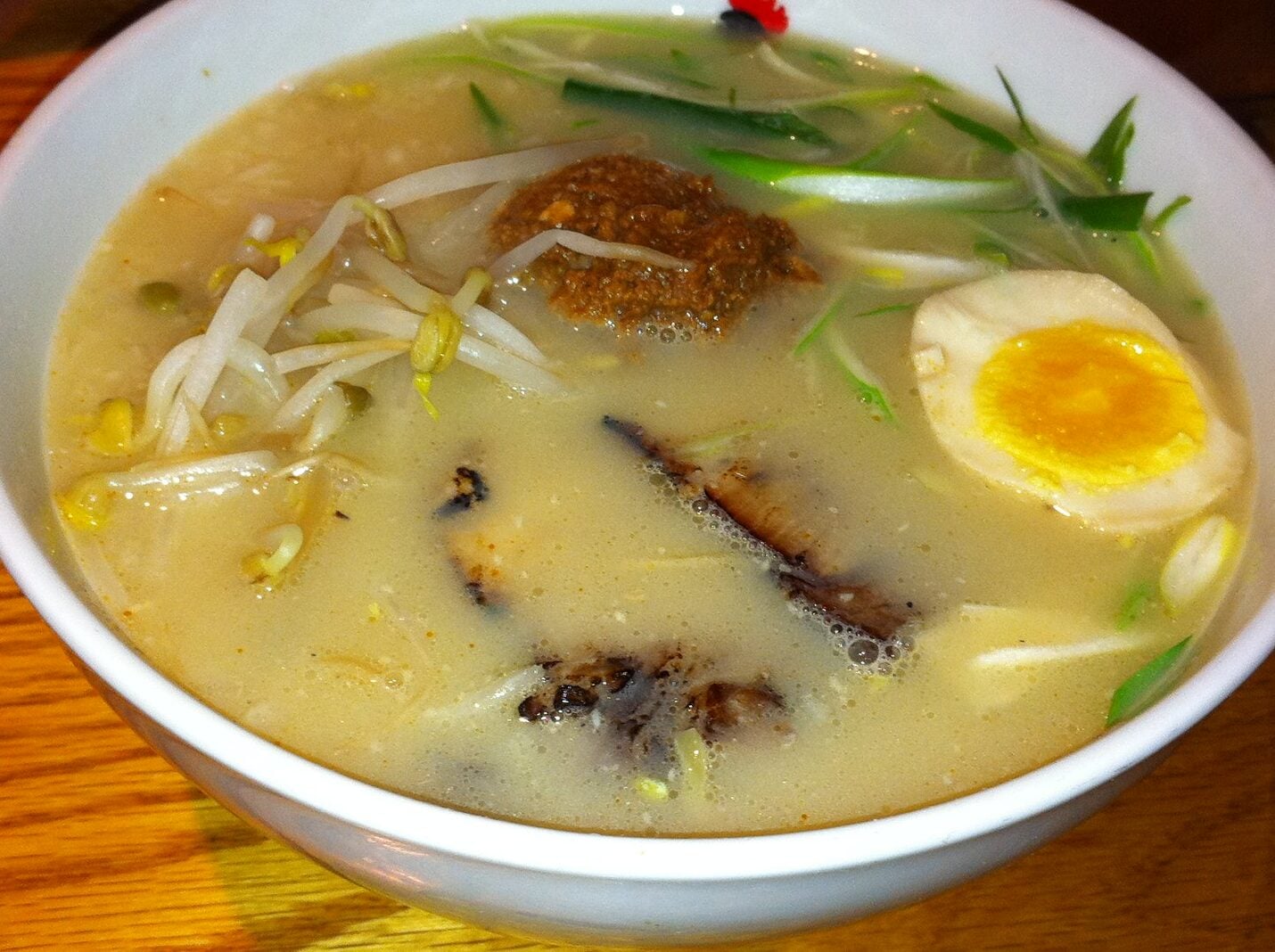
Flour browned in a dry pan until it developed a nutty flavor, then whisked with milk (or water if milk wasn’t available) and seasoned heavily with salt, pepper, and any herbs that could be found. The browned flour provided both thickening power and a surprisingly rich taste that made the soup feel more substantial than its minimal ingredients suggested.
Served with crackers or stale bread for dipping, this became a complete meal that warmed the body and filled the stomach for very little cost.
When Scarcity Sparked Creativity
These recipes didn’t disappear when prosperity returned. Many families continued making them through the 1950s and beyond, not because they had to, but because they had discovered something valuable in the process of making do.
The Depression had taught them that satisfaction didn’t require abundance — it just required paying attention to what was actually possible with what was actually available. And the photographs from those kitchen tables tell a story that goes beyond mere survival.
They show families gathered around meals that nobody had planned to invent, sharing food that had emerged from creativity rather than tradition. The faces in those pictures don’t look deprived. They look like people who had figured something out.
More from Go2Tutors!

- The Romanov Crown Jewels and Their Tragic Fate
- 13 Historical Mysteries That Science Still Can’t Solve
- Famous Hoaxes That Fooled the World for Years
- 15 Child Stars with Tragic Adult Lives
- 16 Famous Jewelry Pieces in History
Like Go2Tutors’s content? Follow us on MSN.