15 Wedding Traditions With Surprisingly Dark Origins
Wedding traditions that seem romantic and charming today often have surprisingly dark historical roots. Many customs we consider essential parts of modern weddings actually originated from ancient practices involving kidnapping, ownership, and protection from evil spirits. These traditions evolved over centuries, gradually losing their original meanings while retaining their ceremonial importance.
Understanding these origins doesn’t diminish the beauty of modern weddings — it simply reveals how human customs adapt and transform over time. Here is a list of 15 wedding traditions with surprisingly dark origins.
The Wedding Veil
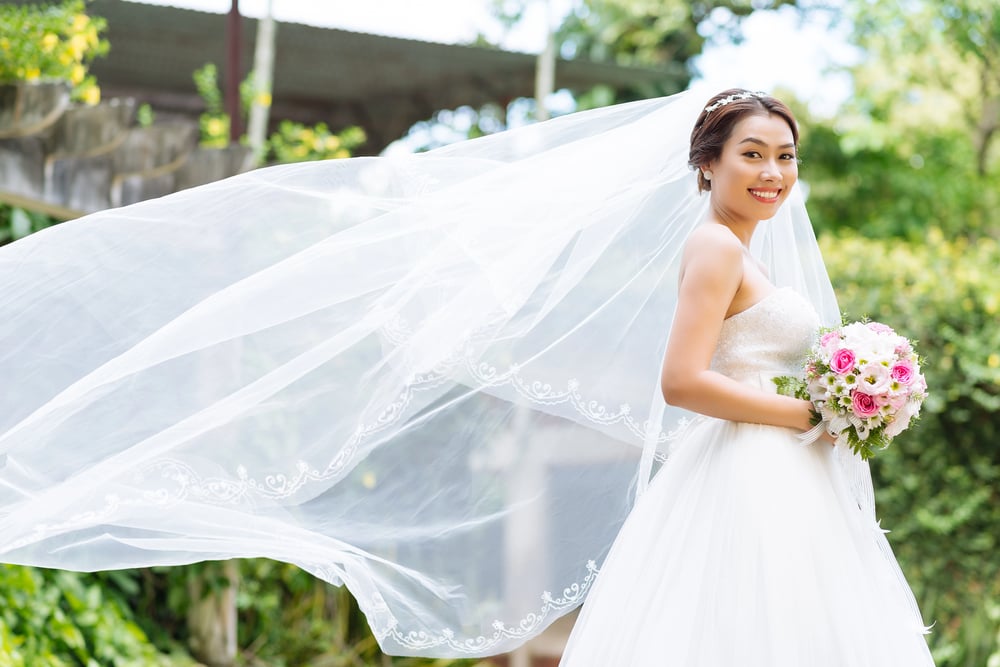
The bridal veil wasn’t originally meant to enhance beauty — it was designed to hide the bride’s identity from evil spirits and rival suitors. Ancient Romans believed that malevolent forces would try to harm brides on their wedding day, so veils provided supernatural protection.
The tradition also served a more practical purpose: in arranged marriages, veils prevented grooms from seeing their bride’s face until after the ceremony was complete. This ensured the groom couldn’t back out if he found his bride unattractive.
Carrying the Bride Over the Threshold
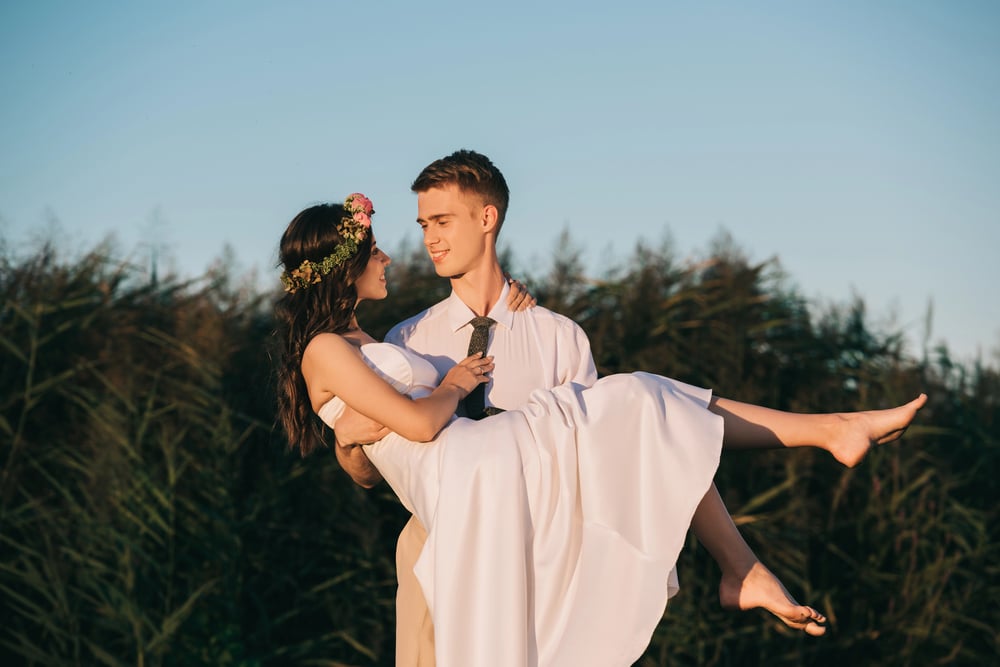
This romantic gesture has roots in ancient bride kidnapping practices. Roman grooms would literally carry their captured brides into their new homes to prevent them from fleeing — the threshold represented the point of no return.
The tradition also stems from the belief that evil spirits lingered at doorways, waiting to possess new brides. By carrying her across, the groom protected his wife from supernatural harm while simultaneously ensuring she couldn’t escape.
Like Go2Tutors’s content? Follow us on MSN.
The Wedding Ring on the Fourth Finger
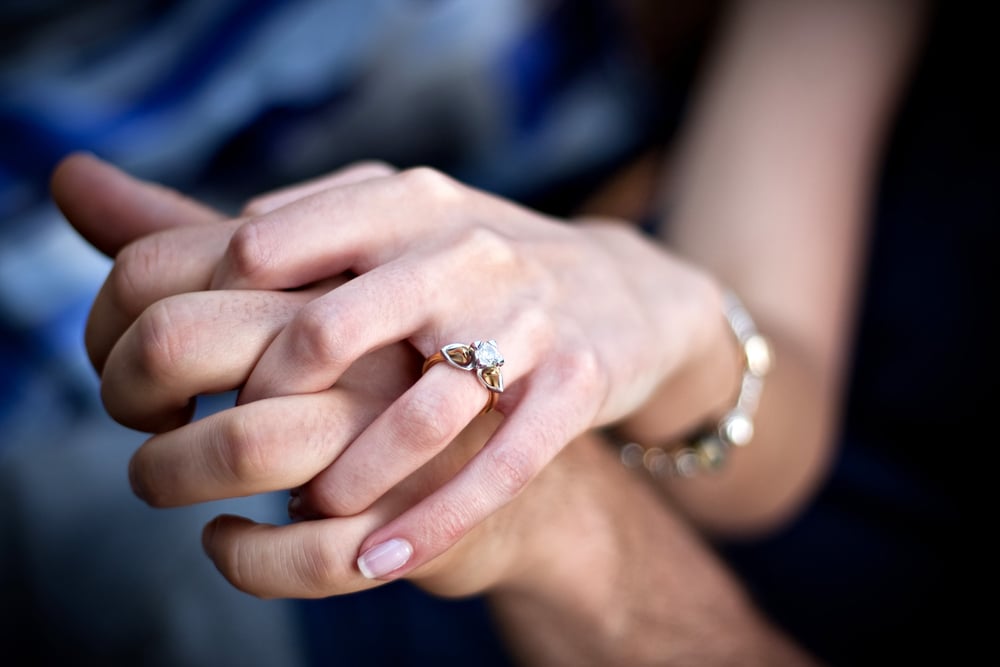
The Romans believed a vein ran directly from the fourth finger of the left hand to the heart — they called it the ‘vena amoris’ or vein of love. While this anatomical belief was completely incorrect, it wasn’t the only reason for this finger choice.
The fourth finger was also considered the weakest, making it the perfect place to symbolically bind a woman to her husband. The circular shape represented eternal bondage rather than eternal love.
Bridesmaids Wearing Similar Dresses
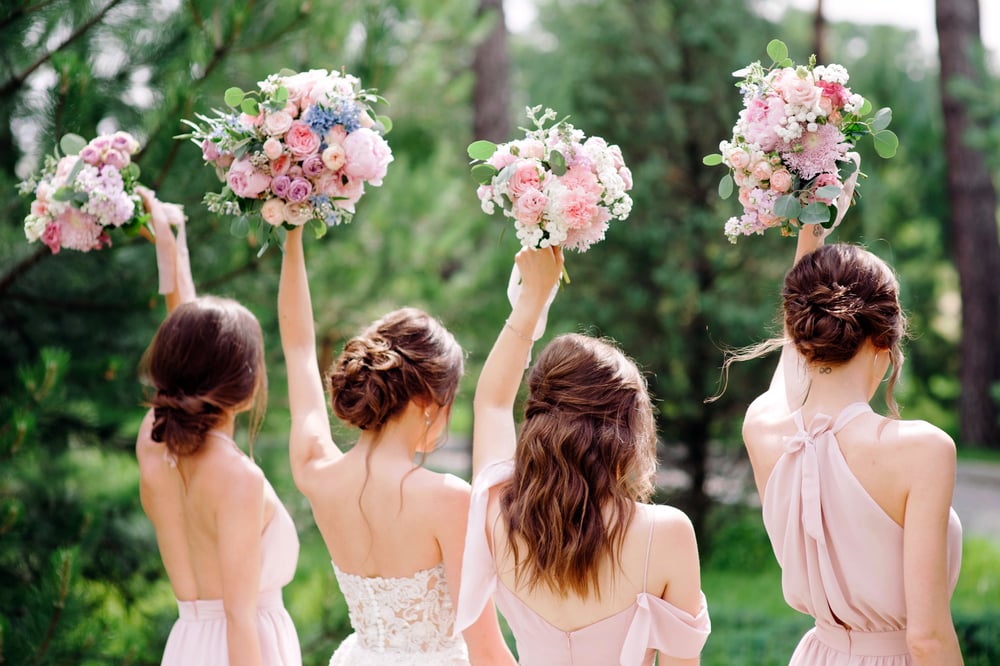
Bridesmaids originally dressed identically to the bride to confuse evil spirits and potential kidnappers. Ancient weddings were dangerous affairs where rival tribes might attempt to steal brides during ceremonies — having multiple women dressed alike made it harder to identify the actual bride.
The practice also served as protection against supernatural forces that might target the bride specifically. Roman law even required ten witnesses dressed similarly to make weddings legally binding.
The Best Man

The best man’s role originated from the need for a strong warrior to help kidnap brides from neighboring tribes. The groom would choose his strongest friend to assist in capturing his intended bride and fighting off her family or other suitors.
During the ceremony, the best man stood guard with a sword to protect against rescue attempts or rival claimants. This tradition explains why the best man traditionally stands to the groom’s right — keeping his sword hand free for combat.
Like Go2Tutors’s content? Follow us on MSN.
Wedding Bells
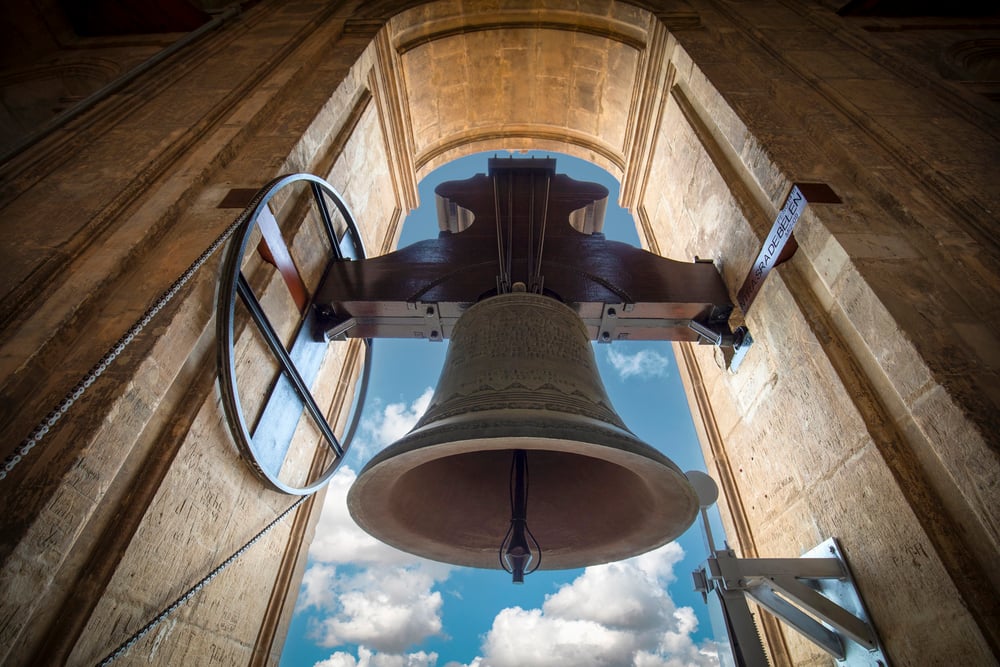
Church bells weren’t rung to celebrate marriages — they were used to ward off evil spirits and demons. Medieval Europeans believed that loud noises could drive away malevolent forces that might curse the union or harm the couple.
The tradition became so important that couples would pay extra for extended bell ringing to ensure maximum protection. Some communities required bells to ring for hours after the ceremony to maintain the spiritual barrier.
The Garter Toss
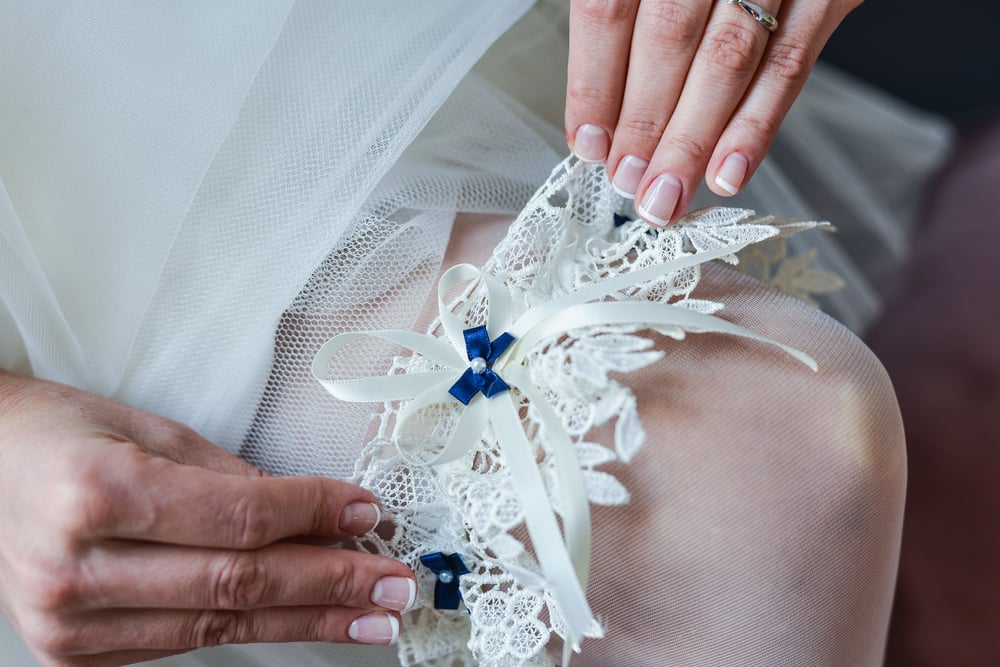
The garter tradition has disturbing origins in medieval bedding ceremonies where wedding guests would literally escort the couple to their marriage bed. Guests would try to tear pieces of the bride’s clothing as good luck tokens — a practice that often became violent and traumatic.
To avoid this dangerous mob behavior, brides began throwing their garters to the crowd before retreating to safety. The tradition evolved into a less threatening ceremony, though it retained its connection to the wedding night.
Something Old, Something New, Something Borrowed, Something Blue

This charming rhyme originally involved much darker symbolic elements. ‘Something old’ represented the bride’s past life that she was leaving behind forever — often including her family ties and personal identity.
‘Something blue’ didn’t symbolize loyalty but rather the bruises a bride might expect in her new life. The tradition was meant to prepare brides for the harsh realities of marriage in patriarchal societies where women had few rights.
Like Go2Tutors’s content? Follow us on MSN.
The Unity Candle

Unity candles weren’t about romantic symbolism — they were practical tools for ensuring marriages couldn’t be easily dissolved. The ceremony represented the legal and spiritual binding of two families, with the flame symbolizing the impossibility of separating what had been joined.
If either partner died, the remaining flame would continue burning to show that the union persisted beyond death. The tradition emphasized permanence and obligation rather than love and partnership.
Throwing Rice or Confetti

Ancient Greeks and Romans threw grains at newlyweds to ensure fertility — but the practice had darker implications about women’s primary purpose in marriage. The tradition reduced wives to their reproductive function, with the thrown items symbolizing the expectation that they would bear many children.
Communities would sometimes throw heavier objects if couples had been married for years without producing offspring. Modern confetti evolved from this fertility-focused practice.
The Honeymoon

The term ‘honeymoon’ comes from ancient Germanic and Celtic traditions where newlyweds would drink honey wine (mead) for a full moon cycle after their wedding. This wasn’t romantic — it was believed to increase fertility and ensure the bride would conceive quickly.
The isolation period also gave kidnapped brides time to accept their situation before meeting their new community. The practice essentially amounted to a month-long imprisonment disguised as a celebration.
Like Go2Tutors’s content? Follow us on MSN.
Wedding Cake
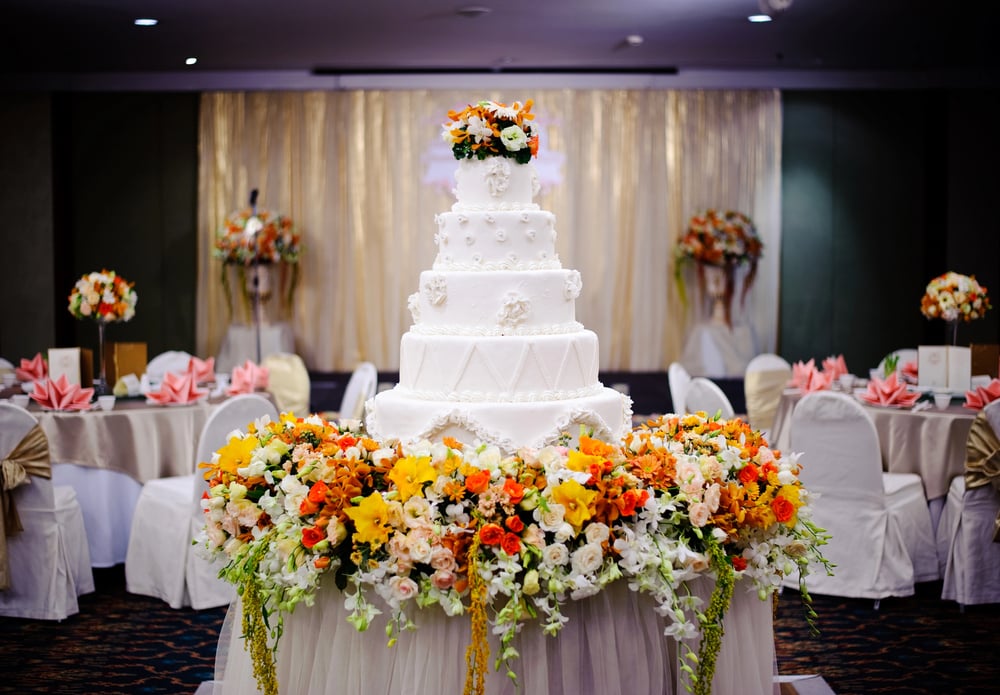
The wedding cake tradition originated from ancient Rome, where grooms would break barley cakes over brides’ heads to ensure fertility and demonstrate dominance. Guests would scramble to collect the crumbs for good luck, often creating violent scrums around the traumatized bride.
The practice evolved into stacked cakes that couples would cut together, though the symbolism of sharing resources remained. Early wedding cakes were also used to seal business agreements between families.
The Bouquet Toss

The bouquet toss evolved from medieval practices where single women would aggressively pursue brides to touch their dresses for good luck. These encounters often turned violent, with women tearing at the bride’s clothing and sometimes injuring her in their desperation.
Brides began throwing their bouquets to distract the crowd and escape safely to their wedding chambers. The tradition transformed into a more civilized custom, though it retained the competitive element.
White Wedding Dresses
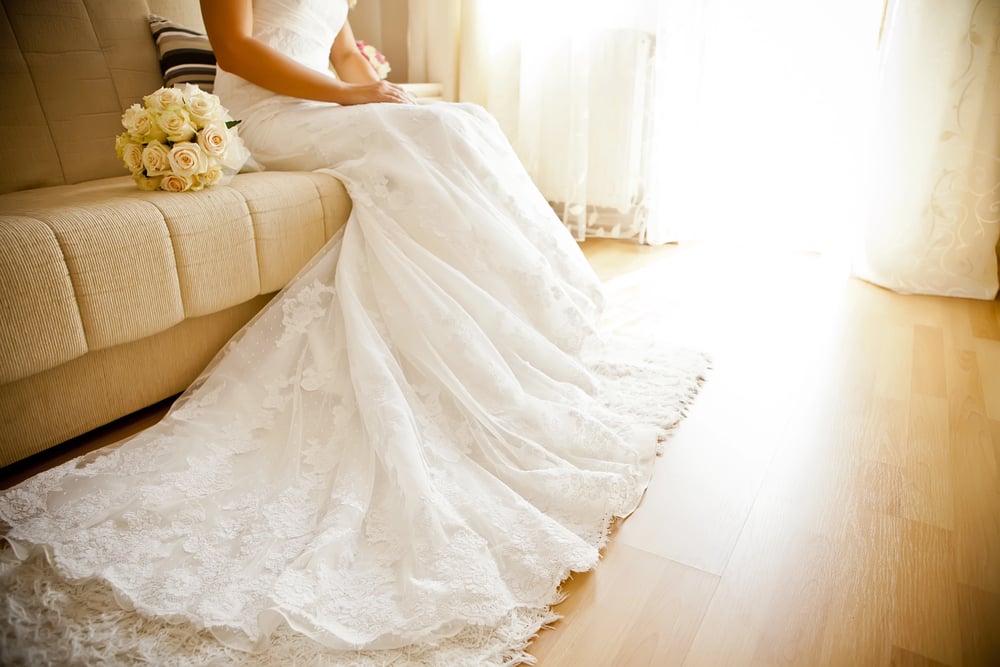
White wedding dresses weren’t originally about purity — they were status symbols that demonstrated a family’s wealth and the bride’s virginity to potential business partners. The color white was expensive and impractical, proving that the bride had never performed manual labor.
More importantly, white clothing showed that the bride had been carefully guarded and was suitable for producing legitimate heirs. The tradition became widespread after Queen Victoria’s wedding, but the underlying message about women’s worth remained unchanged.
Like Go2Tutors’s content? Follow us on MSN.
Walking Down the Aisle
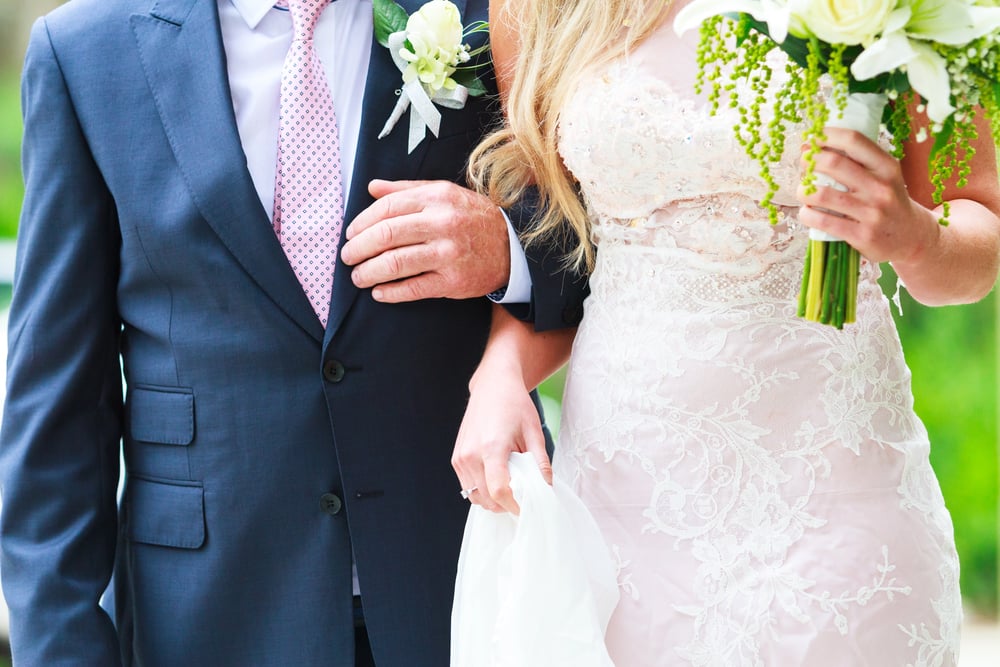
The bridal procession originated from the practice of fathers literally delivering their daughters to their new owners. The aisle walk represented the transfer of property from one male guardian to another, with the bride as the commodity being exchanged.
Traditional wedding language still includes phrases like ‘giving away the bride’ that reflect this ownership transfer. The father’s role in escorting his daughter symbolized his approval of the business transaction disguised as a romantic ceremony.
From Darkness to Light
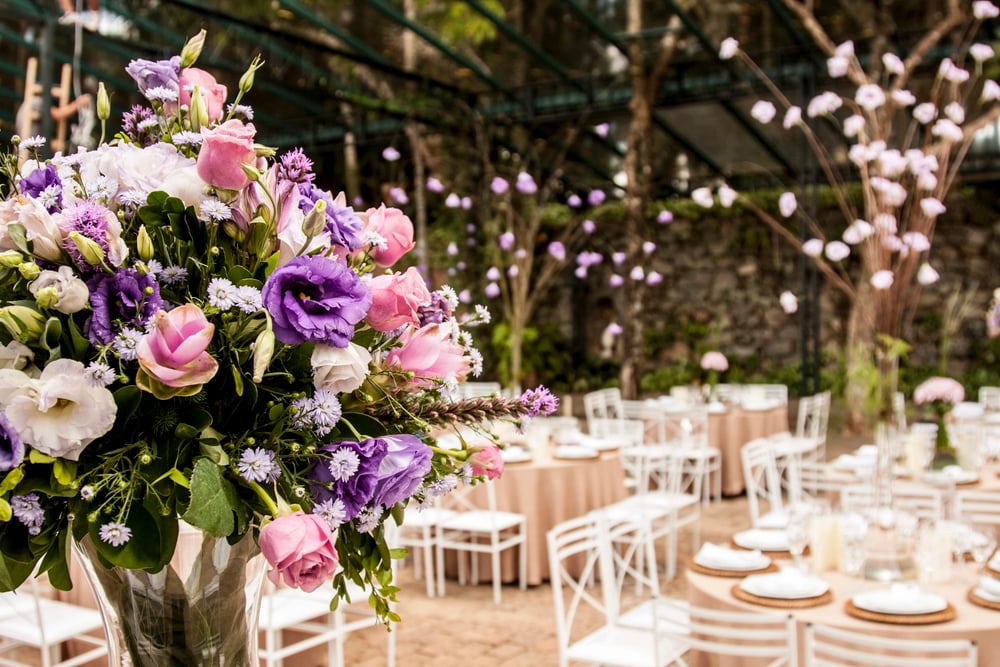
These dark origins remind us how far wedding traditions have evolved from their troubling beginnings. Modern couples have transformed practices rooted in kidnapping, ownership, and superstition into celebrations of love and partnership.
While the historical context is disturbing, it highlights the remarkable progress in how societies view marriage and women’s rights. Today’s weddings may use these ancient traditions, but they’ve been completely reimagined to reflect contemporary values of equality, consent, and genuine affection between partners.
More from Go2Tutors!

- 16 Historical Figures Who Were Nothing Like You Think
- 12 Things Sold in the 80s That Are Now Illegal
- 15 VHS Tapes That Could Be Worth Thousands
- 17 Historical “What Ifs” That Would Have Changed Everything
- 18 TV Shows That Vanished Without a Finale
Like Go2Tutors’s content? Follow us on MSN.



