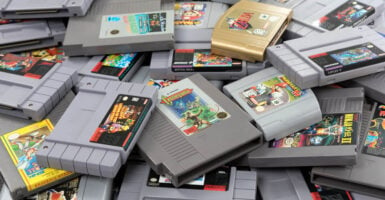
28 ’80s TV Catchphrases Kids At School Repeated For Weeks
The playground became a theater of television echoes during the ’80s. Every Monday morning, kids arrived armed with fresh catchphrases from weekend viewing, ready to pepper conversations with lines that had made them laugh from their living room floors.
Teachers rolled their eyes as entire classrooms adopted the same verbal tics, but there was something magical about how a single phrase could unite kids across different social circles — even if it drove adults slightly crazy.
Diff’rent Strokes – “Whatchu Talkin’ ‘Bout, Willis?”
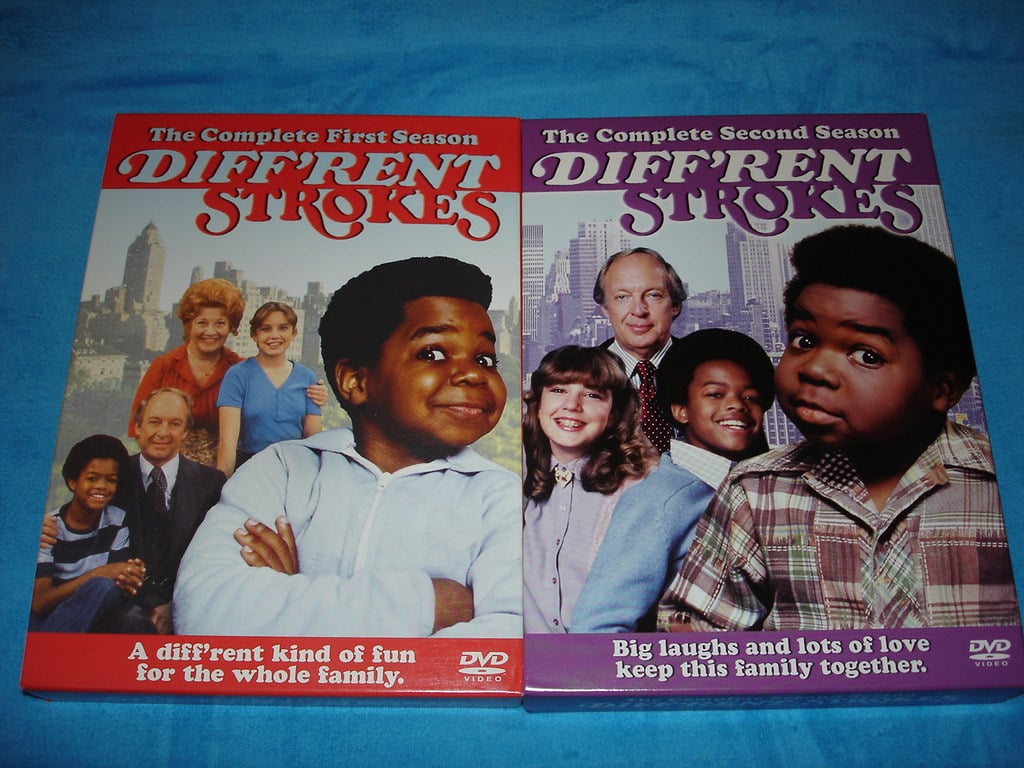
Arnold Jackson’s signature line became the default response to anything confusing, ridiculous, or just plain wrong. Kids deployed it with Gary Coleman’s exact inflection, complete with the head tilt and skeptical expression.
The phrase worked in math class, during cafeteria arguments, and whenever someone tried to convince you that homework was actually fun.
The A-Team – “I Pity The Fool!”
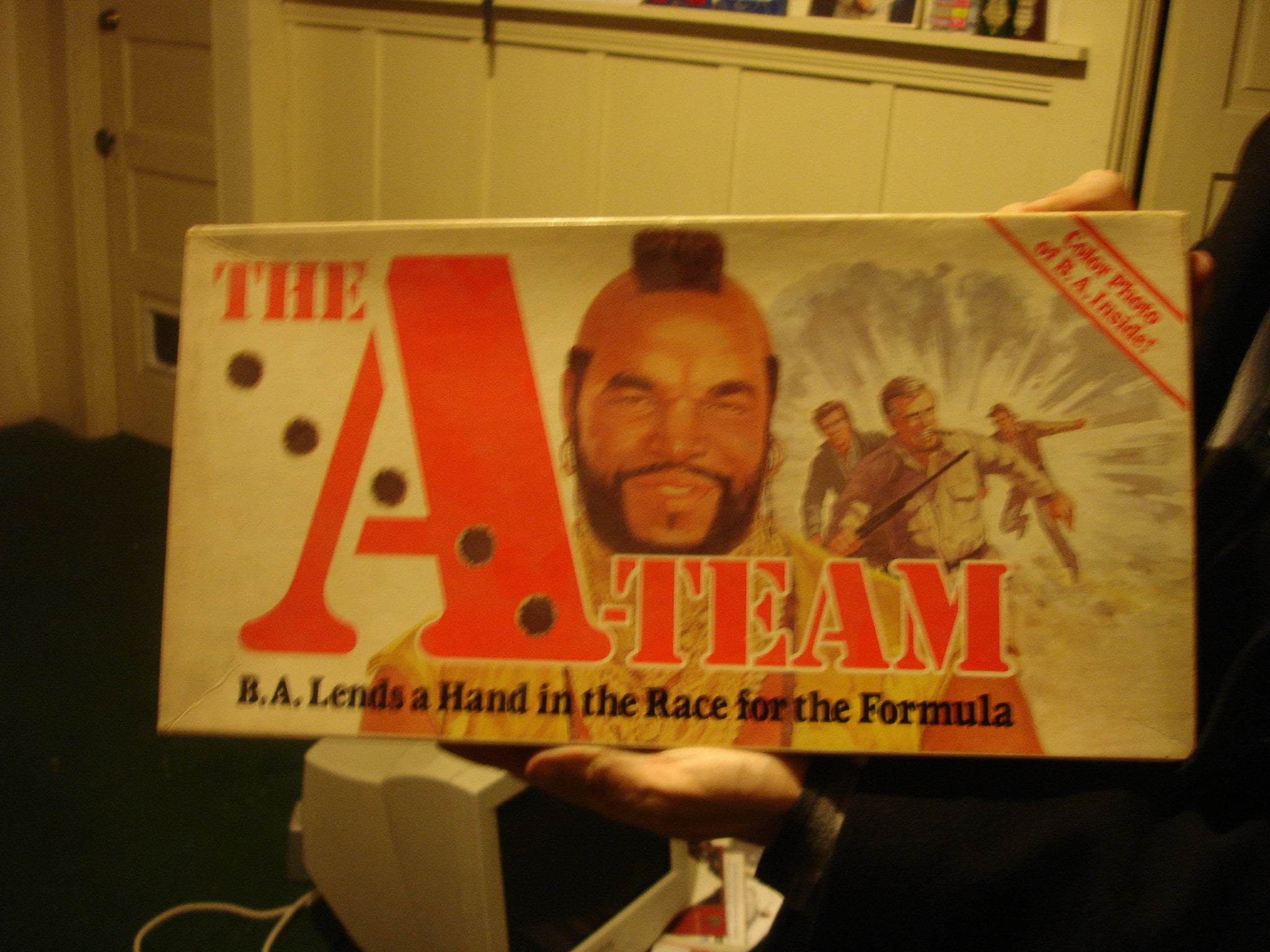
Mr. T didn’t just say this line (he borrowed it from Rocky III, actually) — he delivered it with such conviction that every kid felt personally empowered when they repeated it. Playground bullies suddenly found themselves facing pint-sized B.A. Baracus impersonators who clearly had no idea what they were getting into.
The mohawk was optional, but the attitude was mandatory.
Knight Rider – “KITT, I Need Ya Buddy!”
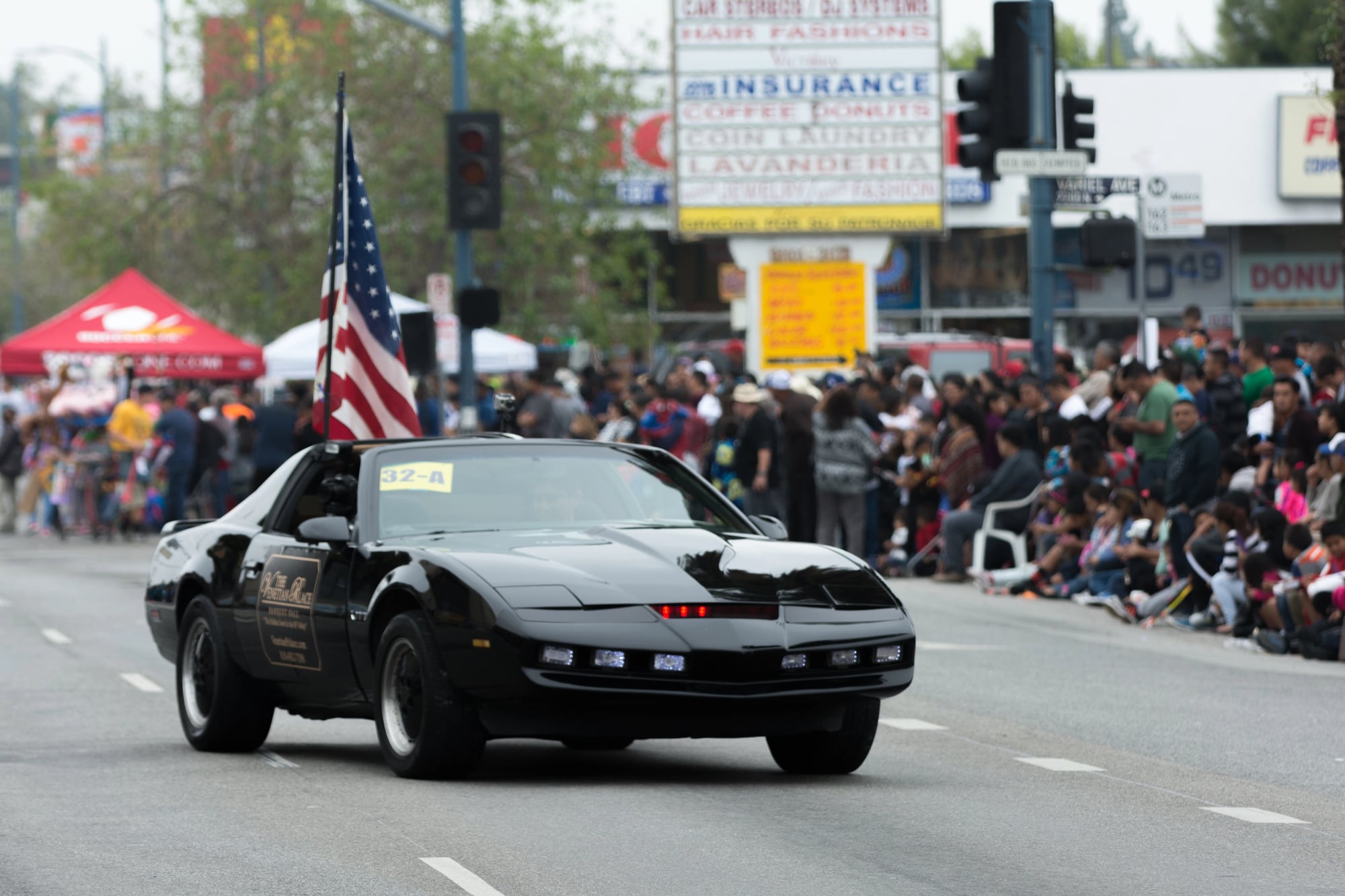
Michael Knight’s desperate calls to his talking car became the go-to phrase whenever you needed backup, whether that was finding your lost lunch money or convincing your friend to share their fruit snacks. Some kids (the truly committed ones) would even respond in KITT’s precise, slightly condescending voice: “Right away, Michael.”
The schoolyard suddenly had a lot more artificial intelligence than before.
The Dukes Of Hazzard – “Yee-Haw!”
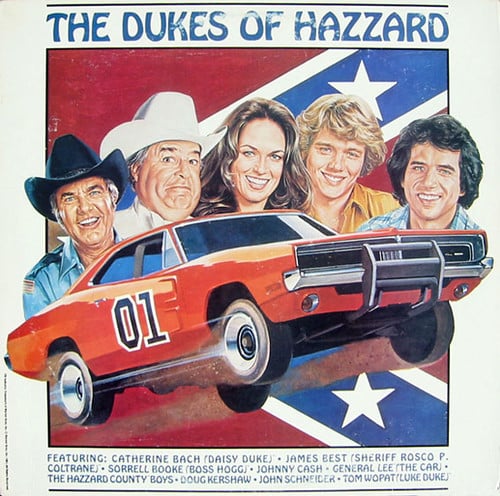
Bo and Luke Duke turned this classic cowboy exclamation into something kids shouted while jumping off playground equipment, racing down hallways, or attempting any moderately dangerous feat their parents definitely wouldn’t approve of. The Duke boys made reckless enthusiasm look cool, and elementary schools across America became temporarily filled with wannabe stunt drivers.
Happy Days – “Ayyyy!”

The Fonz had been snapping his fingers and saying “Ayyyy” since the ’70s, but reruns kept it alive well into the ’80s. Kids would attempt Fonzie’s leather jacket swagger (even without the jacket) and punctuate their coolest moments with that drawn-out vowel sound.
Most of them looked ridiculous, but confidence has always been more important than execution on the playground.
Magnum P.I. – “Did You See The Sunrise?”
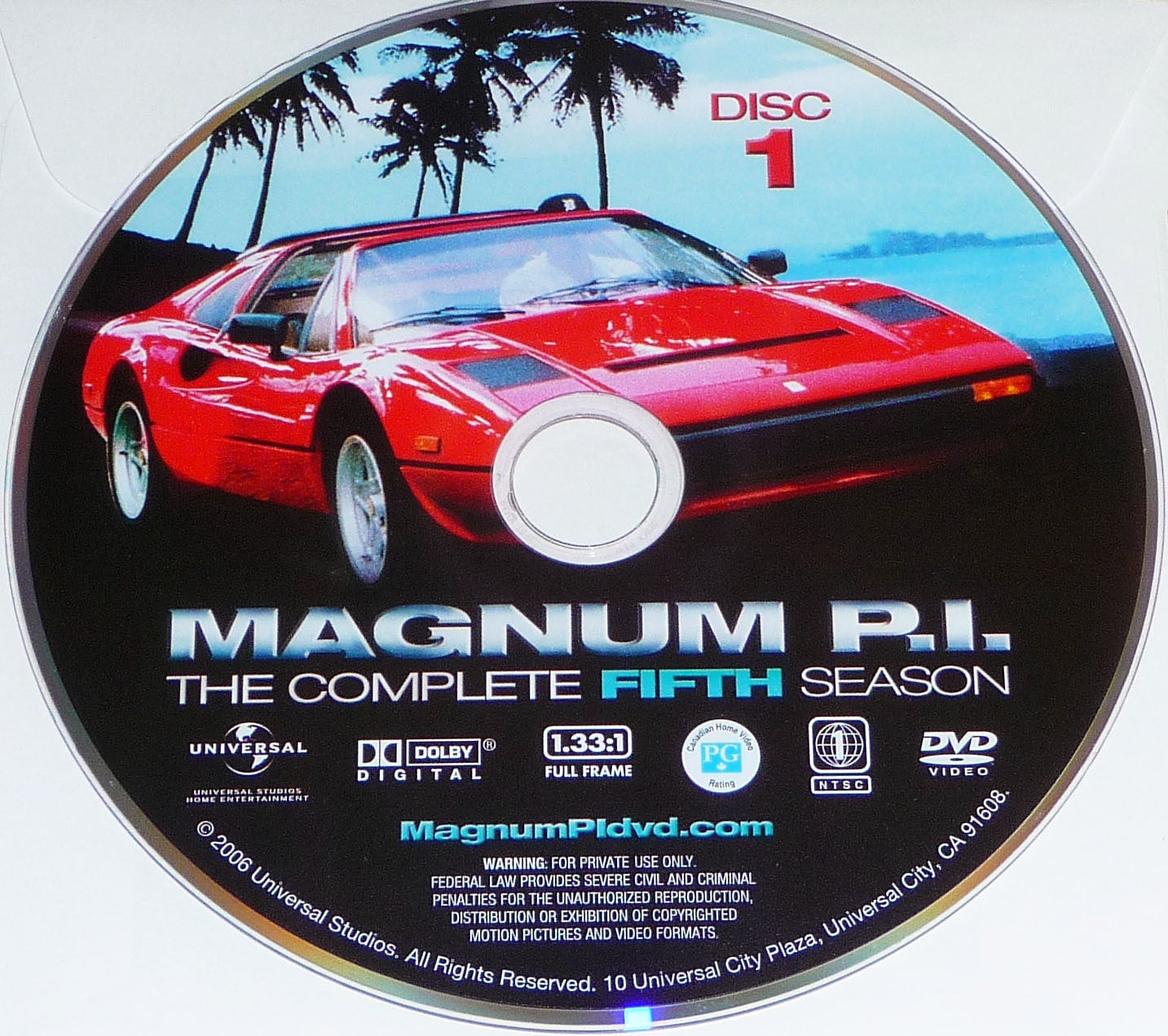
This wasn’t Tom Selleck’s most famous line, but it became a weird inside joke among kids who stayed up late enough to catch the show (and something their parents would quote wistfully when discussing their own lost youth). The real attraction was mimicking Magnum’s laid-back Hawaiian attitude — until you remembered you lived in Ohio and it was February.
Dynasty – “I Beg Your Pardon?”

Joan Collins as Alexis Carrington delivered this line with such icy disdain that kids began using it to respond to any perceived slight, from cafeteria food complaints to accusations of cutting in line. The dramatic pause before delivery was crucial — you had to let the other person know they had just crossed a very wealthy, very dangerous woman (even if you were actually a ten-year-old with grass stains on your jeans).
Webster – “Whatchu Got There?”
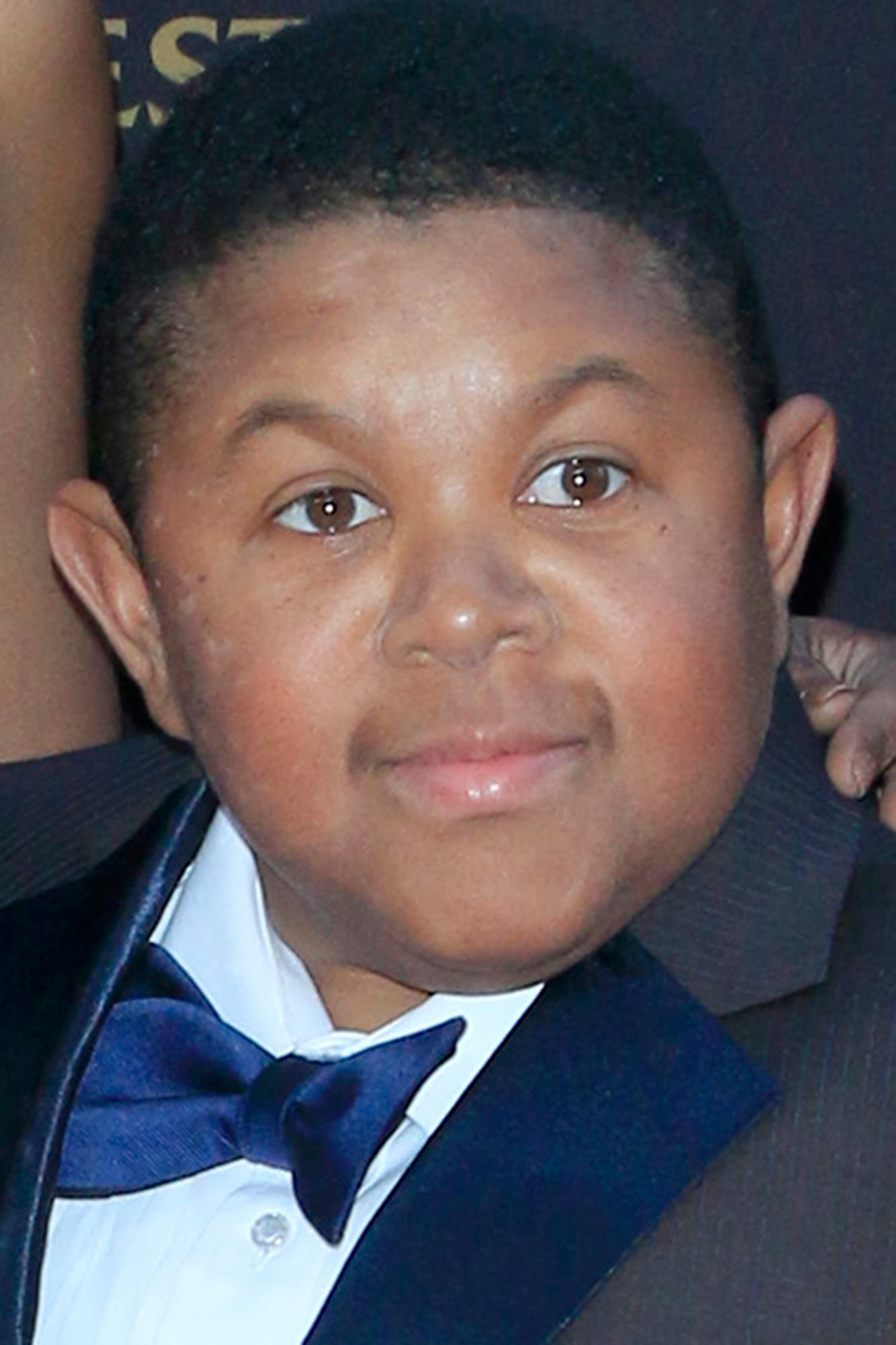
Emmanuel Lewis made curiosity sound adorable, and kids adopted his innocent questioning style for everything from examining mysterious cafeteria food to investigating what their friends were hiding in their desks (usually contraband candy or notes about crushes, but the investigative approach remained the same). The phrase worked because it sounded friendly even when you were being completely nosy.
Silver Spoons – “Ricky Schroder!”
This wasn’t technically a catchphrase from the show — it was just what kids yelled when they saw the young star on screen, but somehow it became a playground battle cry anyway. The exclamation worked as a general expression of excitement, though most kids had no clear idea why they were shouting some other kid’s name.
Celebrity worship has always been a little weird.
T.J. Hooker – “Book ‘Em!”
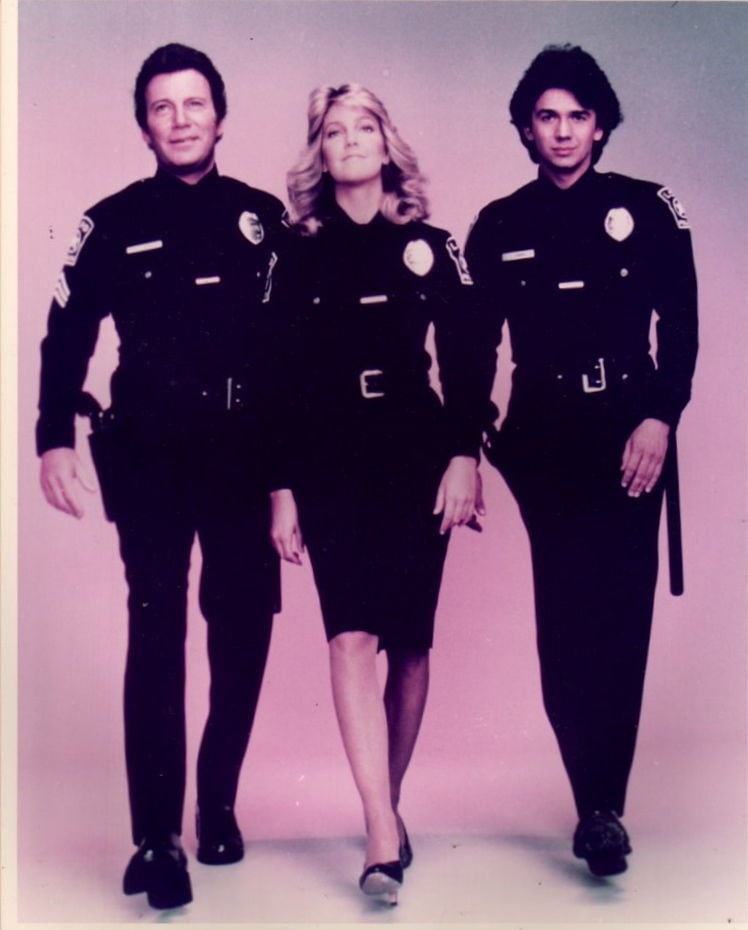
William Shatner’s police sergeant made arresting people sound exciting, and kids began “booking” each other for playground infractions ranging from line cutting to unauthorized use of the good swings. The phrase carried all of Captain Kirk’s dramatic weight, even when applied to disputes over tetherball rules — which, to be fair, could get pretty serious in the right circumstances.
Magnum P.I. – “I Know What You’re Thinking”
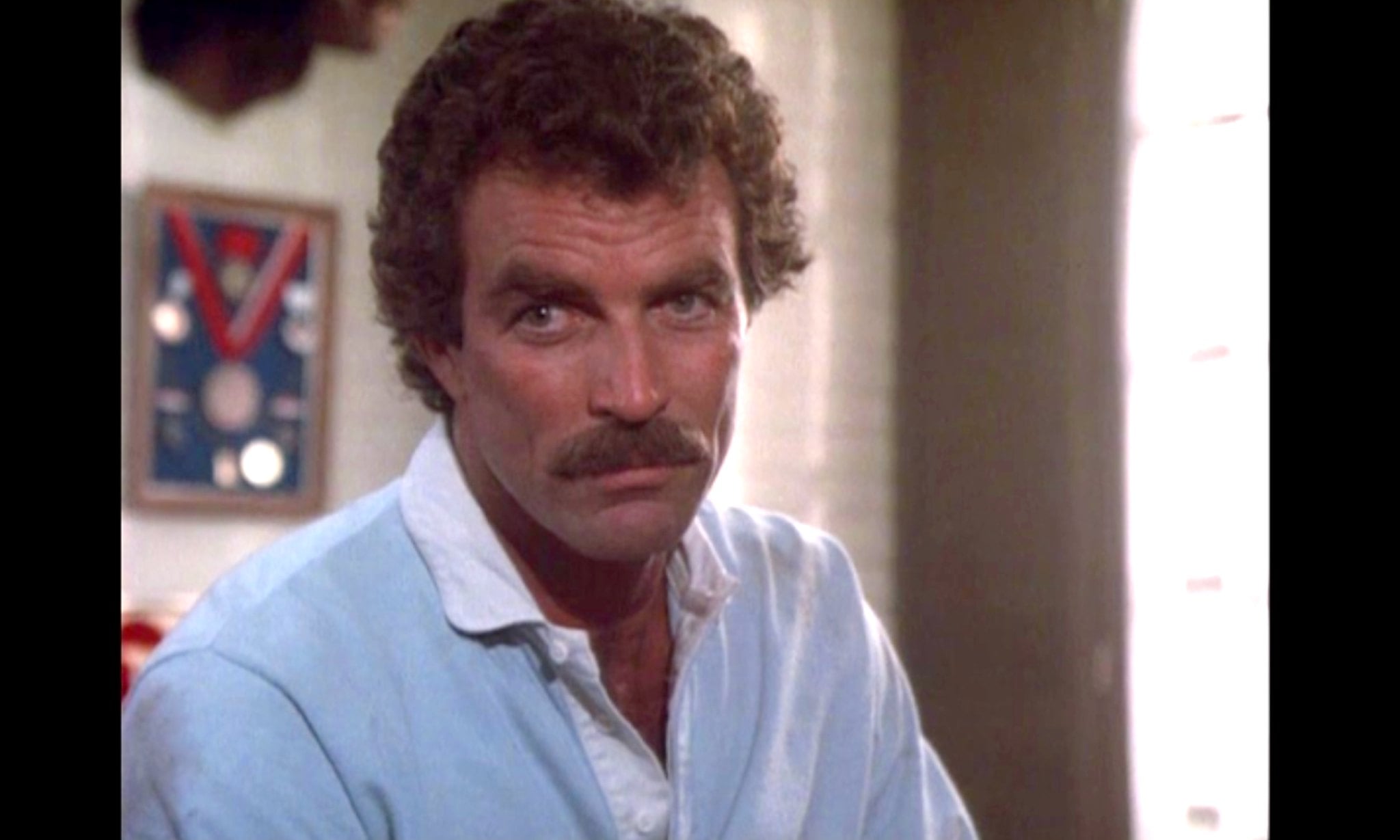
Magnum’s mind-reading act (usually followed by being completely wrong about what people were thinking) became a popular conversation starter among kids who wanted to sound mysteriously insightful. The phrase worked best when delivered with supreme confidence, right before making a completely incorrect guess about whether someone liked you back or had studied for the spelling test.
The wronger you were, the funnier it got.
The Fall Guy – “Well, I’m Not The Kind To Kiss And Tell”

Colt Seavers made being mysterious sound cool, even when everyone already knew exactly what had happened because they’d been watching the whole time. Kids adopted this line for maintaining dignity after minor social disasters — getting caught passing notes, tripping in the hallway, or failing to execute that cool move they’d been practicing.
Sometimes discretion really was the better part of valor, especially in middle school.
CHiPs – “Ponch!”
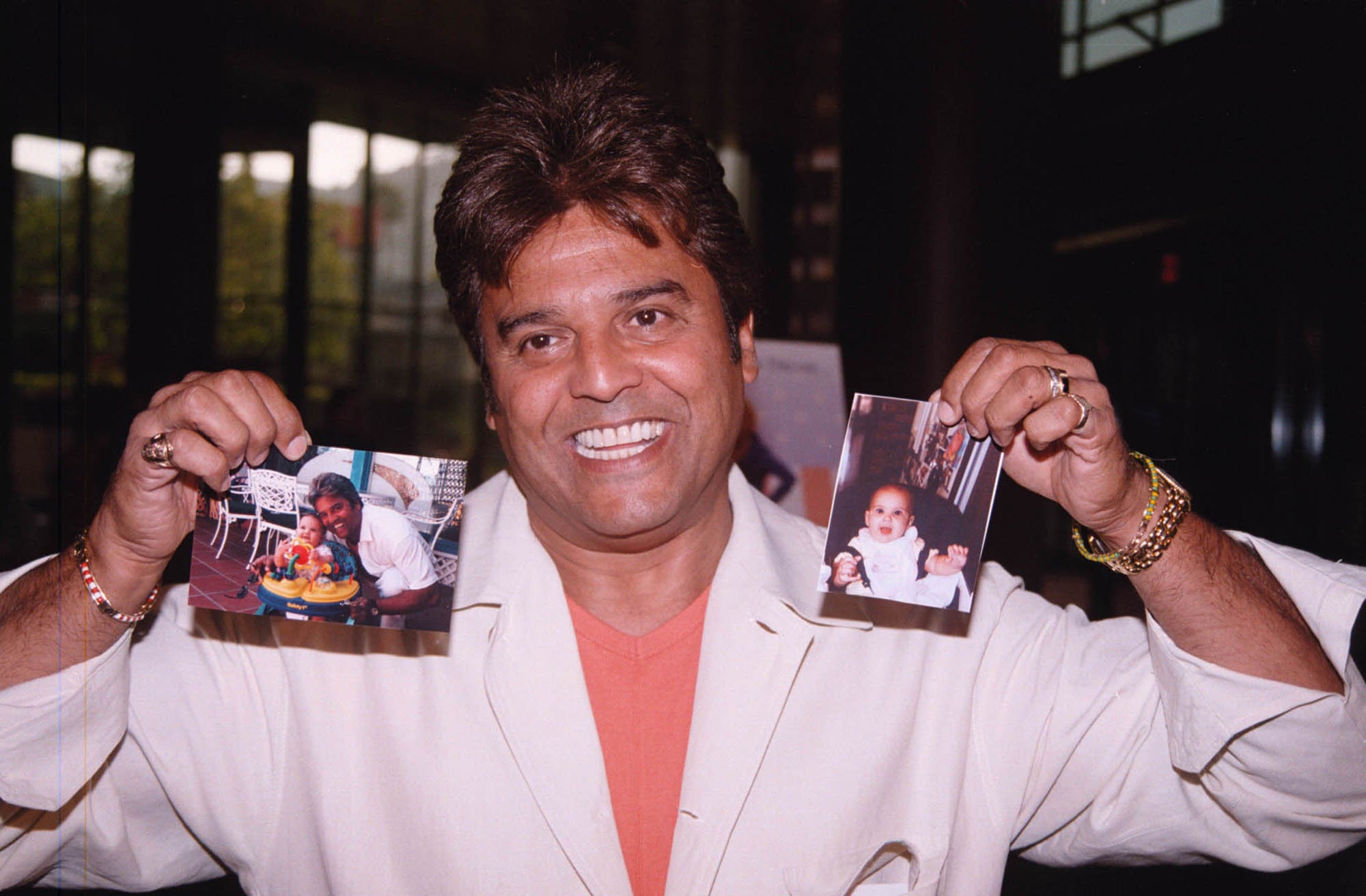
Erik Estrada’s character name became a multipurpose exclamation, useful for getting someone’s attention, expressing frustration, or just filling awkward silences. The motorcycle cop show made highway patrol look glamorous, and kids who had never been on a motorcycle (or a highway, for that matter) suddenly felt qualified to direct traffic in the school parking lot during pickup time.
Dallas – “Who Shot J.R.?”
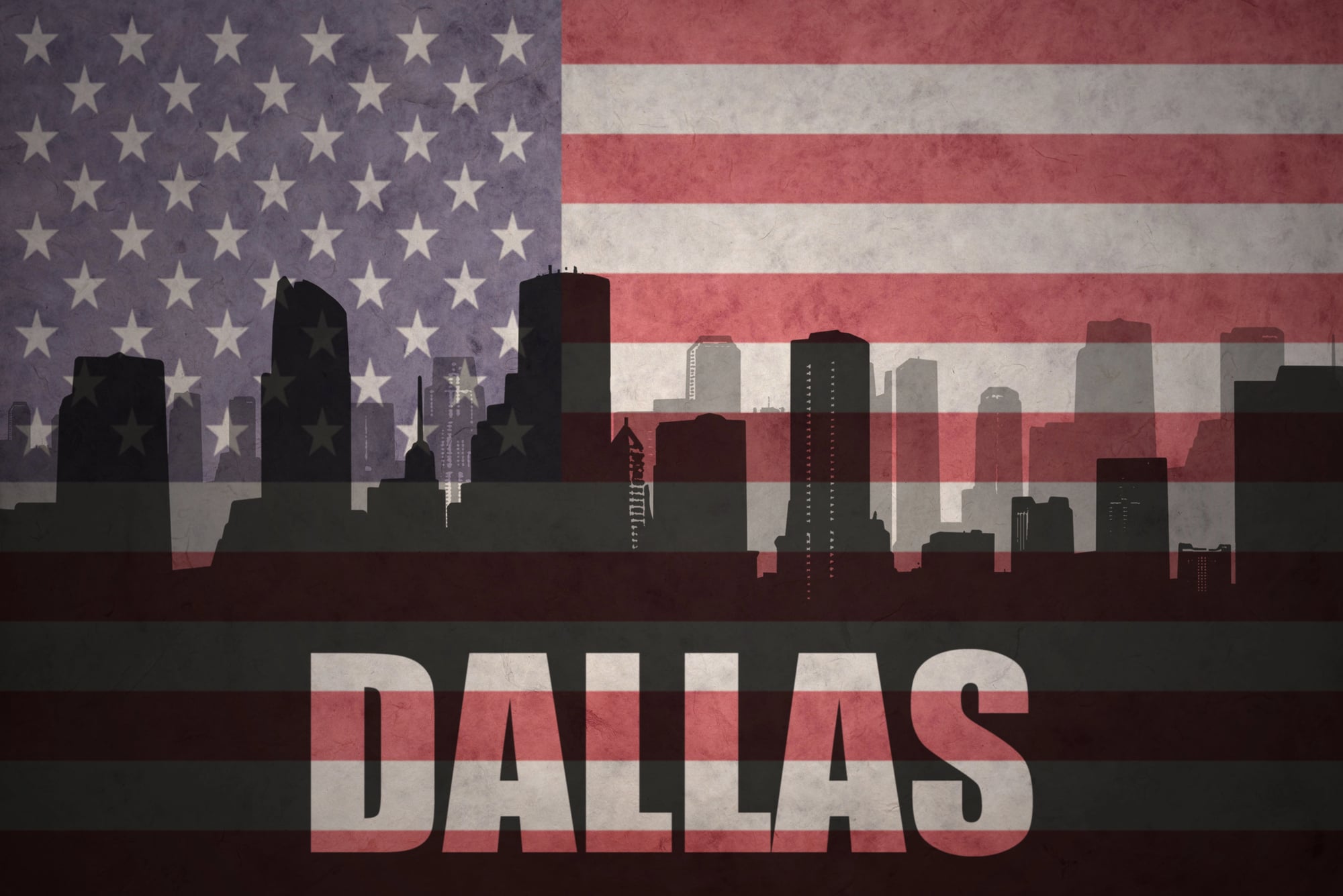
The biggest cliffhanger in television history turned into playground speculation that rivaled actual conspiracy theories. Kids who barely understood the show’s plot became invested in the mystery, developing elaborate theories about oil, family rivalries, and Texas business practices they’d never encountered.
The phrase became shorthand for any unsolved mystery, from missing homework to cafeteria food poisoning incidents.
Fantasy Island – “De Plane! De Plane!”
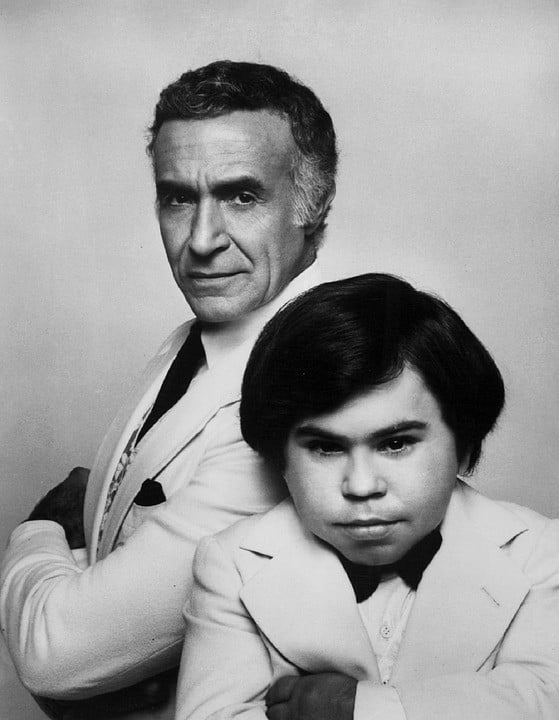
Tattoo’s excited aircraft announcements became the standard way to point out anything approaching from a distance — school buses, substitute teachers, or that one kid who always brought the good snacks. Hervé Villechaize made enthusiasm infectious, and kids began treating ordinary arrivals like exotic visitors bringing magical adventures (which, honestly, sometimes they were).
The Love Boat – “Welcome Aboard!”

Captain Stubing’s cheerful greeting became how kids welcomed friends to lunch tables, study groups, or any informal gathering that needed an official host. The cruise ship fantasy made everything feel more glamorous, even if you were just inviting someone to share your peanut butter sandwich in the cafeteria.
Hospitality was hospitality, whether on the high seas or the third-grade lunch line.
Gimme A Break! – “Gimme A Break!”
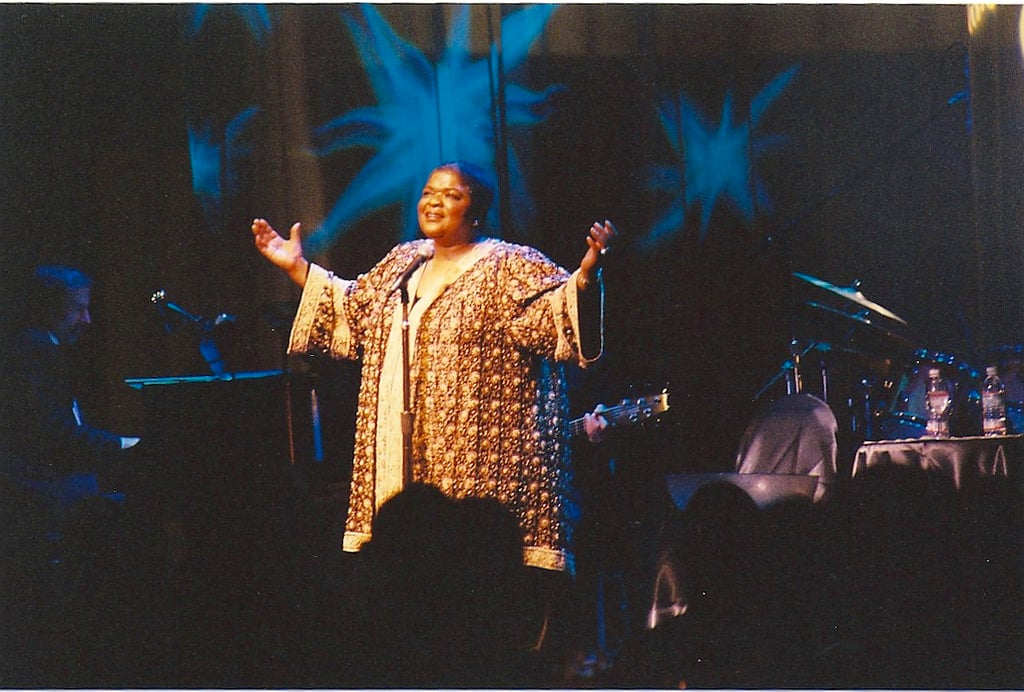
Nell Carter’s exasperated catchphrase perfectly captured the feeling of being a kid dealing with unreasonable adult expectations, impossible homework assignments, or friends who kept changing the rules of games mid-play. The phrase worked as both a plea for mercy and a statement of disbelief, covering most situations kids encountered on a daily basis.
Benson – “That’s What I’m Talking About!”
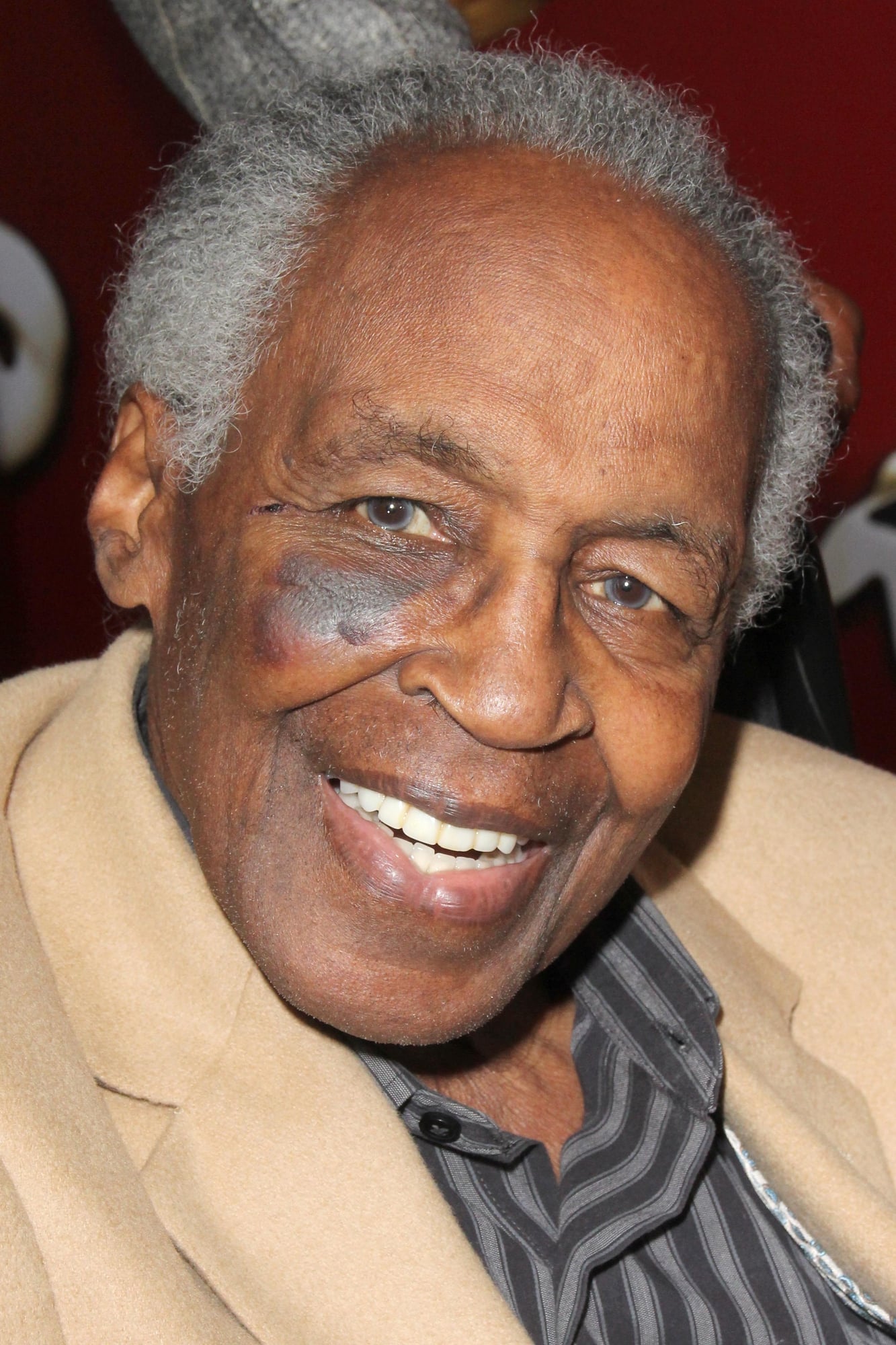
Robert Guillaume’s character had a way of expressing satisfaction that kids found irresistible, especially when they finally understood a math problem, successfully negotiated extra recess time, or managed to trade up from a bologna sandwich to something with actual flavor. The phrase made small victories feel genuinely important, which they were.
Taxi – “What Does A Yellow Light Mean?”
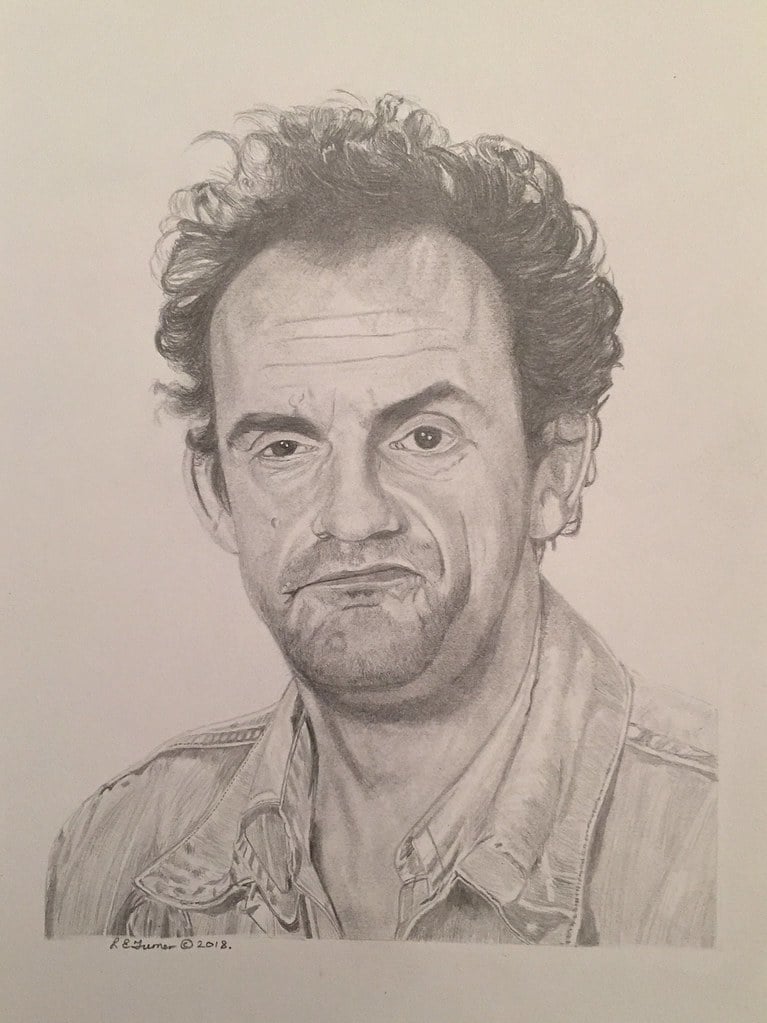
Jim Ignatowski’s driving test confusion became a running joke among kids who were years away from needing to know the actual answer. The phrase worked as a way to point out obvious questions or to pretend you didn’t understand something that was perfectly clear (a useful skill for avoiding chores or unwanted responsibilities).
Cheers – “Norm!”
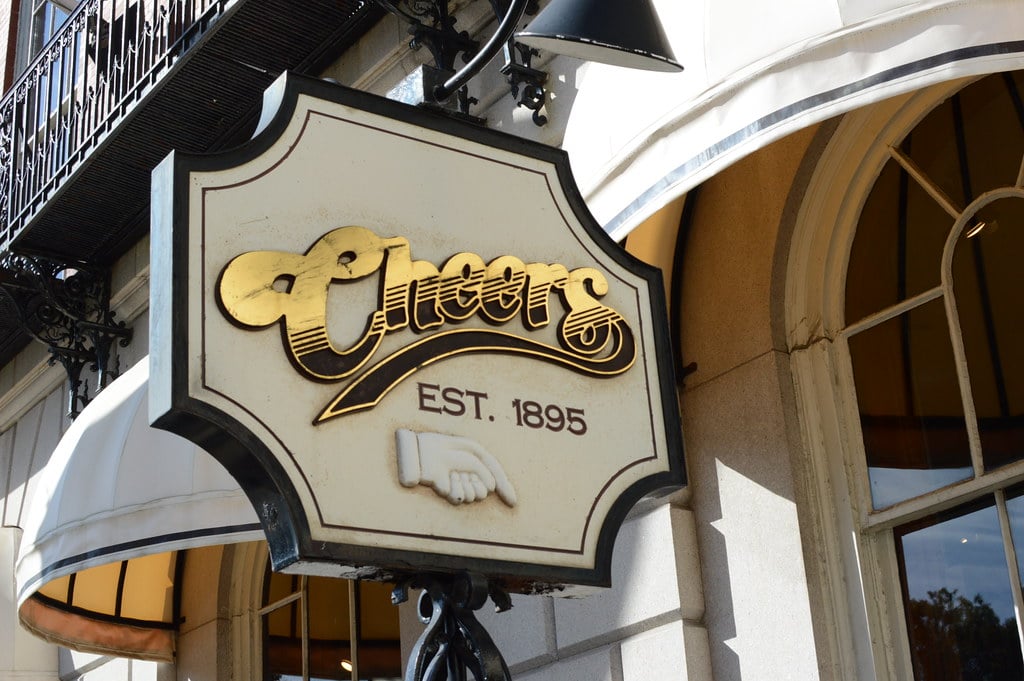
Everyone shouting one person’s name when they entered a room became the ultimate fantasy for kids who wanted to feel popular and appreciated. The bar where everybody knows your name translated to classrooms, cafeterias, and playgrounds where kids began greeting their friends with exaggerated enthusiasm, hoping to recreate that feeling of belonging somewhere special.
Family Ties – “Alex P. Keaton!”
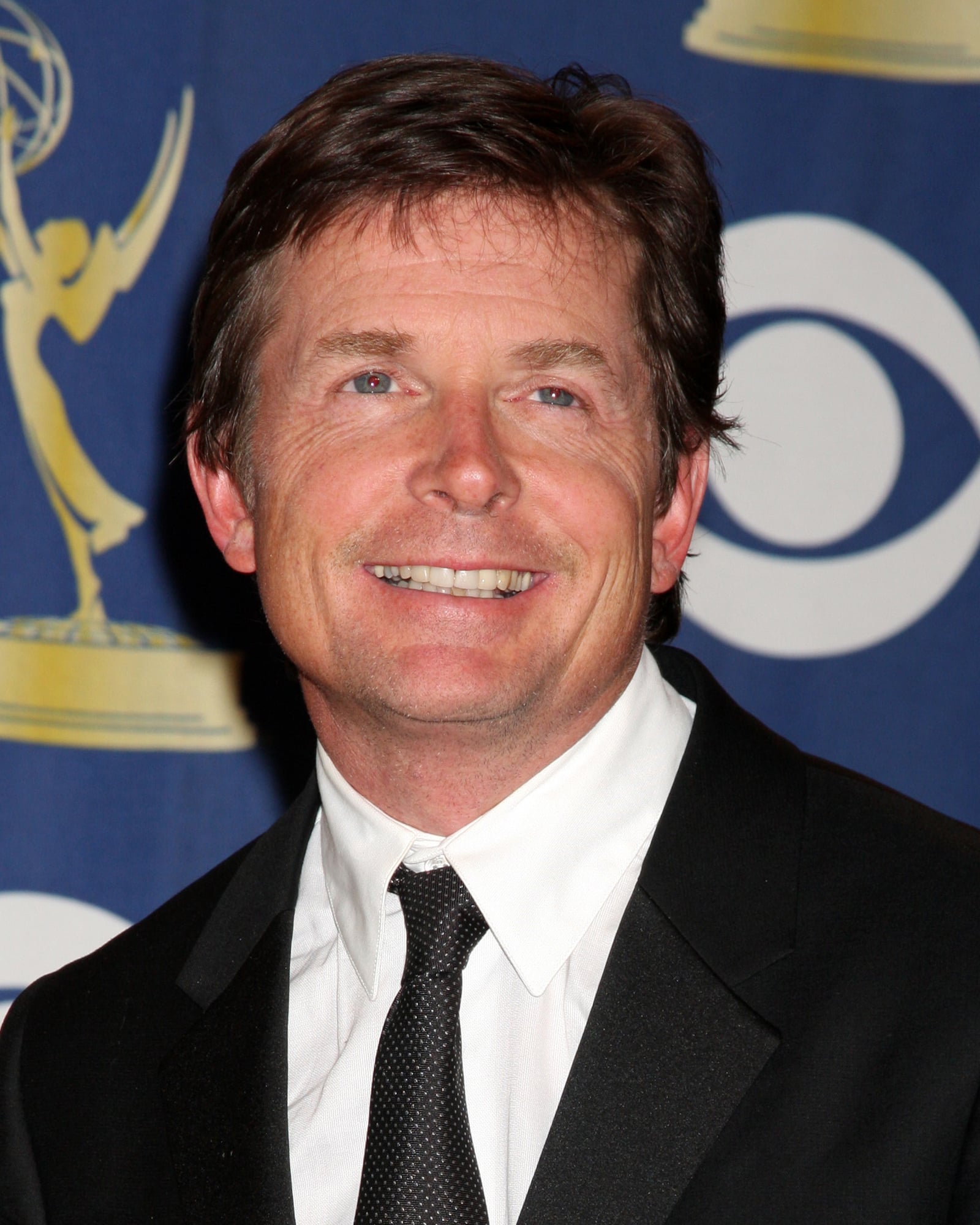
Michael J. Fox’s character name became an exclamation for anyone acting too smart, too conservative, or too obsessed with money (which, for kids, usually meant anyone who actually saved their allowance instead of spending it immediately on candy). The phrase carried just enough mockery to keep overachievers humble while acknowledging that being smart wasn’t entirely uncool.
Growing Pains – “Show Me That Smile Again”
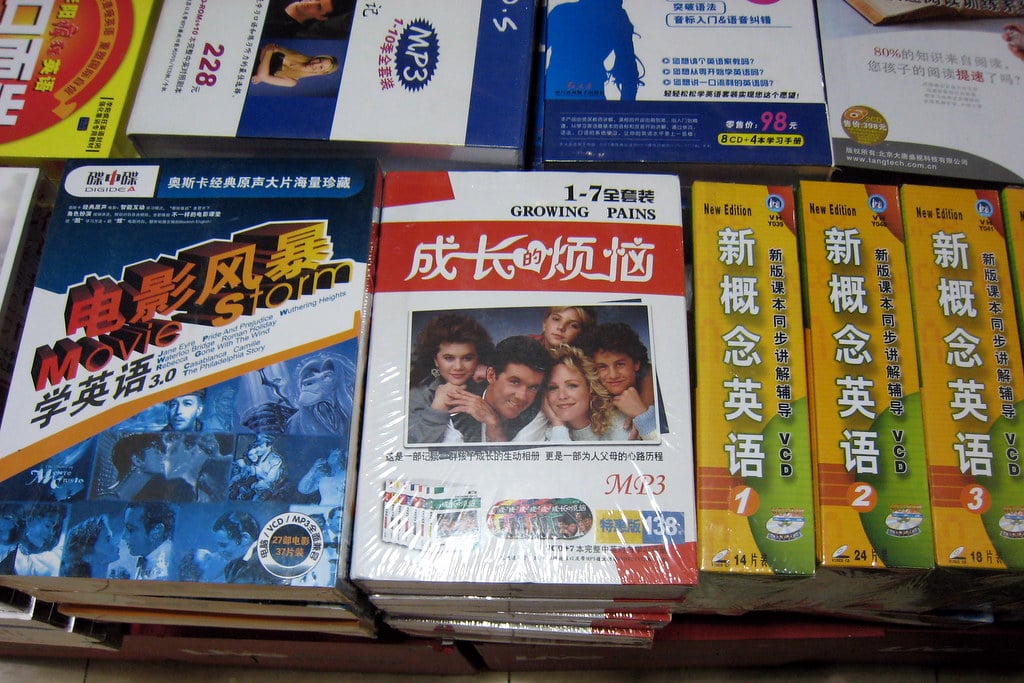
The theme song’s opening line became a request kids made when friends were upset, usually followed by terrible attempts to cheer each other up through silly faces, bad jokes, or sharing contraband snacks. The Seaver family made growing up look manageable, even fun, which was exactly what kids needed to believe.
MacGyver – “I Can Fix That With A Paperclip”
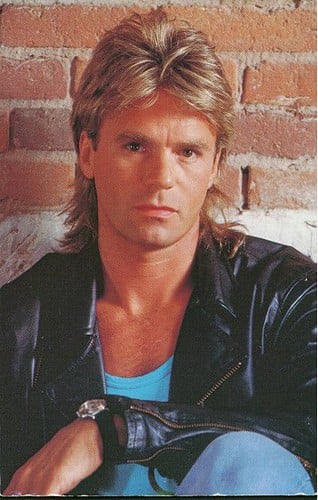
Angus MacGyver’s reputation for solving problems with household items inspired a generation of kids to approach broken toys, school projects, and social dilemmas with creative improvisation. The phrase became code for “I have a plan that sounds crazy but might actually work,” usually involving supplies borrowed from teacher’s desks, art rooms, or kitchen junk drawers.
Miami Vice – “Just One More Thing”
This was actually Columbo’s line, but kids in the ’80s attributed it to every detective show, including Crockett and Tubbs. The phrase worked perfectly for interrogating siblings about missing toys, negotiating with parents for extended bedtimes, or investigating playground mysteries that probably weren’t as important as they seemed at the time.
The Incredible Hulk – “Don’t Make Me Angry”
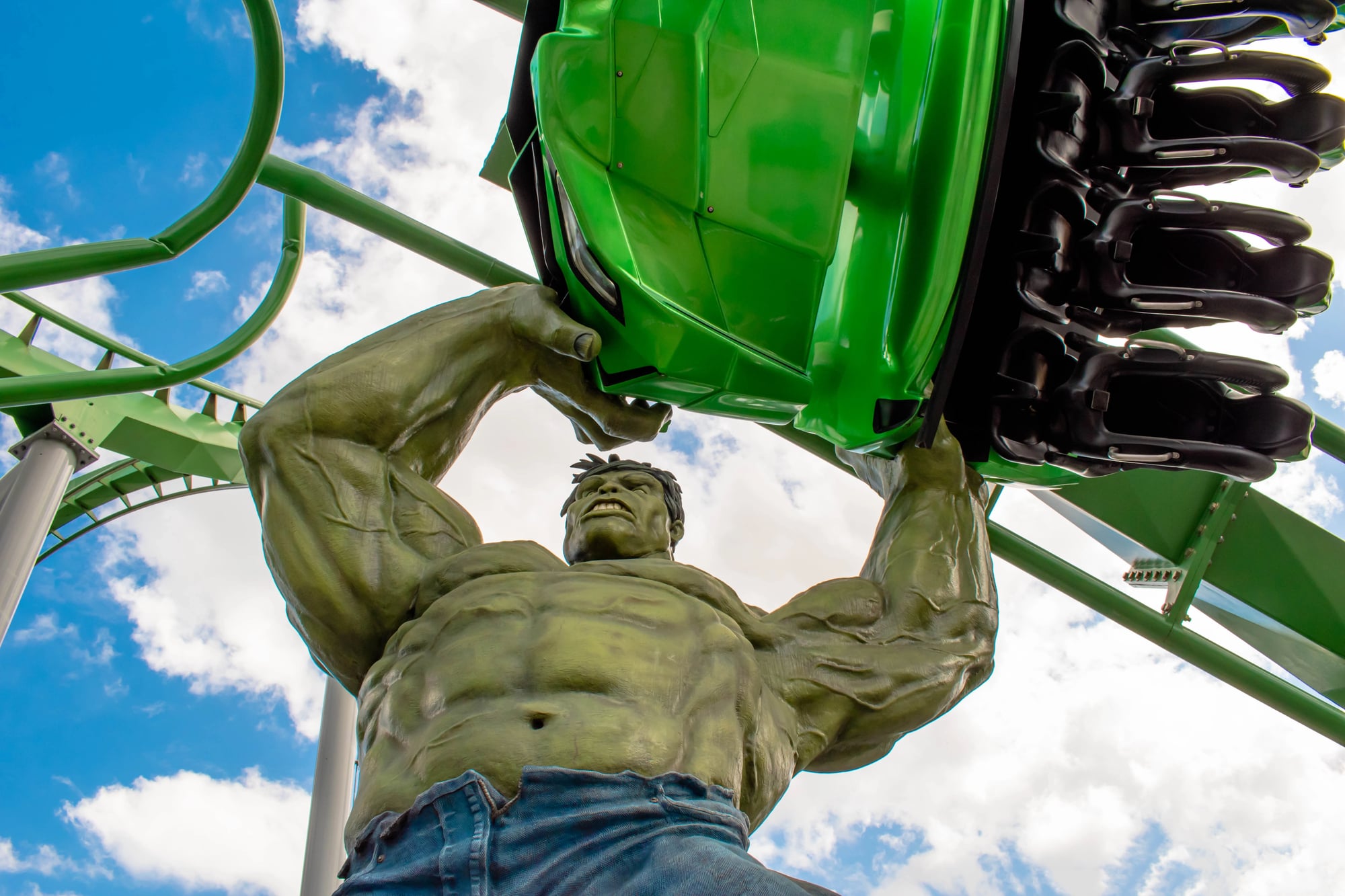
David Banner’s warning became the ultimate threat from kids who had no actual ability to turn green and destroy things, but really wanted people to think they might. The phrase worked because everyone knew what happened next on the show, even if real-life consequences were usually limited to time-outs or having your Nintendo privileges revoked.
Three’s Company – “Come And Knock On Our Door”
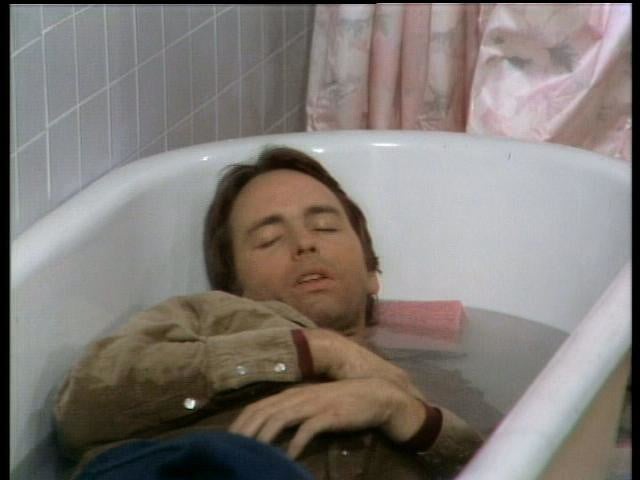
The theme song invitation became how kids welcomed friends to their houses, their rooms, or their corner of the playground where important business was conducted. Jack Tripper’s apartment building seemed like the most fun place on earth, and kids hoped their own homes could feel equally welcoming to anyone who wanted to hang out.
The Six Million Dollar Man – “We Can Rebuild Him”
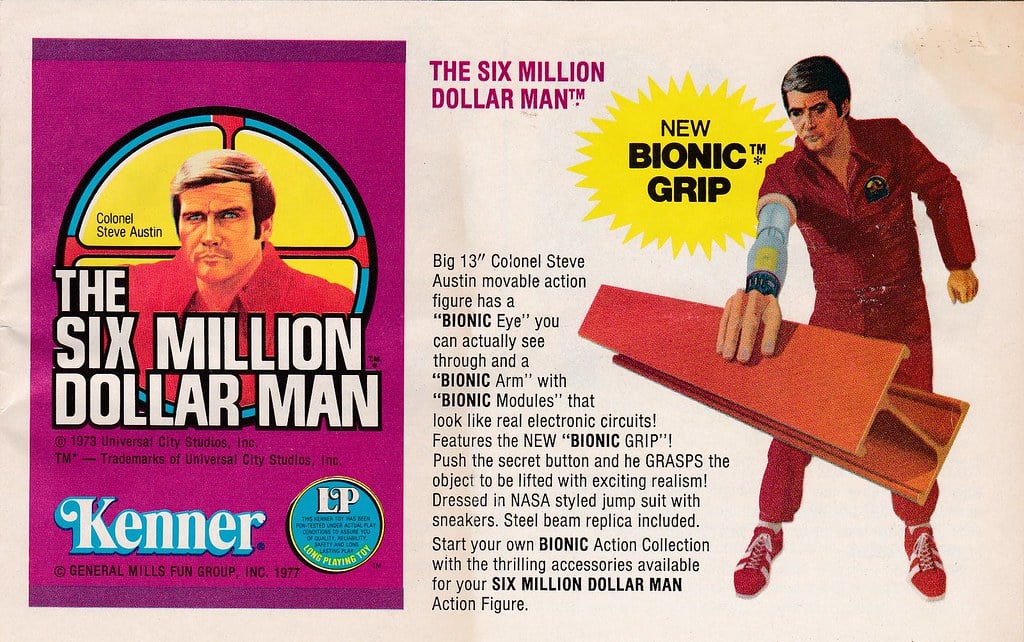
Steve Austin’s origin story became the go-to response whenever someone got hurt on the playground, broke a toy, or needed encouragement after a minor disaster. The phrase suggested that setbacks were temporary and that technology (or determination) could fix almost anything — a comforting thought for kids dealing with scraped knees and bruised egos.
The Incredible Hulk – “You Wouldn’t Like Me When I’m Angry”
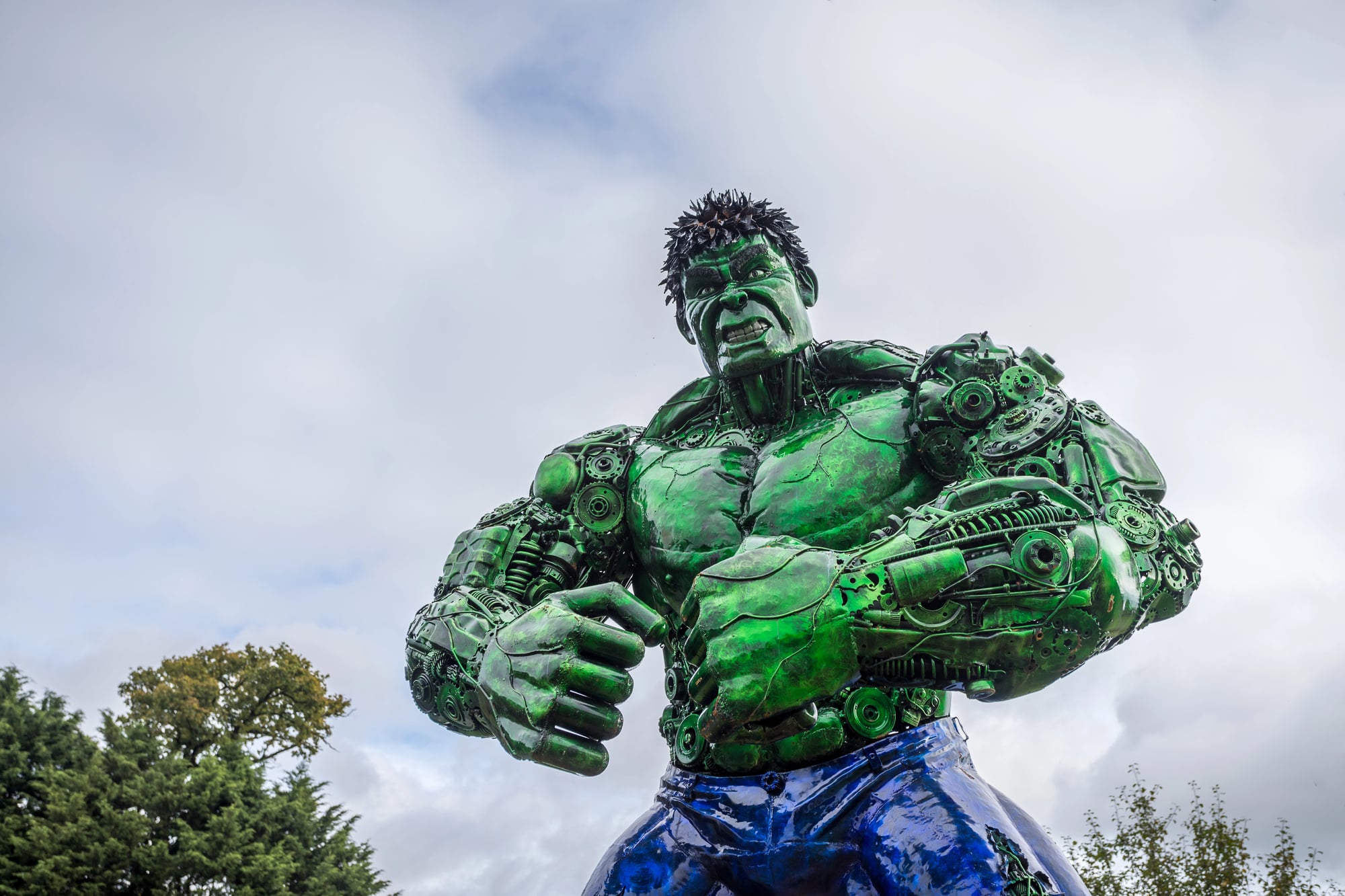
Banner’s famous warning became every kid’s attempt to sound threatening without actually threatening anyone. The phrase worked because it suggested hidden power and gave kids a way to express frustration without getting in trouble for being directly aggressive.
Most parents found it more amusing than intimidating, which somewhat undermined the effect but kept everyone out of serious trouble.
The Magic Of Childhood Television

Those catchphrases created a shared language that transcended individual friendships and social groups. A kid from any background could walk up to strangers and instantly connect through a perfectly timed “Whatchu talkin’ ’bout, Willis?” or a dramatic “I pity the fool!”
The phrases weren’t just entertainment — they were social currency, conversation starters, and a way to feel part of something bigger than your own living room. Looking back, it’s remarkable how much joy came from simply repeating what someone else had said first, but that’s the magic of childhood: finding wonder in the borrowed words of fictional characters who felt like friends.
More from Go2Tutors!

- The Romanov Crown Jewels and Their Tragic Fate
- 13 Historical Mysteries That Science Still Can’t Solve
- Famous Hoaxes That Fooled the World for Years
- 15 Child Stars with Tragic Adult Lives
- 16 Famous Jewelry Pieces in History
Like Go2Tutors’s content? Follow us on MSN.