16 Bizarre Reasons Schools Banned Innocent Items
School administrators face tough decisions every day about what students can bring to campus. Most bans make sense—weapons, drugs, anything genuinely dangerous.
But sometimes schools ban things that seem completely harmless, and the reasons behind these decisions range from oddly logical to downright bizarre. These stories reveal just how creative students can be at turning everyday objects into problems, and how far schools will go to maintain order.
Silly Bandz Created a Black Market

Those colorful rubber bracelets shaped like animals, objects, and characters took over elementary schools in 2010. Kids collected them, traded them, and wore dozens at a time up their arms.
Schools started banning them when the trading became so intense it disrupted classes. Students created elaborate trading systems during lunch and recess.
Some rare shapes became valuable currency. Teachers couldn’t compete with the distraction. The bands also cut off circulation when kids wore too many at once, leading to health concerns.
What started as a fun collectible turned into an underground economy that schools had to shut down.
Flamin’ Hot Cheetos Sparked Controversy
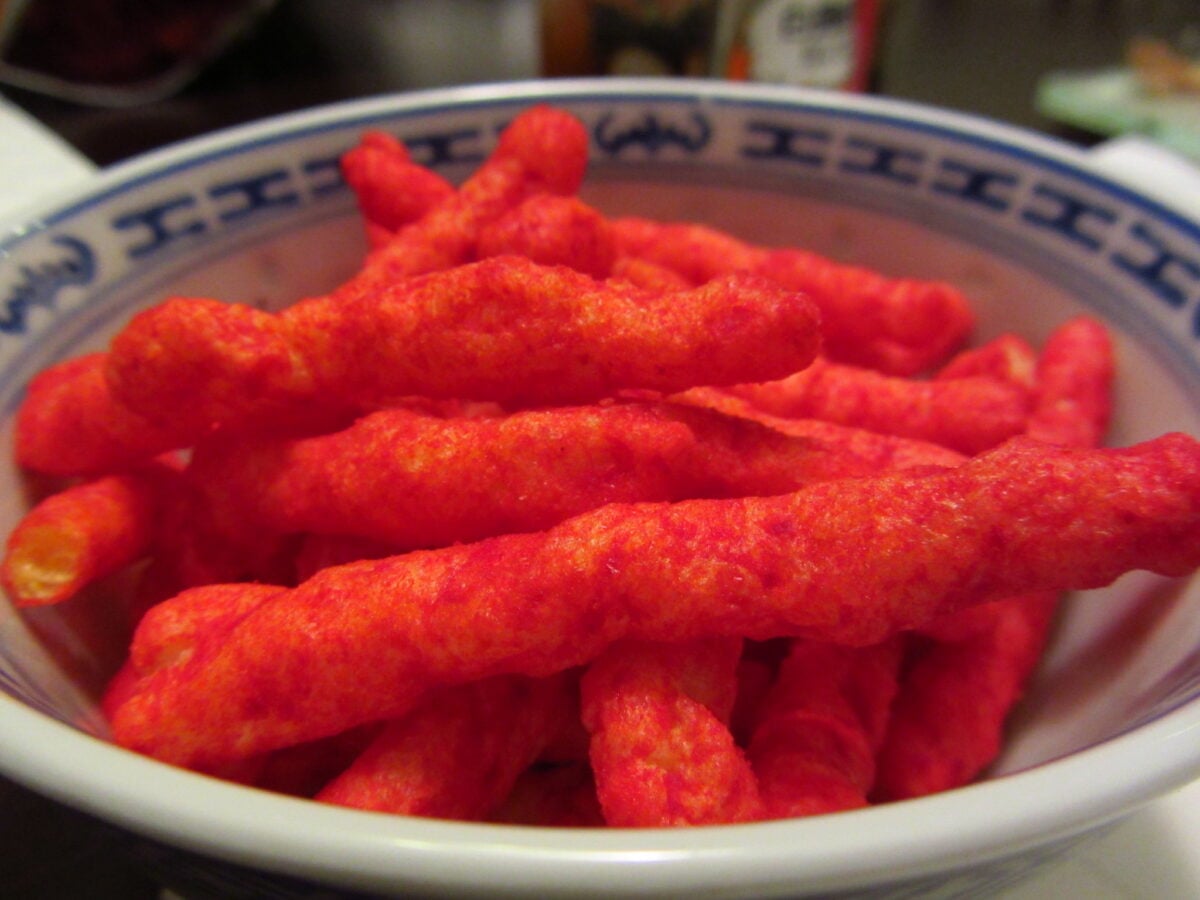
Multiple schools across the country banned Flamin’ Hot Cheetos, citing various reasons. Some administrators worried about the spicy snack’s lack of nutritional value.
Others pointed to the red stains left on fingers, desks, and school property. A few schools claimed the snacks were being crushed up and snorted by students trying to get a quick high.
The ban became controversial because many saw it as targeting a snack popular with Latino students. Parents argued that plenty of unhealthy snacks remained available while this specific item got singled out.
The debate highlighted broader questions about food equity and cultural sensitivity in schools.
Ugg Boots Hid Contraband
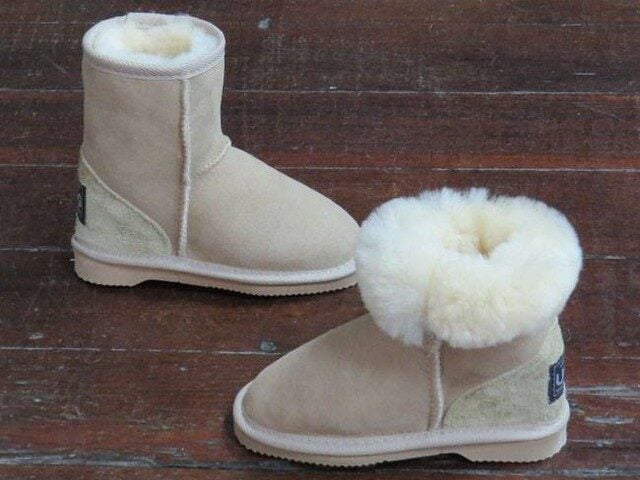
These popular sheepskin boots got banned at several schools when administrators discovered students were hiding phones, notes, and other prohibited items inside them. The boots’ roomy design and tall shafts created perfect concealment spots.
Some students were storing entire smartphones in their Uggs and texting during class. Schools tried various solutions before resorting to outright bans.
Some required students to remove boots during tests. Others implemented random checks. Eventually, certain districts decided the boots had to go entirely.
Fashion met function in a way nobody expected.
Skinny Jeans Violated Dress Codes
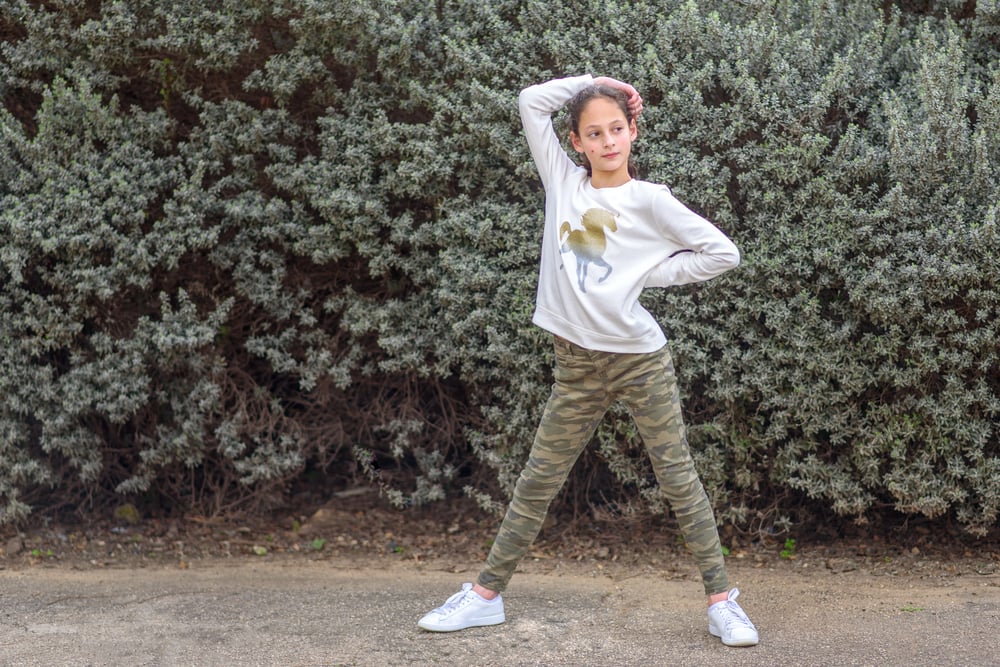
Schools banned skinny jeans for being too revealing or distracting. The tight fit supposedly drew too much attention to students’ bodies.
Some administrators argued the pants prevented proper movement and posed safety risks during emergencies. Others cited them as violations of modesty standards.
The bans often applied unevenly, with girls facing stricter enforcement than boys. Critics pointed out that baggy pants had been banned years earlier for gang associations, leaving students wondering what pants were actually acceptable.
The skinny jeans debate reflected ongoing struggles over dress codes and body politics in schools.
Laptop Stickers Became Too Political
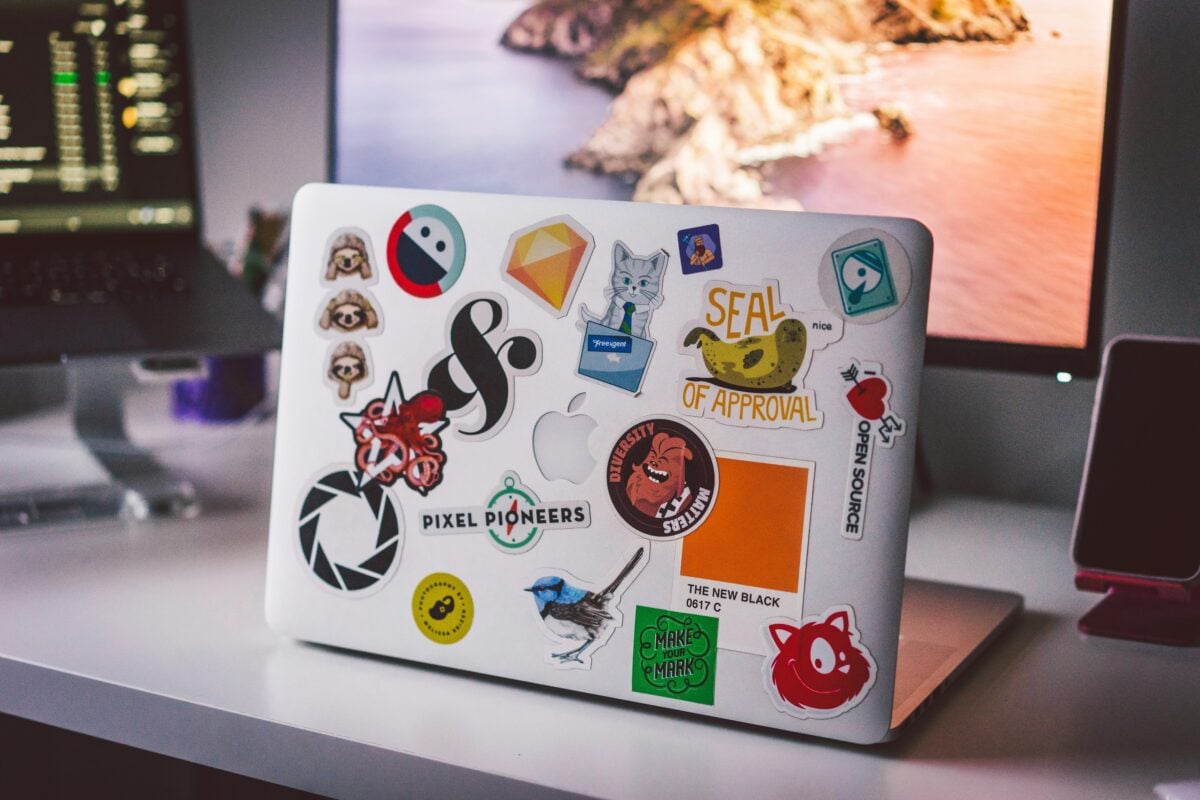
Students love decorating their laptops with stickers showing interests, humor, and beliefs. Some schools started banning political stickers after classrooms became battlegrounds for competing ideologies.
A Bernie Sanders sticker here, a Trump sticker there, and suddenly every laptop was a political billboard. Administrators argued the stickers created hostile environments and distracted from learning.
Students countered that they had free speech rights. The issue became particularly heated during election years.
Schools found themselves trying to draw lines between acceptable personal expression and disruptive political messaging on what was often school-issued equipment.
Backpacks Got the Boot After Columbine
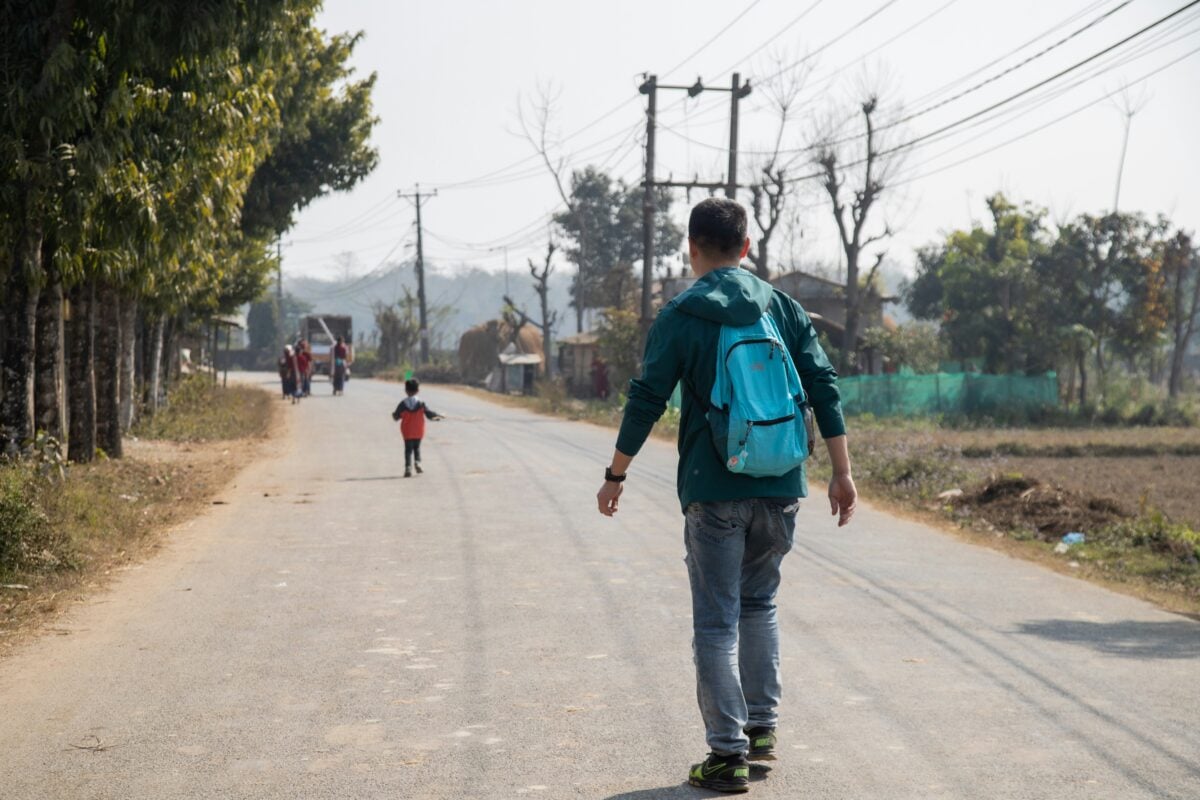
After the Columbine shooting in 1999, many schools banned backpacks entirely or required clear/mesh bags. The reasoning was that students could hide weapons in regular backpacks.
Some schools only banned them during certain hours or required students to keep them in lockers all day. Students struggled to carry books, supplies, and personal items without proper bags.
They resorted to armfuls of materials or violated the rules entirely. The policy created inconvenience without clear evidence of improved safety.
Many schools eventually relaxed these rules, but some maintained the restrictions for years.
Yoga Pants Caused Moral Panic

Schools banned yoga pants and leggings because they were too form-fitting or needed to be worn with long shirts. Administrators claimed the athletic wear was inappropriate for educational settings.
Some schools sent girls home for wearing leggings, sparking protests from students and parents. The bans disproportionately targeted female students while boys could wear athletic shorts and sweatpants freely.
Critics argued the policies taught girls that their bodies were inherently distracting and shameful. The yoga pants wars became a flashpoint in debates about sexist dress codes and the policing of girls’ clothing.
Chocolate Milk Disappeared from Cafeterias
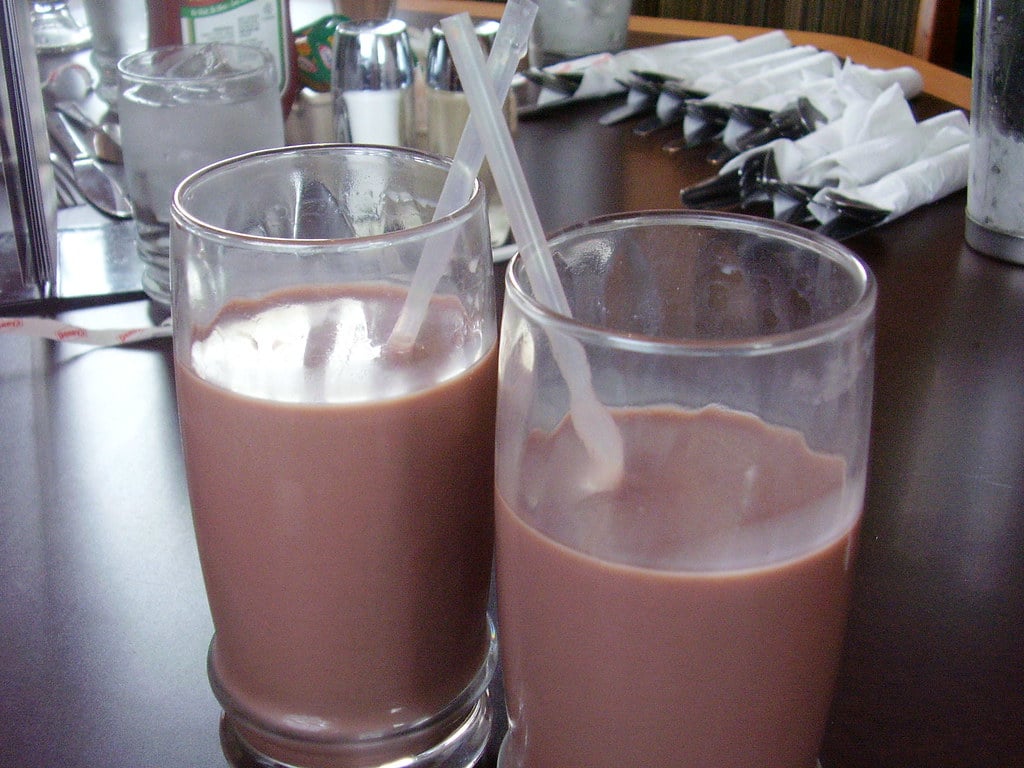
Several school districts banned chocolate milk as part of health initiatives to reduce sugar consumption. The bans aimed to fight childhood obesity and promote better nutrition.
Schools offered only white milk or non-dairy alternatives. Students responded by drinking less milk overall, which concerned parents and nutritionists who worried about calcium intake.
Some kids brought chocolate milk from home or bought it off-campus. The bans raised questions about whether removing a popular item actually improved health outcomes or just reduced overall dairy consumption.
Dodgeballs Got Dodged
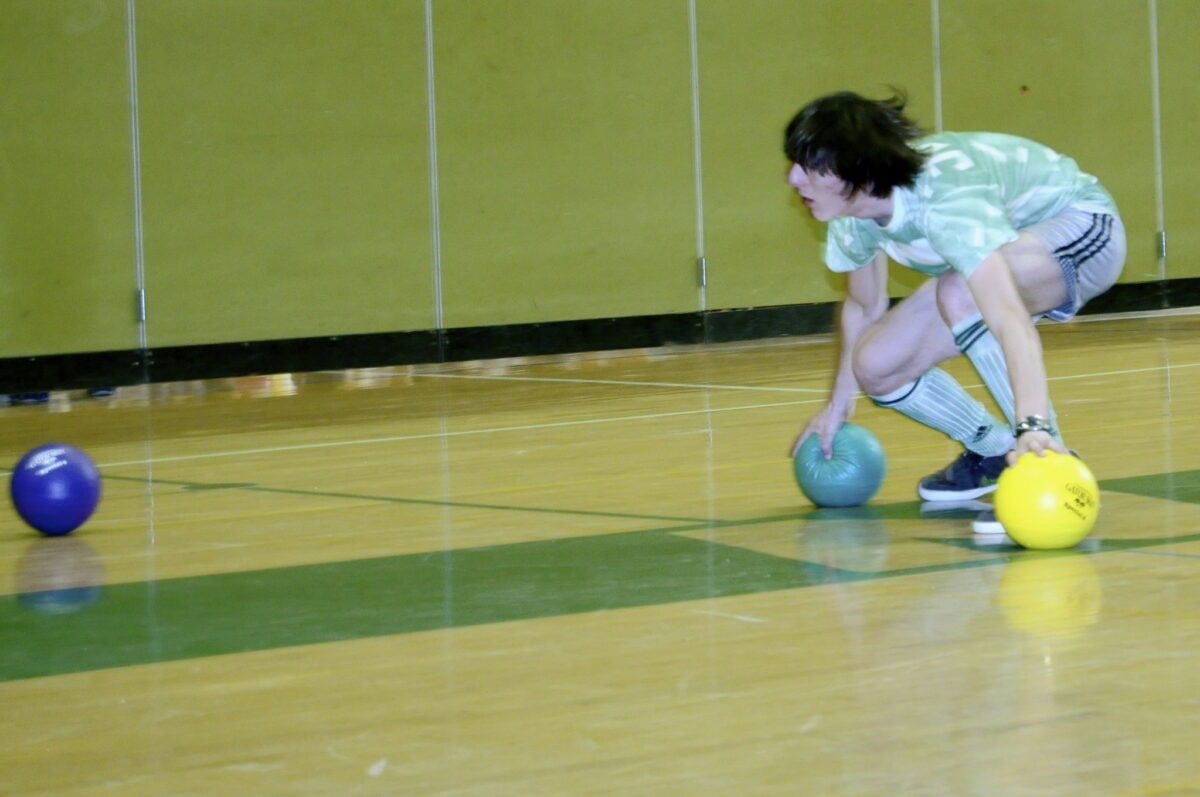
Schools banned dodgeball for promoting violence and bullying. Critics called it “legalized bullying” where stronger kids could target weaker ones.
Physical education departments replaced it with less aggressive games focused on cooperation rather than elimination. Supporters of dodgeball argued the game taught agility, teamwork, and good sportsmanship when played properly.
They claimed the ban went too far in protecting children from normal playground competition. The debate continues today, with some districts bringing the game back under modified rules while others keep it banned.
Sunscreen Required Doctor’s Notes
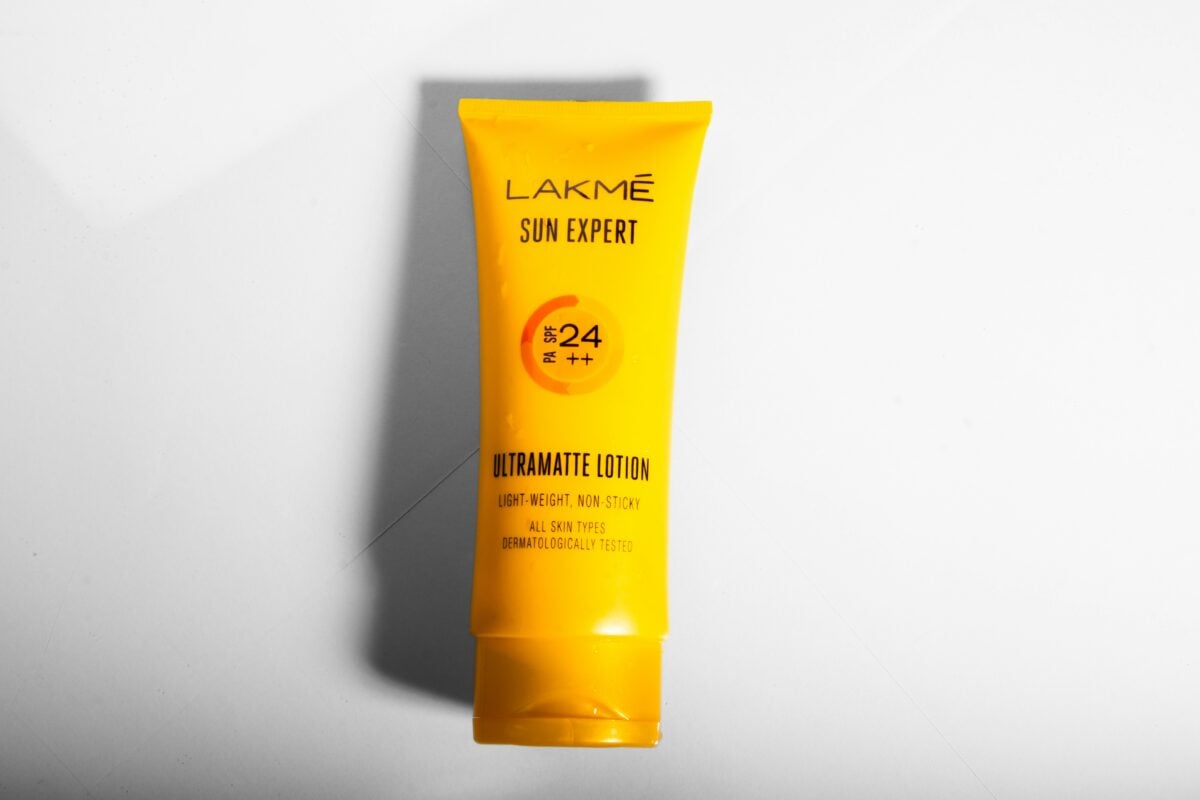
Many schools classified sunscreen as medication, requiring signed permission forms or doctor’s notes before students could apply it. The policies led to kids getting sunburned during outdoor activities because they couldn’t access sunscreen without proper paperwork.
Parents were baffled that something sold over the counter needed medical authorization. The bans stemmed from concerns about allergic reactions and liability if students had adverse responses to sunscreen products. ‘
Several states eventually passed laws allowing students to bring and use sunscreen without permission slips. The situation highlighted how overly cautious policies can create new health risks while trying to prevent others.
Wheelie Shoes Rolled Into Trouble
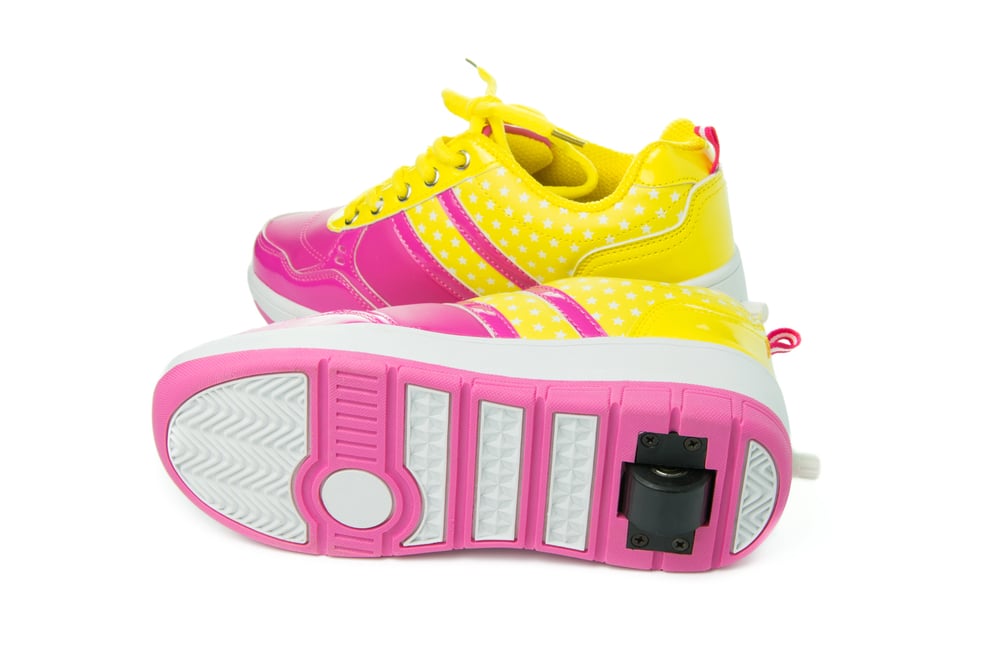
Heelys—those sneakers with wheels in the heels—got banned quickly after they became popular. Schools cited safety concerns about students rolling through hallways, crashing into others, and falling.
Some kids were doing tricks and racing instead of walking to class. The shoes also damaged floors and created liability issues if students got hurt while wearing them.
Many schools banned them outright while others allowed them if students removed the wheels. The trend eventually faded, making the bans less relevant, but they represented schools’ quick response to disruptive footwear.
Energy Drinks Got Cut Off
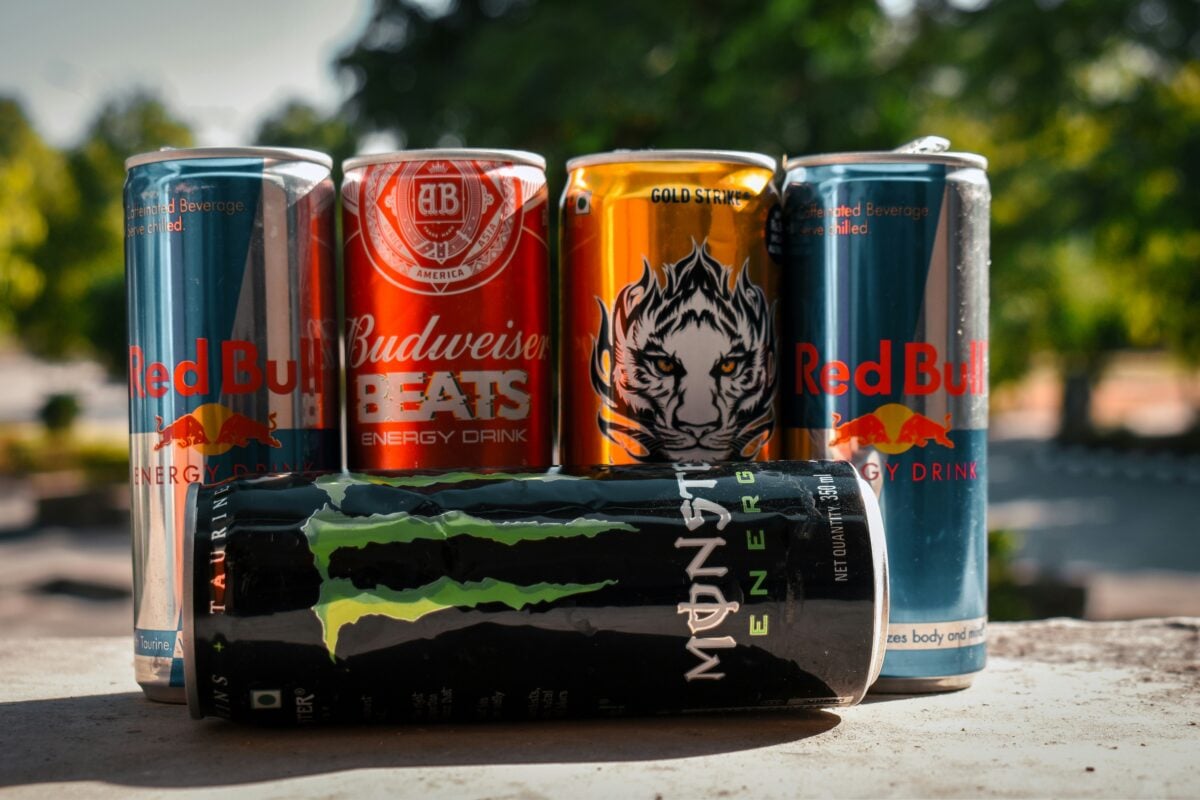
Schools banned energy drinks over health concerns about caffeine and sugar content. Administrators worried about students experiencing crashes, heart issues, or using the drinks to stay up all night. Some students were consuming multiple energy drinks per day, leading to jitters and focus problems.
The bans often didn’t extend to coffee, creating inconsistency in caffeine policies. Students pointed out that a large coffee from the school cafe had more caffeine than some energy drinks.
Schools defended the distinction by citing the concentrated, rapid delivery of caffeine in energy drinks versus the slower absorption from coffee.
Hoodies Created Identity Problems
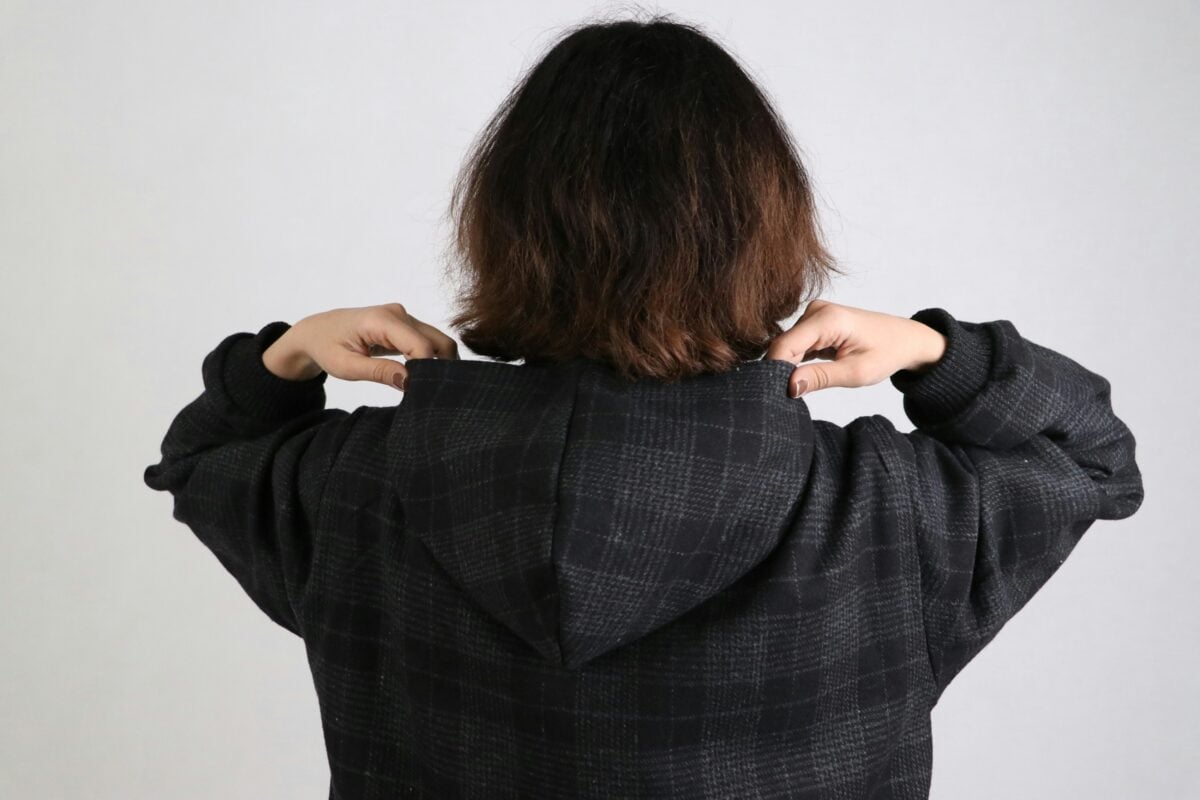
Some schools banned hoodies because students pulled them up to hide their faces or sleep in class without being noticed. Administrators also worried about gang affiliations associated with certain hoodie colors or styles.
Security cameras couldn’t identify students when their hoods were up. The bans frustrated students who saw hoodies as comfortable, practical clothing.
Cold classrooms made the restrictions particularly unpopular during winter. Some schools compromised by allowing hoodies but banning hoods being worn up.
Others maintained complete bans despite student protests.
Peanut Butter Disappeared Completely
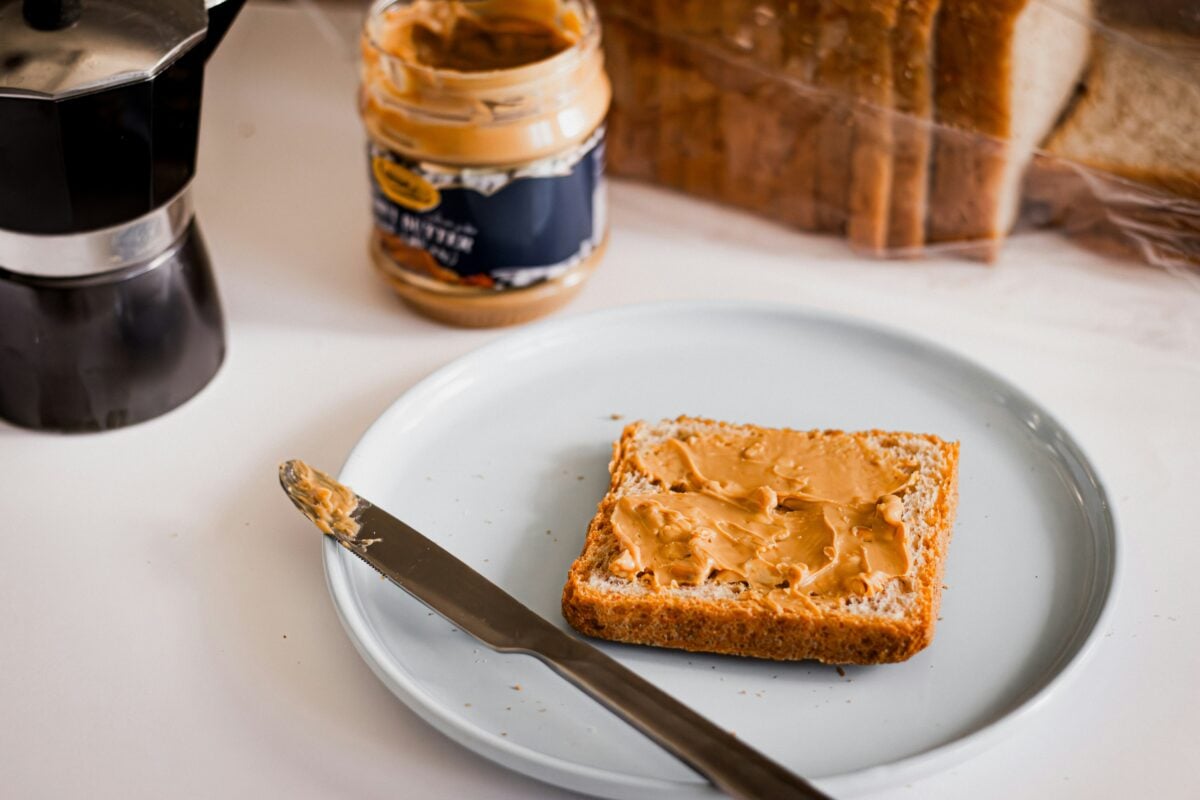
Peanut allergies led to total peanut bans in many schools, eliminating peanut butter sandwiches—a lunch staple for generations. Schools created peanut-free zones or banned all nut products to protect allergic students.
Parents had to completely rethink lunch options. The bans created tension between families with allergic children and those who relied on affordable, protein-rich peanut butter.
Some questioned whether total bans were necessary or if designated peanut-free tables would suffice. Schools erred on the side of caution, knowing a single exposure could be life-threatening for severely allergic students.
Selfie Sticks Extended Too Far
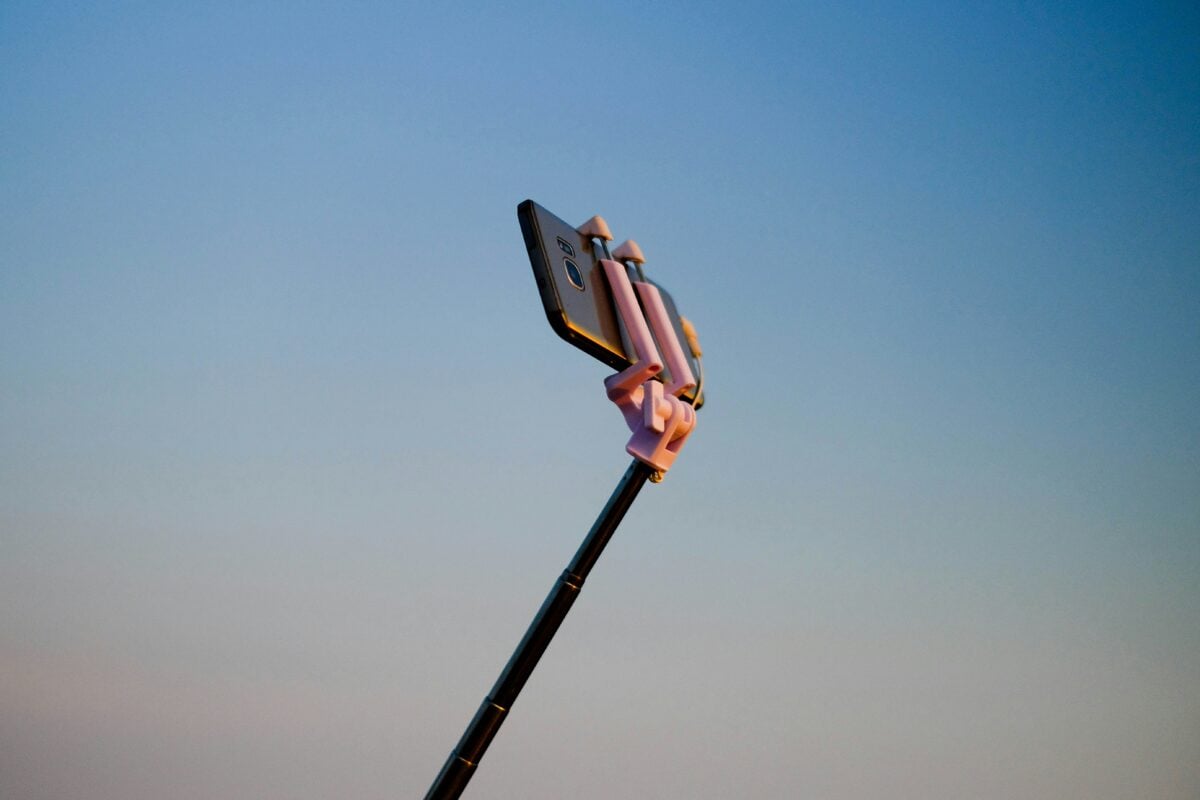
Schools shut down selfie sticks right when they started trending. Those stretchy rods hogged space in busy corridors.
Pupils would halt in tight spots to snap crew pictures, slowing foot traffic. A few teens waved them like weapons or shot sneaky pics in restrooms.
The rules covered school activities such as dances and matches, since selfie sticks got in people’s way. Many pupils didn’t mind this limit much – those gadgets really caused issues in crowded spots.
Shutting them down quickly proved institutions could move swiftly if a thing posed obvious trouble.
Birthday Treats Needed Approval

Schools required pre-approval for birthday treats, banning homemade items in favor of store-bought goods with ingredient labels. The policies aimed to accommodate food allergies and dietary restrictions.
Parents had to submit detailed lists of ingredients days in advance. The rules eliminated the tradition of homemade cupcakes and cookies that parents had enjoyed making for their kids’ classrooms.
Some schools banned birthday treats entirely to avoid complications. The policies reflected growing awareness of food allergies but also removed a cherished ritual that connected families to school communities.
When Protection Becomes Restriction
School rules show how tough it is to keep kids safe without making life feel weird. Driven by worries like safety, health, fairness, or just staying organized, most limits begin with solid reasons.
Yet eventually, classrooms wind up outlawing peanut butter sandwiches along with chocolate milk. At the same time, students usually figure out quiet tricks to skip those very rules.
The strange bans reveal how schools stumble as behaviors shift, new findings emerge, or culture shifts. One generation deals with limits shaped by adult fears of that moment.
Years ago, officials outlawed things completely unlike what’s off-limits now; later on, youth will face regulations that’d stun today’s high schoolers. Change creeps in gradually – still, the cycle repeats: institutions keep attempting to manage erratic student behavior, blocking this then that.
More from Go2Tutors!

- The Romanov Crown Jewels and Their Tragic Fate
- 13 Historical Mysteries That Science Still Can’t Solve
- Famous Hoaxes That Fooled the World for Years
- 15 Child Stars with Tragic Adult Lives
- 16 Famous Jewelry Pieces in History
Like Go2Tutors’s content? Follow us on MSN.