32 Libraries Burned On Purpose To Erase A Culture’s Memory
Throughout history, books have been more than paper and ink — they’ve held the collective soul of civilizations. When conquerors wanted to truly defeat a people, they didn’t just burn their cities.
They burned their libraries. These acts of cultural destruction were deliberate attempts to erase entire ways of thinking, believing, and remembering.
The ashes of these libraries represent some of humanity’s greatest losses.
Library Of Alexandria
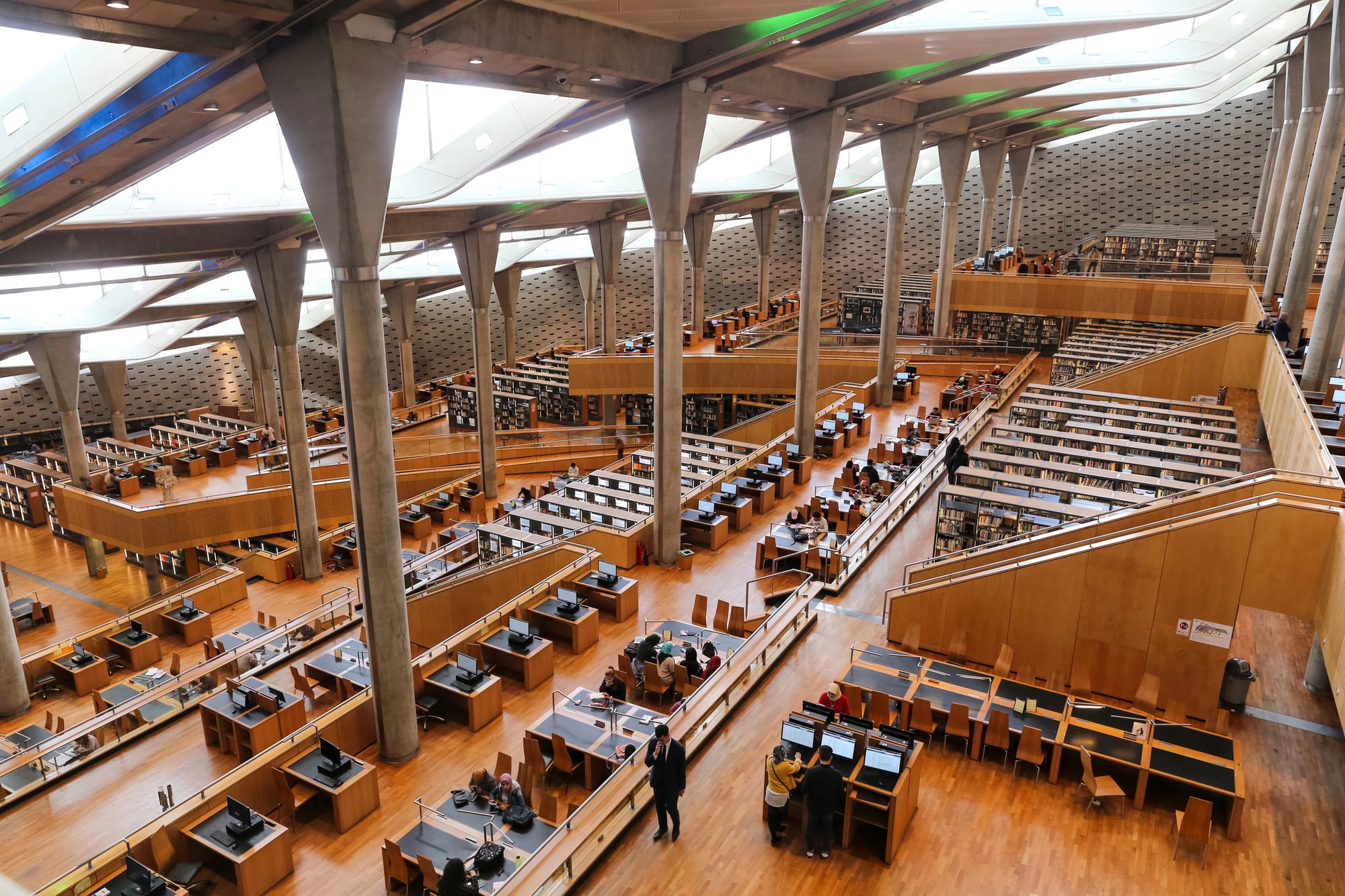
The most famous library destruction in history wasn’t a single dramatic fire but a slow death by a thousand cuts. Multiple rulers and religious groups chipped away at Alexandria’s collection over centuries, each motivated by different fears of the knowledge housed within those walls.
What started as the ancient world’s greatest repository of learning became a symbol of how easily human knowledge can vanish.
Library Of Baghdad
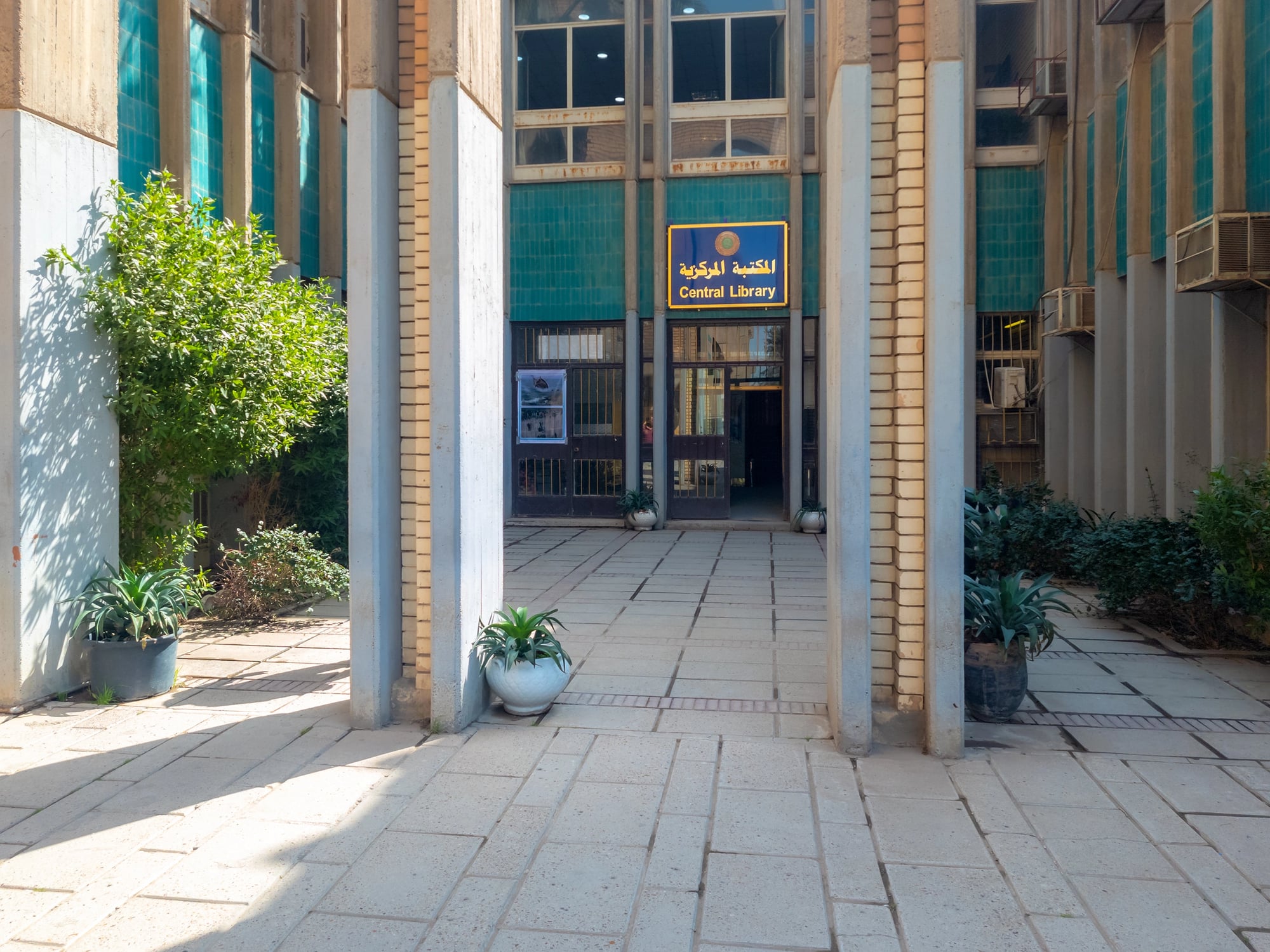
When the Mongols sacked Baghdad in 1258, they threw so many books into the Tigris River that witnesses claimed the water ran black with ink for days. The House of Wisdom had been the Islamic world’s intellectual heart for centuries, preserving Greek philosophy, Persian poetry, and Islamic scholarship that would never be recovered.
The destruction was so complete that some fields of study simply disappeared from human knowledge.
Nalanda University Library

The burning of Nalanda in 1193 lasted for three months — that’s how many manuscripts were stored in this Buddhist center of learning. Turkish invaders systematically destroyed what had been the world’s first residential university, erasing centuries of Buddhist philosophy, mathematics, and medicine.
Smoke from burning palm leaf manuscripts reportedly darkened the sky for days, carrying away knowledge that had taken centuries to accumulate.
Maya Codices By Spanish Conquistadors
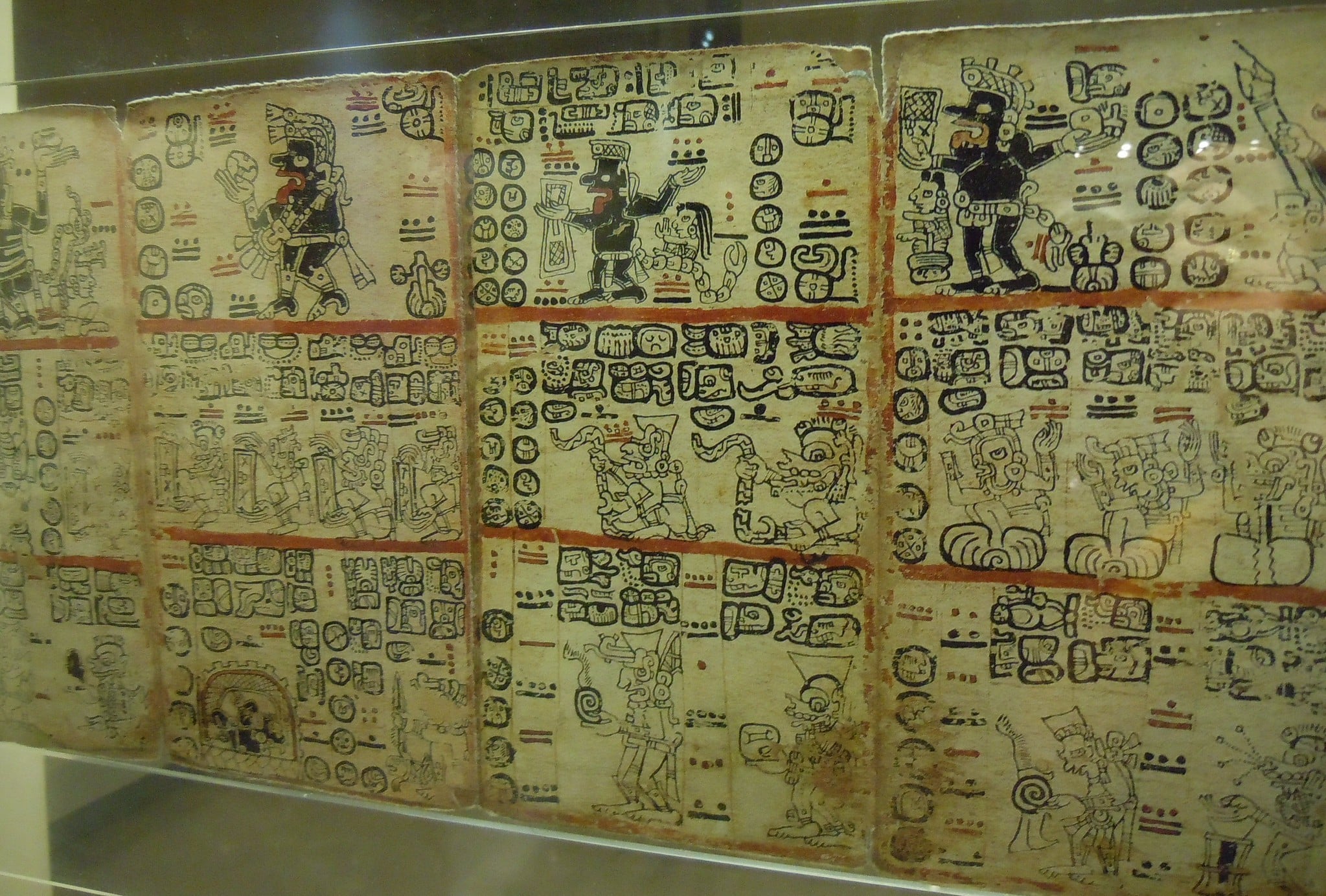
Bishop Diego de Landa burned nearly every Maya book he could find in 1562, declaring them “works of the devil.” Only four Maya codices survived this cultural holocaust, leaving massive gaps in our understanding of one of the Americas’ most sophisticated civilizations.
The irony cuts deep: de Landa later tried to reconstruct Maya culture for his own writings, realizing too late what he had destroyed.
Aztec Codices In Tenochtitlan
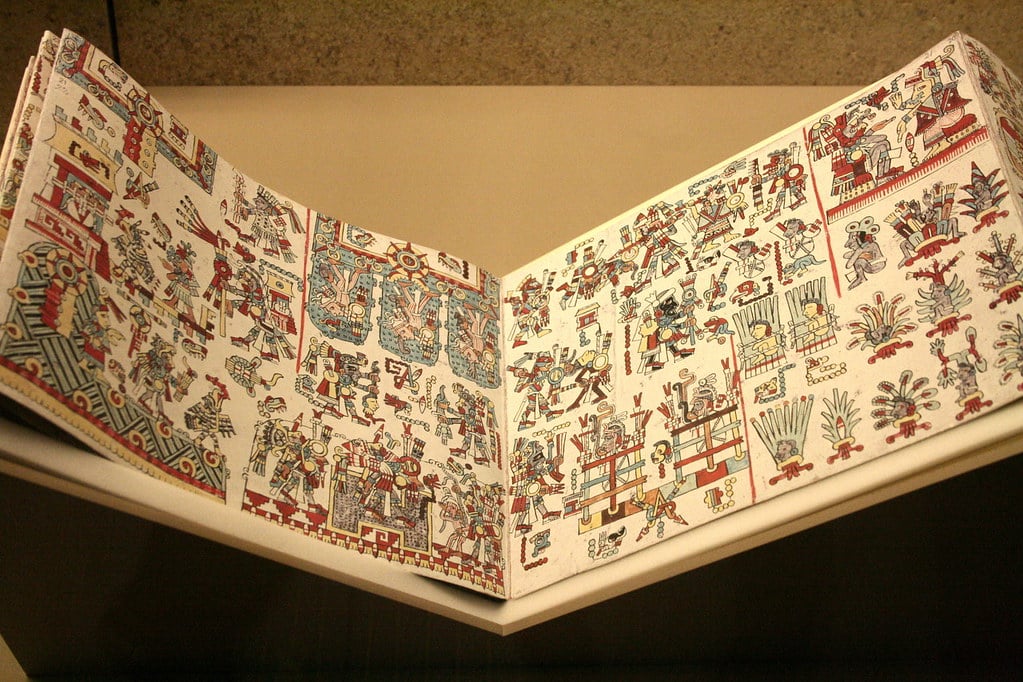
Spanish conquistadors didn’t just topple Aztec temples (they also specifically targeted the libraries where pictographic books recorded everything from astronomy to poetry). Hernán Cortés and his men burned thousands of codices, viewing them as obstacles to Christian conversion.
The few Aztec books that survived were hidden by indigenous people who understood their irreplaceable value.
Chinese Books During The Qin Dynasty
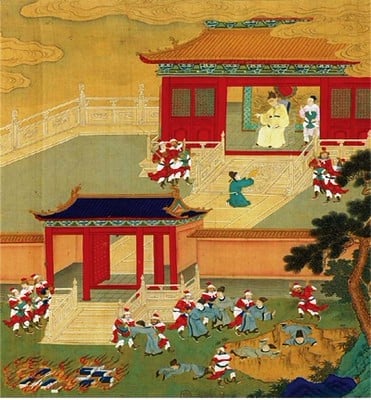
Emperor Qin Shi Huang ordered the burning of all books except those on medicine, agriculture, and divination in 213 BCE — but his motivations were crystal clear. He wanted to eliminate competing philosophies that might challenge his authority, particularly Confucian texts that emphasized moral governance.
Scholars who resisted were reportedly buried alive, making this one of history’s most systematic attempts at intellectual control.
Books In Nazi Germany

The Nazi book burnings of 1933 weren’t spontaneous acts of mob violence but carefully orchestrated events designed to purge “un-German” ideas. Students and Storm Troopers burned works by Jewish authors, political dissidents, and anyone whose thoughts didn’t align with Nazi ideology.
The images of burning books in Berlin’s Opernplatz became an early warning of the greater horrors to come.
Sarajevo’s National Library
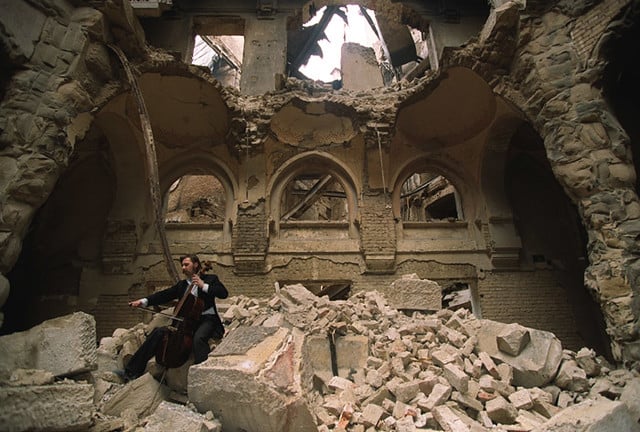
When Serbian forces shelled Sarajevo’s National Library in 1992, they weren’t just attacking a building — they were attacking Bosnian cultural identity itself. The library held irreplaceable manuscripts documenting centuries of multicultural Balkan history, including rare Ottoman and Austro-Hungarian documents.
Witnesses described burning pages floating through the air like black snow, settling over the besieged city.
Timbuktu Manuscripts
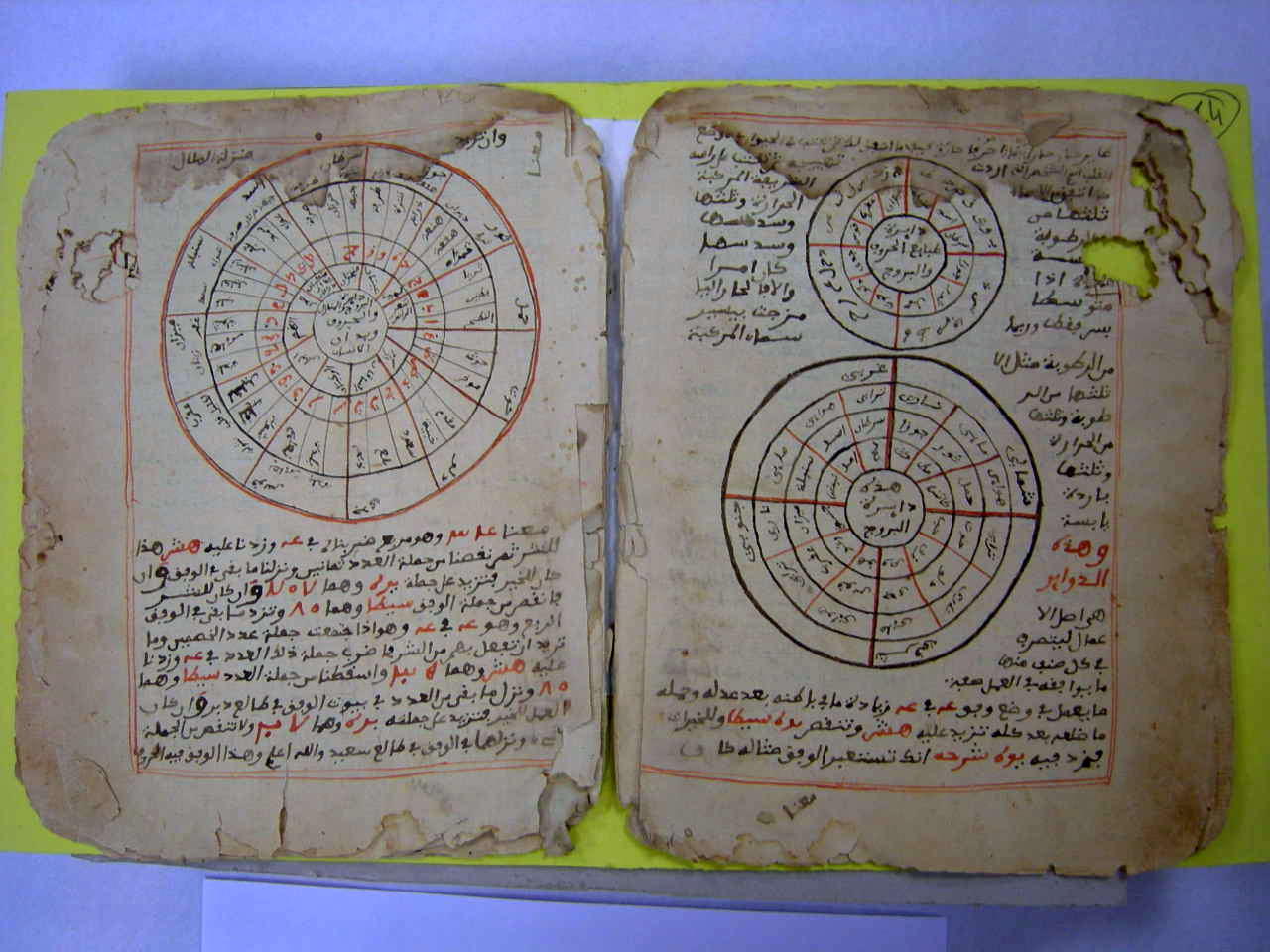
Islamic extremists in Mali systematically burned ancient manuscripts in Timbuktu in 2013, targeting texts that preserved centuries of African Islamic scholarship. These weren’t just religious documents but also works on astronomy, mathematics, and philosophy that challenged stereotypes about African intellectual traditions.
Fortunately, many manuscripts had been secretly smuggled to safety by local scholars who anticipated the destruction.
Library Of Louvain In World War I
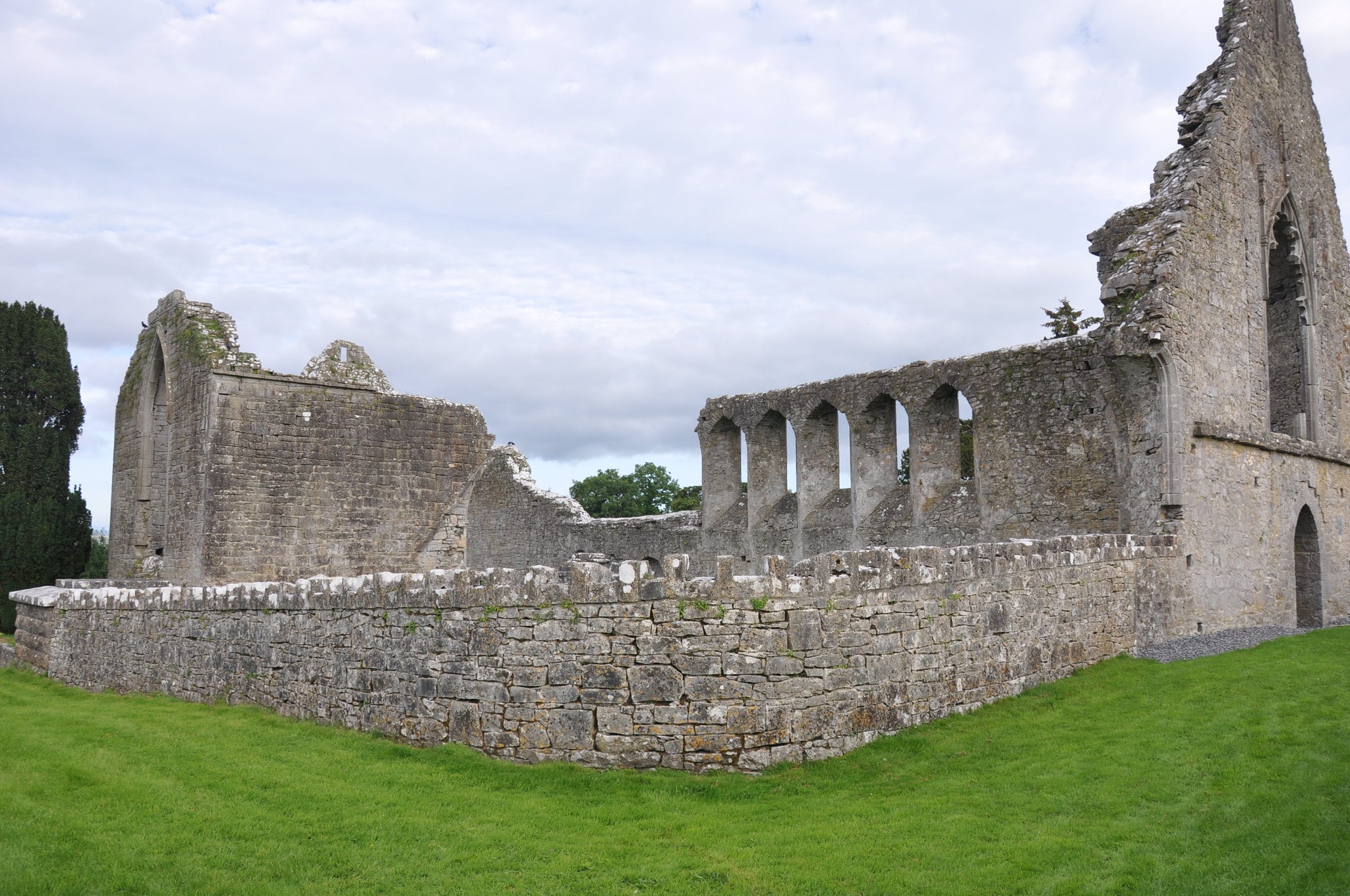
German forces deliberately burned the University of Louvain’s library in 1914, destroying 300,000 books including irreplaceable medieval manuscripts. This wasn’t collateral damage from military operations but a calculated strike against Belgian intellectual life.
The international outcry over Louvain’s destruction helped turn global opinion against Germany, proving that even in wartime, some acts shock the conscience.
Polish Libraries In World War II

Nazi Germany’s systematic destruction of Polish libraries was part of a broader plan to eliminate Polish culture entirely. They burned millions of books, targeting everything from literature to scientific works, attempting to reduce Poles to a servile population with no cultural memory.
The scale was breathtaking: over 15 million books destroyed across occupied Poland.
Irish Manuscripts In The Four Courts
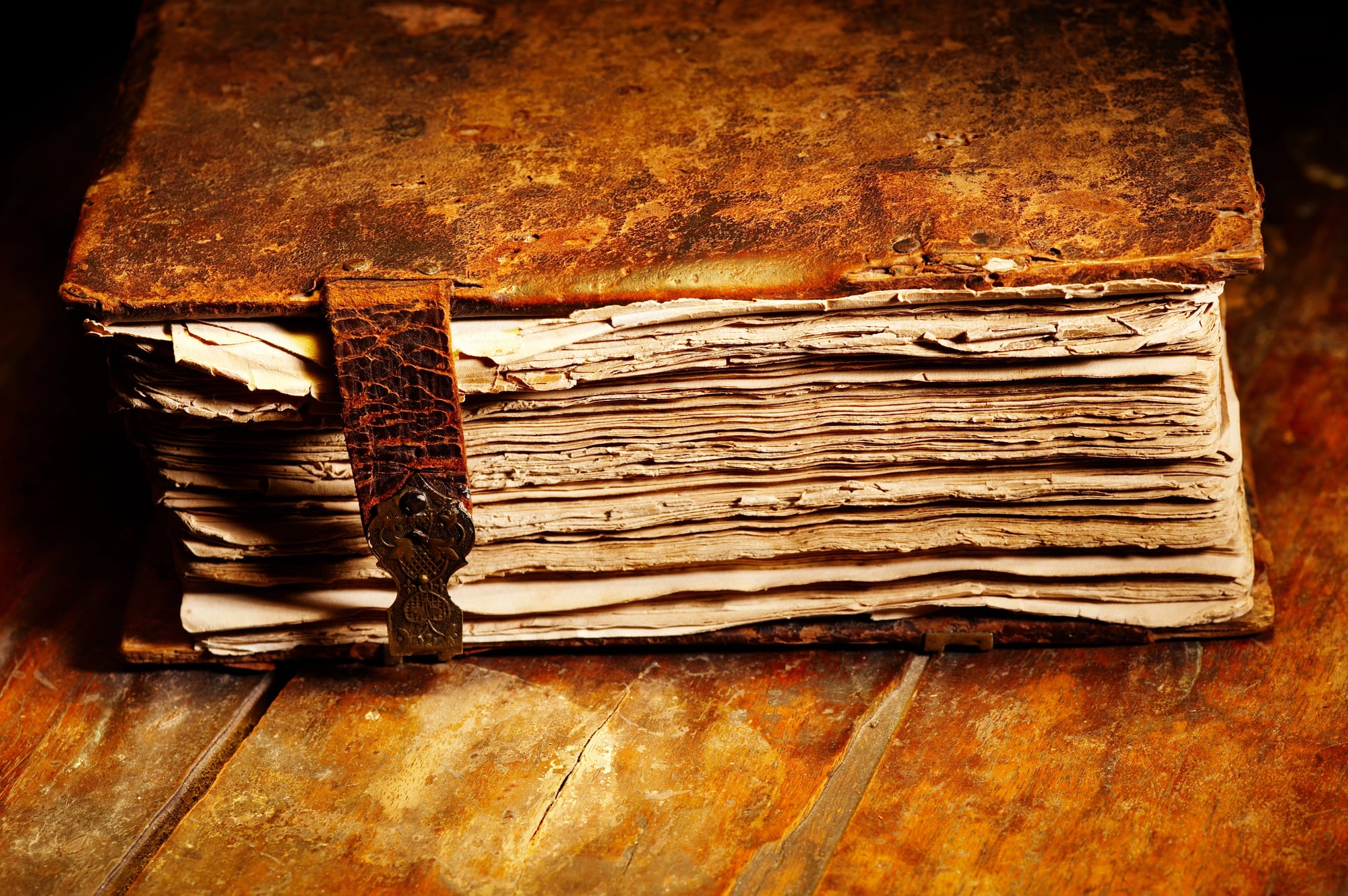
When anti-treaty forces occupied Dublin’s Four Courts in 1922, the resulting explosion and fire destroyed Ireland’s Public Record Office, including countless Gaelic manuscripts and historical documents. This wasn’t intentional cultural destruction but a devastating consequence of civil war — proof that libraries become casualties even when they’re not specific targets.
Seven centuries of Irish records vanished in a single day.
Khmer Rouge And Cambodian Libraries
The Khmer Rouge didn’t just murder intellectuals (they systematically destroyed books and libraries as part of their plan to return Cambodia to an agrarian paradise). Anything that represented education, foreign influence, or urban sophistication was targeted for destruction.
Most of Cambodia’s written heritage was lost between 1975 and 1979, creating cultural amnesia that the country is still trying to overcome.
Ottoman Manuscripts In The Balkans
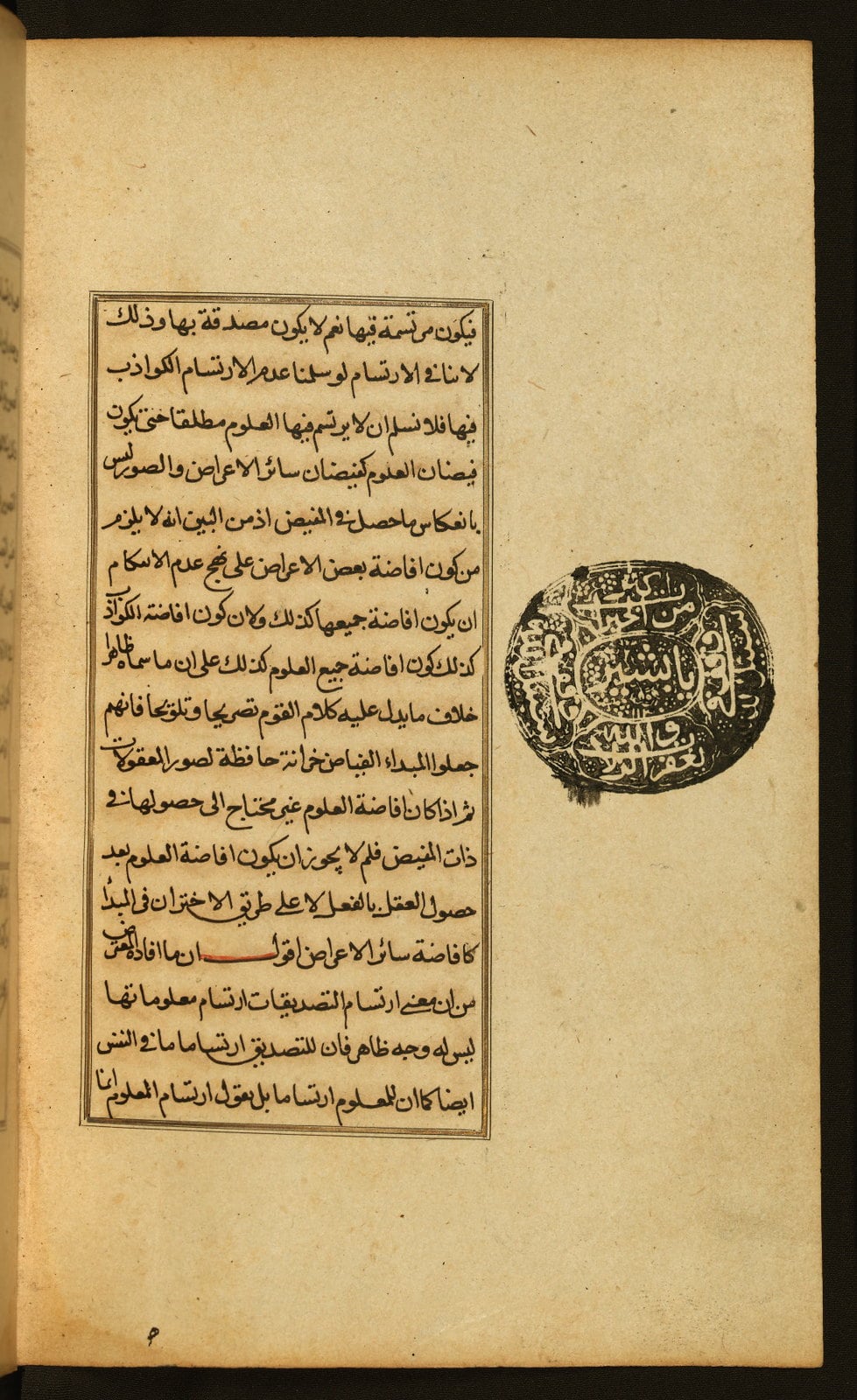
As the Ottoman Empire retreated from the Balkans, centuries of Ottoman cultural heritage went up in flames — sometimes destroyed by retreating forces, sometimes by advancing Christian armies. Libraries in cities like Sarajevo, Skopje, and Belgrade lost irreplaceable collections of Turkish, Arabic, and Persian texts.
These losses severed connections between the Balkans and broader Islamic intellectual traditions.
Sikh Reference Library In Amritsar
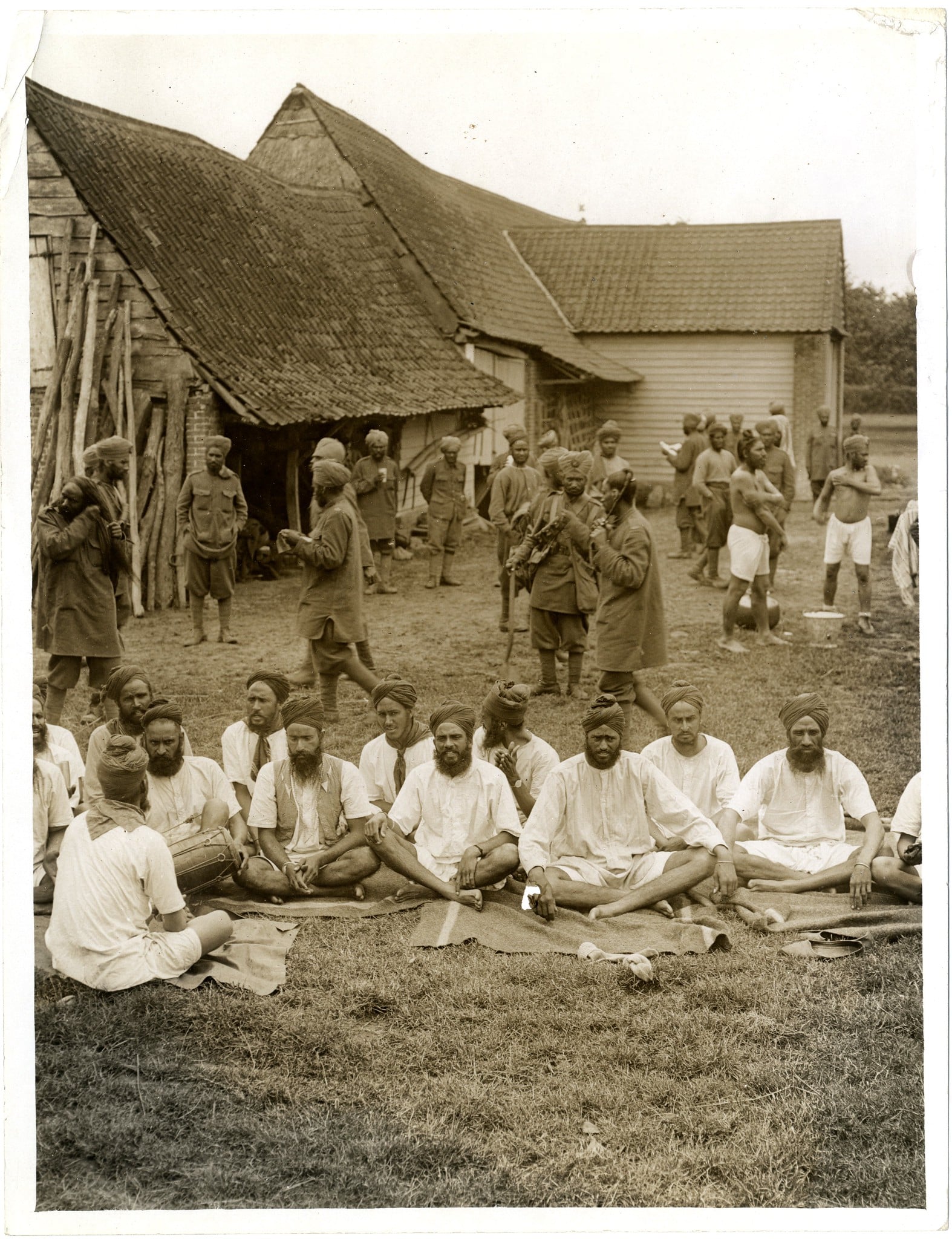
When Indian forces stormed the Golden Temple in 1984, the subsequent fire destroyed the Sikh Reference Library’s collection of rare manuscripts and historical documents. Whether the destruction was accidental or intentional remains disputed, but the loss was undeniable: centuries of Sikh religious and historical texts were reduced to ashes.
The library had been one of the most important repositories of Punjabi culture.
Spanish Civil War Libraries

Both sides in the Spanish Civil War targeted libraries associated with their enemies, but the destruction was particularly systematic in areas controlled by Franco’s forces. Republican libraries, workers’ education centers, and anything associated with leftist politics was burned.
The fires consumed not just books but the documentary evidence of Spain’s brief experiment with progressive politics.
Crusader Libraries In Jerusalem

When Crusaders captured Jerusalem in 1099, they burned Islamic libraries along with much of the city’s Muslim and Jewish population. These libraries had preserved Greek philosophical works, Islamic science, and Jewish scholarship that had flourished under previous rulers.
The destruction was both religious zealotry and cultural warfare, eliminating intellectual traditions that had made Jerusalem a center of learning.
Protestant Destruction Of Catholic Libraries

During the English Reformation, Protestant reformers systematically destroyed Catholic monastery libraries, viewing them as repositories of superstition and papal authority. Thousands of medieval manuscripts were burned or used as scrap paper, eliminating centuries of religious and secular scholarship.
The destruction was so thorough that entire genres of medieval literature simply vanished from the historical record.
Revolutionary France’s Religious Libraries
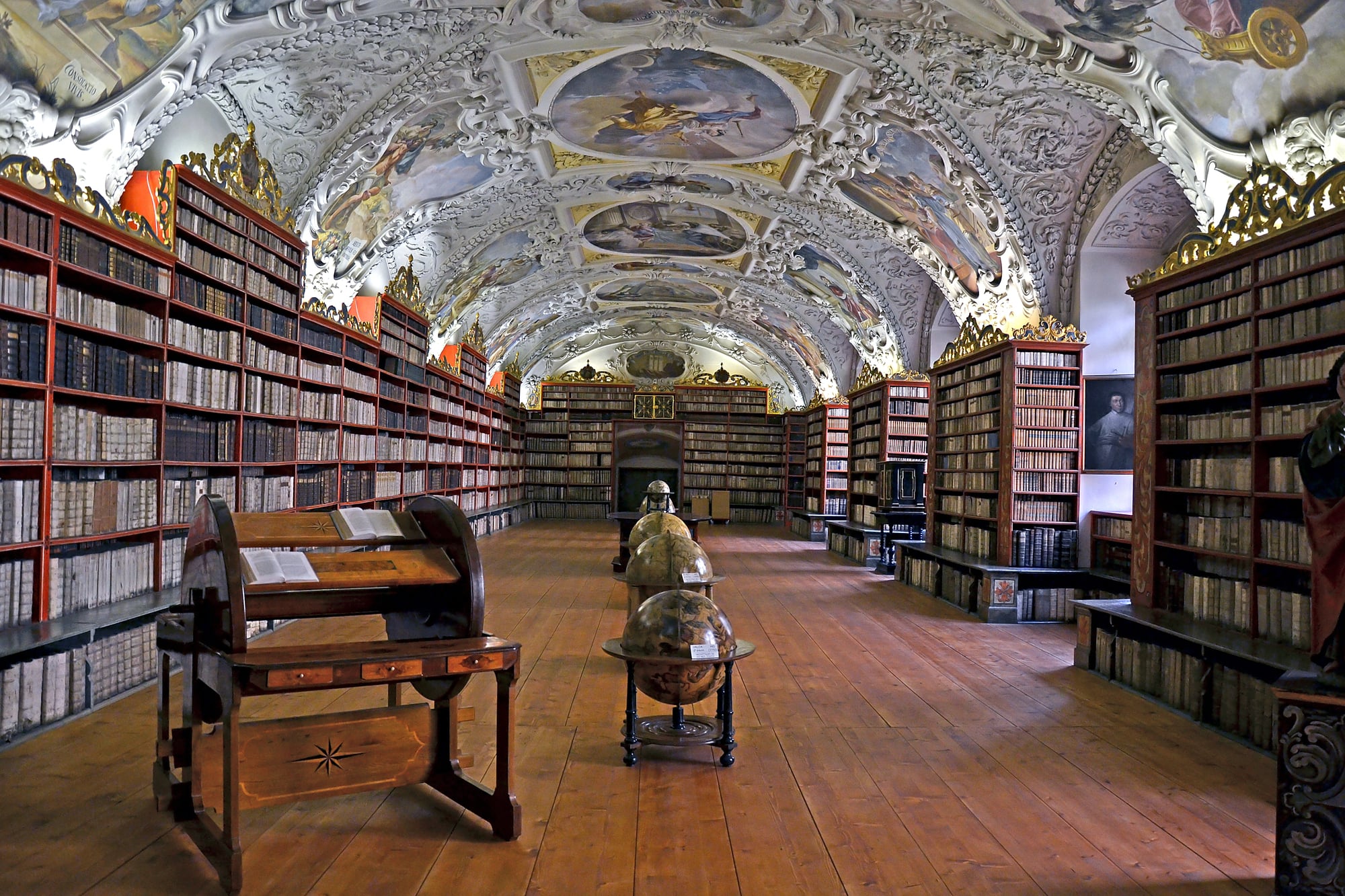
French revolutionaries burned monastery and church libraries as symbols of the old regime, destroying manuscripts that had preserved knowledge through the Dark Ages. The irony was profound: revolutionaries committed to reason and enlightenment were destroying the very books that had kept learning alive through centuries of political chaos.
Countless medieval texts disappeared forever during this period of revolutionary fervor.
Soviet Destruction Of Religious Texts

The Soviet Union systematically destroyed religious libraries as part of its campaign against organized religion, burning Orthodox Christian, Islamic, and Jewish texts across the empire. This wasn’t just anti-religious policy but an attempt to create a new Soviet identity with no competing loyalties.
Entire religious traditions were forced underground, their textual heritage scattered or lost.
Cultural Revolution Book Burnings
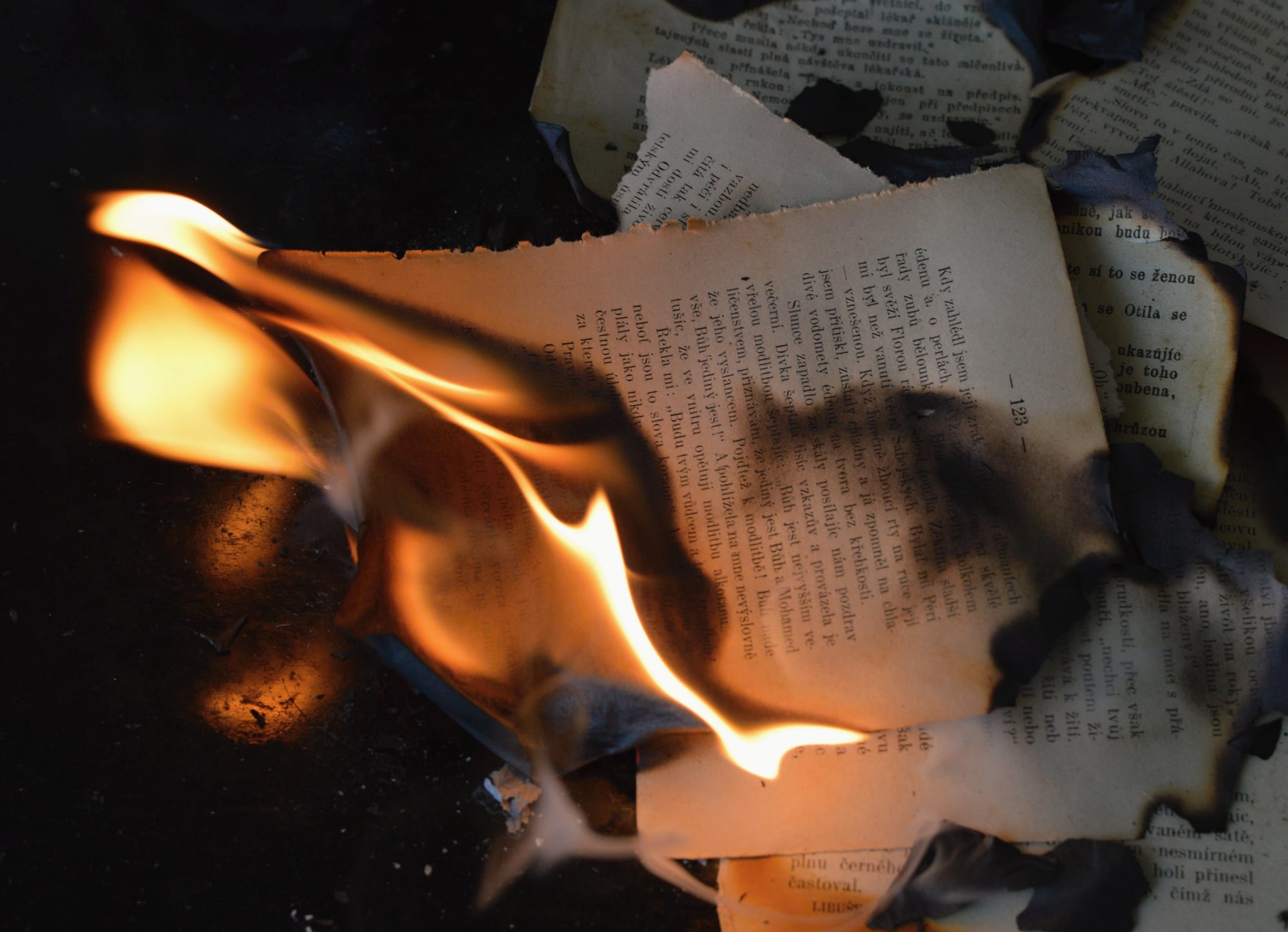
Mao’s Red Guards burned millions of books during China’s Cultural Revolution, targeting anything that represented traditional Chinese culture, foreign influence, or bourgeois thinking. Libraries, private collections, and bookstores were ransacked in the name of revolutionary purity.
The destruction was so comprehensive that many classical Chinese works survived only in copies preserved outside China.
Mongol Destruction Of Persian Libraries
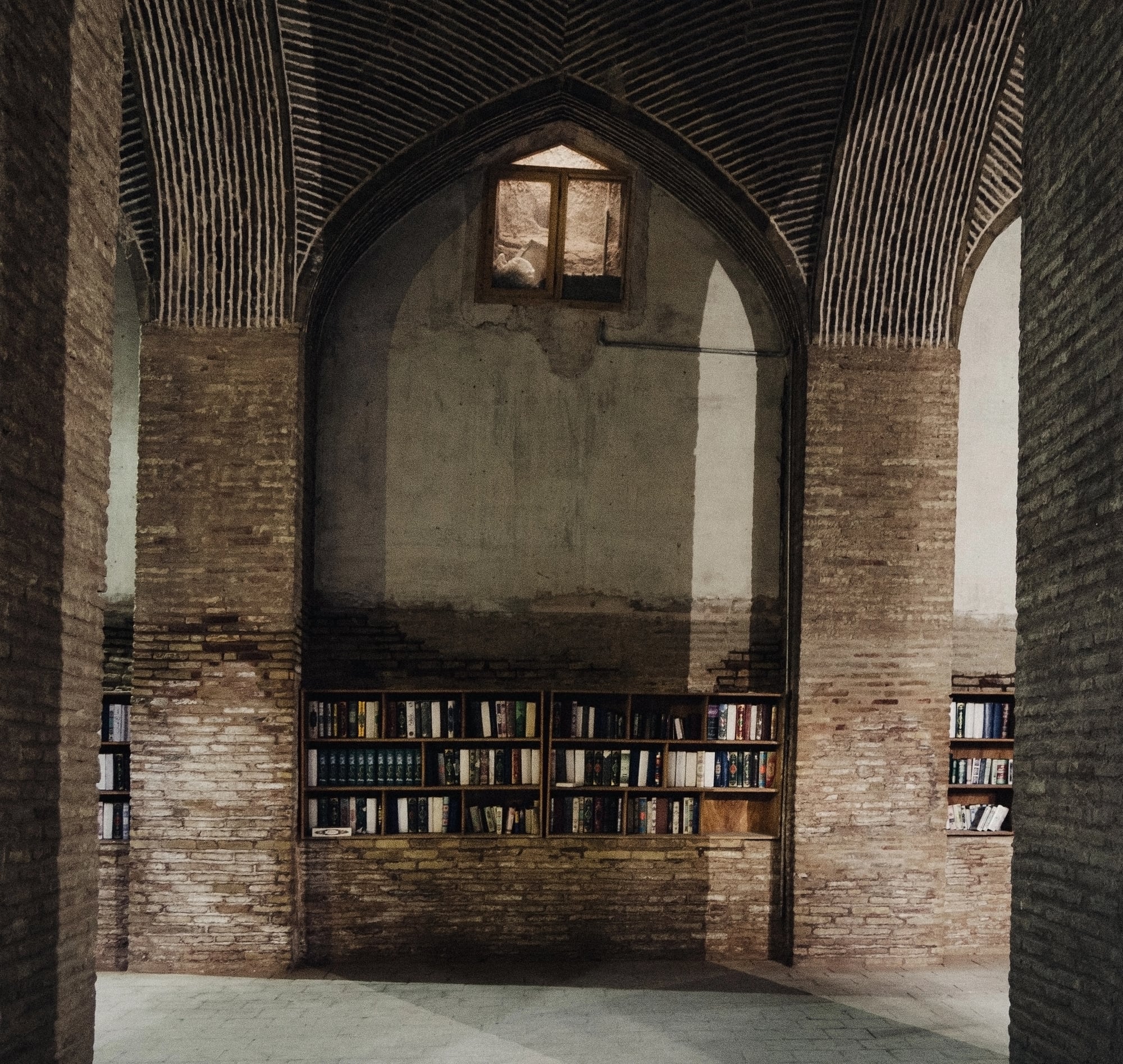
When Mongol forces swept through Persia in the 13th century, they systematically burned libraries in cities like Isfahan, Merv, and Nishapur as part of their terror campaign. These libraries had preserved centuries of Persian poetry, Islamic scholarship, and scientific works that connected the Islamic world with Greek and Indian knowledge.
The cultural impact was as devastating as the military conquest itself.
Vandal Sack Of Roman Libraries
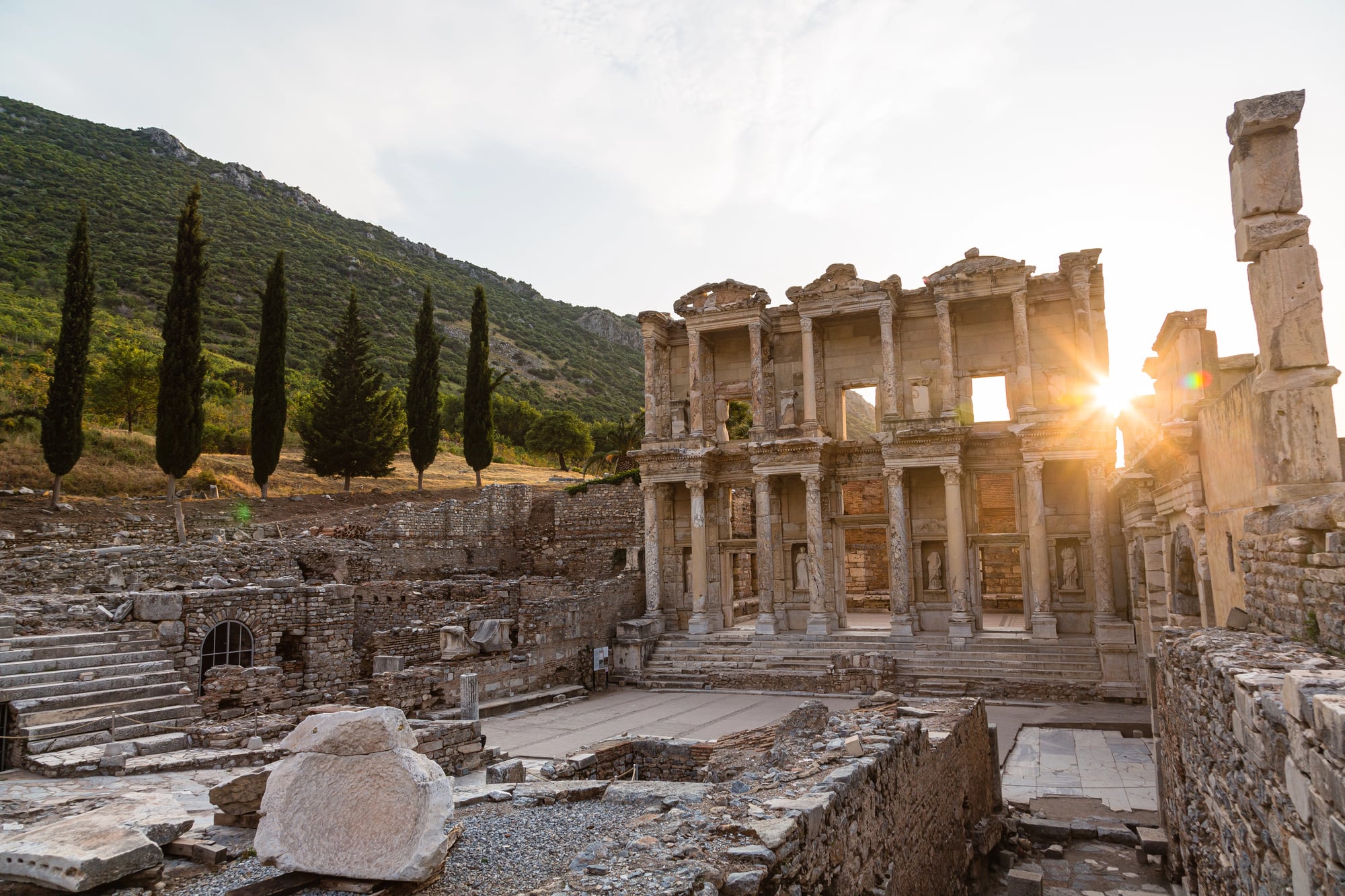
When Vandals sacked Rome in 455 CE, they burned libraries that had preserved classical learning for centuries, viewing Roman culture as their enemy’s greatest weapon. These libraries contained works of philosophy, history, and literature that had shaped Mediterranean civilization.
Many classical authors survive today only in fragments because their complete works were lost in flames like these.
Delhi Sultanate’s Hindu Text Destruction
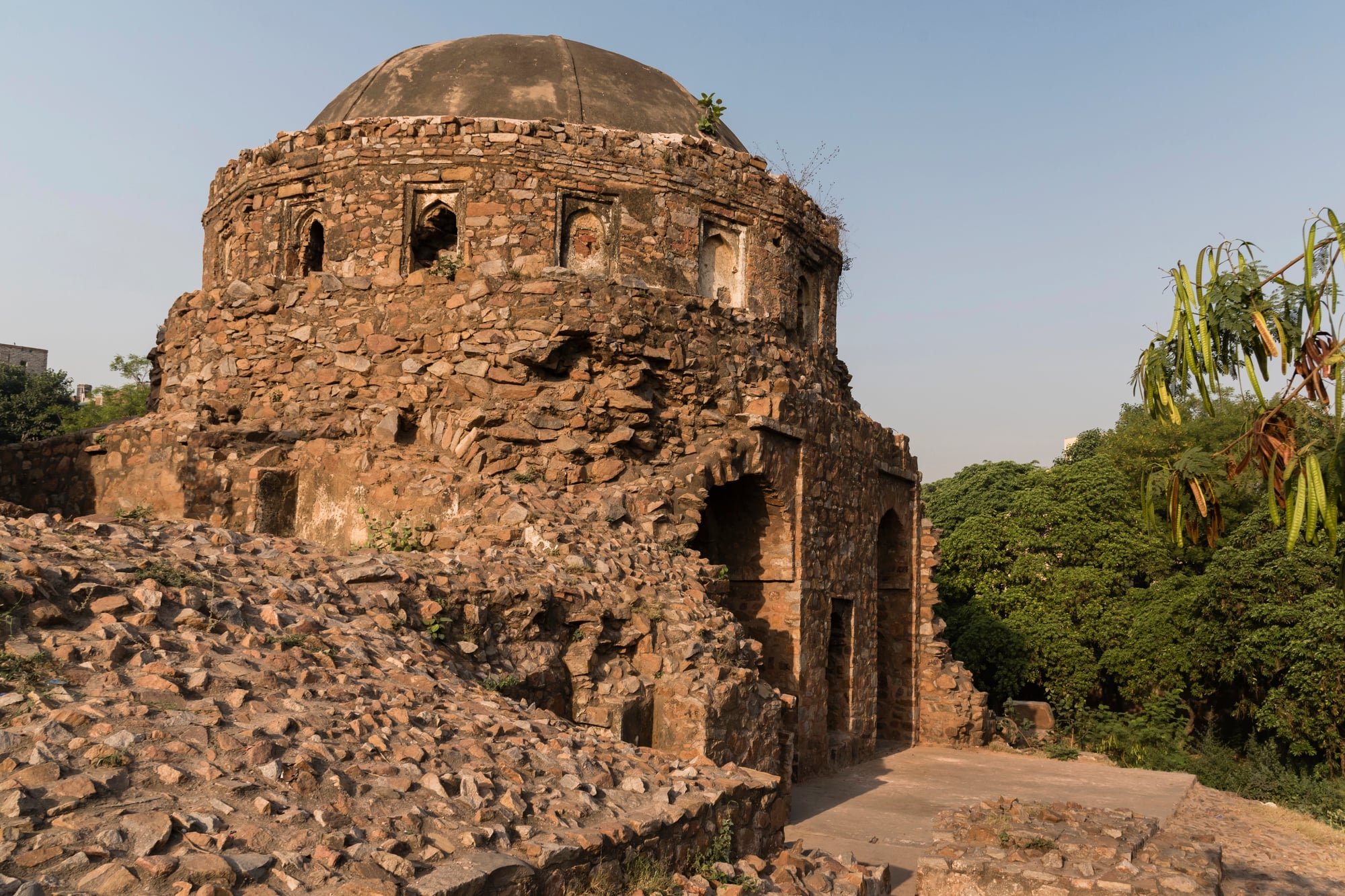
Islamic rulers in medieval India systematically destroyed Hindu and Buddhist manuscripts, viewing them as obstacles to religious conversion and political control. Sanskrit libraries in centers of learning like Varanasi and Mathura were repeatedly targeted over several centuries.
The loss was staggering: entire schools of Hindu philosophy and science disappeared, survived only through oral tradition or copies preserved in hidden locations.
Japanese Destruction Of Korean Books

During Japan’s occupation of Korea, Japanese authorities burned Korean books as part of their systematic effort to eliminate Korean cultural identity. Libraries, schools, and private collections were ransacked to remove anything that promoted Korean nationalism or cultural pride.
The goal was clear: transform Koreans into loyal Japanese subjects with no memory of their independent heritage.
Taliban Destruction Of Afghan Libraries

The Taliban burned libraries across Afghanistan during their rule, targeting books that didn’t conform to their rigid interpretation of Islamic law. University libraries, public collections, and private holdings were destroyed, including works on Afghan history, poetry, and scholarship.
Even Islamic texts that represented different theological traditions were burned, showing how narrow their definition of acceptable knowledge had become.
Huguenot Libraries In France

Catholic authorities in France burned Protestant libraries during periods of religious persecution, viewing Calvinist texts as threats to both religious orthodoxy and royal authority. The revocation of the Edict of Nantes in 1685 triggered widespread destruction of Huguenot books and manuscripts.
These libraries had preserved not just Protestant theology but also scientific and philosophical works that were considered suspect by association.
Colonial Destruction In The Americas

European colonizers systematically destroyed indigenous libraries across the Americas, from the Inca’s quipu record-keeping systems to Cherokee written materials. This destruction was both practical and symbolic: eliminating indigenous knowledge systems while asserting European cultural dominance.
The loss was immeasurable, erasing sophisticated systems of knowledge that had developed over millennia.
East Timor’s Libraries Under Indonesian Rule
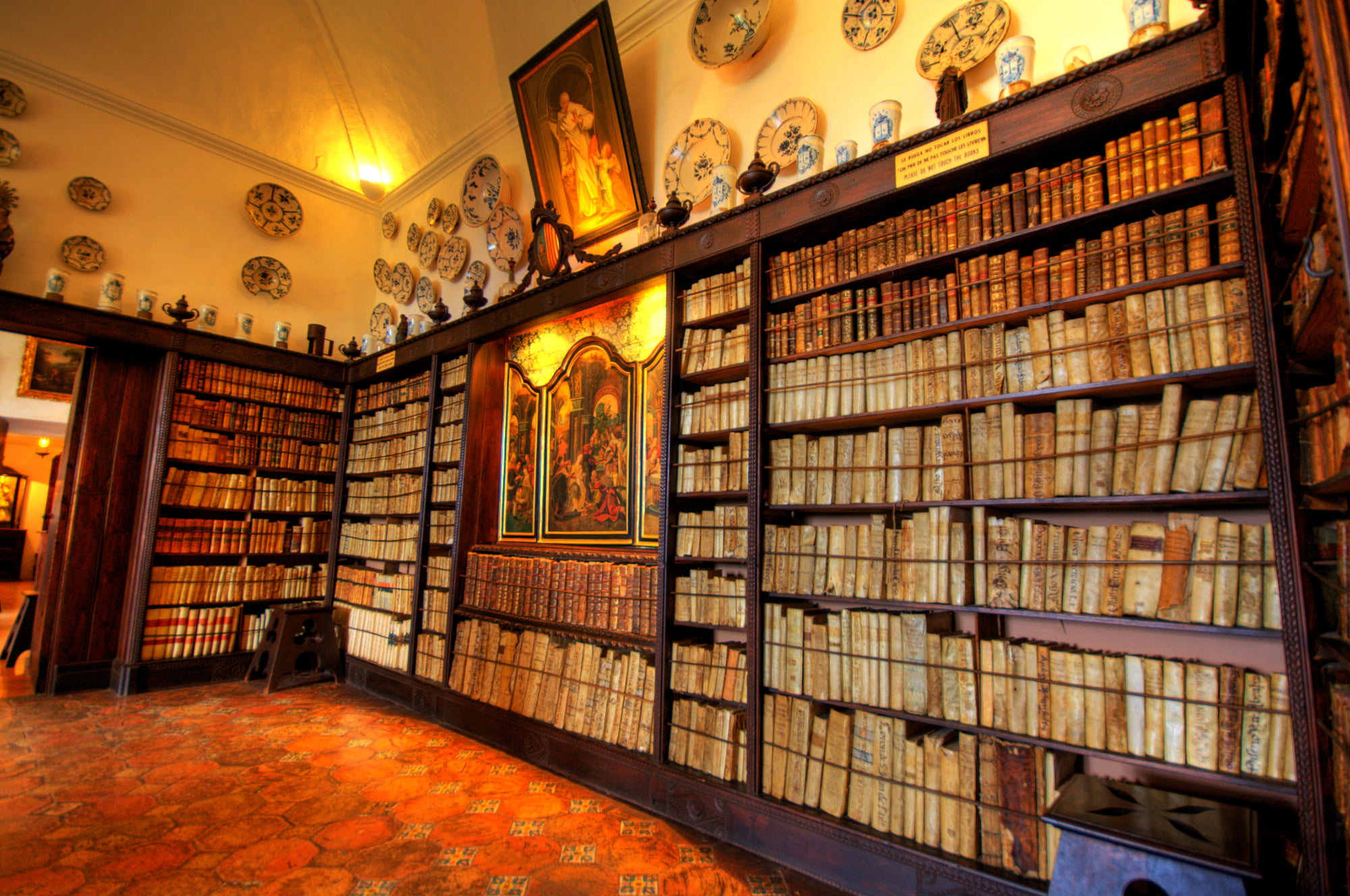
Indonesian forces destroyed libraries in East Timor as part of their effort to suppress Timorese cultural identity during the occupation. Portuguese books, traditional texts, and anything that reinforced East Timor’s distinct heritage were targeted for destruction.
The campaign aimed to make East Timorese forget their pre-Indonesian past and accept integration into the Indonesian state.
Bosnian Serb Destruction Of Muslim Libraries
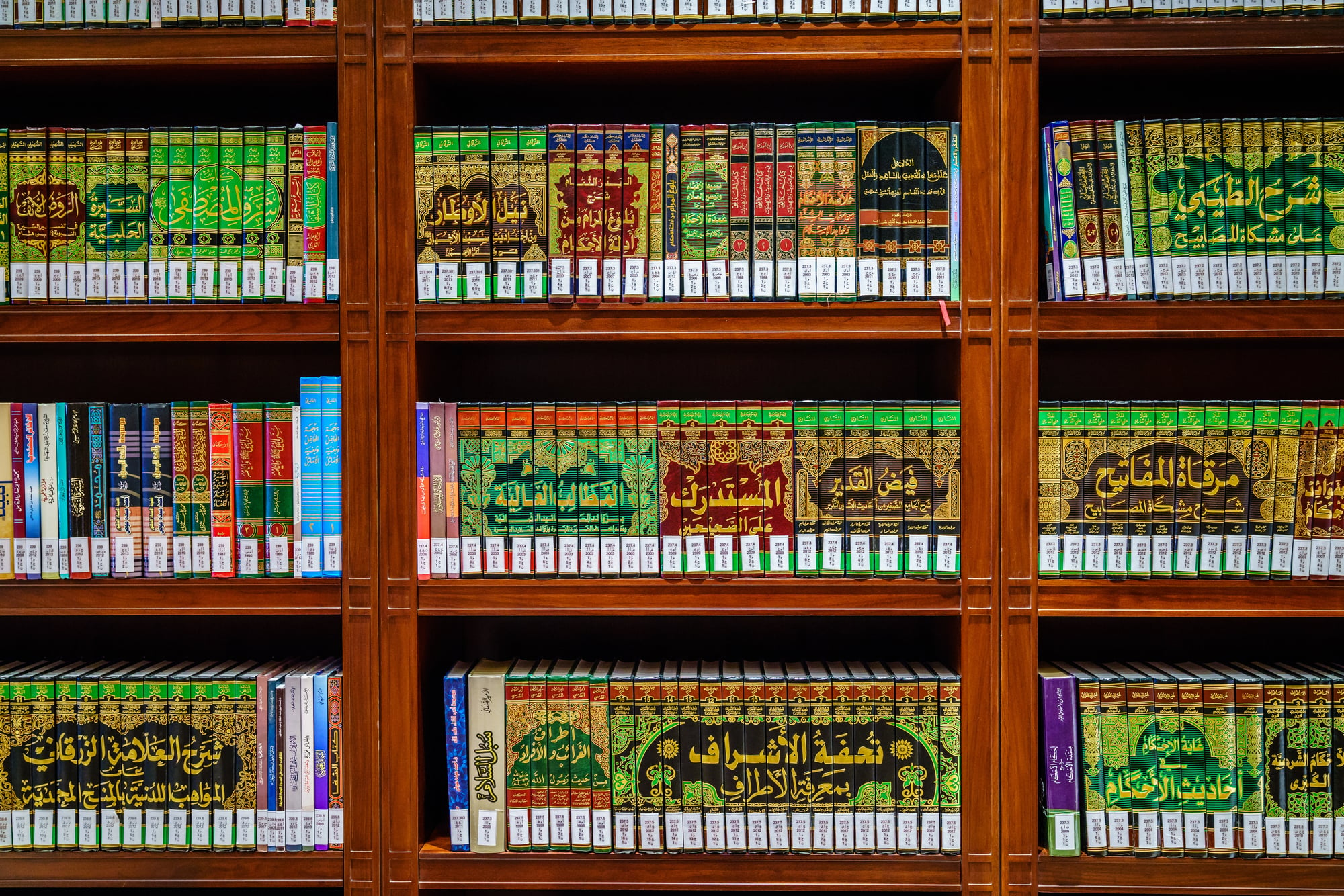
During the Bosnian War, Bosnian Serb forces systematically destroyed Muslim libraries and archives as part of their ethnic cleansing campaign. The goal wasn’t just territorial control but cultural erasure: eliminating evidence of centuries of Muslim presence in Bosnia.
Libraries in cities like Foča and Zvornik were burned along with mosques, creating a landscape stripped of Muslim memory.
ISIS Destruction Of Iraqi Libraries

ISIS militants burned thousands of books in Mosul’s libraries in 2015, targeting anything that contradicted their extremist ideology. University libraries, public collections, and rare manuscript holdings were systematically destroyed or looted.
The group posted videos of the destruction, using cultural vandalism as propaganda while eliminating intellectual traditions that had flourished in Iraq for centuries.
Pinochet’s Chile Library Burnings
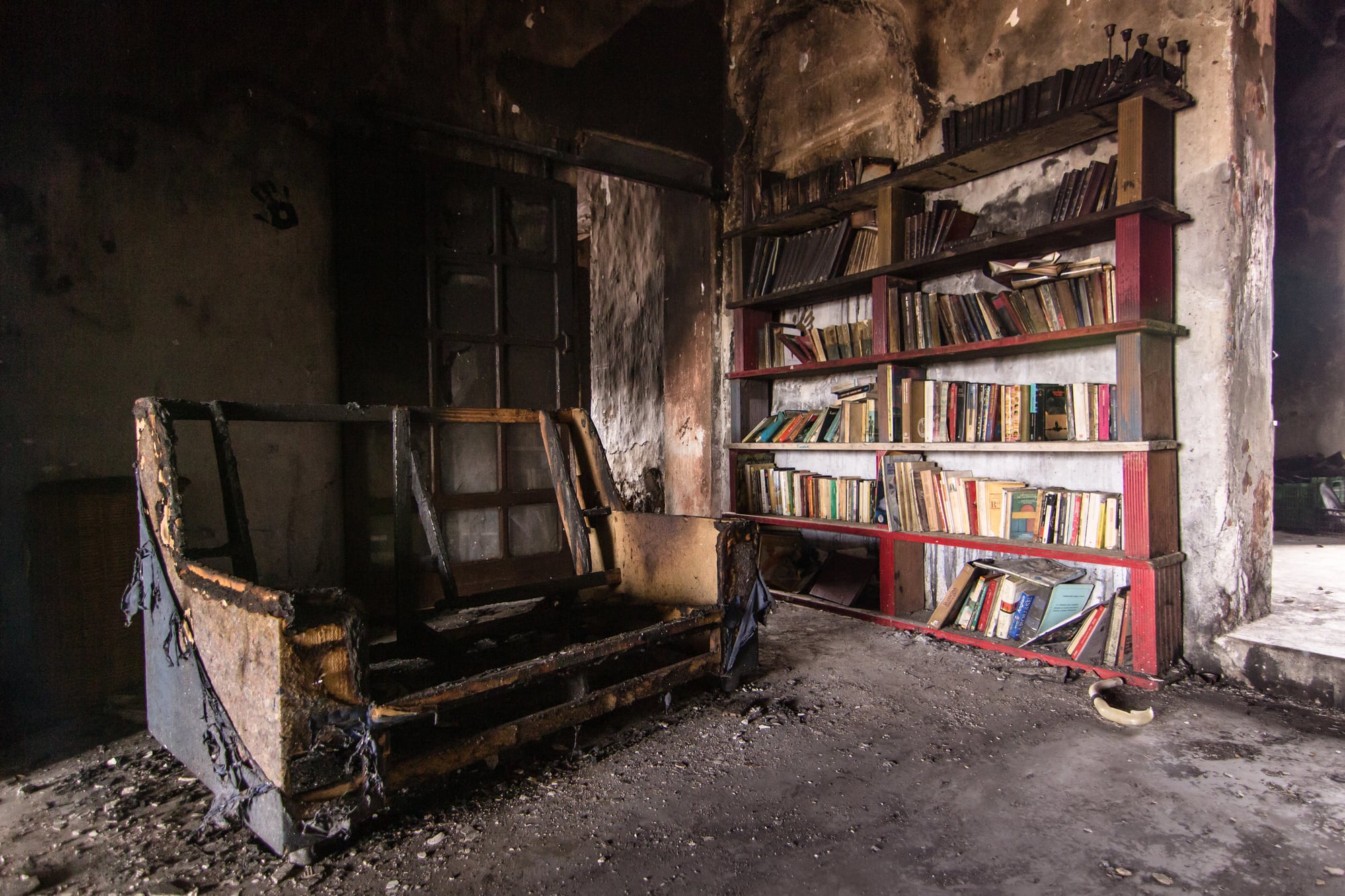
Chilean military forces burned leftist books and libraries after Pinochet’s coup in 1973, targeting anything associated with socialist politics or progressive education. University libraries, worker education centers, and private collections were ransacked to eliminate ideas that might inspire resistance.
The destruction was part of a broader campaign to reshape Chilean society according to authoritarian and free-market principles.
Remembering What We’ve Lost

These thirty-two libraries represent just a fraction of humanity’s lost knowledge, but their stories reveal a consistent pattern. When people want to destroy a culture, they start with its books.
They understand something profound: buildings can be rebuilt, but once knowledge is burned, it’s gone forever. The ashes of these libraries remind us that every book saved is an act of resistance against those who would erase our collective memory.
More from Go2Tutors!

- The Romanov Crown Jewels and Their Tragic Fate
- 13 Historical Mysteries That Science Still Can’t Solve
- Famous Hoaxes That Fooled the World for Years
- 15 Child Stars with Tragic Adult Lives
- 16 Famous Jewelry Pieces in History
Like Go2Tutors’s content? Follow us on MSN.



