26 Fortresses That Fell Entirely Because of Betrayal From Within
History teaches us that the strongest walls mean nothing when the enemy is already inside. Across centuries and continents, impregnable fortresses have crumbled not under siege engines or artillery, but through the calculated treachery of those trusted to defend them.
These betrayals weren’t just tactical failures — they were human failures that changed the course of empires.
Troy
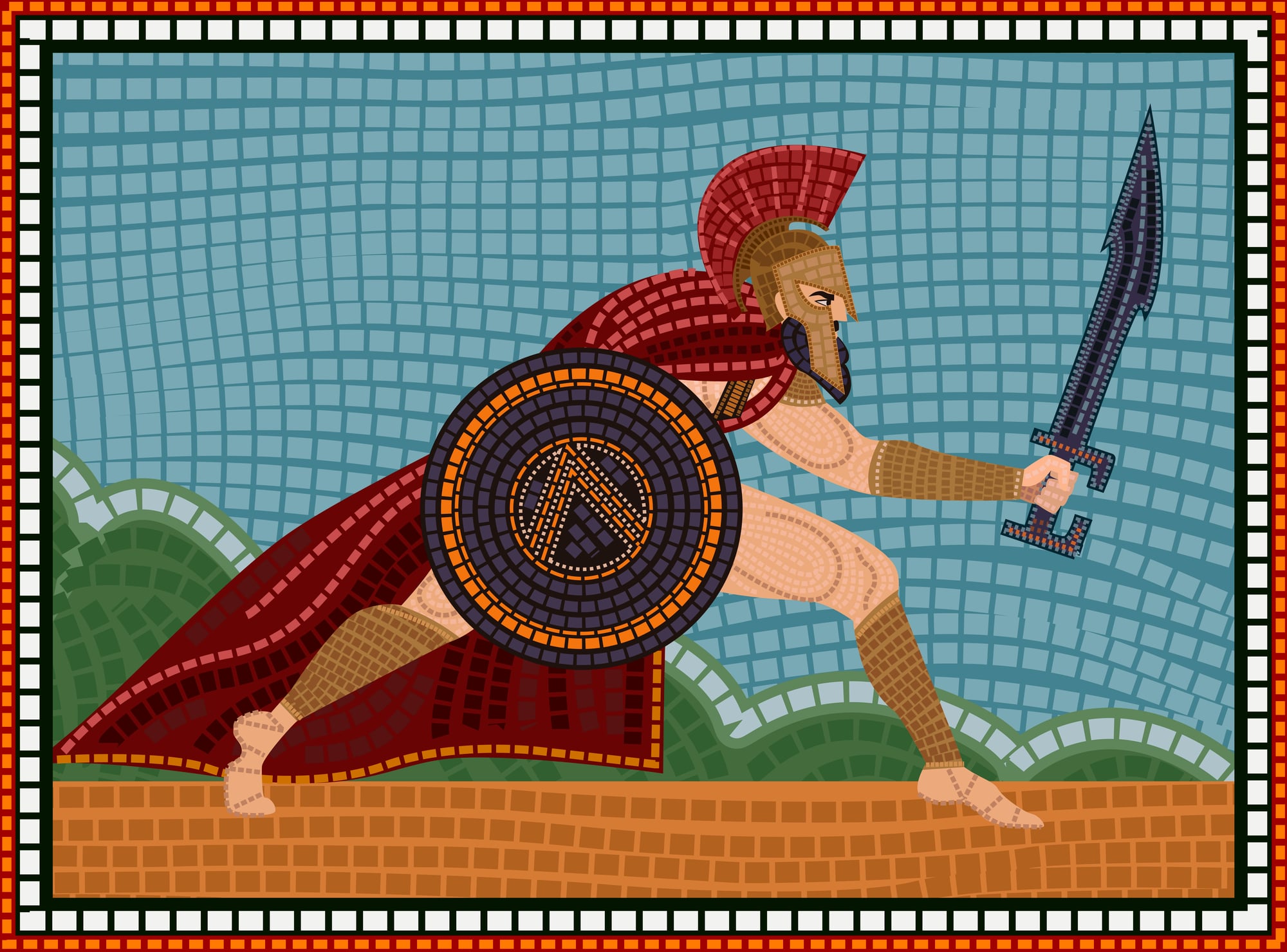
The most famous betrayal in fortress warfare wasn’t really a betrayal at all, but it feels like one. The Trojans dragged that wooden horse through their gates themselves, celebrating what they thought was victory.
Ten years of siege warfare, and it ended because someone got curious about a gift.
Carcassonne
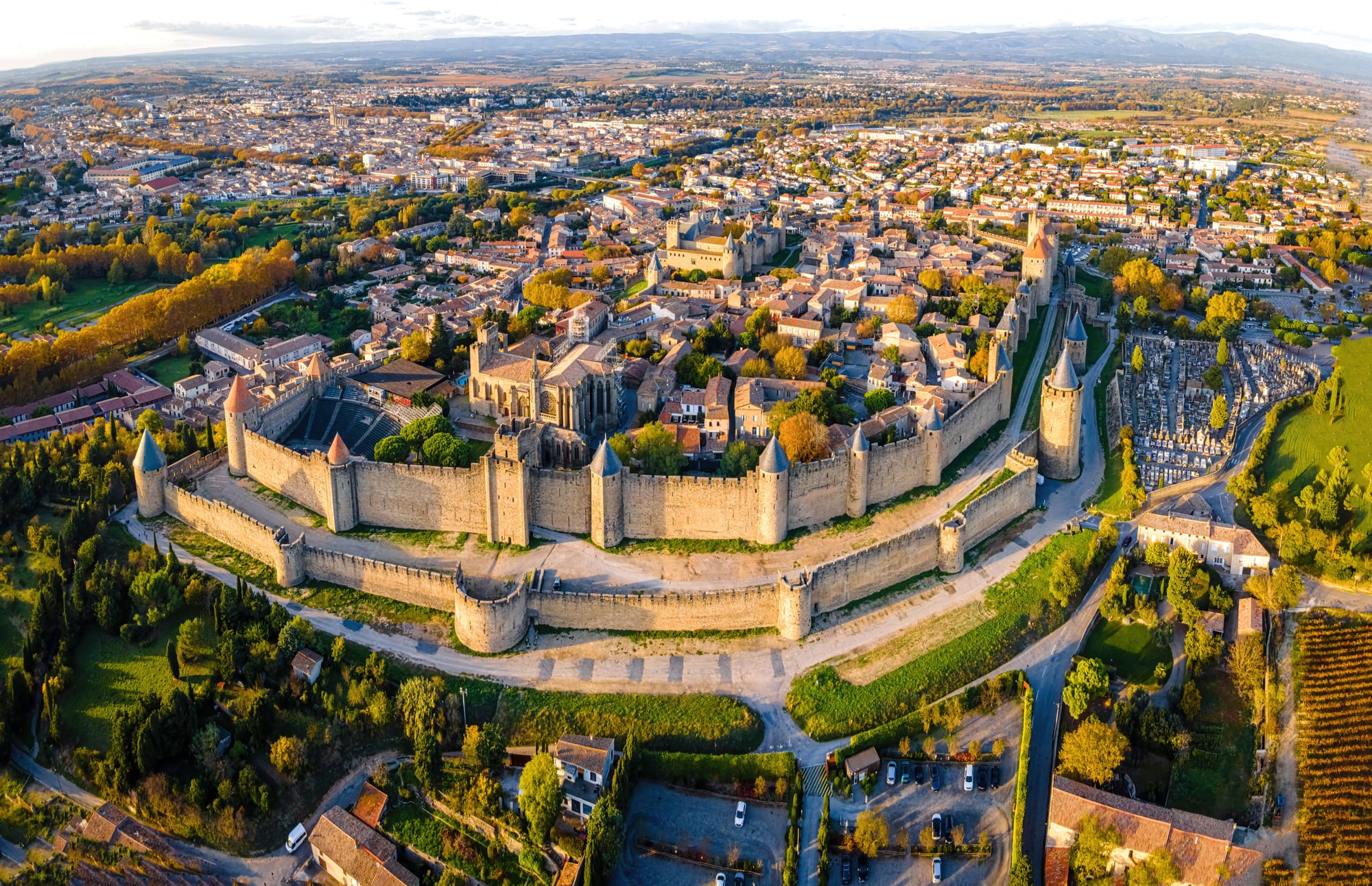
The perfectly preserved walls of Carcassonne in southern France fell in 1209 during the Albigensian Crusade when a group of Catholic citizens opened the gates to Simon de Montfort’s army. The Cathars who controlled the city had trusted these residents completely — which turned out to be a fatal miscalculation that ended centuries of religious tolerance in the region.
Rochester Castle
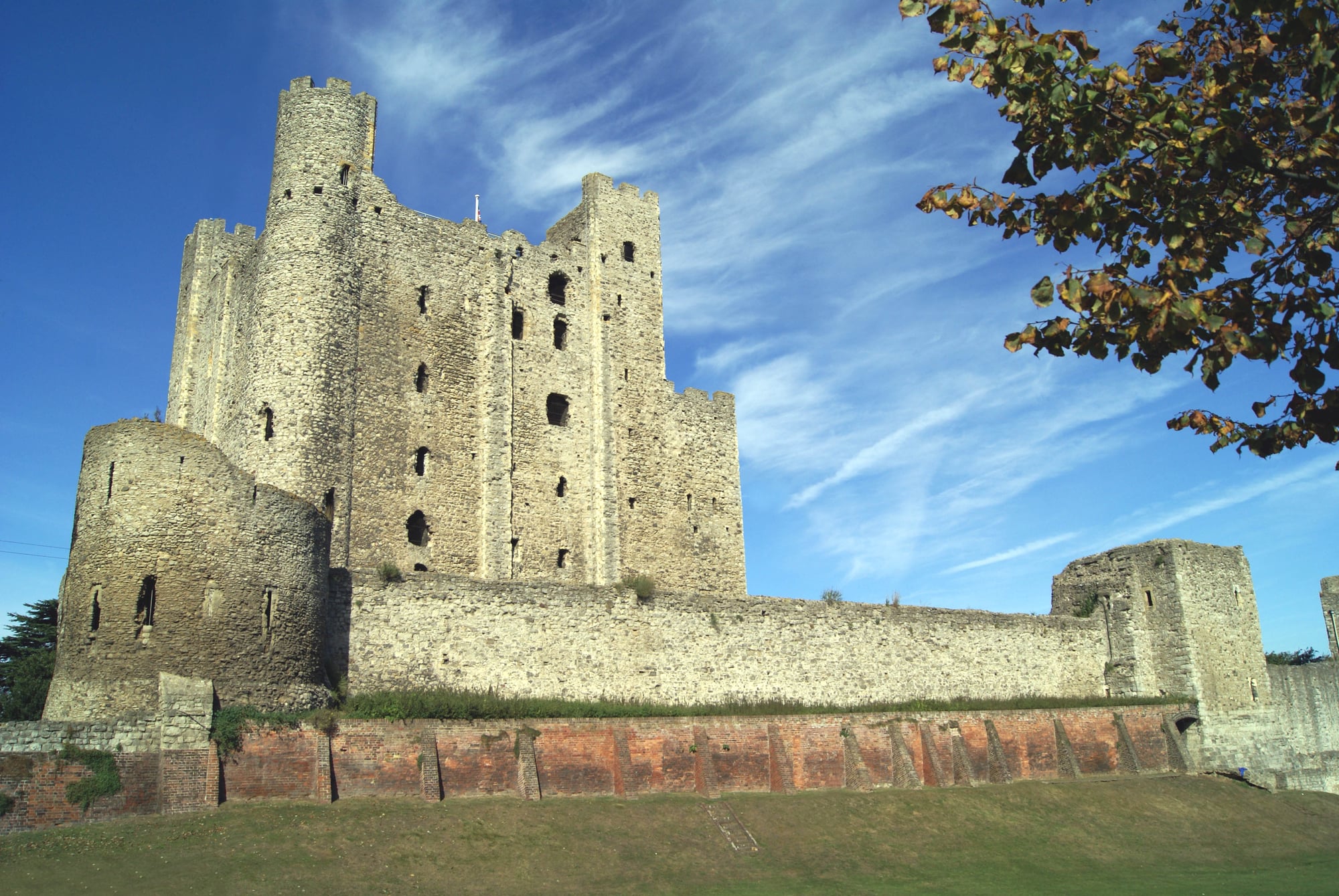
King John’s forces took Rochester Castle in 1215 through the famous undermining of the keep, a siege technique that became legendary in medieval warfare and demonstrated the effectiveness of sappers against even the strongest castle fortifications. The castle had withstood multiple sieges, but it couldn’t withstand one man’s change of heart — and the promise of land grants that came with it.
Château Gaillard
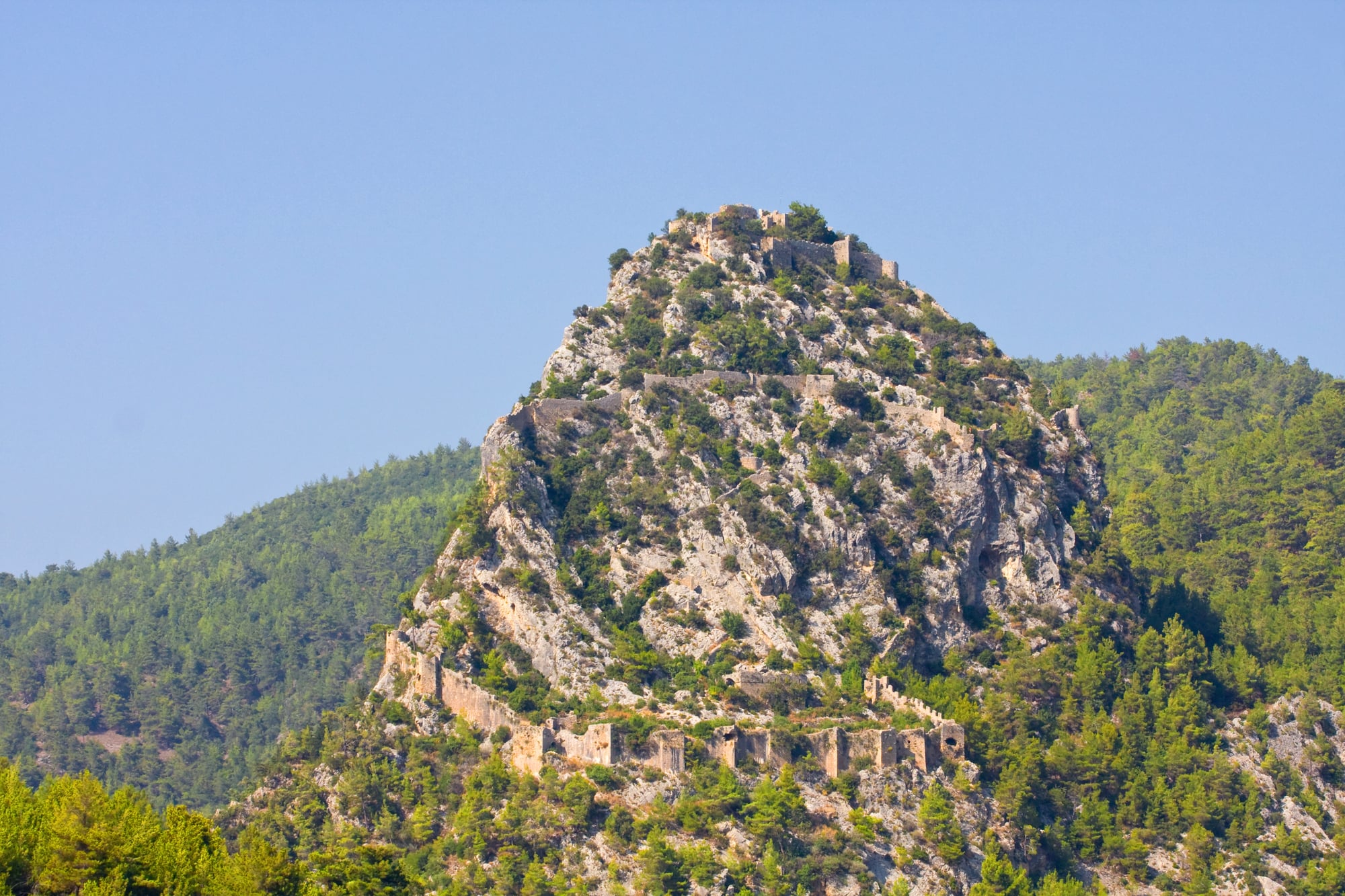
Richard the Lionheart’s “saucy castle” was supposed to be impregnable, built with every lesson learned from Crusader warfare. But in 1204, a French soldier discovered that someone had left a latrine window unbarred on the inner wall (some say it was deliberate sabotage by a disgruntled garrison member).
One unlocked window, and Philip Augustus owned Normandy.
Kenilworth Castle
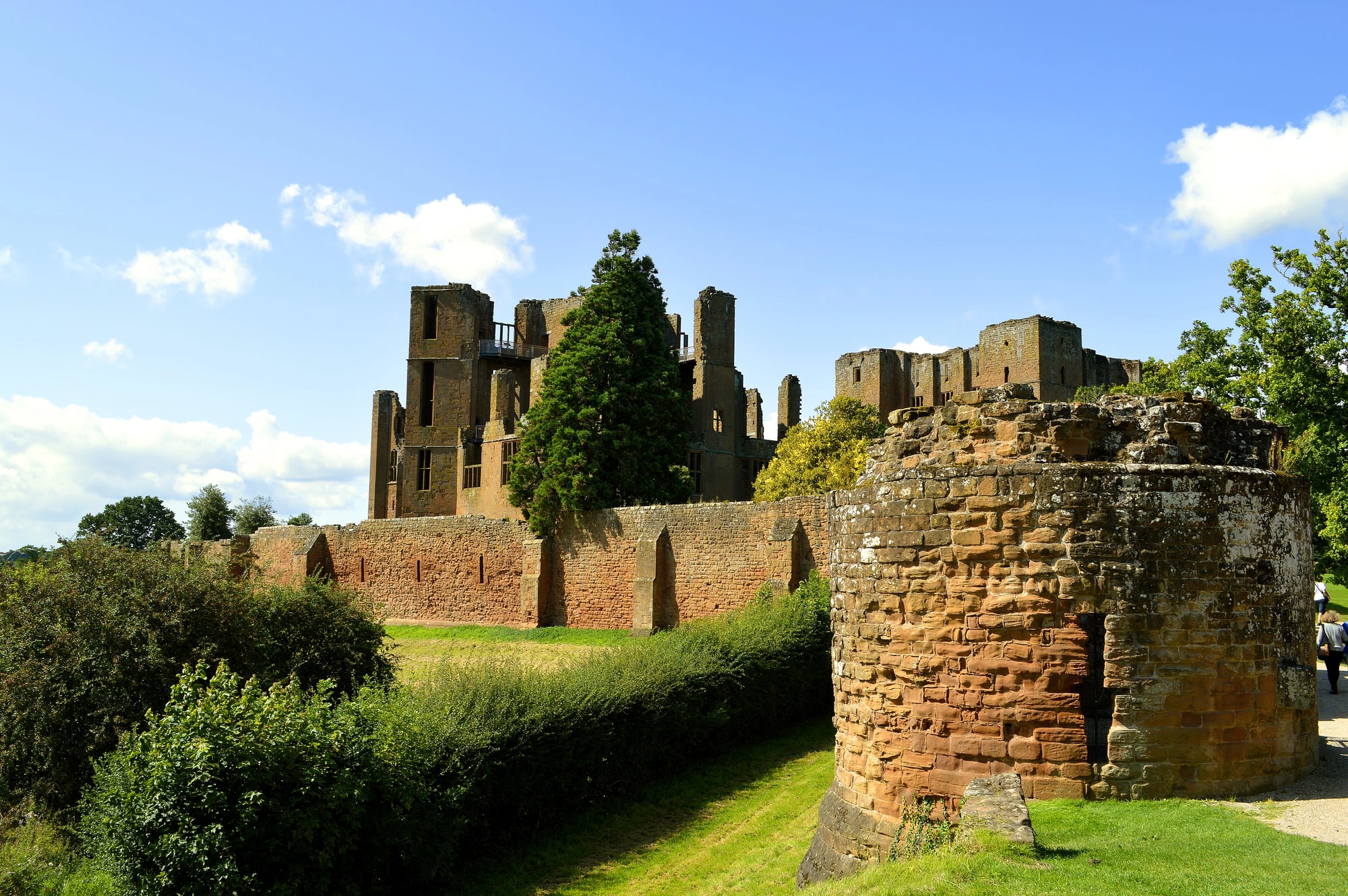
The longest siege in English history ended in 1266 not because the walls finally broke, but because someone inside Kenilworth was passing information about food supplies and morale to Edward I’s forces. The defenders held out for six months against impossible odds, only to discover they’d been betrayed by someone sharing their meals the entire time.
Acre
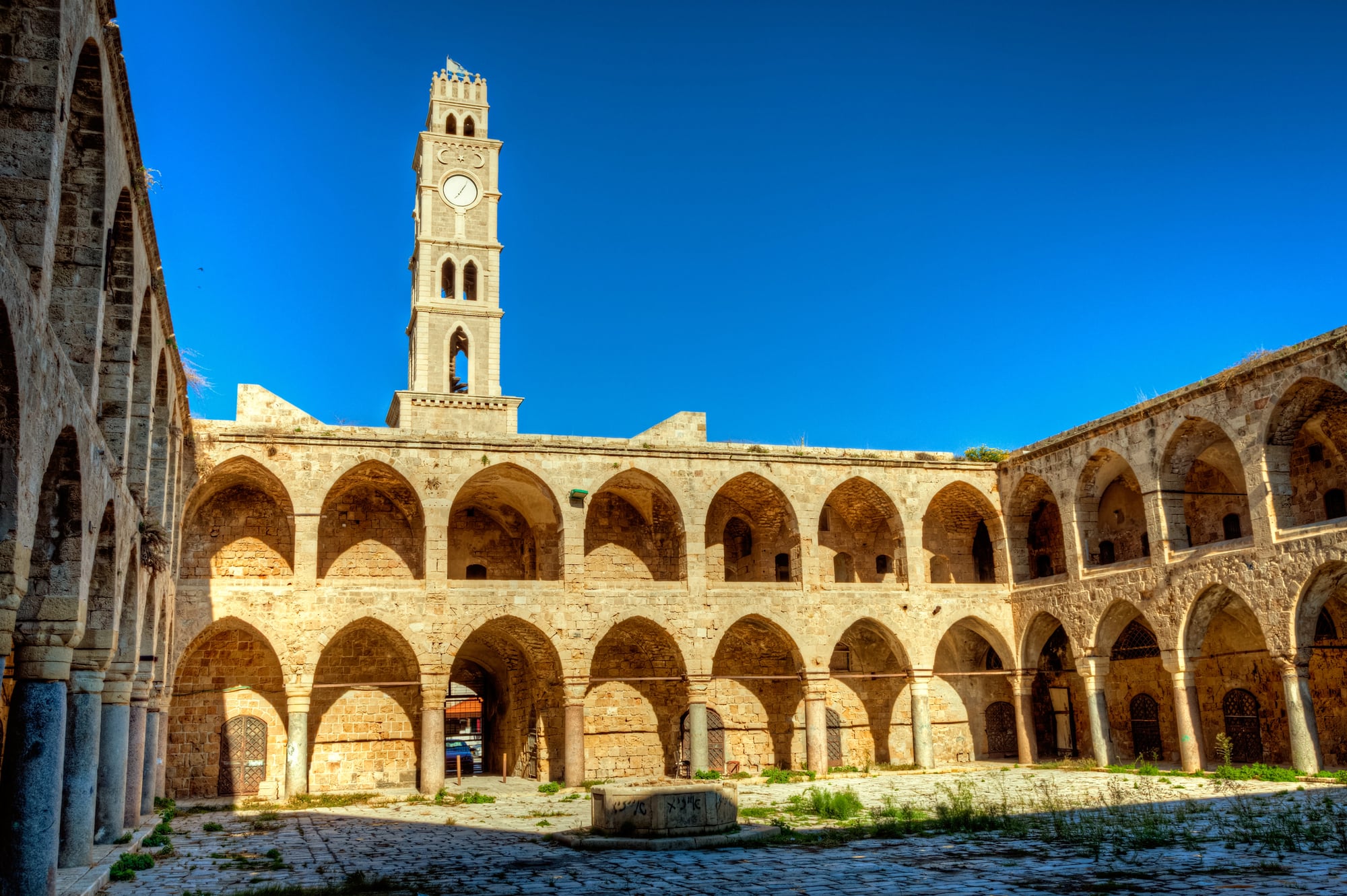
The last major Crusader stronghold fell in 1291 when a Mamluk sympathizer within the city opened a postern gate during the final assault. The Templars and Hospitallers had prepared for every kind of siege warfare except the one that mattered: they’d forgotten to watch their own people, and it cost them the Holy Land.
Roxburgh Castle
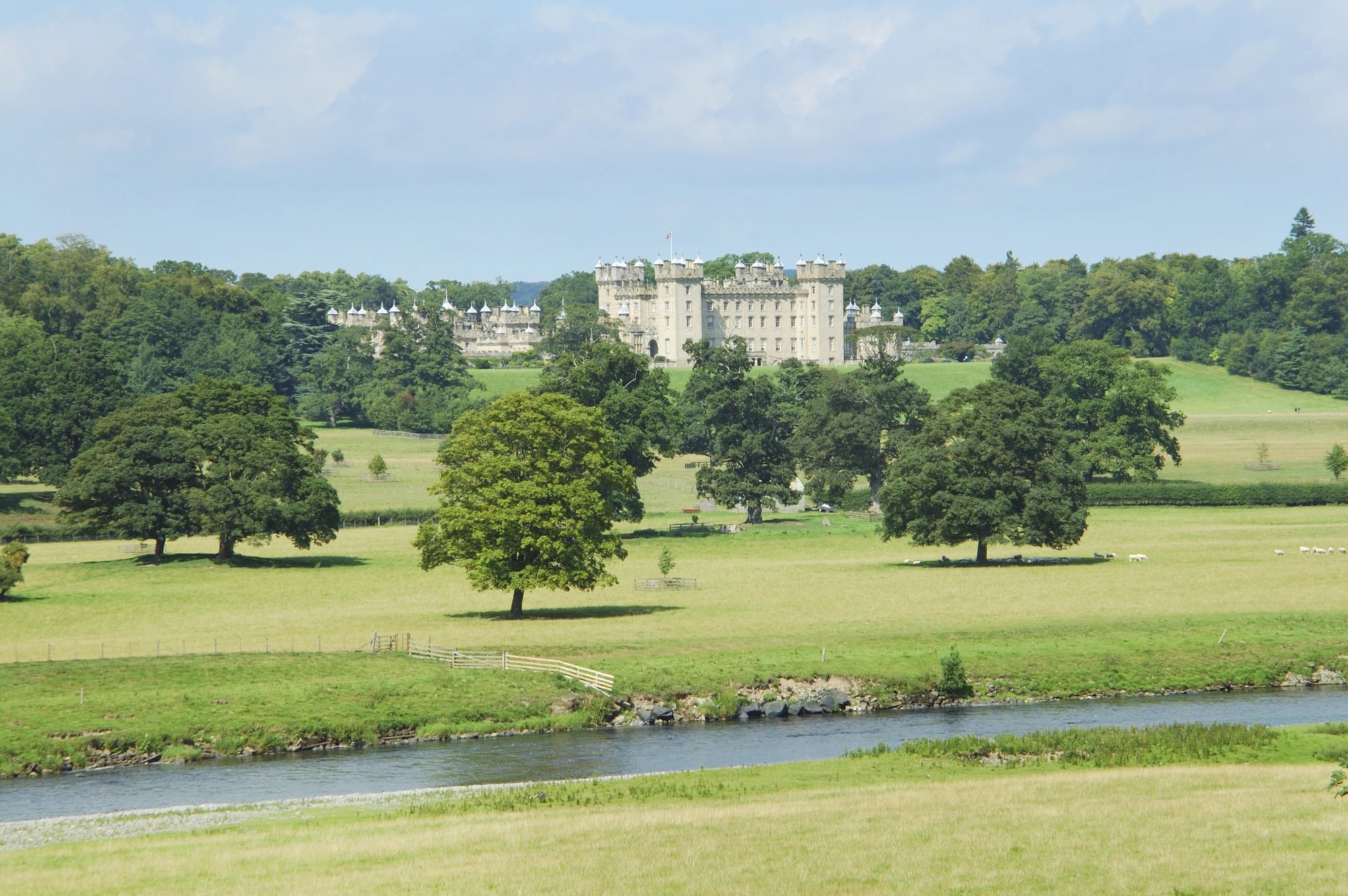
James II of Scotland spent months planning the siege of this border fortress in 1460, but the castle fell in a single night when a Scottish servant inside simply walked to the main gate and lifted the bar. Decades of strategic importance, ended by someone who’d been fetching water and emptying chamber pots for years.
Bamburgh Castle
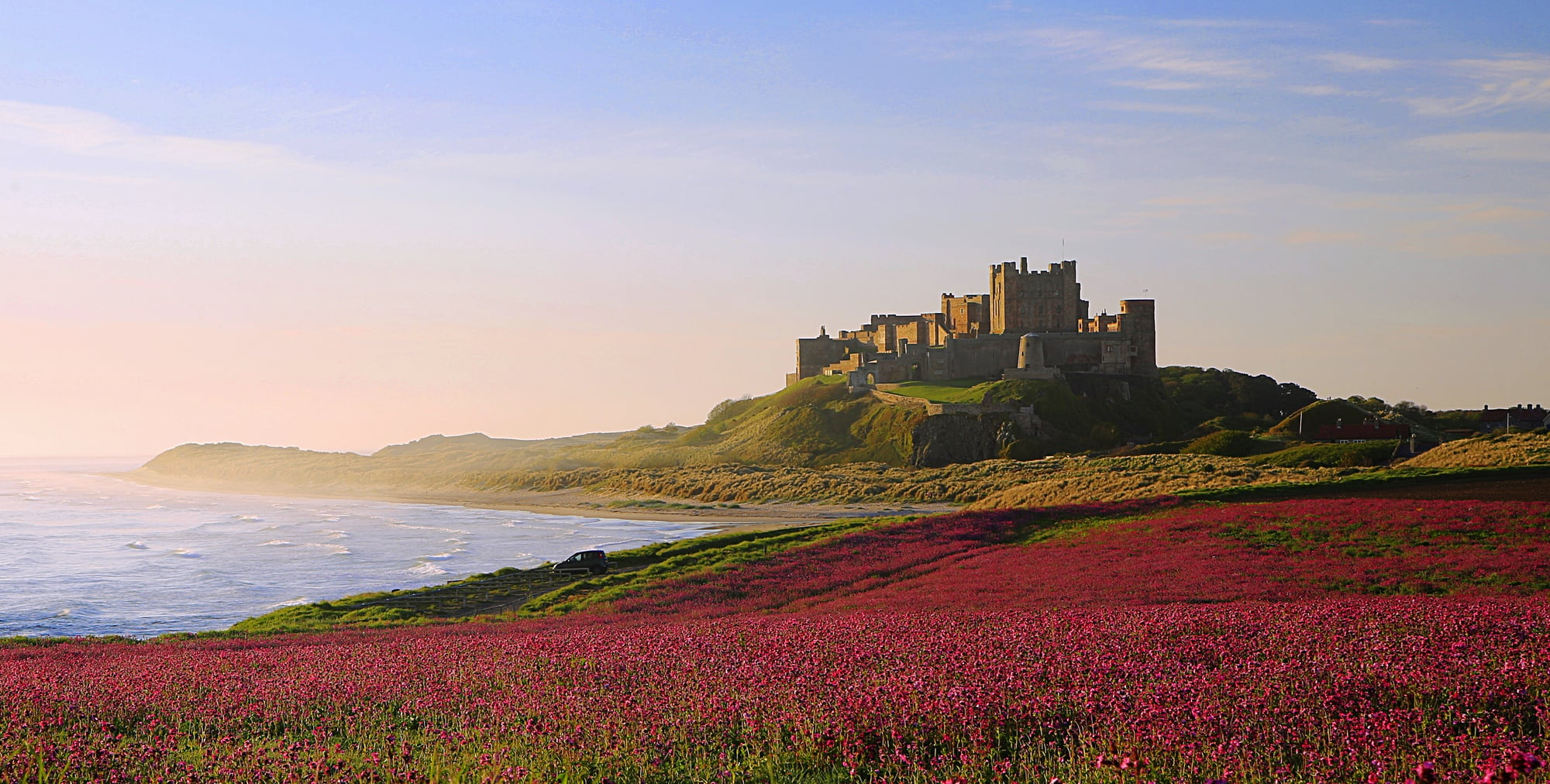
The seemingly impregnable Northumbrian stronghold fell to Yorkist forces in 1464 because the castle’s constable had been secretly negotiating surrender terms for weeks. His garrison trusted him to hold out for relief — instead, he’d already decided which side offered better prospects for his family’s future (and he chose correctly, as it turned out).
Maiden Castle

This massive Iron Age hillfort in Dorset fell to Roman legions not through superior tactics, but because tribal leaders inside had already reached accommodation with the invaders. The archaeological evidence suggests no significant battle damage — just a quiet handover orchestrated by people who saw which way the wind was blowing.
Edinburgh Castle

During the Wars of Scottish Independence, this fortress changed hands multiple times through betrayal rather than force. In 1314, Thomas Randolph’s men scaled the rock not because they were extraordinary climbers, but because someone inside had left ropes hanging from the walls and extinguished the watch fires at precisely the right moment.
Caerphilly Castle
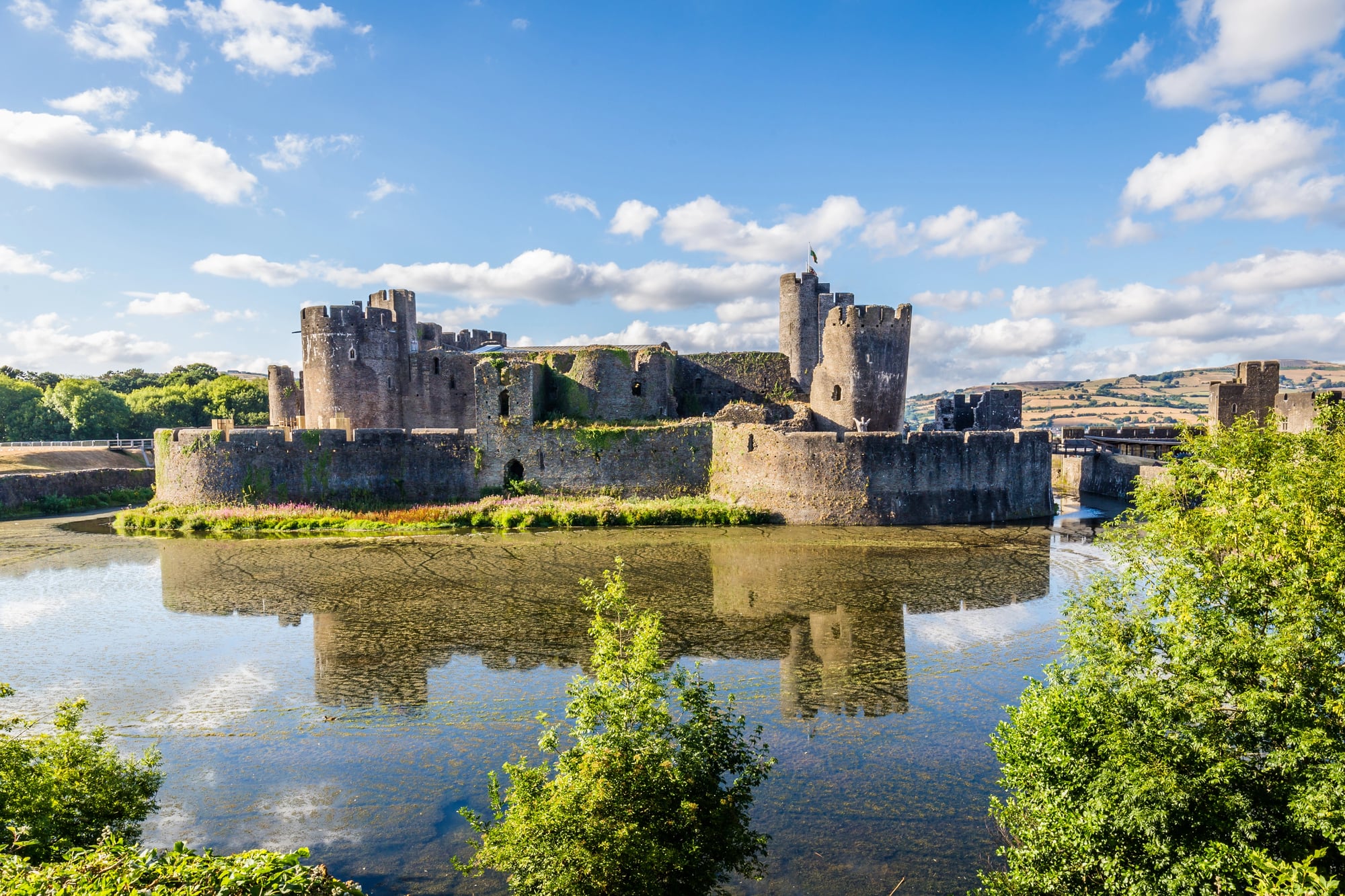
The massive concentric fortifications of Caerphilly were designed to withstand any siege, but during the English Civil War, the castle fell when its Royalist commander discovered that half his garrison had been secretly negotiating with Parliamentary forces for months. The betrayal was so complete that the gates opened without a shot being fired, leaving Charles I’s supporters wondering who they could actually trust.
Conwy Castle
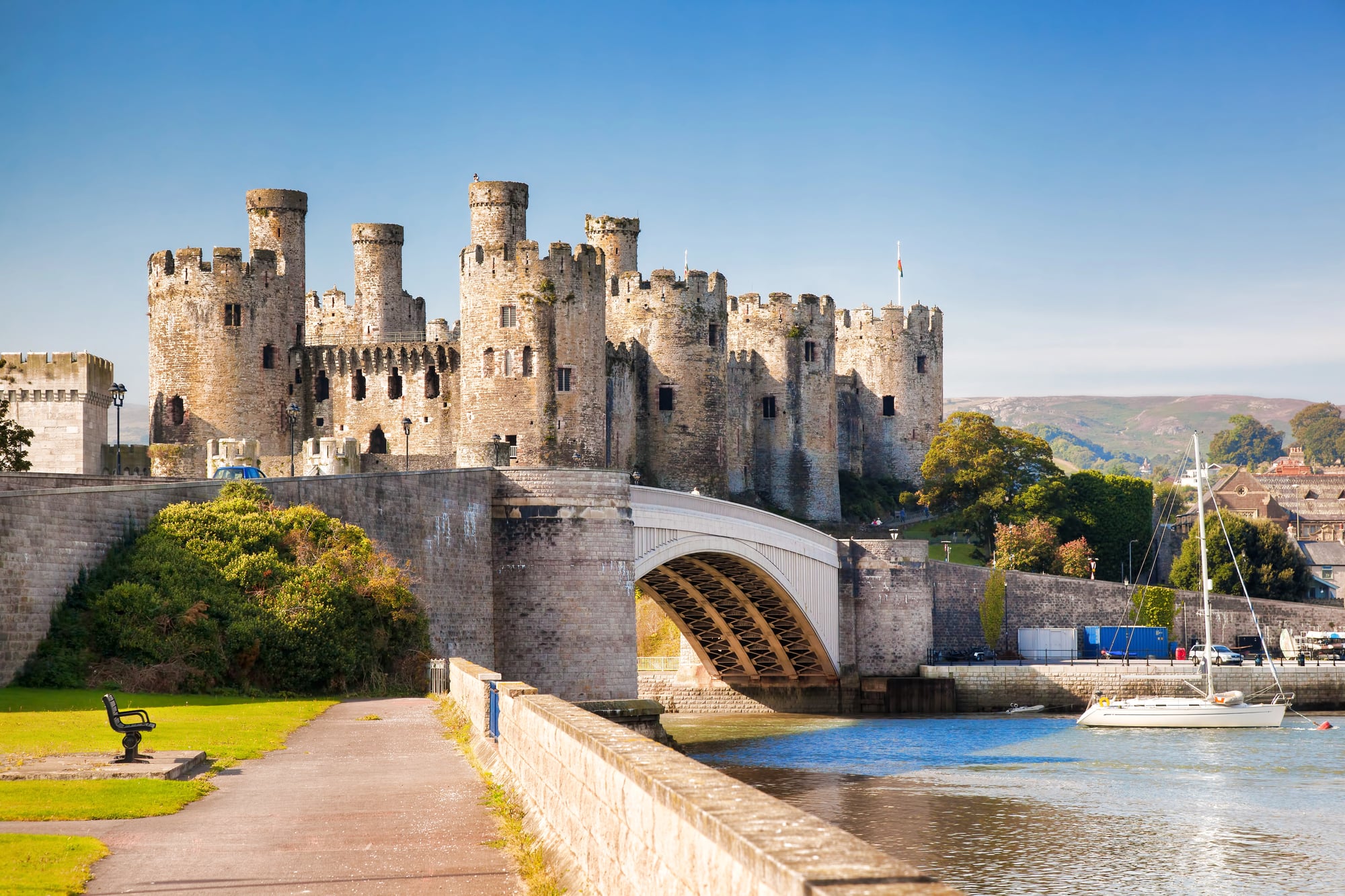
Edward I’s masterpiece of military architecture fell to Welsh rebels in 1401 through what might be the most mundane betrayal in fortress history. Someone forgot to properly secure the main gate after a supply delivery, and Owain Glyndŵr’s men noticed — then spent three days inside before the English even realized they’d lost one of their most important strongholds.
Harlech Castle
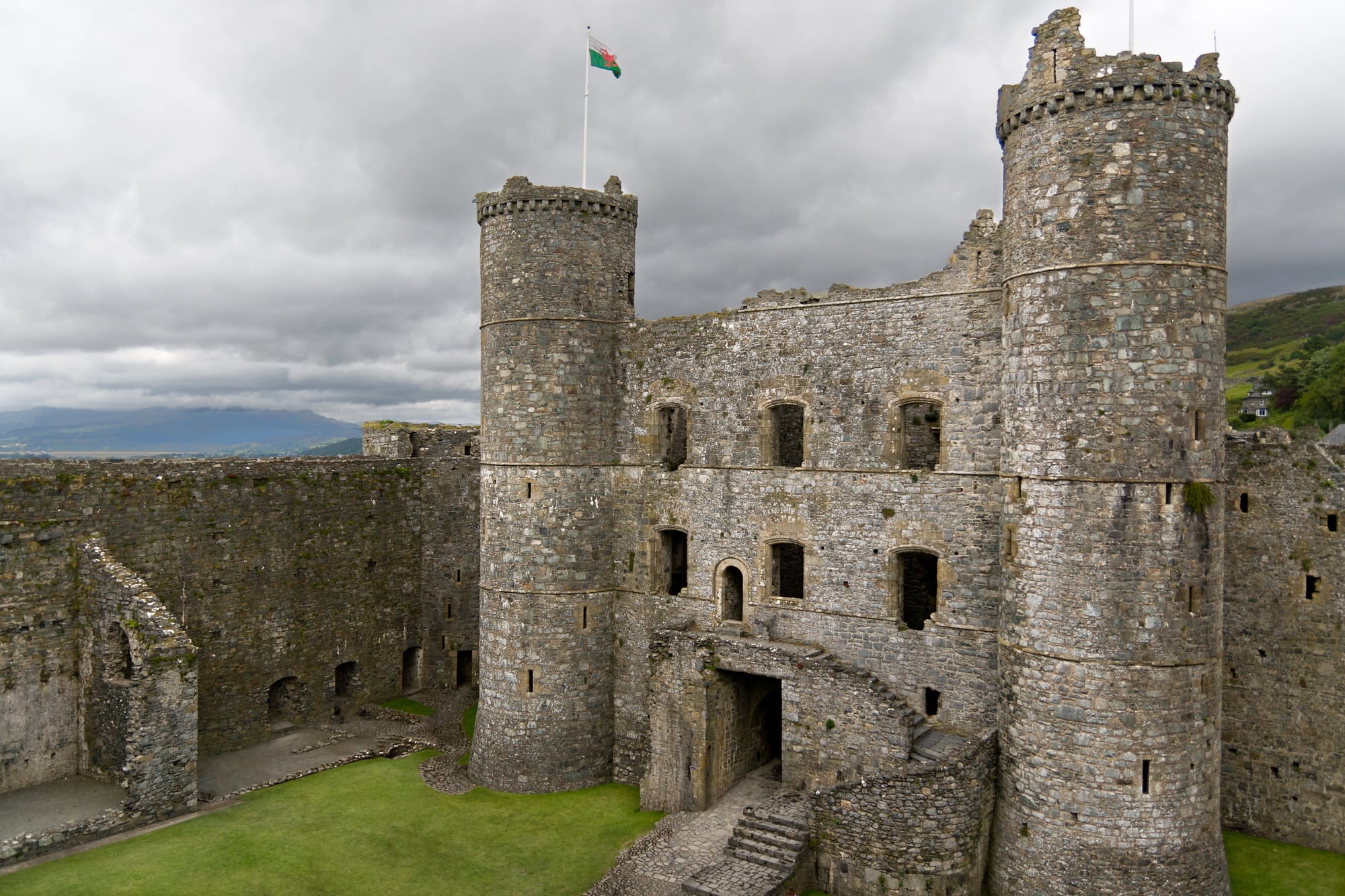
The same castle that inspired “Men of Harlech” fell twice through betrayal rather than siege. In 1404, the constable’s own chaplain opened the gates to Welsh forces after months of secretly coordinating the attack, and again in 1468 when a kitchen servant provided detailed intelligence about guard rotations and food supplies to Yorkist agents.
Carisbrooke Castle
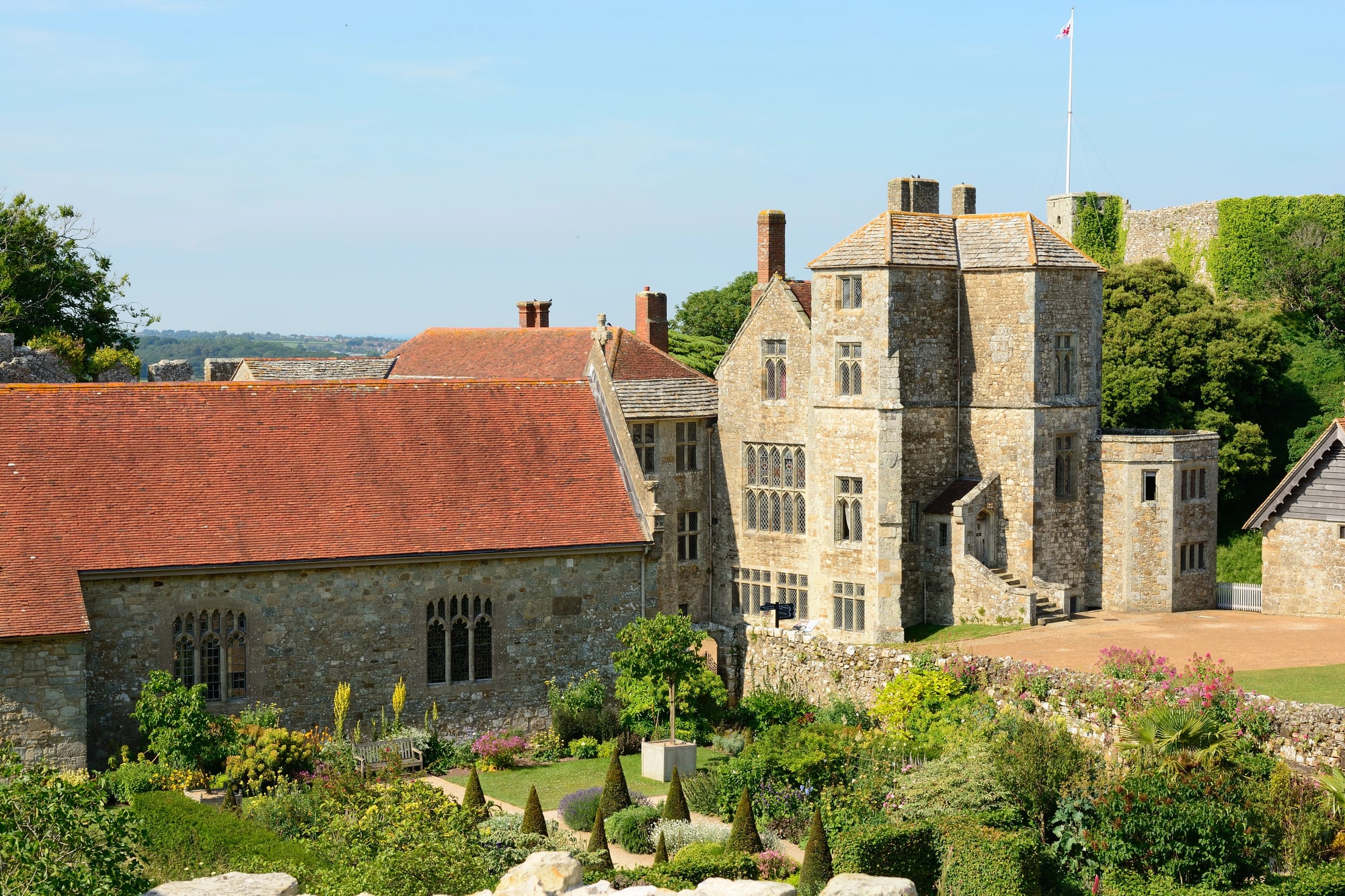
Charles I discovered that even royal imprisonment couldn’t guarantee loyalty when his planned escape from Carisbrooke was betrayed by the very guards who’d been helping him plan it for months. The captain of the guard had been feeding information to Parliament the entire time, turning the king’s refuge into an elaborate trap with himself as the bait.
Corfe Castle
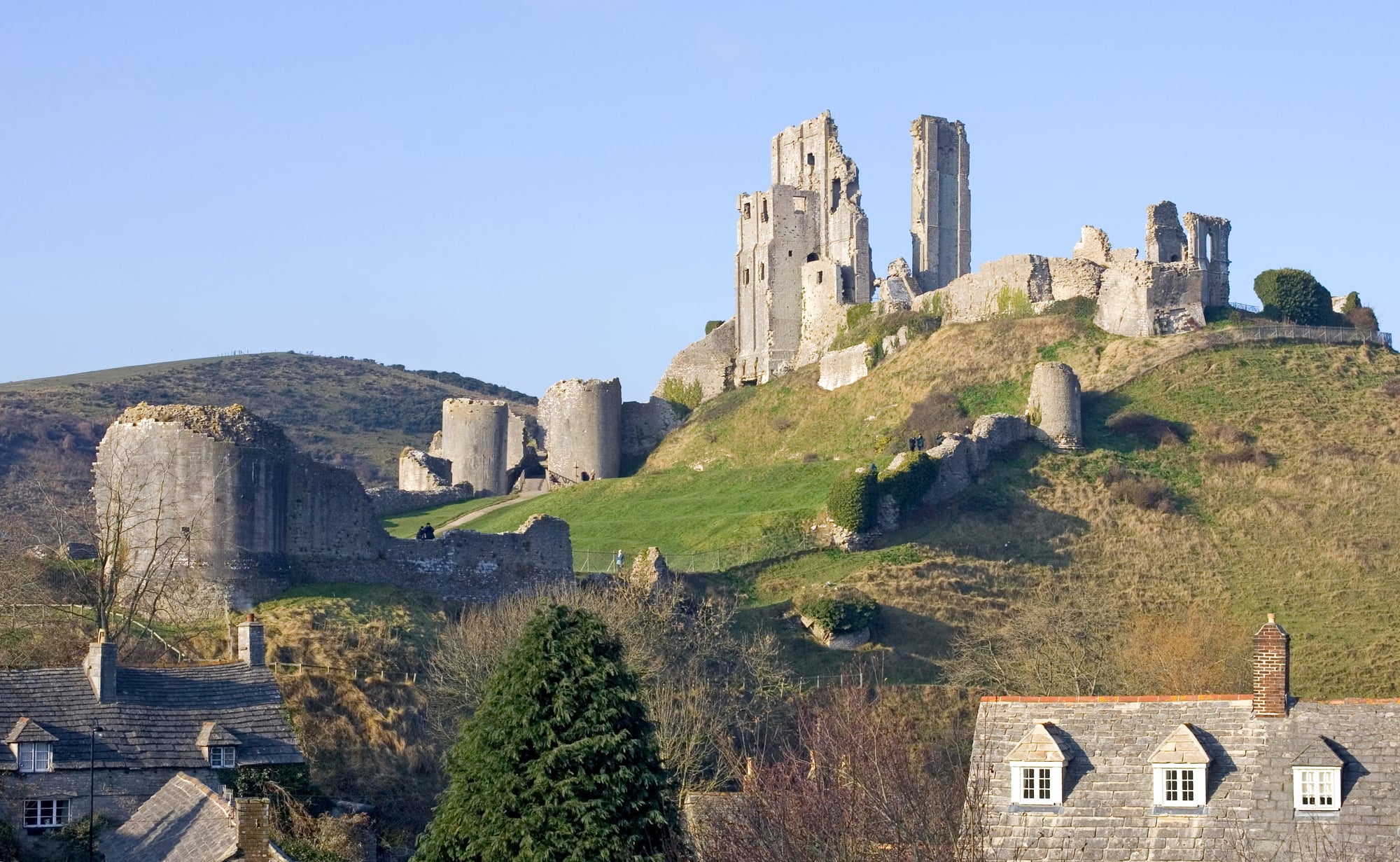
Lady Mary Bankes defended this Dorset stronghold successfully for years during the English Civil War, but it finally fell when one of her own officers let Parliamentary troops through a postern gate during a pre-arranged signal. The irony wasn’t lost on anyone: the castle that had survived everything Edward II’s enemies could throw at it was undone by someone who’d been eating at Lady Mary’s table every night.
Raglan Castle
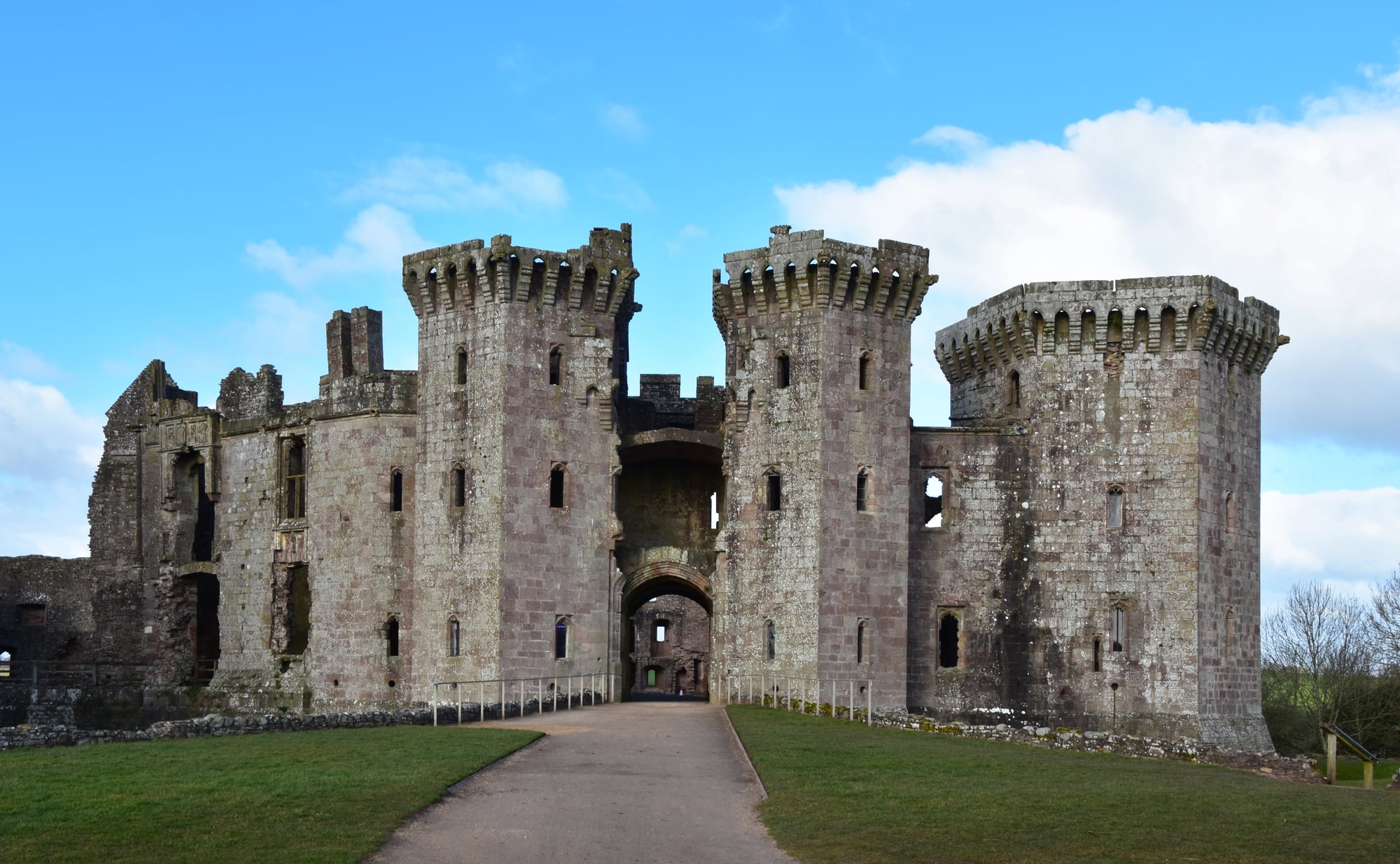
The last Royalist stronghold in Wales fell not to Cromwell’s artillery, but to the Earl of Worcester’s own steward, who’d been secretly negotiating surrender terms while publicly proclaiming absolute loyalty to Charles I. The massive fortifications were designed to withstand modern warfare — they weren’t designed to withstand an accountant with divided loyalties and access to everything.
Dunbar Castle
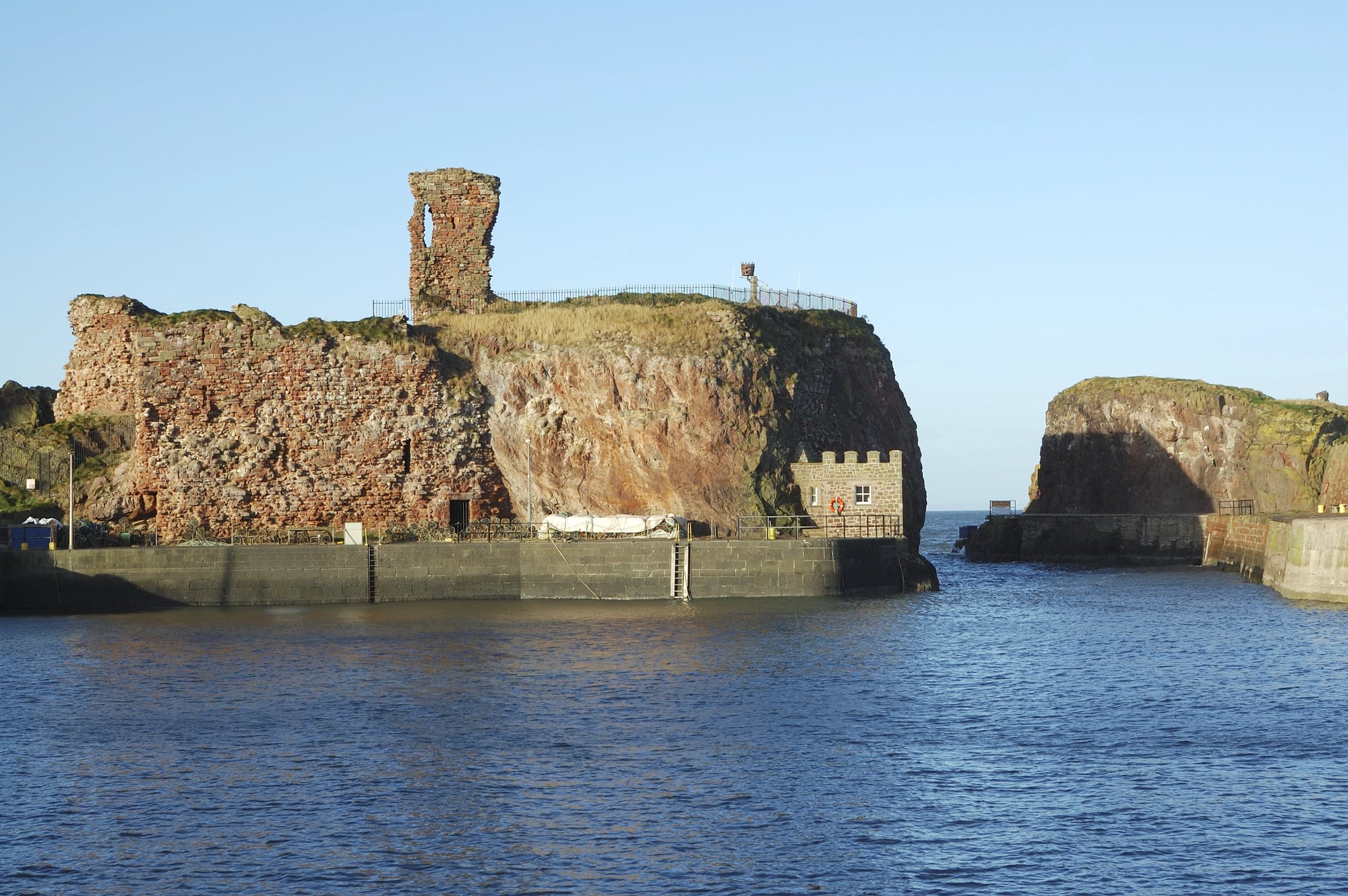
Black Agnes defended Dunbar Castle against English siege for months in 1338, famously mocking her attackers from the walls. But when the castle finally changed hands years later, it was because someone in her garrison provided detailed intelligence about the castle’s weaknesses to Scottish nobles who’d switched sides, proving that political loyalty in medieval Scotland was more fluid than anyone wanted to admit.
Stirling Castle
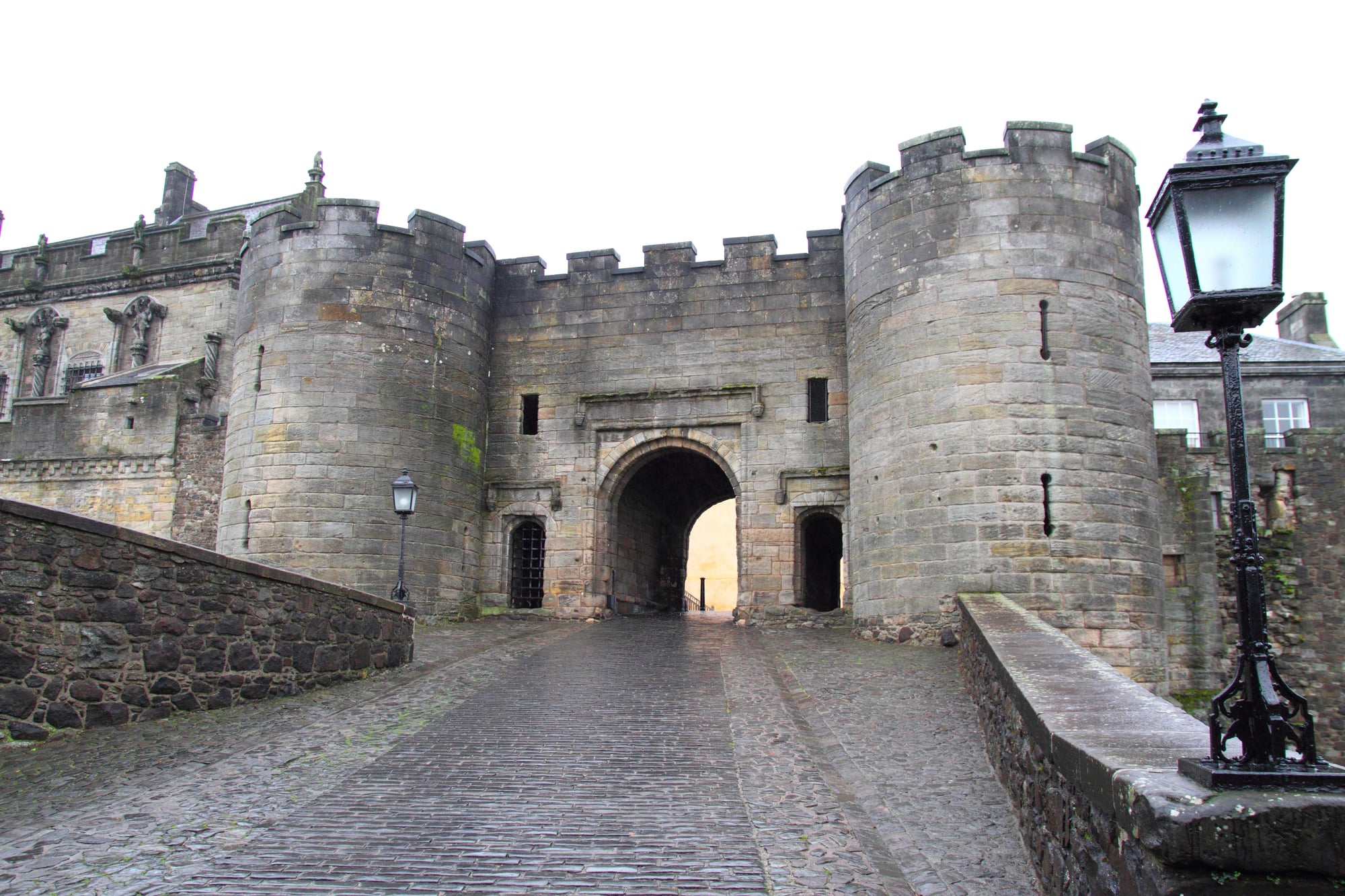
The key to Scottish independence changed hands multiple times through betrayal rather than battle. In 1304, someone inside provided Edward I’s engineers with detailed plans of the castle’s foundations, allowing them to position their siege engines with devastating precision — and in 1314, it nearly fell again when the English garrison discovered that their own chaplain had been passing messages to Robert the Bruce for months.
Bothwell Castle
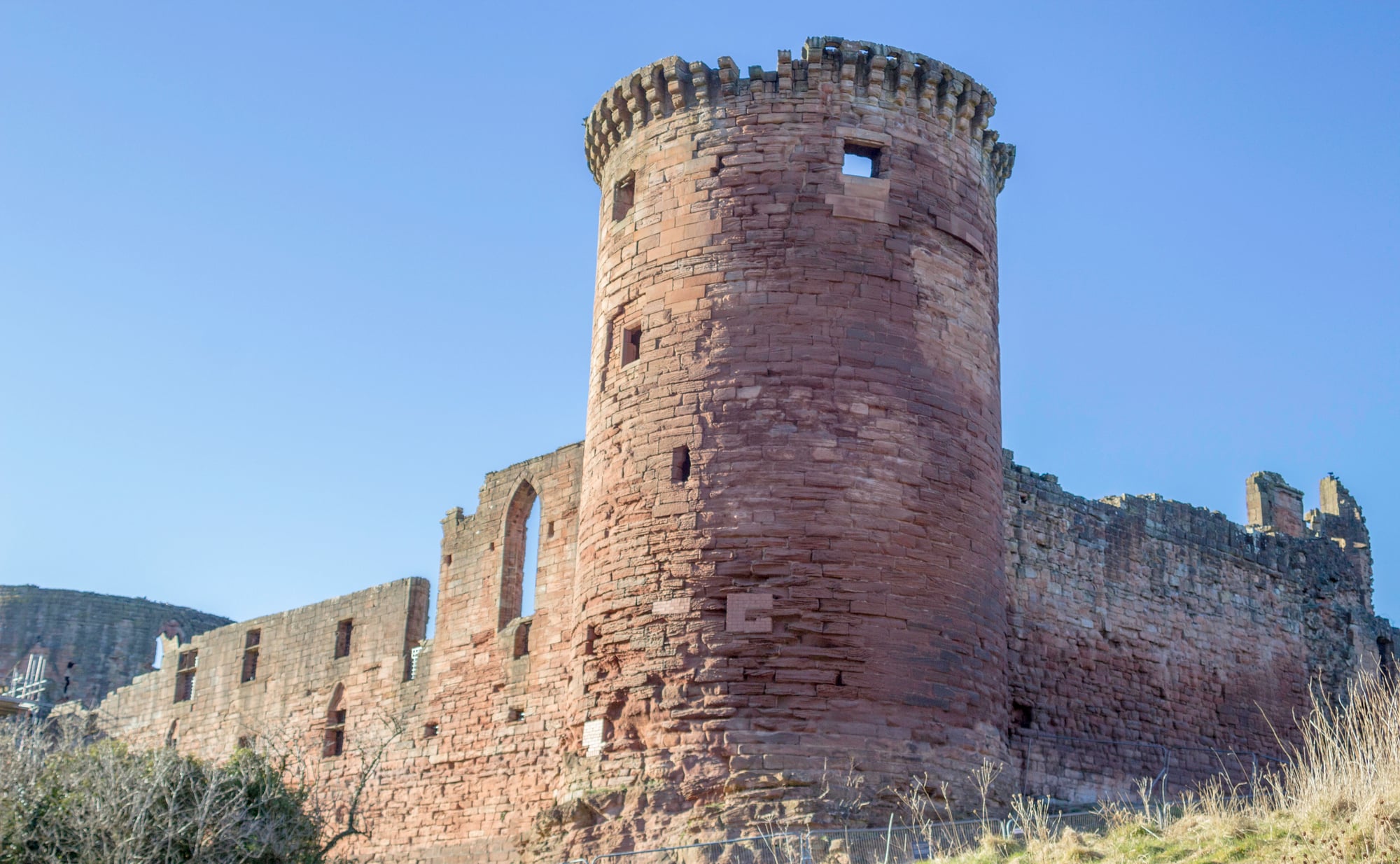
This massive border fortress fell to English forces in 1301 when its Scottish defenders discovered that their commanding officer had already negotiated personal terms with Edward I’s representatives. The garrison had been preparing for a siege that their leader had no intention of fighting, making their brave speeches about Scottish independence rather pointless in hindsight.
Threave Castle
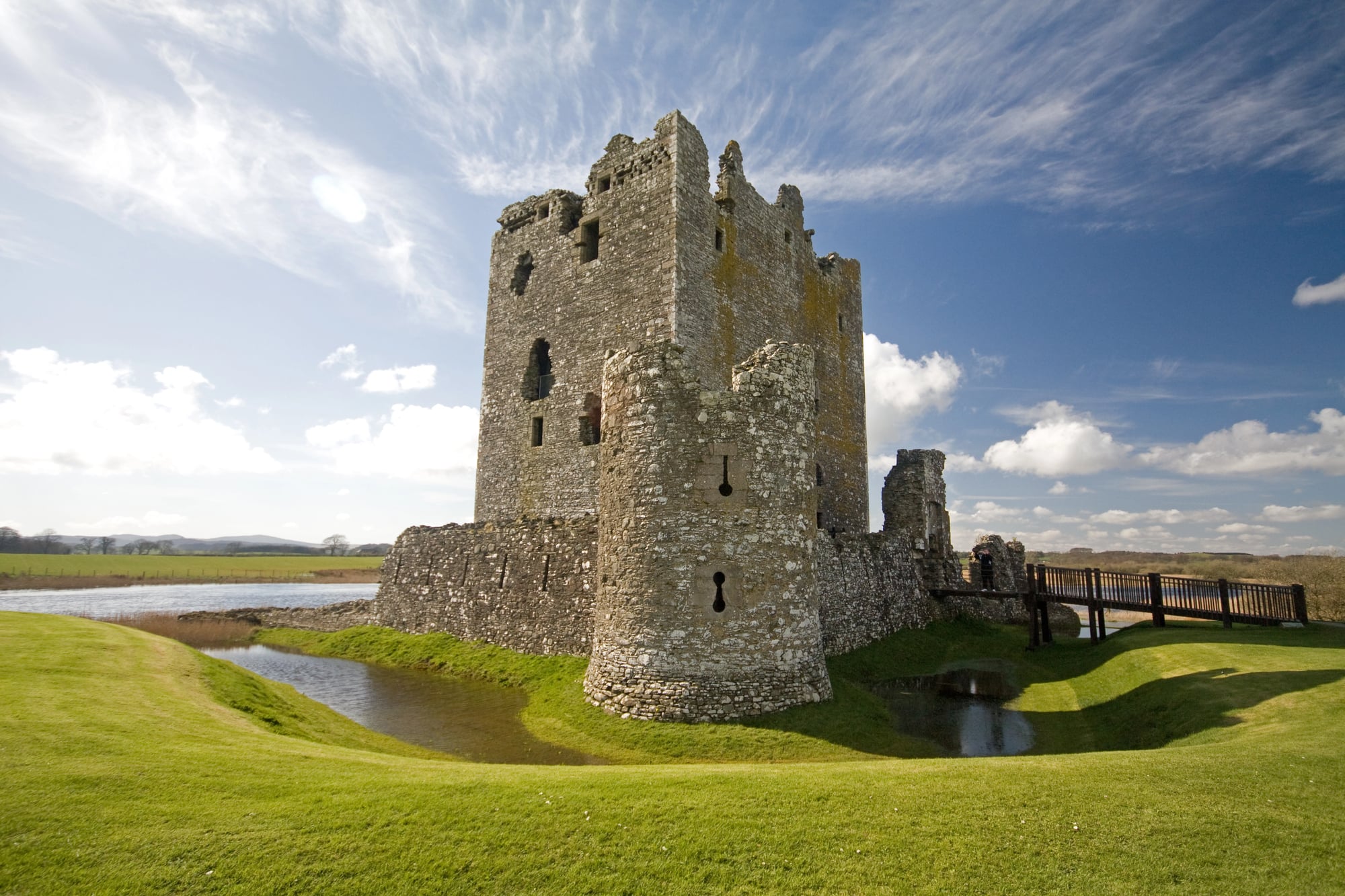
The Black Douglas stronghold in Galloway was designed to be impregnable from every approach across the River Dee. But it fell to James II’s forces in 1455 when the castle’s master gunner — ironically, the man responsible for its artillery defense — opened the main gate in exchange for a royal pardon and a pension that turned out to be worth more than clan loyalty.
Hermitage Castle
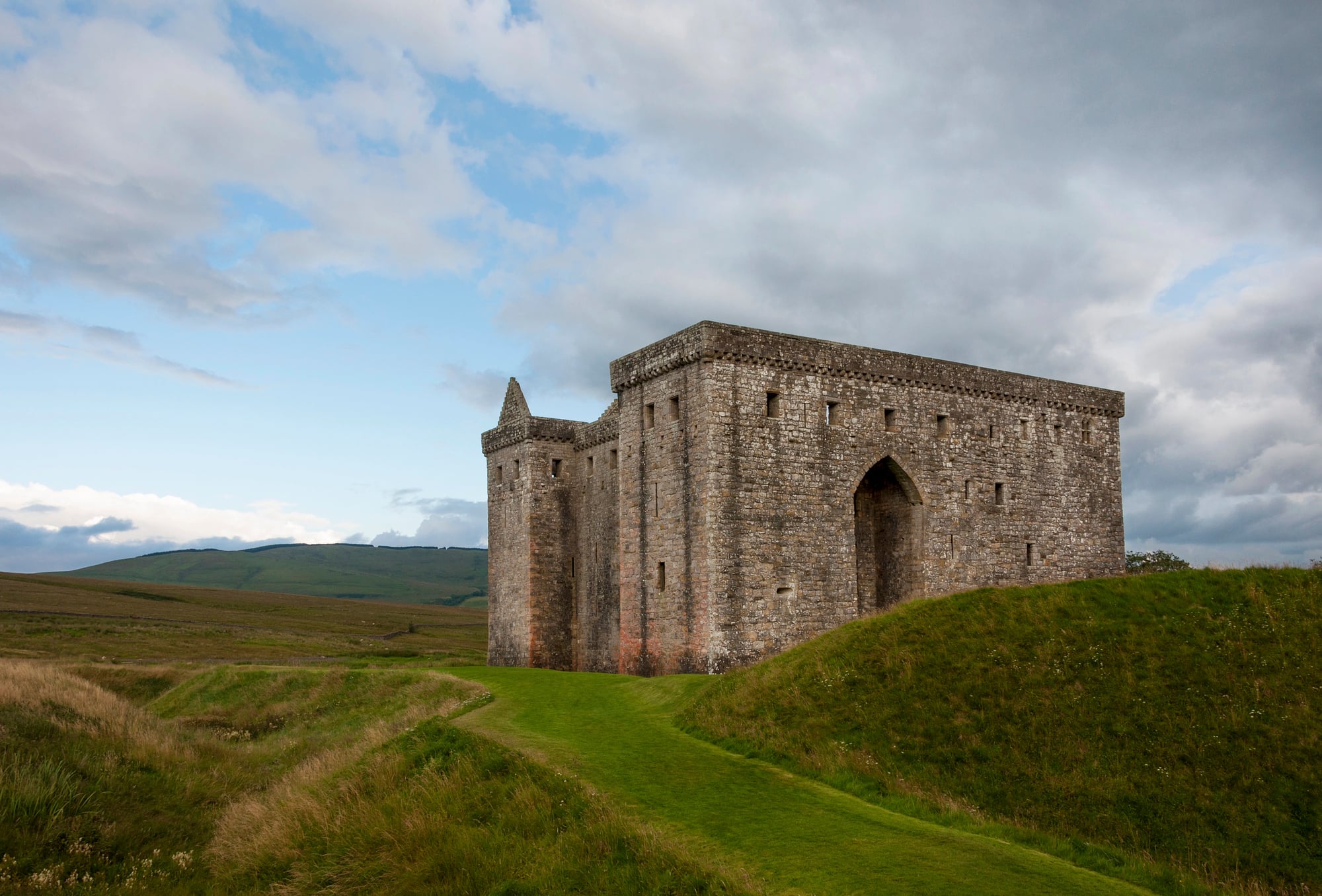
The bleakest fortress in the Scottish Borders fell multiple times through betrayal, most notably when its keeper provided English raiders with detailed intelligence about Border Reiver movements in exchange for protection for his own lands. The castle that was supposed to guard the frontier became the means of compromising it, all because someone decided personal survival trumped national duty.
Urquhart Castle
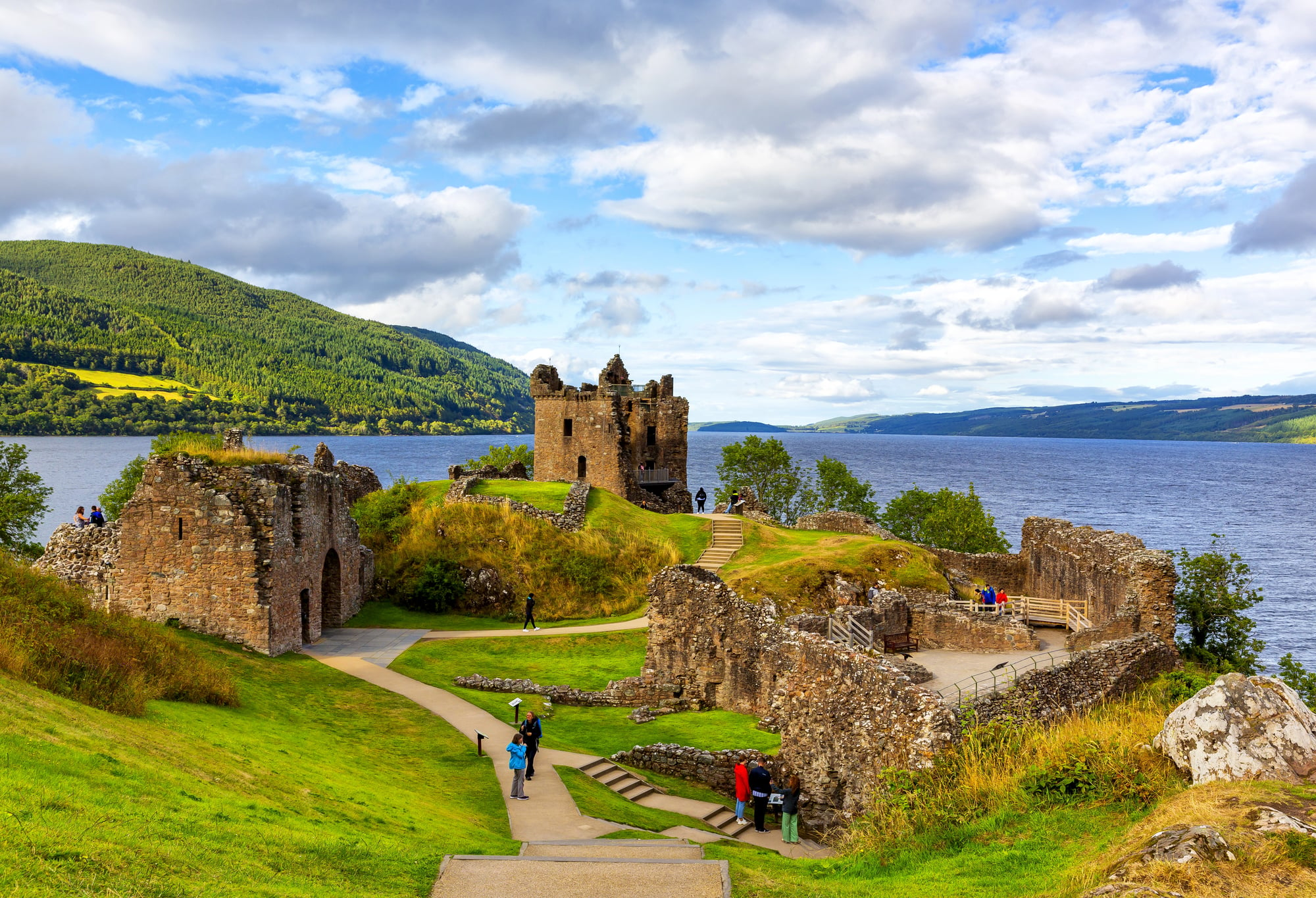
Perched dramatically on Loch Ness, this Highland stronghold was abandoned by its own garrison in 1692 after they discovered that their commanding officer had been secretly negotiating with Jacobite agents for months. Rather than face a siege with compromised leadership, they simply packed up and left, making it one of the few military abandonments in Scottish history that was actually the smart choice.
Dunottar Castle
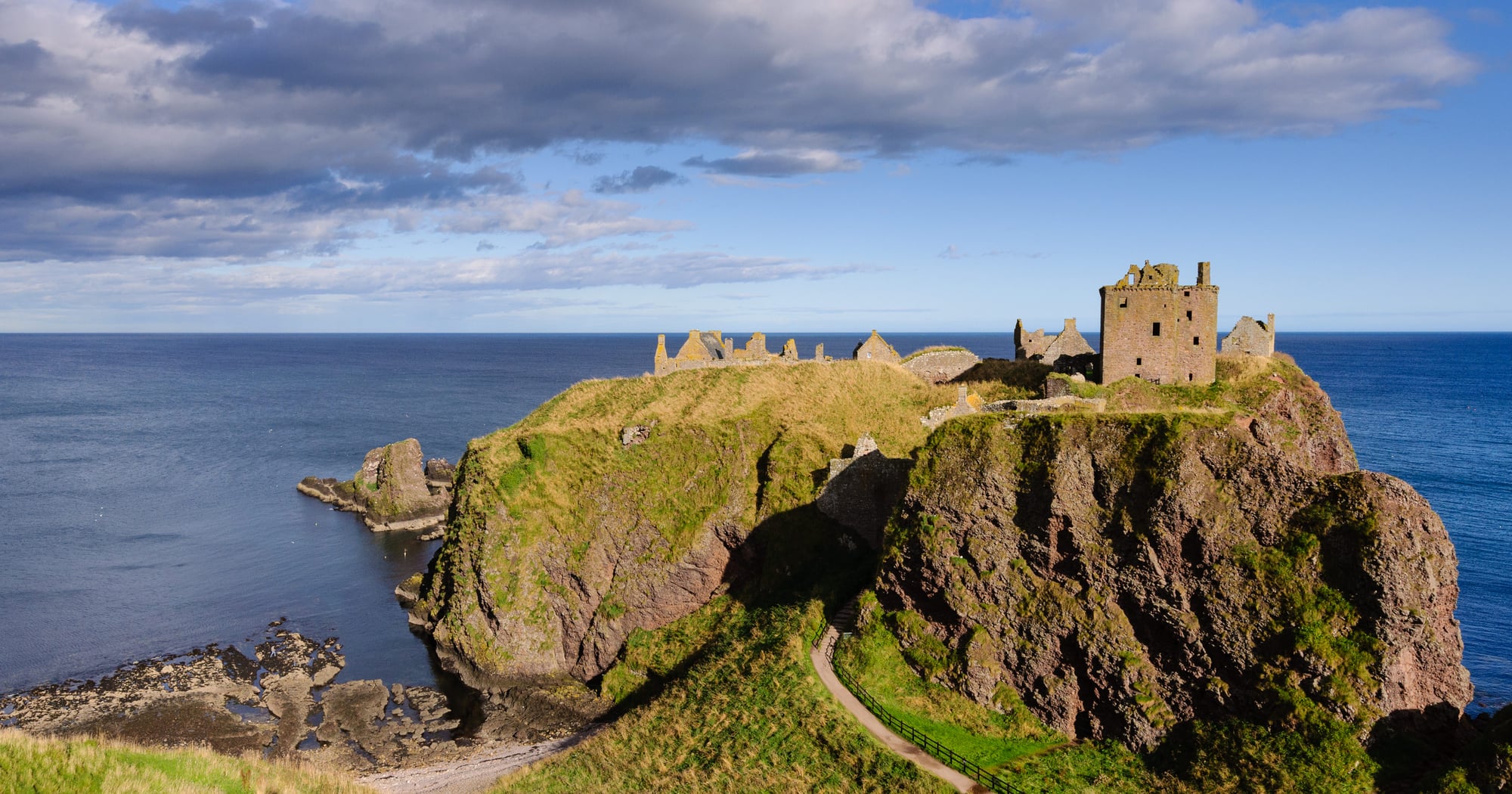
The cliff-top fortress that held out against Cromwell’s forces for months finally fell when someone in the garrison revealed the location of the secret path up from the beach. The castle’s dramatic position had made it seem impregnable from every approach except the one that mattered: the garrison had never considered that the enemy might already be inside, taking notes.
Fast Castle
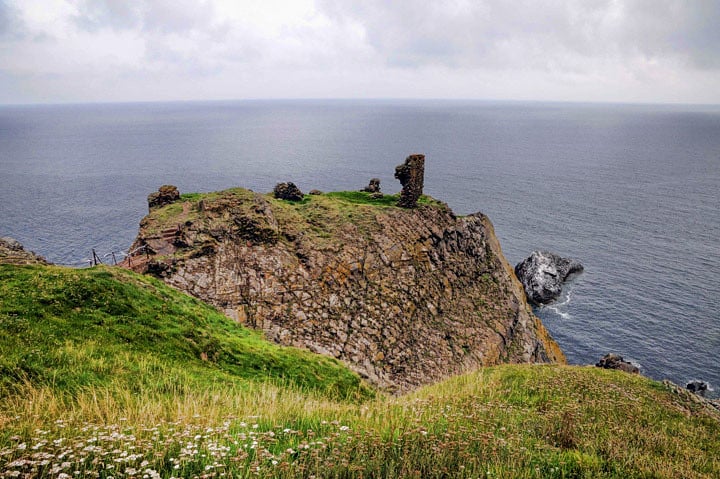
This dramatic clifftop ruin on the Berwickshire coast fell to English forces during the Wars of Scottish Independence when its constable discovered that his own brother had been providing intelligence to enemy agents for months. The family betrayal was so complete that chroniclers noted it as exceptional even by the standards of medieval warfare, which is saying something about both the betrayal and medieval standards generally.
Blackness Castle
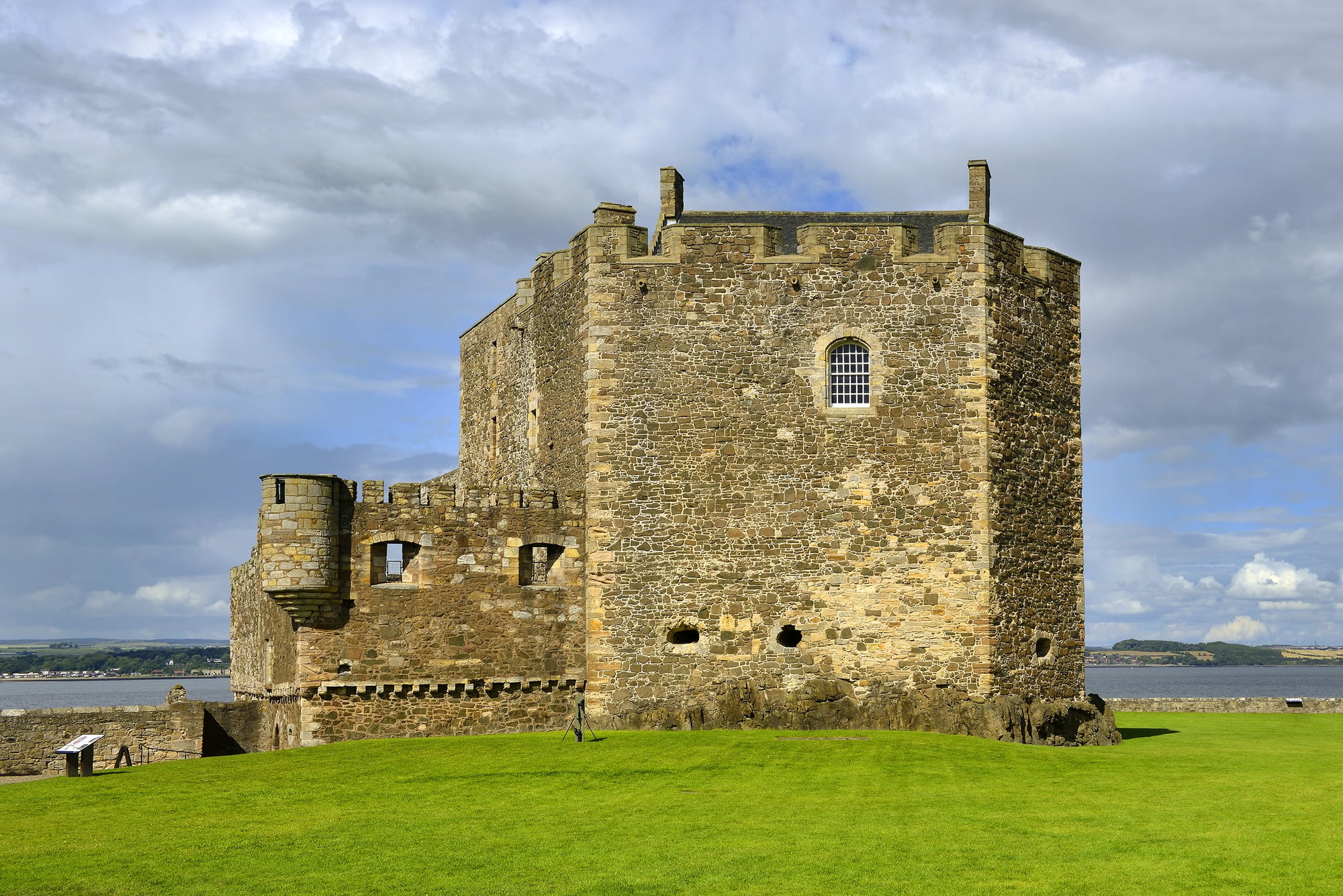
Scotland’s “ship that never sailed” was captured by English forces in 1481 not through naval assault (which would have been impossible anyway), but because the castle’s supply master had been systematically providing intelligence about Scottish naval movements to English agents. The fortress designed to control the Firth of Forth became the means of compromising Scottish naval security, all through one man’s divided loyalties.
Craigmillar Castle
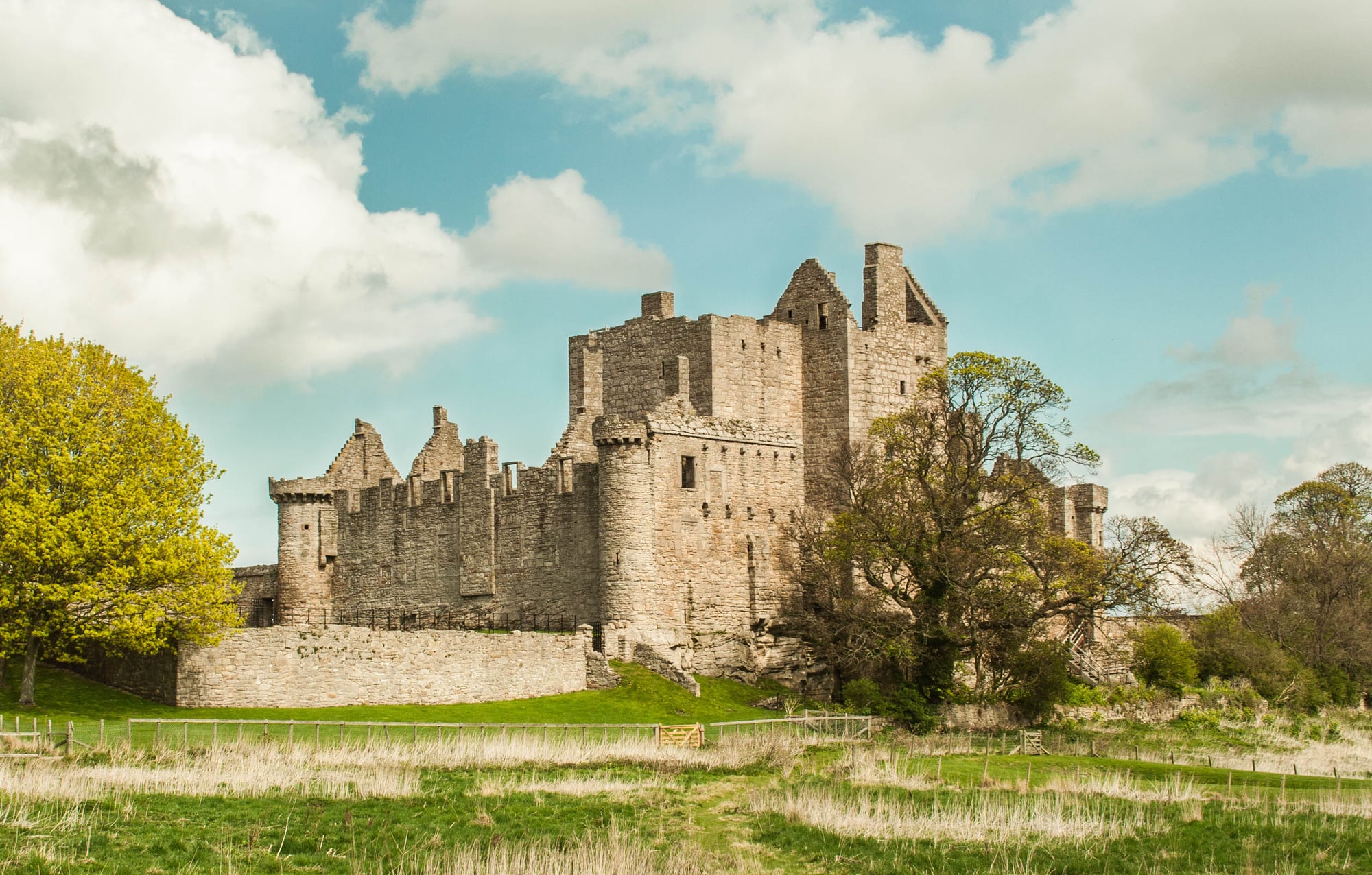
Mary Queen of Scots’ favorite retreat fell to Protestant forces in 1567 when someone inside provided detailed intelligence about the queen’s movements and security arrangements. The betrayal wasn’t just military — it was personal, orchestrated by people who’d shared meals with Mary and listened to her private conversations, then used that intimacy to orchestrate her downfall.
When Trust Becomes Weakness
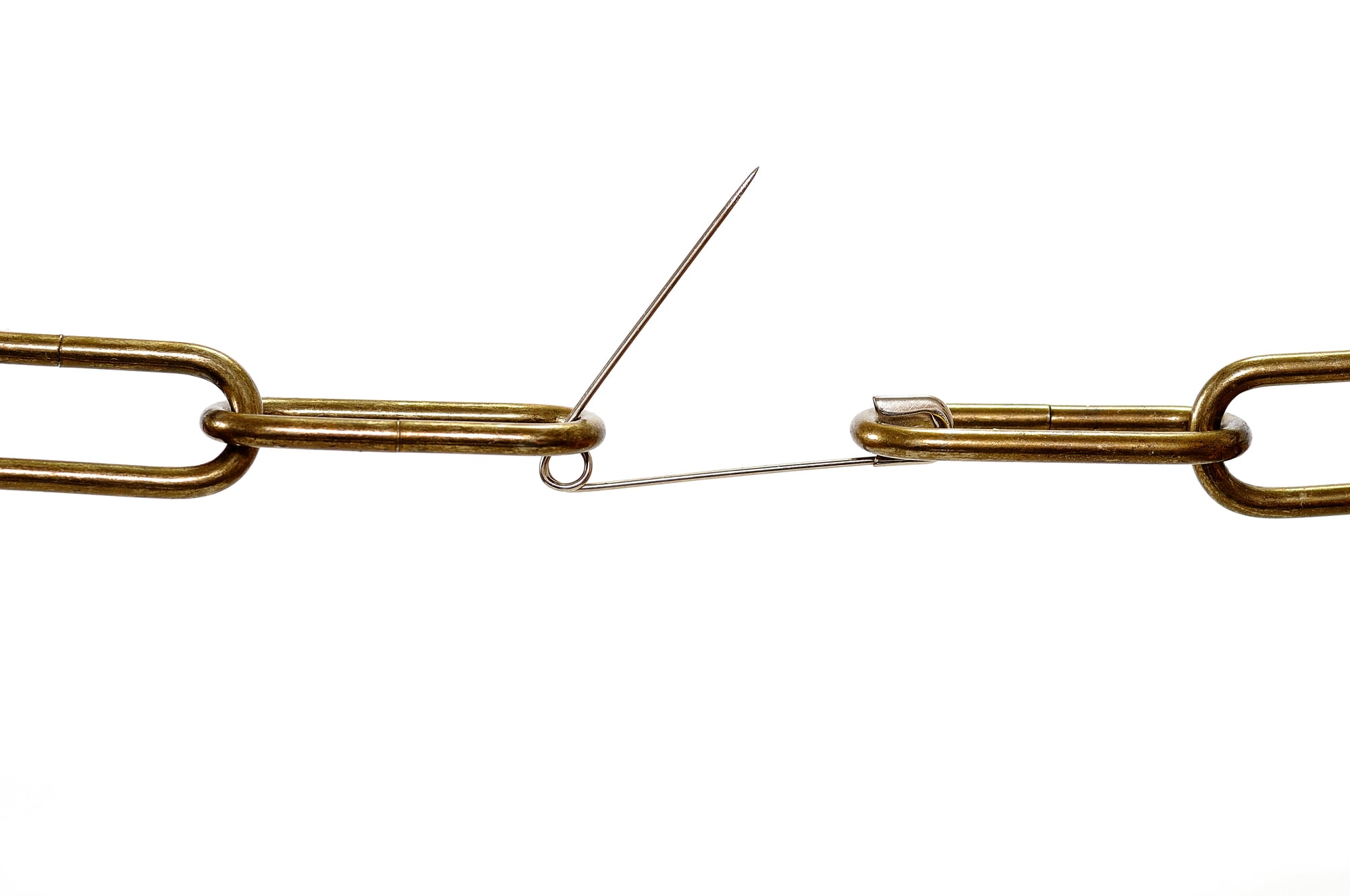
The pattern repeats across centuries with brutal consistency: walls and weapons matter less than loyalty, and loyalty is always more fragile than it appears. These fortresses fell because someone inside made a calculation — sometimes for money, sometimes for survival, sometimes just because they saw which way history was moving.
The strongest defenses crumble the moment someone decides they’re fighting for the wrong side, and that decision can change everything in the time it takes to lift a gate bar or leave a window unlatched.
More from Go2Tutors!

- The Romanov Crown Jewels and Their Tragic Fate
- 13 Historical Mysteries That Science Still Can’t Solve
- Famous Hoaxes That Fooled the World for Years
- 15 Child Stars with Tragic Adult Lives
- 16 Famous Jewelry Pieces in History
Like Go2Tutors’s content? Follow us on MSN.