15 Theme Park Rides Removed for Being Too Scary
Theme parks have always danced on a razor’s edge between delivering spine-tingling thrills and absolutely traumatizing their guests. Most attractions nail that sweet spot perfectly, yet some have ventured so far into nightmare territory that they’ve been shut down permanently. We’re not talking about roller coasters that simply went a touch too fast—these were experiences that left people genuinely shaken, hurt, or marching straight to guest services demanding their money back.
What happened behind the scenes with these defunct attractions shows just how willing some designers were to push fear to its absolute limits. Here is a list of 15 theme park rides that crossed the line from thrilling to downright terrifying.
Alien Encounter

Disney’s Extra Terrestrial Alien Encounter at Magic Kingdom didn’t just push boundaries—it obliterated them. Parents flooded guest services with complaints after their kids experienced this attraction that trapped visitors in total darkness while alien creatures seemed to breathe on their necks, even leaving moisture on their shoulders.
The hyper-realistic audio effects combined with physical sensations convinced guests that something legitimately dangerous was unfolding, resulting in panic attacks and non-stop screaming throughout the entire ordeal.
The Haunted Castle

Six Flags Great Adventure’s Haunted Castle gained infamy following the tragic 1984 fire, though guests had been voicing concerns about its intensity long before that catastrophe struck. People navigated through completely dark passages while performers would leap out without warning—often making physical contact that crossed the line from startling to genuinely menacing.
This combination of spatial disorientation and overly aggressive scare techniques became unbearable for countless families.
Like Go2Tutors’s content? Follow us on MSN.
Disaster Transport
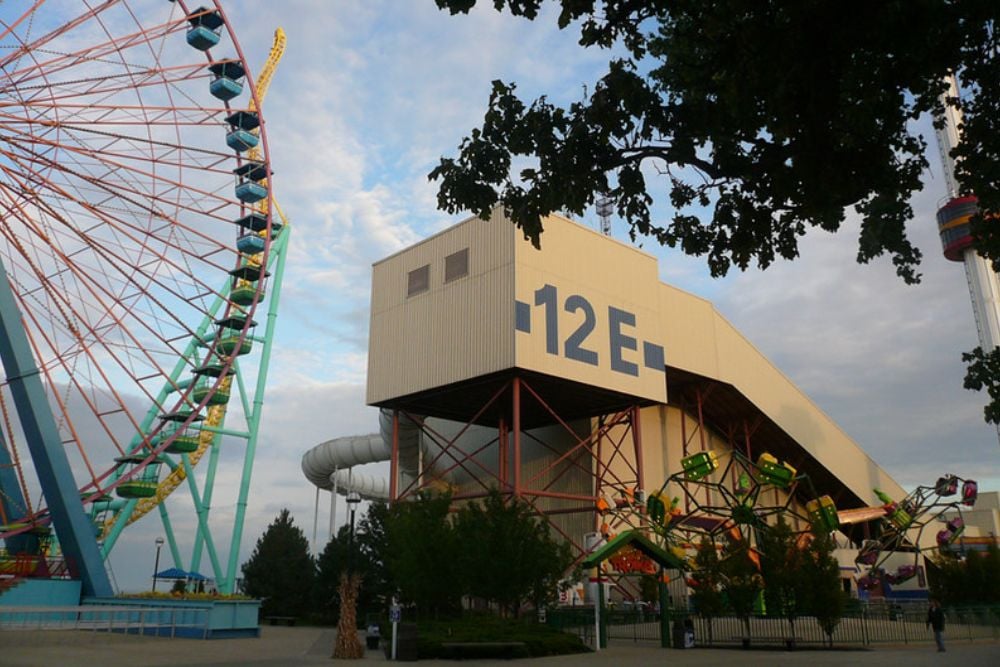
Cedar Point’s Disaster Transport wasn’t merely frightening—it was bewildering and suffocating in ways that defied entertainment value. This enclosed coaster sent riders hurtling through absolute blackness while strobe lighting created such disorientation that guests became violently ill and panicked.
Without any visual anchors to ground them, combined with unexpected plunges, many visitors felt genuinely endangered rather than entertained.
The Original Journey Into Imagination
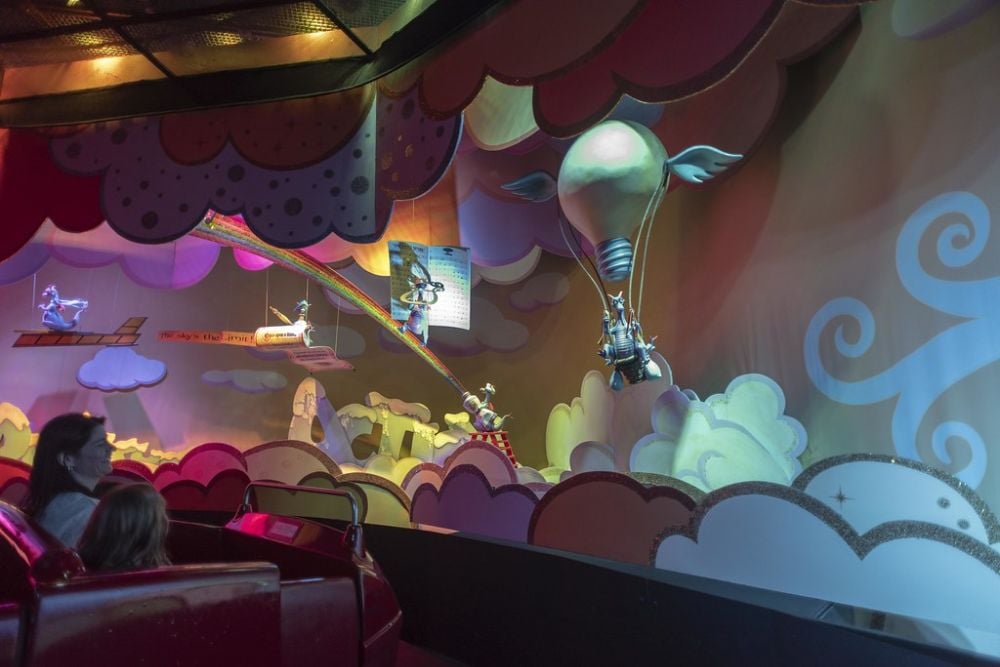
Disney’s first iteration of Journey Into Imagination showcased Figment in circumstances that were considerably darker than his cheerful modern version. This attraction contained truly unsettling visuals paired with harsh, startling audio that reduced young children to hysterical tears.
Parents argued that the experience resembled more of a genuine nightmare than family-friendly entertainment, ultimately forcing Disney to completely overhaul the ride.
Earthquake: The Big One

Universal Studios Hollywood’s Earthquake attraction replicated a catastrophic 8.3 magnitude tremor with such startling realism that guests feared for their actual safety. The experience incorporated crumbling buildings, raging fires, and a flooding subway scenario that made visitors believe they faced real peril.
Numerous people emerged from the ride visibly shaking—some even avoided Los Angeles theme parks for years following their experience.
Like Go2Tutors’s content? Follow us on MSN.
The ExtraTerrestrial Alien Encounter

This Magic Kingdom attraction proved so overwhelming that Disney eventually swapped it out for the considerably gentler Stitch’s Great Escape. Guests encountered lifelike alien beings in pitch darkness, with creatures that seemed to break free and move among the terrified audience.
The mixture of sensory isolation and convincing special effects became too much for Disney’s traditionally family-oriented demographic.
Fright Nights’ Original Screamhouse

Knott’s Berry Farm’s initial Screamhouse during their Halloween Haunt received a complete redesign after visitors reported lasting psychological effects. The maze allowed actors to physically interact with guests while featuring graphic imagery and scenarios intense enough to trigger frequent panic attacks.
Rather than providing entertainment, the attraction ventured into legitimate psychological trauma, compelling the park to rethink its methodology entirely.
The Original Pirates of the Caribbean

Disneyland’s Pirates of the Caribbean initially contained far more disturbing and intense elements than today’s sanitized version. The auction sequence was more explicit, while the entire attraction maintained a much darker, more violent atmosphere that distressed many families.
Over time, Disney systematically removed the most troubling components that had been giving children weeks of nightmares.
Like Go2Tutors’s content? Follow us on MSN.
Terror on the Midway

Cedar Point’s Halloween attraction featured a scare area so extreme that it required complete removal from the event. Performers could pursue guests across a vast space, making physical contact while using props so realistic that people believed they faced genuine threats.
This led to countless complaints as well as several incidents where visitors physically defended themselves against actors they perceived as actual attackers.
The Original Haunted Mansion Holiday
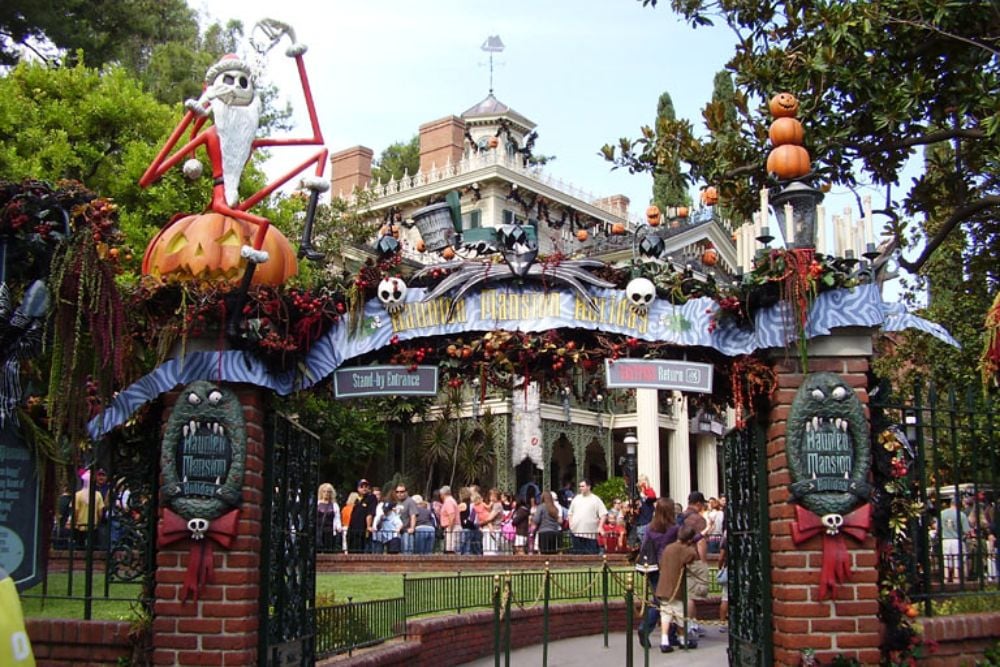
Disneyland’s Nightmare Before Christmas transformation originally included much more frightening elements that were systematically eliminated over subsequent years. The initial design featured unexpected scares and darker visual content that proved excessive for the family audiences Disney sought to welcome.
Parents reported that the attraction haunted their children’s dreams for weeks, forcing Disney to soften the overall experience significantly.
House of Horrors
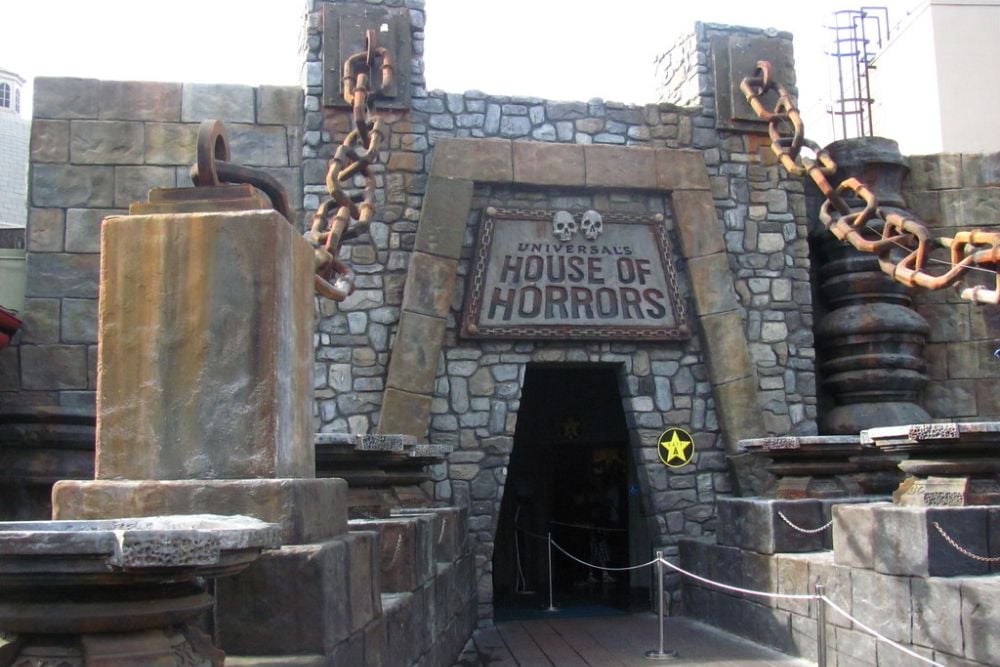
Regional theme parks across the country operated attractions under the House of Horrors banner that took scare tactics to dangerous extremes. These walkthrough experiences permitted actors to physically grab guests while showcasing realistic violence and scenarios crafted to inspire genuine terror rather than playful scares.
Most closed permanently after mental health concerns were raised about their psychological impact on visitors.
Like Go2Tutors’s content? Follow us on MSN.
The Original Snow White’s Adventures
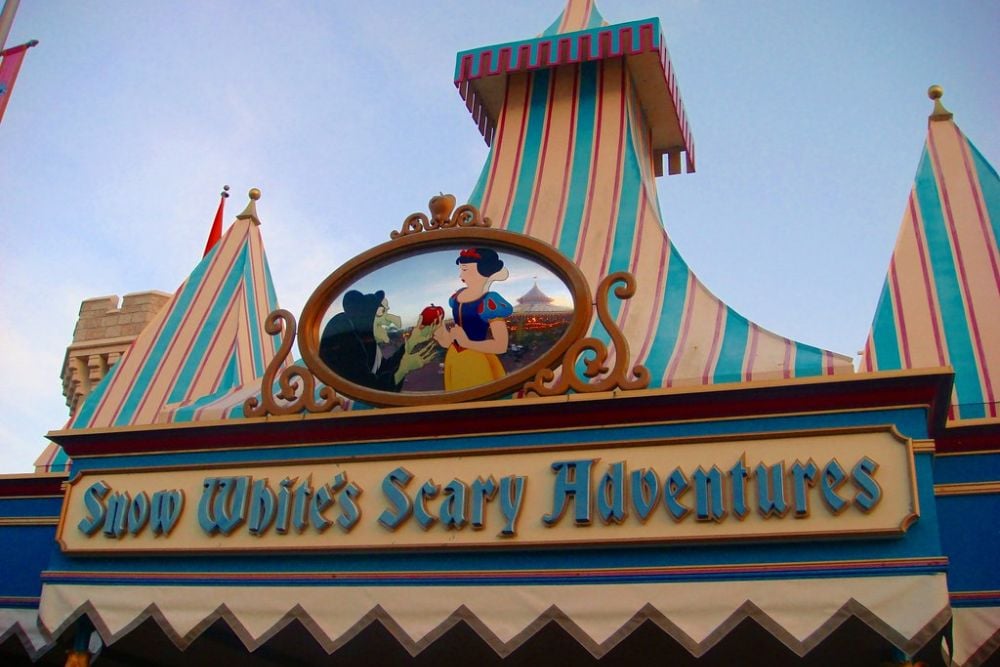
Disney’s first Snow White attraction was far more nightmarish than most people recall, concentrating almost exclusively on the terrifying witch while barely acknowledging the story’s happy resolution. Small children would exit the ride in tears and visibly distressed, having endured what felt like a real threat without any satisfying conclusion.
Disney eventually redesigned the experience to incorporate more positive story elements and a proper ending.
Alien Encounter’s Predecessor

Before creating Alien Encounter, Magic Kingdom developed an even more intense alien experience that never received public access. Focus groups reacted so severely that Disney abandoned the entire project and started fresh.
The original concept reportedly featured elements so convincing that participants genuinely believed they were experiencing an extraterrestrial attack.
The Chamber
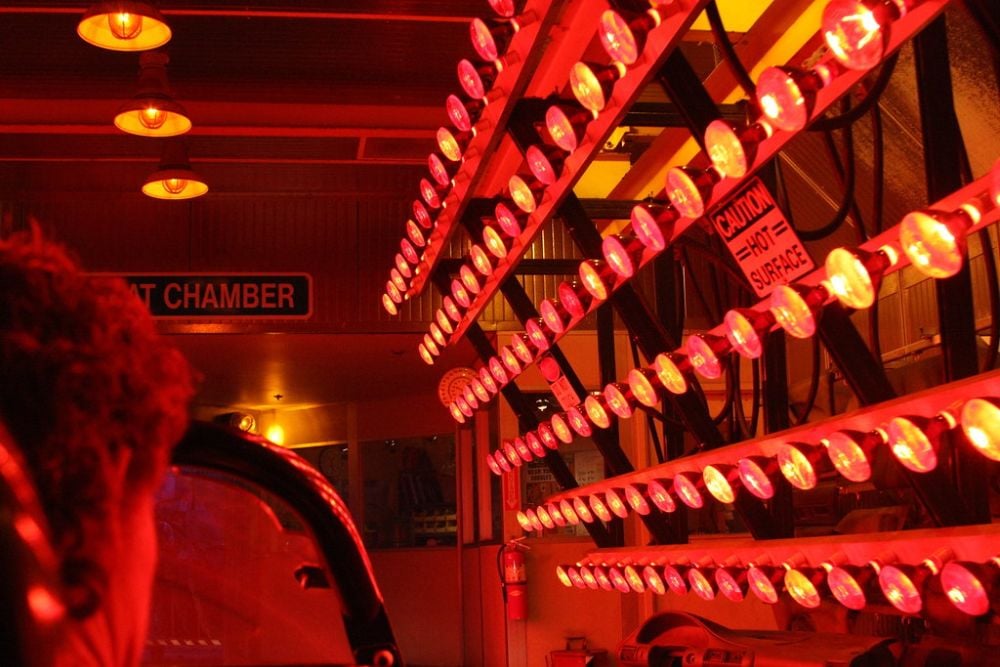
Multiple theme parks operated attractions called The Chamber that recreated various forms of historical execution or medieval torture. These experiences aimed to genuinely terrify rather than entertain, frequently causing lasting psychological damage to participants.
Mental health professionals eventually raised serious concerns about potential trauma, leading to widespread closures of these problematic attractions.
Like Go2Tutors’s content? Follow us on MSN.
Original Ghost Train Attractions

Countless older amusement venues featured ghost train rides that were significantly more intense than their modern counterparts. These attractions typically showcased realistic cadavers, explicit violence, and scenarios designed to genuinely terrorize rather than amuse guests.
As entertainment standards evolved toward family-friendly content, most of these extreme ghost trains underwent major modifications or complete removal from operation.
Beyond the Thrill

These defunct attractions serve as important reminders that there’s a meaningful distinction between exhilarating fear and genuine psychological trauma. While contemporary theme parks continue pushing creative boundaries with innovative scare techniques, they’ve absorbed crucial lessons from these unsuccessful experiments.
Modern designers prioritize creating unforgettable thrills that leave guests craving more rather than experiences that traumatize people long after they’ve gone home. The progression of these attractions demonstrates how the entertainment industry has developed a more sophisticated understanding of fear psychology and the critical importance of maintaining thrills within the boundaries of enjoyable rather than genuinely disturbing experiences.
More from Go2Tutors!

- 16 Restaurant Chains That Went Too Fast
- 12 Things Sold in the 80s That Are Now Illegal
- 15 Strange Things People Have Tried to Ban (And Failed)
- 16 Collectibles People Tossed Out Too Soon
- 17 Myths from Your Childhood That Were Actually Based on Real Things
Like Go2Tutors’s content? Follow us on MSN.