29 Political Prisoners Who Later Became Their Country’s Leader
The path to power rarely follows a straight line. History’s most remarkable leaders often walked through prison cells before they walked into palaces, their future presidencies forged in the crucible of captivity.
These weren’t criminals serving time — they were visionaries serving sentences for daring to challenge the status quo, their only crime being the audacity to imagine their countries could be different.
Nelson Mandela
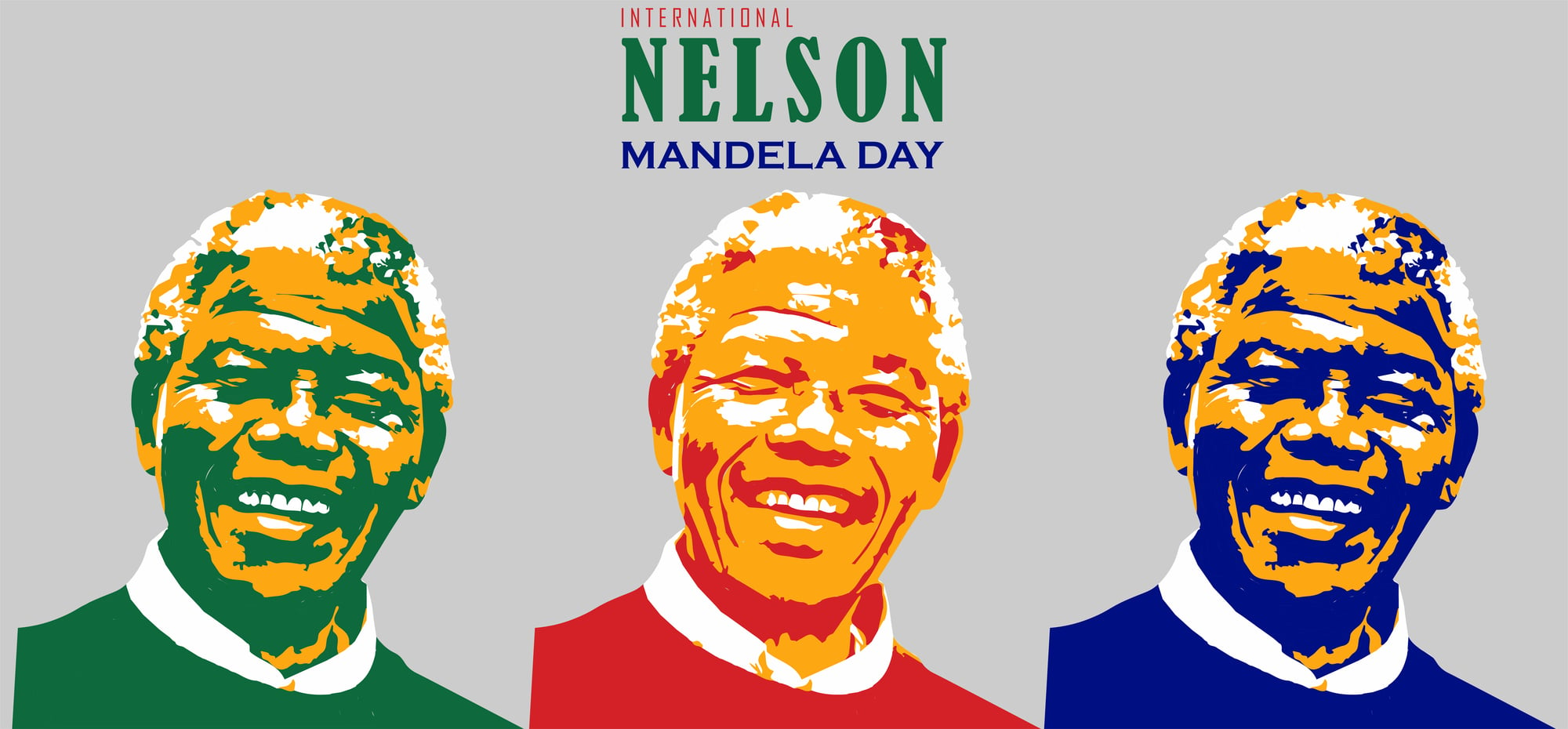
Twenty-seven years behind bars for opposing apartheid. The world watched as he walked free from Robben Island in 1990, and four years later, he walked into South Africa’s presidency.
The man who had been branded a terrorist became the symbol of reconciliation itself.
Václav Havel
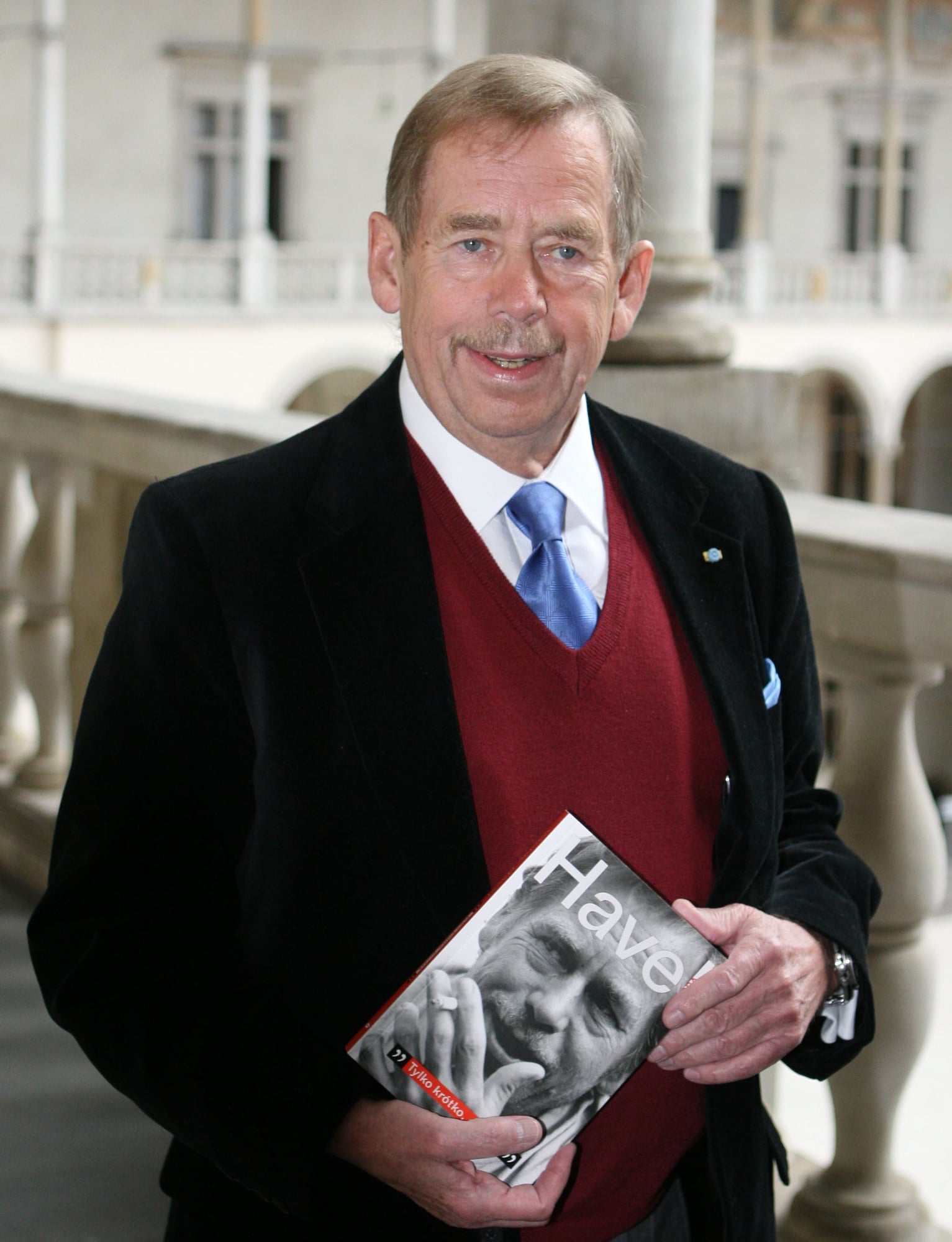
Communist Czechoslovakia locked up this playwright for his words (words have always been dangerous to tyrants, after all). But when the Velvet Revolution swept through Prague in 1989, those same words — and the man who wrote them — became the voice of a free nation.
Sometimes the pen truly is mightier than the sword.
Lech Wałęsa
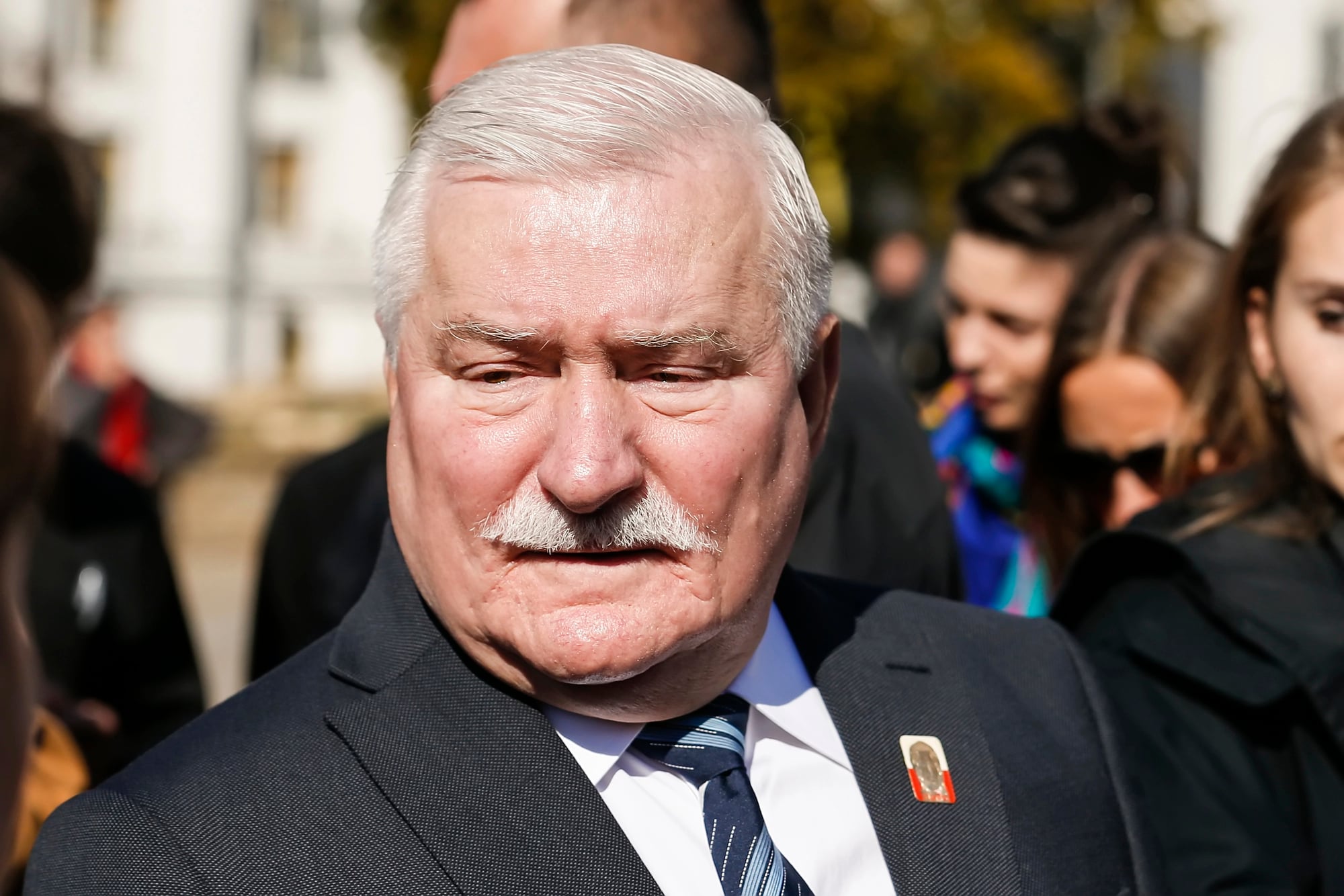
The electrician from Gdańsk who rewired an entire nation — though not in the way you’d expect from someone with his trade. Poland’s communist government thought imprisoning this Solidarity leader would silence the movement, but it only amplified his voice across Eastern Europe.
By 1990, the former prisoner had become president of a democratic Poland.
José Mujica
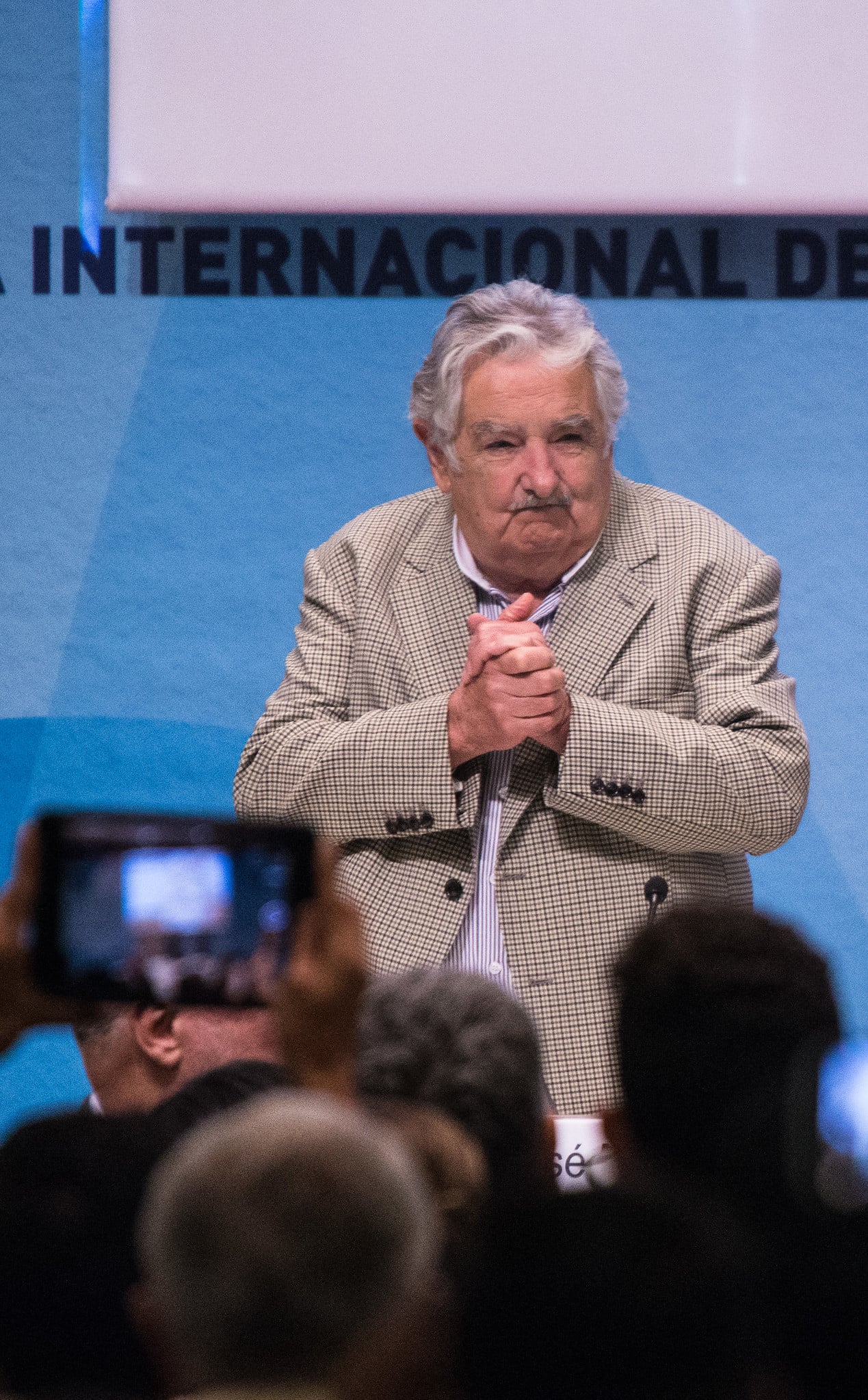
Uruguay’s most unconventional president spent 14 years in military prisons, including time in solitary confinement that would break most people. Instead, it forged him into something extraordinary: a leader who donated 90% of his presidential salary and lived on a modest farm.
Prison taught him what really mattered.
Anwar Sadat
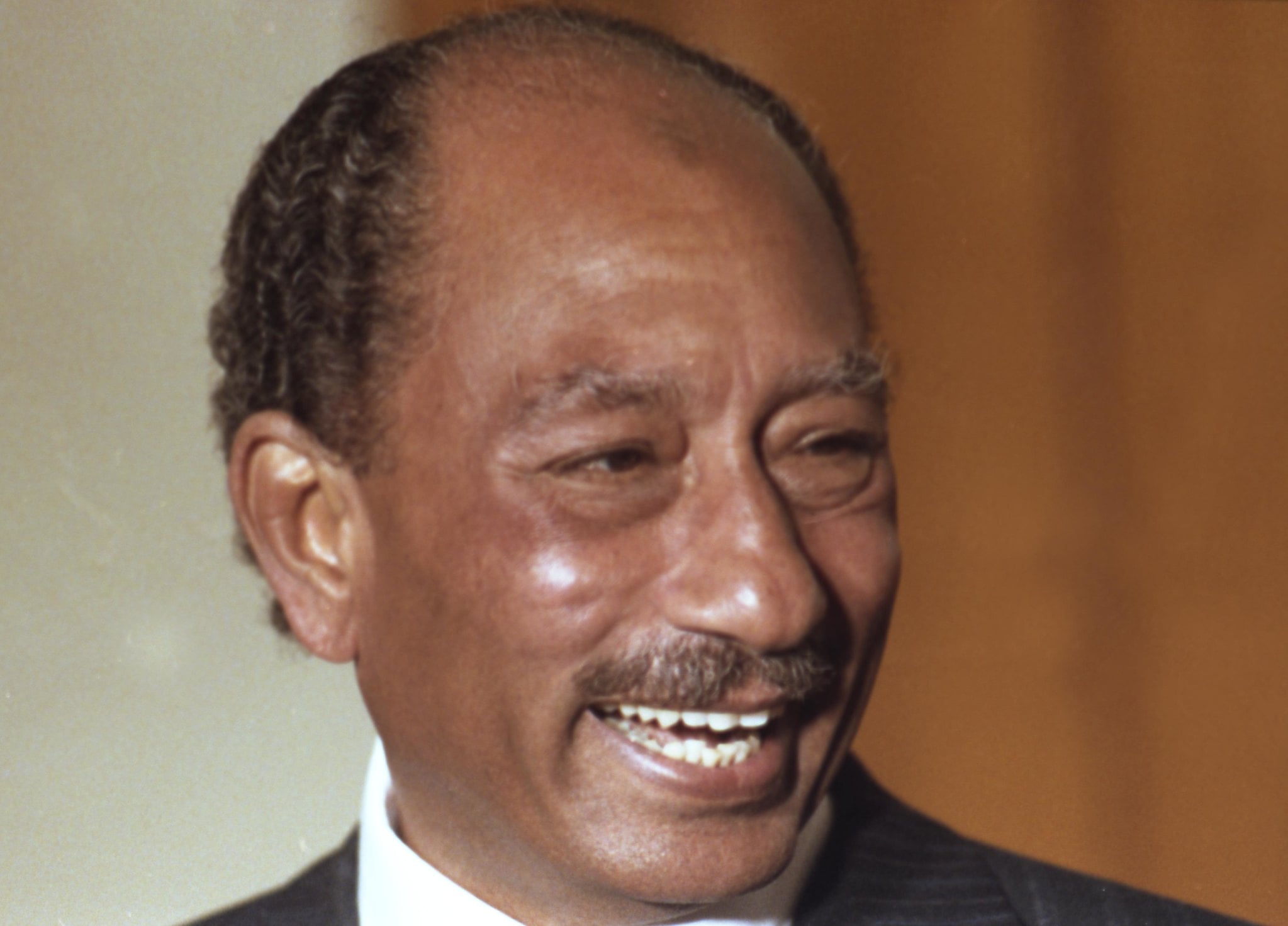
Before he made peace with Israel and won the Nobel Prize, Egypt’s future president spent time in British colonial prisons for his anti-occupation activities. The experience didn’t embitter him — it clarified his vision for an independent Egypt.
That clarity would later reshape the entire Middle East.
Menachem Begin
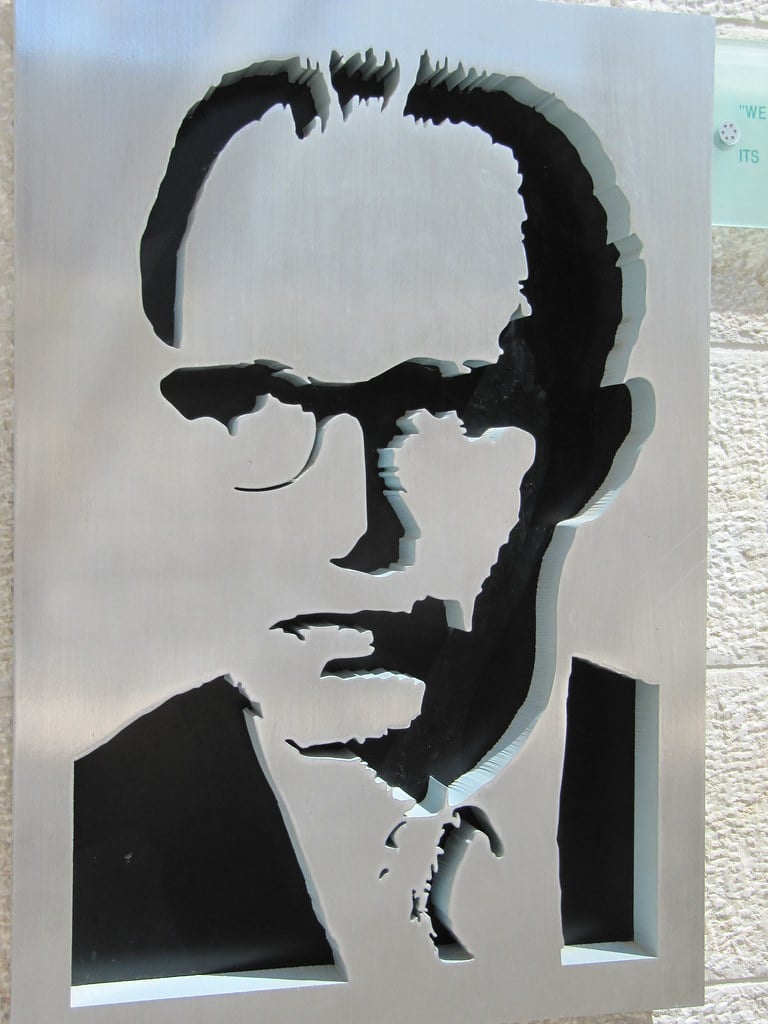
The irony writes itself: this future Israeli Prime Minister was imprisoned by the very British forces his country would later negotiate with (the same forces that had branded him a terrorist for his role in the Irgun).
But Begin understood something his captors didn’t — that today’s extremist can become tomorrow’s statesman when history shifts beneath everyone’s feet.
Corazon Aquino
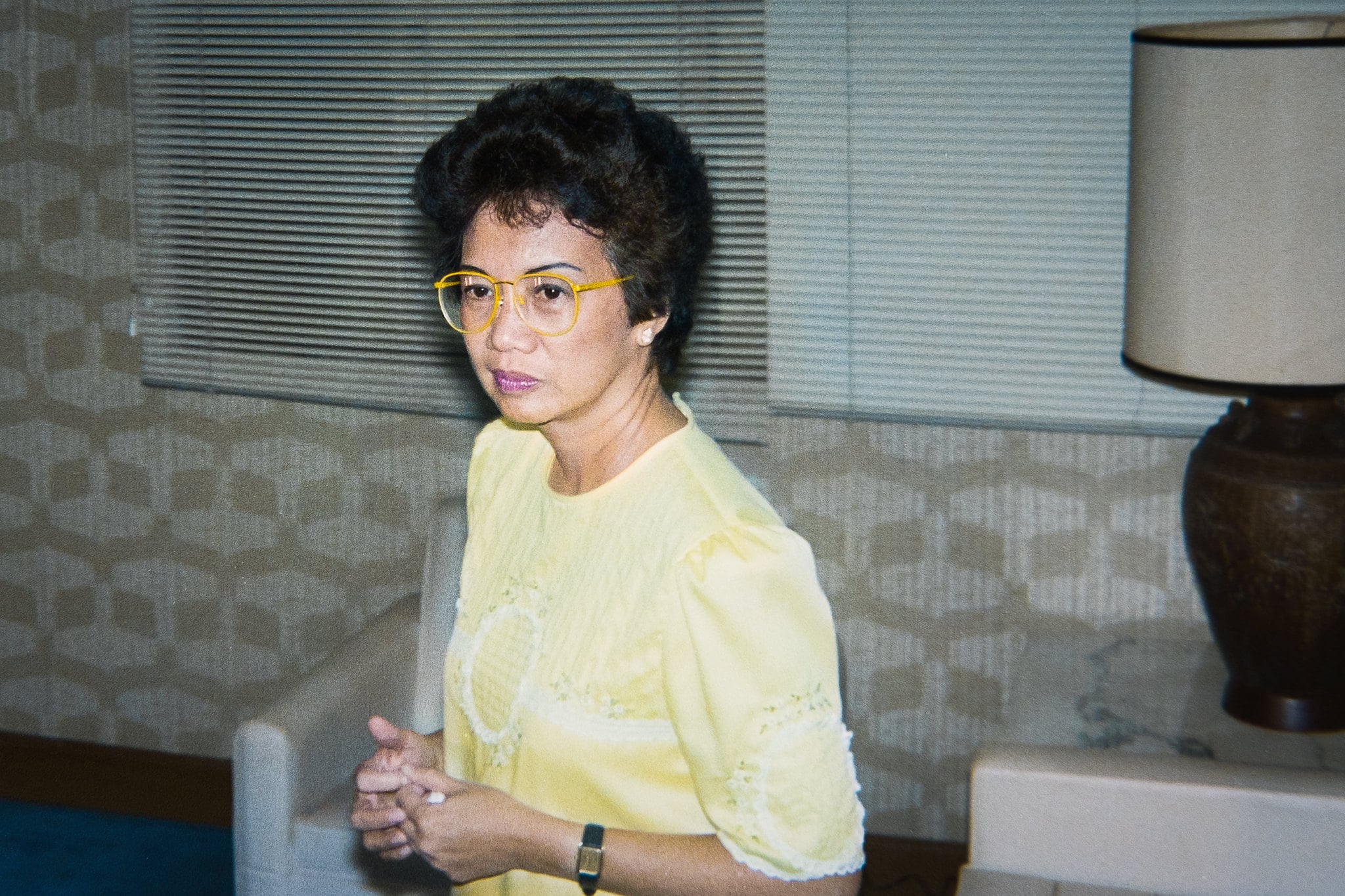
The Philippines’ People Power Revolution needed a symbol, and they found one in this widow whose husband had been assassinated after returning from exile. She hadn’t sought the presidency — it sought her, and she answered the call with quiet determination that toppled a dictator.
Kim Dae-jung
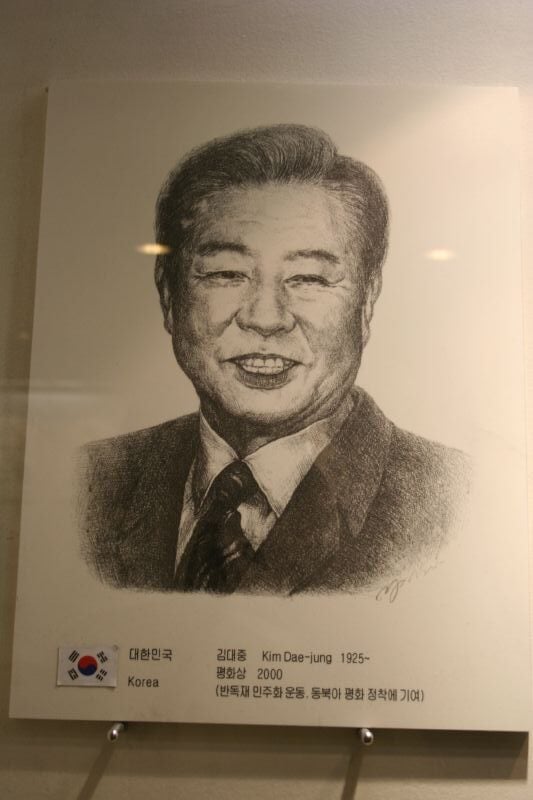
South Korea’s military dictators tried everything to silence this opposition leader: imprisonment, exile, even a death sentence. Yet Kim Dae-jung outlasted them all, becoming president in 1998 and earning a Nobel Peace Prize for his efforts to reconcile with North Korea.
Persistence has its own power.
Mahathir Mohamad
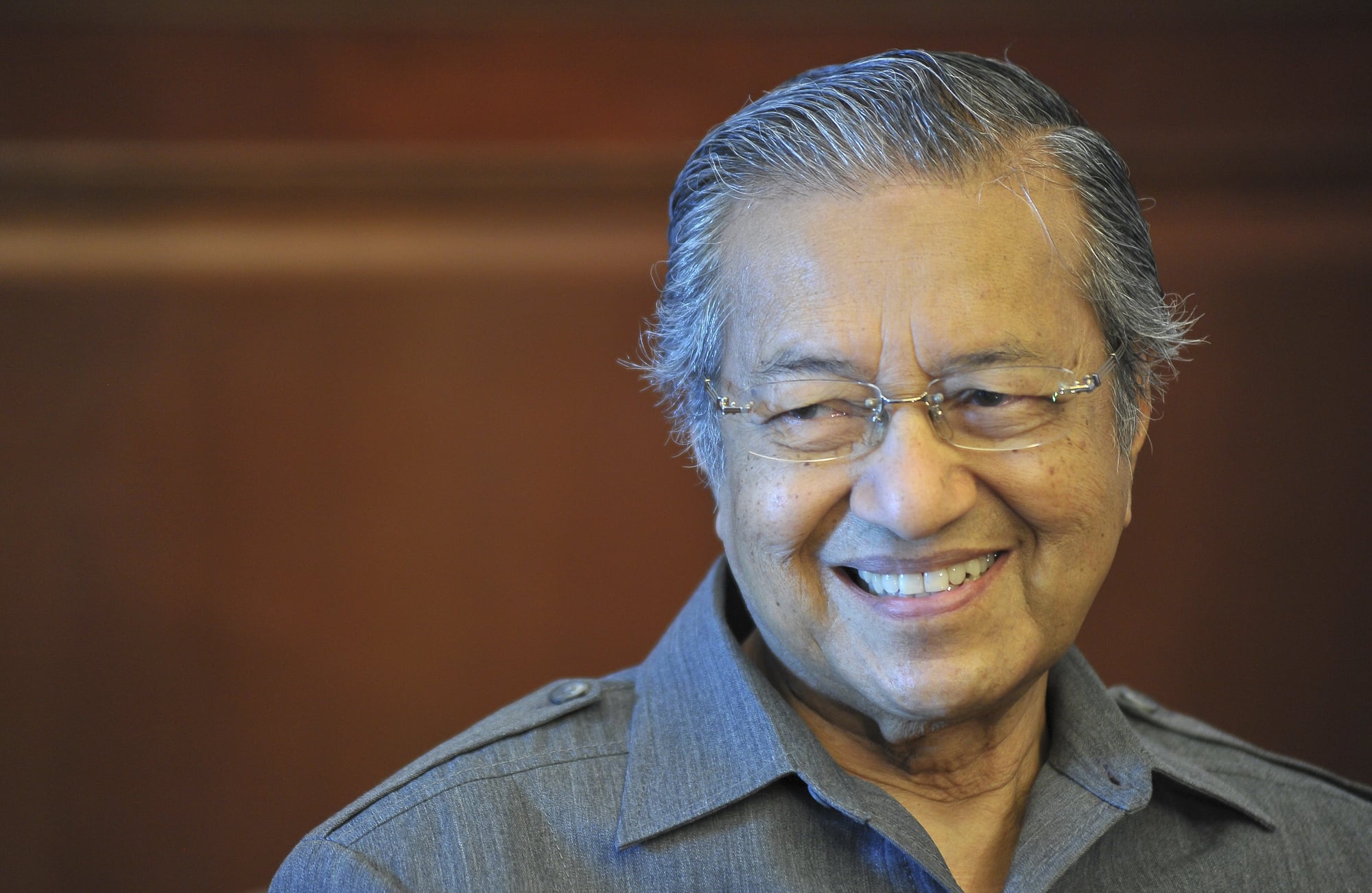
Malaysia’s longest-serving Prime Minister was imprisoned in 1969 during civil unrest in the post-independence era (though his second stint as PM decades later proved that some leaders have more than one act in them).
The experience taught him that independence isn’t just about flags and anthems — it’s about the will to govern yourself.
Jomo Kenyatta
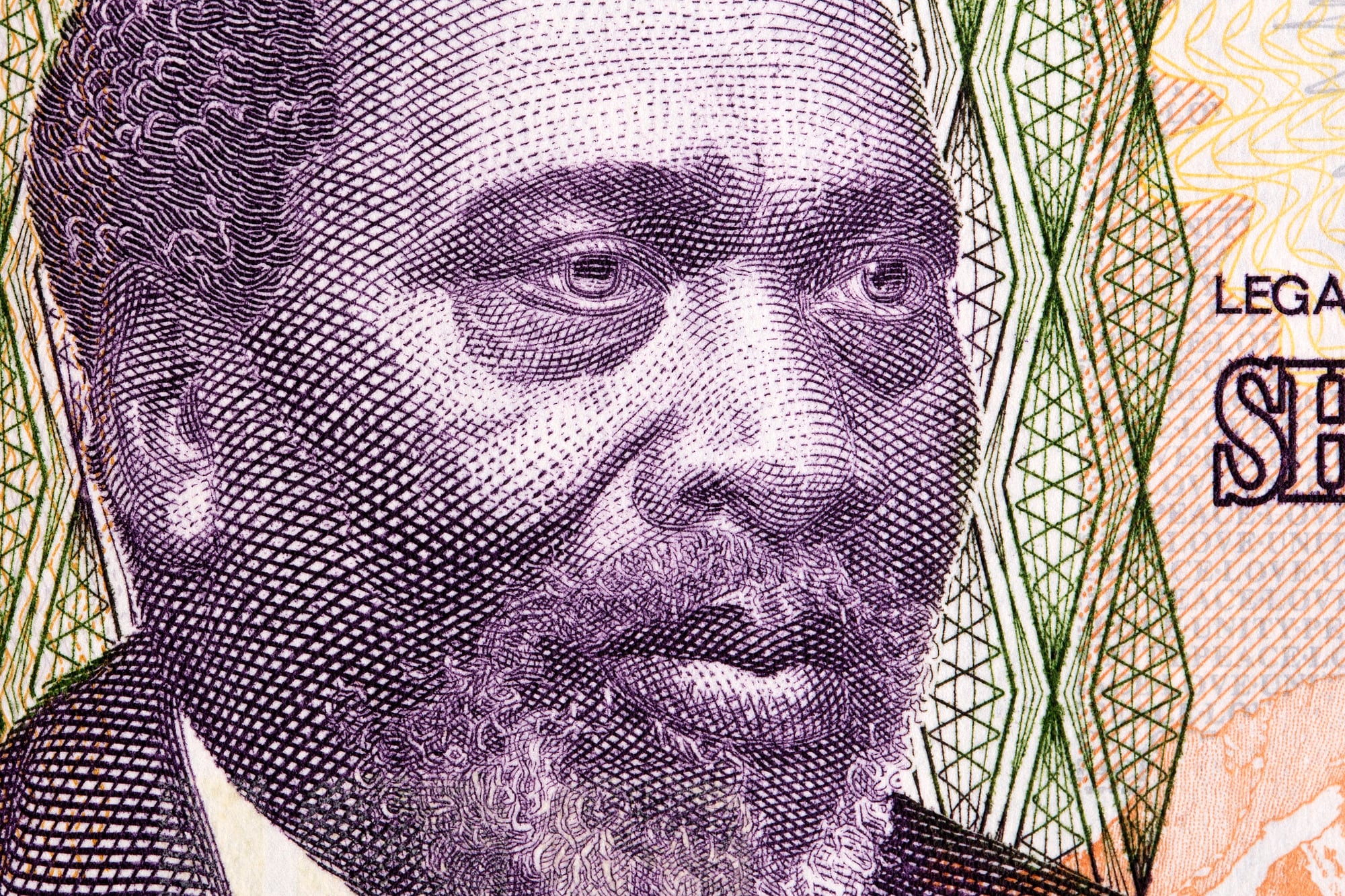
The British called him a terrorist and locked him away for nearly a decade. Kenya called him the father of the nation and elected him their first president after independence.
The difference between a freedom fighter and a terrorist often depends on who’s writing the history books.
Kenneth Kaunda
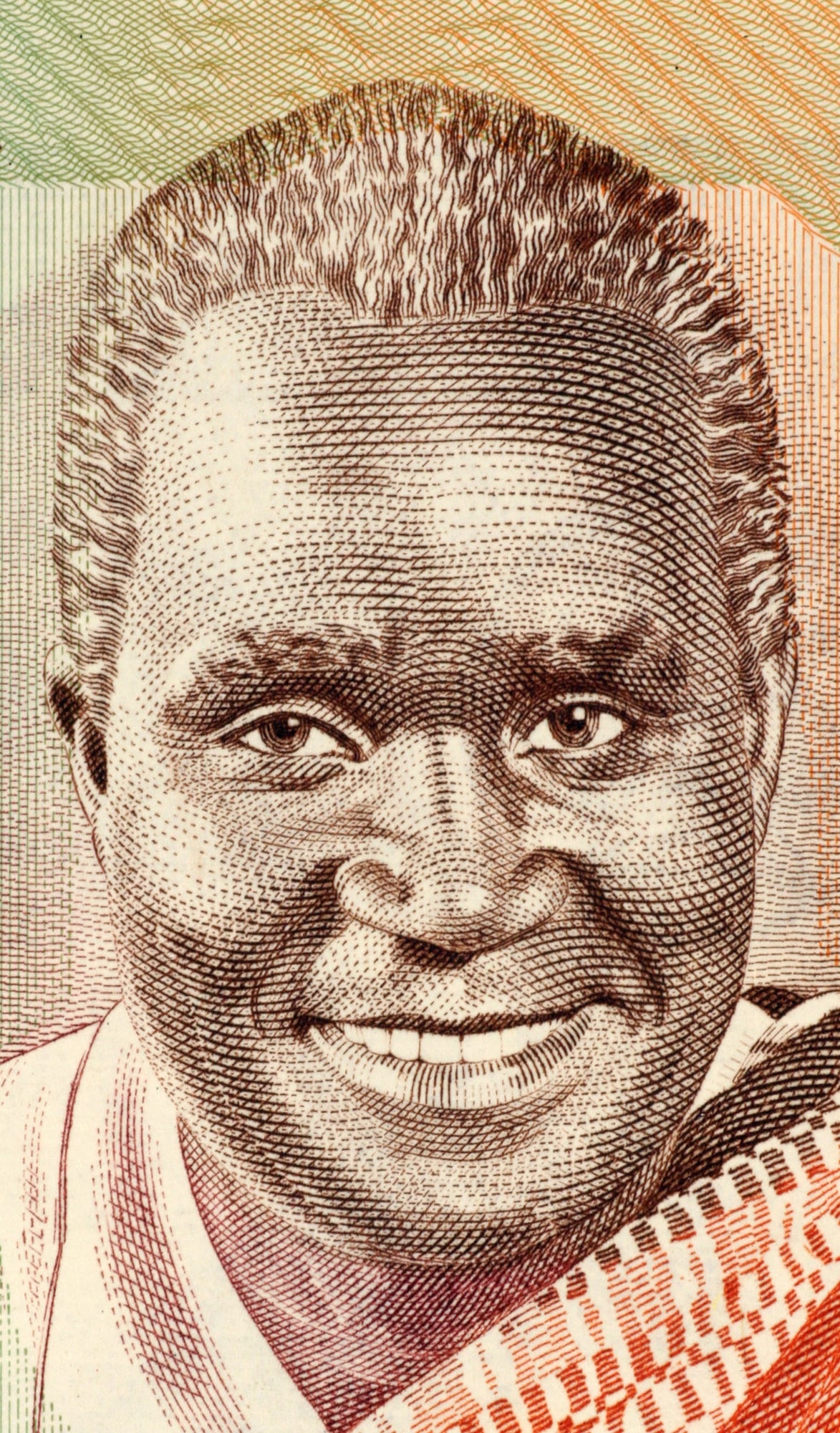
Zambia’s founding president spent time in colonial prisons for his activism, but those cells couldn’t contain his vision for an independent nation.
Sometimes the most effective way to create a leader is to try to silence them — the injustice becomes fuel for the fire that follows.
Hastings Banda
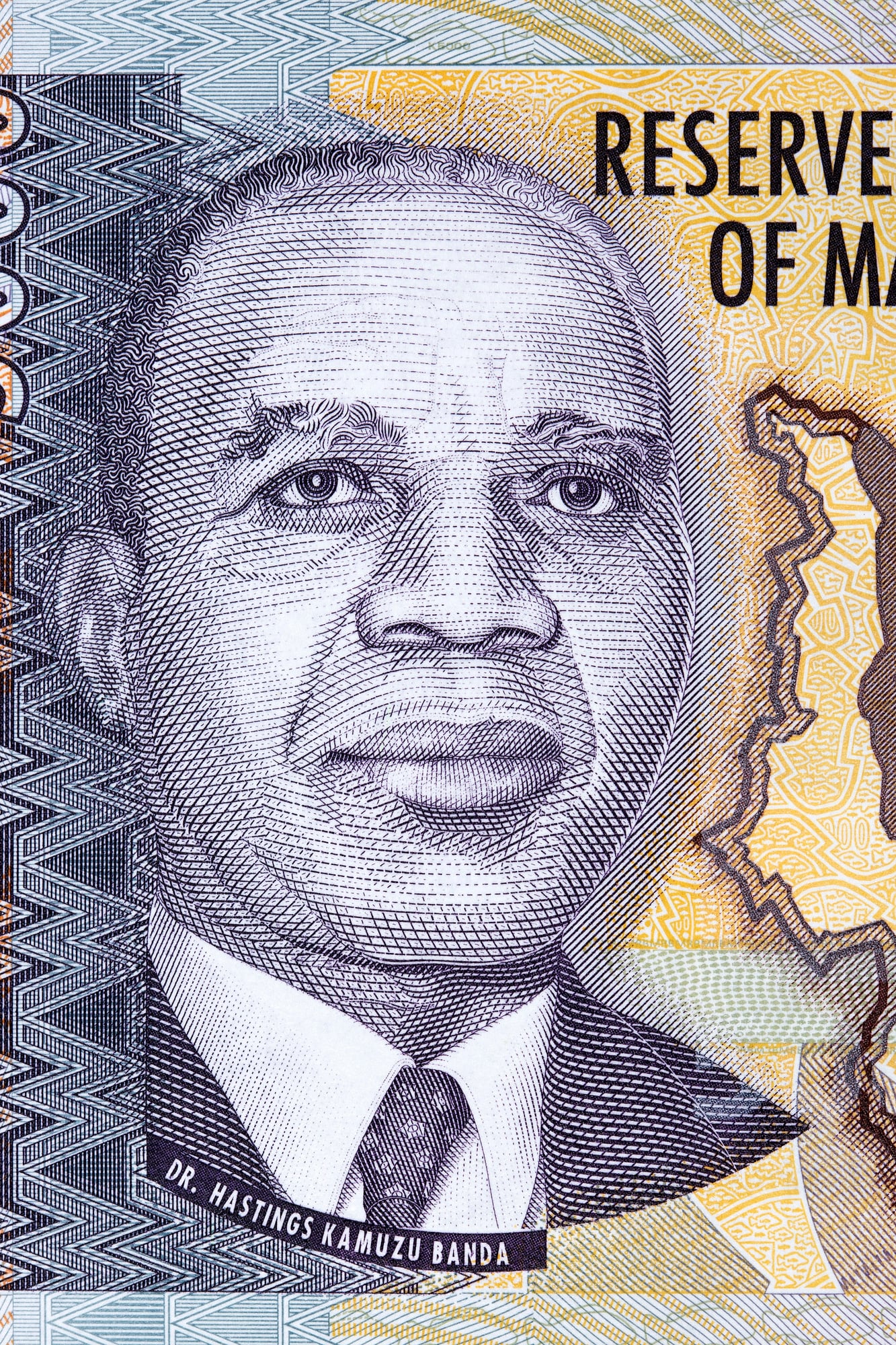
Malawi’s first president understood that the British wouldn’t simply hand over independence, so he was prepared to pay the price for demanding it.
His imprisonment became a rallying cry for the independence movement, and when freedom came, so did his presidency.
Patrice Lumumba
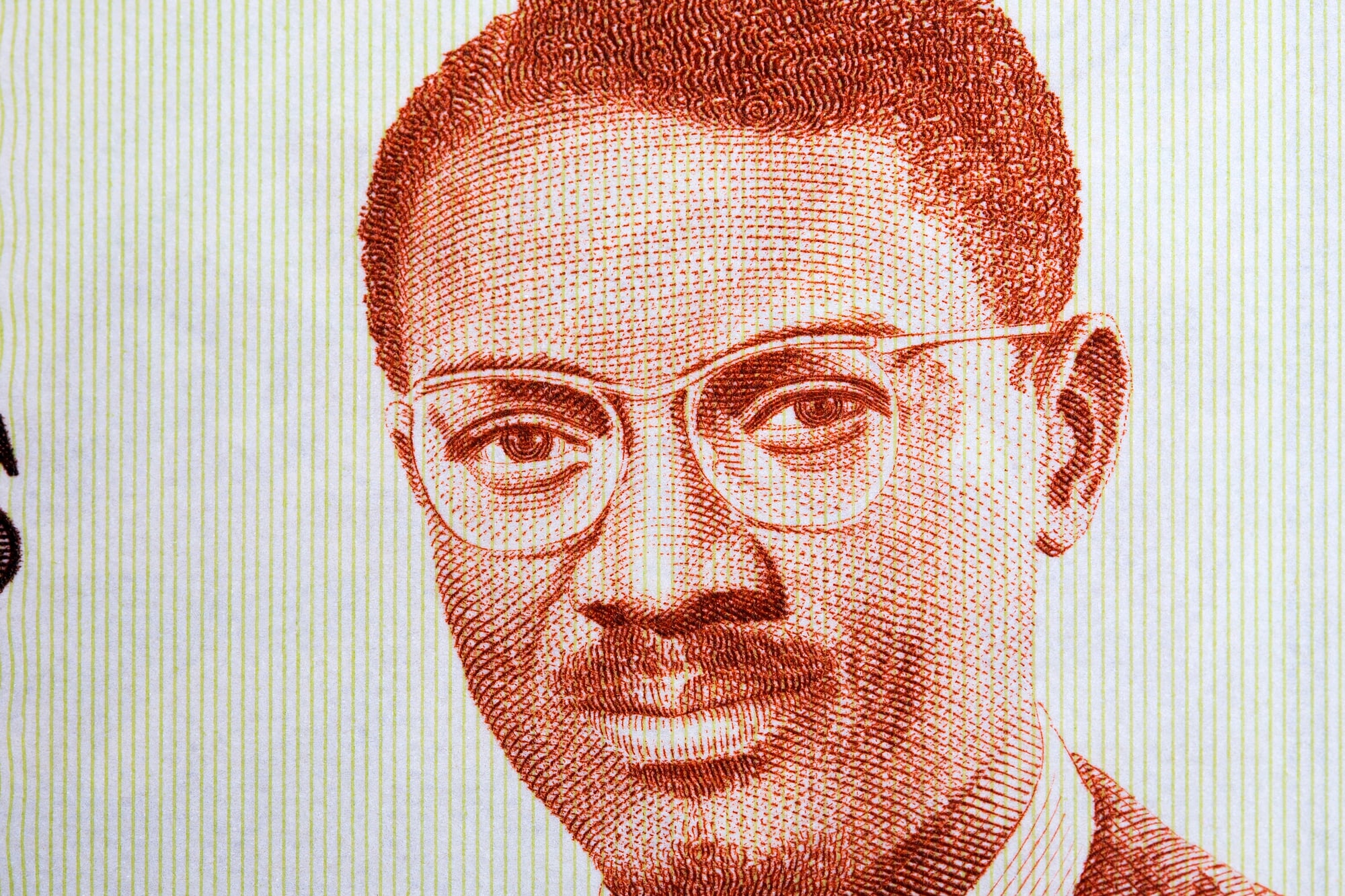
The Democratic Republic of Congo’s first Prime Minister spent time in Belgian colonial prisons before leading his country to independence.
His story ended tragically, but it began with the same pattern: a colonial power trying to silence a voice that refused to stay quiet.
Robert Mugabe
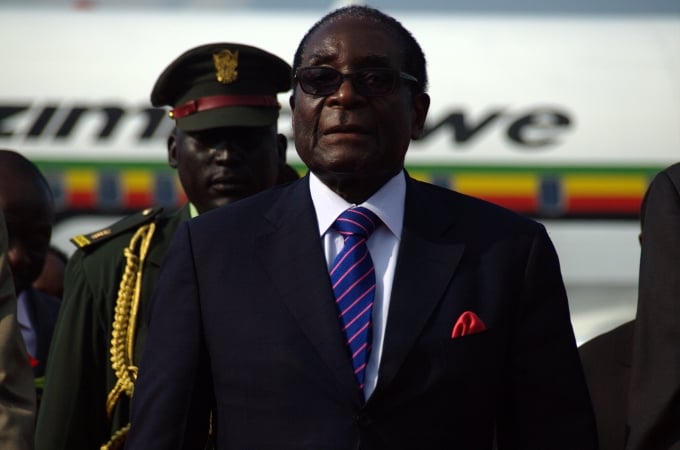
Zimbabwe’s future president spent over a decade in prison during the struggle against white minority rule. The man who would later become a controversial dictator began as a political prisoner fighting for majority rule.
A reminder that liberation leaders don’t always become liberating leaders.
Kwame Nkrumah
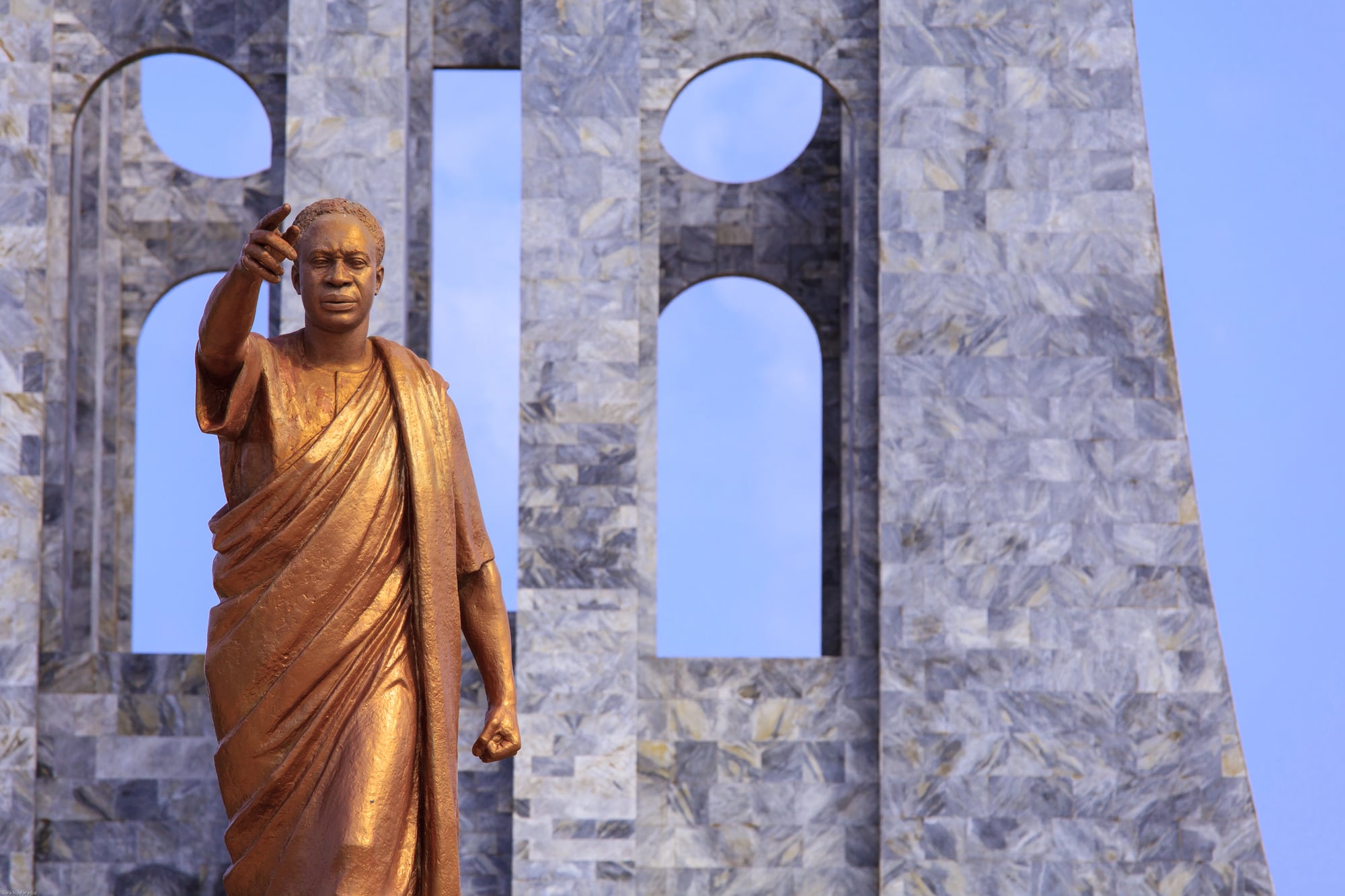
Ghana’s first president learned about resistance from the inside of British colonial cells.
But prison only strengthened his resolve to see Africa free from European control, and when Ghana gained independence in 1957, he was ready to lead.
Julius Nyerere
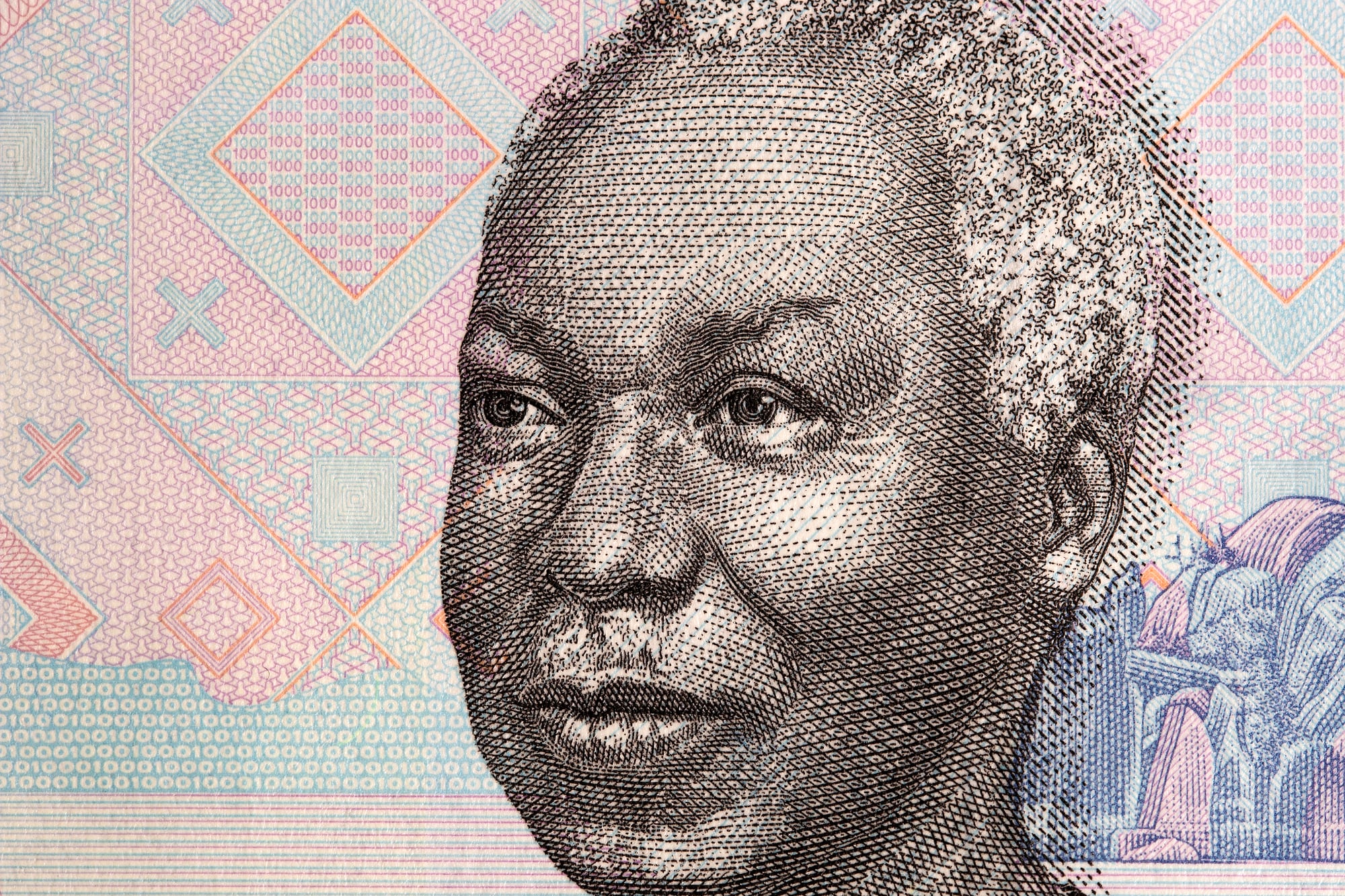
Tanzania’s founding father spent time in colonial detention, but the experience only deepened his commitment to African socialism and independence.
The British thought they were punishing a troublemaker — instead, they were forging a president who would shape East African politics for decades.
Antonio De Oliveira Salazar
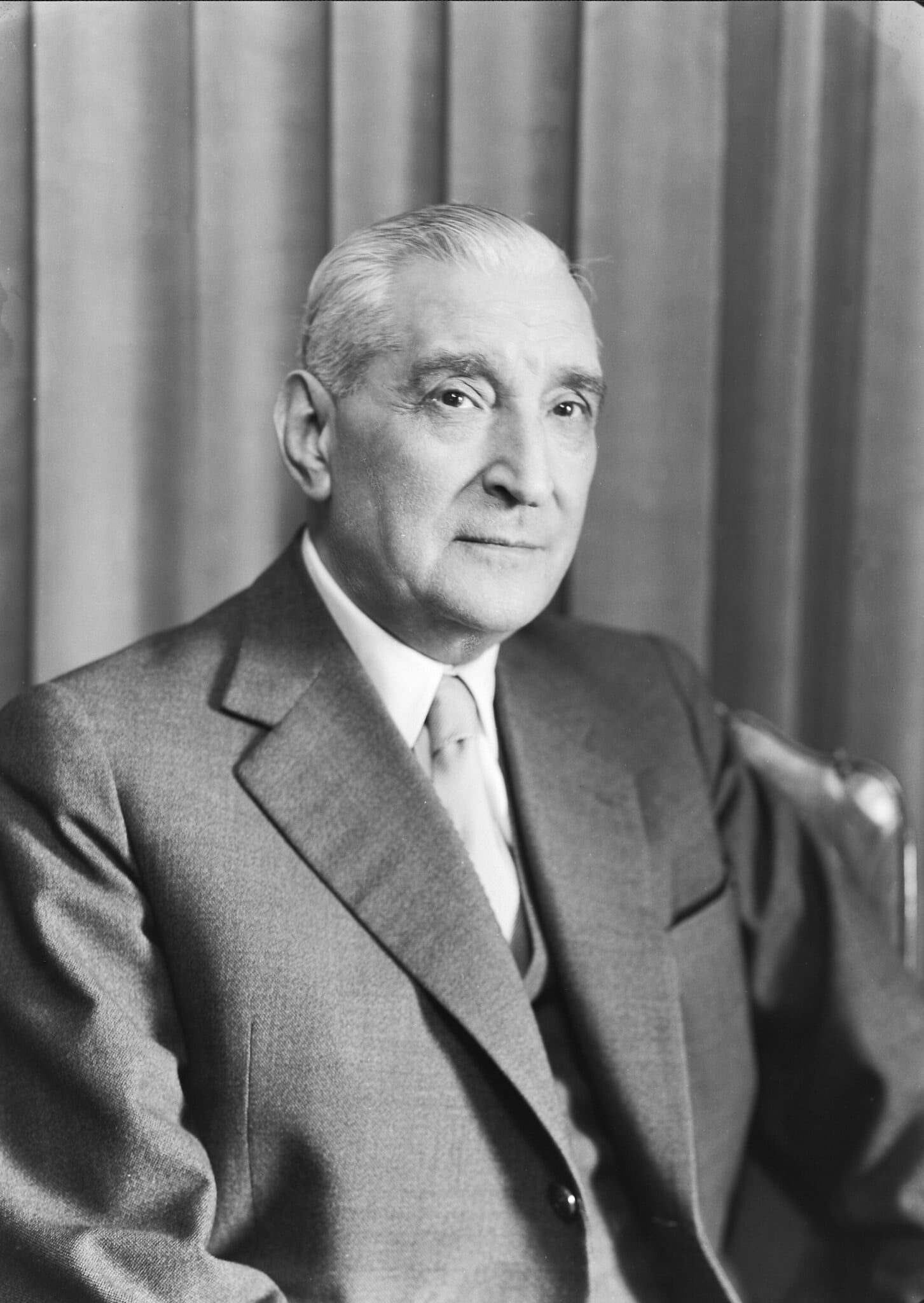
Portugal’s dictator began his political career opposing the previous regime and spent time imprisoned for his efforts.
The pattern holds, even when the outcome is less inspiring — sometimes former political prisoners become the very type of leaders who create new political prisoners.
Golda Meir
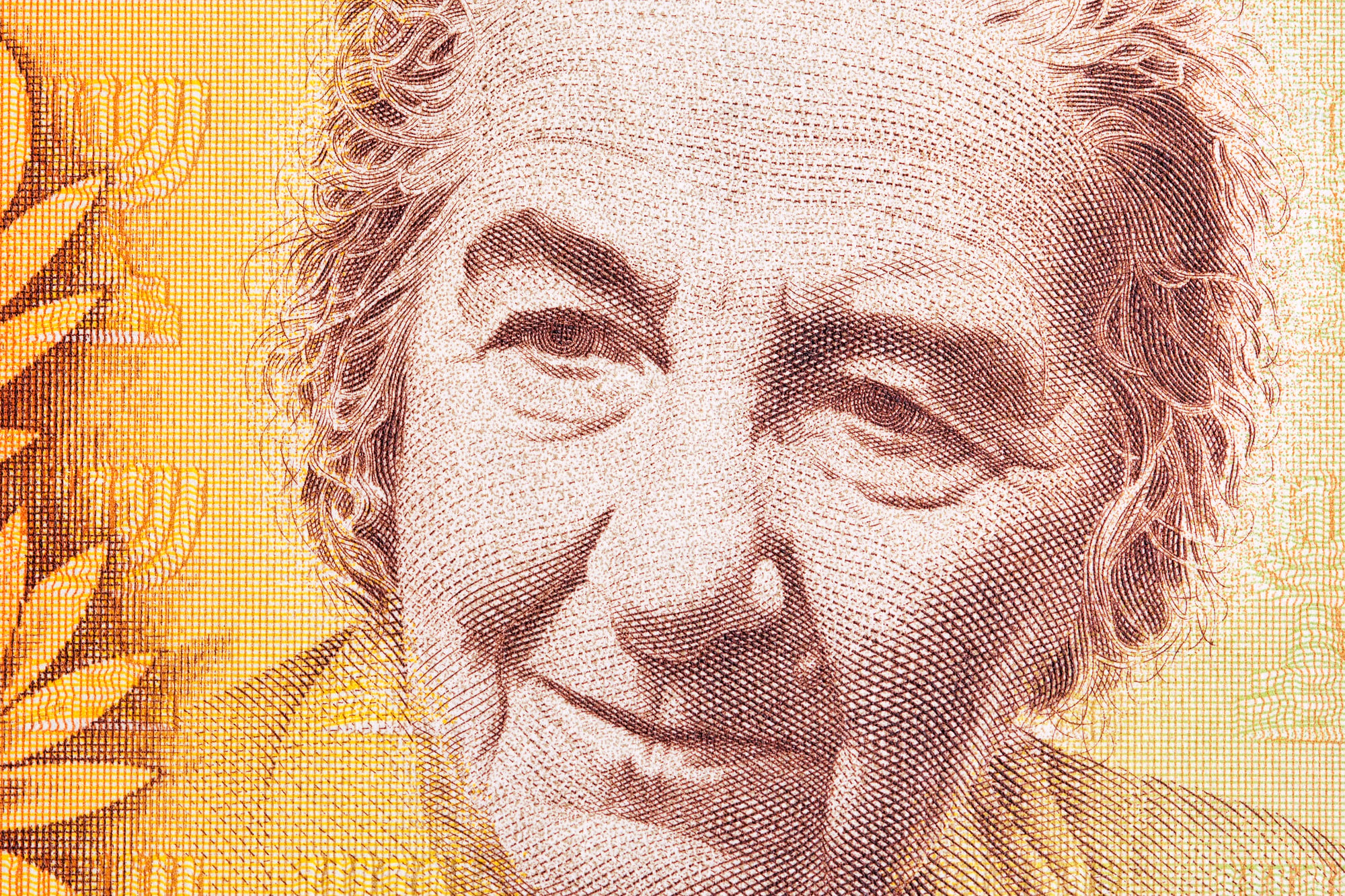
Israel’s future Prime Minister experienced imprisonment under British Mandate rule, her crime being the desire for a Jewish homeland.
The irony wasn’t lost on her: being jailed by the same power that had promised that homeland in the first place.
Yitzhak Shamir
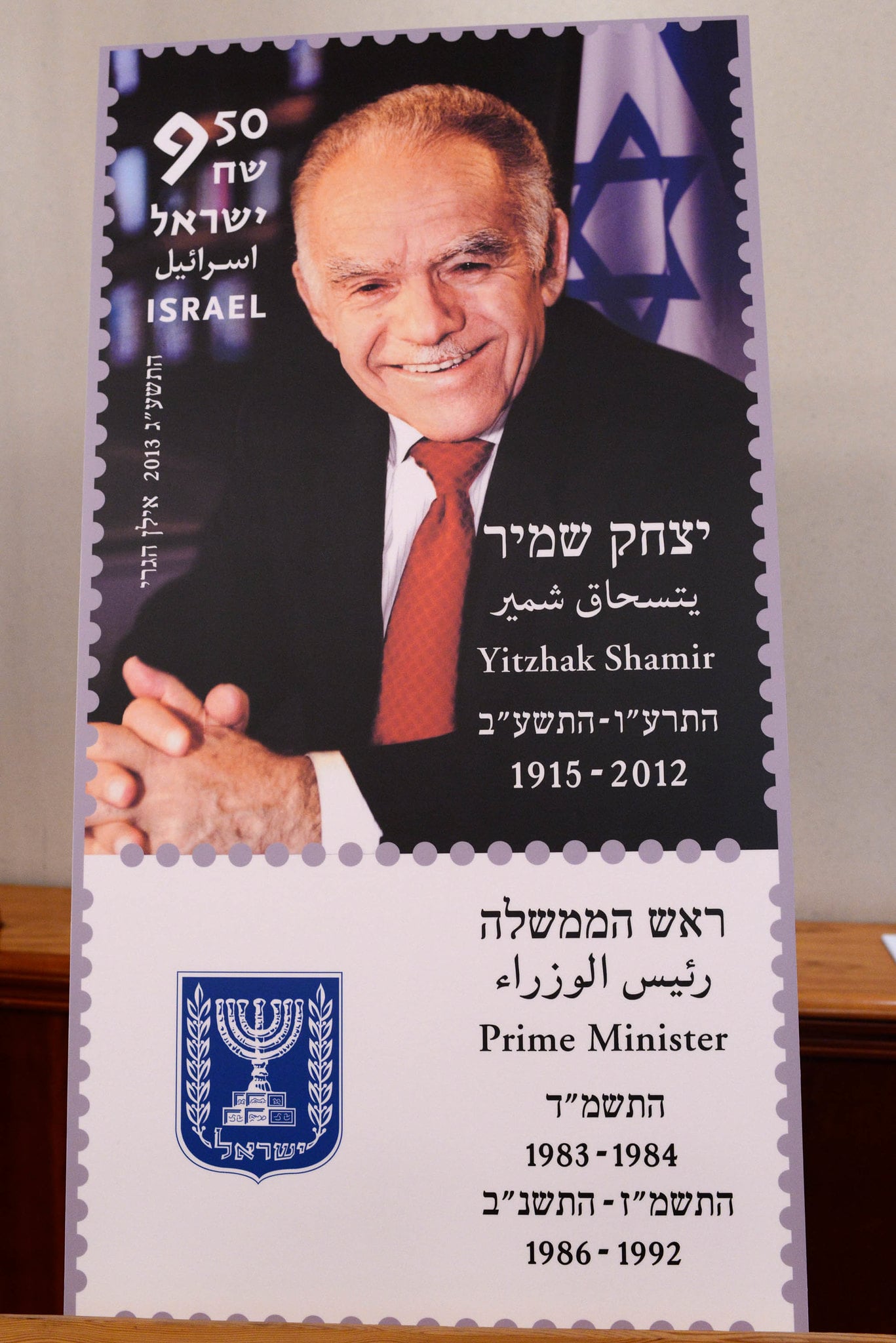
Another future Israeli Prime Minister who knew British prison cells intimately before knowing the corridors of power.
The Stern Gang leader traded his cell for the Knesset, proving that yesterday’s most wanted can become tomorrow’s most elected.
Habib Bourguiba
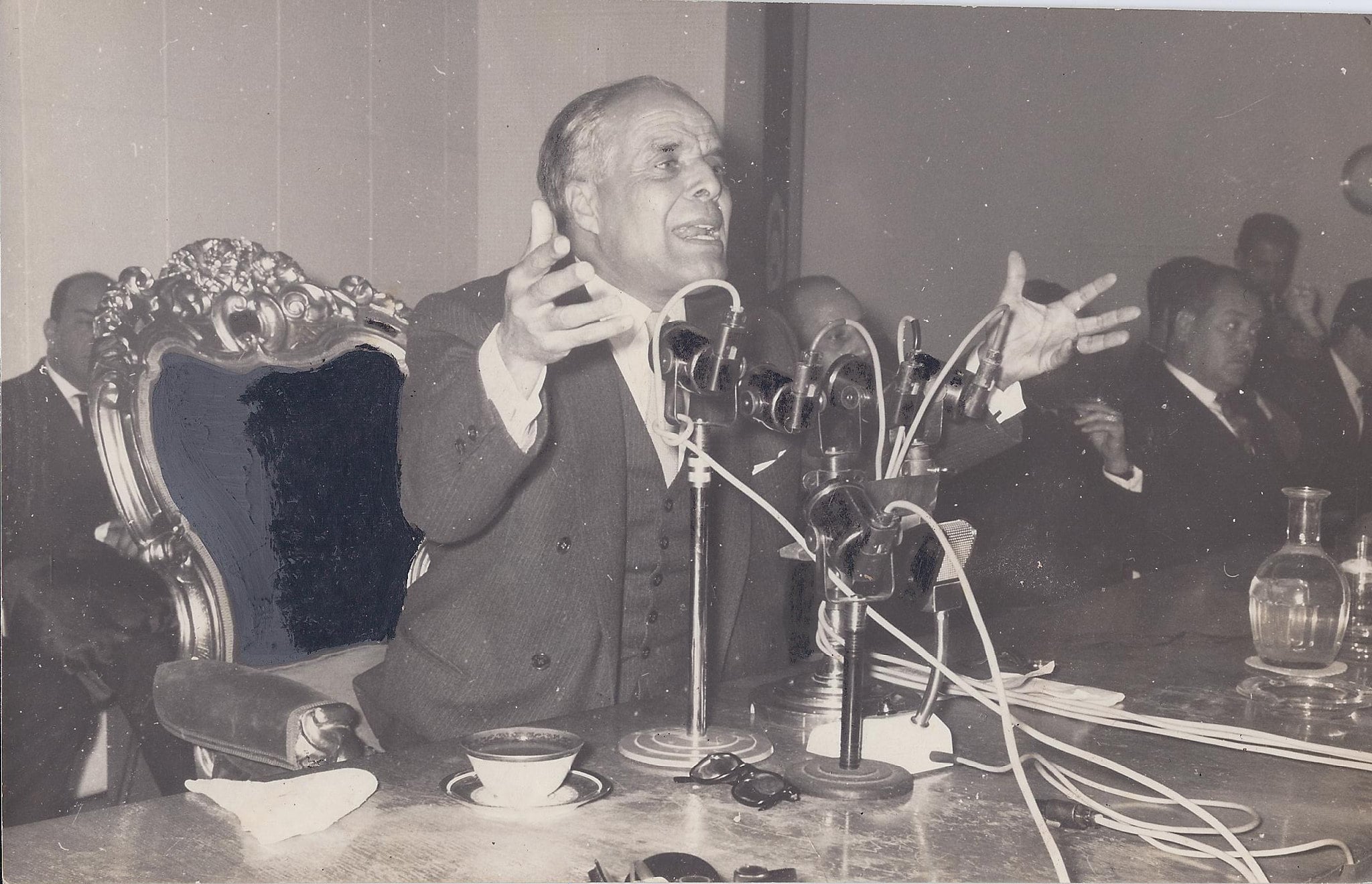
Tunisia’s founding president spent years in French colonial prisons, but those walls couldn’t contain his vision for an independent Tunisia.
When freedom came in 1956, the former prisoner became the natural choice to lead the new nation.
Ahmed Ben Bella
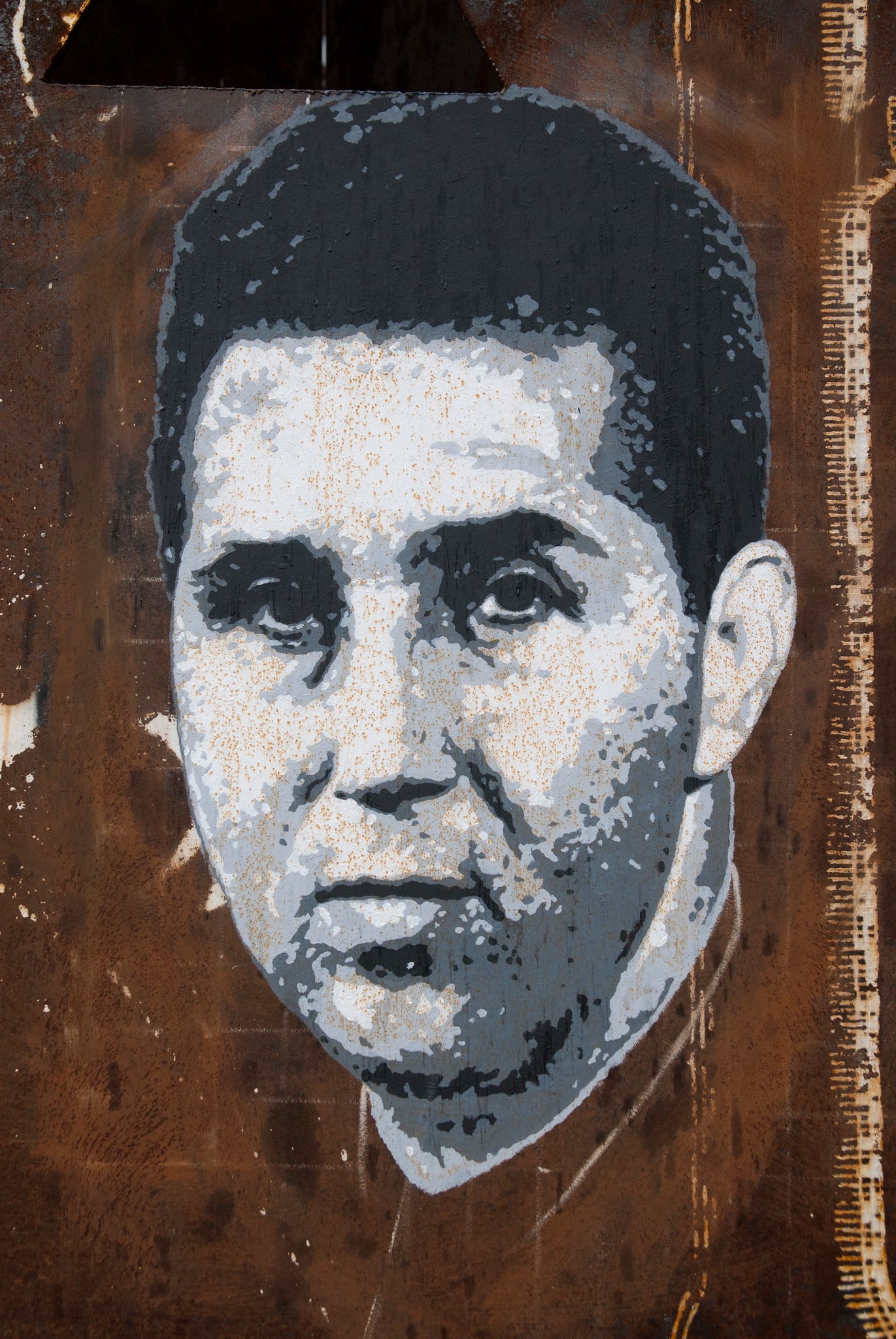
Algeria’s first president earned his credentials fighting French colonial rule, including time behind bars that only strengthened his revolutionary resolve.
The French thought imprisonment would end his political career — instead, it launched it toward the presidency.
Ferhat Abbas
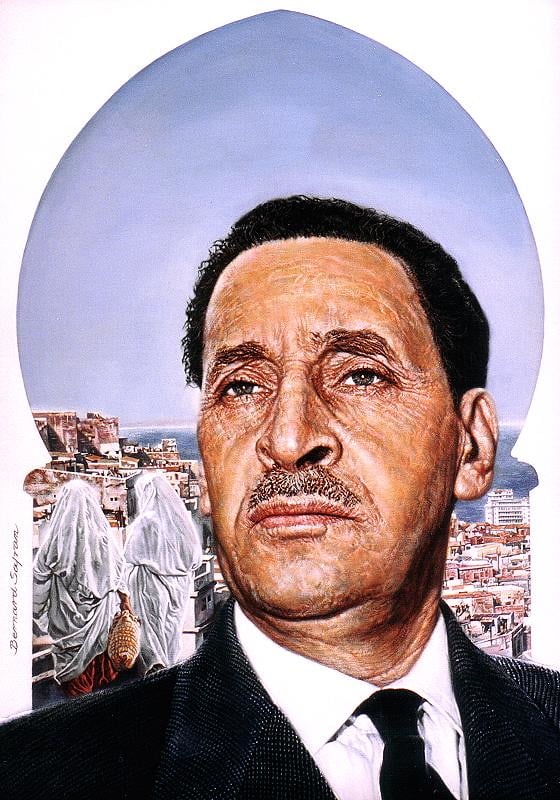
Before becoming Algeria’s provisional president during the war of independence, Abbas experienced French detention for his nationalist activities.
Sometimes the most effective political education happens in the most unlikely classrooms.
Modibo Keïta
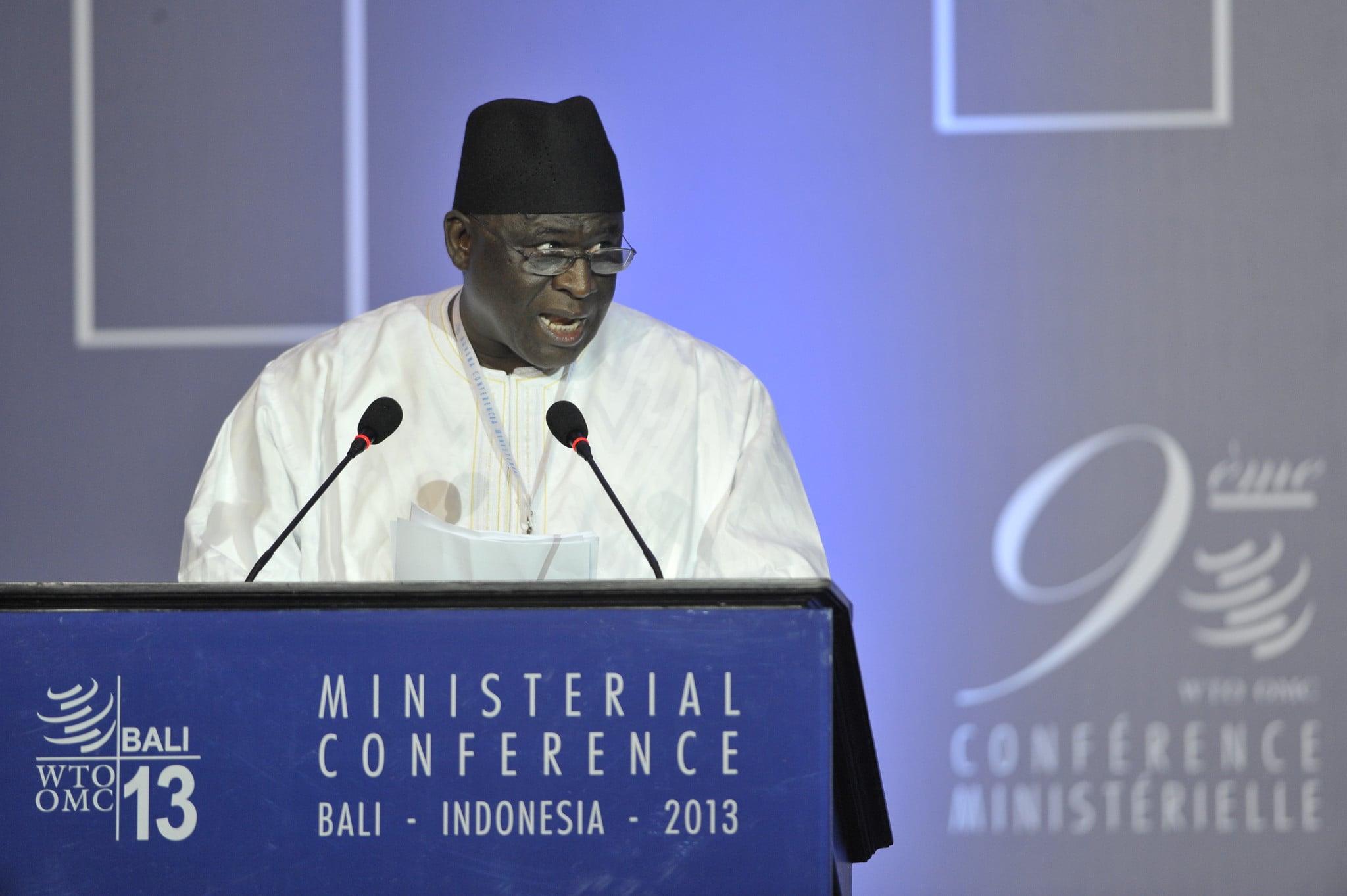
Mali’s first president understood that French colonial authorities wouldn’t appreciate his push for independence, and he was right — they imprisoned him for it.
But when Mali achieved freedom in 1960, the former prisoner was ready to govern.
Léopold Sédar Senghor
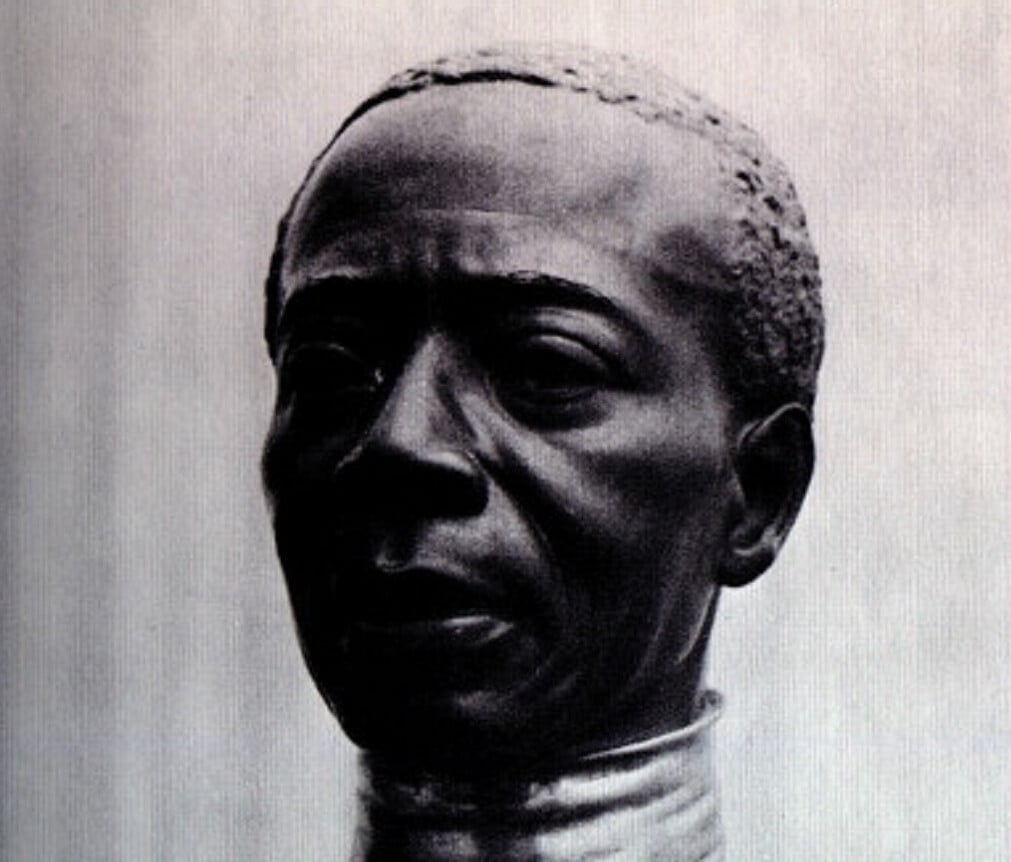
Senegal’s poet-president spent time in German prisoner-of-war camps during World War II, an experience that shaped both his literary voice and his political vision.
Sometimes leadership emerges from the most unexpected forms of captivity.
Felix Houphouët-Boigny
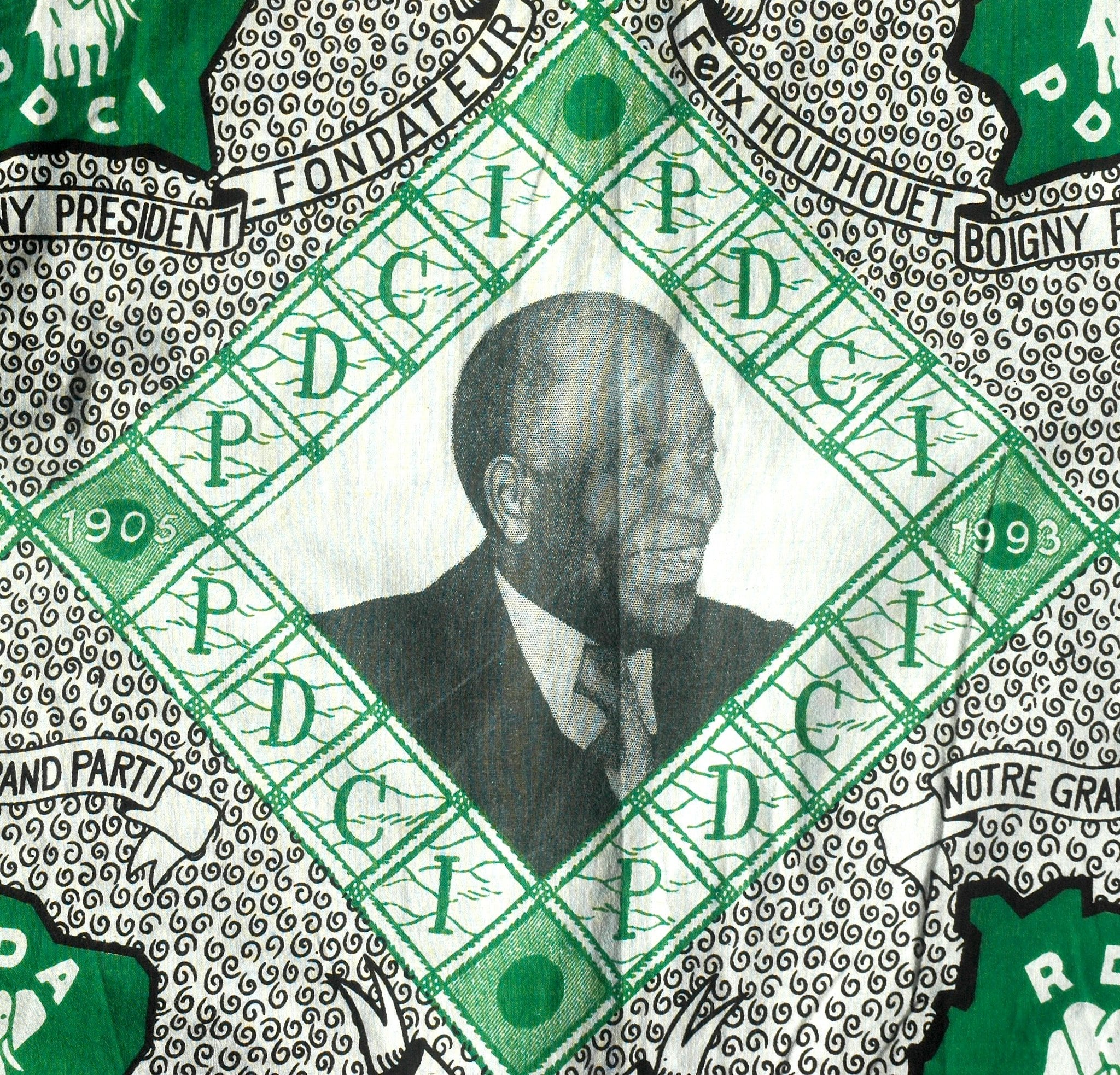
Ivory Coast’s founding president faced detention by French authorities for his political activities, but the experience only reinforced his commitment to eventual independence and African self-governance.
Sékou Touré
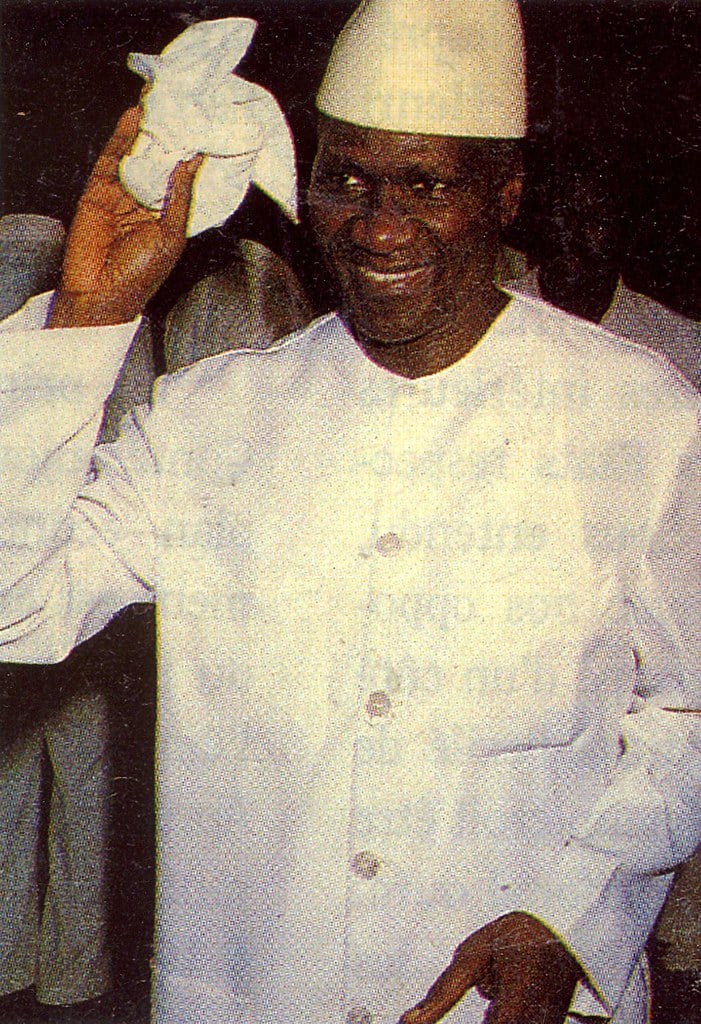
Guinea’s first president knew French colonial prisons before he knew presidential palaces.
His imprisonment became part of the independence narrative that swept across French West Africa in the late 1950s.
Mathieu Kérékou
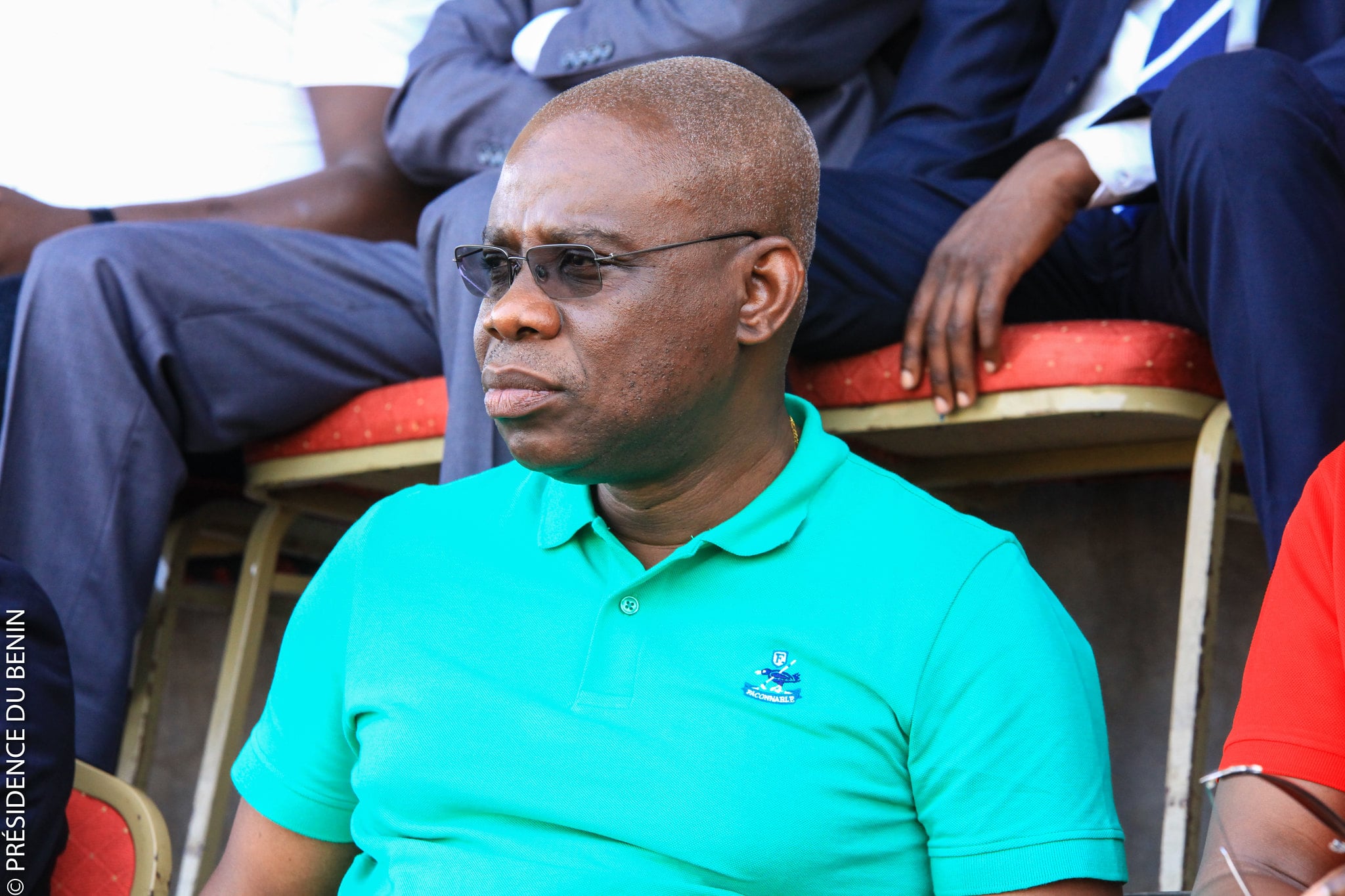
Benin’s long-serving leader experienced political detention during his rise to power, joining the familiar pattern of West African independence leaders who learned resistance from the inside of colonial cells.
Thomas Sankara
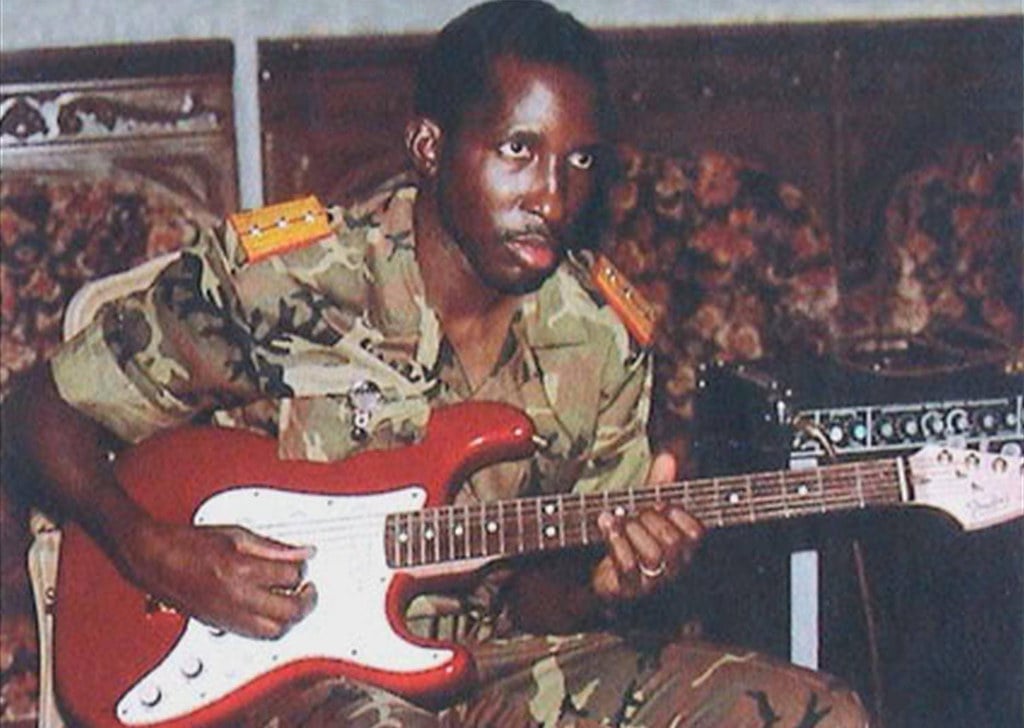
Burkina Faso’s revolutionary president faced imprisonment by the previous regime before his rise to power.
His brief but transformative presidency showed what former political prisoners could accomplish when they got the chance to govern.
J. Rawlings
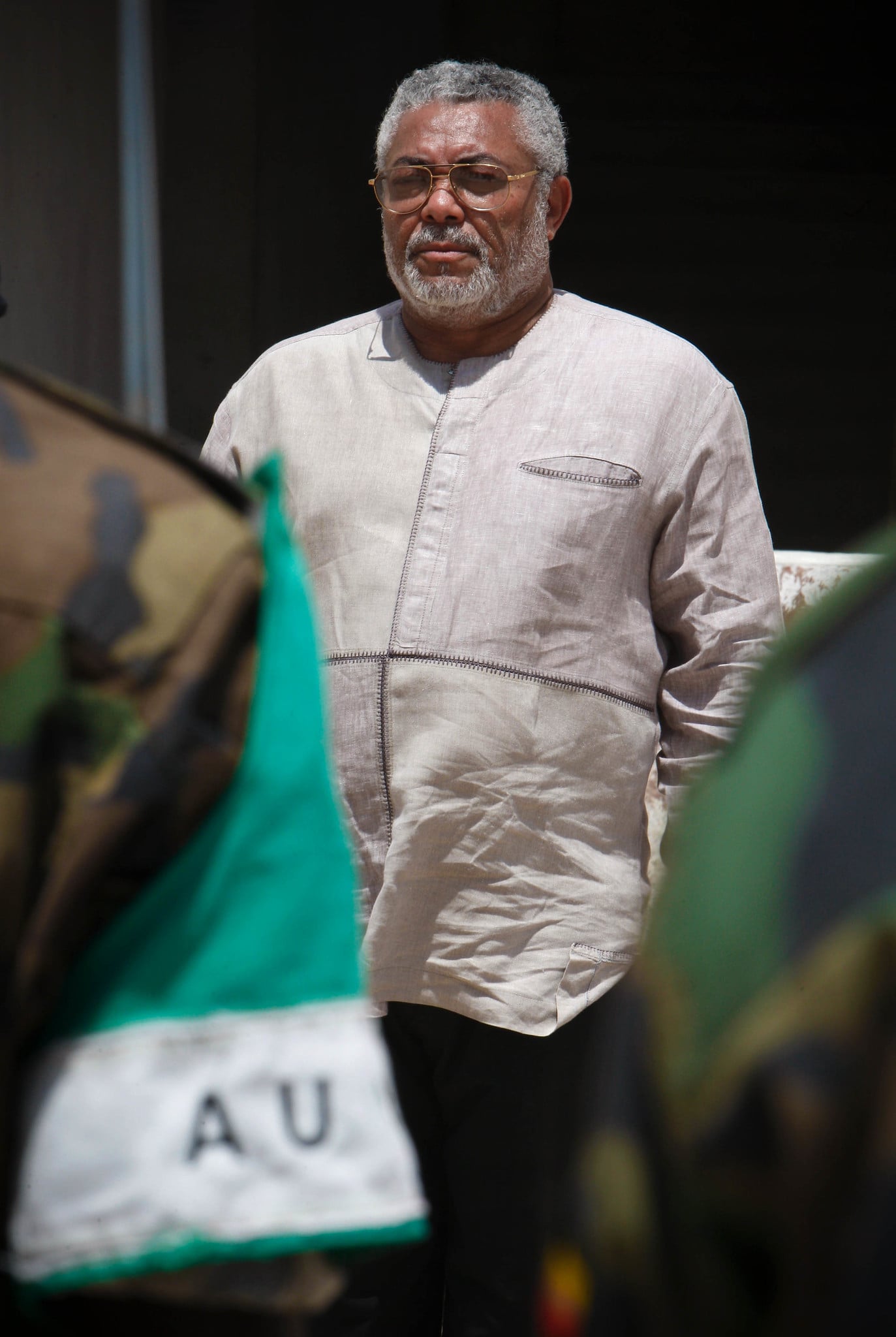
Ghana’s former military leader and later elected president experienced detention during his early political career.
But like so many before him, imprisonment only strengthened his resolve to change his country’s direction.
The path to power rarely follows a straight line. History’s most remarkable leaders often walked through prison cells before they walked into palaces, their future presidencies forged in the crucible of captivity.
These weren’t criminals serving time — they were visionaries serving sentences for daring to challenge the status quo, their only crime being the audacity to imagine their countries could be different.
The Long Arc Of Justice
These 29 leaders share more than prison experience — they understand that power and oppression often dance together throughout history. Their cells became classrooms, teaching lessons about injustice that shaped how they would later govern.
Not all of them became the leaders their countries needed, but all of them proved that today’s prisoner can become tomorrow’s president when the wheel of history turns.
These 29 leaders share more than prison experience — they understand that power and oppression often dance together throughout history. Their cells became classrooms, teaching lessons about injustice that shaped how they would later govern.
Not all of them became the leaders their countries needed, but all of them proved that today’s prisoner can become tomorrow’s president when the wheel of history turns.
More from Go2Tutors!

- The Romanov Crown Jewels and Their Tragic Fate
- 13 Historical Mysteries That Science Still Can’t Solve
- Famous Hoaxes That Fooled the World for Years
- 15 Child Stars with Tragic Adult Lives
- 16 Famous Jewelry Pieces in History
Like Go2Tutors’s content? Follow us on MSN.



