34 Saturday Chores from the ’70s Kids Tried to Dodge
Saturday mornings in the 1970s had a distinct rhythm. Cartoons ended at noon, and that’s when parents emerged with their lists and their expectations.
The weekend stretched ahead, but first came the negotiations, the bargaining, and the inevitable surrender to a day of household duties that felt designed specifically to torture young souls who’d rather be anywhere else.
Washing the Car in the Driveway

Dad handed you the hose and walked away like this was some kind of honor. The car always seemed massive when you were holding a sponge, and the soap suds dried before you could rinse them off.
Every neighbor could see your technique—or lack of it.
Mowing the Lawn With a Push Mower
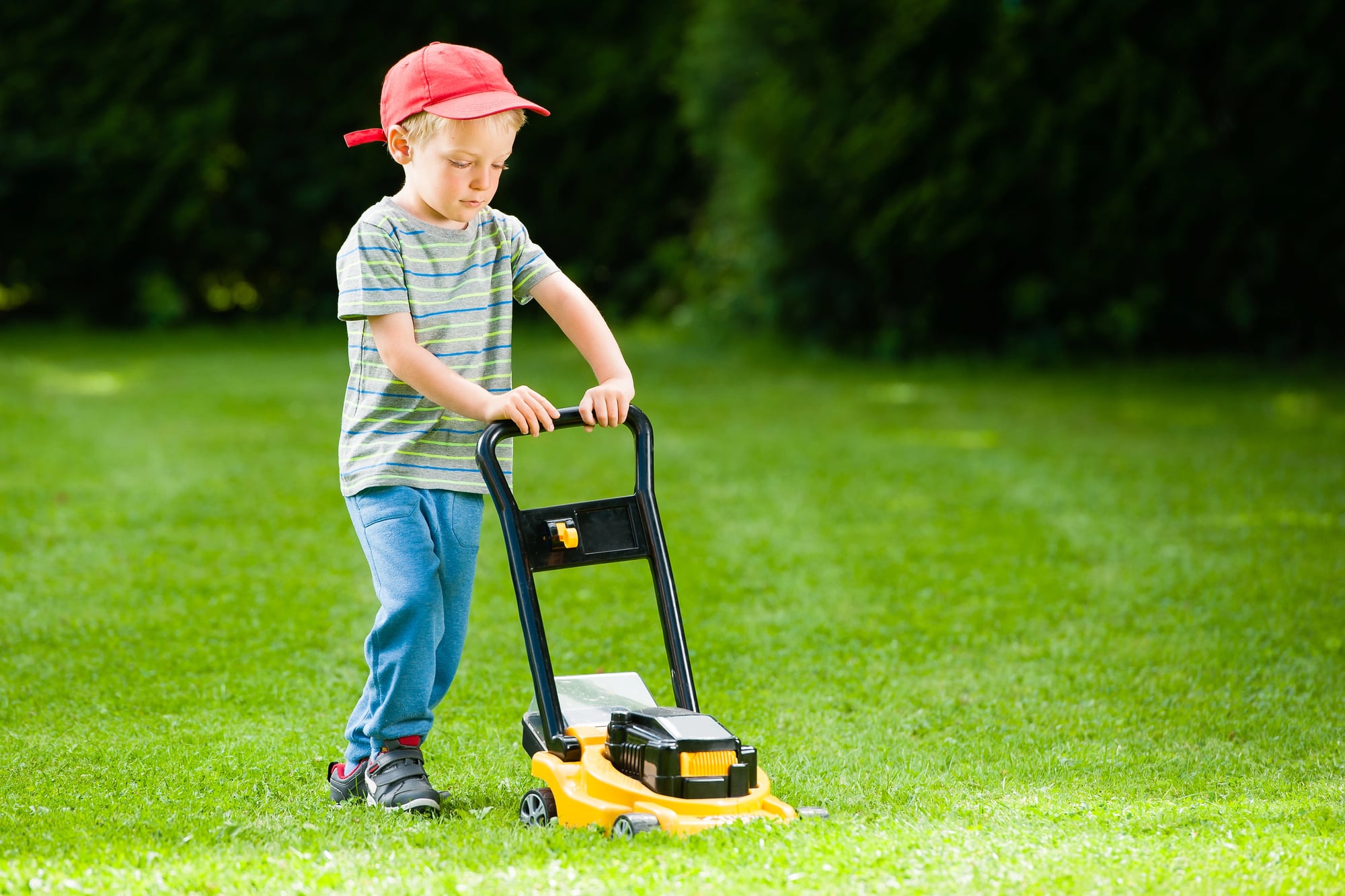
Those old mowers (the kind that required actual human strength, imagine that) turned every yard into a marathon nobody signed up for. The grass was never just grass—it was thick, rebellious, and determined to jam the blades every few feet.
And if you missed a strip, trust that someone would point it out.
Cleaning Out the Rain Gutters
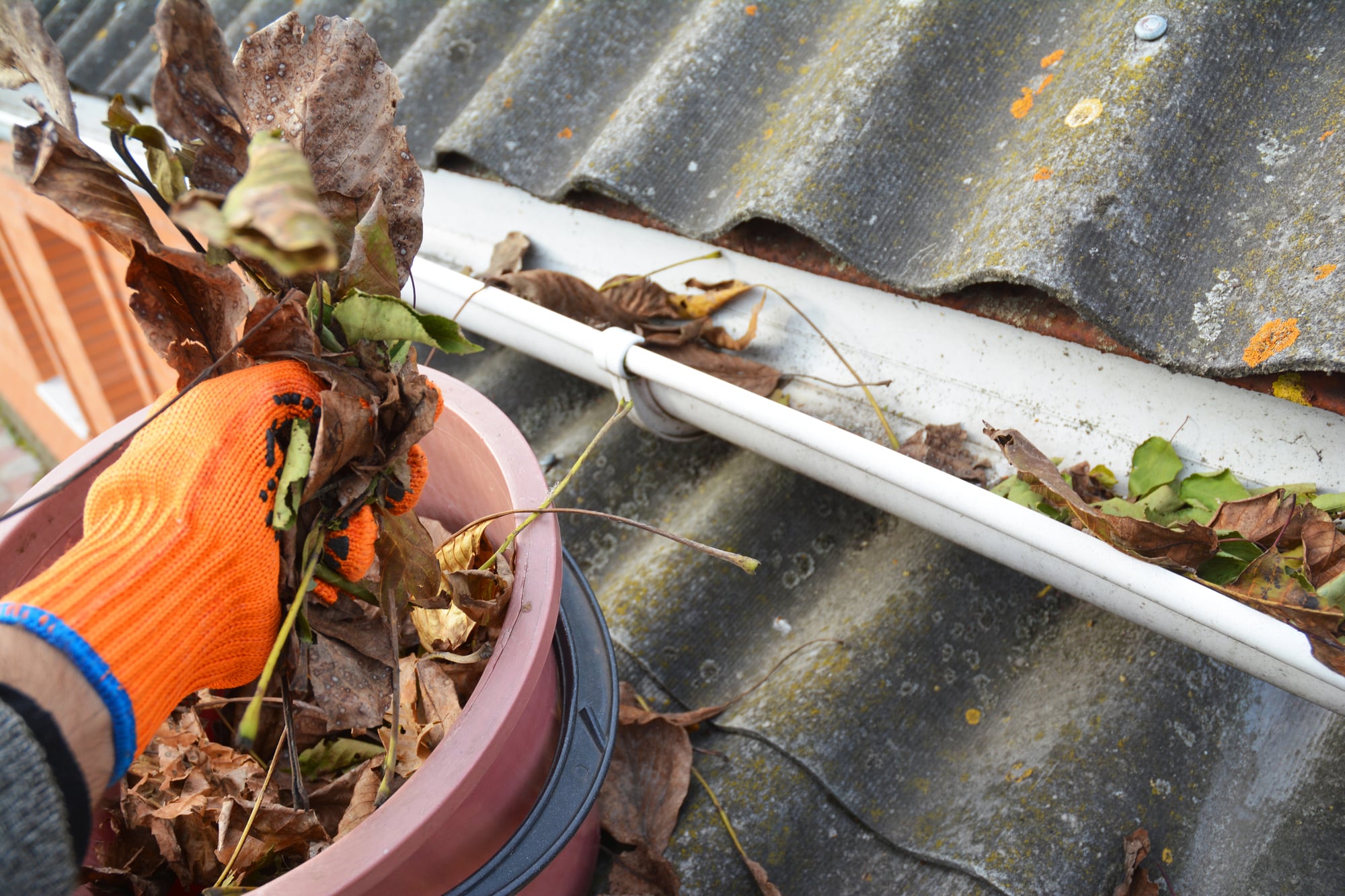
This was the chore that made kids understand why parents had children in the first place—free labor for dangerous tasks. Climbing up wobbly ladders to scoop out months of decomposing leaves felt like a punishment that didn’t fit any crime.
But someone had to do it, and apparently, that someone was always you.
Raking Leaves Into Perfect Piles
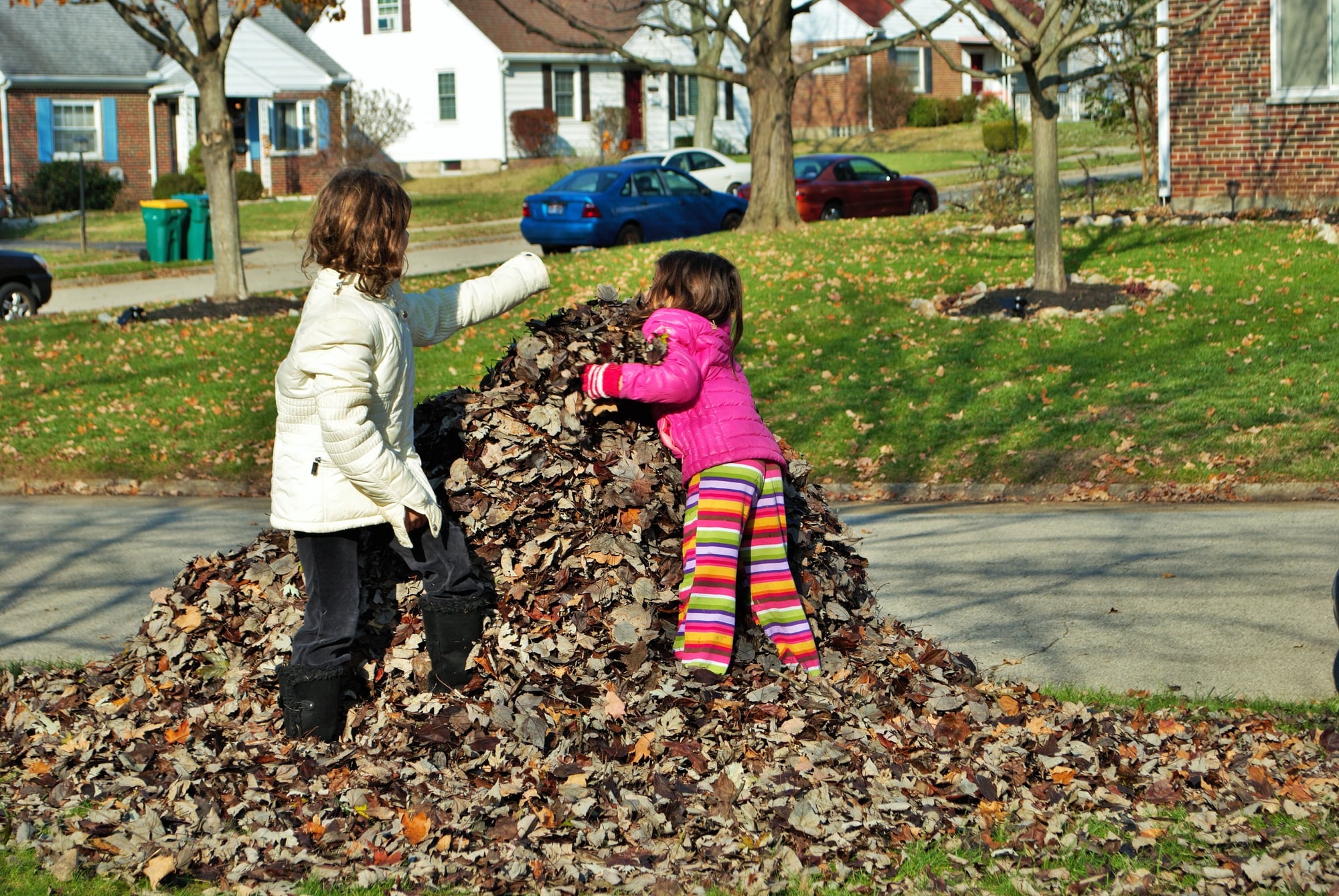
Autumn was beautiful until Saturday arrived with its leaf-raking mandate. The piles had to be neat, uniform, and positioned exactly where Dad specified (never where physics or wind patterns suggested).
One gust could undo an hour of work, which felt like cosmic injustice to anyone under sixteen.
Washing Windows Until They Squeaked

Glass cleaner and old newspapers—the tools of tedious perfection. Parents had supernatural vision when it came to streaks you couldn’t even see, and they’d send you back to redo sections that looked identical to the parts they’d already approved.
The squeaking sound became both the goal and the soundtrack to weekend imprisonment.
Scrubbing the Bathtub and Shower

Bathroom duty meant getting intimately familiar with tile grout and soap scum that seemed engineered to resist all cleaning products known to humanity. Your knees would ache from kneeling in the tub, and the chemical smell would follow you around for hours.
Yet somehow, it never looked as clean as when Mom did it.
Vacuuming the Entire House
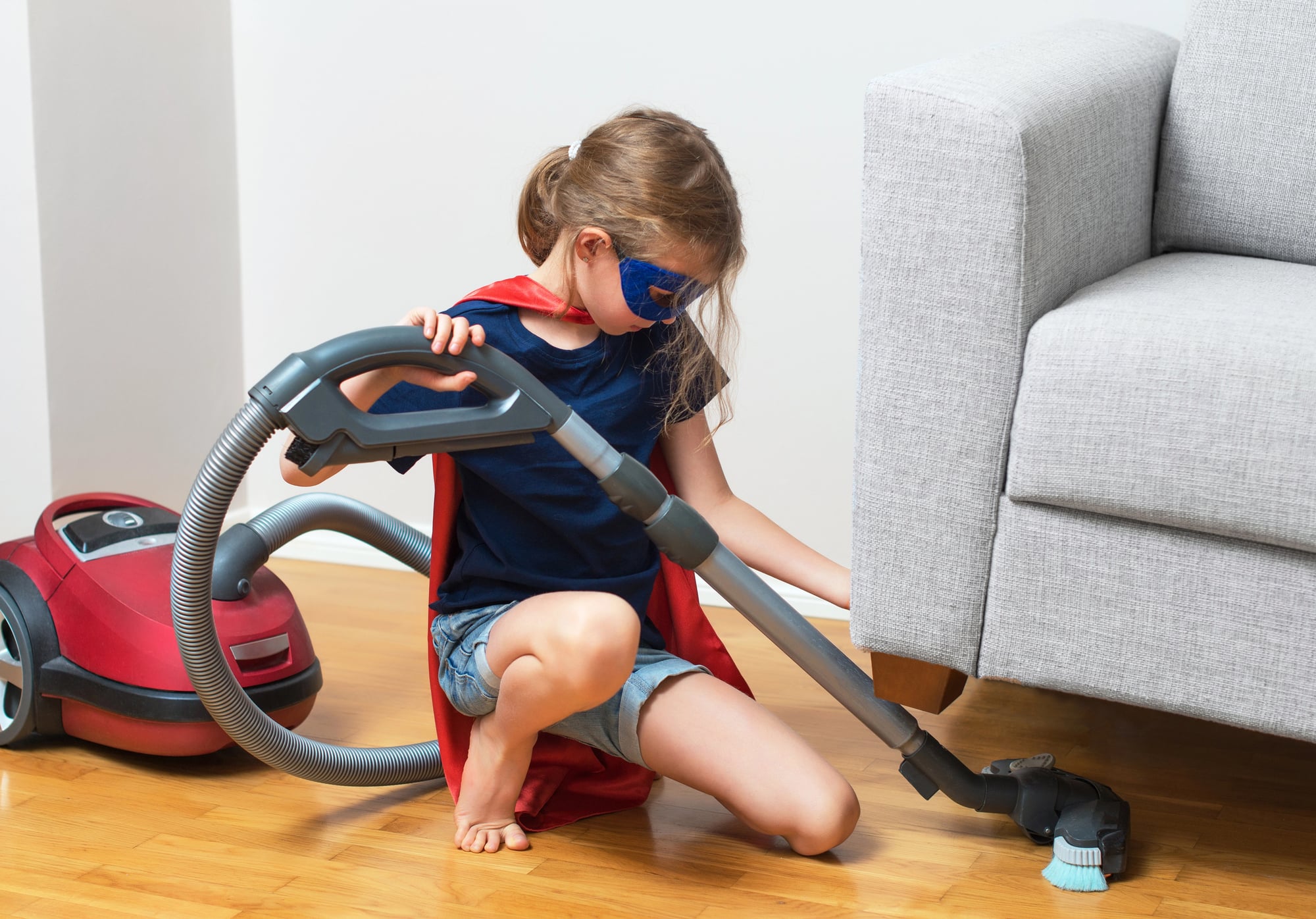
Dragging that heavy vacuum from room to room felt like hauling equipment for a job you never applied for. The cord was always too short, forcing you to switch outlets every few minutes, and furniture had to be moved with the solemnity of ancient ritual.
Miss a corner, and you’d hear about it.
Dusting Every Surface in the Living Room

Dust cloths and furniture polish transformed you into an unwilling archaeologist of household neglect. Every knickknack had to be lifted, cleaned underneath, and returned to its exact position (because mothers have photographic memory for decorative object placement).
The smell of lemon Pledge became the scent of Saturday imprisonment.
Cleaning Out the Basement
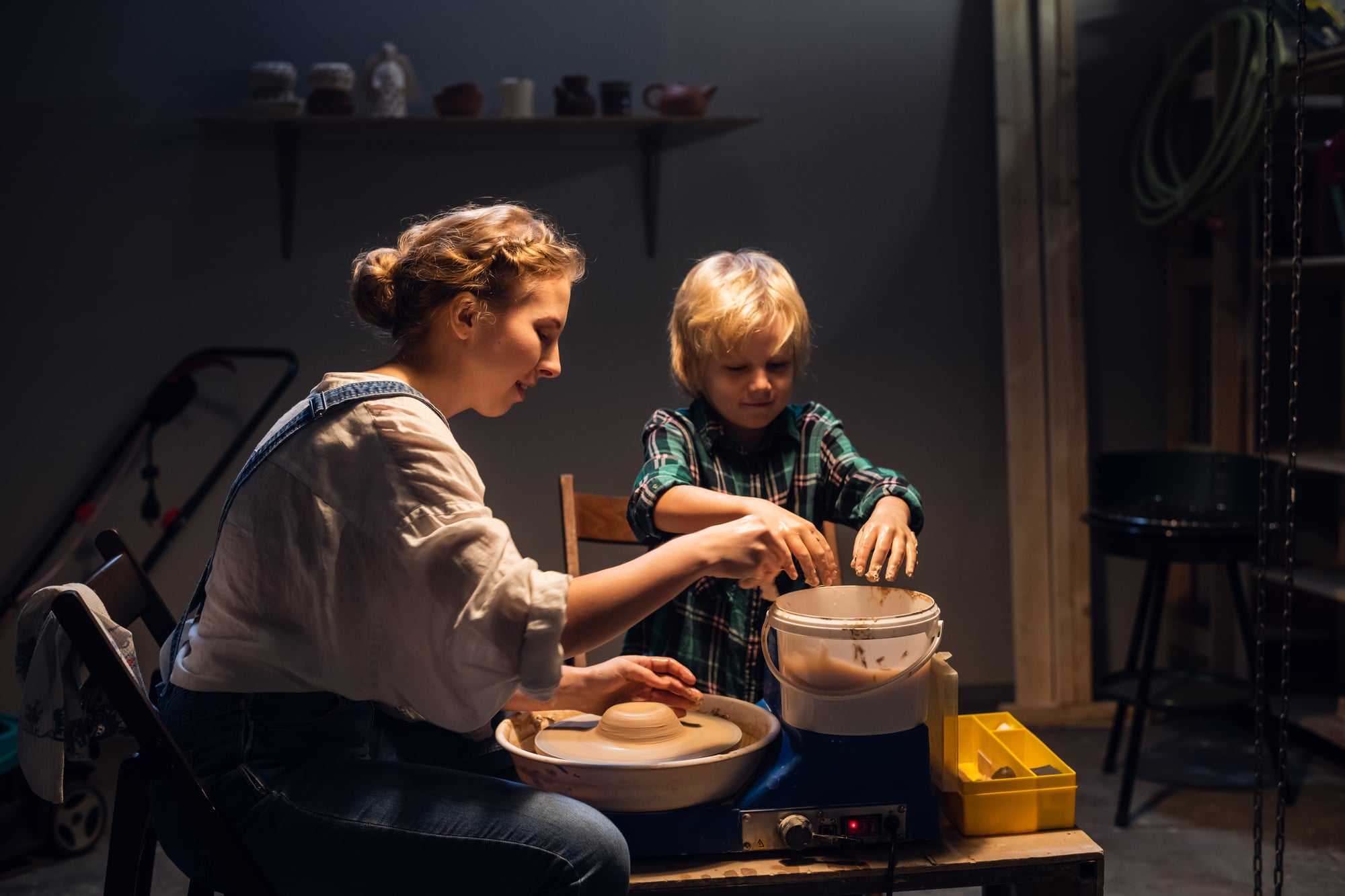
The basement was where forgotten projects went to die, and Saturday was resurrection day. Boxes that hadn’t been touched in years suddenly needed sorting, and everything was either “keep,” “donate,” or “Why did we save this?”
Dad’s old magazines and broken appliances created obstacle courses that defied logic.
Organizing the Garage
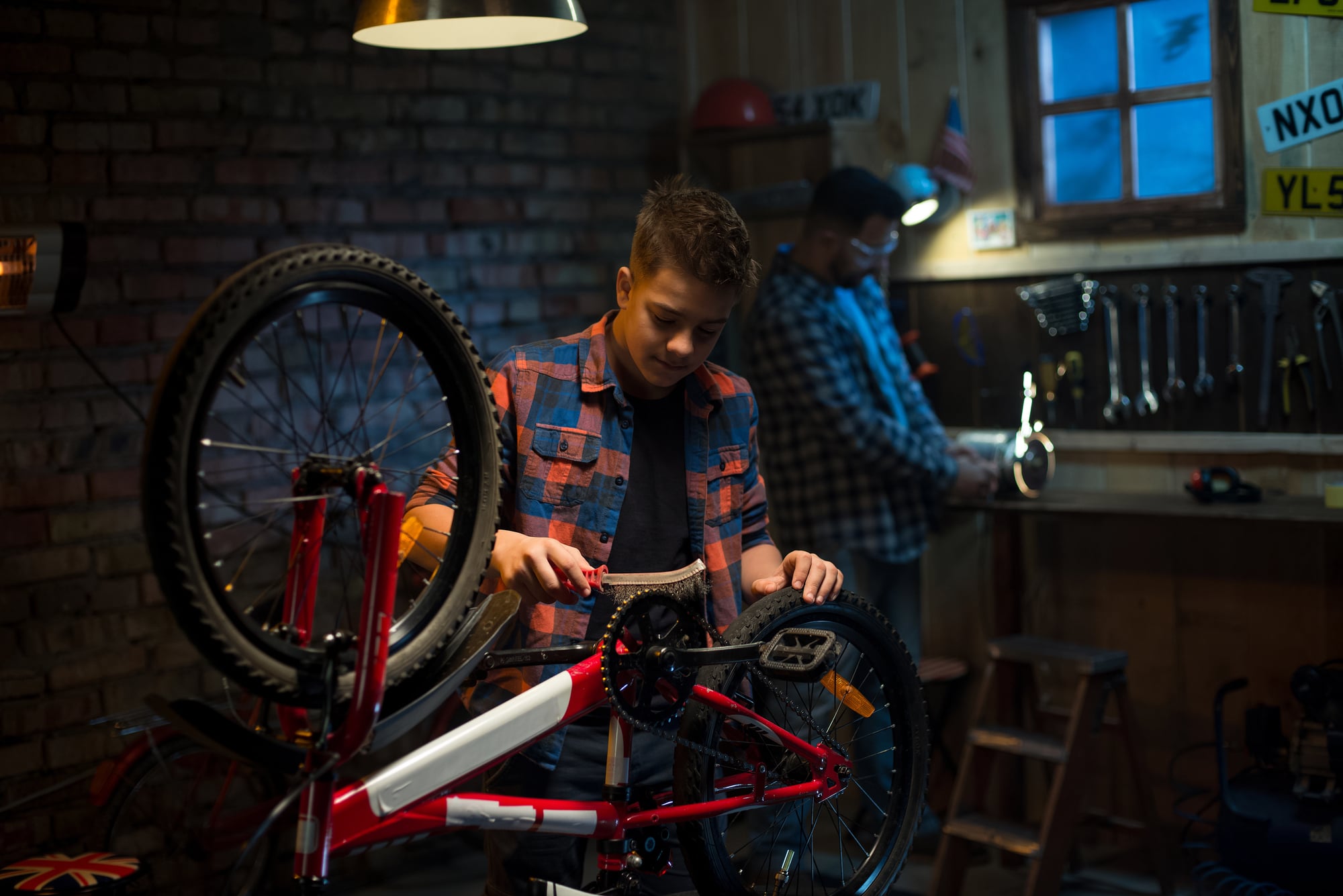
Garages in the ’70s were museums of good intentions—half-finished hobbies, seasonal decorations, and tools that multiplied mysteriously overnight. Creating order from that chaos required the patience of a saint and the organizational skills of a military quartermaster.
Neither of which kids possessed.
Weeding the Garden on Hands and Knees
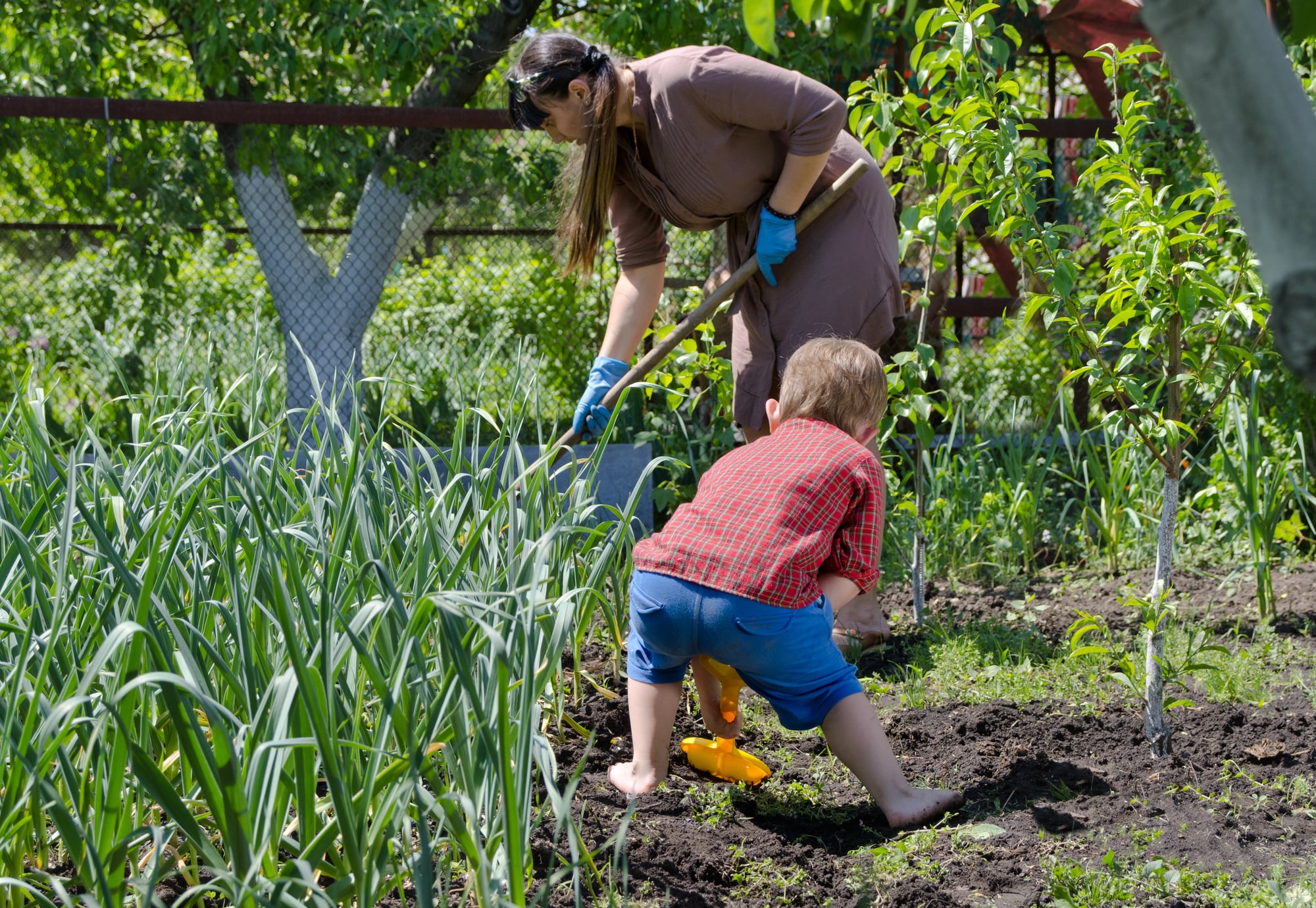
Gardens were precision operations disguised as family fun. Weeds had to be pulled completely—roots and all—while the delicate plants (which looked exactly like weeds to untrained eyes) remained untouched.
Your back would ache, dirt would embed under your fingernails, and invariably you’d pull up something important.
Washing and Folding Laundry

The laundry room was a moist prison where wet clothes went from washing machine to clothesline to folding table in an endless cycle. Fitted sheets were impossible puzzles, and every sock seemed to lose its partner in some cosmic joke.
The static electricity made everything stick to everything else.
Cleaning the Kitchen After Big Meals
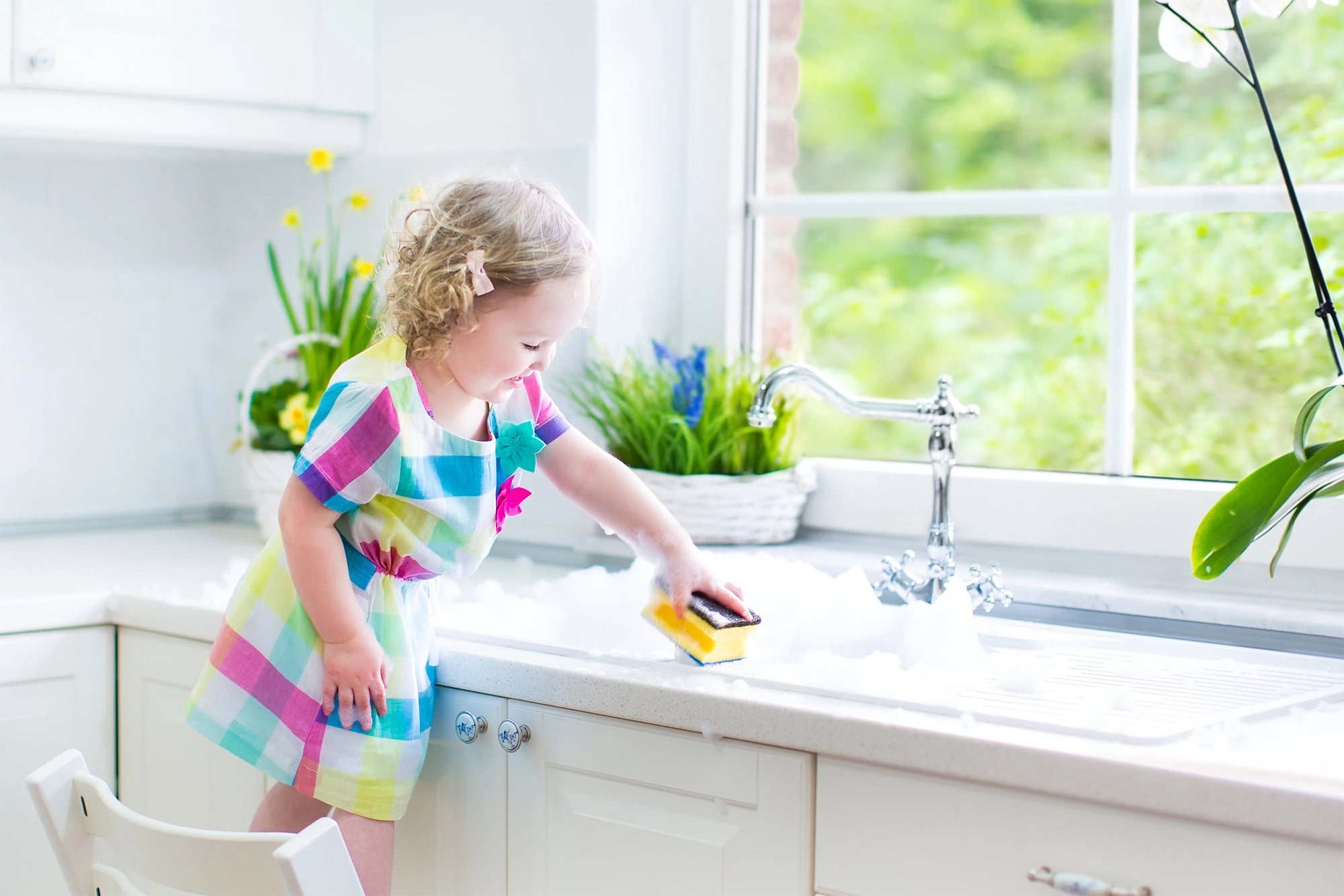
Post-dinner kitchen duty meant confronting the aftermath of family gatherings like some kind of domestic crime scene investigator. Pots with baked-on food required archaeological excavation, and someone always forgot to mention the casserole dish hiding in the oven.
The dishwater would turn gray, and your hands would prune.
Scrubbing the Front Steps and Sidewalk
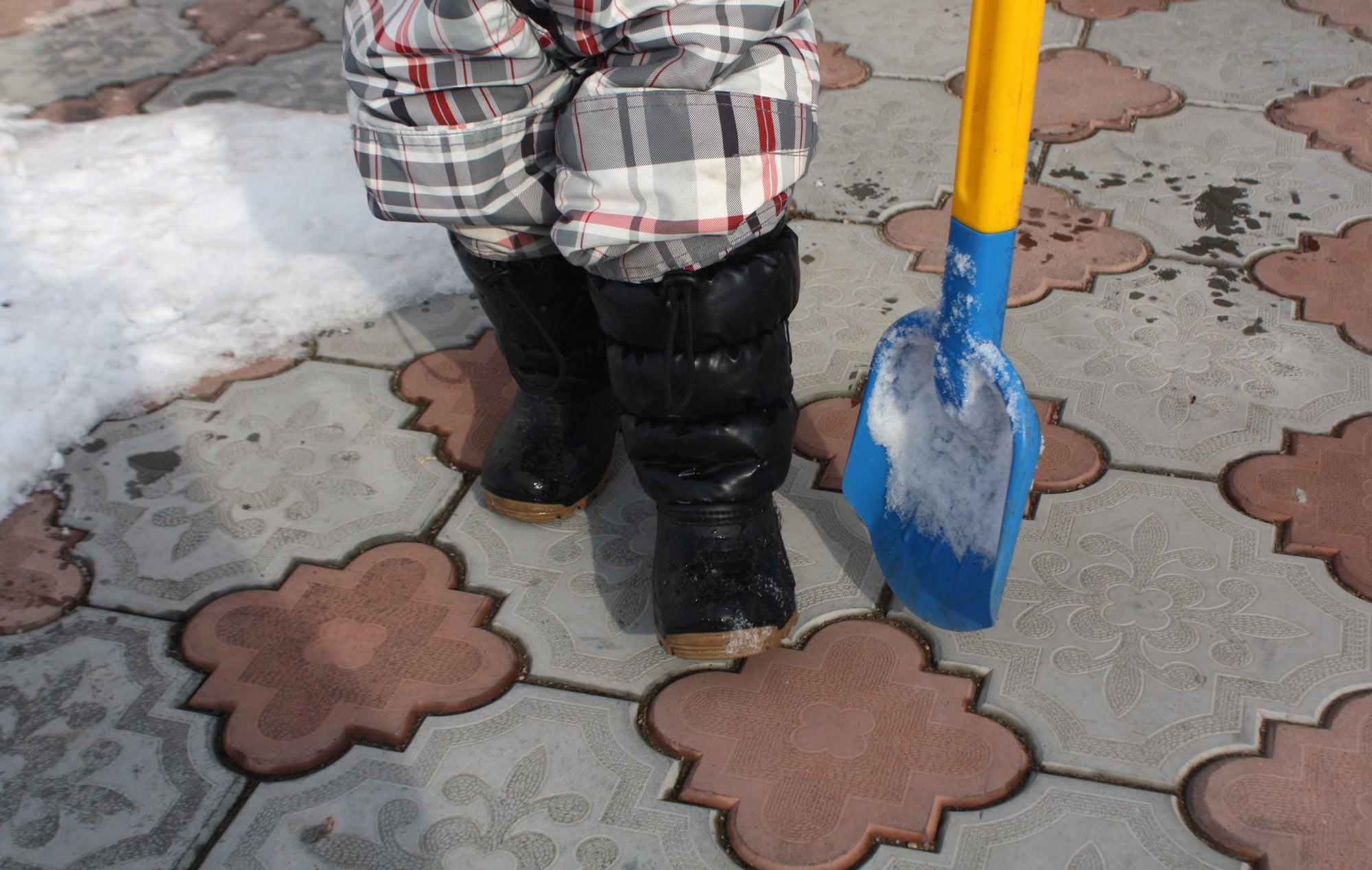
Concrete cleaning was meditation for people who didn’t want to meditate. Armed with scrub brushes and buckets of soapy water, you’d attack stains that had achieved permanent resident status on the front walkway.
Neighbors would judge your technique while pretending to water their plants.
Cleaning Out the Gutters of Leaves

Those metal channels that ran along the roofline collected everything except what they were supposed to collect. Leaves, twigs, and mysterious debris created dams that required hand-to-hand combat to remove.
The smell was unforgettable, and not in a good way.
Washing All the Dirty Dishes by Hand
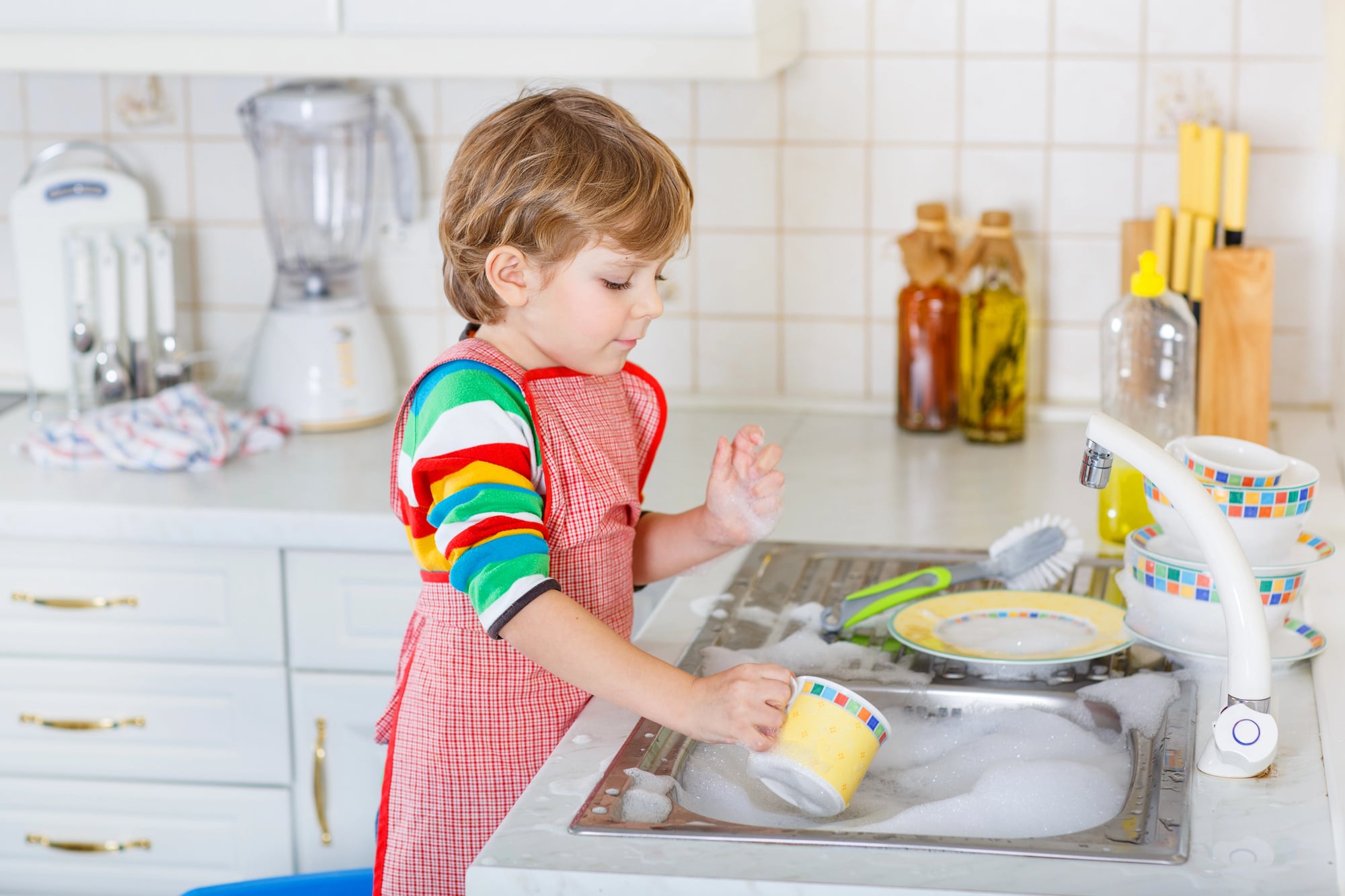
Before dishwashers became standard, Saturday dish duty meant standing at the sink for what felt like geological ages. The water was either too hot or too cold, the soap never seemed adequate for the grease, and there were always more dishes than seemed mathematically possible for one family.
Sweeping the Entire House
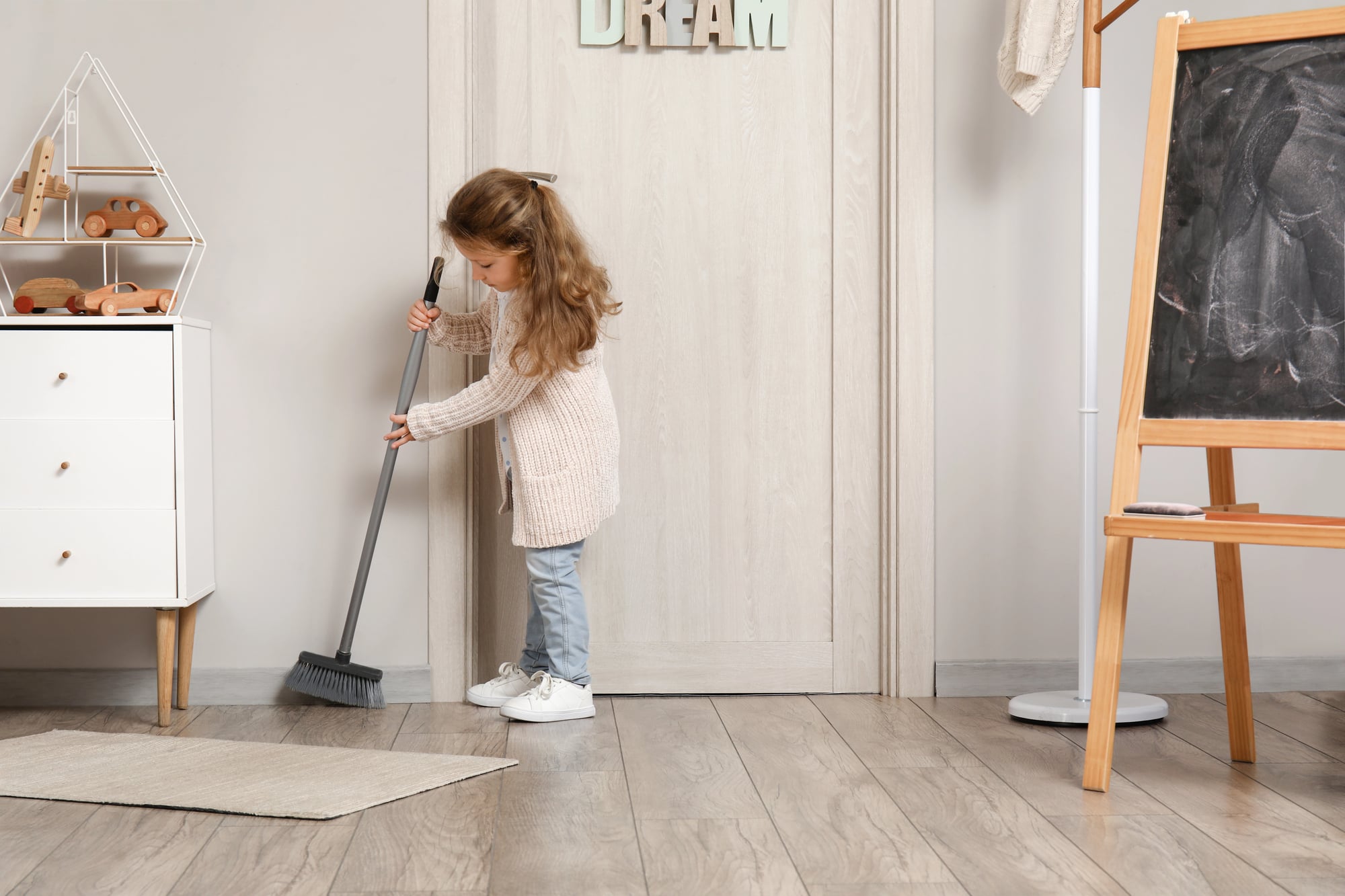
Armed with a broom and dustpan, you’d navigate room by room in a battle against dirt that seemed to regenerate the moment you turned your back. Under furniture, behind doors, in corners that hadn’t seen daylight since the house was built—every speck was your responsibility.
Taking Out Trash and Recycling
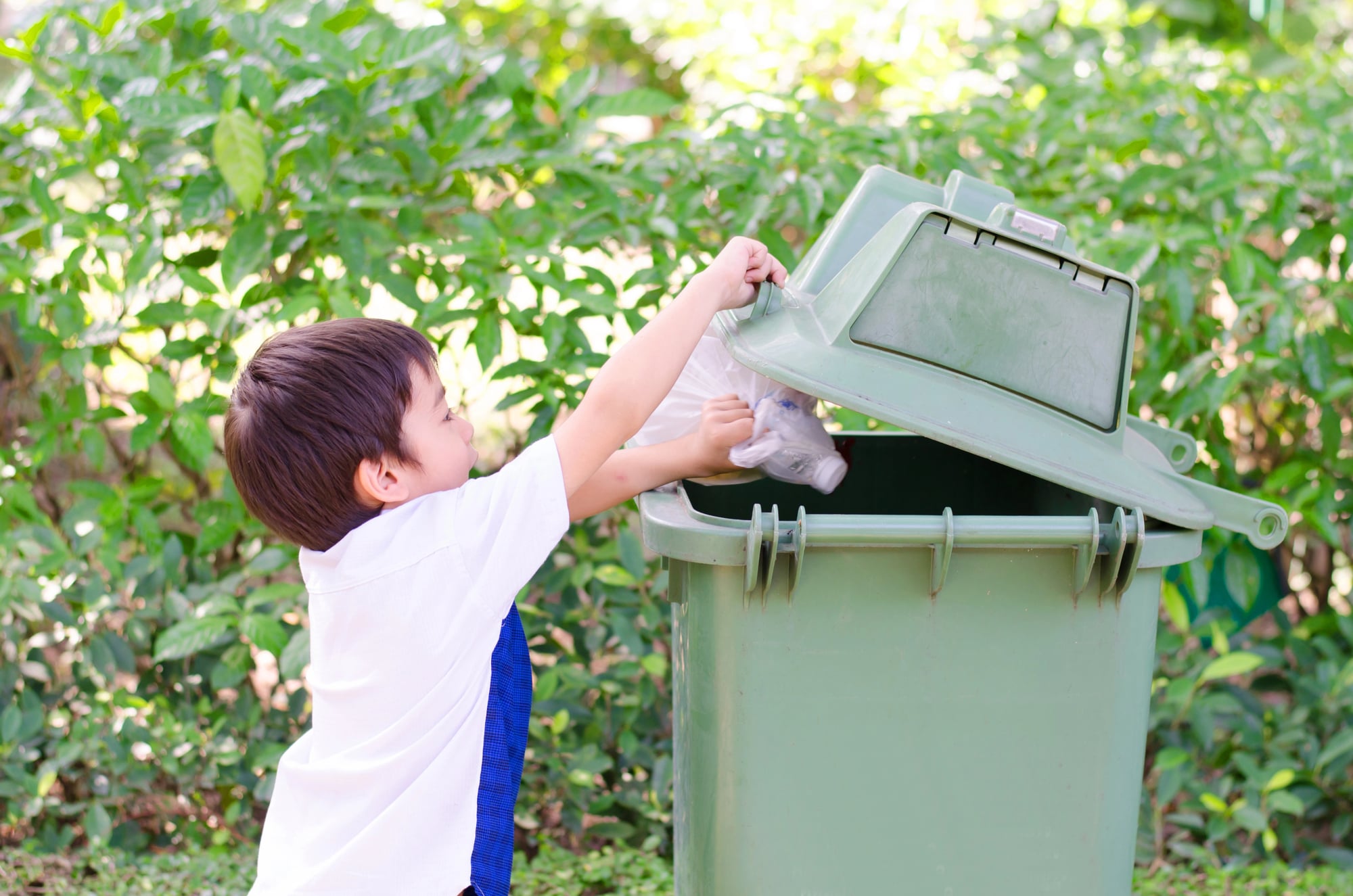
Trash duty was deceptively simple until you factored in leaky bags, overflowing cans, and the mysterious weight that garbage acquired between kitchen and curb. Glass bottles clinked accusingly, and paper bags would choose the most inconvenient moments to split open.
Polishing All the Furniture
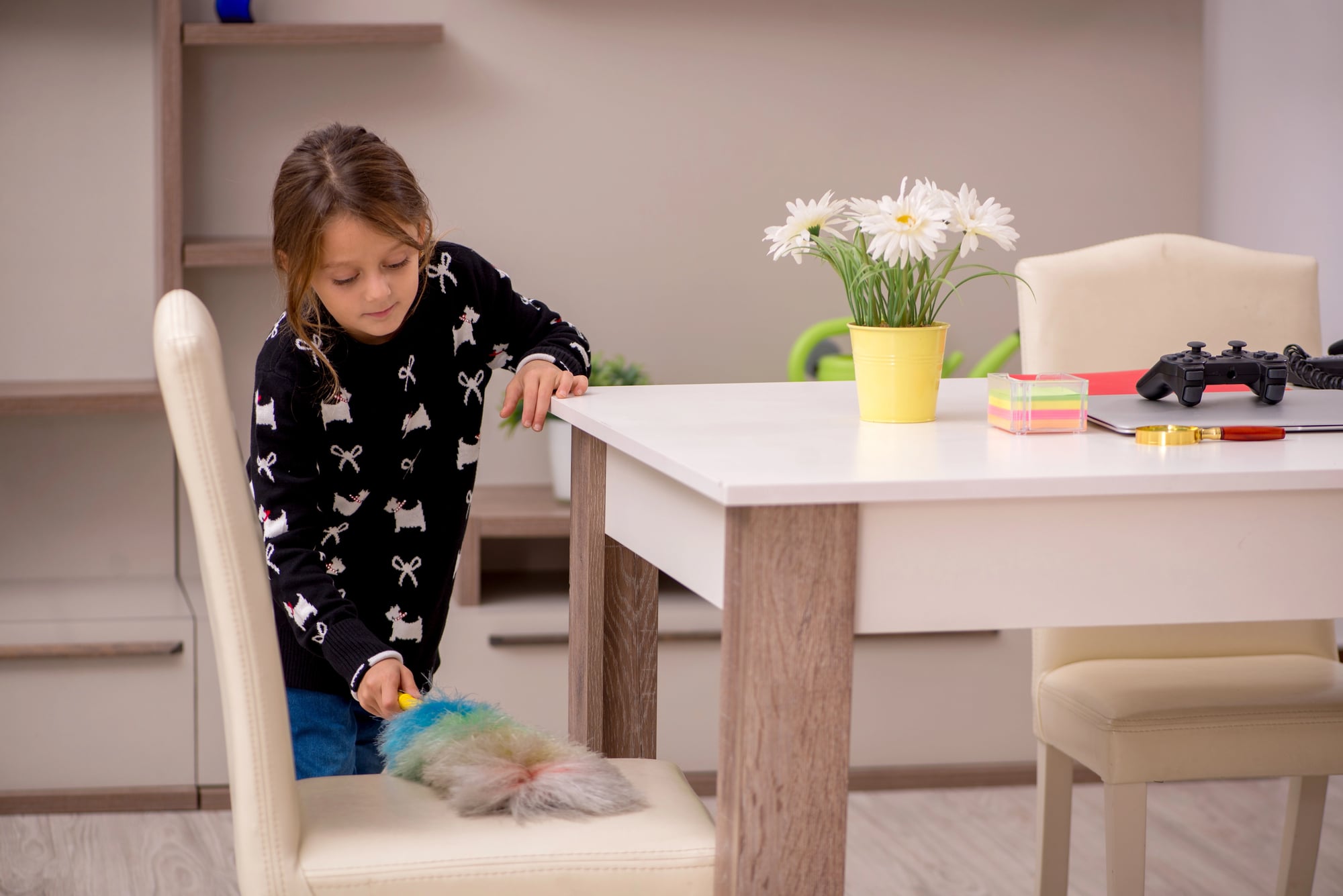
Wood furniture in the ’70s required more maintenance than some cars. Every surface needed attention with special oils and cloths, applied in circular motions that your arm muscles would remember for days.
The coffee table alone could consume an hour if you did it properly.
Cleaning Out the Attic
Attics were time capsules that somebody decided needed organizing every few years. The heat was oppressive, the dust was apocalyptic, and every box contained either treasure or trash—with no middle ground.
Insulation made everything itch, and finding anything specific was like archaeological excavation.
Ironing Clothes and Linens

The ironing board was a medieval torture device disguised as helpful household equipment. Dress shirts required engineering degrees to navigate properly, and the iron was always either too hot or not hot enough.
Steam burns were occupational hazards, and wrinkles seemed to mock your efforts.
Cleaning Windows Inside and Out
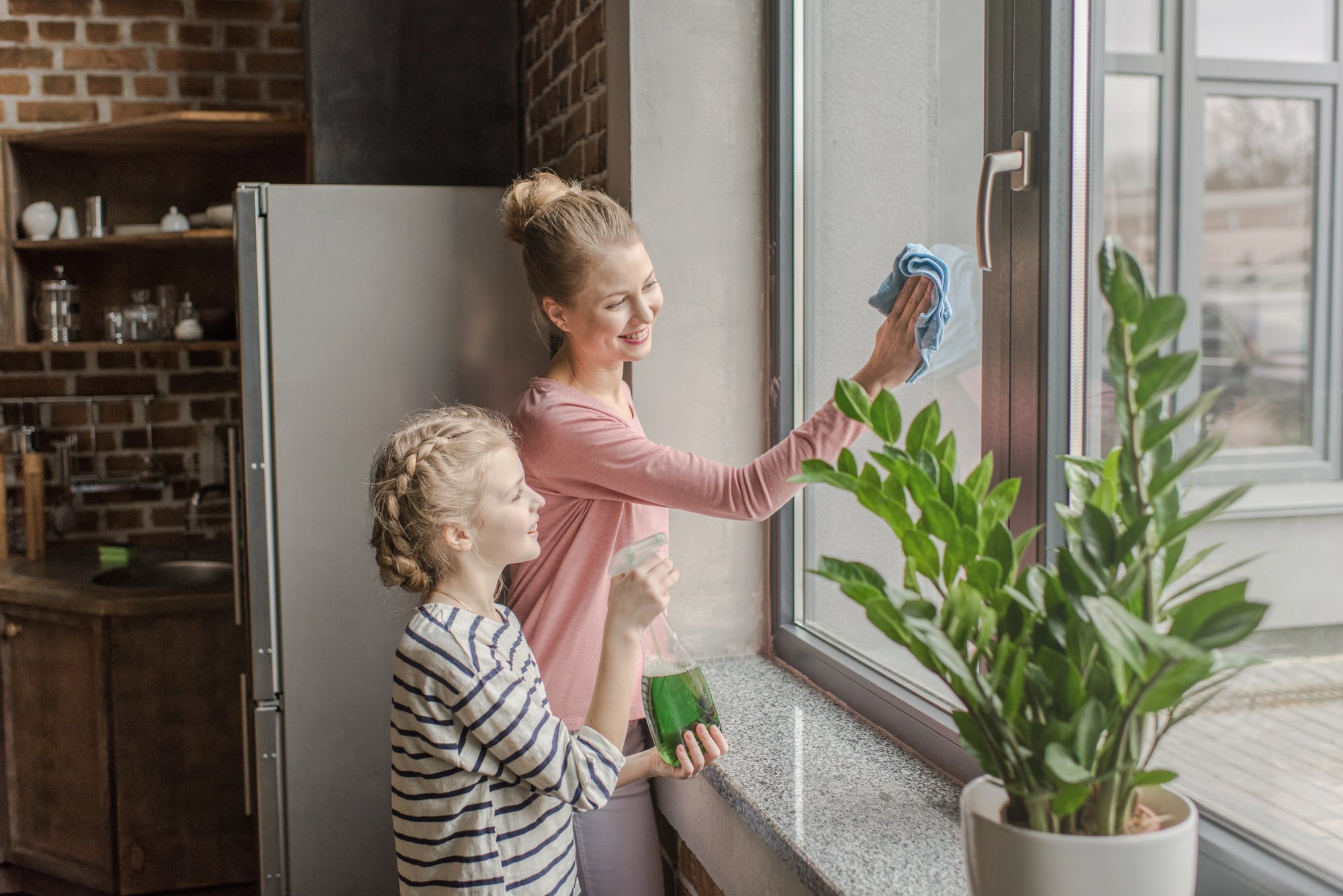
Window cleaning was a two-person operation that required coordination most families didn’t possess. Someone had to be outside while someone stayed inside, and achieving streak-free transparency was an art form that adults made look effortless.
It wasn’t.
Scrubbing the Toilet and Bathroom Floor
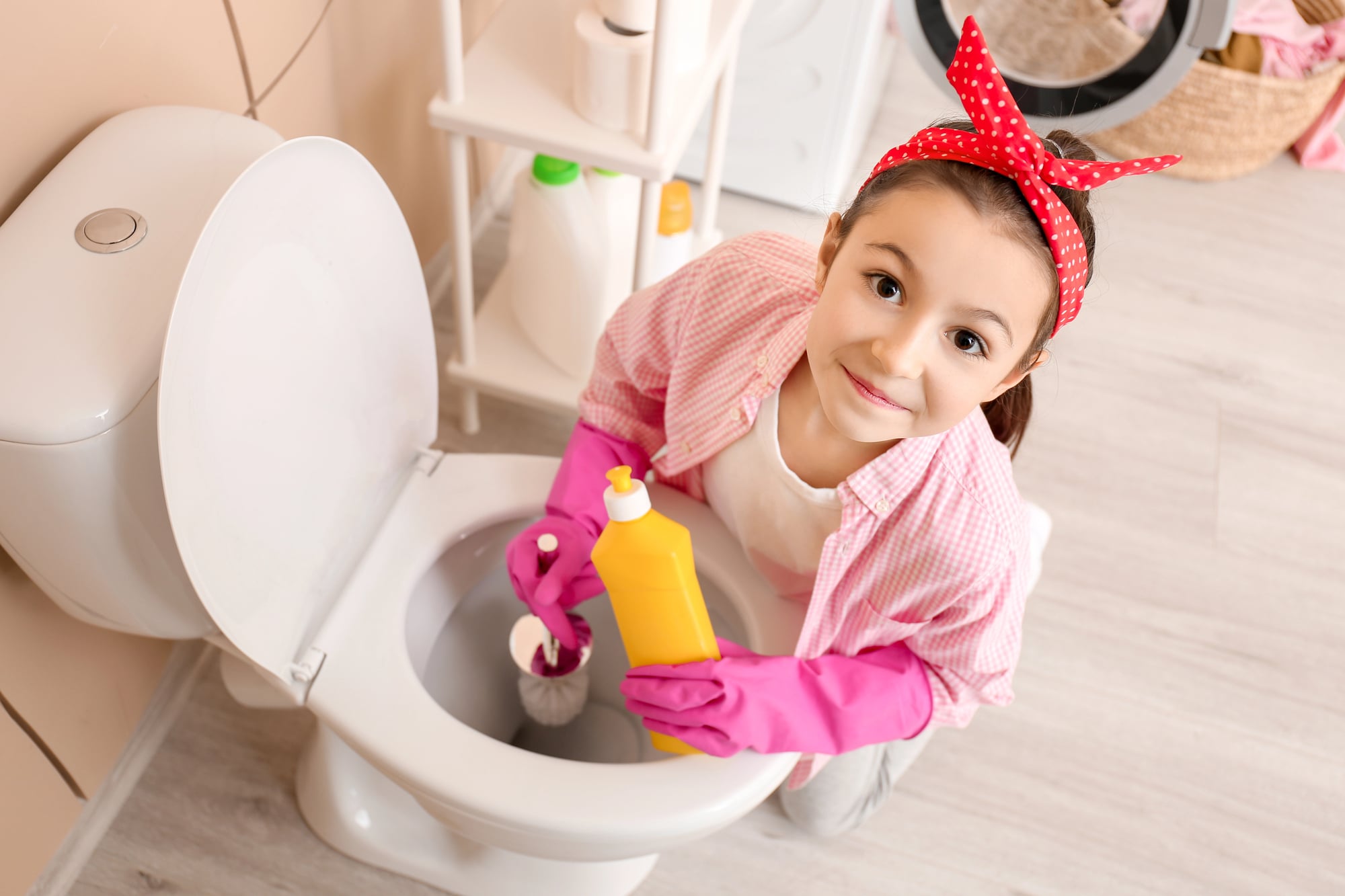
Bathroom floor duty meant getting acquainted with corners and crevices that regular cleaning somehow missed. The toilet required attention that no child wanted to give, and the grout between tiles held grudges against every cleaning product ever invented.
Organizing Closets From Top to Bottom
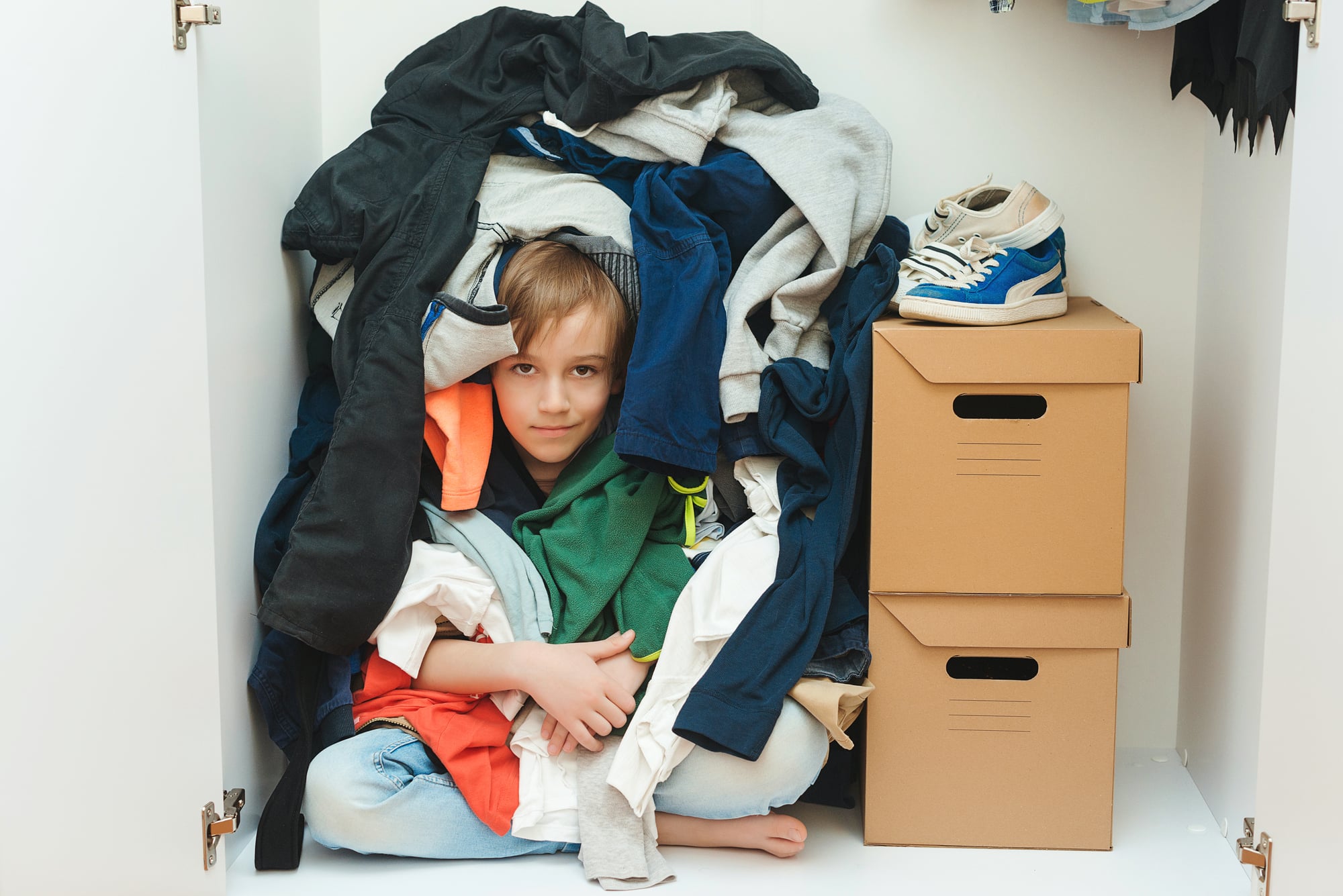
Closets were the great abyss where clothing went to achieve maximum entropy. Saturday organization meant everything came out, got sorted, and went back in some system that made sense to adults.
Hangers multiplied mysteriously, and finding matching shoes became a treasure hunt.
Cleaning the Oven and Stovetop
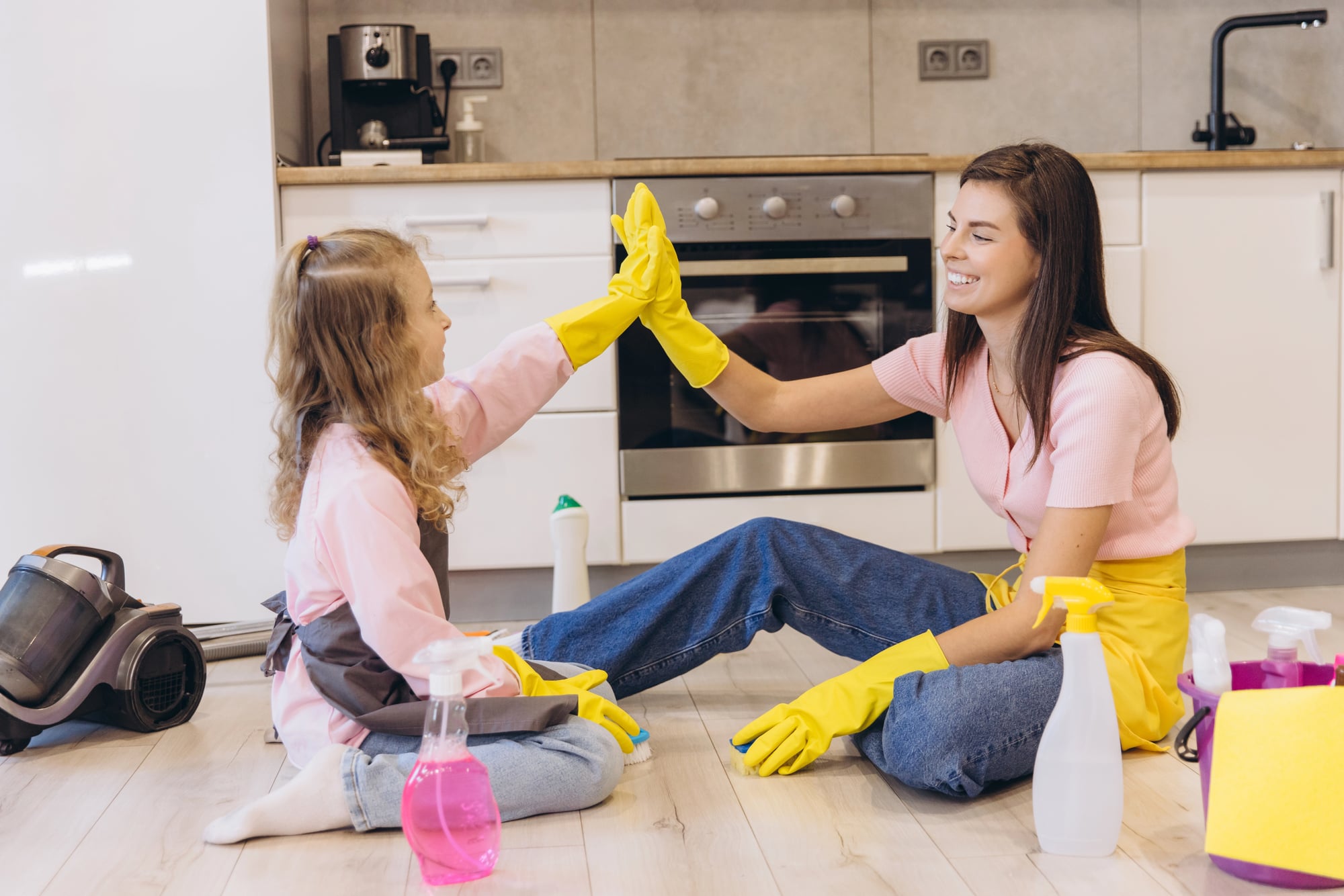
The oven was a cave of baked-on mysteries that required industrial-strength cleaning products and the determination of a military operation. Burner drip pans had achieved levels of grime that seemed scientifically impossible, and everything required more elbow grease than any kid possessed.
Washing Down All the Walls
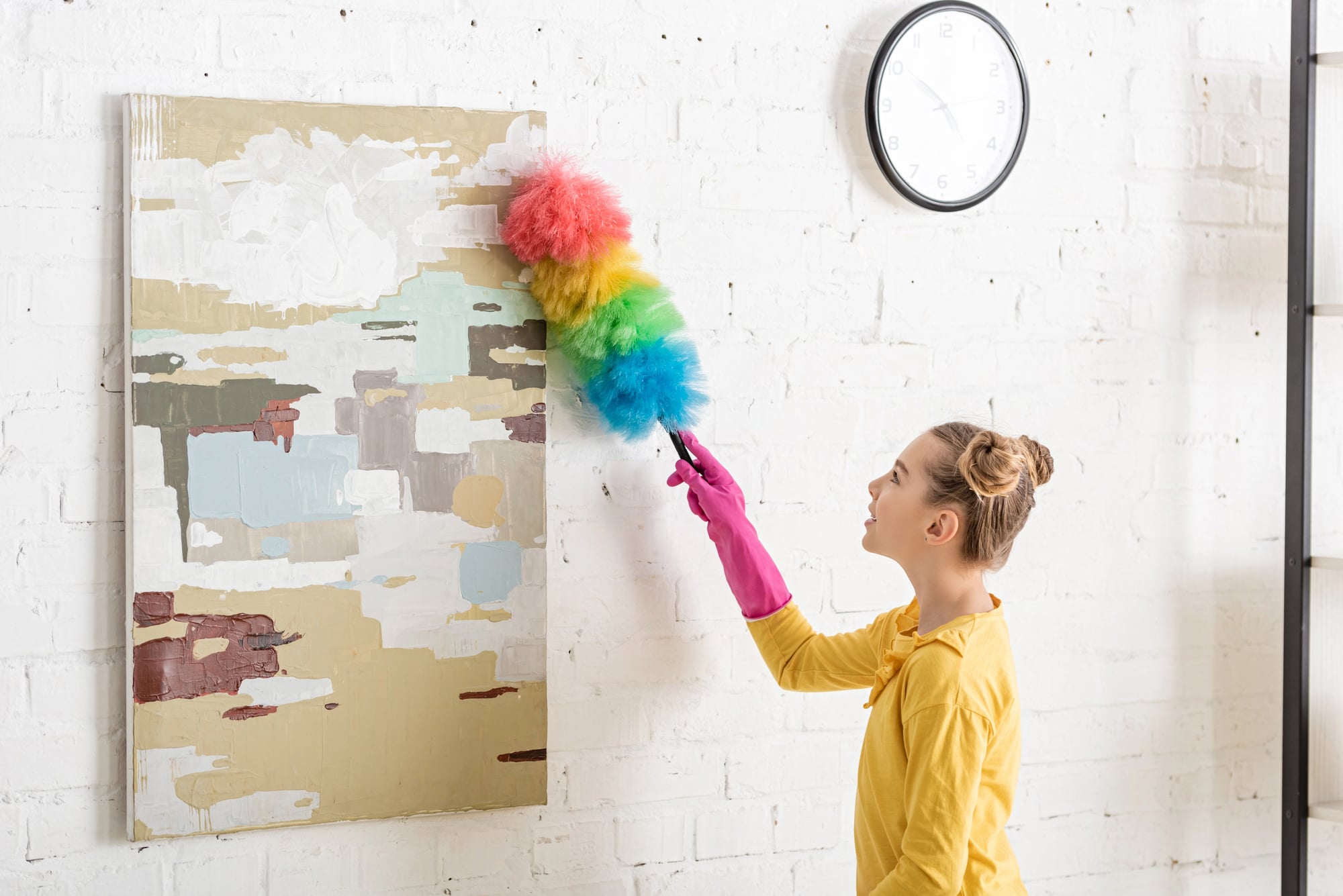
Wall washing was the chore that made no sense until you realized how much dirt walls actually collected. Armed with sponges and buckets, you’d work from top to bottom, discovering handprints, scuff marks, and stains that had become part of the house’s character.
Cleaning Out Kitchen Cabinets

Cabinet cleaning meant removing everything, wiping down shelves that hadn’t seen daylight in months, and putting everything back in some mysterious organizational system that only mothers understood. Expired items would emerge like archaeological discoveries, and shelf paper would need replacing.
Scrubbing Down the Shower Walls

Shower cleaning was aquatic combat against soap scum that had achieved industrial strength. The corners were the worst—dark, mysterious places where cleaning products went to die.
Your knees would ache from kneeling, and the chemical smell would linger for hours.
Cleaning Out the Refrigerator
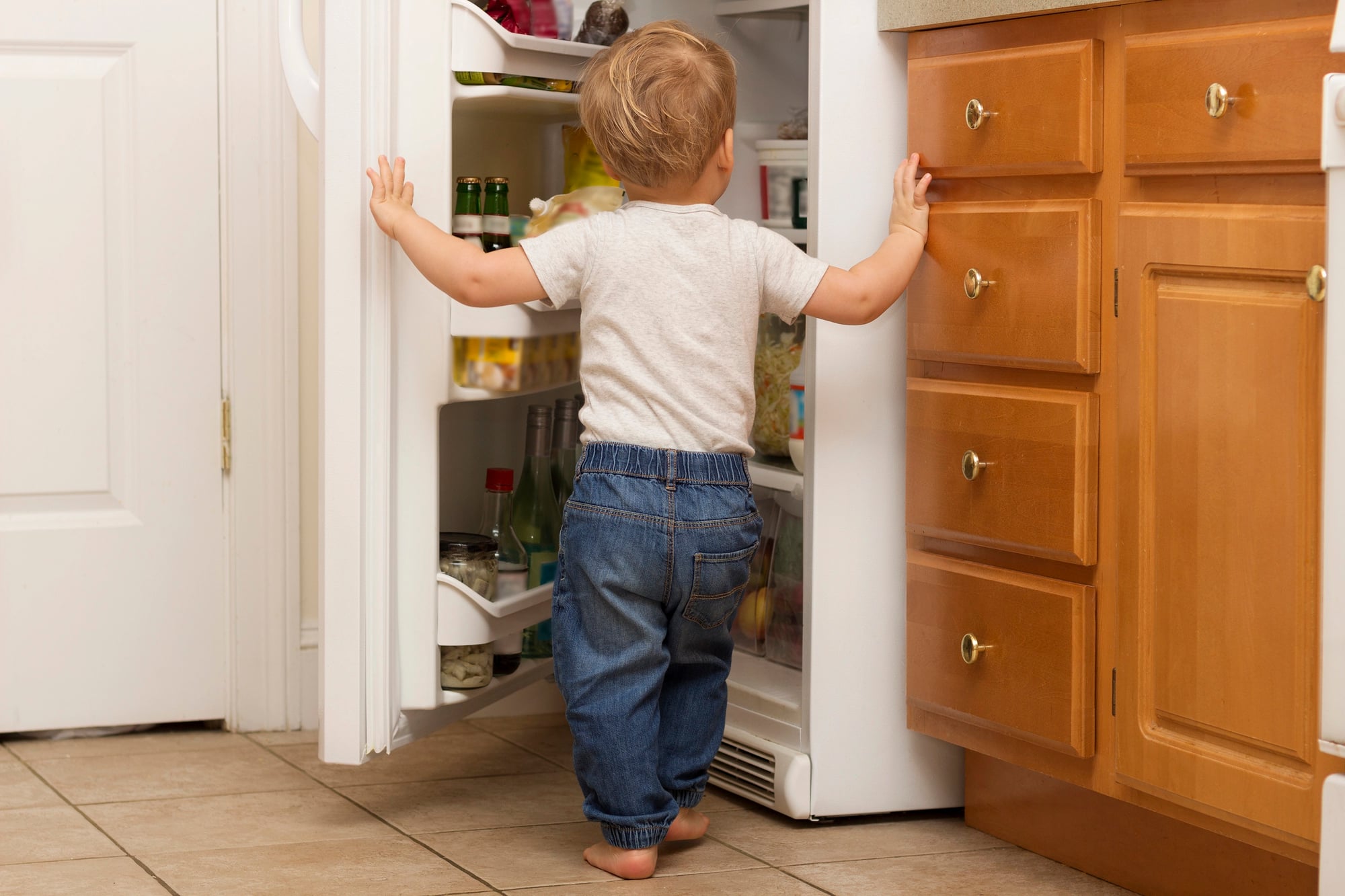
Refrigerator archaeology involved removing everything, discovering science experiments that used to be leftovers, and wiping down shelves that had achieved their own ecosystem. The vegetable drawer was particularly treacherous territory, and mysterious spills had bonded permanently with glass surfaces.
Mopping All the Floors

Mopping was the final insult after sweeping—water, soap, and a mop that never seemed quite clean enough for the job. The bucket water would turn gray within minutes, and footprints would appear on freshly cleaned surfaces like some kind of cosmic joke.
Cleaning Out the Car Interior

Car interior duty meant removing floor mats, vacuuming seats that had collected everything from french fries to loose change, and wiping down surfaces that revealed the family’s complete driving history. The space between seats was particularly archaeological, yielding artifacts from road trips past.
Washing All the Dirty Laundry
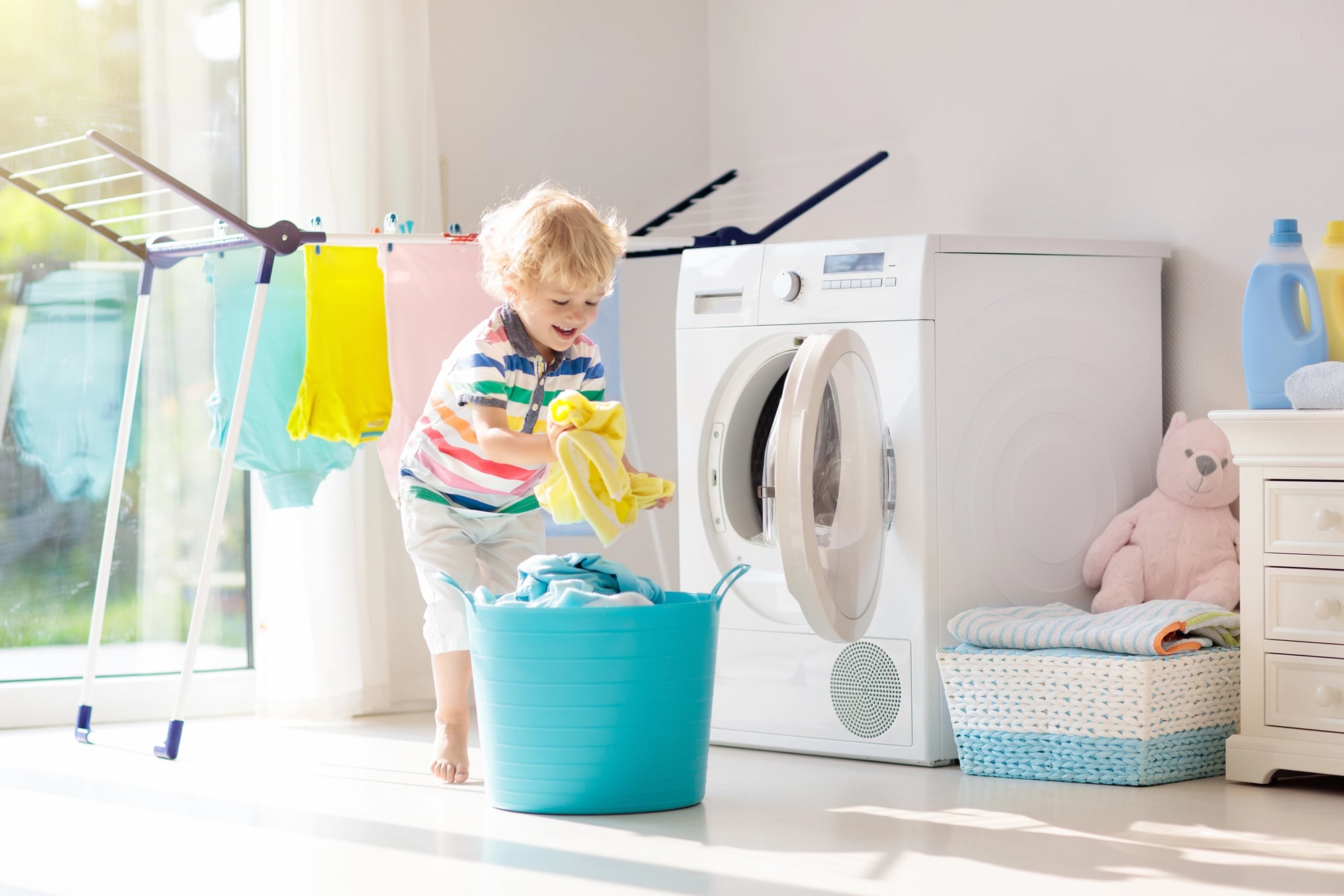
Laundry day was an industrial operation that transformed the basement into a factory. Sorting clothes required color theory knowledge that nobody taught you, and the washing machine had mysterious settings that could either clean clothes or destroy them completely.
Cleaning All the Light Fixtures

Light fixture cleaning required ladder work that made kids understand why adults had children—someone had to reach the high places. Dust collected on bulbs and shades with the persistence of natural law, and removing glass covers required engineering skills and steady hands.
Organizing the Tool Shed

The tool shed was Dad’s domain until Saturday cleaning arrived and it became everyone’s problem. Tools had specific places that made sense to no one except the person who put them there, and oil stains on concrete floors required scrubbing that bordered on the archaeological.
The Saturday That Shaped a Generation

Those endless chore lists taught lessons that no classroom could match: the satisfaction of completion, the value of contributing to something larger than yourself, and the understanding that maintaining a life requires work from everyone involved. The complaints were loud, the resistance was fierce, but something about those Saturday afternoons created adults who knew how to take care of things that mattered.
More from Go2Tutors!

- The Romanov Crown Jewels and Their Tragic Fate
- 13 Historical Mysteries That Science Still Can’t Solve
- Famous Hoaxes That Fooled the World for Years
- 15 Child Stars with Tragic Adult Lives
- 16 Famous Jewelry Pieces in History
Like Go2Tutors’s content? Follow us on MSN.



