27 Station Wagons and Family Cars from the ’70s That Defined American Road Trips
Walking into a school cafeteria in the 1980s meant navigating a minefield of mystery meat, questionable vegetables, and the occasional genuine treat that made your day. The lunch ladies wore hairnets and wielded ice cream scoops like weapons, doling out portions with the efficiency of a factory line.
Some days you’d race to the front of the line, knowing pizza squares were on the menu. Other days you’d spot the dreaded liver and onions from across the room and suddenly remember you’d packed a sandwich.
These cafeteria classics shaped an entire generation’s relationship with institutional food. Whether you loved them, dreaded them, or fell somewhere in between, they were impossible to ignore.
Chevrolet Chevelle Malibu Wagon
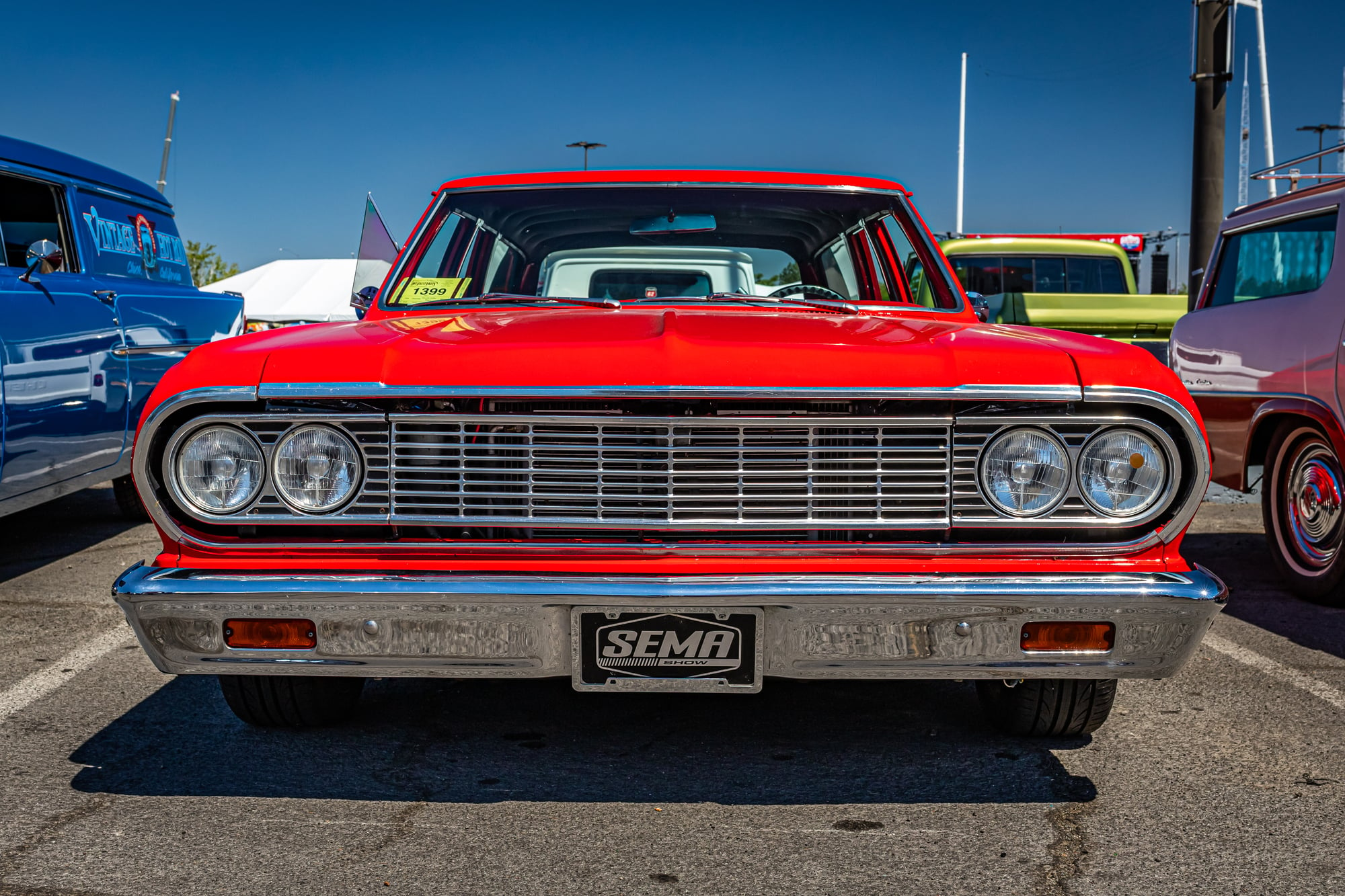
The Chevelle wagon didn’t apologize for taking up space. Wide stance, long hood, and enough room in the back to sleep if the motel was full (which it sometimes was, somewhere outside Tulsa on a Friday night in July).
The Malibu version added just enough chrome to feel respectable without getting fancy about it.
That 350 V8 option meant you could pass slower traffic on two-lane highways without the careful planning that smaller engines required. Which mattered when you had three kids asking “Are we there yet?” and 400 miles still to go.
Ford Country Squire
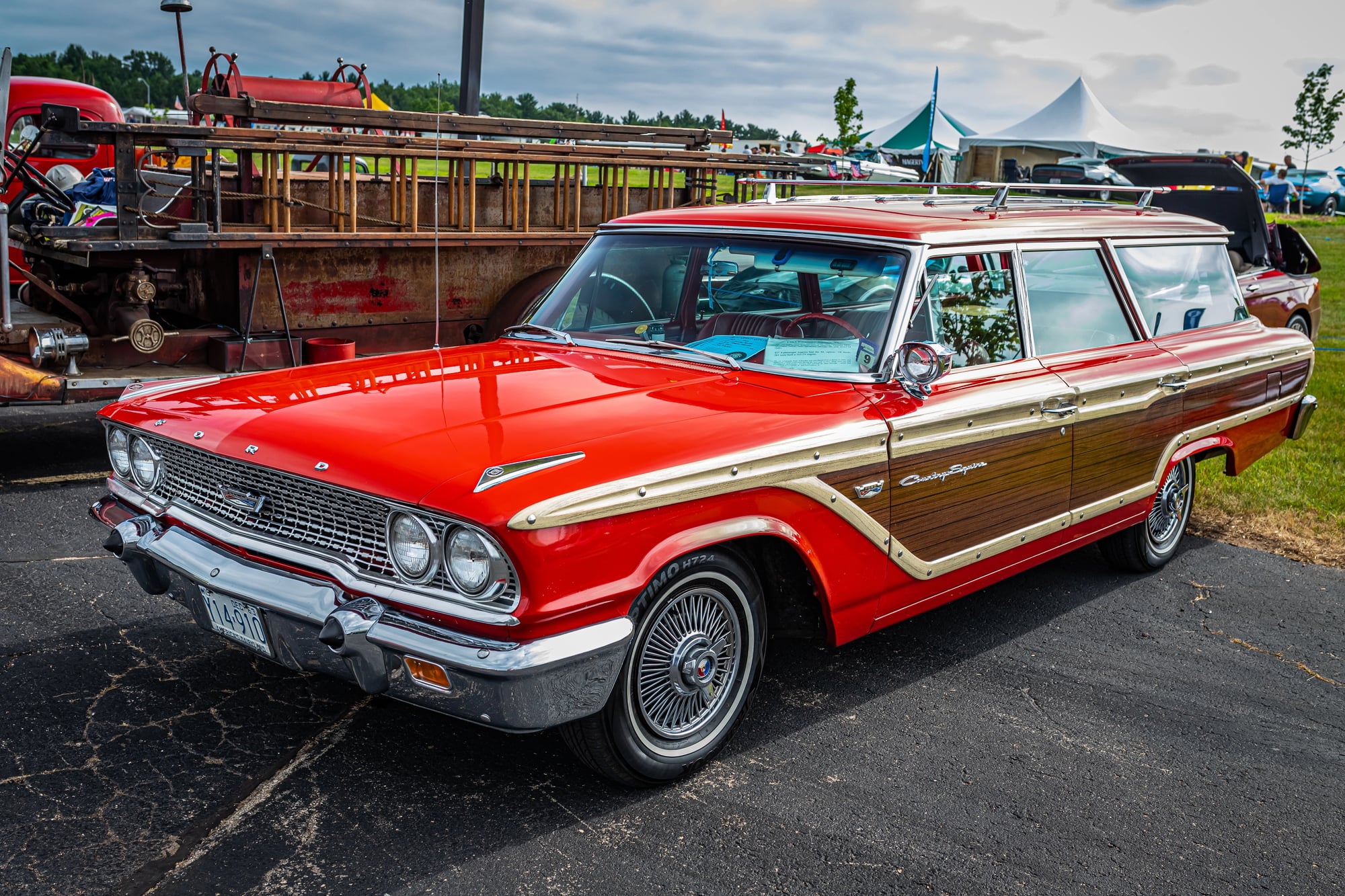
If there was a king of the wood-paneled wagon era, the Country Squire wore that crown without argument. Those fake wood sides weren’t trying to fool anyone — they were pure theater, and everyone was in on the joke.
But underneath the showmanship sat a wagon that could haul a boat trailer through the Rockies and still have power left over.
The magic tailgate (Ford called it the “Magic Doorgate”) opened down like a pickup truck or swung out like a door. Brilliant engineering disguised as a gimmick.
Which pretty much captured the entire spirit of 1970s family transportation.
Oldsmobile Vista Cruiser
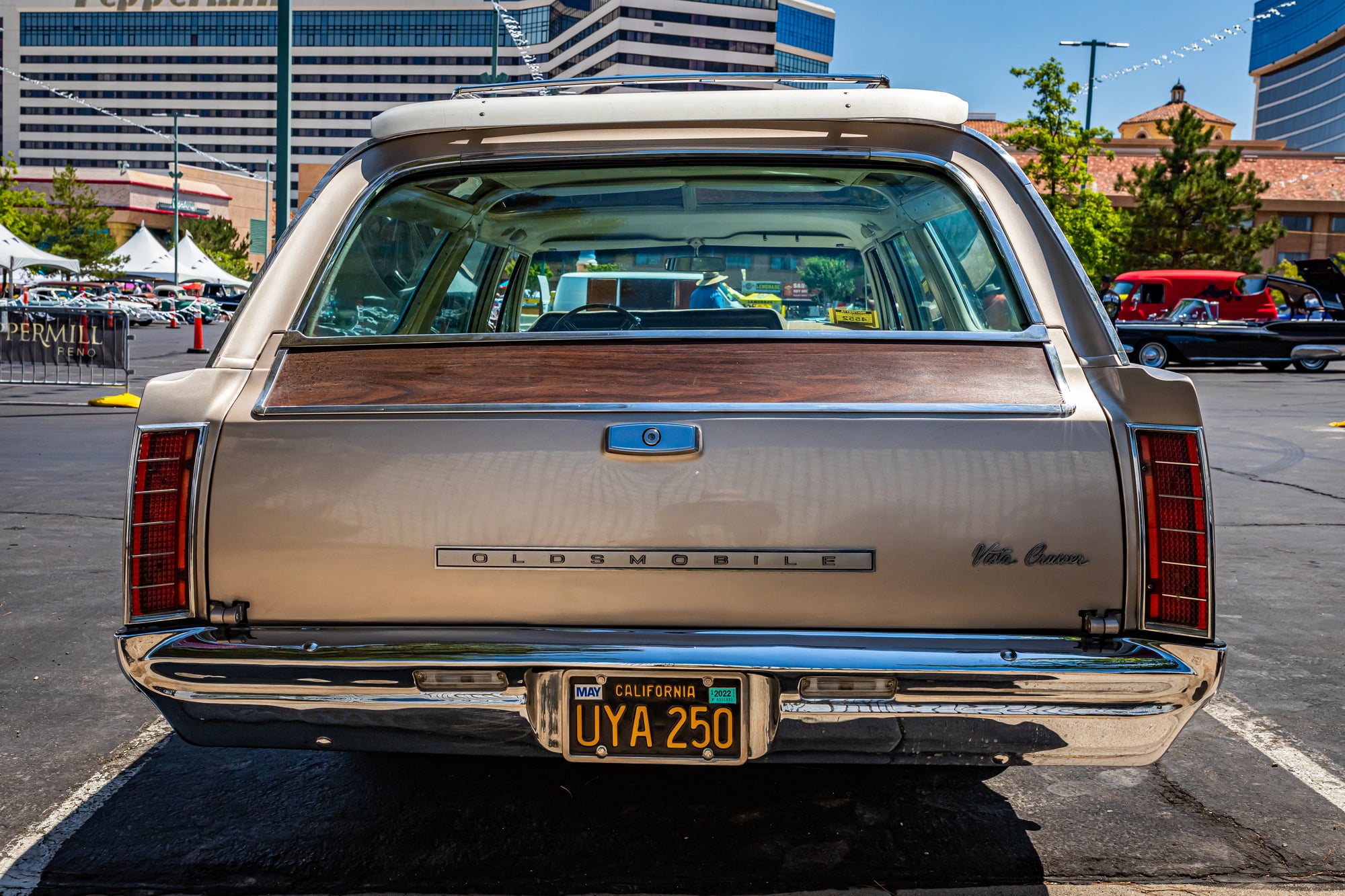
Here’s where things got interesting: someone at Oldsmobile decided that wagon passengers deserved skylights, so the Vista Cruiser got glass roof panels that turned every trip into a mobile observatory. The kids could watch clouds drift by while parents focused on the road ahead — a perfect division of labor that kept everyone entertained.
But this wasn’t just about the view (though watching thunderstorms roll across Kansas from inside that glass bubble was genuinely memorable). The Vista Cruiser rode on a slightly longer wheelbase than its sedan siblings, which meant more cargo space and a smoother ride when the highway got rough.
And highways in the ’70s got rough fairly often, as it happened — the interstate system was still sorting itself out, and plenty of cross-country routes involved stretches of two-lane blacktop that hadn’t been updated since the Eisenhower administration. So that extra stability mattered more than the marketing brochures let on.
The 350 Rocket V8 was standard equipment, which was Oldsmobile’s way of acknowledging that families serious enough about travel to buy a Vista Cruiser were probably planning trips ambitious enough to require some real power under the hood.
Plymouth Satellite Wagon
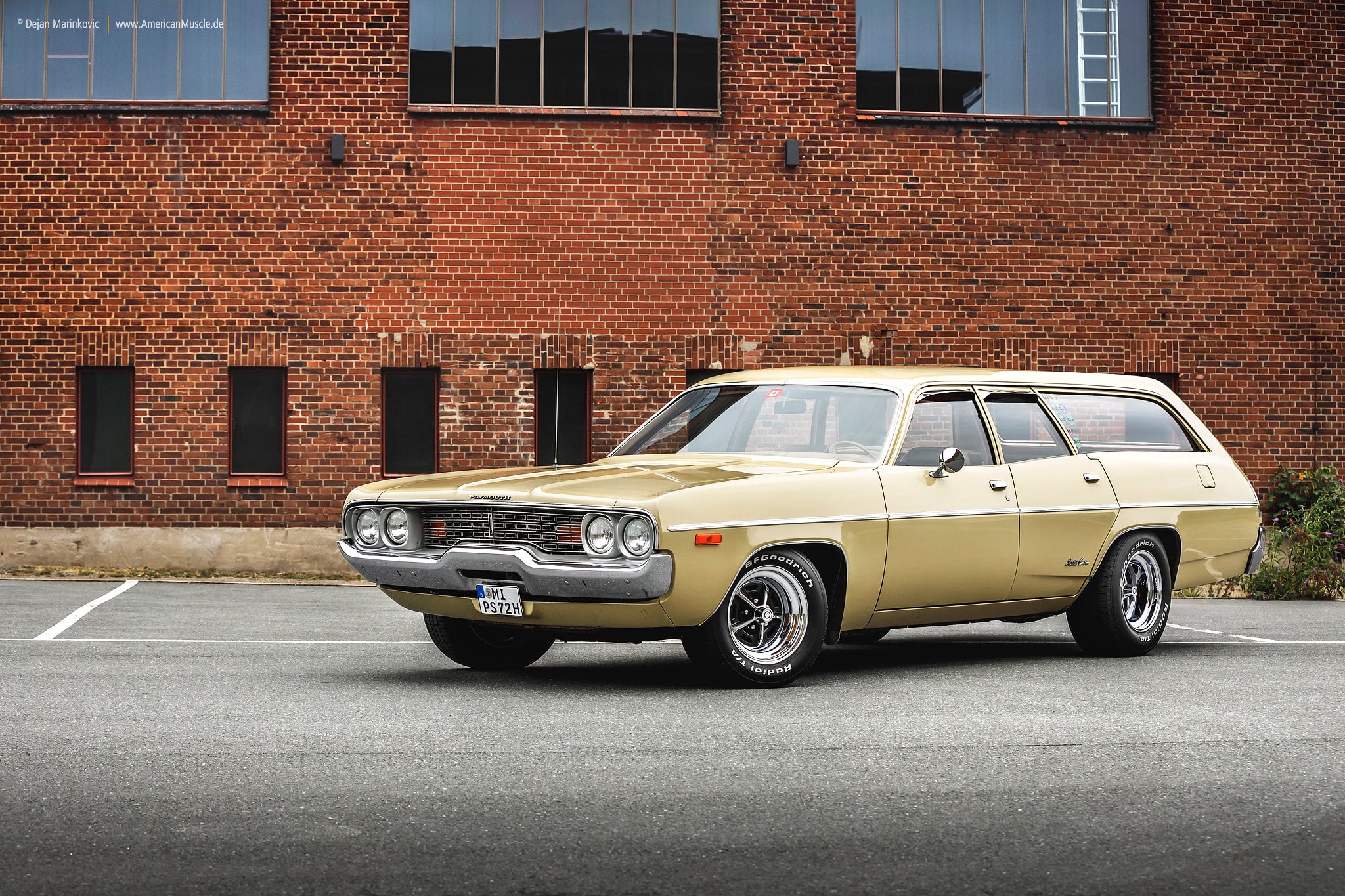
Plymouth built the Satellite wagon for families who needed space but didn’t want to announce it with fake wood and chrome flourishes. Clean lines, honest proportions, and a rear-facing third seat that made every kid feel like they were riding backwards through America — which was either thrilling or nauseating, depending on your stomach and your parents’ driving style.
The thing about the Satellite was its unpretentious reliability. This was transportation that did its job without requiring much attention, which was exactly what you wanted when your main concern was getting everyone to Yellowstone and back without incident.
Buick Estate Wagon
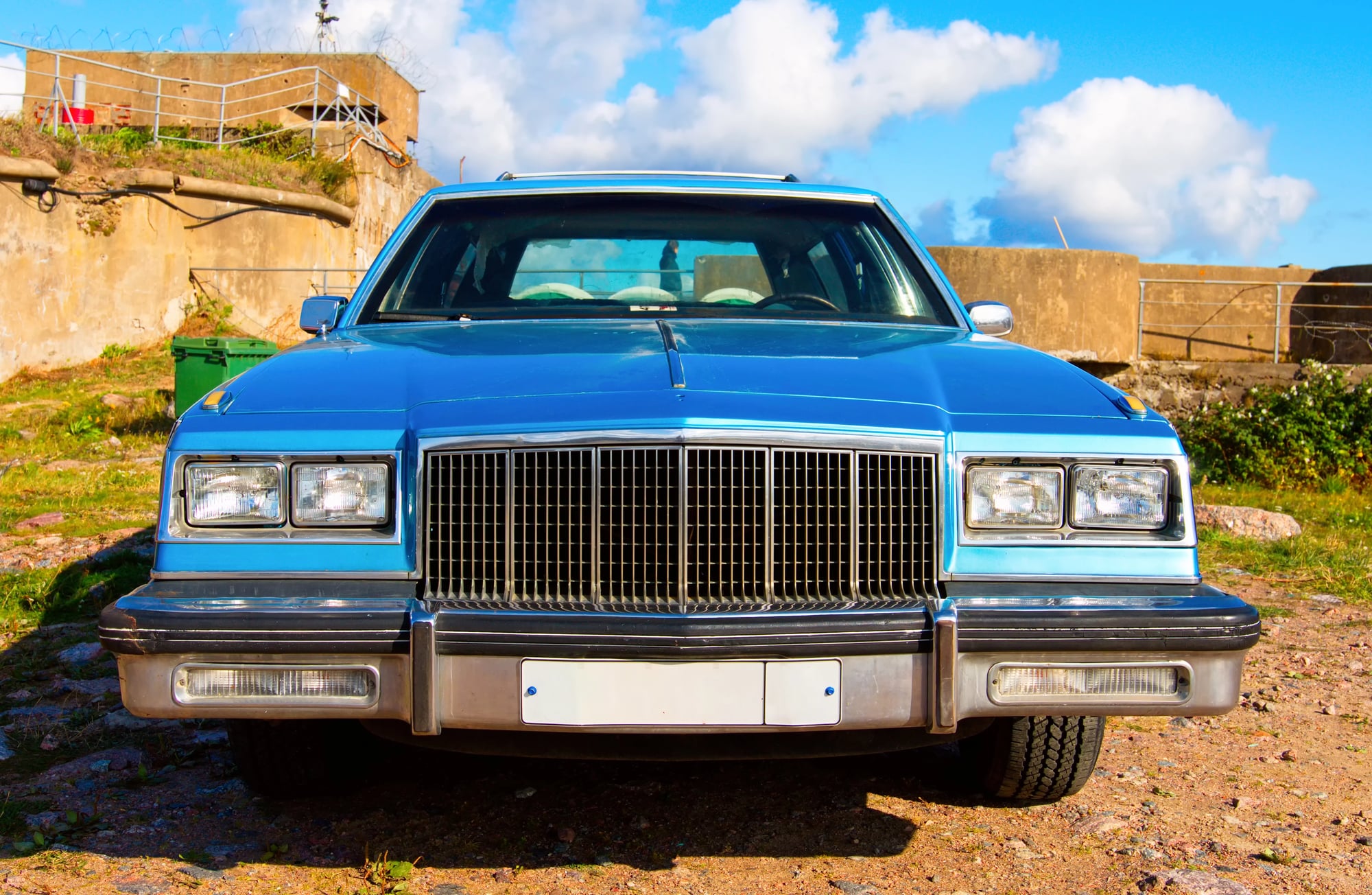
Buick understood something fundamental about American family life in the 1970s: sometimes you needed to haul eight people and their luggage, and you wanted to do it with a certain level of dignity intact. The Estate Wagon delivered exactly that combination — substantial without being flashy, comfortable without being precious.
That third seat faced backward, turning the rear window into entertainment for whoever got stuck riding back there. Highway hypnosis worked both ways: sometimes watching the road disappear behind you was more interesting than watching it appear ahead.
Chevrolet Impala Wagon
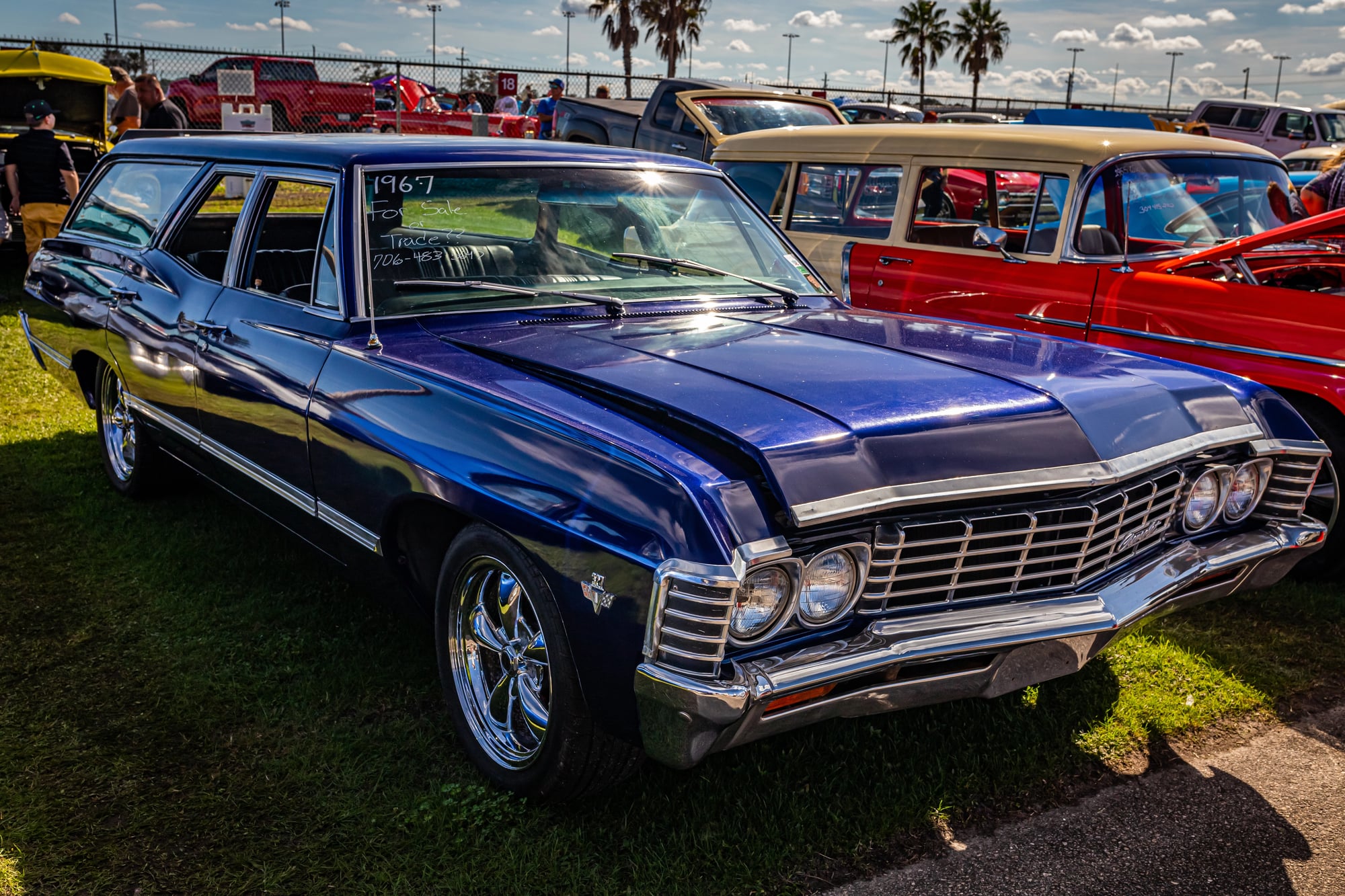
The Impala wagon was big even by 1970s standards — over 19 feet of car that needed two parking spaces and a confident driver. But size had purpose here: this much space meant camping trips where you could pack everything, road trips where comfort wasn’t negotiable, and daily life where grocery runs actually fit the groceries.
The 454 big block option turned highway merging into a non-issue, which was reassuring when you were piloting something this substantial through traffic that wasn’t always paying attention.
AMC Hornet Sportabout
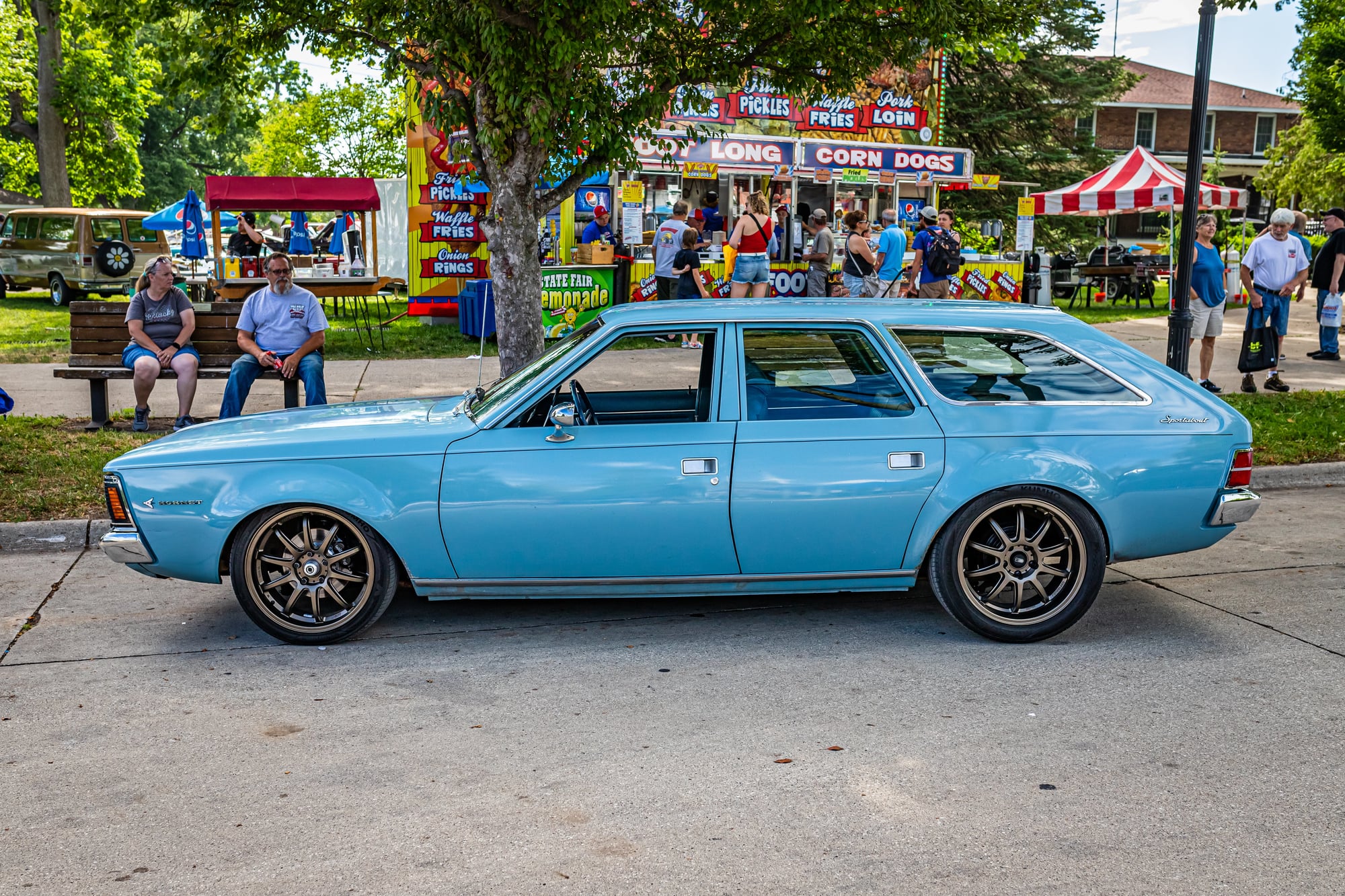
Leave it to AMC to call their station wagon a “Sportabout” and somehow make it work. The Hornet wagon was smaller than the Detroit giants, which made it easier to park and cheaper to fuel — two considerations that started mattering more as the decade progressed and gas prices reminded everyone that bigger wasn’t always better.
But smaller didn’t mean cramped. AMC packed surprising space into the Hornet’s modest dimensions, and the build quality was often better than what you got from the bigger manufacturers.
Plus, you were guaranteed not to see another one at every rest stop, which had its own appeal.
Ford Torino Wagon
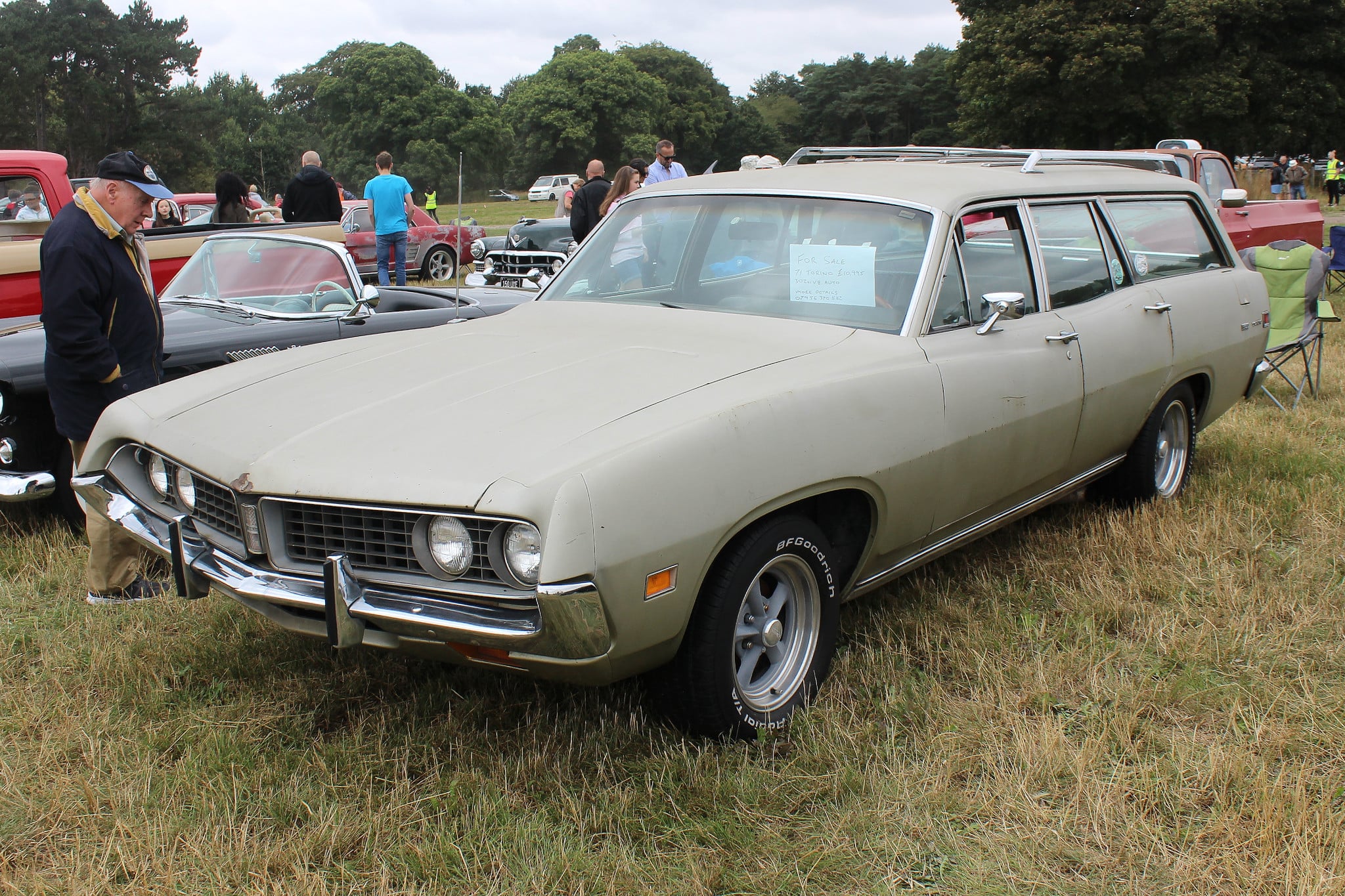
The Torino represented Ford’s attempt to split the difference between size and practicality, and for the most part, they succeeded. Substantial enough to feel solid on long highway stretches, but not so massive that city driving became an ordeal.
The wagon version stretched the wheelbase just enough to add meaningful cargo space without turning the whole enterprise into a land yacht.
That optional 429 V8 was probably overkill for most family duties, but overkill had its place when you were climbing mountain passes with a full load.
Dodge Coronet Wagon
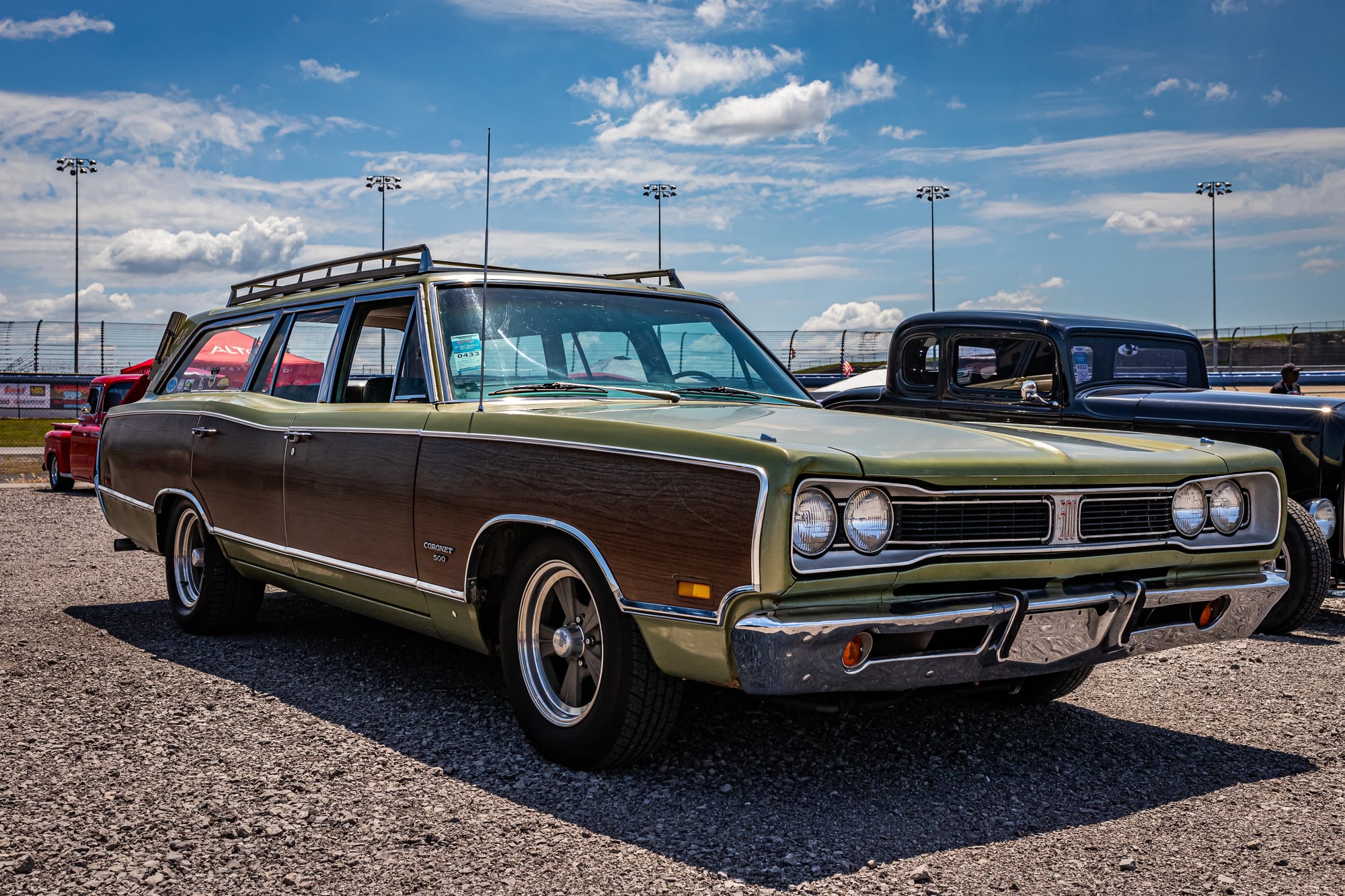
The Coronet wagon was Dodge’s answer to families who needed space but didn’t want to spend Country Squire money to get it. Straightforward engineering, honest styling, and enough room for whatever the trip required.
The rear seat folded flat, creating a cargo area that could handle everything from camping gear to furniture — functionality that mattered more than flash.
Dodge offered the wagon in both six-cylinder and V8 configurations, which meant you could choose between economy and power depending on how your priorities balanced out.
Chevrolet Kingswood Estate
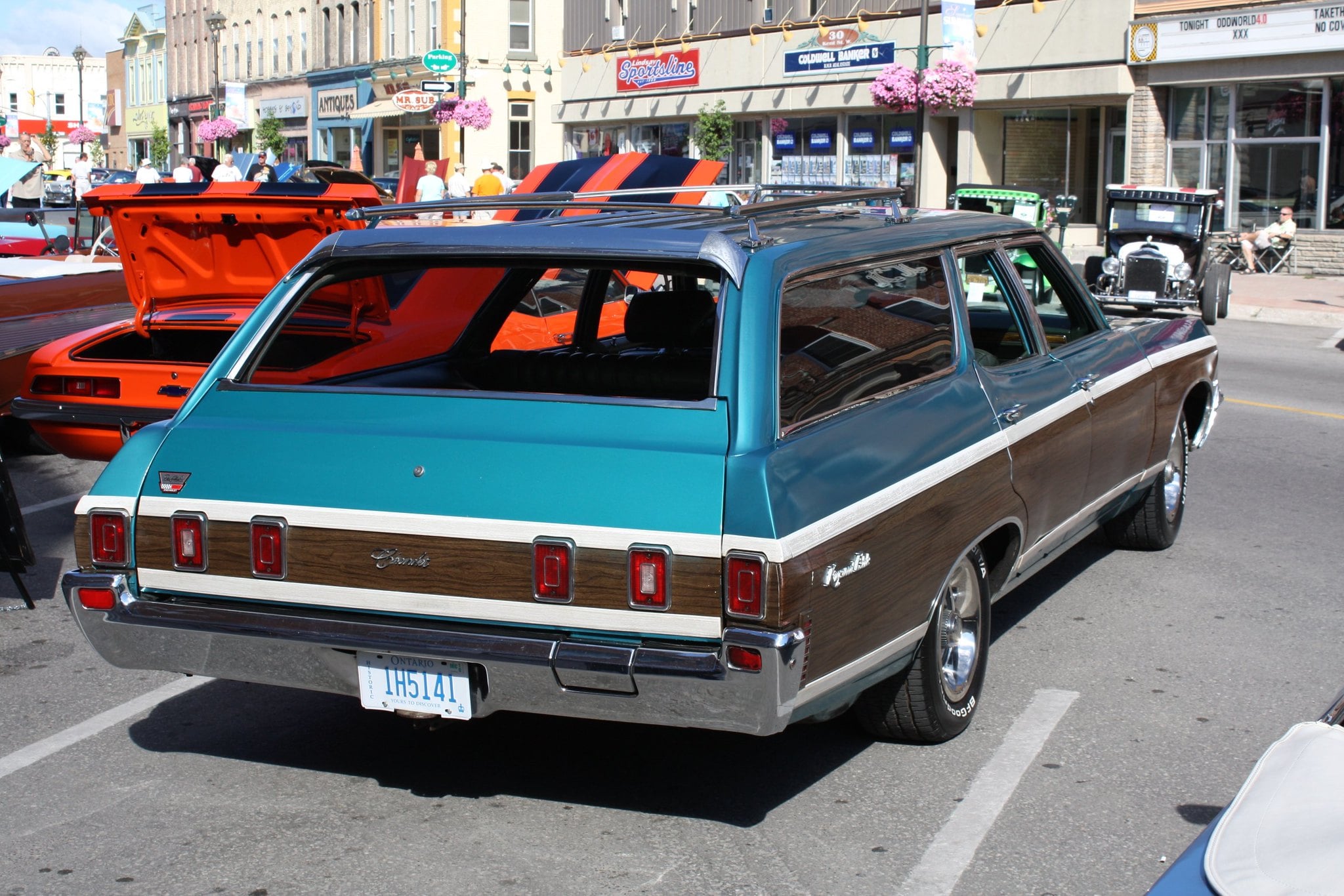
This was Chevrolet’s premium wagon offering, positioned just below the Impala in the lineup but loaded with features that made long trips genuinely comfortable. The Kingswood Estate got nicer interior trim, more sound insulation, and suspension tuning that prioritized ride quality over sportiness — exactly the right priorities for a vehicle designed around family travel.
And the rear-facing third seat wasn’t just functional; it was actually comfortable enough for adults to use without complaining, which was saying something in the station wagon world.
The standard V8 engine provided effortless highway cruising, and the optional air conditioning was effective enough to keep everyone comfortable even when crossing the desert in August (a test that eliminated many competitors from consideration, as anyone who’d attempted that journey could confirm). But perhaps most importantly, the Kingswood Estate looked expensive enough to satisfy suburban expectations without actually costing luxury car money — a balance that Chevrolet had mastered better than most.
Mercury Colony Park
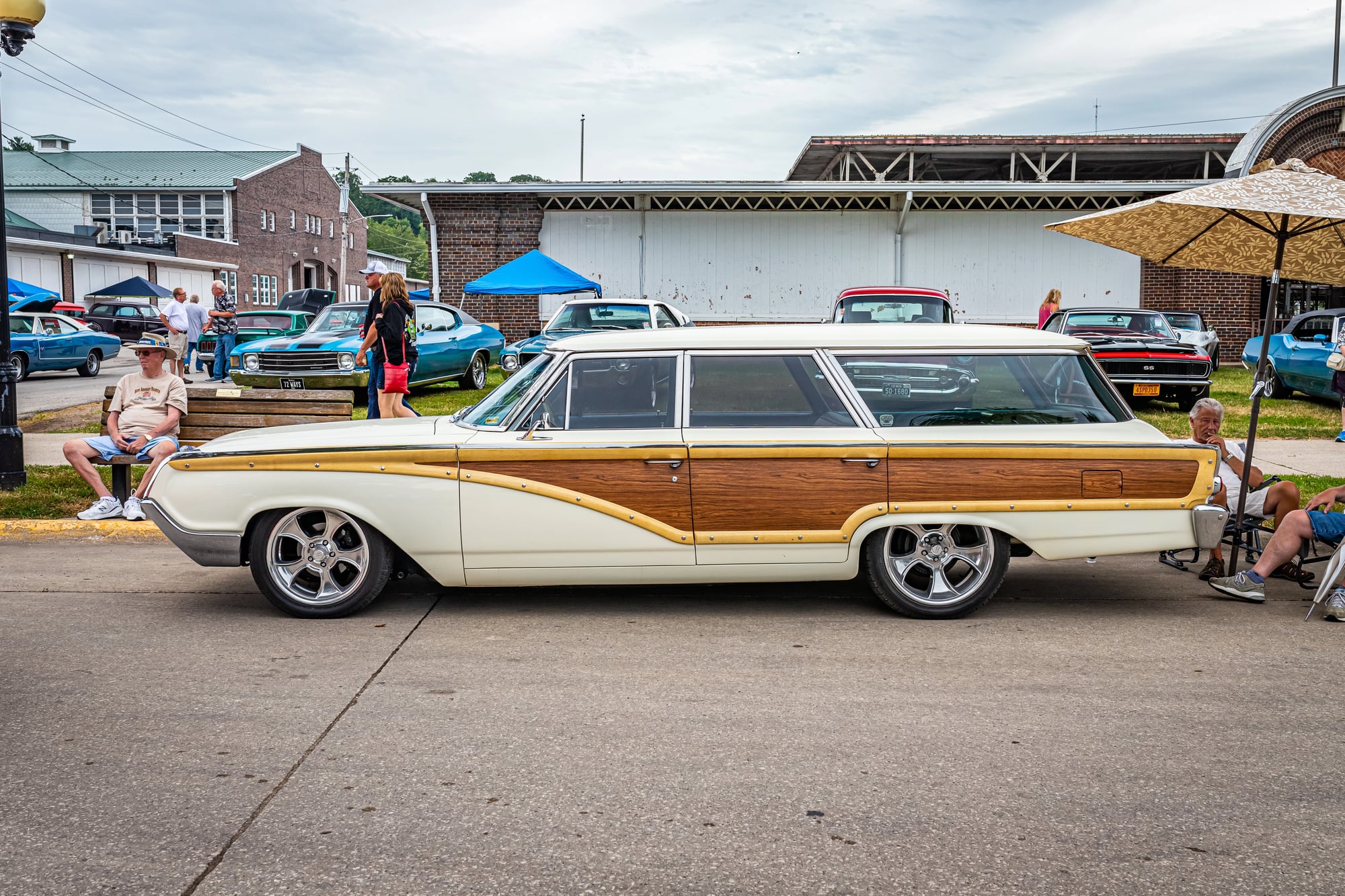
Mercury positioned the Colony Park as the sophisticated alternative to Ford’s Country Squire, and the differences were subtle but real. Better interior materials, more sound deadening, and styling that leaned slightly more formal — details that added up to a wagon that felt more upscale without abandoning the fundamental utility that made station wagons appealing in the first place.
The Colony Park came standard with features that were optional on lesser wagons, which simplified the buying process and ensured that every example had the equipment necessary for serious family travel.
Pontiac Safari
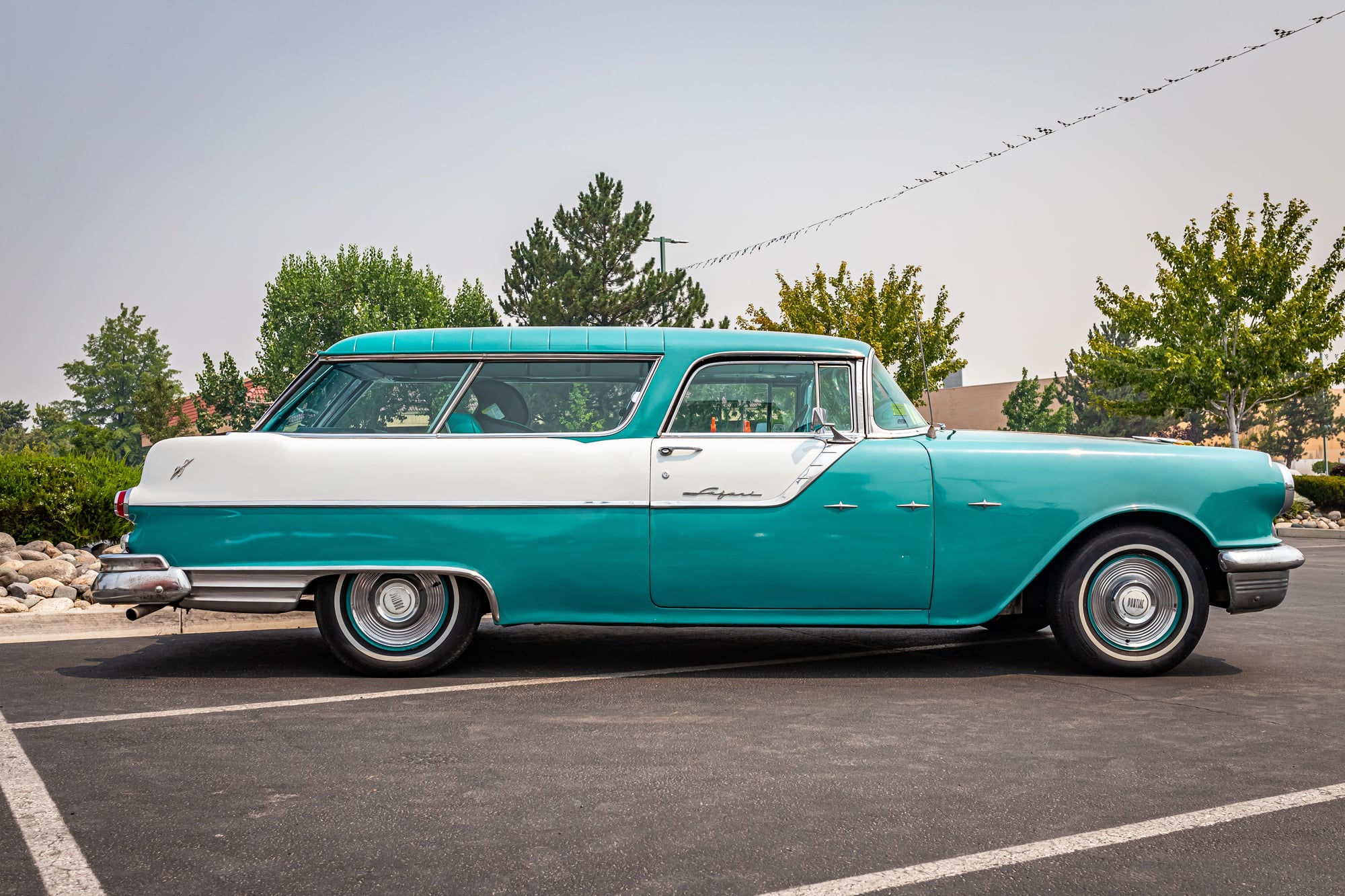
Pontiac’s wagon carried the Safari name, which suggested adventure and wide-open spaces — marketing that wasn’t entirely wrong. Built on the same platform as other GM wagons but with Pontiac’s distinctive styling cues, the Safari split the difference between practical and exciting better than most family haulers managed.
The available 455 V8 provided genuine performance potential, which meant the Safari could satisfy parents who missed their muscle car days while still handling school pickup duties without complaint.
Chrysler Town & Country
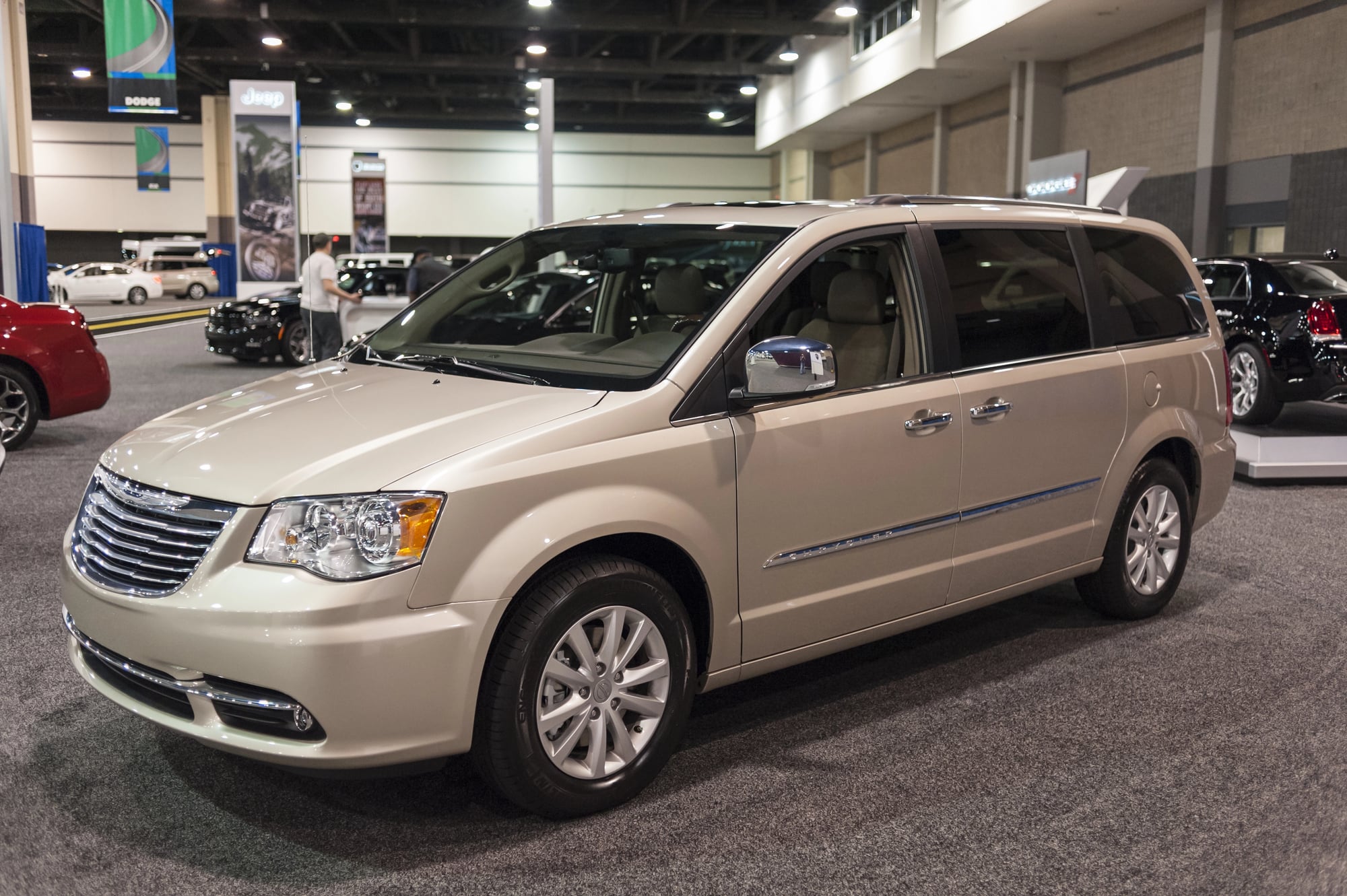
Chrysler’s flagship wagon represented the luxury end of the family hauler spectrum, with interior appointments that rivaled sedans costing considerably more. Real wood trim, plush seating, and attention to detail that acknowledged station wagons didn’t have to feel like commercial vehicles just because they prioritized cargo space over style.
The Town & Country proved that practicality and elegance weren’t mutually exclusive — a lesson that many manufacturers struggled to learn.
Volkswagen Type 2 Bus
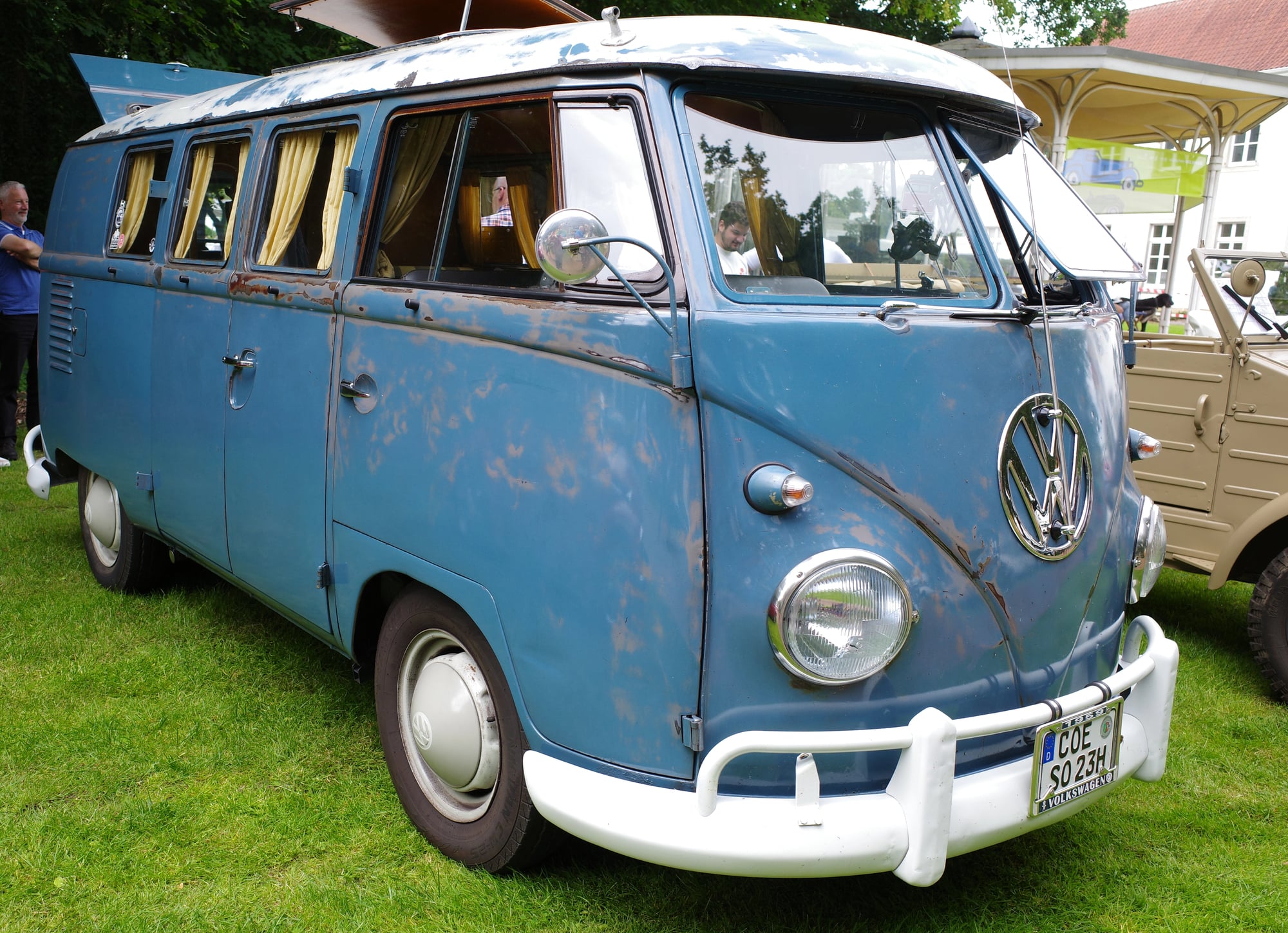
The VW Bus occupied its own category entirely — part station wagon, part cultural statement, part rolling adventure. Slow as winter molasses on highway onramps but capable of carrying everything a family owned while using minimal fuel and requiring basic maintenance that didn’t demand specialized tools or dealer service.
This was transportation that matched the countercultural spirit of the early ’70s: practical, unpretentious, and slightly subversive.
That rear-mounted air-cooled engine was underpowered by American standards, but it was also nearly indestructible and simple enough that roadside repairs were actually possible. Which mattered when your idea of a family vacation involved dirt roads, national forests, and camping spots that AAA didn’t know about.
The Bus wasn’t trying to impress anyone; it was trying to get you there and back with minimal fuss and maximum flexibility.
And it succeeded, largely because Volkswagen understood that some families cared more about the destination than the journey, and they built a vehicle that prioritized reliability over performance, function over flash.
AMC Matador Wagon
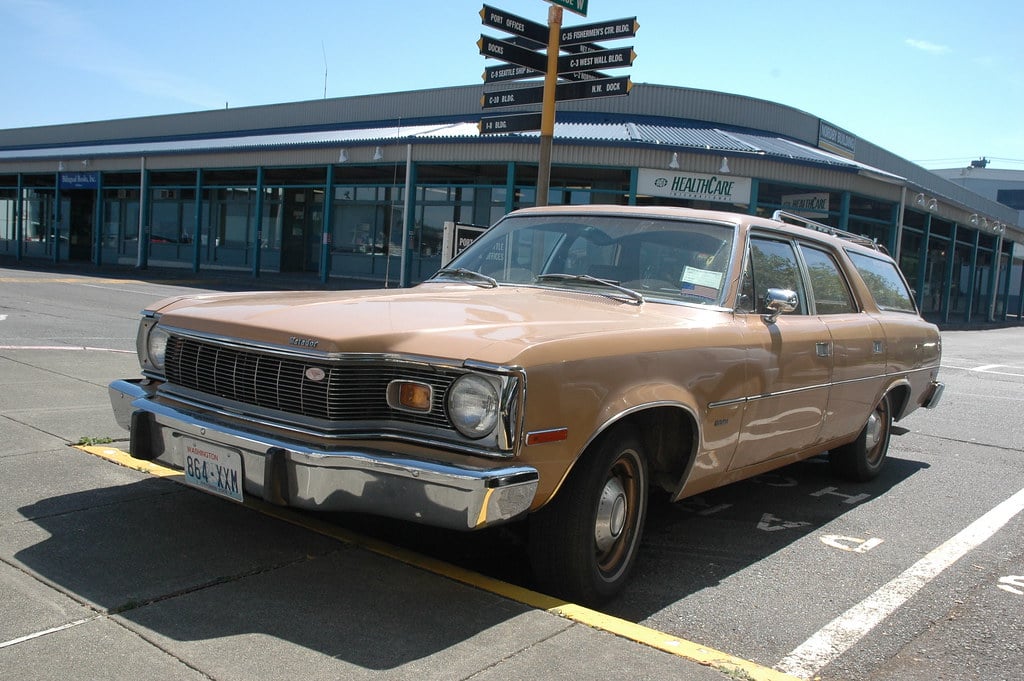
AMC’s biggest wagon offering represented the company’s attempt to compete directly with Detroit’s land yachts, and in many ways, the Matador succeeded where larger manufacturers stumbled. Better build quality, more thoughtful engineering, and styling that avoided the baroque excesses that other brands couldn’t resist.
The Matador wagon was substantial without being ostentatious — a difficult balance that AMC managed better than most.
The available V8 engines provided adequate power for highway travel, and the interior packaging made efficient use of the available space without feeling cramped or cheap.
Ford Pinto Wagon
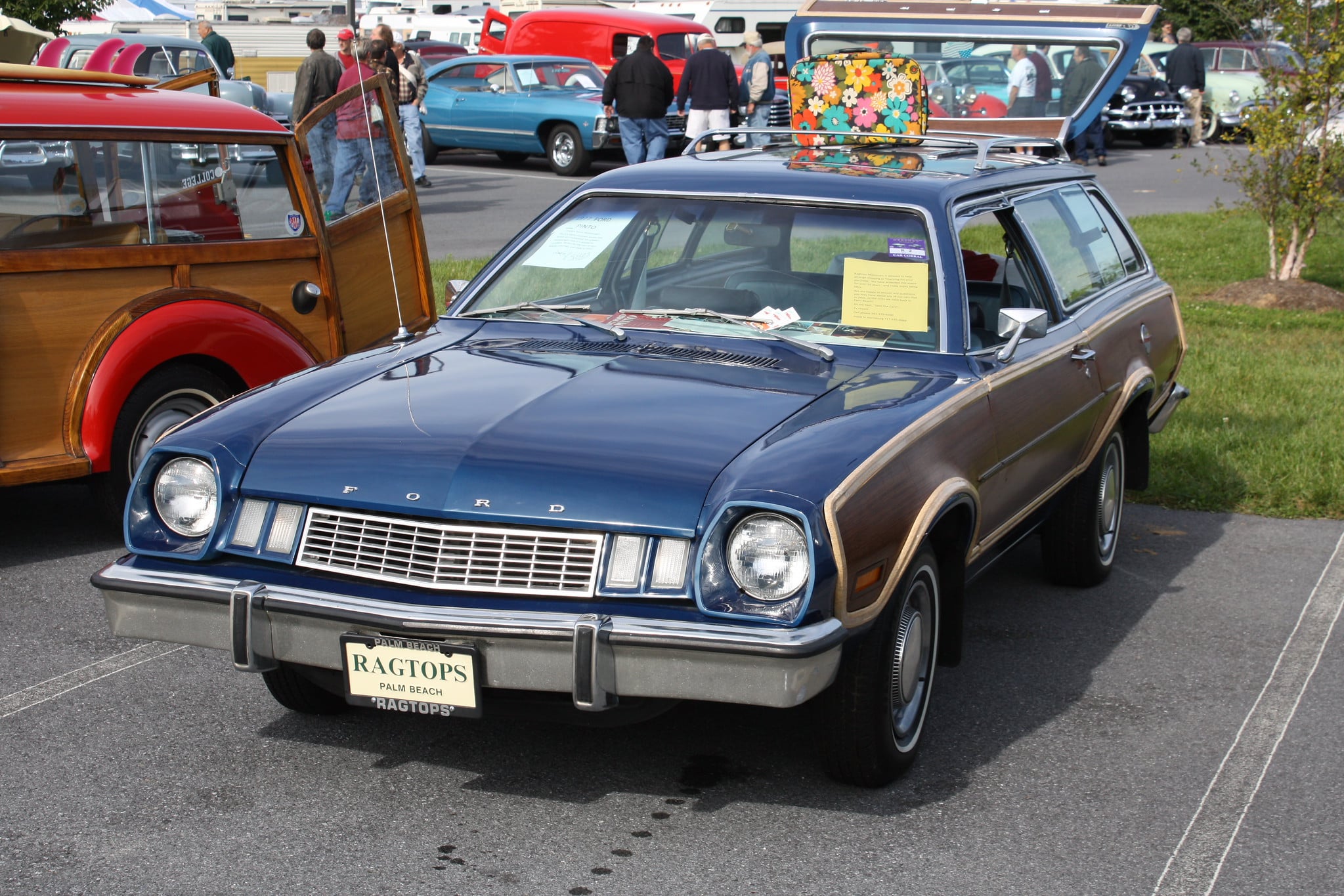
The Pinto wagon proved that small cars could offer genuine utility without requiring the fuel consumption or parking gymnastics that larger wagons demanded. As gas prices climbed and urban parking became increasingly challenging, the Pinto’s compact dimensions started looking more like advantages than compromises.
That rear hatch opened up a cargo area that was surprisingly accommodating for such a small vehicle, and the four-cylinder engine delivered fuel economy that made longer trips affordable even when gas hit a dollar per gallon.
Chevrolet Vega Wagon
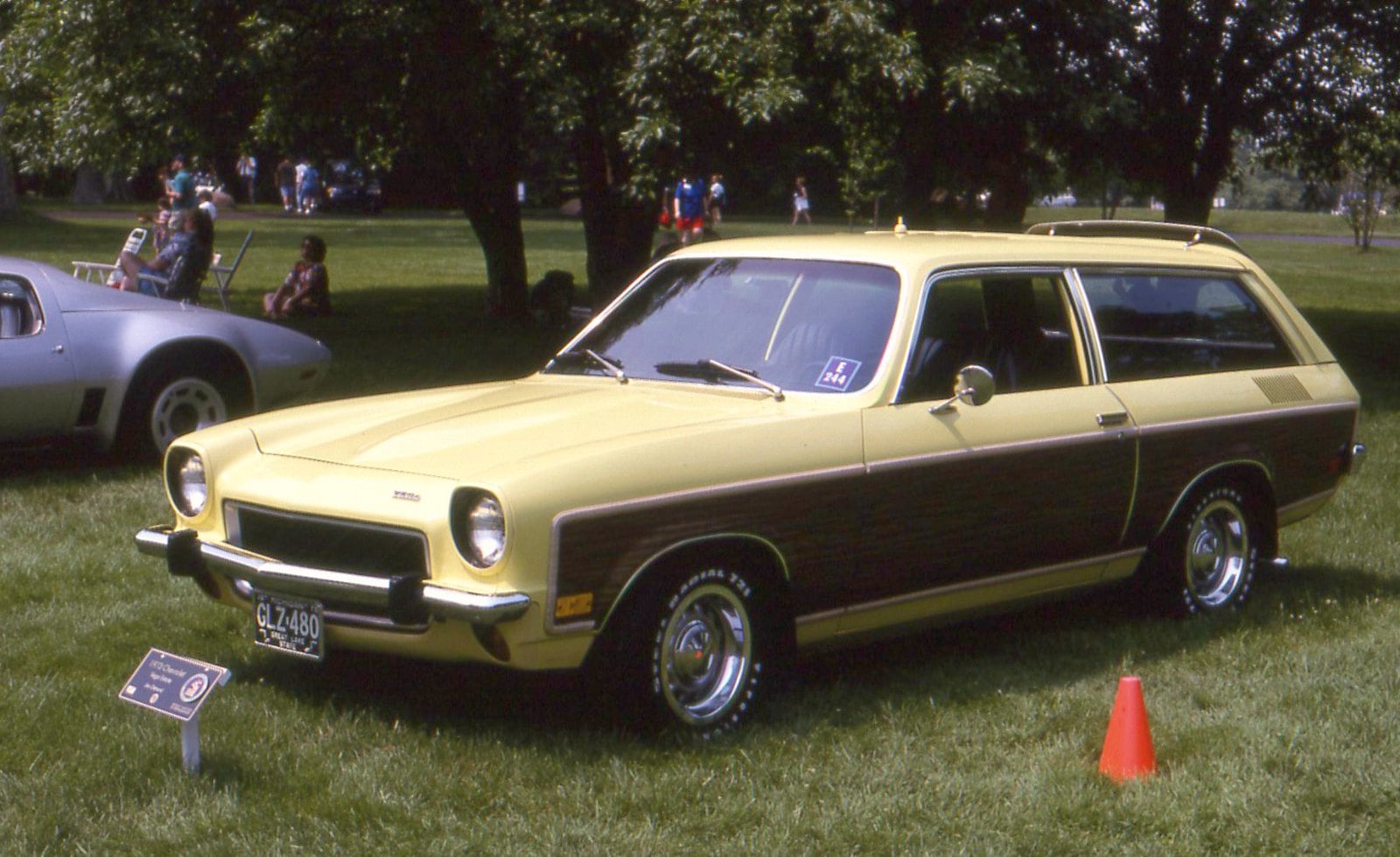
Chevrolet’s compact wagon entry shared the Pinto’s basic philosophy — maximum utility in minimum space — but executed it with slightly more refinement and considerably more cargo capacity. The Vega wagon’s rear seat folded flat to create a surprisingly large loading area, and the styling was clean enough to avoid looking like a penalty box.
The aluminum-block engine was an ambitious attempt at lightweight efficiency that didn’t quite work out as planned, but when it ran properly, the Vega delivered exactly what small wagon buyers were looking for.
Subaru DL Wagon
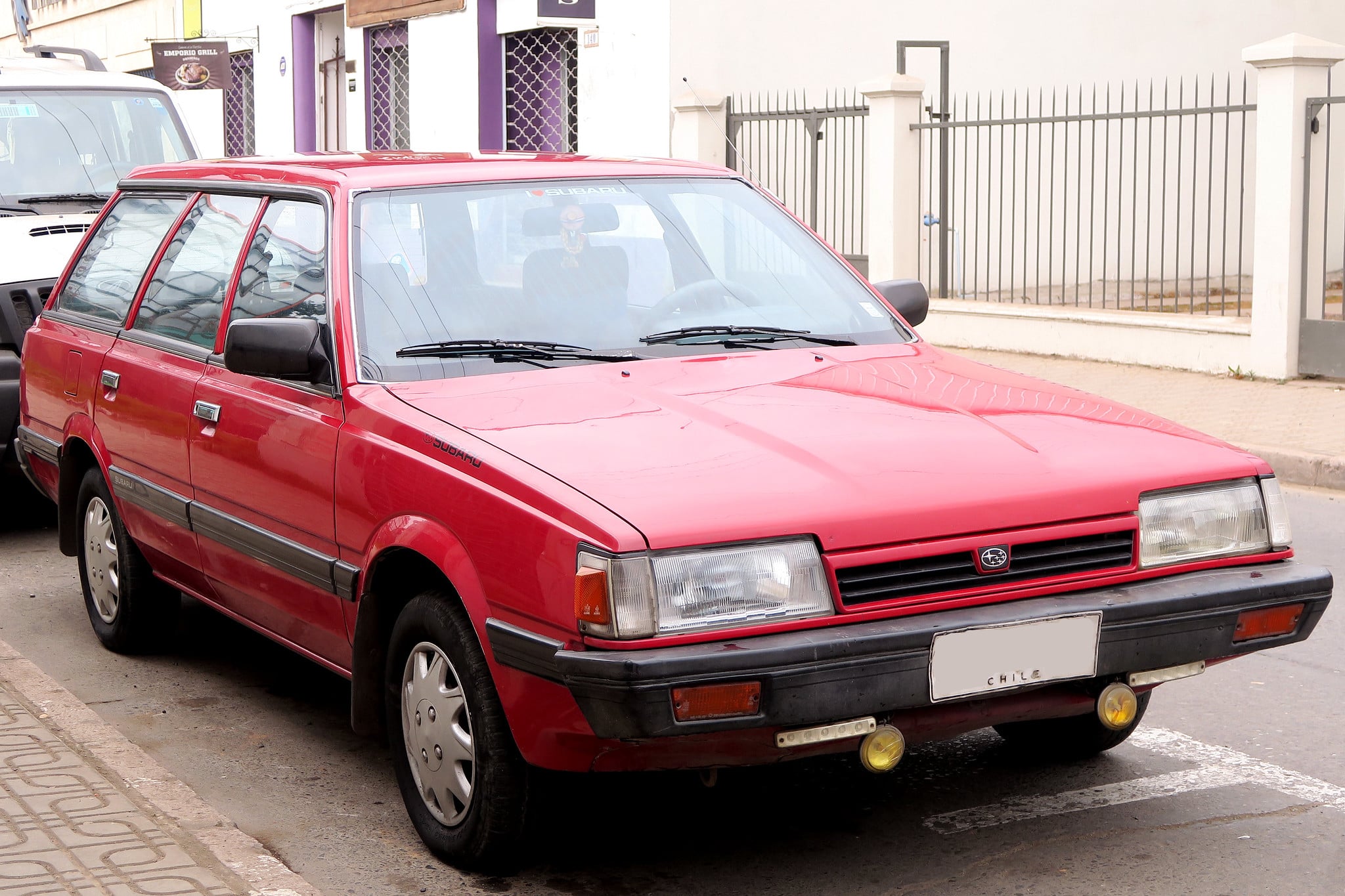
Subaru entered the American market with wagons that offered something completely different: standard all-wheel drive, exceptional build quality, and engineering priorities that emphasized durability over flash. The DL wagon was smaller than American offerings but incredibly space-efficient, and that all-wheel drive capability meant it could handle weather and road conditions that left other wagons stranded.
This was transportation for families who actually went places rather than just talked about going places — ski trips, camping expeditions, and back-road adventures that required more than good intentions and optimism.
The flat-four engine was unusual by American standards, but it was also smooth, reliable, and surprisingly long-lived when maintained properly. And maintenance was straightforward enough that many owners could handle basic service themselves, which kept operating costs reasonable and reduced dependence on dealer networks that were still spotty in many regions.
But perhaps most importantly, Subaru understood that some families needed vehicles capable of actual adventure rather than just the appearance of adventure — a distinction that became increasingly relevant as the outdoor recreation boom of the 1970s sent more people toward mountains, forests, and beaches that required genuine capability to reach.
Datsun 710 Wagon
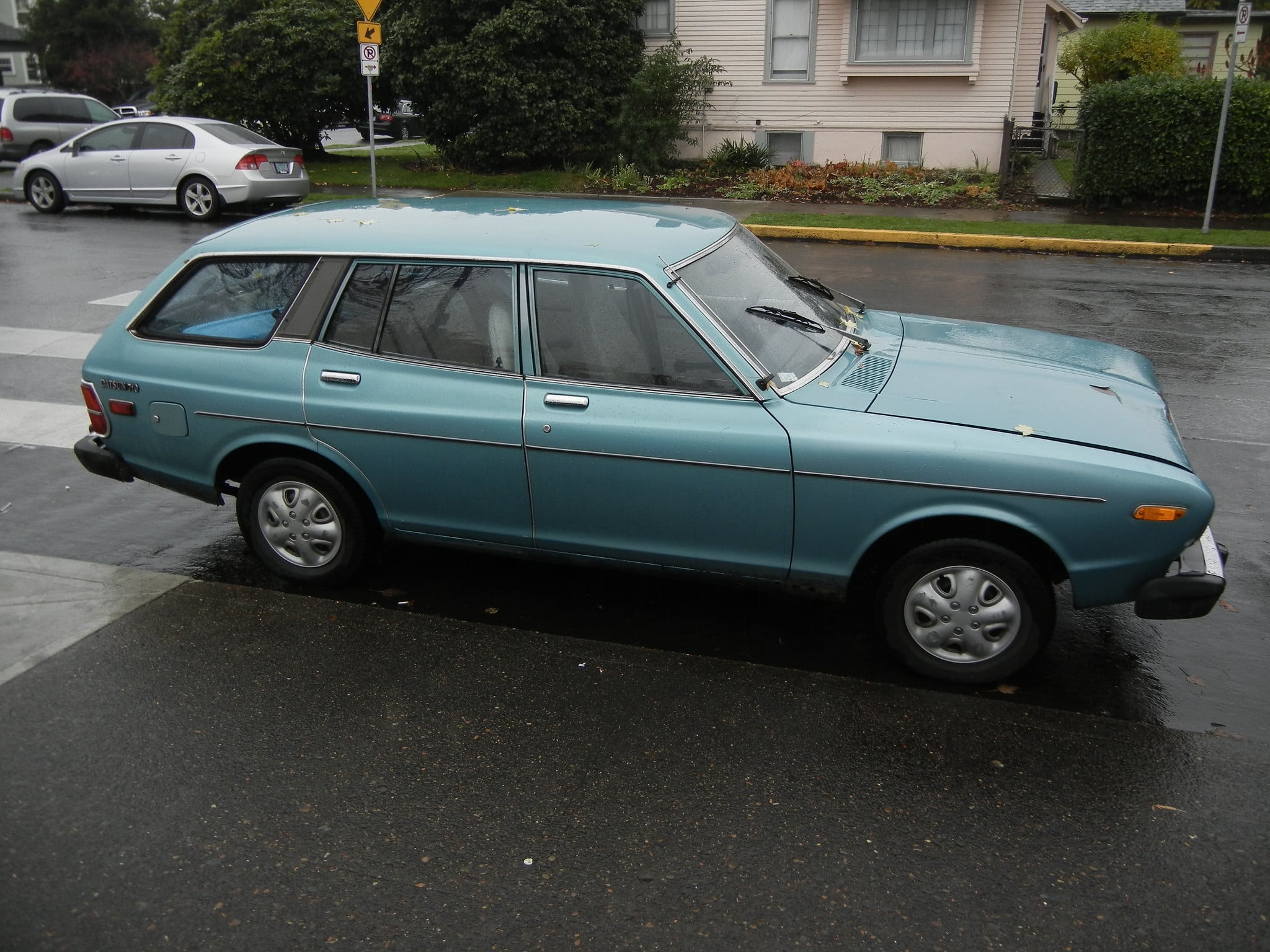
Datsun’s compact wagon represented Japanese efficiency applied to American family needs, and the results were quietly impressive. Better fuel economy than domestic competitors, more reliable operation, and interior space that seemed impossible given the modest exterior dimensions.
The 710 wagon was transportation for families who valued substance over style — practical, economical, and built to last.
That reputation for reliability was becoming increasingly important as American manufacturers struggled with quality control issues that made daily dependability something you hoped for rather than expected.
Toyota Corona Mark II Wagon
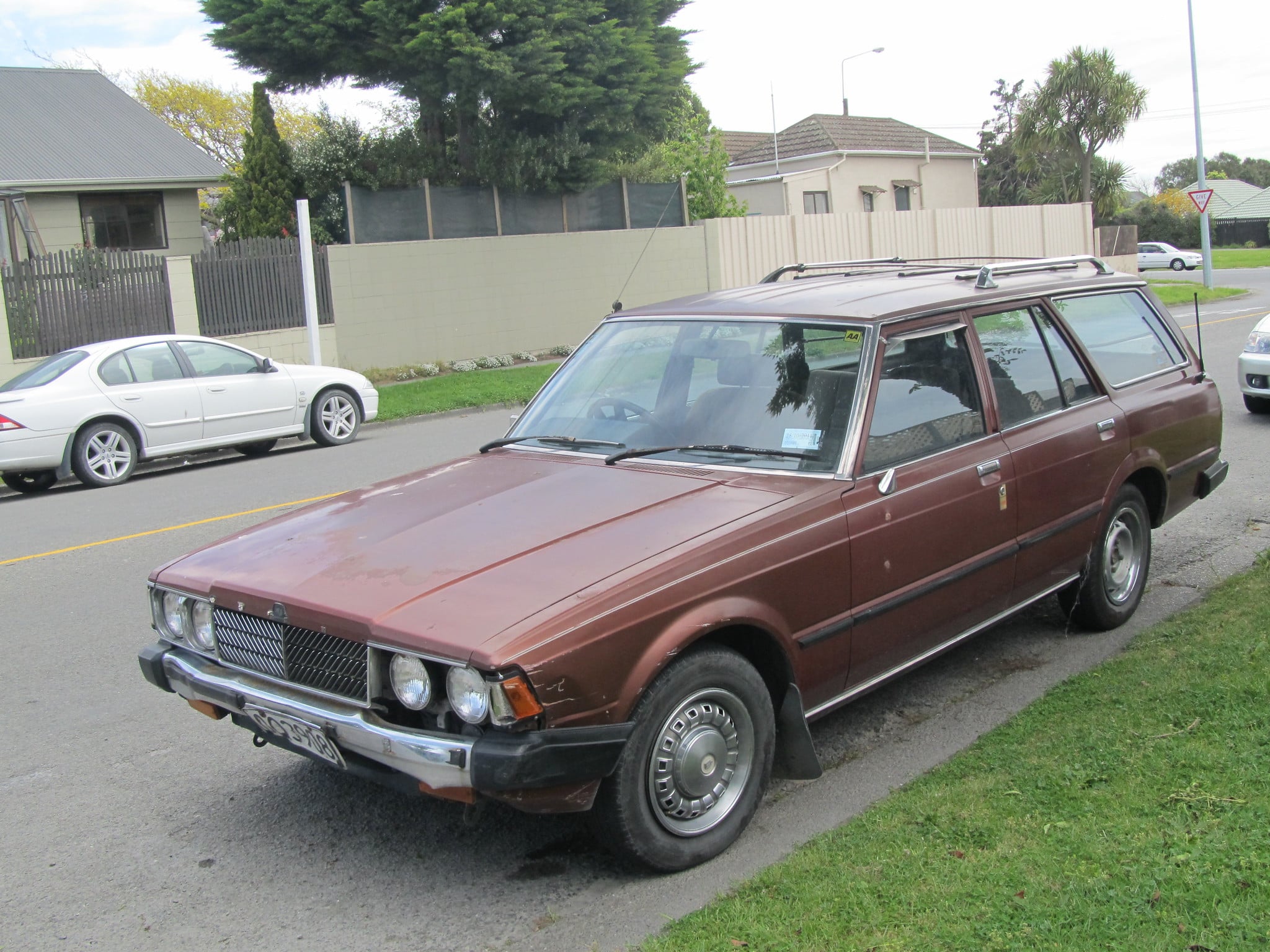
Toyota’s wagon offering combined Japanese reliability with interior space that actually accommodated American families, which was a combination that domestic manufacturers were struggling to match. The Corona Mark II wagon delivered excellent fuel economy, exemplary build quality, and a driving experience that prioritized comfort and durability over performance theatrics.
This was the beginning of Toyota’s understanding that American families wanted practical transportation that actually worked day after day, year after year — a simple concept that proved surprisingly difficult for other manufacturers to execute consistently.
Volvo 145
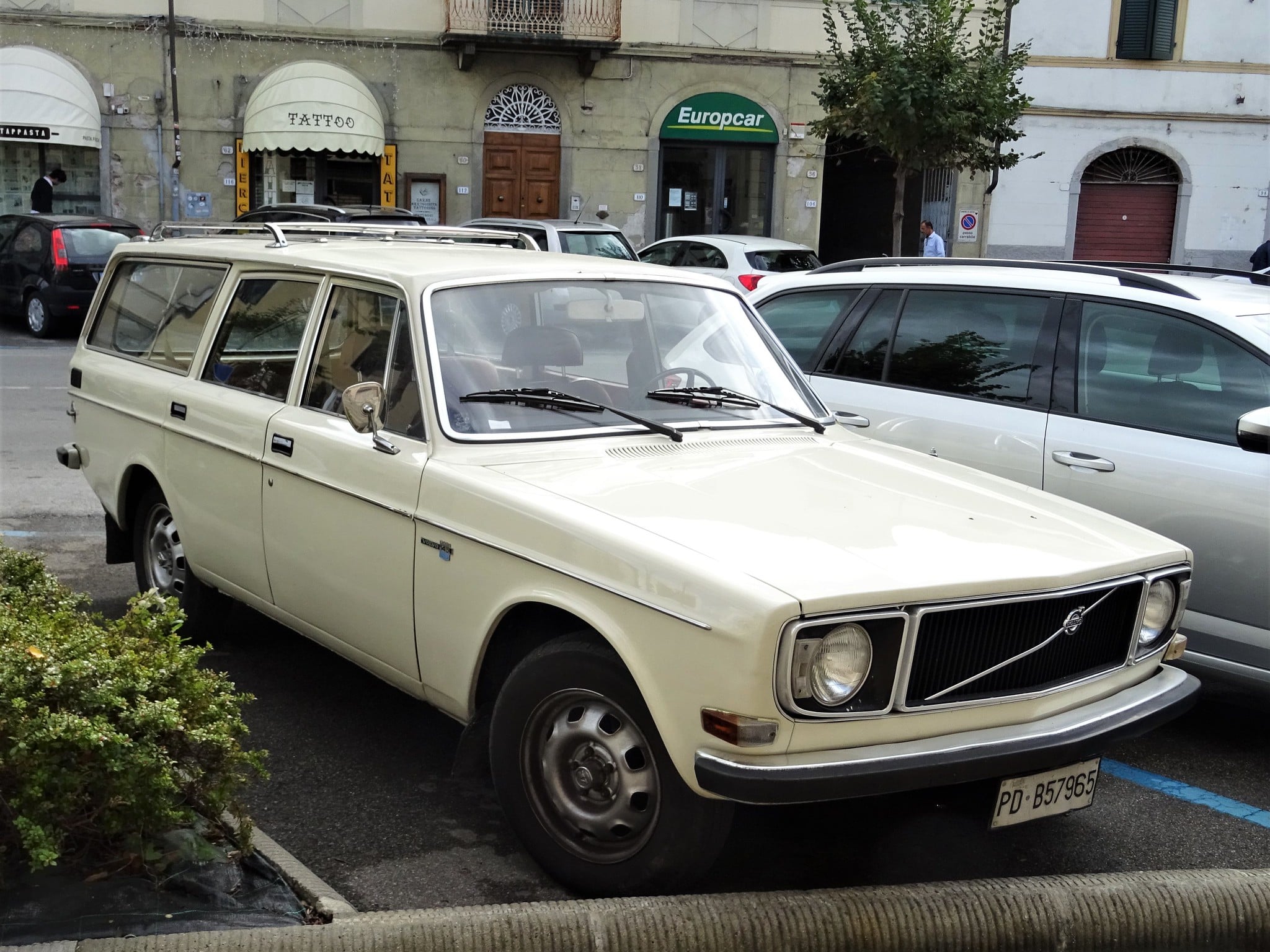
Volvo built wagons the way other manufacturers built sedans — with serious attention to safety, durability, and long-term reliability. The 145 wagon was substantially built, intelligently designed, and engineered to survive decades of family use without major mechanical drama.
That boxy styling wasn’t trying to win beauty contests; it was maximizing interior space and structural integrity.
Swedish engineering priorities emphasized substance over flash, which meant Volvo wagons lasted longer and required fewer repairs than most alternatives — advantages that became more apparent over time.
Saab 95
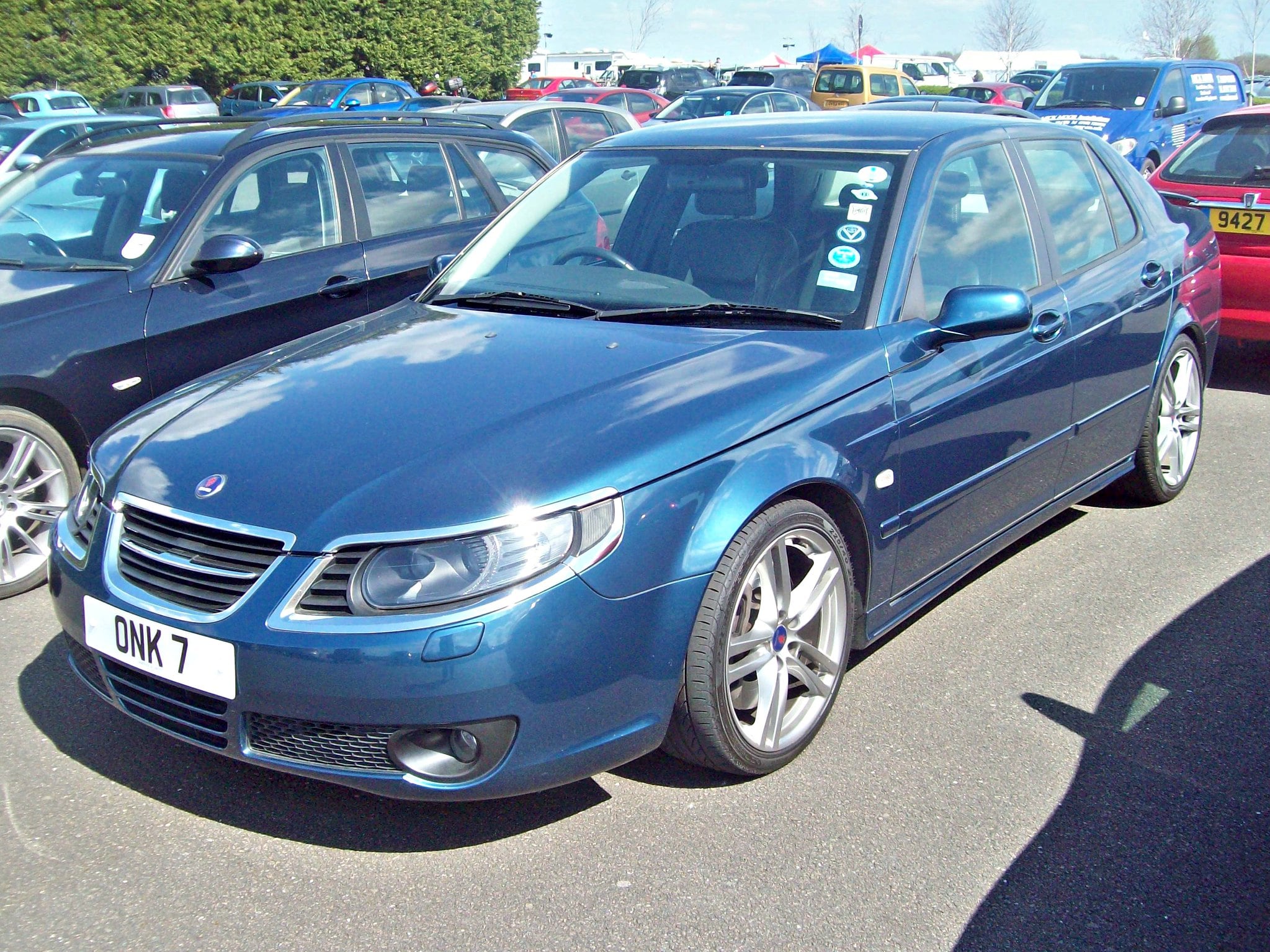
The Saab 95 was quirky even by European standards, with its two-stroke engine, front-wheel drive, and styling that looked like nothing else on American roads. But underneath the unusual details was a wagon that offered exceptional fuel economy, surprising interior space, and build quality that shamed larger competitors.
This was transportation for families who valued engineering innovation over conventional thinking.
That two-stroke engine was eventually replaced by a more conventional four-stroke unit, but the 95’s fundamental character remained unchanged — practical, efficient, and utterly different from anything Detroit was producing.
Mercury Comet Wagon
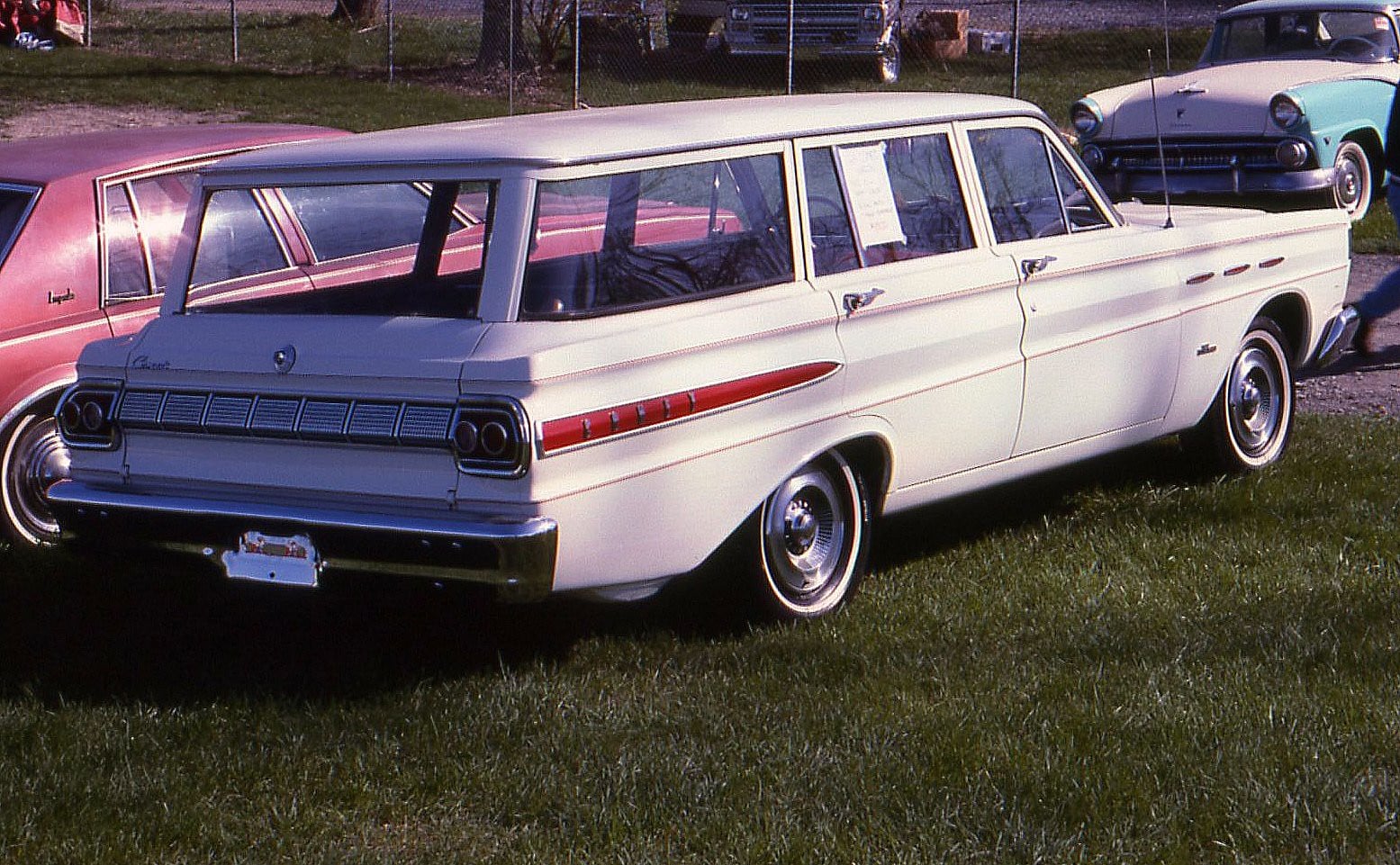
Mercury’s compact wagon represented Ford Motor Company’s attempt to offer European-style efficiency with American-style comfort, and the Comet largely succeeded in that difficult balance. Smaller than full-size wagons but more substantial than true compacts, the Comet wagon fit families who needed space but didn’t want to pilot something the size of a small building through daily traffic.
The available V8 engine provided more power than most compact wagons offered, which made highway travel more relaxed and mountain driving less stressful.
Dodge Colt Wagon
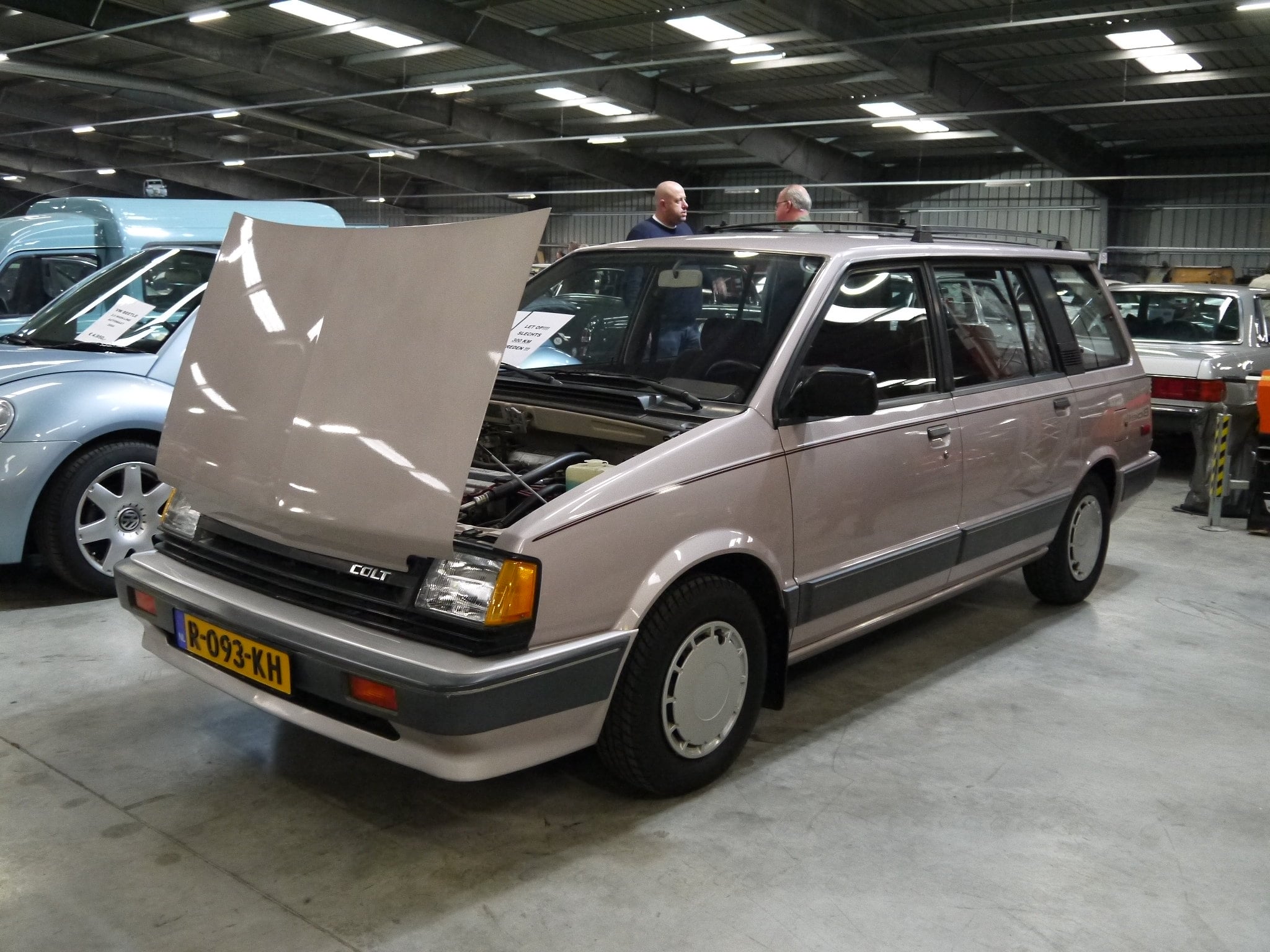
The Colt wagon was actually a rebadged Mitsubishi, which gave Dodge access to Japanese engineering efficiency without requiring the investment in developing an entirely new platform. The result was a compact wagon that delivered excellent fuel economy, surprising reliability, and interior space that maximized every available inch.
This was practical transportation that acknowledged the reality of rising fuel costs and urban parking constraints without abandoning the utility that made wagons appealing in the first place.
Pontiac Astre Wagon
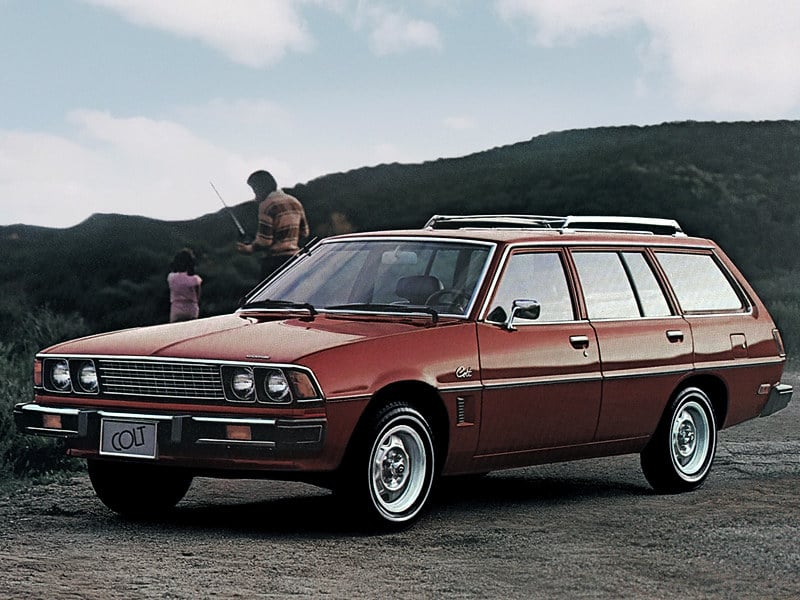
Pontiac’s version of the Chevrolet Vega featured slightly different styling and trim but shared the same basic strengths and weaknesses. The Astre wagon offered compact dimensions with genuine utility, and when the engine behaved properly, it delivered the fuel economy that smaller cars promised but didn’t always achieve.
The styling was distinctive enough to avoid looking like a direct Vega copy, which mattered to buyers who wanted efficiency without advertising their budget consciousness.
Buick Skyhawk Wagon
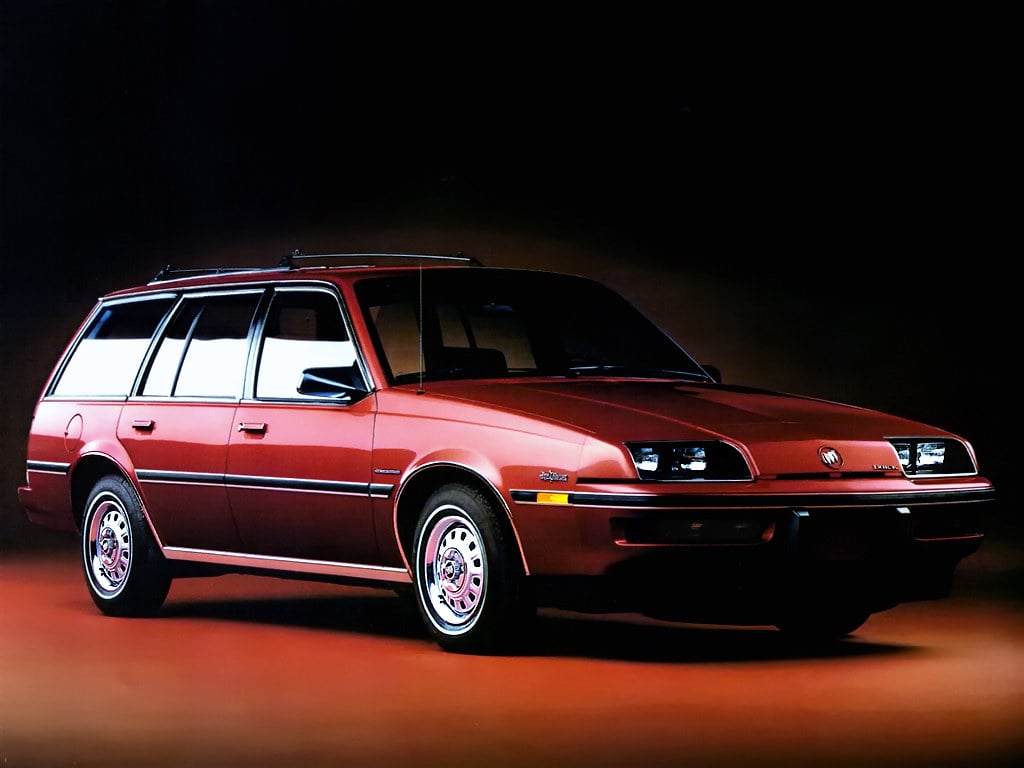
Buick’s compact wagon entry represented the premium end of small car thinking — better interior materials, more sound insulation, and styling that maintained some dignity despite the practical mission. The Skyhawk wagon acknowledged that fuel economy and interior luxury weren’t necessarily incompatible, even if achieving both required careful compromises.
This was efficient transportation for families who still expected a certain level of comfort and refinement from their vehicles.
Oldsmobile Starfire Wagon
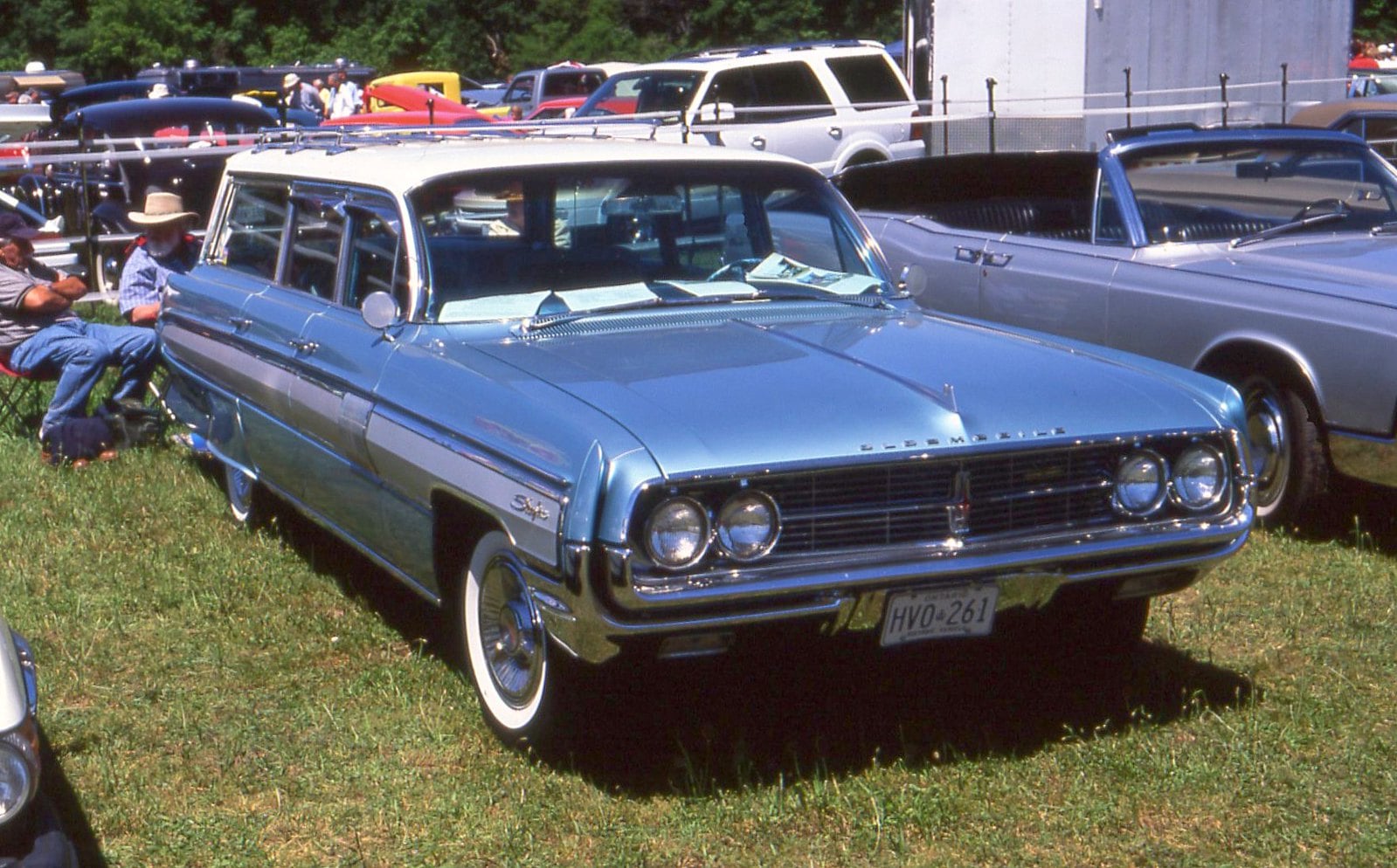
Oldsmobile applied its premium compact car philosophy to wagon form, creating a vehicle that offered efficiency without completely abandoning the comfort and refinement that the brand’s customers expected. The Starfire wagon featured better interior appointments than most compact competitors, along with suspension tuning that prioritized ride quality over fuel economy maximization.
This was small car thinking filtered through traditional American luxury expectations — a combination that worked better than skeptics expected.
The Highway Stretched Ahead
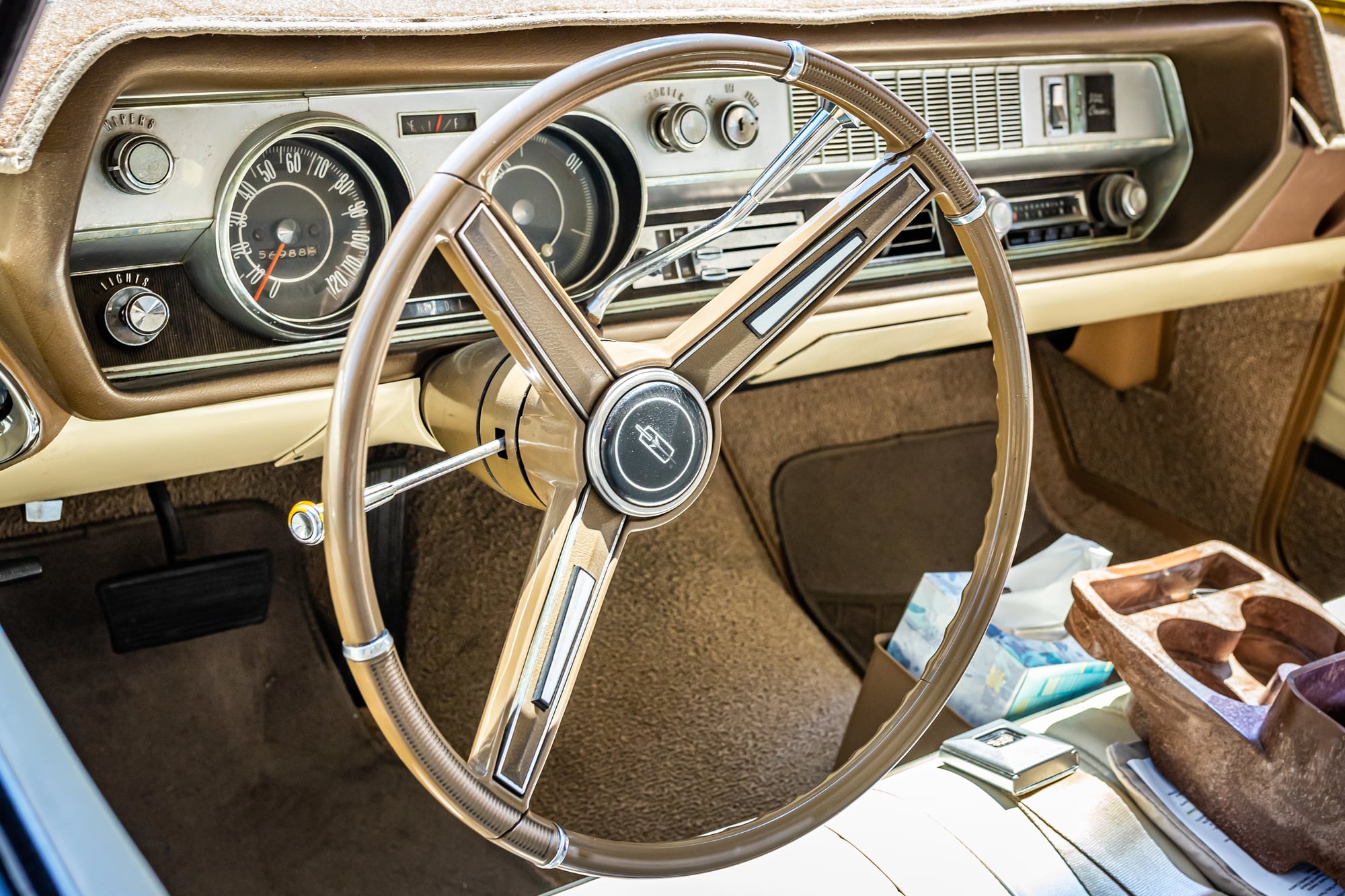
These wagons carried more than families and luggage down America’s highways in the 1970s. They hauled dreams of summer vacations, weekend camping trips, and the radical idea that anywhere was reachable if you had enough time, enough gas money, and a vehicle built for the long haul.
The decade’s family cars were honest machines built for honest purposes — getting everyone there safely.
More from Go2Tutors!

- The Romanov Crown Jewels and Their Tragic Fate
- 13 Historical Mysteries That Science Still Can’t Solve
- Famous Hoaxes That Fooled the World for Years
- 15 Child Stars with Tragic Adult Lives
- 16 Famous Jewelry Pieces in History
Like Go2Tutors’s content? Follow us on MSN.