Currencies Banned Overnight and What Happened Next
The announcement comes without warning. One day your money works everywhere, the next day it’s contraband.
Throughout history, governments have pulled the rug out from under entire populations by declaring their currency worthless overnight. Sometimes it’s to fight corruption, sometimes it’s desperation, and sometimes it’s pure political theater.
The human cost is always immediate and often devastating.
India’s Demonetization Crisis
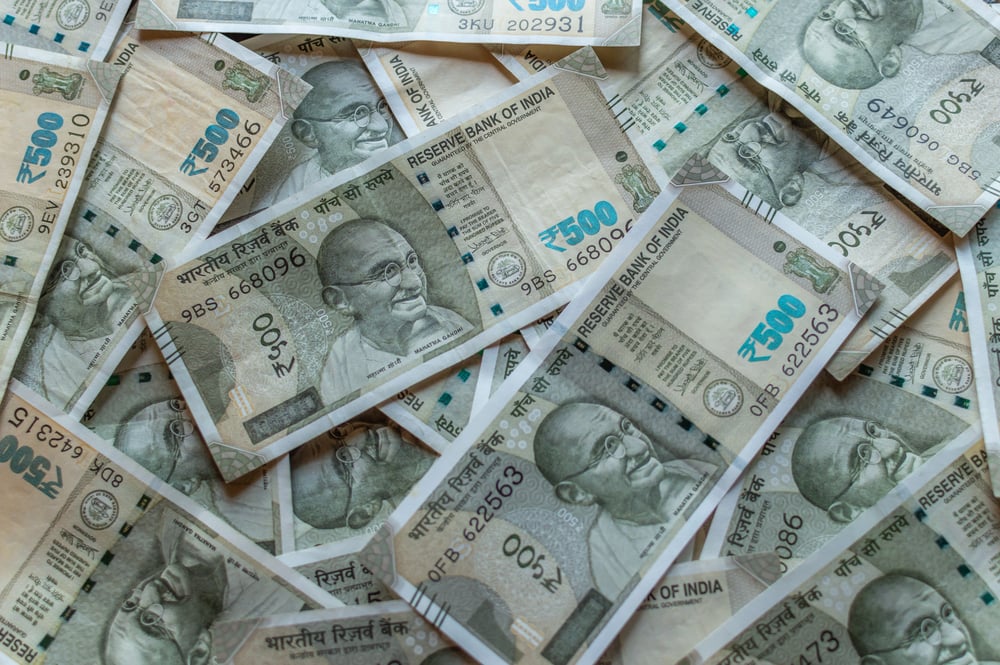
Prime Minister Narendra Modi appeared on television at 8 PM on November 8, 2016. By midnight, 86% of India’s currency would be worthless paper. The 500 and 1,000 rupee notes were banned overnight. Chaos followed. ATMs ran dry within hours.
Banks couldn’t handle the crush of people trying to exchange their suddenly illegal cash. Wedding ceremonies were called off because families couldn’t pay vendors. Farmers couldn’t buy seeds. Small businesses collapsed when customers stopped coming—nobody had money to spend. The government claimed it would destroy corruption and fake currency. Instead, it created a recession that lasted months. Informal workers, who made up most of the economy, were hit hardest. These weren’t people with bank accounts and credit cards. When cash disappeared, so did their ability to earn a living.
Germany’s Post-War Reset
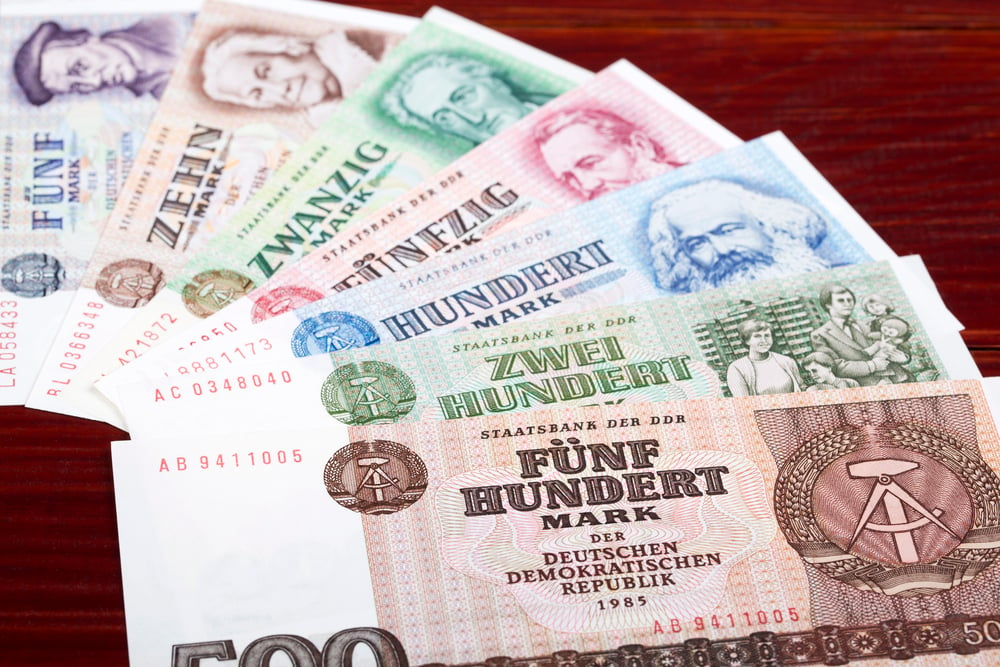
Picture trying to buy bread with a wheelbarrow full of money, except the wheelbarrow itself costs more than everything inside it (which happened regularly in 1923 Germany, where hyperinflation meant people burned currency for heat because it was cheaper than buying firewood). By 1948, the Reichsmark had become so worthless that cigarettes and chocolate bars functioned as the real currency—American soldiers were unknowingly carrying more purchasing power in their pockets than German workers earned in months, and when the Western Allies finally introduced the Deutsche Mark overnight, they weren’t just changing money, they were performing economic surgery on a patient whose financial circulatory system had completely collapsed.
The old currency died at midnight on June 20, 1948, and Germans woke up to discover their savings accounts had been slashed by 90%, but somehow—and this is the strangest part—most felt relief rather than rage. The new currency worked because people believed in it. The Deutsche Mark had American backing, which meant stability. Store shelves that had been empty for years suddenly filled with goods. Black market trading disappeared almost overnight. Germans who had been hoarding food and supplies started selling again.
Nigeria’s Color-Coded Confusion
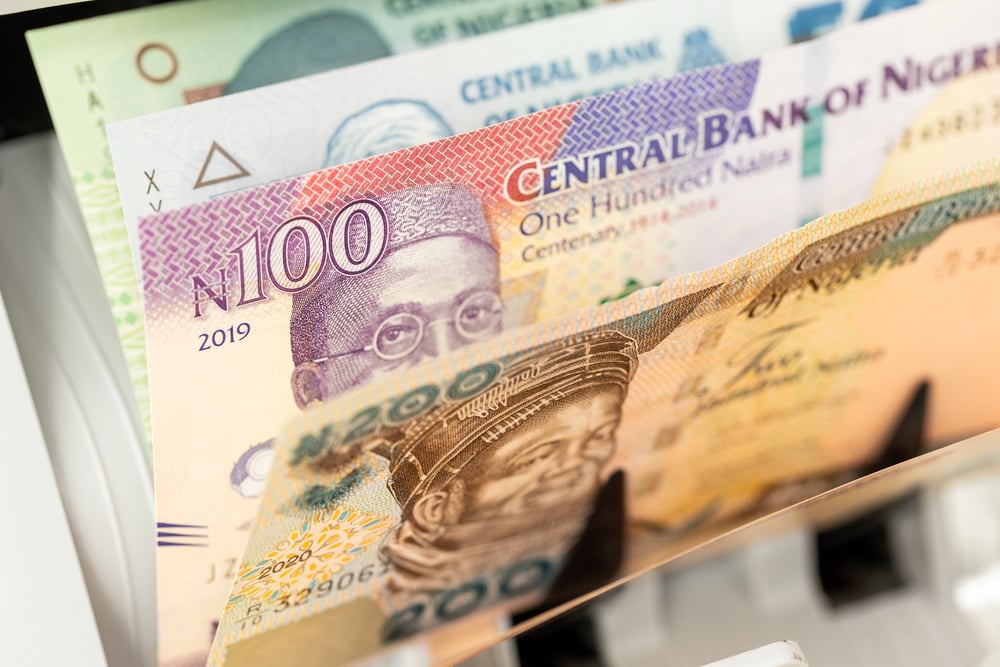
The Central Bank of Nigeria decided in December 2022 that new banknotes would solve the country’s cash shortage problem. Citizens had until January 31, 2023, to exchange their old naira for new ones. The deadline was later extended, but not by much. Banks ran out of new notes within days of the switchover. ATMs sat empty for weeks.
People stood in lines for hours just to get a fraction of their own money back. Small vendors who relied on cash transactions couldn’t operate. Even wealthy Nigerians found themselves unable to buy basic groceries. The policy aimed to reduce inflation and fight corruption. It accomplished neither. Instead, it created a parallel economy where people traded goods directly or used mobile payments when possible. Rural areas suffered the most—places where bank branches were scarce and internet connectivity spotty.
Soviet Union’s Final Currency Crisis
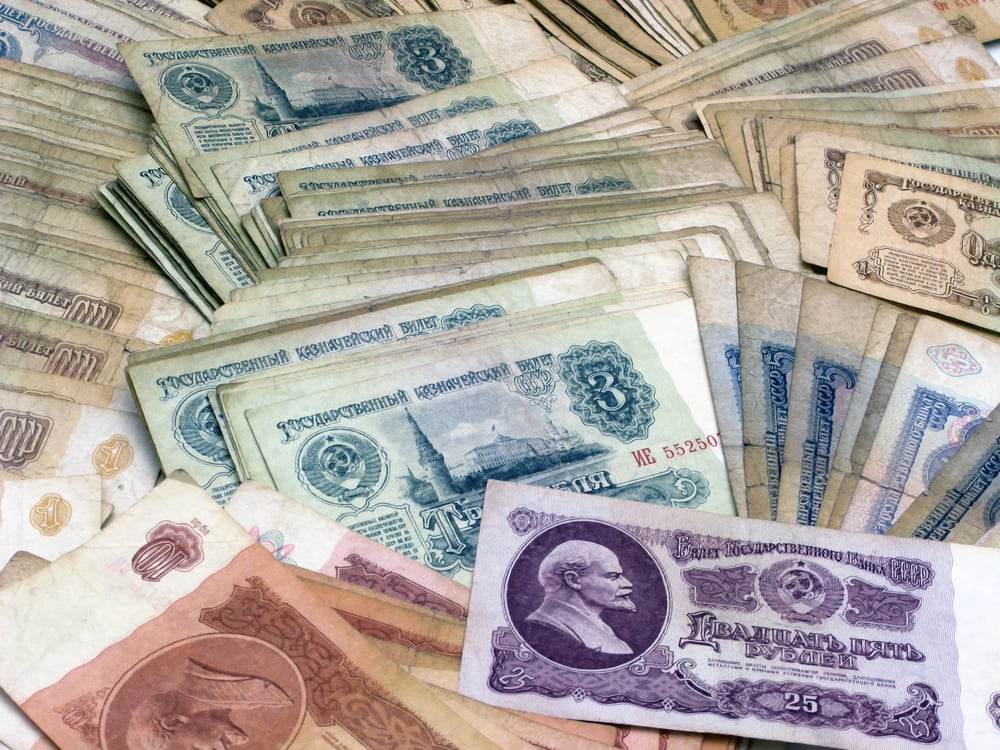
There’s something uniquely brutal about watching an entire empire’s money become museum pieces in real time. When the Soviet Union collapsed in 1991, the ruble didn’t just lose value—it lost meaning, becoming as obsolete as the hammer and sickle flags people were tearing down in the streets. Fifteen new countries needed fifteen new currencies, and the transition happened with the same chaotic urgency as everything else during those months when the world’s largest nation simply ceased to exist.
Russians woke up to find their savings accounts denominated in a currency that might not exist tomorrow. Some regions created their own temporary money. Others reverted to bartering. The psychological impact was as devastating as the economic one—people who had lived their entire lives under one system suddenly had to navigate fifteen different ones. Ukraine introduced the krivovanets as a temporary currency before launching the hryvnia. Estonia brought back the kroon. Latvia restored the lat. Each transition created its own trauma as people lost fortunes in exchange rate manipulations and bureaucratic delays.
Myanmar’s Military Math
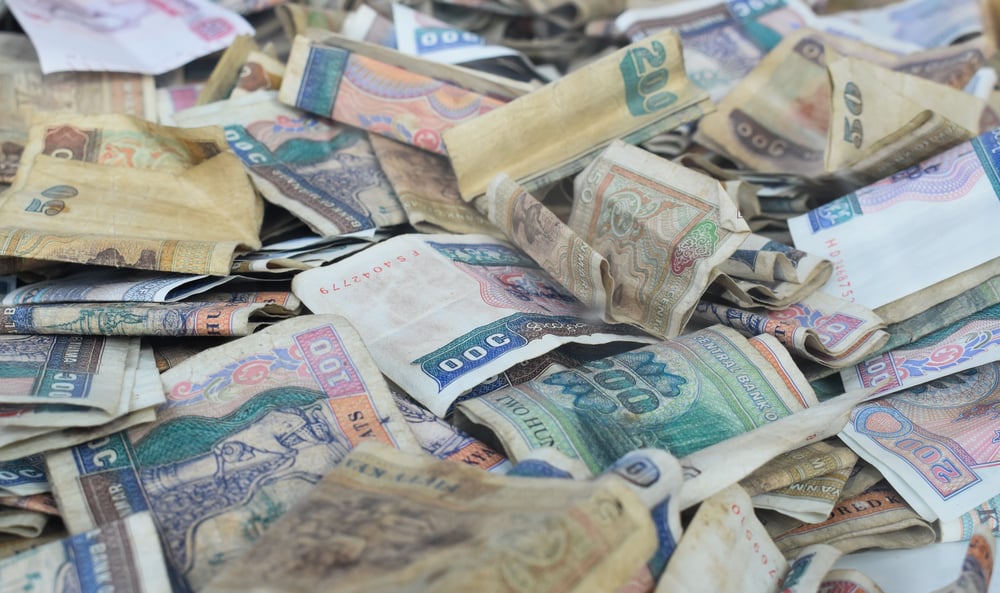
The military junta that seized power in Myanmar in 1988 had a unique approach to currency reform. General Ne Win consulted numerologists who told him that nine was his lucky number. So on September 5, 1987, he declared that only banknotes divisible by nine would remain legal tender. This wasn’t economic policy—it was superstition with devastating consequences. The 25, 35, and 75 kyat notes became worthless overnight.
Students lost their savings. Families couldn’t pay rent. The decision contributed directly to the 8888 Uprising the following year, where thousands died protesting military rule. The regime eventually fell, but not before destroying millions of lives through this bizarre monetary experiment. Ne Win’s lucky numbers turned out to be extremely unlucky for everyone else.
Zimbabwe’s Hyperinflation Finale
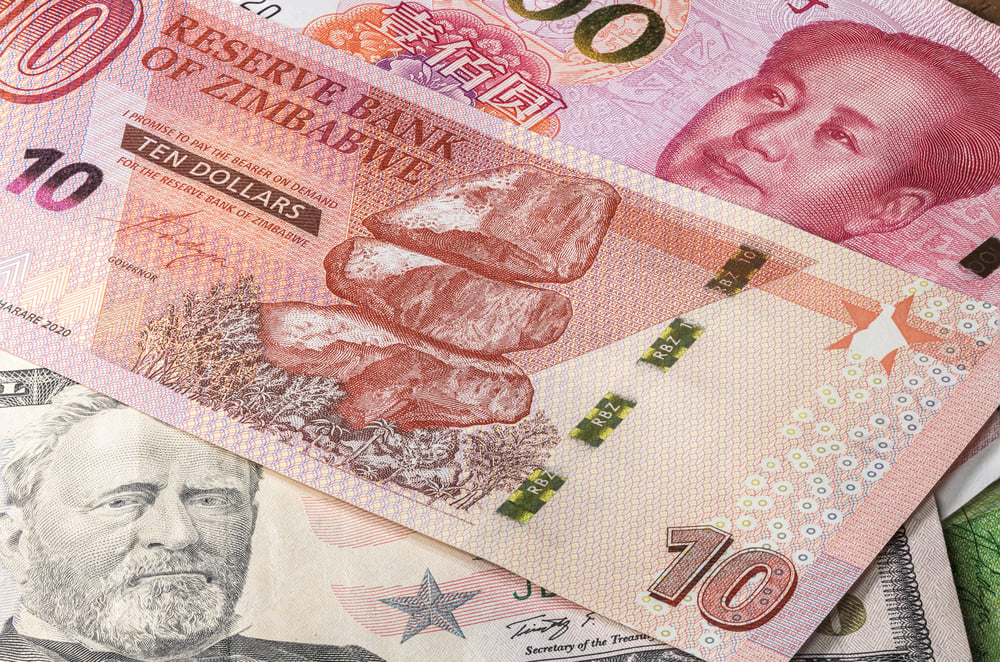
Zimbabwe didn’t ban its currency so much as reality did. By 2009, the Zimbabwe dollar had become so worthless that the government simply stopped printing it. A single egg cost 50 billion Zimbabwe dollars. Teachers quit their jobs because their monthly salary couldn’t buy a single meal.The government tried removing zeros from the currency multiple times. First three zeros, then six, then ten.
Each redenomination failed to restore confidence. People started using foreign currencies—the US dollar, South African rand, and British pound—for everyday transactions. Zimbabwe officially abandoned its own currency in 2009 and allowed foreign currencies to circulate freely. The economy stabilized almost immediately. Shops reopened. Inflation dropped to normal levels. The lesson was clear: sometimes the best monetary policy is admitting your money is worthless.
North Korea’s Stealth Devaluation
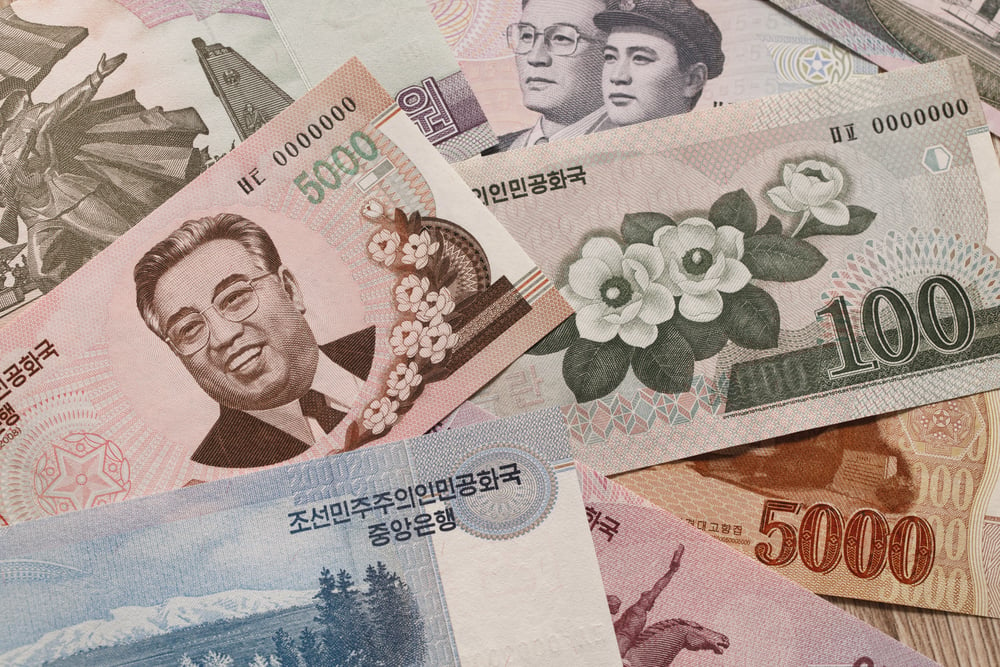
In November 2009, North Korea announced that citizens had one week to exchange their old won for new ones. The exchange rate was 100 old won for 1 new won, and each family could only exchange a limited amount. Anything above the limit became worthless. The policy aimed to destroy the savings of private traders who had accumulated wealth through black market activities. It worked too well.
Middle-class families lost their life savings. Small merchants who kept the economy functioning went bankrupt. Food shortages followed as supply chains collapsed. The government eventually raised the exchange limits after widespread unrest, but the damage was done. Reports suggest that Pak Nam-gi, the finance minister who implemented the policy, was executed for its failure. The regime learned that even totalitarian governments have limits to how much economic pain they can inflict.
Brazil’s Cruzado Experiment
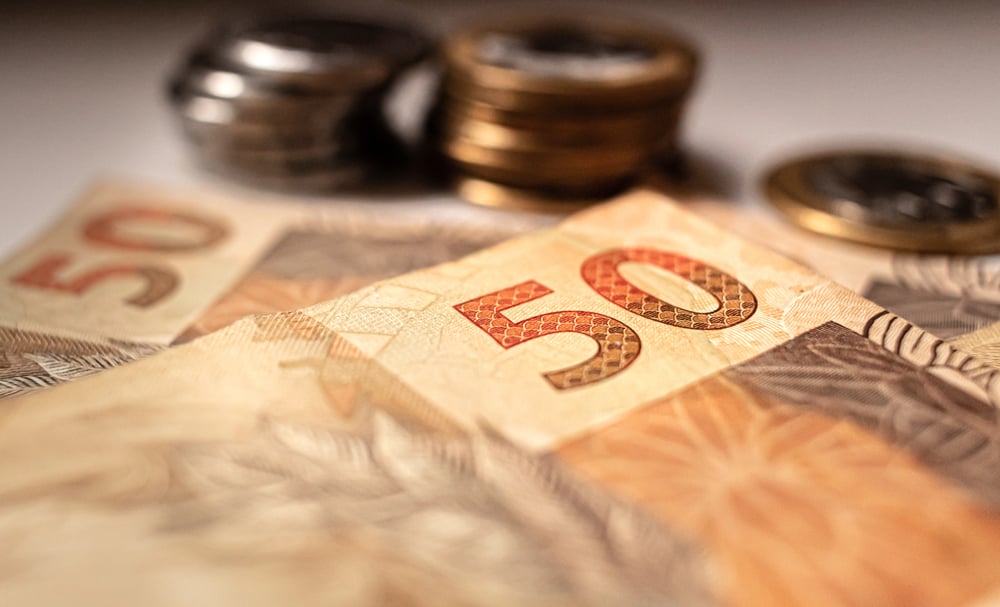
Brazil in the 1980s was a laboratory for economic experiments, most of them disasters. The Plano Cruzado of 1986 replaced the cruzeiro with the cruzado overnight, freezing prices and wages to stop hyperinflation. For a few months, it worked brilliantly. Inflation dropped to near zero. President José Sarney became a hero.
Shoppers rushed to stores with their new purchasing power. The economy boomed as people spent money they had been hoarding during the inflationary crisis. Then reality returned. Price controls created shortages. Black markets emerged. Inflation came roaring back, eventually reaching over 1,000% annually. Brazil would try several more currency reforms over the next decade before finally stabilizing with the real in 1994. Each failure taught painful lessons about the limits of monetary magic tricks.
Iraq’s Post-Invasion Overhaul
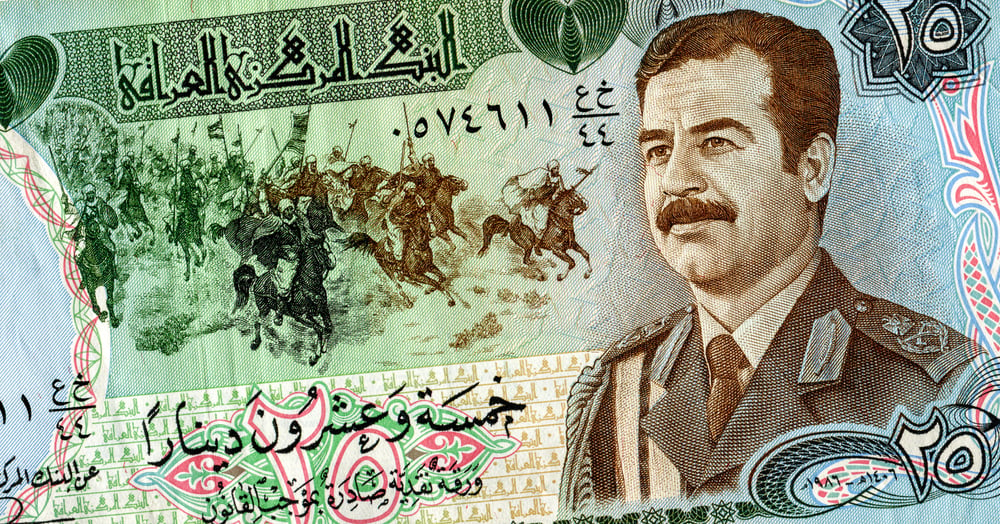
Saddam Hussein’s face appeared on Iraqi dinars until April 2003. After the invasion, those banknotes became symbols of a fallen regime. The Coalition Provisional Authority announced that all Saddam-era currency would be replaced with new dinars featuring historical and cultural imagery. The logistics were staggering. New currency had to be printed, transported, and distributed across a war zone.
Banks were destroyed, records were lost, and large portions of the country remained lawless. Yet somehow, the transition mostly worked. Kurdish regions had been using separate currency since the 1990s, so they needed to be integrated into the new system. Remote areas went months without seeing new banknotes. Some people lost fortunes when they couldn’t reach exchange centers before deadlines. But the new currency helped establish legitimacy for the new government and gave Iraqis a sense that the old regime was truly finished.
Venezuela’s Bolívar Funeral March
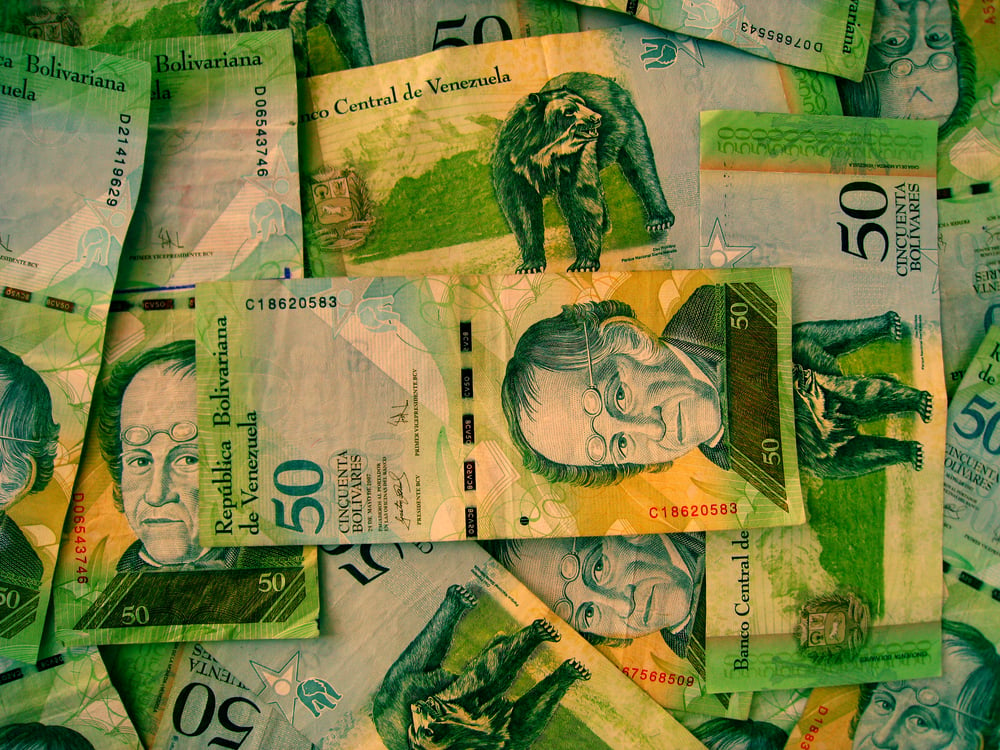
Venezuela has been slowly killing its own currency for over a decade. Multiple devaluations, endless zeros removed, and new names for essentially the same worthless money. The bolívar soberano replaced the bolívar fuerte, which had replaced the original bolívar. Hyperinflation made basic math impossible. A cup of coffee that cost 1,000 bolívars in the morning might cost 2,000 by afternoon.
People carried bags full of cash to buy groceries—when groceries were available. Many businesses simply stopped accepting bolívars altogether. The government never officially banned its own currency, but Venezuelans effectively did. They switched to US dollars, Colombian pesos, and even cryptocurrency for daily transactions. The bolívar still exists, but mainly as legal fiction. Street vendors quote prices in dollars while the official exchange rate becomes more meaningless each day.
Turkey’s Lira Restructuring
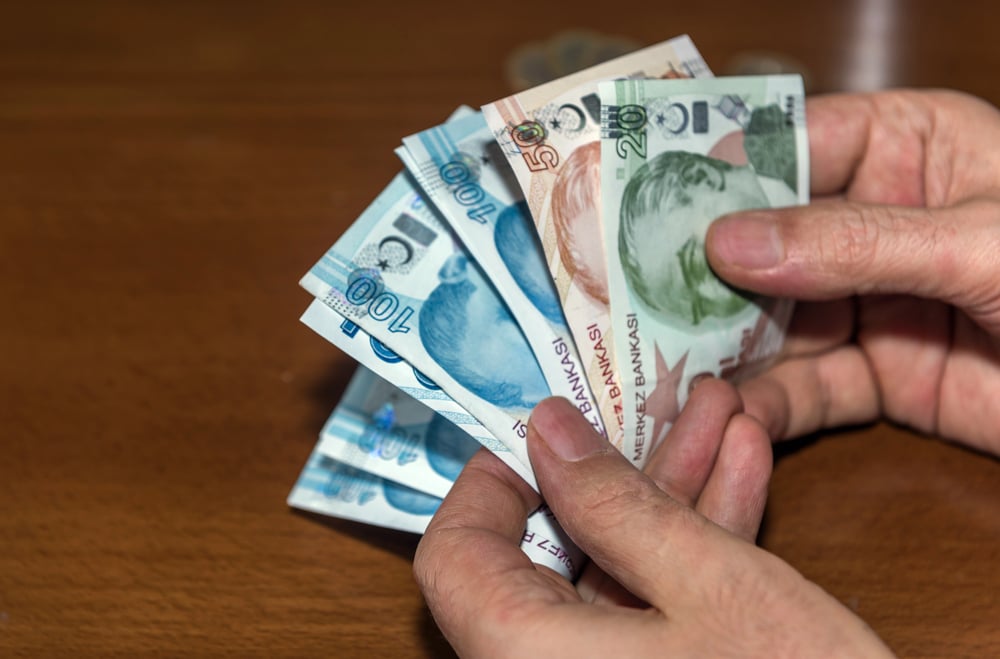
Turkey’s solution to inflation in 2005 was surgical precision compared to most currency reforms. The New Turkish Lira replaced the Turkish Lira at a rate of 1 million old lira to 1 new lira. Six zeros disappeared overnight, but the transition was planned years in advance. Both currencies circulated simultaneously for several months. Price tags showed both old and new amounts.
Banks handled exchanges smoothly. The psychological impact was positive—people felt like they were dealing with real money again instead of millions and billions. The reform worked because it addressed a cosmetic problem with a cosmetic solution. Turkey’s economy was fundamentally sound; the currency just had too many zeros. When you can fix inflation by moving decimal points, you’re dealing with a very different problem than countries where the entire monetary system has collapsed.
Afghanistan’s Taliban Transition
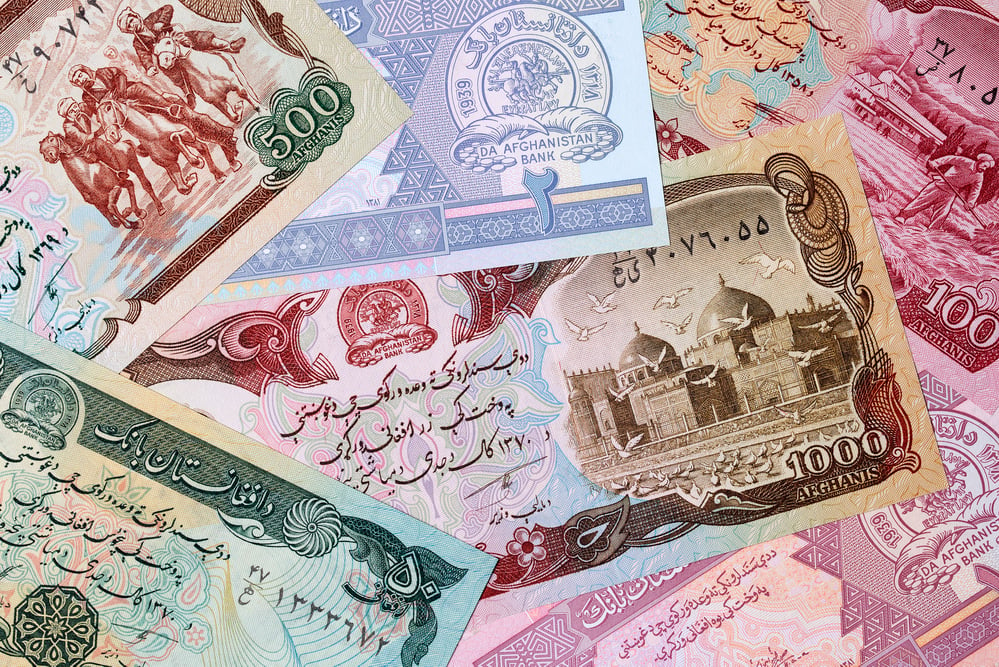
When the Taliban retook Afghanistan in August 2021, they inherited an economy built around international funding and foreign currency reserves. Most of Afghanistan’s reserves were held in US banks, which immediately froze them. The afghani became nearly worthless overnight. The new regime didn’t formally ban the old currency, but international sanctions made it practically unusable for many transactions. Banking systems collapsed.
Government employees went months without pay. Humanitarian organizations struggled to get cash into the country to buy food and medicine. Afghans reverted to informal value systems—trading goods, using Pakistani rupees, or relying on hawala money transfer networks. The Taliban discovered that controlling territory is easier than controlling currency. Without international recognition, their money was only worth what their own citizens believed it was worth.
Iran’s Rial Realities
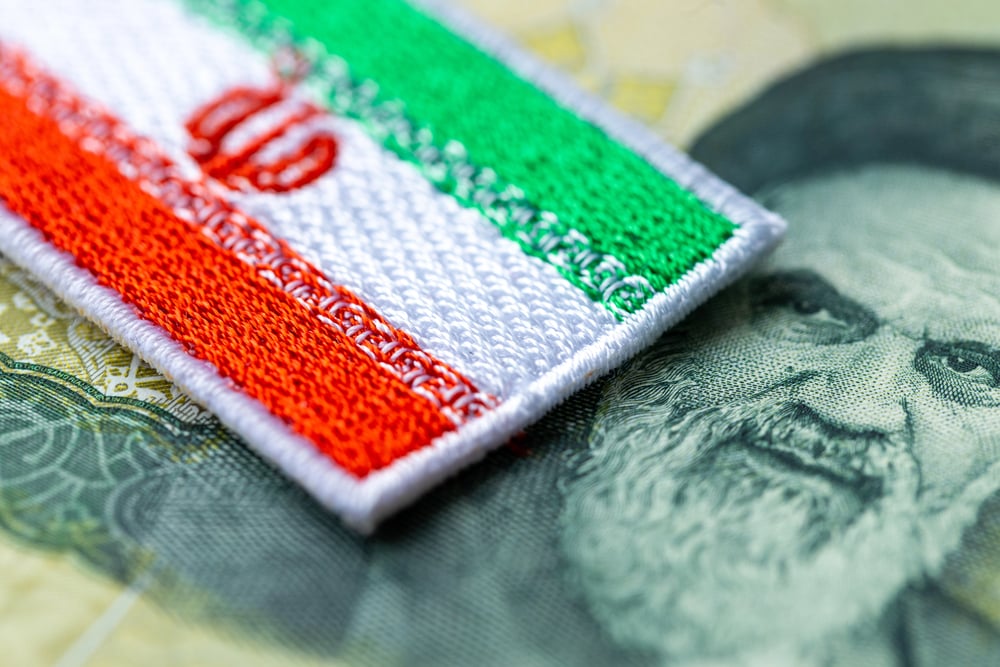
Iran has been discussing currency reform for years as sanctions and inflation have made the rial nearly worthless. Plans to replace it with the toman (worth 10,000 rials) keep getting delayed as political and economic conditions deteriorate. The dual currency system creates its own problems. People quote prices in tomans but pay in rials, leading to constant confusion.
Exchange rates fluctuate wildly based on political news and sanction enforcement. Many Iranians keep their savings in gold or foreign currency when possible. Iran’s situation shows how sanctions can effectively ban a currency without any formal announcement. When international banks won’t handle rial transactions and foreign businesses won’t accept rial payments, the currency becomes isolated from the global economy.
The Digital Disruption Ahead

Cash itself faces potential overnight extinction as central banks explore digital currencies. China’s digital yuan is already being tested in major cities. The European Central Bank is designing a digital euro. The Federal Reserve is studying a digital dollar. Unlike previous currency changes, digital transitions could happen instantly and completely. Physical cash could be programmed to expire on a specific date.
Bank accounts could be automatically converted. The infrastructure already exists—most money today is digital anyway. The difference is control. Digital currencies can track every transaction, impose spending limits, and expire unused balances. Governments gain unprecedented power over individual financial behavior. Privacy disappears. The ability to save cash outside the banking system ends forever. Some countries will implement digital currencies gradually. Others might use crises to force rapid adoption. Either way, the age of anonymous cash transactions is ending, and most people don’t realize it’s happening.
When Money Dies, Trust Dies Too

Currency bans reveal something uncomfortable about modern life: the entire economy runs on collective faith in pieces of paper or digital entries in computer systems. When governments break that faith suddenly, they discover that trust, once lost, takes generations to rebuild. The countries that handled currency transitions successfully did so with transparency, adequate preparation time, and realistic exchange mechanisms. The disasters happened when governments prioritized political goals over practical implementation, or when they underestimated how quickly panic could spread through a population that suddenly couldn’t buy food.
The lesson isn’t that currency reforms are inherently destructive—sometimes they’re necessary to fix broken monetary systems. The lesson is that money is ultimately a social contract, and breaking contracts overnight creates chaos that spreads far beyond economics into the basic fabric of how societies function.
More from Go2Tutors!

- The Romanov Crown Jewels and Their Tragic Fate
- 13 Historical Mysteries That Science Still Can’t Solve
- Famous Hoaxes That Fooled the World for Years
- 15 Child Stars with Tragic Adult Lives
- 16 Famous Jewelry Pieces in History
Like Go2Tutors’s content? Follow us on MSN.