27 Secret Treaties That Divided Countries Without Their Knowledge
History has a way of reducing the messiest human stories into clean lines on a map. The borders that define nations today didn’t emerge from democratic votes or public referendums — they were drawn by diplomats in private rooms, often while the people who’d live with those decisions had no idea what was happening.
These weren’t just territorial adjustments or minor boundary disputes. These were secret agreements that carved up entire regions, split communities that had existed for centuries, and created new countries without asking anyone who actually lived there.
The Treaty of Tordesillas
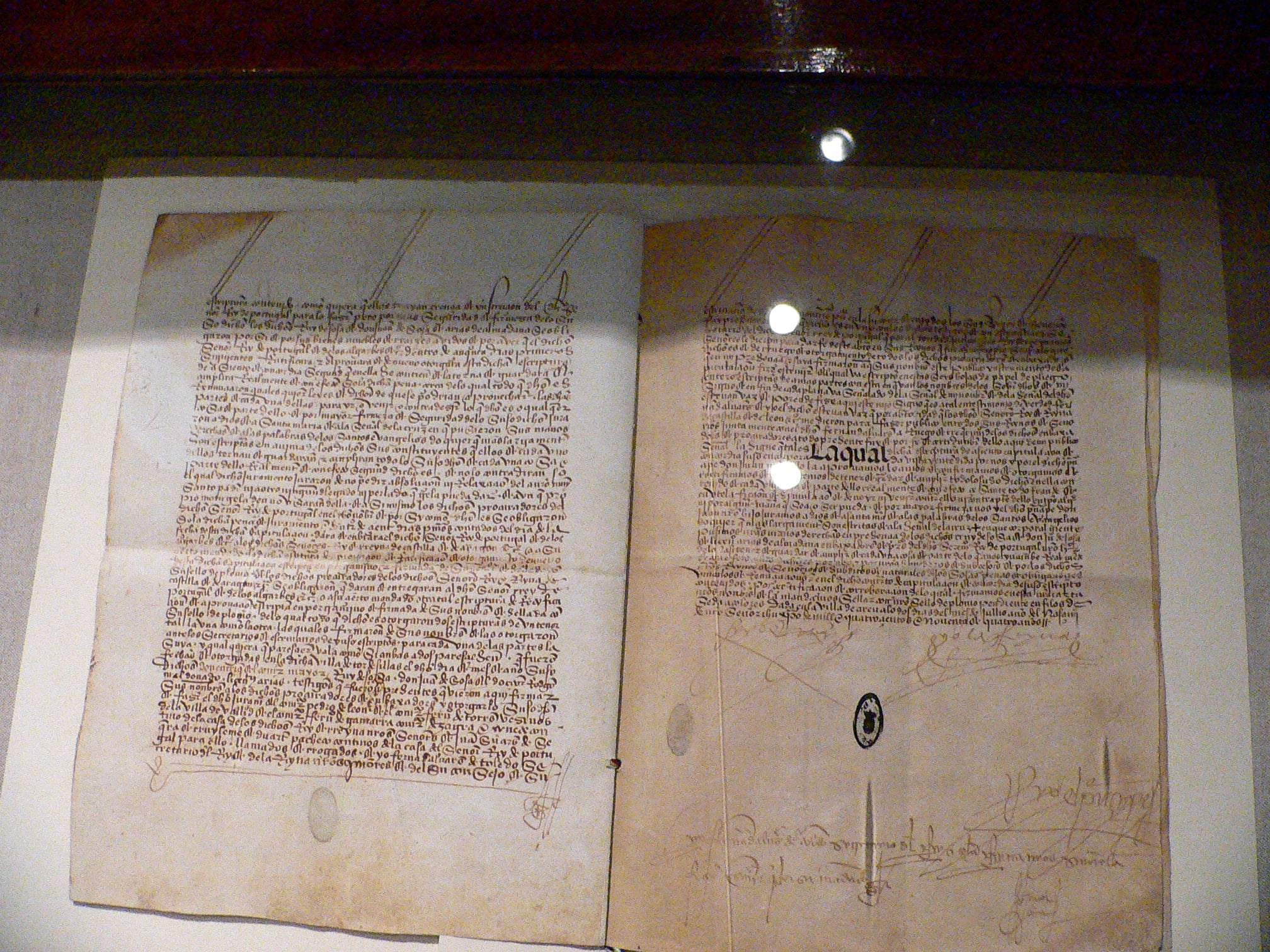
Spain and Portugal divided the entire undiscovered world in 1494. Neither country had actually been to most of the places they were splitting up, but that didn’t stop them from drawing a line straight down the middle of the Atlantic and claiming everything on their respective sides.
The indigenous peoples of the Americas, Africa, and Asia had no representation in these discussions — they didn’t even know the discussions were happening.
The Sykes-Picot Agreement
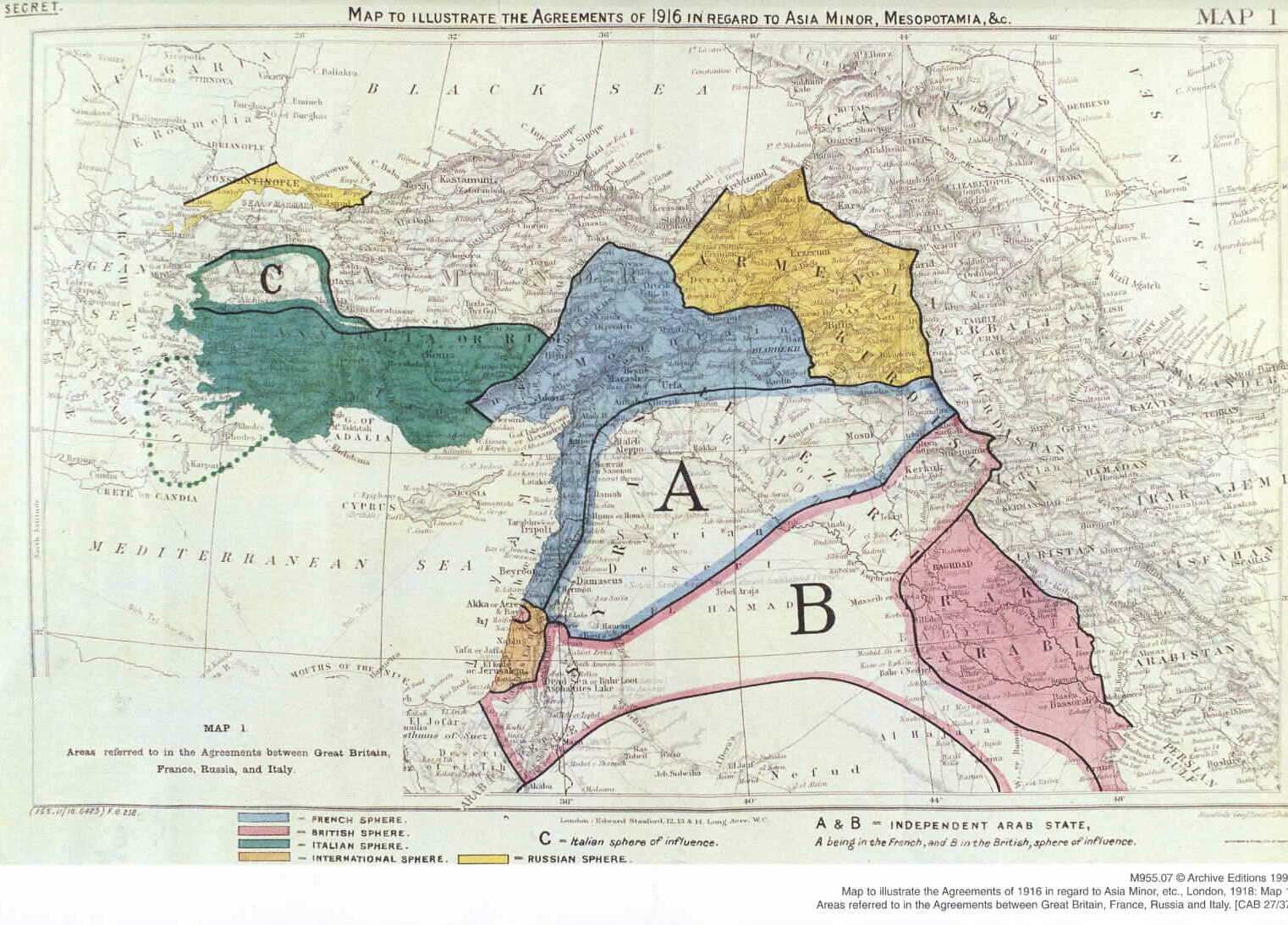
French and British diplomats carved up the Ottoman Empire in 1916, creating the borders that would define the modern Middle East. The agreement was so secret that even their ally Russia only learned the details through diplomatic channels, and the Arab populations who’d been promised independence had no idea their lands were being divided between European powers.
The artificial borders drawn by Mark Sykes and François Georges-Picot ignored tribal territories, religious communities, and centuries of established trade routes.
The Secret Treaty of London
Italy’s entry into World War I came with a price tag that other nations would pay. In 1915, Britain and France secretly promised Italy large chunks of Austria-Hungary, parts of the Ottoman Empire, and territories in Africa in exchange for joining the Allied cause.
The populations of South Tyrol, Istria, and Dalmatia discovered after the war that they’d been traded away without consultation, their Austrian and Slavic identities suddenly inconvenient facts.
The Molotov-Ribbentrop Pact
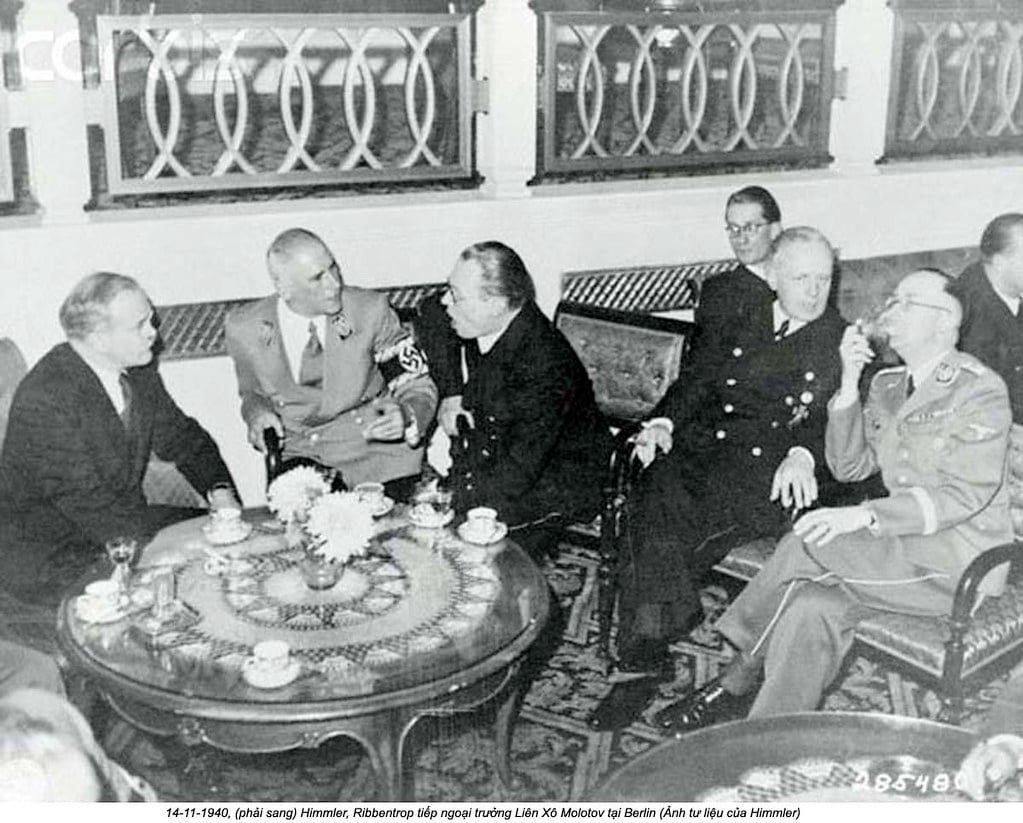
The Nazi-Soviet Non-Aggression Pact included a secret protocol that divided Poland and the Baltic states between Germany and the Soviet Union. While both governments publicly denied the existence of any territorial agreements, they had already drawn lines across Eastern Europe and assigned entire nations to their respective spheres of influence.
Poland ceased to exist as an independent state just weeks after the pact was signed.
The Percentages Agreement

Churchill and Stalin scribbled percentages on a piece of paper in Moscow, deciding which Balkan countries would fall under Soviet or Western influence after World War II. Greece: 90% British, Romania: 90% Soviet, Yugoslavia: 50-50.
The casual nature of the agreement — literally written on a napkin — belied its massive consequences for millions of people who had no say in their postwar fate.
The Treaty of London (1839)
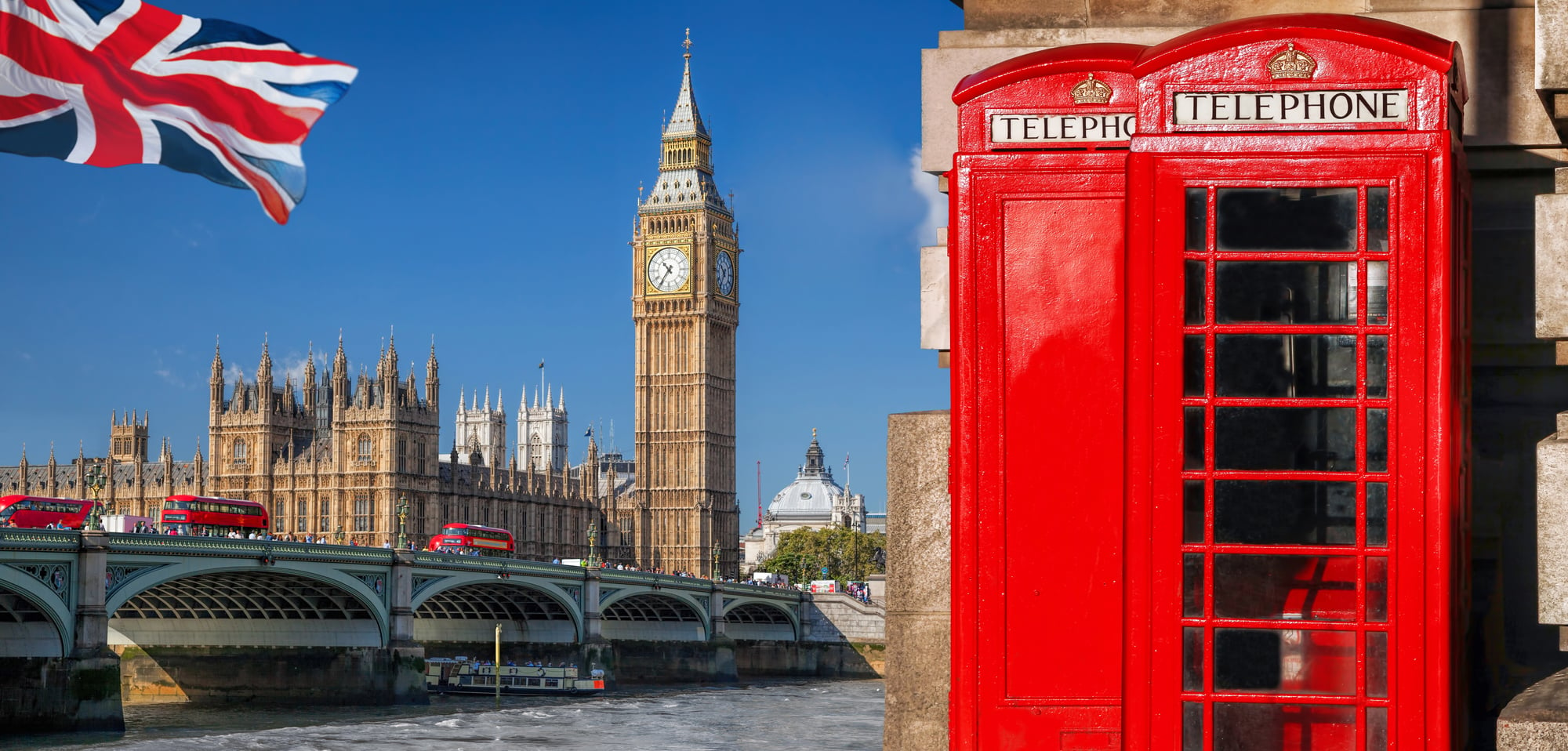
The great powers of Europe guaranteed Belgian neutrality in perpetuity, but Belgium itself wasn’t invited to the negotiating table. Britain, France, Prussia, Austria, and Russia decided that Belgium would remain neutral in all future conflicts, a decision that would drag Britain into World War I when Germany violated Belgian territory.
The Belgian people had their foreign policy determined by countries that saw them as a convenient buffer zone rather than an independent nation.
The Partition of Africa (Berlin Conference)
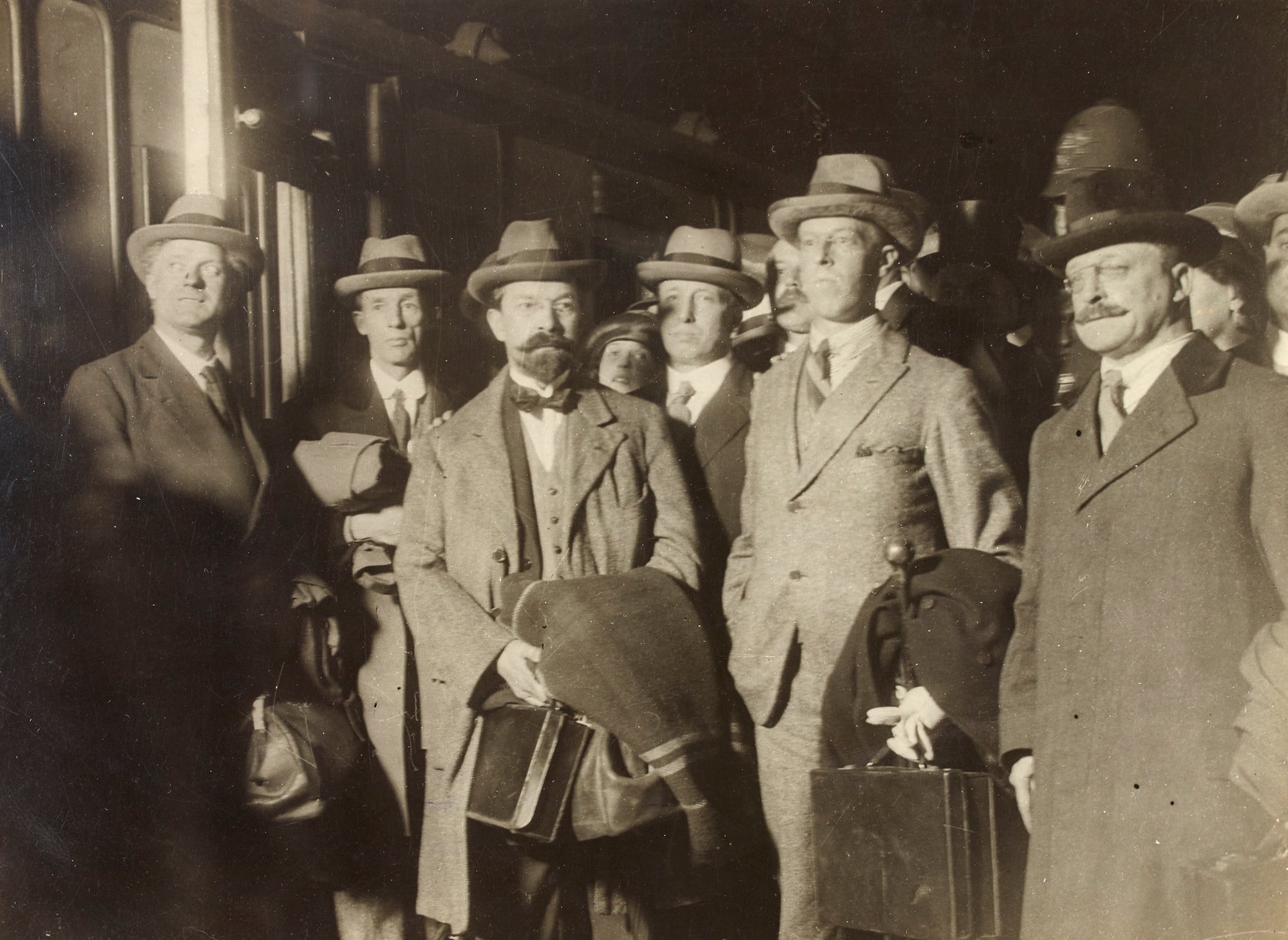
European powers gathered in Berlin in 1884 to slice up Africa like a birthday cake. Not a single African representative attended the conference, though the continent’s entire political future was being decided.
Tribal territories were split, enemies were forced into the same colonies, and traditional trade routes were severed by lines drawn on maps by people who had never set foot in the regions they were dividing.
The Treaty of San Stefano and Congress of Berlin
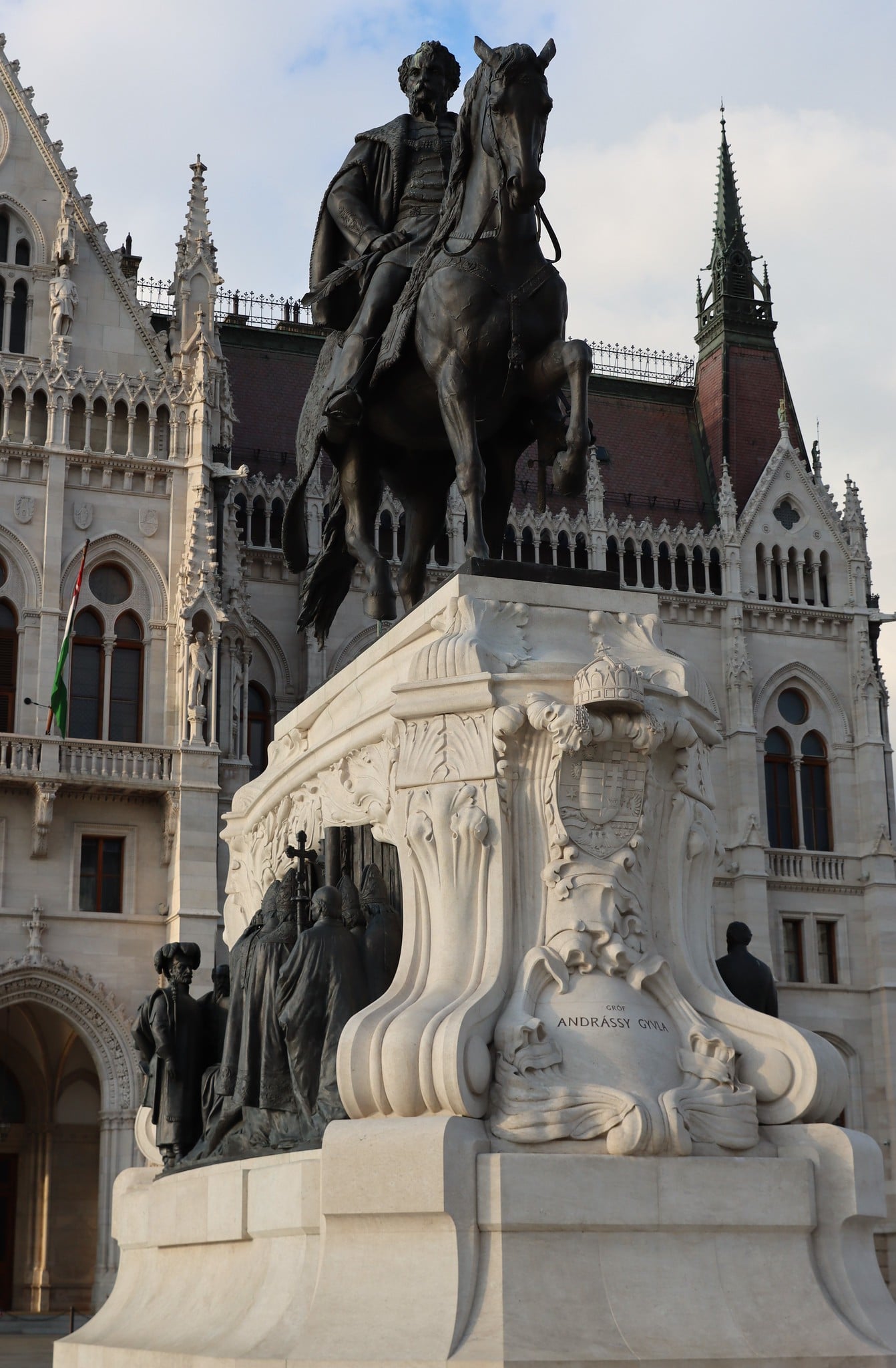
Russia imposed a massive Bulgaria on the Ottoman Empire in 1878, then watched European powers immediately dismantle it because it was too large for their comfort. Bulgaria was carved into three pieces: a smaller autonomous Bulgaria, an Ottoman province called Eastern Rumelia, and Macedonia returned to direct Ottoman control.
Bulgarian populations found themselves scattered across different administrative units based on the balance of power concerns of distant capitals.
The Secret Franco-Italian Agreement (Tunisia)
France and Italy secretly agreed that France would have a free hand in Tunisia in exchange for Italian freedom of action in other parts of Africa. The Bey of Tunisia wasn’t consulted about France’s plans to establish a protectorate, and the Ottoman Empire only learned of the arrangement when French troops appeared in Tunis.
The agreement was kept so secret that even French colonial officials in Algeria were caught off guard by the annexation.
The Austro-German Alliance
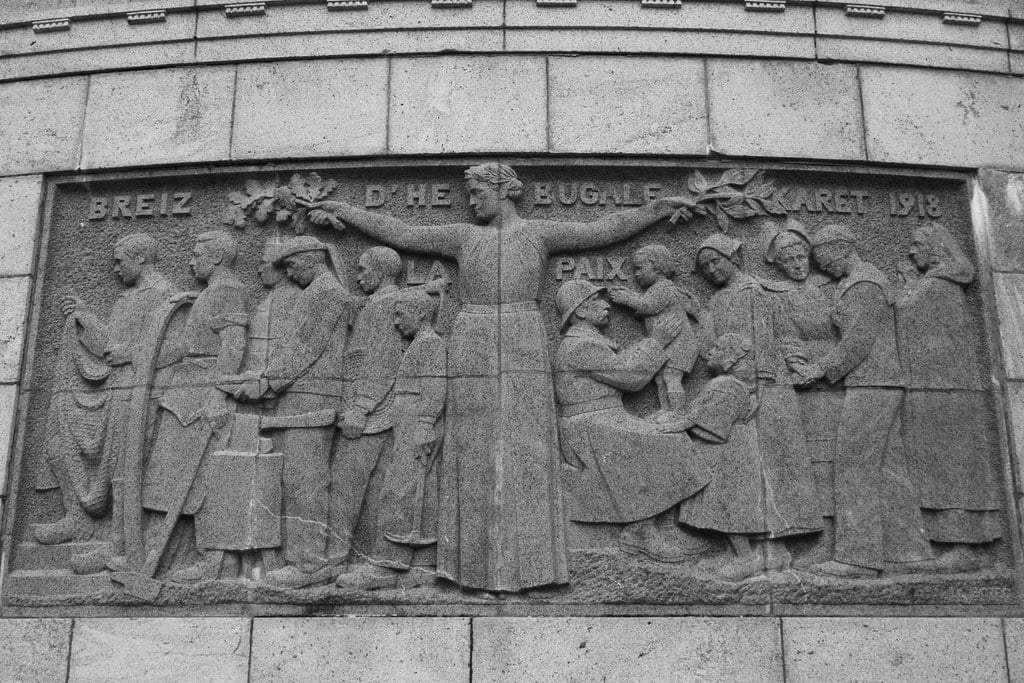
Bismarck’s secret alliance with Austria-Hungary in 1879 committed Germany to defend Austria in case of Russian attack, but the alliance remained hidden from the German people and parliament for years. The defensive nature of the treaty was less important than its existence — it created the rigid alliance system that would turn a regional conflict in the Balkans into a world war.
German citizens had no idea their country was locked into a military commitment that could drag them into war.
The Reinsurance Treaty
Germany secretly promised to remain neutral if Russia went to war with Austria-Hungary, while simultaneously being allied with Austria against Russia. Bismarck’s diplomatic juggling act was so complex and contradictory that when he fell from power, his successors couldn’t maintain the delicate balance.
Russia discovered it couldn’t count on German neutrality just when Austria-Hungary realized it couldn’t count on German support.
The Triple Alliance

Italy joined the existing Austro-German alliance in 1882, but the terms remained secret from the Italian parliament and public. The treaty committed Italy to support Germany in case of French attack, though Italian public opinion strongly favored France over Austria.
When World War I began, Italy discovered that the alliance’s defensive clauses didn’t actually require them to join Austria’s offensive war, leading to Italy’s switch to the Allied side.
The Franco-Russian Alliance
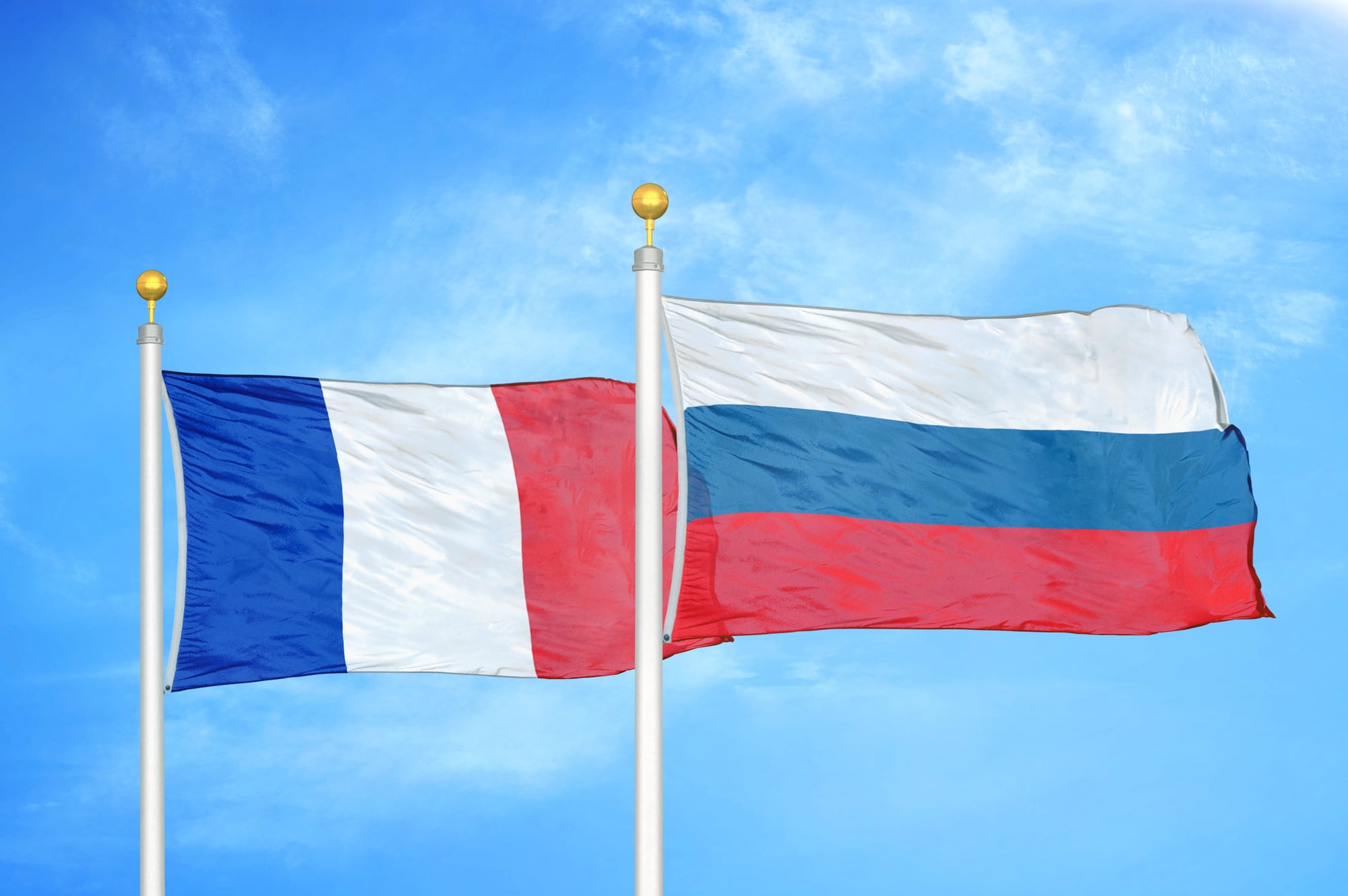
Republican France and autocratic Russia formed a secret military alliance in 1894 that neither country’s public fully understood. French citizens knew their government was friendly with Russia but didn’t realize they were committed to mobilize if Germany attacked Russia.
The secrecy was so complete that when the alliance was finally made public, many French politicians learned about its specific terms for the first time.
The Entente Cordiale Secret Clauses
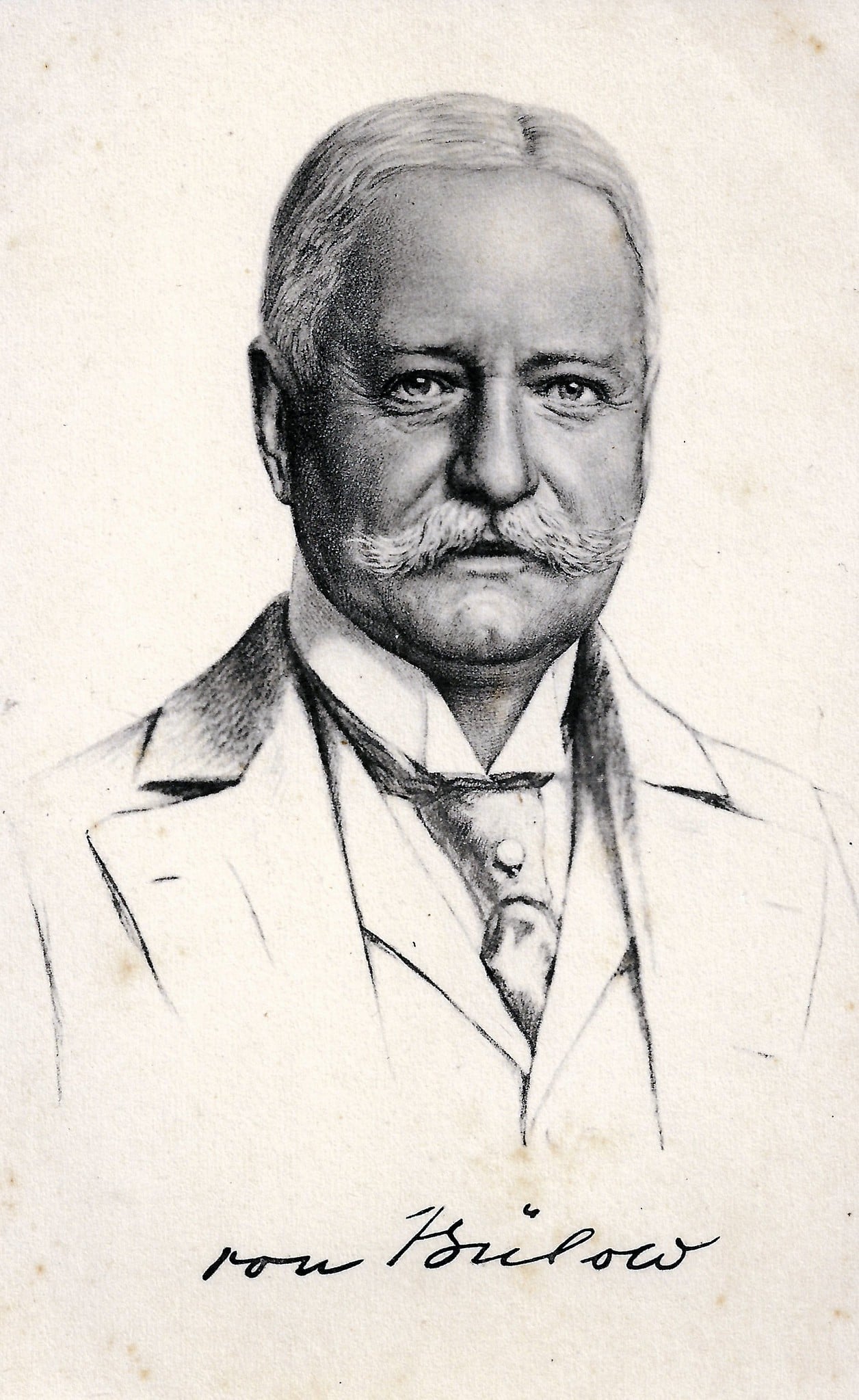
Britain and France publicly resolved their colonial disputes in 1904, but secret clauses gave France a free hand in Morocco in exchange for British control in Egypt. The Moroccan people weren’t consulted about France’s plans for their country, and even the French parliament wasn’t informed about the extent of the territorial commitments.
When the Moroccan crises erupted, European publics discovered their governments had been making promises they hadn’t authorized.
The Russo-Japanese Secret Agreement
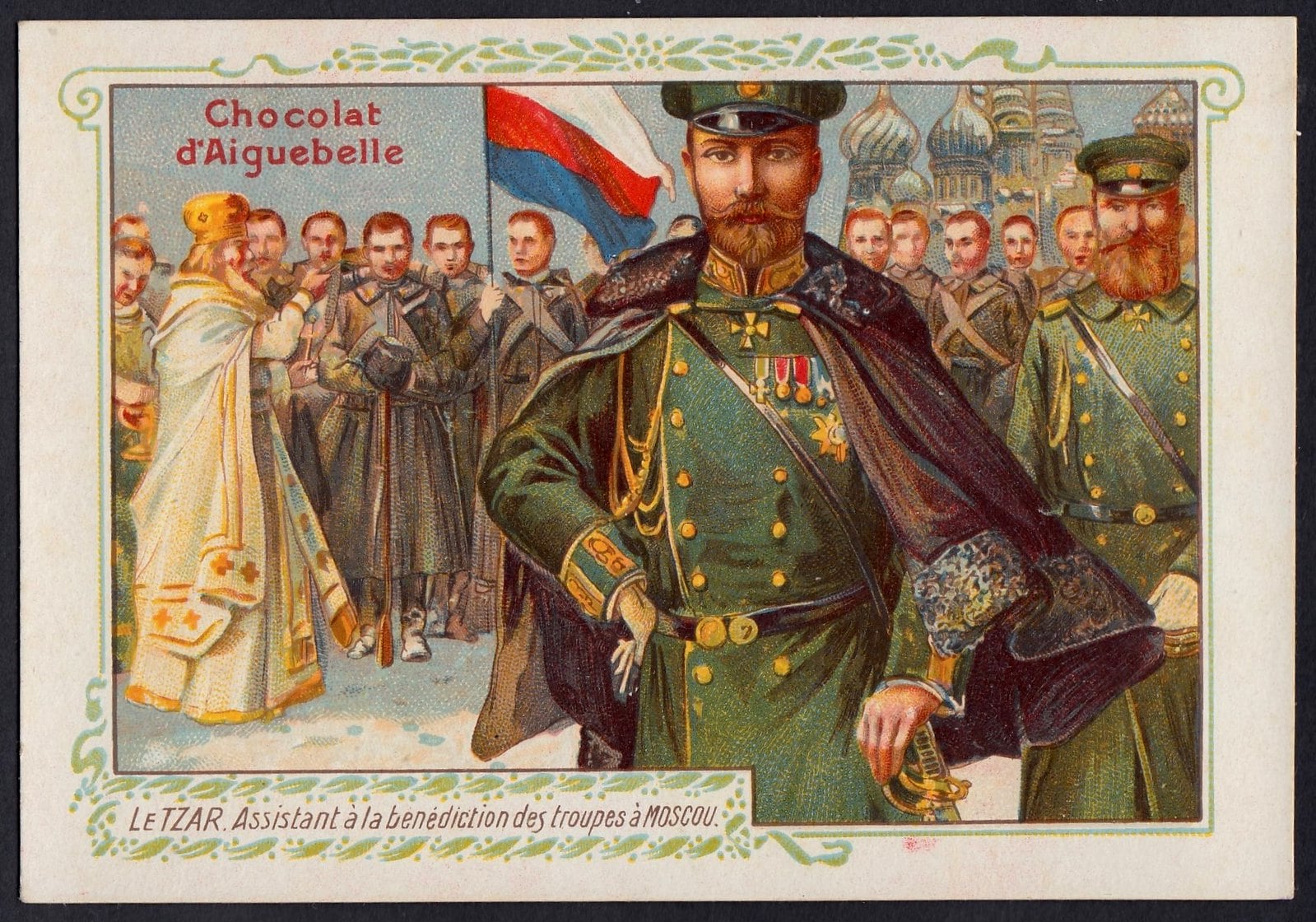
Russia and Japan secretly divided Manchuria into spheres of influence in 1907, despite both countries publicly respecting Chinese territorial integrity. China’s government wasn’t informed that two foreign powers had allocated different regions of Chinese territory to themselves.
The agreement remained secret until the Russian Revolution, when the Bolsheviks published the old regime’s secret treaties to embarrass the Western powers.
The McMahon-Hussein Correspondence
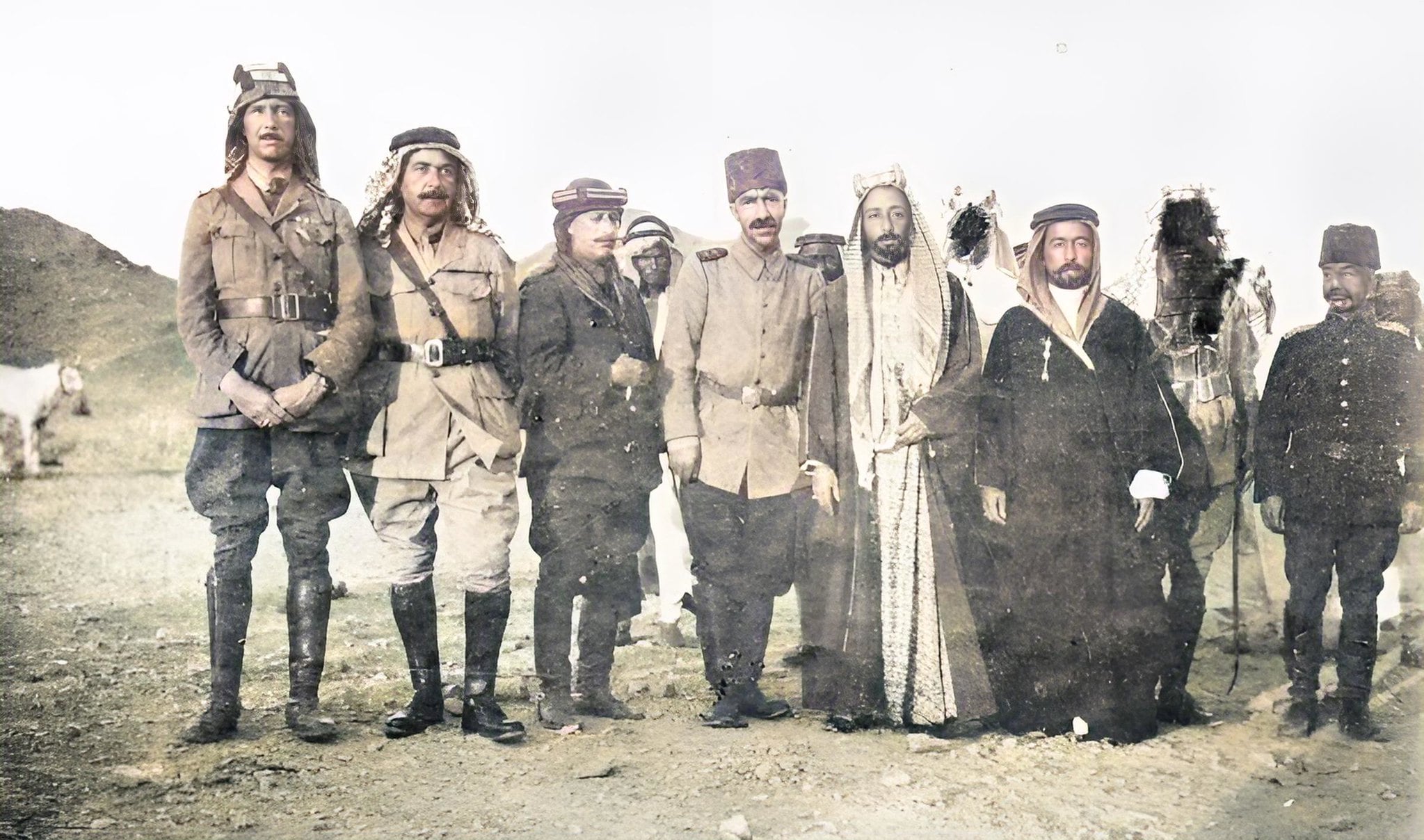
Britain promised Arab independence in exchange for revolt against the Ottoman Empire, but Henry McMahon’s letters to Sharif Hussein contained deliberate ambiguities about which territories would actually be independent. The Arabs understood they would receive Syria, Palestine, and Mesopotamia, while the British intended to exclude Palestine and Lebanon from Arab control.
The contradictory promises only became clear when both Arabs and Jews claimed British support for their territorial ambitions.
The Balfour Declaration Secret Negotiations
The British promise of a Jewish homeland in Palestine was negotiated in private with Zionist leaders while excluding Palestinian Arab representation entirely. The declaration was issued as a letter to Lord Rothschild rather than a formal treaty, but it committed Britain to support Jewish immigration and settlement in a land where Jews comprised less than 10% of the population.
Palestinian Arabs learned about their fate through newspaper reports rather than diplomatic consultation.
The Sèvres Treaty Secret Protocols
The Allies’ partition of the Ottoman Empire included secret agreements to create an Armenian state and autonomous Kurdistan that were never implemented. The published treaty was harsh enough, but secret protocols revealed plans to place Constantinople under international control and reduce Turkey to a small Anatolian rump state.
Turkish resistance made most of these provisions unenforceable, but the Kurdish and Armenian populations who had been promised statehood were left stateless.
The Wuchang Agreement
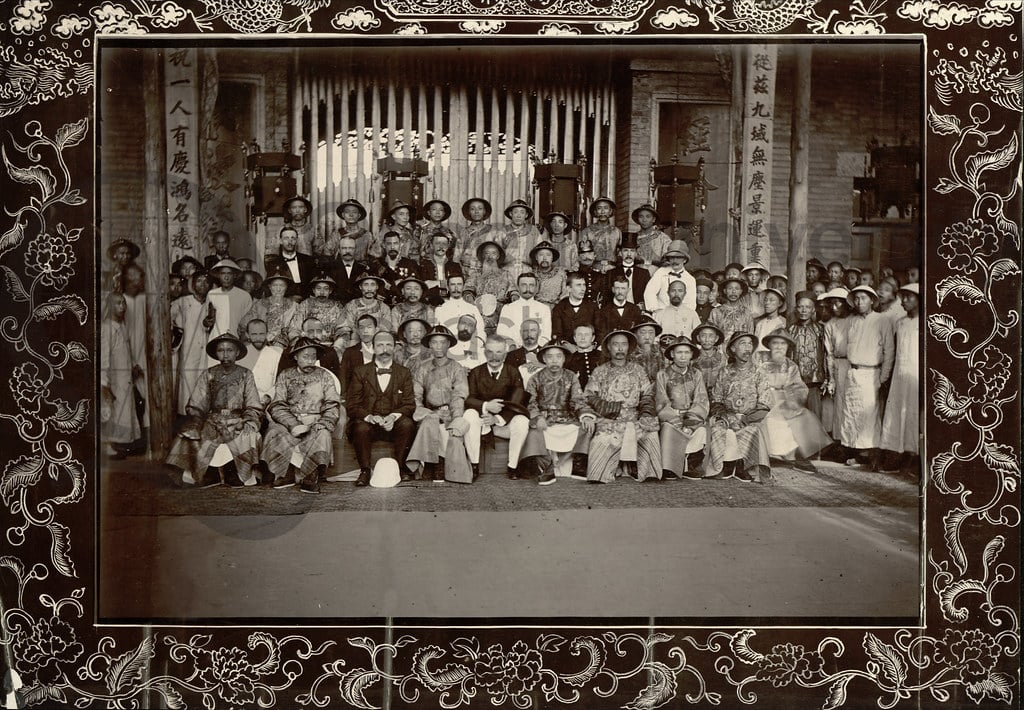
European powers secretly agreed to maintain their concessions in China despite supporting Chinese independence in public. While Western governments officially backed Chinese sovereignty, their ambassadors quietly negotiated to preserve foreign control over Chinese ports, railways, and mining rights.
Chinese negotiators discovered they were bargaining with powers that had already decided among themselves which privileges they would never surrender.
The Secret Protocol of the Treaty of Rapallo
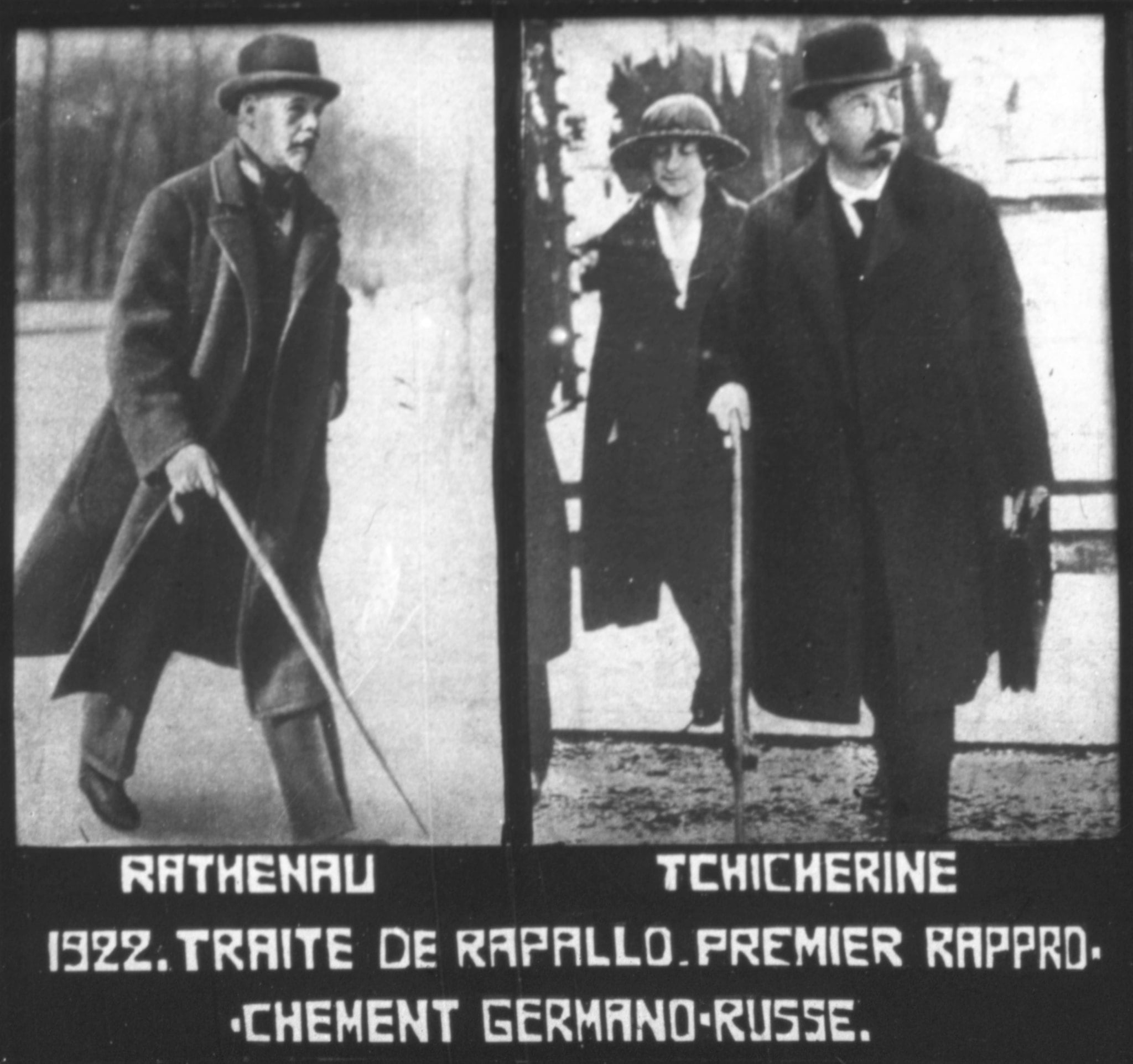
Germany and Soviet Russia secretly agreed to military cooperation in 1922, allowing Germany to develop weapons forbidden by the Versailles Treaty on Soviet territory. The published treaty merely normalized diplomatic relations between the two countries, but the secret clauses enabled German rearmament through joint weapons testing and officer training programs.
The Western Allies didn’t discover the extent of German-Soviet military cooperation until Hitler’s rise to power.
The Hoare-Laval Pact
Britain and France secretly agreed to give Mussolini most of Ethiopia in exchange for ending Italy’s invasion, without consulting either Ethiopia or the League of Nations. Emperor Haile Selassie learned about the plan to partition his country from newspaper leaks rather than diplomatic channels.
The pact collapsed when details became public and both British and French populations rejected their governments’ willingness to reward aggression.
The Munich Agreement Secret Protocols
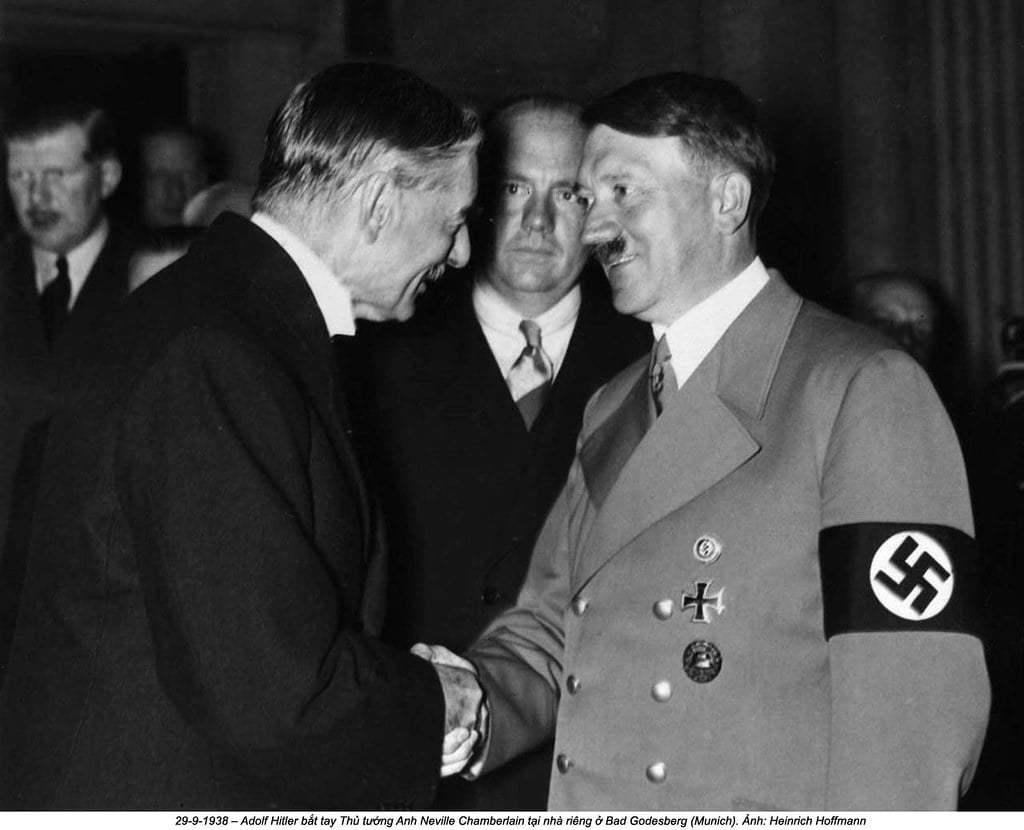
The published Munich Agreement gave Germany the Sudetenland, but secret protocols allowed German occupation of additional Czech territory if local populations requested it. Czechoslovakia wasn’t permitted to participate in the conference that dismantled its borders, and Czech representatives weren’t told about the additional territorial concessions until German troops were already marching.
The protocols essentially gave Hitler permission to take whatever else he wanted from Czech territory.
The Nazi-Soviet Trade Agreement Secret Clauses
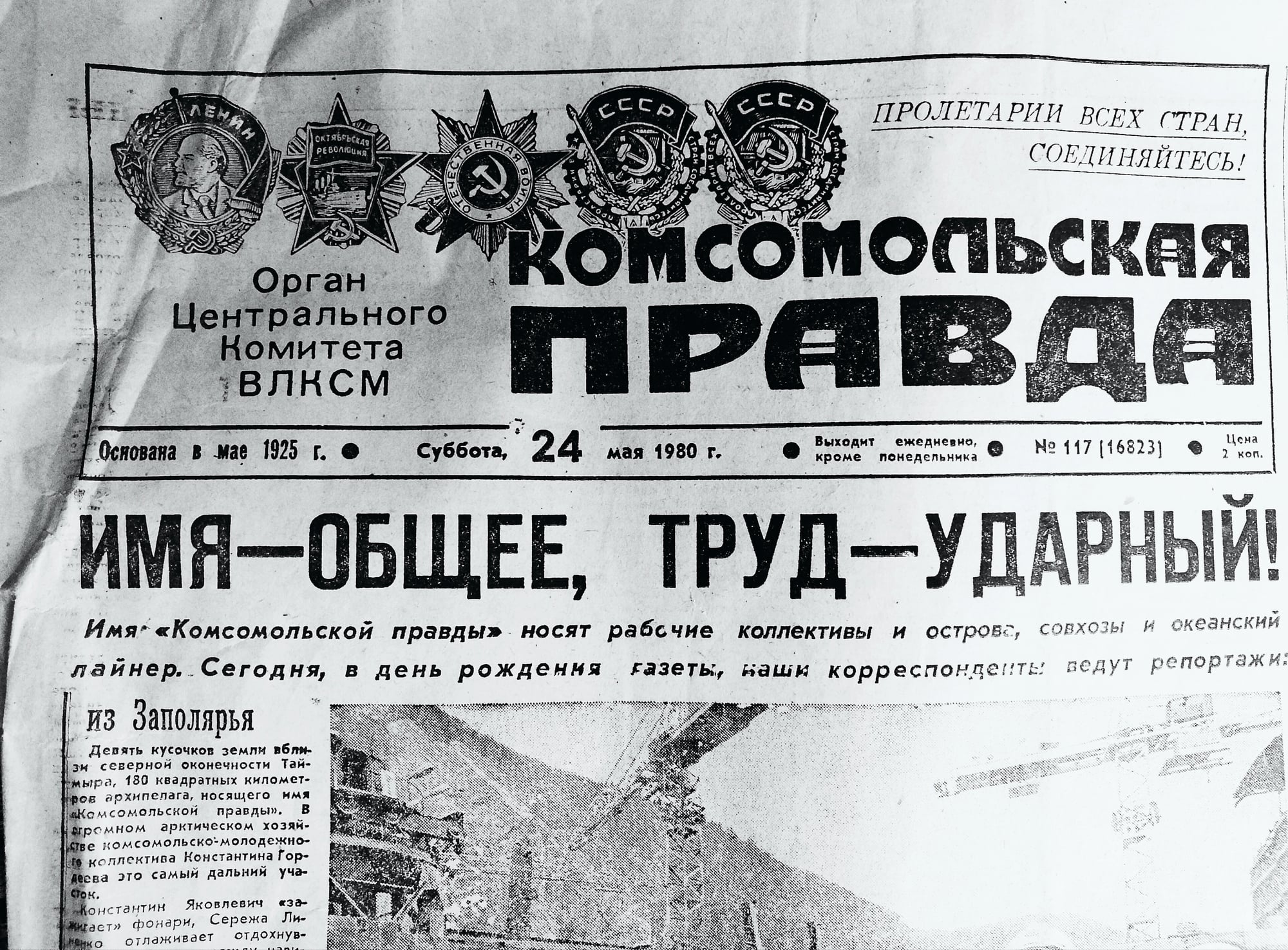
The 1939 economic agreement between Germany and Soviet Union contained secret military cooperation clauses that went far beyond trade in grain and oil. Soviet raw materials would fuel German war production, while Germany provided military technology and industrial equipment to build up Soviet defenses.
The economic partnership made both countries’ military preparations possible while their diplomats publicly denied any political coordination.
The Atlantic Charter Secret Understandings
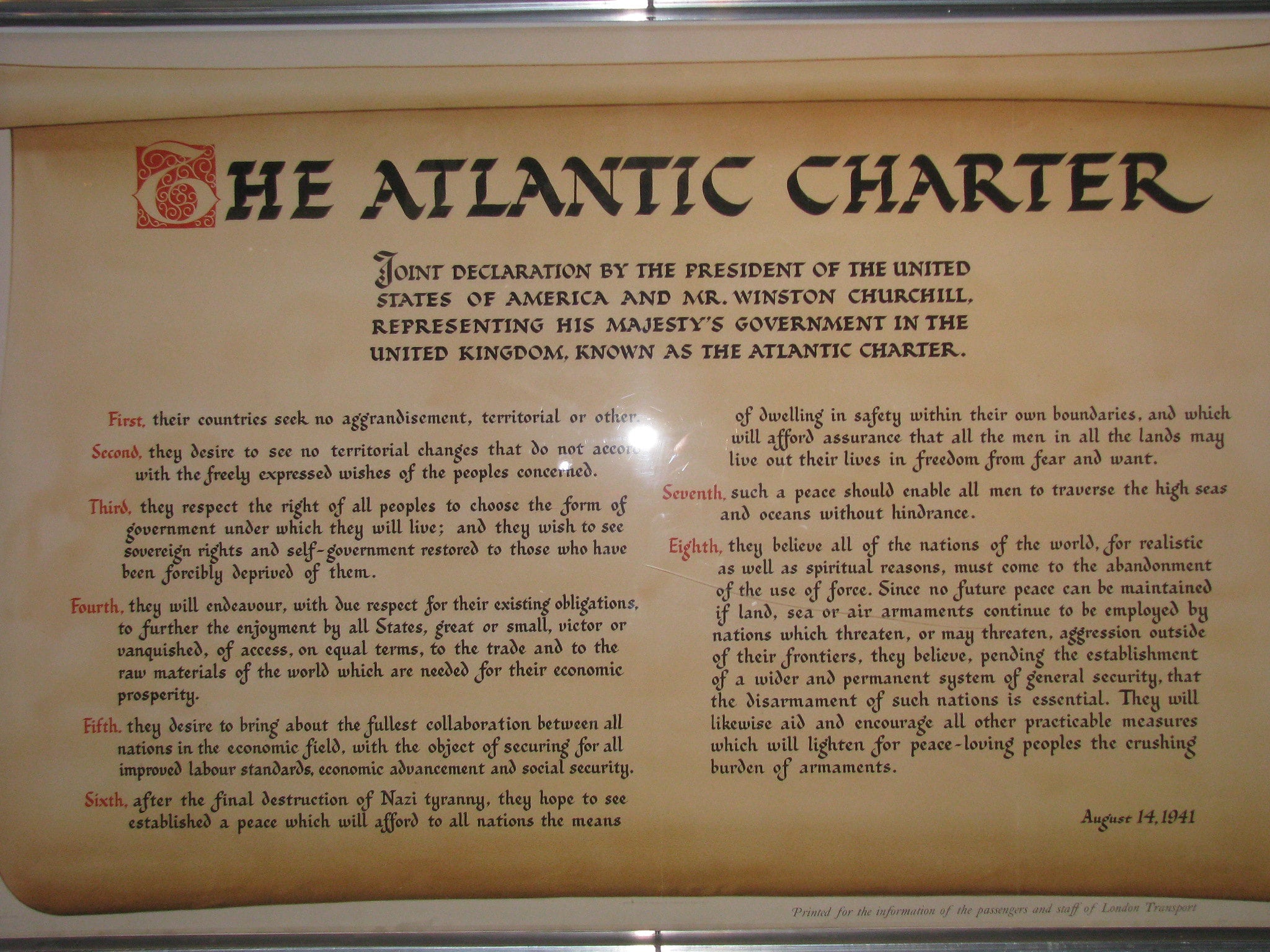
Roosevelt and Churchill’s public commitment to self-determination contained private understandings that the principle wouldn’t apply to existing British and French colonies. The charter promised that all peoples would choose their own governments, but Churchill privately insisted that the Atlantic Charter applied only to territories conquered by the Axis powers.
Colonial populations celebrated the charter’s principles without knowing they had been excluded from its protections.
The Yalta Secret Agreements
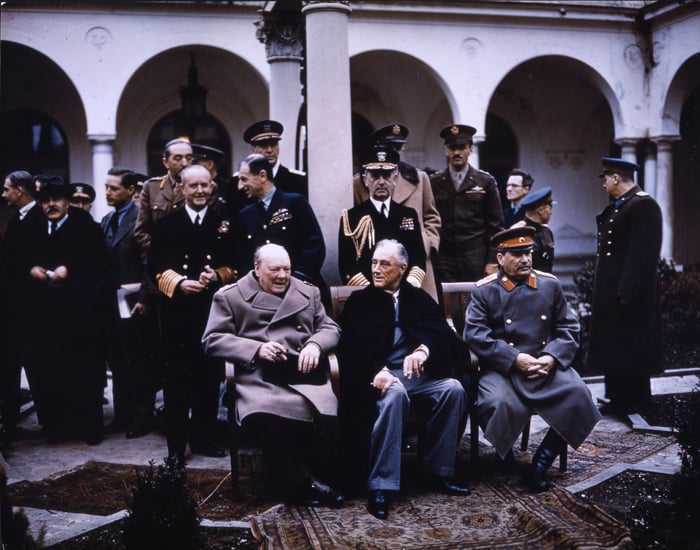
The published Yalta agreements addressed Polish government composition and German occupation zones, but secret protocols gave Stalin additional territorial concessions in exchange for entering the war against Japan. The Soviet Union would receive the Kuril Islands, southern Sakhalin, and railway rights in Manchuria without consulting Japan, China, or the affected populations.
These territorial transfers were presented to the public as natural consequences of Soviet participation rather than negotiated exchanges.
The Percentages Agreement Implementation

Churchill and Stalin’s percentage deal was refined through secret diplomatic exchanges that allocated specific countries and regions to Soviet or Western control. Hungary: 80% Soviet, Bulgaria: 75% Soviet, with detailed understandings about which political parties would be allowed to participate in postwar governments.
The populations of these countries voted in elections without knowing that their political options had already been limited by foreign agreement.
The Potsdam Secret Understandings
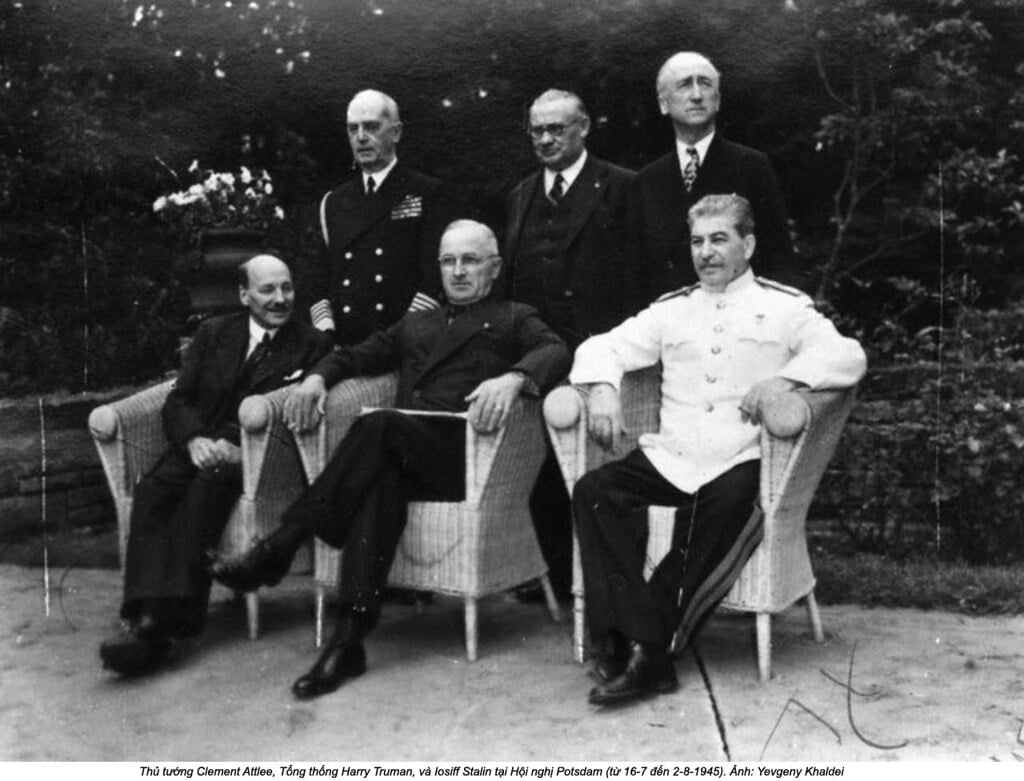
The public Potsdam declaration demanded Japanese surrender and promised democratic government for Japan, but secret agreements between the Allies allocated specific occupation zones and political responsibilities. Japan would be administered primarily by American forces, but Soviet participation in the occupation was secretly limited to prevent communist influence over Japanese reconstruction.
Japanese leaders negotiating surrender weren’t told about the occupation arrangements that would govern their country’s future.
The Shadow of Signatures

These secret treaties reveal something uncomfortable about how borders are actually created: they’re not the result of democratic deliberation or popular consent, but private negotiations between powers that treat populations as resources to be allocated rather than people with political rights. The maps we accept as natural today carry the fingerprints of diplomats who believed they had the authority to assign entire peoples to different countries without asking their permission.
The secrecy wasn’t incidental to these agreements — it was essential, because most of them couldn’t have survived public scrutiny in the countries that signed them, much less in the territories they divided.
More from Go2Tutors!

- The Romanov Crown Jewels and Their Tragic Fate
- 13 Historical Mysteries That Science Still Can’t Solve
- Famous Hoaxes That Fooled the World for Years
- 15 Child Stars with Tragic Adult Lives
- 16 Famous Jewelry Pieces in History
Like Go2Tutors’s content? Follow us on MSN.



