20 Everyday Hacks You Are Doing Wrong
Life hacks flood your social media feeds daily. Most promise to save time, money, or effort with clever shortcuts.
But here’s the catch—many of these tricks work better in theory than in practice. And some of the most popular ones? You’re probably doing them wrong.
These aren’t about blaming anyone for making mistakes. Everyone picks up habits from friends, family, or quick online videos.
The problem shows up when these methods don’t deliver what they promised, or worse, create more work than they save. Let’s look at the common ways people get these everyday tricks twisted.
Freezing Coffee in Ice Cube Trays

You’ve seen this one: freeze leftover coffee into cubes so your iced coffee doesn’t get watered down. Smart idea, terrible execution for most people.
The mistake? Using your regular ice cube tray that sits next to frozen fish and leftover curry. Coffee absorbs flavors and odors like a sponge.
Those cubes end up tasting like whatever else lives in your freezer. Your iced coffee becomes an unpleasant surprise.
If you want coffee cubes that actually taste like coffee, you need a dedicated tray with a lid. Otherwise, just make your coffee stronger or drink it faster.
Putting Wooden Spoons Across Boiling Pots

This hack claims a wooden spoon laid across a boiling pot stops water from boiling over. People swear by it.
Most of them are lying to themselves. The spoon might work for a few seconds, breaking the surface tension of rising bubbles.
But once the heat really builds, that water ignores the spoon completely and spills over anyway. You end up with a hot, wet spoon and a messy stovetop.
The real fix involves watching your pot, lowering the heat slightly, or adding a tiny bit of butter to calm the foam. Boring but effective.
Using Toothpaste on Phone Screens

Someone somewhere decided toothpaste could buff out scratches on phone screens. This myth refuses to die, and it causes actual damage.
Toothpaste contains abrasives designed to clean teeth, not glass. When you rub it on your screen, those abrasives create more microscopic scratches.
Your phone ends up looking worse, with a cloudy finish that won’t come off. Modern phone screens have protective coatings that toothpaste strips away.
Once that coating goes, your screen becomes more vulnerable to everything. Skip this hack entirely and get a proper screen protector instead.
Opening Bottles with Keys
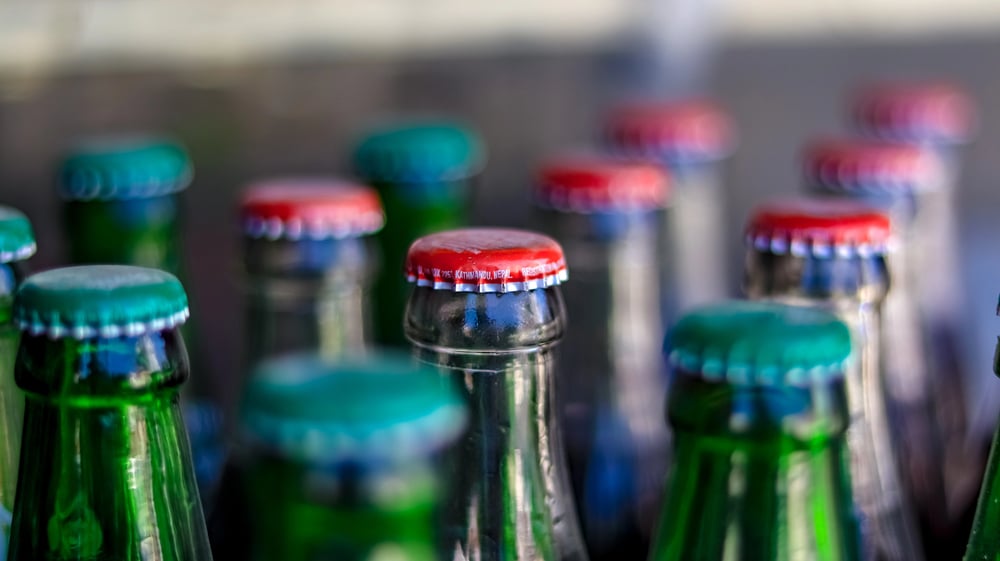
The “open a bottle with your house key” trick looks impressive at parties. It also slowly destroys your key’s teeth, making it harder to unlock your door later.
Metal keys are softer than you think. Each time you use one as a bottle opener, you wear down the edges and create small deformations.
Eventually, the key stops working smoothly in your lock. You’ll blame the lock when it’s actually the key.
Actual bottle openers cost almost nothing. Keep one on your keychain if you open bottles often.
Your locksmith will thank you.
Storing Bread in the Refrigerator
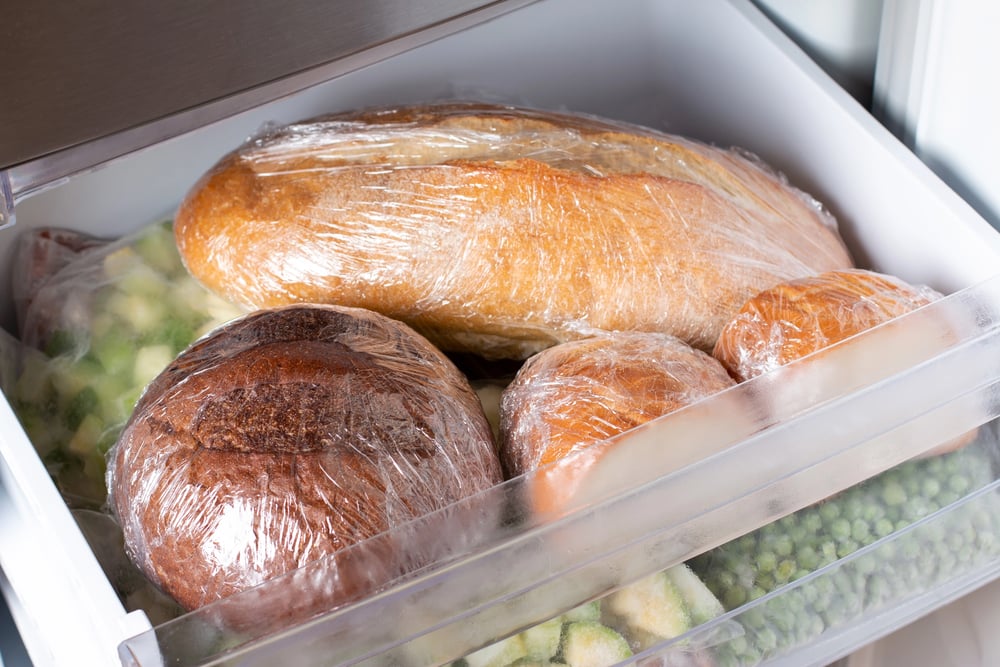
Putting bread in the fridge seems logical—cold preserves food, right? But bread follows different rules, and refrigeration actually speeds up staleness.
The cold temperature crystallizes the starch molecules in bread faster than room temperature does. This process, called retrogradation, makes bread dry and tough.
That fresh loaf turns into cardboard within days. Room temperature storage in a bread box works best for short-term use.
For longer storage, freeze the bread instead. Freezing stops the staling process completely, and you can toast slices straight from the freezer.
Rolling Toothpaste Tubes
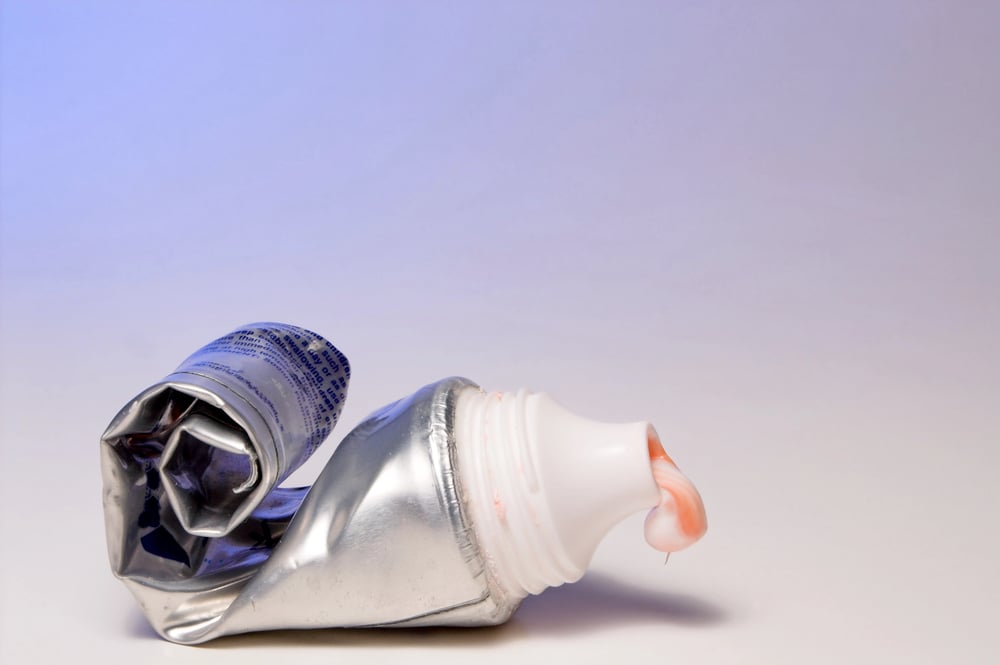
Rolling up your toothpaste tube from the bottom feels efficient. You’re pushing all the product toward the opening, getting every last bit.
Except you’re making it harder on yourself. Modern toothpaste tubes are designed to be squeezed from anywhere.
The flexible plastic and internal construction mean the paste flows just fine without rolling. When you roll it tight, you create pressure that makes squeezing harder, not easier.
Sometimes the tube even splits at the crimped part. Just squeeze from wherever feels natural.
The toothpaste will come out. When it gets low, squeeze harder or cut the tube open if you’re really determined.
Microwaving Pizza with a Glass of Water

The “microwave pizza with water” hack promises to restore moisture and prevent sogginess. People put a glass of water in the microwave alongside their pizza, expecting magic.
The water does create steam, but that steam has nowhere useful to go in a closed microwave. It just makes everything damp and sad.
Your pizza crust doesn’t crisp up—it gets soggy from the humidity. The cheese might heat more evenly, but at what cost?
A better method involves reheating pizza in a covered pan on the stovetop over medium-low heat. The bottom crisps, the top warms, and you get actually good pizza.
Peeling Bananas from the Top

Someone decided humans have been peeling bananas wrong forever because monkeys peel from the bottom. So now people struggle with the stem end, calling it the “right” way.
Monkeys peel bananas that way because they’re monkeys, not because it’s superior. The stem end of a banana opens easily when you pinch the bottom, sure.
But it also means you’re holding the dirtier end where the banana grew. The stem provides a natural handle—that’s literally its purpose.
Peel your banana however works for you. This isn’t a test.
There’s no banana police judging your technique.
Using Ketchup on Tarnished Copper
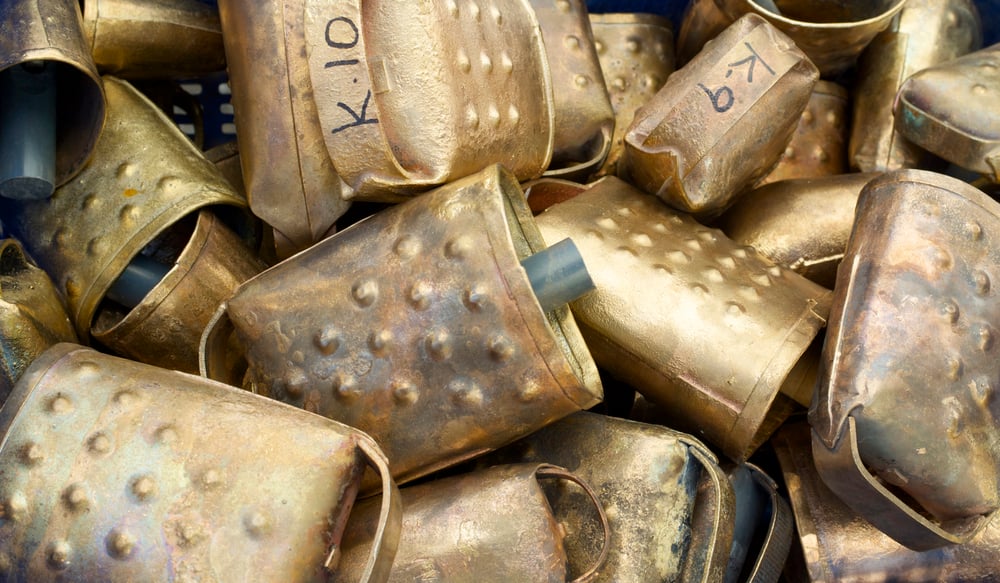
Ketchup contains acid that can clean tarnished copper. This fact has led countless people to coat their copper pots in tomato condiment, creating a sticky mess.
Yes, the acid works. But ketchup also contains sugar, salt, spices, and preservatives.
All of that stays behind on your copper, requiring extra scrubbing to remove. You’ve traded one problem for another.
Plus, the smell of warm ketchup coating your kitchen tools feels deeply wrong. Buy actual copper cleaner or make a paste from salt and vinegar.
You get the acid without the condiment residue. Your nose will appreciate it.
Cracking Eggs on the Bowl Edge

Everyone cracks eggs against the rim of a bowl or pan. It’s automatic.
It also pushes shell fragments into your egg. When you crack an egg on a hard edge, the shell shatters inward.
Those tiny pieces end up in your bowl, forcing you to fish them out with your fingers. Sometimes you miss a piece and bite down on the shell later, which ruins any meal.
Crack eggs on a flat surface instead—your counter works fine. The shell breaks cleaner with less fragmentation.
You’ll spend less time hunting for shell bits and more time cooking.
Blowing on Hot Food

You blow on hot food to cool it down before eating. This method barely works and might make things worse.
Your breath is warm—around body temperature. Blowing warm air across hot food cools it slightly through evaporation, but not efficiently.
And if the food has a sauce or gravy, you’re just spreading heat around without meaningful cooling. Plus, you’re covering your food in whatever bacteria and moisture live in your mouth.
Patience works better. Put your fork down for thirty seconds.
Or eat around the edges while the center cools. Your food won’t taste like spit, and you won’t burn your mouth as often.
Shaking Ketchup Bottles
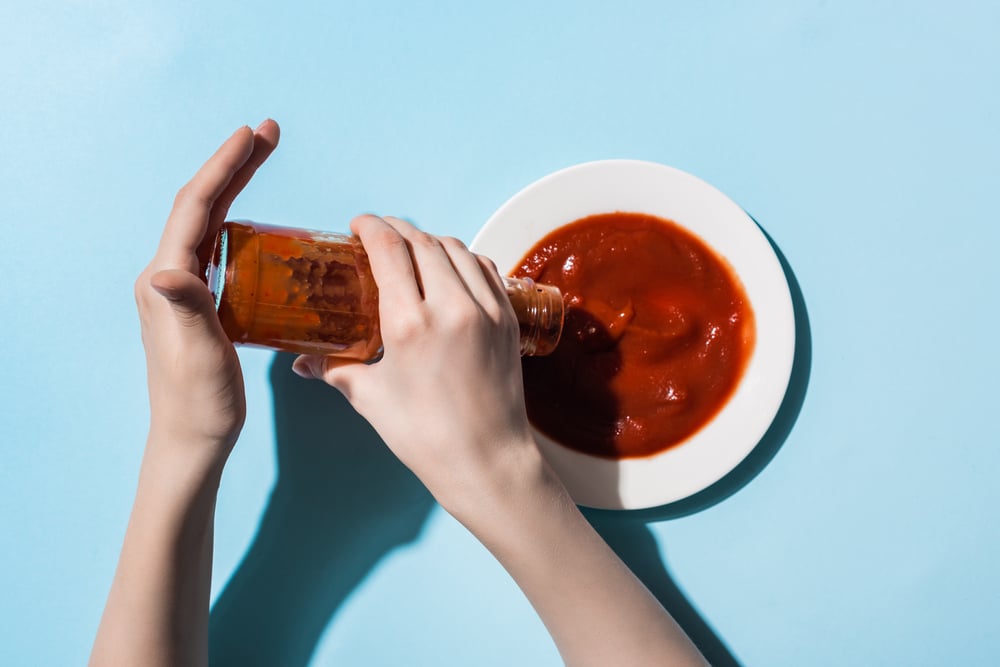
When ketchup won’t come out, you shake the bottle hard. This creates a watery mess because you’re separating the ingredients that naturally settle.
Ketchup is a non-Newtonian fluid. The more force you apply, the more it resists flowing.
Shaking breaks down its structure temporarily, but then all the water comes rushing out first. You get a puddle of tomato water instead of actual ketchup.
Turn the bottle upside down and let gravity do the work. Or store it upside down in your fridge.
When you need ketchup, tap the “57” on Heinz bottles or just wait a few seconds. The ketchup flows properly without the watery prelude.
Storing Tomatoes in the Refrigerator

Cold damages tomato flavor at a molecular level. The refrigerator temperature breaks down the compounds that make tomatoes taste like tomatoes.
You end up with a mealy, flavorless fruit that looks red but tastes like water. This happens because tomatoes evolved in warm climates.
Cold storage below 50 degrees Fahrenheit stops their ripening enzymes and degrades their flavor molecules. The texture suffers too, becoming grainy instead of smooth.
Keep tomatoes on your counter until they’re fully ripe. If you must refrigerate them to prevent spoilage, let them come back to room temperature before eating.
Some flavor returns, though never all of it.
Washing Chicken Before Cooking

Food safety guidelines tell you not to wash raw chicken, but many people ignore this advice. They rinse chicken in the sink, thinking it removes bacteria.
It doesn’t. Washing chicken spreads bacteria everywhere.
The water splashes campylobacter and salmonella across your sink, faucet, counter, and anything nearby. Those pathogens can make you sick if they contaminate other foods or surfaces.
Cooking chicken to the proper internal temperature kills all bacteria. Rinsing just spreads contamination around your kitchen.
Pat the chicken dry with paper towels instead, then wash your hands thoroughly.
Using Cotton Swabs in Your Ears

Cotton swabs and ears seem made for each other. Cleaning your ears feels satisfying.
But you’re pushing earwax deeper into your ear canal, not removing it. Your ears are self-cleaning.
Earwax naturally migrates outward, taking dirt and debris with it. When you stick a swab in there, you shove that wax back toward your eardrum.
This creates impaction, which blocks hearing and causes discomfort. Sometimes it even damages the ear canal or eardrum.
Wipe the outer ear with a damp cloth. Leave the ear canal alone unless a doctor tells you otherwise.
If you have excess wax, a doctor can remove it safely. Your ears know what they’re doing without your help.
Charging Phones to 100 Percent Every Time

Most people plug in their phone overnight and wake up to a full charge. This habit seems harmless but degrades your battery faster.
Lithium-ion batteries last longest when kept between 20 and 80 percent charge. Consistently charging to 100 percent and holding it there for hours creates stress on the battery.
The same applies to letting your phone die completely before charging. Modern phones have battery management features that help, but the physics remains the same.
Partial charges throughout the day preserve battery health better than nightly full charges. Unplug your phone when it hits 80 or 90 percent if you want the battery to last longer.
Putting Hot Food Directly into the Fridge
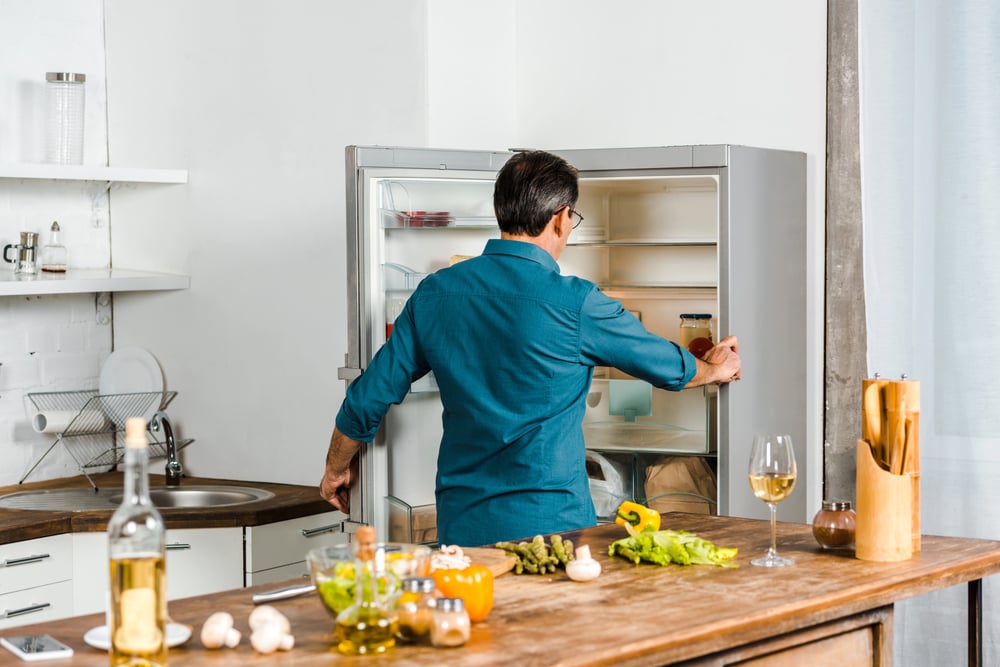
You finish cooking dinner and immediately transfer the hot pot into your refrigerator. This raises the temperature of your entire fridge, creating a danger zone for all the food already stored there.
When you put hot food in a cold fridge, the appliance works overtime to cool everything back down. Meanwhile, the temperature around your other food rises into the range where bacteria multiply quickly.
Your leftovers might spoil your milk. Let hot food cool on the counter for 20-30 minutes first.
Or divide it into smaller containers that cool faster. Once it stops steaming, it goes into the fridge safely without warming everything else.
Storing Batteries in the Refrigerator

The old wisdom said to keep batteries in the fridge to extend their life. This made sense decades ago with older battery chemistry.
Now it causes problems. Modern alkaline batteries don’t benefit from cold storage.
The moisture in your refrigerator can corrode battery terminals and create condensation inside the battery itself. This leads to leakage and reduced performance.
Room temperature storage in a dry place works perfectly for modern batteries. Cold storage only helps with some rechargeable batteries, and even then, you need proper sealed containers to prevent moisture issues.
Adding Oil to Pasta Water

People dump olive oil into pasta water believing it prevents sticking. The oil floats on top of the water, never touching most of the pasta.
But it does create a new problem. When you drain the pasta, that oil coats the surface.
Your sauce can’t stick to oily pasta—it slides right off. You end up with dry pasta at the bottom of your bowl and all your sauce pooled on top.
This defeats the purpose of making pasta with sauce. Skip the oil.
Use enough water, stir occasionally during cooking, and add your sauce immediately after draining. The sauce clings properly, and your pasta tastes better.
Pre-Rinsing Dishes Before the Dishwasher
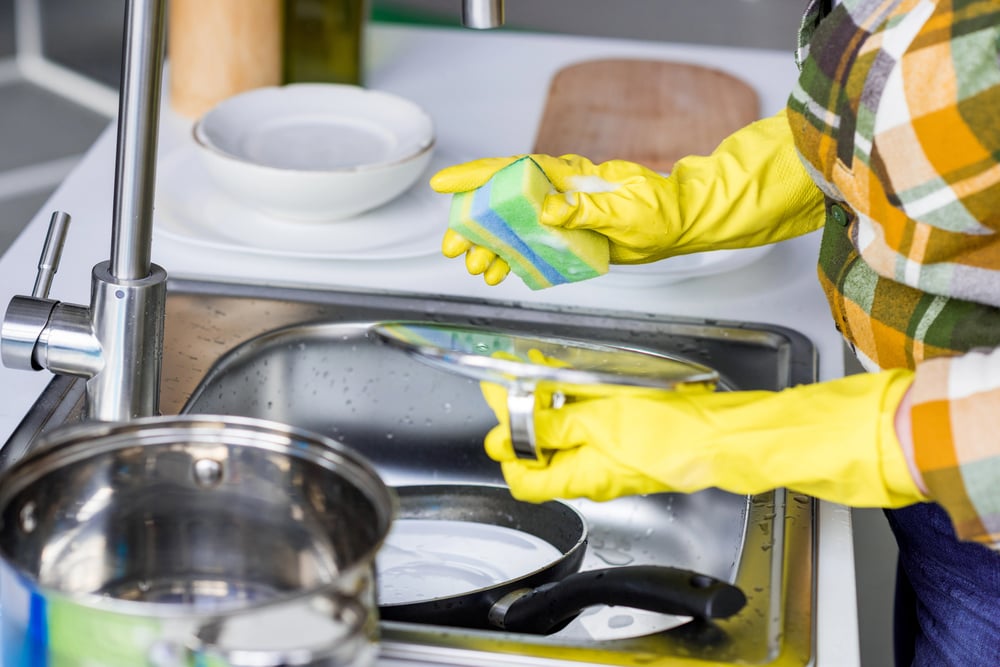
After you clear leftovers into the trash, a quick wash might seem helpful. Yet running water just for dishes adds up fast.
That extra step can mess with how well the machine cleans later on. Dishwashers today figure out grime levels on their own.
If plates go in already rinsed, the machine thinks they’re spotless – then chooses a weak wash. Leftover bits that stay stuck miss the heavy-duty scrubbing required.
Sometimes things end up messier than when skipping rinse entirely. Patches of leftover food? Scrape those away.
A bit of grime left behind helps the cleaning agent stick, then dissolve gunk. Odd as it seems, a touch of mess improves results.
Making These Mistakes Means Something

Truth is, those errors aren’t who you are. Online spaces turn tiny slipups into moral flaws demanding instant fixes.
There’s always a voice insisting there’s one correct method – despite your doing just fine on your own for ages. Life stays pretty much the same even if most tricks miss the mark.
Cracking an egg on a countertop rather than a bowl changes little. A few approaches still deliver results, though they break the rules.
Washing poultry or how you charge devices – those carry hidden weight. Not everything gets its due attention.
Start by using only what helps. Forget chasing flawless results each time you act.
What matters? Spotting real upgrades, not clever tricks – like arguing how to peel fruit better than others do. Leave behind whatever doesn’t move things forward.
More from Go2Tutors!

- The Romanov Crown Jewels and Their Tragic Fate
- 13 Historical Mysteries That Science Still Can’t Solve
- Famous Hoaxes That Fooled the World for Years
- 15 Child Stars with Tragic Adult Lives
- 16 Famous Jewelry Pieces in History
Like Go2Tutors’s content? Follow us on MSN.