Movie Moments That Changed Pop Culture
Movies influence our worldview in addition to providing us with entertainment. Some scenes leave the screen and enter our collective consciousness, impacting language, fashion, and even the way other filmmakers narrate their stories.
These scenes redefine what is possible in film, break down barriers, and demolish preconceptions. While some altered cultural discussions in unexpected ways, others permanently altered the technical landscape.
This is a list of 14 movie moments that influenced popular culture.
Psycho’s Shower Scene

Alfred Hitchcock revolutionized horror filmmaking in 1960 with a sequence that took nine days to shoot and used 78 different camera setups resulting in 52 cuts. The scene killed off the apparent main character halfway through the film, something audiences had never experienced before.
It broke censorship taboos by showing a woman in her undergarments and featuring a flushing toilet onscreen for the first time in American cinema, while the rapid editing technique created unbearable tension without ever showing the knife actually touching flesh.
Star Wars Death Star Attack

George Lucas changed blockbuster filmmaking forever in 1977 with a climactic space battle that drew inspiration from World War II aerial dogfights. The sequence pioneered the use of the Dykstraflex motion-control camera system, creating a visual vocabulary that would define science fiction for decades.
The attack run down the Death Star trench became the template for countless action finales, proving that audiences would embrace complex visual effects when paired with classic storytelling.
Jaws Nationwide Release

Steven Spielberg’s 1975 shark thriller didn’t just scare audiences—it invented the modern summer blockbuster. The film launched simultaneously in 409 theaters on June 20, 1975, instead of rolling out city by city, a revolutionary distribution strategy that had everyone talking about the same movie at the same time.
This approach, combined with extensive television advertising, created a new business model that studios still follow today when they want to generate massive opening weekends.
Rocky Training Montage
Sylvester Stallone running up the Philadelphia Museum of Art steps in 1976 created a template that action movies have followed ever since. The sequence compressed weeks of preparation into a few minutes of inspirational footage set to powerful music, showing character development through pure visual storytelling.
The montage demonstrated how emotional arcs could be built through carefully edited sequences rather than lengthy dialogue scenes, influencing how filmmakers would approach character transformation.
The Matrix Bullet Time

The Wachowskis used 120 still cameras arranged in a circular pattern to create an effect that had never been seen before in 1999. The technique allowed the camera to move around characters who appeared frozen or moving in extreme slow motion, creating a visual metaphor for expanded consciousness that perfectly matched the film’s philosophical themes.
Warner Bros. even trademarked the term “bullet time,” and the effect spawned countless imitations across movies, commercials, and video games.
Wizard of Oz Color Transition
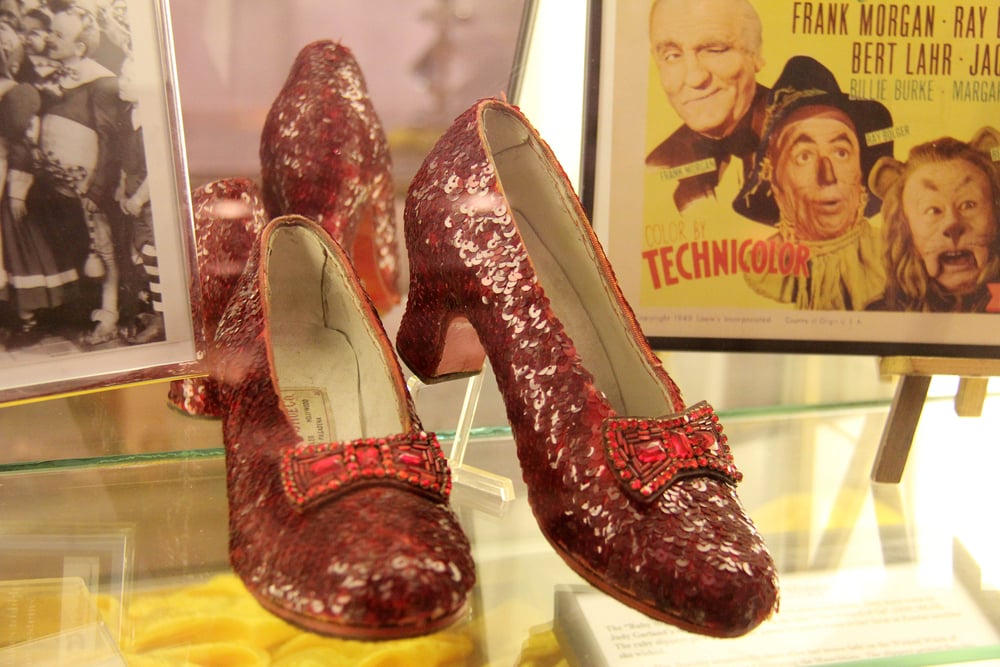
Audiences in 1939 gasped when Dorothy opened the door and the entire film shifted from sepia-toned Kansas to vibrant Technicolor Oz. While Technicolor existed before this film, the dramatic transition created an unforgettable moment that demonstrated how color could serve the story rather than just being a technical showcase.
The scene established a visual language for fantasy films that persists today, where ordinary worlds look drab compared to magical realms.
The Breakfast Club Library Dance
John Hughes captured teenage rebellion in 1985 with a largely improvised dance sequence that had nothing to do with advancing the plot. Five completely different students put aside their social divisions to celebrate together, creating one of the most imitated scenes of the decade.
The moment proved that authentic character interaction mattered more than traditional story structure, influencing how coming-of-age films would be made for generations.
Spider-Man Upside-Down Kiss
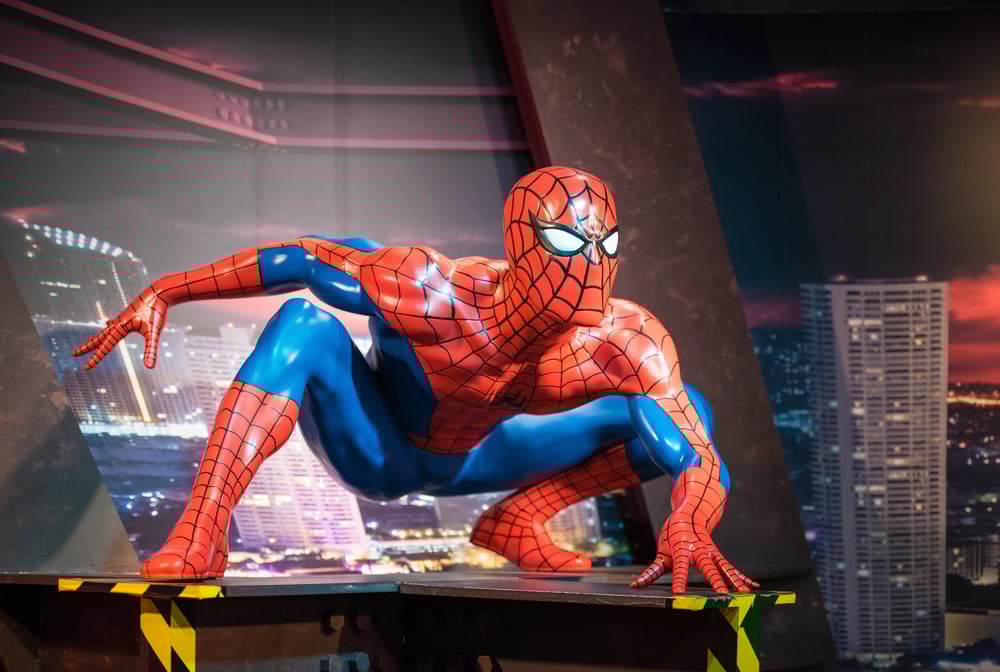
Sam Raimi’s 2002 superhero film created an instantly iconic romantic moment that blended the genre with genuine emotional connection. The scene in the rain proved challenging to film, with Tobey Maguire nearly drowning due to breathing difficulties while hanging upside down.
The moment showed that comic book movies could deliver sincere human scenes alongside spectacular action, paving the way for the character-driven superhero films that would dominate the next two decades.
The Dark Knight’s Joker
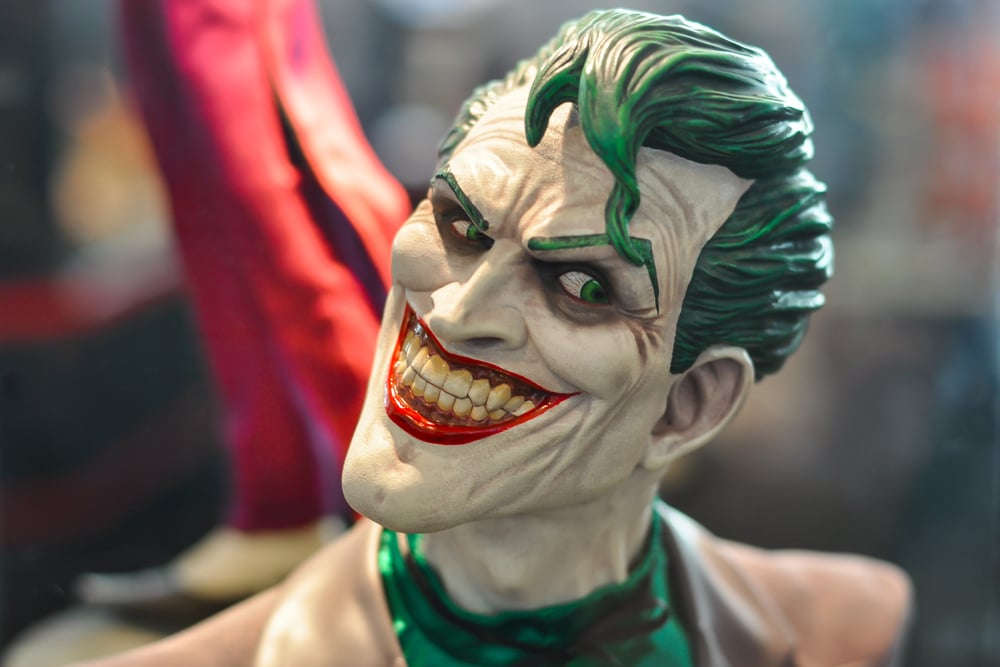
Heath Ledger’s 2008 performance elevated superhero movies from popcorn entertainment to serious cinema. His portrayal of chaos and moral ambiguity showed that comic book villains could be complex, terrifying characters worthy of critical acclaim rather than campy caricatures.
Ledger posthumously won the Academy Award for Best Supporting Actor in 2009, proving superhero movies could deliver Oscar-worthy performances while still delivering blockbuster spectacle.
Frozen Transformation

Disney created a cultural phenomenon in 2013 with Idina Menzel’s performance of a musical sequence about self-acceptance and empowerment. The scene sparked a movement that extended far beyond the theater, influencing children’s fashion and becoming an anthem for embracing individuality.
The song won the Academy Award for Best Original Song in 2014, demonstrating that animated films could tackle complex emotional themes in ways that resonated across generations.
Jaws Opening Attack
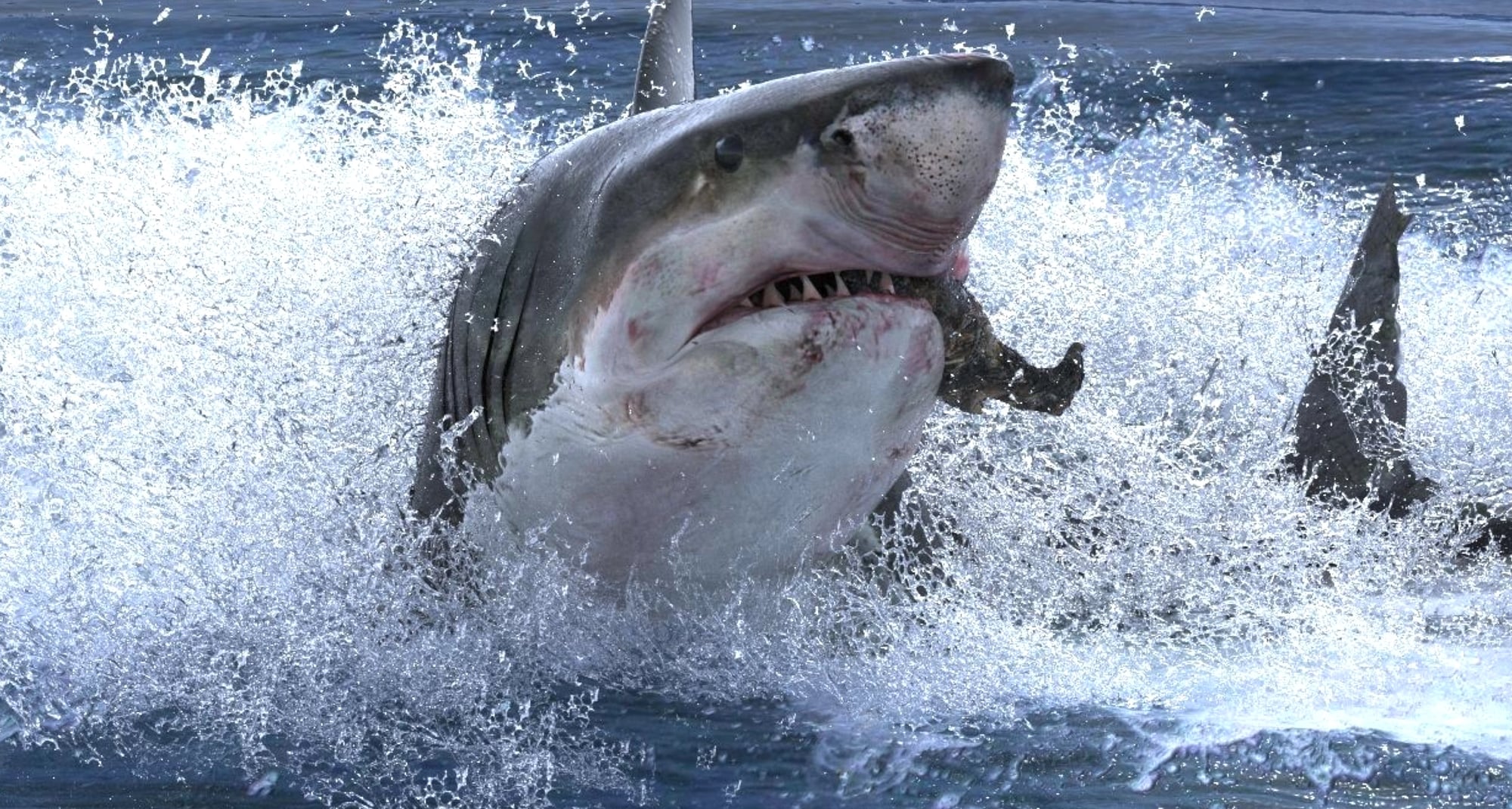
Spielberg established his mastery of suspense in 1975 with actress Susan Backlinie portraying the ill-fated swimmer while John Williams’ iconic two-note theme created unbearable tension. The mechanical shark’s frequent malfunctions actually worked in the film’s favor, forcing Spielberg to keep the creature mostly hidden and proving that suggestion could be more powerful than explicit violence.
This approach influenced how horror and thriller filmmakers would build suspense for decades.
Sound of Music Opening

Julie Andrews spinning in the Austrian hills near Salzburg while singing in 1965 created one of cinema’s most recognized opening shots. The sweeping helicopter cinematography filmed in Mehlweg combined with the musical number established a grand scale that made the nearly three-hour film feel epic from its first moments.
The sequence showed how musicals could use cinematic techniques beyond stage conventions, influencing how directors would approach the genre.
Avengers Circle Shot
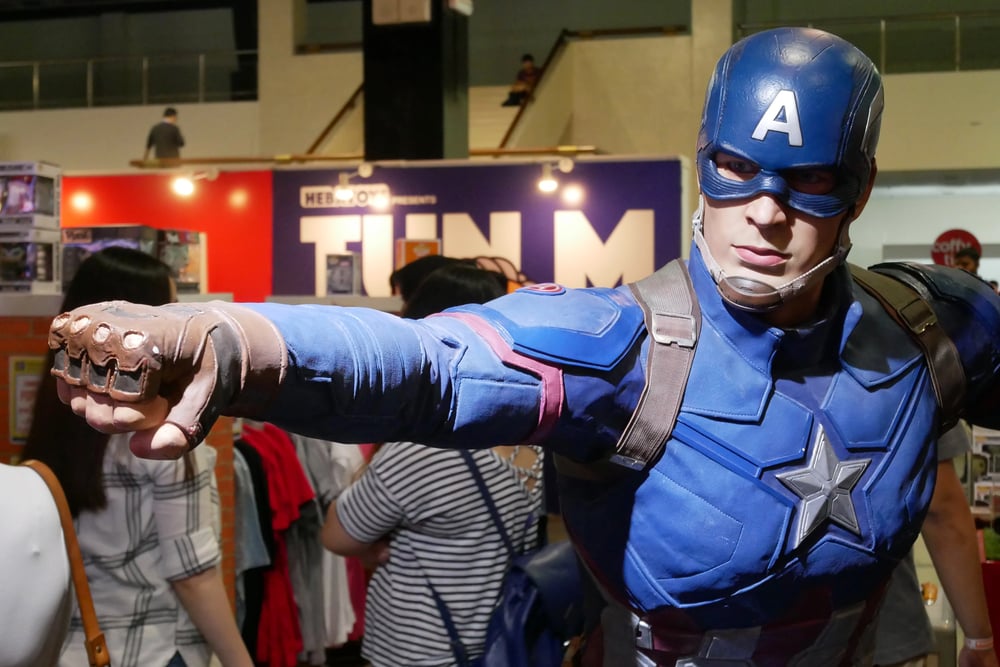
Marvel Studios brought together multiple franchises in 2012 with a single rotating camera move that showed six heroes fighting as a team. The shot, often called the “Hero Shot” during the Battle of New York sequence, took years of careful planning across different films to execute.
It became the blueprint for how studios would approach franchise building, demonstrating that patient world-building could pay off spectacularly.
Harry Potter Franchise Launch
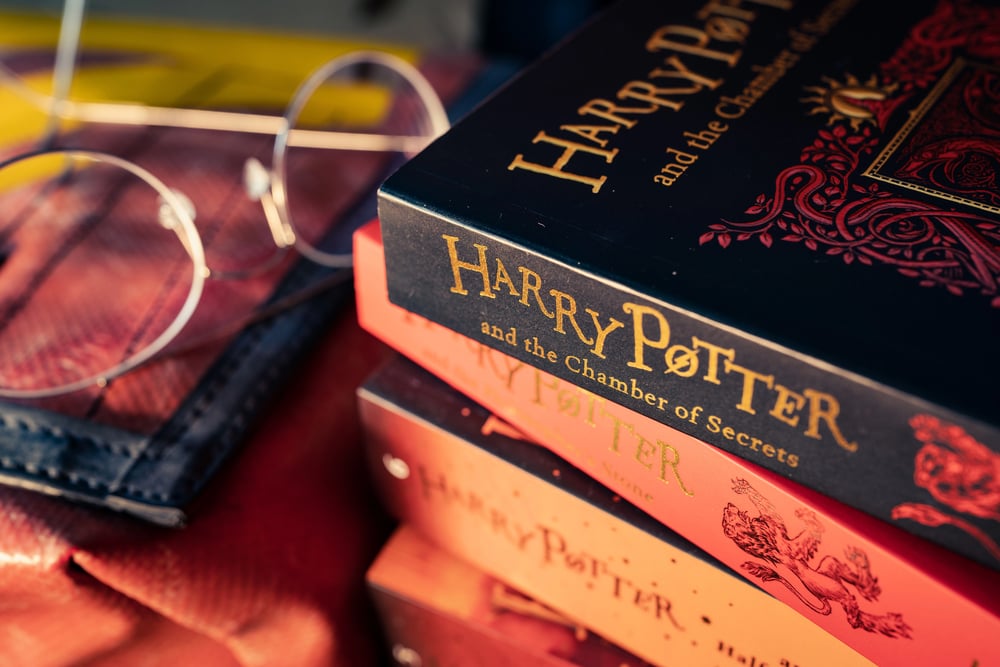
The 2001 adaptation of the first book proved that studios would invest massive budgets into stories aimed at younger audiences when the source material was strong enough. The film grossed over $974 million worldwide, launching an eight-film franchise that would inspire theme parks across the globe.
It showed that literary adaptations could become cultural events rather than just movies, changing how Hollywood viewed young adult properties.
Movies That Live Forever
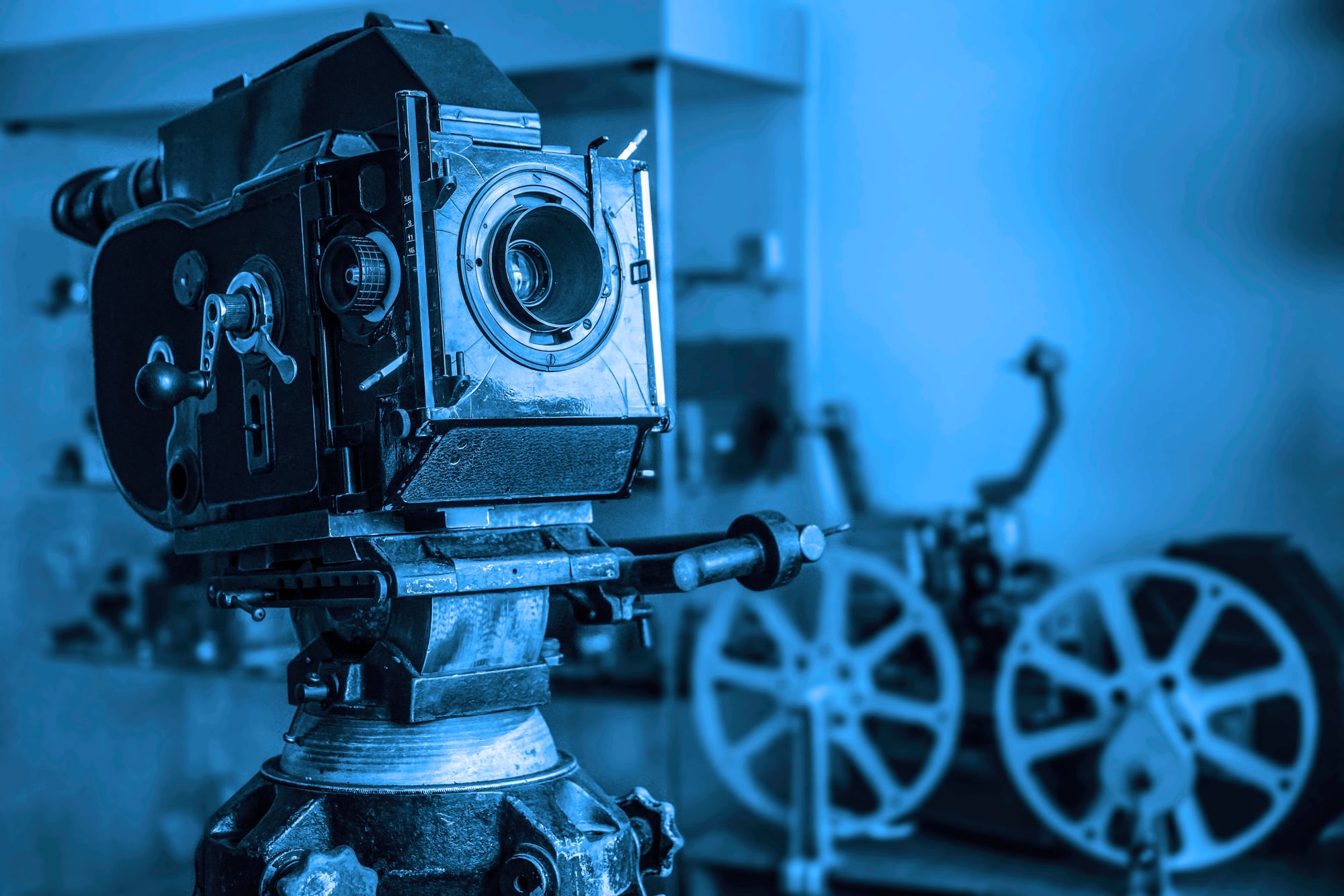
The ability of cinema to produce images that outlive the films themselves is demonstrated by these fourteen moments. Some broke social taboos, some broke seemingly insurmountable technical barriers, and some just captured something so genuine that viewers couldn’t forget them.
The movies that feature these scenes might be forgotten, but the moments themselves become ingrained in our culture. They serve as a reminder that excellent filmmaking is about more than just telling tales; it’s about crafting unforgettable cinematic experiences.
More from Go2Tutors!

- The Romanov Crown Jewels and Their Tragic Fate
- 17 Halloween Costumes Once Considered Taboo
- Famous Hoaxes That Fooled the World for Years
- 15 Child Stars with Tragic Adult Lives
- 16 Famous Jewelry Pieces in History
Like Go2Tutors’s content? Follow us on MSN.