15 Banana Curiosities That Might Surprise you
You probably think you know bananas pretty well. After all, they’re America’s most popular fruit, showing up in everything from breakfast smoothies to dessert splits.
But beneath that familiar yellow peel lies a world of surprises that would make even the most devoted banana lover do a double-take. From their surprising family tree to their radioactive properties, bananas are far more fascinating than their simple appearance suggests.
Here is a list of 15 banana curiosities that showcase just how extraordinary this everyday fruit really is.
Bananas Are Actually Berries
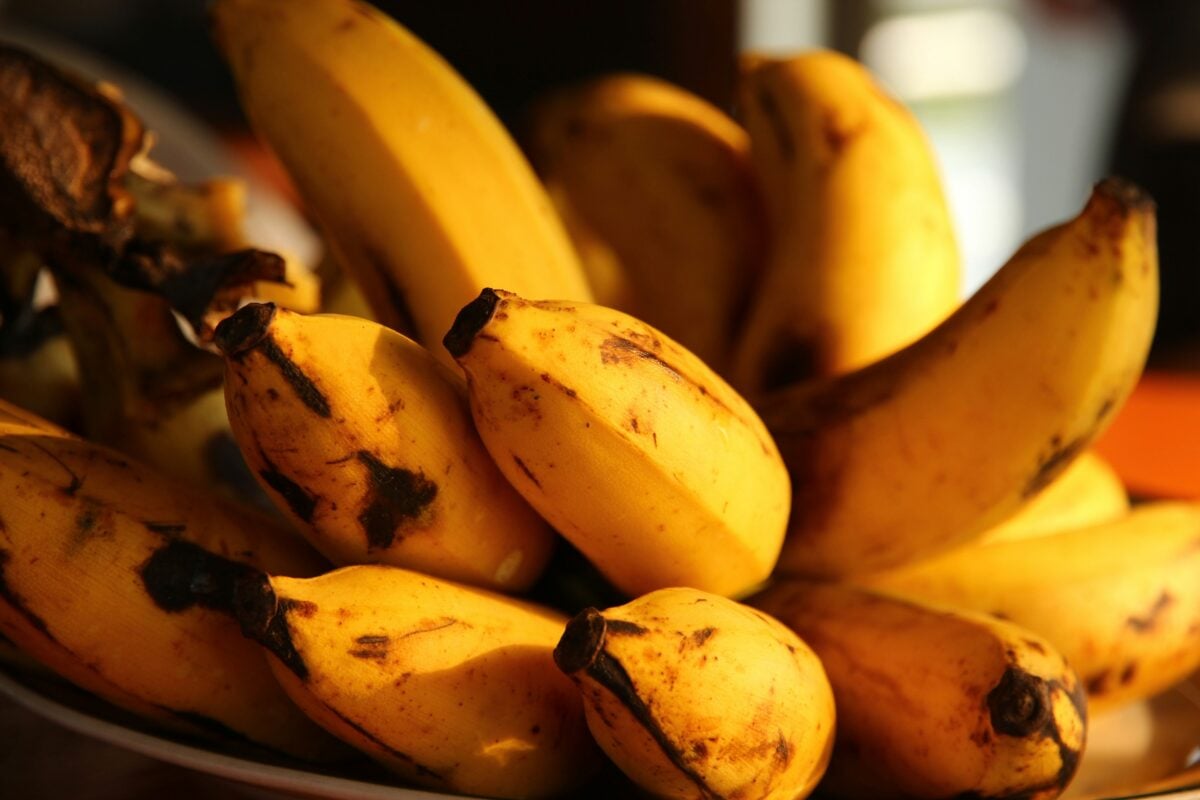
This one’s going to mess with your head a bit. Bananas are scientifically classified as berries, while strawberries are not.
A true berry must have seeds inside the flesh, not outside, which bananas do and strawberries don’t. So next time someone corrects you for calling a tomato a vegetable, you can blow their mind right back with this fruit fact.
Banana Plants Are Giant Herbs, Not Trees
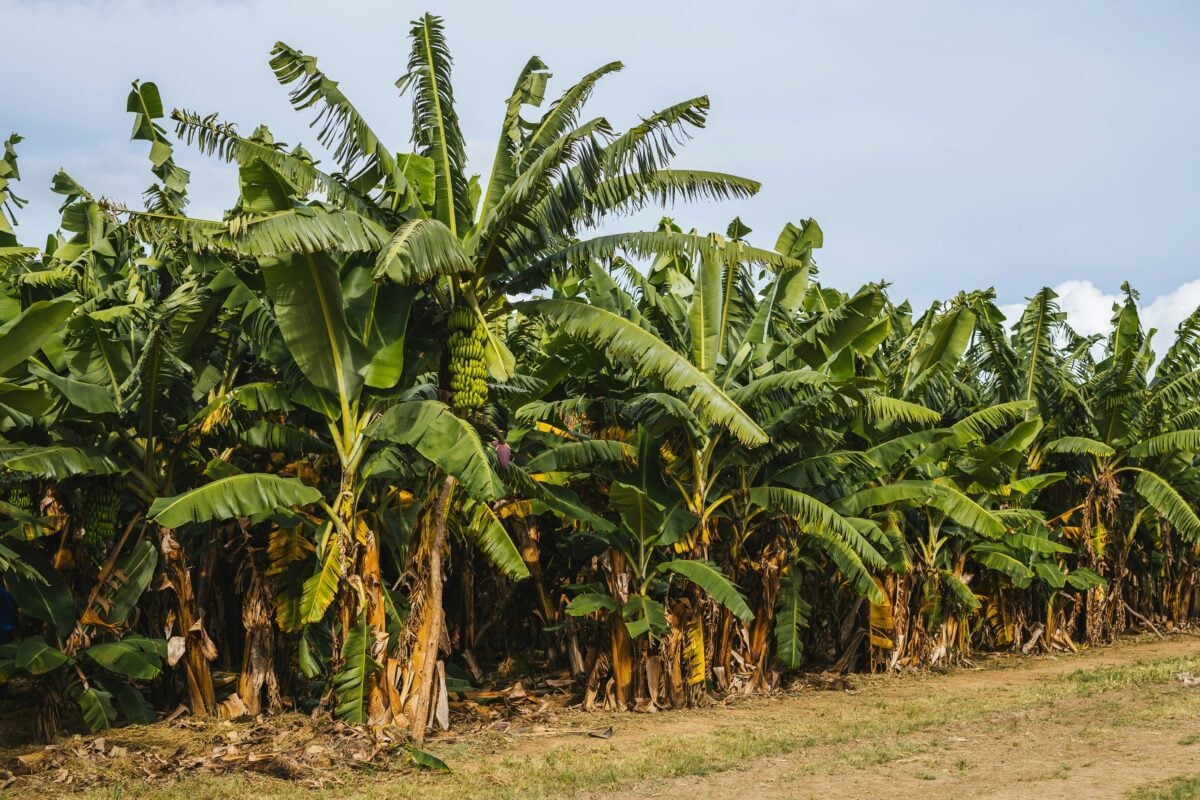
What you think of as a banana tree is actually the world’s largest herb, distantly related to ginger. The difference comes down to structure – real trees have woody stems, while banana plants have succulent stems made of tightly wrapped leaf sheaths.
These massive herbs can reach 30 feet tall during their first year of growth.
They’re Naturally Radioactive
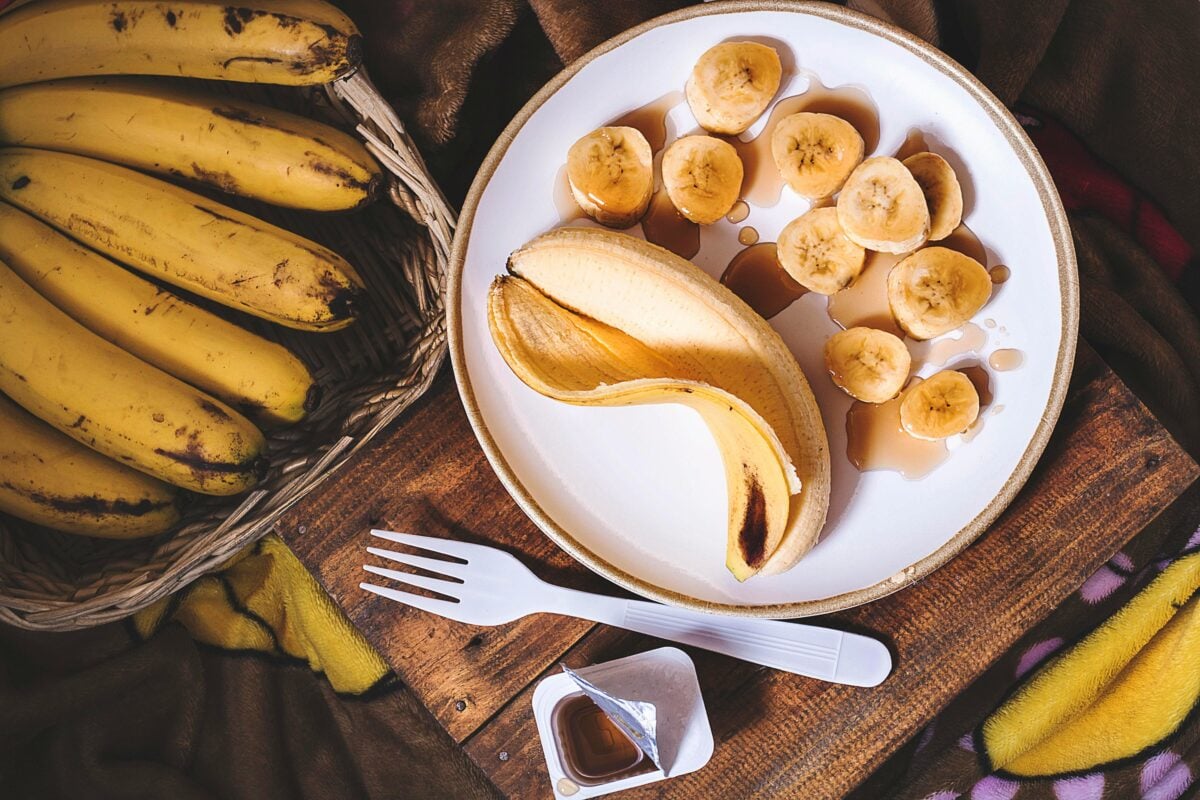
Every banana contains small amounts of potassium-40, a naturally occurring radioactive isotope. Before you panic, you’d need to eat 274 bananas a day for 7 years to begin feeling symptoms of radiation poisoning.
Interestingly, your body is already about 280 times more radioactive than a banana thanks to the potassium you naturally contain.
Bananas Float Like Corks
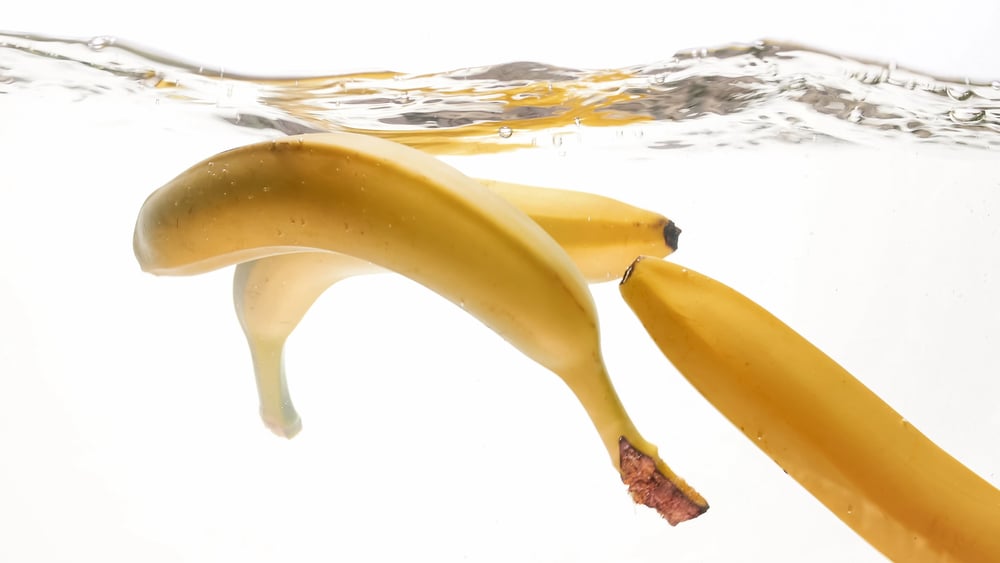
Bananas float in water, just like apples and watermelons. This happens because they’re less dense than water, making them nature’s yellow life preservers.
If you’re ever stranded at sea with a bunch of bananas, at least you’ll have floating snacks.
We Share Genes With Bananas
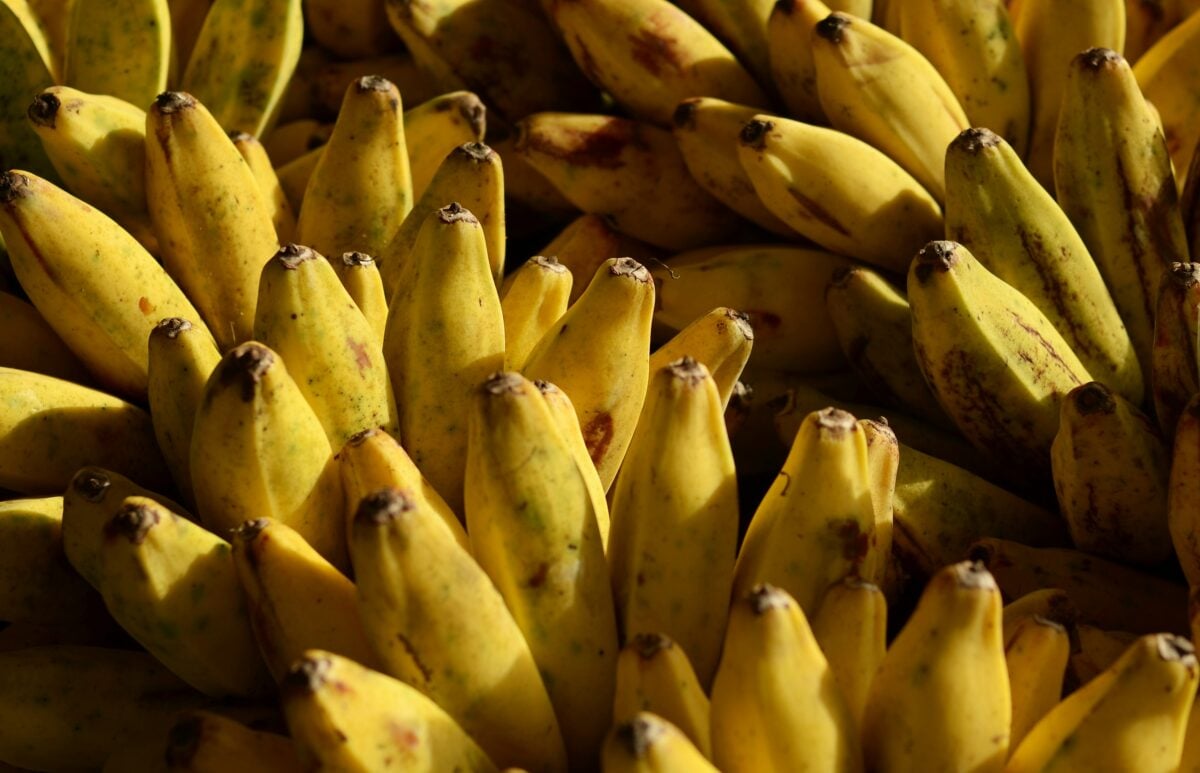
Here’s where things get wild. Humans share about 50% of our genes with bananas, though this translates to only about 1% of our DNA. These shared genes come from a common ancestor – a single-celled organism that lived about 1.6 billion years ago.
The genes we share handle fundamental life processes like making energy and repairing cellular damage.
The Bananas We Eat Are All Clones

Modern bananas are mass-produced clones that wouldn’t exist in the wild. Banana plants grow from bulbs, not seeds, and each banana ‘tree’ only fruits once before dying and being replaced by a shoot from the same root system.
Think of wild bananas as wolves and modern bananas as pugs – selectively bred for our convenience.
A Banana Marathon Record Exists
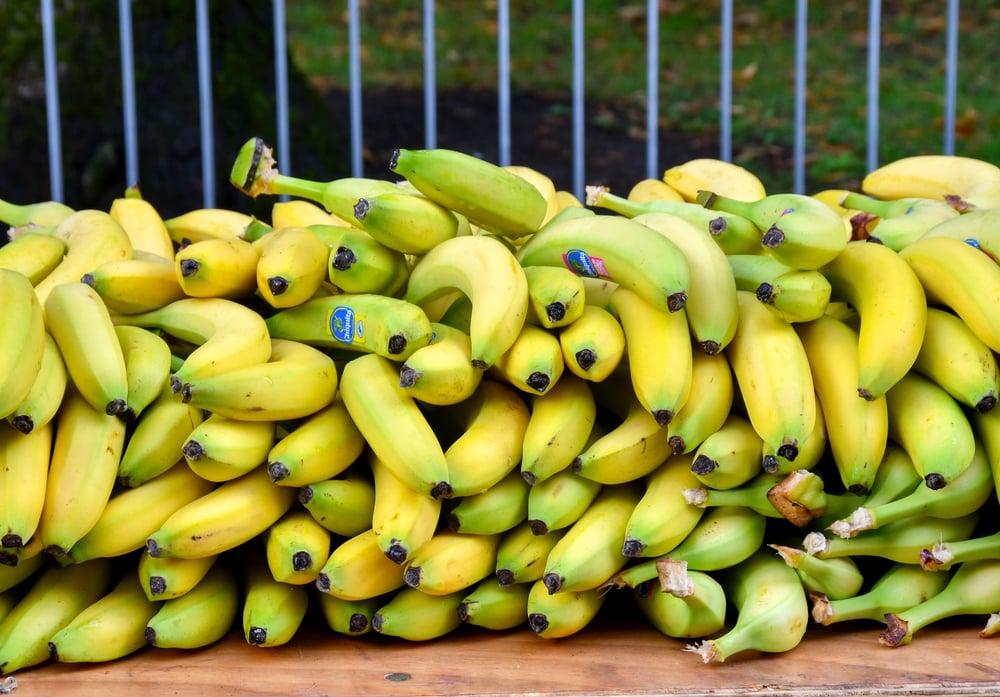
The fastest marathon ever run by someone dressed as a fruit was 2 hours, 58 minutes, and 20 seconds, achieved by Patrick Wightman from the UK wearing a banana costume at the Barcelona Marathon. This record was later broken by Andrew Lawrence, who ran the London Marathon in a banana suit in 2 hours, 47 minutes, and 41 seconds.
They Glow Under UV Light
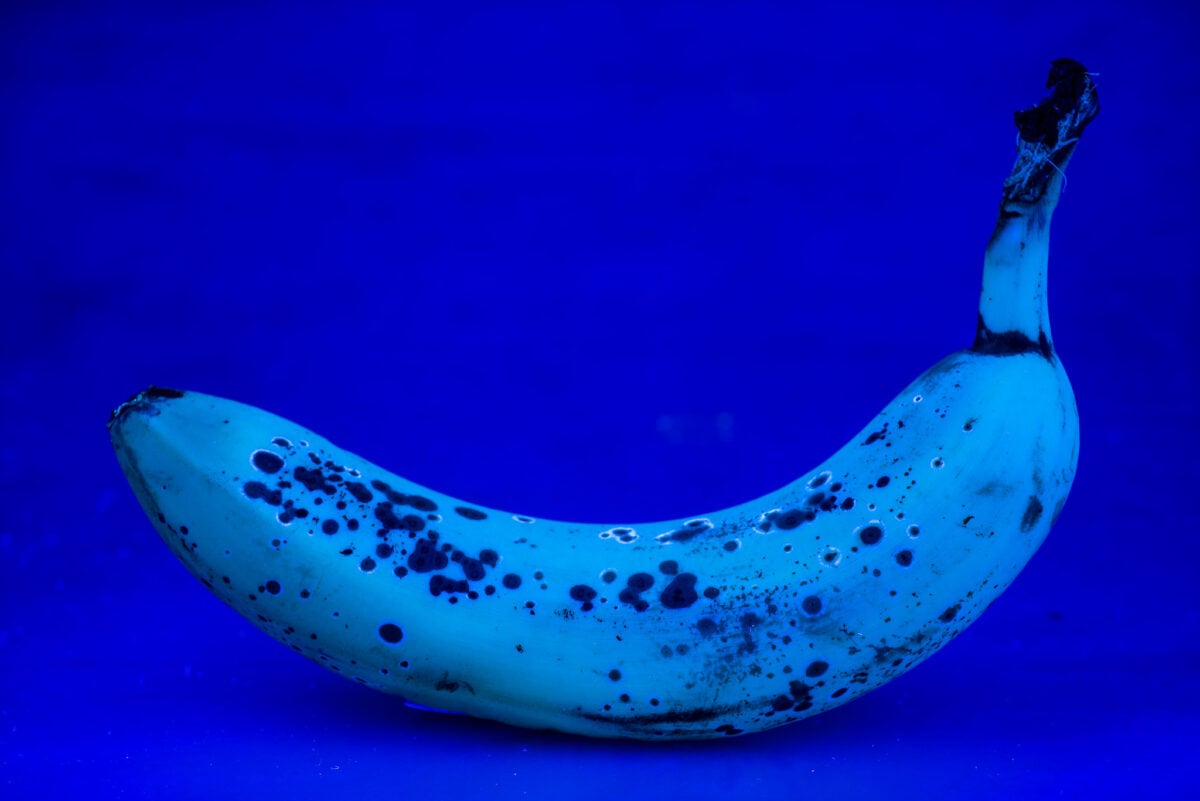
Ripe bananas glow under ultraviolet light, while unripe ones don’t. This happens because of how chlorophyll breaks down as the banana ripens.
It’s the kind of party trick that’ll make you the hit of any gathering with a blacklight.
India Produces the Most Bananas
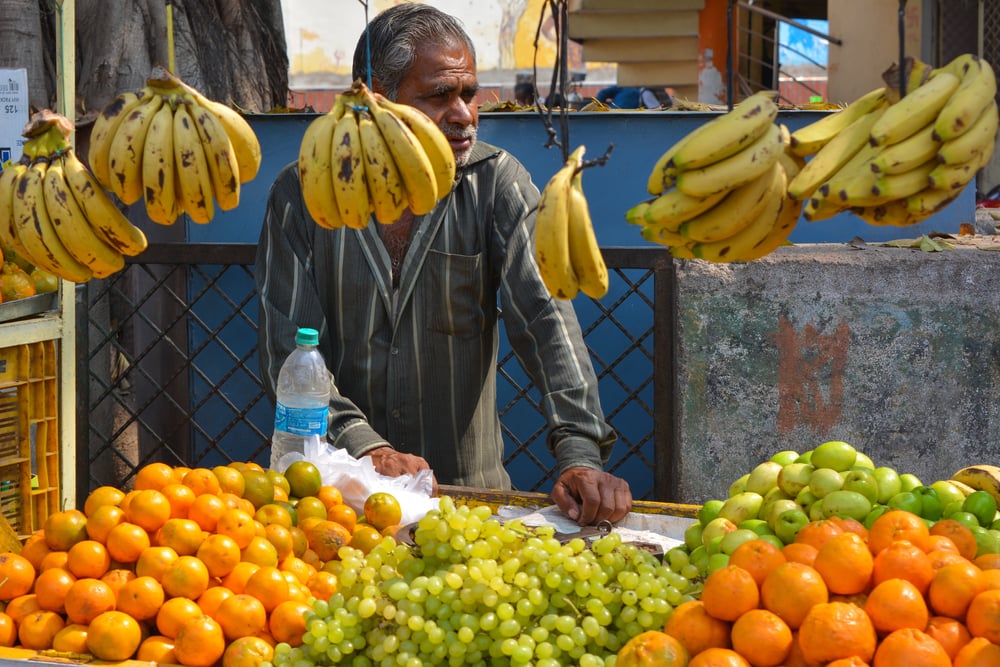
— Photo by Sahil Ghosh
India produces more bananas than any other country, accounting for about 28% of the worldwide crop. Meanwhile, the highest per capita consumption is in Ecuador, where residents eat an average of 218 pounds per person annually.
Americans eat a modest 27 pounds per person each year.
Banana Peels Are Surprisingly Useful
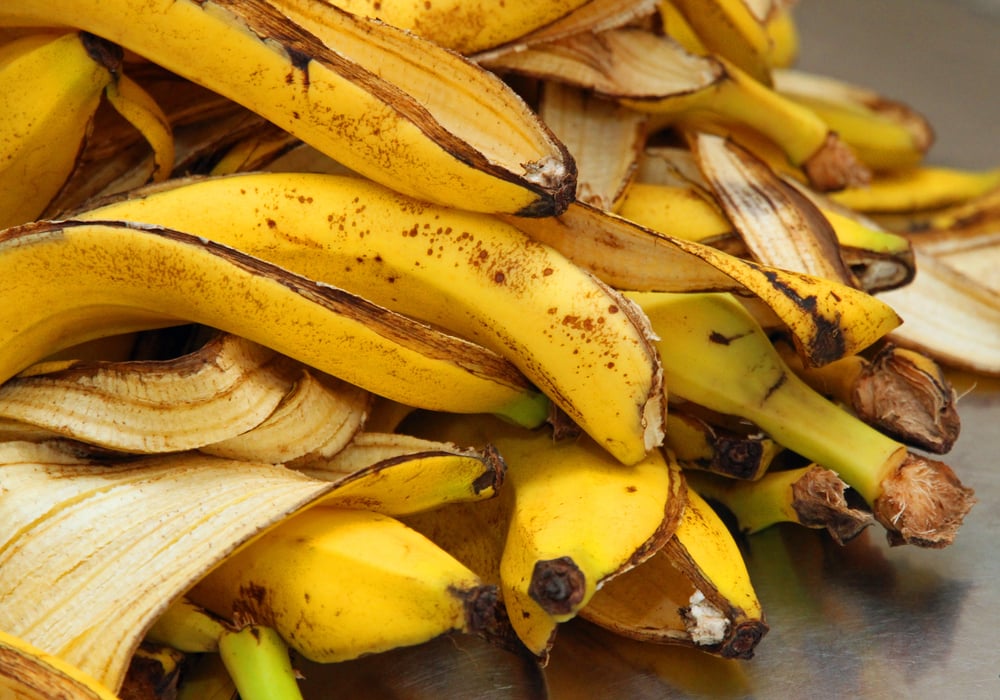
The inside of banana peels can soothe mosquito bites, help remove splinters, and even polish leather shoes. You can also use them to polish silver or make houseplant leaves shiny.
They can even fix scratched DVDs by filling in the scratches without damaging the plastic.
America’s Banana Supply Hangs by a Thread
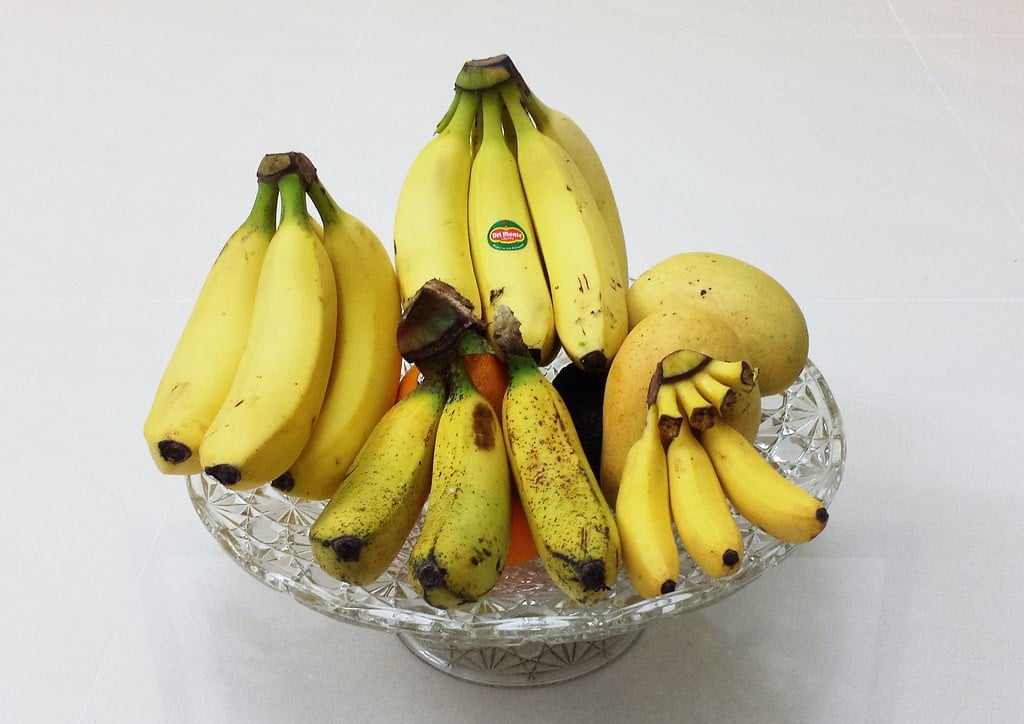
The Cavendish variety makes up nearly 100% of bananas in grocery stores, but it’s highly vulnerable to a fungal disease called Tropical Race 4. This disease could potentially wipe out commercial banana production, just like Panama disease eliminated the previous favorite variety, Gros Michel, by 1960.
There’s a Banana Museum
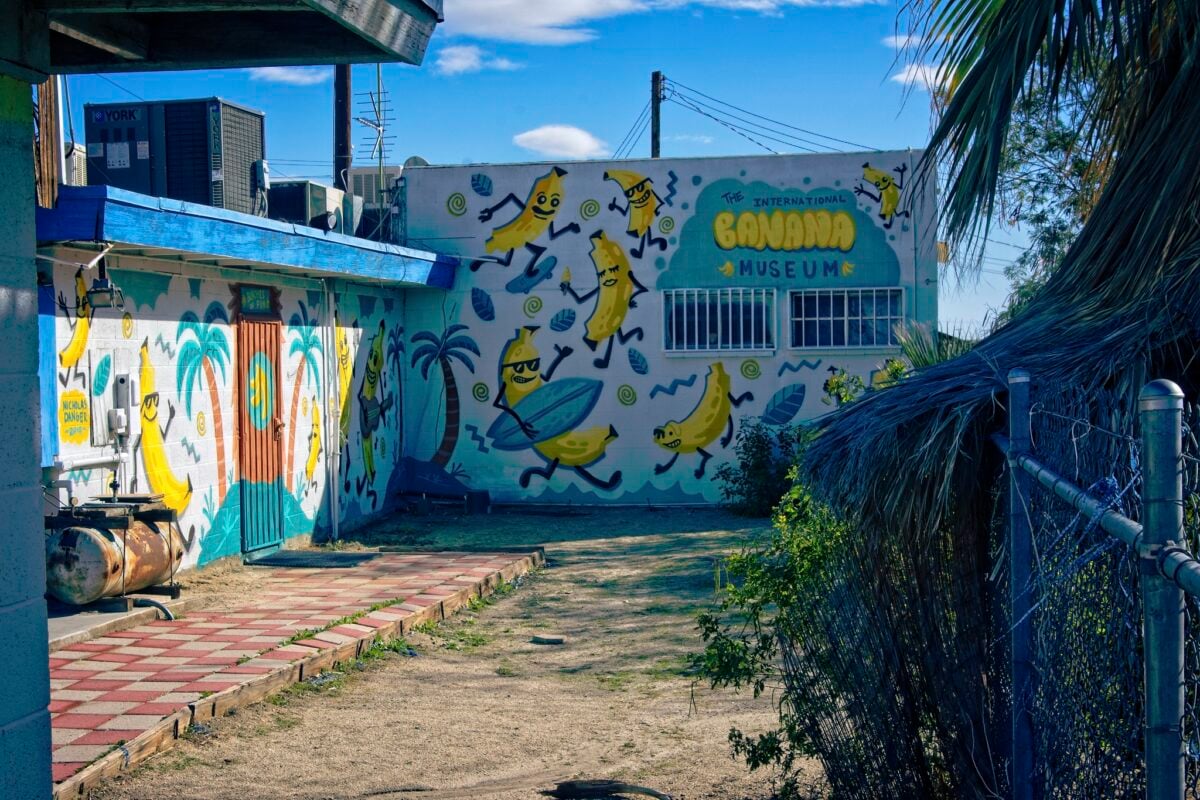
The International Banana Museum in Mecca, California, houses over 17,000 banana-related items and holds the Guinness World Record for the largest collection devoted to any single fruit. It now contains over 25,000 banana-themed artifacts, proving that people really can go bananas for bananas.
Bananas Have Ancient History
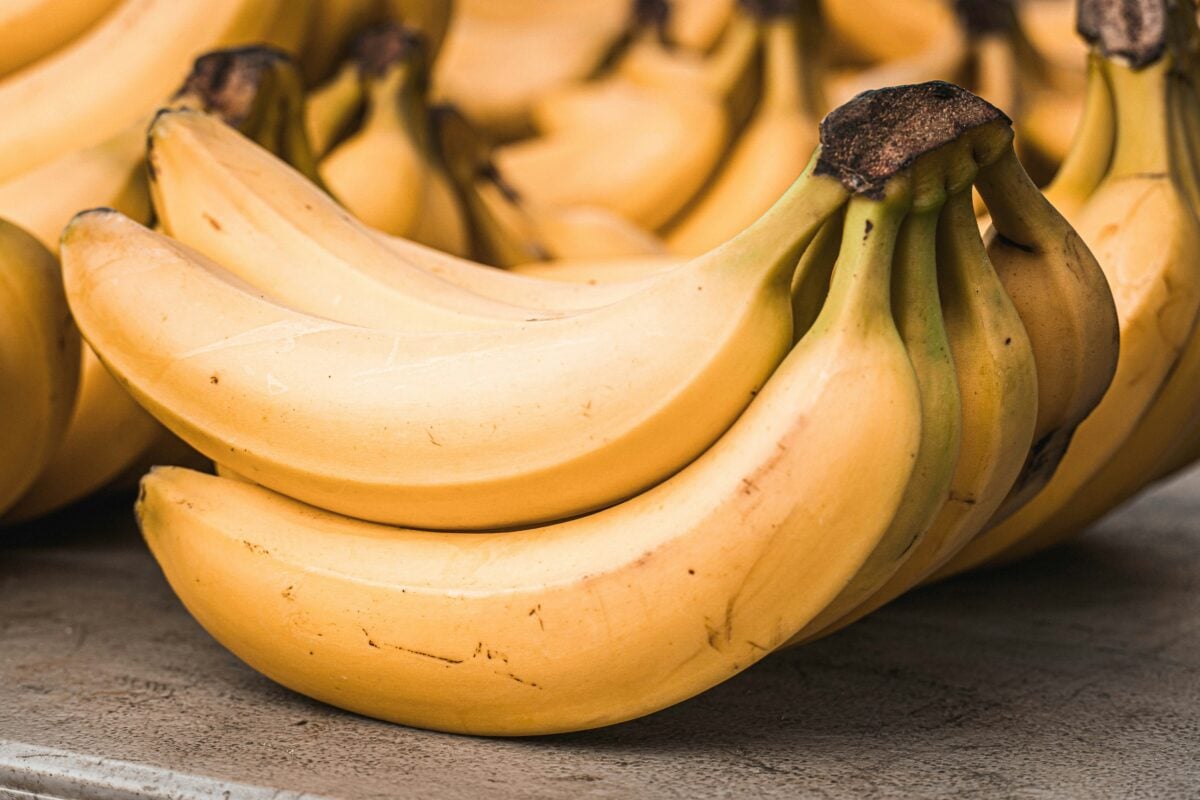
Archaeological evidence shows bananas were cultivated in Papua New Guinea as early as 5000 BCE, making them older than most major civilizations. They even appeared in ancient Egyptian hieroglyphics, and Alexander the Great is credited with bringing bananas to Europe around 2,300 years ago.
Banana Terminology Is Finger-Based
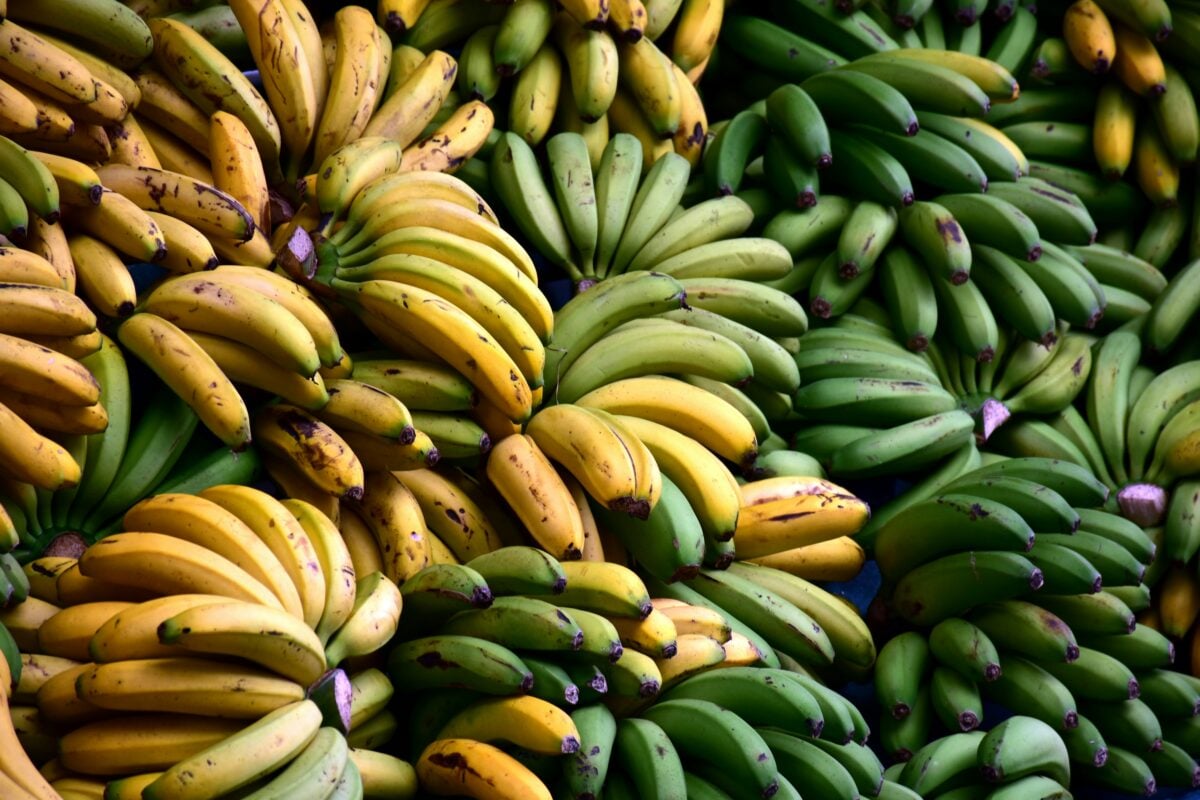
A cluster of bananas is called a ‘hand,’ while individual bananas are called ‘fingers’. The word banana itself comes from ‘banan,’ the Arabic word for finger.
The largest bunch ever recorded contained 473 individual bananas and weighed 287 pounds.
They Make People Happy (Literally)
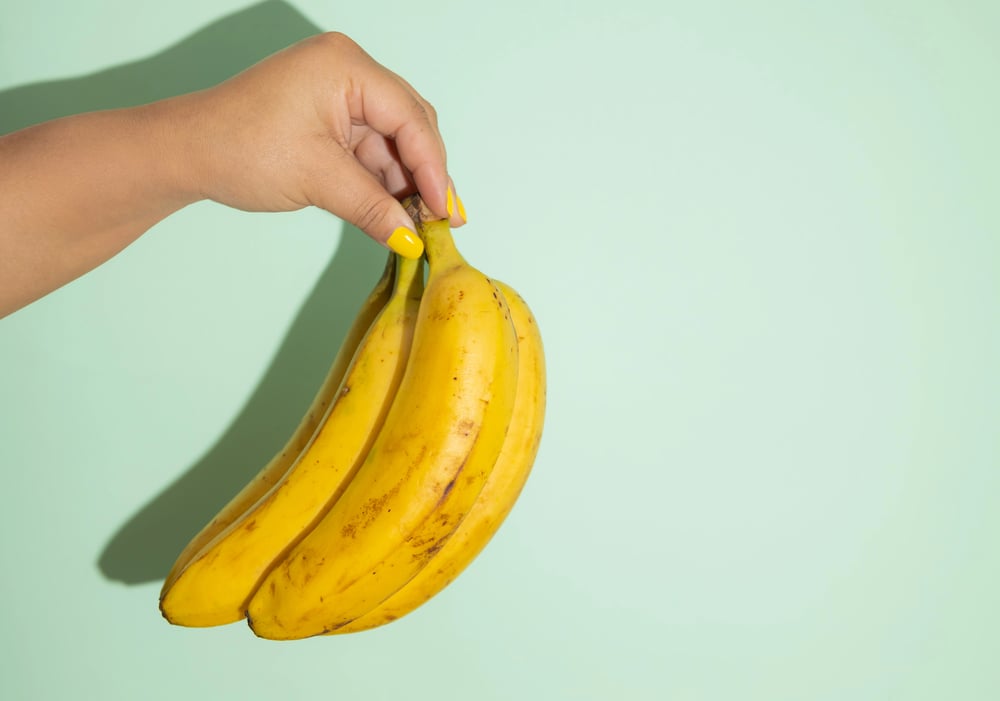
Bananas contain serotonin, a natural chemical that literally makes people feel happy. Combined with their convenience, nutritional value, and natural packaging, it’s no wonder more than 100 billion bananas are eaten worldwide every year, making them the fourth most popular agricultural product on Earth.
From Ancient Ancestor to Modern Marvel
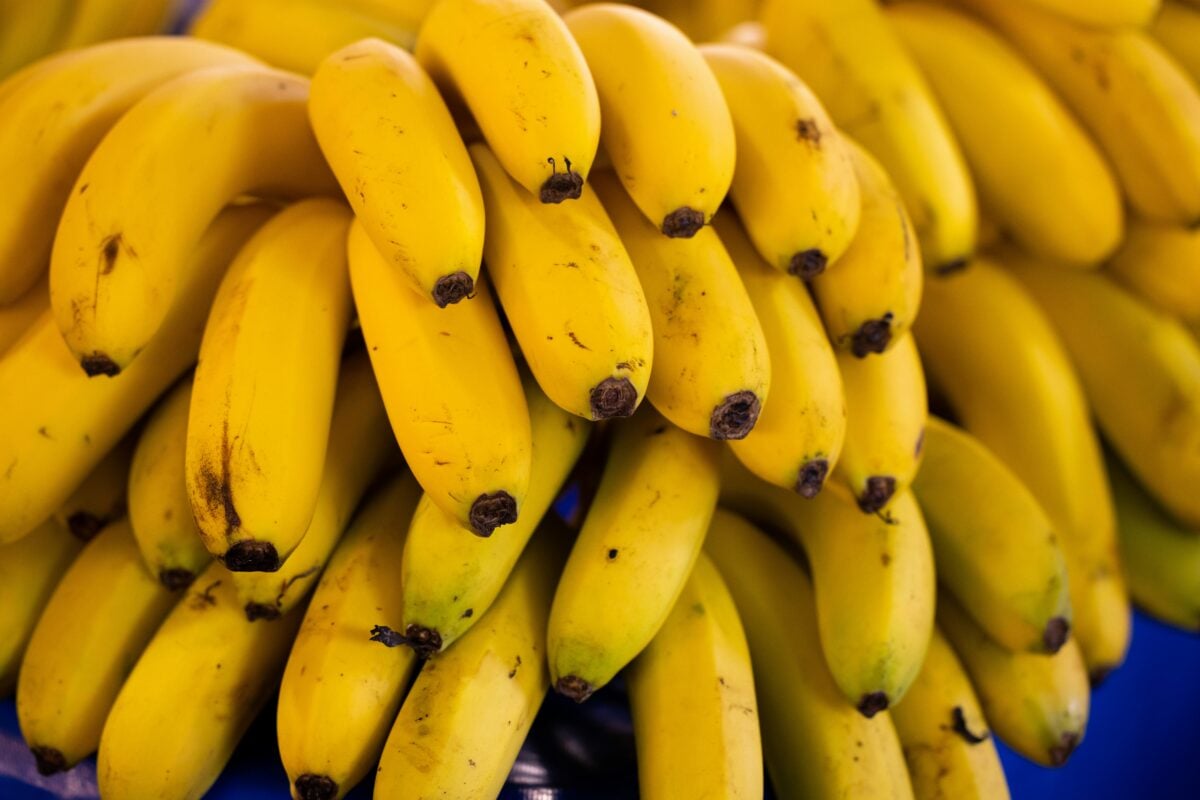
The journey of the banana from a seedy wild fruit to today’s perfect yellow crescents reflects humanity’s incredible ability to shape the natural world. Yet for all our agricultural ingenuity, we’ve created a somewhat precarious situation – an entire global industry dependent on genetic copies of a single variety.
As we face new challenges with disease and climate change, perhaps it’s time to appreciate not just how remarkable our modern bananas are, but how remarkable the wild diversity of this ancient fruit remains in other parts of the world.
More from Go2Tutors!

- The Romanov Crown Jewels and Their Tragic Fate
- 13 Historical Mysteries That Science Still Can’t Solve
- Famous Hoaxes That Fooled the World for Years
- 15 Child Stars with Tragic Adult Lives
- 16 Famous Jewelry Pieces in History
Like Go2Tutors’s content? Follow us on MSN.


