17 Festivals That Started as Something Completely Different
Many of the world’s most beloved festivals have fascinating origin stories that might surprise you. What began as religious ceremonies, agricultural celebrations, or even political protests has evolved into the colorful, music-filled extravaganzas we know today. The transformation of these events reflects changing cultural values and the natural evolution of traditions over time.
Here is a list of 17 festivals that started as something completely different from what they’ve become in modern times.
Mardi Gras
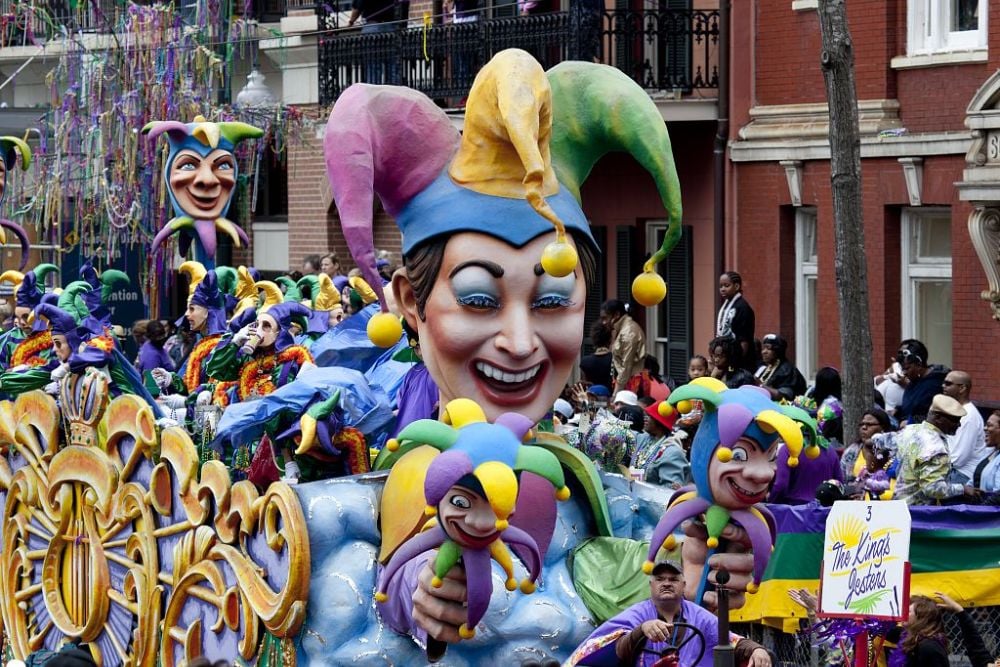
The vibrant parades and bead-throwing festivities of New Orleans’ Mardi Gras began as a solemn Catholic tradition marking the last day of indulgence before Lent. French settlers brought this religious observance to Louisiana in the early 18th century, where it gradually incorporated masquerade balls and street processions.
The iconic purple, green, and gold color scheme wasn’t added until the late 1800s, when the celebration had already begun its transformation into the raucous party we recognize today.
Burning Man
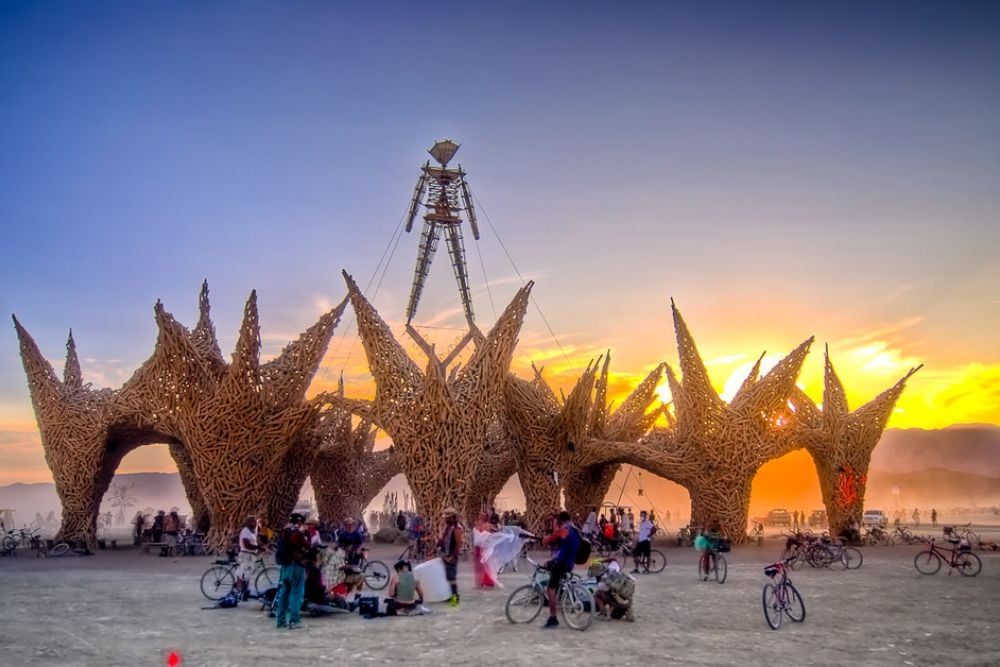
This desert gathering known for its massive art installations and temporary community began in 1986 as a small bonfire ritual on San Francisco’s Baker Beach. Founder Larry Harvey and a few friends burned an 8-foot wooden figure as a spontaneous act of self-expression with just 20 people in attendance.
The event relocated to Nevada’s Black Rock Desert in 1990 and has since grown into a 70,000-person temporary metropolis dedicated to art, community, and radical self-reliance, while maintaining the tradition of burning a much larger wooden effigy.
Like Go2Tutors’s content? Follow us on MSN.
Oktoberfest

The world’s largest beer festival originated not as a celebration of brewing, but as a public wedding reception. In 1810, Crown Prince Ludwig of Bavaria (later King Ludwig I) married Princess Therese of Saxony-Hildburghausen and invited all of Munich to join the festivities.
The celebration was such a success that the citizens decided to repeat it annually, gradually adding agricultural shows, carnival booths, and eventually beer halls. Today, the 16-day festival attracts over six million visitors who consume more than seven million liters of beer.
Diwali

While now celebrated with elaborate light displays, fireworks, and family feasts, Diwali began primarily as an agricultural festival marking the final harvest before winter. In ancient India, farmers would give thanks for the year’s crops and pray for future prosperity.
Different religious traditions gradually incorporated their own meanings: Hindus celebrating Lord Rama’s return from exile, Jains commemorating Lord Mahavira’s attainment of moksha, and Sikhs marking the release of Guru Hargobind from imprisonment. The unifying theme of light triumphing over darkness remains consistent across all celebrations.
Carnival of Venice
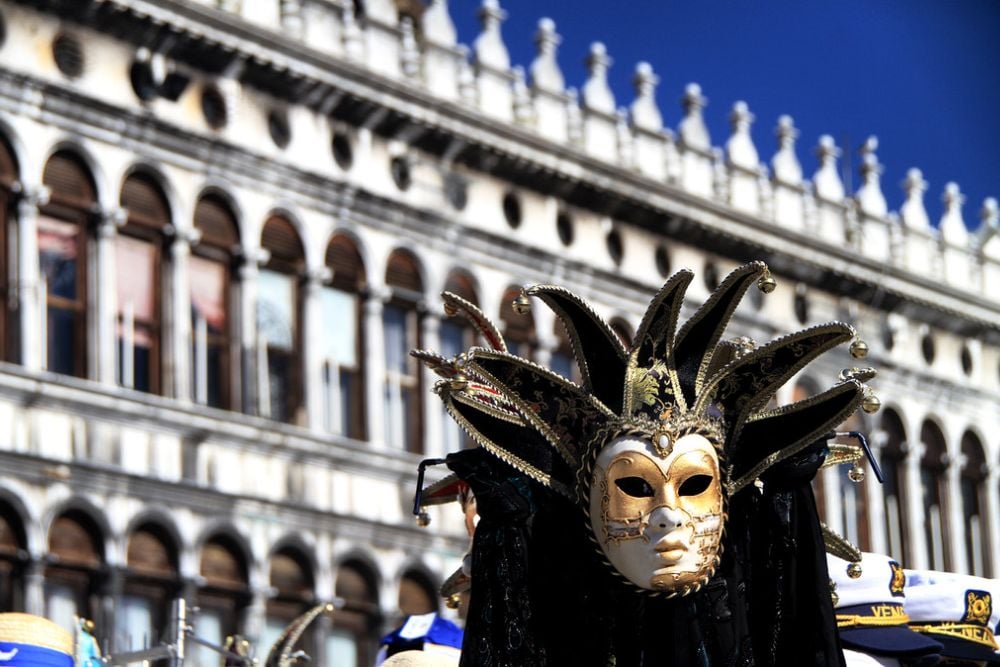
Venice’s elaborate masked festival originated from a military victory celebration in 1162, following the Republic of Venice’s triumph over the Patriarch of Aquileia. Citizens gathered in San Marco Square for dancing and revelry, establishing an annual tradition.
The distinctive masks became prominent in the 13th century as a way for people to hide their identities and social status, allowing noble and common citizens to mingle freely. After being banned by the King of Austria in 1797, the festival was revived in 1979 and now attracts approximately three million visitors annually.
Like Go2Tutors’s content? Follow us on MSN.
St. Patrick’s Day

The green-themed celebration we know today began as a solemn religious feast day commemorating the death of Ireland’s patron saint in the fifth century. For over 1,000 years, the day remained primarily a religious observance with families attending church and enjoying a special meal together.
The transformation into a secular celebration of Irish culture began largely in America, where Irish immigrants used the day to connect with their heritage and demonstrate political solidarity. The first St. Patrick’s Day parade wasn’t even held in Ireland but in New York City in 1762.
Rio Carnival

Brazil’s famous carnival originated as a pre-Lenten food festival where people would feast before the 40-day fast. Portuguese settlers brought this Catholic tradition to Brazil in the 1600s, but it transformed dramatically with the influence of African rhythms and traditions introduced by enslaved people.
The samba schools that now dominate the celebration didn’t form until the early 20th century, combining European carnival elements with African music and dance. Today’s spectacular parades featuring elaborate costumes and choreographed performances evolved from much simpler street processions.
Holi

Known as the festival of colors where participants throw vibrant powders at each other, Holi began as a primarily religious observance celebrating the Hindu god Krishna and the arrival of spring. Ancient texts describe much more ritualistic ceremonies focused on prayer and offerings to deities.
The playful color-throwing aspect has roots in the legend of Krishna applying color to Radha’s face, but this element has expanded to become the festival’s defining feature. What was once a relatively contained religious observance has become a global phenomenon celebrated even in non-Hindu communities.
Like Go2Tutors’s content? Follow us on MSN.
Glastonbury Festival
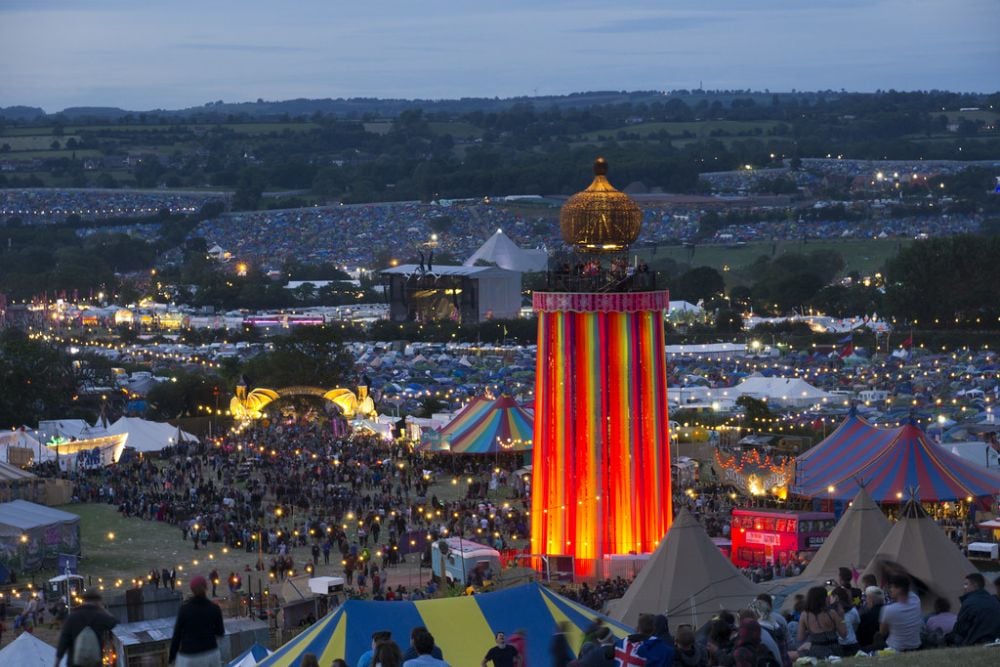
This iconic music festival started in 1970 as a small event inspired by the counterculture movement, organized by farmer Michael Eavis the day after Jimi Hendrix died. The first festival, attended by 1,500 people who paid just £1 each (including free milk from the farm), featured performances by T. Rex and was called the Pilton Festival.
Originally conceived as a one-off event to pay off Eavis’s farm mortgage, it has grown into a five-day cultural phenomenon attracting over 200,000 attendees and the world’s biggest musical acts, while maintaining its commitment to charitable causes.
La Tomatina
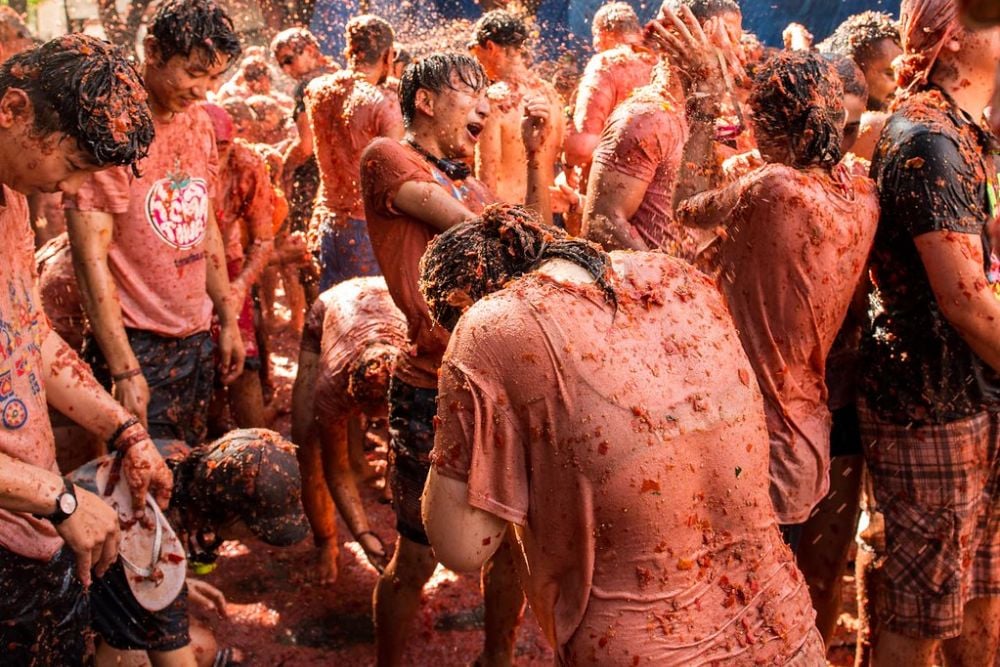
Spain’s famous tomato-throwing festival began in 1945 not as a planned event but as a spontaneous brawl. During a parade in Buñol, young people tried to join a procession of gigantes y cabezudos (giants and big heads), causing one participant to fall. In the ensuing anger, people grabbed tomatoes from a nearby vegetable stand and began hurling them at each other.
The following year, young people deliberately staged a tomato fight, and despite being banned by authorities through the 1950s, the tradition persisted and was eventually officially sanctioned, now drawing thousands of participants each August.
Coachella
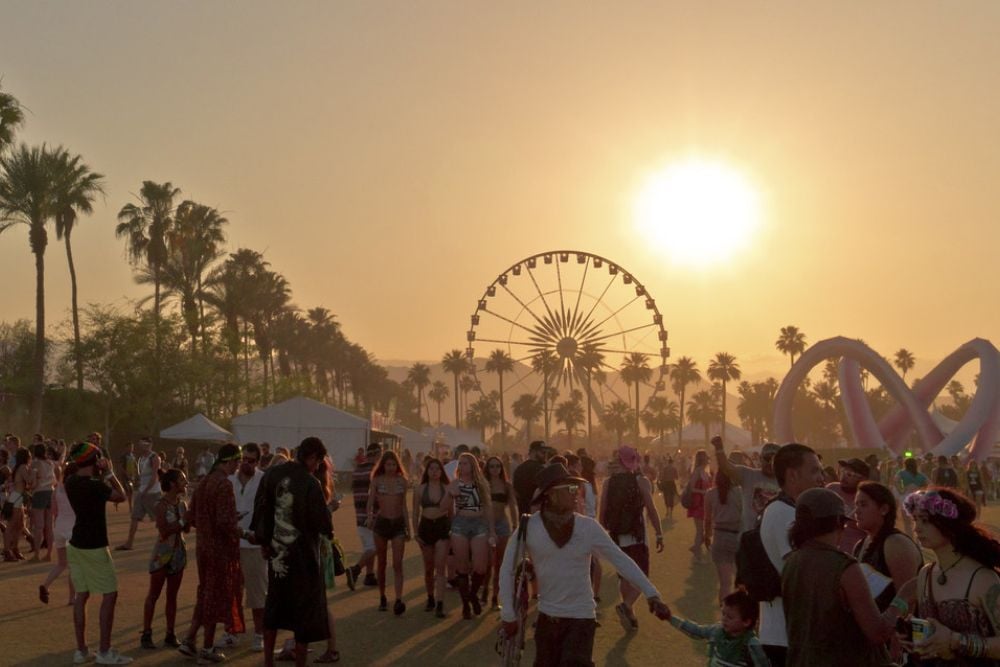
This influential music and arts festival began in 1993 as a defiant concert by Pearl Jam, who chose the Empire Polo Club in Indio, California as a venue to protest against Ticketmaster’s service charges and their control over major venues. The success of this show proved the location’s viability for large events, leading to the first official Coachella festival in 1999.
Initially struggling financially and even skipping 2000, the festival relaunched in 2001 as a one-day event before expanding to its current three-day format featuring hundreds of acts across multiple stages, art installations, and fashion showcases.
Like Go2Tutors’s content? Follow us on MSN.
Songkran
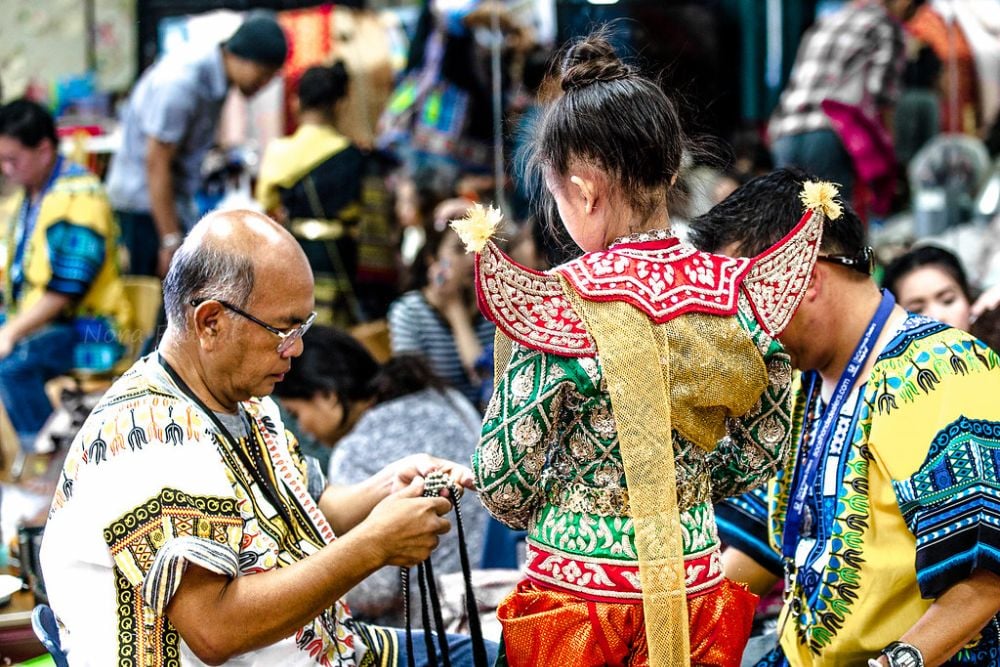
Thailand’s famous water festival originated as a much more subdued Buddhist ceremony marking the traditional Thai New Year. The ritual involved collecting water used to clean Buddha statues, then gently pouring this blessed water on family members’ shoulders for good fortune.
Village elders would also receive respectful water pouring as a sign of reverence. This gentle sprinkling has evolved into today’s nationwide water fight with water guns, hoses, and buckets, drawing tourists from around the world who join locals in the thoroughly soaked celebrations.
Edinburgh Festival Fringe
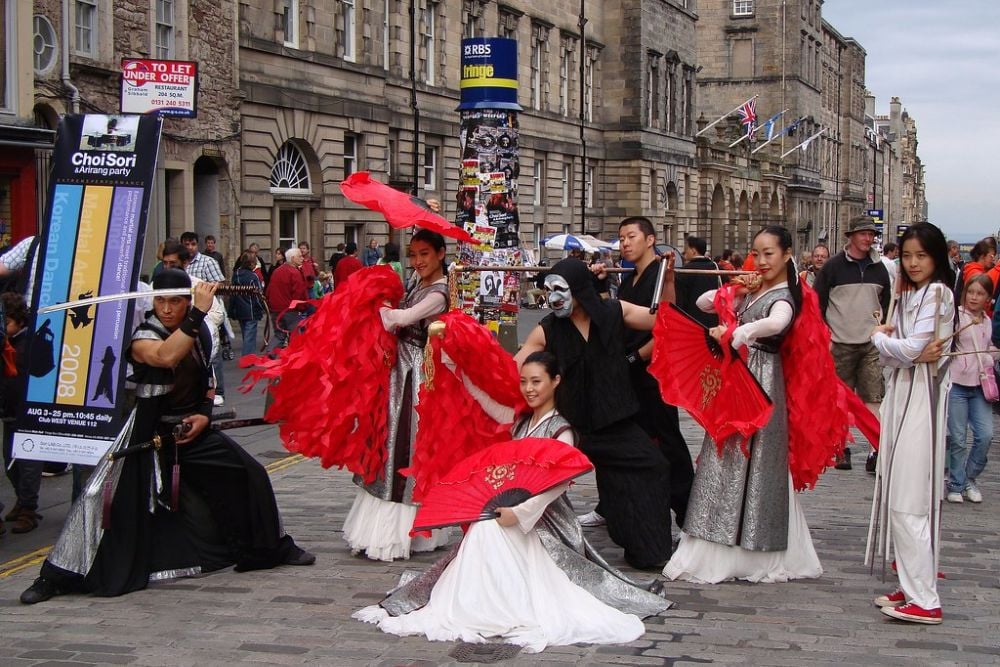
The world’s largest arts festival began in 1947 as an uninvited alternative to the official Edinburgh International Festival. When eight theater groups arrived without invitations to the main festival, they performed on the ‘fringe’ of the official event in smaller, unconventional venues.
With no central organization, this spontaneous alternative grew organically through word-of-mouth. Today, the Fringe has eclipsed the original festival in size and popularity, featuring over 3,000 shows across hundreds of venues and launching countless comedy and theater careers.
Day of the Dead

Mexico’s colorful celebration honoring deceased loved ones represents a blending of pre-Columbian rituals with Catholic traditions. The Aztec festival dedicated to the goddess Mictecacihuatl lasted an entire month and viewed death as a continuation of life rather than an end.
When Spanish conquistadors arrived, they attempted to replace indigenous practices with All Saints’ Day and All Souls’ Day. Instead of disappearing, native traditions merged with Catholic elements, resulting in the modern two-day celebration featuring sugar skulls, marigolds, and elaborate family altars.
Like Go2Tutors’s content? Follow us on MSN.
Chinese New Year
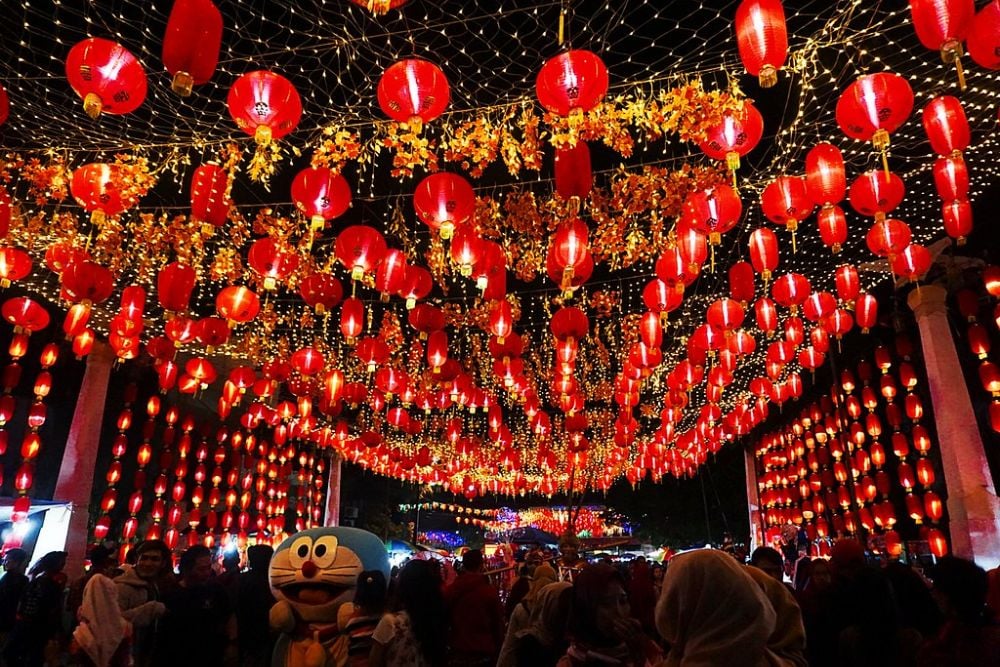
This 15-day celebration began over 3,500 years ago not as a festive occasion but as a ritual to pray to the gods for good harvests and to fight off a mythical beast called Nian. Villagers would place food at their doorsteps to prevent the creature from attacking people and used loud noises and red decorations to scare it away.
These practical protective measures gradually evolved into today’s traditions of red envelopes, lion dances, and fireworks. The agricultural timing remains, marking the end of winter and the beginning of spring planting.
Thanksgiving

America’s family-focused holiday centered around turkey dinners began as a harvest celebration shared between Plymouth colonists and Wampanoag Indians in 1621. However, that famous three-day feast wasn’t called ‘Thanksgiving’ at the time, nor was it intended to establish an annual tradition.
Various colonies and states held their own Thanksgiving celebrations on different dates until 1863, when President Lincoln proclaimed a national Thanksgiving Day during the Civil War as a measure to unite the country. The commercialization, football games, and Black Friday shopping that now accompany the holiday would be unrecognizable to those early celebrants.
Carnival of Binche

Belgium’s UNESCO-recognized carnival featuring distinctive Gilles characters in ostrich-feathered hats began as a late medieval religious celebration connected to Lent. The earliest record of the festival dates to the 14th century, but the iconic Gilles characters didn’t appear until around 1795.
These figures, who wear wax masks and wooden clogs while throwing oranges to spectators, were likely influenced by Peruvian or Incan costumes brought back by Spanish conquistadors. What started as simple pre-Lenten revelry has become a carefully preserved cultural institution with strictly enforced traditions about who can portray a Gille and how.
Like Go2Tutors’s content? Follow us on MSN.
The Evolution of Celebration
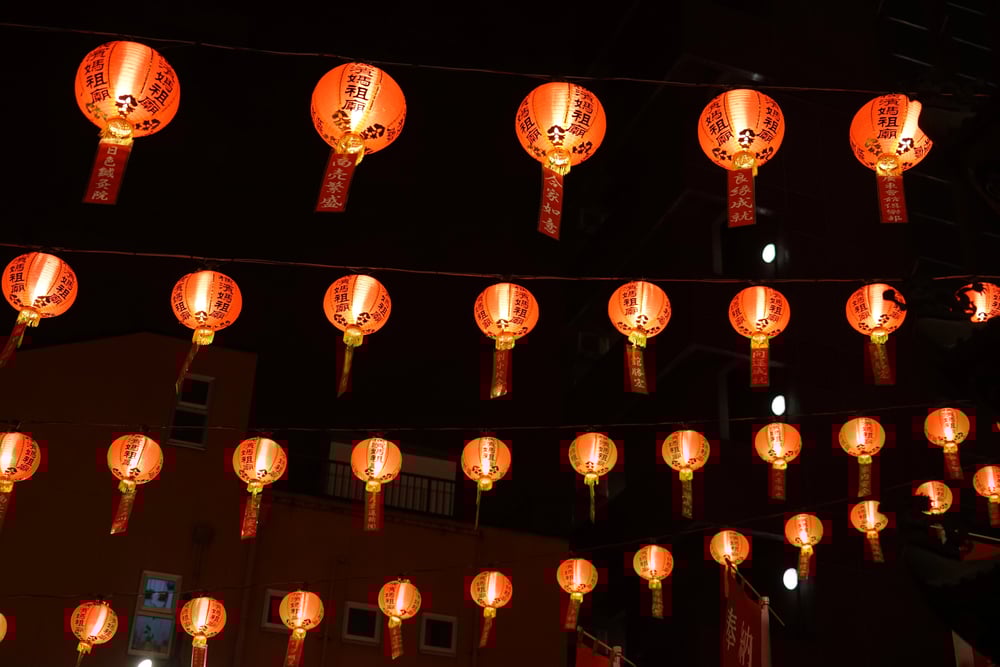
The transformation of these festivals reveals how celebrations adapt to changing times while maintaining connections to their roots. Religious observances have become secular parties, solemn ceremonies have evolved into joyous gatherings, and small local traditions have grown into international tourist attractions.
Yet in each case, threads of the original purpose remain woven into the modern festivities, reminding us that even our most commercialized celebrations began with genuine human desires to mark seasons, honor beliefs, and come together as communities.
More from Go2Tutors!

- 18 Unexpectedly Valuable Collectibles You Might Have Lying Around
- 15 Things Every Teenager in the ’70s Did That Teens Today Wouldn’t Understand
- 15 Strange Things People Have Tried to Ban (And Failed)
- 15 Inventions That Were Immediately Banned After Being Created
- 20 Actors Who Were Almost Cast in Iconic Roles
Like Go2Tutors’s content? Follow us on MSN.



