Old Cards and Inserts Worth Surprising Money
That shoebox in your attic might be hiding a goldmine. While most people think of baseball cards when they hear about collectible cards, the world of vintage promotional inserts extends far beyond America’s pastime.
From the 1870s through the 1950s, companies tucked beautifully printed cards into their products as marketing tools, and today these forgotten pieces of advertising history command serious money at auction.
T206 Honus Wagner
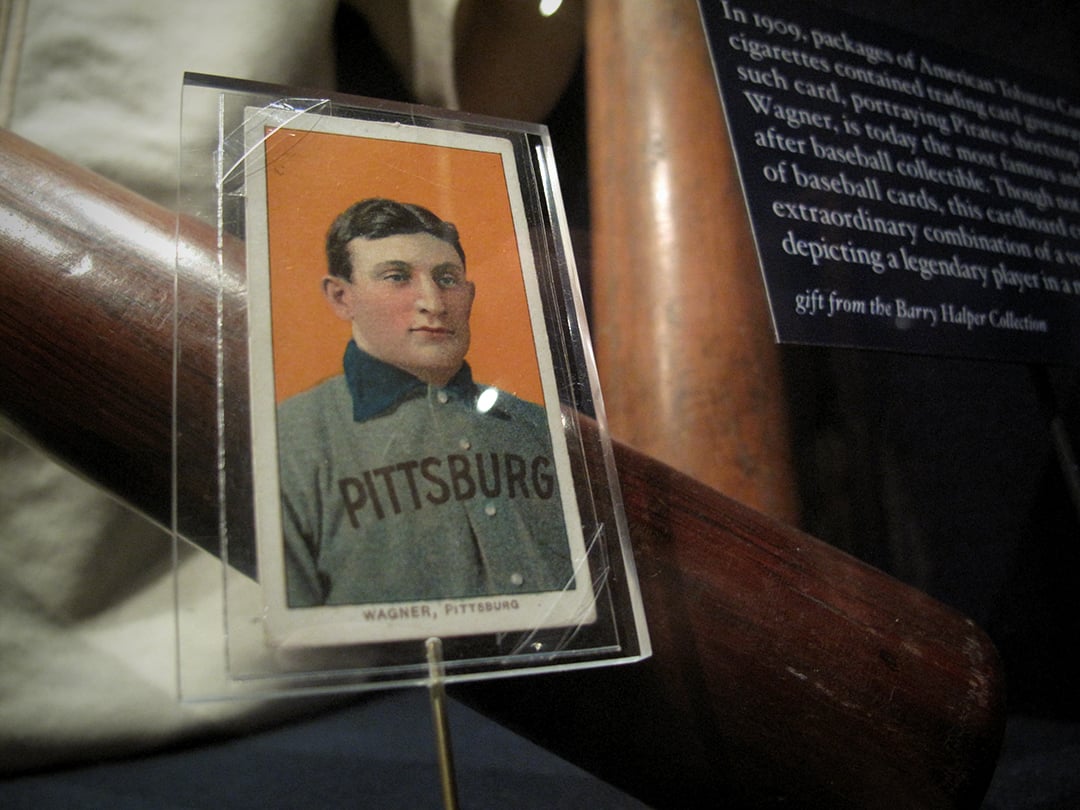
The most famous card ever printed wasn’t meant to become legendary. The Pittsburgh Pirates shortstop allegedly objected to his image being used to promote a product he didn’t endorse, so the American Company pulled the card from production after printing only a handful.
One sold for $6.6 million in 2021, making it one of the most expensive baseball cards ever sold.
Hassan Cork Tip Series
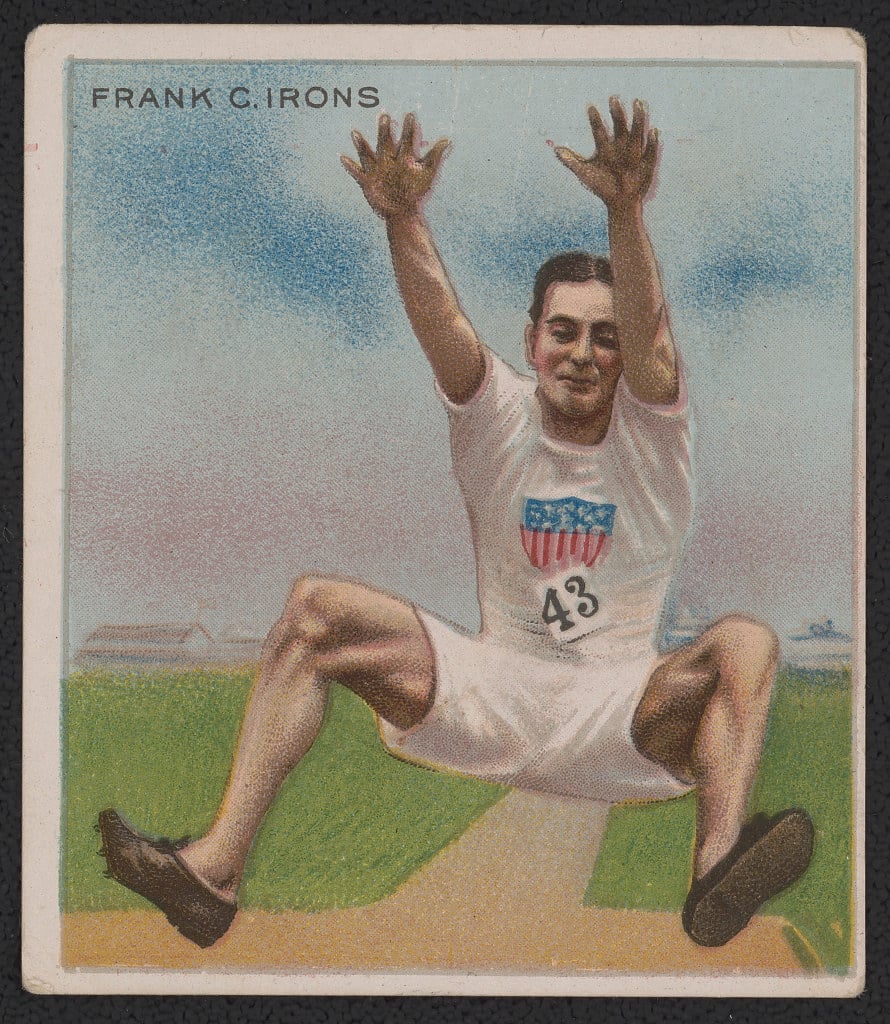
The Hassan Company created some of the most elaborate promotional cards ever produced (their full-color lithography was decades ahead of its time), and their 1909-1911 series featuring baseball players, boxers, and actresses now sells for astronomical amounts. Even common players can bring $1,000, while stars like Ty Cobb command six figures.
The company went out of business in 1915, which only adds to their scarcity.
Allen & Ginter Champions Series
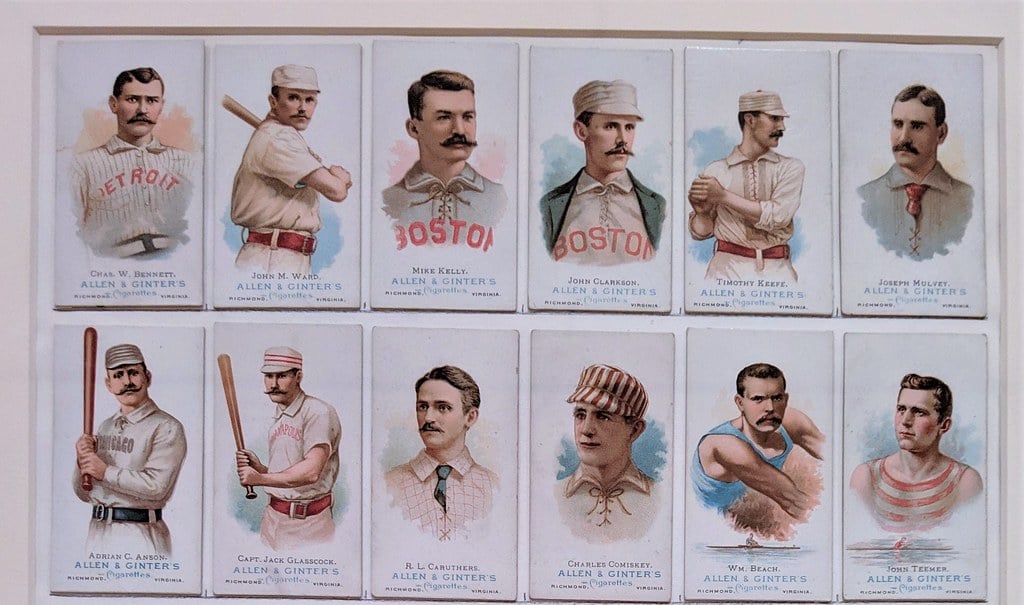
Before energy drinks sponsored extreme sports, the Allen & Ginter company was celebrating human achievement on small pieces of cardboard. Their 1887 Champions series featured everyone from Annie Oakley to bicycle racers to strongmen — basically anyone who excelled at anything worth watching.
The cards feel like tiny windows into Victorian entertainment, complete with ornate borders that make modern cards look plain by comparison.
Piedmont Art Series
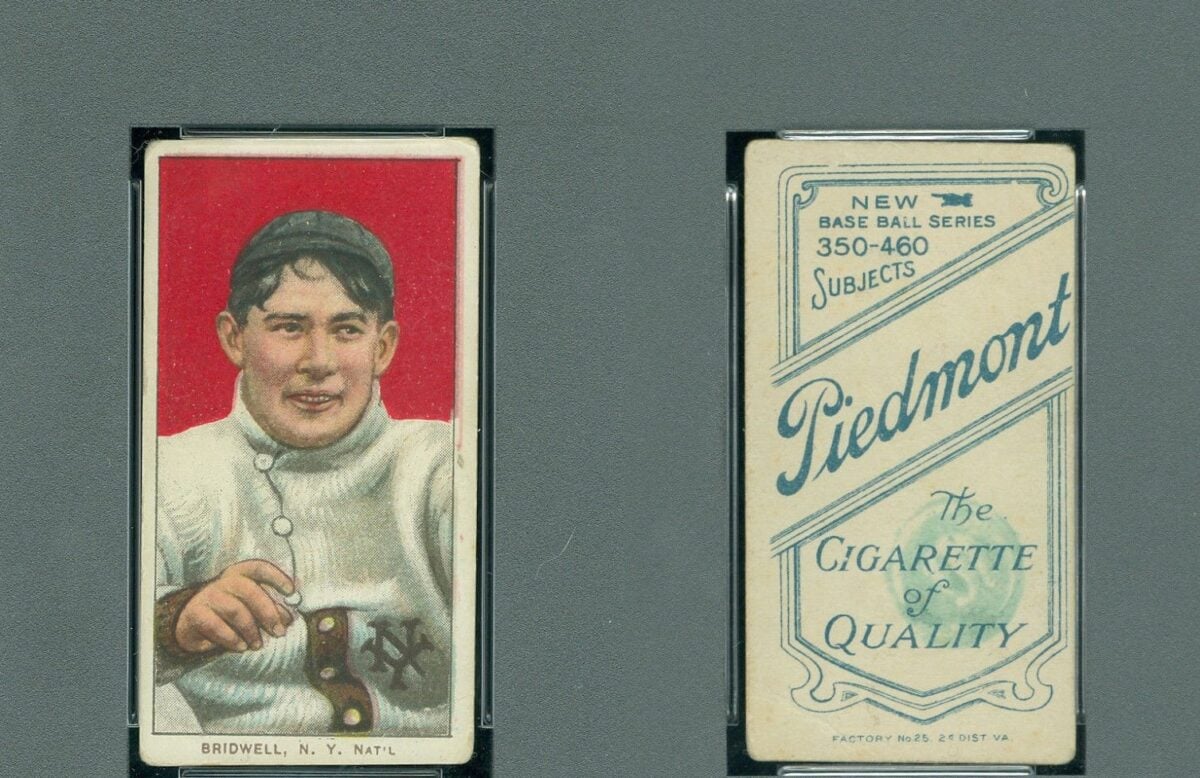
Most promotional cards stuck to sports figures and celebrities. The Piedmont Company decided to educate people instead, creating gorgeous reproductions of famous paintings and architectural landmarks.
Turns out, people kept art cards longer than athlete cards — they felt more respectable sitting on parlor tables than pictures of ballplayers.
Sweet Caporal Actresses Series
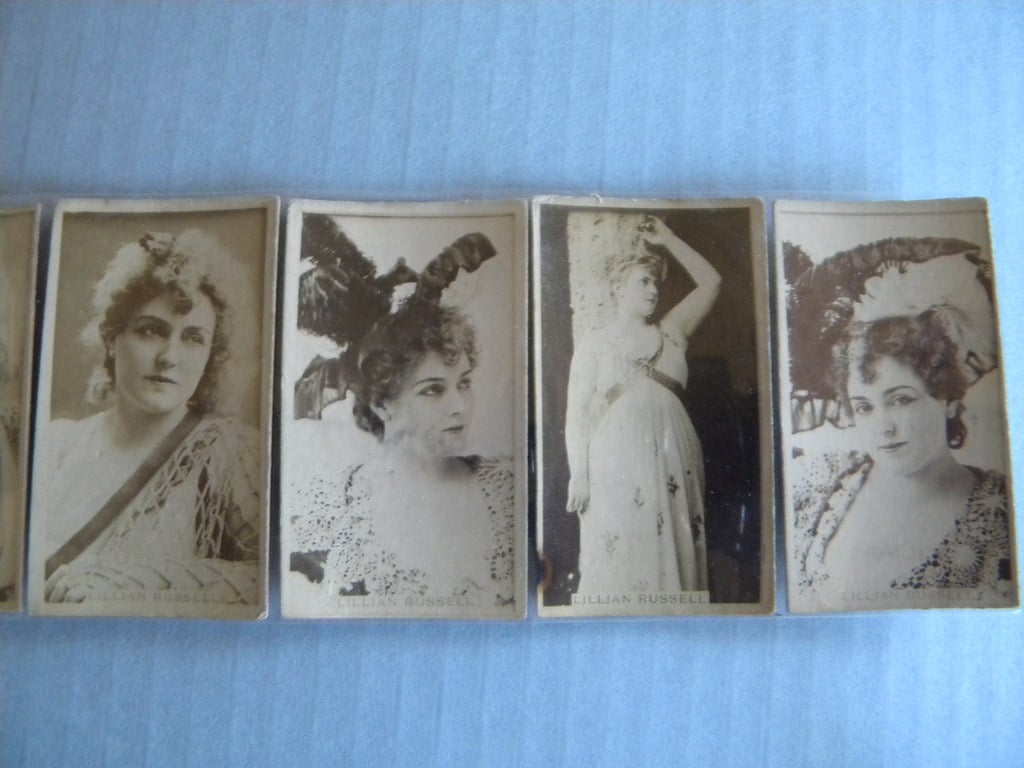
Stage actresses were the movie stars of their era, and the Sweet Caporal company knew it. Their series featuring Broadway performers from 1890-1895 captured the biggest names in American theater, complete with costume details and dramatic poses.
A Lillian Russell card in good condition can sell for $3,000 today, which would have bought you a house back when the cards were new.
Old Mill Series
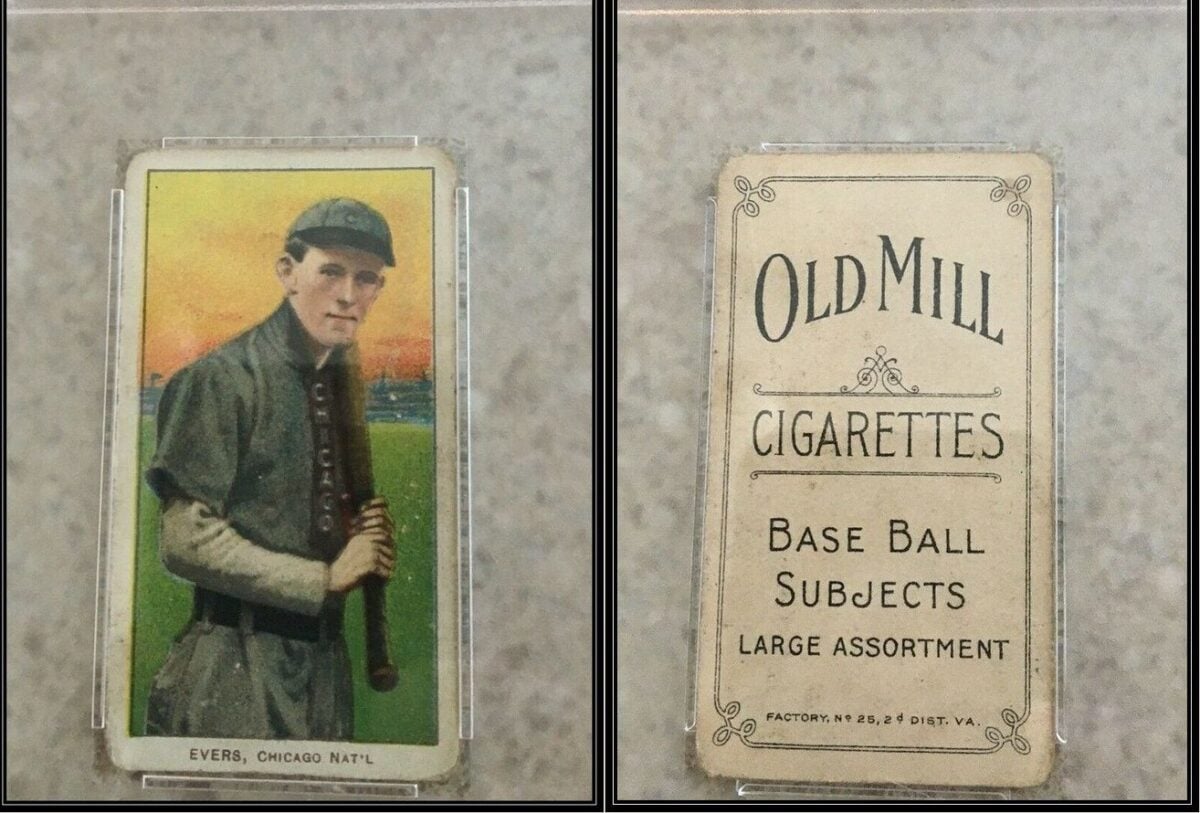
The Old Mill brand created what many consider the most beautiful promotional cards ever printed — their 1909-1910 series used a printing process that gave each card an almost painted quality, with rich colors that somehow survived more than a century in attics and dresser drawers. The printing plates were destroyed after the series ended (the company wanted to prevent counterfeits), so what exists today is all there will ever be. Even damaged examples sell for thousands.
Mecca Double Folders
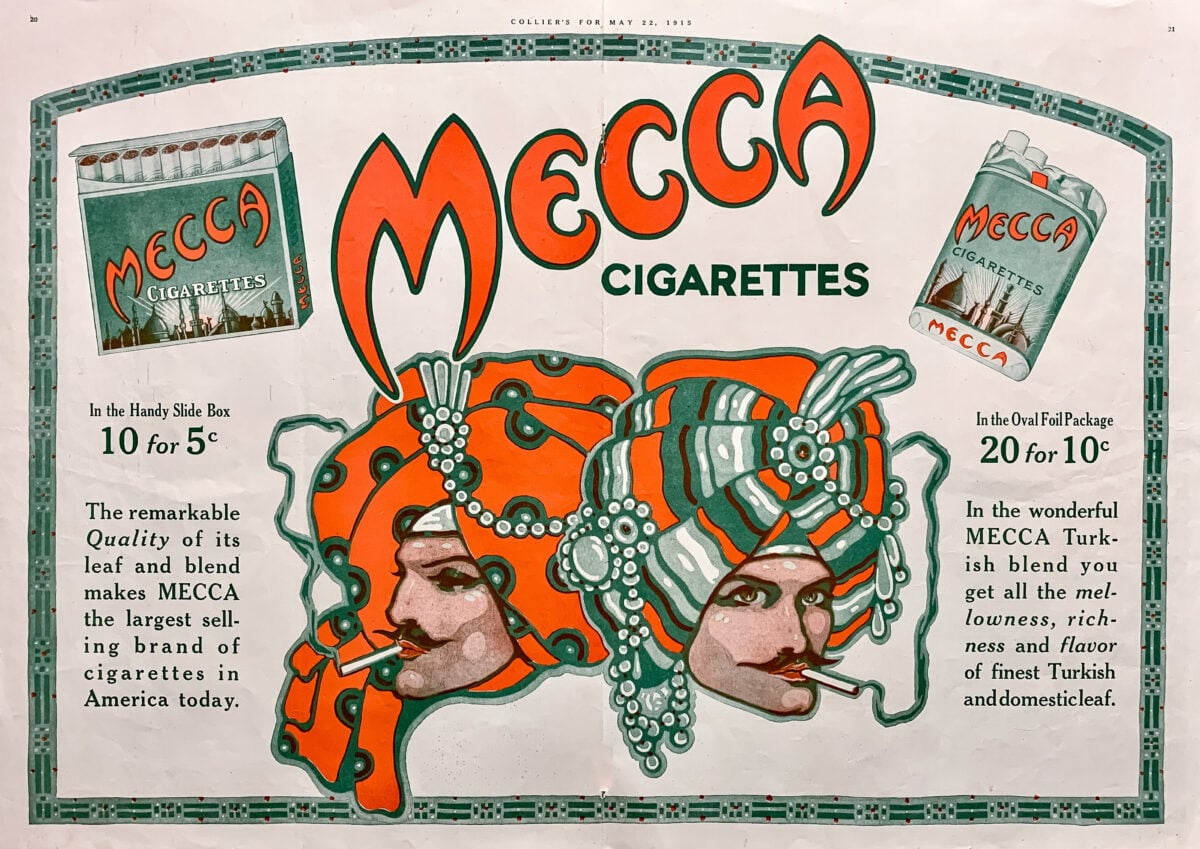
Innovation sometimes comes from the strangest places. The Mecca Company created cards that folded in half to reveal different images — one side might show a baseball player in street clothes, the other in uniform.
The mechanical complexity made them expensive to produce, so they didn’t last long in the market, but collectors prize them today for their ingenuity.
Turkey Red Cabinets
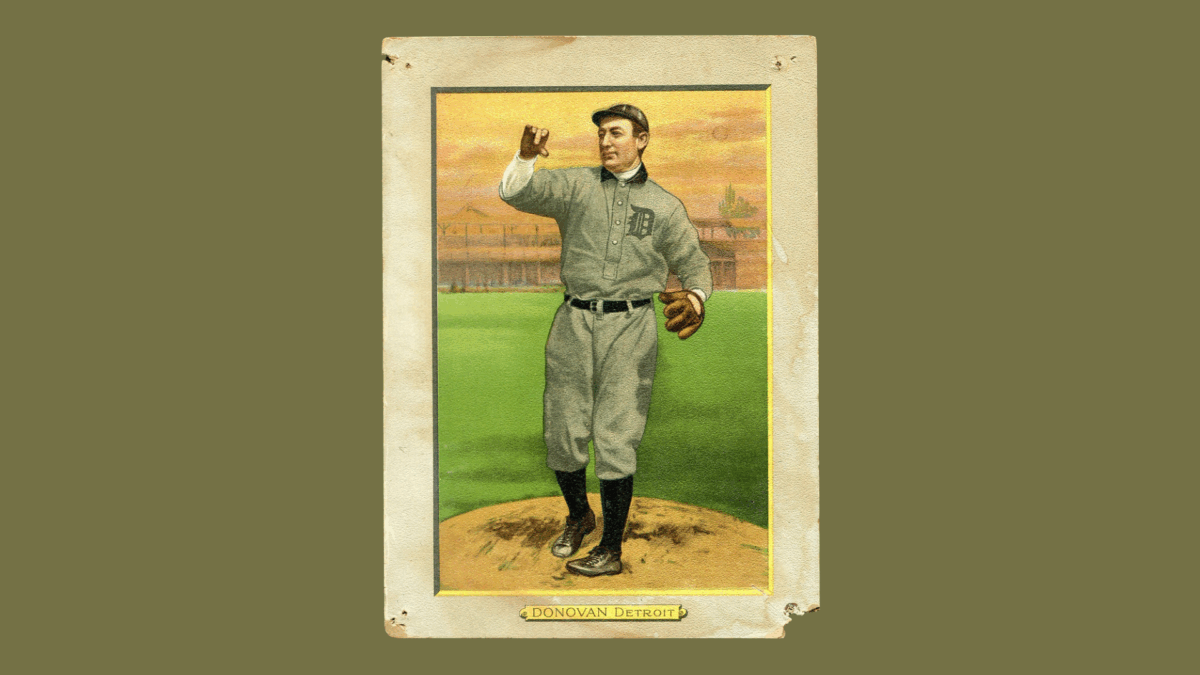
Size matters in the collectibles world. While most promotional cards were small enough to fit in product packages, the Turkey Red series created oversized cabinet cards that measured roughly 5 by 8 inches.
The extra space allowed for incredible detail and richer colors, but it also meant fewer people kept them — they didn’t fit easily into albums or storage boxes.
Polar Bear Brand Series
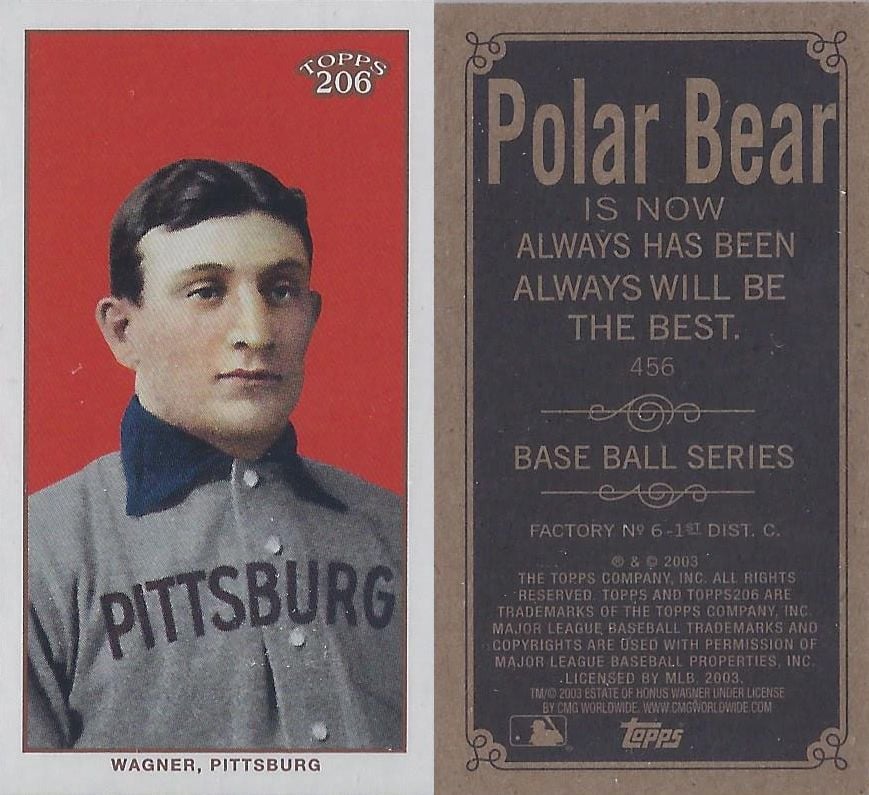
The Polar Bear Company focused exclusively on winter sports and Arctic exploration, creating cards that documented everything from ice skating champions to early polar expeditions. Their 1909 series includes some of the only contemporary images of early Antarctic explorers, making them valuable to both card collectors and history enthusiasts.
Honest Long Cut Boxers
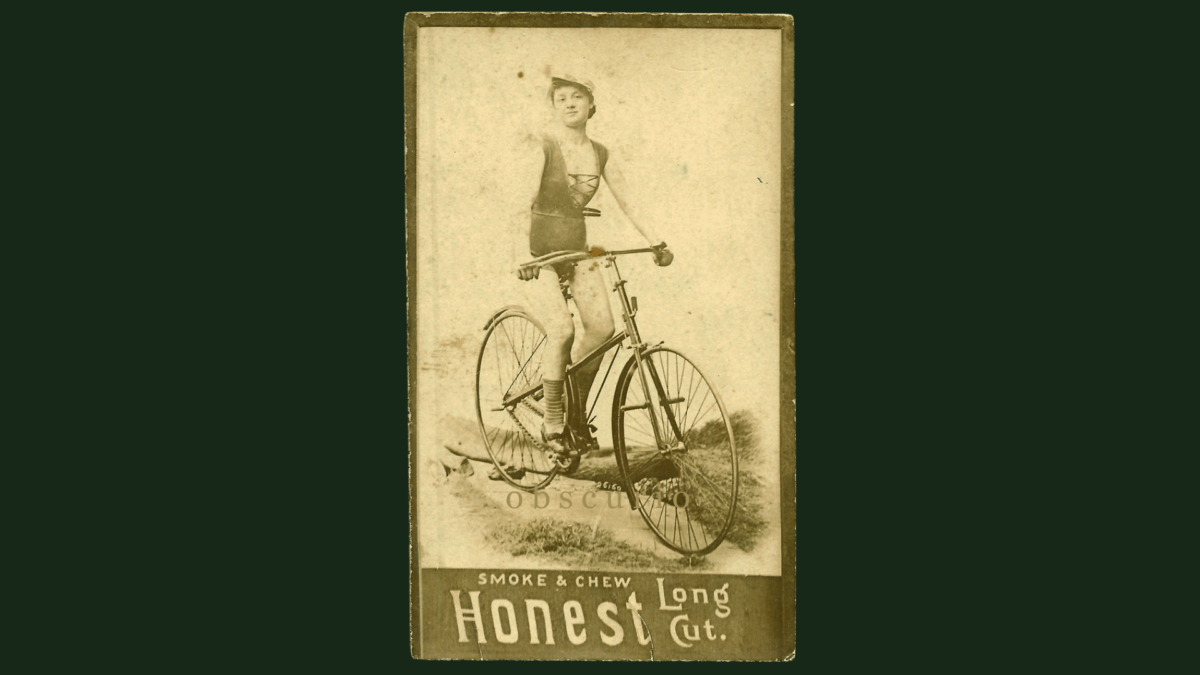
Boxing was huge in the early 1900s, and the Honest Long Cut company captured the sport at its peak. Their cards featured everyone from John L. Sullivan to lesser-known prizefighters, complete with fight records and physical measurements.
A complete set sold for $45,000 in 2019 — not bad for what were essentially product advertisements.
Fatima Teams
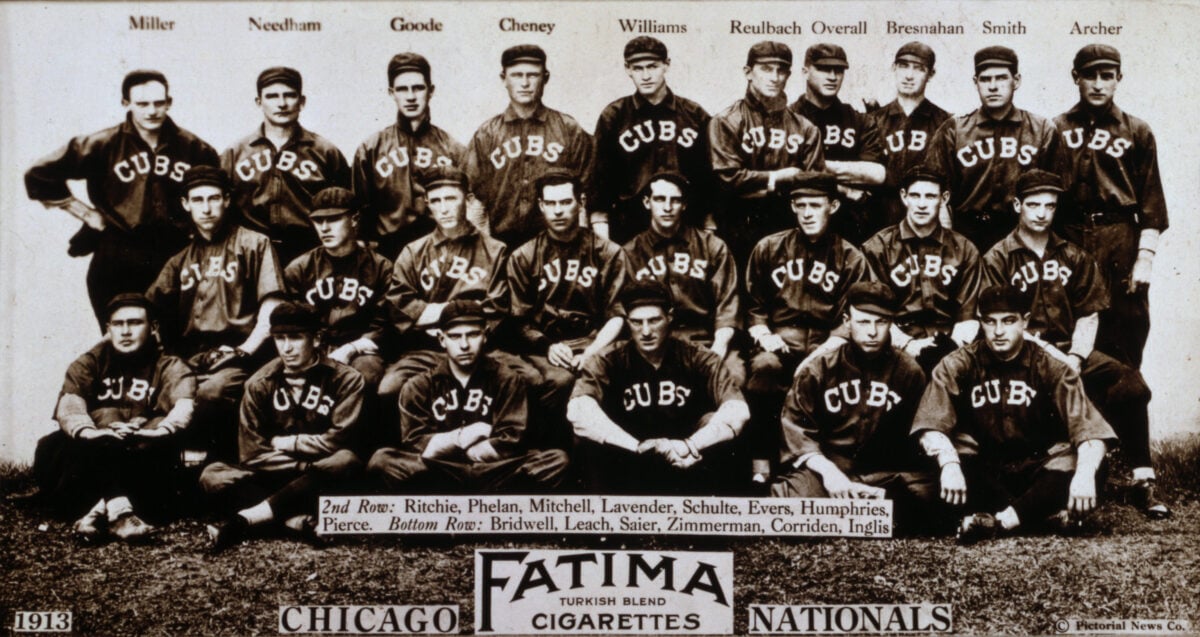
Most sports cards focused on individual players. The Fatima Company took a different approach, creating cards that showed entire teams posed in their uniforms.
The group shots required more complex photography and printing, which made them expensive to produce and rare to find today. Team cards from major cities like New York or Chicago can bring $5,000 or more.
Cycle Brand Automobiles
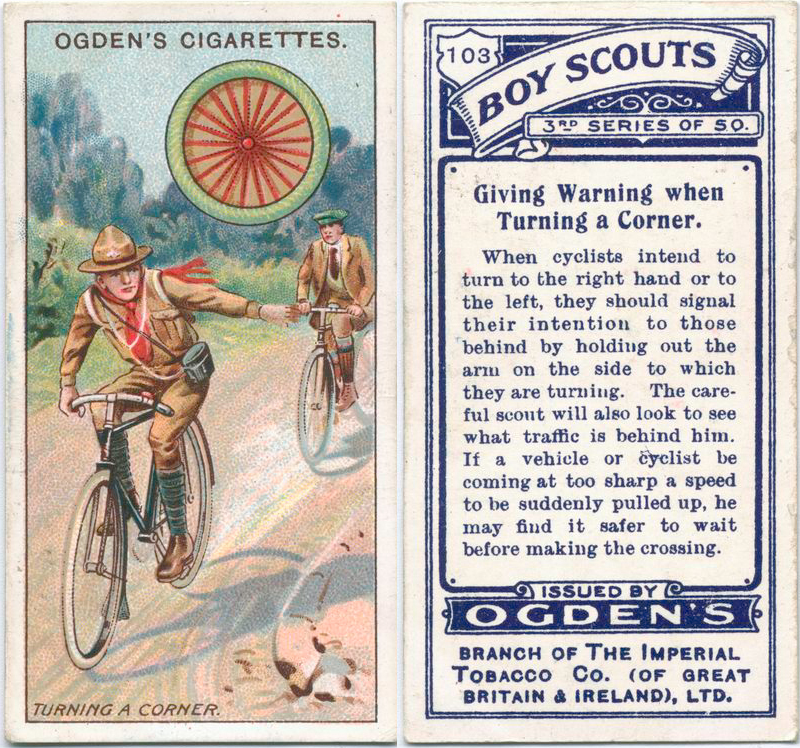
Cars were still novelties when the Cycle Company created their automotive series in 1910. Each card featured a different car model with technical specifications and pricing information — essentially making them the first car advertisements.
Early automobile cards are extremely rare since few people thought cars would become more than expensive toys.
More Than Cardboard

These little pieces of advertising history survived because someone decided they were worth keeping. In an age before television or widespread photography, promotional cards brought distant celebrities and exotic places into ordinary homes.
The companies that created them vanished long ago, but their tiny ambassadors continue traveling from collector to collector, carrying stories that refuse to stay buried in attics.
More from Go2Tutors!

- The Romanov Crown Jewels and Their Tragic Fate
- 13 Historical Mysteries That Science Still Can’t Solve
- Famous Hoaxes That Fooled the World for Years
- 15 Child Stars with Tragic Adult Lives
- 16 Famous Jewelry Pieces in History
Like Go2Tutors’s content? Follow us on MSN.



