17 Learning Disorders That Famous People Overcame
Learning differences don’t define potential. They simply mean the brain processes information differently. Throughout history, countless individuals have turned what others might view as obstacles into stepping stones for extraordinary achievements.
Many celebrities, entrepreneurs, and innovators have openly shared their experiences with learning disorders—proving that alternative thinking patterns can actually become superpowers. Here is a list of 17 learning disorders that famous people have successfully navigated while building remarkable careers.
Dyslexia

Richard Branson, the billionaire founder of Virgin Group, has been open about his dyslexia since childhood. He credits his reading difficulties with forcing him to think creatively and communicate more directly—skills that became essential in business.
Anderson Cooper also deals with dyslexia. The CNN anchor has spoken about how it taught him to work harder while developing strong listening skills that enhanced his journalism career.
ADHD
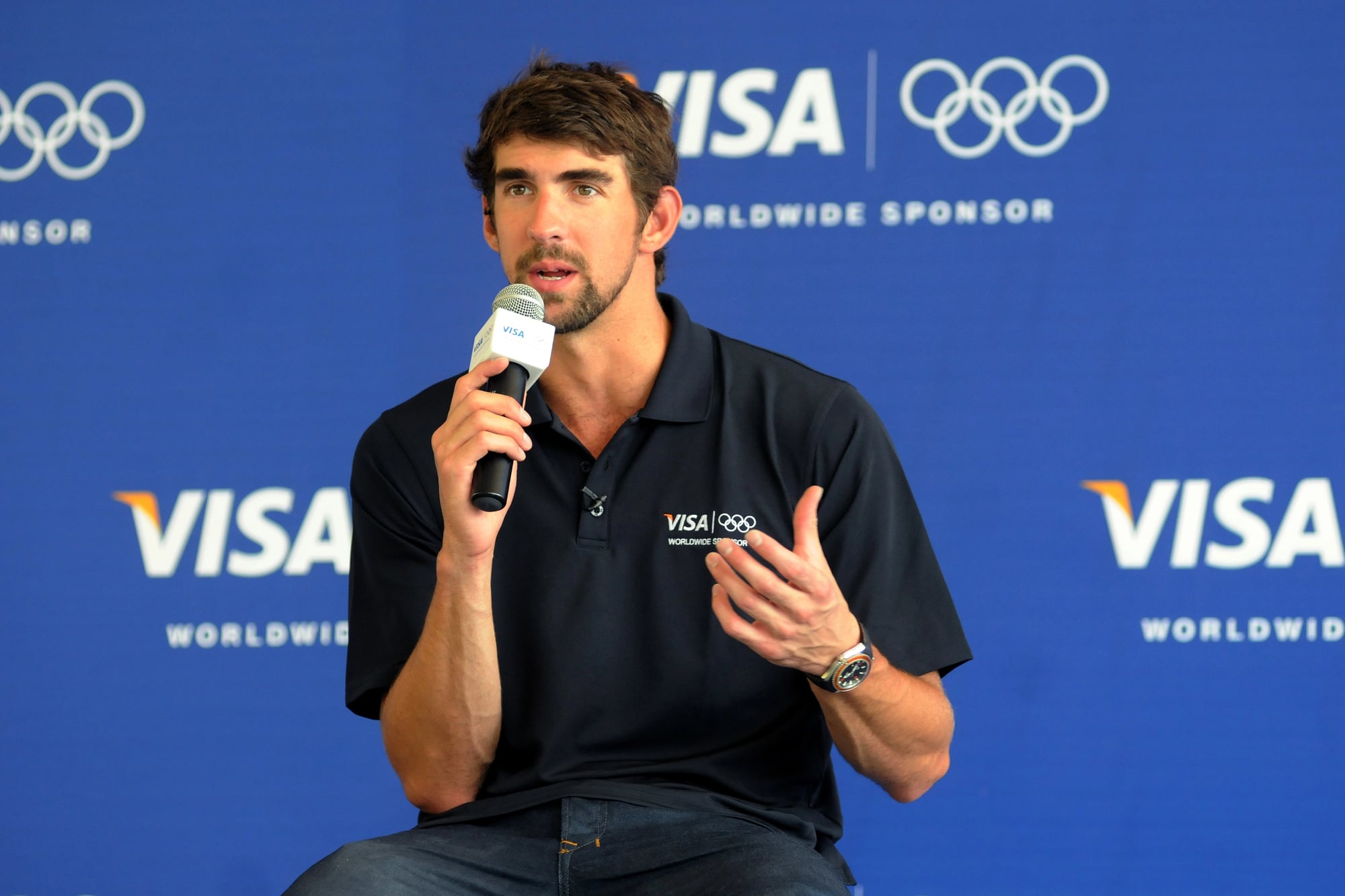
Michael Phelps was diagnosed with ADHD as a child. The most decorated Olympian of all time struggled to focus in traditional classroom settings, yet his mother channeled his boundless energy into swimming.
His hyperactivity became an asset rather than a hindrance. Simone Biles has also been open about taking medication for ADHD—the gymnastics superstar found that sport helped her channel energy productively.
Dyscalculia

Cher has dyscalculia, which makes processing numbers and mathematical concepts extremely challenging. The iconic singer and actress struggled with basic math throughout school, though she built a multi-million dollar entertainment empire by focusing on her strengths.
Her experience shows that mathematical difficulties don’t prevent success in creative industries.
Dysgraphia

Agatha Christie had dysgraphia—making writing by hand incredibly difficult and often illegible. One of the world’s bestselling authors adapted by dictating most of her novels and stories.
This developed a unique storytelling rhythm that contributed to her distinctive narrative style, while her condition forced her to think differently about the writing process.
Autism Spectrum Disorder

Temple Grandin revolutionized livestock handling through her unique perspective as someone with autism. Her ability to think in pictures and understand animal behavior from their perspective led to more humane treatment practices across the agricultural industry.
Dan Aykroyd also has Asperger’s syndrome—the comedian and actor from ‘Saturday Night Live’ credits his intense focus on specific interests with fueling his creative comedy writing.
Processing Speed Difficulties

Tim Tebow has processing speed challenges that affected his academic performance throughout school. The former NFL quarterback learned to compensate by preparing more thoroughly than his peers—developing exceptional muscle memory for athletic performance.
His condition taught him that success often comes from persistence rather than natural speed.
Auditory Processing Disorder

Whoopi Goldberg struggled with auditory processing issues that made it difficult to follow verbal instructions and classroom discussions. She dropped out of high school but later discovered her talent for performance, where she could use visual and kinesthetic learning to excel.
Her experience demonstrates how finding the right environment can transform a learning challenge into a strength.
Visual Processing Disorder

Steven Spielberg wasn’t diagnosed with dyslexia until age 60—though he struggled with visual processing throughout his childhood and career. His difficulty reading traditional scripts led him to develop a more visual approach to storytelling.
He ultimately became one of cinema’s greatest directors, with his visual processing challenges actually enhancing his ability to think cinematically.
Executive Function Disorder
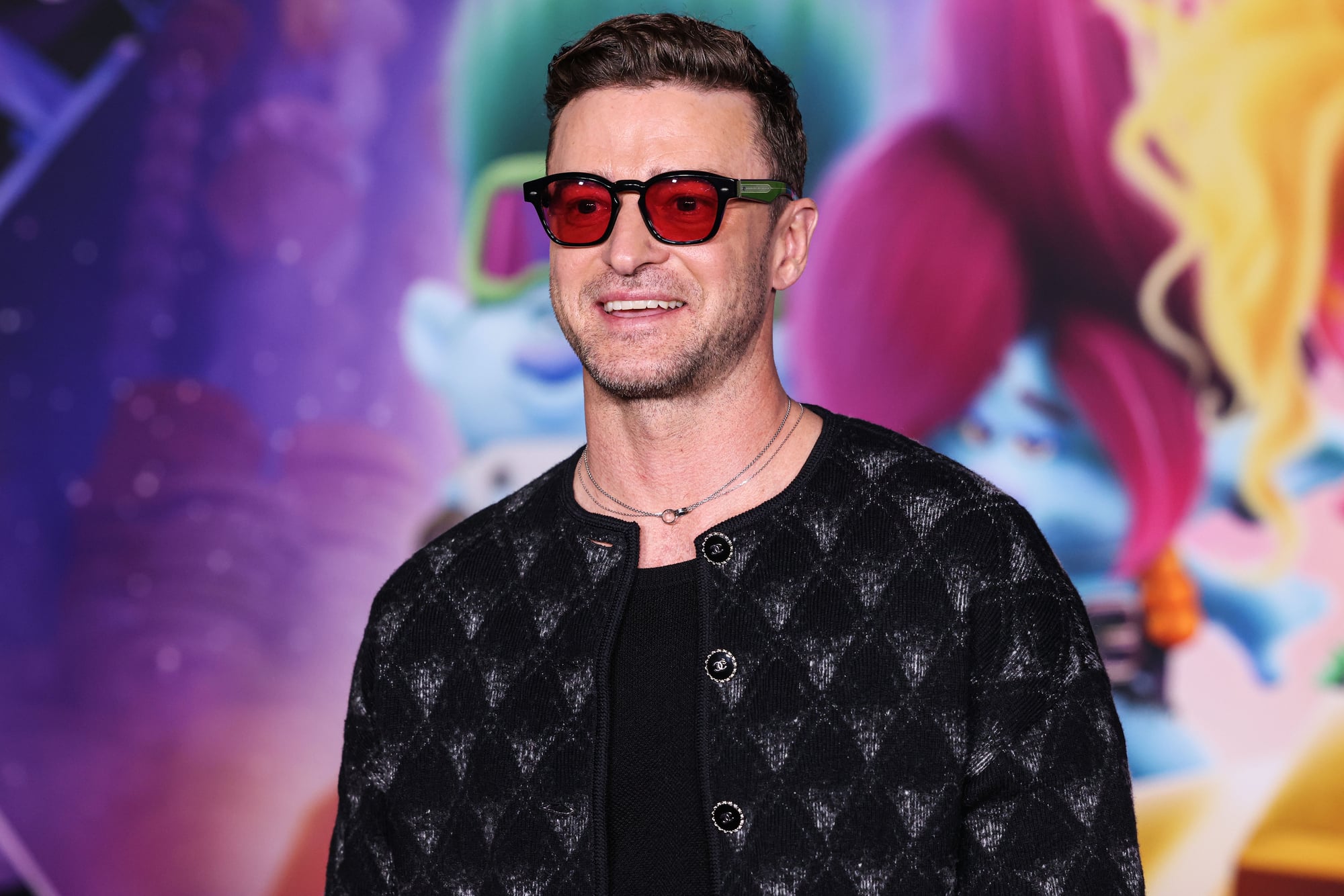
Justin Timberlake has been open about his struggles with executive function, particularly with organization and time management. He’s learned to work with teams that help structure his schedule and creative process—allowing his artistic talents to flourish.
His success shows that acknowledging limitations while building support systems can lead to extraordinary achievements.
Nonverbal Learning Disorder

Though not officially confirmed, many experts believe Albert Einstein may have had characteristics consistent with nonverbal learning disorder. His delayed speech development and social challenges were evident, yet his revolutionary thinking patterns could have been enhanced by processing information differently than his peers.
Einstein’s theoretical breakthroughs came from visualizing complex concepts rather than following traditional academic approaches.
Sensory Processing Disorder
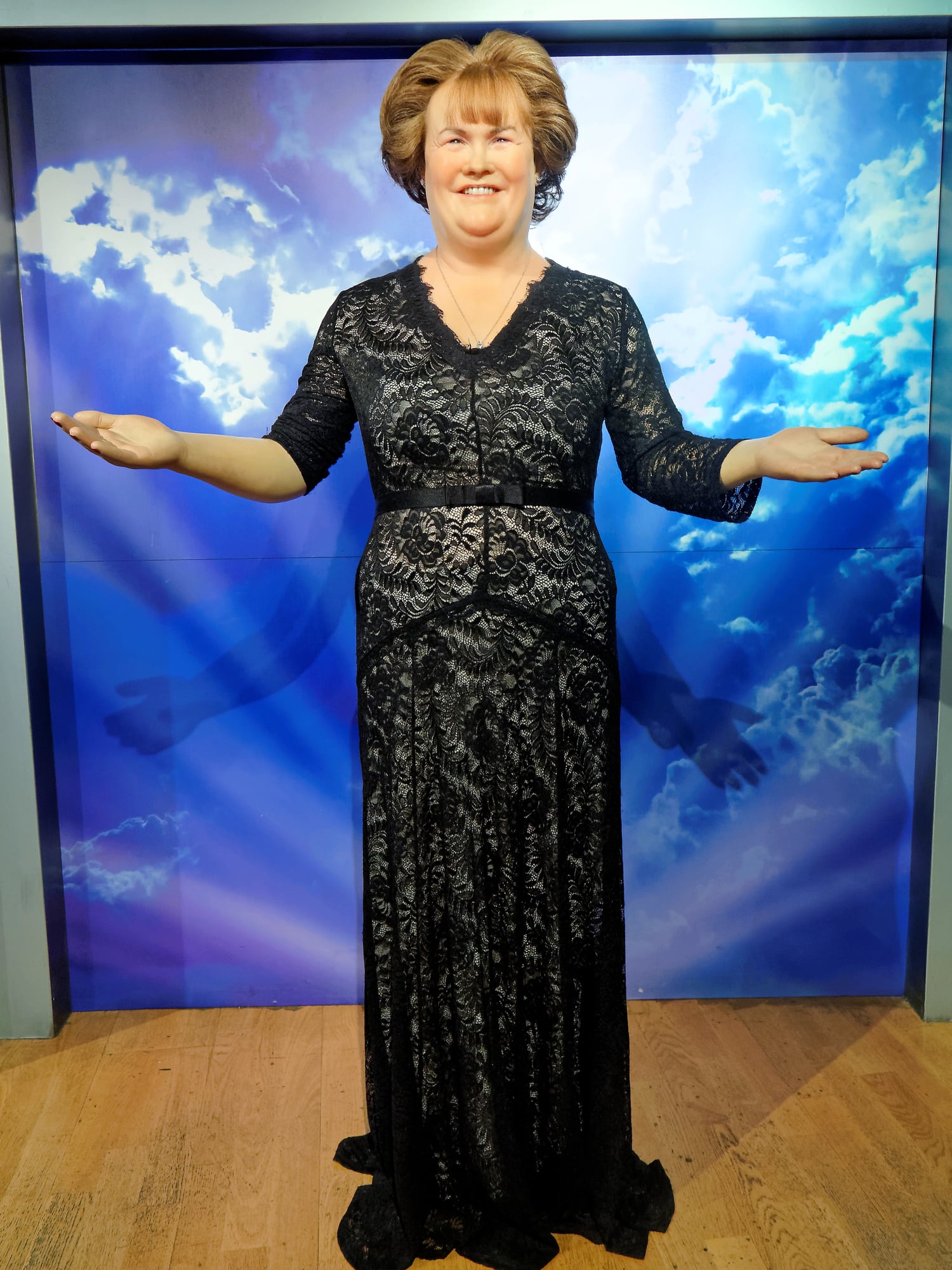
Susan Boyle has Asperger’s syndrome with significant sensory processing challenges. The Scottish singer who became famous on ‘Britain’s Got Talent’ finds loud noises and bright lights overwhelming, yet she performs on some of the world’s biggest stages.
She’s learned to manage her sensory needs while pursuing her passion for music.
Language Processing Disorder
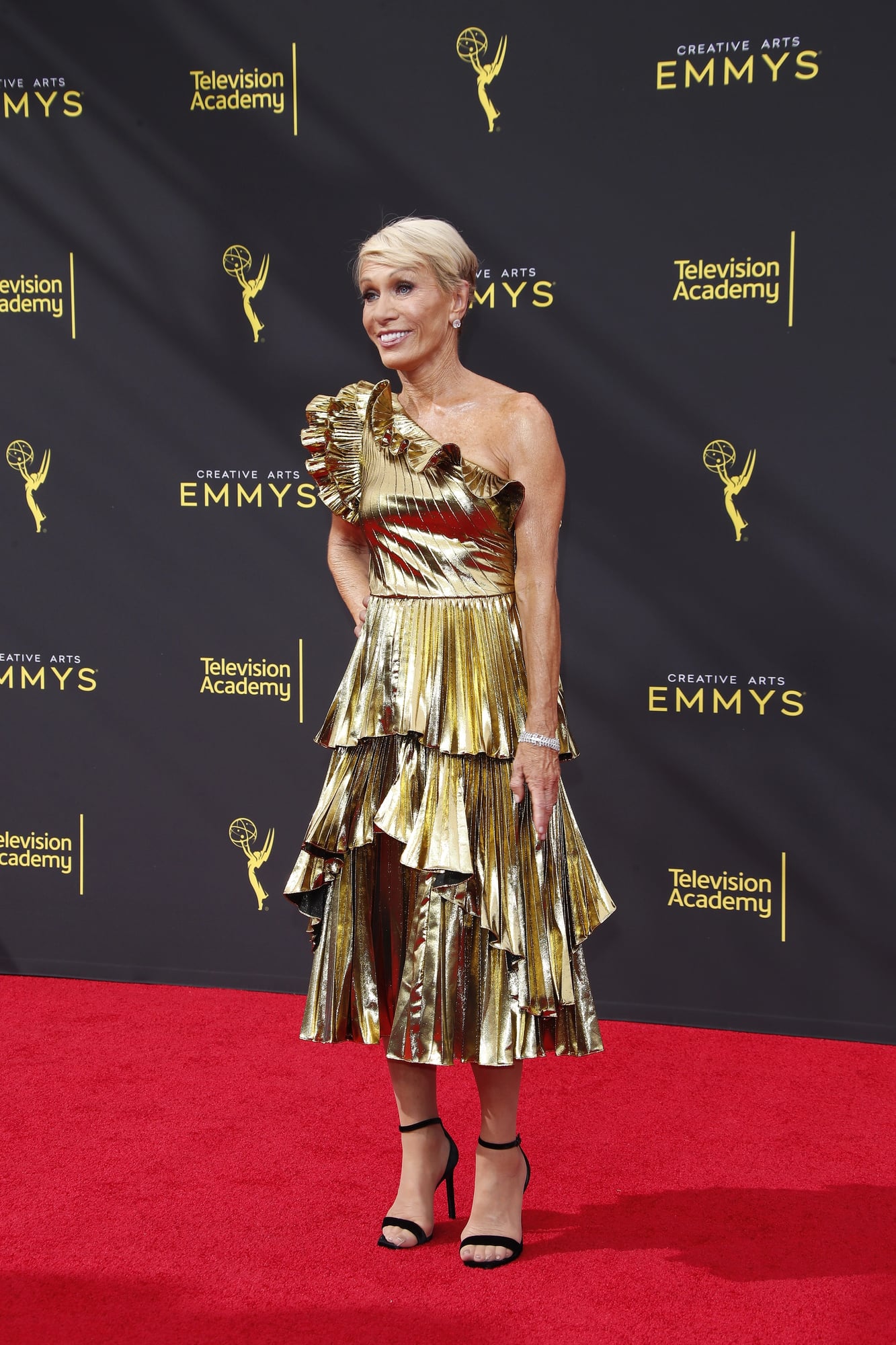
Barbara Corcoran struggled with language processing issues throughout school and was a poor student. The real estate mogul and ‘Shark Tank’ investor discovered that she learned better through hands-on experience, building her empire by focusing on practical skills rather than academic theory.
Her learning differences taught her to trust her instincts while thinking outside conventional business models.
Working Memory Deficits
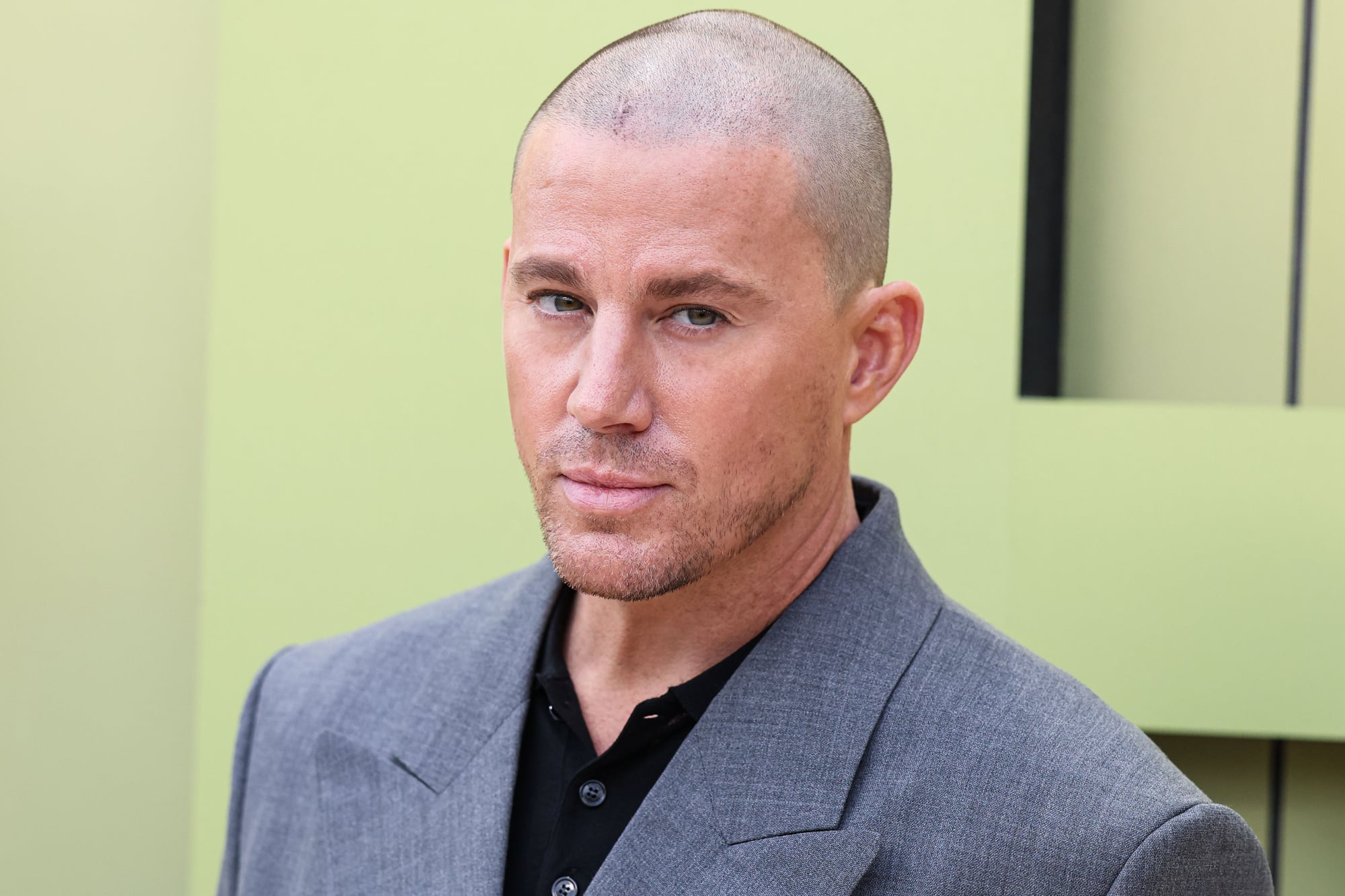
Channing Tatum has spoken about his learning difficulties, including challenges with working memory that made school extremely difficult. He found success in physical performance and acting, where he could use his body and emotions rather than relying solely on memorization.
His career demonstrates that alternative pathways to success exist outside traditional academic achievement.
Slow Processing Speed

Jewel has discussed her learning challenges, including slow processing speed that made standardized testing and timed assignments nearly impossible. The Grammy-nominated singer-songwriter found her voice through music and poetry, where she could work at her own pace.
Her artistic success came from embracing her natural rhythm rather than forcing herself into conventional timeframes.
Attention Deficit Disorder

Will.i.am from the Black Eyed Peas has ADD and credits his hyperfocus abilities with helping him create music and build his technology ventures. While he struggles with traditional attention patterns, he can intensely concentrate on projects that interest him for hours.
His condition became an asset in creative industries where sustained focus on passion projects leads to innovation.
Developmental Coordination Disorder

Daniel Radcliffe has developmental coordination disorder (dyspraxia) that affects his motor skills and coordination. Famous for playing Harry Potter, he’s had to work extra hard on physical scenes and choreography, though his determination and creative problem-solving have made him a versatile actor.
His experience shows that physical challenges don’t have to limit artistic expression.
Specific Learning Disability in Reading
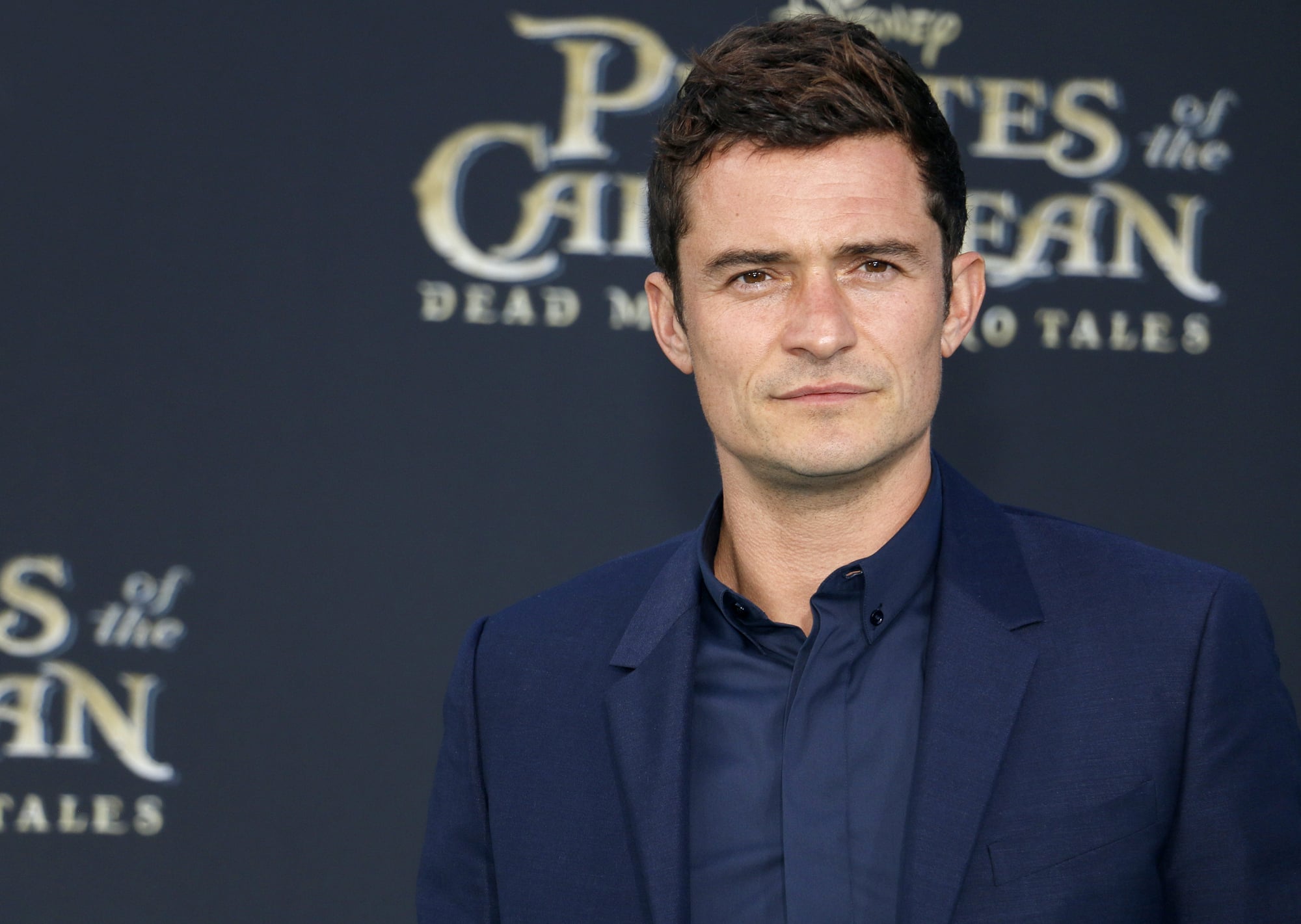
Orlando Bloom struggled with severe reading difficulties throughout his childhood and was often labeled as unintelligent by teachers. He discovered acting as a way to express himself without relying heavily on reading skills, though he later worked hard to improve his literacy.
His journey from struggling student to international movie star illustrates how finding the right outlet can transform someone’s entire trajectory.
Breaking Down the Barriers

These stories reveal a common thread: learning disorders often force people to develop alternative strategies that become their greatest strengths. The creativity required to navigate a world designed for typical learners frequently leads to innovative thinking and unique perspectives.
Society benefits enormously when we recognize that different doesn’t mean deficient, it often means exceptional. Today’s understanding of neurodiversity continues to evolve, creating more opportunities for people with learning differences to thrive in their chosen fields.
More from Go2Tutors!

- The Romanov Crown Jewels and Their Tragic Fate
- 13 Historical Mysteries That Science Still Can’t Solve
- Famous Hoaxes That Fooled the World for Years
- 15 Child Stars with Tragic Adult Lives
- 16 Famous Jewelry Pieces in History
Like Go2Tutors’s content? Follow us on MSN.