25 Logos Redesigned So Often Nobody Remembers the Original
Most people think they know what a company’s logo has always looked like. The golden arches, the swoosh, the bitten apple — these symbols feel permanent, as if they emerged fully formed from some corporate Mount Olympus.
But dig into the history of most major brands and you’ll find something surprising: that “timeless” logo has been tweaked, overhauled, and completely reimagined more times than anyone bothers to count.
Pepsi
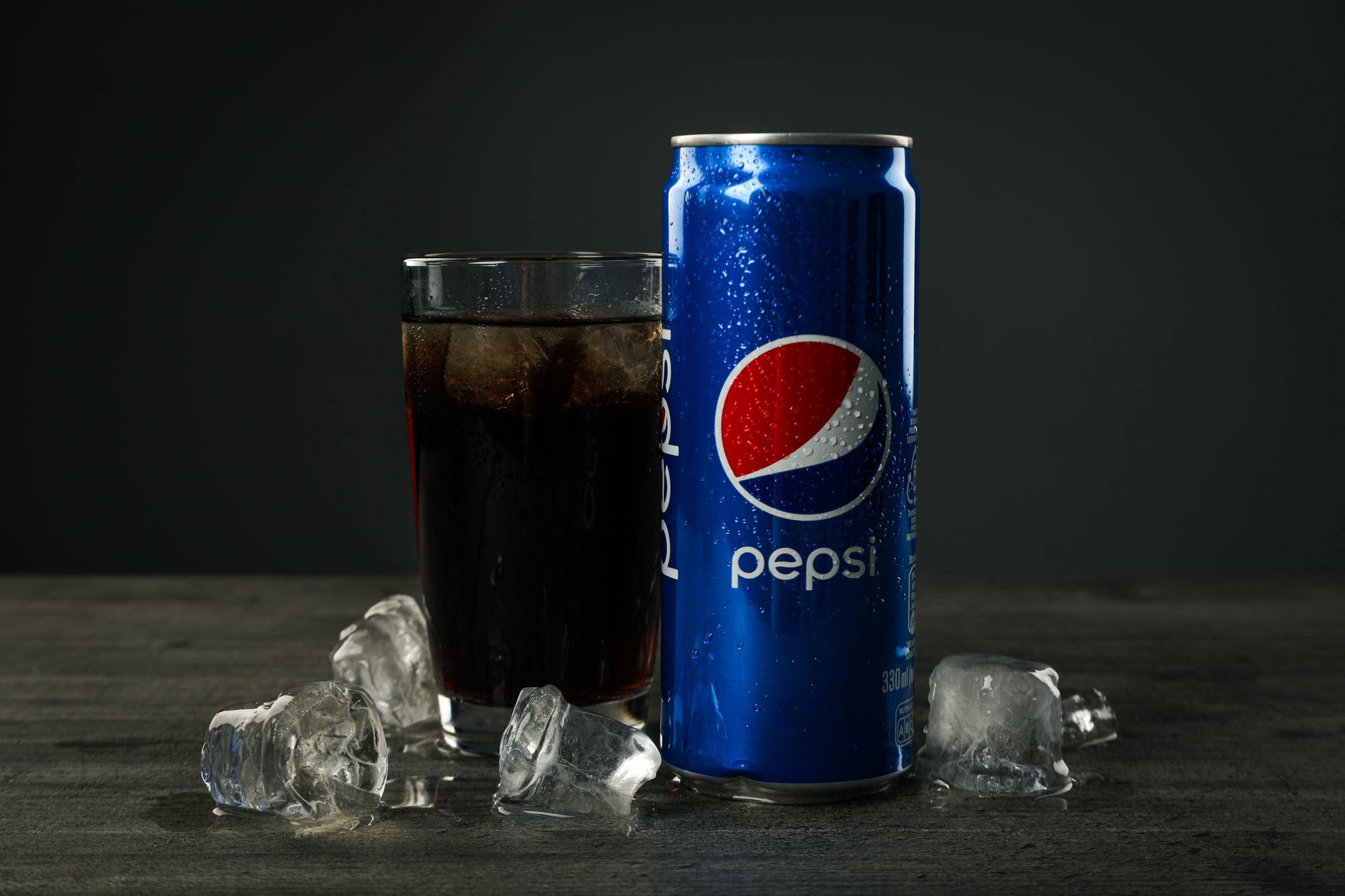
Pepsi’s logo has changed so many times it might as well have commitment issues. The current swirly design bears almost no resemblance to the ornate script from 1898.
That original logo looked more like an invitation to a Victorian tea party than a soda brand.
Shell

Shell’s seashell started life as a realistic, detailed illustration that someone clearly spent way too much time perfecting. (You could practically count the ridges.)
The evolution to today’s simplified yellow and red design happened through decades of gradual simplification — each version shedding a little more detail until what remained was barely recognizable as an actual shell. But somehow, that abstraction works better than the original ever did.
Apple
There’s something almost mythical about how Apple’s logo began as an intricate engraving of Isaac Newton under his famous tree, complete with flowing ribbons and ornate borders. The image suggested knowledge, discovery, the weight of scientific tradition — everything Steve Jobs would later strip away in favor of clean lines and empty space.
That first logo lasted about as long as it takes to boot up a modern iPhone.
Mastercard
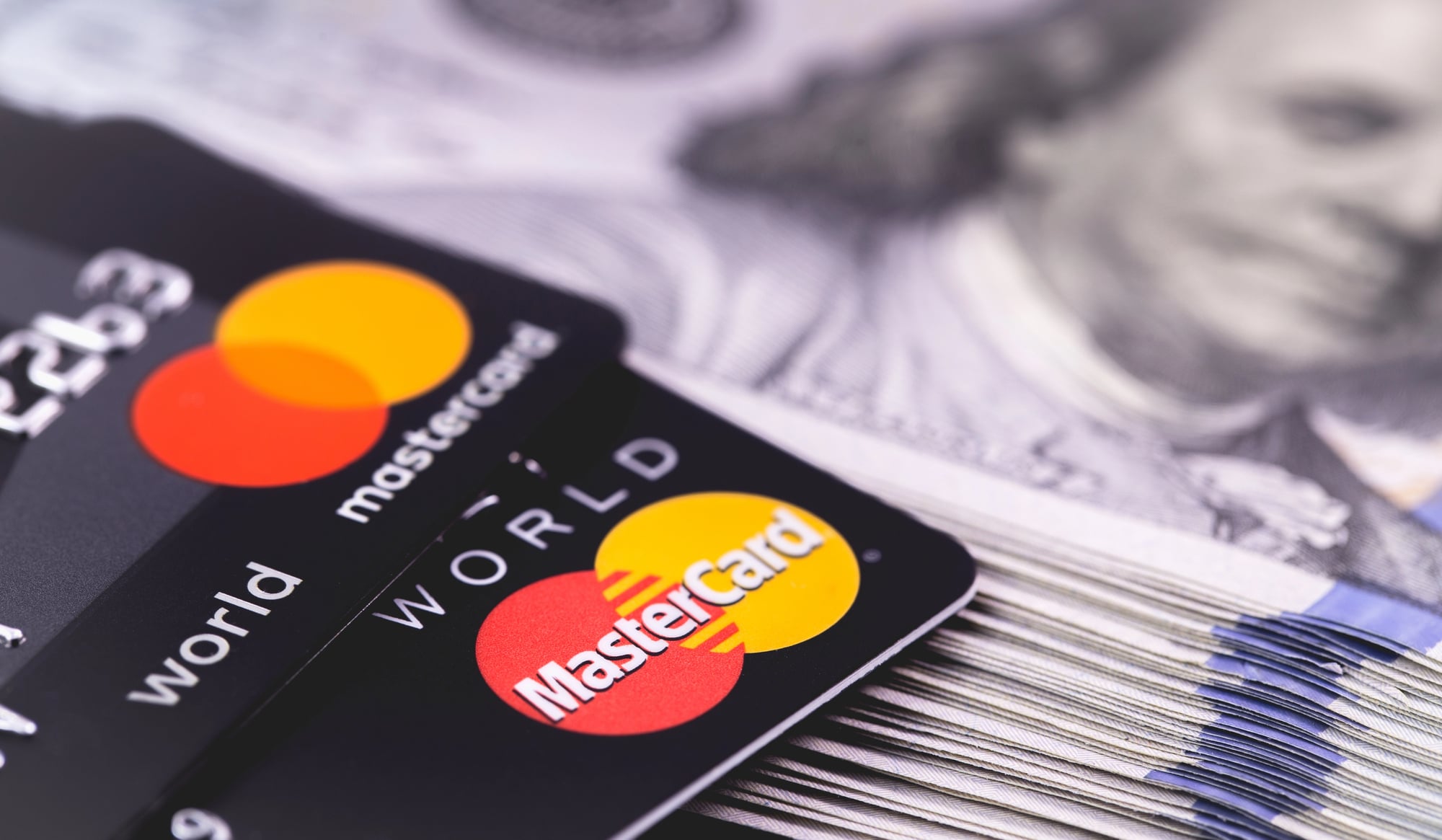
The two overlapping circles seem obvious now, but Mastercard’s original design was pure 1960s corporate stuffiness. Multiple redesigns later, the logo finally ditched the wordmark entirely in 2019.
Turns out those circles had been doing all the work anyway.
Ford
Ford’s logo feels as American as apple pie, but the current blue oval script emerged only after decades of experimentation with different fonts and backgrounds. The original Ford Motor Company logo from 1903 was an elaborate Art Nouveau creation.
Henry Ford himself would probably need a moment to recognize it.
Nike
The swoosh wasn’t love at first sight — Phil Knight famously said he didn’t love it but thought it might grow on him. (It did.)
Before Carolyn Davidson’s $35 design became the most recognizable symbol in sports, Nike used a much more literal approach: the company name in plain text with “Nike” spelled out in full. The Greek goddess of victory deserved better than Helvetica, and she got it.
McDonald’s
Those golden arches weren’t always golden, and they weren’t always arches in the logo sense. The original McDonald’s sign from the 1940s featured a cartoon chef named Speedee, complete with a hamburger for a head and a jaunty chef’s hat.
So the next time someone complains about corporate mascots being too weird, remind them that McDonald’s once thought a burger-headed man was peak branding.
Starbucks
The mermaid has been through more makeovers than a reality TV contestant. The original 1971 Starbucks logo showed a topless siren in all her maritime glory — crown, flowing hair, and anatomically complete mermaid tail spread wide (which caused exactly the kind of controversy you’d expect).
Each redesign has made her more modest and more abstract, though she’s still recognizably the same mythical creature who once scandalized Seattle coffee drinkers.
IBM
Before IBM became synonymous with horizontal blue stripes, it was the Computing-Tabulating-Recording Company, with a logo to match that unwieldy name. The transformation to “IBM” in clean, confident letters took decades of refinement.
But even that familiar three-letter design has been tweaked, striped, and modernized more times than most people realize.
Volkswagen

The VW logo started as a gear wheel surrounding the letters — a design that screamed “industrial manufacturing” in a way that wouldn’t exactly make you dream of road trips. The current clean circle with the simple V over W emerged through gradual simplification.
Each version shed a little more mechanical complexity until what remained felt less like a factory stamp and more like a friendly wave.
Toyota
Toyota’s current interlocking ovals suggest unity and precision, but the company’s original logo was simply the founder’s name in Japanese characters. (Practical, but not exactly global brand material.)
The evolution to the abstract oval design in the 1990s marked a complete departure from text-based branding — and somehow made the company feel more approachable rather than less.
General Electric
GE’s elegant script monogram feels timeless now, but it emerged from decades of experimentation with different typefaces and corporate symbols. The original General Electric logo from the 1890s was an ornate Victorian creation that took itself very seriously.
Thomas Edison probably wouldn’t recognize what his company’s brand became.
AT&T
The death star — that’s what people called AT&T’s globe logo from the 1980s, and honestly, the resemblance was uncanny. Before that distinctive sphere, AT&T went through numerous iterations of bell symbols, reflecting the company’s origins in telecommunications.
But the original Bell System logo was far more literal: an actual illustration of a telephone bell, because subtlety wasn’t big in early 20th-century corporate design.
Warner Bros
That iconic shield has been polished and updated so many times that the original 1923 version looks quaint by comparison. The early Warner Brothers logo was a simple text treatment — no shield, no Hollywood glamour, just the family name in straightforward lettering.
The transformation to the current design happened gradually, with each era adding its own flourishes until the logo became as dramatic as the movies it represents.
UPS
Brown has always been UPS’s color, but the shield design went through decades of evolution before landing on the current simplified version. The original United Parcel Service logo from 1919 was an elaborate eagle perched atop a shield — a design that suggested governmental authority more than package delivery.
Each redesign has made the logo cleaner and more modern, though that brown has remained constant through every iteration.
FedEx
The arrow hidden between the “E” and “x” has become legendary among design enthusiasts, but FedEx didn’t always have that clever visual trick. Before the 1994 redesign that introduced the arrow, Federal Express used a variety of logos that spelled out the full company name in different typefaces.
The hidden arrow wasn’t discovered by accident — it was carefully crafted to suggest speed and precision without announcing itself.
Target
The bullseye seems so obvious for a company named Target, but the original logo was far more literal — an actual target with multiple rings in red and white. The evolution to the current simplified three-ring design happened through gradual reduction.
Each version stripped away unnecessary elements until what remained was the purest possible expression of the concept.
BMW
Those blue and white quarters represent the colors of Bavaria, but BMW’s logo has been refined and modernized repeatedly since the company’s founding in 1916. The original Bayerische Motoren Werke logo was more industrial-looking, with heavier typography and less elegant proportions.
The current version maintains the traditional elements while feeling thoroughly contemporary.
Adidas
The three stripes are iconic, but Adidas has experimented with different ways to incorporate them into the logo for decades. The original company mark from the 1940s was simple text with no stripes at all.
The evolution of those three lines from functional shoe design element to global brand symbol happened gradually, with each iteration finding new ways to make the stripes feel essential.
Canon
Before Canon became synonymous with cameras and precision optics, the company was called Kwanon (named after the Buddhist goddess of mercy). That original logo featured an elaborate illustration of the goddess herself — ornate, detailed, and completely unlike the clean typography Canon uses today.
The transformation to the current design eliminated all pictorial elements in favor of pure letterforms.
Motorola
The stylized “M” that resembles radio waves or mountain peaks emerged only after decades of corporate evolution. The original Motorola logo from the 1930s was far more literal — actual radio equipment incorporated into the design, because the company wanted to make absolutely sure customers understood what they made.
Each subsequent redesign has moved further away from literal representation toward pure abstraction.
3M
The current 3M logo with its distinctive red background and clean white letters seems inevitable, but the company has gone through numerous visual identities since its founding as the Minnesota Mining and Manufacturing Company. That original name was quite a mouthful, and the logos reflected that complexity.
The evolution to simply “3M” represented more than just visual simplification — it marked a complete rethinking of how the company wanted to present itself.
Samsung
Samsung’s current blue logo feels modern and tech-forward, but the company’s original logo was far more traditional — Korean characters in a style that reflected the company’s origins as a trading company dealing in groceries and textiles. The transformation to Latin letters and simplified design happened as Samsung evolved into a global technology giant.
Though each step away from the original design also moved the company further from its humble beginnings.
Xerox
The digital X made of colored squares represents innovation and technology, but Xerox’s original logo was pure corporate formality — the company name in serious, no-nonsense typography that suggested office efficiency above all else. The evolution to the current colorful design marked a complete departure from that buttoned-up image.
Though whether the new logo successfully captured the spirit of innovation or just looked like everyone else’s attempt to seem creative remains an open question.
LG
Those friendly letters inside a circle project warmth and approachability, but LG’s logo history reflects the company’s evolution from Lucky-GoldStar (a merger of Lucky Chemical and GoldStar) to the streamlined brand it became. The original logos had to accommodate much longer company names and looked appropriately industrial.
The current design suggests consumer electronics and lifestyle products rather than chemical manufacturing, which is probably the point.
Looking Back at What We’ve Forgotten
The strangest thing about logo evolution isn’t how much these designs have changed — it’s how completely we forget what came before. That elaborate Victorian script, the cartoon mascot, the overly detailed illustration that someone spent months perfecting — all of it disappears from collective memory the moment something cleaner and simpler takes its place.
Maybe that’s the point of good design: it makes everything that came before seem like it was just practice.
More from Go2Tutors!

- The Romanov Crown Jewels and Their Tragic Fate
- 13 Historical Mysteries That Science Still Can’t Solve
- Famous Hoaxes That Fooled the World for Years
- 15 Child Stars with Tragic Adult Lives
- 16 Famous Jewelry Pieces in History
Like Go2Tutors’s content? Follow us on MSN.