16 Music Videos That Changed the Industry Forever
Music videos have shaped pop culture way beyond just promoting songs. Some clips broke new ground with wild special effects, others stirred up controversy with their storylines. Either way, these videos didn’t just entertain—they completely flipped how we think about music, fashion, and visual storytelling.
What makes these particular videos so special? They hit at exactly the right moment when creativity collided with new technology. Here is a list of 16 music videos that fundamentally changed the industry and continue to influence artists today.
Queen – Bohemian Rhapsody

This six-minute monster from 1975 basically invented the music video as we know it. Those multiplying faces in kaleidoscopic patterns?
Pure genius. Director Bruce Gowers layered multiple exposures and used camera tricks that seemed like witchcraft back then. Nobody had seen anything like it.
The video cost just £4,500 to make but changed everything about how bands could promote their music without appearing on TV shows.
Michael Jackson – Thriller

Jackson’s 1983 masterpiece made music videos appointment television. Fourteen minutes of professional choreography, Hollywood-level makeup, and a storyline that had people rewinding their VHS tapes.
John Landis essentially made a mini horror movie that happened to have a song in it. The video cost $500,000 to produce, making it one of the most expensive videos ever made at the time.
It premiered on MTV like a movie event, drawing 14 million viewers.
Like Go2Tutors’s content? Follow us on MSN.
MTV’s First Video – The Buggles

‘Video Killed the Radio Star’ launched MTV in 1981 and basically told radio to pack up and go home. Early computer graphics met futuristic vibes in a clip that perfectly captured what the network wanted to be.
One video changed how record labels would pitch their artists forever. The irony wasn’t lost on anyone that the first song played on Music Television was literally about video killing radio.
MTV executives chose it specifically for that symbolic message.
Dire Straits – Money for Nothing

Computer-generated characters hit mainstream TV in 1985 when most folks had never seen anything remotely like this. Those angular, blocky figures look ancient now, but Steve Barron and Ian Pearson created a visual language that influenced video games and animated films for years.
Revolutionary doesn’t even cover it. The video took months to create using early CGI technology that cost more than most feature films.
It was one of the first videos to show that computers could create entirely new worlds for music.
A-ha – Take On Me
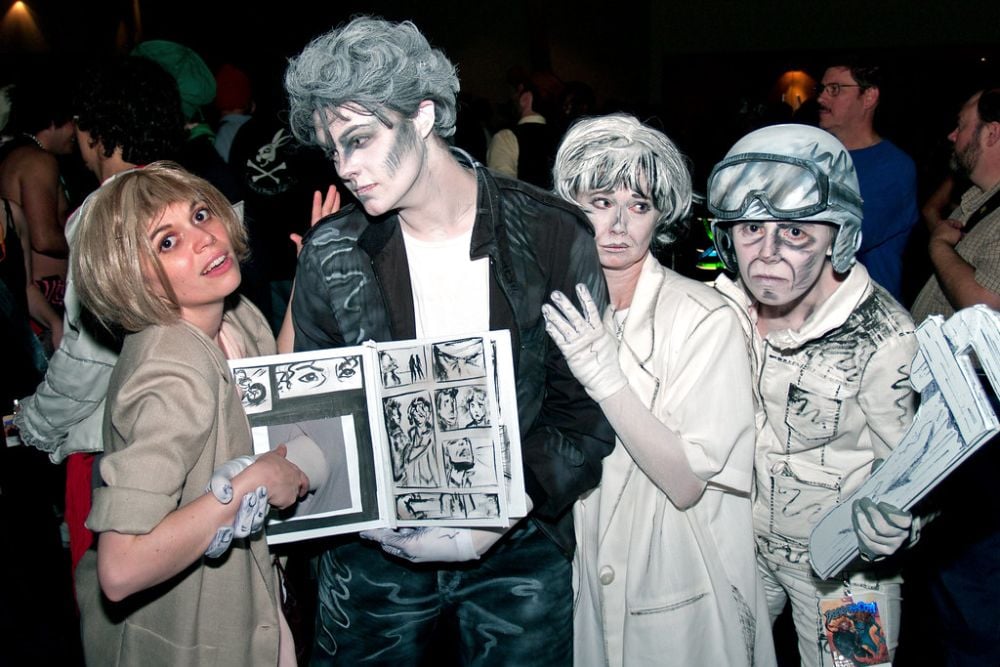
Norwegian pop meets pencil-sketch animation in ways nobody had attempted before. Steve Barron rotoscoped over 3,000 frames to blend cartoons with reality seamlessly.
The technique got copied so much that animation became a legitimate option for music videos overnight. The process was incredibly labor-intensive, with each frame hand-drawn and then filmed.
What started as a flop single became a massive hit once people saw the video on MTV.
Like Go2Tutors’s content? Follow us on MSN.
Peter Gabriel – Sledgehammer
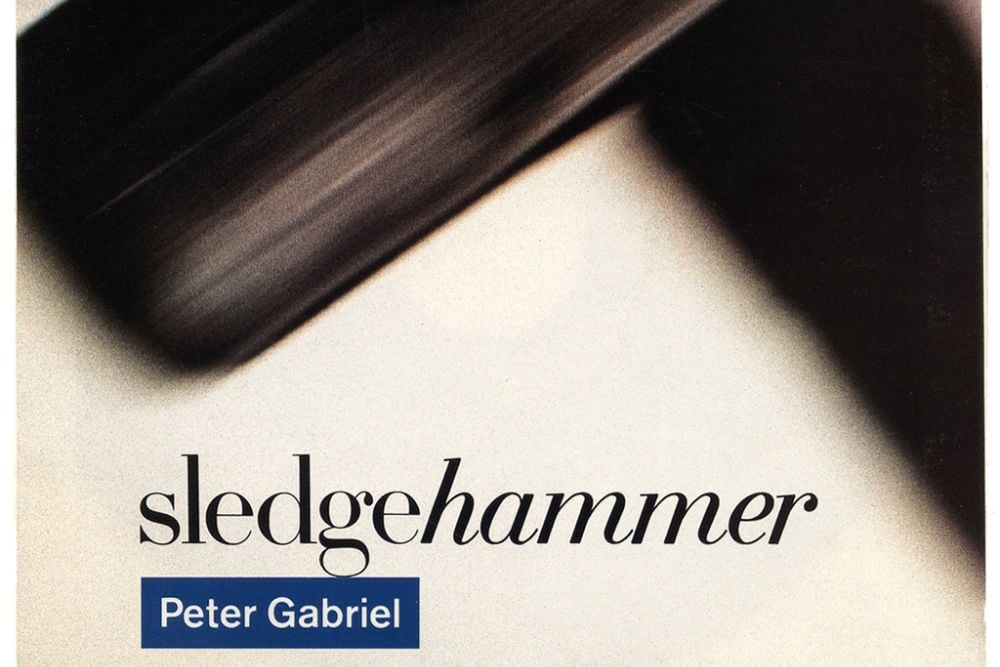
Nine months of work went into this 1986 claymation masterpiece. Stephen Johnson and the Aardman team created surreal imagery that matched Gabriel’s experimental sound perfectly.
The stop-motion techniques here influenced commercials and feature films while proving that patience creates incredible visuals. Gabriel had to lie motionless for hours while clay figures danced around him.
The video won nine MTV Video Music Awards, more than any other video at the time.
Sinead O’Connor – Nothing Compares 2 U

Sometimes less really is more. John Maybury’s 1990 video showed just O’Connor’s face against black backdrop, letting raw emotion do all the heavy lifting. That single tear became one of the most iconic moments in music video history. No fancy effects needed.
The video was shot in just one day with a simple handheld camera. O’Connor’s shaved head and intense stare created an image that challenged conventional ideas about female pop stars.
Nirvana – Smells Like Teen Spirit

Generation X found its visual anthem in 1991. Samuel Bayer’s shaky camera work and that high school gymnasium setting captured rebellious energy perfectly.
The raw, unpolished look became the template for alternative rock videos throughout the entire decade. The video featured actual teenagers moshing in a gym, creating authentic chaos that major labels had been afraid to show.
It proved that polished wasn’t always better and helped launch the grunge movement into mainstream consciousness.
Like Go2Tutors’s content? Follow us on MSN.
Radiohead – OK Computer Era Videos

Late 1990s Radiohead teamed up with directors like Jonathan Glazer and Michel Gondry to push boundaries into weird new territory. ‘Street Spirit’ and ‘Just’ treated music videos like art installations rather than promotional tools.
Indie and alternative artists are still trying to match their conceptual approach. The band refused to appear in many of their videos, focusing instead on abstract concepts and experimental techniques.
Their collaboration with these directors created a new aesthetic that influenced art galleries as much as MTV.
Björk – All Is Full of Love

Chris Cunningham’s 1999 video featured two robotic Björks in an intimate embrace that blurred technology and humanity. The sterile white environment and incredible CGI work looked decades ahead of its time. Fashion photography and sci-fi films still borrow from this aesthetic.
The video cost over $1 million to produce and took months of post-production work. Cunningham’s background in special effects for films like The Matrix helped create visuals that seemed impossible at the time.
Eminem – The Real Slim Shady
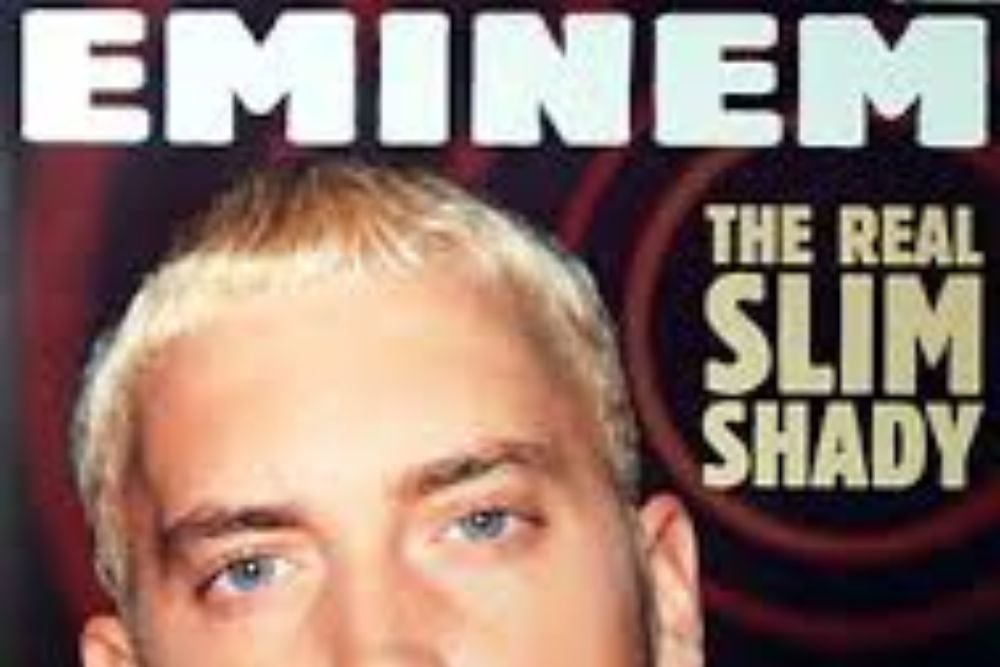
Multiple Eminem clones invaded everyday locations in 2000, creating a cultural phenomenon that went way beyond hip-hop. Philip Atwell’s visual metaphor for the rapper’s oversized persona resonated worldwide. Soon every rapper wanted their own multiplication effect.
The video featured hundreds of Eminem lookalikes in locations like shopping malls and office buildings. It perfectly captured the rapper’s message about conformity while ironically showing dozens of people trying to look exactly like him.
Like Go2Tutors’s content? Follow us on MSN.
The White Stripes – Seven Nation Army

Michel Gondry used forced perspective and simple camera tricks to create a miniature world in 2003. Low budget met high creativity, inspiring indie artists everywhere to experiment with DIY techniques.
The clip’s handmade aesthetic became gospel for alternative and indie rock videos. Gondry built physical sets and used practical effects instead of expensive CGI.
The video proved that innovative concepts could triumph over big budgets, influencing a generation of directors to think outside the box.
Lady Gaga – Bad Romance
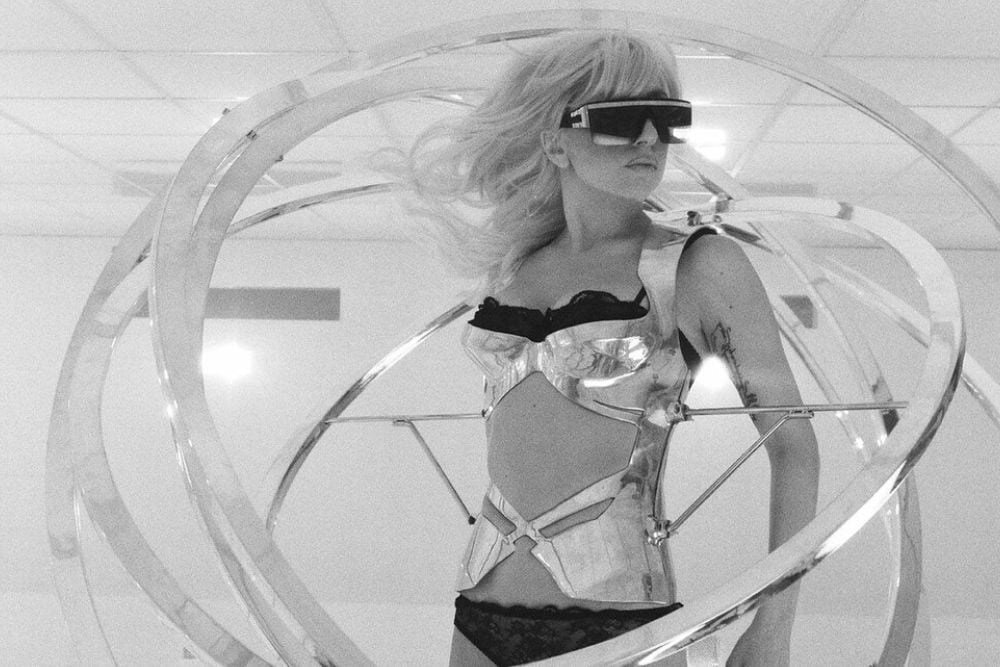
Francis Lawrence’s 2009 video established Gaga as a visual artist who got fashion, performance, and storytelling equally. Elaborate costumes and surreal imagery created a new template for pop videos emphasizing high fashion and artistic concepts.
Audiences were clearly hungry for videos that challenged expectations. The video featured Alexander McQueen designs and cost over $500,000 to produce.
Gaga’s commitment to high fashion and avant-garde concepts influenced pop stars to take bigger creative risks with their visual presentations.
Psy – Gangnam Style

This 2012 video proved music videos could still create global phenomena in the digital age. Cho Soo-hyun’s colorful, energetic clip became the first to hit one billion YouTube views.
The horse-riding dance and absurd humor showed that sometimes effective videos are just plain fun. The video broke YouTube’s view counter and spawned countless parodies worldwide.
It demonstrated that Korean pop culture could dominate global entertainment, paving the way for the K-pop explosion that followed.
Like Go2Tutors’s content? Follow us on MSN.
Childish Gambino – This Is America

Donald Glover’s 2018 video became an instant cultural touchstone, sparking worldwide conversations about race, violence, and American society. Hiro Murai’s single-take approach and layered symbolism demanded multiple viewings.
Music videos could still serve as powerful social commentary. The video won four Grammy Awards and generated countless analytical essays about its meaning.
Glover’s dancing contrasted sharply with violent imagery, creating a complex statement about American culture that resonated globally.
Billie Eilish – When the Party’s Over

Black liquid pouring from Eilish’s eyes created maximum impact with minimal resources in 2018. Carlos López Estrada’s restrained approach let the song’s emotion take center stage while creating an unforgettable visual metaphor.
A new generation of artists realized powerful imagery didn’t require elaborate productions. The video was shot in just one day using practical effects instead of CGI.
Eilish’s commitment to simple but striking visuals influenced countless young artists to focus on concepts rather than budgets.
Where Art Meets Technology

These 16 videos caught lightning in a bottle by taking risks that paid off in unexpected ways. The most influential clips usually combine new technology with genuine artistic vision plus the guts to try something completely different.
Today’s creators keep building on these foundations, proving music videos remain one of our most dynamic art forms.
Like Go2Tutors’s content? Follow us on MSN.
More from Go2Tutors!

- 16 Historical Figures Who Were Nothing Like You Think
- 12 Things Sold in the 80s That Are Now Illegal
- 15 VHS Tapes That Could Be Worth Thousands
- 17 Historical “What Ifs” That Would Have Changed Everything
- 18 TV Shows That Vanished Without a Finale
Like Go2Tutors’s content? Follow us on MSN.



