Most Popular Board Games Worldwide
Board games have been bringing people together for thousands of years. From ancient civilizations rolling dice to families gathered around kitchen tables today, these games create moments that stick with people long after the pieces get put away.
Some games spread across continents and became household names in dozens of countries, while others started in one place and slowly won over the world. The games that reached the top didn’t just get lucky—they offered something special that made people want to play again and again.
Here are the board games that conquered living rooms, game cafes, and family gatherings across the planet.
Monopoly
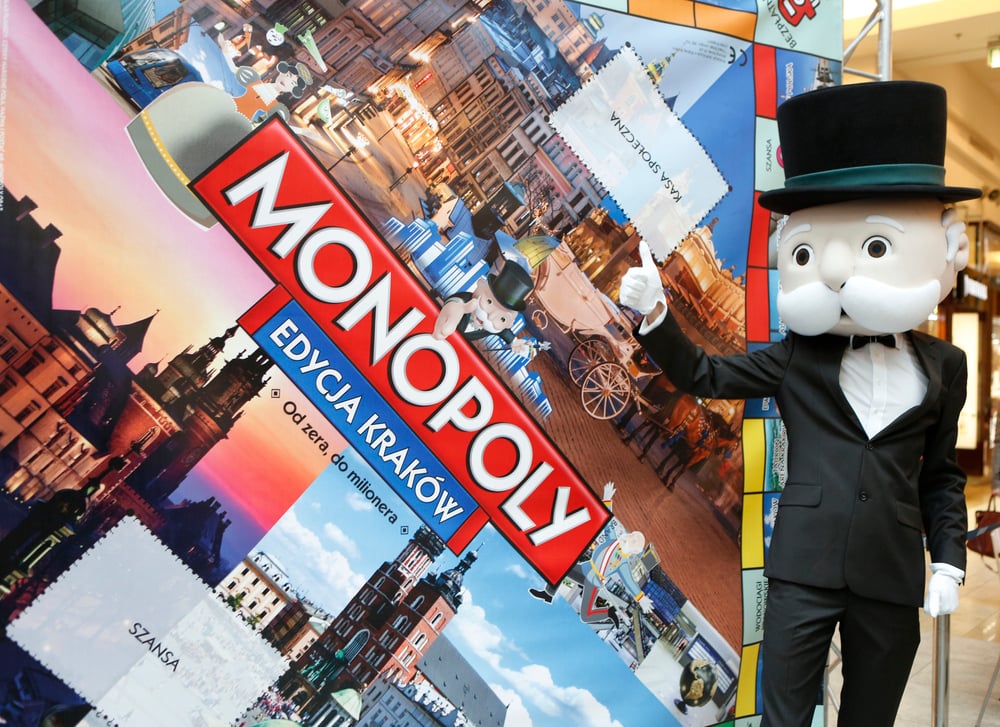
Parker Brothers released this real estate trading game in 1935, and it quickly became one of the most recognized board games on Earth. Players buy properties, collect rent, and try to bankrupt their opponents while navigating around a square board.
The game exists in over 100 countries and has been translated into more than 40 languages. Special editions feature everything from local city streets to popular movies and TV shows, making it easy for people everywhere to find a version that feels familiar.
Games can last hours, and families have their own house rules that get passed down through generations.
Chess
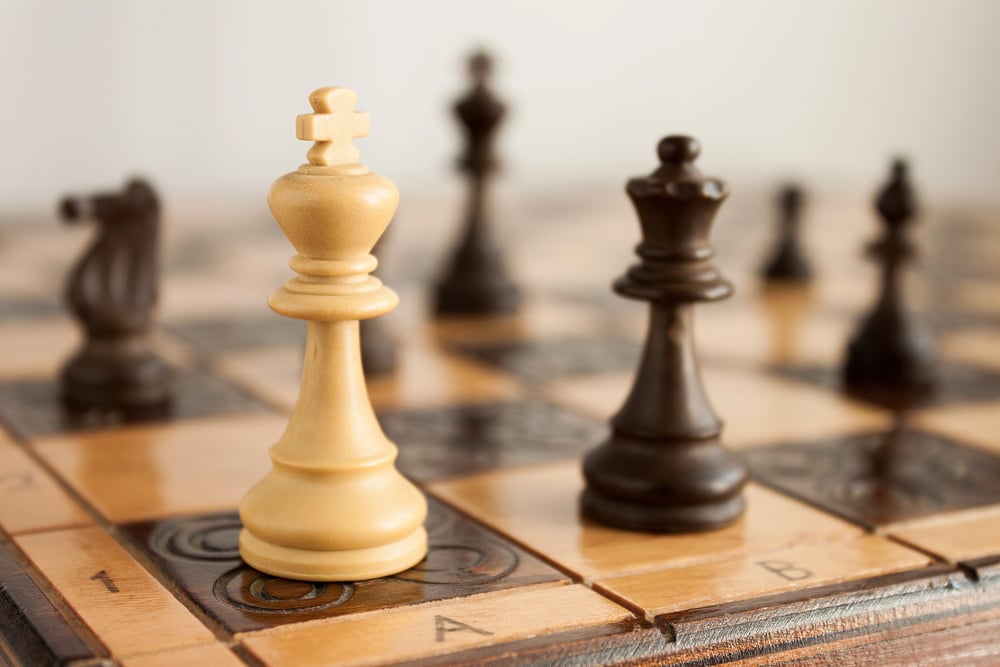
This strategy game dates back over 1,500 years and remains one of the most played games worldwide. Two players control 16 pieces each, trying to trap the opponent’s king in checkmate.
Chess requires no luck, just pure skill and thinking ahead. The game crossed borders and cultures so successfully that international tournaments draw millions of viewers, and chess clubs exist in nearly every country.
Online platforms now let people play against opponents across the globe at any time of day.
Checkers

Sometimes called draughts in other parts of the world, this game offers simpler rules than chess but still demands smart thinking. Players move pieces diagonally across a checkered board, jumping over opponent pieces to capture them.
The game probably originated in ancient Mesopotamia and spread through Europe, Africa, and eventually everywhere else. Different regions developed their own variations with slightly different rules, but the basic concept stayed the same.
Kids can learn checkers in minutes, but mastering it takes real practice.
Scrabble

Alfred Mosher Butts created this word game during the Great Depression, and it eventually became a global hit. Players draw letter tiles and create words on a grid, earning points based on letter values and board positions.
The game exists in 29 languages and sells in 121 countries. Competitive Scrabble tournaments attract serious players who memorize obscure two-letter words and strategic board positions.
Families often have heated debates about whether certain words count, leading to frequent dictionary consultations.
Backgammon

This ancient game combines luck and strategy as players race their pieces around a board based on dice rolls. Archaeological evidence suggests people played versions of backgammon over 5,000 years ago in Mesopotamia.
The modern version became especially popular in Middle Eastern countries, Mediterranean regions, and later spread worldwide. Coffee shops and cafes in many countries feature backgammon boards where regulars play for hours.
The clicking sound of pieces hitting the board creates a distinctive rhythm that fills gaming spaces.
Ludo

Based on an ancient Indian game called Pachisi, Ludo became a simplified version that families around the world adopted. Players race four tokens around the board trying to reach home first, with dice rolls determining movement.
The game took off in Europe during the late 1800s and spread through British colonies. Today it ranks as one of the most played board games in India, Pakistan, and many African countries.
Simple rules make it perfect for kids, but adults often join in during family gatherings.
Go
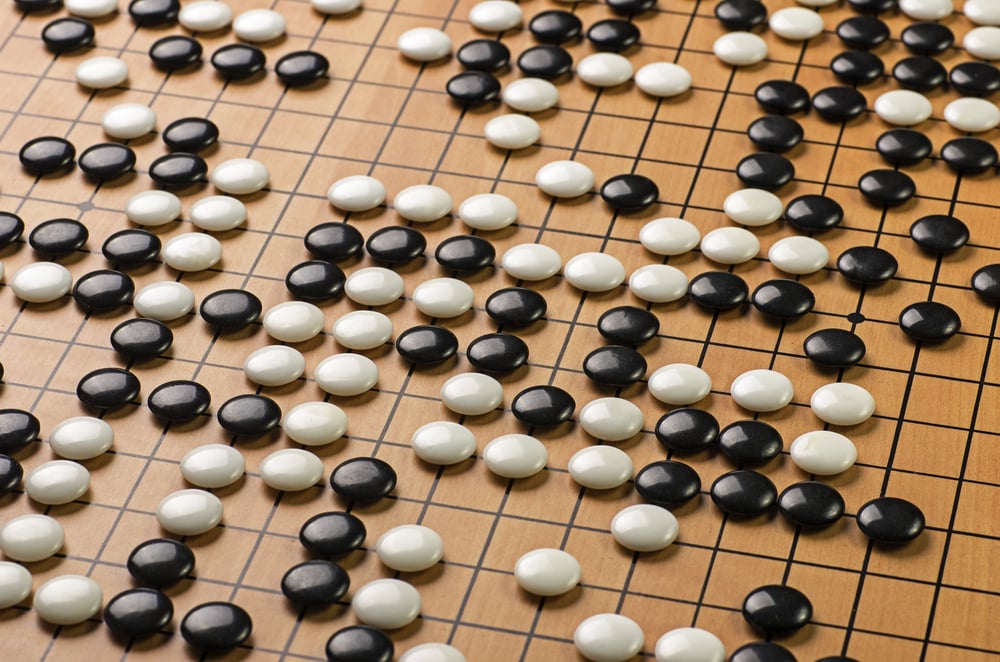
This ancient Chinese strategy game uses black and white stones placed on a grid, with players trying to control more territory than their opponent. Go originated in China over 2,500 years ago and spread throughout East Asia.
The rules take minutes to learn, but the game offers such depth that people spend lifetimes studying it. Professional Go players achieve celebrity status in countries like China, Japan, and South Korea.
Artificial intelligence made headlines when it finally beat top human players after decades of programmers trying.
Clue
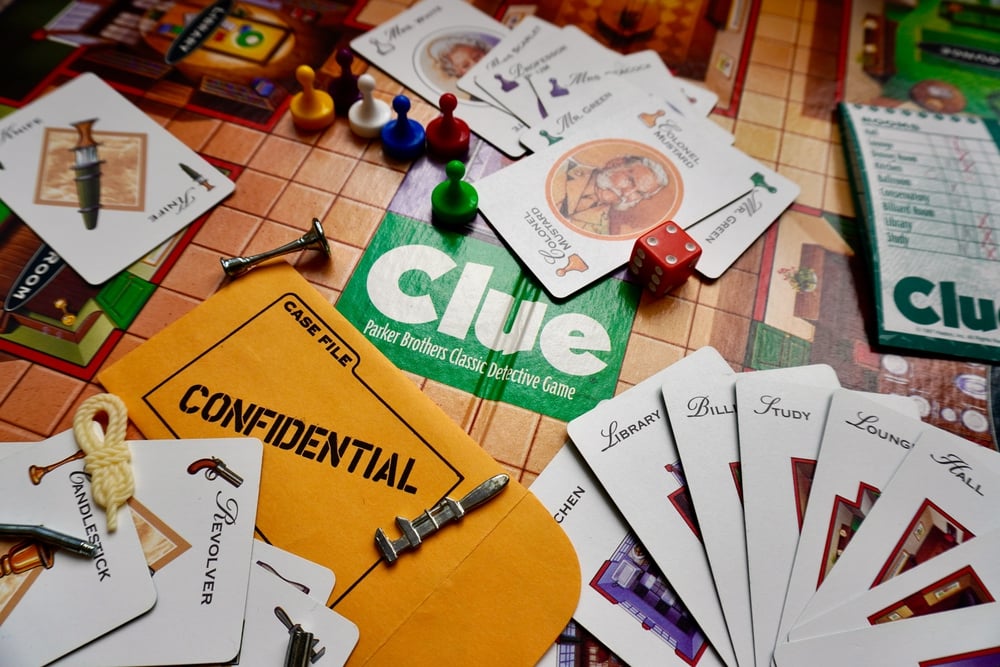
Called Cluedo in many countries, this murder mystery game challenges players to figure out who committed a crime, where it happened, and what weapon they used. Players move through rooms in a mansion, gathering clues and making deductions.
Anthony Pratt invented the game in England during World War II, and it launched in 1949. The game has sold over 150 million copies worldwide and spawned a movie, books, and countless themed versions.
Different countries sometimes feature different character names or room layouts to match local preferences.
Risk
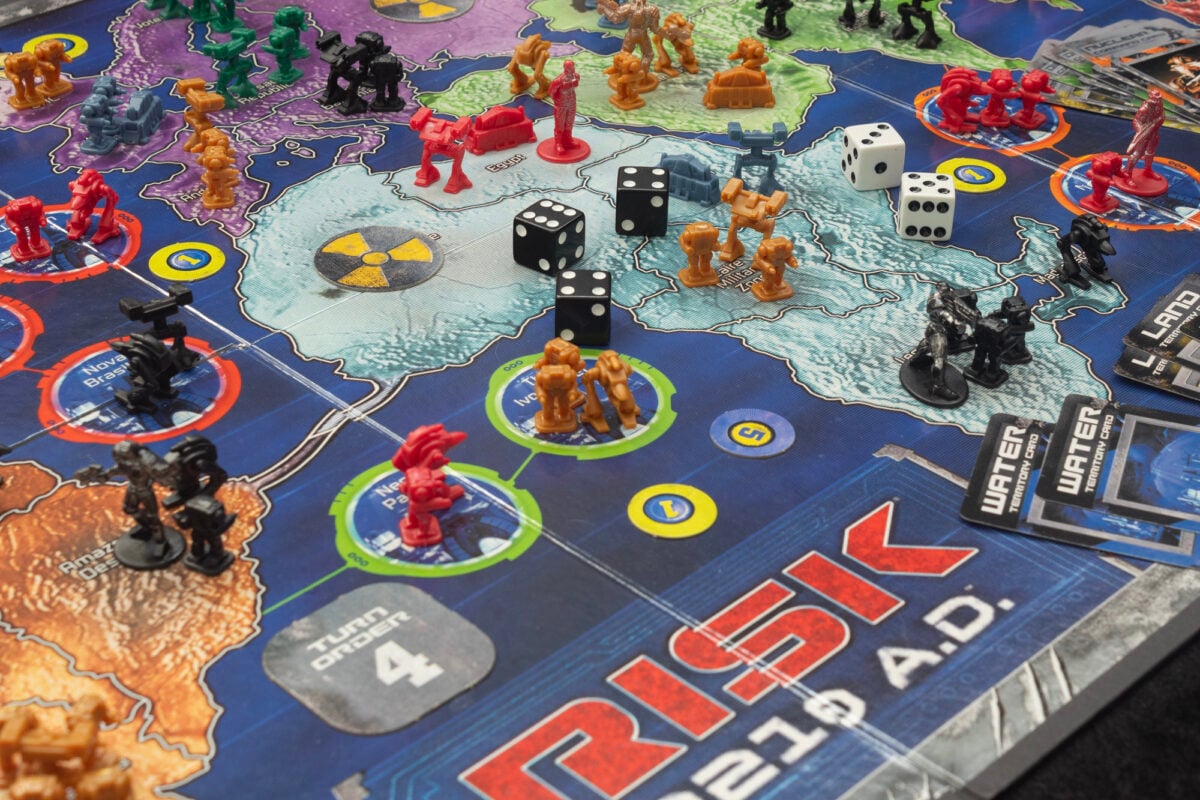
This world domination game has players controlling armies and conquering territories across a map of Earth. Albert Lamorisse created the original version in France in 1957, and Parker Brothers brought it to America in 1959.
The game can last for hours as players form and break alliances, plan attacks, and watch carefully laid strategies crumble with unlucky dice rolls. Many versions now exist with different maps and rules, including fantasy worlds and historical scenarios.
Board game cafes often dedicate entire evenings to Risk tournaments.
Catan
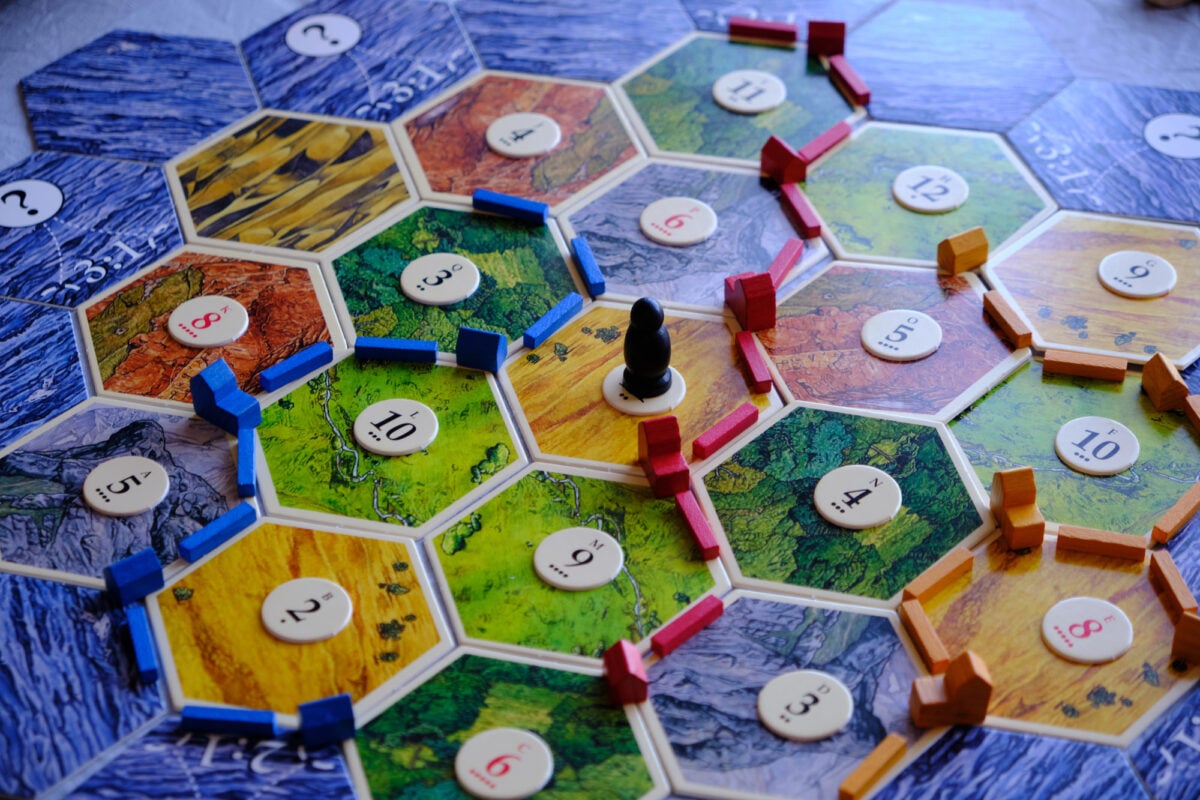
Klaus Teuber designed this resource management game in Germany, and it launched in 1995 as Settlers of Catan. Players build settlements, cities, and roads on a hexagonal island board while trading resources like wheat, ore, and wood.
The game became a huge hit in Europe first, then spread to North America and beyond. Catan sold over 32 million copies in more than 40 languages.
The game helped spark the modern board game renaissance and introduced many people to games more complex than Monopoly but more accessible than hardcore strategy games.
Mahjong

This tile-based game originated in China during the Qing dynasty and spread throughout Asia before reaching the rest of the world. Four players typically compete, drawing and discarding tiles to complete winning combinations.
The game involves memory, strategy, and reading other players. Different regions play with slightly different rules and tile sets.
The clicking sound of shuffling tiles before each game became associated with social gatherings across China, Japan, and other Asian countries. Western versions simplified some rules to make the game more accessible.
Candy Land

This colorful race game requires no reading or counting, making it perfect for young kids. Players draw cards showing colors and move to the next matching space on the winding path.
Eleanor Abbott designed the game in the 1940s while recovering from polio, intending it to entertain children in similar situations. The game became a staple in American households and spread internationally.
Simple gameplay means even three-year-olds can play without help, though adults might find it less thrilling after the hundredth round.
Othello

Also marketed as Reversi, this strategy game uses black and white discs on an 8×8 grid. Players place pieces to flip opponent discs to their own color by trapping them between two of their pieces.
The game takes a minute to learn but offers surprising depth. A Japanese company trademarked the Othello name in 1971, though similar games existed earlier.
The phrase ‘a minute to learn, a lifetime to master’ applies perfectly here. Computer programs can beat most humans, but the game remains popular for quick strategic battles.
Ticket to Ride
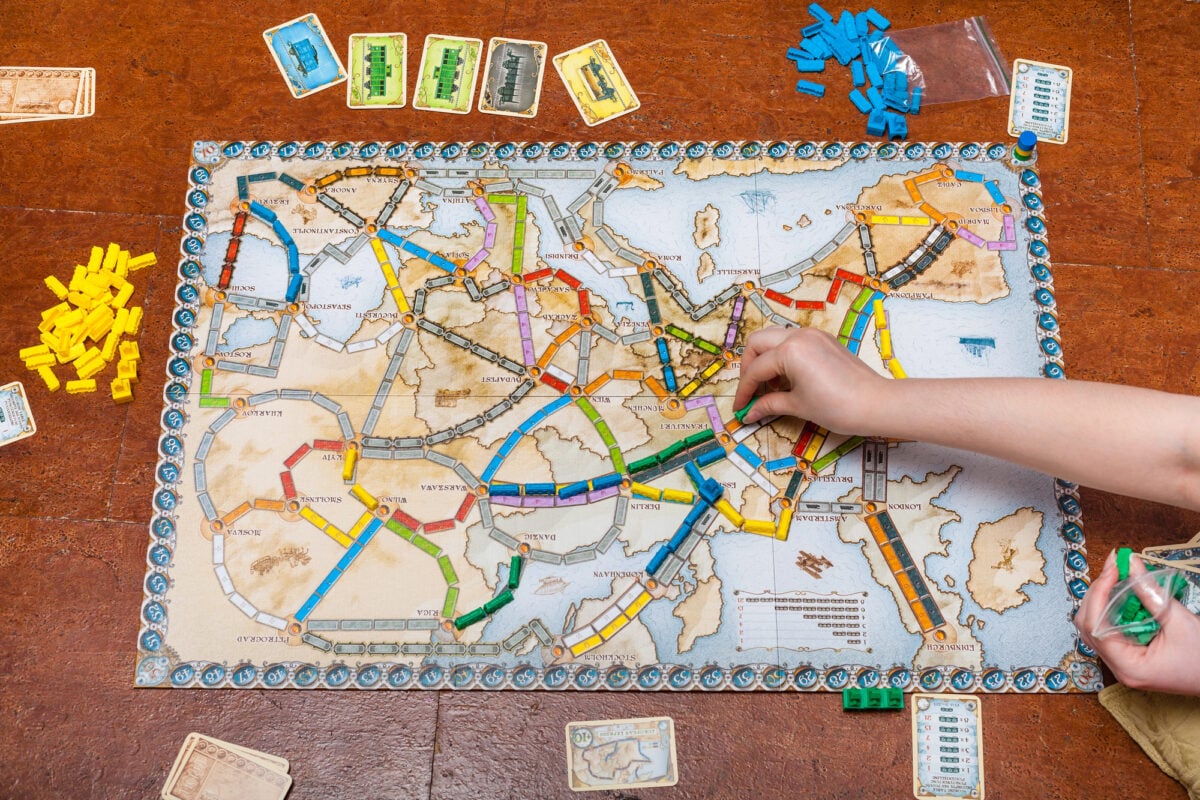
Alan R. Moon created this train-themed game that launched in 2004 and quickly became a modern classic. Players collect cards and claim railway routes connecting cities across a map.
The original version featured the United States, but dozens of expansions now cover Europe, Asia, and other regions. The game won multiple awards and introduced many families to modern board gaming.
Simple enough for casual players but strategic enough for gaming enthusiasts, it hits a sweet spot that few games manage.
Pictionary
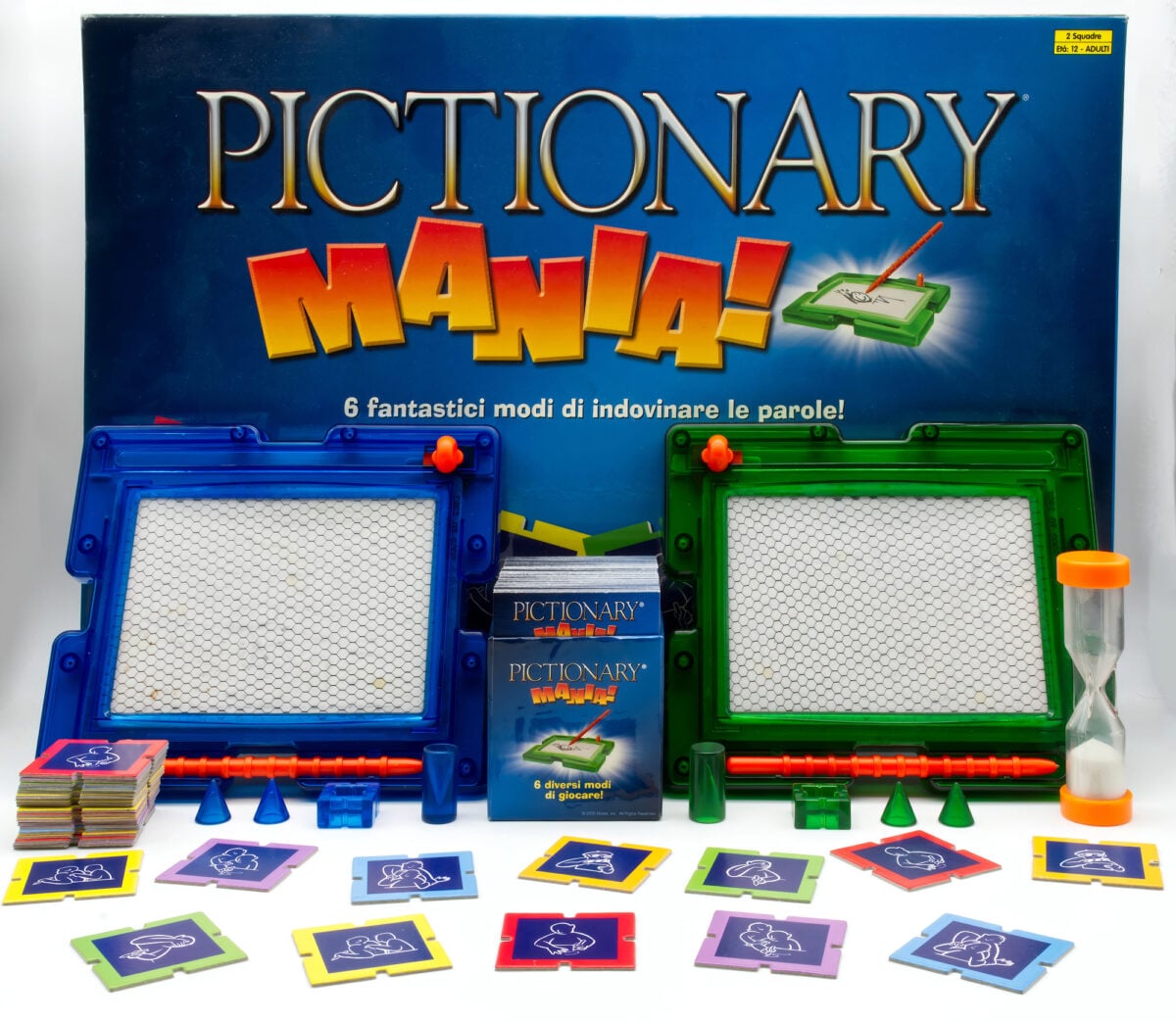
This drawing game? Players scribble hints while their team yells answers – before the clock hits zero. Made by Robert Angel back in ’85, it quickly turned into a go-to at gatherings.
It clicks no matter what language you speak because doodles say more than words ever could. Funny thing – the worse someone draws, the wilder the guesses get, with friends screaming sillier stuff every second.
Different builds come with unique styles, challenge tiers, or twists on core mechanics. It shows enjoyment doesn’t rely on flashy parts or tricky setups.
Uno
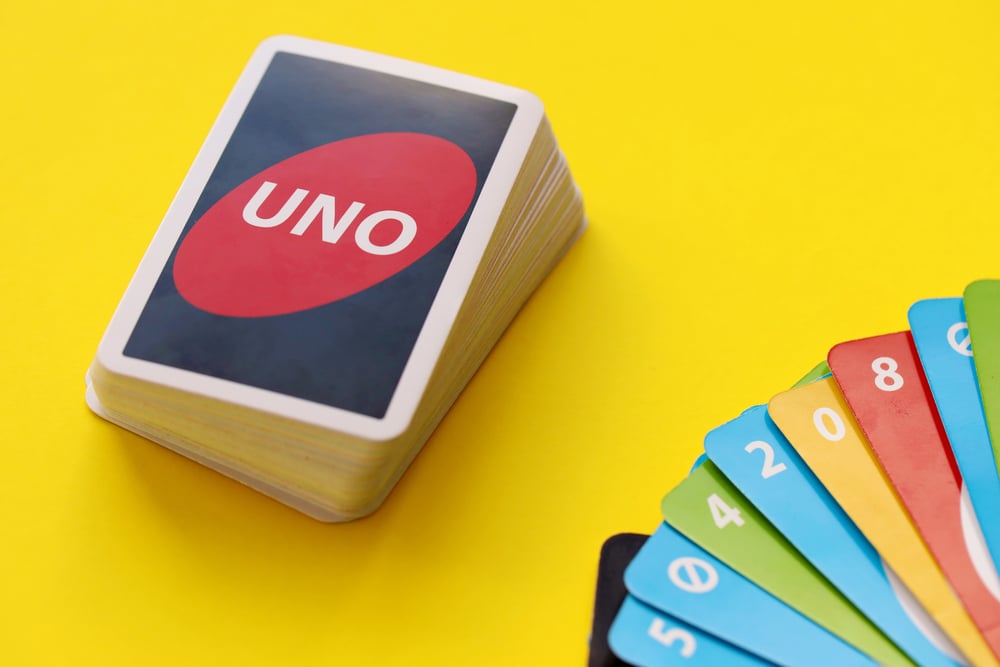
While basically just a deck of cards, Uno’s popularity stretches worldwide. Back in 1971, Merle Robbins came up with the idea – since then, it’s sold like crazy.
You play by pairing colors or numbers, yelling ‘Uno’ if you’re left with a single card. Found across roughly 80 nations, around 200 million folks regularly give it a go.
House rules change a lot depending on the household, yet arguments over how blocks should stack often turn intense. Easy to use, quick setup, also great anywhere – from kitchens to campsites.
Dominoes
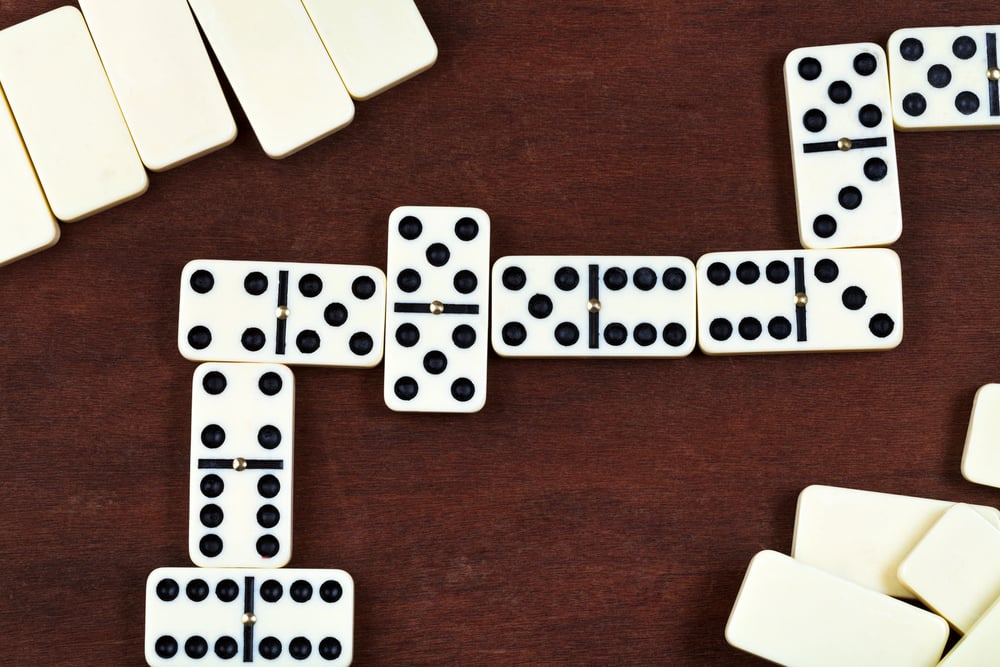
Those long square pieces with little spots? People’ve used ‘em to play games for hundreds of years – everywhere from Asia to the Americas.
Probably started way back in China, then slowly moved over to Europe and beyond. Once they landed in new areas, folks made up their own versions – one type stops your opponent moving, another’s about racking up points.
In many Latin American places, these games are a big deal; you’ll see groups playing outside, in plazas or clubhouses. There’s something cool about how the tiles snap together on a table, plus it brings people together while having fun.
Jenga

Leslie Scott came up with this block-stacking game back in the 80s – soon after, it blew up worldwide. People play by pulling out one piece at a time from a tall pile, then balancing it on the upper levels; if you make it fall, you lose.
It actually started as a fun activity she played as a kid while living in Ghana. Nowadays, you’ll find Jenga being used everywhere – from get-togethers at home to pubs running giant sets for show.
The pressure rises every time the stack gets higher or more wobbly. Once it collapses, people burst out laughing but start rebuilding right away.
Games that connect us all

These board games traveled far beyond their origins, breaking through language gaps to fit into everyday routines worldwide. Despite shifts in tech that might’ve wiped them out, they hung on – reborn via digital apps and web platforms.
Still, the real deal holds weight since sitting together around a table builds moments phones or tablets just miss. Total newcomers became close pals thanks to these pastimes; some bonds formed, others tested during heated family clashes.
Laughter, rivalry, endless fun – they packed it all into uncountable hours. Chances are strong future folks will keep sharing those same experiences for years ahead.
More from Go2Tutors!

- The Romanov Crown Jewels and Their Tragic Fate
- 13 Historical Mysteries That Science Still Can’t Solve
- Famous Hoaxes That Fooled the World for Years
- 15 Child Stars with Tragic Adult Lives
- 16 Famous Jewelry Pieces in History
Like Go2Tutors’s content? Follow us on MSN.



