23 Movie Sequels That Outearned the Original at the Box Office
Hollywood has always been a gamble, but sequels represent a particularly fascinating bet. Studios pour millions into follow-ups, banking on the idea that audiences want more of what they loved the first time around.
Sometimes that gamble pays off in ways nobody expected — not just critically, but financially. These 23 sequels didn’t just succeed; they completely outearned their predecessors, proving that lightning can indeed strike twice in the same franchise.
Terminator 2: Judgment Day
The original Terminator was a scrappy, low-budget thriller that made Arnold Schwarzenegger a star. Then James Cameron returned with a budget ten times larger and turned the franchise inside out.
T2 earned over $500 million worldwide compared to the original’s $78 million, transforming a cult hit into a blockbuster phenomenon.
Aliens

Ridley Scott’s Alien was a masterclass in claustrophobic horror, but James Cameron (again) had different ideas entirely. Where Scott whispered, Cameron roared — and audiences responded by spending $183 million worldwide compared to the original’s $104 million.
Sometimes more is actually more.
The Dark Knight

Batman Begins revitalized the franchise after Joel Schumacher nearly killed it, earning a respectable $374 million globally. The Dark Knight didn’t just improve on that number (it made over $1 billion worldwide) — it redefined what a superhero movie could be, thanks largely to Heath Ledger’s transformative Joker performance.
X2: X-Men United

The original X-Men opened the door for modern superhero cinema with its $296 million worldwide gross. X2 kicked that door wide open, earning $407 million globally and establishing the template for how to properly expand a superhero universe without losing what made the original work.
Shrek 2
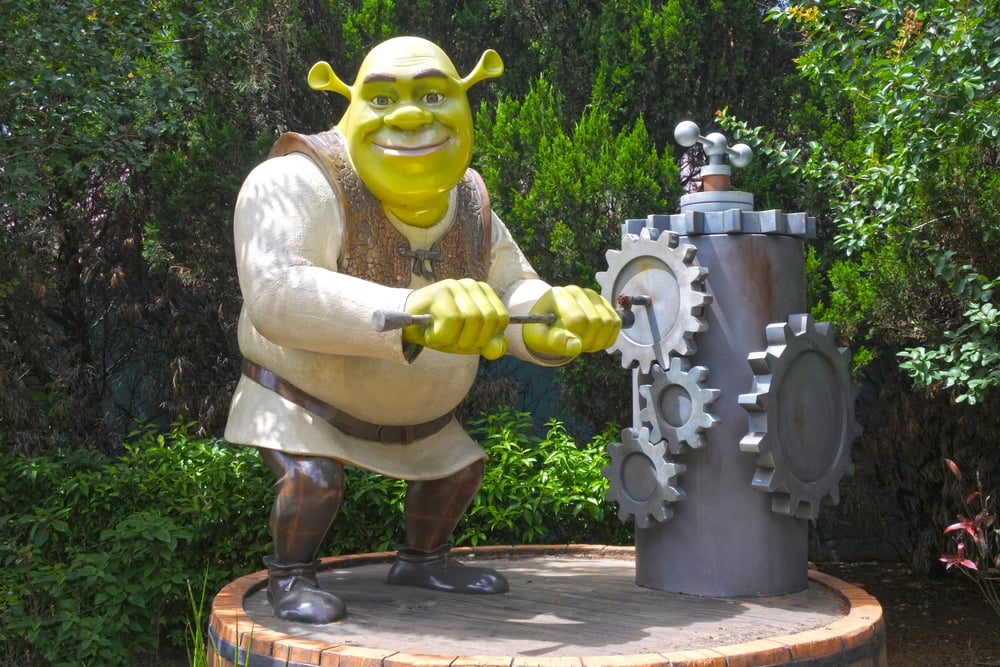
Shrek was already a massive hit, earning $484 million worldwide and revolutionizing animated comedy. But Shrek 2 became something else entirely — a pop culture juggernaut that earned nearly $1 billion globally (making it one of the highest-grossing animated films ever) by doubling down on everything that worked the first time.
Toy Story 2
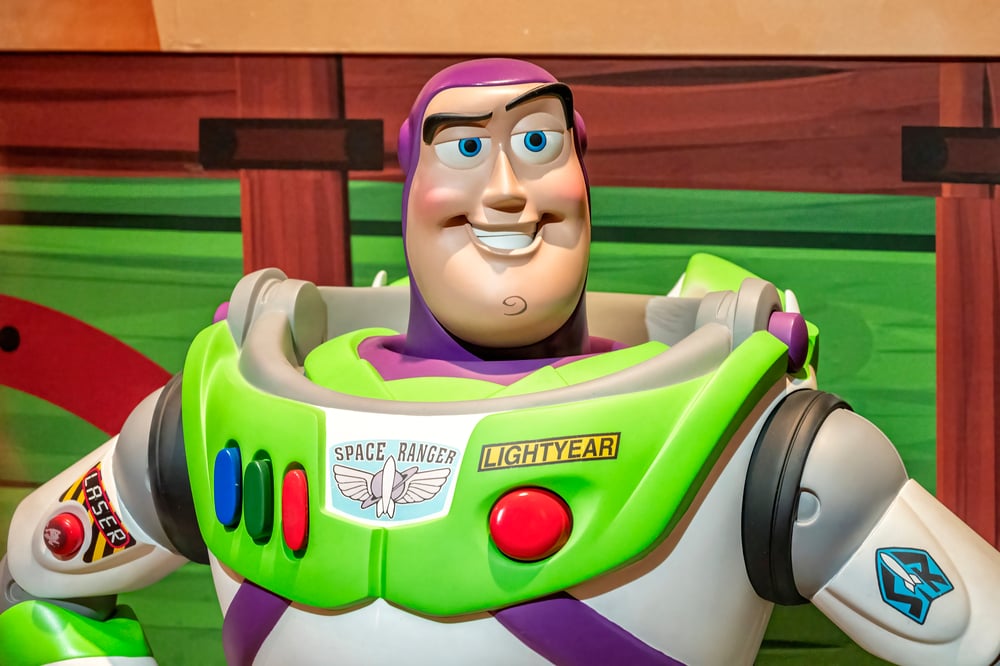
Pixar’s original Toy Story changed animation forever and earned $373 million worldwide, but the sequel proved that computer-animated films could have heart alongside technical innovation. Toy Story 2’s $497 million global gross demonstrated that audiences were hungry for more sophisticated animated storytelling.
The Empire Strikes Back
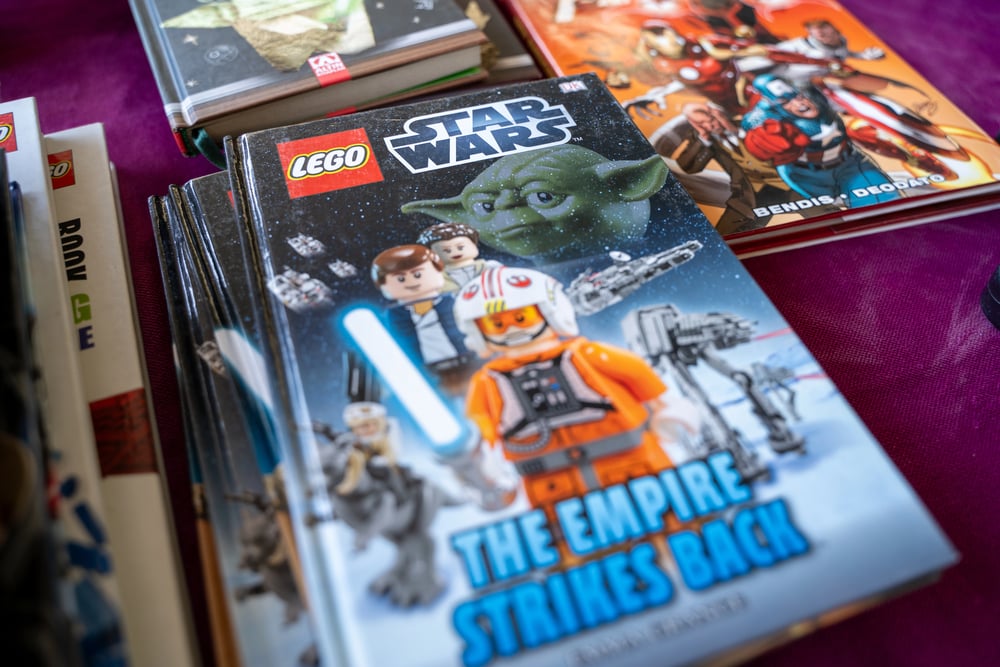
Star Wars was a phenomenon that earned $775 million worldwide, but The Empire Strikes Back managed to earn $538 million during its initial run (and has since outearned the original through re-releases). It’s the rare sequel that’s widely considered superior to its predecessor in every measurable way.
Indiana Jones and the Last Crusade

Raiders of the Lost Ark earned $389 million worldwide and created an icon, but by the time Sean Connery showed up as Indy’s father, audiences were completely sold on the franchise. The Last Crusade pulled in $474 million globally, proving that sometimes the third time really is the charm.
Iron Man 2

The original Iron Man launched the Marvel Cinematic Universe with $585 million worldwide, but Iron Man 2 had the advantage of riding that momentum. Despite mixed critical reception, it earned $623 million globally — audiences wanted more Tony Stark, flaws and all.
Thor: Ragnarok
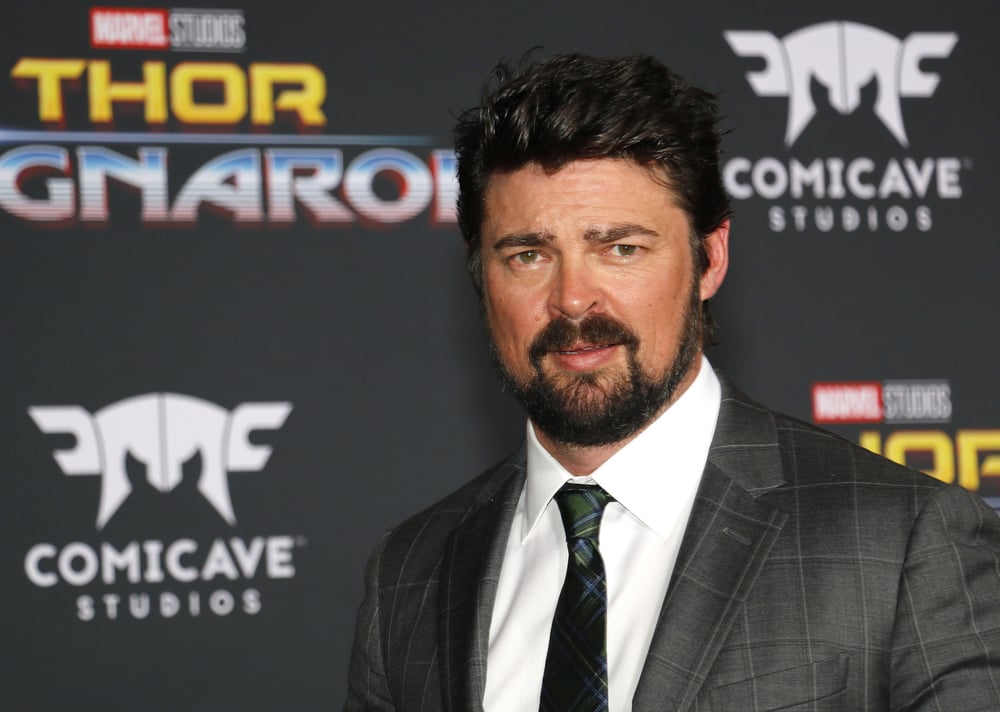
The first two Thor films were the awkward stepchildren of the MCU, with the original earning $449 million worldwide and the sequel performing similarly. Then Taika Waititi showed up and turned everything into a cosmic comedy, with Ragnarok earning $854 million globally and completely reinventing the character.
Captain America: The Winter Soldier
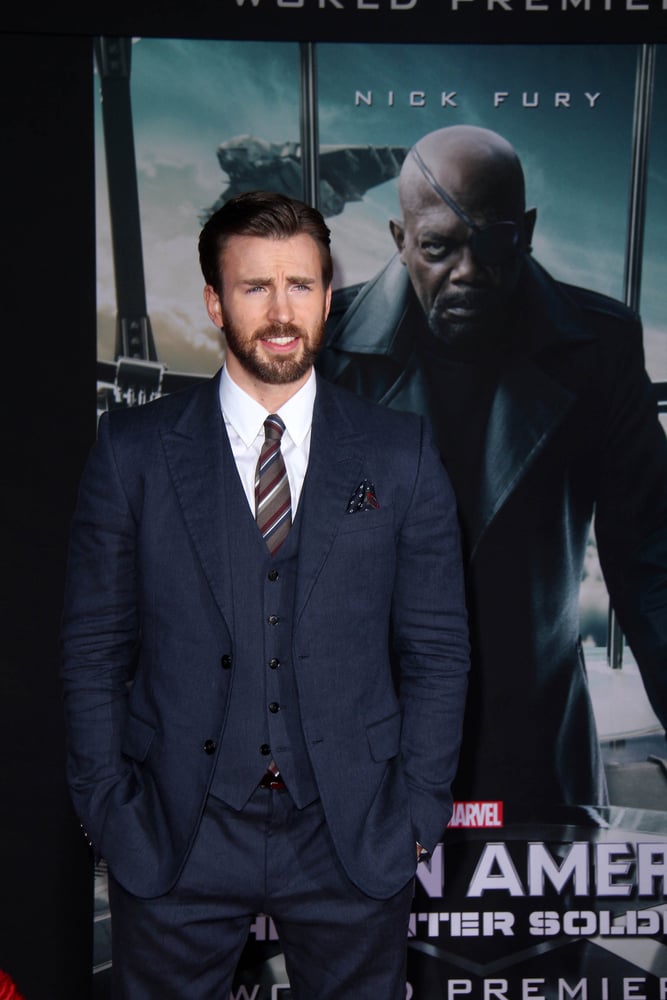
Captain America: The First Avenger was solid but unremarkable, earning $370 million worldwide in a summer crowded with superhero films. The Winter Soldier transformed Steve Rogers from earnest do-gooder into a complex character questioning authority, and audiences responded with $714 million globally.
Fast Five

The Fast and the Furious franchise had been steadily declining until Fast Five decided to become a heist film instead of just another street racing movie. While the original earned $207 million worldwide, Fast Five pulled in $626 million globally by embracing its own absurdity completely.
22 Jump Street
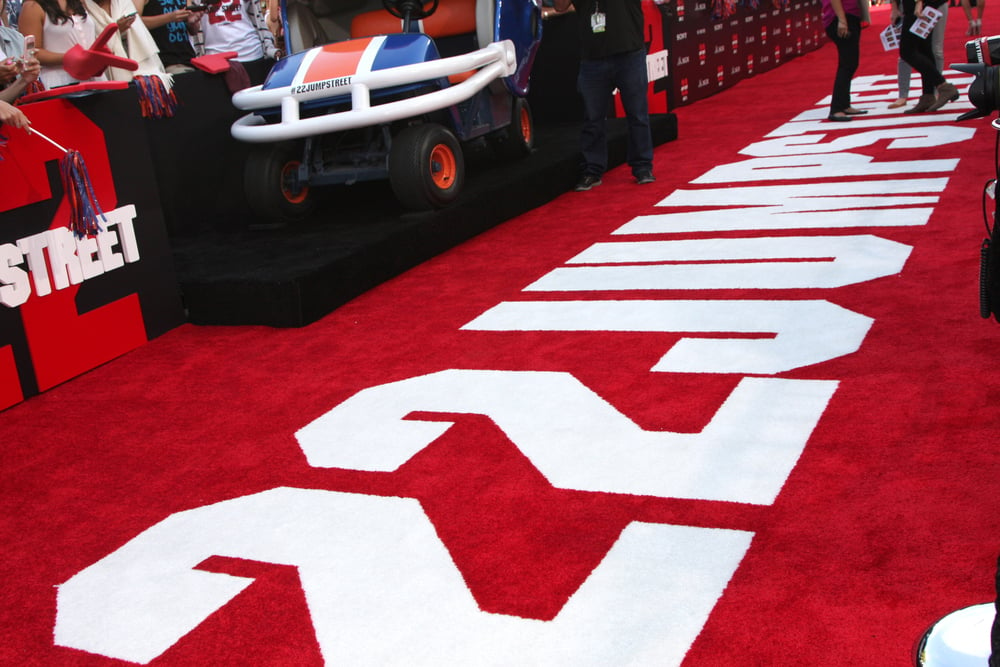
21 Jump Street was a surprise hit that earned $201 million worldwide by cleverly deconstructing buddy cop comedies. 22 Jump Street went meta on the entire concept of sequels themselves, earning $331 million globally while constantly winking at its own existence.
Blade II

The original Blade earned $131 million worldwide and proved that R-rated superhero films could work, but Blade II had Guillermo del Toro behind the camera. Del Toro’s visual flair and creature design helped the sequel earn $155 million globally, even if the improvement was more modest than others on this list.
Dawn of the Planet of the Apes

Rise of the Planet of the Apes rebooted a dormant franchise and earned $481 million worldwide through strong character work and impressive motion-capture technology. Dawn pushed both elements further, earning $710 million globally by focusing on the emotional stakes of its post-apocalyptic world.
Deadpool 2

The original Deadpool broke the R-rated superhero box office with $783 million worldwide, proving that audiences were hungry for something different in the superhero space. Deadpool 2 managed to earn $785 million globally while constantly making jokes about being a cash-grab sequel.
Mission: Impossible II

The original Mission: Impossible earned $457 million worldwide and established Tom Cruise as an action star willing to do increasingly dangerous stunts. Mission: Impossible II ramped up both the action and Cruise’s commitment, earning $546 million globally despite being the weakest entry in the franchise.
Austin Powers: The Spy Who Shagged Me

Austin Powers: International Man of Mystery was a cult hit that earned $67 million worldwide, but the sequel caught fire in a way nobody expected. The Spy Who Shagged Me earned $312 million globally by embracing its own ridiculousness and giving audiences more of Mike Myers’ bizarre comedic energy.
Meet the Fockers

Meet the Parents earned $330 million worldwide by mining comedy gold from family dysfunction and Robert De Niro’s intimidating presence. Meet the Fockers expanded the family circle and the laughs, earning $516 million globally by doubling down on everything that worked the first time.
Rush Hour 2

Rush Hour earned $244 million worldwide by pairing Jackie Chan’s physical comedy with Chris Tucker’s manic energy, but the sequel found an even better rhythm between its mismatched leads. Rush Hour 2 earned $347 million globally by understanding exactly what audiences wanted more of.
Anchorman 2: The Legend Continues

Anchorman became a cult classic after its theatrical run, earning $90 million worldwide initially but finding its audience on home video and cable. Anchorman 2 capitalized on that growing fanbase, earning $173 million globally by giving audiences more of Ron Burgundy’s particular brand of absurdist humor.
The Hunger Games: Catching Fire
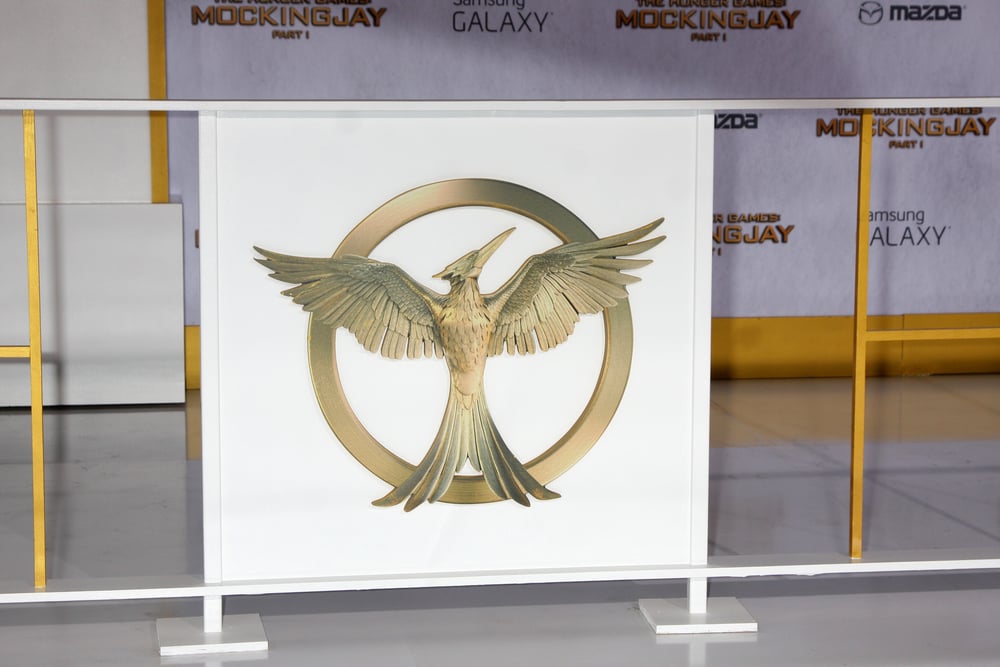
The original Hunger Games earned $694 million worldwide and launched Jennifer Lawrence into superstardom, but Catching Fire refined everything that worked about the first film. The sequel earned $865 million globally by expanding the world while keeping the focus on character development and political themes.
Frozen II

Frozen became a cultural phenomenon that earned $1.28 billion worldwide, spawning countless merchandise lines and ensuring parents everywhere knew every word to “Let It Go.” Frozen II somehow managed to surpass even that success, earning $1.45 billion globally and proving that Elsa’s story still had places to go.
Looking Back at Lightning Strikes

These sequels prove that success isn’t just about bigger budgets or louder explosions — though those certainly don’t hurt. The best performing sequels understand what made their predecessors work while finding new territory to explore.
They respect what came before without being imprisoned by it, and they give audiences more of what they loved while still managing to surprise. In a business built on calculated risks, these 23 films represent the rare occasions when the math worked out even better than anyone dared hope.
More from Go2Tutors!

- The Romanov Crown Jewels and Their Tragic Fate
- 13 Historical Mysteries That Science Still Can’t Solve
- Famous Hoaxes That Fooled the World for Years
- 15 Child Stars with Tragic Adult Lives
- 16 Famous Jewelry Pieces in History
Like Go2Tutors’s content? Follow us on MSN.