17 Common Objects You Never Knew Were Copyrighted
Inside every shop, quiet shelves hold things that seem totally normal. A child’s plaything sits there, unassuming.
Then again, a bag of chips on the rack might carry hidden legal marks few notice. Even the couch in the corner could be guarded by rules nobody talks about.
While they appear plain, certain common goods come with silent protections through copyright or brand rights. Most folks walk past them without realizing what lies beneath.
Take a moment to consider everyday items firms have managed to claim as their own through legal means.
The Classic Curve of a Coke Bottle
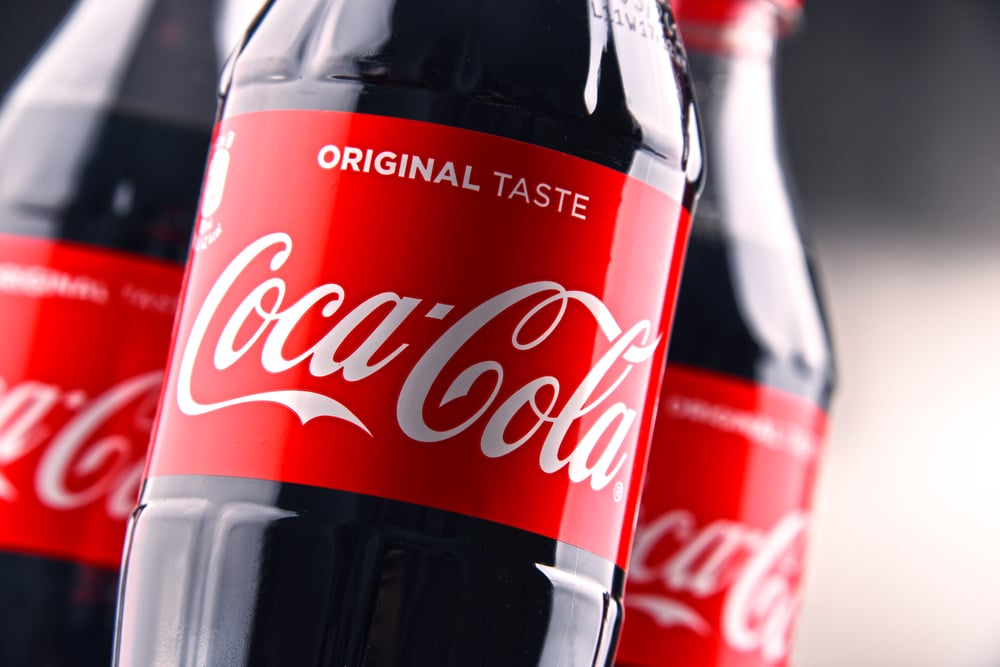
Darkness does not hide its form – the unique curve of Coca-Cola’s glass bottle earned legal status as a trademark back in 1960. Even shattered, fragments still hint at what once held the drink, such was the claim made by the makers.
Because of this recognition, rivals are blocked from copying anything close to that silhouette on shelves. Not just letters or colors carry the name; the very outline speaks identity loud enough to stand alone.
Shape becomes signature here, equal in weight to any written mark ever printed.
Tiffany’s specific shade of blue
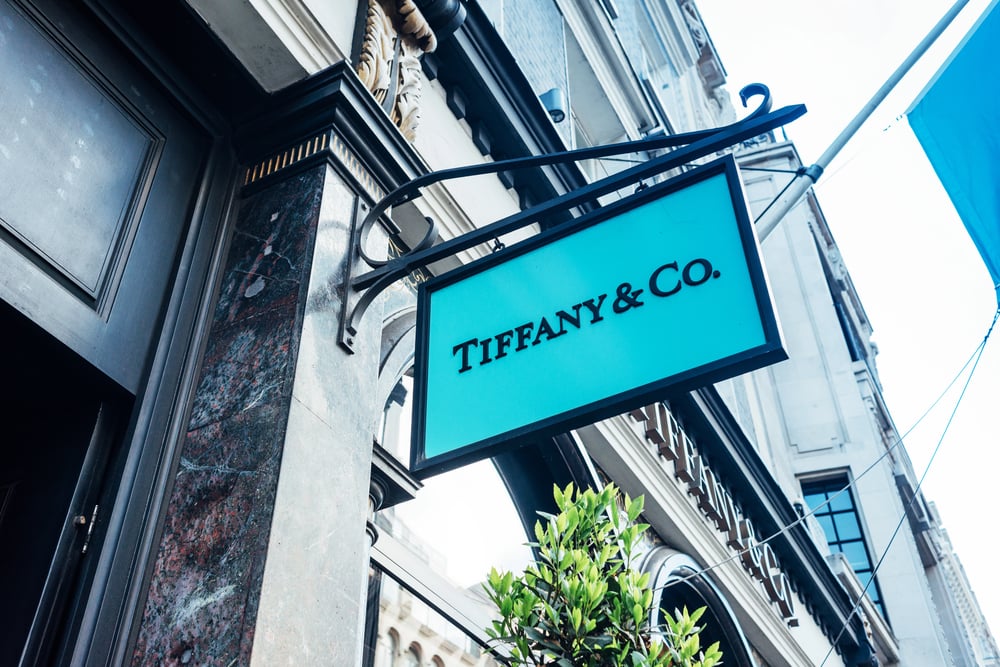
You know that soft robin’s egg blue on every Tiffany box? It is more than just pretty packaging.
Known legally as Pantone 1837 Blue, it belongs only to them. This precise tint carries a name tied directly to the year the store began – 1837.
While others may try similar tones, none can claim this one. Copying it risks a warning letter from their legal team.
Their grip on the shade stays tight, enforced without delay.
The Red Sole of Louboutin
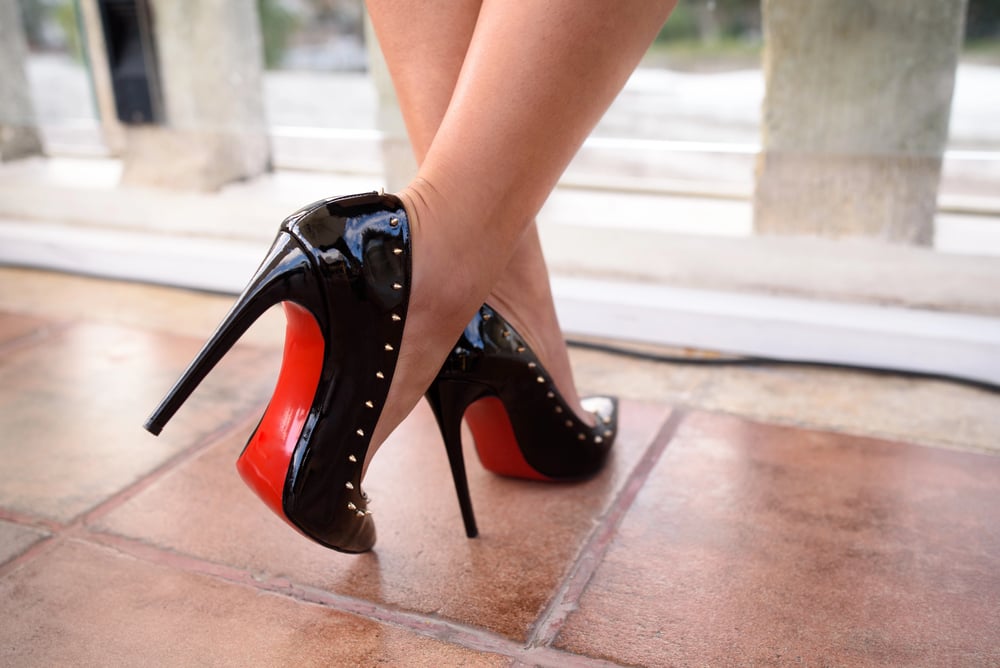
A fight over paint turned into a courtroom story when Christian Louboutin claimed ownership of red soles under his heels. Back in 2012, judges said yes – but only if the rest of the shoe stays another shade.
Copying that flash of crimson might now lead straight to court papers. That single splash of color lifts secondhand prices like nothing else on the market.
Worth jumps happen fast once collectors spot those bold undersides.
Yellow school buses

That bright yellow on U.S. school buses? It follows strict rules.
Back in 1939, officials picked the National School Bus Glossy Yellow – easy to spot when the sun hangs low. Because of its high visibility at dawn or dusk, few colors work better.
Though nobody owns the hue legally, builders can’t swap shades. They stick to the official version every time.
Black letters against that yellow follow guidelines too. Clear contrast keeps kids safe, whether arriving or leaving.
Post-it Note yellow

Yellow like a ripe banana marks every regular Post-it Note made by 3M, protected under trademark law. That exact hue wasn’t meant to define the brand from day one.
A nearby laboratory happened to stock leftover yellow sheets – so those scraps got turned into prototypes. Once people grew fond of that bright tint, legal shields went up around it.
Other companies may sell sticky notes, provided they steer clear of that precise golden shade.
UPS brown

United Parcel Service trademarked their distinctive brown color back in 1998. The company has used this shade since 1916 when the founder chose it because it represented class and professionalism.
UPS literally calls it Pullman Brown because it matched the color of luxury Pullman railway cars. The company enforces this trademark aggressively and has sued smaller shipping companies for using similar brown uniforms or trucks.
The McDonald’s golden arches shape
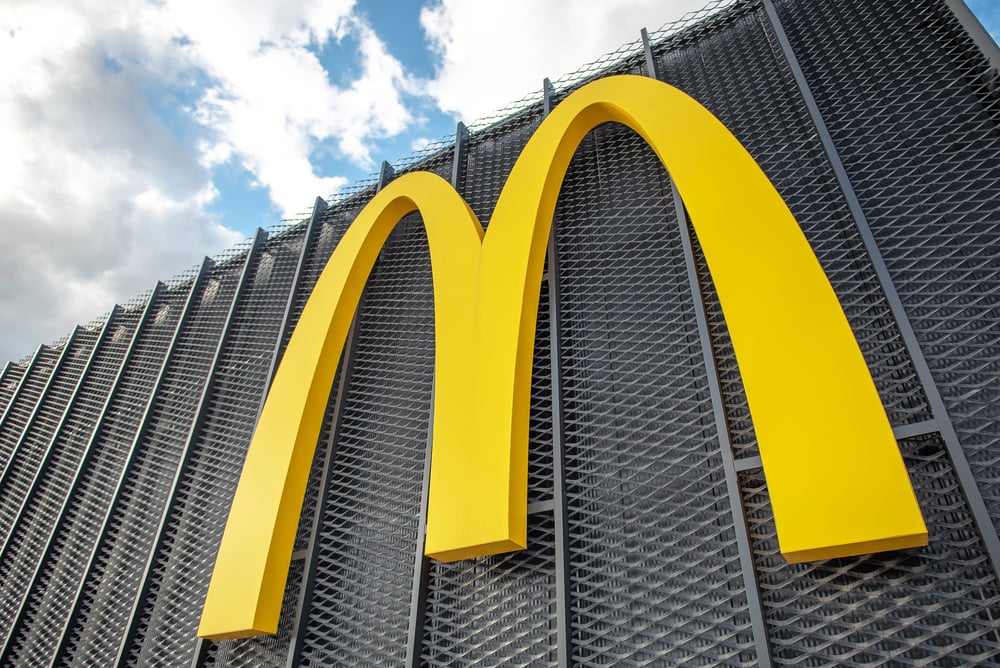
While the McDonald’s logo is obviously protected, the actual architectural shape of the golden arches as they appear on restaurant buildings is also trademarked. The arches aren’t just decoration, they’re considered a crucial part of the brand’s trade dress.
This means another restaurant chain couldn’t build locations with similar arch structures even if they used different colors. The shape is protected as a three-dimensional trademark.
Jeep’s seven-slot grille

The front grille of a Jeep with its seven vertical slots has been trademarked since the 1940s. The design originated during World War II when Jeep needed to distinguish their vehicles from similar military equipment made by other manufacturers.
Today, any vehicle that features a seven-bar grille risks trademark infringement claims from Jeep. The company has filed lawsuits against multiple automakers over grille designs that came too close to their protected look.
Hershey’s Kiss shape
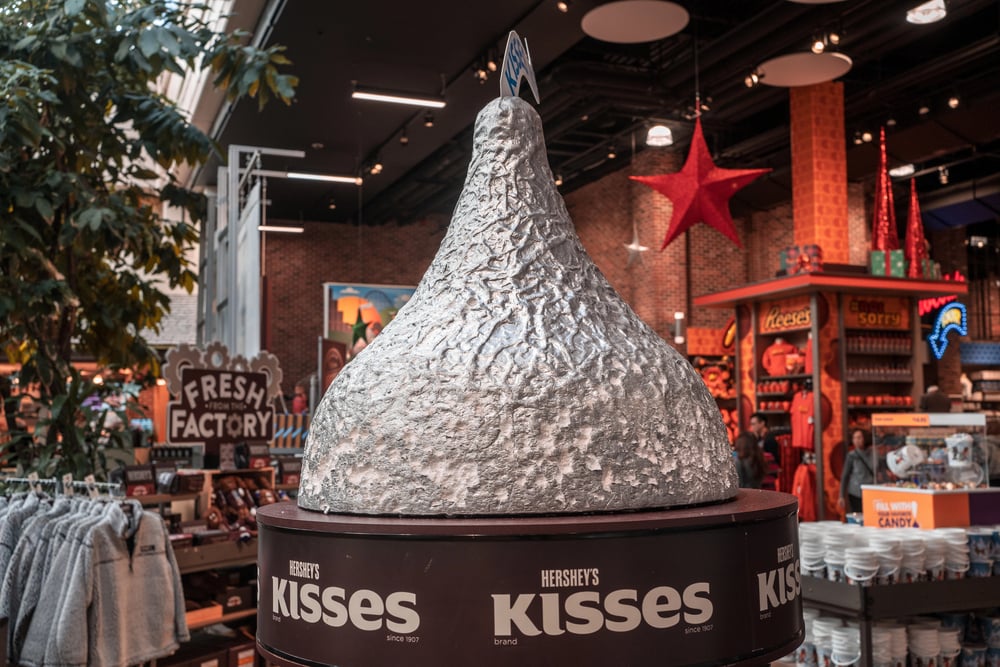
The distinctive conical shape of a Hershey’s Kiss chocolate is protected by trademark. The company successfully argued that consumers associate this particular shape with their brand specifically.
Other chocolate manufacturers can make cone-shaped candies but they need to be different enough to avoid confusion. Even the plume or paper flag sticking out of the top is part of the protected design.
Target’s bullseye

The red and white bullseye logo used by Target is one of the most protected trademarks in retail. The company defends it so vigorously that they’ve sued everyone from small businesses to major corporations over circular red and white designs.
Target has even gone after companies using bullseye imagery in completely different industries. The trademark covers not just the exact logo but the general concept of concentric red and white circles as branding.
Burberry’s check pattern
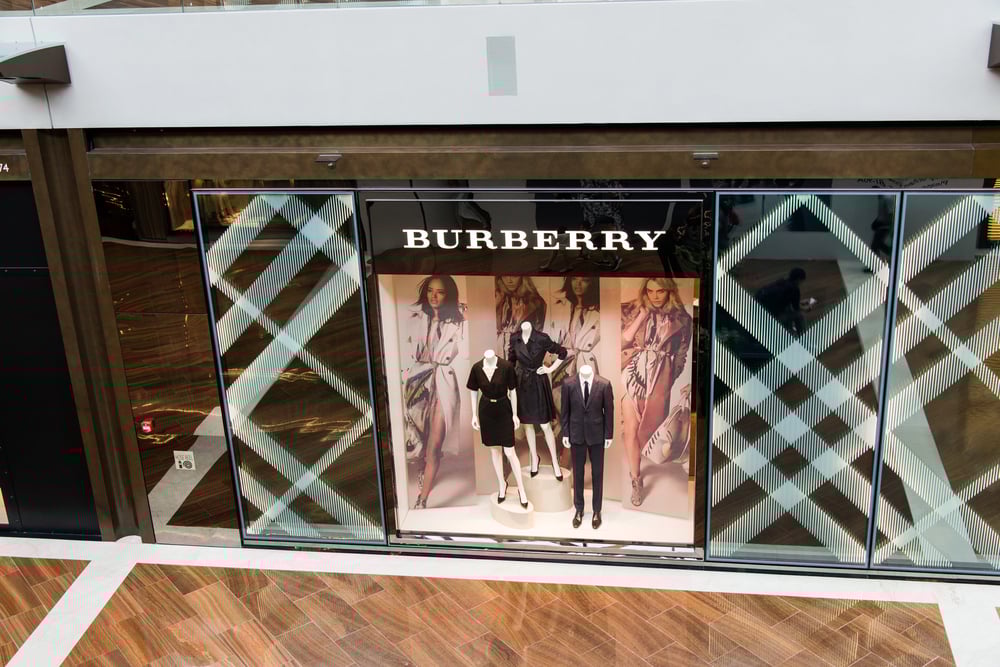
The tan, black, white and red plaid pattern that appears on Burberry products has been trademarked since it was introduced in the 1920s. The pattern originally lined Burberry’s trench coats before becoming an exterior design element.
Counterfeiters have tried to copy it for decades, prompting the company to pursue aggressive legal action. Burberry has even sued other fashion houses for using similar color combinations in plaid patterns.
The shape of a Toblerone bar
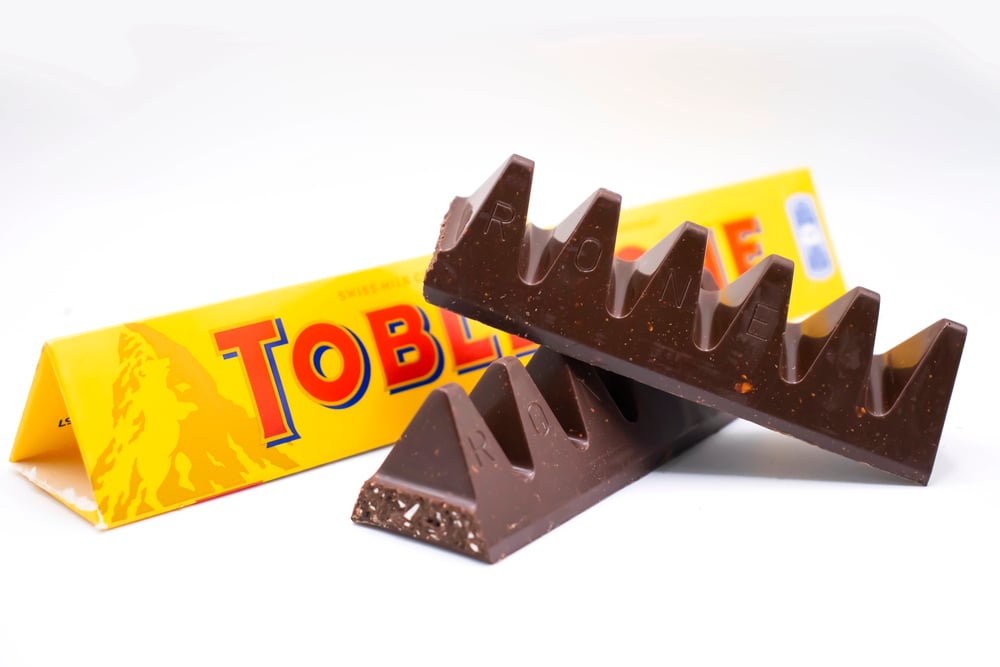
Toblerone successfully trademarked the triangular prism shape of their chocolate bars. The company argued that the distinctive peak design made their product instantly recognizable and different from standard rectangular chocolate bars.
Other candy makers can’t produce triangle-shaped chocolate bars that might confuse consumers. The shape has been protected in multiple countries since the 1990s.
Owens Corning pink insulation
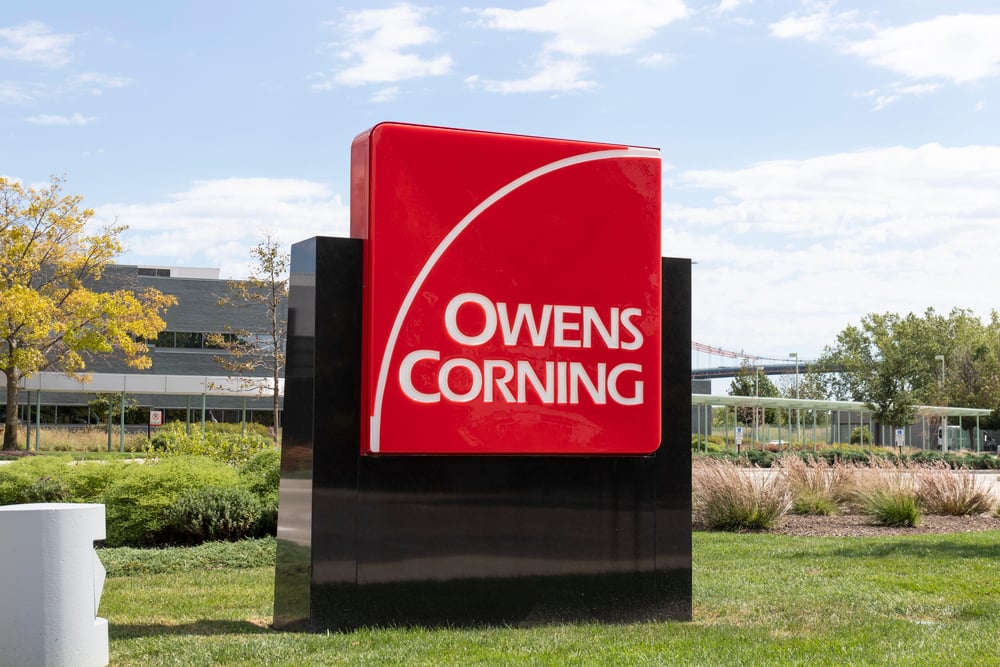
The building material company Owens Corning holds a trademark on the bright pink color of their fiberglass insulation. They started making it pink in 1956 simply to stand out from competitors who all made yellow or white insulation.
The color has no functional purpose, it’s purely for brand recognition. Owens Corning has spent millions defending this trademark against other insulation manufacturers.
Lamborghini scissor doors
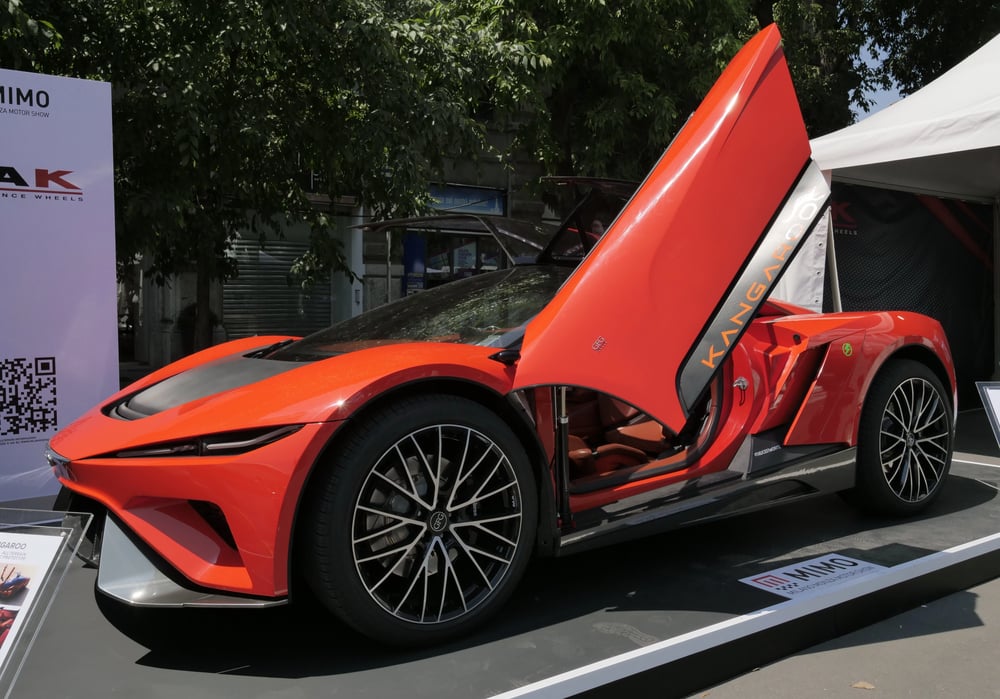
While the general concept of upward-opening car doors isn’t protected, Lamborghini has design patents on their specific scissor door mechanism. The doors that swing upward and slightly forward are considered a signature element of Lamborghini’s design language.
Other automakers have created similar door systems but they need to engineer them differently enough to avoid patent infringement. The doors have become so associated with luxury sports cars that their presence can significantly increase a vehicle’s value.
LEGO brick studs

The configuration of studs on top of LEGO bricks is protected by both patents and trademarks. While the original patents have expired, LEGO maintains trademark protection over the arrangement and appearance of the studs.
This prevents other toy companies from making blocks that look too similar to genuine LEGO products. The company has successfully sued multiple competitors over brick designs that came too close to their protected configuration.
Chanel No. 5 bottle
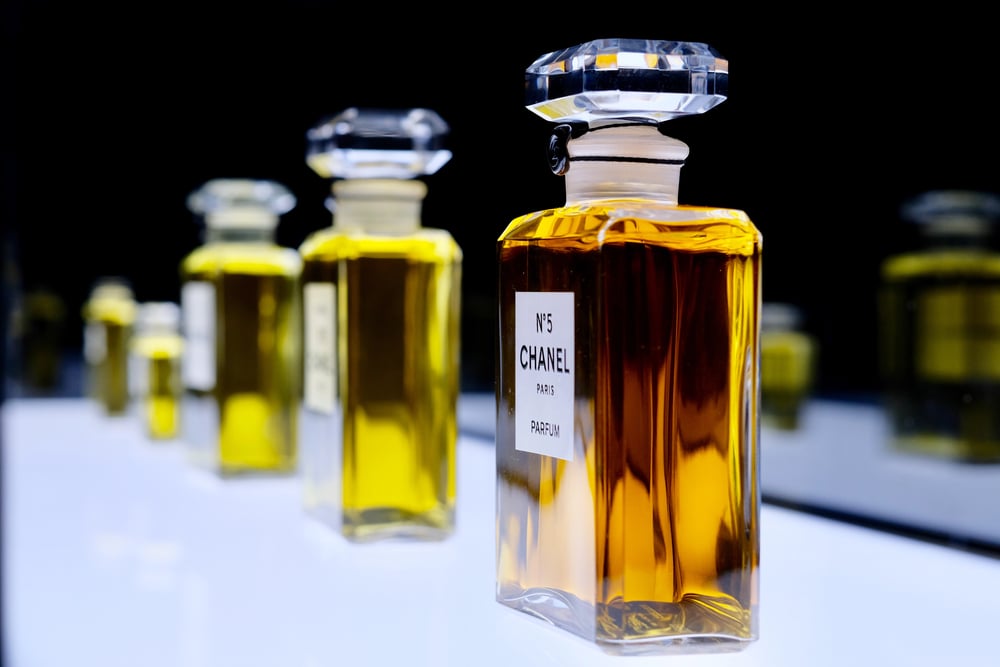
The Art Deco glass bottle that holds Chanel No. 5 perfume is a registered trademark. The rectangular bottle with beveled edges and minimalist label has been protected since 1924.
Coco Chanel specifically designed it to look different from the ornate perfume bottles popular at the time. Other perfume makers can’t create bottles with this same rectangular beveled design without risking legal action from Chanel.
The NBC chimes
NBC holds a trademark on the three-note sound sequence that plays during their broadcasts. It’s one of the first audio trademarks ever registered in the United States.
The G-E-C chime sequence has been part of NBC’s identity since 1929 and is protected as part of their brand. Other networks can’t use these specific three notes in sequence as part of their broadcasting identity.
The trademark covers both the notes themselves and the way they’re performed.
Where brands draw their lines
Companies protect these designs because in crowded markets, recognition equals money. A shopper who spots a familiar color or shape from across a store is more likely to make a purchase.
Legal teams spend countless hours defending these trademarks not because they’re petty but because allowing even small violations could weaken their claims in future cases. The objects around us carry more legal weight than most people realize, turning everyday shopping into a carefully choreographed dance of protected intellectual property.
More from Go2Tutors!

- The Romanov Crown Jewels and Their Tragic Fate
- 13 Historical Mysteries That Science Still Can’t Solve
- Famous Hoaxes That Fooled the World for Years
- 15 Child Stars with Tragic Adult Lives
- 16 Famous Jewelry Pieces in History
Like Go2Tutors’s content? Follow us on MSN.