Tallest Statues on Earth
Up toward the sky – that is where people have reached, ever since hands first shaped stone. Not just function but purpose rises with each level, seen in cliffside carvings and today’s stacked frames alike.
Meaning grows taller too; faith, authority, legacy, drive – they gather in vertical form. Take statues: their stature turns idea into presence, noticeable not because of motion but mass alone.
Big statues around the globe did not happen by chance. One such creation emerges only when tools, faith, and materials meet at the right time.
Found on distant lands, each rises from unique customs but shares a wish – to stand out in the landscape. To grasp their meaning, numbers tell half the story.
The rest lies in purpose, method, craft, and the communities that see them every day. Standing high above the land, some statues stretch into the sky simply because they can.
Their size tells of ambition shaped by hands long gone. Each one holds a name, a reason, a moment frozen in stone and metal.
What pushes people to build so far upward? Belief often starts the climb. Governments sometimes add their weight behind these giants.
Time watches them age while cities grow around their feet. They do not speak, yet everyone who sees them must wonder.
Statue of Unity, India
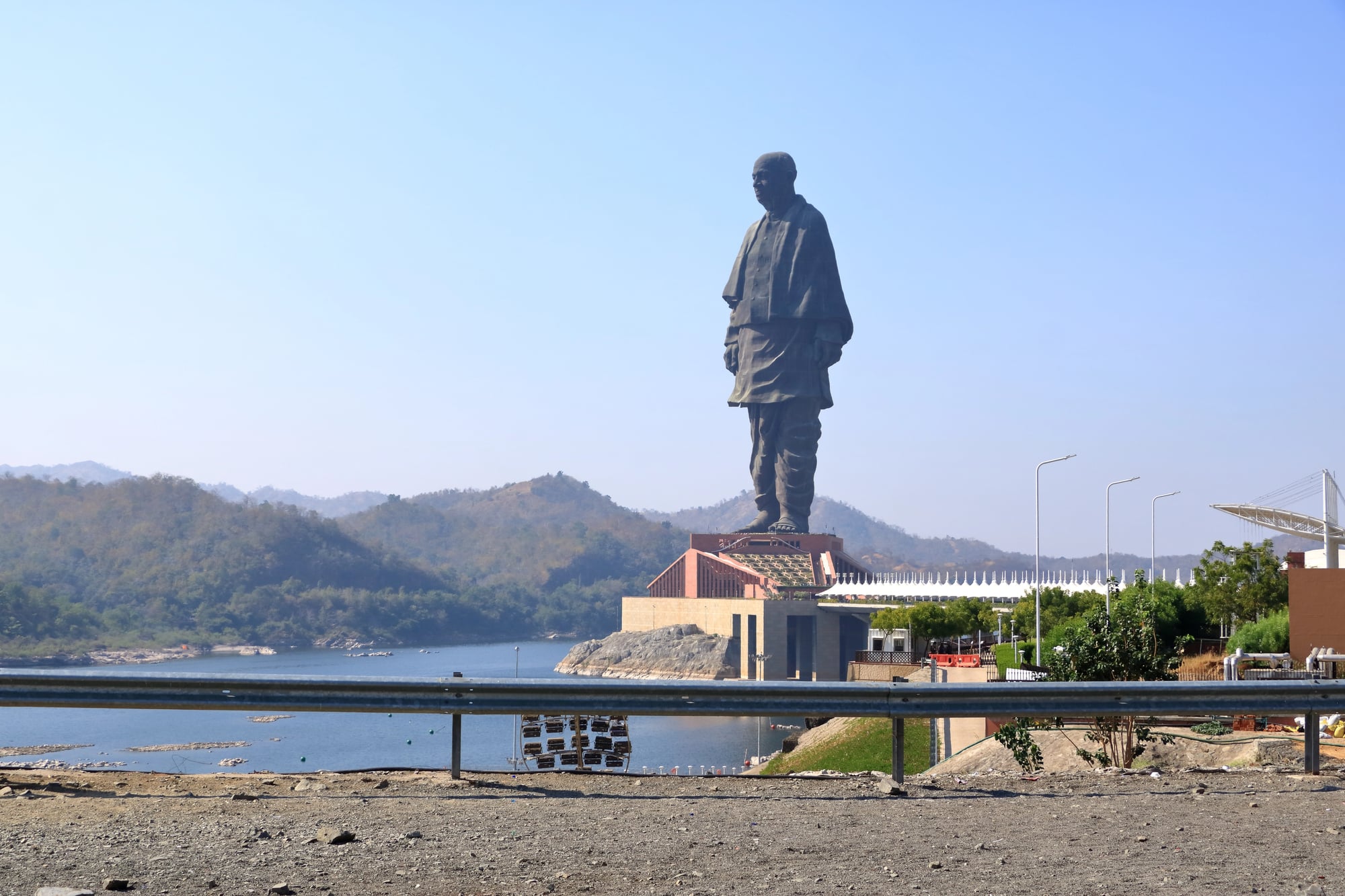
Standing at an astonishing 597 feet tall, the Statue of Unity is currently the tallest statue on Earth. Located in the Indian state of Gujarat, it depicts Vallabhbhai Patel, a key figure in India’s independence movement and the country’s first deputy prime minister.
The statue was designed to reflect strength, stability, and leadership, qualities associated with Patel’s role in unifying India’s states after independence. Its scale is deliberate.
At more than twice the height of the Statue of Liberty, it was built to be seen from miles away, dominating the surrounding landscape. Construction required advanced engineering solutions, including wind resistance capable of handling extreme weather.
Beyond its physical presence, the statue serves as a political and cultural statement, reinforcing national identity through monumental form.
Spring Temple Buddha, China
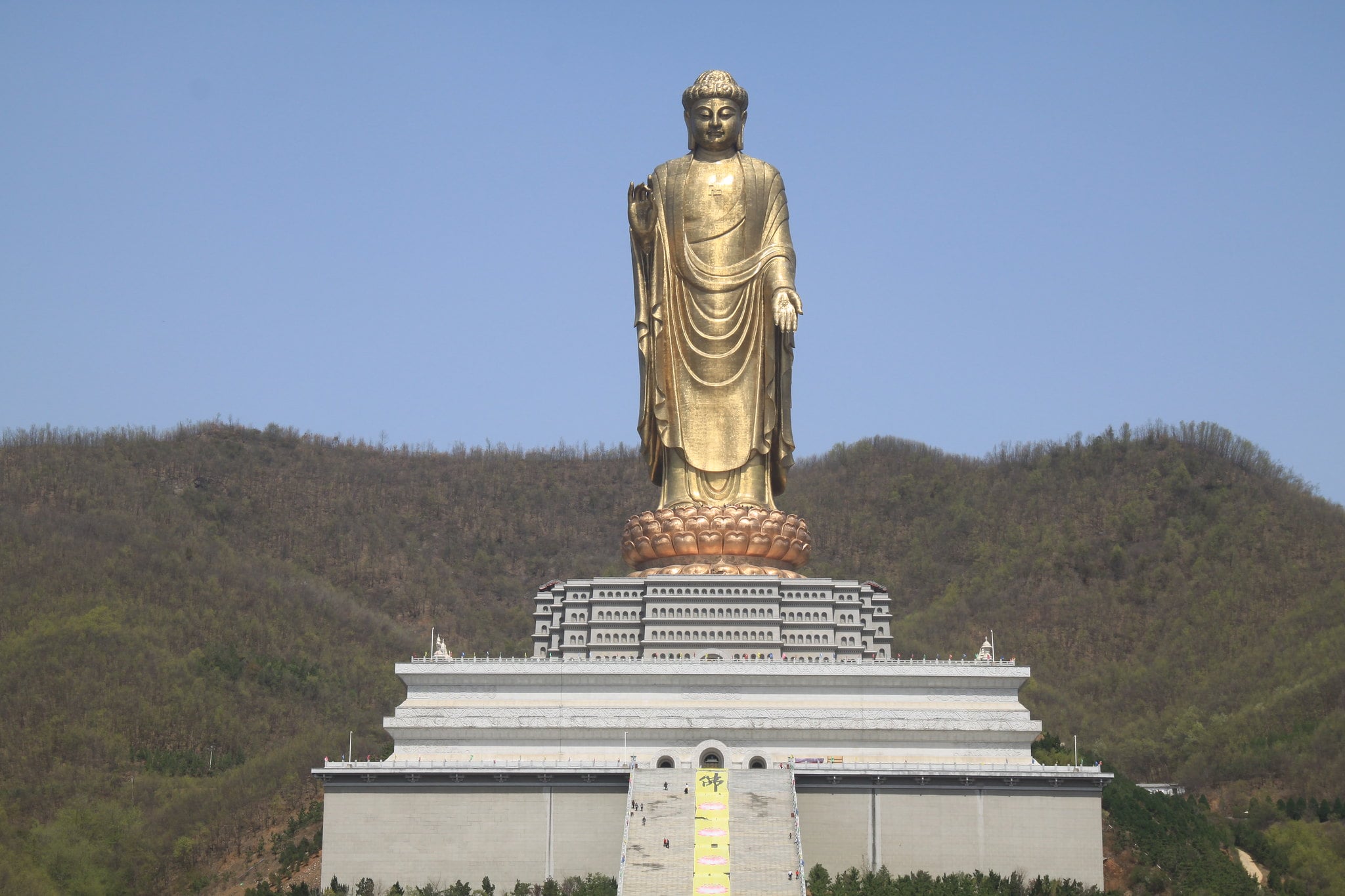
The Spring Temple Buddha rises approximately 420 feet above the landscape in Henan Province, making it one of the tallest statues ever constructed. Representing Vairocana Buddha, the monument reflects Buddhist themes of enlightenment and cosmic order.
Built over several years, the statue incorporates copper and steel, materials chosen for both durability and symbolic value. Its location near a hot spring gives the monument its name, blending natural elements with spiritual purpose.
The scale of the Spring Temple Buddha is not only a technical achievement but a reflection of religious devotion expressed through architecture. It draws visitors from around the world, serving as both a pilgrimage site and an engineering landmark.
Laykyun Sekkya Buddha, Myanmar
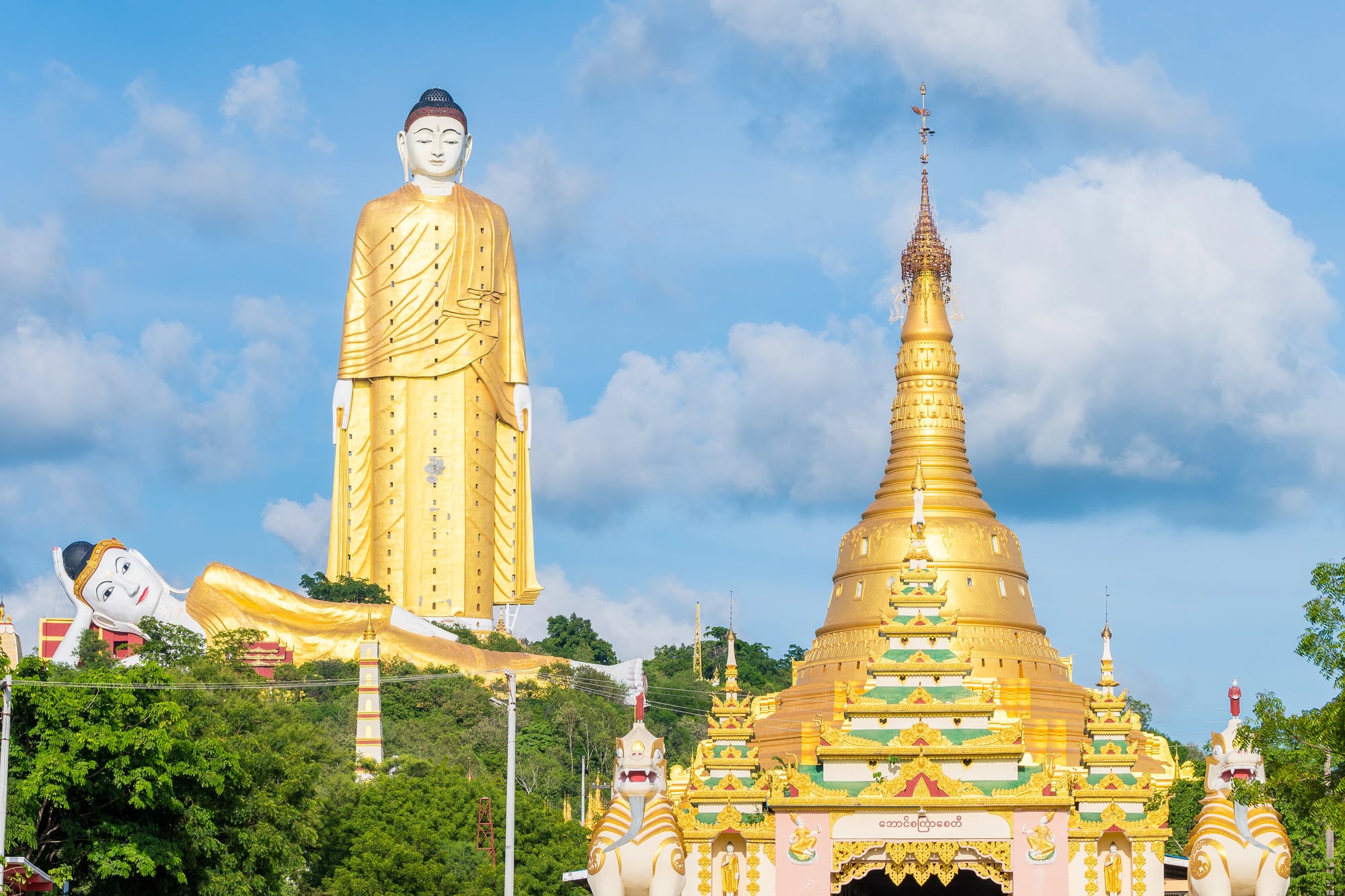
Located near Monywa in central Myanmar, the Laykyun Sekkya Buddha stands at roughly 380 feet tall. Completed in the early twenty-first century, it held the title of the world’s tallest statue for several years.
The statue depicts Gautama Buddha standing upright, with a reclining Buddha monument nearby, creating a powerful visual contrast. Built primarily through donations, its construction reflects collective devotion rather than centralized state funding.
The Laykyun Sekkya Buddha’s prominence lies not only in its height but in its accessibility. Unlike some remote monuments, it sits within a living religious landscape, visited regularly by locals rather than existing solely as a tourist destination.
Ushiku Daibutsu, Japan
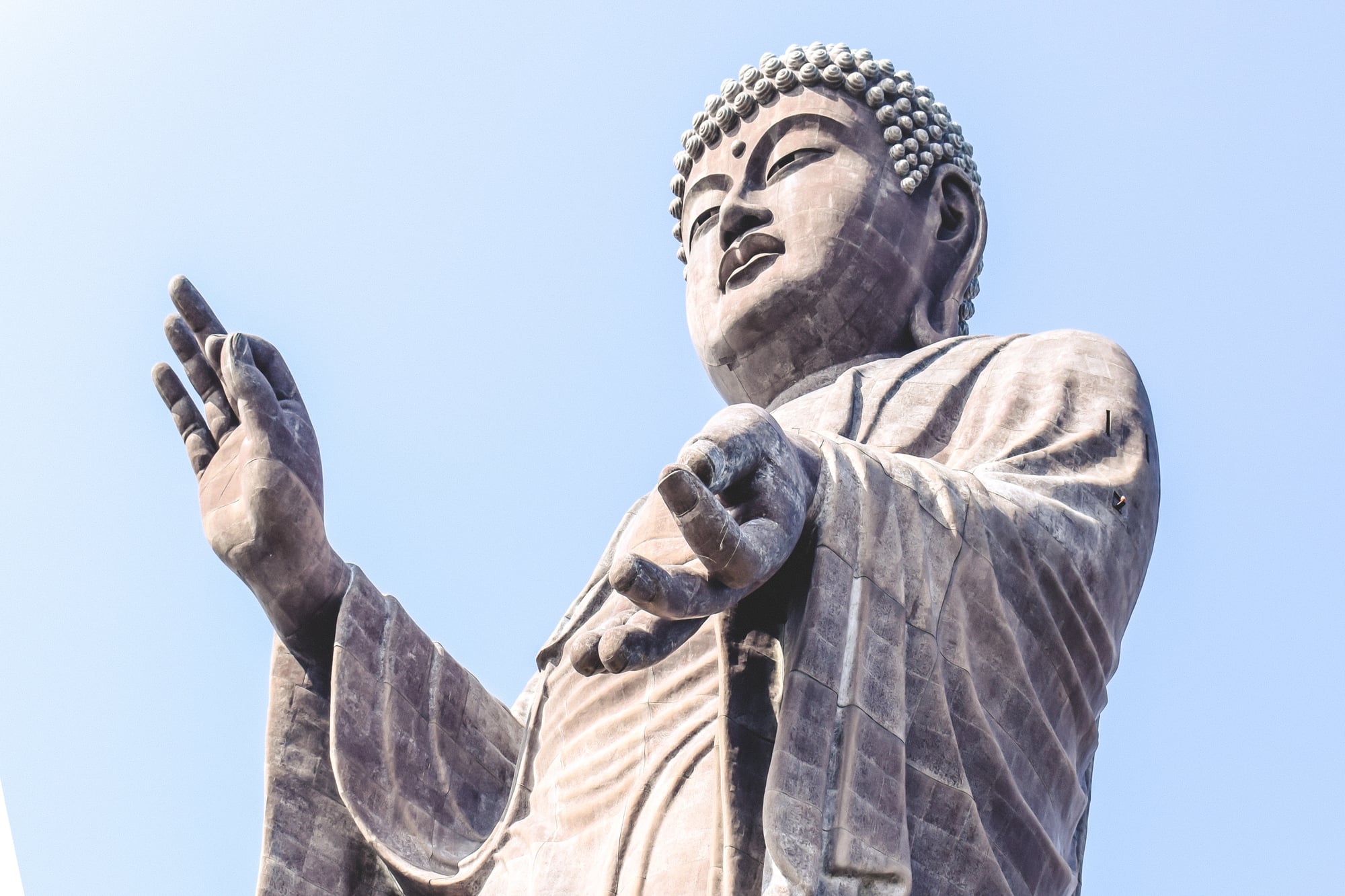
The Ushiku Daibutsu, located northeast of Tokyo, stands around 394 feet tall and represents Amitabha Buddha. Completed in the 1990s, it was once the tallest statue in the world and remains one of the most technically sophisticated.
The statue contains an internal structure with multiple floors, including observation decks and exhibition spaces. Visitors can enter the statue, moving upward through its interior rather than simply viewing it from below.
This integration of public space within monumental form reflects a distinctly modern approach to statue design, blending spiritual symbolism with interactive experience.
Sendai Daikannon, Japan
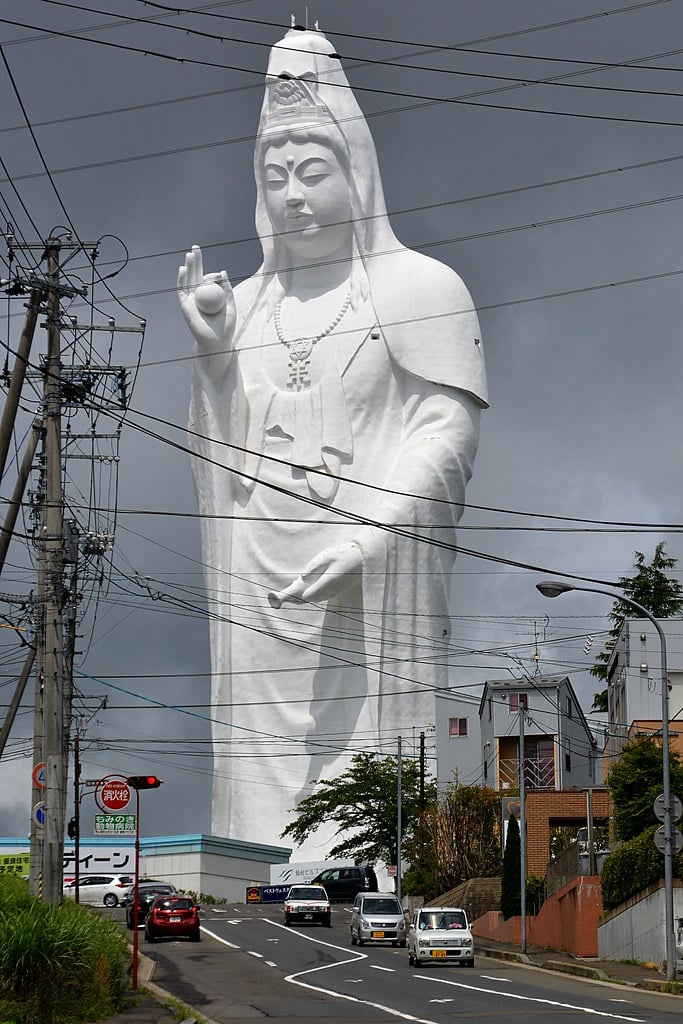
The Sendai Daikannon rises approximately 328 feet and represents the bodhisattva Kannon, associated with compassion. Located near the city of Sendai, it is one of the tallest statues in Japan.
Unlike older religious monuments, the Sendai Daikannon was built during a period of economic confidence, reflecting both spiritual aspiration and modern construction capability. Its slender design and vertical emphasis give it a lighter visual presence despite its size.
Inside, visitors can ascend through the statue, encountering religious imagery along the way. The structure functions as both monument and spiritual journey, reinforcing its symbolic purpose.
Guan Yin of the South Sea of Sanya, China
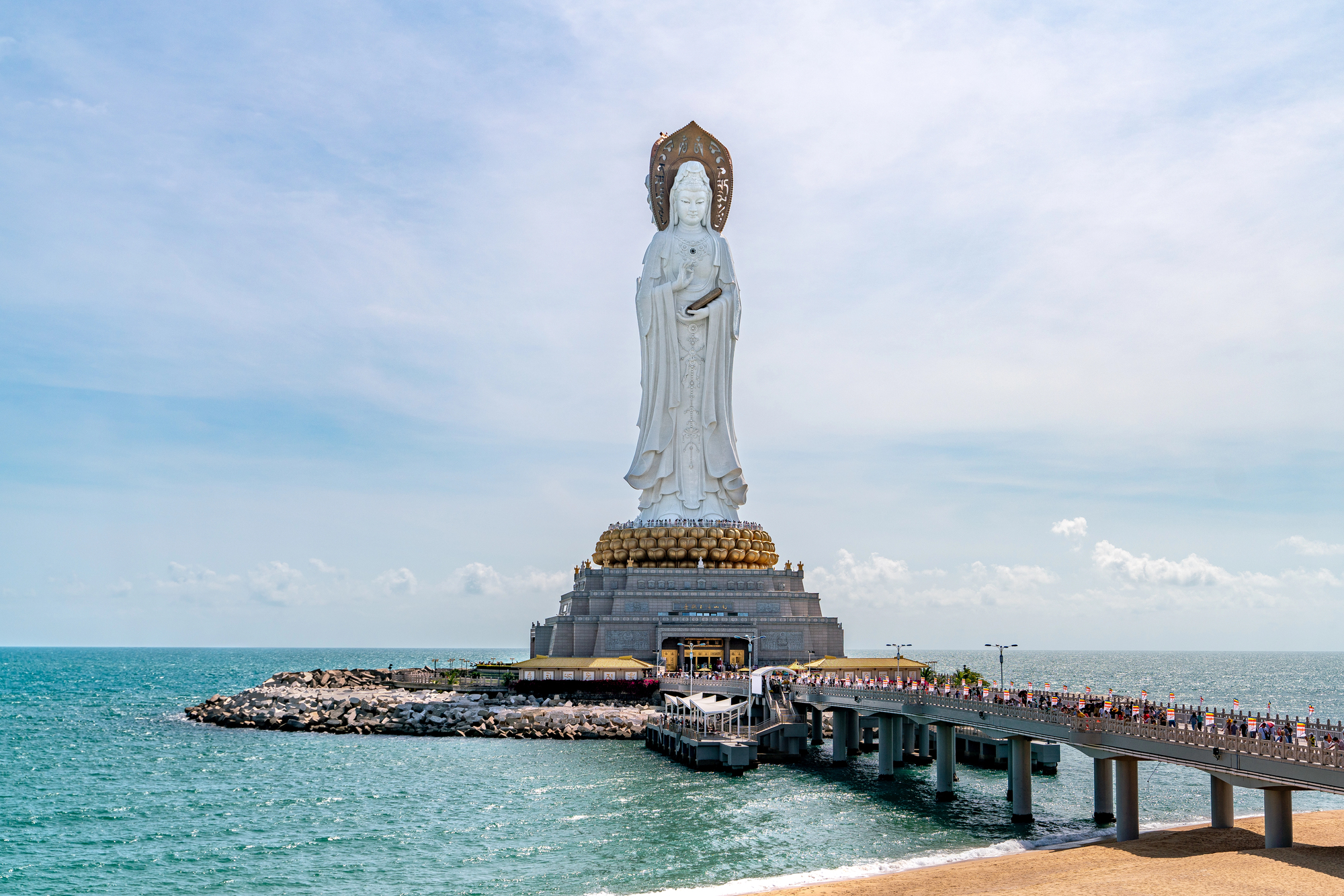
Standing at about 354 feet, the Guan Yin statue in Sanya depicts the bodhisattva associated with mercy and compassion. What makes this monument especially striking is its placement on an artificial island connected to the mainland by a narrow causeway.
The statue faces the sea, reinforcing its spiritual connection to protection and guidance. Built with multiple faces oriented in different directions, it reflects the idea of compassion extending outward in all directions.
Its coastal location exposes it to strong winds and salt air, requiring careful material selection and ongoing maintenance. The result is a monument that blends spiritual symbolism with environmental resilience.
Dai Kannon of Kita no Miyako Park, Japan
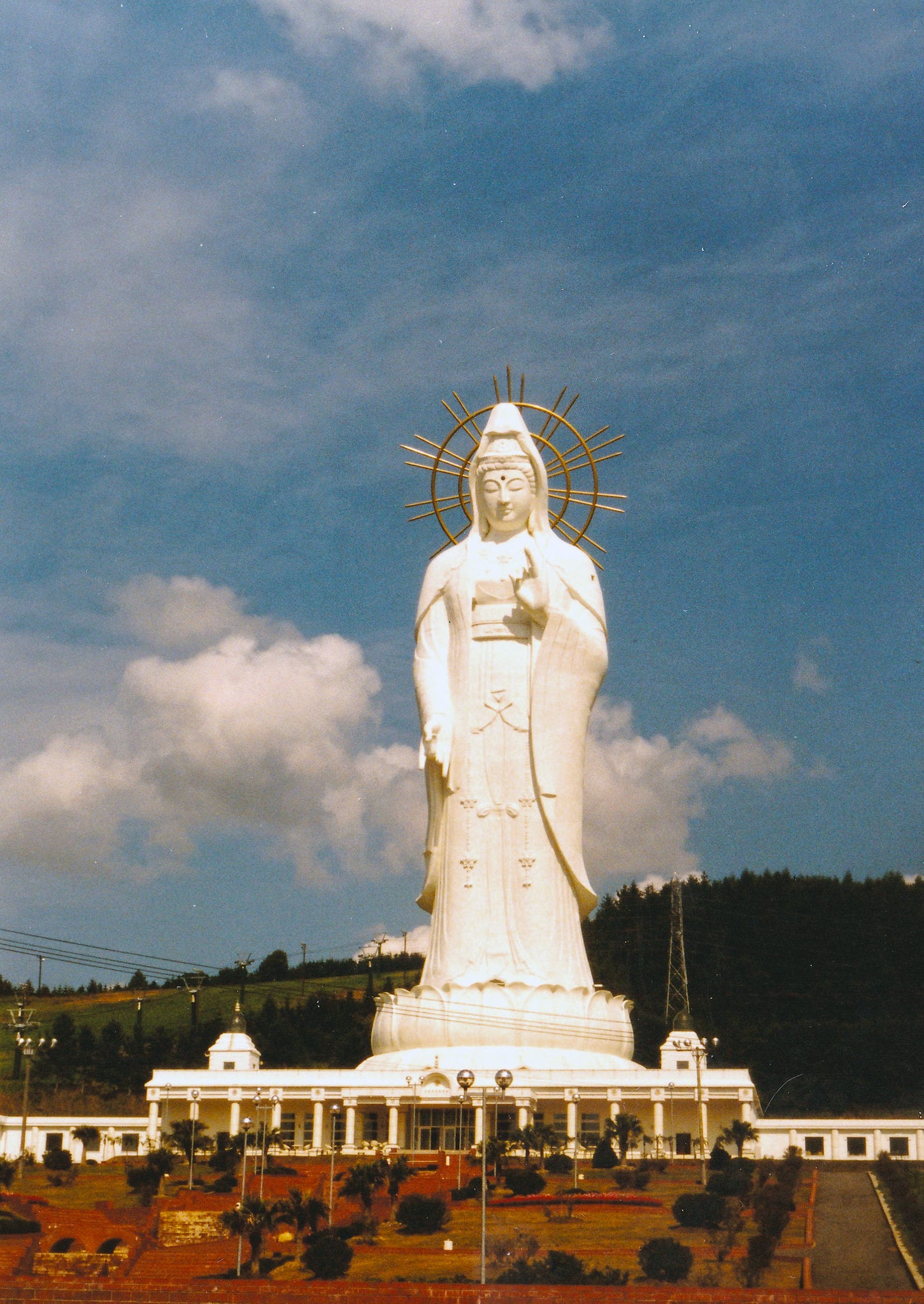
Another towering representation of Kannon, this statue reaches roughly 288 feet and stands in Hokkaido. While slightly shorter than Japan’s tallest entries, it remains among the largest statues ever constructed.
The statue’s placement in a park setting gives it a contemplative atmosphere, less urban and more reflective. Visitors often encounter it unexpectedly, its height emerging gradually from the surrounding landscape.
This quieter presence highlights how scale does not always need spectacle to make an impression. Even without crowds or dramatic framing, height alone commands attention.
Great Buddha of Thailand
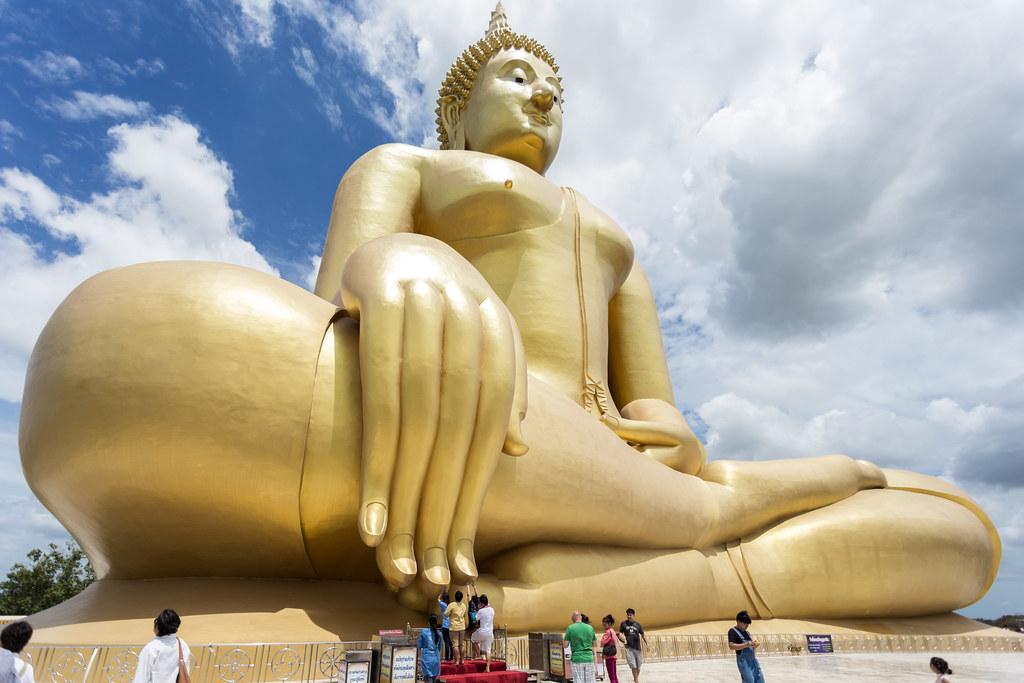
The Great Buddha of Thailand, located in Ang Thong Province, stands approximately 300 feet tall. Covered in gold-colored material, it is both a religious symbol and a landmark visible from long distances.
Unlike statues set apart from daily life, this Buddha stands near agricultural land and small communities. Its scale contrasts sharply with the surrounding environment, reinforcing its spiritual significance through visual dominance.
The statue reflects Thailand’s long tradition of Buddhist monument building, updated through modern materials and construction techniques.
Statue of Liberty, United States
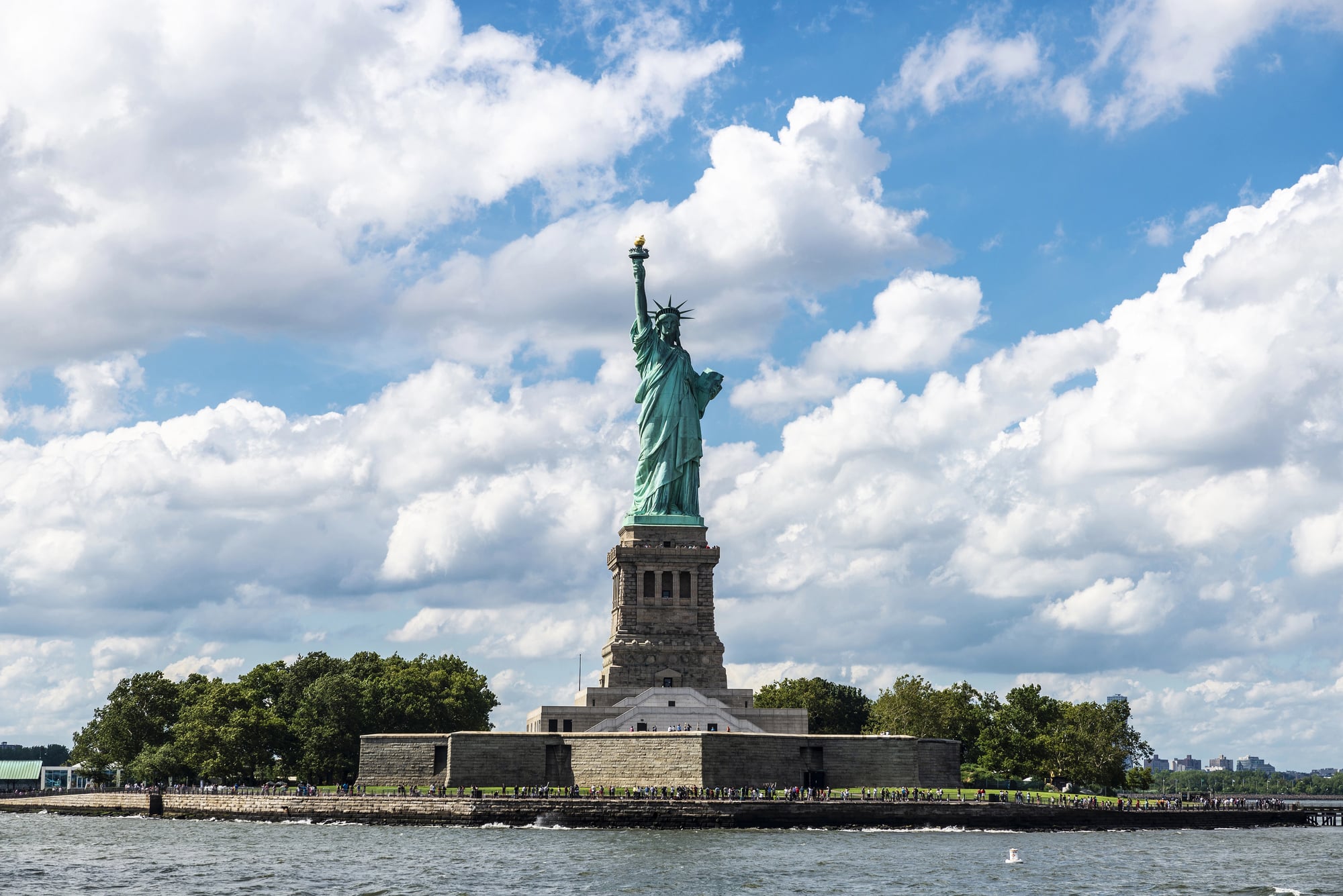
While no longer near the top of global height rankings, the Statue of Liberty remains one of the most culturally significant tall statues ever built. Standing about 151 feet from base to torch, its influence far exceeds its physical dimensions.
Gifted by France in the nineteenth century, the statue represents liberty and welcome, becoming a defining symbol of the United States. Its internal structure, designed by Gustave Eiffel, was groundbreaking for its time.
The Statue of Liberty illustrates that height alone does not define impact. Meaning, context, and timing all contribute to a monument’s lasting power.
Christ the Redeemer, Brazil
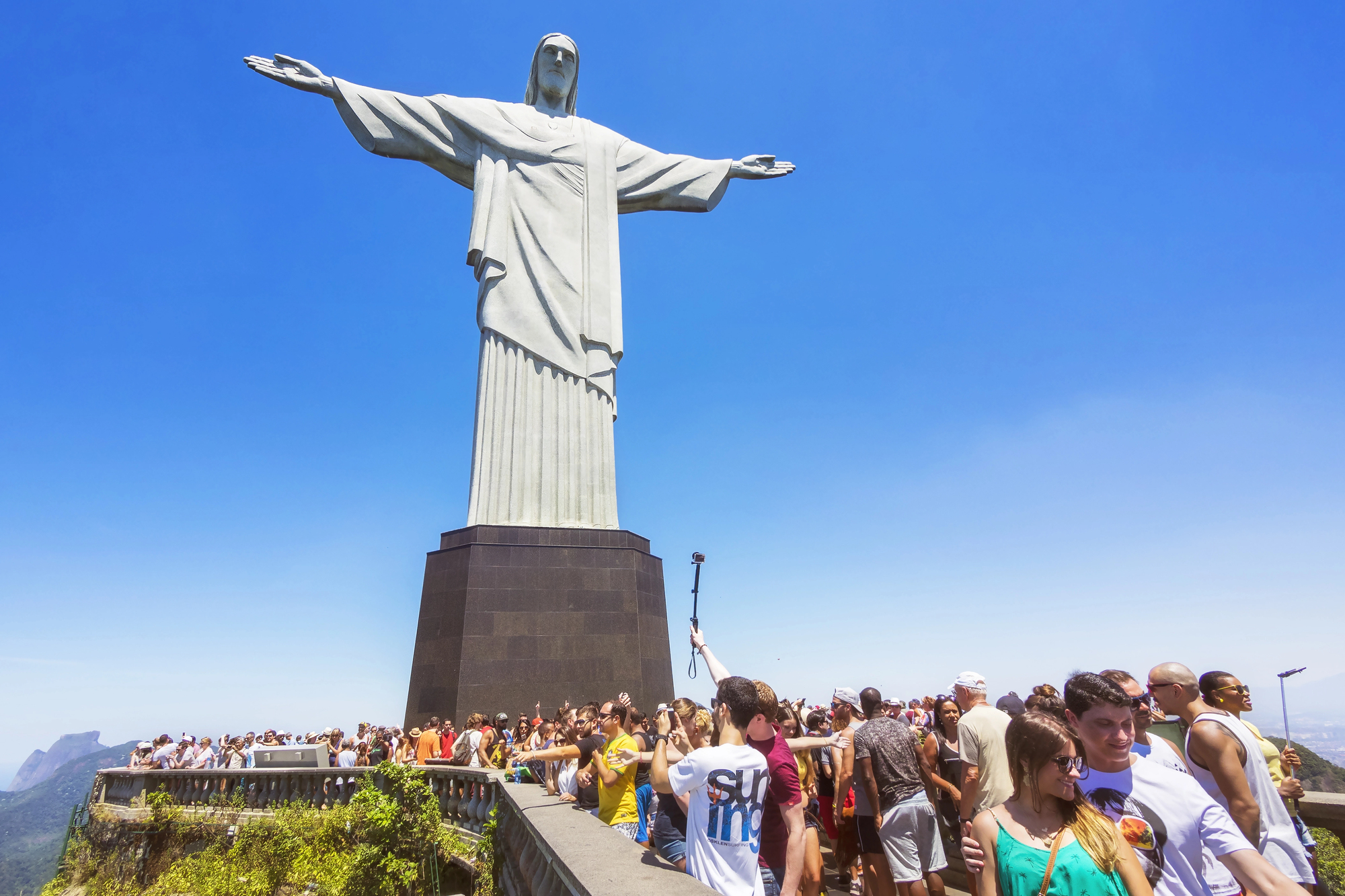
Christ the Redeemer, overlooking Rio de Janeiro, stands about 98 feet tall, yet ranks among the world’s most recognizable statues. Perched atop Mount Corcovado, its elevated position amplifies its presence.
Completed in the early twentieth century, the statue blends religious symbolism with national identity. Its outstretched arms create an image of openness that resonates far beyond Brazil.
While modest in height compared to newer monuments, its location and design demonstrate how setting can enhance scale without increasing physical dimensions.
Why Monumental Height Still Matters
Standing above everything else, the largest statues aren’t just about construction skill. What drives them is a society deciding to pour time, labor, and money into something meant to stand for bigger ideas.
Not only faith or leadership shapes them – sometimes it’s pride in heritage that lifts stone skyward. Size becomes a language of its own when people agree on what deserves towering presence.
Towering forms catch the eye, no matter where you stand or what story your culture tells. Above street level, they pull attention skyward, urging a break from routine thoughts.
Building higher became doable only recently, yet the urge to reach upward stretches far into the past. Out here, where things shift fast, those big forms hold steady.
From way back, people built high to say something true – scale was never only about awe, it was a voice across time.
More from Go2Tutors!

- The Romanov Crown Jewels and Their Tragic Fate
- 13 Historical Mysteries That Science Still Can’t Solve
- Famous Hoaxes That Fooled the World for Years
- 15 Child Stars with Tragic Adult Lives
- 16 Famous Jewelry Pieces in History
Like Go2Tutors’s content? Follow us on MSN.



