26 Historical Photos Quietly Removed From the Record
When the Camera Told Too Much History has always been curated. Long before digital editing tools made alteration effortless, governments, institutions, and powerful individuals understood something photographers sometimes forgot: an image doesn’t just document a moment — it shapes how that moment gets remembered.
Some photos were pulled from circulation because they were genuinely dangerous. Others disappeared because they were inconvenient.
A few vanished simply because the wrong person was standing in the frame. What follows are twenty-seven photographs that were suppressed, altered, or quietly buried — and the stories behind why someone decided the world wasn’t ready to see them.
Leon Trotsky Erased from Lenin’s Side
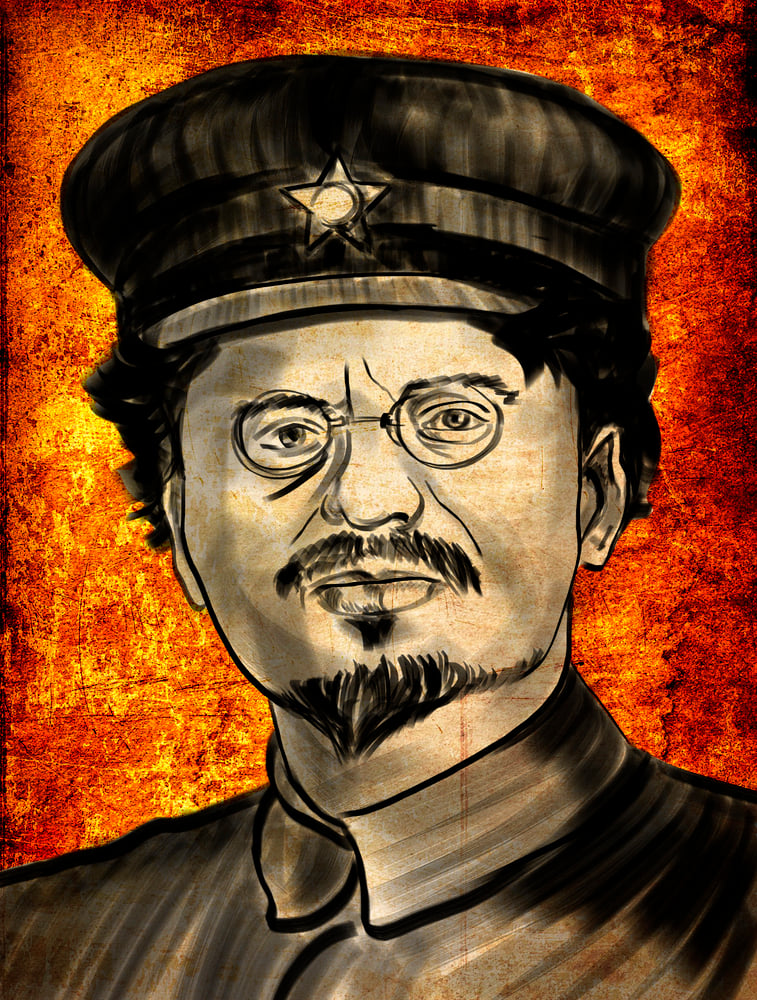
The Soviet Union’s propaganda machine treated photographs the way a vindictive editor treats a manuscript. After Trotsky fell out of favor with Stalin, his image was methodically removed from official photos — including a famous 1920 image where he stood prominently beside Lenin on a podium in Moscow.
The doctored version circulated for decades. It wasn’t just political theater: it was a visual rewriting of who had been important enough to stand there at all.
The Execution of Nguyen Van Lem
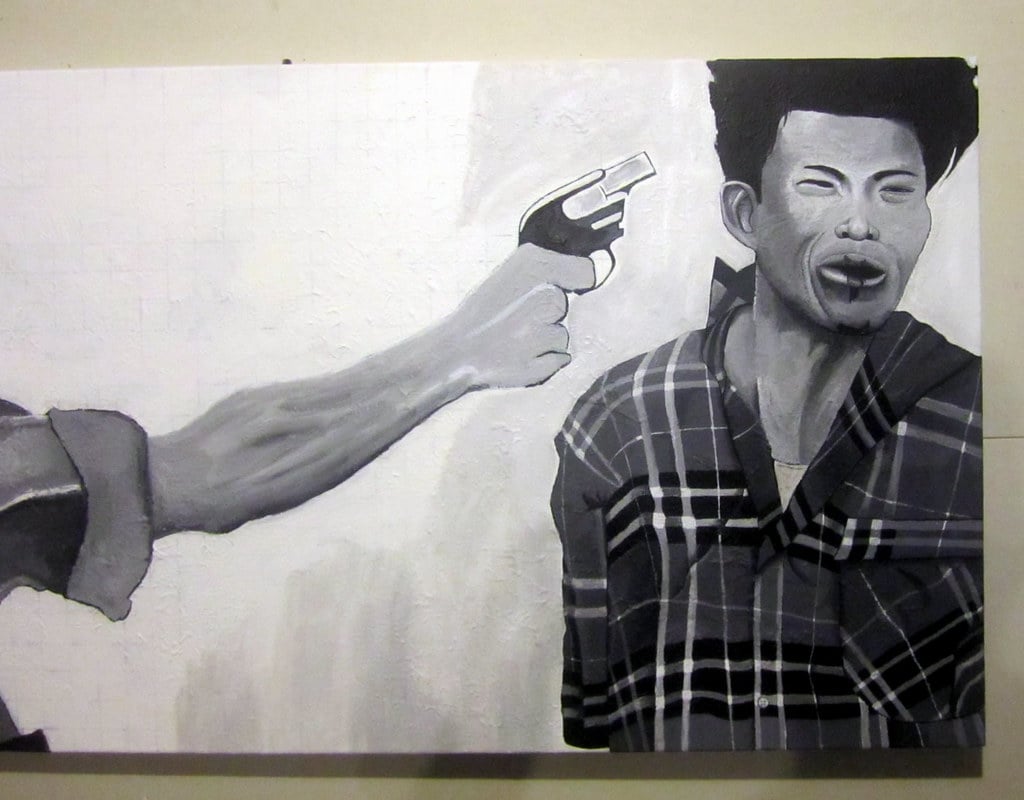
Eddie Adams’ 1968 photograph of South Vietnamese General Nguyen Ngoc Loan shooting a Viet Cong prisoner in Saigon won a Pulitzer Prize — which made suppression difficult but not impossible. The U.S. military and several allied governments strongly discouraged its publication and made efforts to contextualize it out of existence.
Adams himself spent the rest of his life arguing the image had been misunderstood and had destroyed a man he believed was doing what war required.
Stalin and the Vanishing Commissar
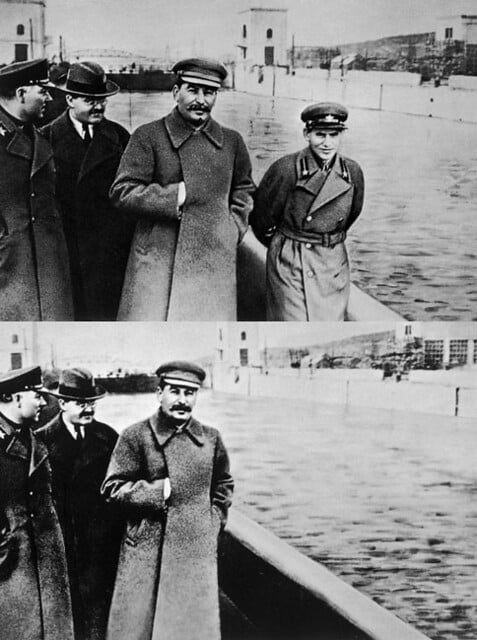
Nikolai Yezhov was head of the Soviet secret police and one of the architects of the Great Purge, responsible for hundreds of thousands of deaths — and then he became one of its victims. A photograph taken in 1937 showed him standing beside Stalin near the Moscow Canal; after his execution in 1940, Soviet retouchers removed him entirely, leaving an odd blankness where a man had been.
The original and the edited version exist side by side in archives now, which makes the whole thing feel less like history and more like a magic trick with a body count.
Mao’s Inner Circle, Quietly Thinned
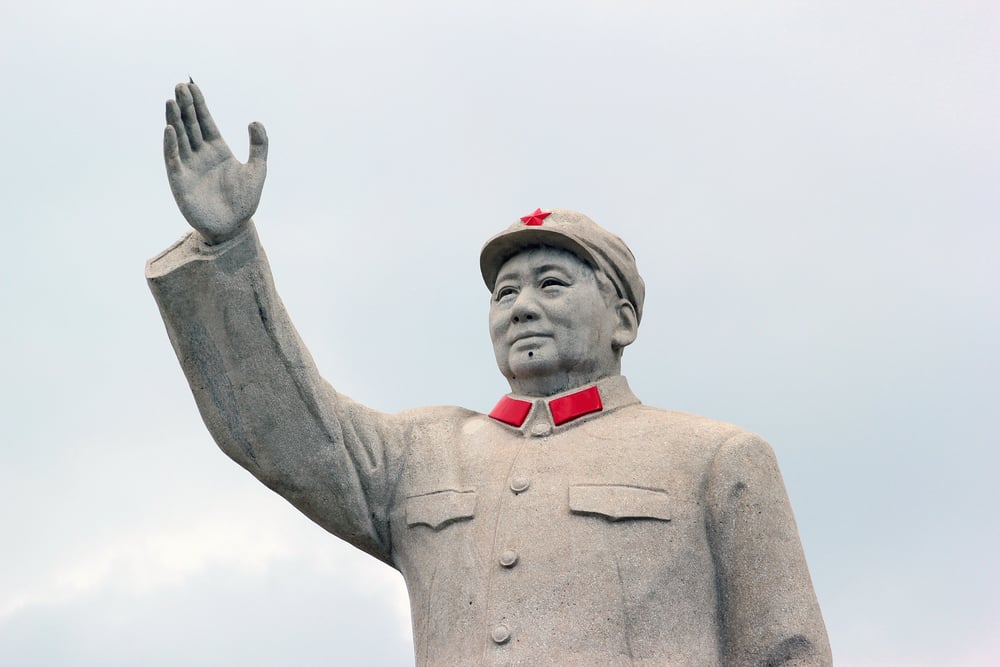
Chinese state media followed the Soviet playbook almost precisely. Photographs of Mao Zedong with officials who later fell from political grace — Lin Biao being the most documented case — were recalled, altered, or simply replaced with different images.
The process was so systematic that historians studying the Cultural Revolution have had to cross-reference dozens of versions of the same photograph just to reconstruct who was actually in the room.
The Hindenburg Fire’s Most Graphic Frames
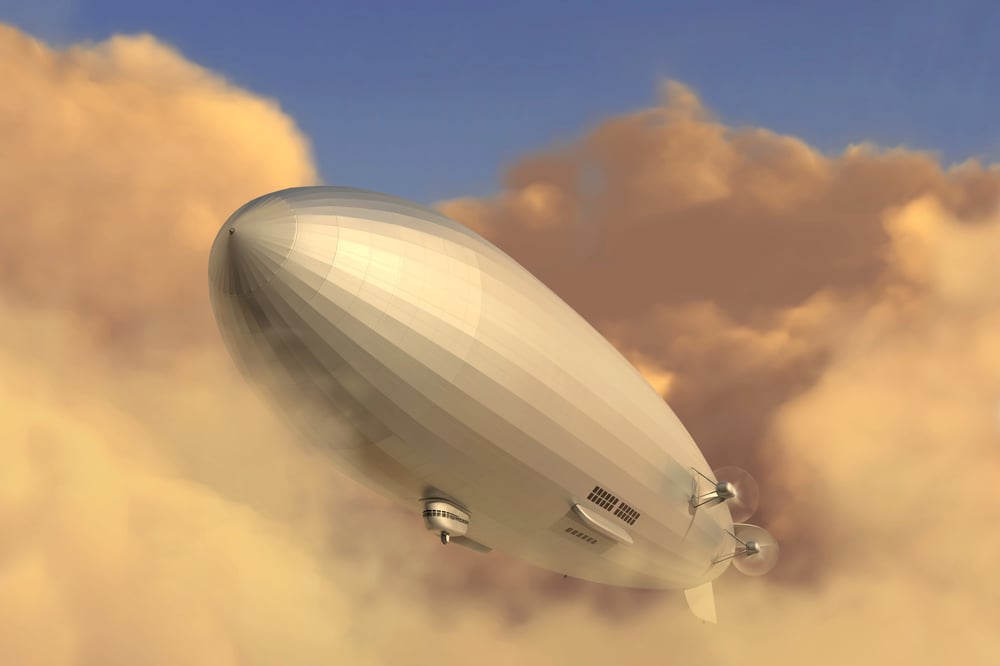
The Hindenburg disaster of May 1937 was photographed extensively, and the footage broadcast on radio remains one of the most recognized recordings in American history. But several photographs taken by Sam Shere and others in the immediate aftermath — images showing passengers who did not survive — were withheld from publication by editors and, in some cases, confiscated by German officials present at Lakehurst, New Jersey.
What reached the public was already a carefully selected fraction of what the cameras captured.
Mussolini’s Horse Handler, Disappeared
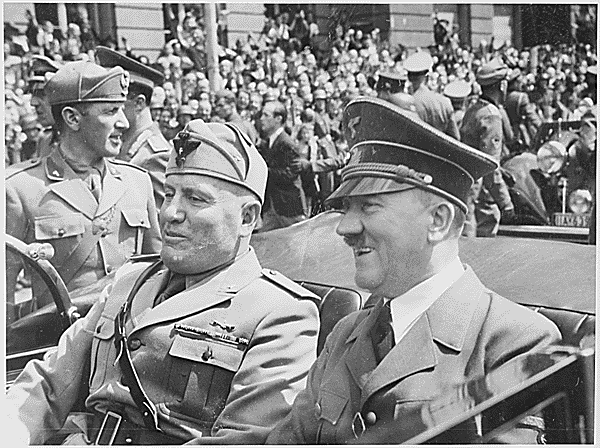
One of the most analyzed examples of early photo manipulation involves a propaganda image of Benito Mussolini on horseback, sword raised, meant to project military authority. The original photograph included a handler standing beside the horse, holding the reins — an inconveniently human detail that undermined the heroic composition entirely.
The handler was removed, the empty field behind Mussolini remained, and the image became one of the most reproduced of his regime.
The My Lai Massacre’s Unpublished Frames
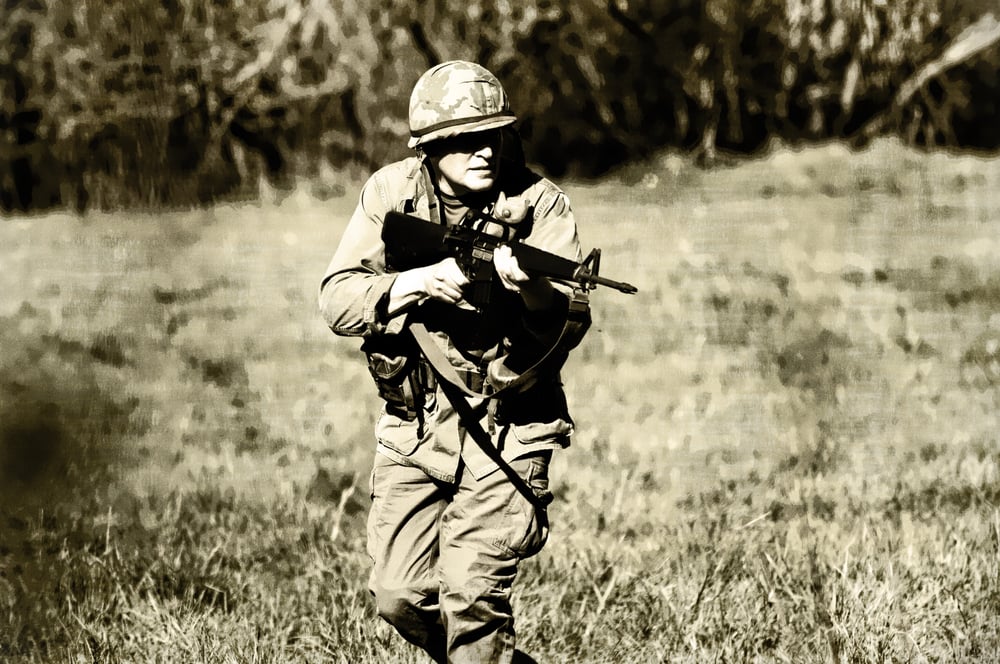
Ron Haeberle photographed the My Lai massacre in March 1968 while embedded with U.S. forces in Vietnam. He took two sets of photographs that day — official military images on black-and-white film and his own personal color shots.
The military’s black-and-white images were filed away and effectively suppressed for over a year, while the color photographs Haeberle eventually provided to Life magazine in 1969 finally broke the story wide open. The gap between what was shot and what was released represents one of the more documented cases of deliberate military image control in American history.
Alexander Gardner’s Rearranged Dead
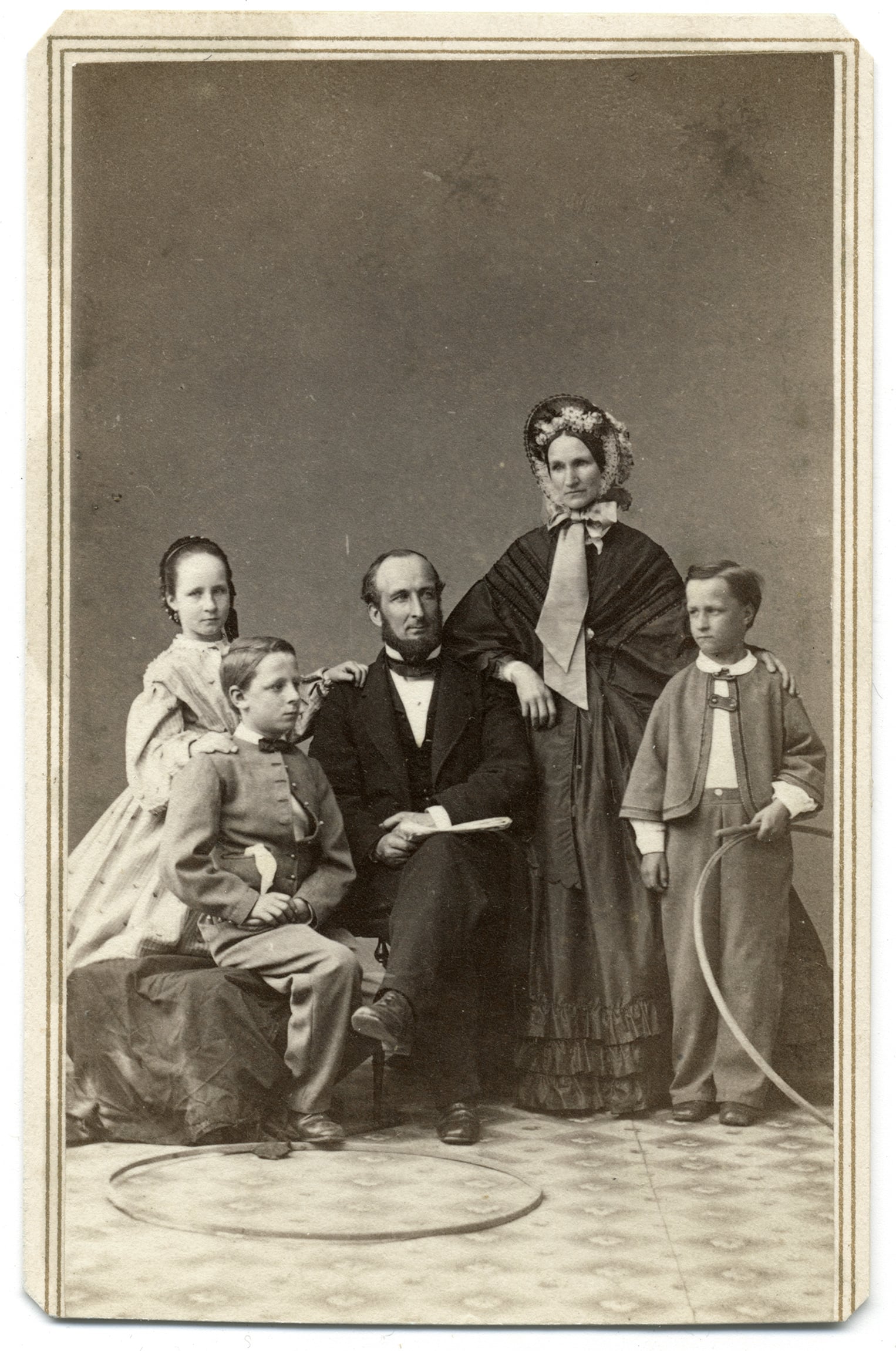
Alexander Gardner’s photographs from the Civil War battlefield at Gettysburg in 1863 were among the first images of battlefield dead that American civilians ever saw. What wasn’t widely known for nearly a century was that Gardner and his team moved bodies — sometimes dragging them significant distances — to compose more dramatic images.
The photograph known as “Home of a Rebel Sharpshooter” was staged: the body repositioned, a rifle propped nearby that didn’t belong to the man. Gardner suppressed this context entirely, presenting the images as found scenes.
Castro and the Cropped Frame
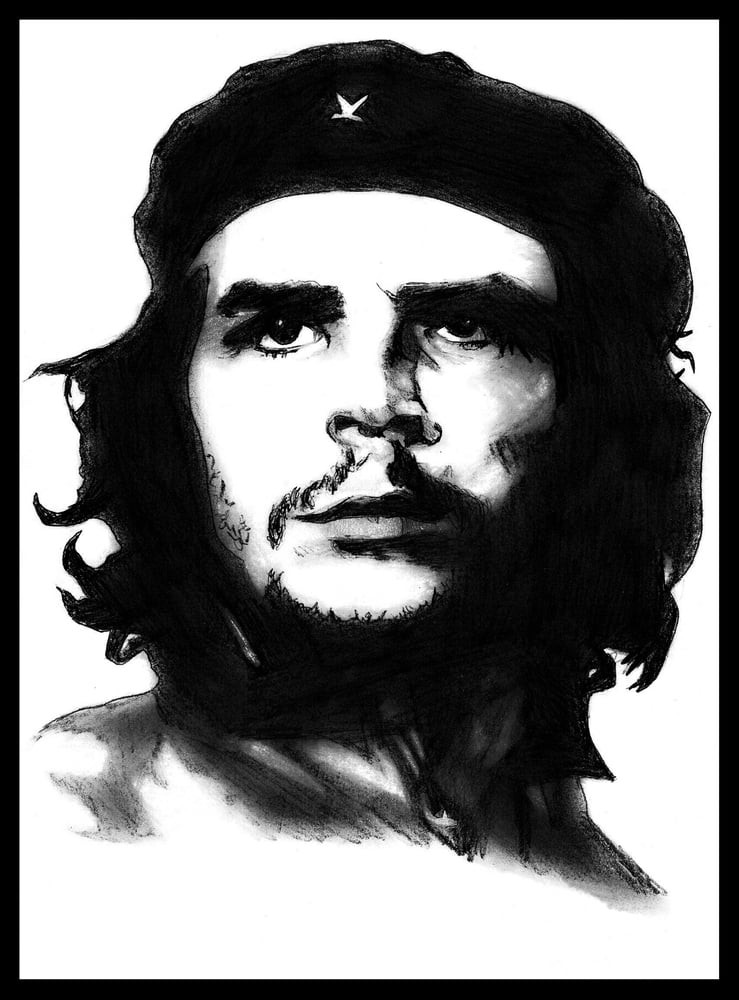
Ernesto “Che” Guevara’s iconic portrait, taken by Alberto Korda in 1960 at a Havana funeral, is one of the most reproduced photographs in history — but the original frame included two other figures standing beside him, one of whom was a Cuban official whose later political trajectory made his presence awkward. Korda cropped the image tightly around Guevara’s face when he printed it.
The full original negative wasn’t widely examined until decades later, and by then the cropped version had already become permanent in the cultural record.
Dorothea Lange’s Suppressed Government Work
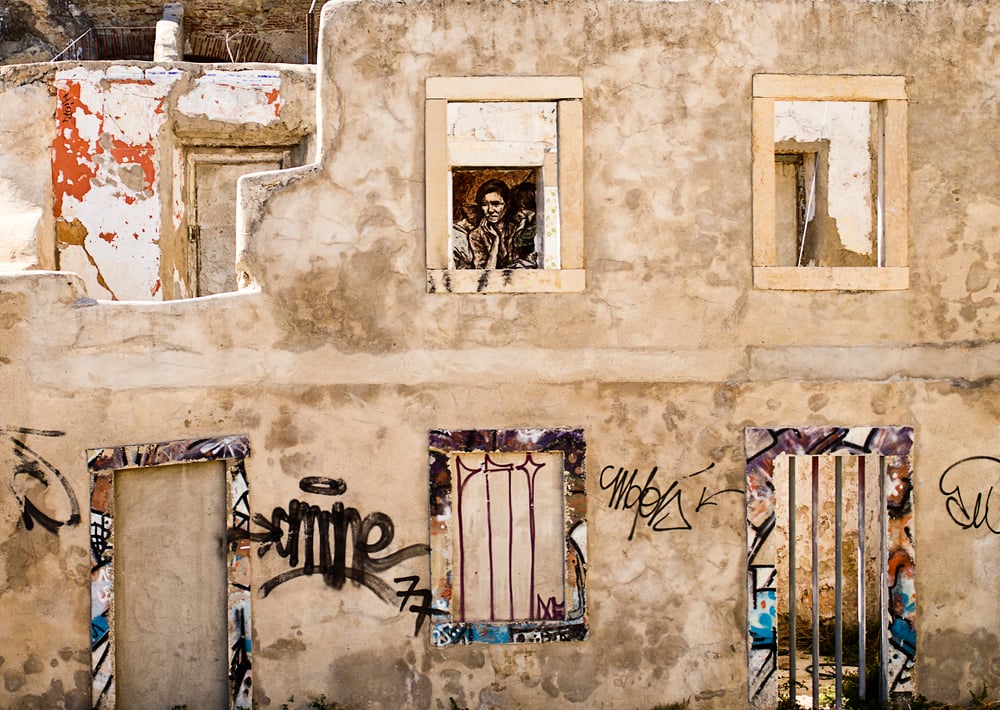
Dorothea Lange is celebrated for photographs like “Migrant Mother,” but her most politically dangerous work was suppressed entirely — not by a foreign government, but by the U.S. Army. Lange was commissioned to document Japanese American incarceration at internment camps during World War II.
Her photographs were frank, compassionate, and deeply critical of the conditions she witnessed; the Army confiscated the entire archive, classifying it for over two decades. Many of the images weren’t seen publicly until 2006.
Winston Churchill Without the Cig
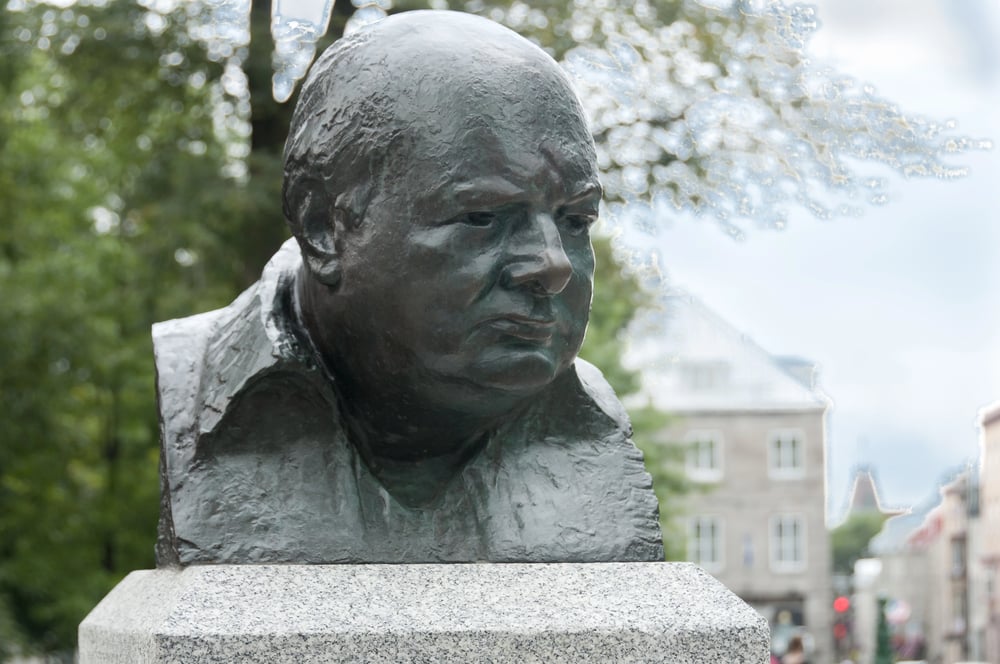
A widely circulated photograph of Winston Churchill — stern, bulldog-faced, unyielding — was later revealed to have been digitally altered by the Canadian Broadcasting Corporation in 2002 for a poster promoting a documentary. The iconic element held in his hand was removed, replaced with a blurry neutral background.
Churchill’s estate objected. The CBC quietly withdrew the image, but not before the altered version had spread considerably.
Tiananmen Square’s Tank Man, Cropped Versions
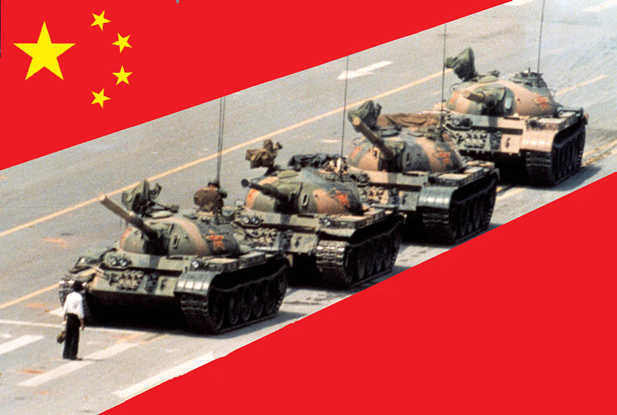
The full image taken by AP photographer Jeff Widener on June 5, 1989 shows a lone man standing before a column of tanks on Chang’an Avenue in Beijing. Inside China, the image was and remains almost entirely suppressed.
But even in Western publications, several editors initially cropped the photograph to focus solely on the single man and the first tank — removing the column of additional tanks stretching behind, which substantially changed the visual weight of what was being shown.
The Warren Commission’s Withheld Autopsy Photographs
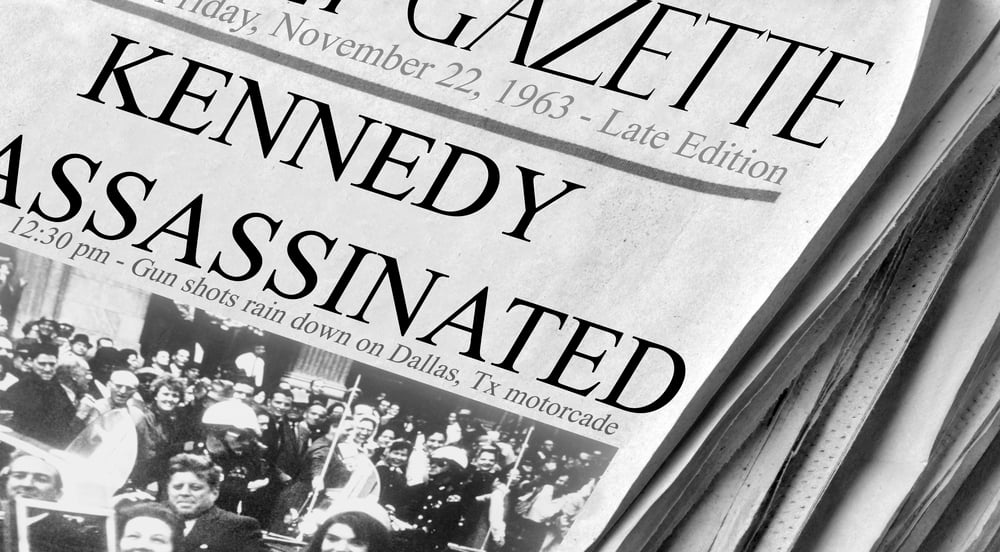
The autopsy photographs and X-rays taken following President John F. Kennedy’s assassination in November 1963 were, by agreement between Kennedy’s family and the National Archives, sealed from public access for years. The Warren Commission itself relied on drawings made from descriptions rather than the actual photographs for portions of its published report.
The photographs were eventually transferred to the Archives under a deed of gift that restricted access, and their selective release has fueled decades of legitimate disagreement among forensic specialists.
Robert Capa’s “Falling Soldier”
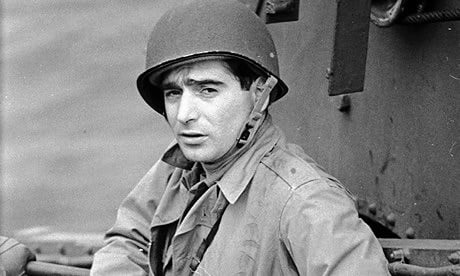
Robert Capa’s 1936 photograph of a Republican soldier appearing to fall at the moment of death during the Spanish Civil War is one of the most famous war images ever published. Serious questions about its authenticity emerged in the 1970s and have never been fully resolved — researchers including Phillip Knightley and later José Manuel Susperregui have presented evidence suggesting it was staged far from the active front.
Capa, who died in 1954 stepping on a landmine in Vietnam, never publicly addressed the criticism. Magnum Photos, which controls the archive, has not opened the relevant files.
Heinrich Himmler, Post-War Allied Suppression
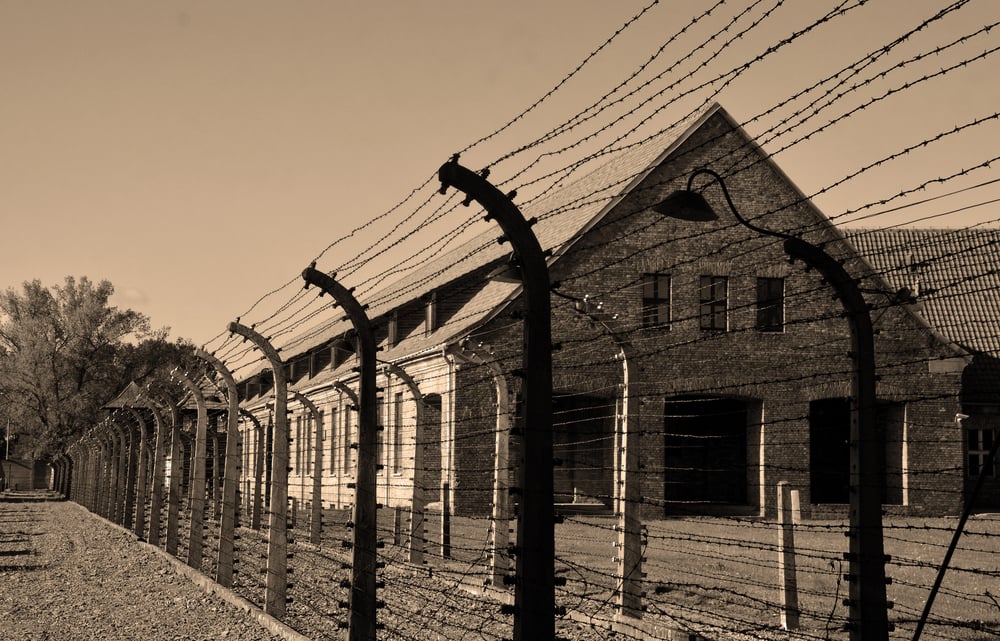
Photographs taken of Heinrich Himmler’s body after his capture and death by cyanide poisoning in May 1945 were taken by British forces and largely suppressed from publication for years — not to protect Himmler’s dignity, but to prevent the images from being used as propaganda by remaining Nazi sympathizers who might claim the body was a double. The Allied command’s caution was deliberate and documented in military communications from that period.
Anne Frank’s Family Photographs, Selectively Released
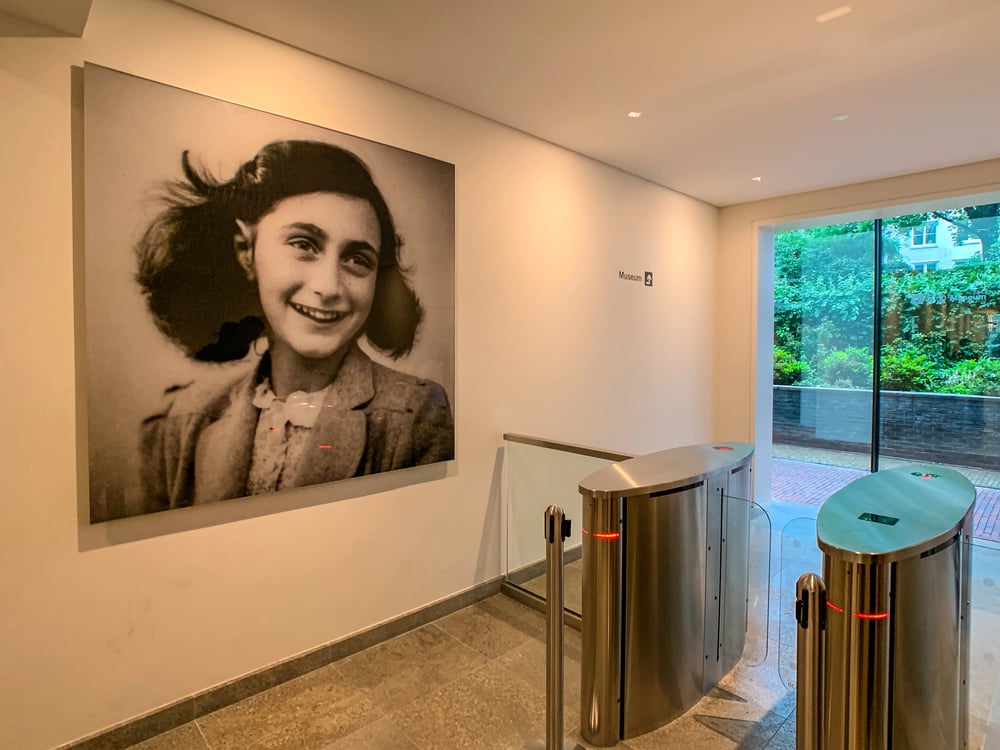
The images most people associate with Anne Frank — the thoughtful, dark-haired girl in a school portrait — were specifically selected by Otto Frank, Anne’s father and the sole surviving family member, for publication and licensing. Otto was protective of his daughter’s image to a degree that went beyond grief: he restricted access to certain photographs and corresponded extensively with publishers about which images could appear and how.
The result was a carefully managed visual identity for a girl who could no longer speak for herself.
Richard Nixon’s White House Taping System Photos
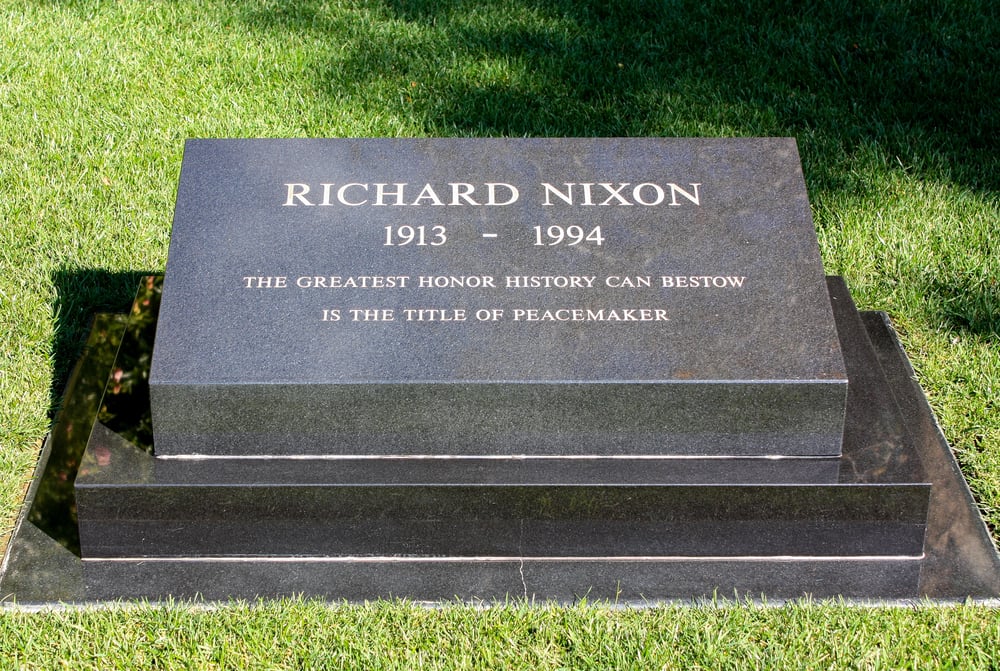
Photographs documenting the physical installation of Nixon’s White House taping system — the hidden microphones in the Oval Office, Cabinet Room, and other locations — were classified for years after Watergate. The tapes themselves became the central evidence of the scandal, but the visual documentation of how the system was built and who installed it remained restricted.
Some of this material wasn’t declassified until the National Security Archive pushed for it in the 1990s.
The Omaha Beach Dead
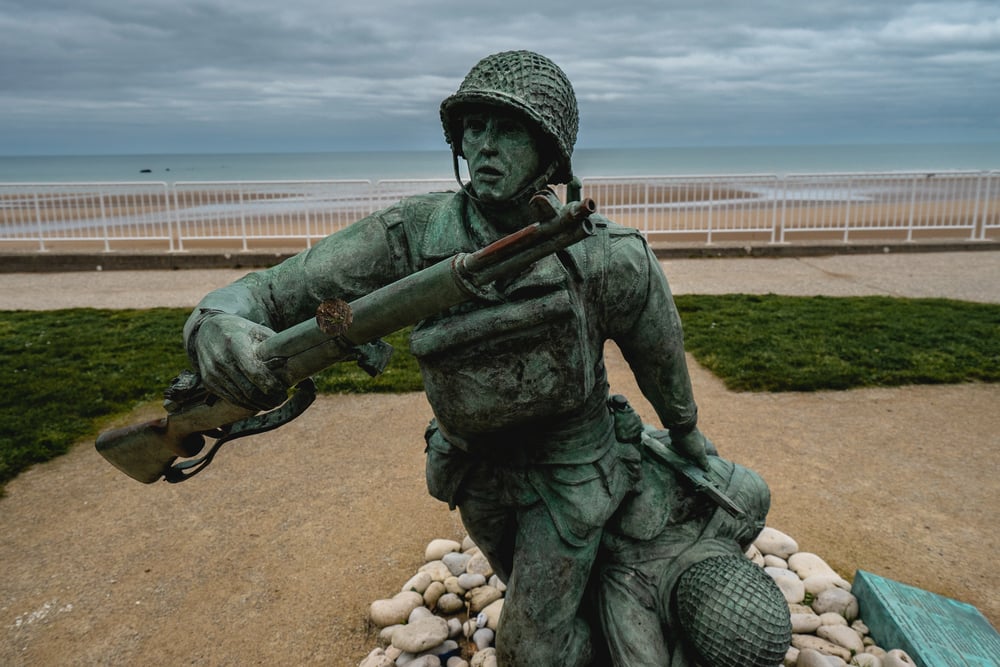
The U.S. military censored photographs taken on the beaches of Normandy on June 6, 1944 — specifically those showing American casualties — for months after D-Day. The decision was deliberate government policy: officials feared that images of American dead would undermine public morale.
Life magazine eventually published a small number of George Strock’s photographs in September 1944, after the Office of War Information reversed its policy, calculating that some images of sacrifice might actually strengthen rather than weaken resolve.
Luna 9’s Transmitted Moon Photographs
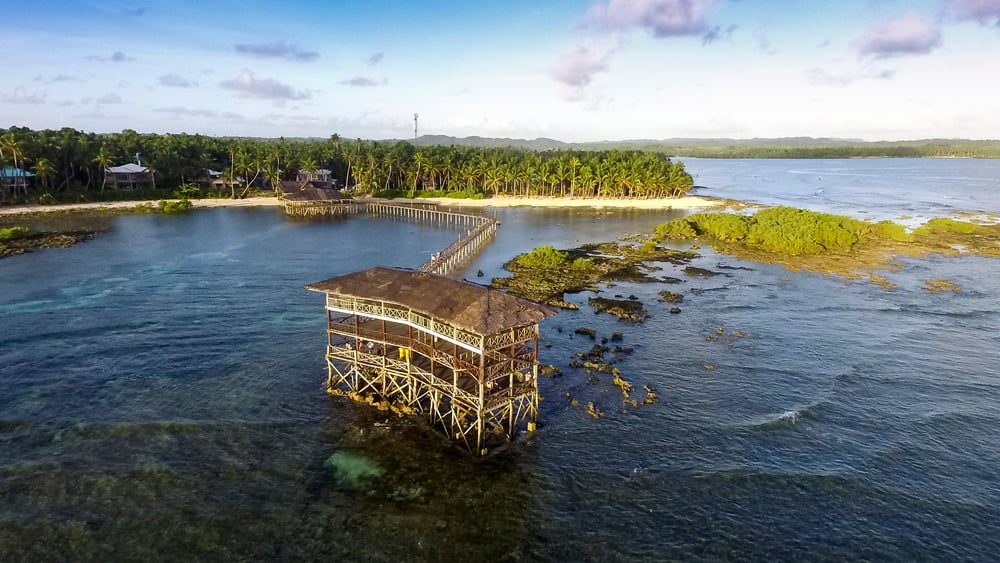
When the Soviet Luna 9 spacecraft transmitted photographs from the lunar surface in February 1966 — the first images ever taken from another planetary body — the Soviets used a standard transmission format that the Jodrell Bank Observatory in England happened to recognize. British scientists intercepted and published the images before the Soviets released their own versions.
The Soviet originals, when officially released, appeared to have been printed at a slightly different contrast and crop — a small discrepancy, but one that suggested the official release wasn’t quite the raw transmission.
Elvis Presley’s Army Induction
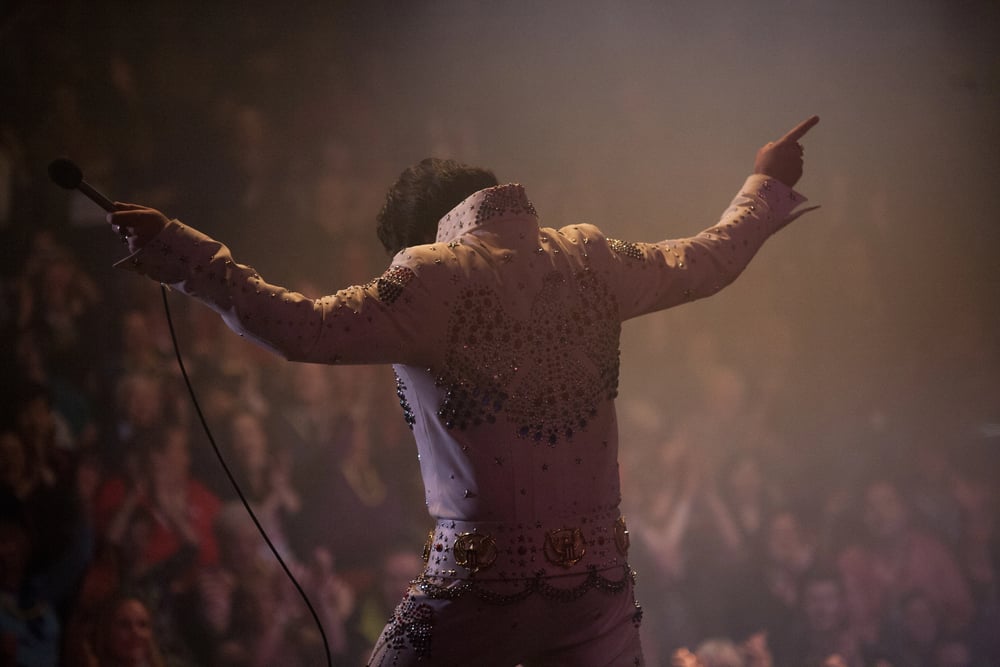
Photographs taken during Elvis Presley’s U.S. Army induction in December 1957 — specifically those showing him being processed, having his head shaved, and looking considerably less like a rock and roll icon and more like a confused young man from Tupelo, Mississippi — were not suppressed outright, but his management at Colonel Tom Parker’s direction worked aggressively to control which images reached the press. Parker understood, with unusual clarity, that Elvis’s image was an economic asset as much as a biographical record.
Mao’s Great Famine, No Visual Record
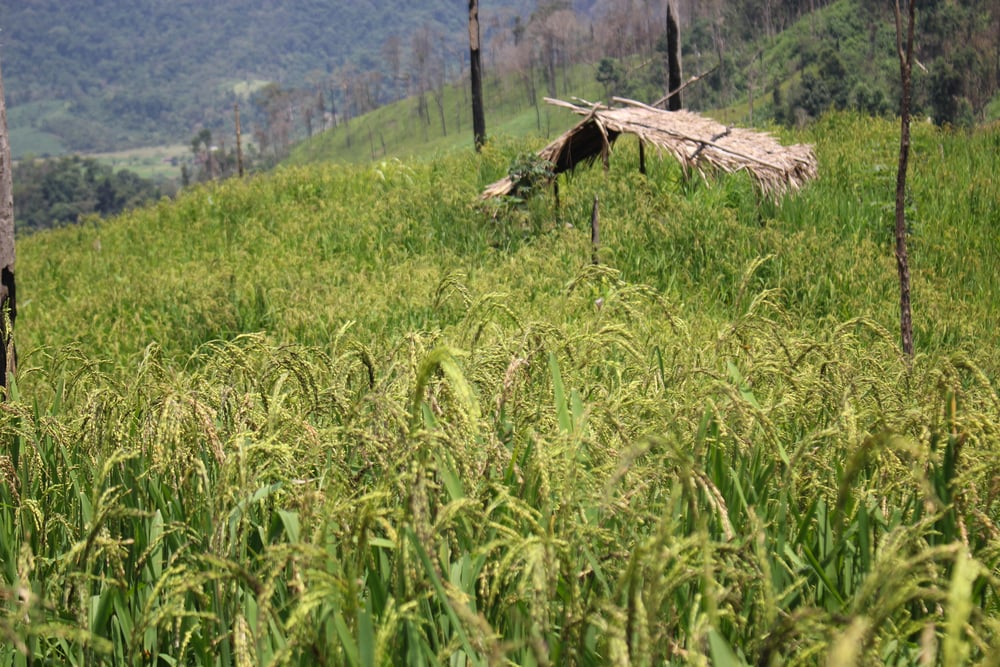
During the Great Chinese Famine of 1959 to 1961 — in which an estimated thirty to fifty-five million people died — the Chinese government maintained near-total photographic suppression. Foreign journalists were barred from the affected regions.
Chinese state photographers who documented conditions in rural areas were ordered not to publish the images, and in many cases the photographs were destroyed. The famine exists in historical memory almost entirely through survivor testimony rather than visual documentation, which is itself a form of erasure.
The FBI’s Surveillance Photographs of Martin Luther King Jr.
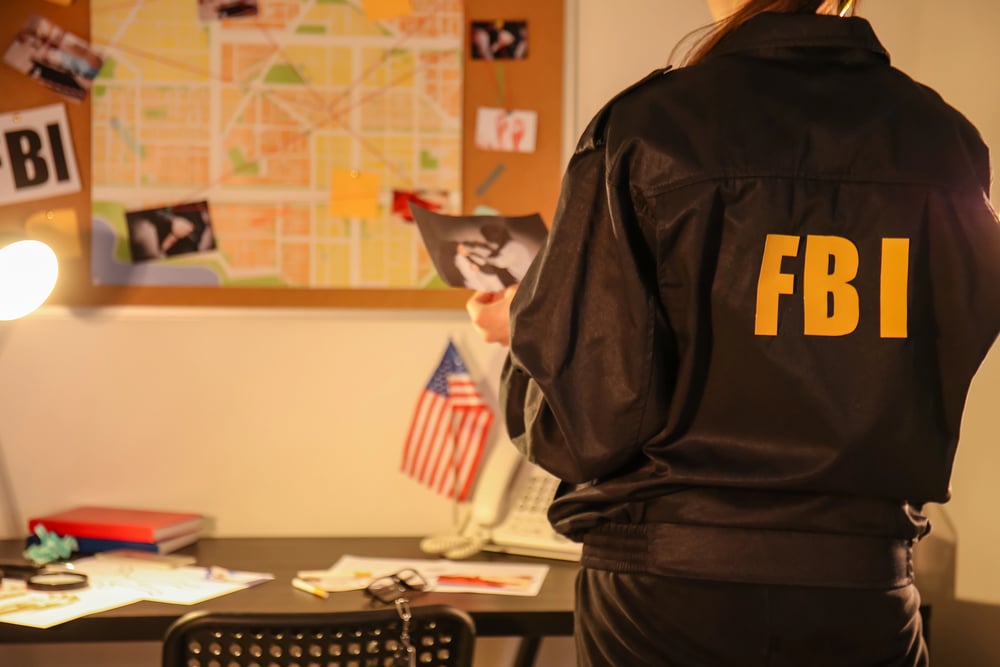
The FBI conducted extensive photographic surveillance of Martin Luther King Jr. for years under J. Edgar Hoover’s direction. Much of this material remained classified for decades, and what has been released through Freedom of Information Act requests has come out slowly and incompletely.
The existence of the surveillance program was itself suppressed until the Church Committee hearings of 1975 — years after King’s assassination — made portions of it public.
Marilyn Monroe’s Last Photo Session
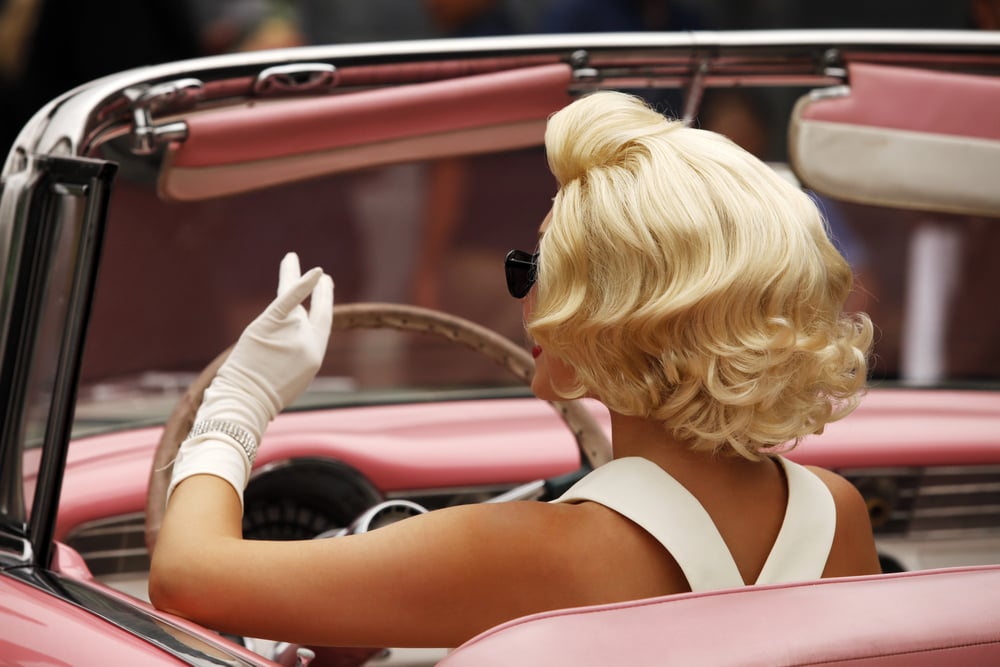
The final professional photograph session of Marilyn Monroe’s life — conducted by photographer Bert Stern for Vogue in June 1962, just weeks before her death — produced over 2,500 images. Monroe crossed out photographs she disliked with red grease pencil on the contact sheets and sent them back to Stern.
The photographs she crossed out were, by her explicit instruction, supposed to be excluded from publication. Stern published them anyway, years after her death, when she was no longer able to object.
The Jonestown Aftermath
Photographs taken by U.S. Army soldiers and journalists who arrived at Jonestown in Guyana in November 1978 — after 918 people died — were far more graphic than what appeared in American newspapers at the time. Editors made deliberate decisions to publish images that conveyed scale without showing individual faces or bodies in close detail.
The more confrontational photographs from that site were withheld from publication for years and remain largely absent from mainstream historical accounts of what happened there.
Lyndon Johnson’s Swearing-In, the Full Frame
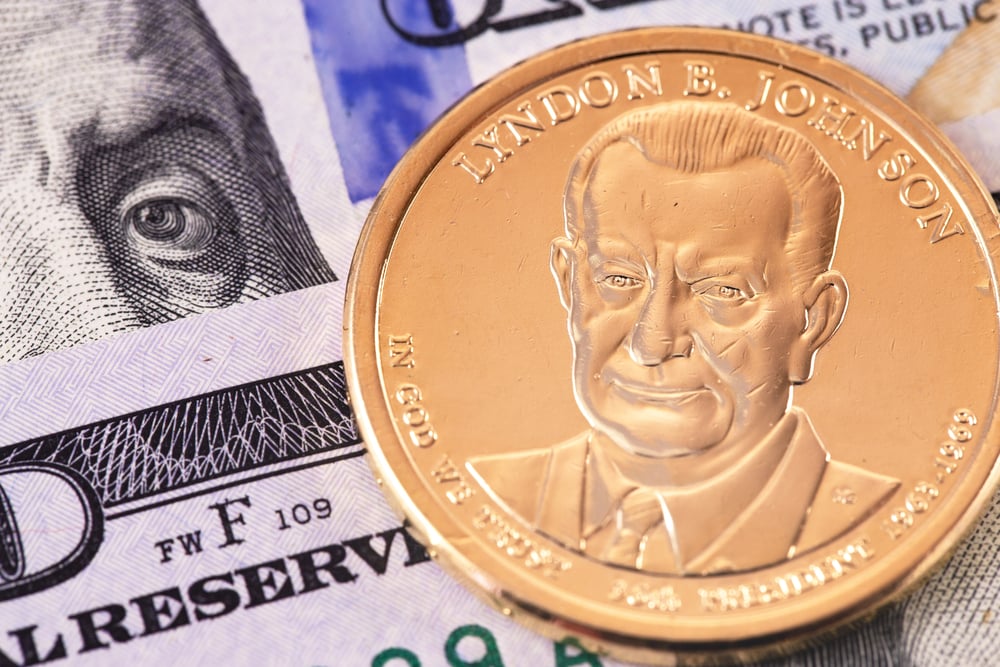
The photograph of Lyndon Johnson being sworn in aboard Air Force One on November 22, 1963 — with Jacqueline Kennedy standing beside him — is one of the most reproduced images in American political history. The full-frame original, taken by Cecil Stoughton, included several other figures whose positions and expressions told a more complicated story about the atmosphere in that cabin.
Various cropped versions circulated over the years, and the choice of which crop to use was, in each case, a decision about what to include in the official emotional narrative of that day.
The Hindenburg Interior Photographs
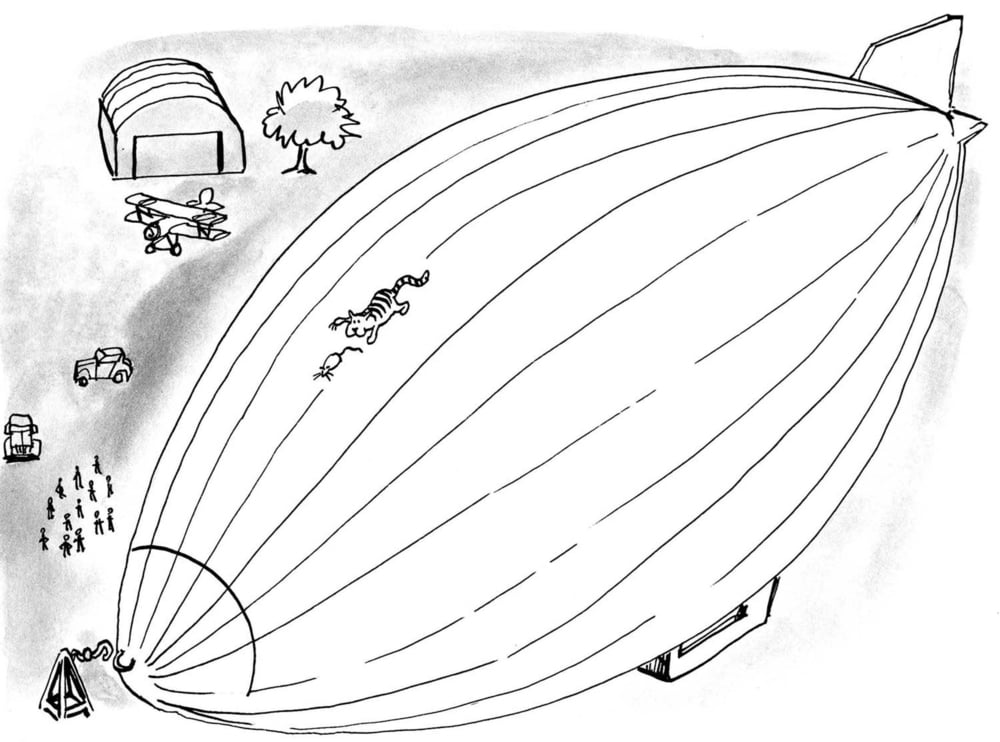
Separate from the crash imagery, photographs taken inside the Hindenburg during its operational flights — documenting the extraordinary luxury of the passenger spaces — were controlled by the Deutsche Zeppelin-Reederei and used selectively for promotional purposes. After the disaster, images that showed the hydrogen infrastructure and design elements that contributed to the fire were pulled from circulation entirely.
The German government’s interest in not having the catastrophe blamed on engineering decisions rather than sabotage created an active incentive to manage the visual record.
What Disappears Gets to Define What Happened
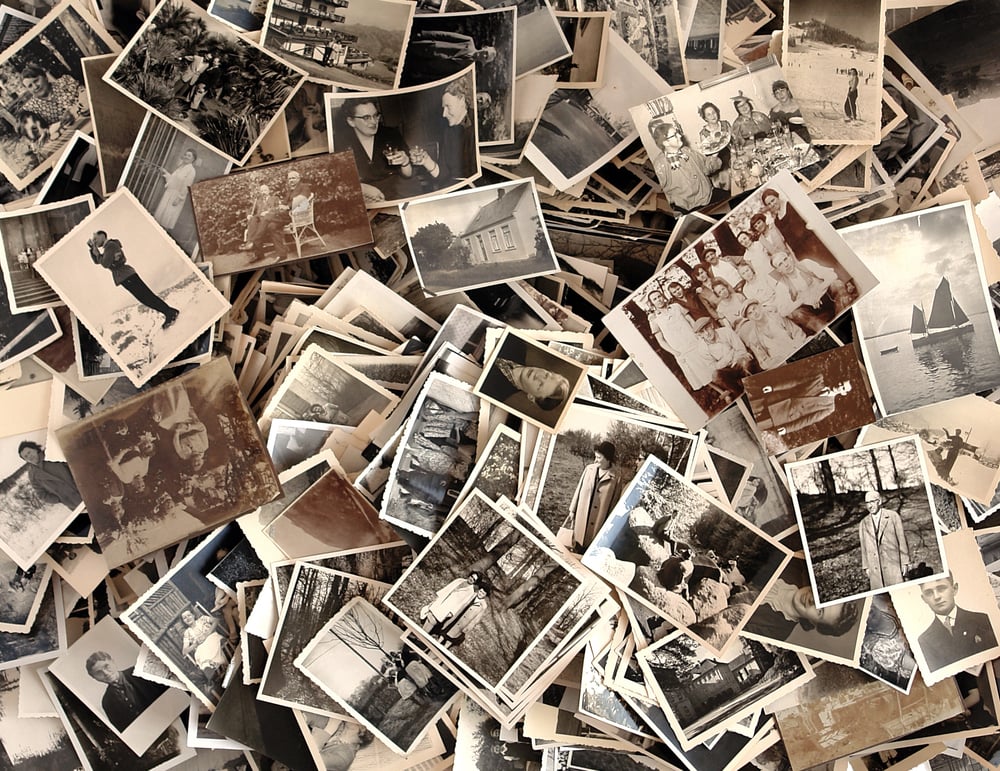
There’s something quietly unsettling about studying photographs that were meant to not exist. The gaps they leave are shaped openings— you can trace the outline of what was removed by the awkward negative space that remains.
A retouched figure leaves a smudged background. A recalled archive leaves a historical period with no visual texture.
A cropped frame leaves a moment that feels oddly weightless, stripped of the people who were actually standing there. Photography was supposed to be the medium that couldn’t lie, the record that couldn’t be argued with.
Turns out, it could — and the people who understood that earliest were rarely the ones with cameras.
More from Go2Tutors!

- The Romanov Crown Jewels and Their Tragic Fate
- 13 Historical Mysteries That Science Still Can’t Solve
- Famous Hoaxes That Fooled the World for Years
- 15 Child Stars with Tragic Adult Lives
- 16 Famous Jewelry Pieces in History
Like Go2Tutors’s content? Follow us on MSN.