Luxury Resorts with Fascinating Traditions
Most luxury hotels offer the same experience. Plush robes, fancy toiletries, a mint on your pillow.
But some resorts go deeper than surface-level pampering. They’ve built traditions over decades or centuries that turn a stay into something you’ll talk about for years.
These aren’t gimmicks dreamed up by marketing teams. They’re rituals that evolved organically, often rooted in local culture or the resort’s unique history.
Some make sense when you learn the story behind them. Others seem wonderfully eccentric until you experience them yourself.
The Bagpiper at The Savoy
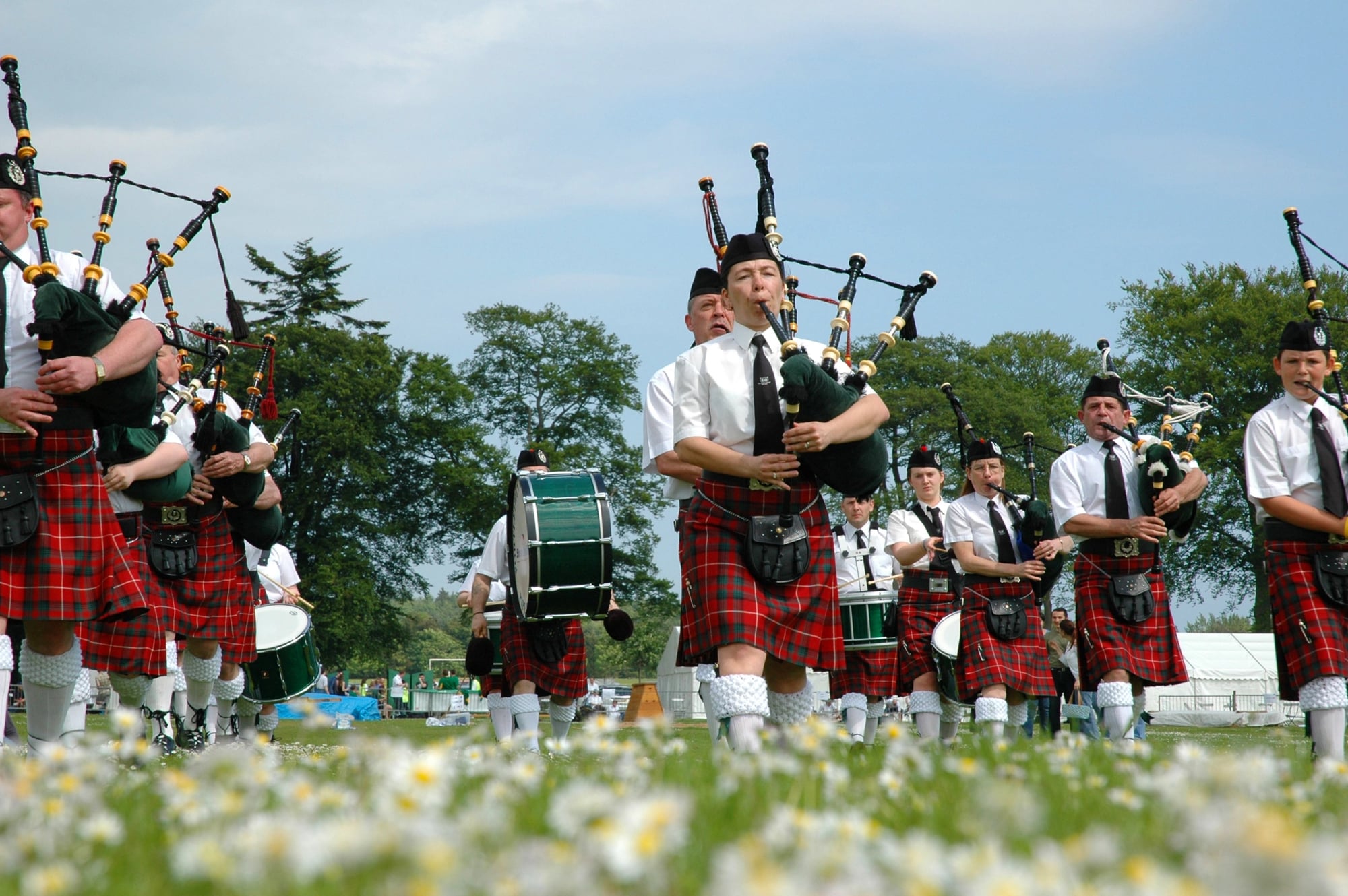
The Savoy in London employs a full-time bagpiper who plays every evening. The tradition started in 1894 when the hotel first opened.
The piper walks through the hotel in full Scottish regalia, performing for guests during cocktail hour. The sound echoes through the marble corridors and into the American Bar.
Guests stop their conversations to listen. Some find it charming.
Others find it bizarre. Nobody forgets it.
The tradition nearly died during World War II when the hotel suspended it. After the war ended, guests complained so loudly that management brought it back.
Now the position passes from one piper to the next, each one learning the same routes through the building that pipers have walked for more than a century.
The Ritz Paris and the Art of Goodbye

When you check out of the Ritz Paris, the entire staff lines up to say goodbye. Not just your floor attendant. Everyone.
The doormen, concierges, housekeepers, restaurant staff. They form two lines in the main corridor leading to the exit.
You walk between them while they thank you for staying. Some bow.
Others shake your hand. The ritual takes five minutes but feels longer because you’re hyperaware that everyone is watching you leave.
Marcel Proust used to live at the Ritz. Coco Chanel kept an apartment there for decades.
When you get this farewell treatment, you understand how they justified never leaving. The gesture makes you feel like you matter in a way that most hotels can’t replicate.
Afternoon Tea Rituals That Border on Religious
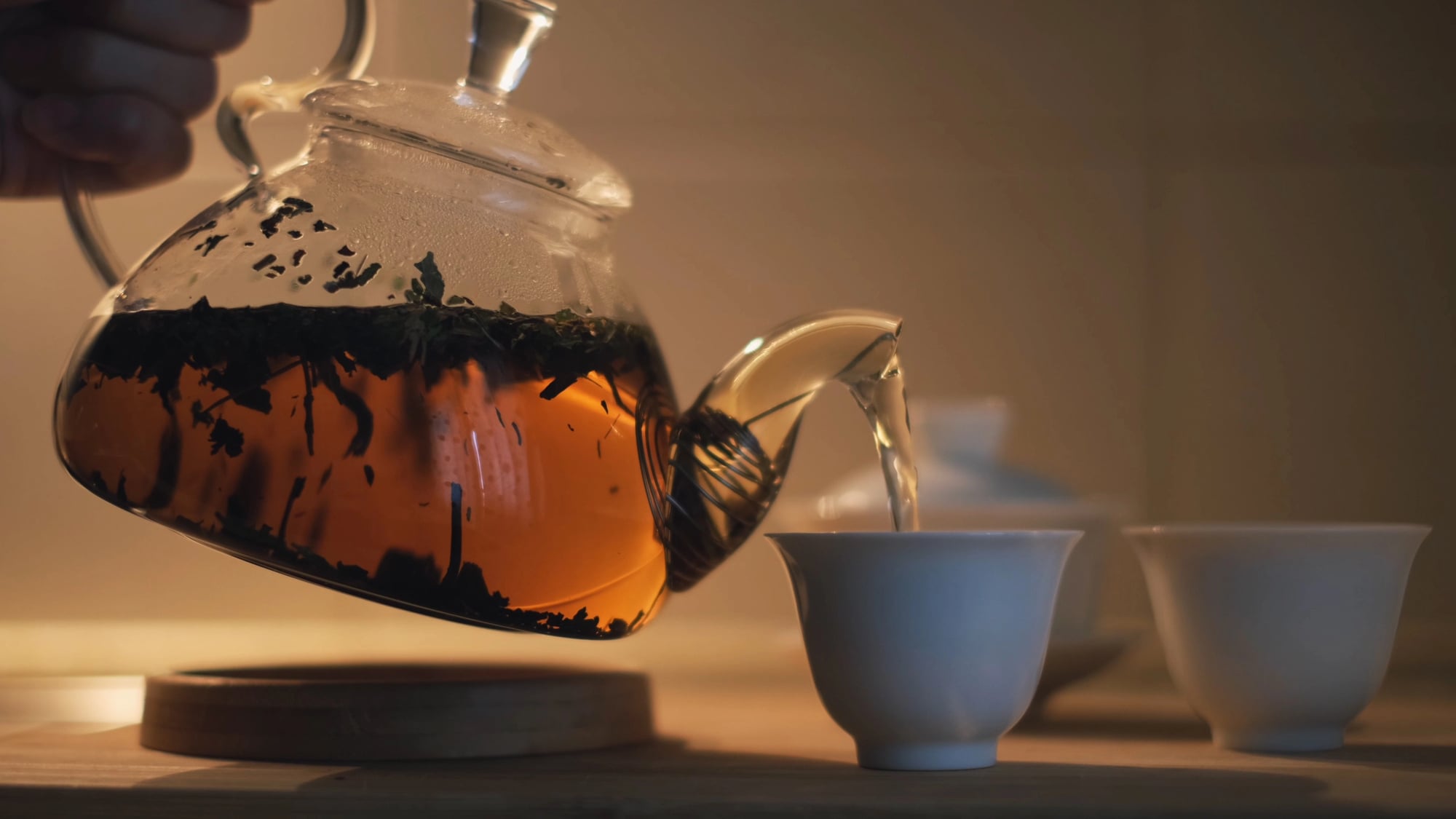
The Peninsula Hotels take afternoon tea seriously. They’ve standardized it across all their properties worldwide.
Every Peninsula serves tea at the same time with the same ceremony. A harpist plays.
The servers wear white gloves. The tea comes on three-tiered stands with specific items placed in precise positions.
The scones are always warm. The clotted cream is always cold.
But here’s the strange part. They train servers for weeks on the exact angle to pour tea.
The exact moment to offer more hot water. The exact phrases to use when describing each pastry.
The consistency across continents is almost unsettling. You could be blindfolded and still know you’re at a Peninsula just from the tea service.
Torch Lighting at The Royal Hawaiian

Every evening at sunset, The Royal Hawaiian in Waikiki holds a torch lighting ceremony. Attendants in traditional Hawaiian dress light tiki torches around the property while a conch shell blows.
The ceremony includes chanting in Hawaiian and stories about the land’s history. The resort sits on what was once royal land, reserved for Hawaiian nobility.
The ceremony honors that heritage rather than turning it into a tourist spectacle. Guests gather on the lawn to watch.
The staff doesn’t perform for applause. They perform because tradition matters.
That authenticity changes the whole feeling. You’re not watching a show.
You’re witnessing something that would happen whether you were there or not.
The Turndown Service at Claridge’s
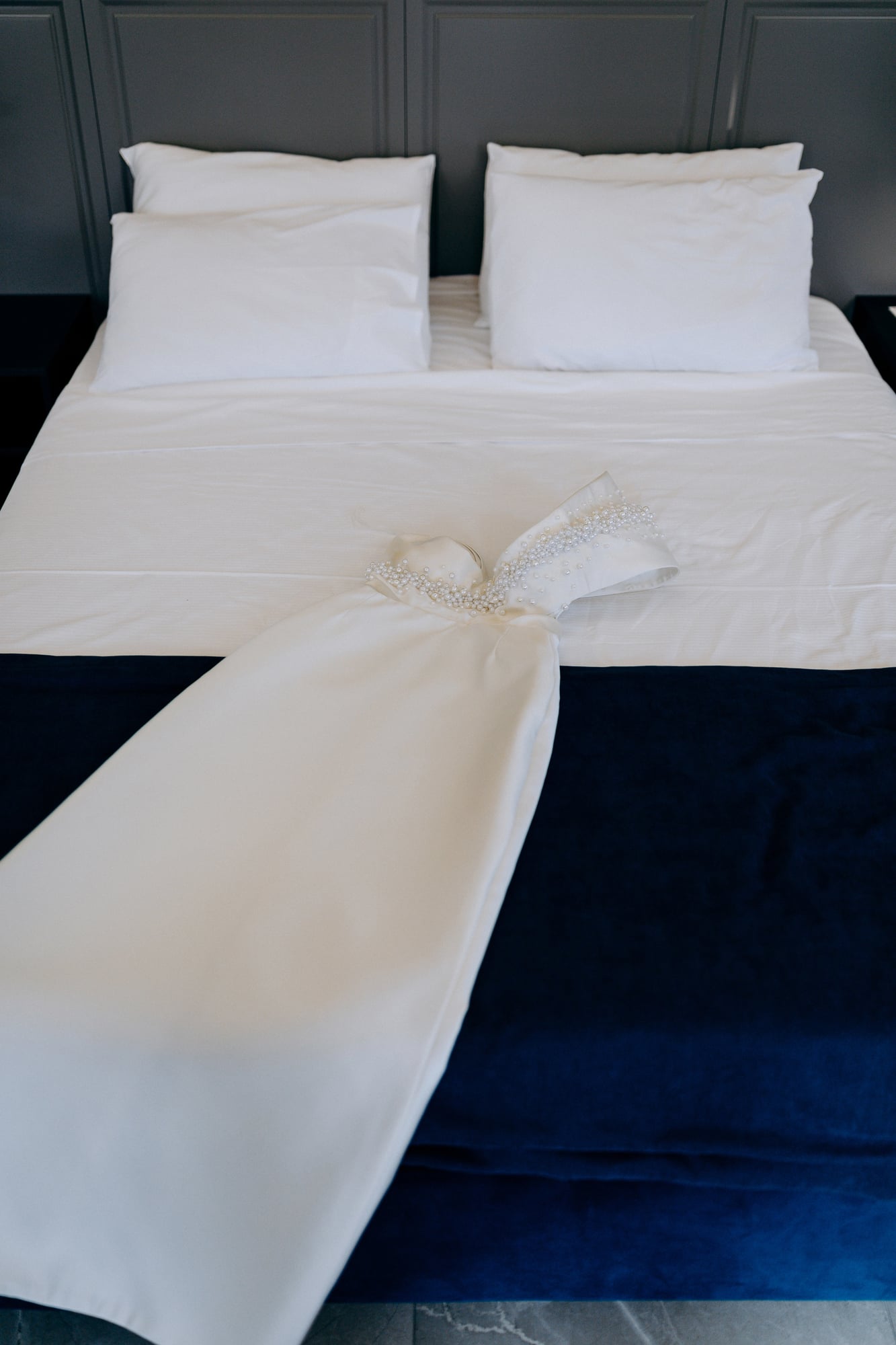
Claridge’s in London has perfected turndown service to an art form that takes longer than you’d think possible.
Your bed doesn’t just get turned down. It gets completely remade with fresh linens.
The pillows are rotated and fluffed according to a specific technique. Your personal items on the nightstand are arranged in order of assumed importance.
Your shoes are placed facing the door so you can slip into them easily in the morning.
The service takes fifteen minutes per room. The hotel employs people whose only job is turndown.
They come through every evening between six and eight. If you’re in your room, they politely ask to come back later.
The whole operation is timed so precisely that rooms are never serviced in the same order two nights in a row. That prevents guests from gaming the system to avoid the service.
Sake Ceremony at Aman Tokyo

Aman Tokyo offers a private sake ceremony that treats the drink like fine wine. A sake sommelier presents each selection with information about the brewery, the rice variety, the fermentation method.
The ceremony happens in a private room overlooking the city. You sit on the floor at a low table.
The sommelier pours small amounts into specific glassware chosen to enhance each sake’s characteristics. Between tastings, you eat small bites designed to cleanse your palate.
The whole experience lasts two hours. Most guests arrive thinking they don’t like sake.
They leave with opinions about regional differences and aging techniques. The sommelier never pushes purchases but somehow guests end up ordering bottles to take home anyway.
Champagne Sabering at The Broadmoor
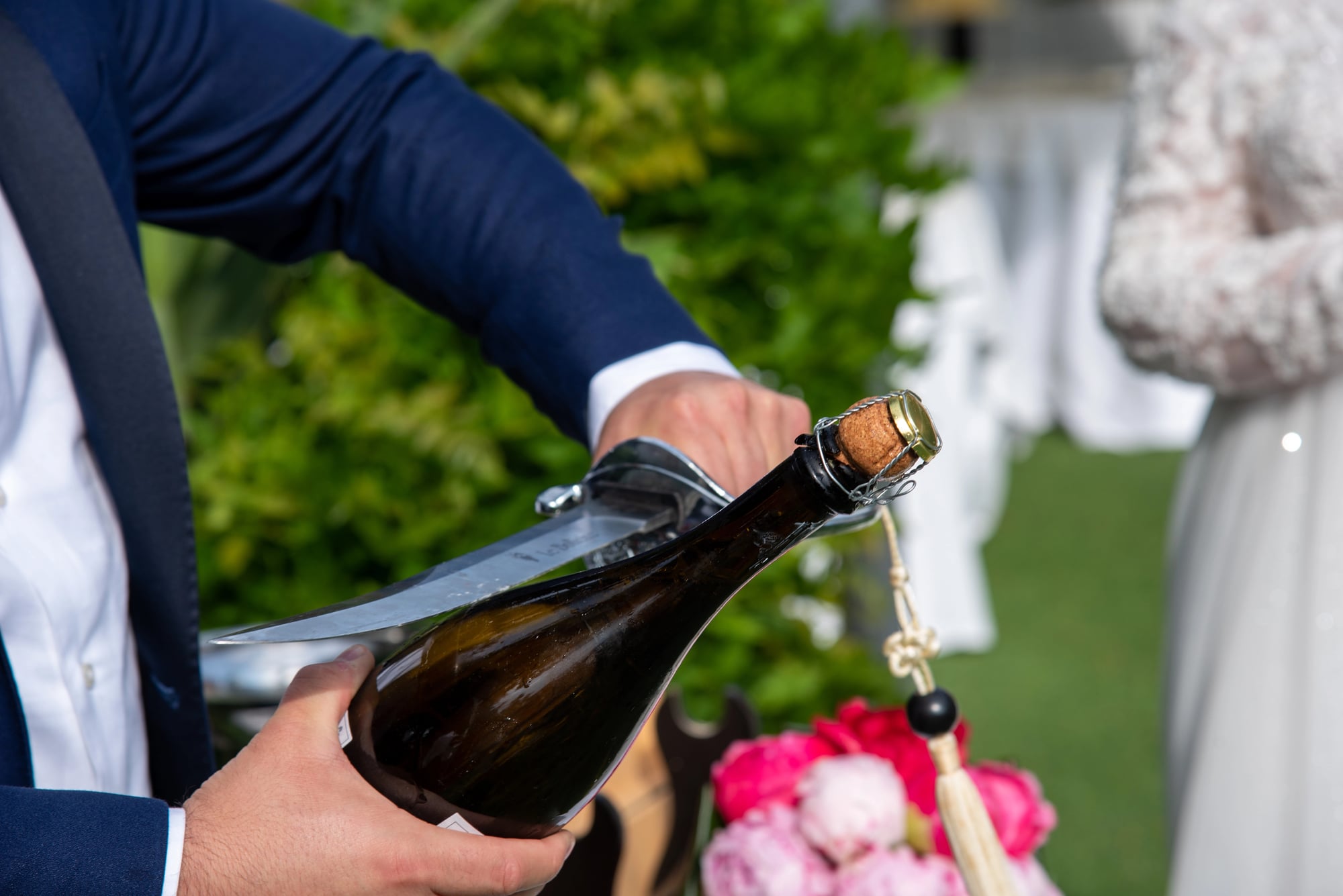
The Broadmoor in Colorado Springs has champagne sabering every evening before dinner. A staff member in formal attire brings a bottle and a saber to the terrace.
The ritual draws a crowd. The server explains the history of sabering, which dates back to Napoleon’s cavalry.
Then they run the saber along the bottle’s seam, popping off the top in one clean motion. The glass cork flies into the distance.
The crowd applauds. The server pours glasses for anyone who watches and shares stories about the resort’s history.
Spencer Penrose, who built the property, was known for extravagant parties. The sabering feels like an echo of that era.
The ritual happens rain or shine, which means sometimes people crowd under awnings in winter to watch someone open a bottle with a sword.
The Kimono Experience at Hoshinoya Kyoto

Hoshinoya Kyoto doesn’t just provide kimonos in your room. They provide a full dressing service with a specialist who helps you put it on correctly.
A kimono has multiple layers and ties that need to be arranged in specific ways. The specialist explains the significance of each element as they dress you.
The obi alone takes ten minutes to tie properly. Once dressed, you’re encouraged to wear it around the property or even into the surrounding neighborhood.
The resort sits in Arashiyama, a historic district where seeing people in traditional dress is common. Walking around in a kimono stops being a costume and becomes a way of experiencing the area differently.
You move more slowly. You become more aware of your posture.
The clothing changes how you interact with the space.
Sunset Meditation at Kamalaya

Kamalaya in Thailand holds a guided sunset meditation on the beach every evening. A resident monk or meditation teacher leads it.
The session lasts thirty minutes. You sit on cushions facing the water.
The teacher speaks very little. Mostly you sit in silence while the sun sets and the light changes.
Boats pass in the distance. The water laps at the shore.
The resort attracts people seeking wellness, so you’d expect the meditation to be packed. But often only five or six people show up.
That small group makes it feel intimate rather than performative. There’s no pressure to achieve anything.
You just sit and watch the day end.
The Nightly Storytelling at Singita

Singita’s lodges in Africa have nightly storytelling sessions around the fire. Rangers and trackers share stories from their experiences in the bush.
These aren’t scripted tales. They’re real accounts of tracking leopards, finding elephant herds, encountering lions at close range.
The stories get better as the week goes on because the staff figures out what interests each group. Sometimes guests share stories too.
A strange dynamic develops where city dwellers and bush experts trade perspectives around the fire. The rangers ask about life in London or New York with genuine curiosity.
The guests ask about tracking techniques and animal behavior. The conversations stretch late into the night because nobody wants to be the first to leave.
Bell Ringing at The Dorchester

The Dorchester in London rings a bell to announce afternoon tea service. Not a small desk bell. A large ceremonial bell that echoes through the lobby.
The tradition started in 1931 when the hotel opened. The bell was meant to summon guests to the Promenade for tea.
Most hotels would have abandoned this by now. The Dorchester keeps it going.
When the bell rings at three o’clock, conversations pause. Guests in the lobby look up.
The sound is so distinctive that regular visitors know exactly what time it is without checking their phones. The bell itself is polished brass and sits on a pedestal near the entrance to The Promenade.
Children who hear it always ask their parents what it means.
The Blanket Ceremony at Twin Farms

Twin Farms in Vermont gives each guest a handmade blanket at arrival. The blankets are woven locally and come in different patterns.
The staff explains that the blanket is yours to use during your stay, then to take home as a gift. Each one costs hundreds of dollars to produce.
The resort absorbs that cost without comment. The gesture sets a tone.
You’re not just staying at a hotel. You’re being welcomed into someone’s home.
Guests use the blankets for picnics on the property, for sitting by the fire, for extra warmth at night. When you pack to leave, the blanket goes in your suitcase as a physical reminder of the experience.
Small Gestures That Outlast Grand Architecture

What stands out at high-end resorts isn’t meant to wow you. It’s found in small details that seem made just for you, despite being part of a routine repeated many times before.
A tune drifts down the hall, carried by footsteps on stone. One note at a time, it pulls you into another world.
In Bangkok, quiet hands fasten cotton thread just above your palm. The gesture takes seconds yet stays longer than expected.
Elsewhere, brass sings out when afternoon light slants low. Moments like these stick without explanation.
Luxury shows up differently here – shaped by choice, not cost. What matters most fits in small gestures done with full attention.
It’s those moments no checklist covers. What sticks isn’t taught – it shows up in quiet ways, again and again.
More from Go2Tutors!

- The Romanov Crown Jewels and Their Tragic Fate
- 13 Historical Mysteries That Science Still Can’t Solve
- Famous Hoaxes That Fooled the World for Years
- 15 Child Stars with Tragic Adult Lives
- 16 Famous Jewelry Pieces in History
Like Go2Tutors’s content? Follow us on MSN.



